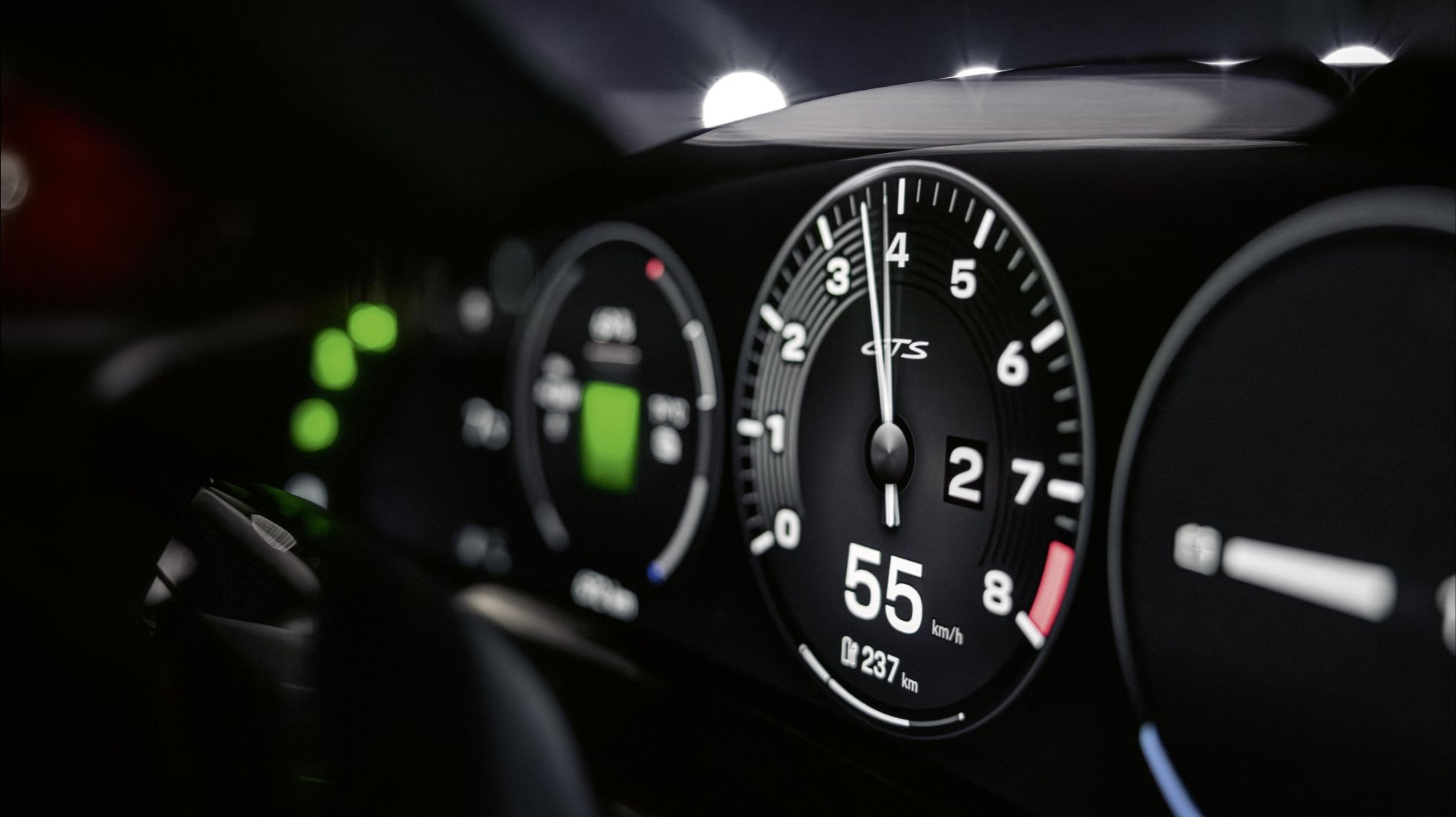
Porsche Taycan update gives it simulated gears, and that’s not a bad thing
EV manufacturers are always trying to make their cars feel closer to ICE-powered models, and Porsche is no exception. The reason largely hinges on the emotional connection between car and driver, and without that mechanical link, EVs are often seen as emotionally bland.
If you’ve ever driven an EV, you’ll know that the silence often makes the driver feel detached from the traditional driving experience. In response, Porsche is addressing a perceptual problem. Yes, EVs are fast, but because they feel overly digital, Porsche came up with a solution for the Taycan to bring the driving interaction closer to its ICE-powered GT counterparts.
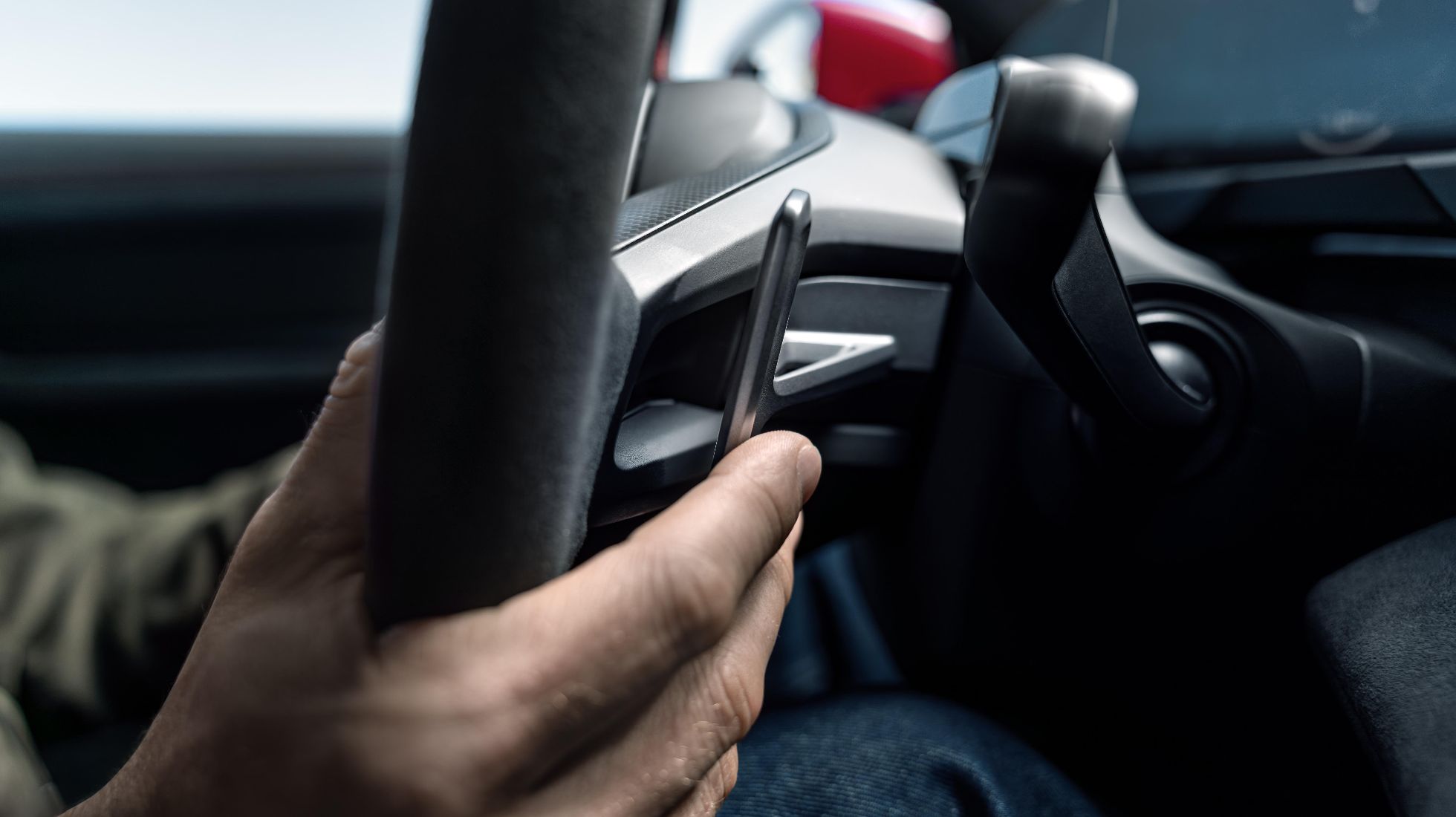
The brand calls it ‘E-Shift,’ which introduces simulated gear changes with noticeable shift jolts, a reworked electric sport sound, and a virtual rev counter. Paddle shifters allow the driver to shift through eight simulated gears. It’s worth noting that the Taycan still doesn’t use a traditional multi-gear transmission, beyond its existing 2-speed setup in certain versions.
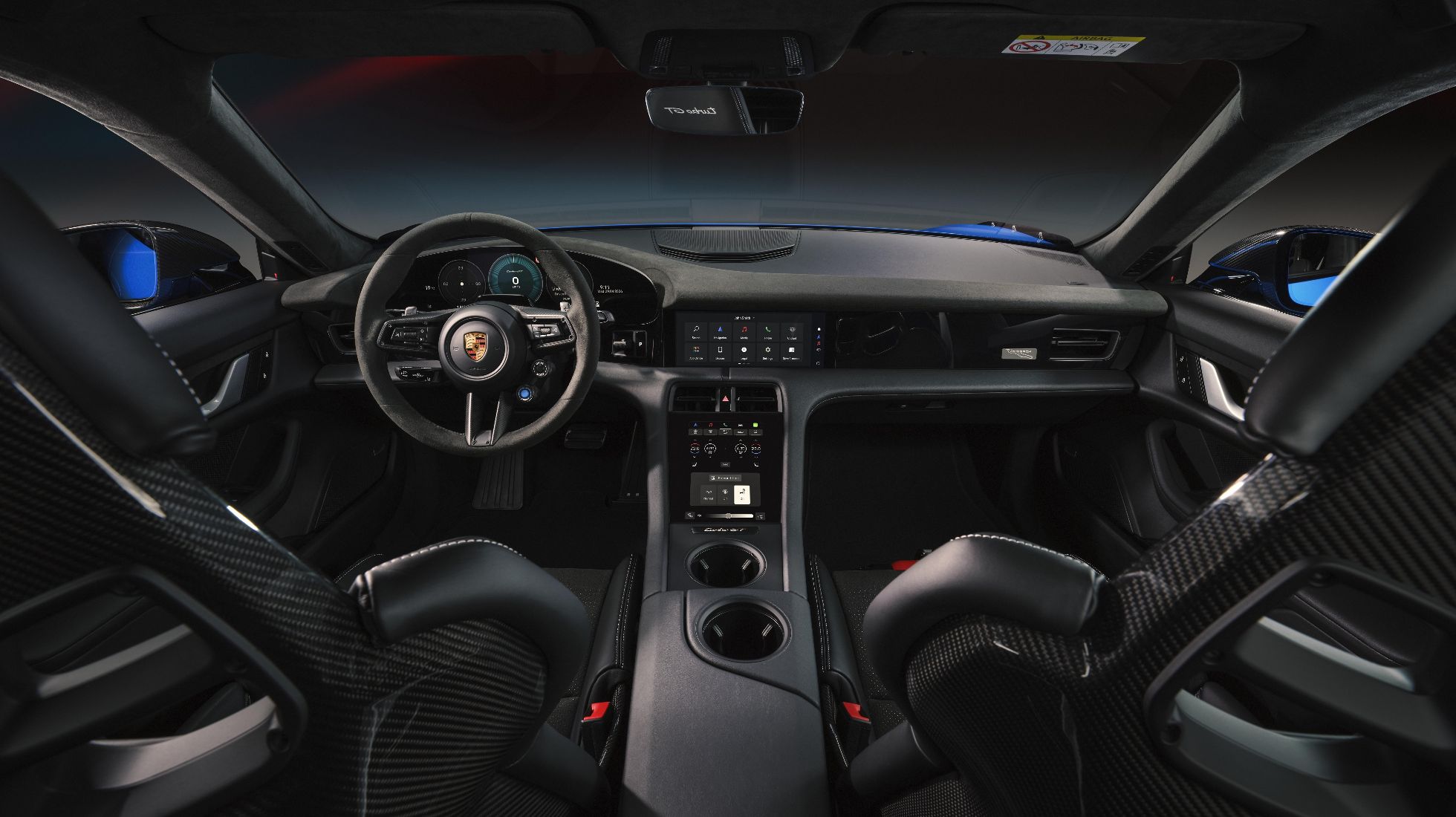
The Taycan also produces an updated electric sports sound that changes depending on the driving mode and simulated gear, making it feel more like a combustion-engine-powered sports car. There’s also a new infotainment system with a faster processor, a new interface, custom widgets, better AI-powered voice control, enhanced navigation, charging planning, and more over-the-air update capability.
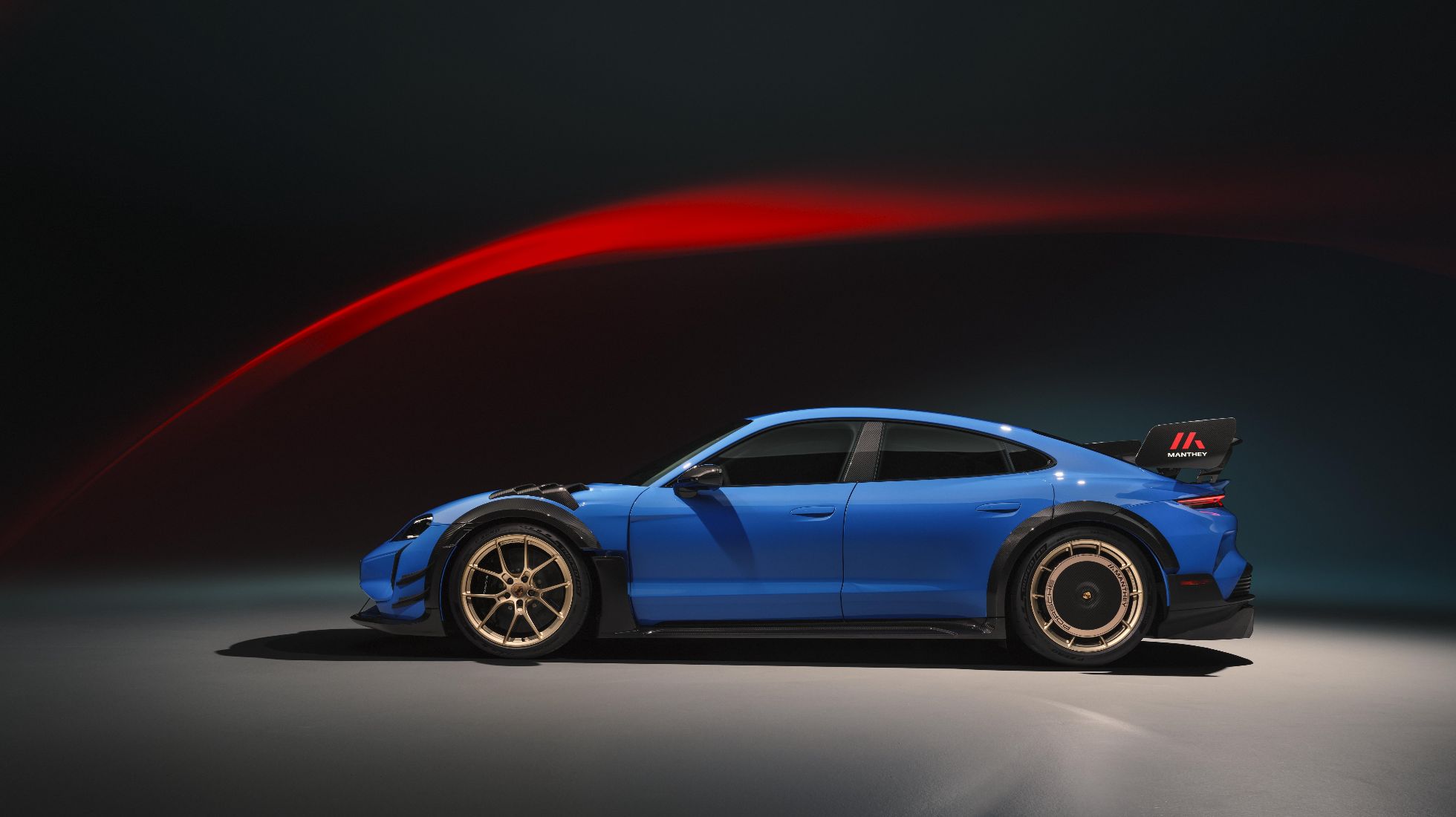
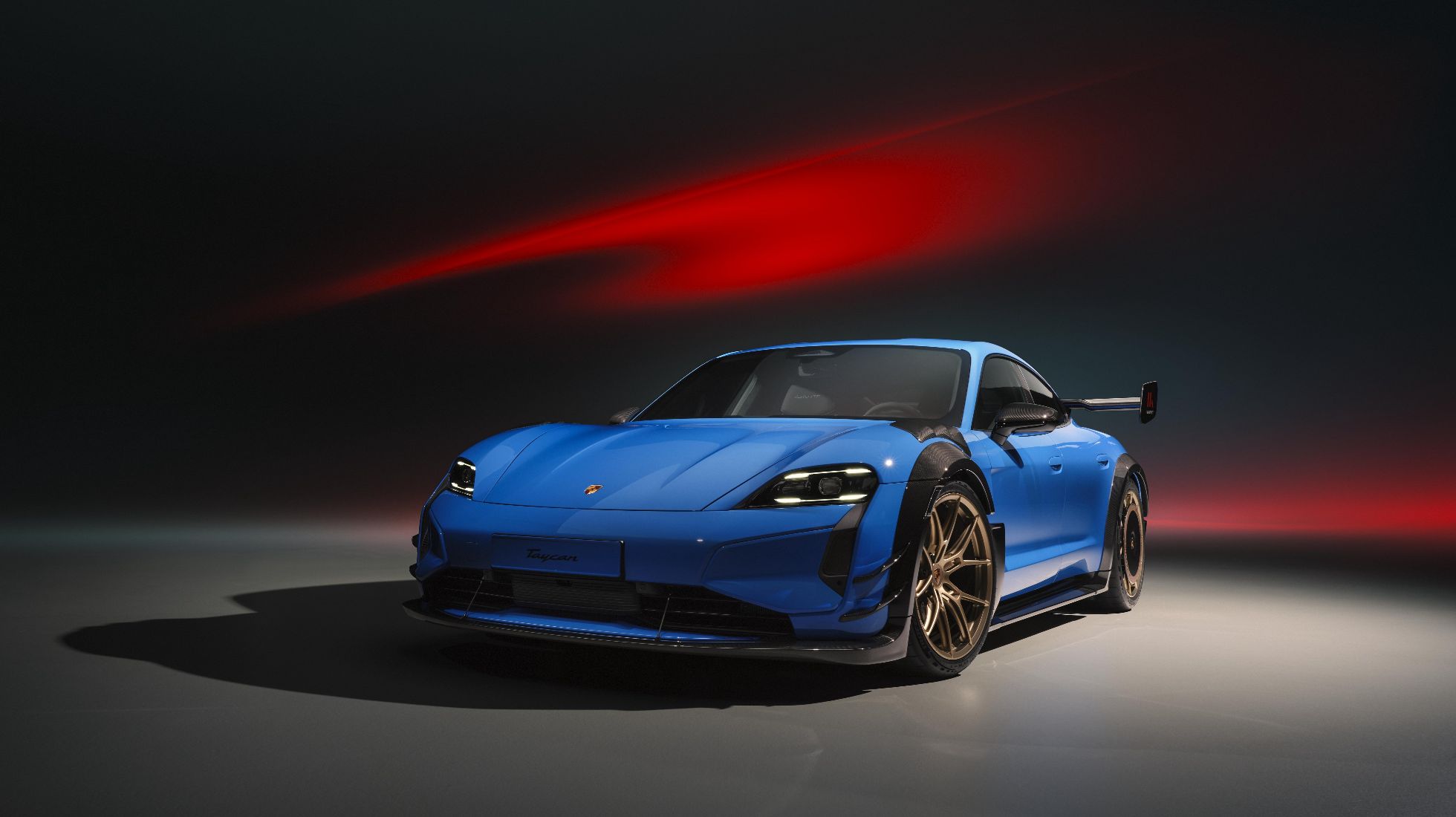
Specifically for the Taycan Turbo GT with the Weissach Package, Porsche is offering the Manthey performance kit, featuring track-focused aerodynamics, chassis, and brake upgrades, available directly from Porsche for the first time. This is the same variant that lapped the legendary Nürburgring Nordschleife in 6:55.533 minutes with Lars Kern at the helm in 2024.
Forget making the Taycan faster, the update isn’t about that. It’s about making the EV feel more familiar to ICE-powered cars. And it’s clear that Porsche is trying to blur the performance line between EV and ICE, and we certainly support the idea. Yes, EV performance alone is no longer enough, and the next aspect to address is emotion, engagement and feel, even if some of it has to be engineered.