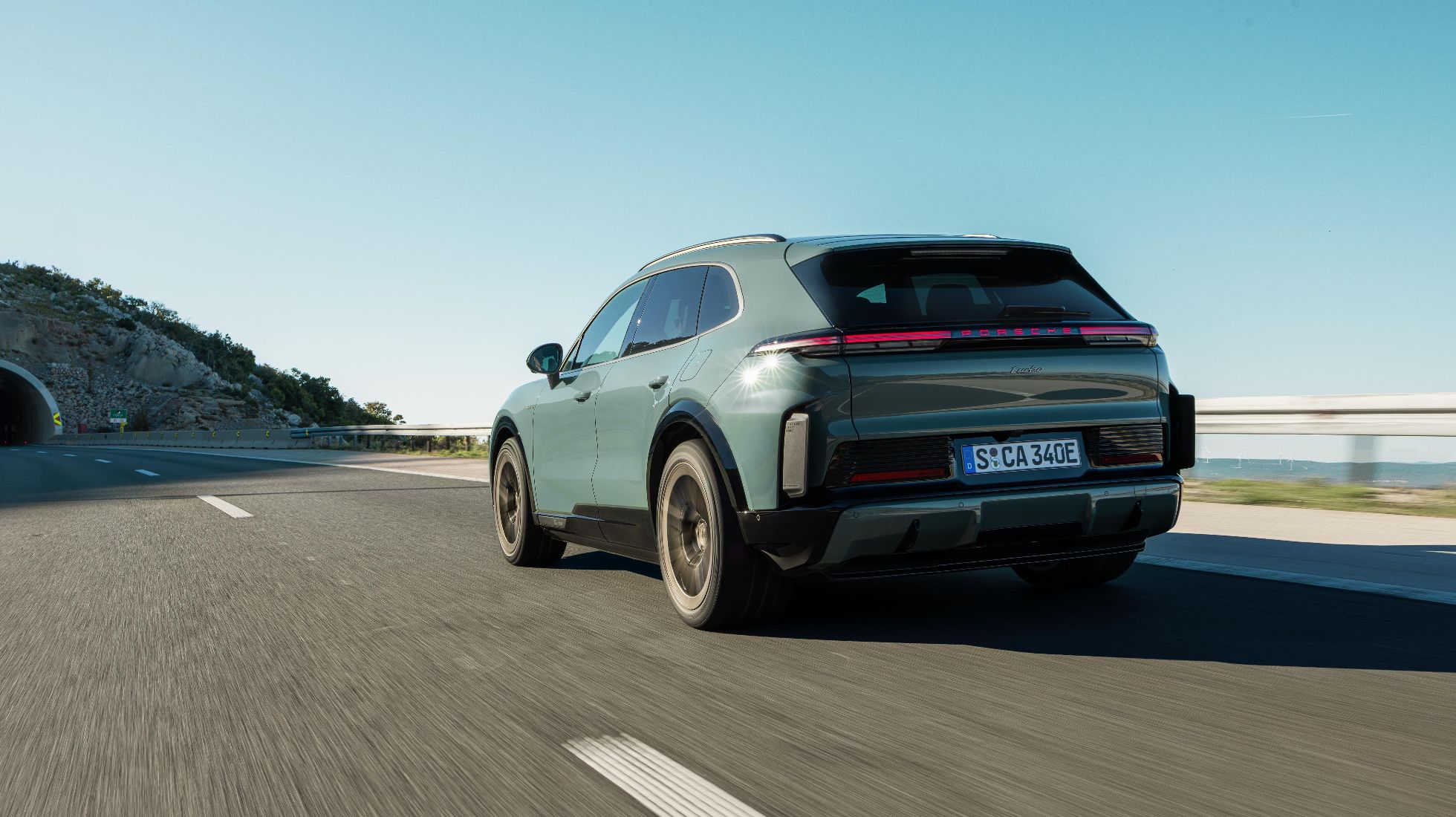
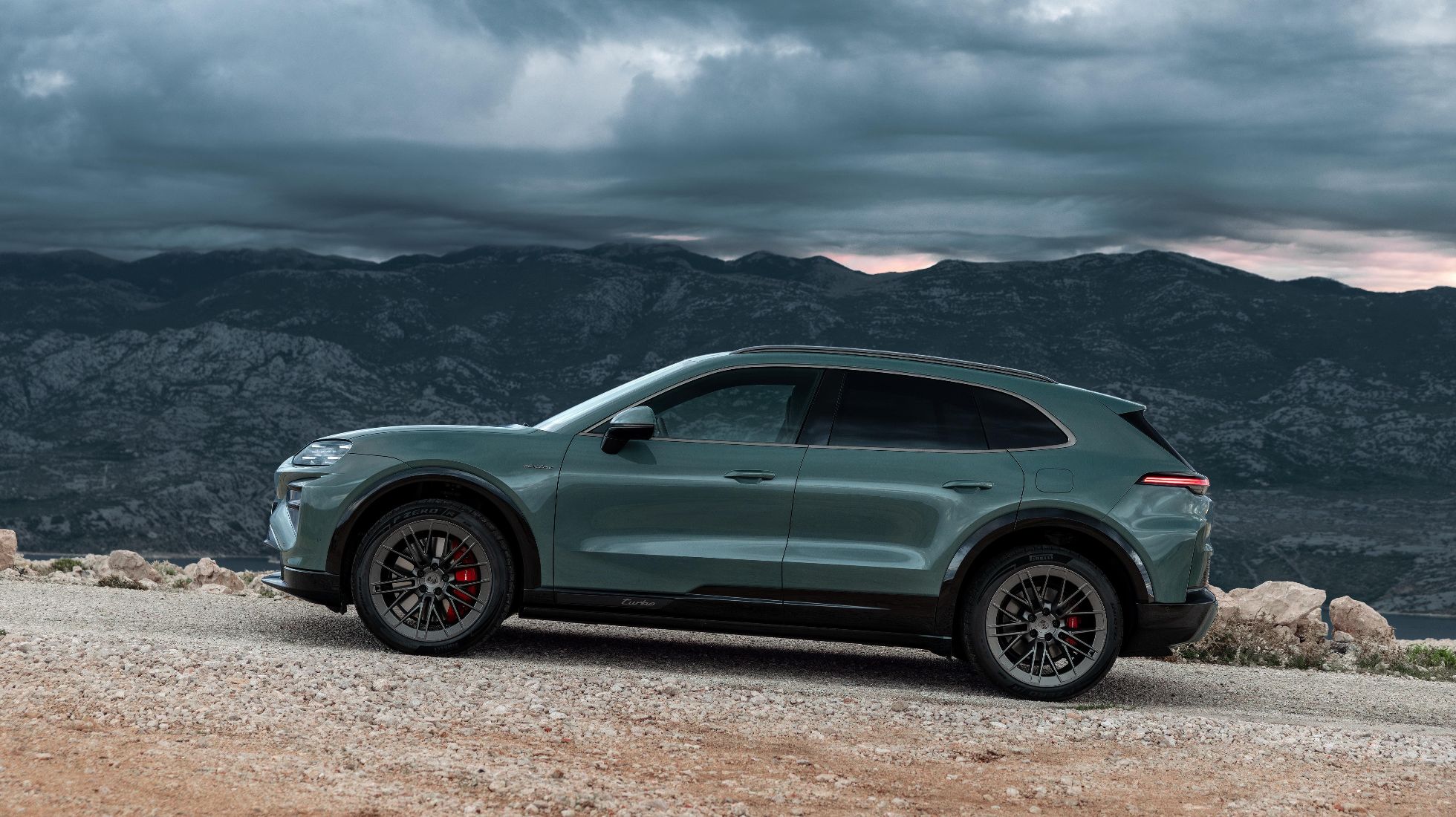
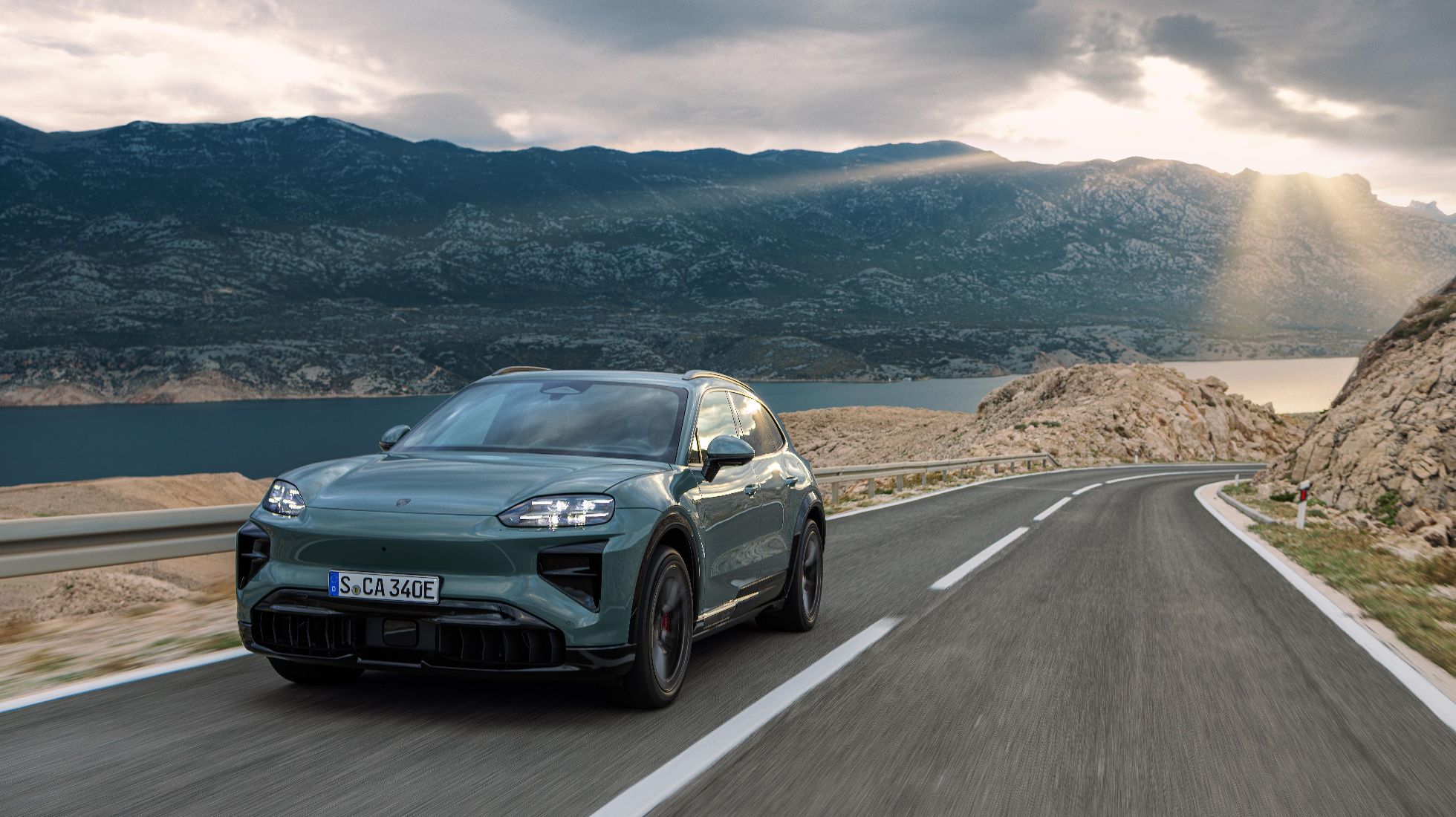
The Porsche Cayenne has gone electric
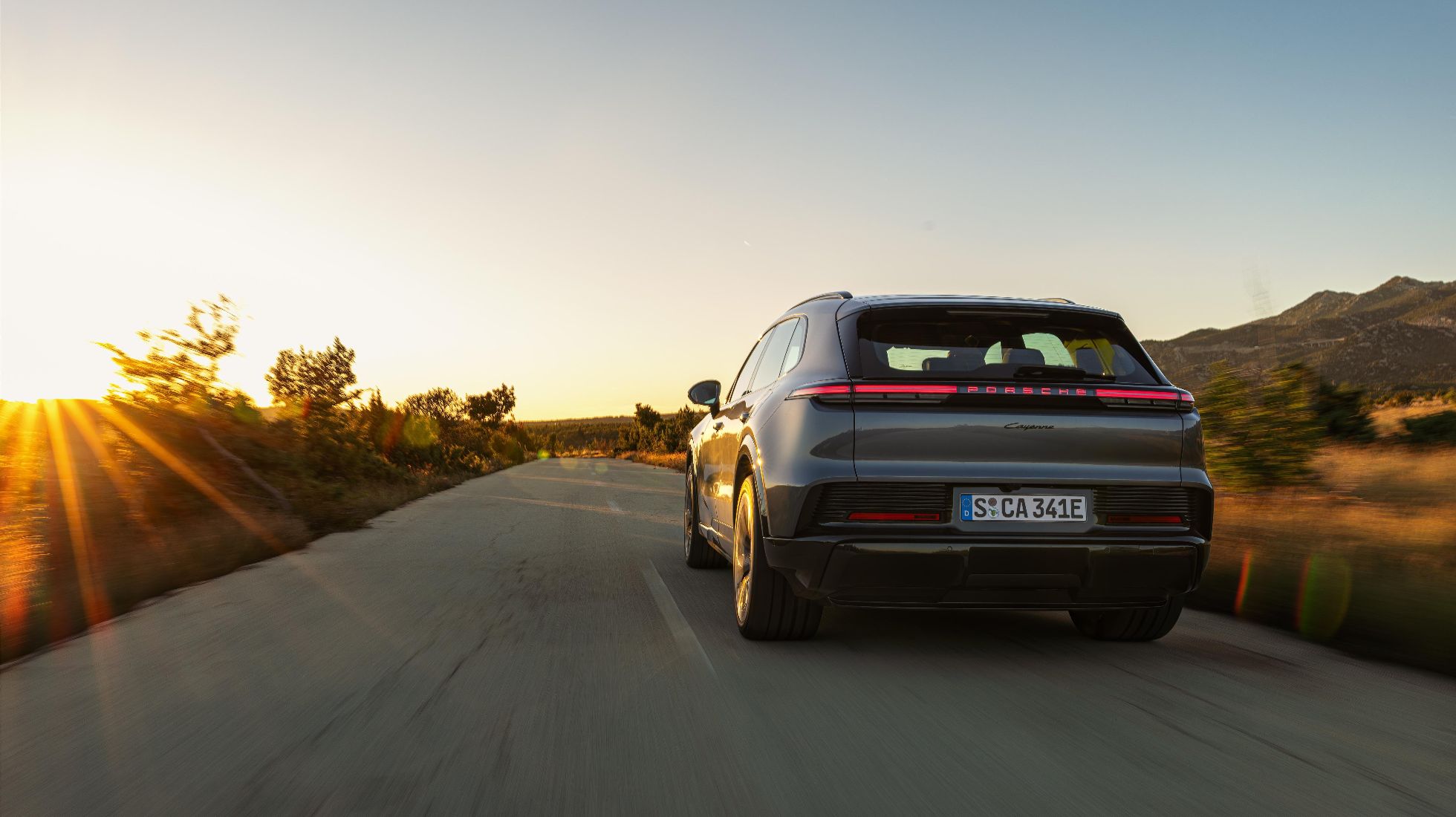
Pinch me for a second, this can’t be real. The Porsche Cayenne has gone the full EV route.
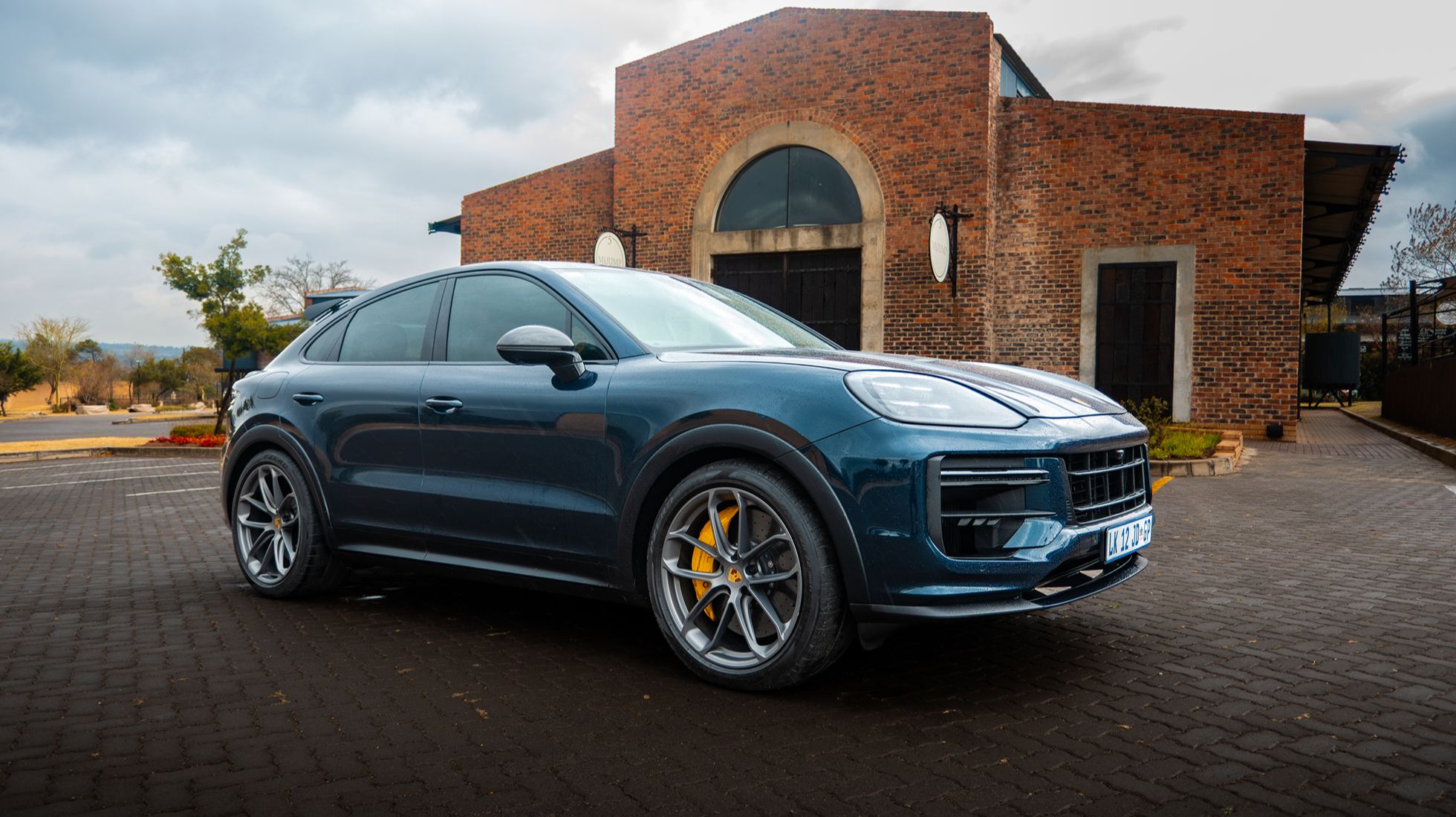
It was only a matter of time, with Porsche aiming for 80% of its new cars to be fully electric by 2030. That seems fair enough. What I really like, though, is that they’re keeping the ICE versions around too. Smart move, if I’m honest. It marks a new era for the iconic nameplate, which came to production in 2002 to become one of the most successful nameplates to ever emerge from Stuttgart.
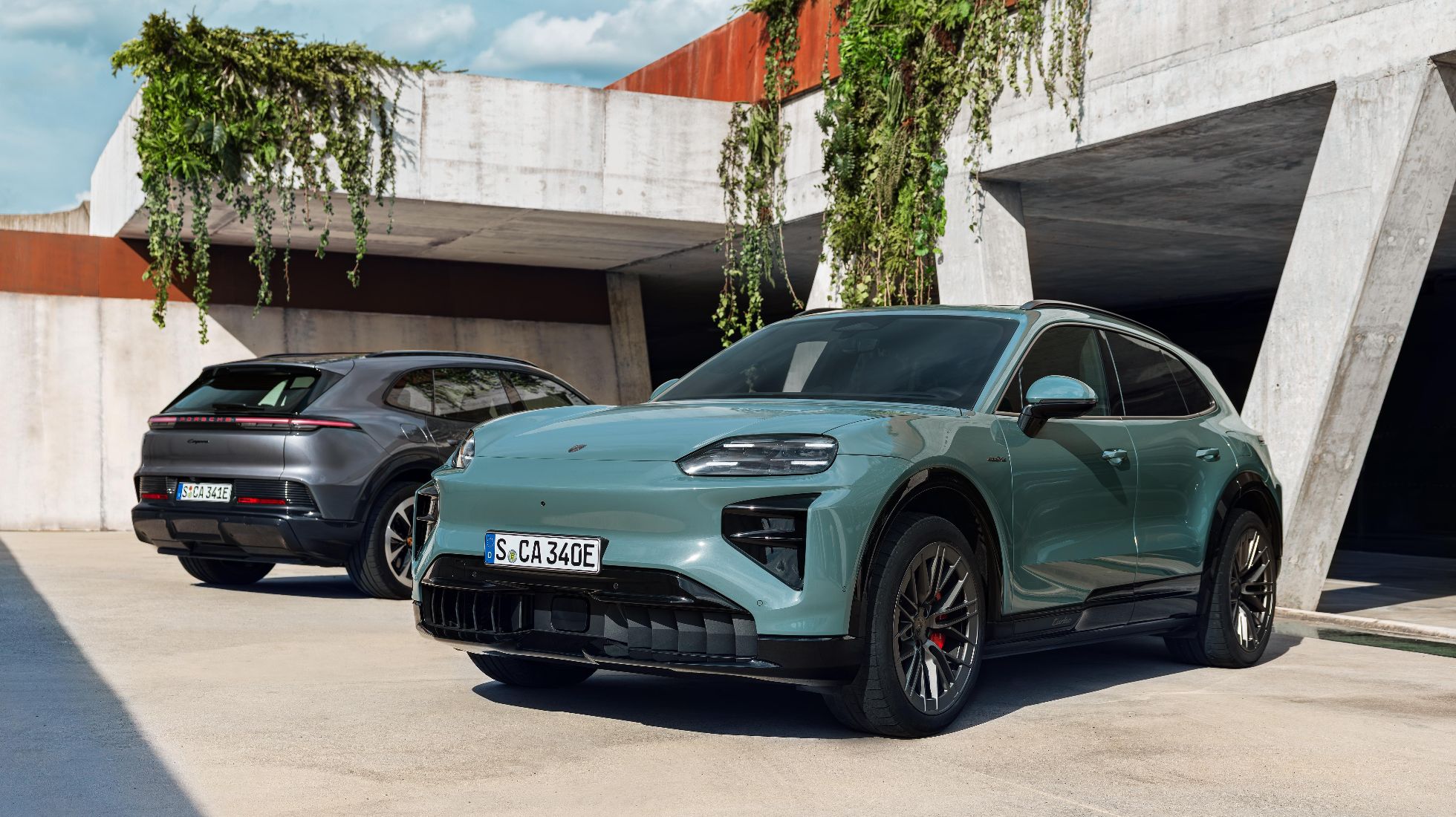
It’s available in two variants: Cayenne Electric and Cayenne Turbo Electric. Despite being listed as a base model, it produces 300kW under normal driving conditions or 325kW with launch control. The latter, on the other hand, pumps out 630kW in normal driving scenarios and 850kW and 1,500Nm when launch control is activated. As for performance, well, let’s just say it’s a missile. Even quicker to 100km/h than the Turbo GT, with a claimed time of 3.3 seconds. Porsche only quotes the time for the Cayenne Turbo Electric, which does the same sprint in 2.5 seconds, and if you like, 0-200km/h in 7.4 seconds… silently.
Powering the electric motors is a 113kWh high-voltage battery pack good enough for an electric driving range of up to 642km for the Cayenne Electric and up to 623km for the Turbo. Thanks to 800-volt tech, the battery can be recharged at a DC charger with a capacity of up to 390kW, and under specific conditions, even up to 400kW. Porsche claims the battery pack can be recharged from 10 to 80% in less than 16 minutes.
In terms of size, the Cayenne Electric stretches 55mm longer than the ICE-powered GTS. It’s actually a touch narrower at 1,980mm versus the GTS’s 1,983mm, and it sits slightly taller at 1,674mm compared to 1,654mm. But the real change happened with the wheelbase, which is now 3,023mm, a full 13 centimetres longer, which instantly results in more rear legroom. The boot measures in at 781 litres with the seats up and 1,588 litres with them folded flat, plus there’s a handy 90-litre frunk.
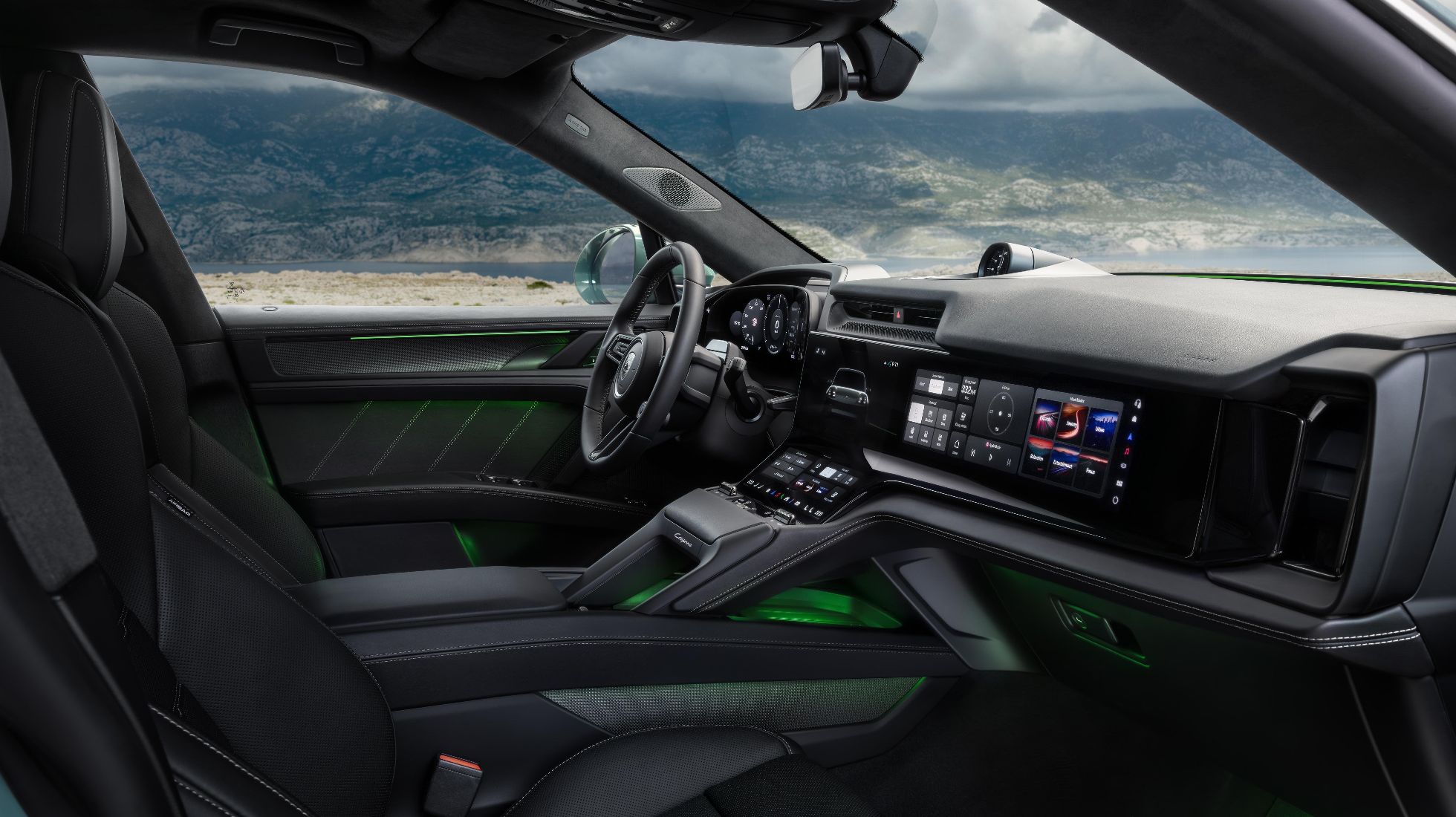
Inside, it’s still unmistakably Porsche, but digitalisation has stepped up in a big way. The star is what Porsche calls the Flow Display, a curved OLED panel that merges into the centre console while keeping the display and control zones neatly separated. It’s accompanied by a fully digital 14.25-inch instrument cluster and an optional 14.9-inch passenger display, the largest screen Porsche has ever fitted to any model. For the first time in a Cayenne, you also get a head-up display with augmented reality tech. And thankfully, Porsche hasn’t gone full-digital; the cabin still features physical buttons for high-use functions like climate control and volume, which is a genuinely welcome move.
With the introduction of the Cayenne Electric, this feels more like a complete rethink of Porsche’s most important model. It’s bigger in the right places, shockingly quick for its size, and loaded with tech that finally pulls the Cayenne into a new era without losing that familiar Porsche feel. The range is strong, the charging speeds are genuinely impressive, and the cabin strikes a good balance between modern screens and proper physical controls. And with Porsche selling it alongside the petrol models, it’s clear that it’s not replacing one of its most successful models but simply adding a bold new chapter to the Cayenne story. And now, there’s a Cayenne for everyone.