Home  Topgear Garage Ford Ranger 2.0SiT DC XLT 4×4 auto

MILEAGE AT START: 2218km
MILEAGE NOW: 4478km
PRICE: R730 500
SPECIFICATION
| Engine | Power & Torque | Transmission | 0 – 100km/h | Top Speed | Fuel Consumption | C02 |
| 2.0-litre 4-cyl, turbo-diesel | 125kW & 405Nm | 6-speed auto DCT | 11.7 secs | N/A | 7.8l/100km (tested) | 203g/km |
FOR: Practical, capable and tough
AGAINST: A touch rough around the edge
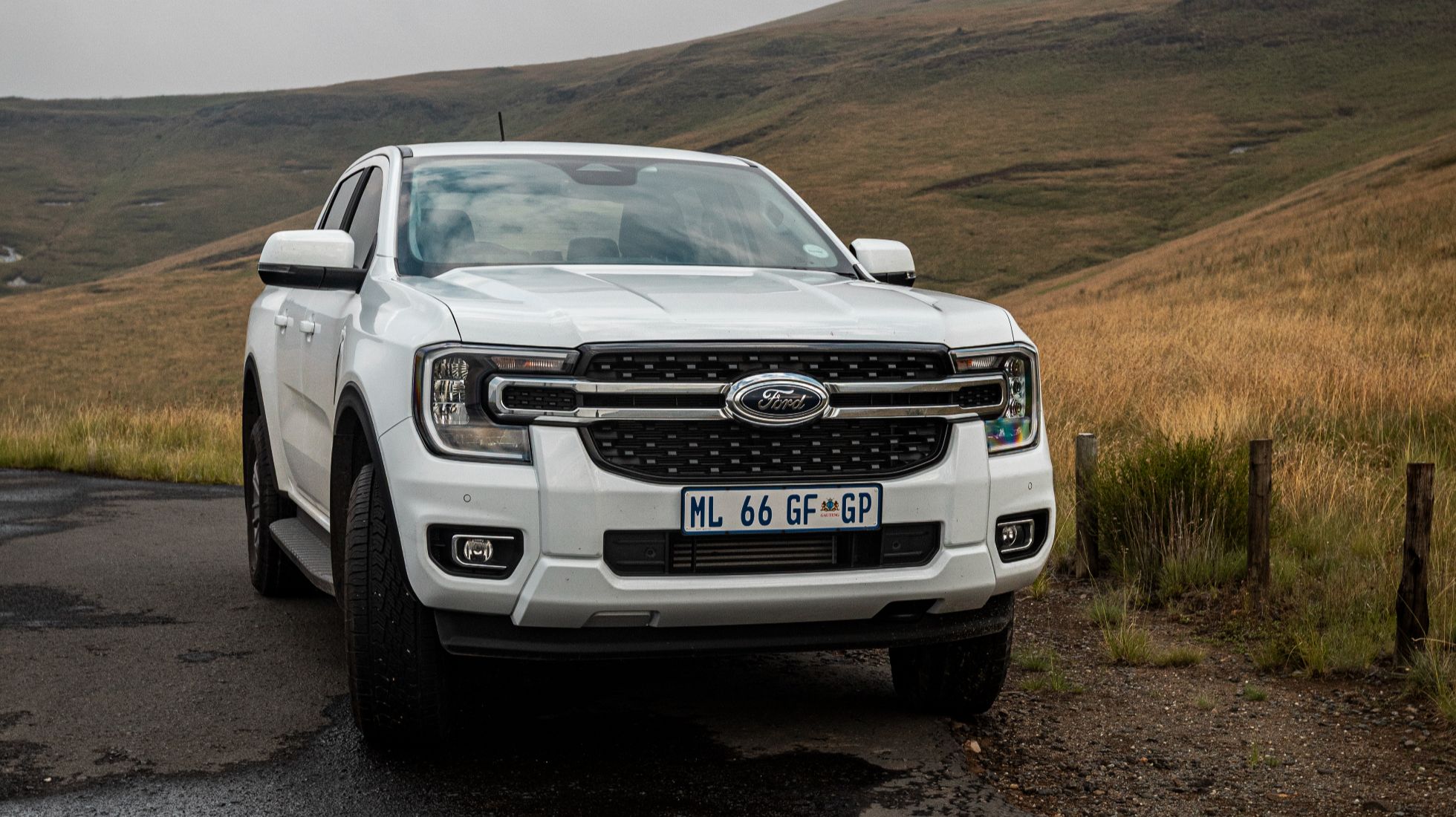
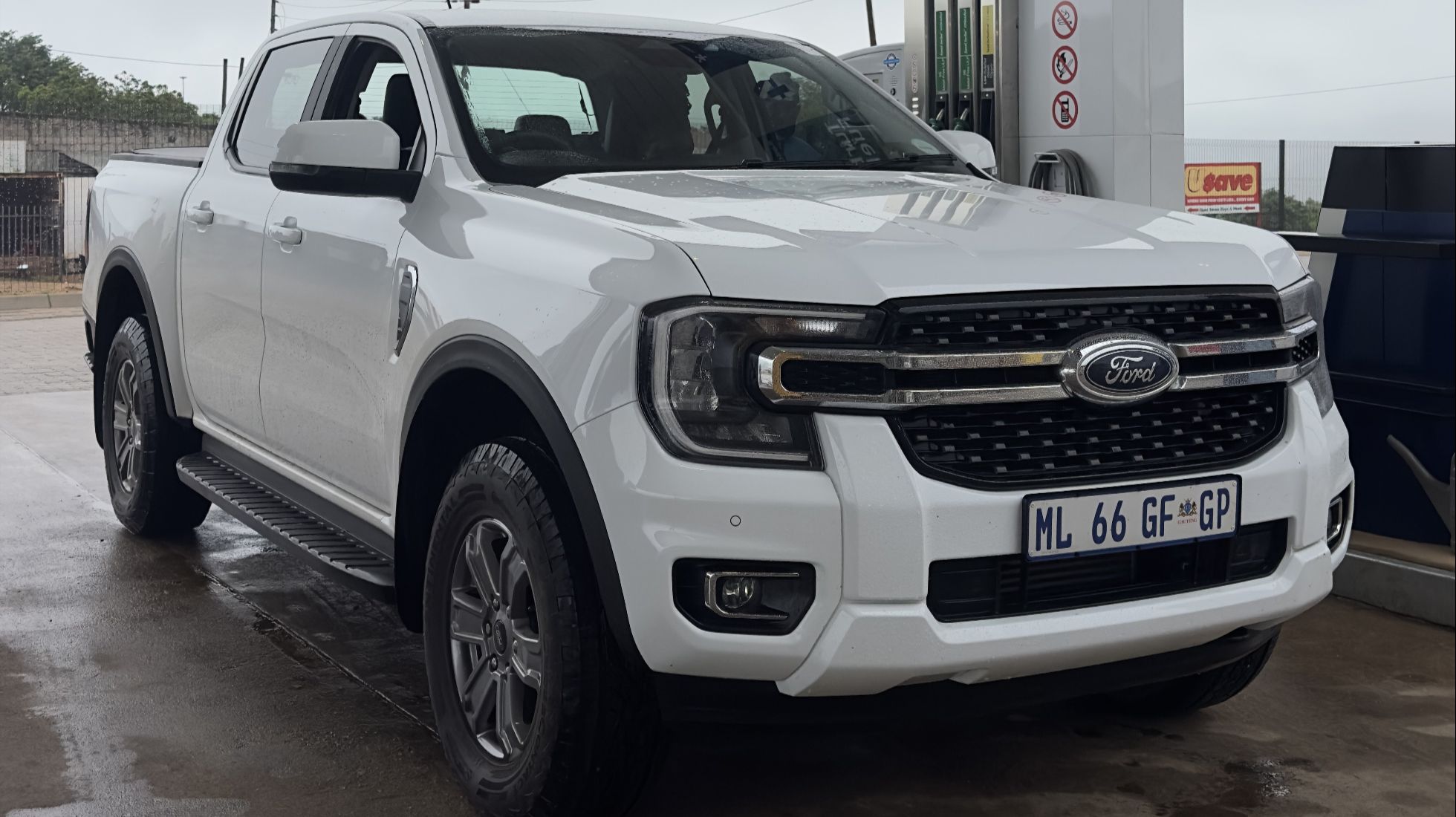
As the end of summer approaches, a new bakkie joins the TopGear garage. And this time, we’re getting our hands dirty. Forget the ease of a mid-sized SUV or the snobbish disposition of a luxury cruiser. With the Ford Ranger XLT 4×4 double cab in our driveway, our goal is to unpack the no-frills double cab in the range, and after a few weeks behind the wheel, it has already earned its rightful place in the midst of the TopGear SA production team. As it turns out, a rough-and-ready bakkie is a genuine necessity around the office.
Our story begins on set. Long days of shooting Star in a Reasonably Priced Car typically end with several trips to our container. Moving a set is a seriously hands-on task, and on a typical shoot day, ferrying all the odd bits and bobs from their home to the studio and back is a time-consuming endeavour. Our mid-sized SUVs usually require two or more trips, each tacking on roughly 30 minutes to an already hectic day. The XLT changed all of that, though, getting the job done in a single go and turning aimless packing into a non-issue. Once everything is dropped off, it’s time to set up the track, and there’s real fun to be had winding through the corners with cones rolling around the bed and the rear stepping out on occasion. In a rough-and-tumble bakkie, those little knocks and slides are met with a giggle and the inevitable “oh shucks”.
Once the day is wrapped, the Ford Ranger’s comfortable identity takes over, lapping up the kilometres home with surprising eagerness through town, a decent ride quality, and in the numbers column to conquer the fast lane. That’s 125kW and 405Nm, with a touch of turbo lag courtesy of the single turbo. The only real compromise is the absence of the premium touches found in its R700k-plus siblings, like rubber mats in place of carpeted floors and hard plastic throughout the cabin. But is that truly a compromise for a bakkie built for tough jobs, where throwing gear and tools in without a care is half the point?
Once the shoot wraps, the XLT’s work has only just begun, and it steps up as our camera car. What would make for a decent tracking car on tight mountain roads while shooting the hot hatch you see on the cover? Another hot hatch, perhaps? Not if the XLT has anything to say about it. Three solid walls keep the cameramen safe within the bed, while better anchor points and wider shooting angles do the rest.
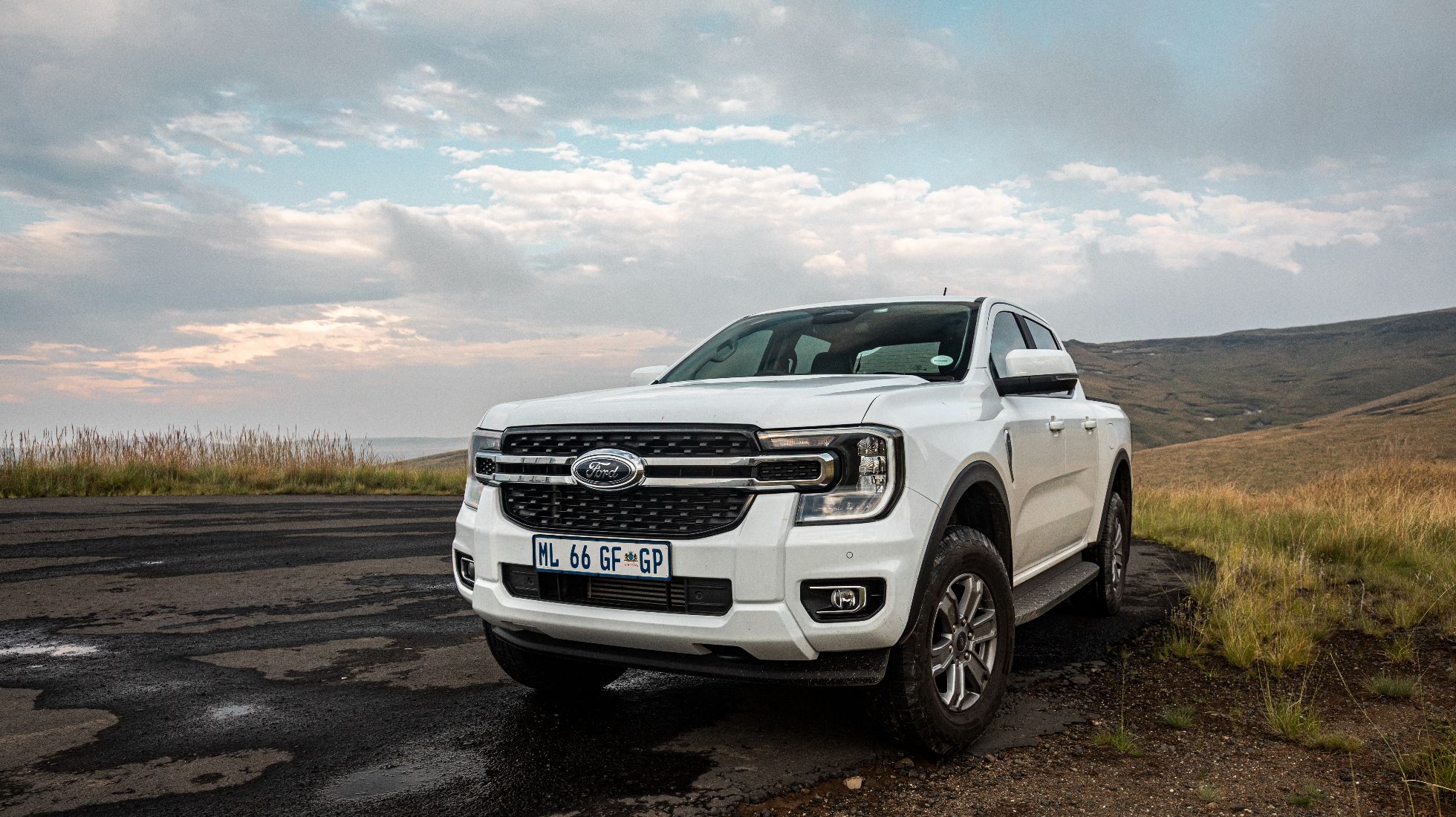
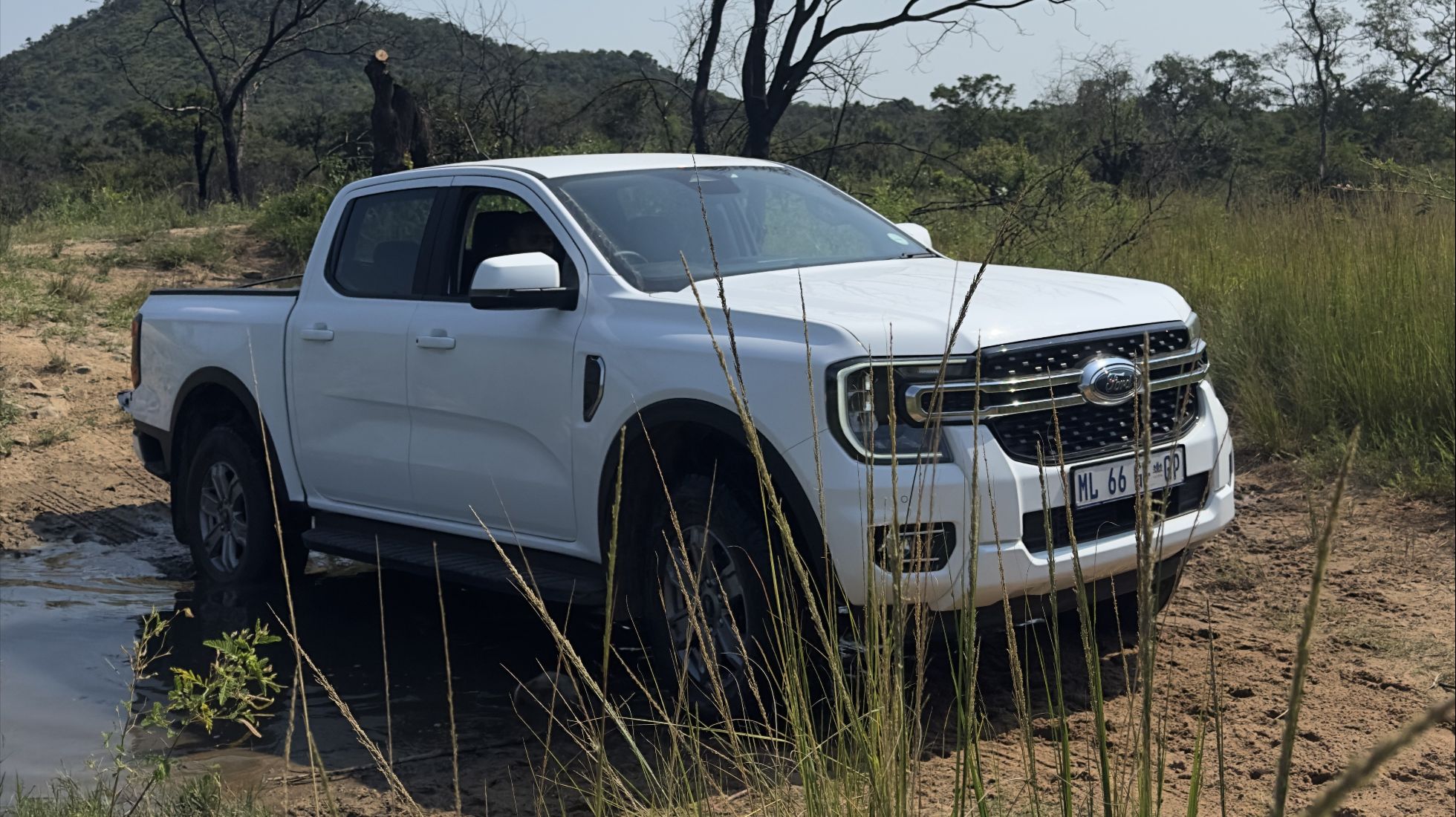
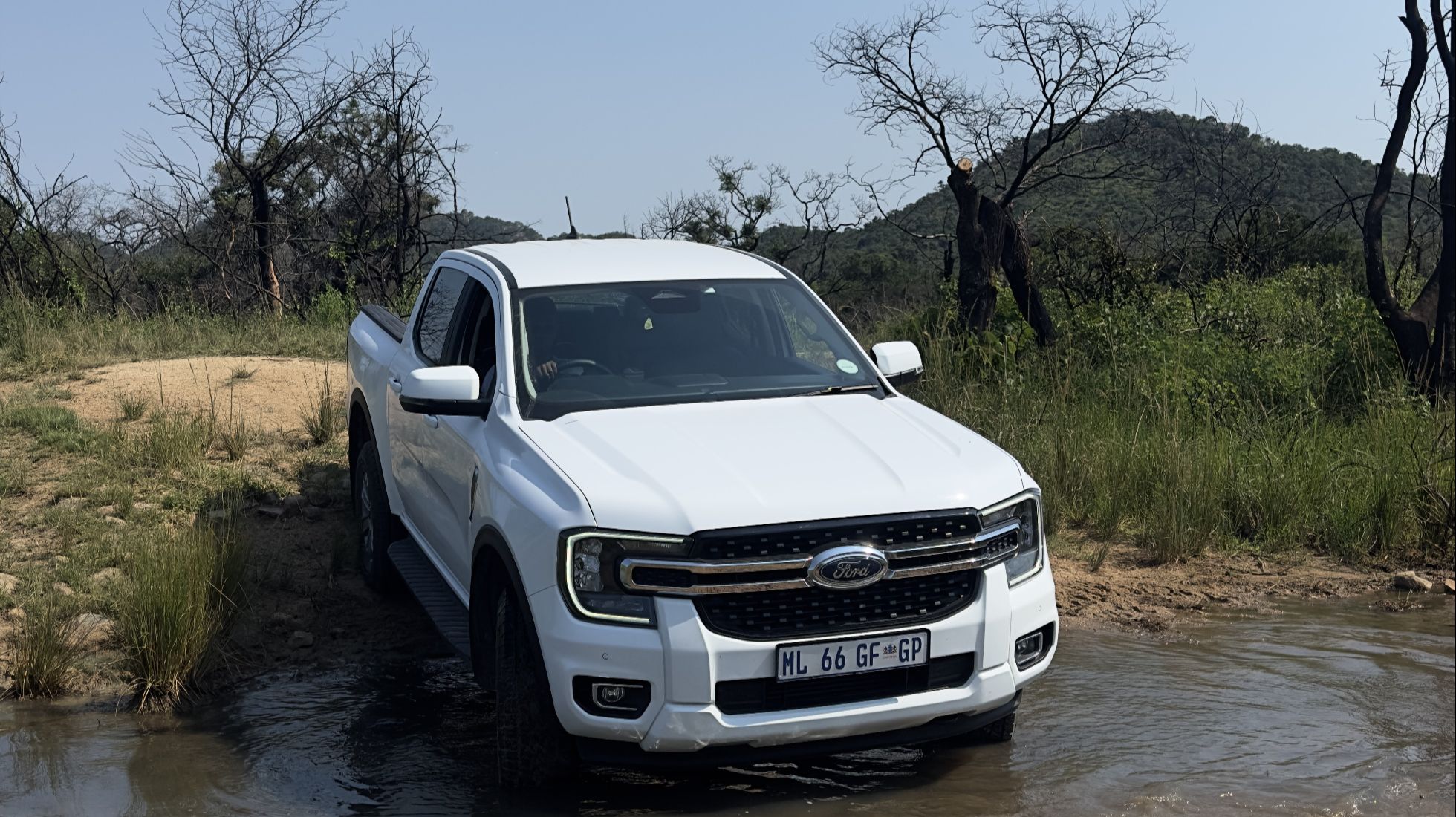
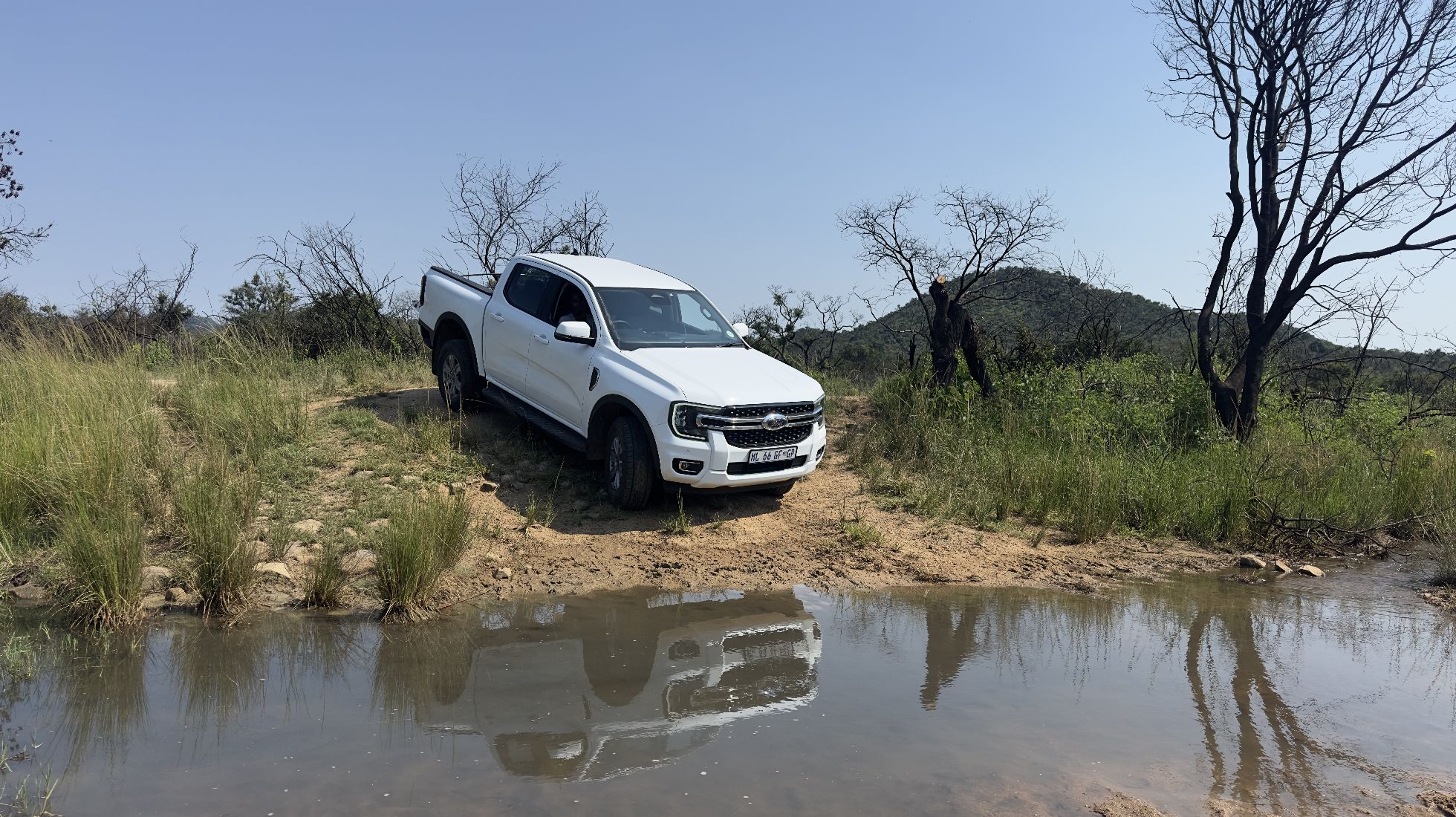
When the road runs out of beautiful scenery, a three-point turn is in order, which is always a hairy affair on mountain passes. Not so much in the XLT. Kitted out with low-range and locking diffs, the Ranger simply turns around. Tar, dirt, and rocks that would send any road-focused machine scurrying back to the tarmac become just another surface to drive on. It goes where it wants, without fuss or drama.
It’s such an easy machine to live with. The Ranger XLT wears a purposeful exterior that sits squarely within the Ranger family, and the interior is refreshingly unfussy with effectively an infotainment screen, a digital driver’s display, decent speakers, and plastic for days. The point here was never looks or luxury, but rather versatility coupled with peace of mind. And on that front, it scores top marks.
The first few weeks with the Ranger XLT proved that less really can mean more. It has become part of the team, completing demanding jobs with a level of ease few vehicles can match. No, we haven’t been living in luxury for the last month, but we are most definitely getting on with the job at hand.
MILEAGE AT START: 2,218km
MILEAGE NOW: 5,244km
PRICE: R788 500
SPECIFICATION
| Engine | Power & Torque | Transmission | 0 – 100km/h | Top Speed | Fuel Consumption | C02 |
| 2.0-litre 4-cyl, turbodiesel | 125kW & 405Nm | 6-speed auto | n/a | n/a | 9.6l/100km (tested) | 202g/km |
FOR: Practical and capable
AGAINST: Fuel economy is a bit of a concern
It’s been a couple of months since the arrival of our long-term Ford Ranger XLT, and it’s easy to understand why it’s widely considered the sweet spot in the range. It sits somewhere in the middle of the range, and yes, at just under R800k and makes absolute sense without you having to constantly justify the monthly repayments.
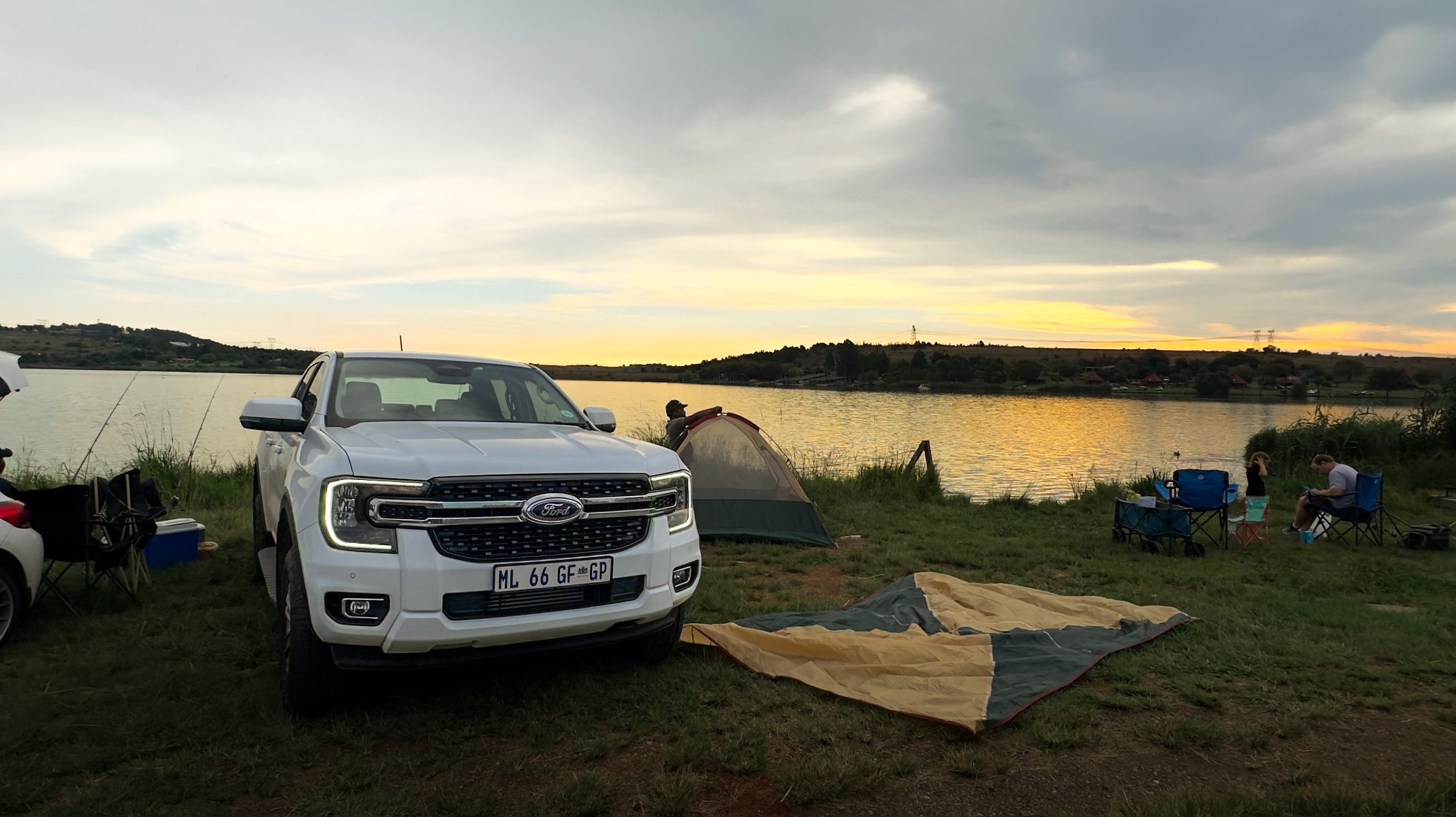
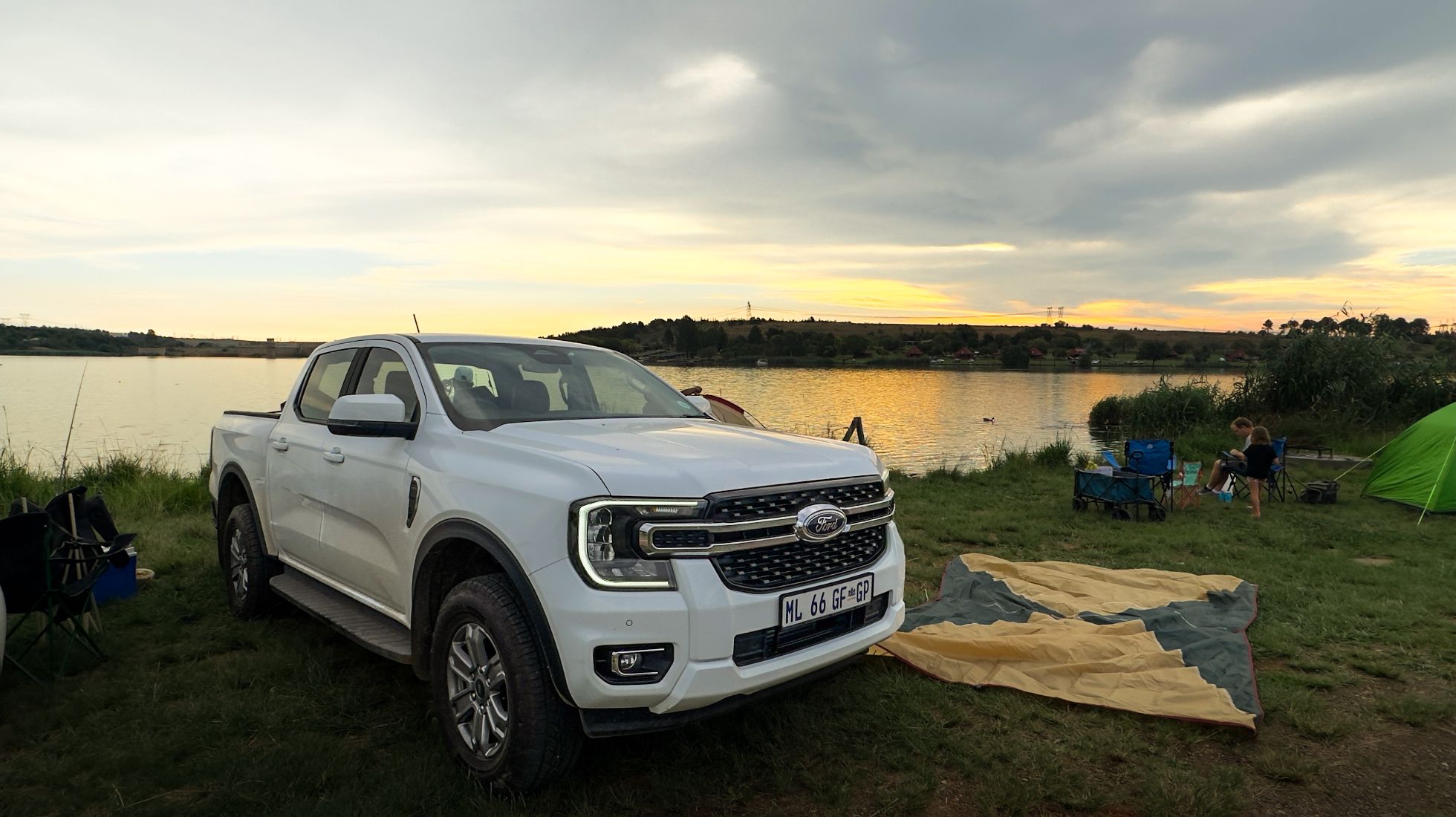
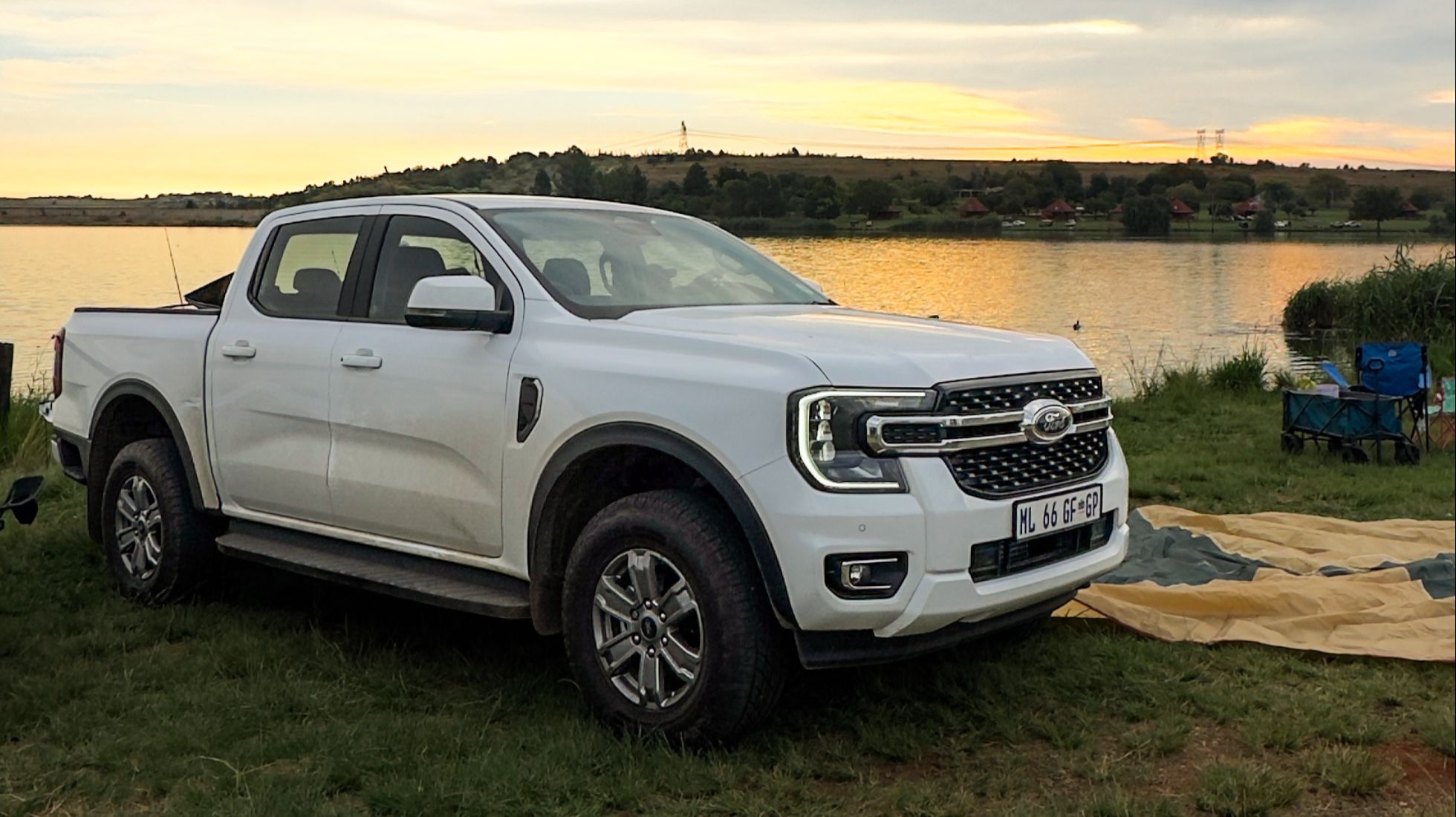
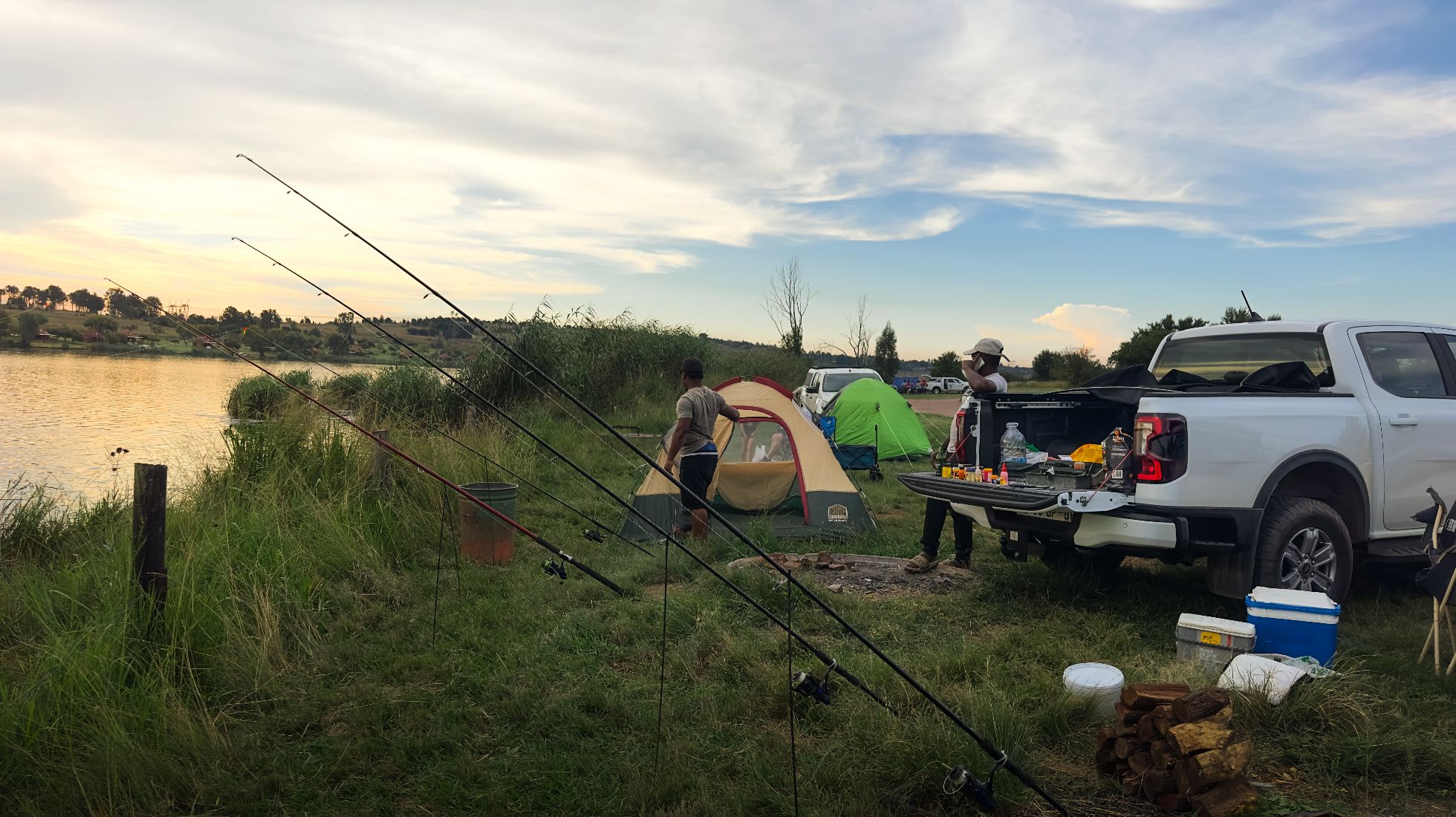
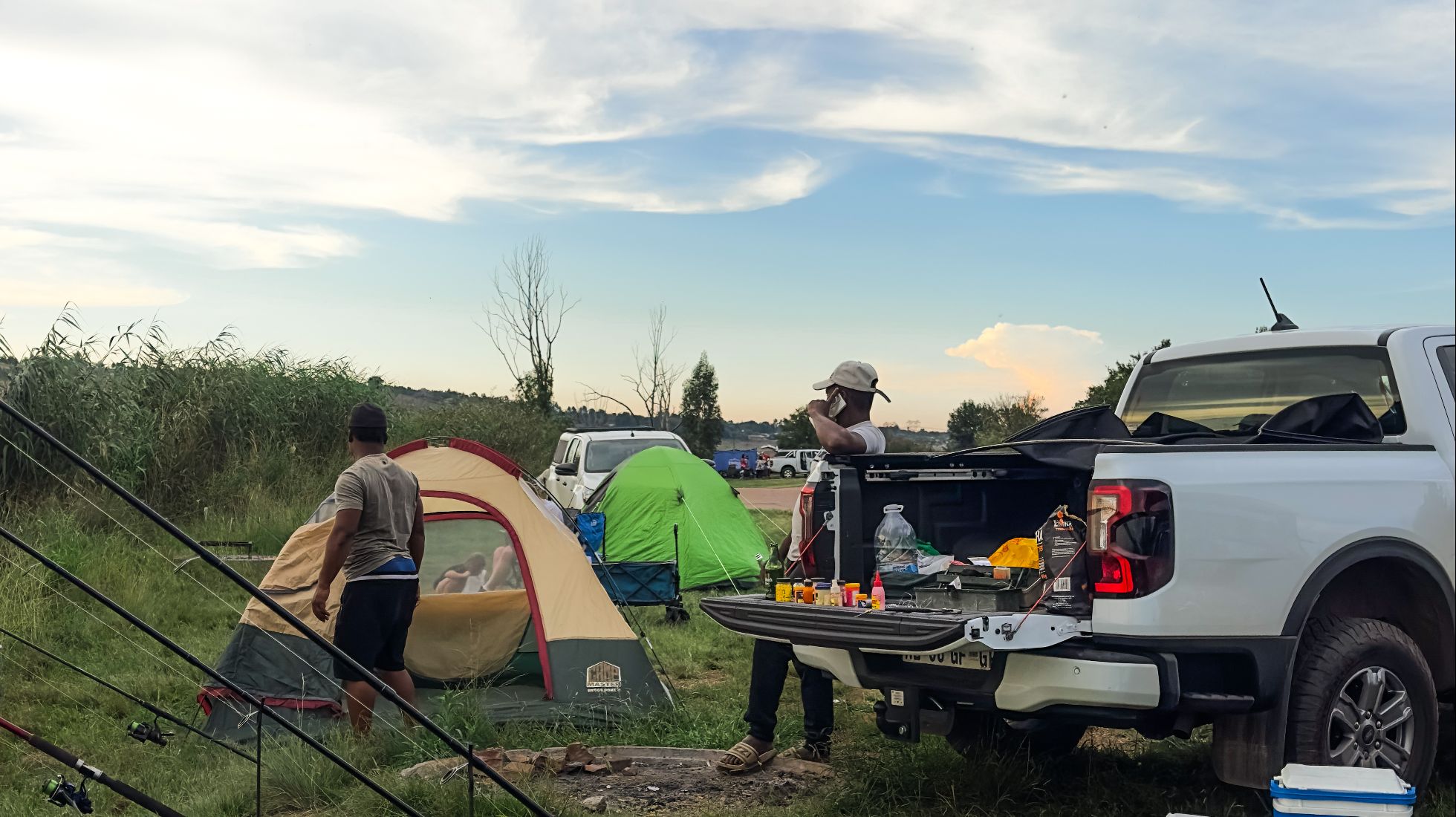
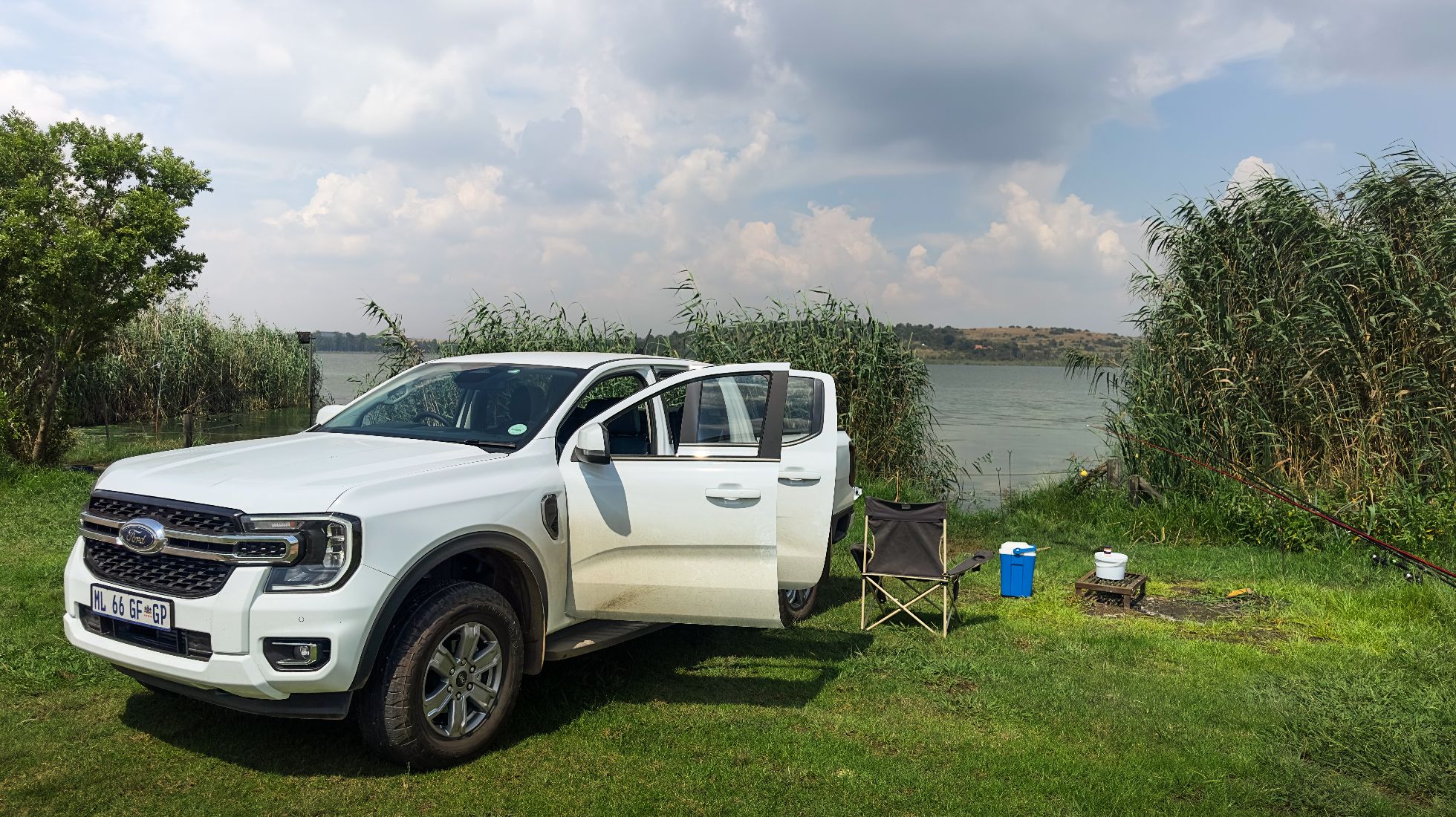
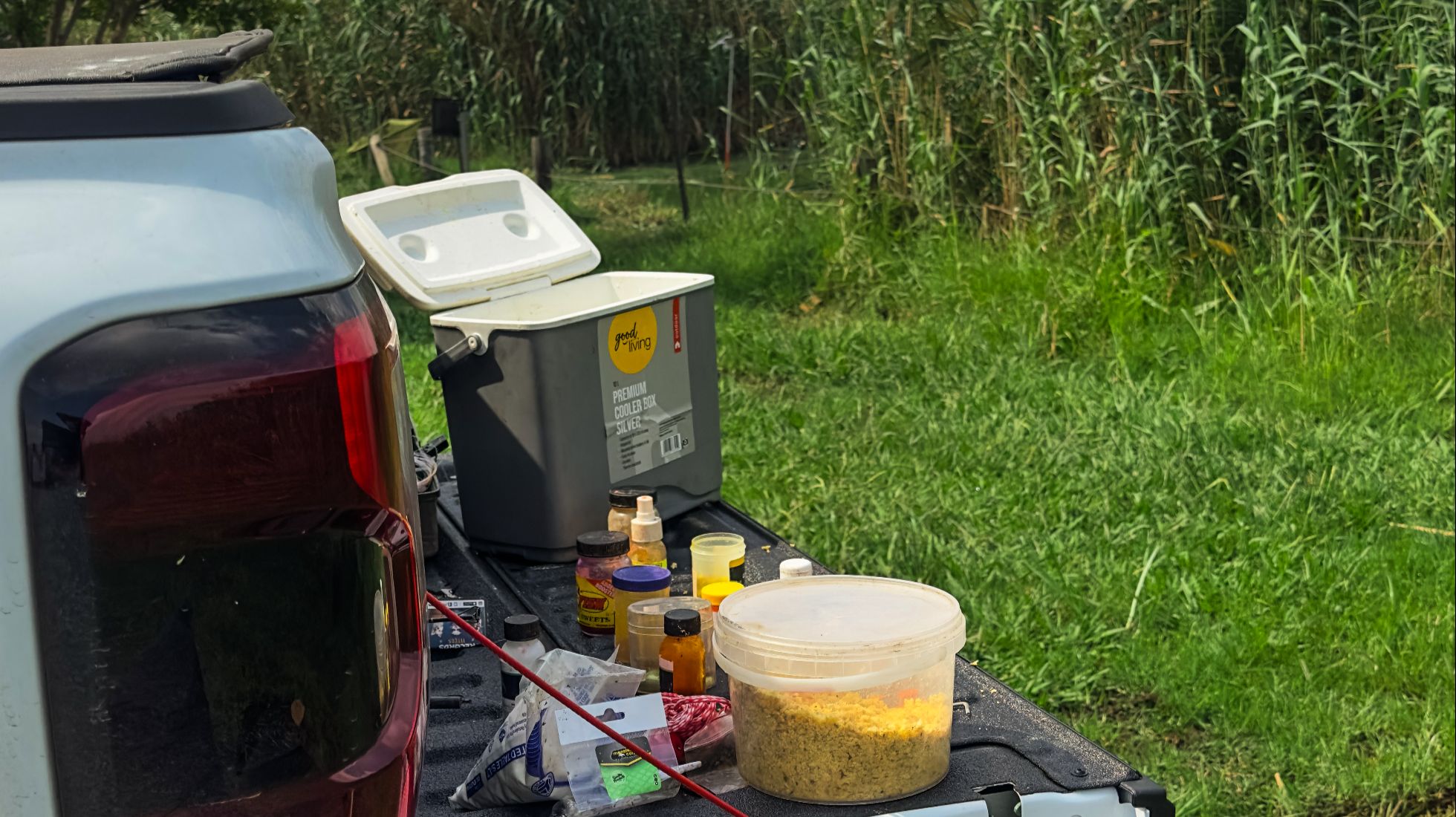
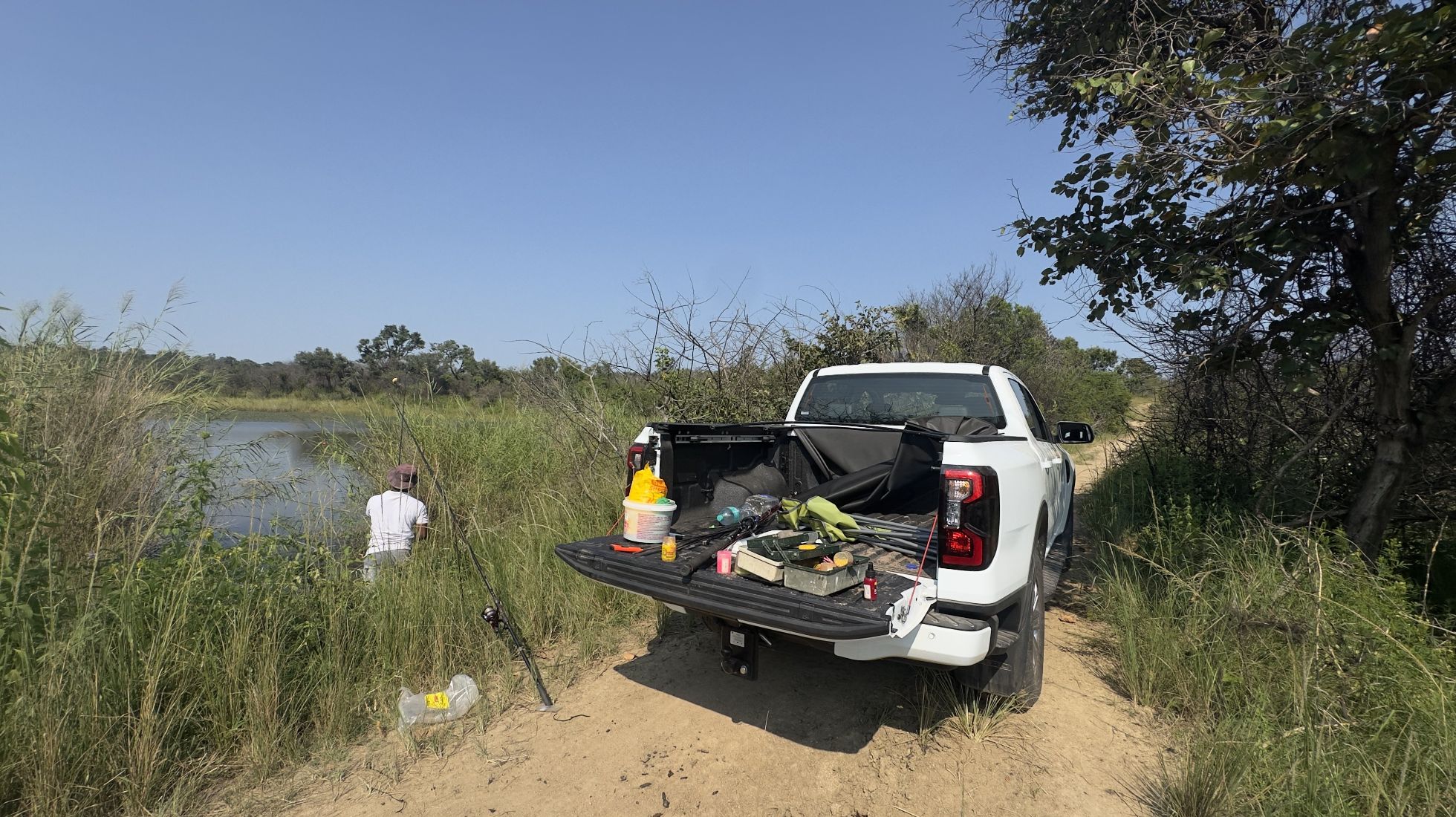
It was my turn to settle in. School runs, a stint as a workhorse during our Star in a Reasonably Priced Car shoot at the track, and the Ranger handled both without complaint. Then I took it somewhere more honest: a proper fishing and camping trip. I’ve taken to fishing recently, and the bug’s properly bit. Perfect for the Ranger then, since this is the kind of environment that tests a bakkie more comprehensively than the average press launch ever could, and here, the Ranger XLT made a case for itself. The load bed, which measures 1,549mm in length and 1,560mm in width, doubled as a fishing platform and storage table for baits, cooler boxes, and tackle bags. This is where the practicality argument for a bakkie over an SUV is won.
As for the approach and departure angles, they were adequate for the tracks leading to the launch site, and the 4×4 system gave us no reason to doubt it when road conditions turned rough. In fact, now sitting at 5,244km, we have nothing negative to report mechanically. No warning lights, no rattles, no unexpected visits to the dealer. The Ranger has simply been available every morning, for whatever plan or occasion.
The 2.0-litre single-turbo produces 125kW and 405Nmm, adequate figures for this class, and in everyday driving, they have so far proven to be enough. Cruising on the highway, pulling away from a traffic light, navigating a gravel track to the dam, the Ranger XLT handles all of it with little criticism from me. Ask more from it, and you feel the limits of a single turbo, especially when loaded. If you regularly tow or carry heavy loads, the bi-turbo is worth the stretch. Fuel consumption has settled at 9.6l/100km across our time with it, and that through a mix of city, highway, and the occasional off-road detour.
Next up is a long-ish run to Bushbuckridge over Easter weekend, and a place that’s been subjected to heavy rainfall in recent months, which means potholes, plenty of gravel and other unpredictable surfaces. There’s an upside to all that rain, though: full dams. The fishing gear is already packed. Apart from that, the road trip would also take the bakkie out of its comfort zone, and perhaps I could get the consumption down a little. It will be interesting to see.
The XLT blends daily usability, genuine off-road confidence, and a properly capable load area into a package that doesn’t ask too much of you. In South Africa, where a bakkie has to do everything from the school run to the bush trail, that kind of balance matters. So we’ll keep driving it…
MILEAGE AT START: 2,218km
MILEAGE NOW: 6,548km
PRICE: R788 500
SPECIFICATION
| Engine | Power & Torque | Transmission | 0 – 100km/h | Top Speed | Fuel Consumption | CO2 |
| 2.0-litre 4-cyl, turbodiesel | 125kW & 405Nm | 6-speed auto | n/a | n/a | 9.7l/100km (tested) | 202g/km |
FOR: Real-world versatility, comfortable, off-road bruiser
AGAINST: Thirsty, 4×4 rotary dial placement, no rear USB ports
It’s the third and final month with TGSA’s Ford Ranger XLT 4×4 bakkie, and if you’ve been following along, none of what follows will surprise you.
The Ranger XLT is a bakkie that has made its case, not through showing off, but through consistency. It has chauffeured the team to launches and meetings, done regular school runs, served as a support vehicle during shoots, and, somewhere along the way, it has become a properly decent fishing companion. Now it’s time to hand the keys back, and the odometer reads 4,330km of real work.
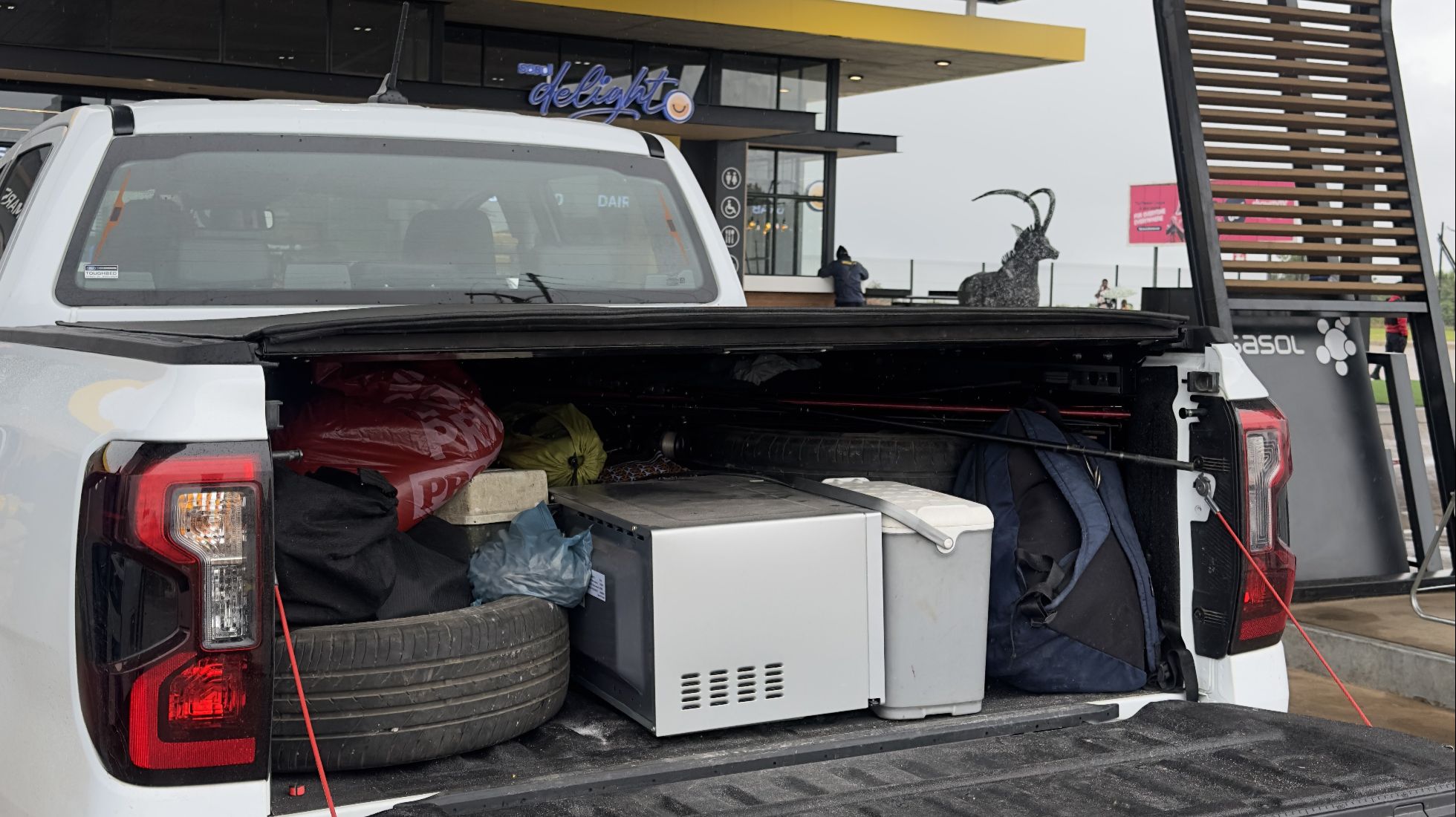
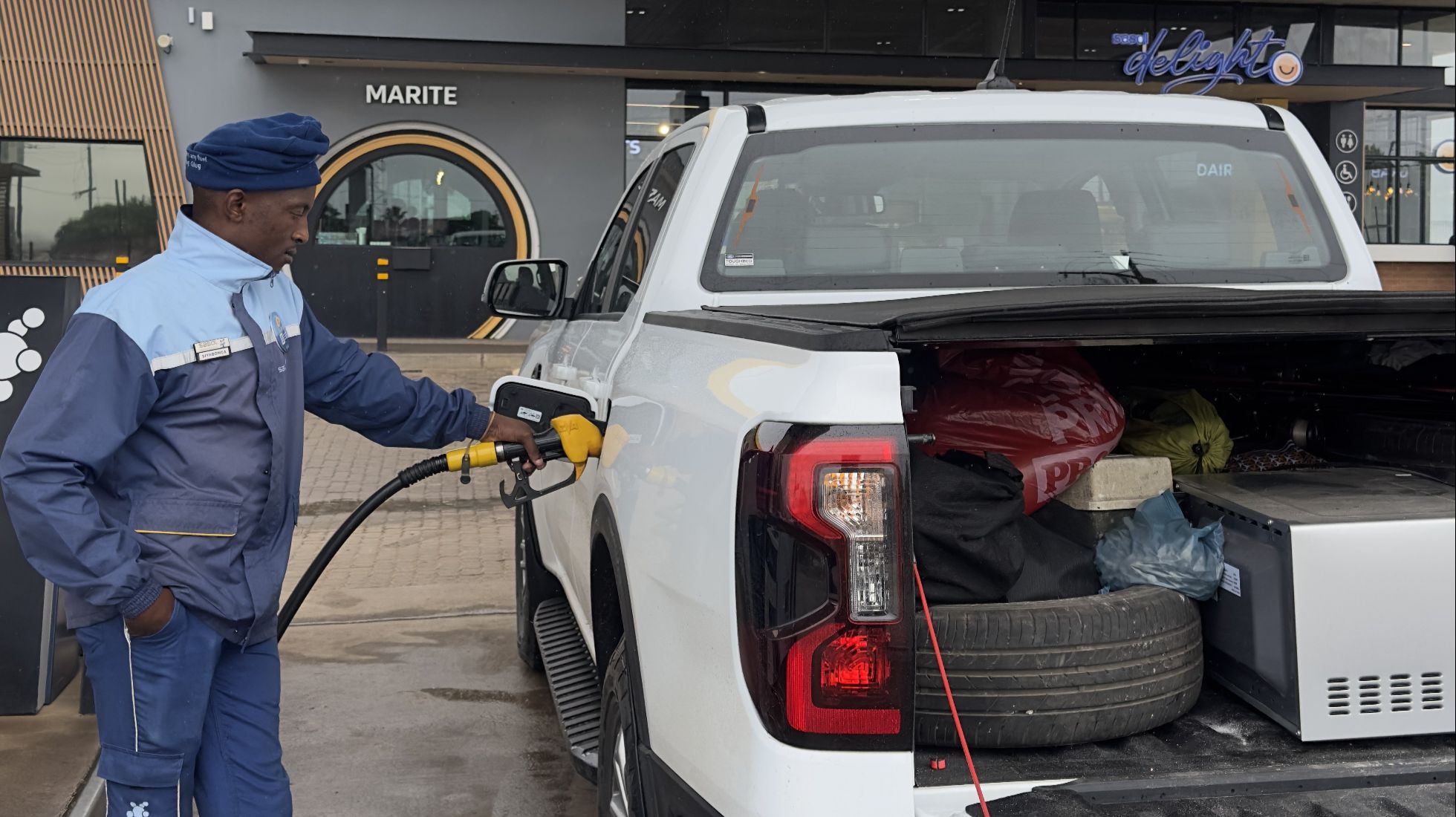
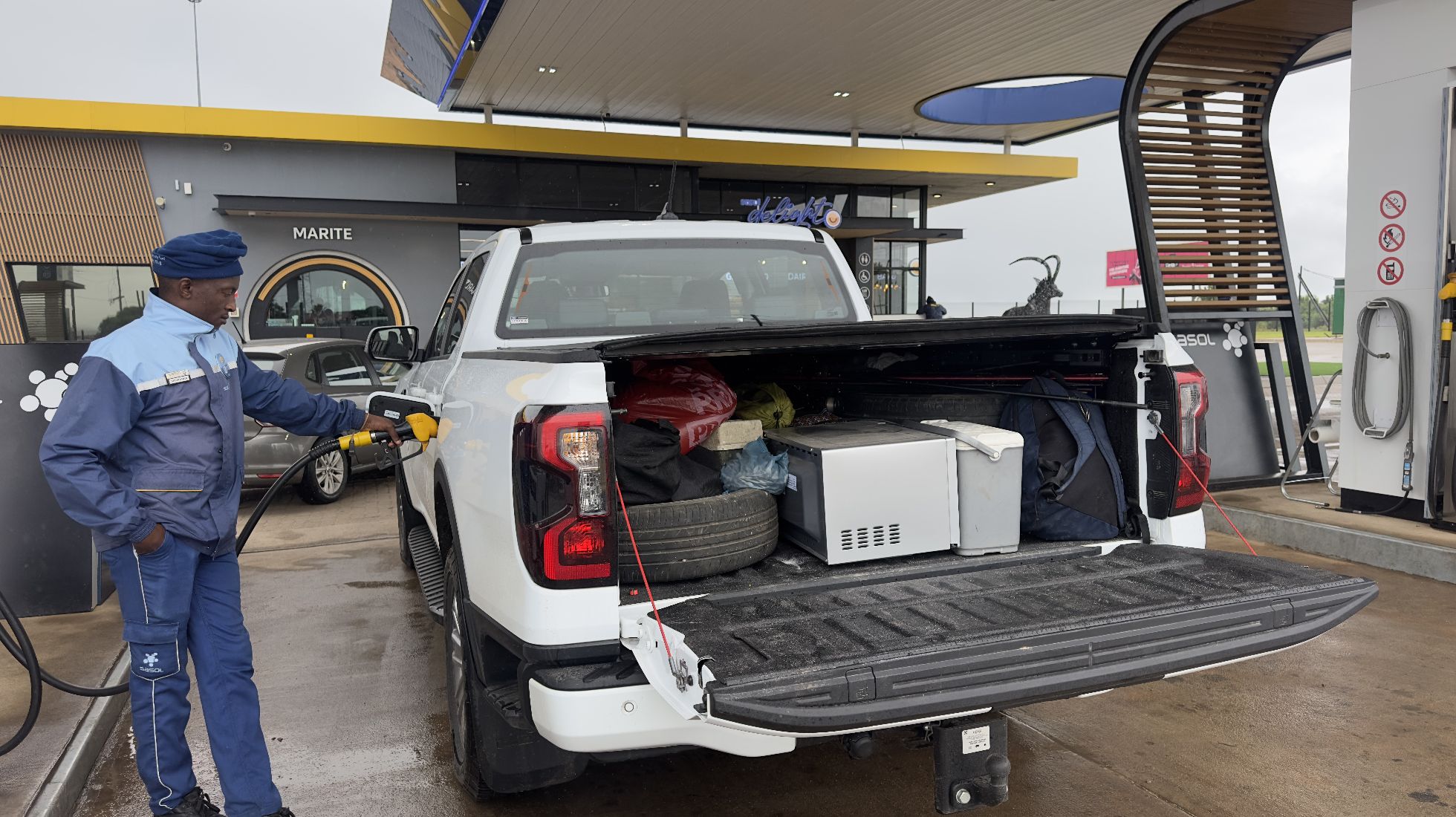
The highlight of this final stint was a trip to Bushbuckridge over Easter with five passengers, fishing rods, luggage, and enough kit to test the load bed’s tolerance. It passed this test. Roughly 450km of town and highway driving later, and the consumption settled at 9.7l/100km, which stung a little more than usual, given the timing of the latest fuel price hike. Filling an 80-litre tank is never a pleasant experience at the pumps, but the roughly 800km range that comes with that top-up softens the blow a little.
The 2.0-litre single-turbo, producing 125kW and 405Nm, went about its business without complaint. It’s not a powerhouse, especially at the top end when you push it hard under load, and you feel the limits of a single turbo doing the work of two, but it never lets you down. However, if you tow regularly or carry serious weight, the bi-turbo with a 10-speed auto is worth the financial stretch.
The Bushbuckridge region had seen substantial rainfall in the weeks prior, which meant the roads leading to the dam were in poor condition, with potholes, loose gravel, and soft sections that would expose any weakness in the setup. The all-terrain tyres handled it all with relative ease, absorbing the worst local conditions without any issues. For daily use, road tyres would be more comfortable on tar, but out here, the all-terrains earned their place, and the 4×4 system, when called upon, gave us no reason to doubt it. We didn’t have to think about it, which is exactly the point.
The Ranger’s comfort is nothing to scoff at on the long haul. Five people, long stretches of highway and rough gravel, and nobody complained about the ride. That’s a proper achievement for a body-on-frame bakkie with all-terrain tyres. On the other end of the spectrum, though, there are some less-than-ideal aspects worth noting. The 4×4 rotary dial sits close to the wireless charging pad, and it’s easy to accidentally engage 2-Low or 4-High. The lack of rear USB ports also proved a real inconvenience on a long family trip with multiple devices that needed charging.
Mechanically, nothing to report. No warning lights, no rattles, no unscheduled dealership visits. The Ford Ranger XLT was simply available for every task. It’s also worth saying what the XLT really is beneath the badge. It’s a proper practical bakkie. Rubber floor mats, a rubberised load bin, a tonneau cover, and faux leather seats finished in a hard-wearing hide that has no qualms when a mud-covered kid climbs aboard. It handled dust, gravel, family travel and city driving without ever skipping a beat.
At just under R800,000, it sits in the sweet spot within the range, below the Wildtrak and comfortably above the entry-level trim. It makes sense without you having to pep yourself up when the monthly debit order goes off. And now, three months and 4,330 kilometres later, the Ranger was never the flashy one, but the reliable companion that showed up for every trip and every project. In SA, where the same bakkie has to do the school run on Monday and a river crossing on Saturday, it’s effortless. And that’s the whole point.

Get TopGear SA news and reviews in your inbox