
January is indeed a month of fresh starts. People often start new jobs, get promotions, gain university admissions, or move to new places, often resulting in longer commutes. In such situations, many South Africans look for reliable transport, and the used car market is a common place to find their first car. Looking ahead to 2026, it seems like an interesting year for car buyers.
Beyond the listed price, you must consider other factors that affect car prices. The principal interest rate, which reached a peak of 11.75%, has since been reduced to 10.25% after a series of rate cuts since September 2024. Vehicle inflation also dropped to a record low of 1.5% in 2025, the lowest level since 2008. According to TransUnion, the ratio of used-to-new vehicle financing increased to 1.56:1 in the fourth quarter of 2024, up from 1.23:1 in the previous year. As of late 2025, almost half of all car purchases are now financed with the average financed vehicle priced at about R396,000.
Lebogang Gaoaketse, Head of Marketing and Communications at WesBank, explains: ‘The used car market is not separate from new vehicle sales. When new car sales rise, as they did in 2025, reaching 596,818 units, which was the highest since 2015, it can have a positive impact on the used vehicle market.’
More new cars lead to increased trade-ins, typically supporting the used car market. However, buyers are keeping their vehicles for longer, with an average of six to eight years, leading to fewer low-mileage, well-maintained cars being available for resale in the most popular categories.
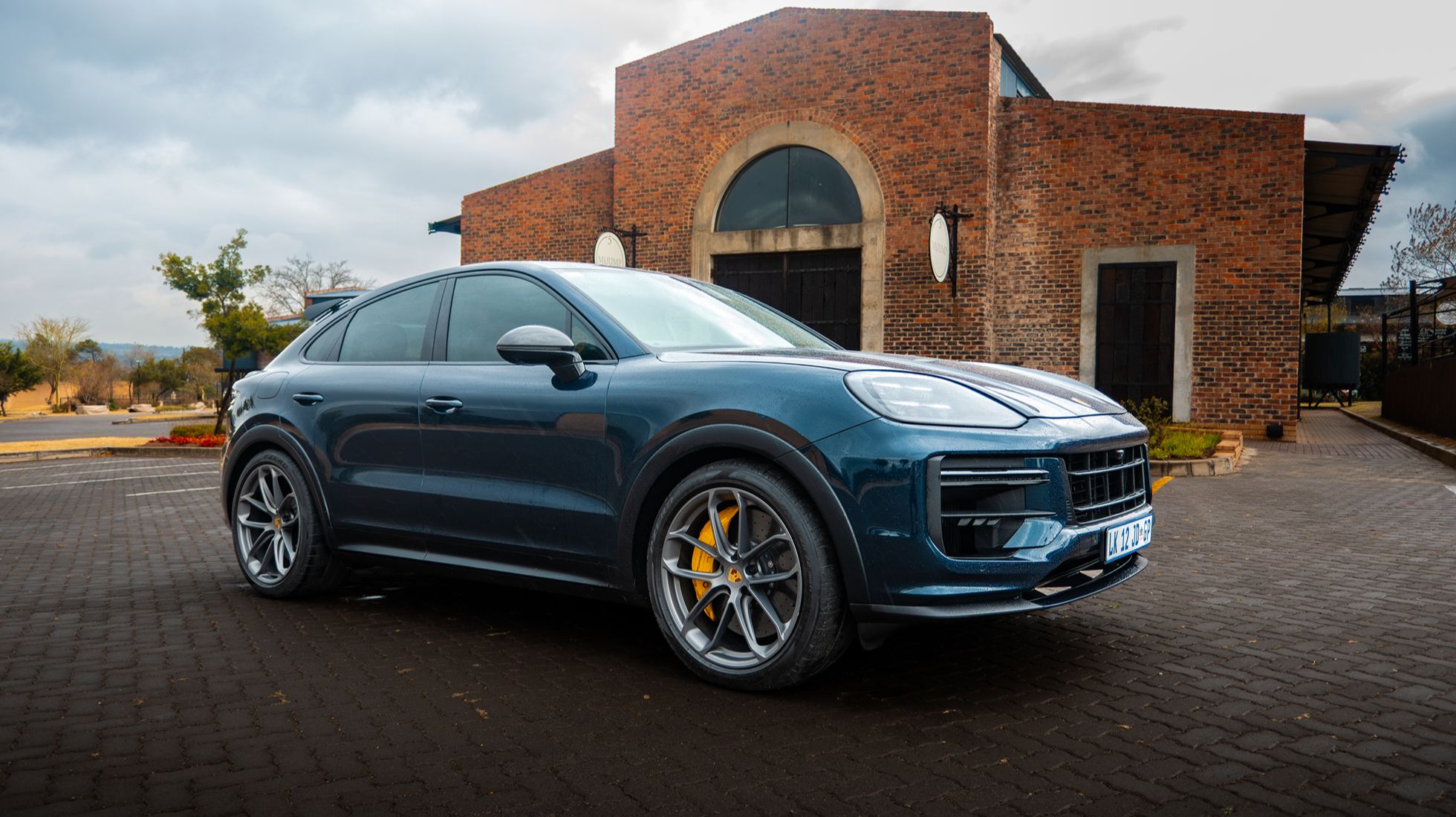
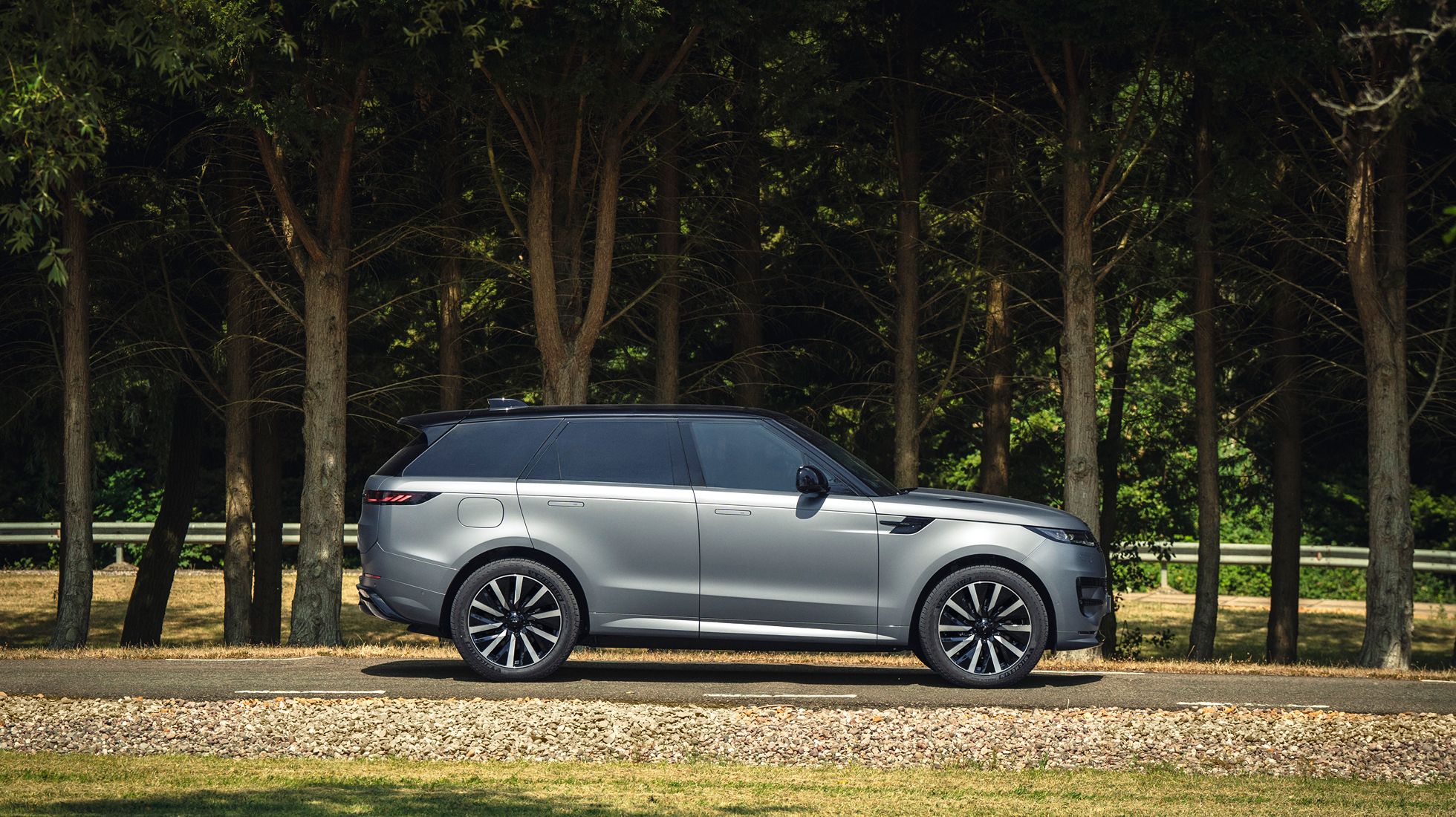
Body type trends are also shaping car values. More than half of all passenger vehicles sold today are SUVs or crossovers, compared with 45.2% four years ago. As a result, three-year-old compact SUVs often sell for a higher price than similarly aged sedans, even when mileage and condition are similar. The three-to-five-year-old segment remains the ideal range for value. In 2024, vehicles in this age range comprised 44.25% of the market. These cars have already experienced the most depreciation, but they still offer modern features, some warranty coverage, and manageable mileage.
Financing options are becoming more flexible, with products designed for various types of buyers. Gaoaketse adds, “A good interest rate is not enough if the monthly payment strains your budget. The total cost of ownership, including insurance, maintenance, fuel, and potential repairs, should comfortably fit within your means. While financing gives you access, financial responsibility ensures long-term viability.”
Looking ahead, several factors are expected to influence the car market this year. Stable or falling interest rates should keep financing options active, while NAAMSA forecasts 9–11% growth in new vehicle sales for 2026. With more new cars on the road, there may be an increase in trade-ins later in the year, which could improve the availability of high-quality used vehicles. Economic confidence will also be a key factor, as sustained optimism usually benefits both the new and used markets.
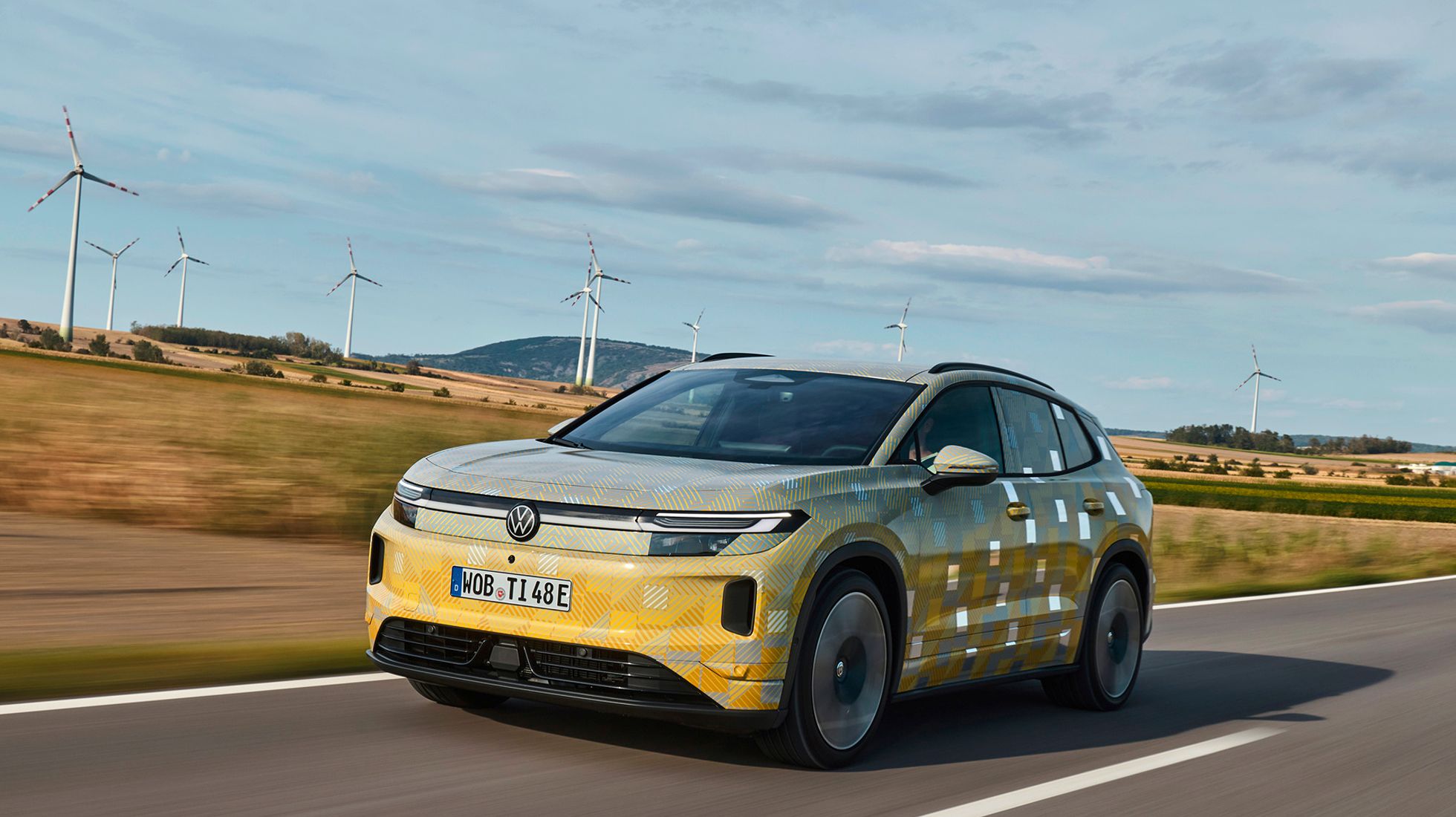
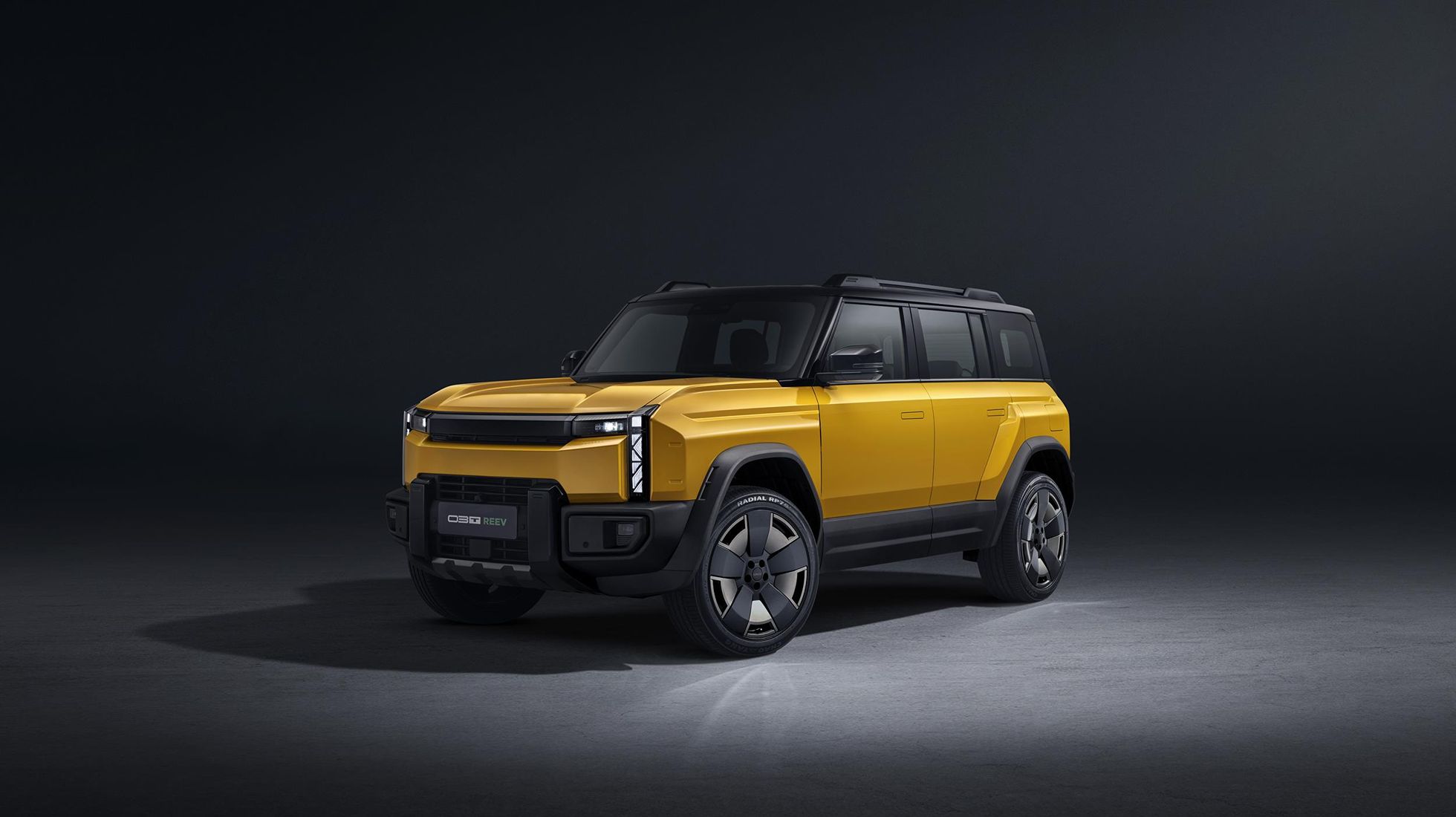
Interest in electric vehicles is growing, with about 36% of prospective buyers showing a preference for hybrids. As more electric and hybrid vehicles enter the market, this will gradually affect the availability, pricing, and consumer choice in the used vehicle segment. Improvements in infrastructure, particularly in electricity supply, will play a role in shaping consumer confidence in these types of vehicles.
In summary, for consumers, preparation and patience are key. Whether you’re a graduate buying your first car, a family upgrading for greater needs, or looking for a dependable commuter, there are opportunities. The difference between a smart purchase and a regrettable one often comes down to research, budgeting, and being fully informed before stepping into a dealership.