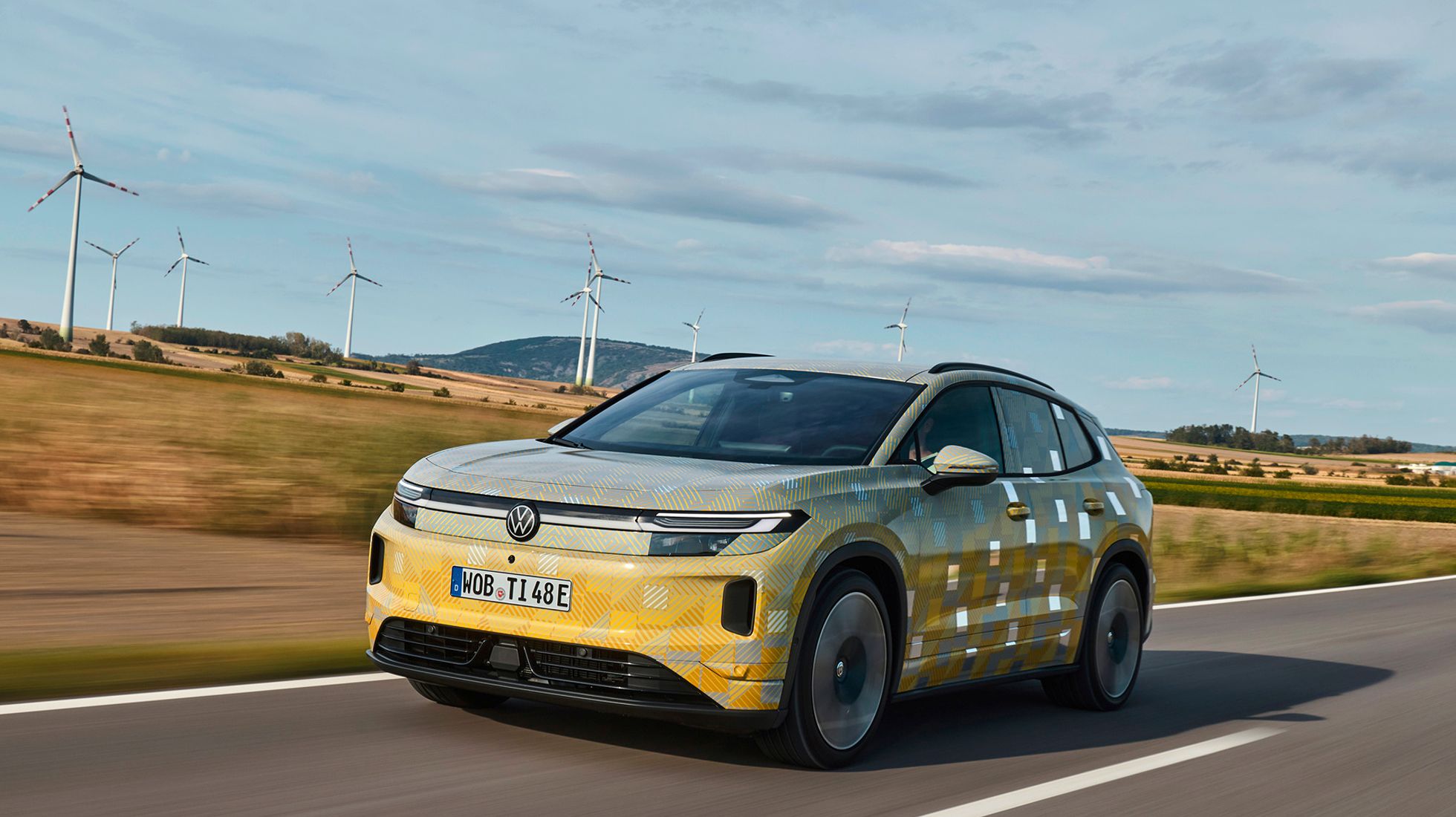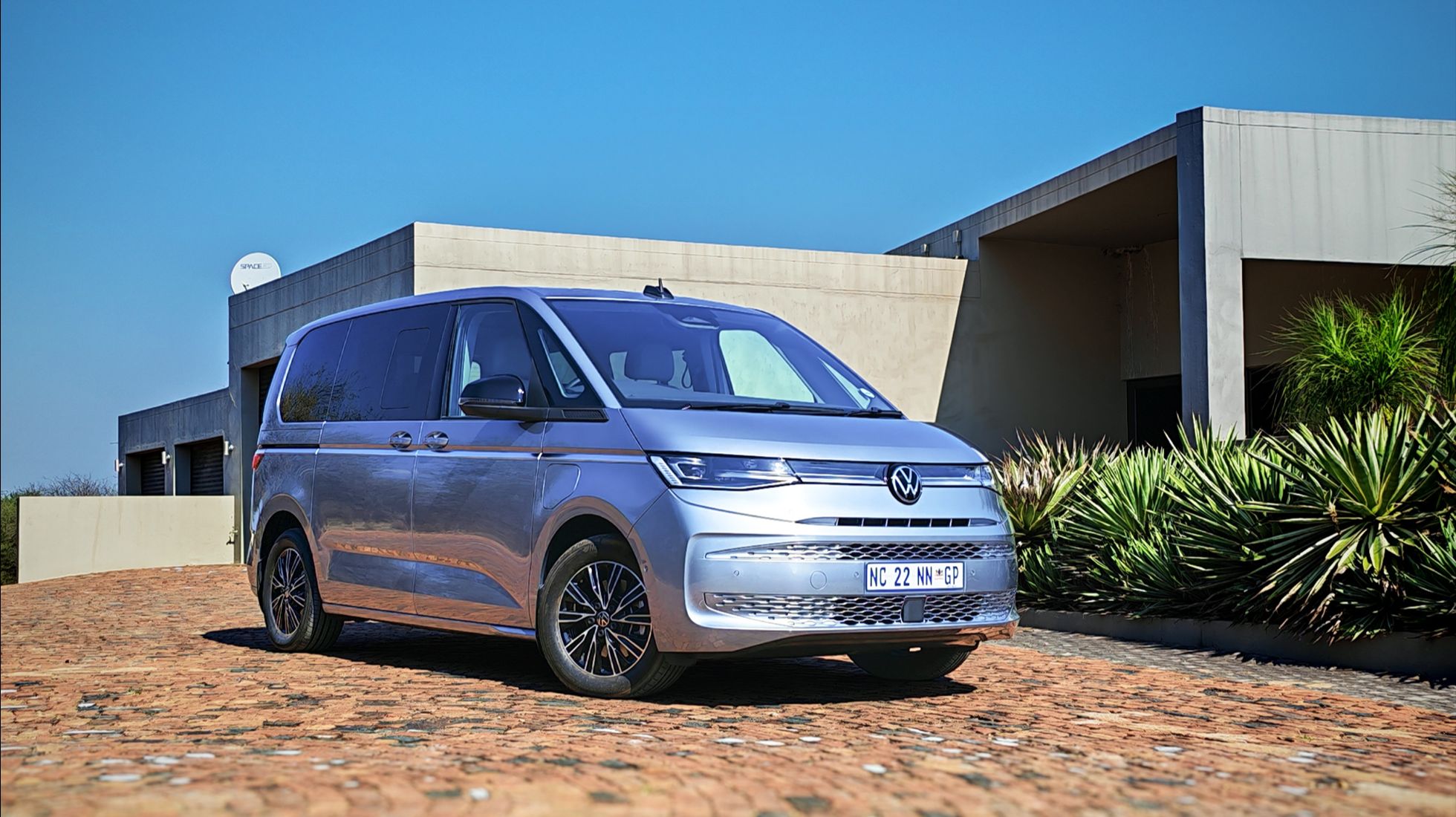
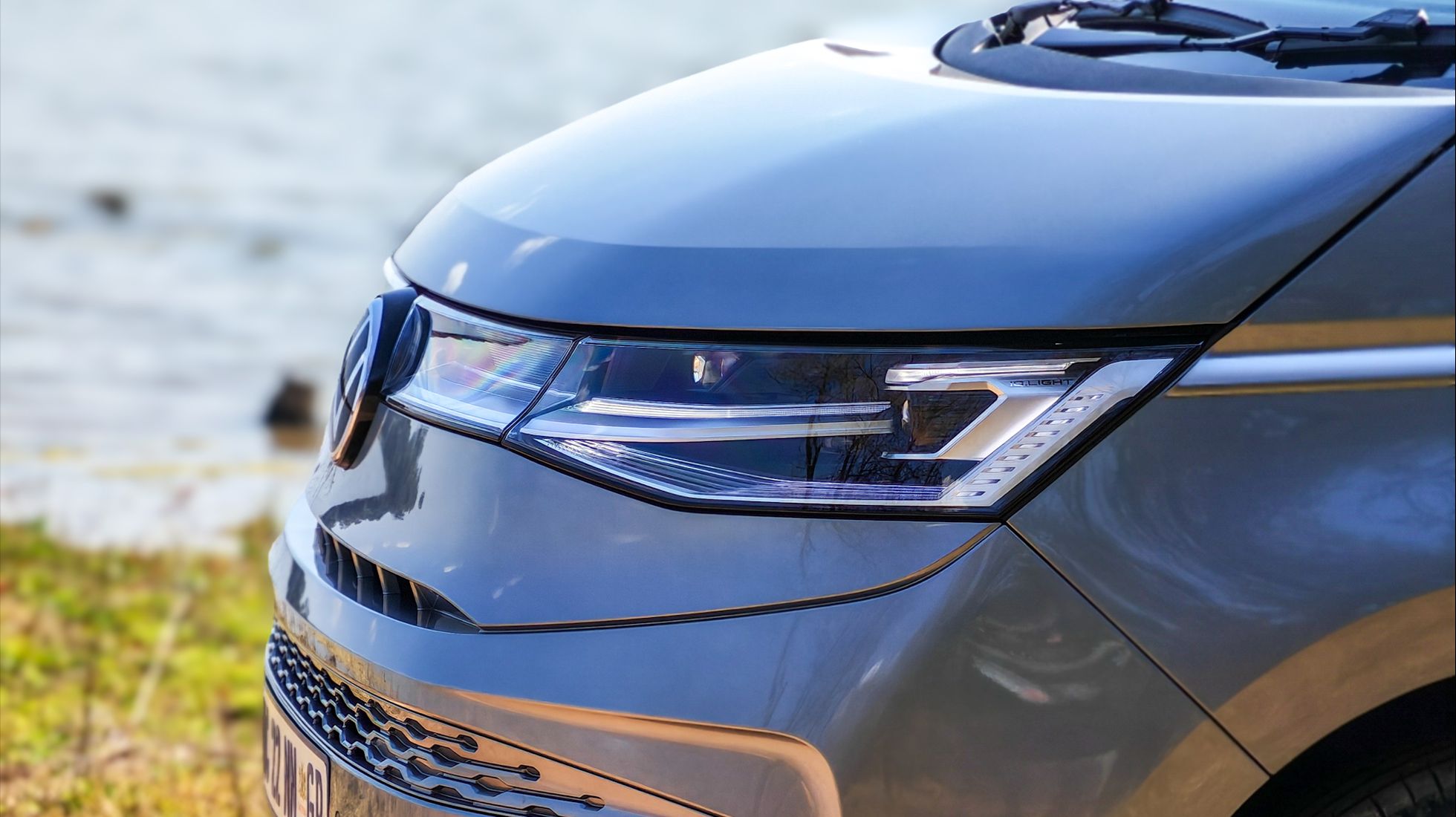
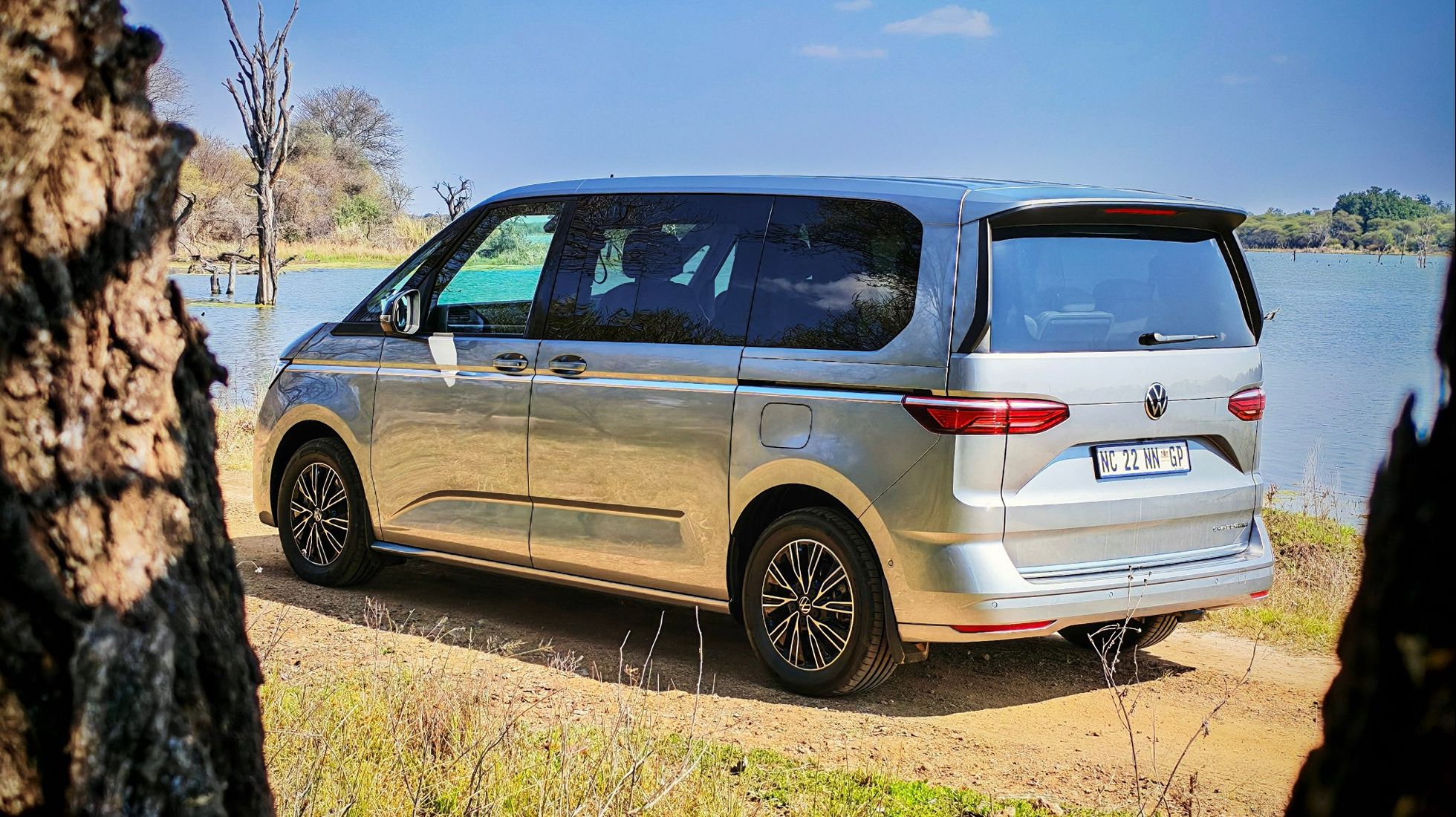
VW has done the seemingly simple task of bus-building well here. Its new Caravelle eHybrid 4Motion is remarkably comfortable, yes, but it also solidifies the luxury van’s relevance into at least the next decade. If you’re anti-electric, cover your eyes and ears now, because this van is hybrid, and as much as it pains me to say this, perhaps it’s better off for it.
Vans aren’t exactly a novelty in South Africa, with a good percentage of local nameplates offering something boxy with several seats, each telling the world why theirs are the most practical multi-seaters. But luxury, in addition to practicality, two concepts that don’t often pair up well? That’s a different challenge altogether…
What’s special about the new Caravelle?
Over the decades, Volkswagen has made a name for itself with a rather successful lineage of vans that are quite good at melding the aforementioned utility and luxury aspects. It’s called the Caravelle and, historically, it’s been built on the Transporter platform.
But what to do when the current Transporter is borrowing a platform from Ford’s parts bin? Naturally, use the opportunity to push the innovation envelope by introducing its first locally available hybrid vehicle, all engineered in-house to ultimately up the premium appeal of VW’s now-halo product.
A hybrid Volkswagen Caravelle?
Indeed. The hybrid motivation is the biggest news here with Volkswagen’s local arm fully dipping its big toe into the new-energy space. It has a 19.7kWh lithium-ion battery nestled into the floor that drives two electric motors, one mounted inside the 6-speed DSG and the other resting firmly on the rear axle.
The two e-motors are paired with VW’s new 1.5-litre TSI evo2 engine to deliver drive to the front wheels by default. Toggle the drive selector into Sport, and it activates the rear-mounted motor to mimic a form of VW’s 4Motion.
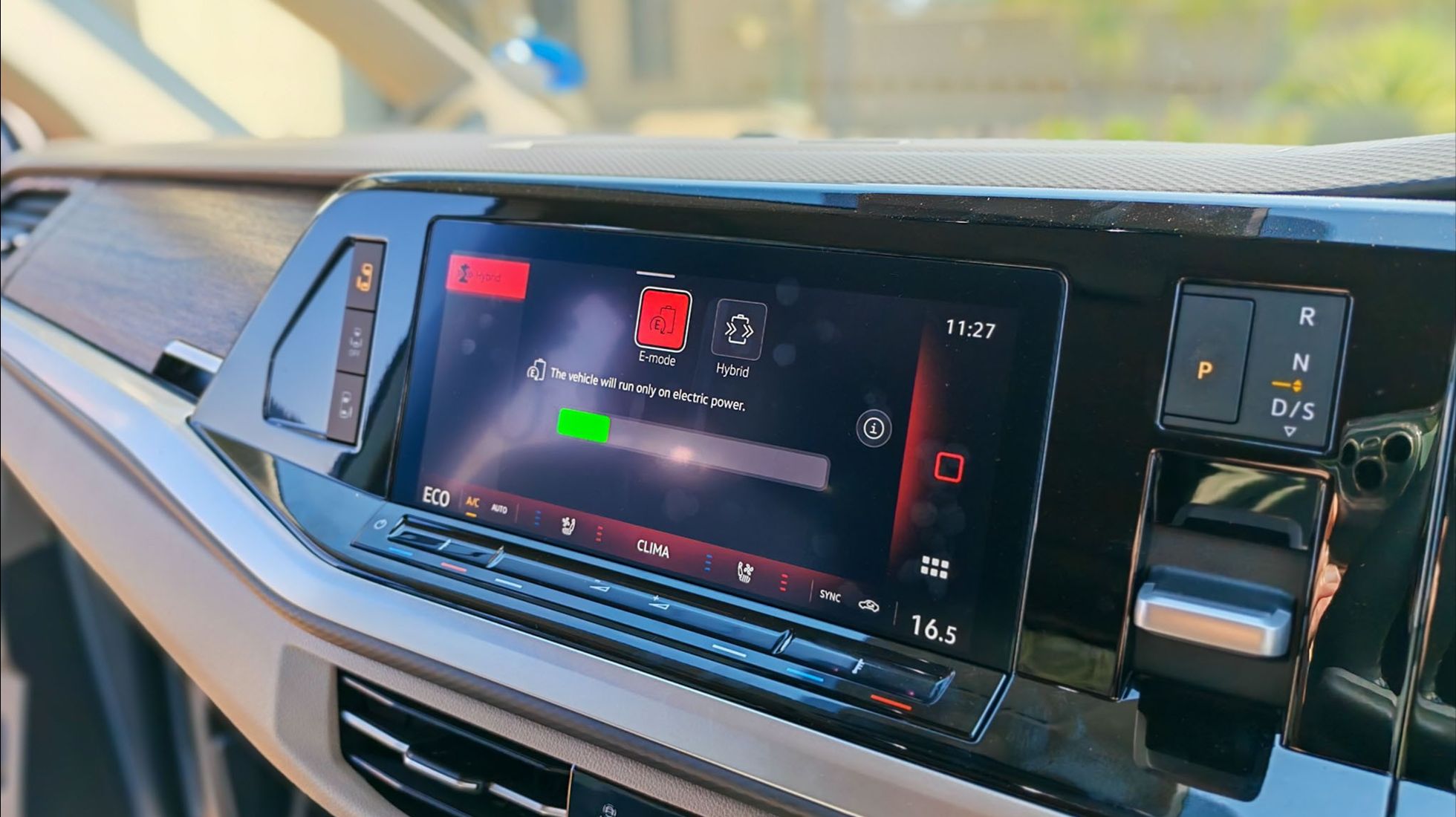
For now, VW is running a soft launch with only two modes. Full BEV mode calls solely on the front-mounted electric motor that’s good for 85kW and 330Nm, while Hybrid mode shuffles between the 130kW/250Nm 1.5-litre petrol unit and the electric assist for a maximum output of 180kW and 350Nm should you be dialled into the aforementioned Sport mode from the drive selector. Eco, Comfort and the software-defined Sport modes will arrive later, each with its own output tied to preset parameters.
As for charging, the new Caravelle will come standard with a 7.4kW AC home charger, while the electric architecture underpinning the van can accept up to 11kW of AC charging.
Is the Caravelle actually luxurious?
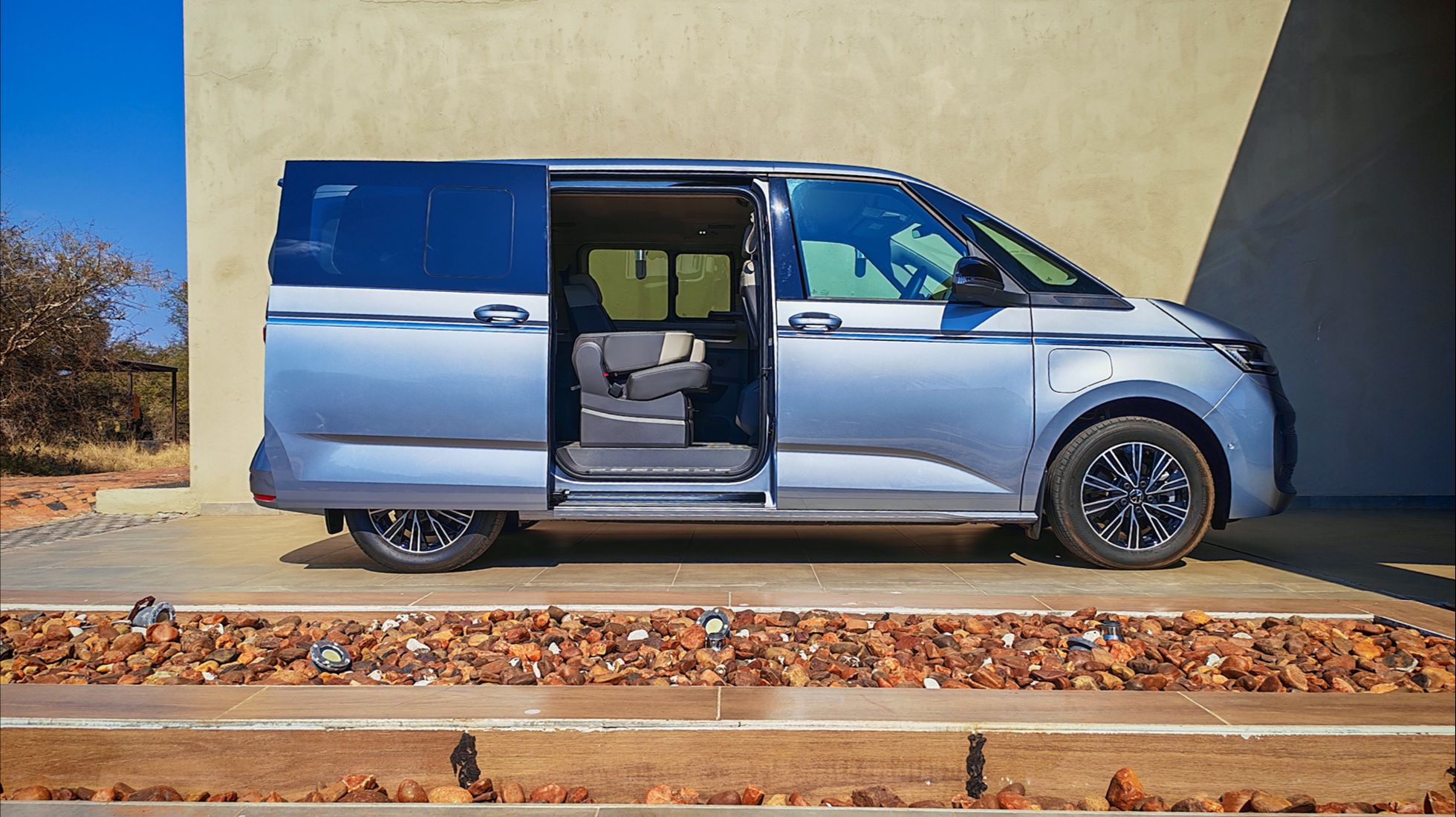
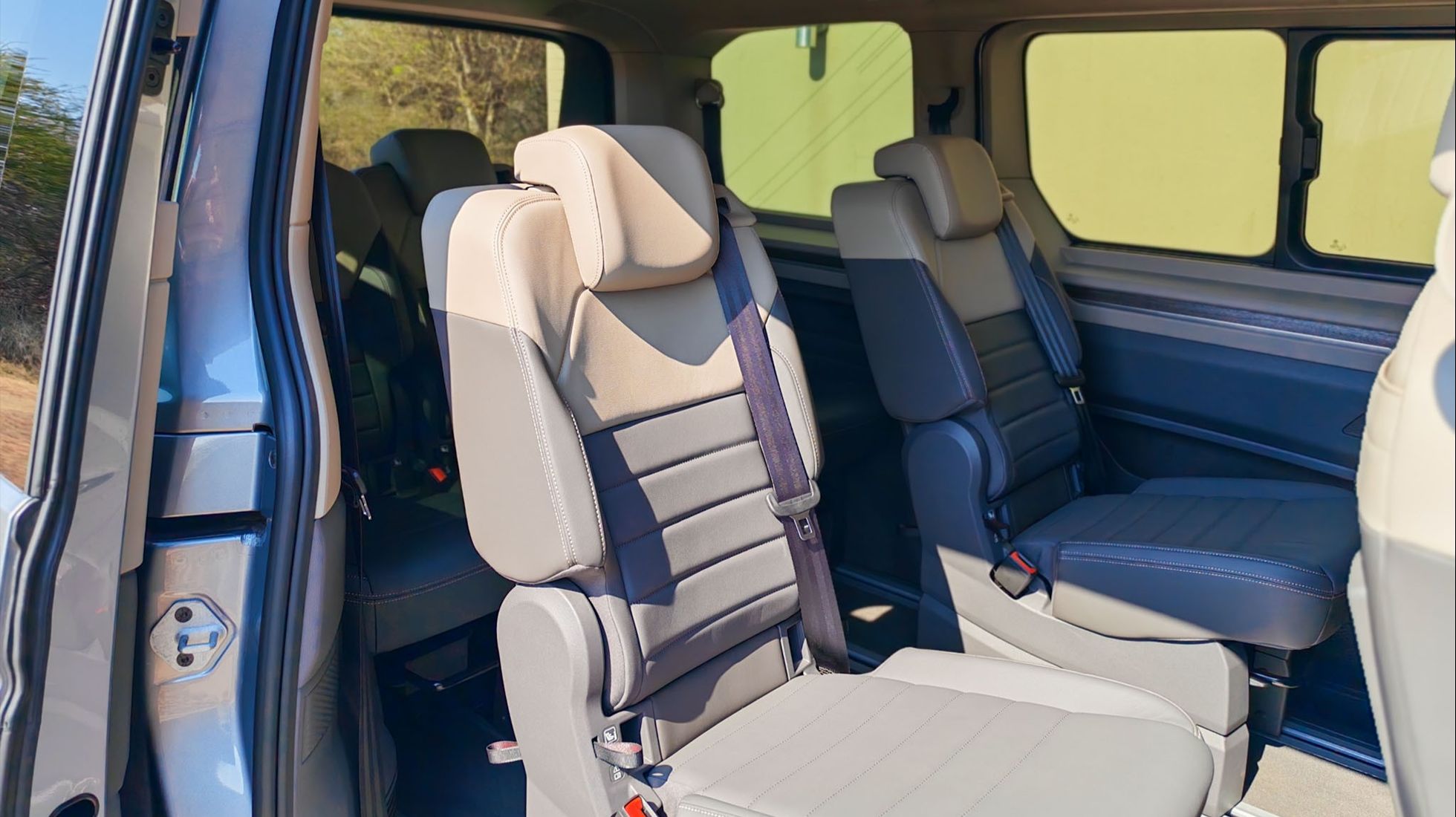
I can harp on about seat comfort and exceptional NVH levels here, both of which are top-drawer in case you wanted to know, but it’s the configurable cabin space that adds measurable premium appeal to the Caravelle’s pitch.
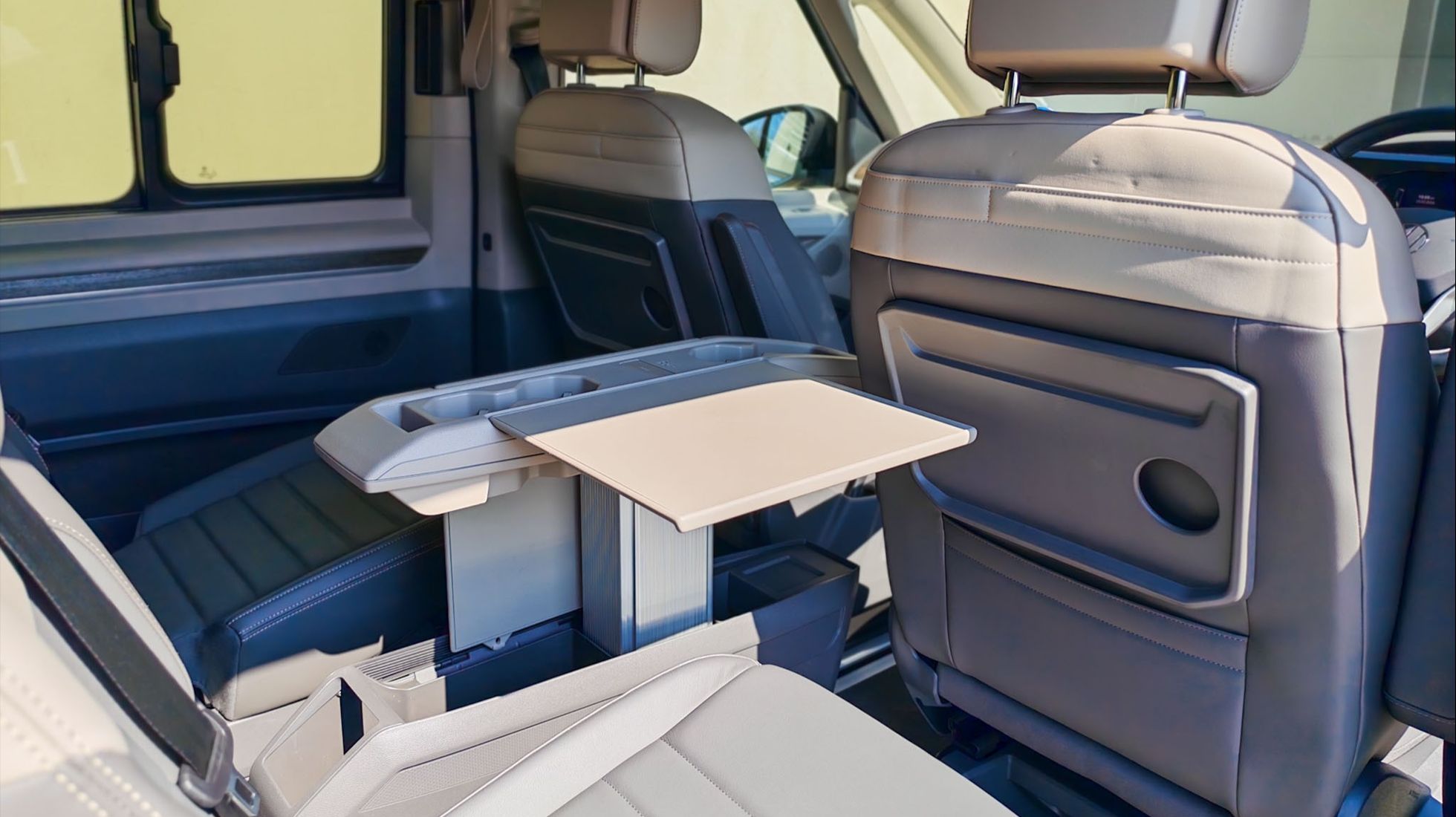
The seats easily slide fore and aft, which adds legroom or boot space; they also recline, fold forward for ingress, and fold flat should that be something on your wishlist. A console runs on centrally mounted rails and can be used as additional storage or a work/lunch spot with easily deployable fold-away trays.
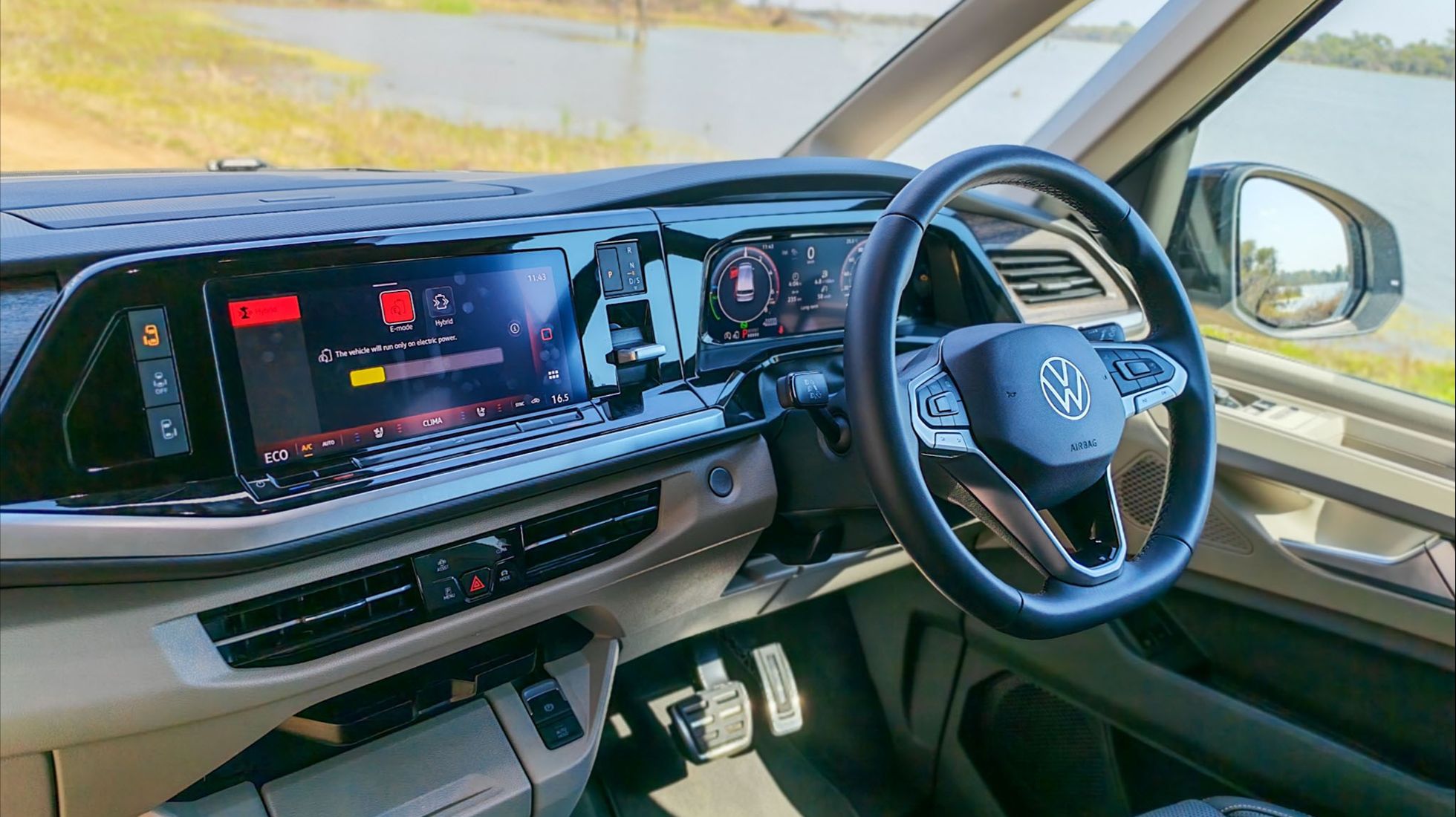
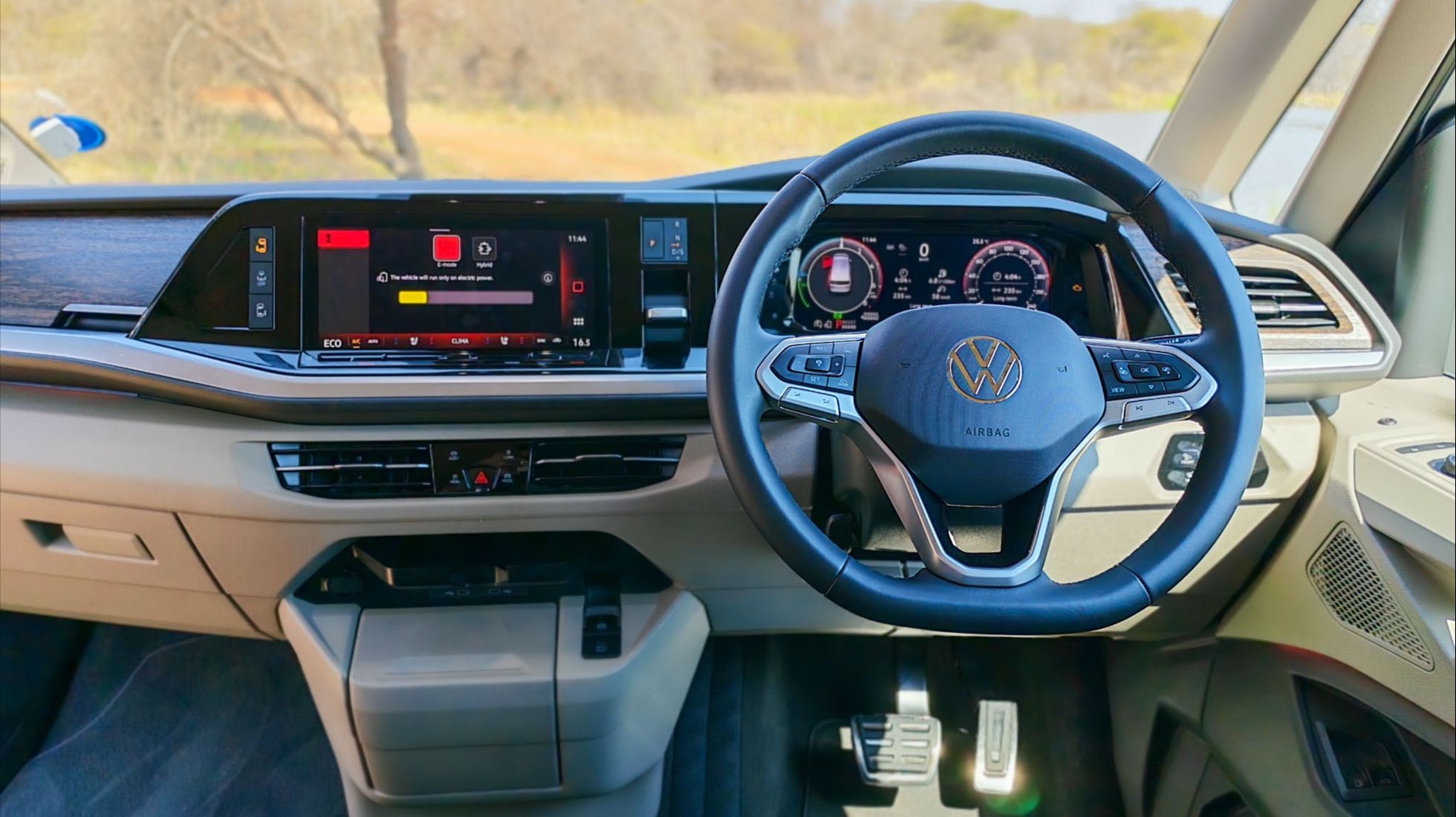
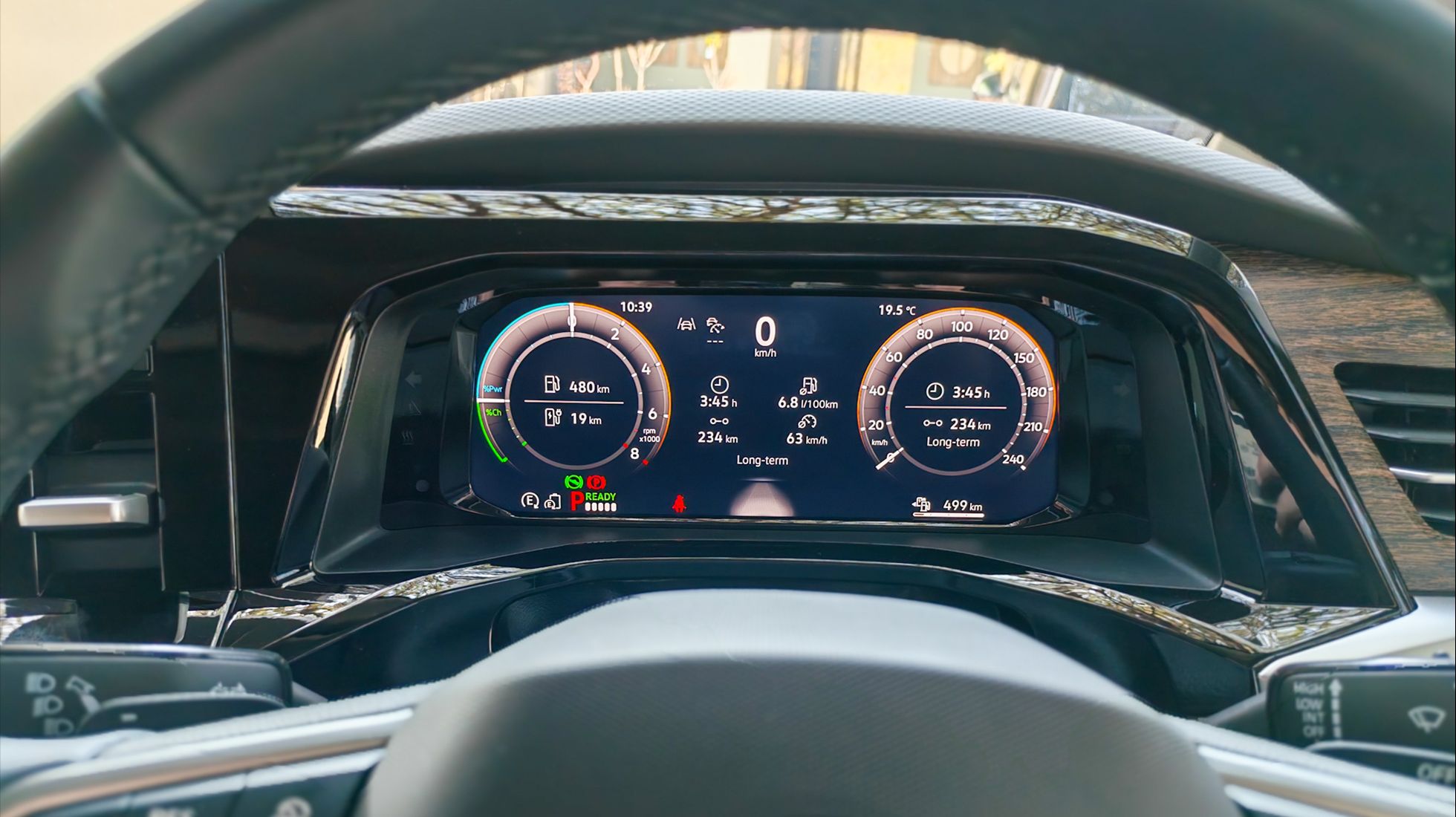
As for the front cabin space, it’s pretty much a new-generation VW without the immense infotainment screen that hogs space on the brand’s newer SUVs. This means a 10-inch infotainment system and a 10.25-inch digital driver cluster. A 13-speaker, 840-watt Harman Kardon system comes standard in customer vehicles (not fitted to launch units), while a 30-colour ambient lighting system is also included, and supposedly voice-controllable. Trying that on launch, though, was met with mixed results.
How does it drive?
Incredibly well. On pull-away, whatever charge is stored inside the battery is summoned to overcome the inertia that typically plagues sizeable vehicles with turbos. It’s initially strange not to have a diesel underfoot, but the hybrid combination works exceptionally well to move the two-something-tonne van while the 6-speed DSG is also well versed in its job description of shifting cogs. Since this is a petrol engine, the 1.5-litre-DSG combo has no qualms about eking out maximum performance potential on the higher end of the rev range as opposed to the more conventional diesel powertrains that prefer slower engine speeds.
I wasn’t particularly fond of the electronically managed brakes with a brake pedal feel that’s akin to stepping on a sponge. It works well enough to arrest speed, sure, but trying to find that perfect zone between too much or too little stopping power proved harder than it should be. More than once, what my foot felt and what the windscreen presented didn’t correlate. Push just a bit harder and the ABS steps in, likely sensing an imminent lock-up.
Should you buy the Caravelle?
While this is VW’s first local hybrid entry, it’s not the first new-energy luxury bus. That honour belongs to the Mercedes-Benz EQV that costs R2,300,000. It is, however, a fully electric people carrier, which may not make practical sense for families looking at luxurious people carriers for long-distance touring.
That long-distance touring is also where the Volkswagen Caravelle eHybrid 4Motion makes a strong case for itself. And can you really put a price on lounge-like comfort levels and hybrid efficiency? Apparently yes, since VW asks R1,794,000, which includes a full-house of standard features with only colour selection left as a tick-box exercise.
I’ll take mine in Fortana Red Metallic…
| Volkswagen Caravelle eHybrid — Specifications | |
|---|---|
| Drivetrain | 1.5-litre TSI (evo2) petrol + DSG-integrated e-motor + rear-axle e-motor (plug-in hybrid) |
| Petrol engine output | 130kW / 250Nm |
| Full BEV mode output | 85kW / 330Nm |
| Combined output (Hybrid, Sport) | 180kW / 350Nm |
| Drive layout | Front-wheel drive (Hybrid mode); effectively 4Motion in Sport, via rear e-axle |
| Electric-only range | ~90km |
| Total range (claimed) | ~700km (full charge + full tank) |
| Fuel consumption (claimed) | 8.0l/100km |
| Fuel consumption (as tested) | Mid-6.0l/100km at 120km/h, including overtakes |
| Drive modes available at launch | Full BEV, Hybrid (Sport via manual toggle) |
| Drive modes (future rollout) | Eco (95kW / 120Nm), Comfort (150kW), Sport (automated) |
| Price | R1,794,000 |