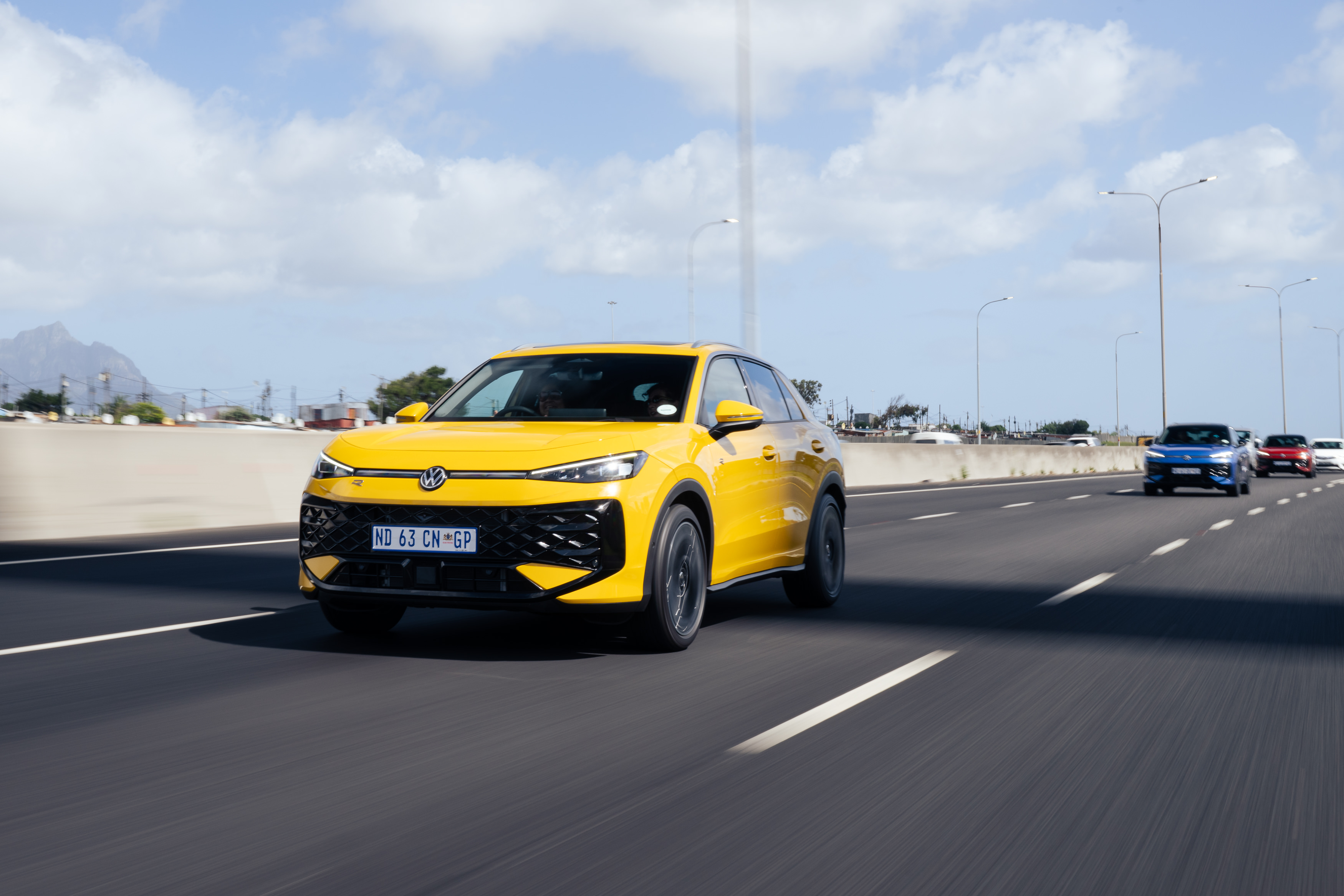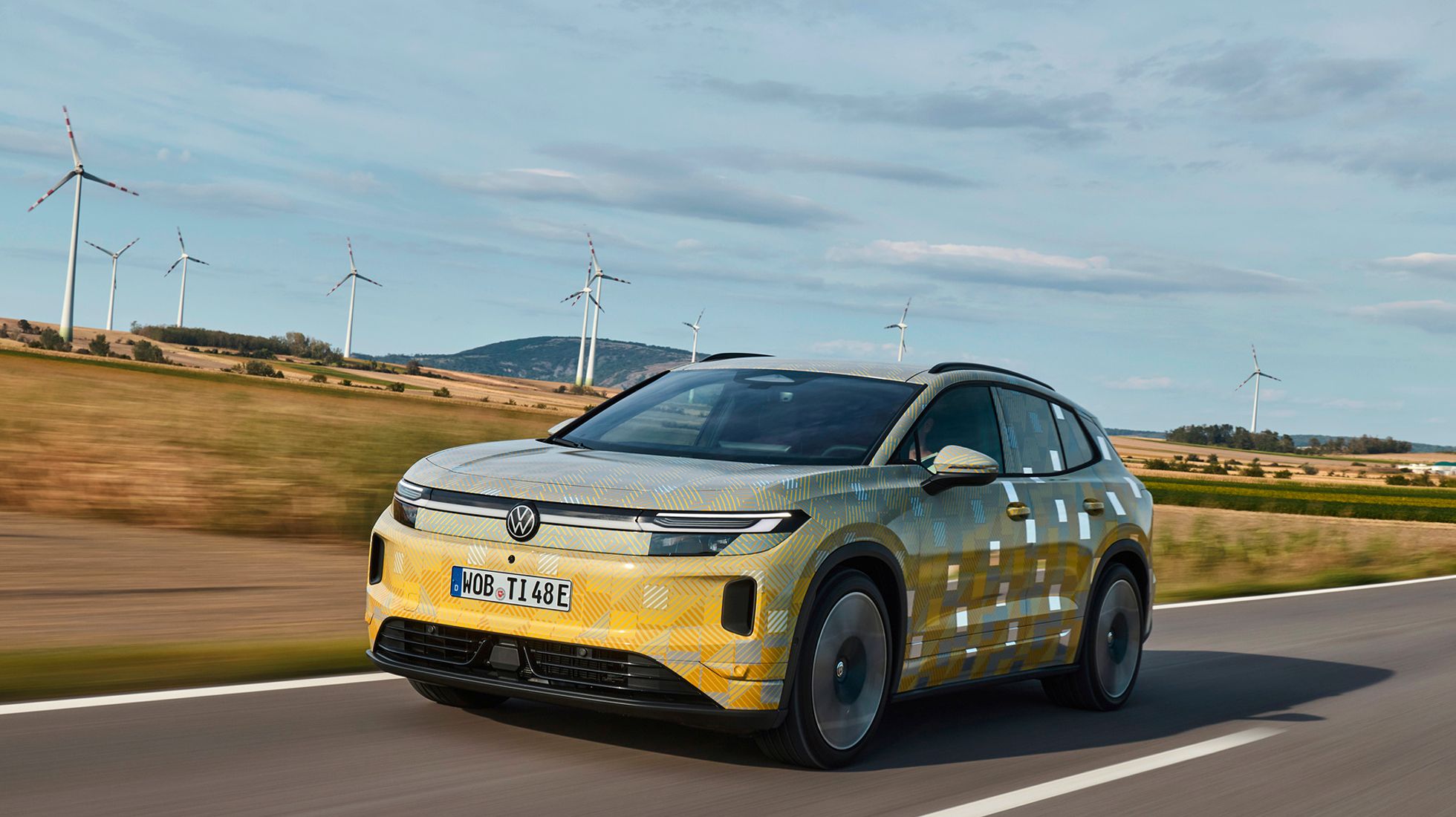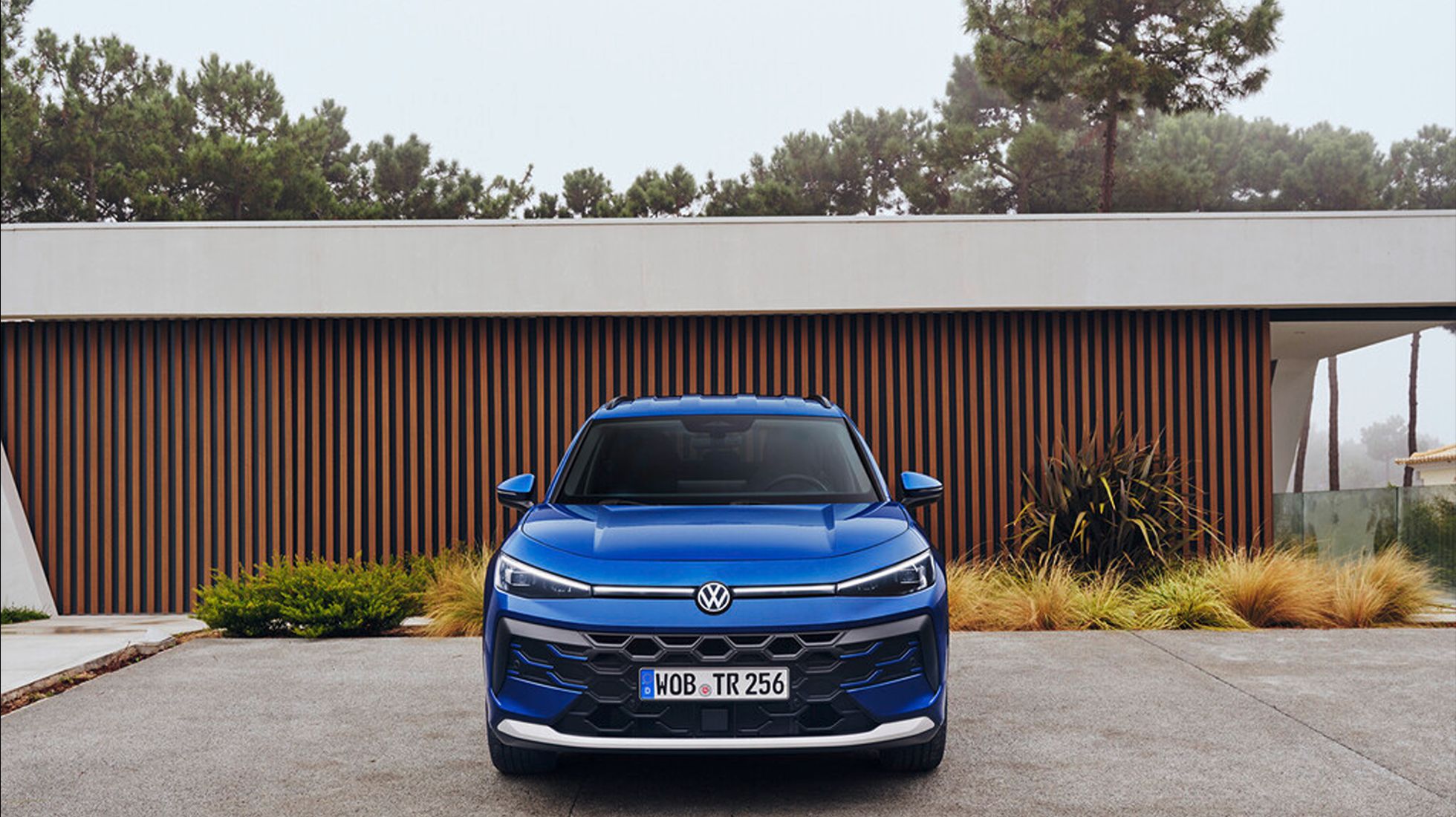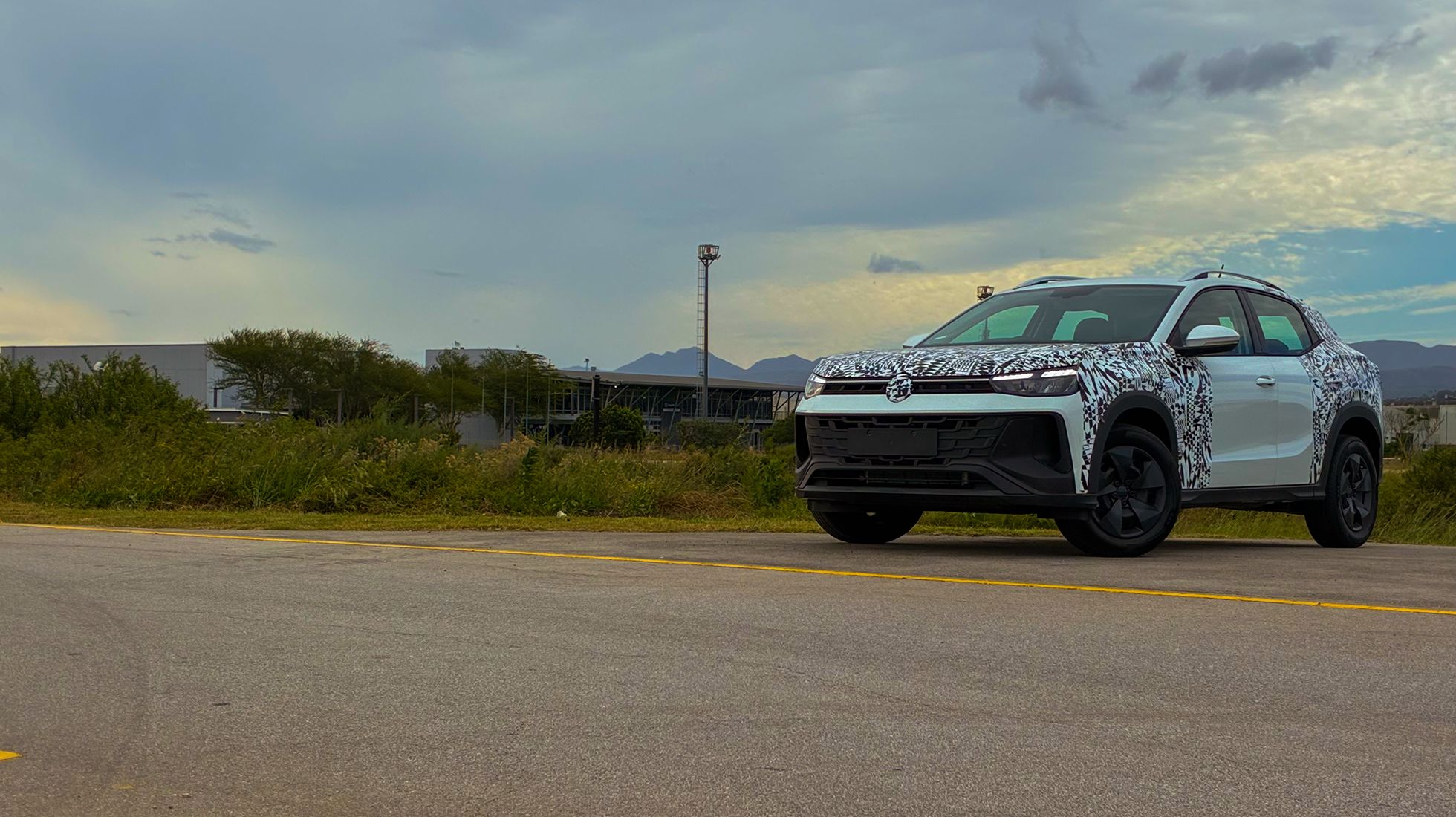
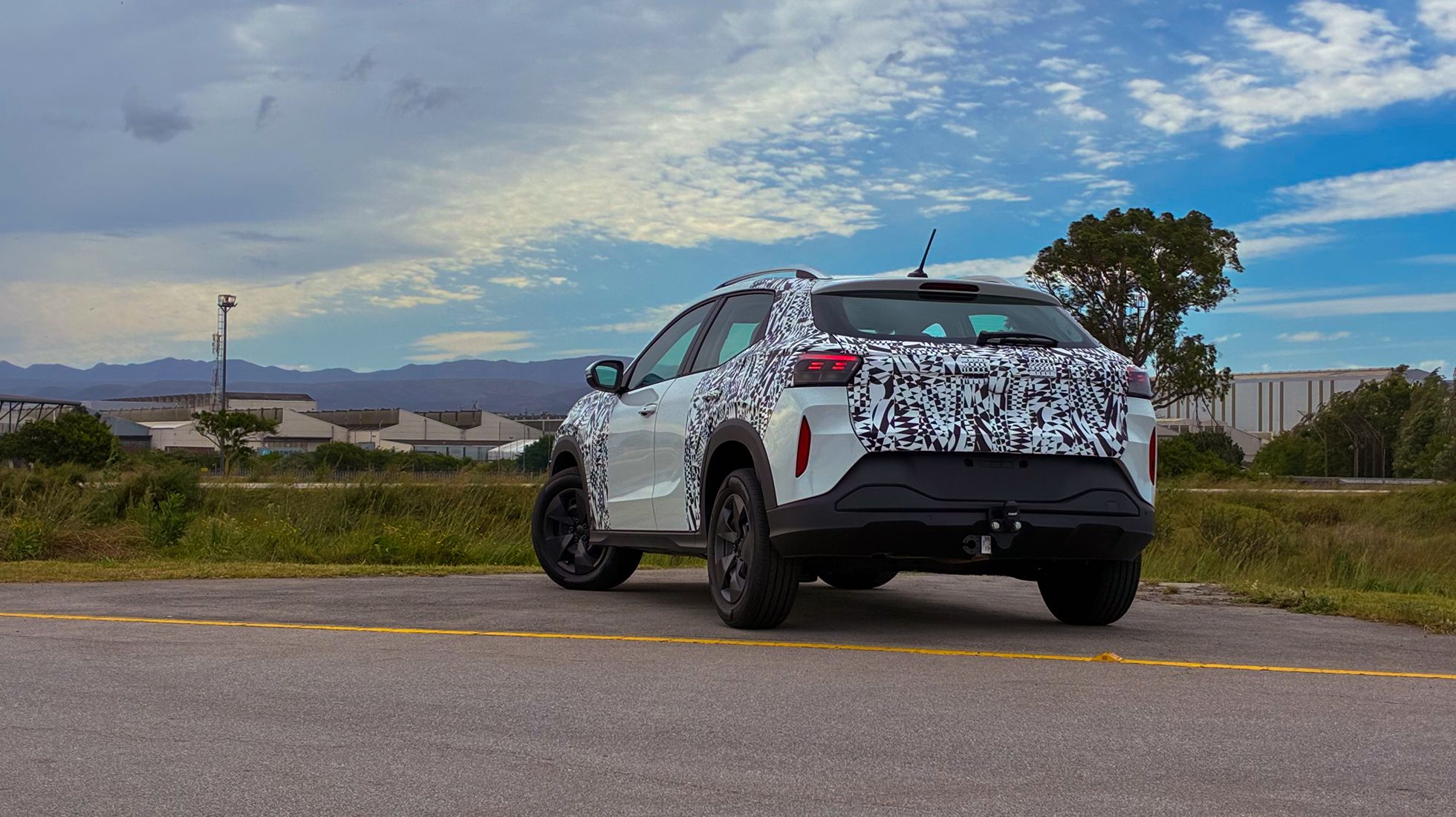
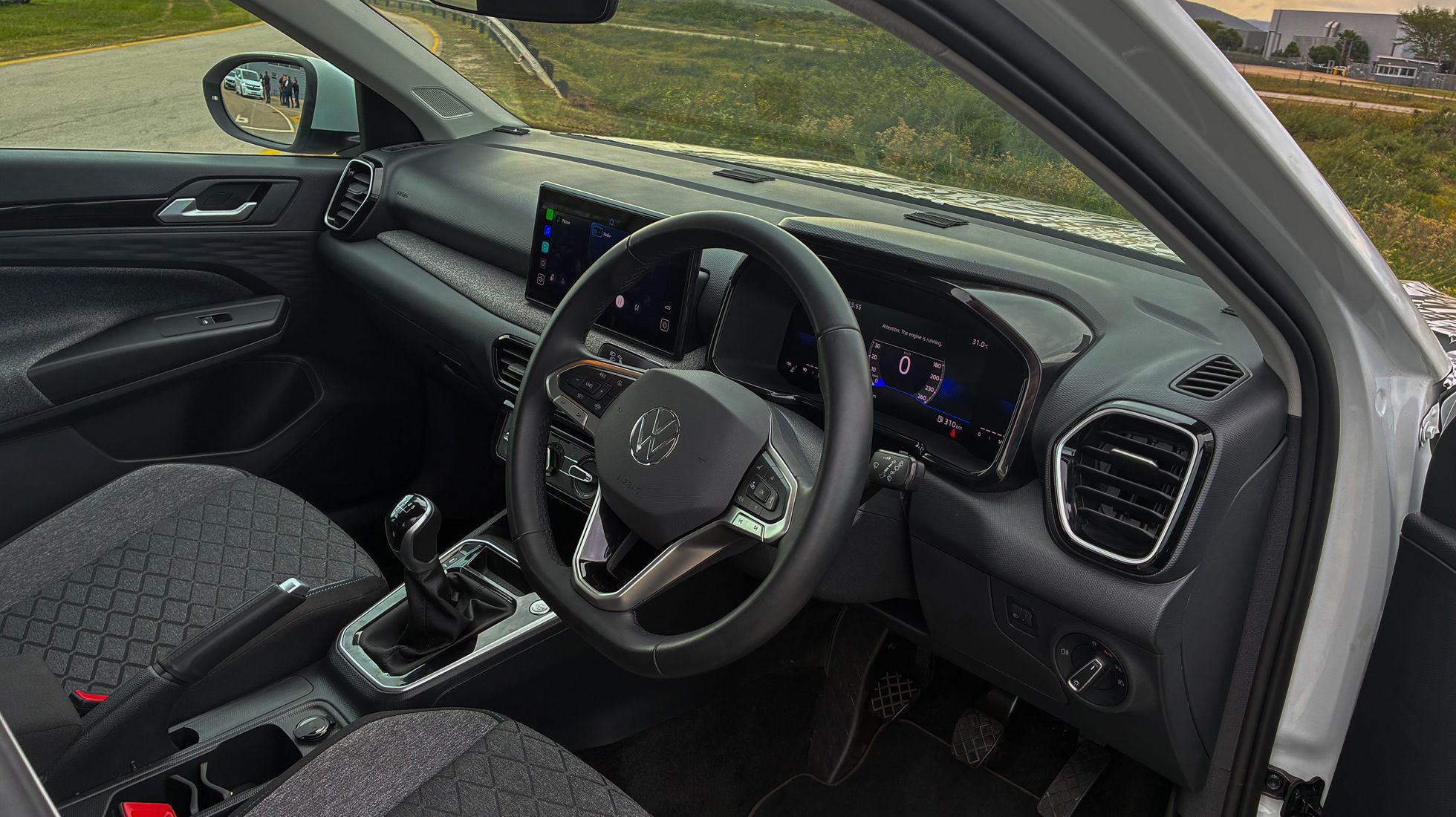
Another T joins the Volkswagen crossover family, and this one is built right here in South Africa. It’s called the Tengo, and after a day with the design and research teams, it’s clear this compact crossover went through a lot of testing and refinement to get here. This is how it came together…
The Tengo is a compact crossover that borrows plenty from the Polo, but it isn’t just a Polo on stilts. The project started with VW Brazil, and the South African team then helped ‘Africanise’ it for the continent.
It slots in below the T-Cross, with a lower, sleeker silhouette that looks quite elegant. It sits fairly high, and VW ran 41 test vehicles through 2.1 million kilometres of gravel and harsh weather to make sure it can cope with local conditions.
Two engines are on offer. The first is a 1.0-litre 3-cylinder TSI with 85kW and 160Nm. The second is a naturally-aspirated 1.6-litre 4-cylinder that makes 81kW and 152Nm, paired with either a 5-speed manual or a 6-speed Tiptronic automatic gearbox.
Both come in Trend, Life, Style and Black Style trim. Pricing will only be revealed in January 2027, but production started on 9 November.
We drove the 1.6, and the chassis is the best part of the package. It stays composed and stable in hard corners, with very little body roll and decent road feel, and it soaks up rough surfaces and undulations well. The transmission is where it falls down. Go for the manual, which feels noticeably stronger and more responsive. The Tiptronic is lethargic and seems to smother some of the engine’s power.
We haven’t driven the TSI yet. It comes only as an automatic, with a little more power than the 1.6. The underpinnings are clearly sound, so the extra power should help, but I’d want to drive it before passing any judgement. First, here’s what VW changed to make the Brazilian Tera ready for our roads.
The changes start inside, with a new dashboard to suit right-hand drive. Outside, the front bumper gets a coarser grain pattern that resists scratching better. The rear bumper has been slightly reworked to accommodate a tow hook, and the rear subframe is reinforced to take more punishment than the Brazilian Tera.
The Tengo borrows from the Polo, but it looks fresh rather than familiar. The flat bonnet, like the Amarok’s, gives it more presence than a small crossover usually has. The roof rails come from the Taigo, and the seats, structural frame and many smaller parts are Polo-based but reworked, the seats especially.
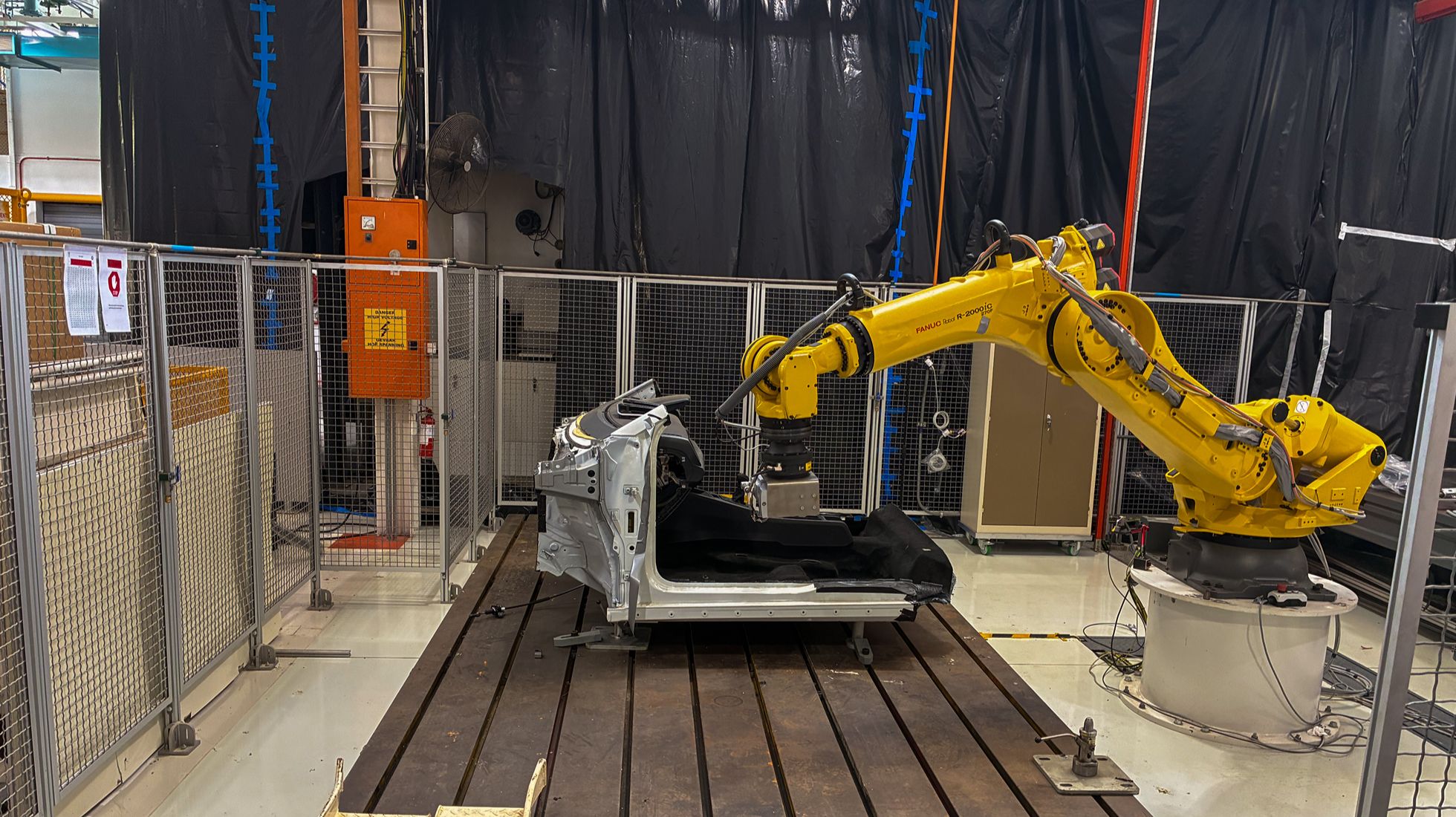
The testing regime is thorough. In a climatic chamber that swings from -40 to 80 degrees Celsius, the glove box and door handles are opened and closed thousands of times to prove they still work at both extremes. Both bumpers are crash-tested at low and high speeds, and every panel in the cabin is pressure-tested so your knee won’t deform the dash. Seeing it firsthand raised my respect for how seriously VW takes durability.
Volkswagen has also hidden a few Easter eggs in the Tengo. The rear glass pays homage to the local models, with tiny images of the Polo Vivo, the Citi Golf, and the Tengo itself. Look closer, and there’s more: like the ‘trip on’ on the parcel shelf, ‘see you soon’ below the door handle, and a VW logo worked into the seat design on the Life variant.
We’re holding our full verdict until we see the price, but the 1.6 manual has already made a strong first impression case. Power delivery is punchy, the ride on rough roads is brilliant, on-road comfort is soft, and it holds a corner well. It looks good, too.