

Flat out: the cars that broke every record
Ask anyone what they need from a car. Undoubtedly, practicality and efficiency are considerations. Ask anyone what they want, and the answer is performance, nine times out of ten. And looking at performance in isolation, it’s just an all-encompassing term used to describe the distinct measure of speed.
Carmakers have been chasing it since the early days of motoring. Marketing teams have been advertising the promise of speed, and record attempts were scheduled to prove that these cars can indeed blur the numbers.
Over the decades, manufacturers and engineers have built remarkable speed machines, and the stories behind these are worth telling. Some hit speeds that made you question whether any of it was strictly necessary. Others rewrote records that everyone assumed would only ever belong to ICE-powered cars. It turns out nobody ever gets tired of chasing the limit. Most early records on this list were broken, and that’s the point. These are the cars that did the breaking.
Jeantaud Duc (1898) 60km/h+

Electric cars have come a long way, and the Jeantaud Duc was built in 1898, when engineers still had some issues to iron out. What makes it interesting is that it was an electric car, and at the time, EVs were setting the pace in outright speed. With Gaston de Chasseloup-Laubat at the controls, it set the first recognised speed record of a dizzying 63km/h. This record made it one of the fastest vehicles at the time.
La Jamais Contente (1899) 100km/h+
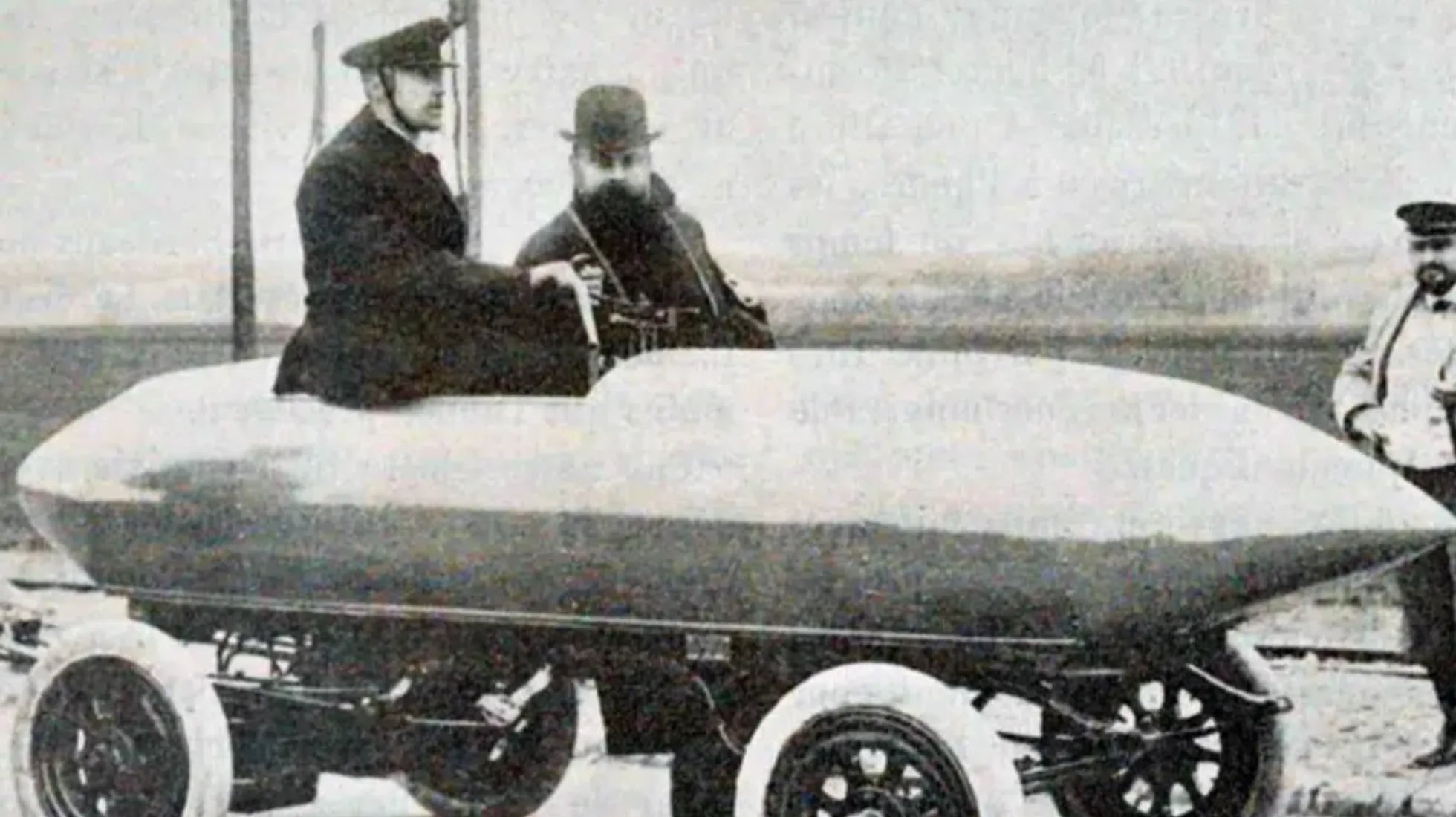
The year 1899 remains an important one in the history of cars. Renault was founded, and in Germany, Opel manufactured its very first car. In the same year, an electric car called La Jamais Contente became the first road vehicle to exceed 100km/h, reaching 105km/h and driven by Camille Jenatzy. Two direct-drive 25kW electric motors, powered by 100 lead-acid battery cells, made the car very heavy at around 1,450kg, about the same weight as the current BMW 220i coupe.
Serpollet Easter Egg (1902) 120km/h+

Probably one of the strangest nicknames in the world of cars. The Serpollet ‘Easter Egg’ was a steam‑powered car, and in case you’re wondering, it got its name from its shape. It reached 120.8km/h in 1902, making it one of the fastest cars at the time. Not only that, it became the first steam‑powered car to claim a world speed record, beating electric and ICE-powered cars.
Jaguar XK120 (1949) 200km/h

The first production car to hit 200km/h was the Jaguar XK120, and its name was derived from its top speed in miles per hour. 1949. What’s interesting about it is that it made do without a windscreen, seatbelts, airbags, or ABS. It was all down to the driver’s skill. Imagine that.
Mercedes-Benz 300 SL (1955) 240km/h+

Then there was the Mercedes-Benz 300 SL, which, besides being a collector’s item, still holds the record as the fastest production car of its time. Packing a 3.0-litre straight-6 engine with fuel injection (for the first time), and gull-wing doors, it was capable of reaching speeds of up to 242km/h. A figure which, in 1955, was surely considered unnecessary.
Aston Martin DB4 GT (1963) 245km/h
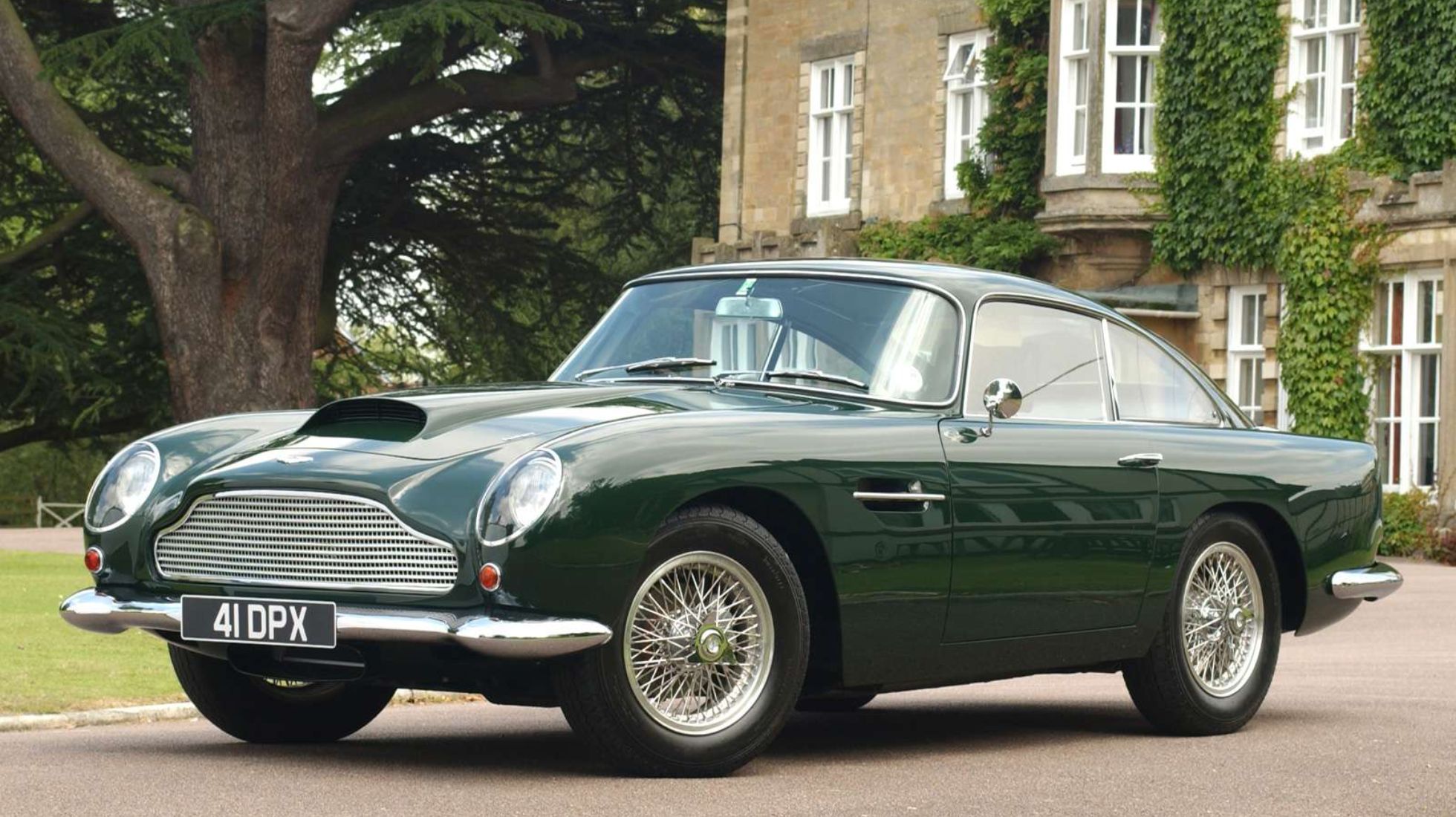
There was a time when Aston Martin wasn’t just pretty, but also world-record-fast. The DB4 GT, with its round headlights and wide grille, reached 245km/h in 1963, powered by a 3.7-litre straight-6 engine. Good looks and genuine speed in one package. Most manufacturers are still trying to pull that off today.
Lamborghini Miura P400 (1966) 275km/h
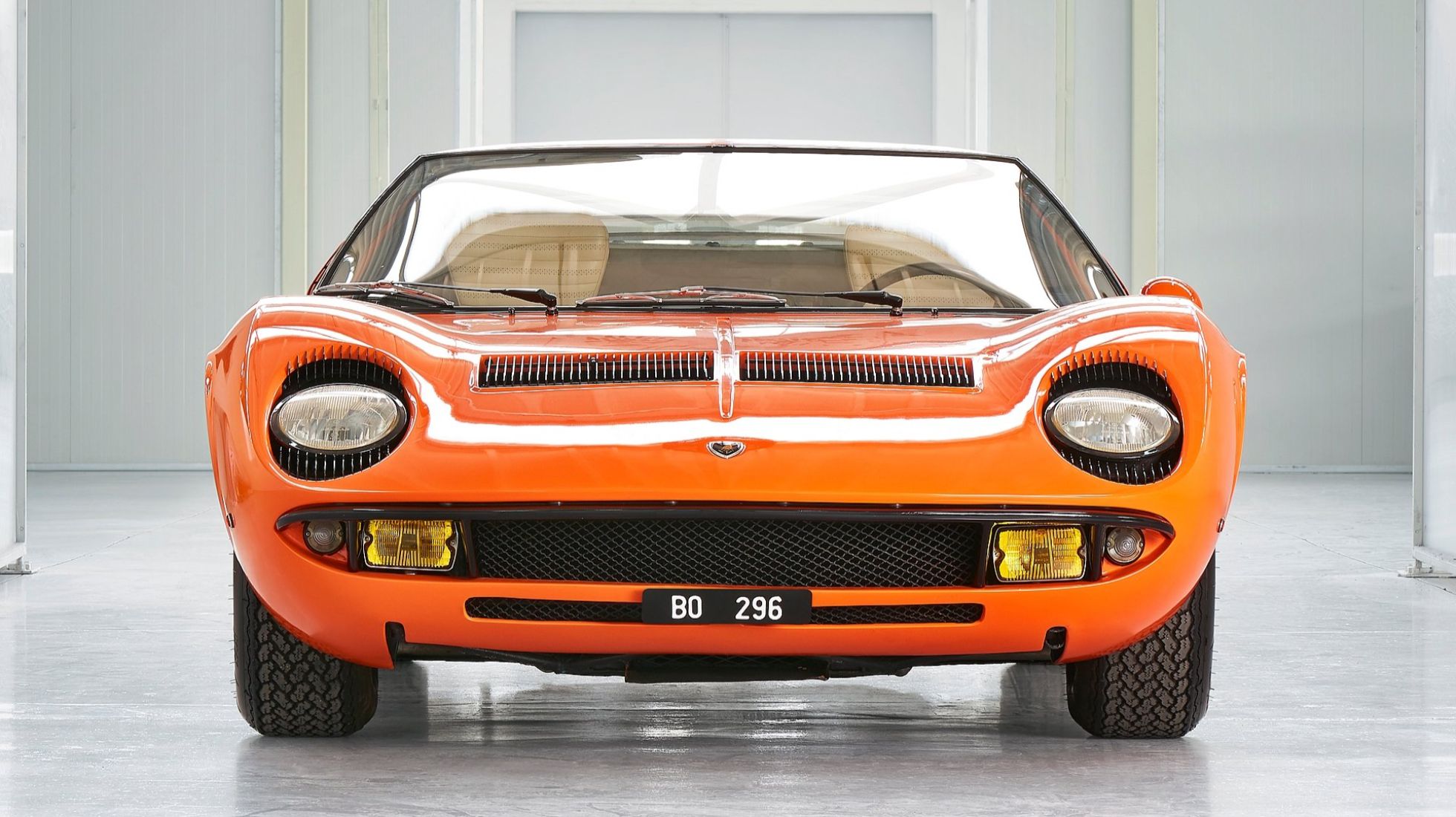
In 1966, Lamborghini engineers Gian Paolo Dallara and Paolo Stanzani decided to develop the Miura P400. They kept it a secret from Ferruccio Lamborghini until it was almost complete. He reportedly only approved it for production after he saw the excitement it generated, but he found it a bit too extreme. Fortunately, that extremity produced a car that hurtled to 275km/h, thanks to a transverse V12 engine with 260kW.
Porsche 959 (1986) 317km/h

Originally built to compete in Group B rallying, the Porsche 959 became the world’s fastest production car with a recorded top speed of 317km/h. Looking at what modern cars are capable of today, this was well ahead of its time. It packed a 2.85-litre twin-turbo flat-6 engine with 331kW sent to all four wheels. For Bill Gates and Ayrton Senna to have owned one example each is enough to justify how special this was.
Ferrari F40 (1987) 320km/h+

Porsche’s record didn’t last for too long before Enzo Ferrari’s last car, the F40, became the fastest production car after it hit a top speed of 324km/h in 1987. It was such an exceptional engineering marvel, especially considering it had no carpets, radio, door handles, ABS, or traction control. It was just a man-and-machine kind of situation. Enzo passed away almost a year later, and the F40 was Ferrari’s last word on performance.
McLaren F1 (1994) 380km/h+

Built by Gordon Murray, an engineer born in Durban, the McLaren F1 was conceived to be the best car ever made. No turbos, no all-wheel drive, no compromises, just a naturally aspirated BMW-sourced 6.1-litre V12 producing 467kW, a full carbon chassis, and a central driving position. Crazy idea, but Murray even had the engine bay lined in gold foil for heat management. On a closed runway in 1998, it hit 386km/h. The record stood for eight years. When it fell, it did so at one kilometre per hour.
Koenigsegg CC8S (2002) 387km/h

Imagine building what Christian von Koenigsegg did at only 22 years of age. He built the Koenigsegg CC8S, which dethroned the McLaren F1 in 2002 by exactly 1km/h. This was the beginning of many more, and the CC8S was built by a factory with fewer than twenty employees. It accelerated all the way to a top speed of 387km/h, thanks to a Ford-derived 4.7-litre supercharged V8 with 488kW. Only six were built, and to this day, these remain rare cars.
Bugatti Veyron (2005) 400km/h+

Ferdinand Piëch told his Bugatti engineers to make a car with 700kW that can hit 400km/h. Impossible, they said. Fast forward through an 8.0‑litre W16, four turbos, and ten radiators, and suddenly… they were very, very wrong. With a 408km/h record at the time, the Veyron overdelivered.
SSC Ultimate Aero TT (2007) 410km/h+
After the Bugatti Veyron’s early‑2000s speed runs came the SSC Ultimate Aero TT, which set a new Guinness-recognised ‘world’s fastest production car’ record in 2007. The manufacturer built the Ultimate Aero TT from around 2004 through 2008, with some later examples into the early 2010s. It held the record with a top speed of about 412km/h, powered by a 6.3‑litre twin‑turbo V8 rated at 882kW. The record was officially verified under Guinness World Records’ two‑way‑run protocol and stood until later supercars beat it.
Bugatti Veyron Super Sport (2010) 430km/h+
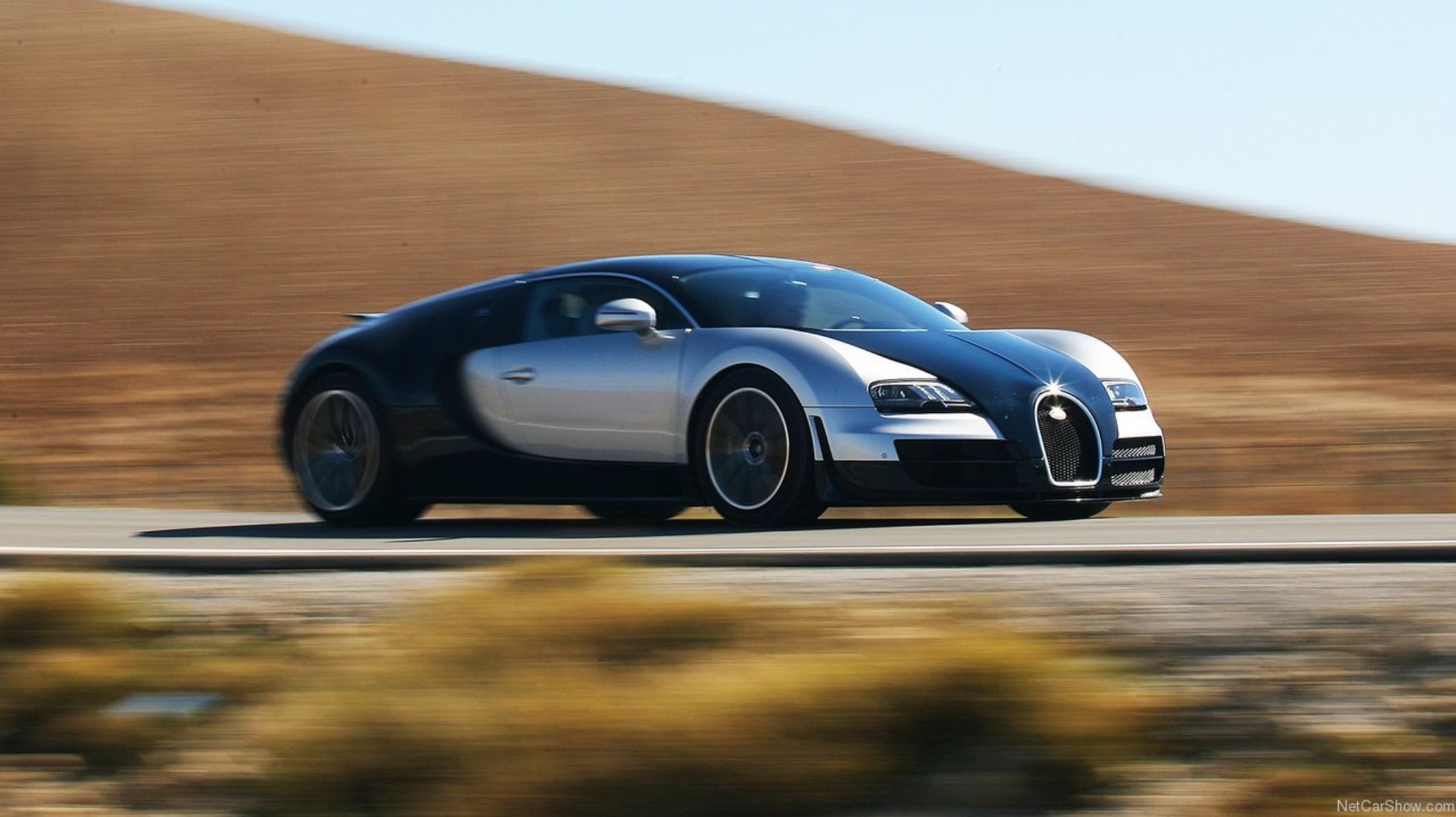
In 2010, Bugatti was preparing to snatch the production‑car speed record from the SSC Ultimate Aero TT, and it did. The Bugatti Veyron Super Sport hit a two‑way average of 431.072km/h thanks to revised aerodynamics and an 894kW W16 engine with four turbos. The record stood for about seven years, and only five examples were built.
Koenigsegg Agera RS (2017) around 450km/h
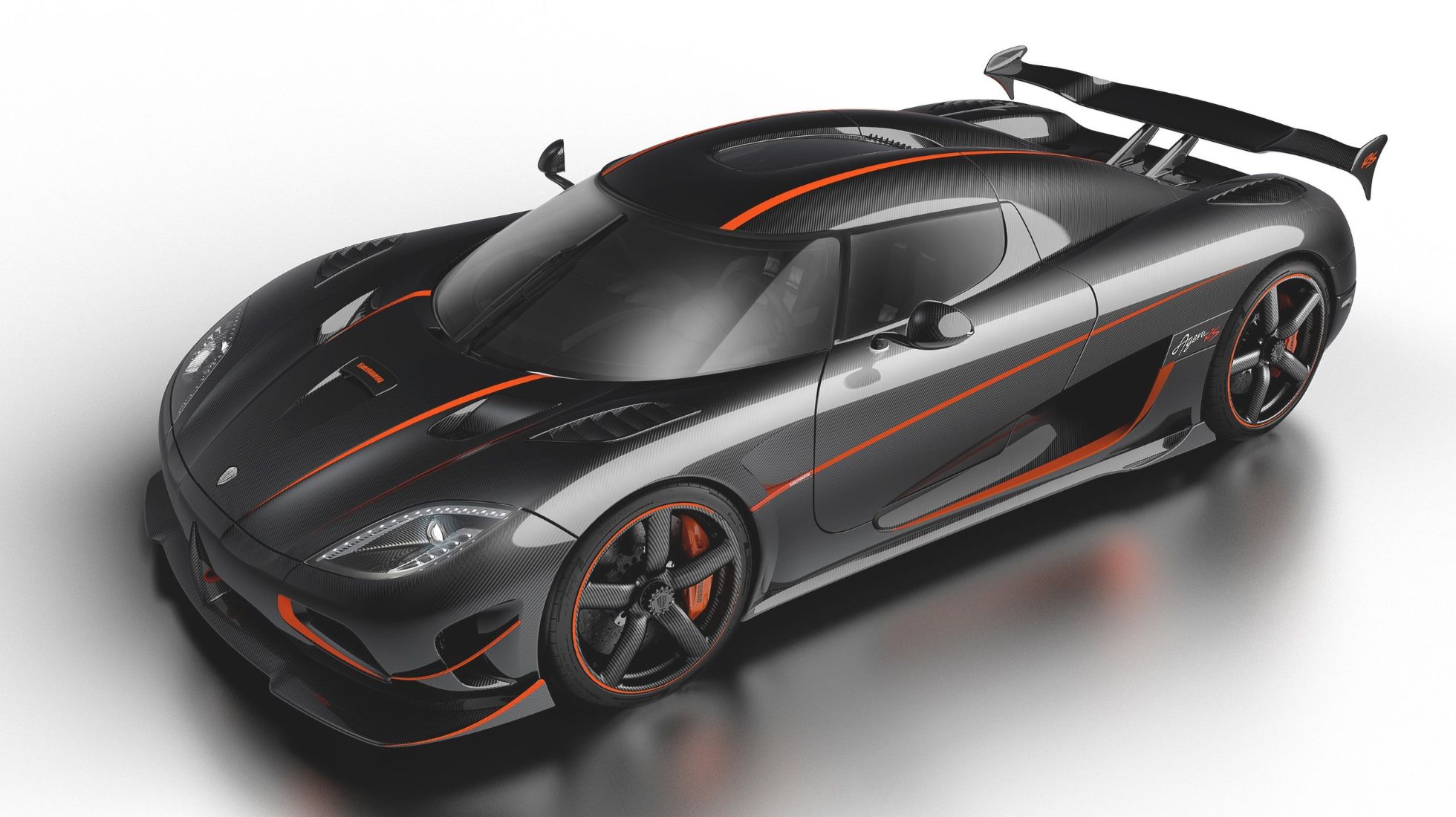
It took Koenigsegg a couple of years and runs to reclaim the record of the fastest production car. The Agera RS averaged 447.2km/h in 2017 on a closed stretch of Nevada State Route 160, with all speeds GPS‑verified by independent timing equipment. That’s how interesting a 5.0‑litre twin‑turbo V8 engine with 865kW and 485kg of downforce at 250km/h can be. Only 25 units were built.
Bugatti Chiron Super Sport 300+ (2019) 490km/h
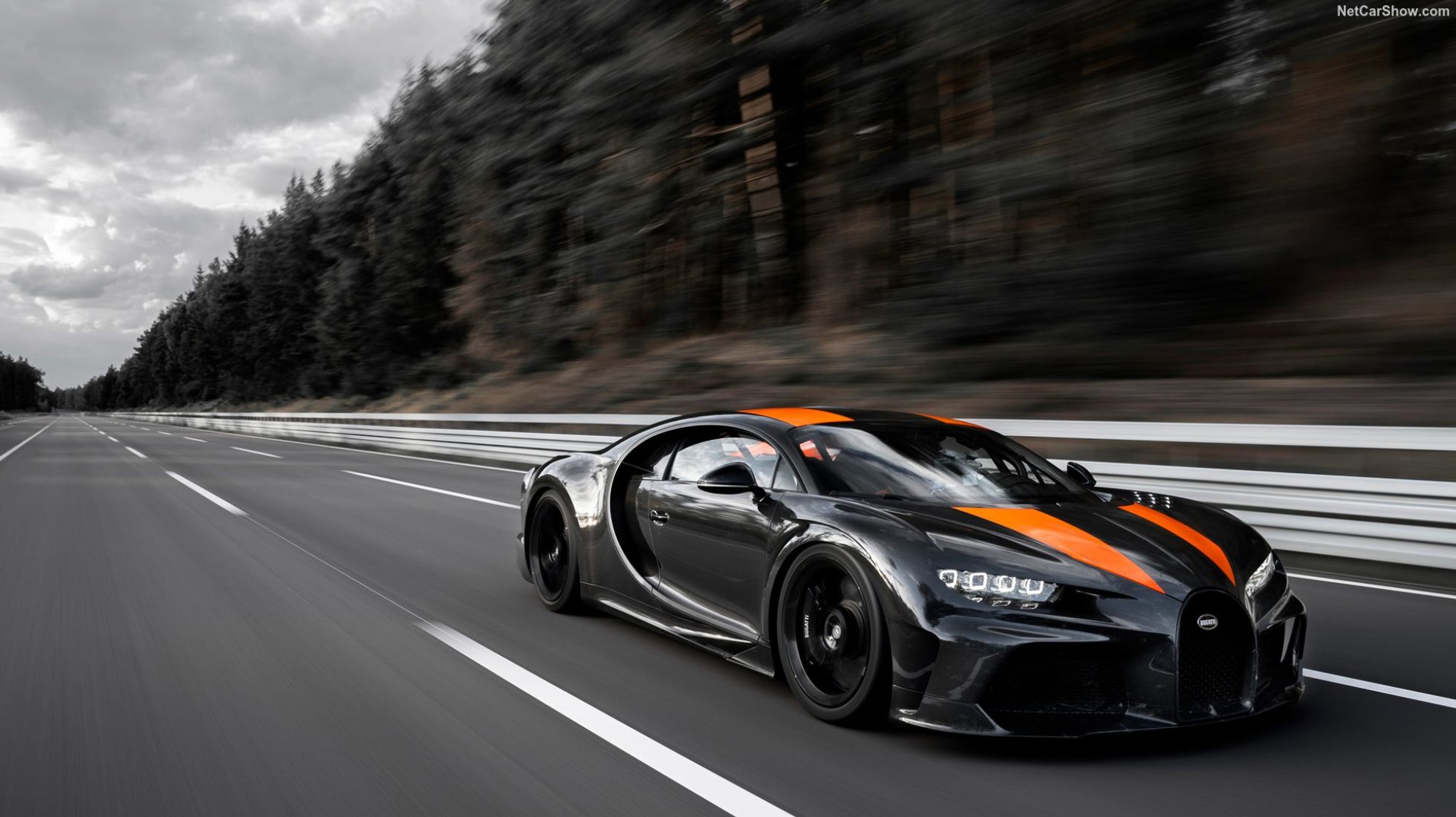
While top speeds of up to 490km/h may have seemed impossible in 2019 on paper, Bugatti didn’t think so. Andy Wallace, a Le Mans winner, accelerated the Chiron Super Sport 300+ to an insane speed of 490km/h in one direction only. While tyre safety concerns were real, so was the speed. Besides that, Wallace regarded the run as stable and confidence-inspiring at such speeds. Mental.
Rimac Nevera (2023) 400km/h+ Electric
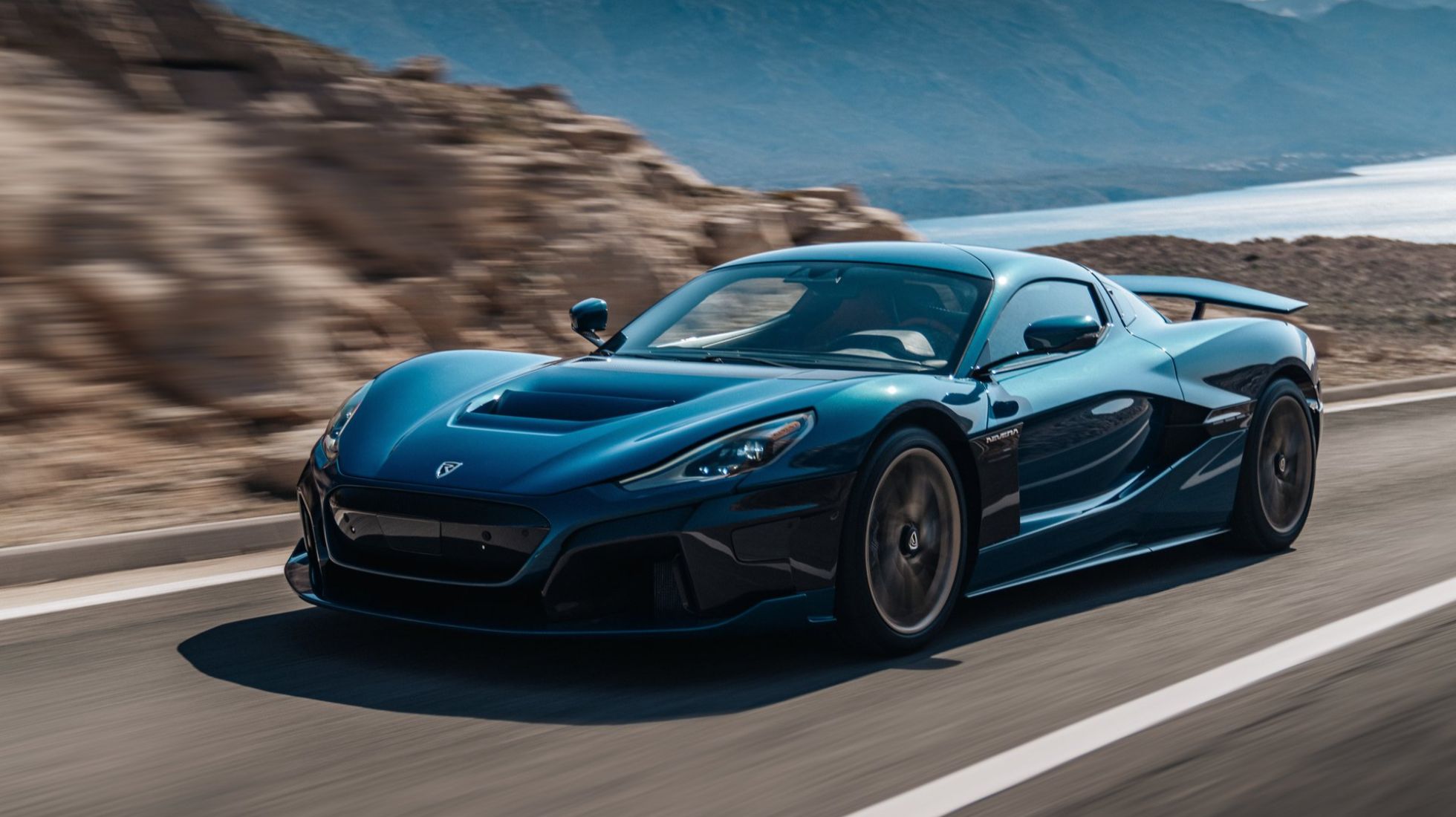
High-strung electric cars are fast. But 400km/h? The Nevera accelerated to 412km/h, courtesy of four electric motors with a combined power output of 1,407kW. That’s a huge gap between it and the Duc and Contente mentioned earlier. Before the Nevera, 400km/h was combustion territory. Rimac didn’t get that memo.
Yangwang U9 Xtreme (2025) nearly 500km/h

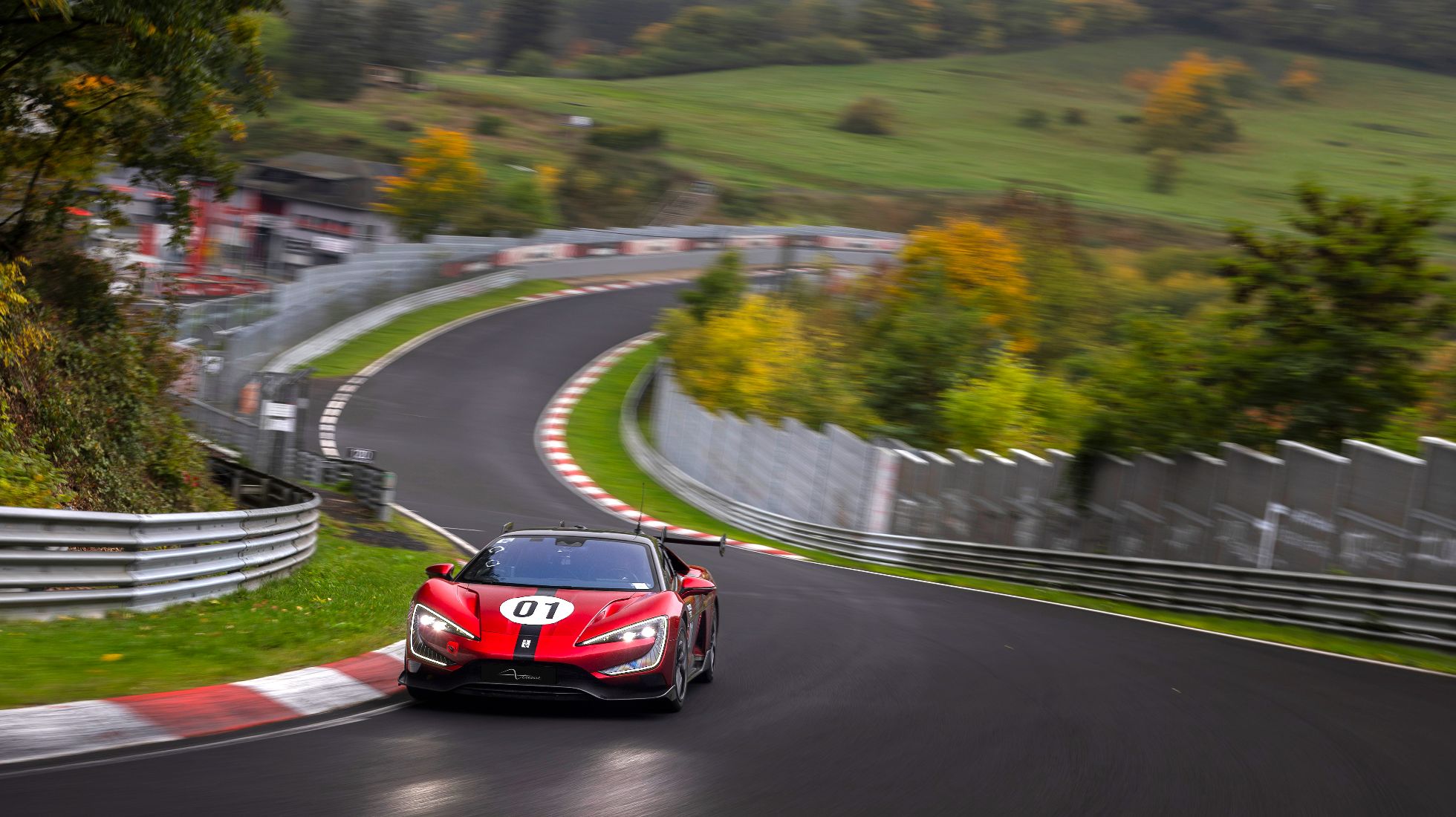
Isn’t it strange and fascinating that the car at the top of this list is Chinese? Even more so when you realise it’s the one that finally ends decades of combustion dominance. Wild. But that’s what quad motors, 2,220kW, and the kind of expertise BYD brings to the table can do. It’s a seriously interesting setup. This is the U9 Xtreme, clocking a two-way average of 496km/h, faster than the Bugatti Chiron, faster than the Koenigsegg Agera RS, faster than everything before it. The world’s fastest production car is an electric Chinese car, and with BYD expanding locally, our only wish now is to see the Xtreme arrive in SA…
Koenigsegg Jesko Absolut (TBC) 531km/h (theoretical)

Yes, the Jesko Absolut hasn’t gone for a run yet, but the maker says it can run to a top speed of 531km/h. Quite ambitious, and for the brand to achieve this theoretical speed, it would need a long enough straight, capable tyres, and one brave driver. It’s worth remembering, though, that this is a brand that beat the McLaren F1 and has broken or contested the production car record multiple times since.