Eastern Intent: Inside Lepas’ plans for South Africa
I’ve seen the roadmap. I’ve been to the headquarters. Ignoring this one would be a mistake.
Sometimes we are a little too quick to pass judgment. When Chery first entered the local market in 2008, it was judged over quality concerns, among other things. And by 2018, it quietly pulled out of the market, and most people assumed that was it, case closed. It returned in 2021, and since then it has aggressively expanded with sub-brands such as Jetour, Omoda, Jaecoo, and iCaur.
Interestingly, if you were to combine the April 2026 sales for the entire Chery Group in SA, 5,649 vehicles, that would position it as SA’s second-biggest brand. Impressive, and if I were to add to that, 2025 was a notable year for the brand globally. It recorded its strongest performance to date with 2,806,393 vehicles sold, a strong 17.4% increase in exports from 2024.
Back home, the bigger picture is equally impressive; Chinese brands accounted for just 2.78% of the local total vehicle market in Q1 2020. However, by the same period in 2025, that figure had grown to 11.81%, representing 17,003 Chinese cars finding homes across the country. The shift is no longer a small one, and with the group’s acquisition of the Nissan Rosslyn plant, there’s more coming. The group announced in China that it would produce the Jetour T-Series range at the plant from 2027, which should really tell you something about the brand’s seriousness in the local market.
Which brings us to the new Lepas brand, which is positioned above the core Chery brand and sold as a ‘youthful-premium’ brand. Think of it as the group’s move upmarket, a brand built for buyers who want premium design and technology without paying premium European prices. The brand arrived in SA earlier this year with the L4, and if anything, it proved that the local market still has room for yet another Chinese marque, provided the product is convincing.
During my recent trip to Beijing for Auto China 2026, Lepas clearly outlined its roadmap and ambitions in the automotive segment. Walking through those exhibition halls, visiting the Chery headquarters, and seeing the volume of products on display, it proved that Chinese marques aren’t here to play around. More than 60% of the show’s global debuts reportedly came from Chinese brands themselves, and it showed. In some markets, like SA, the aforementioned stats show they’ve already moved beyond simply competing on price, and I suspect that’s what will make more than one established brand uncomfortable.
THE DEBUTS
Against a backdrop of 181 global debuts, more than 1,000 exhibitors and 1,28 million visitors, Lepas took the covers off its L4 EV, L6, L6 EV, L6 PHEV, and L8 PHEV SUVs. Besides those, we also saw the L2 hot hatch and L9 SUV prototypes at the brand’s headquarters in Wuhu.
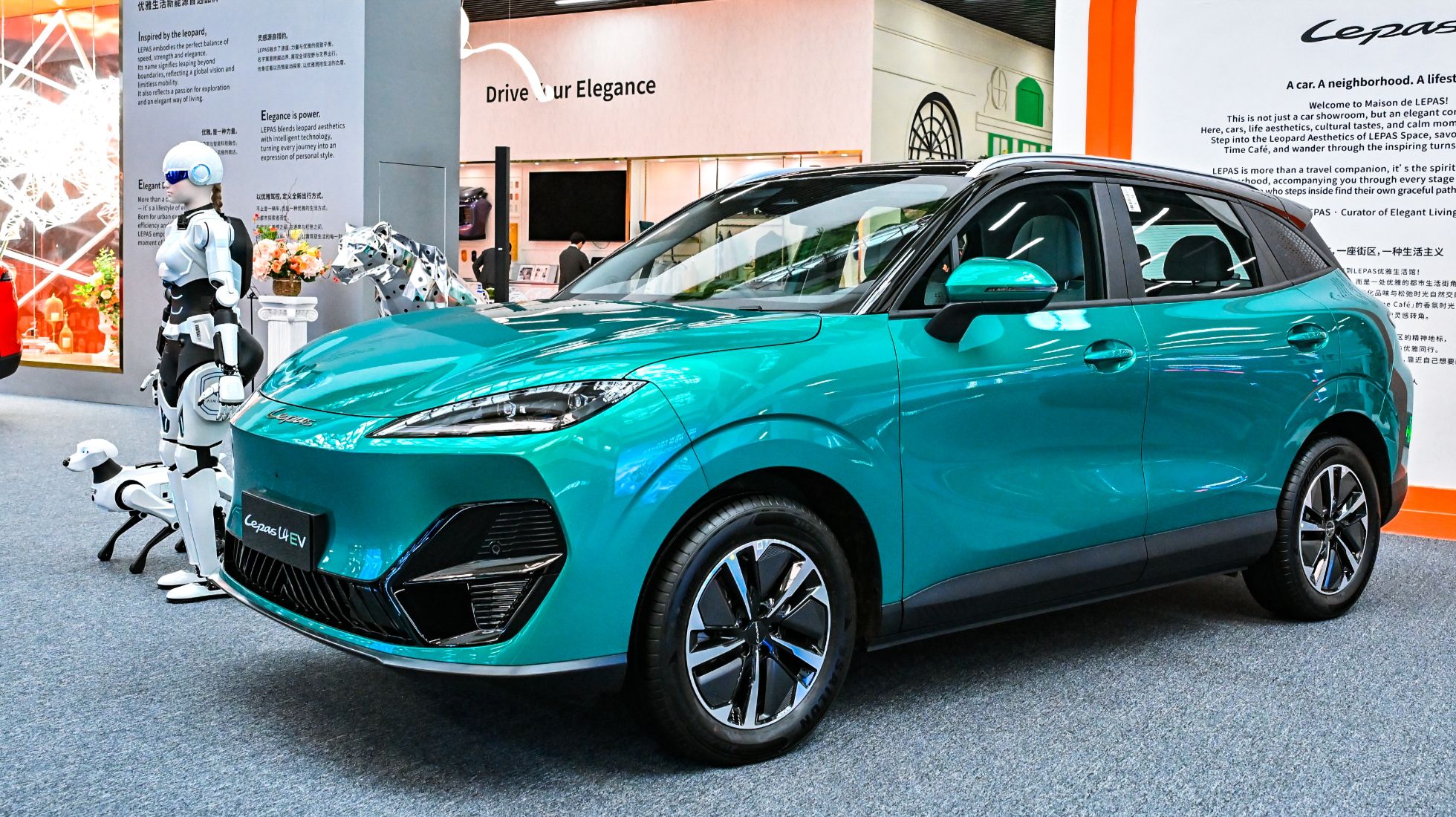
L4 EV – Q3
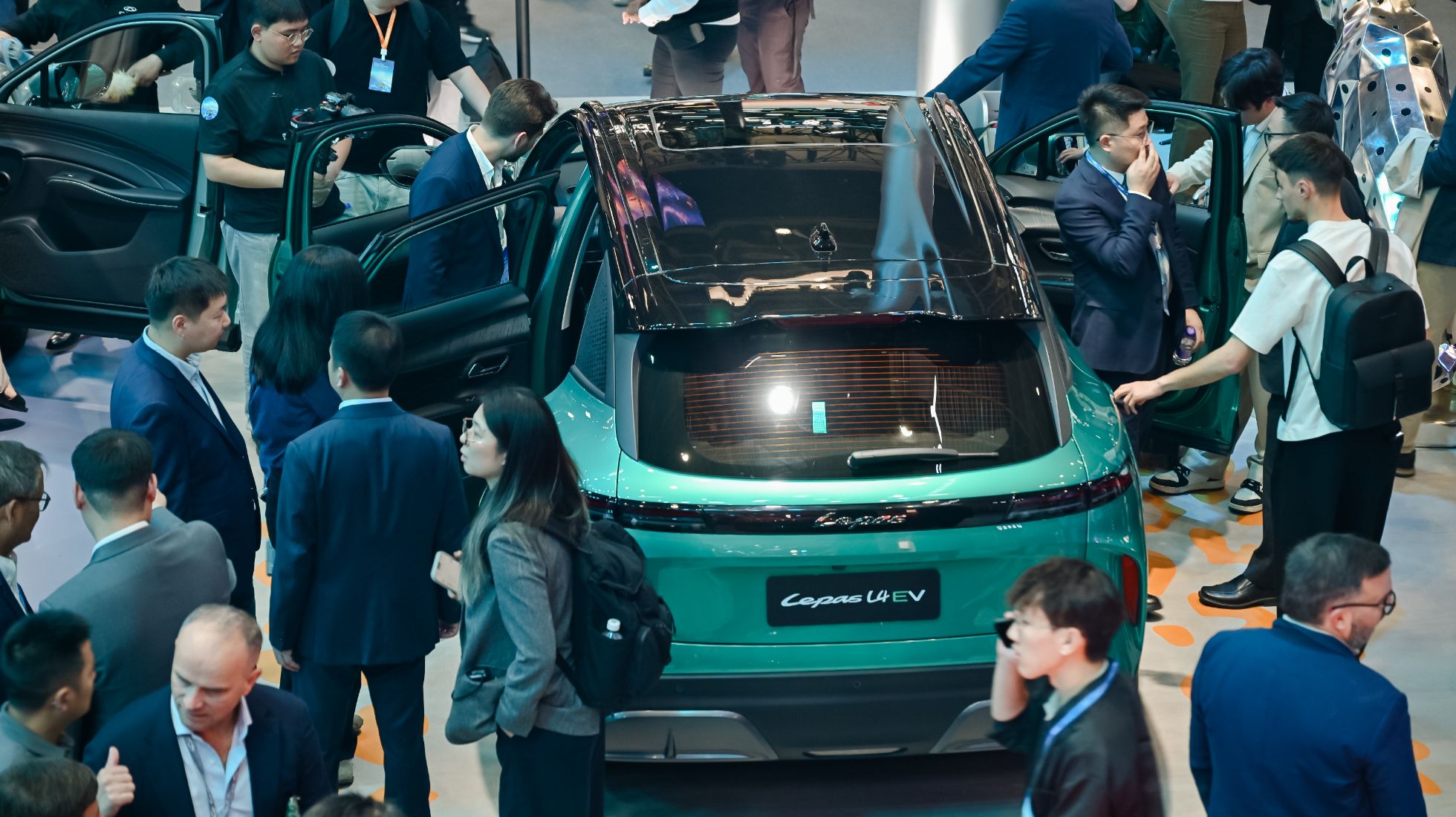
Set to become another significant player in the local EV market, the L4 EV is a new premium compact electric SUV that, while sharing the same underpinnings as the L4 currently on sale in SA, takes a slightly different approach to its aesthetics. The build quality is L4-level, with physical buttons for key functions like climate control, and it is expected to use a front-mounted electric motor with 160kW powered by a 61.1kWh battery pack, offering a range of about 500km on a single charge. That’s enough range for daily driving and travel duties, especially since it supports fast charging of up to 200kW.
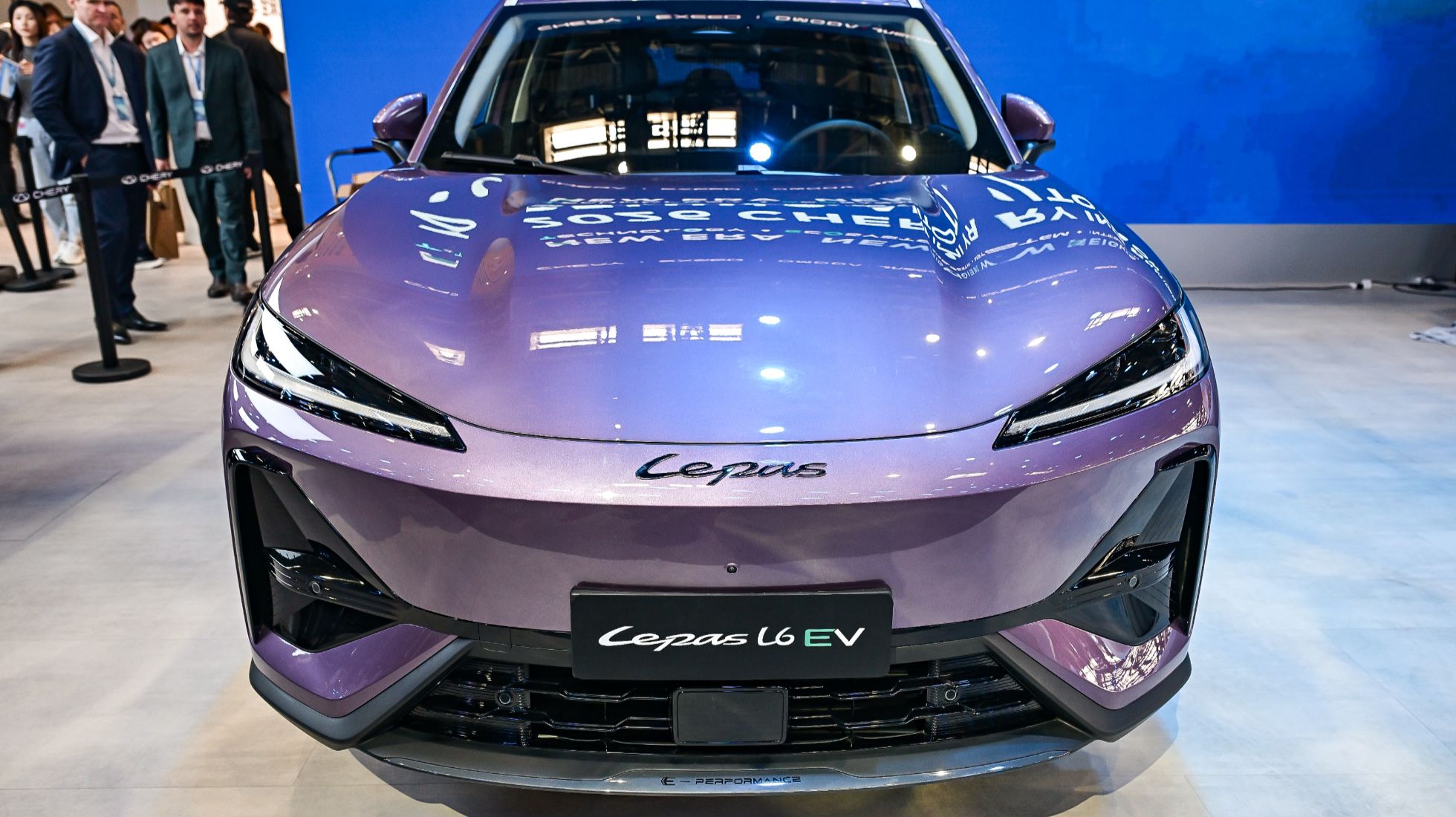
L6 EV – Q3

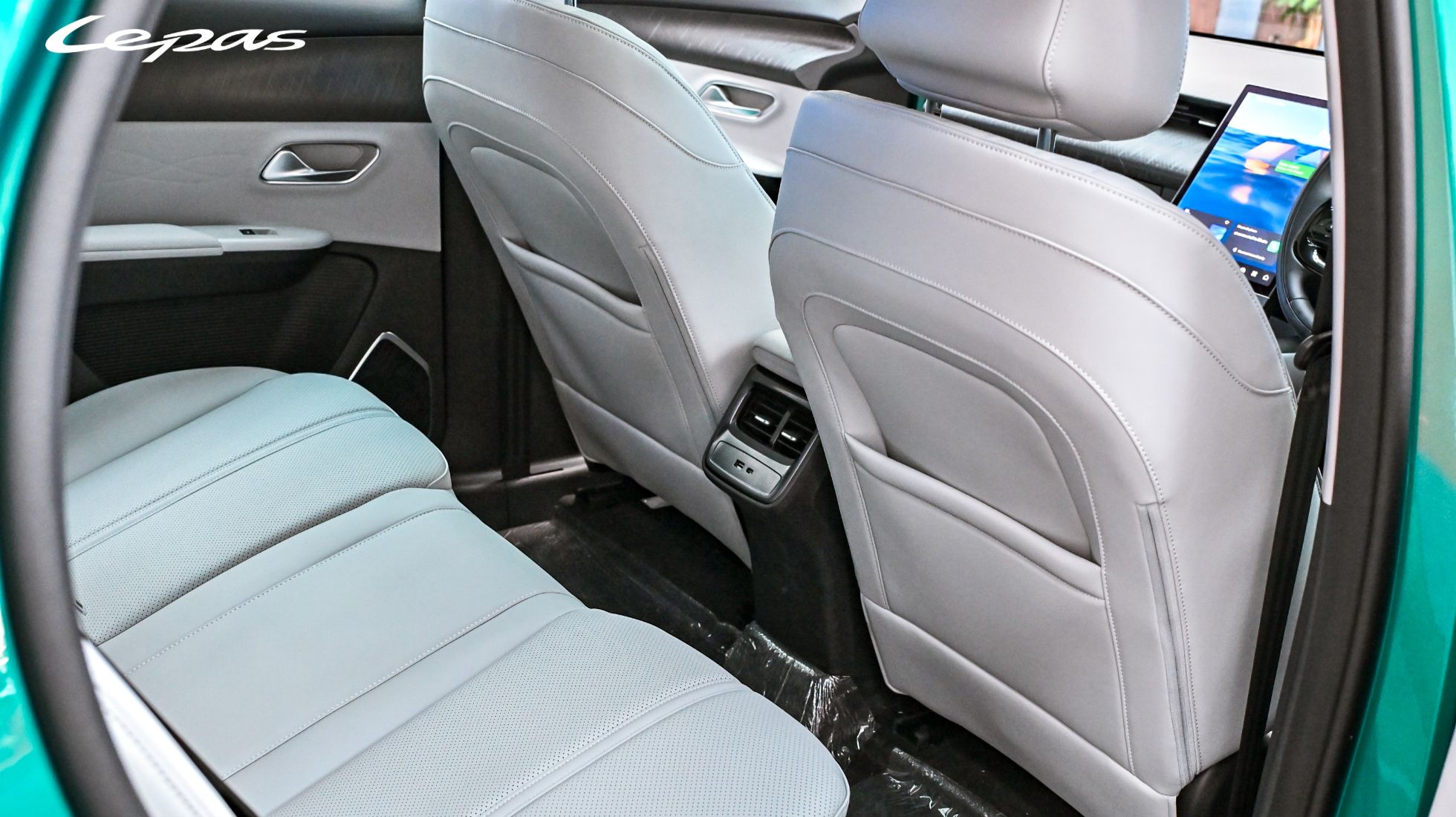
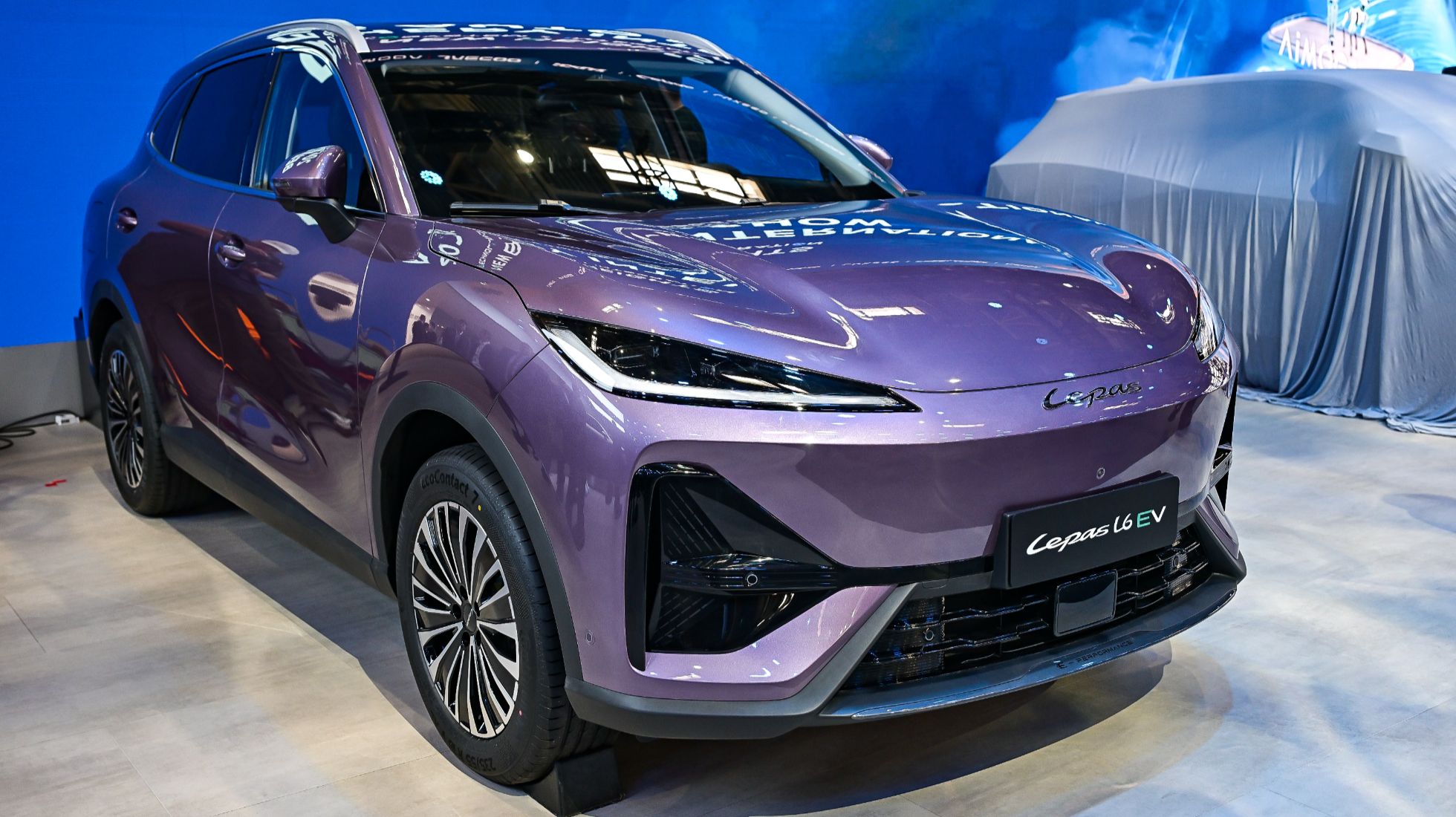
Slotting just above the L4 EV is the slightly bigger L6 EV, which, in terms of size, is similar to the Toyota RAV4. It comes with a 67kWh battery pack that powers a front-mounted electric motor with 178kW and 275Nm, enough to send it from 0-100km/h in 7.9 seconds. As for the EV range, Lepas suggests 450-510km between chargers, with charging from 30 to 80% taking approximately 20 minutes, thanks to 120kW DC charging support. You can expect a much more premium interior and equipment than the L4’s, including ventilated front seats, a panoramic glass roof, and a Sony sound system, to name a few. This model will be joined by an ICE-powered variant within the same timeline. While Lepas remains mum about specifications, it could pack a 1.5-litre turbocharged petrol engine, similar to the L4, with the same 108kW and 235Nm sent to the front wheels through a 6-speed DCT.
L6 LSH PHEV – Q3
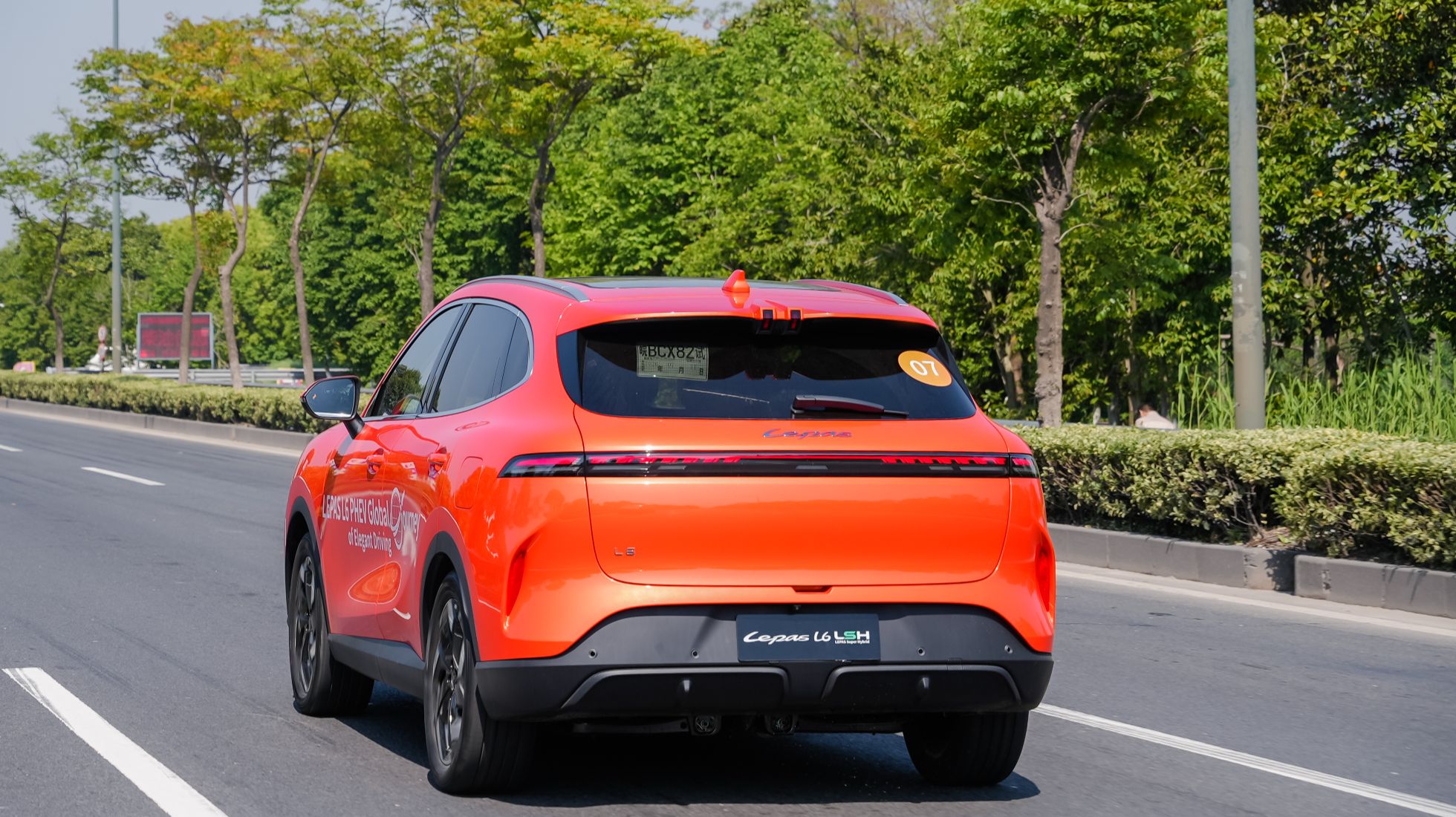
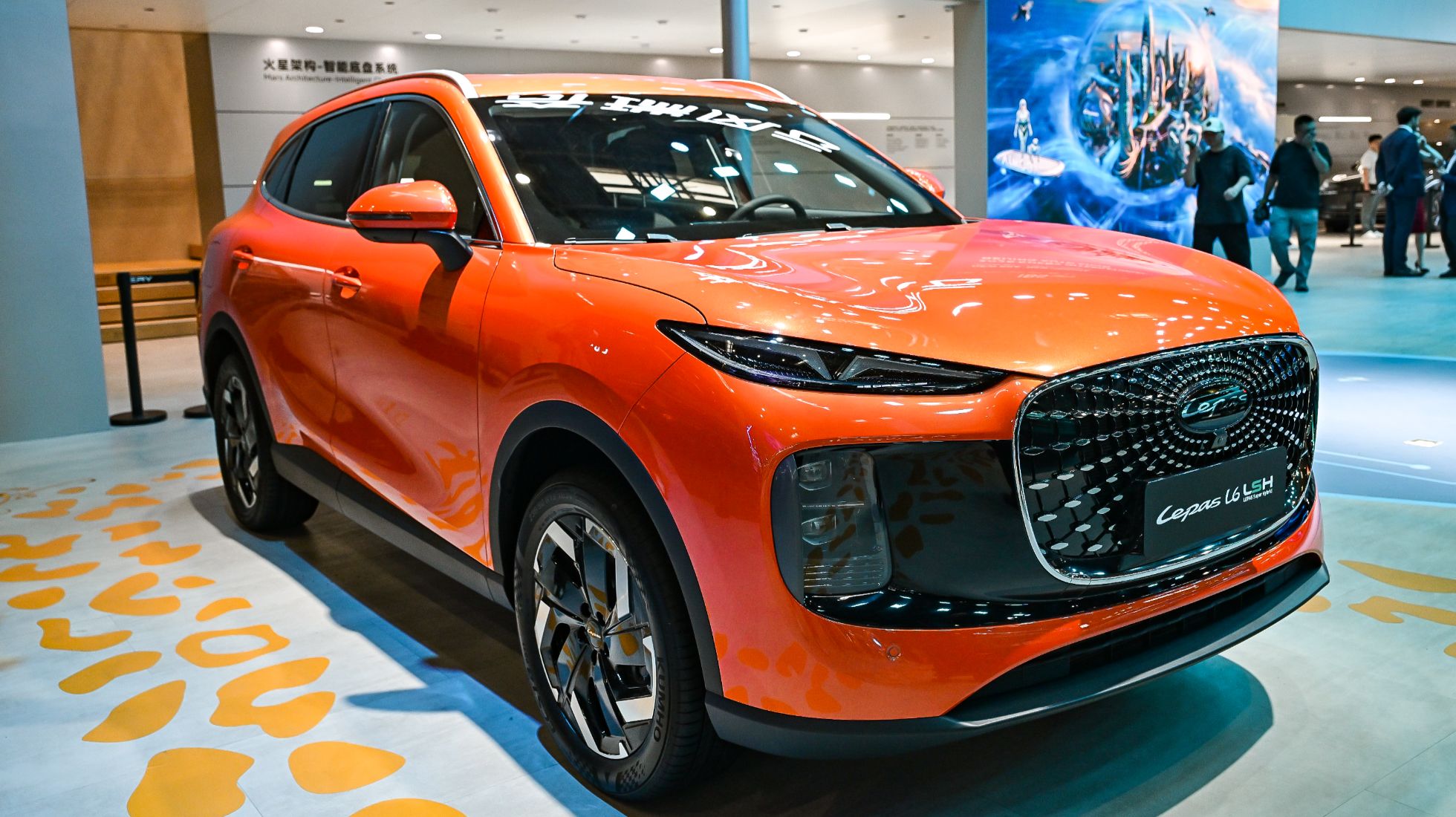
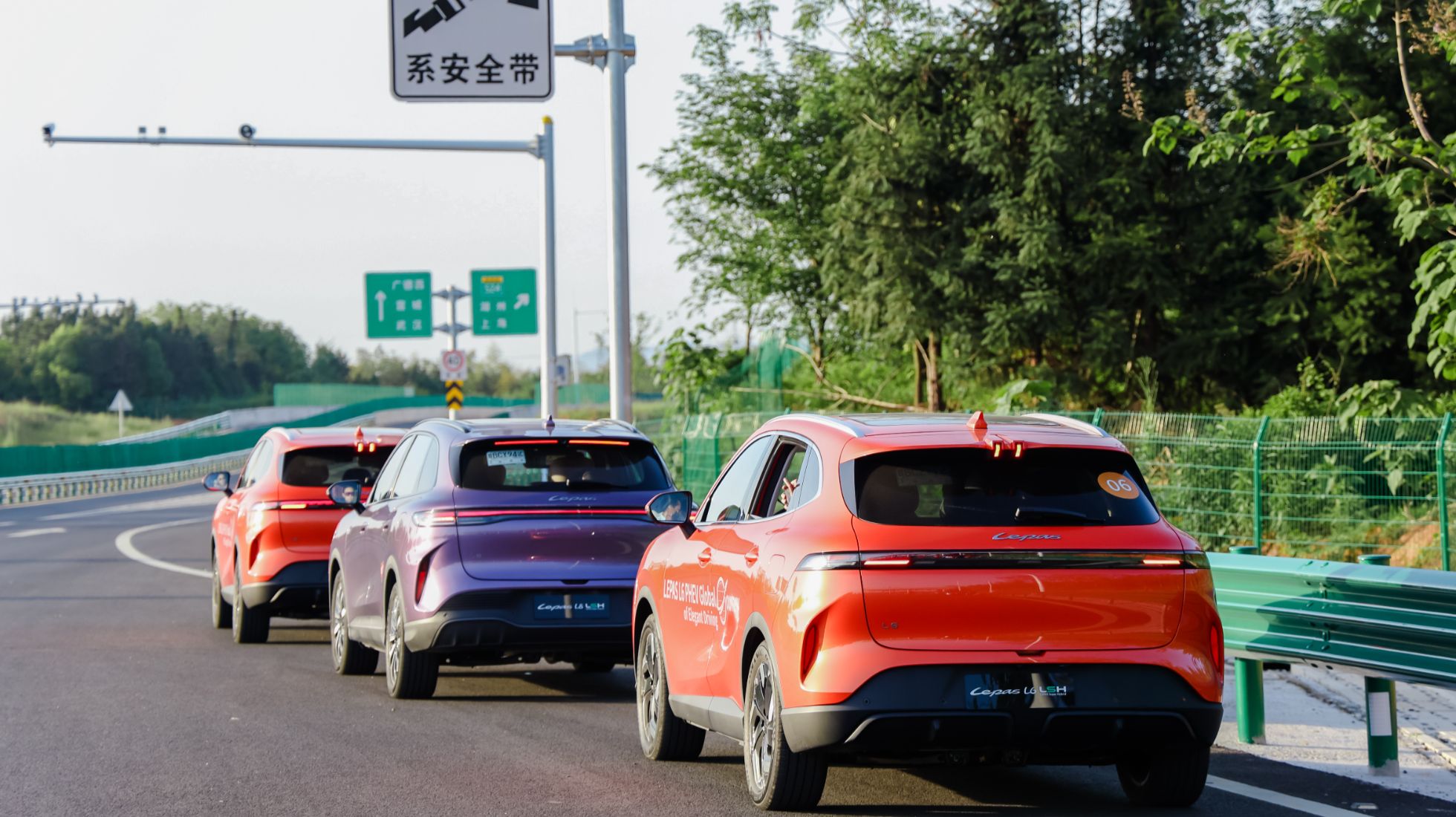
Probably the most anticipated model and one with potential to become a volume seller locally, the Lepas L6 LSH PHEV combines a 1.5-litre turbo-petrol 4-cylinder engine with an electric motor for a total output of 205kW and 365Nm. Power is sent to the front axle, and Lepas claims the L6 PHEV will sprint silently from 0-100km/h in 8.7 seconds while shifting via a Dedicated Hybrid Transmission. It also uses an 18.4kWh battery pack, which, when fully charged and fuelled to the brim, Lepas says can cover around 1,200km or an EV-only range of 107km. The cabin includes a column shifter, three driving modes, dual-zone climate control, Sony 8-speaker audio, and a 3.3kW vehicle-to-load capability.
L8 LSH PHEV – TBC
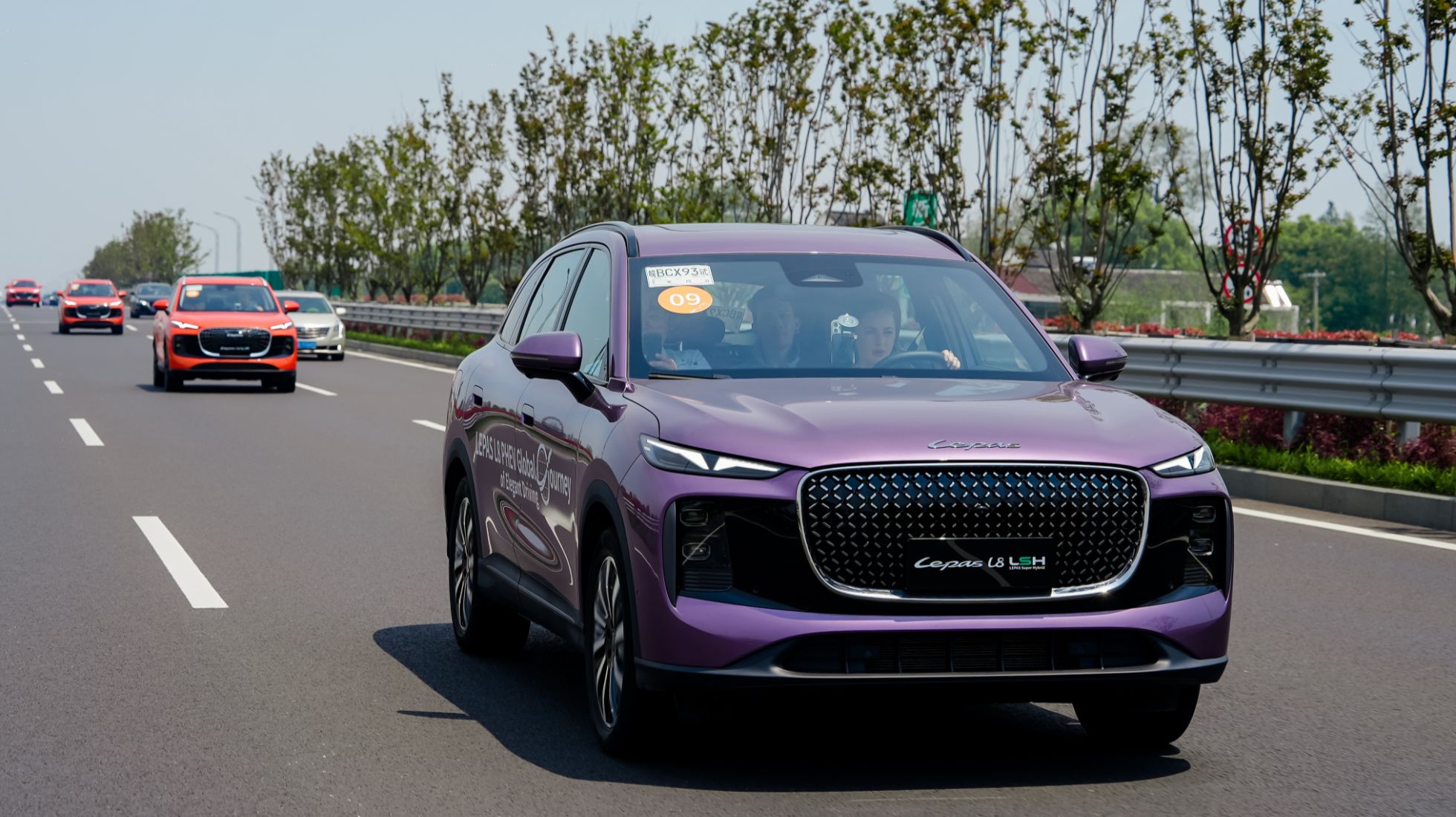
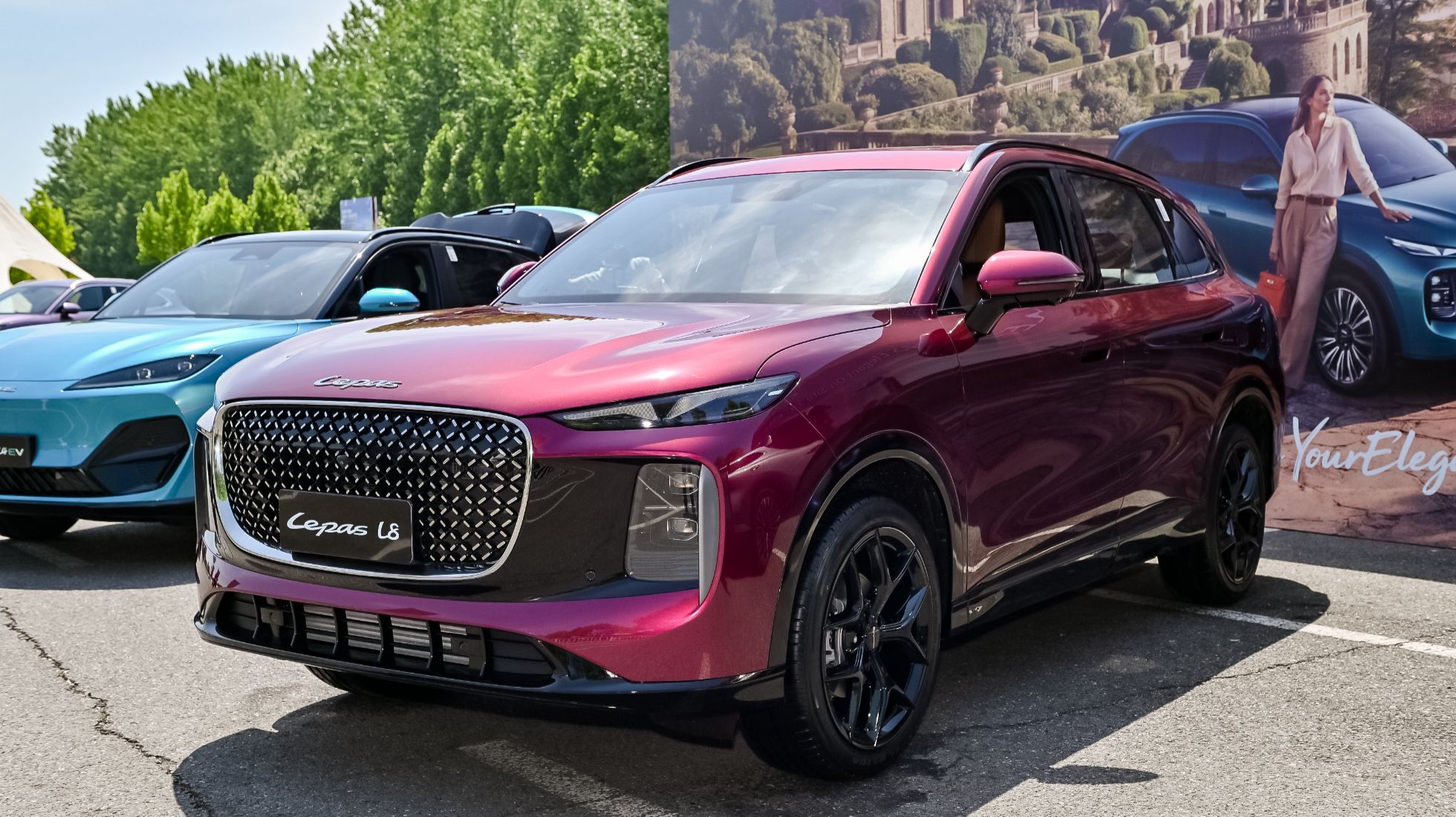
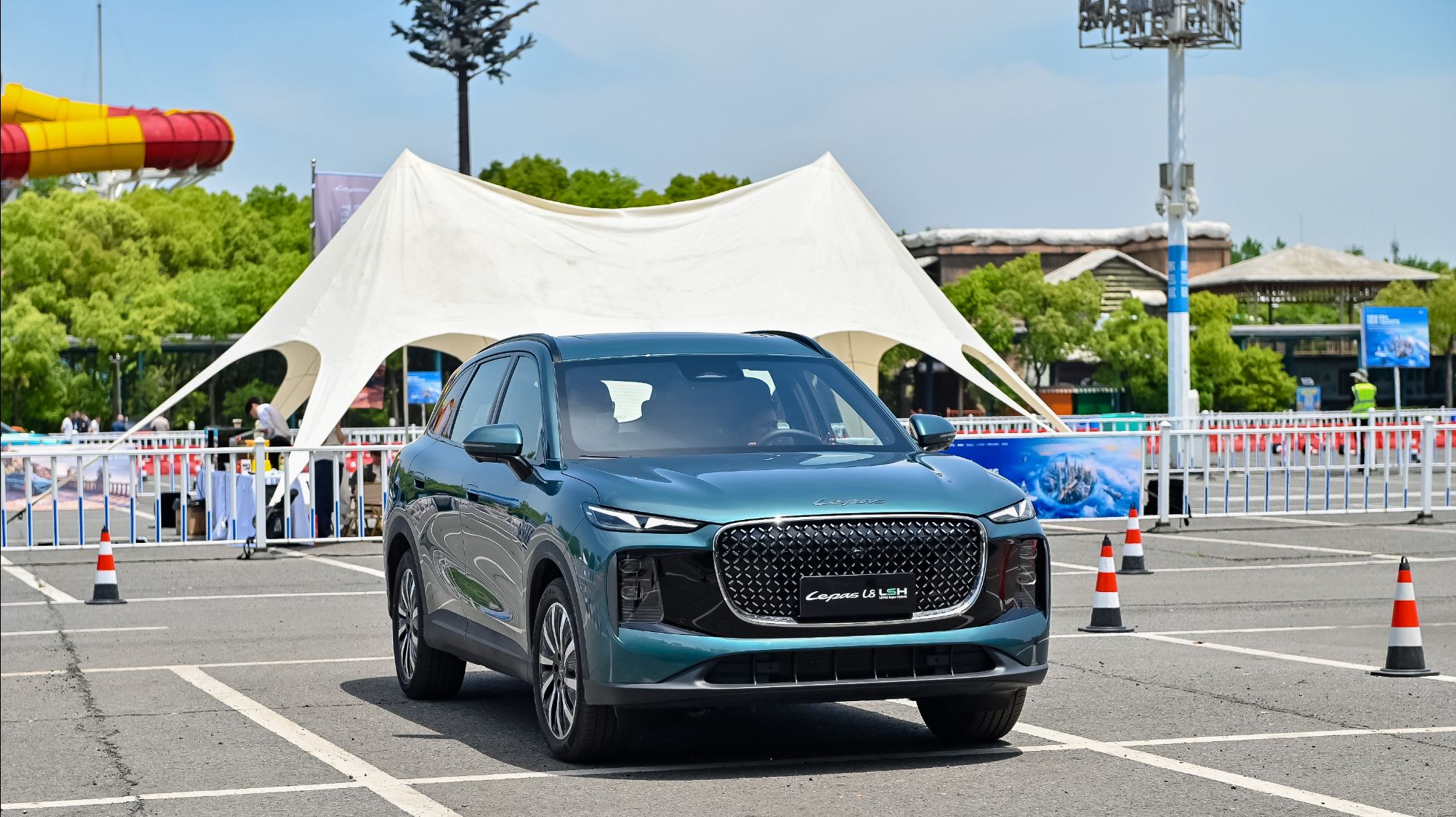
The flagship of the range, and the one that makes the boldest case for Lepas as a premium proposition, is the L8 LSH PHEV. It pairs the same 1.5-litre turbo-petrol 4-cylinder with an electric motor for a combined output of 205kW and 365Nm. Power goes to the front axle through a Dedicated Hybrid Transmission, and Lepas claims a total combined range of 1,300km when fully fuelled and charged, with an 18.4kWh battery offering around 100km of pure EV driving before the petrol engine steps in.
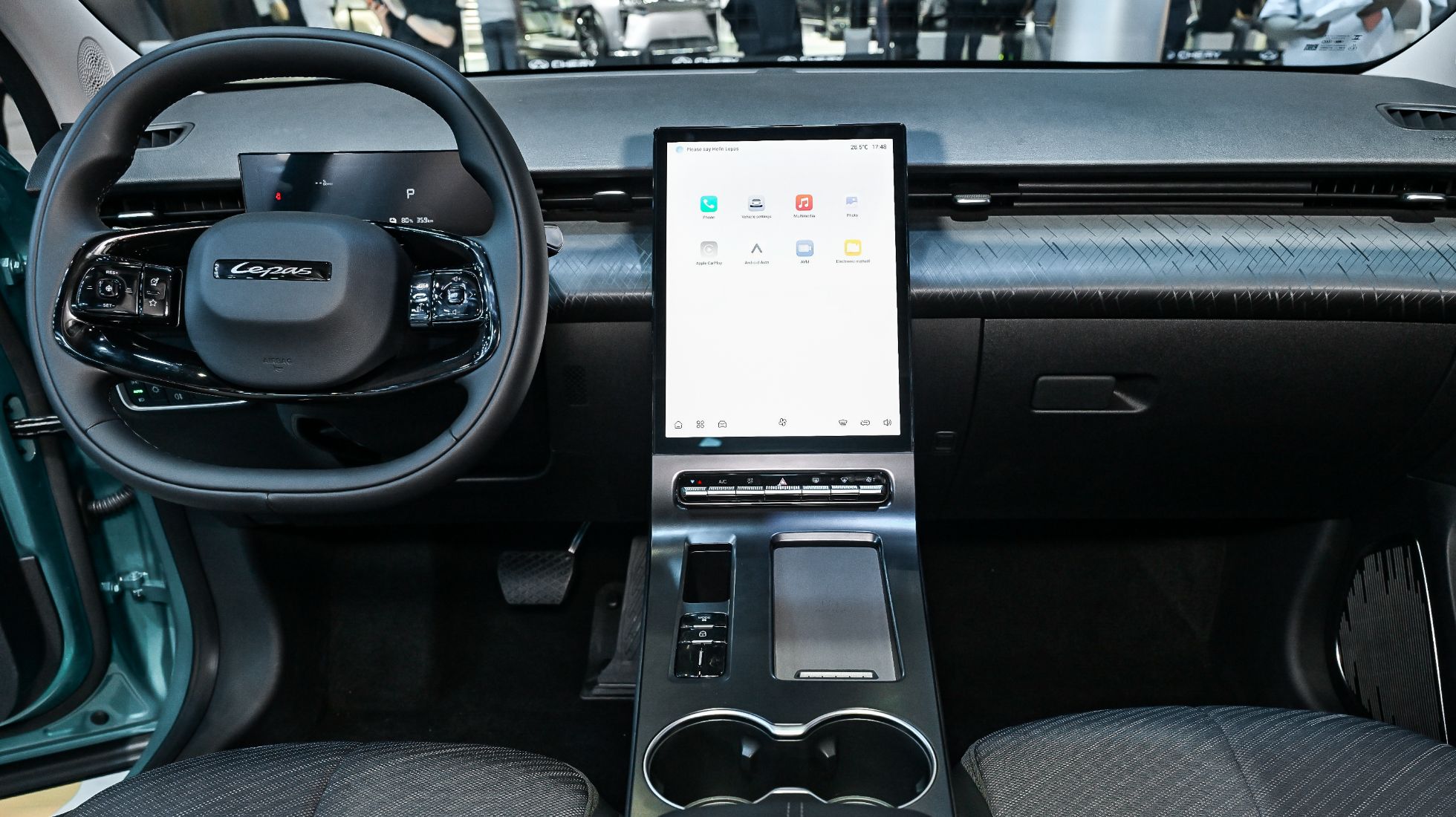
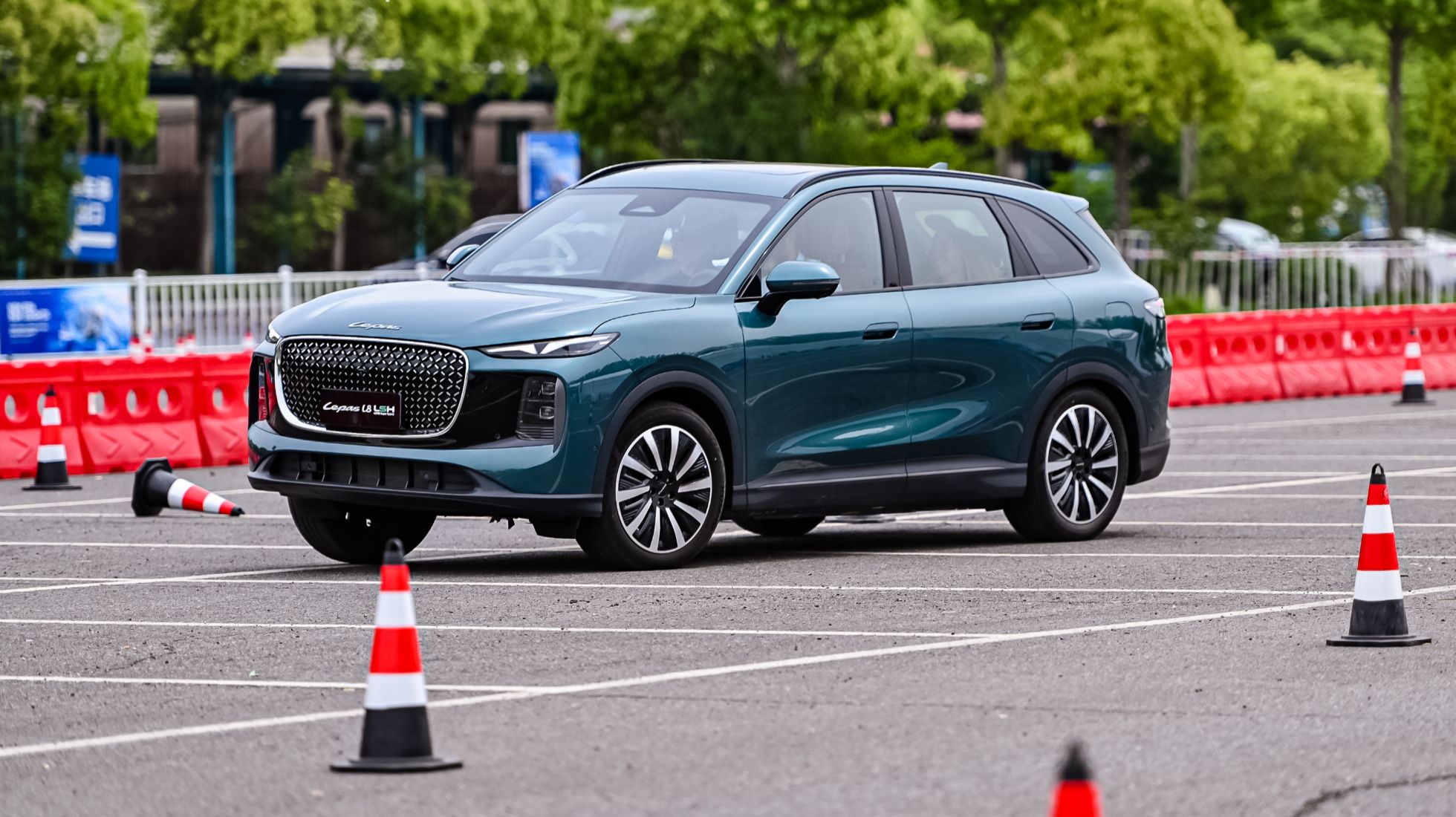
At 4,688mm long on a 2,800mm wheelbase, it’s the biggest thing in the Lepas lineup, and the interior suggests that. You get front seats that ventilate, heat, and recline flat, a rising footrest for the front passenger, a 14.8-inch waterfall touchscreen, an active fragrance system, and a 50W wireless charger. A brief drive in a car park showed that the L8 accelerates briskly enough from a standstill, but when pushed harder, the petrol engine sounds more like a range extender than a true performance engine.
An ICE-powered L8 variant is expected to join the range in the third quarter of 2026. This model will be powered by a 2.0-litre turbocharged 4-cylinder engine paired with an 8-speed automatic. As a 5-seater, it’s expected to be front-wheel drive initially, though AWD could join the lineup at a later stage.
PRODUCT EXPANSION
Lepas is planning a much broader lineup than just the L4, L6 and L8. By the end of 2026, the brand wants to have three different vehicles; hence the L4, L6, and L8 models that are already in the pipeline for this year. By 2027, that grows to five vehicle families and 11 models, and by 2028, the range is expected to reach 15 models in total. The brand also aims for one million in global sales. For a brand that recently entered the local arena, that’s a trajectory worth taking seriously.
L2
While you’d likely think Lepas’s only focus is SUVs, the brand is venturing into the hatchback segment with what it calls the L2. Seen at the brand’s headquarters in Wuhu, it’s still a prototype with dimensions suggesting it occupies the B-segment, where the likes of the Hyundai i20 and VW Polo dominate. Details surrounding the L2 remain scarce, but an insider told us it will likely use a 1.5-litre hybrid engine with ‘serious’ power. Its stance, Brembo brakes, 19-inch alloy wheels, and twin exhaust tips in the rear diffuser all hint at the possibility of a hot-hatch. If that’s the case, it will more than likely compete directly against the Polo GTI, and honestly, that will be an interesting battle to witness. If it comes to SA (likely in 2027), we could witness the revival of the slowly dying hot-hatch segment, albeit with a Chinese horse in the race.
L9
The D-SUV segment has been growing in popularity, and Lepas isn’t planning to just ignore it. Enter the L9 PHEV, which is still a prototype at this stage but one that Lepas was willing to discuss at its headquarters. For starters, it’s 4,850mm long, 1,920mm wide, sits 1,685mm high and has a wheelbase of 2,900mm, making it slightly larger than the Omoda C9. The powertrain specifics remain under wraps for now, but the headline figures are worth discussing: 515kW from a hybrid system yet to be fully revealed, and a claimed EV-only range of up to 160km. If those numbers hold up in production, the L9 will become a winner in the D-SUV segment.
Lepas arrives at an interesting time when the local market is more open to Chinese brands than ever before. The Chery Group has the resources and the drive to support it. The product lineup, even at this early stage, is wider and more technically forward than most newcomers offer. Looking ahead, it has the potential to challenge some established brands in the midsize SUV market. There are still some uncertainties, such as the L8’s powertrain, which needs improvement, and building a brand in a crowded market takes time. However, the direction is clear, and being at the brand’s headquarters has given us a brief but clear picture of what the brand is all about. Truly, overlooking another Chery Group sub-brand would be a mistake South Africa has already made once before.