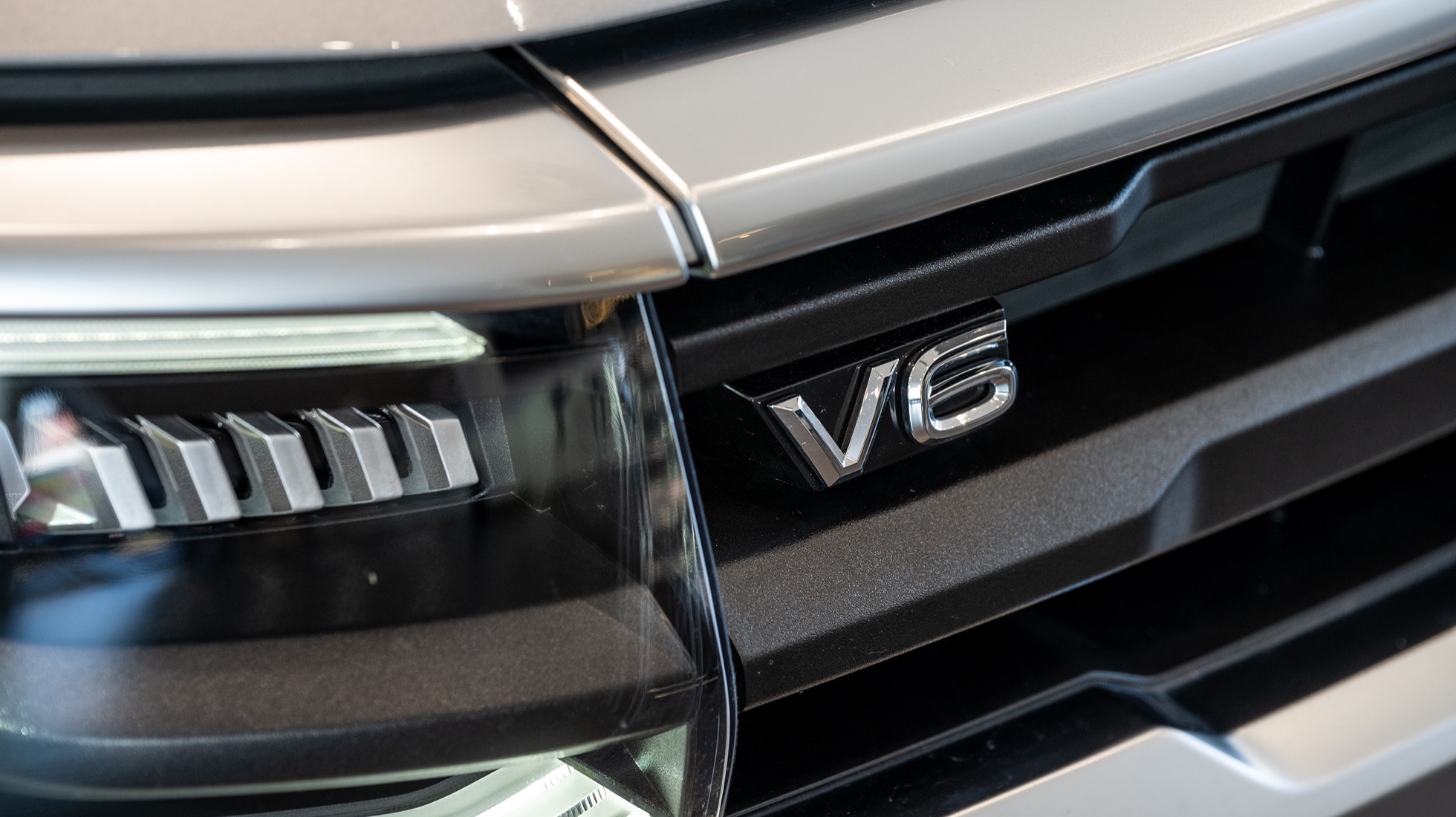
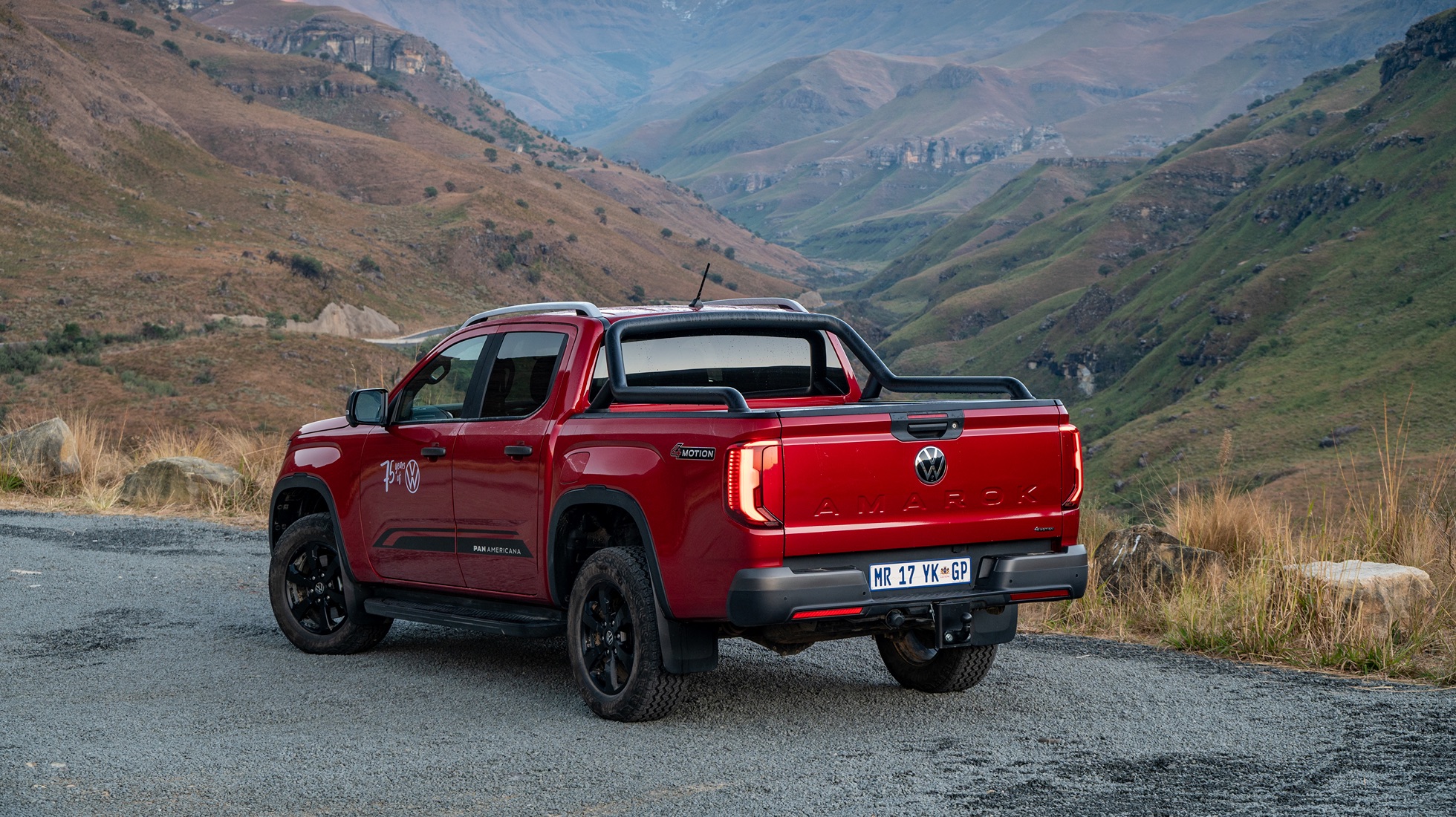
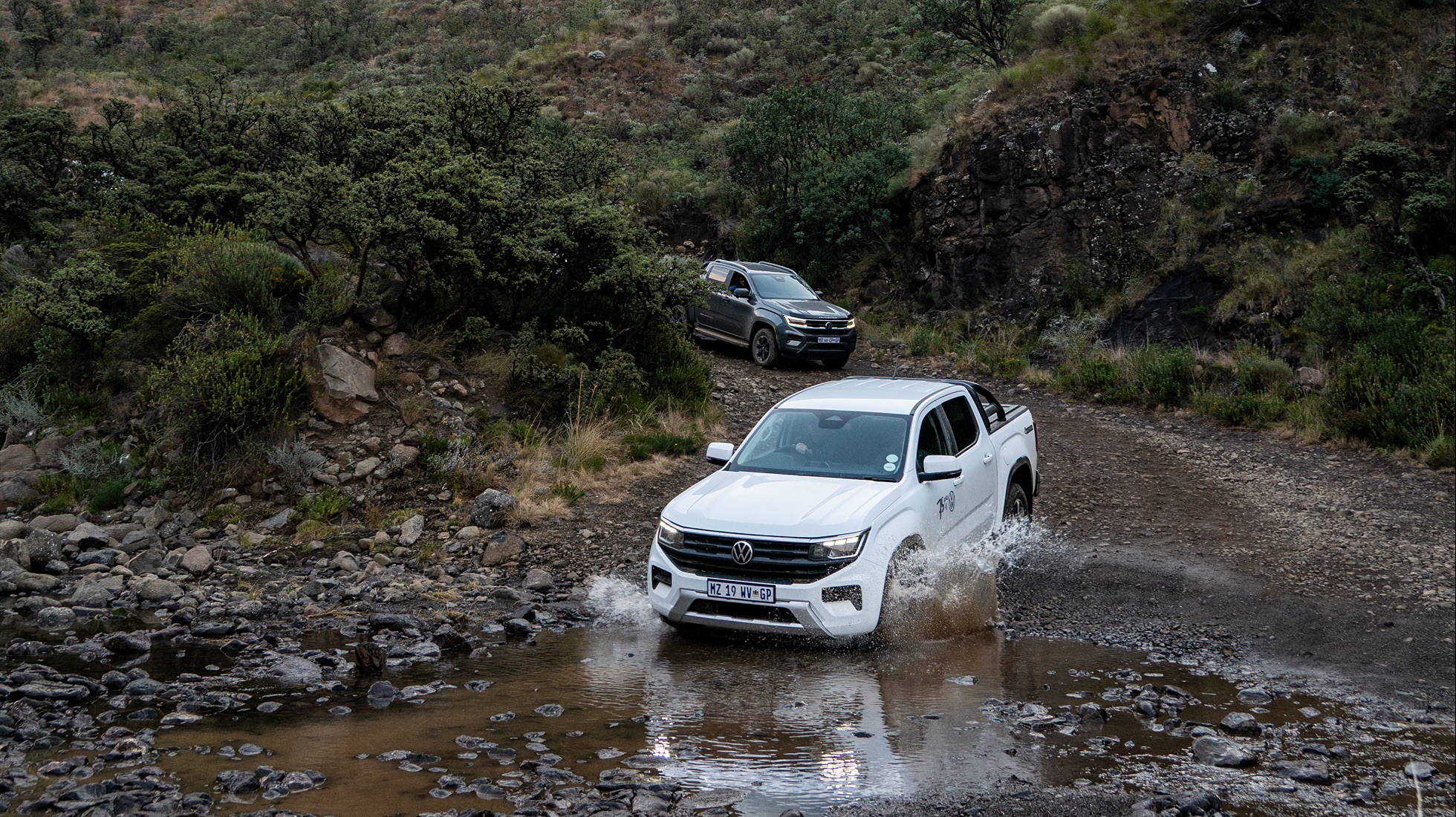
Imagine living in one of the most beautiful countries on Earth, yet knowing many of its greatest landscapes are hidden behind rough mountain passes that demand proper planning, a capable 4×4 and usually a second vehicle. That’s the appeal of pass-hunting. Some enthusiasts chase alpine roads in sports cars. Others chase remote mountain passes that reward patience rather than speed. For this trip, we’d take a trip across both worlds, chasing South Africa’s most legendary passes in Volkswagen’s updated range of Amaroks.
Pass-hunting is a real thing. This petrolhead hobby is popularly done around the world, with car-mad people searching for the next mountain passes to drive their exciting sports car. But it’s also popular in the off-road community, a mass of outdoor, 4×4 lovers that would find the best off-road passes at every opportunity. I’m a bit of a pass-hunting all-rounder… sort of. The job dictates it, I guess, and I’ve just returned from perhaps one of the most memorable pass-hunting expeditions, a 5-day journey from the seat of the latest Volkswagen Amarok range. It’s an invitation to seek out what are possibly the most fabled passes in SA.
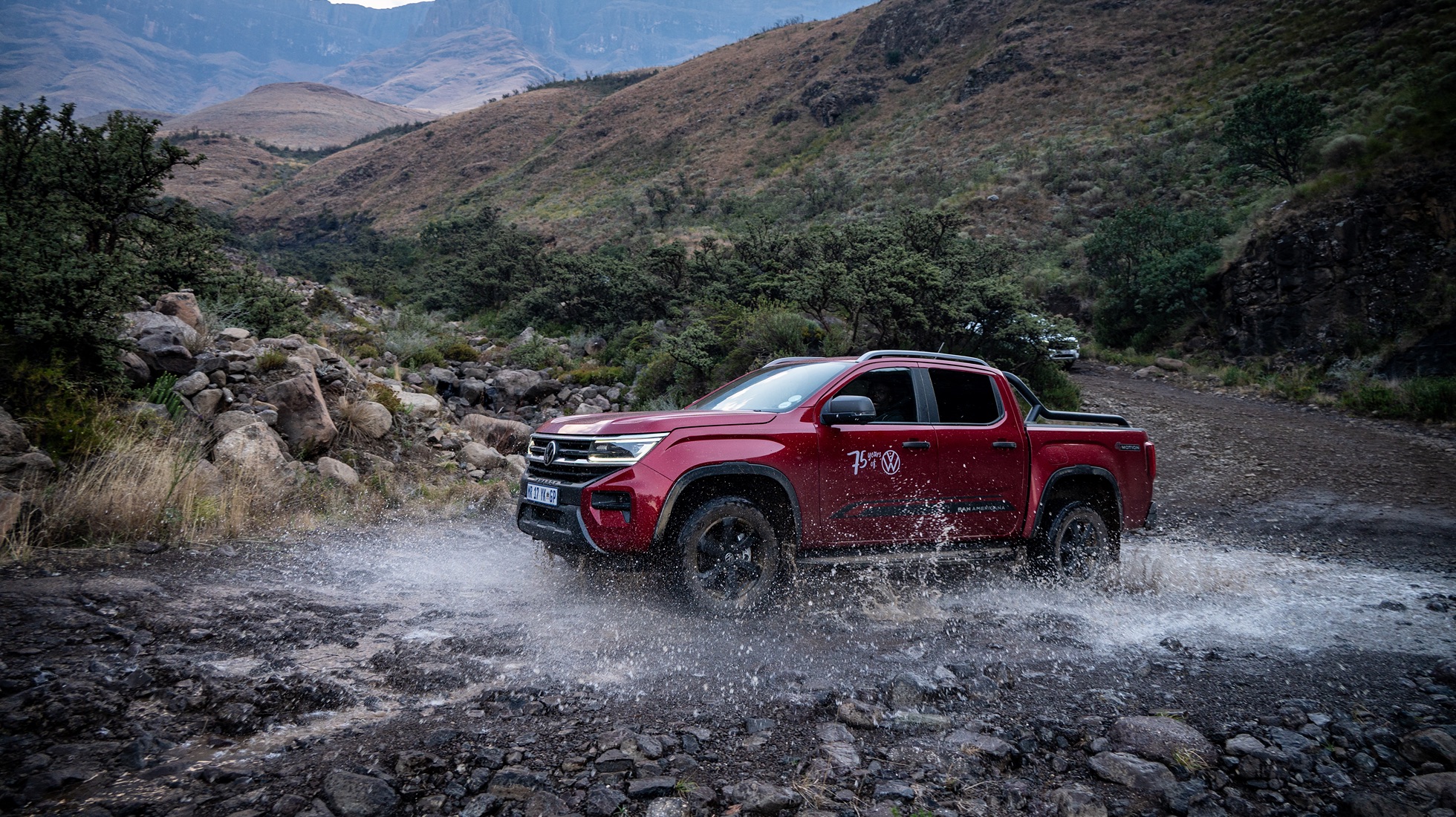
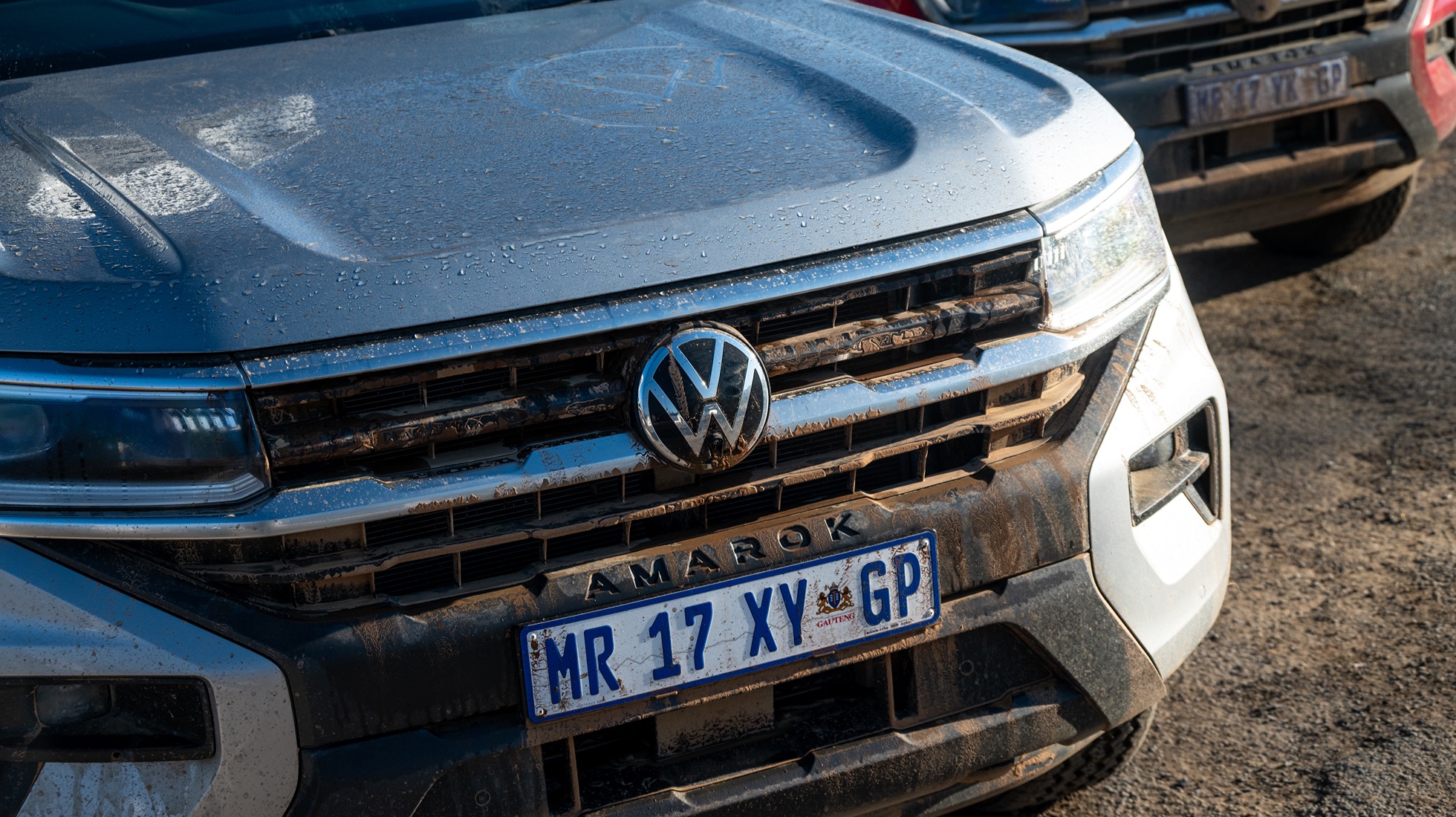
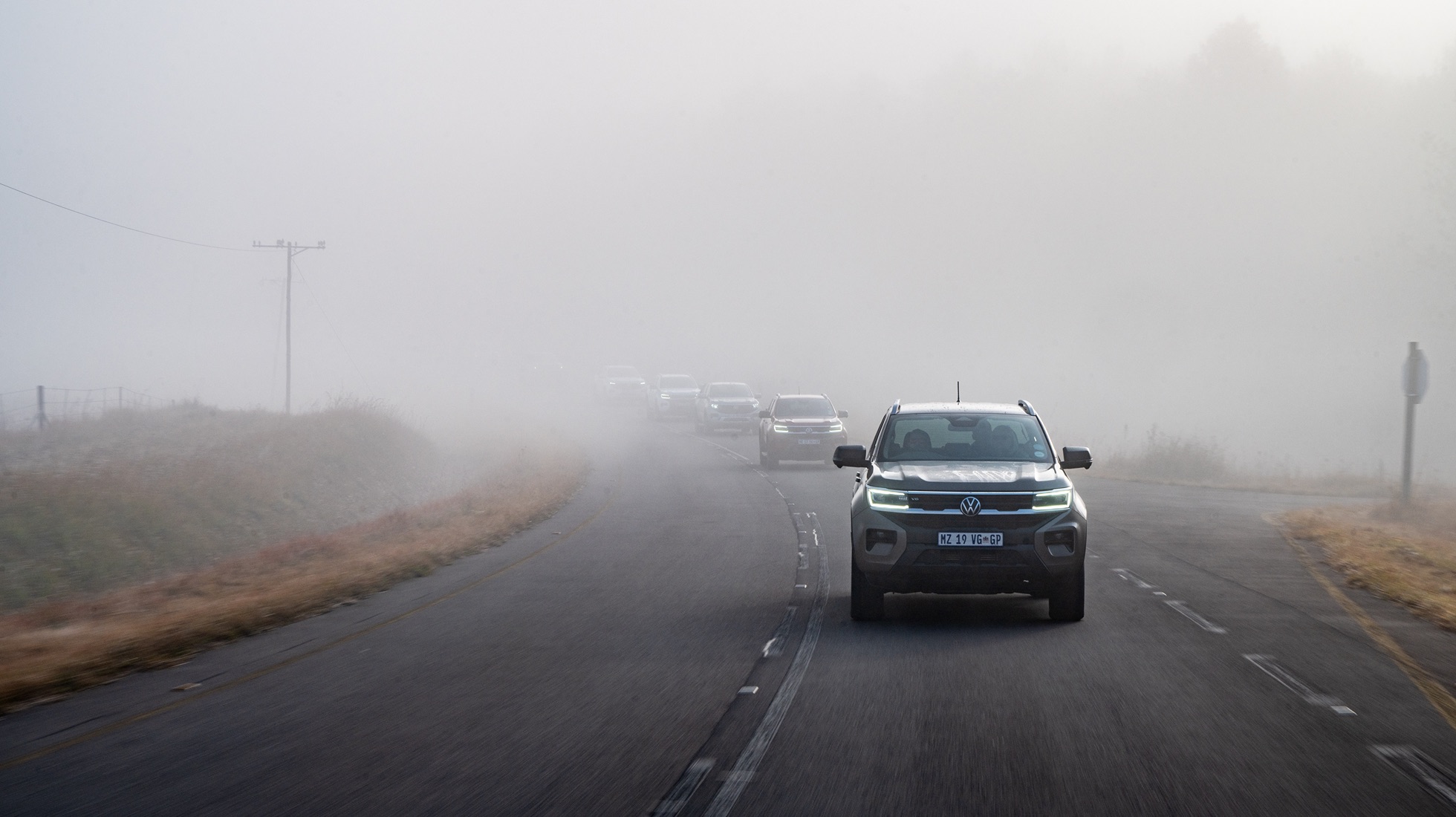
Volkswagen assembled an entire fleet of updated Amaroks for the journey. Over five days we’d cover more than 1,600km. The trip wasn’t just about showcasing the Amarok’s capability. It was also about celebrating the lengths South Africans will go in search of adventure.
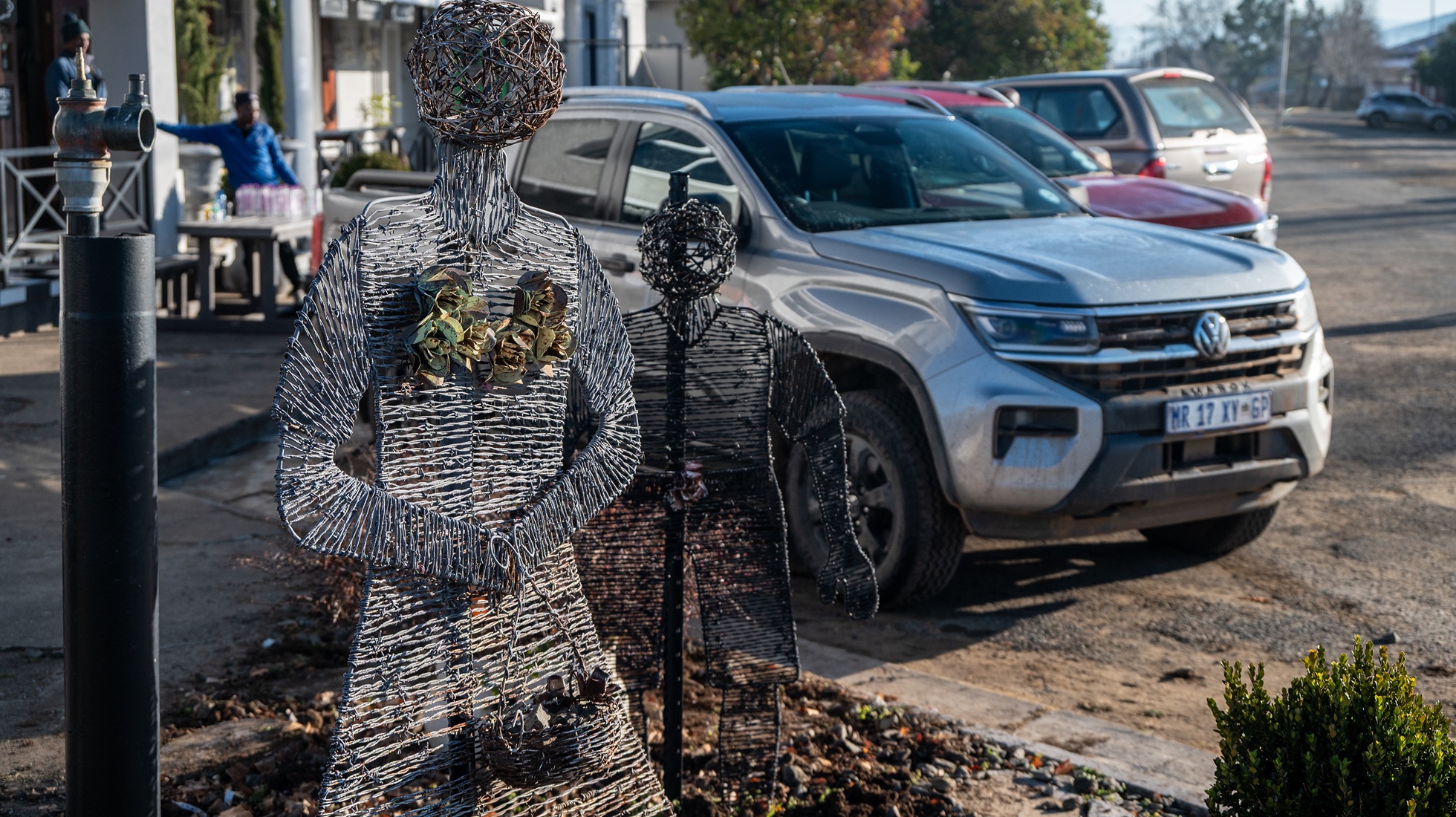
There’s a moment during our drive from the Midlands towards Lesotho where the roads turn to nearly endless gravel tracks, and I begin to realise just how slowly the wheels turn in some parts of our country. Rural KwaZulu-Natal is beautiful, no doubt, but it’s also a picture of the contrasted reality of so many of us. It’s as rural as they come, and so many of the homesteads remind me of that Telkom ad where the heads of the two homesteads across the valley shout greetings to each other. “**Molo Mhlobo Wam” **(Xhosa for “Hello, my friend”).
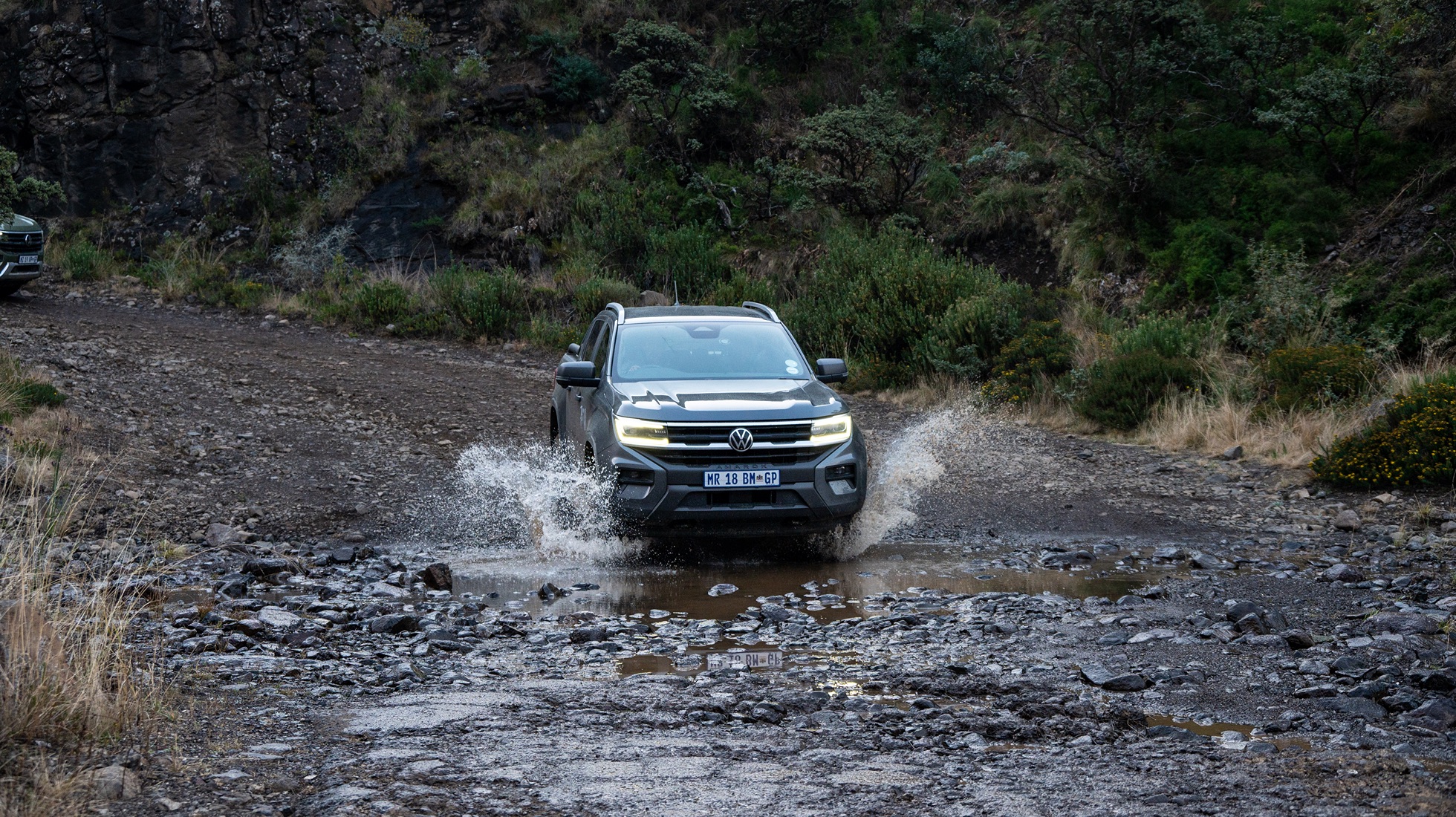
That’s the joy of technology, and as we drive through hundreds of kilometres of dusty roads, the Amarok’s novelty isn’t lost on me either. Hours of corrugated gravel normally expose a vehicle’s weaknesses. Instead, the Amarok seemed to shrink the distance. Heated seats, a quiet cabin and a genuinely supple ride meant we arrived at Sani feeling fresh enough to enjoy it rather than simply survive it.
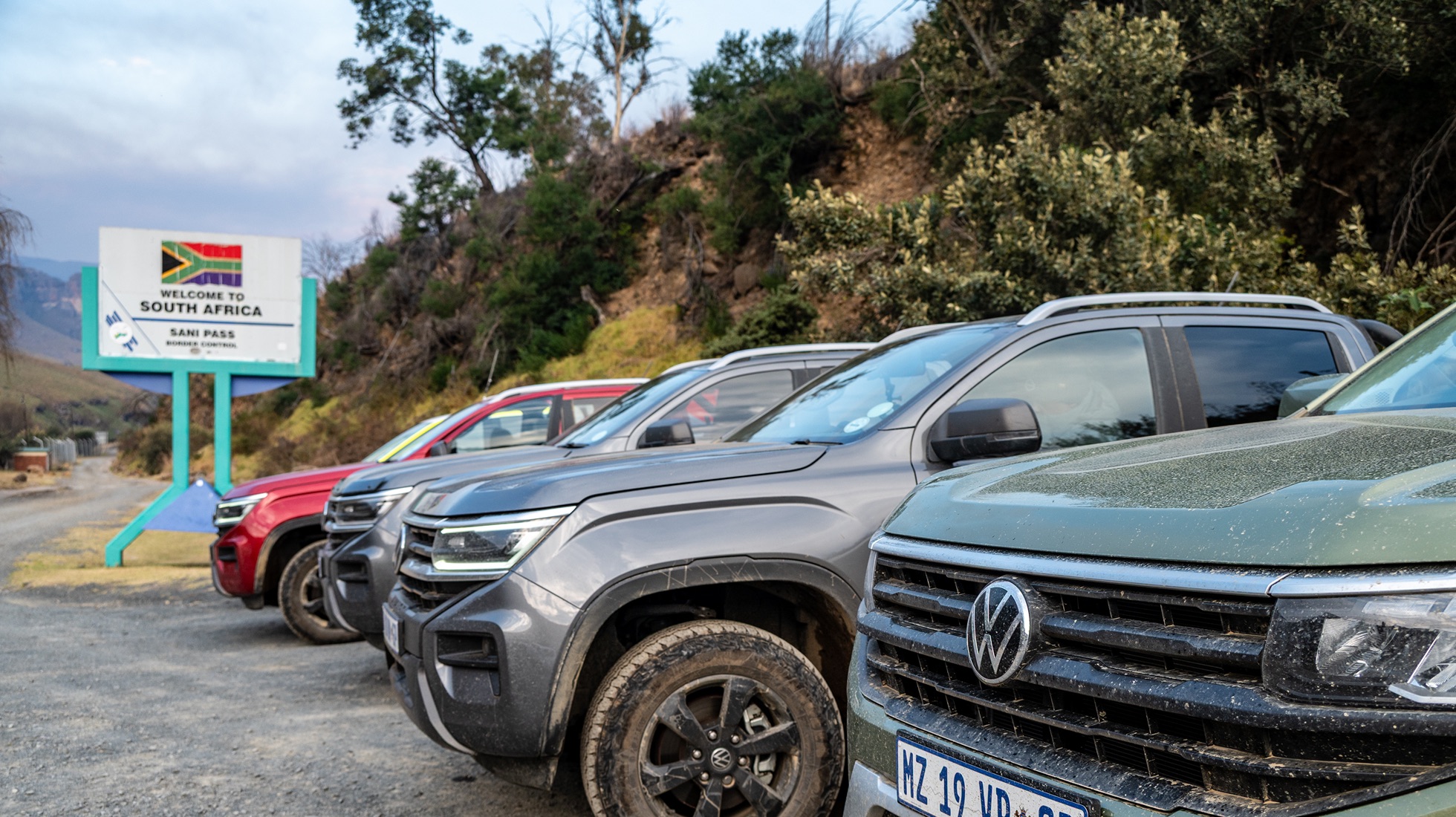
The border is quieter than ever as we arrive with a light rainfall beginning to cloud over what’s ahead of us. It’s cold too, with temperatures dropping below 8 degrees Celsius. We’re all eager to be seated inside the cars, with seat and steering heating as well as climate control working a charm. Border formalities conclude without a hitch before we’re in 4-High and climbing Sani Pass, one of the most famous passes that serves as a crossing into Lesotho’s highland region. It’s a narrow, rocky and tricky climb that runs from 1,544m to around 2,900m above sea level. It began as a mule track used long before anything with combustion engines to transport goods between Lesotho and South Africa. It’s since been widened, but that’s not saying much. It’s still a dramatic climb with steep switchbacks, scary cliff exposure and iced waterfalls along the way. Traction is sketchy, but turning to 4-Low seems to settle us as the Amarok climbs its way to the top. The summit is the official border gate into Lesotho, and it’s a miraculous conclusion as we arrive that the clouds turn the rain into patters of snowfall. The images are gorgeous, the spirits are high, and as we cross into this gorgeous little country, what awaits us is even more impressive. Rolling hills of white take us on the A14 towards the Kotisephola Pass (also known as the Black Mountain Pass), a stunning tarred road that takes us to the highest point in Southern Africa at 3,240m above sea level. The sights, from the bottom of Sani Pass to this point? Unbelievable. There’s a sense of awe, and the entire group is giddy with the charm of it all. It’s the bucket list tick for so many of us in the 30-person group. Snow angels, snowball fights and the obligatory group photo happen before the sun starts to fade, and we promptly climb back aboard the Amaroks and head back down Sani Pass into SA once again. Thank God for hill descent control, which takes all of the work out of descending a mountain safely and without too much pressure on the driver.
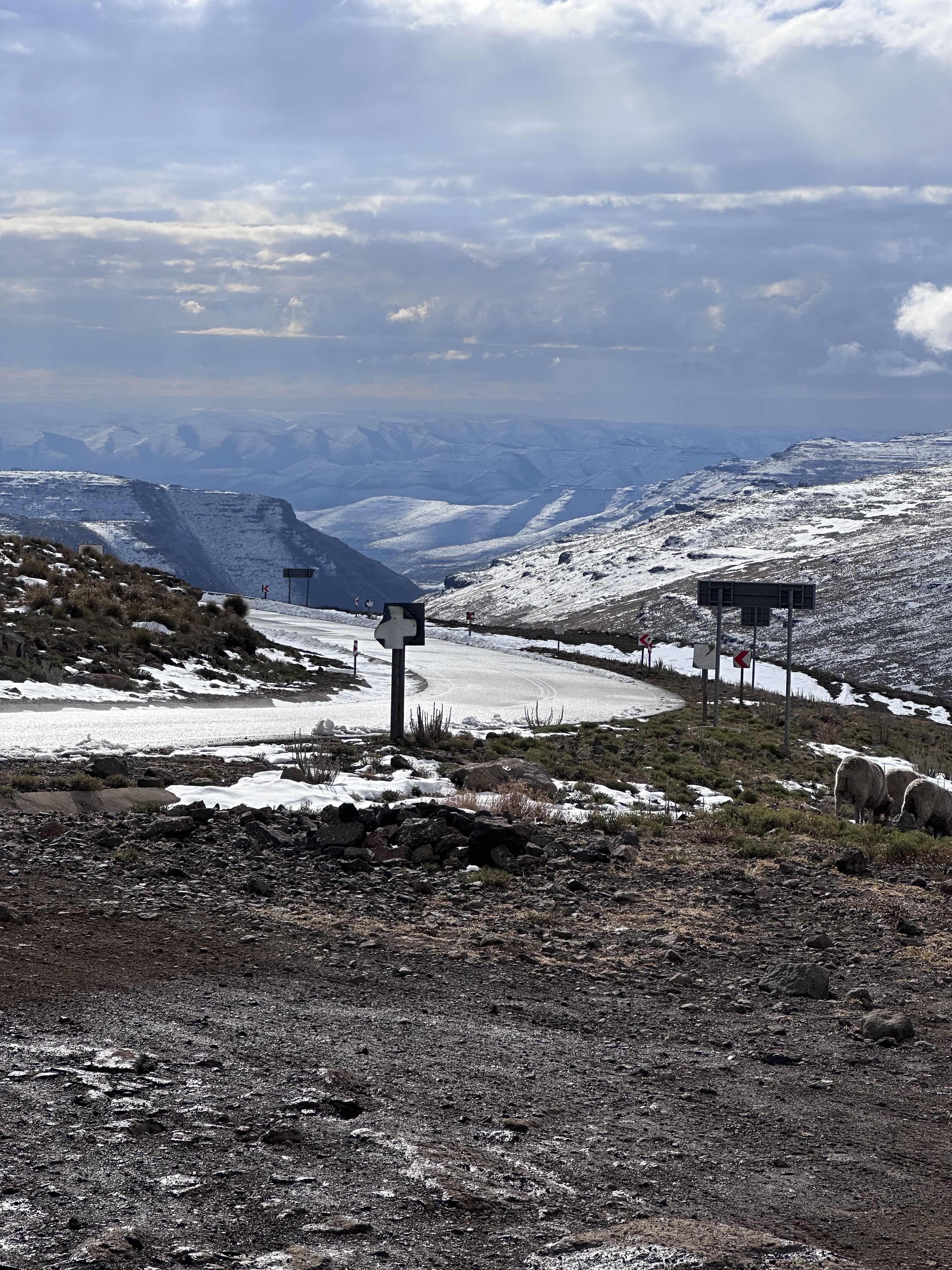
In true driving distance, Sani Pass is less than a 10-kilometre trip. But a near two-hour driving time one way should speak to its tough nature, a slow and arduous procession. It’s a place that can also really punish the uninformed, the poorly planned and those with the wrong cars. If the weather turns on you up Sani Pass, you’re in trouble. If you lose a tyre, lose traction at an icy hairpin or poorly judge an oncoming 4×4 HiAce taxi, a lot can go wrong. With us, nothing went wrong at all, and as we fed back onto tarred roads for our overnight stop, the Amarok’s technology and ride manners were the most welcome luxury thing we had.
Our third day saw us head east for our next target, the famous Naudé’s Nek that links Maclear and Rhodes in the Eastern Cape. It’s yet another pass celebrated as South Africa’s highest gravel pass, with figures reported to go from around 2,550m to just over 2,920m. The road traces back to the Naudé family, whose sons, in the late 1800s, built a rough track across the mountains to open access from their isolated valley farm to cattle markets on the other side of the mountain. When you see how high and how vast the landscape is, and the thought of these guys hacking through tens of kilometres of slate and earth with very primitive tools, mind you, you can’t help but respect and celebrate the work. If anything, the scene before them as they worked tirelessly for years must have been worth it… the cattle trade notwithstanding.
As a place to experience, the true beauty of Naudé’s Nek’s is the sheer scale. It’s a long, slow, twisting pass that just feels big, like some sort of landscape out of our own Lord of the Rings. In seconds, the weather can change, and despite us being a large group, there’s a realisation that this place is more remote than any of us care to ponder on. Winter snow is part of its seasonal identity, but with that, unpredictable weather is standard. Clear skies can become misty, windy and icy in a matter of minutes. Summiting the pass quite late in the afternoon sees us rushing to trace the rest of the track some 70 kilometres to Barkly East for our overnight stop. We’re driving into the night with temperatures dipping towards zero by the time we arrive at one of the coldest overnight stops of my life. It’s a stark reminder of doing this sort of thing in the middle of winter in remote parts of the country… but also quite a welcome reminder of the real safety of automotive accomplishments and technology. The comfort of the car is the only real consistent thing on this trip. The Amarok has been the stalwart.
The next day is about heading south towards the windy city of Gqeberha. We had no idea what lay before us… literally. As pass hunters, there’s a moment where the mountain passes end, and the road that leads home beckons. Like storm chasers at the tail end of a storm, the game was over, and we needed to get to the airport to catch our flights back to normal life in Jozi. The next morning threw us an unexpected gauntlet. A massive truck crash on the N10 meant we had to backtrack and find an alternative route. That meant a significant detour through hectic gravel roads heading towards Bracefield and then back down south through parts of Addo to Gqeberha. There was no more time for pleasantries and leisurely loo and smoke breaks. We had flights to catch, and despite the most rough and tumble gravel roads, the Amarok was unrelenting. Our final steed for this stretch was the new 2.3-litre turbo-petrol, a 222kW that was put to a test of speed and off-road confidence before eventually getting back onto the tar for a final stretch to the airport.
We missed our flights. But we didn’t care. Somewhere between Naudé’s Nek and Gqeberha, the schedule stopped mattering as much anyway. We had chased snow, climbed some of the country’s most legendary passes and crossed landscapes that most South Africans will only ever see in photographs on the internet. Somewhere along the way the Amarok stopped being the vehicle transporting us between destinations and became the reason those destinations felt so accessible. That’s ultimately what a great adventure vehicle should do. It shouldn’t become the story. It should quietly enable it… or quite a few.
PASS NOTES
Sani Pass: Officially reopened to two-wheel-drive traffic in parts after the tar upgrade a few years back, though the top section from the South African border gate into Lesotho remains proudly, and utterly defiantly gravel. There’s also a pub at the top, which in hindsight, isn’t all that useful as far as driving is concerned. It’s the highest pub in Africa, so there’s that.
Kotisephola Pass (Black Mountain Pass): At 3,240m, this is the highest point reachable by blacktop in Southern Africa. Locals in the area still refer to sections of it by older Sesotho names that predate the road entirely from way back when it was a footpath connecting herders moving livestock between valleys.
Naudé’s Nek: Apparently it’s named after two brothers, Stephanus and Gabriel (Naudé) who carved the original track using only basic tools to get cattle to market. It seems that no one on the internet can truly agree on how long it took, so let’s just call that history.
VW Amarok Range Specifications
| Spec | VW Amarok 2.0 TDI Life | VW Amarok 3.0 TDI V6 (Style/PanAmericana/Aventura) | VW Amarok 2.3 TSI PanAmericana |
| Engine | 2.0-litre 4-cyl turbodiesel | 3.0-litre V6 turbodiesel | 2.3-litre 4-cyl, turbo |
| Power & Torque | 125kW & 405Nm | 184kW & 600Nm | 222kW & 452Nm |
| Transmission | 6-speed manual or 6-speed auto | 10-speed auto | 10-speed auto |
| 0 – 100km/h | ~11.8 secs | 8.8 secs | 7.6 secs |
| Top Speed | 180km/h | 180km/h | 180km/h |
| Fuel Consumption | 6.9-7.7l/100km | 8.4l/100km | 9.7l/100km |
| CO2 Emissions | 181-202g/km | 222g/km | 222g/km |