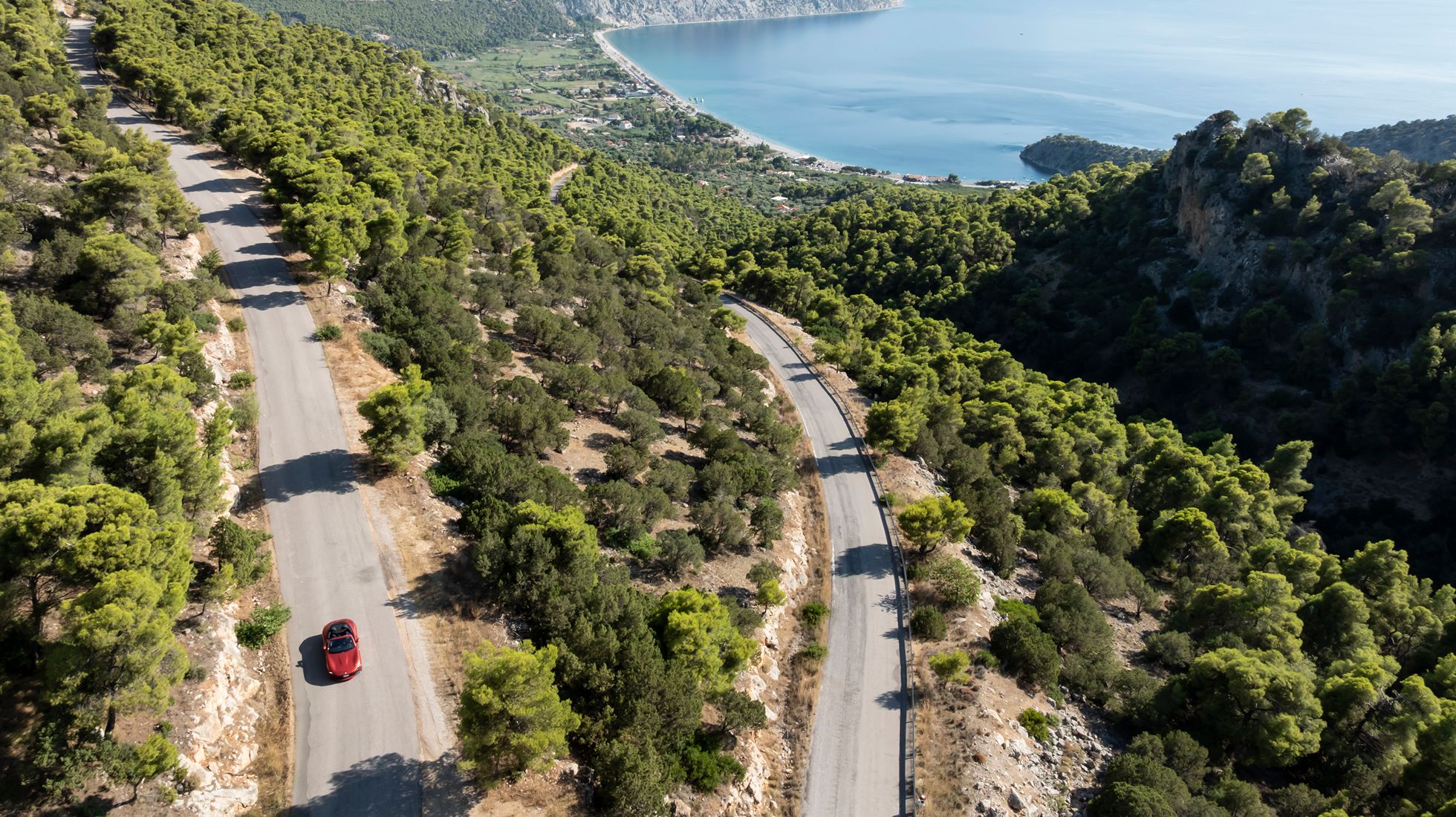
If there is a heaven reserved for open-top Ferraris, I’m fairly certain it looks a lot like the Corinthian coast a stone’s throw from Greece’s capital city. It’s a backdrop of blue waters that seem almost photoshopped, paralleled by roads that meander along sun-soaked coastlines and then snake between ancient mountainsides before passing through tiny, timeless villages where every second shop sells olive oil. There are a lot of cats as well. But I digress. The airport? Absolute pandemonium. Packed shoulder-to-shoulder with Americans, Germans and Brits chasing their summer holidays.
I was there for work. Well… “work”. Ferrari had invited us to drive its latest convertible, the Amalfi Spider, through the Corinthia region, and somewhere between dodging tourists, trying to order butter at a restaurant (apparently a cultural crime of the highest order) and wondering whether Greek road markings are simply decorative, I realised this launch wasn’t really about outright performance. That would take place on a track, I’m sure. This one was about ‘lifestyle.’ That word gets abused in the automotive industry. I put it up there with ‘GT’ and ‘Sport’. Ferrari insists, though, that the new Amalfi Spider is simply a softer, more relaxed interpretation of the front-engine, V8 GT. After a day behind the wheel, I think they’re right. Mostly. They’re certainly correct on the lifestyle aspect of this car…
Let’s start with our context. Greece is beautiful. Its drivers are terrifying. The Greeks drive like everyone is operating under their own set of rules. Stop streets appear optional. Lane discipline is more of a loose suggestion. At one point a local pulled alongside me on the motorway at roughly 130km/h, produced his cellphone and started photographing the Ferrari while still driving. Apparently that’s normal in these parts. But not for me. I promptly changed lanes, floored it and found myself veering off the highway into some sort of mountain country. In a sense, the crazy Greek drivers became a great backdrop on which to measure the Amalfi’s competence. GT’s aren’t really measured on tracks, are they? Or in perfect conditions. Part of a GT’s brief, even with a prancing horse on its snout, is to have the means and ability to calmly deal with absolute mayhem. Its comfort, its ease of use and, of course, its ability to disappear into the ether to run away from deranged drivers. So far, so good then.
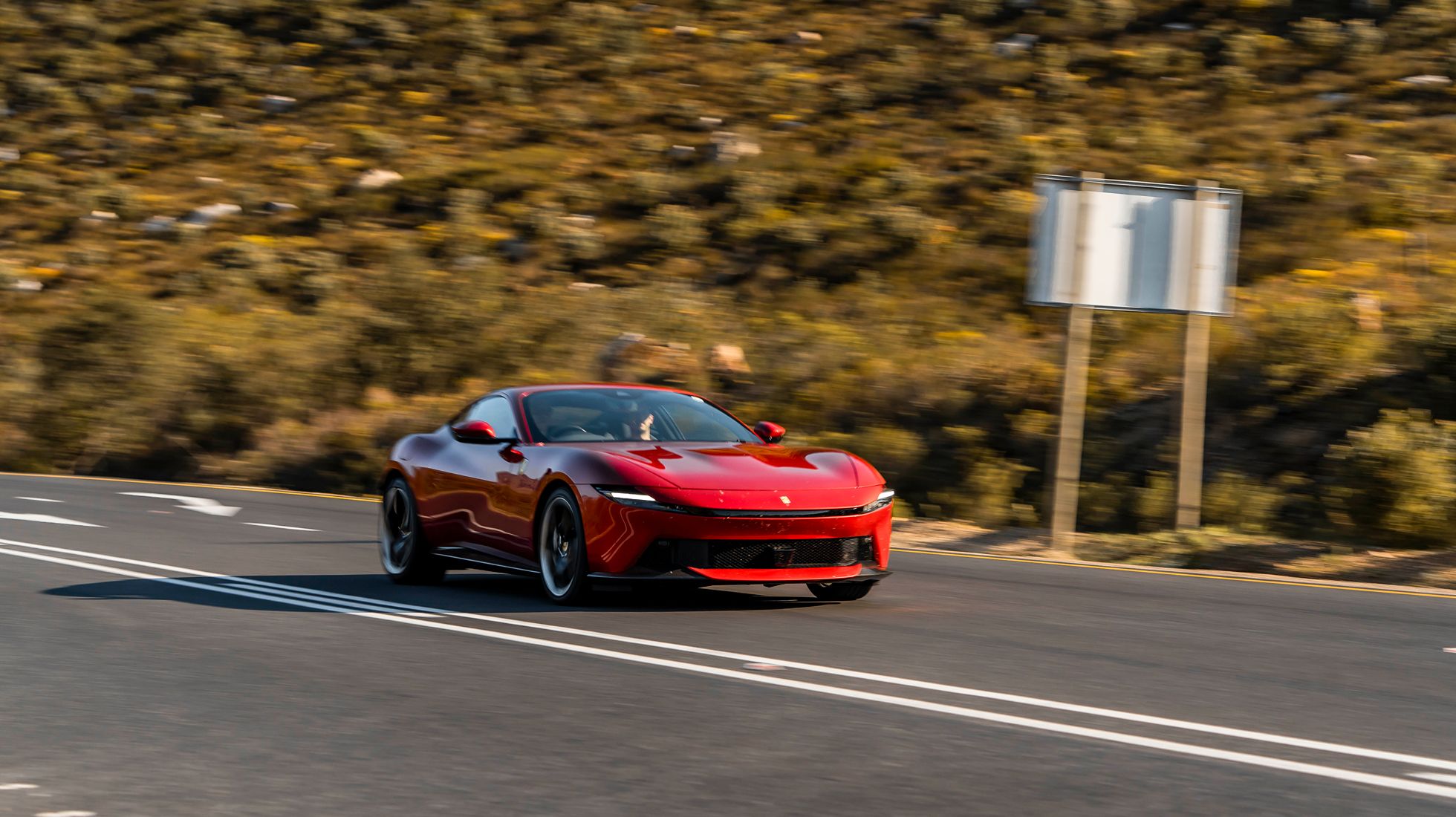
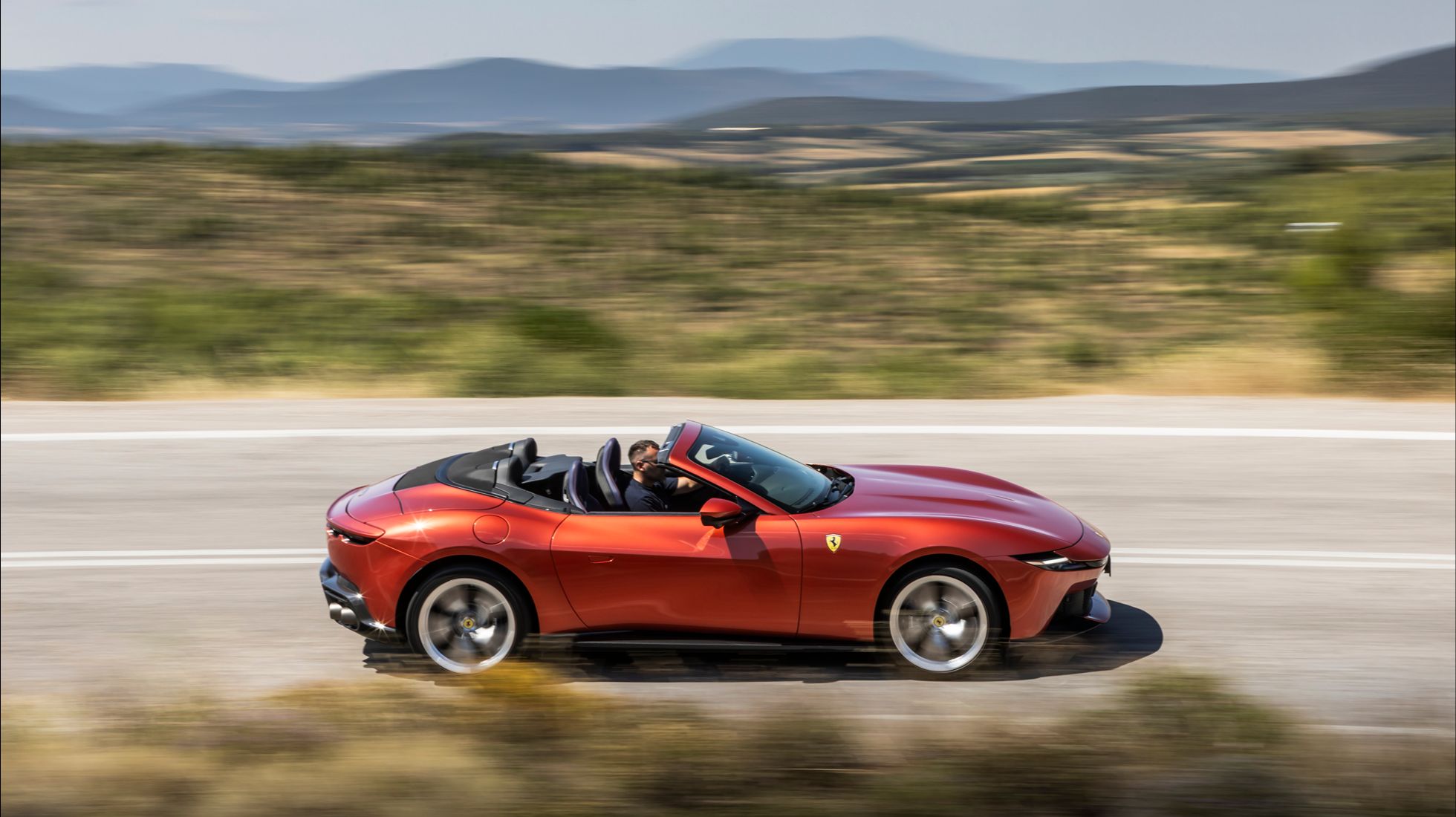
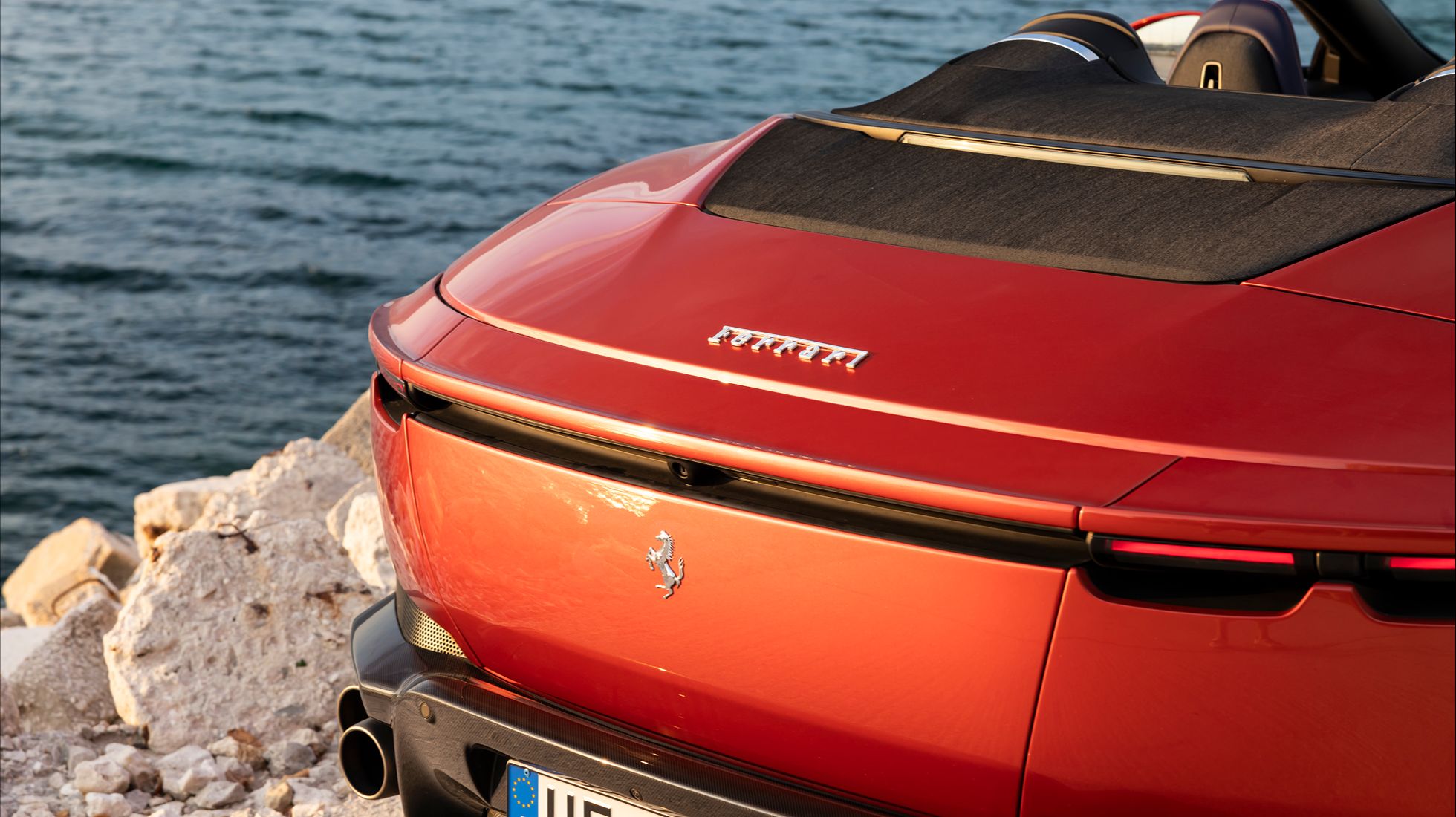
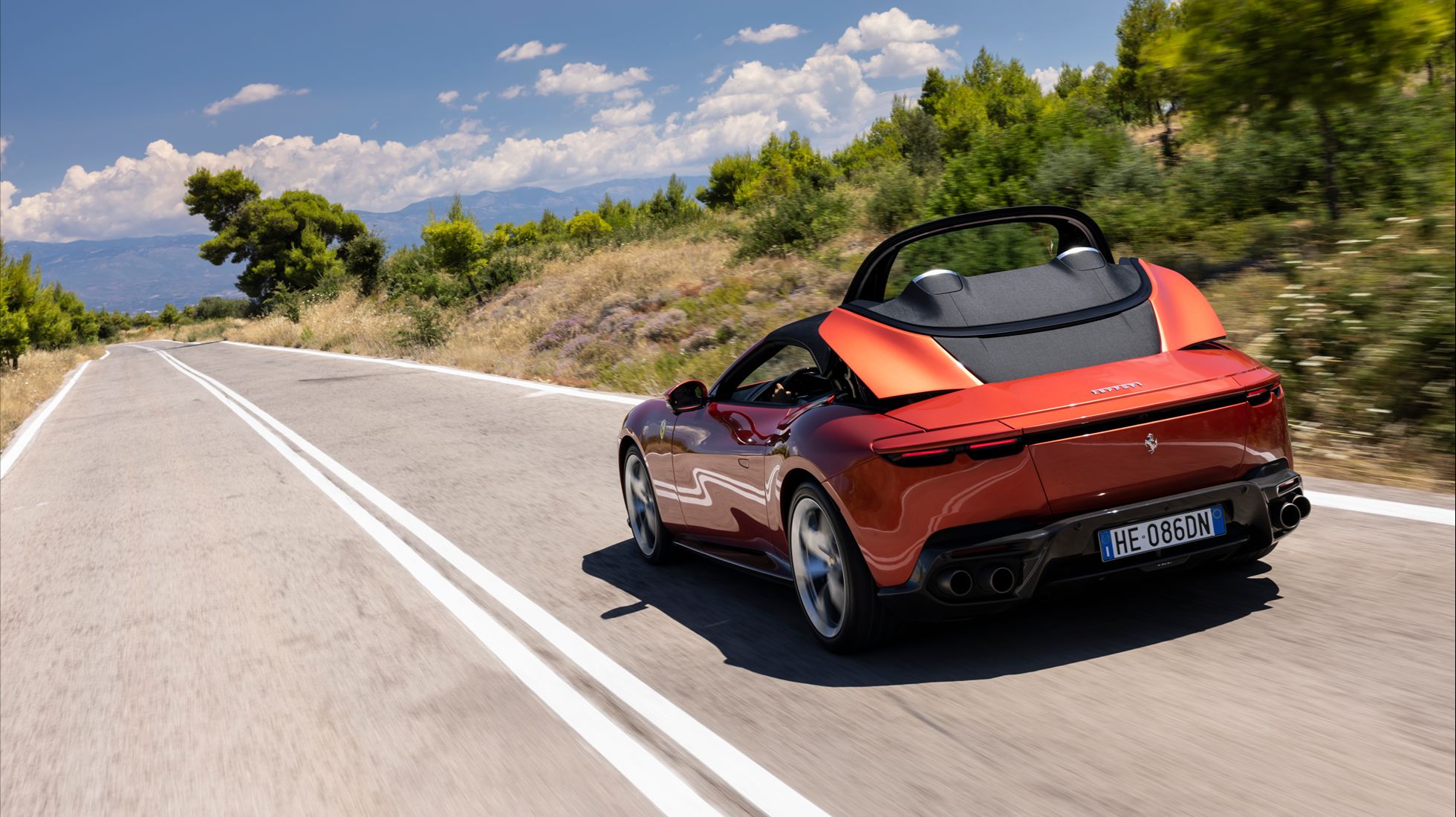
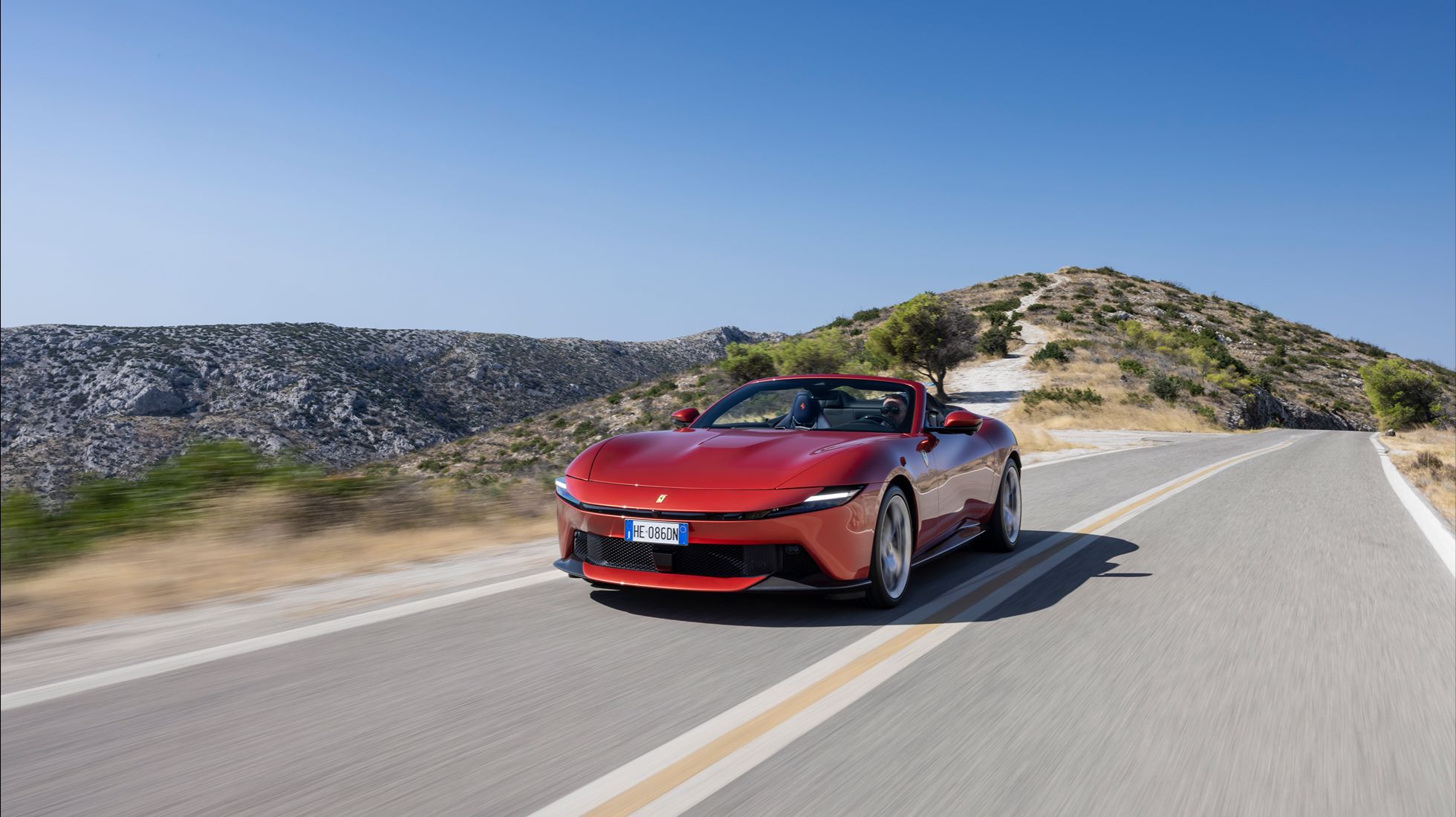
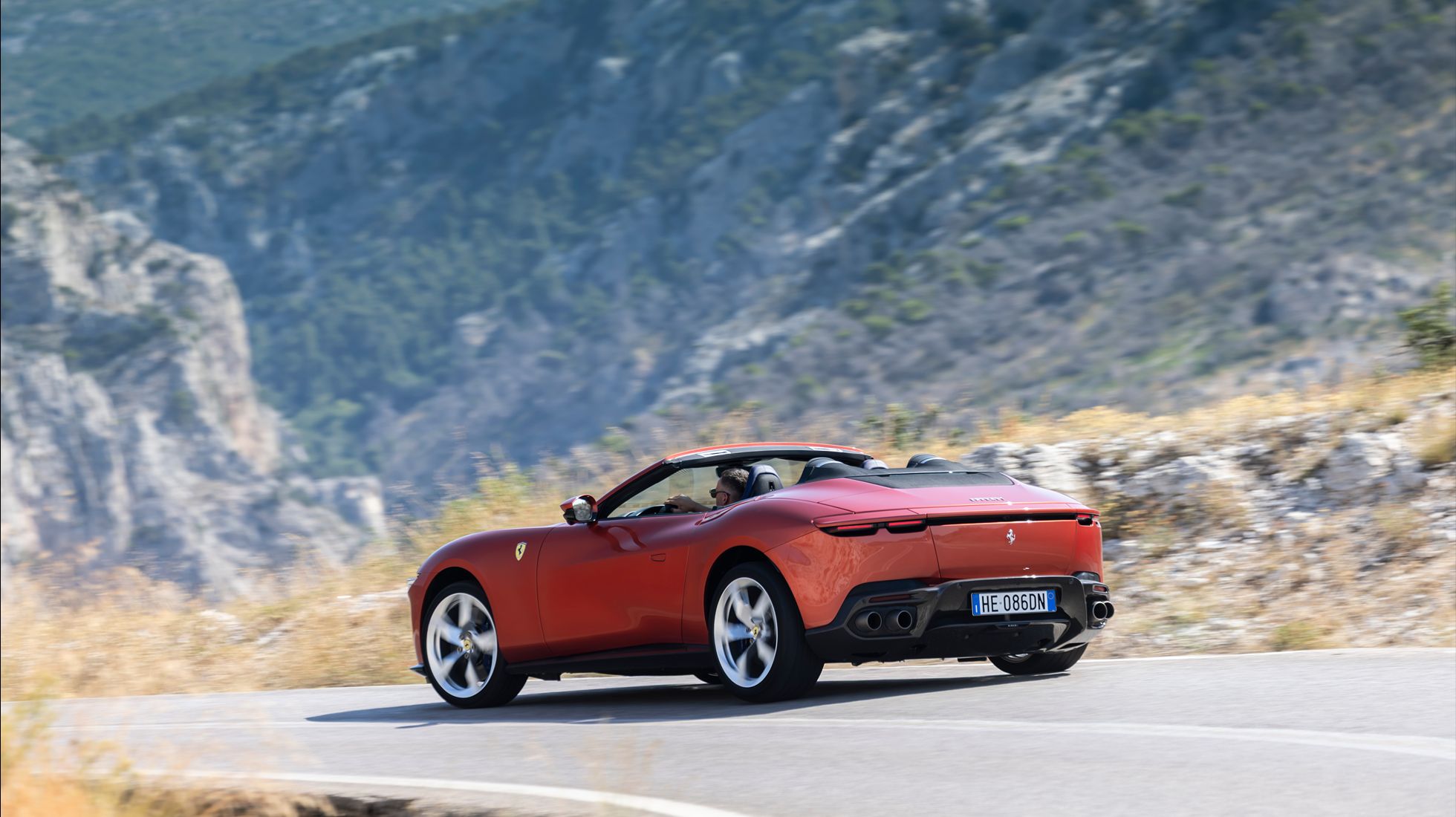
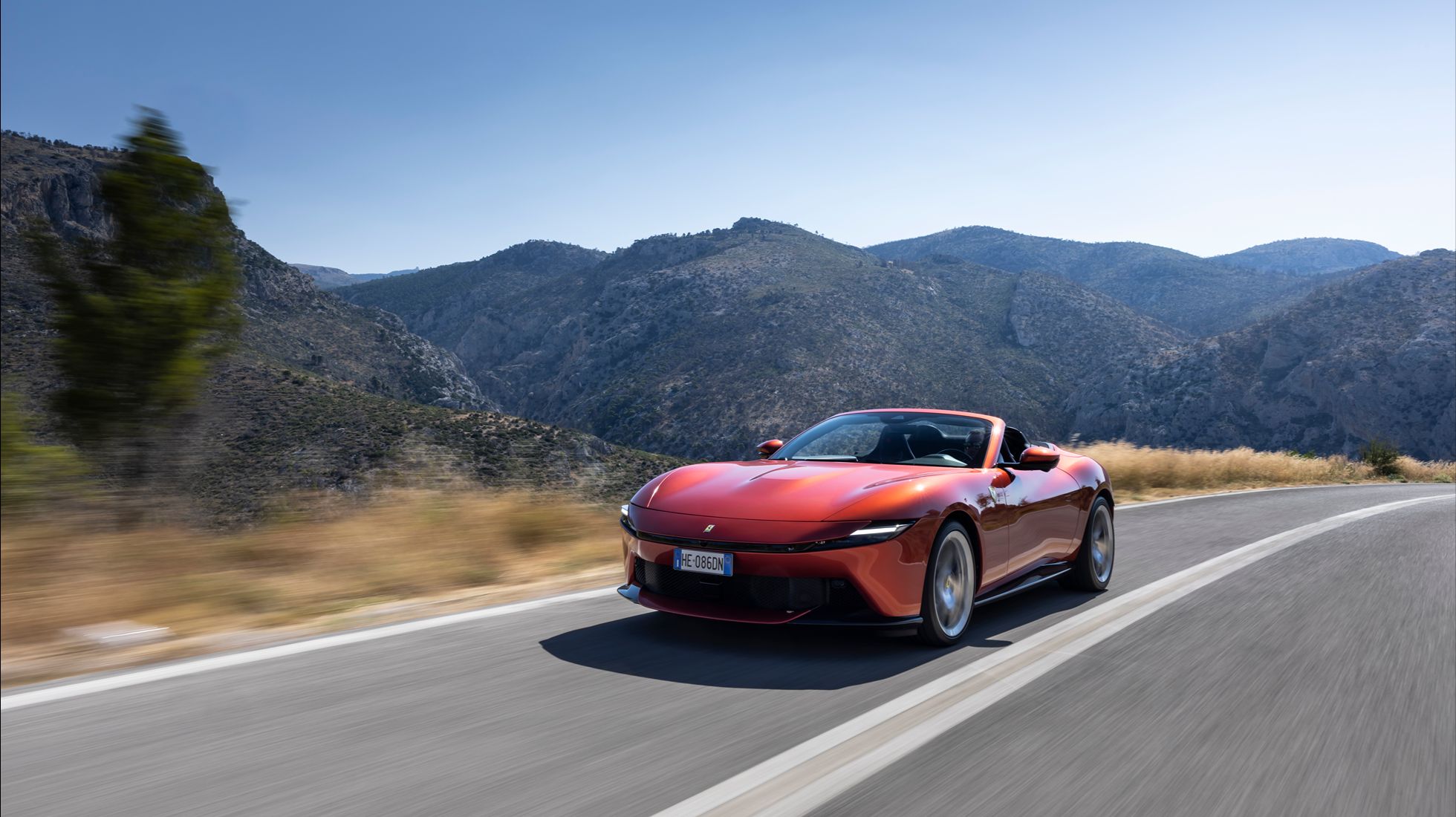
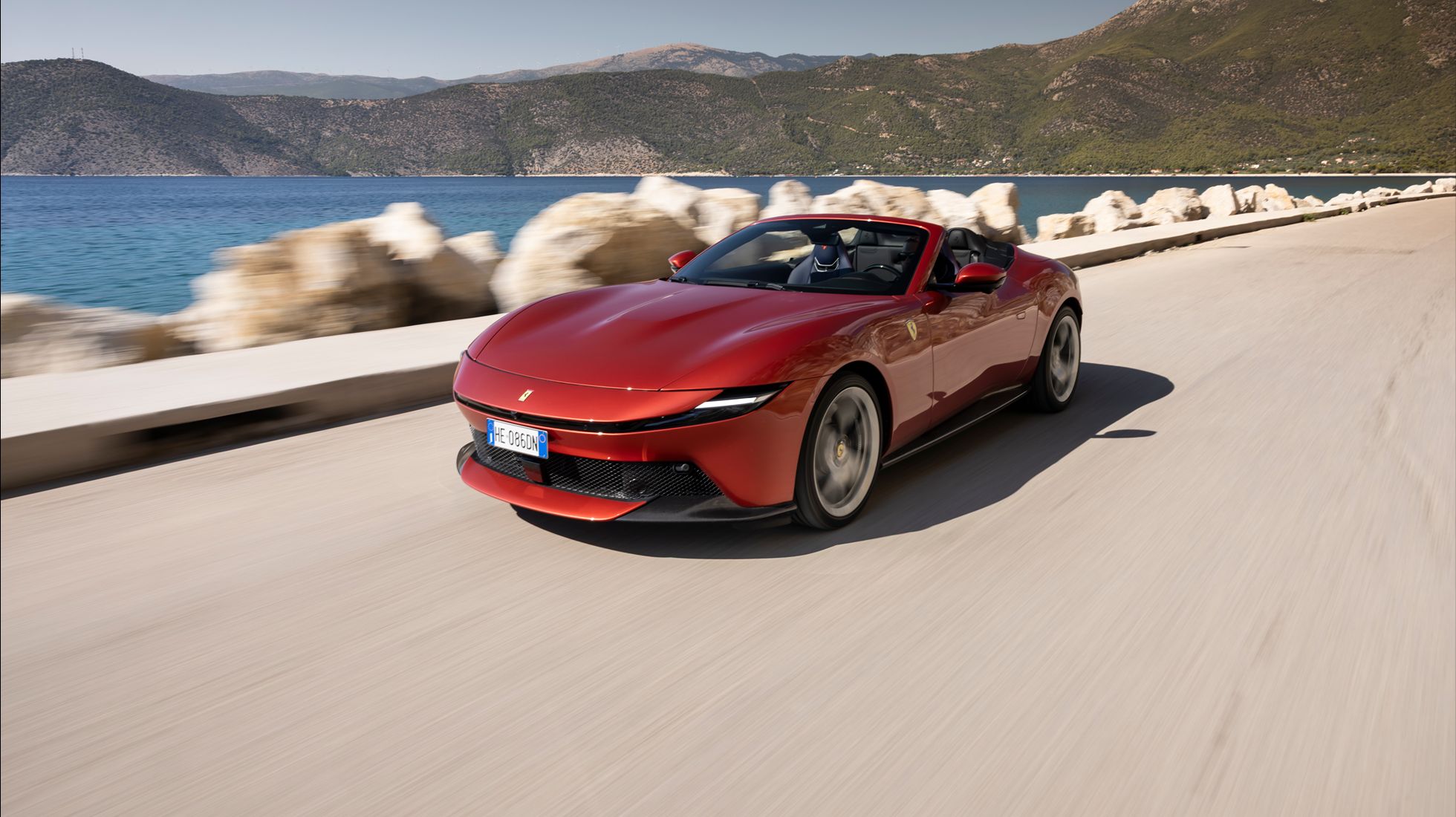
Named after Italy’s famous Amalfi Coast, the Spider somehow looks like it belongs in Greece. It wears one of Ferrari’s cleanest designs in years. The speedform design, a flowing silhouette, carries no unnecessary vents and wings with outward pretenses of race car dynamics. There are no oversized spoilers screaming for attention. Every line is deliberate. Yet, as you take a closer look, you’ll spot the telltale signs of aerodynamic intent. The little recesses in the front grille, the large air intakes below the visor and the nearly flat floor if you lie down to take a look. There’s signature Ferrari airflow technology here — it’s just hidden, woven into the pure design. At the rear, a three-position active wing integrates seamlessly into the tail, adjusting automatically between low drag, medium downforce and high downforce configurations depending on speed and lateral load. In its most aggressive setting, it generates up to 110kg of additional downforce at 250km/h — a number that speaks to aerodynamic purpose, all without disturbing a single clean line. Even with the fabric roof folded away, the full elegance of the coupe remains.
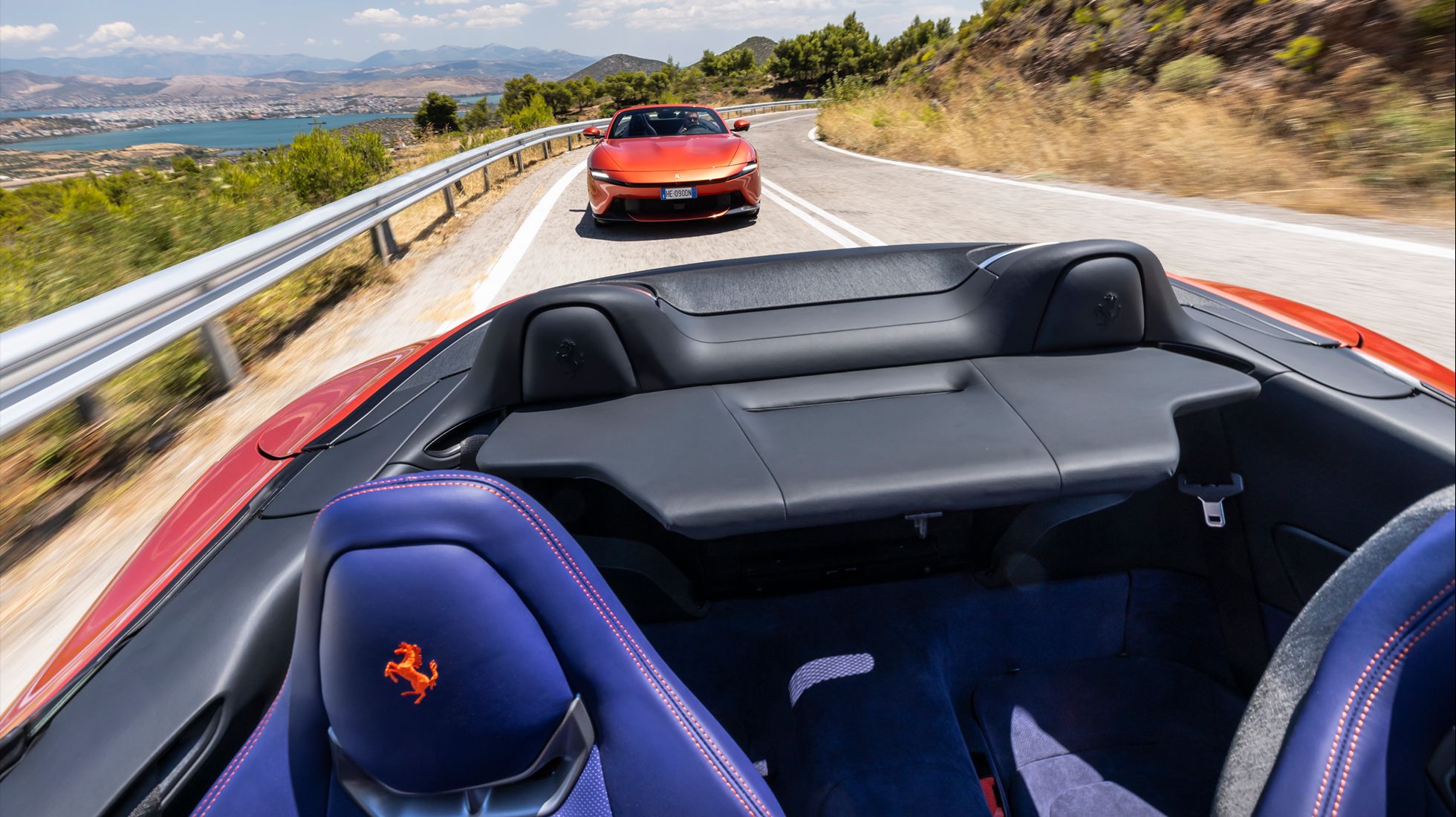
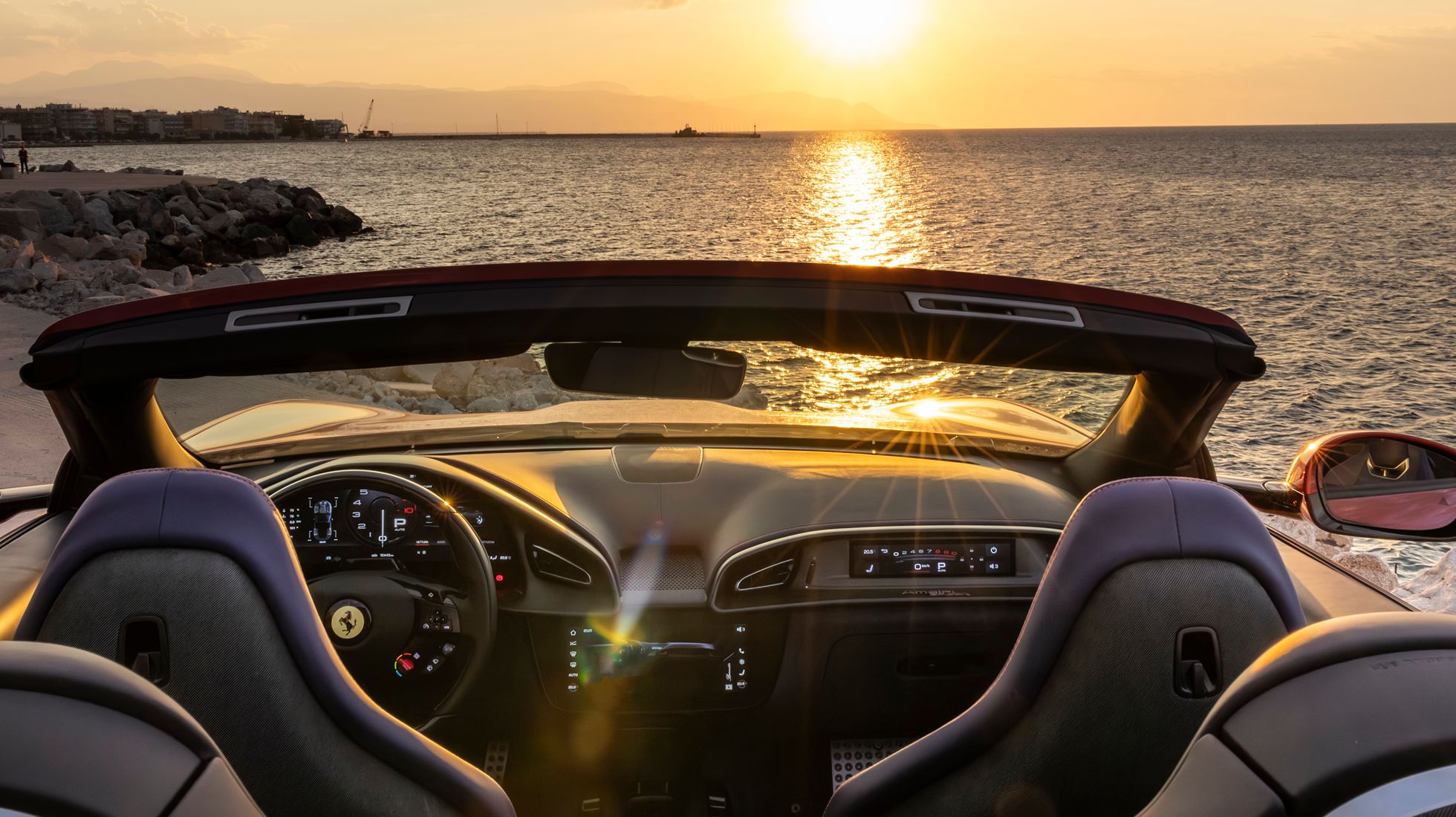
Ferrari says the roof opens in 13.5 seconds at speeds up to 60km/h, and honestly, I didn’t count, but I did manage to drop the top from the moment I exited the highway, realising that I was heading onto the sort of roads that a sports car revels in. The roof disappeared quickly enough for the Mediterranean sunshine to become part of the experience. It’s 28 degrees Celsius at 09h00, the precursor to a scorcher of a day. I spent the previous evening chatting to several of the Ferrari engineers about the supposed bubble that they’ve managed to create within the cabin when the roof is folded away. It’s achieved through the rake of the windscreen, the deflection of air around the cabin and mostly by a new wind deflector that is unlike anything I’ve experienced before. Lying flat against the rear seat backrests is a large panel that folds outwards at the touch of a button at an angle of 101 degrees. It effectively bullies the air to fly over your head and outwards behind the rear bench, creating a quieter, more serene cabin. It works incredibly well, but it still remains an odd thing to look at. It also renders the rear seats unusable, so if you have kids in the back seat, you won’t have access to the wind deflector’s significant refinement.
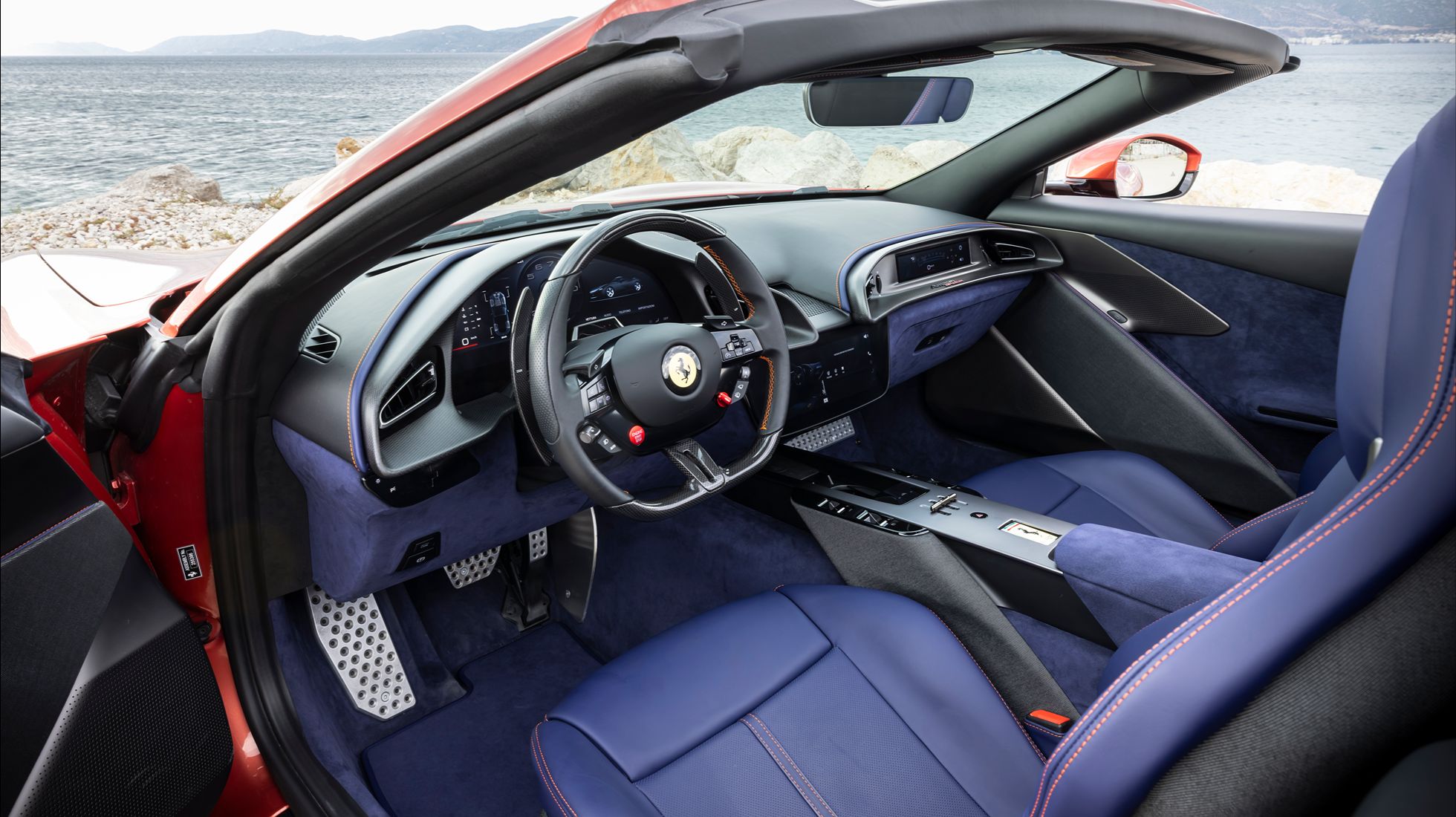
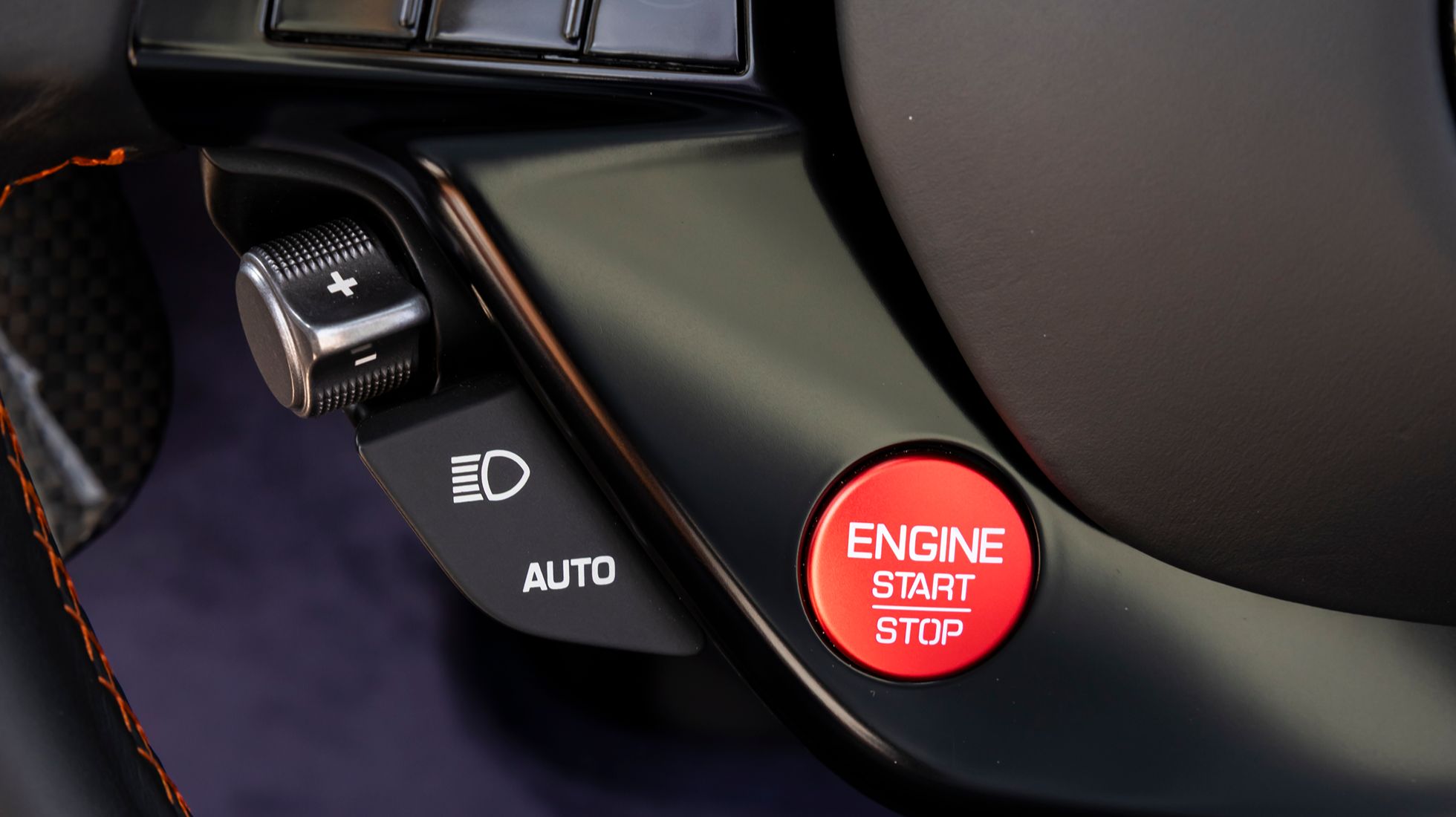
Considering the rest of this interior, I’m pleased to report that Ferrari has listened. Physical steering-wheel buttons are back. Praise be. The touch-sensitive controls introduced a few years ago looked clever but often felt like trying to operate your remote while wearing **braai** gloves. There are proper buttons and switches again, and the glorious red starter button is back too.
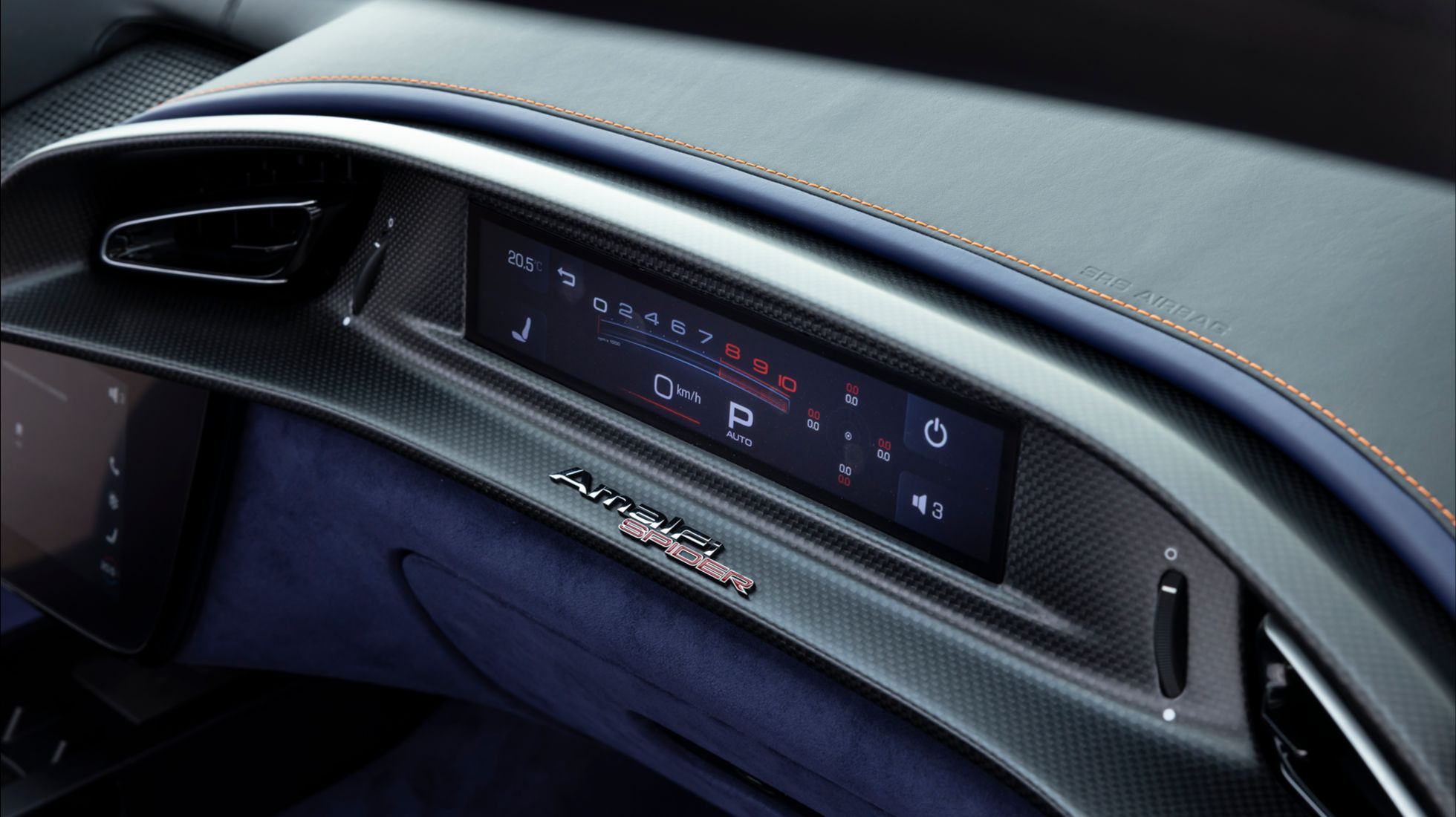
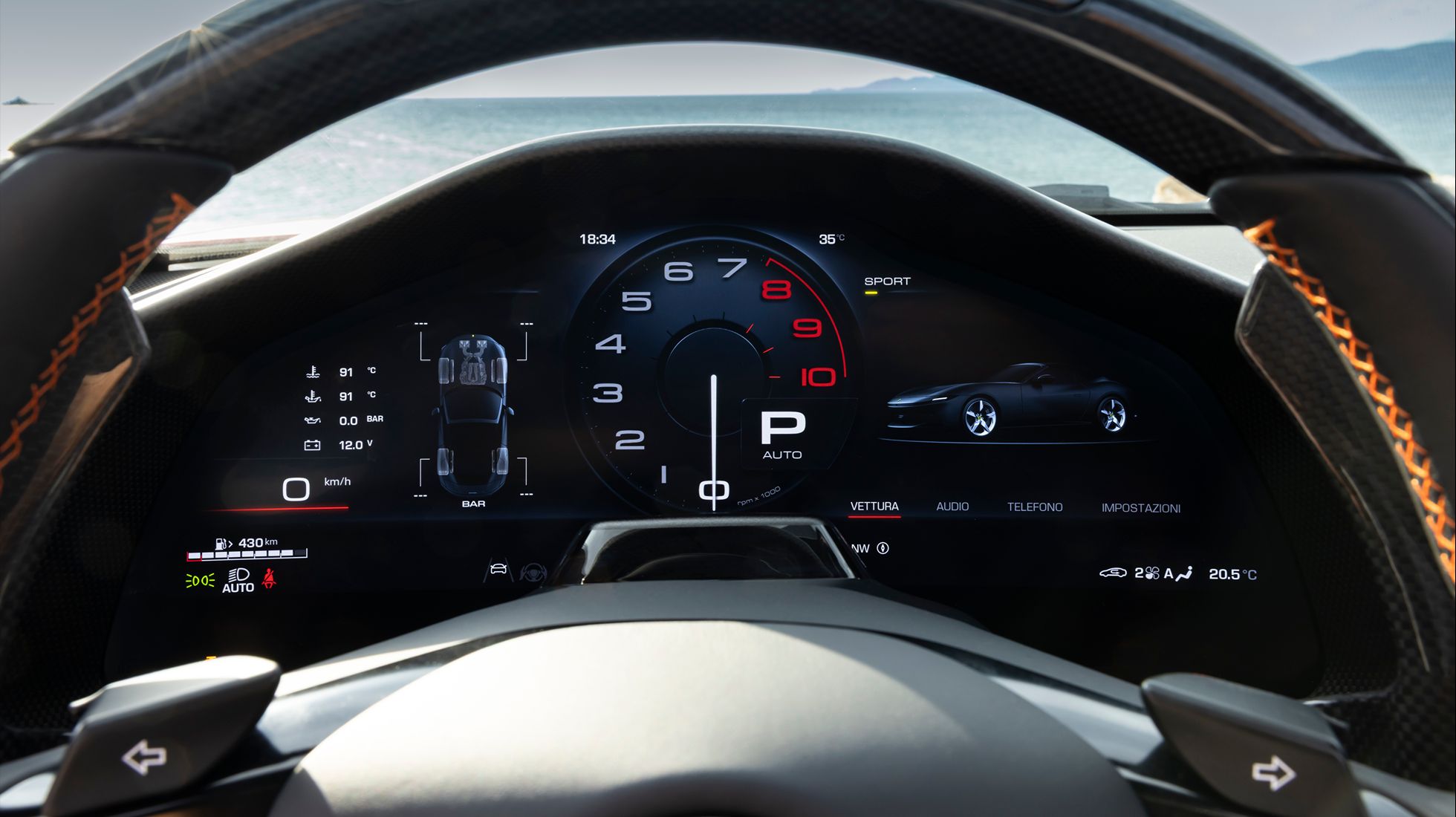
The interior is wonderfully restrained in a very delineated driver and passenger cockpit separation. The most dominant screen is the 15.4-inch driver’s display, flanked by a 10.25-inch capacitive infotainment display that houses functions like multimedia, radio, phone, screen mirroring, climate control and seat adjustments. It’s a simple interface on a relatively small screen, but this makes complete sense here. And of course, Ferrari’s 8.8-inch passenger display offers your co-driver their own experience, showing parameters such as G-forces, engine revs and media control too. I’d say it’s Ferrari’s best interior UX in many years.
Out on the road, I have to whisper this quietly — I think the Amalfi Spider is more comfortable than a Porsche 911 Cabriolet over imperfect roads. Seriously, this car’s comfort is the biggest surprise for me. There’s a maturity to the suspension play and overall driver interaction, something that Ferrari was deliberate in trying to achieve. You really can ‘daily’ this car, and in all of its expected power statistics, the comfort levels are a standout, made even more so now that I have found the massage function in the infotainment screen. I’ve switched all of the comfort features to the max. Max aircon, max seat massage. All that’s left is to click through the Manettino drive mode switch into Sport before heading onto a glorious bit of road.
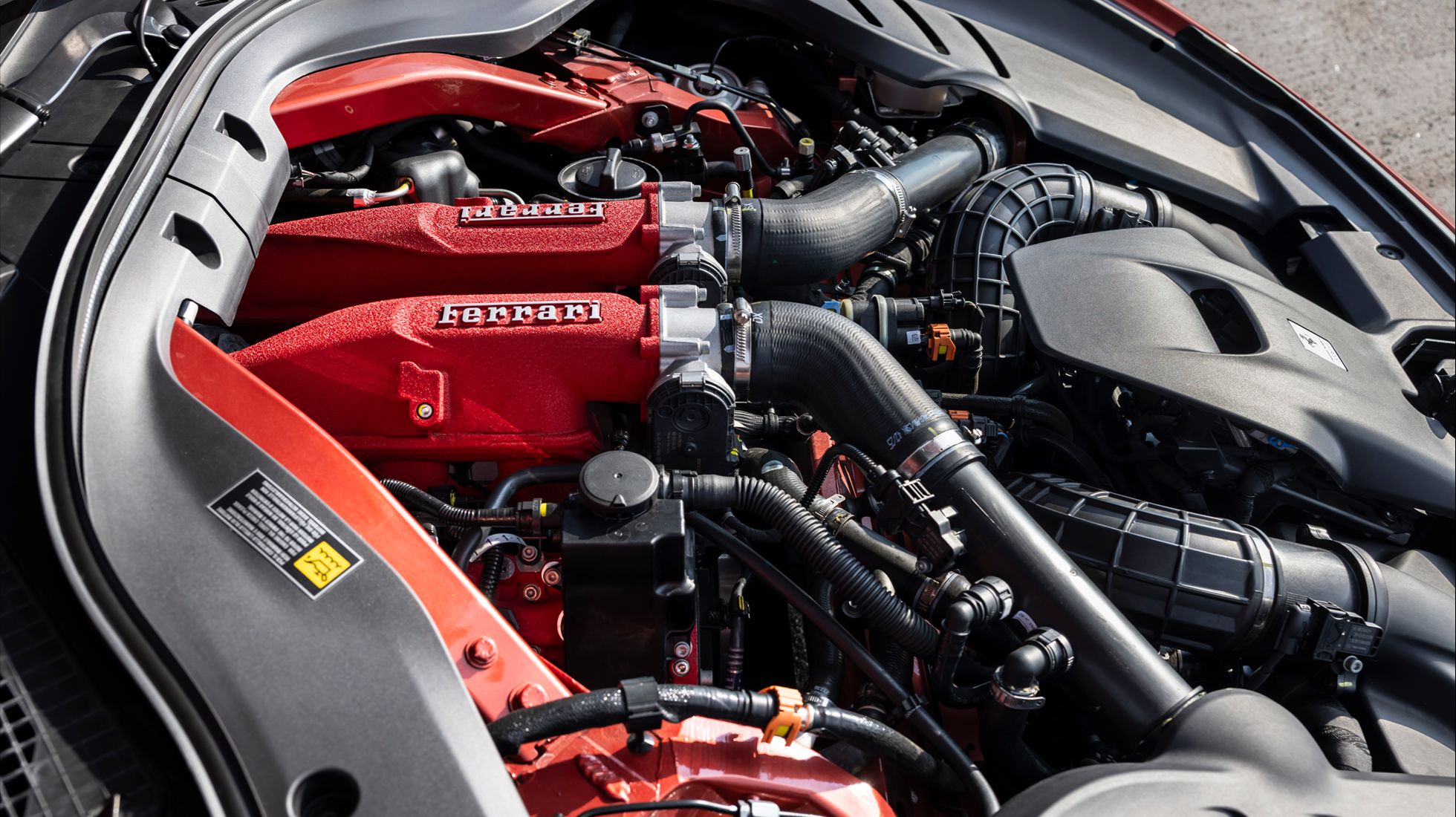
Behind the Amalfi’s long bonnet sits Ferrari’s familiar 3.9-litre twin-turbo V8 producing 477kW and 760Nm. Those numbers are enough for blistering pace. 0-100km/h in 3.3 seconds, exactly the same as the hardtop Amalfi. Top speed arrives at 320km/h and that too is impressive enough, but I’m most childish about the way this power is delivered, in pure unadulterated V8 spectacle. There are no marriages between ICE and electric motors here, just pure, old-school V8 — if you consider where Ferrari’s latest products are requesting power from. The delivery is linear. The twin-scroll turbos, now spooling up to 171,000r/min, are quite predictable in where the shove arrives, and the award-winning F154 engine screams to 7,600r/min here. From the driver’s seat, you can hear the intakes working, the turbos whooshing and that V8 mill producing its signature sound. Unfortunately, EU regulations mean that what happens up front versus what happens out of the exhausts are at odds with each other. The soundtrack exists, it just doesn’t quite escape with the freedom of before. I do miss some of the theatre. The music is still there, but somebody has politely asked the 8-cylinder orchestra to keep it down because the neighbours are offended. What a shame.
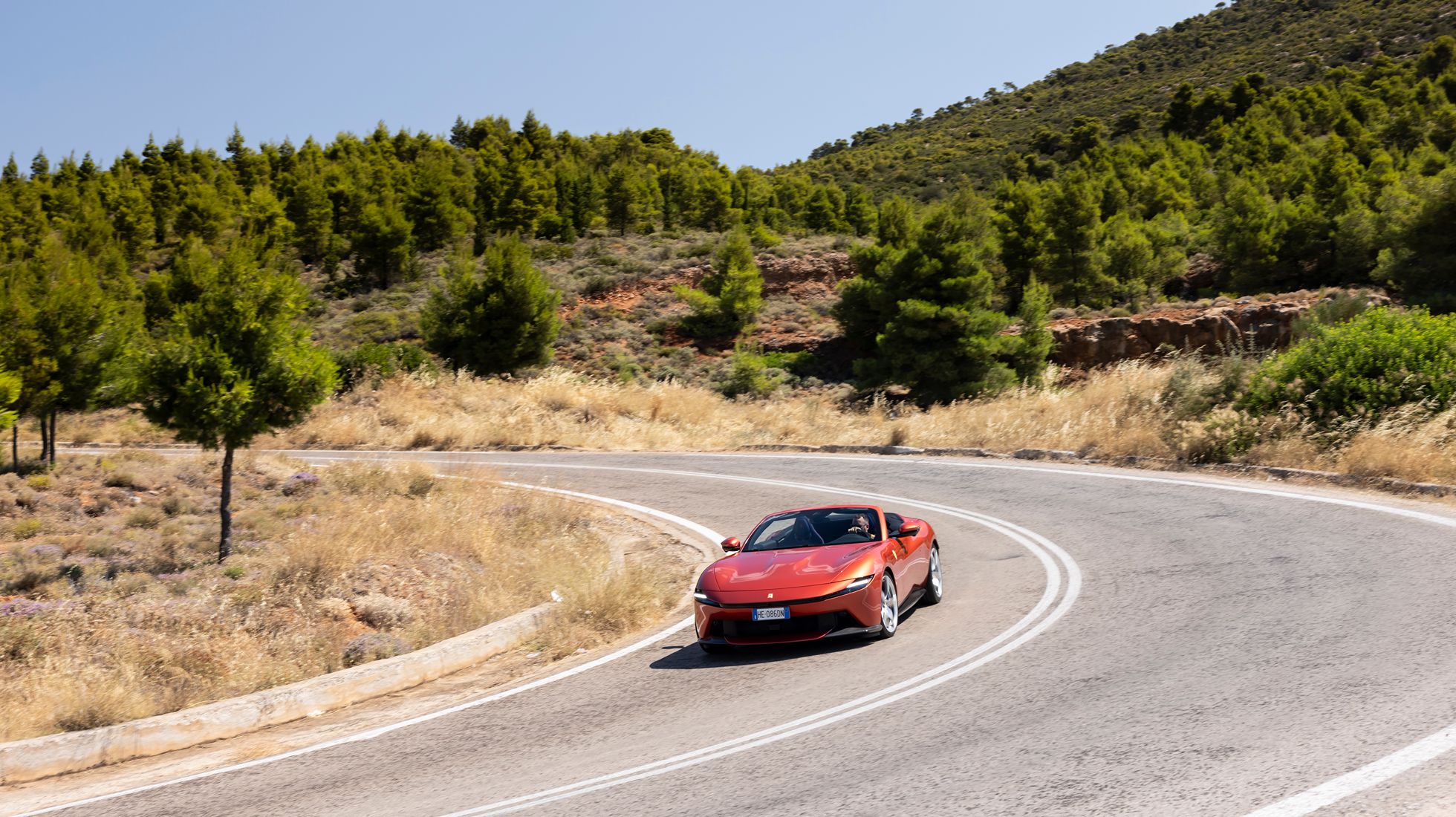
The Greek mountain roads are narrow and slightly worse for wear. They quickly expose a car pretending to be something it isn’t or, in this case, expose a car for its real potential. The Amalfi’s suspension has genuine compliance, soaking up the broken tarmac that would leave many sports cars clumsily bouncing across lanes. But here, in Sport, the body control tightens beautifully without becoming punishing. While the engine and DCT are beautifully in sync, I find one of my favourite features hidden underneath a press of the Manettino. It’s the ability to separate the suspension from the powertrain settings. On one particularly rough mountain pass I wanted razor-sharp steering and throttle response without shaking my spine loose over every bump. This setting is perfect. It’s one of those details that tells me somebody actually drove this thing on a real-life road before signing it off.
Push harder and another side of the Amalfi emerges. The rear becomes wonderfully adjustable, the steering is excellent too, once you’ve recalibrated your hands to its speed, and the chassis encourages confidence rather than demanding bravery, though I must say, bury the throttle out of a hairpin in first or second gear, and you’ll be thankful for Ferrari’s allowance of slip. If you’re feeling braver, Race mode is where there’s ample room to play, with just enough of a touch at the edge to bring you back. It makes pushing hard that much more enjoyable.
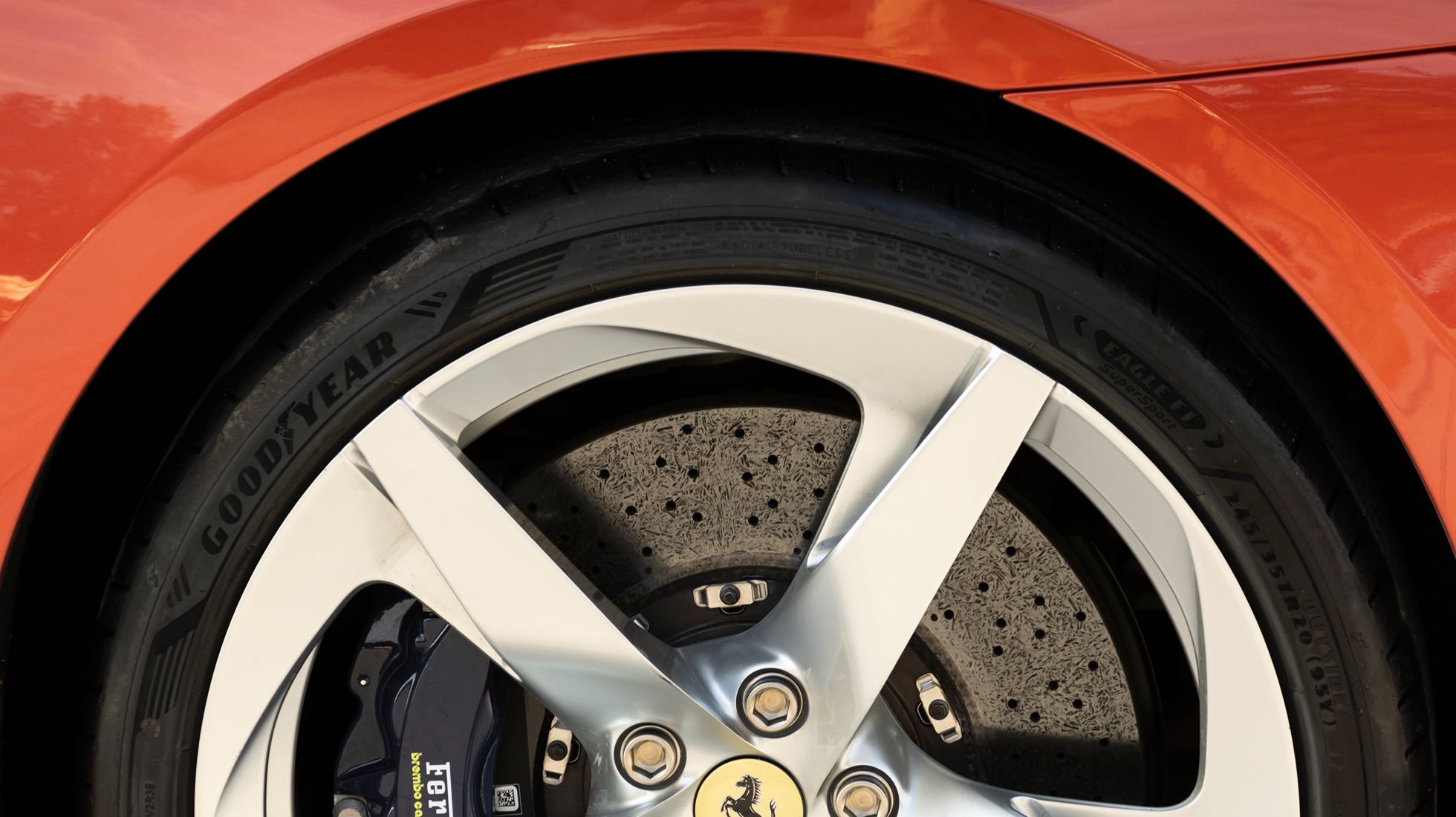
Even Ferrari’s new brake-by-wire system deserves praise. Brake-by-wire usually sounds like engineers replacing feel with software. I’ll admit I approached it with apprehension, but nope, it’s quite handy. Pedal modulation is beautifully natural, stopping power is immense, and after a few corners you forget there’s anything unconventional happening beneath your foot. The theory says that pedal feel is more consistent. I can attest to that simply through a series of switchbacks where the rhythm of braking felt the same, despite the road surface changing from one to the next. Coupled with Ferrari’s ABS Evo system, the braking performance at each wheel is the best for feel and consistency.
Ferrari calls the Amalfi Spider its lifestyle GT. Where the F80 sits on one end for absolute performance, this car sits on the opposite end for a softer approach to the Ferrari world. That description undersells it, though. Yes, it’s the most approachable Ferrari in today’s range. Yes, it’s exceptionally comfortable, easier to live with and clearly aimed at owners who’ll spend more time driving on normal roads, possibly for longer distances. But don’t confuse approachable with diluted.
The Amalfi Spider still feels special every time you press that red starter button. It still turns heads from tourists hiding behind designer sunglasses. It still causes Greek motorists to risk life and license just to grab a photograph.
Would I like the exhaust to be louder? Absolutely.
And somewhere between Greece’s impossible scenery, impossible traffic and impossibly good roads, I realised that the Amalfi is better than the Roma it succeeds in every way. It’s a clever ambition to build a car so soft yet with such bold performance at the same time. And they’ve kept the V8 in its simplest, most appealing form. That’s a big win too. Starting from R6,843,500, it is an investment into Ferrari’s world, a world that turns heads no matter what coastline you’re driving.
Specs
| Engine | 3.9-litre V8, twin-turbo |
| Power | 477kW @ 7,500r/min |
| Torque | 760Nm @ 3,000–5,750r/min |
| 0-100 km/h | 3.3 secs |
| Top Speed | 320km/h |
| Transmission | 8-speed dual-clutch F1 DCT |