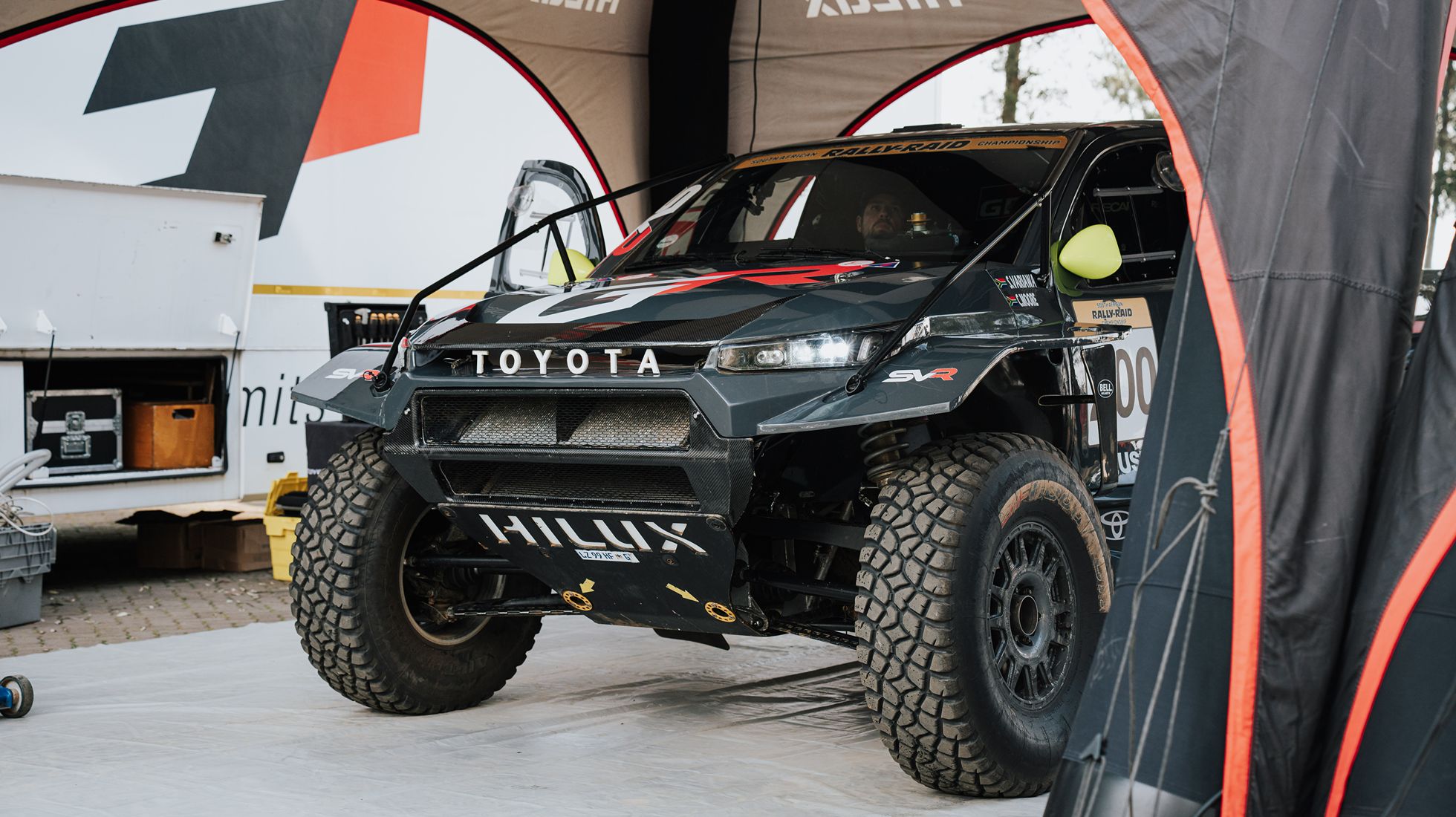
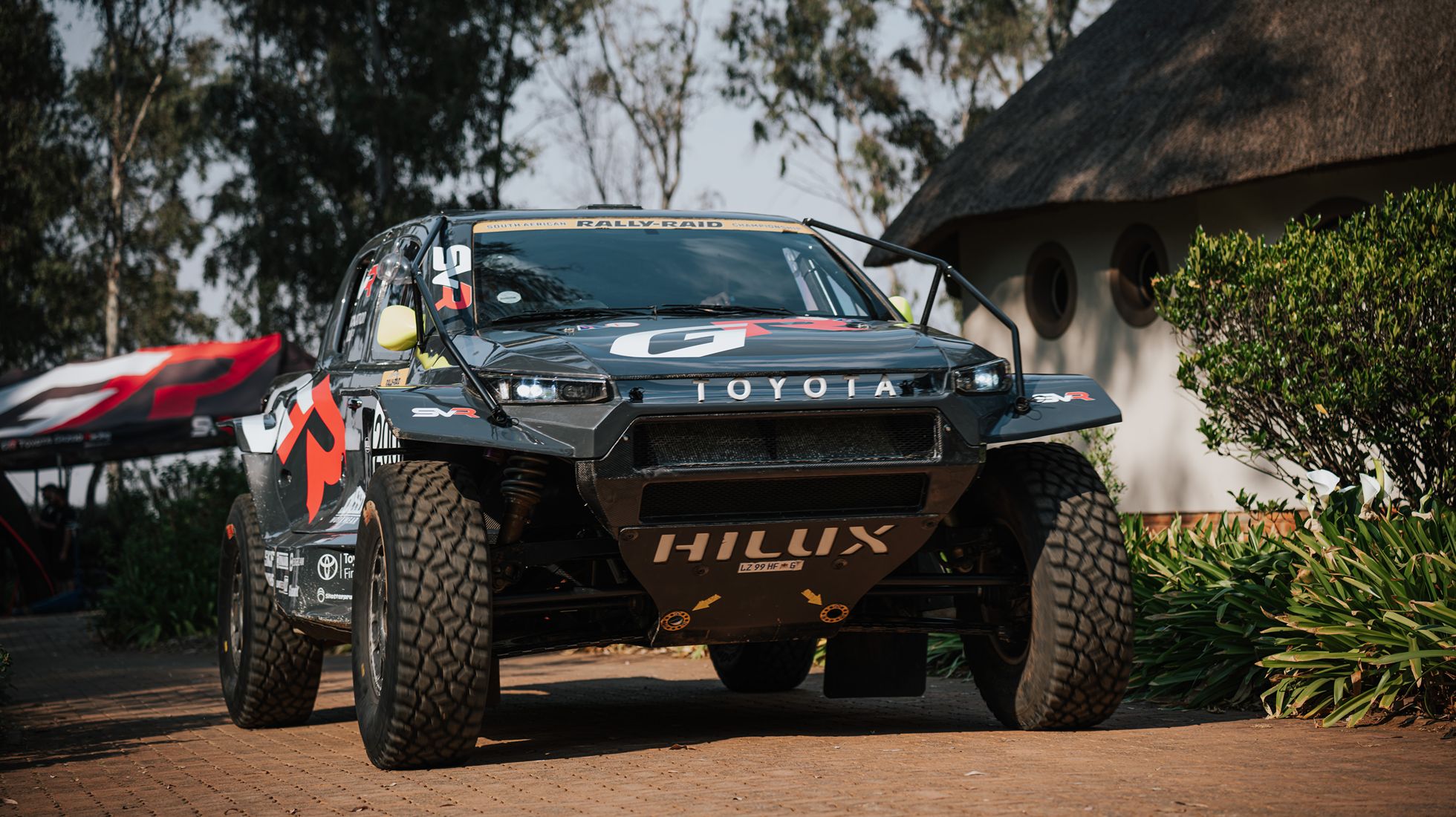
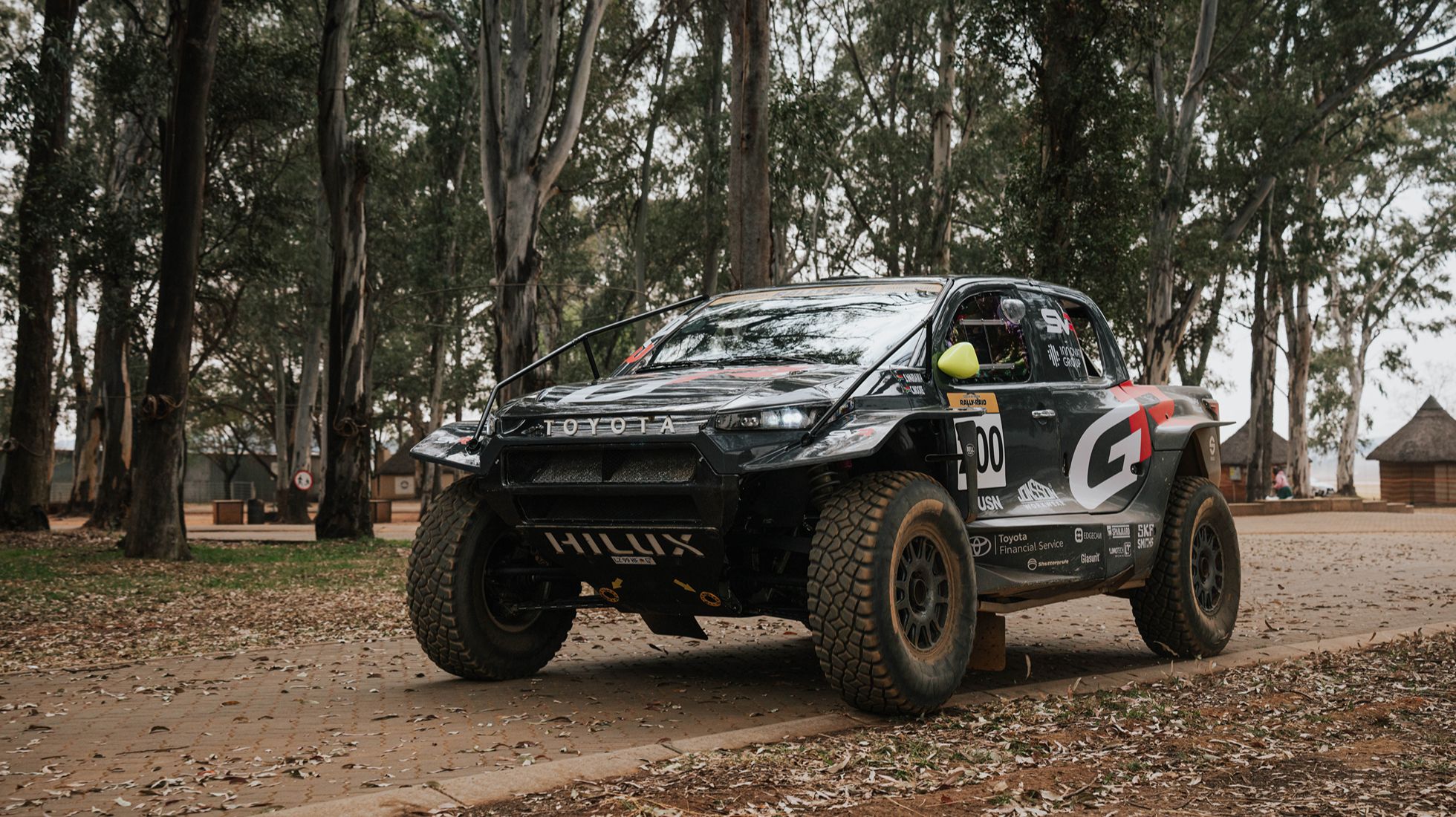
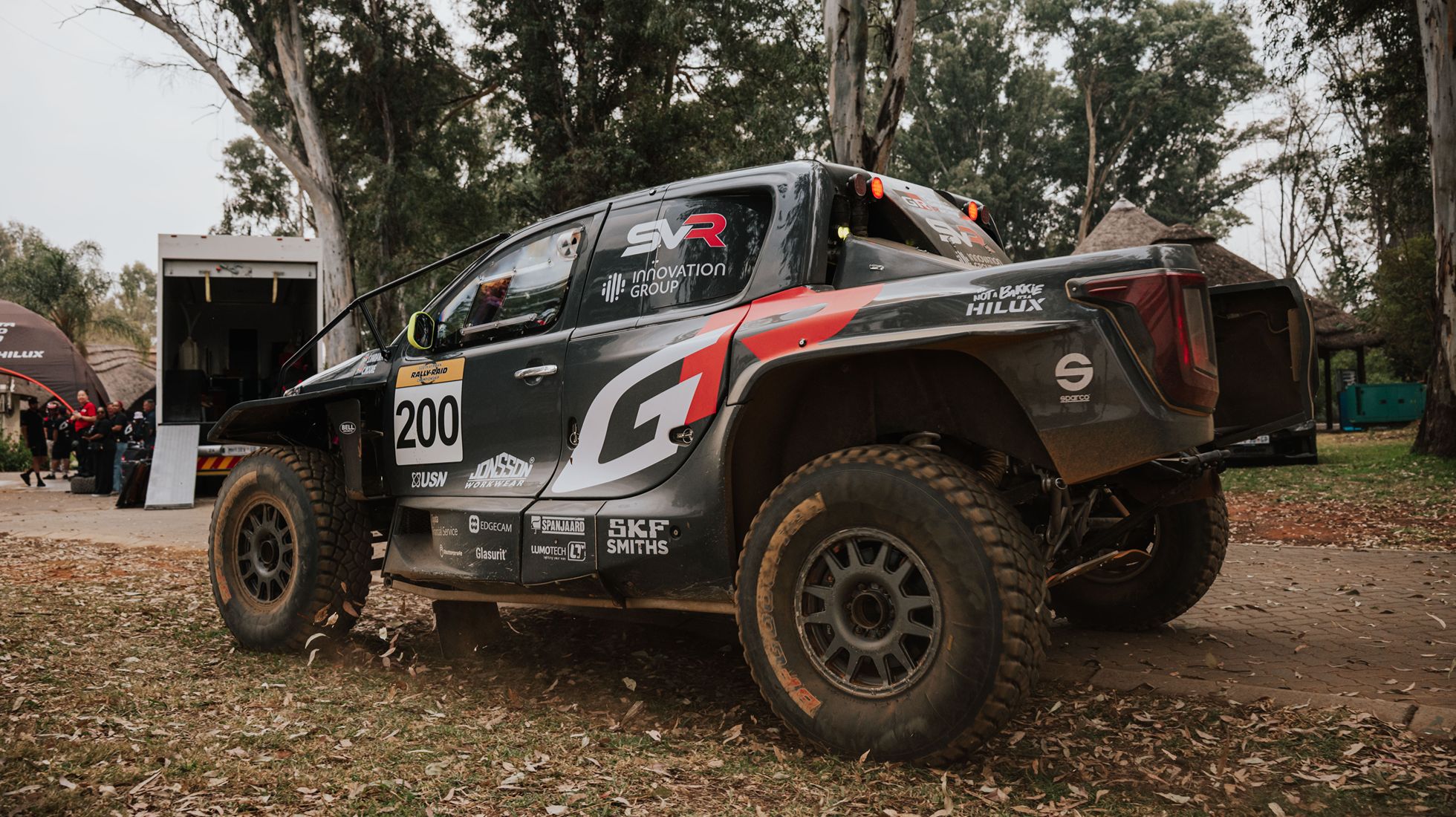
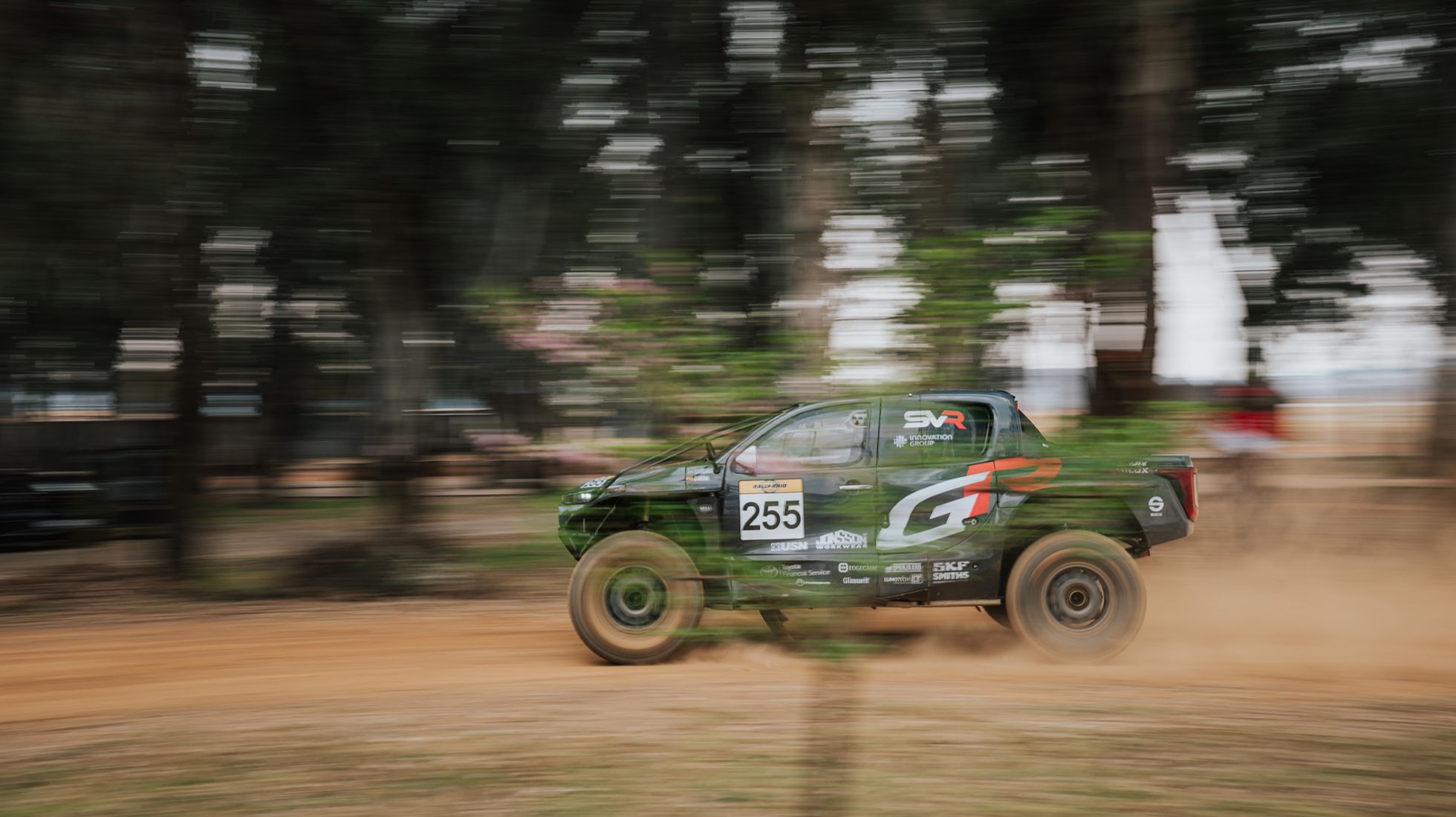
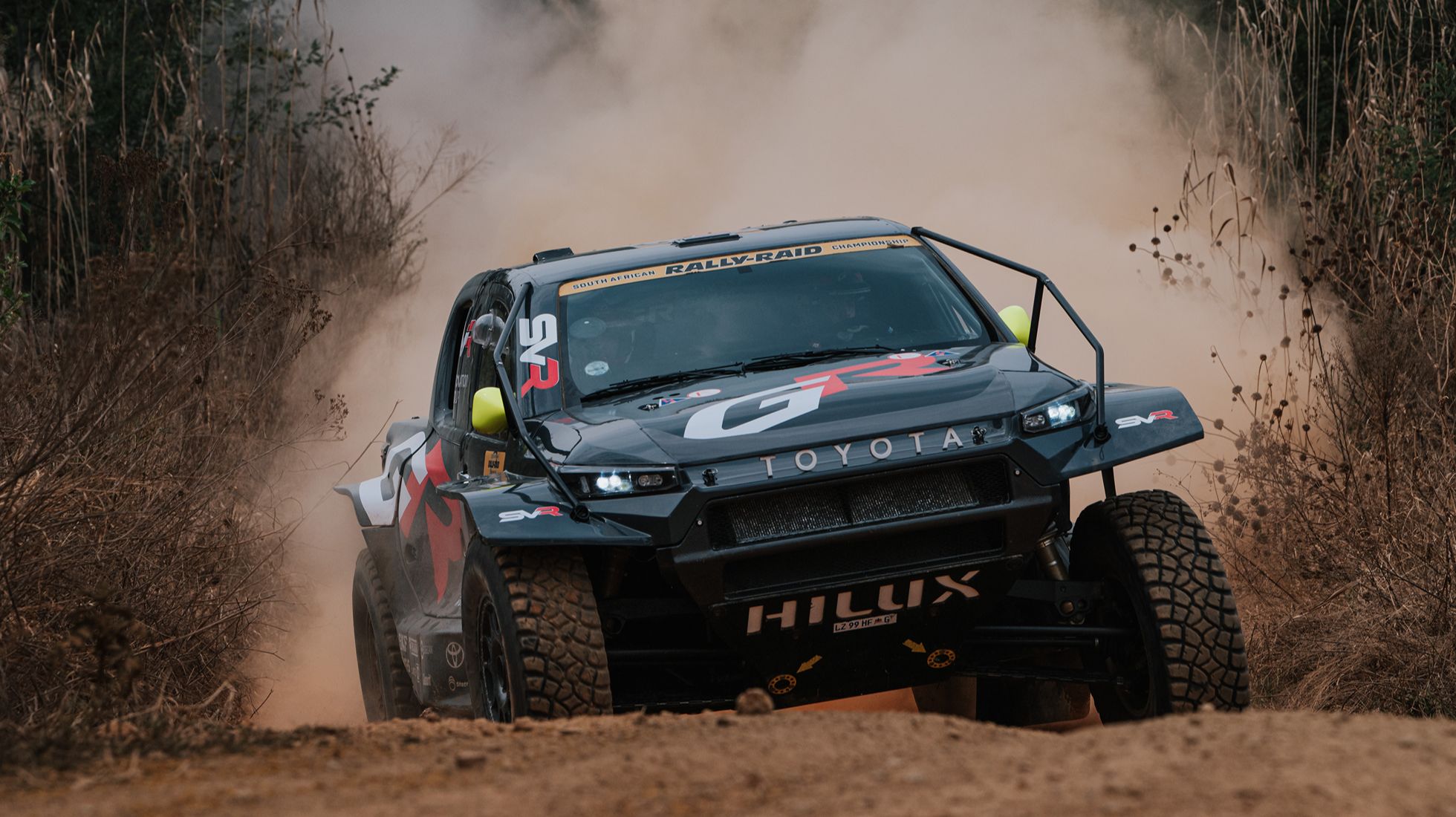
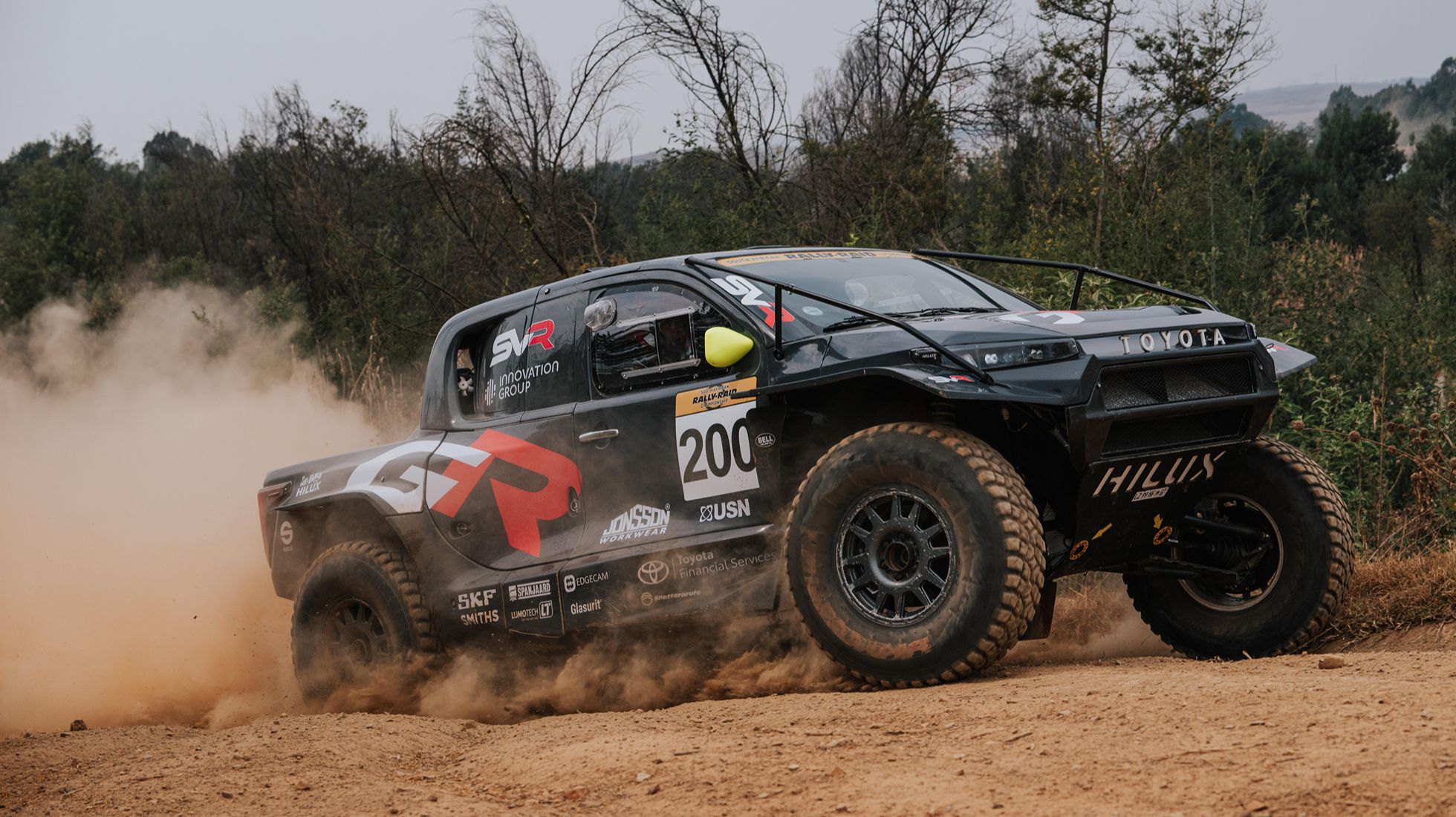
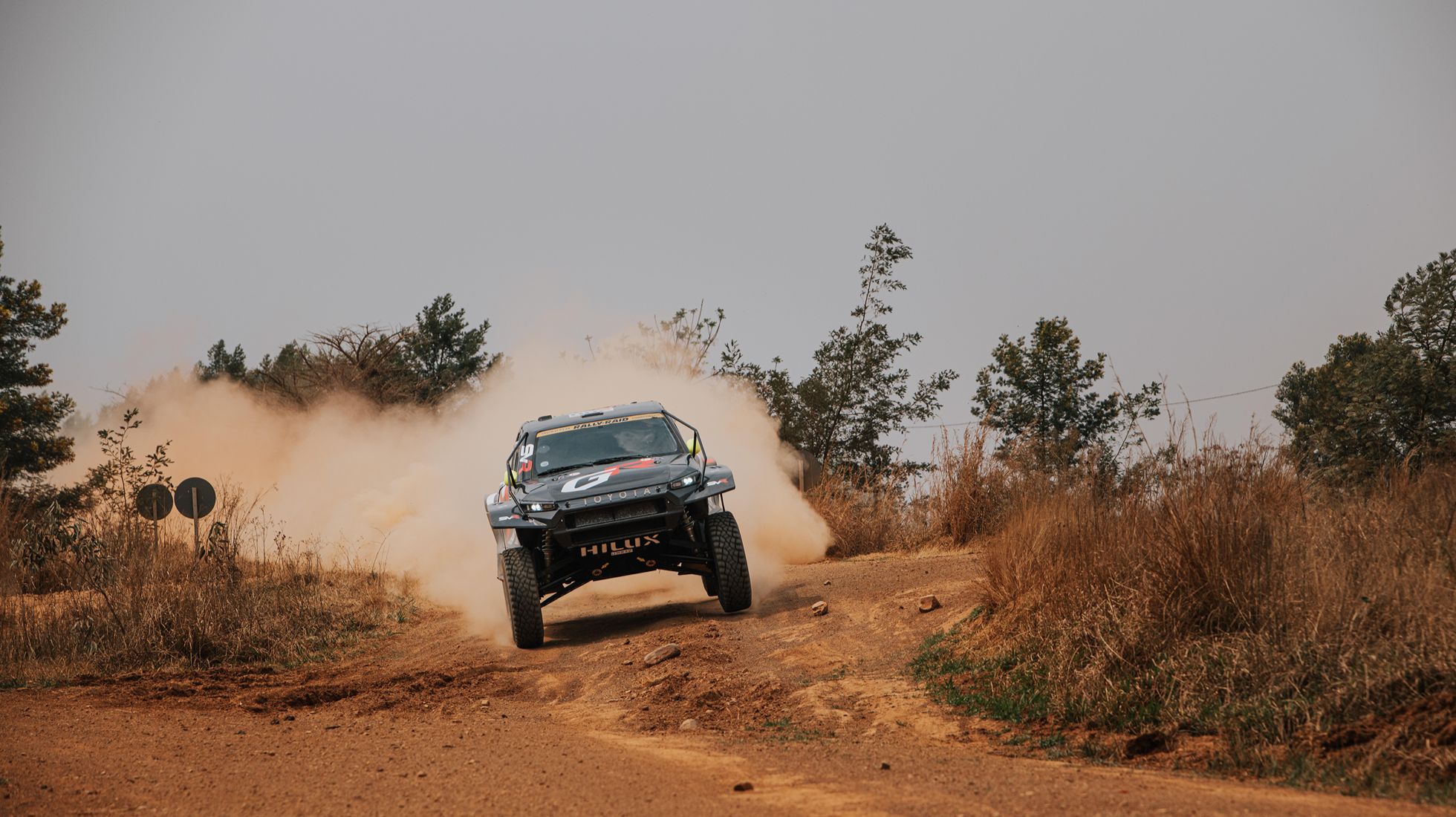
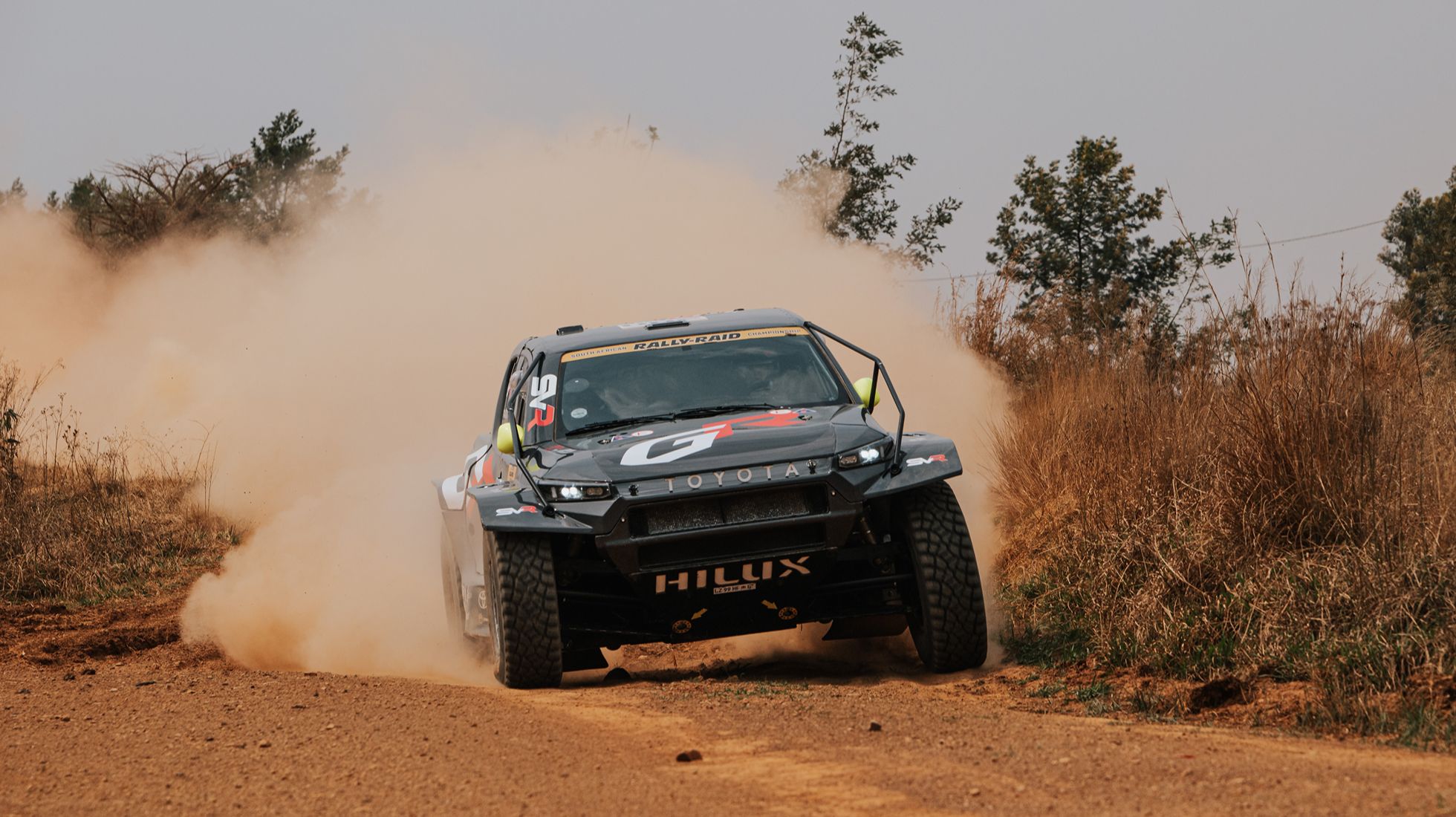
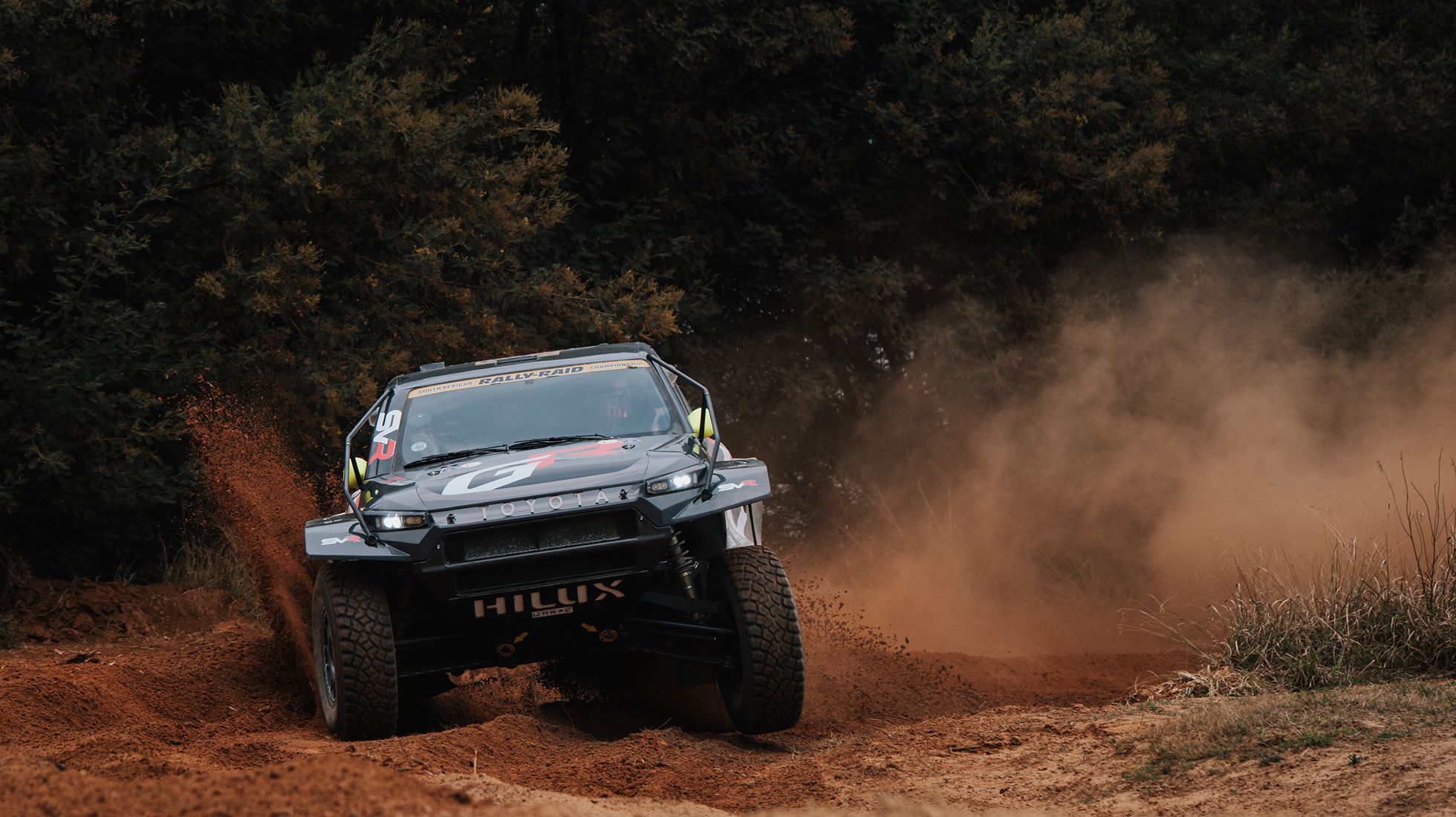
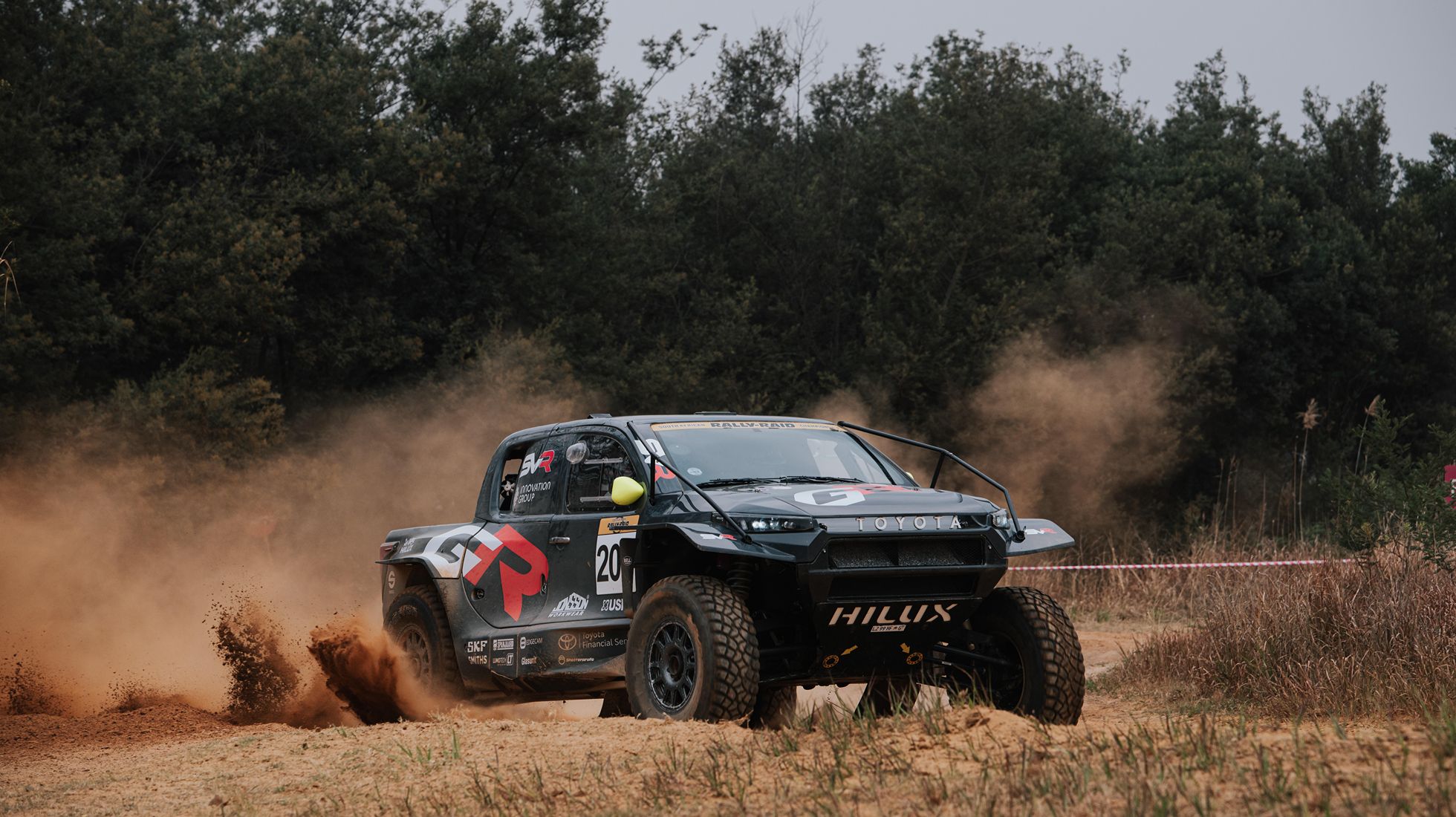
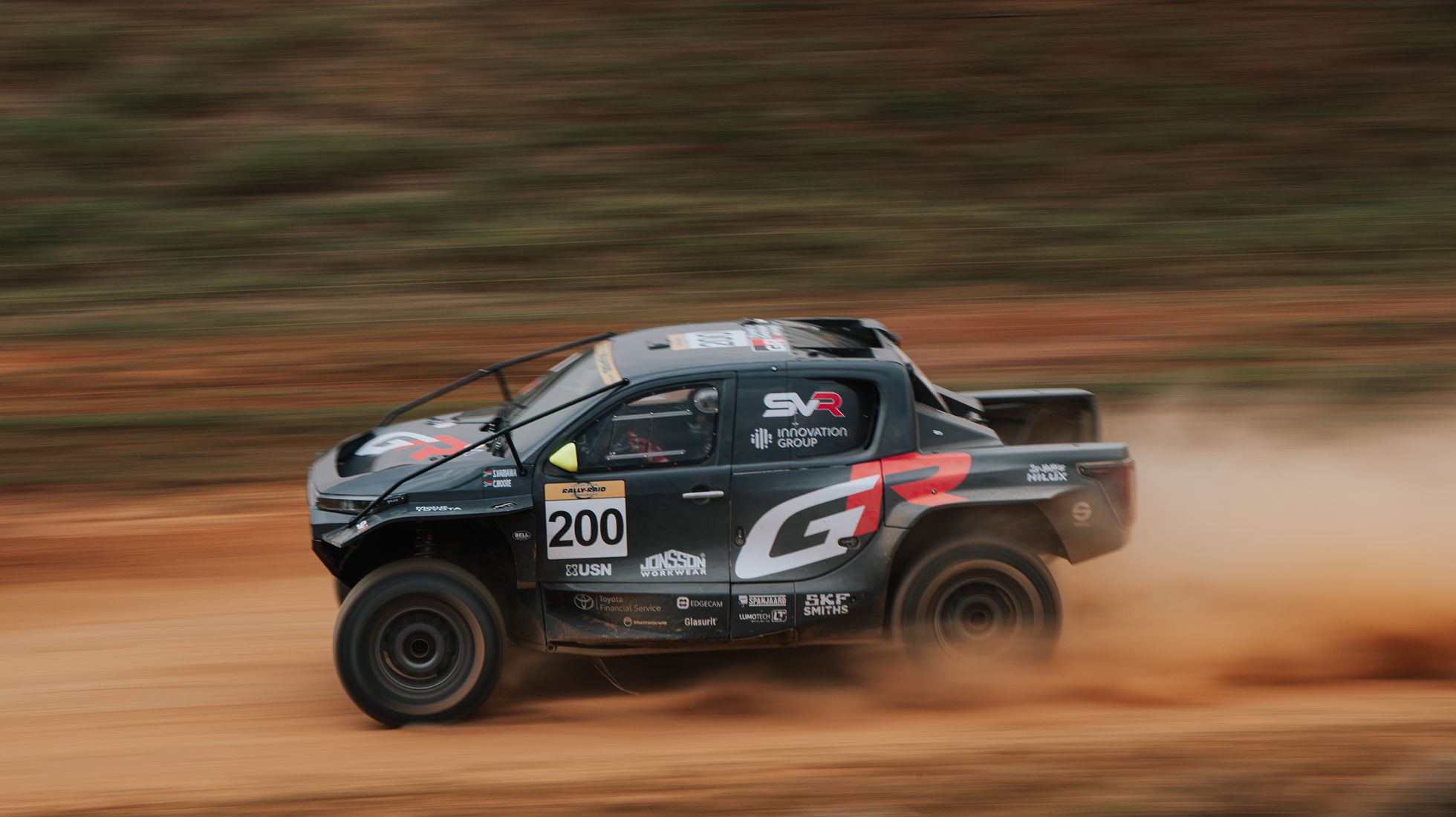
Nothing could prepare me for it. I ran the idea of what a T1+ rally raid car should feel like maybe a thousand times in my mind. The launch G-force that must wrench your neck backwards, the jumps, the hard landing enough to compress your spine by a millimetre or two and the cornering forces that feel out of this world. And through all that chaos, somehow, still finding the road.
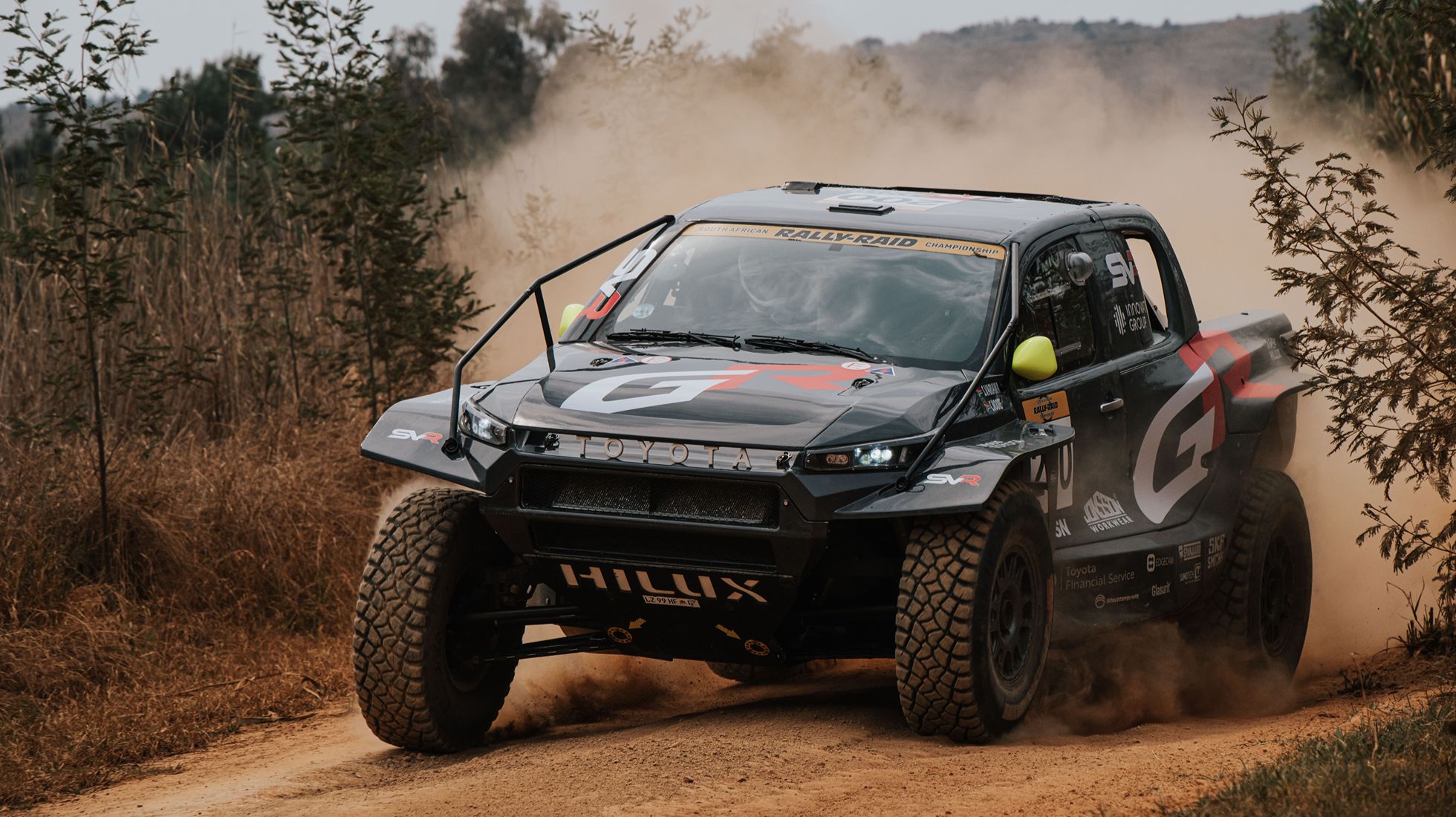
Then Toyota Gazoo Racing put me in the passenger seat, riding shotgun with Gazoo Racing drivers Sa’aad and Saood Variawa as they each pushed their racing machine to the limit to collectively cut a few years off the life expectancy of South African media.
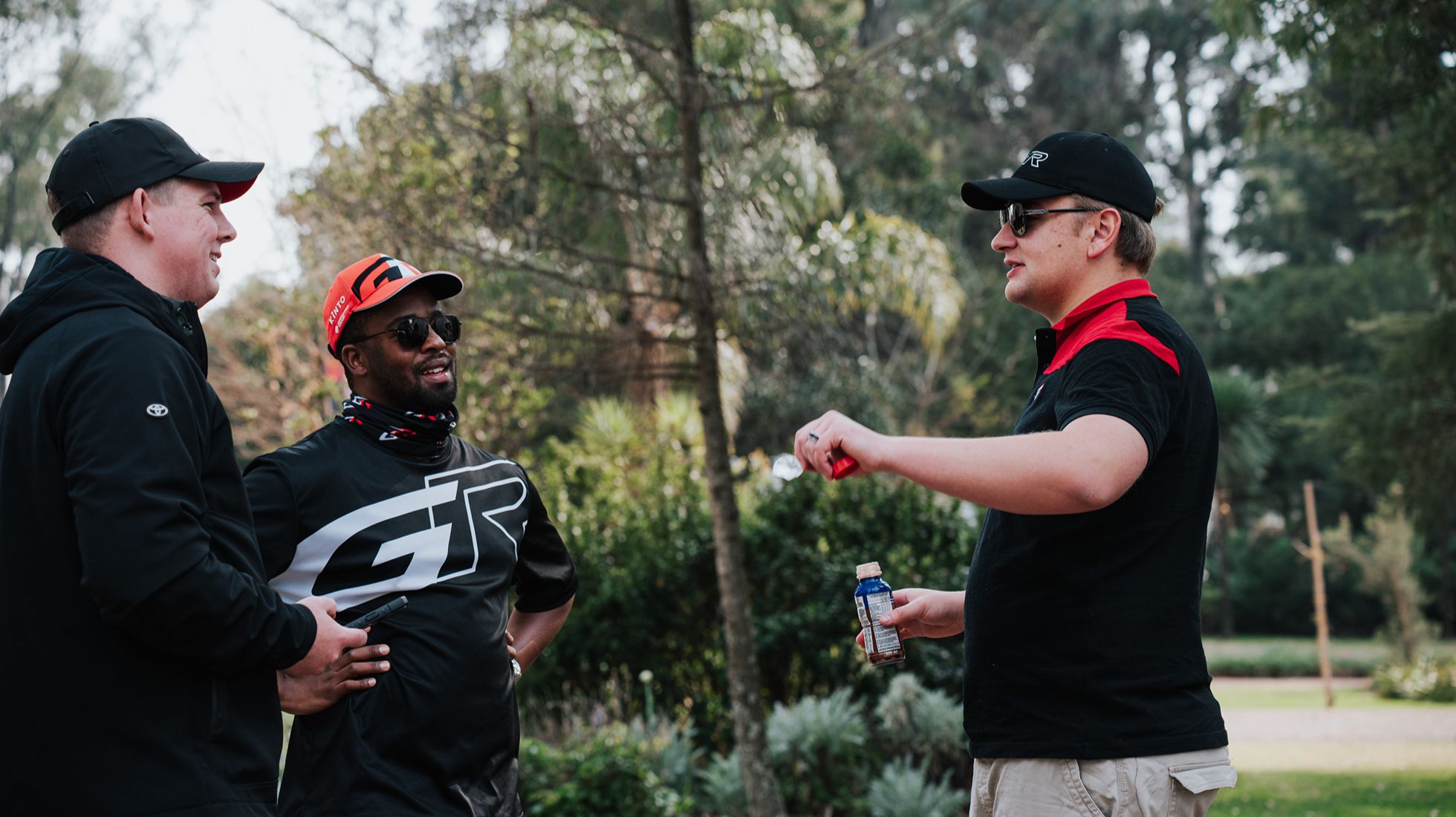
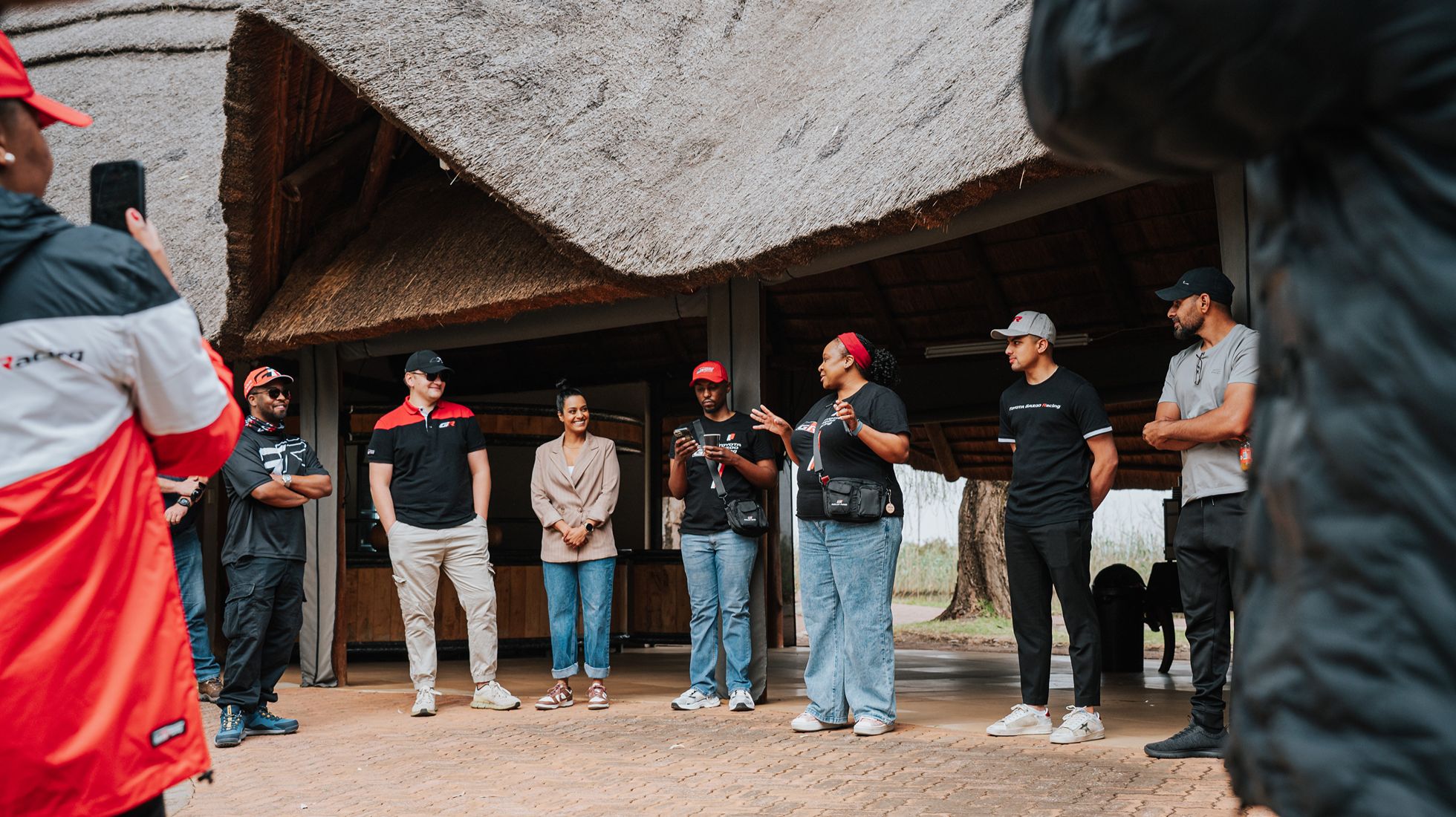
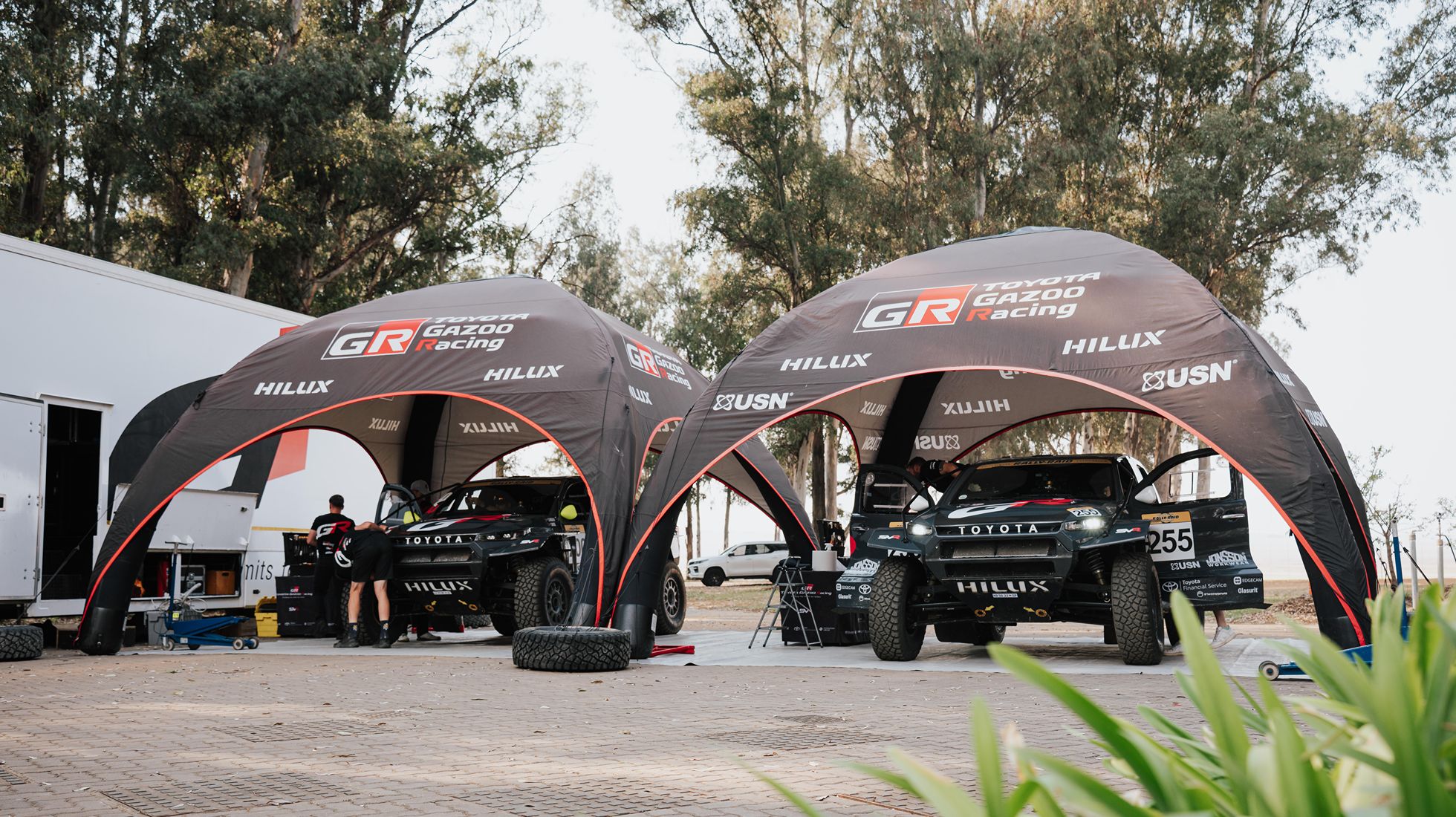
What started as a relaxed morning getting reacquainted with my industry colleagues at the Legends Adventure Farm quickly ignited into a world of adrenaline and mild concern, as the two race machines shook me back to life. I’ve been fortunate enough to experience most of what circuit racing has to offer, but high-speed gravel was a realm only a Ford Raptor and a Defender OTCA had introduced me to before this. These cars were a familiar sight.
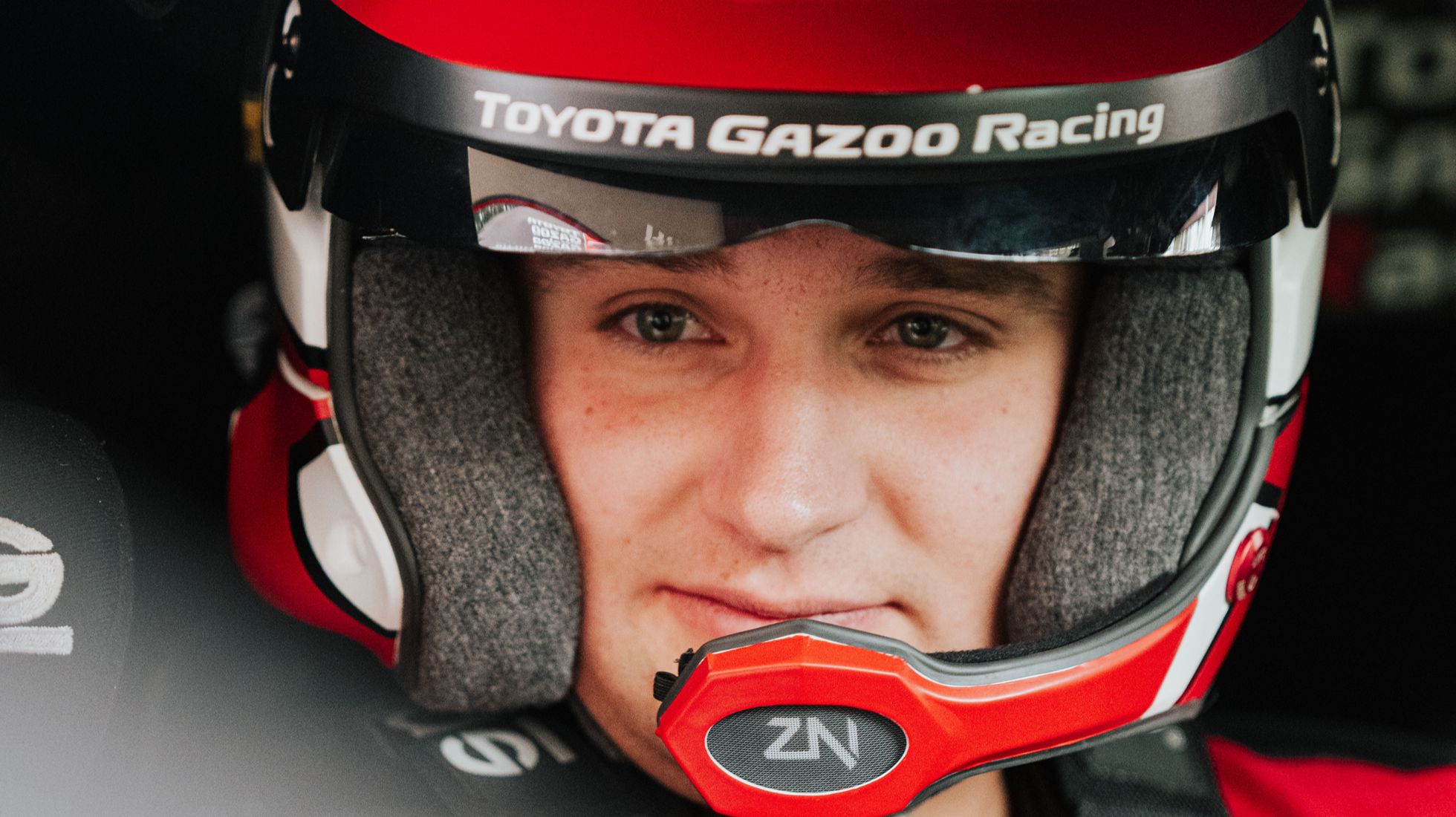
The excitement was palpable, but the machines bursting into life made the exercise ahead feel real in a way that no sum of preparation could. The moment I strapped on the GR rally helmet, I realised the next 20 minutes would be either the best or the most terrifying of my life. So with a silent prayer as they clipped the HANS device to my helmet, there was no turning back. I planted my right foot on the spare wheel, climbed almost a metre into space, and attempted a graceful landing into the bucket seat below.
I would like to think I made it look smooth, but the bruise on my arm very much disagrees. Nevertheless, I quickly reacquainted myself with Sa’aad with a handshake and a howzit. He giggled, slammed his race car into reverse, and began the very short manoeuvre to the start of our test stage.
What followed was a dance that entirely changed how I viewed these cars and their drivers. Firstly, rally helmets are surprisingly good at suppressing the cabin noise. I knew it was brutally loud inside, but what I actually heard was the engine, or more accurately, the gearbox through our microphones. But that was all I’d observed before the first corner.
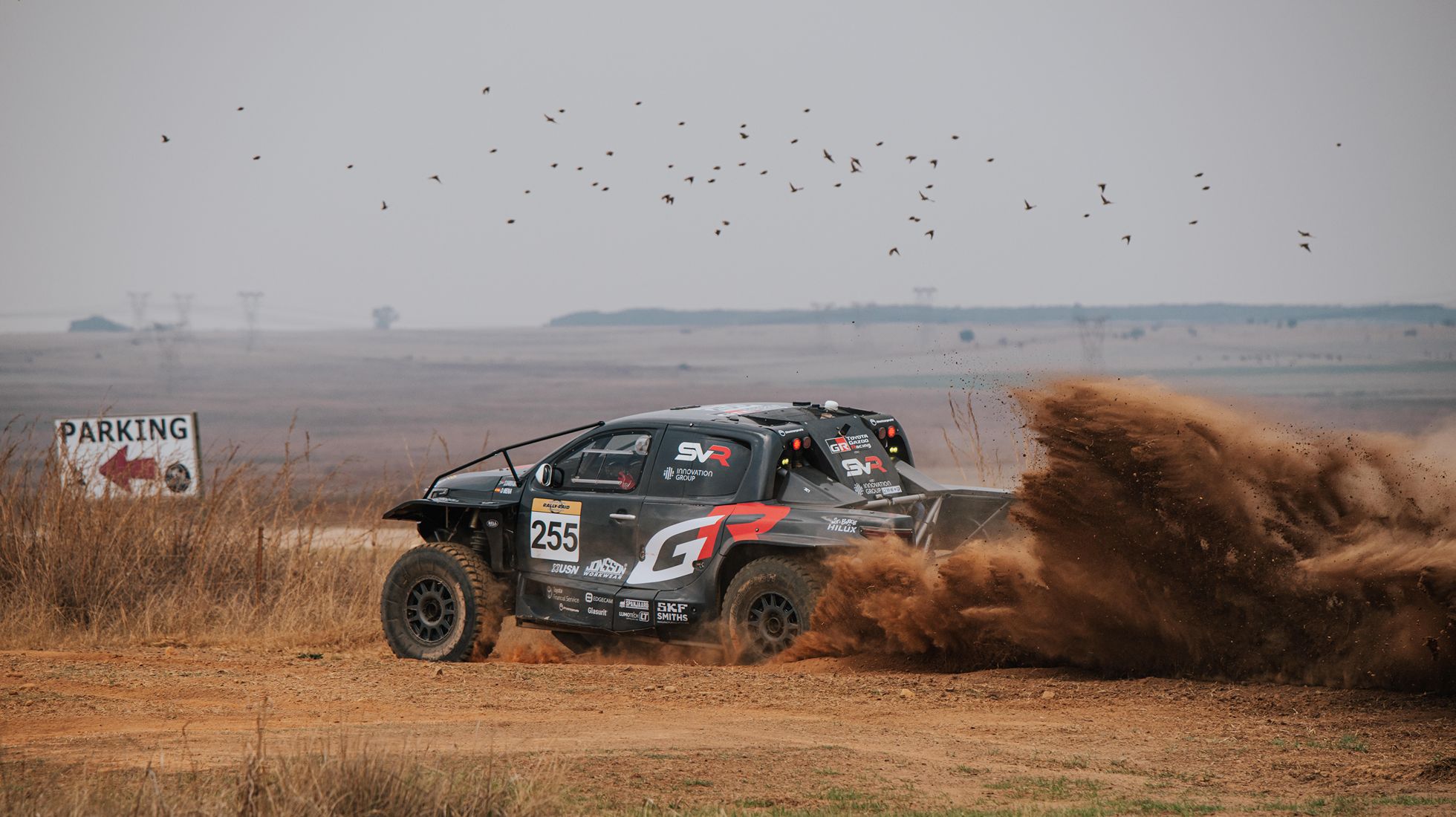
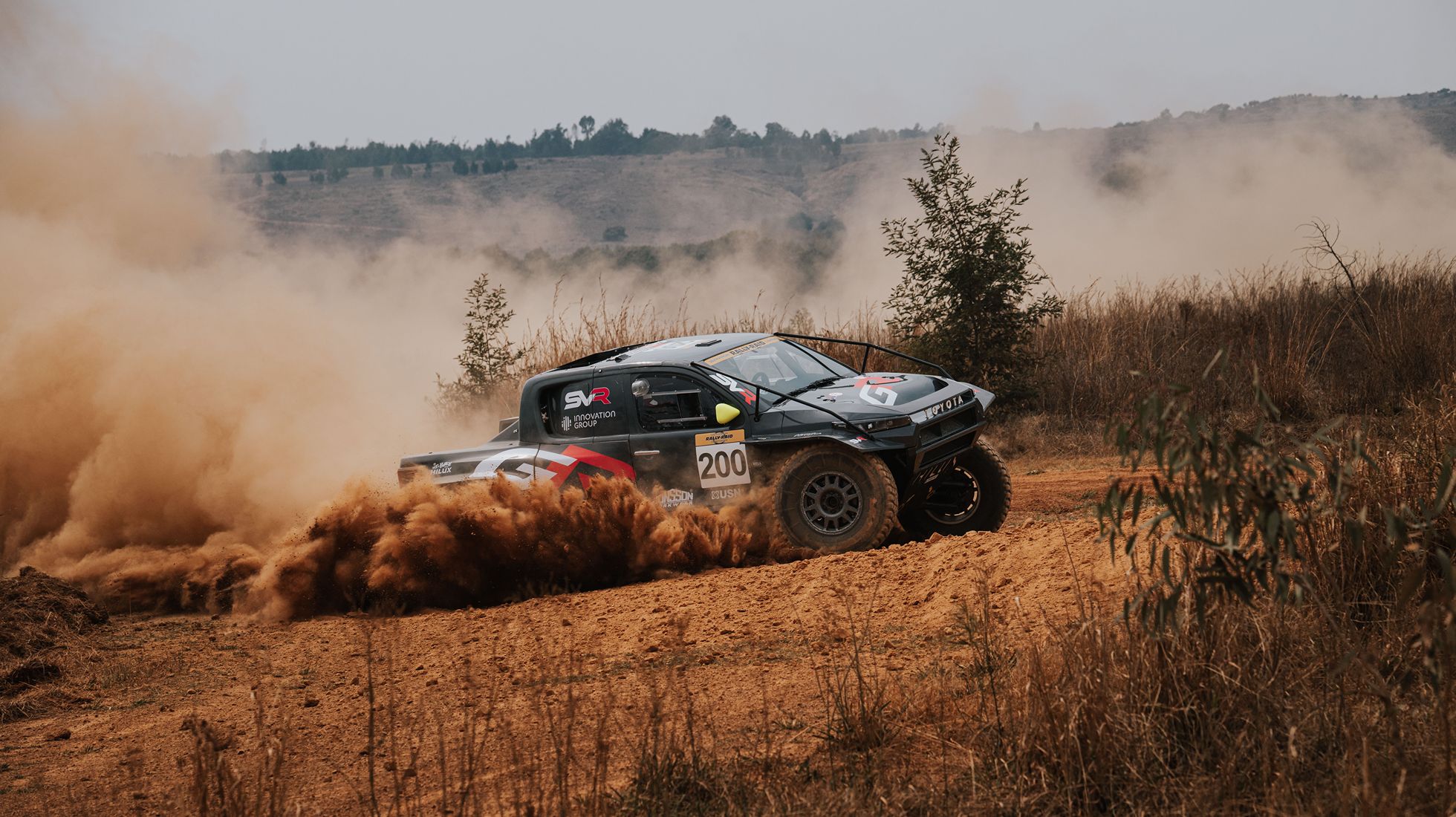
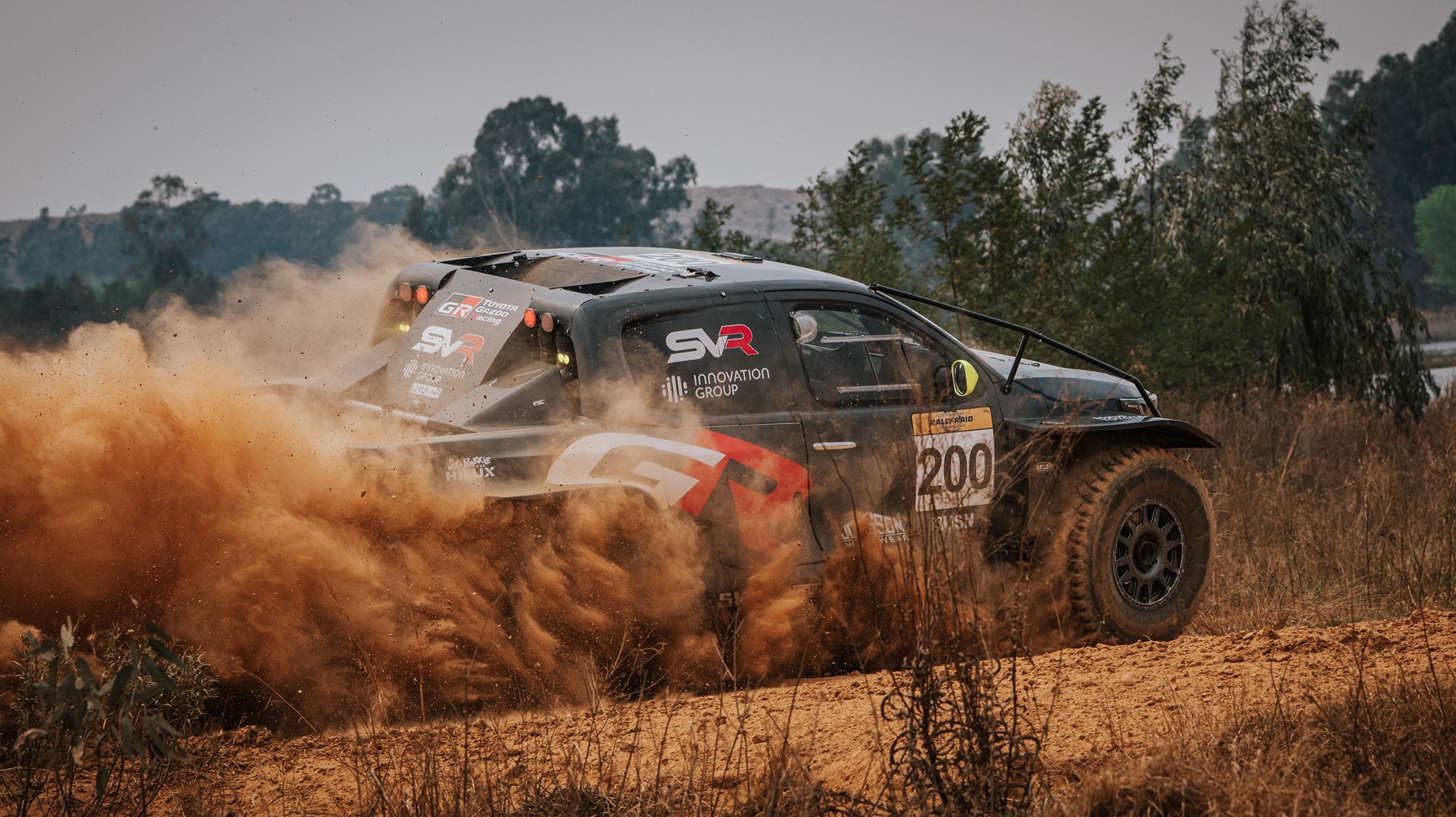
A wall of tall grass approached fast. I knew I could trust him explicitly, but the choice between 90 degrees left or 90 degrees right, at a speed that only suggested straight, made my legs tense. Then, with a tap of the brake and a flick of the wheel, the machine flicked its bum out and hooked up, fully committed to a right turn that blew my socks off. But that was only one corner of a hundred more to come, and what sat between the first and second was a baptism by fire in its own right.
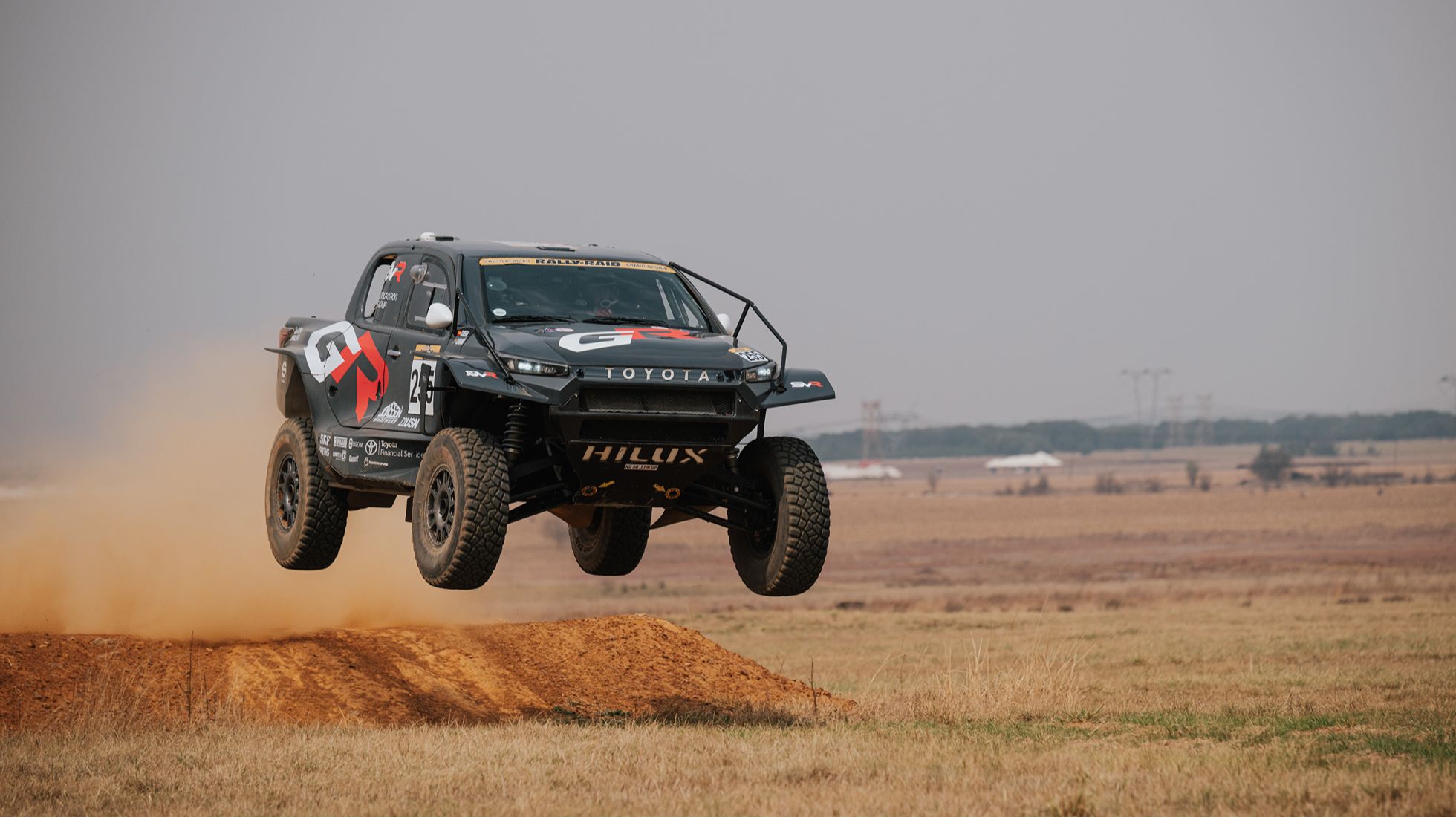
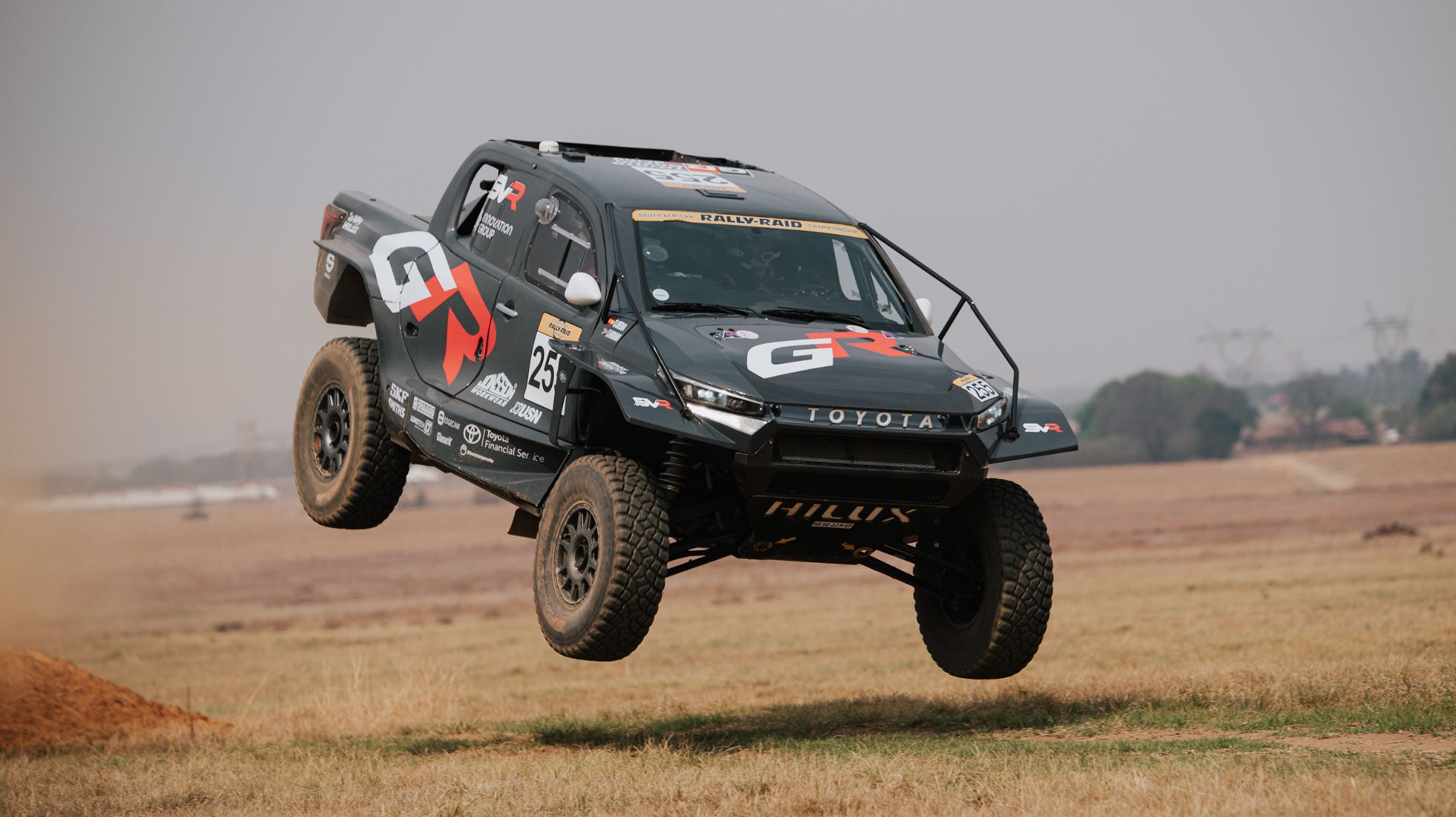
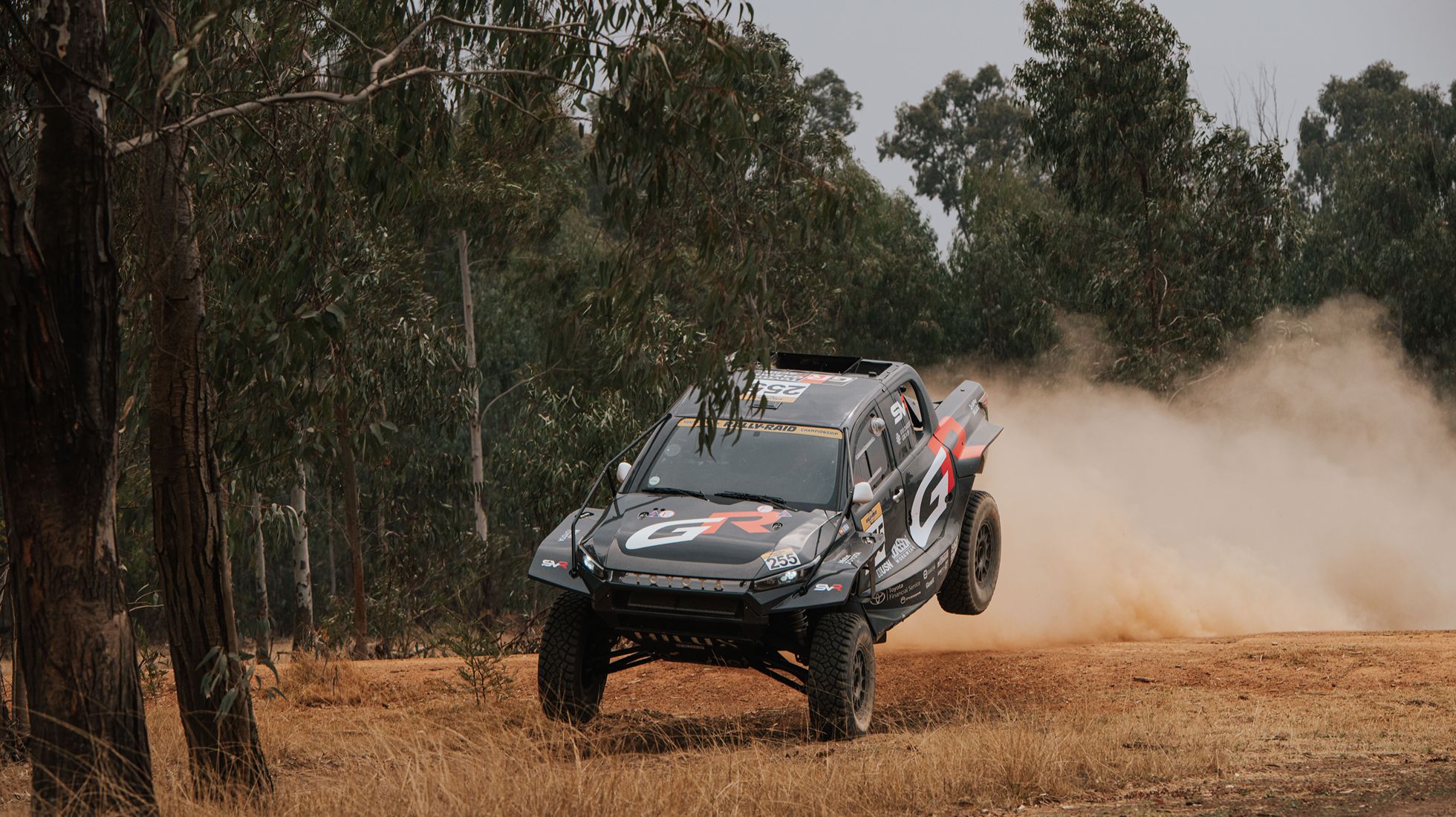
At this point, 20 seconds into my first Dakar vehicle experience, there was a jump. No, not a speed bump. A 1-metre wall of dirt that, before I could even brace myself, sent us into the heavens with the nose already pointing at the ground. Well, that’s it, folks. Less than 30 seconds into my first rally experience, and we were heading for a roll. But right before the car hit the ground, I noticed Sa’aad was relaxed, foot still buried in the throttle.
The tyres connected with the ground before the bull bar, and without any harsh shock, it took the hit almost unbelievably well. I was astounded by this car’s ability to soak up impacts with a surprising level of cushiness. I said to Sa’aad, still with his foot buried in the throttle, “Wow, it’s softer than I thought.” He chuckled and said, “Well, we need to survive six hours of this somehow.” This was a great point and one that showed his totally relaxed demeanour. Then he turned.
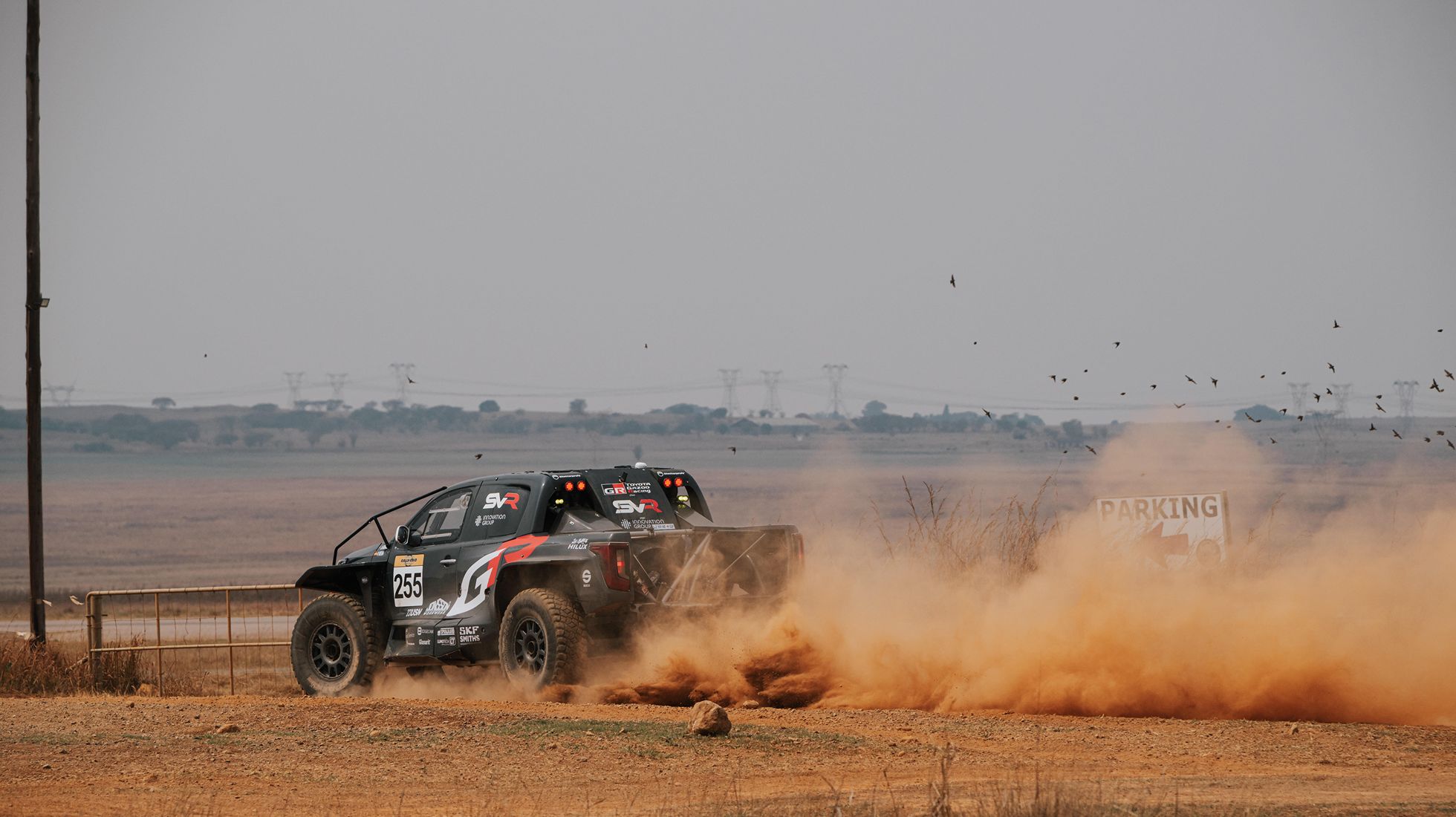
Still flat out, bouncing off the limiter at some 170km/h we went completely sideways. I could feel the tyres clawing at the ground, trying to keep this massive machine on the line, and they did. Then the next braking zone arrived, taking us from top speed to second gear in about 50 metres. Despite the loose gravel, it stopped like a road car even with the overly talkative rear end. As soon as he hit the brakes, the rear tried to overtake us on the left, so he quickly let off and reapplied the brakes. Now it was attempting to overtake us on the right. Before I could work out what the back of the car was doing, he was back on the throttle and belting through the forest again.
I could walk you through every turn, but I won’t bore you with my endless musings. There was, however, one moment worth stopping on. Once I was completely comfortable with the car and driver, I noticed a wall of dirt ahead with what appeared to be nothing behind it. Again, he didn’t lift. Instead, he sent the car into a rightward slide at the take-off marker. It was only once we were airborne that I realised we were flying sideways over a tight right-hand corner. We landed, again with barely any discomfort or shock – just a massively heightened level of respect for the man in control, as he landed and carried on down the perfect line.
Getting out of that car, I wasn’t shaking, nor was I struggling to find the words. All I could think about was how brilliant these machines and drivers are. My eyes opened to exactly what the best machine for travelling rapidly over the world’s hardest terrain feels like. Then it was time to join Saood.
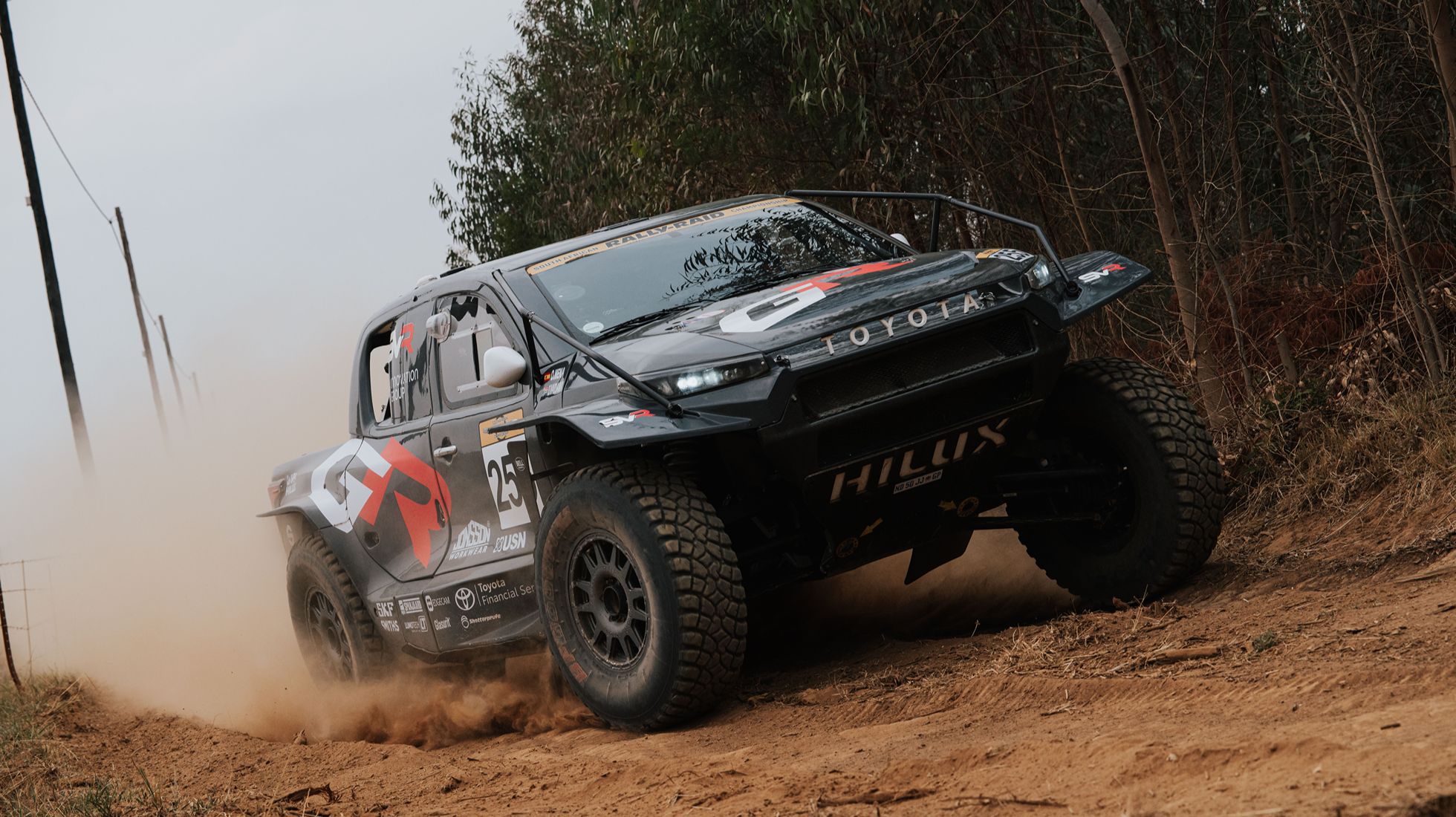
The route that Saood was driving was different: tighter, more tree-covered, with the occasional pond surprising us as we drove past. This time it was more of a hold-on-and-watch experience. Diving down into riverbeds and then back up the bank, braking only at the very last second to dart left just as I was certain we were about to launch into the sky. The precision, the G-force, and the grip he found while totally sideways were unbelievable.
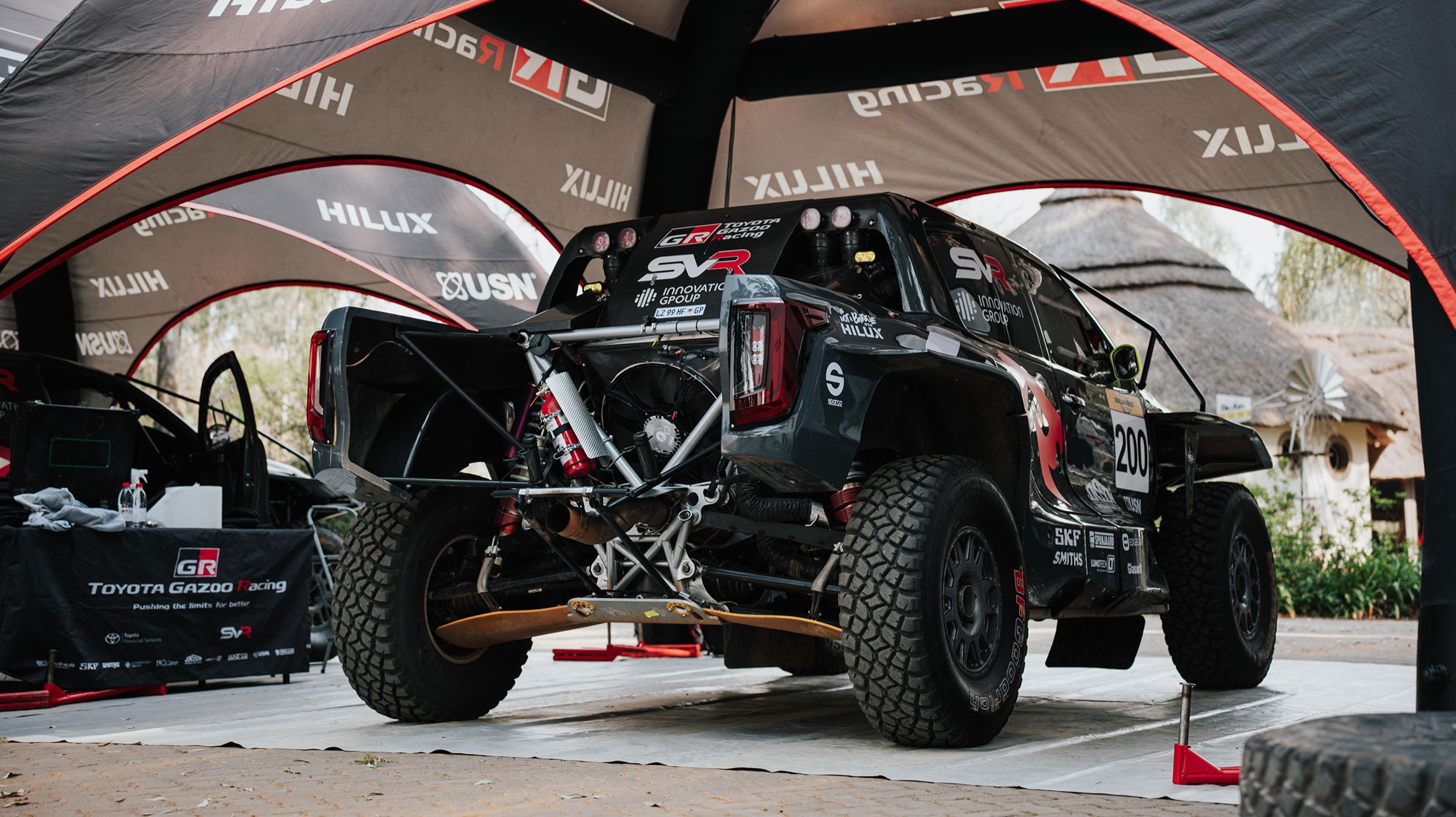
After what felt like an eternity, he lifted and coasted back into the service area, cool as a cucumber. That’s when it hit me. These cars are designed to take this sort of beating for hours on end. The brakes weren’t nearly as hot as a track car’s after 20 minutes, and the engine wasn’t radiating heat waves. It’s a rally weapon for battering the countryside, yes, but it’s also designed to do all of that while travelling non-stop for thousands of kilometres.
Gazoo Racing has built a monster here, one born in the Kyalami area that dominates on the international stage. It makes far more sense now why these machines keep ripping. And with that comes a much greater appreciation for the sport. Was I scared? Less than expected. Was I surprised? Absolutely. Was it the best experience of my life so far? Yes, absolutely. Thank you, Toyota. Now I stupidly want to try it again, but from the other seat.