
Suzuki’s Fuel Economy Challenge: Less Fuel. More Fun.
Suzuki just proved that saving fuel can be surprisingly entertaining. The 2026 Suzuki Fuel Economy Challenge was all sorts of fun, and the Japanese brand was out to prove that it is the most economical brand in South Africa.
There’s something unnatural about a motoring journalist being asked to drive as economically as possible. We’re generally more interested in how quickly a car gets to 100km/h than how little fuel it uses on the way there. Fuel economy challenges, in particular, are usually exercises in extreme patience. Air-conditioning off, windows up, throttle inputs measured in millimetres and an average speed that would frustrate a taxi driver at the end of the working day. I hate them – generally. They’re not exactly the stuff of TopGear legend, are they?
But when Suzuki invited us to its 2026 Fuel Economy Challenge, we were intrigued. Firstly, because we know a thing or two about Suzuki Swifts. I own a Swift Sport, TopGear SA runs a Swift as a company car, and our famous Star in a Reasonably Priced Car is also a Swift. That last one spends its entire working life being thrashed around the Formula K circuit by people with varying degrees of driving talent, spending most of its life in first, second and occasionally third gear, reaching the red line at every shift. It does nothing else. And yet, somehow, it still returns less than 6.5l/100km, which is always quite hilarious to our team.
Secondly, Suzuki promised that this would be no ordinary economy run. Yeah right? I was dubious, but I’m a big fan of anything that involves some competition, so I read the challenge booklet. There would be shooting. Archery. Gymkhanas. Navigation challenges. Time penalties. And, somewhere between all of that, we’d be expected to use as little petrol as possible. Ok – things were looking up. I was expecting to drive to De Aar and see if we could do it on one tank. Could you imagine the painful boredom of that?
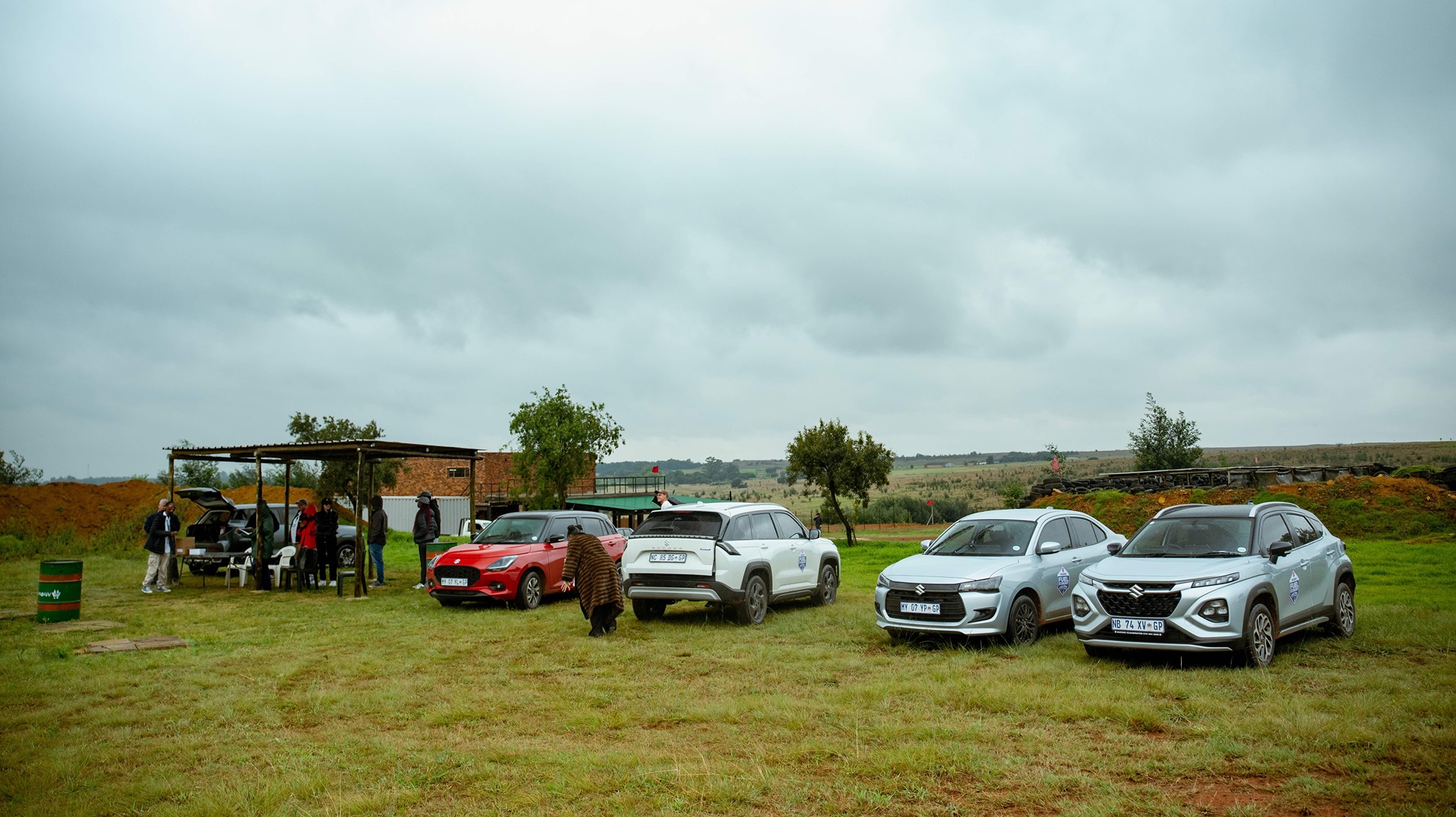
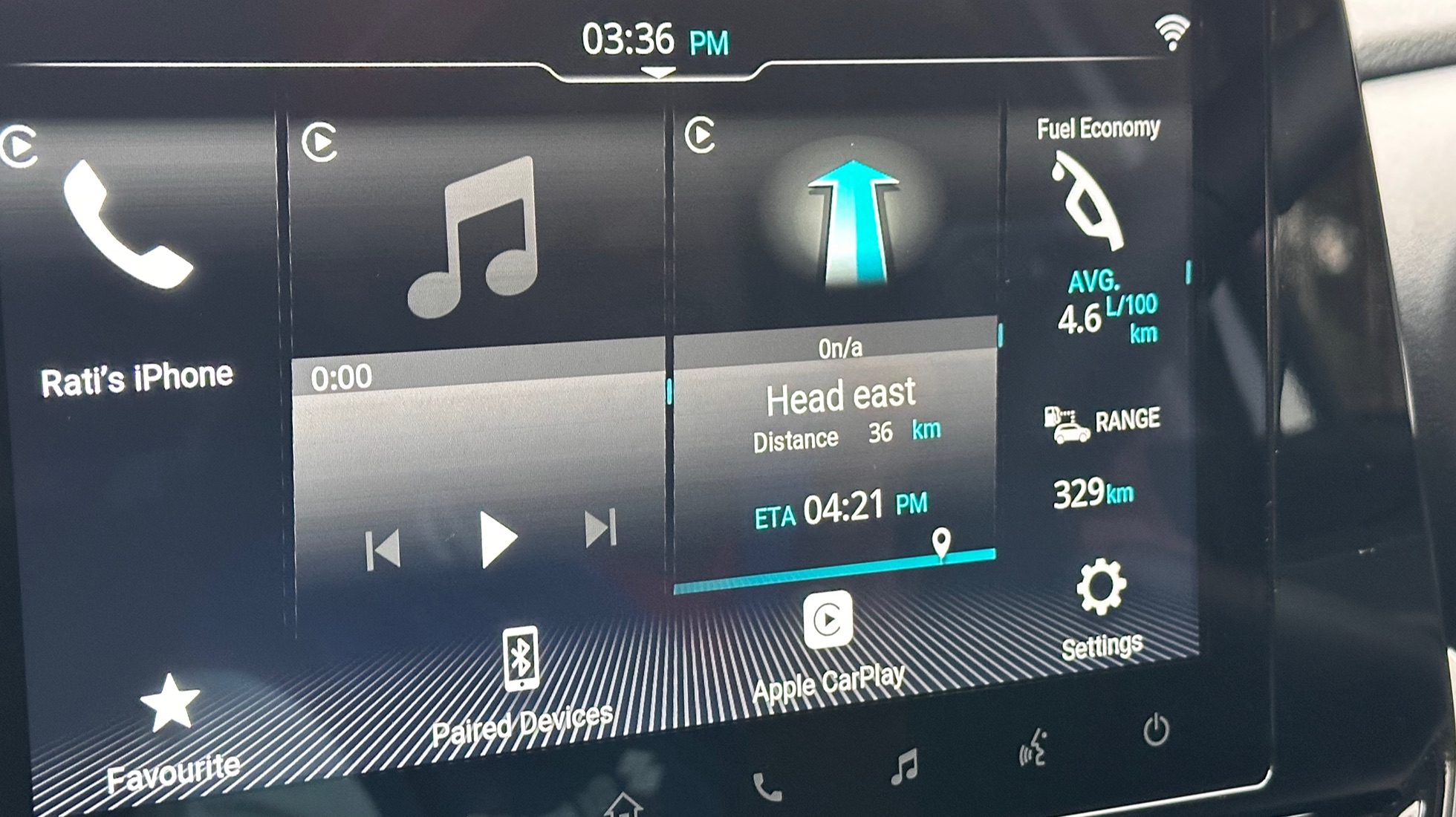
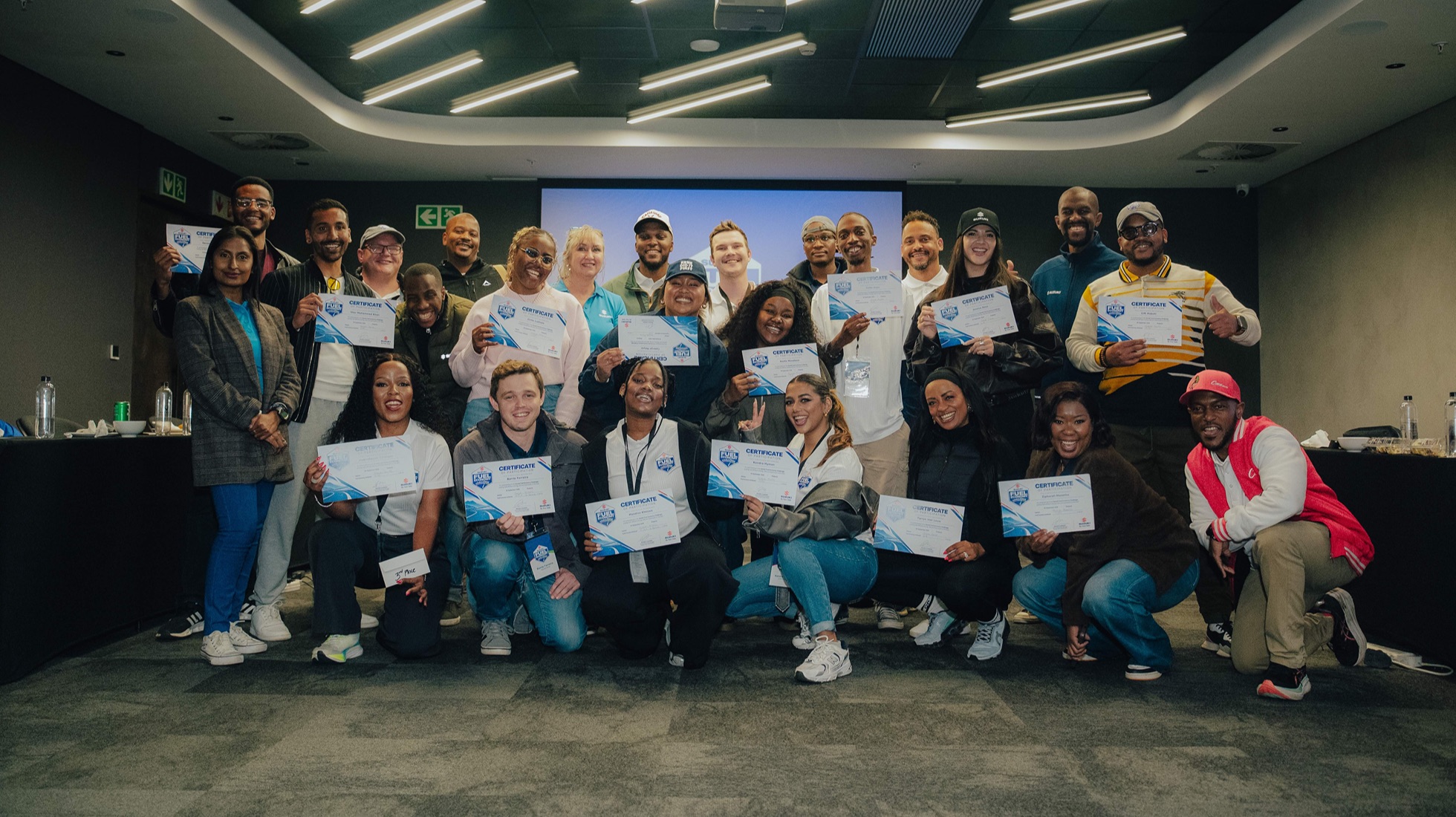
For this challenge, we’d be competing in teams, and our partners had been chosen for us. Mine was Rati Mofokeng from Cars.co.za. A competitor, technically. The sort of person you’re usually trying to beat to a story rather than helping win a trophy, but Rati is as affable as ever, and in no time we’re screaming “Let’s Go!!!!” and making manly noises we heard on TV at every competitor. There were ten, two-person teams with challengers that were a crazy mix of content creators, media and hybrids of both. Rati and I were in. For two days, we were not competitors. We were brothers in fuel-saving arms. Our weapon of choice? A Suzuki Baleno manual. I was hoping for a Swift, but no matter. Our task lay before us, and we would not fail. Well, that was our motto anyway.
Saving fuel, losing patience
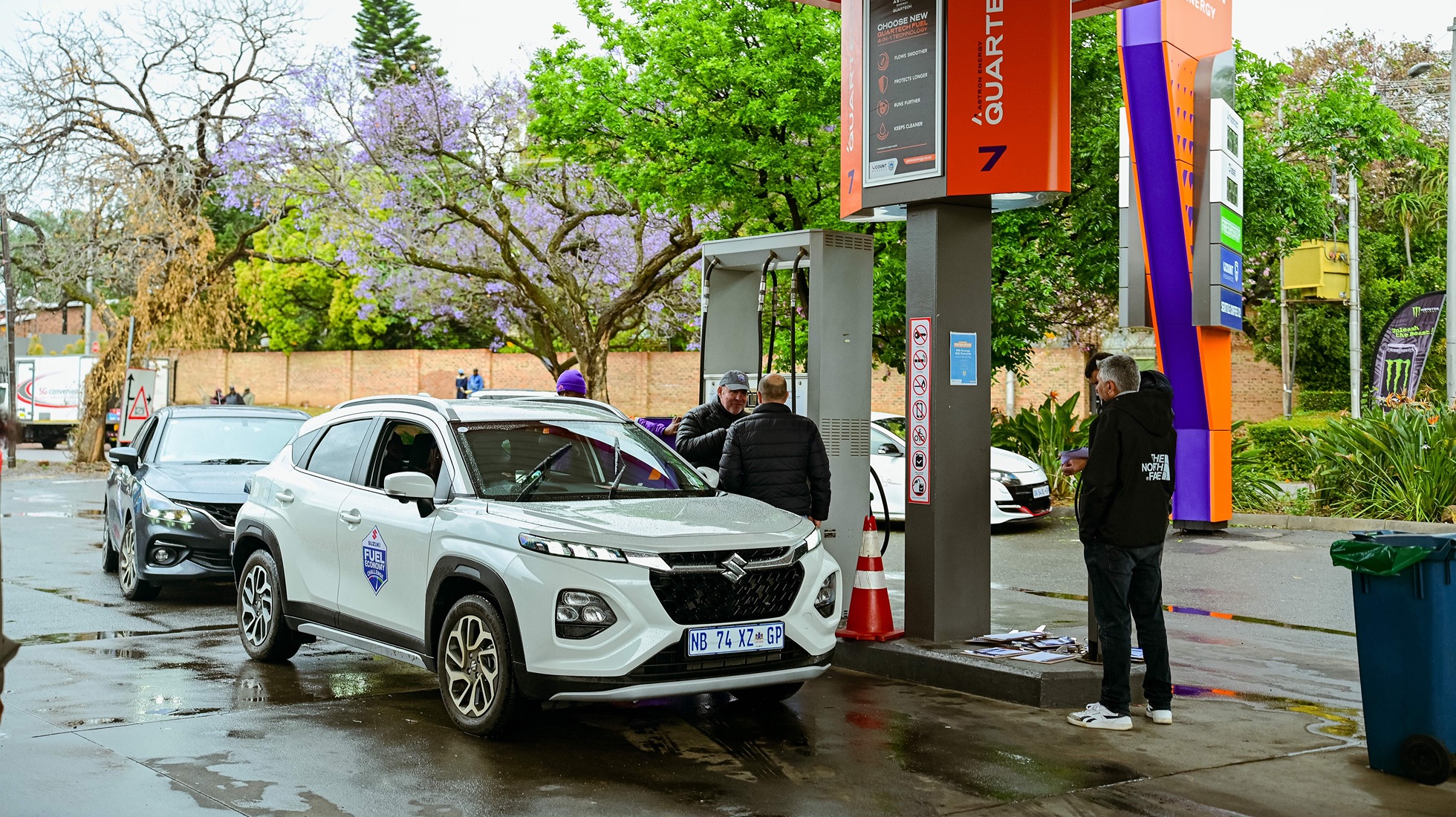
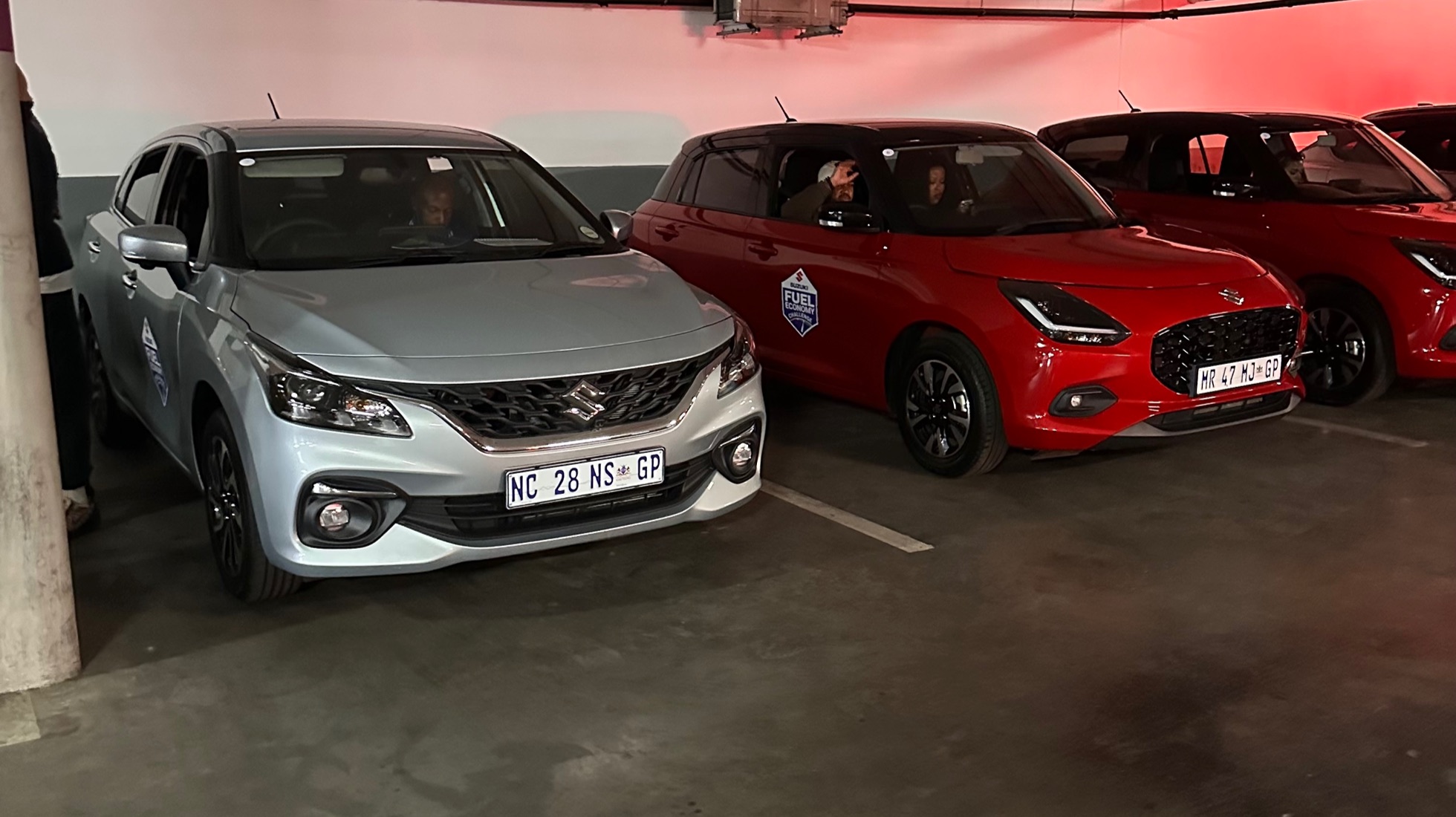
Suzuki had assembled ten cars from five of its models: the Swift, Baleno, Fronx, Dzire and Across. No Jimnys, sadly, although asking a Jimny to win an economy challenge might be a bit like entering Ntsako into a marathon. The format for this challenge was clever. Each team would navigate a prescribed route, arriving at checkpoints within allocated time windows. Arrive late, and you’d be penalised 100ml of fuel for every minute. Break the rules, and another 100ml could be added. Dangerous driving attracted a whopping one-litre penalty, with a second offence resulting in disqualification. There would also be observers in every car, ensuring nobody tried anything particularly creative. No freewheeling in neutral, no fiddling with tyre pressures and certainly no topping up the tank along the way. In other words, Suzuki wanted us to drive economically, but also properly and fairly. You couldn’t simply crawl along at 40km/h and claim victory. You had places to be, people to see, guns and bows to wield and challenges to win.
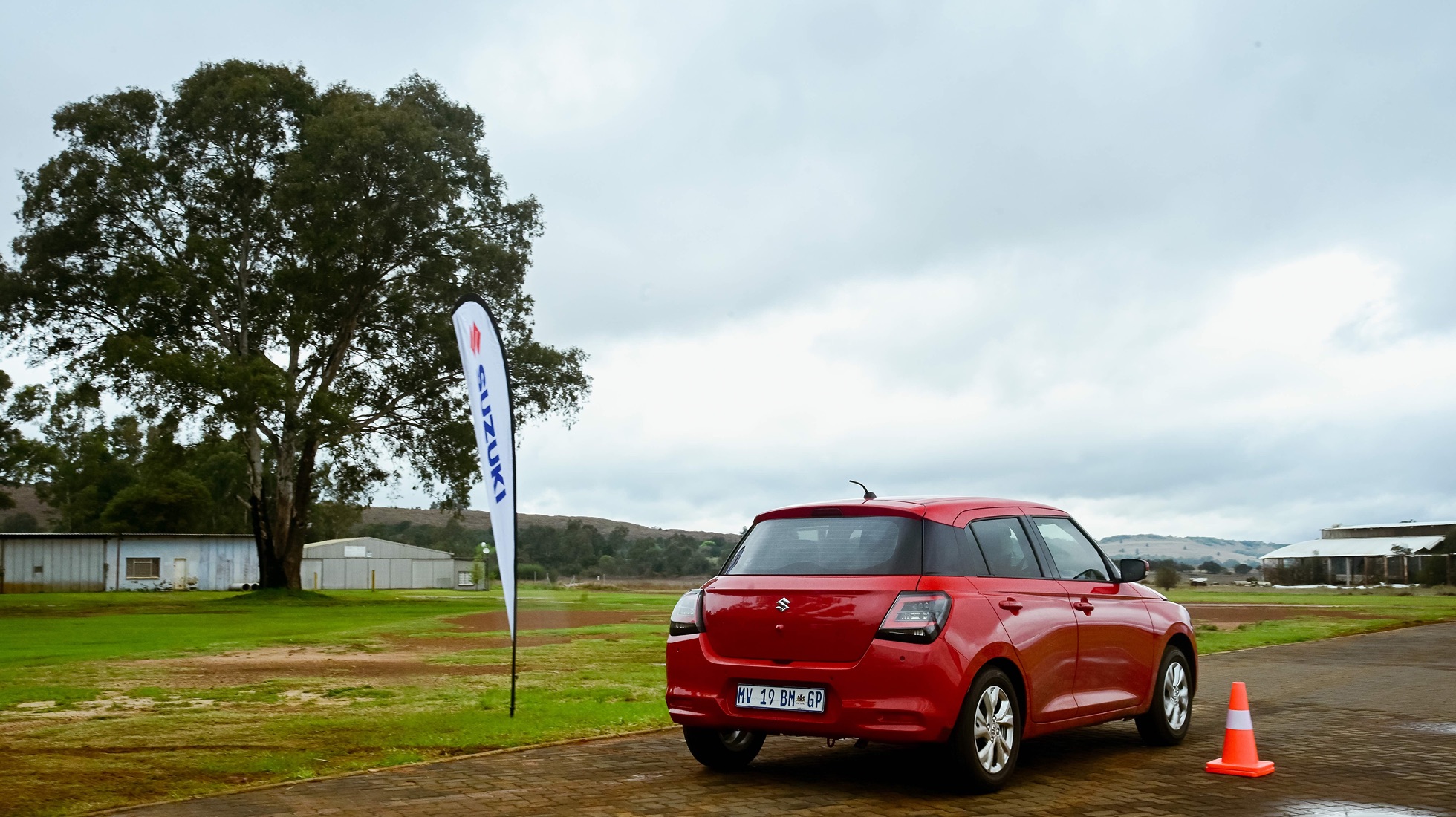
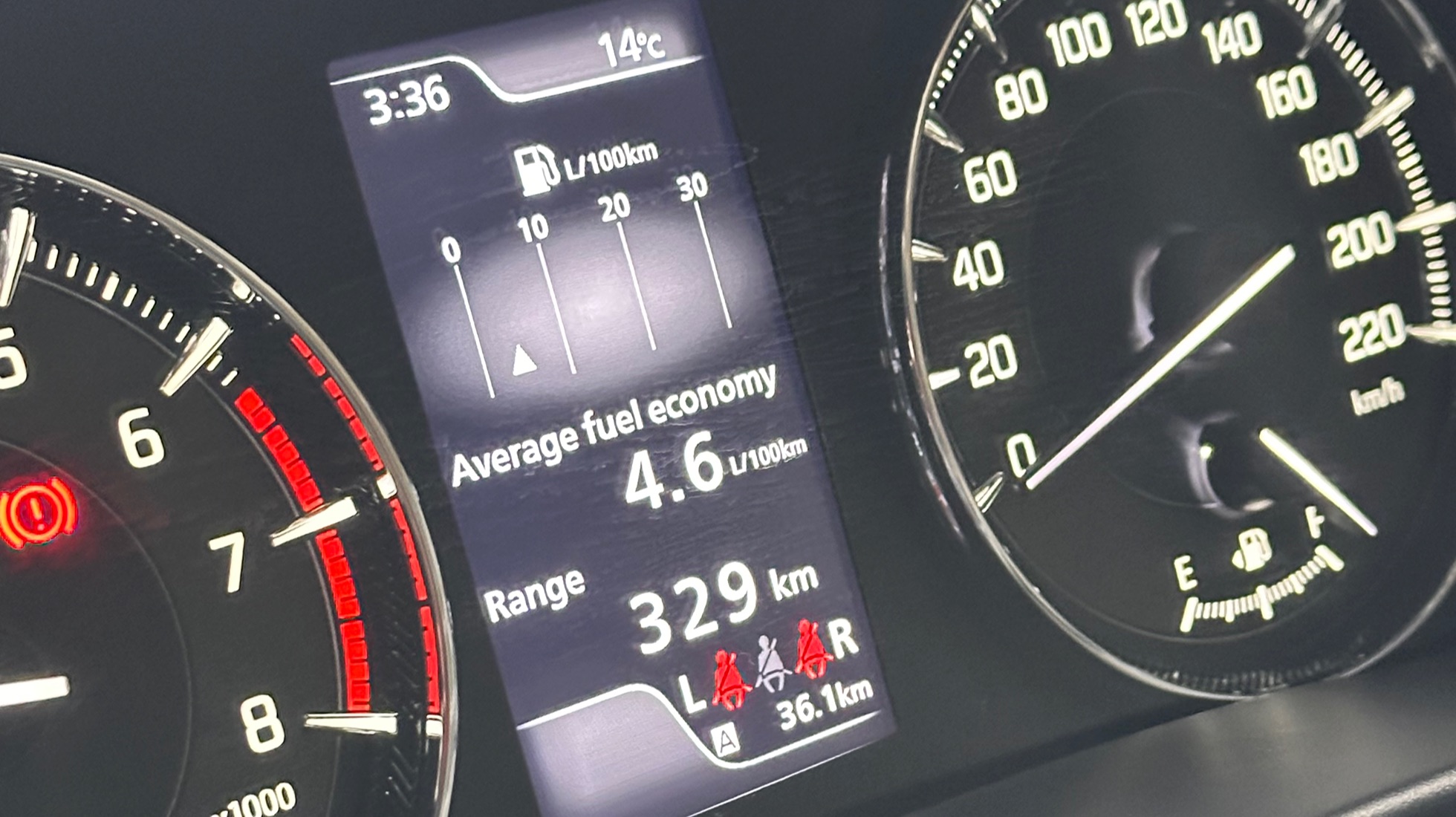
Day one began under a thoroughly miserable Pretoria sky. Our first assignment was to navigate from Menlyn towards Rhino Park Airfield, near Bronkhorstspruit, where a gymkhana awaited. What? By the time we arrived, the Baleno was showing 4.6l/100km. Not bad at all. But the economy figure was quickly forgotten because there was a gymkhana to win. And this, finally, was familiar territory. Suzuki had laid out a tight course on the airfield, with the challenge completed in a Swift. Having spent considerable time driving the little Suzuki, including around a tight racetrack, I fancied our chances. As it turns out, rightly so. Rati and I topped the standings with a best time of 48.21 seconds, comfortably ahead of the next-best team’s 50.04 seconds. Ten points. Job done. There was a satisfying sense that we’d arrived at a fuel economy competition and immediately found a way to make it about driving quickly. That part of the storyline was very TopGear.
Day 2 – Aiming for the top
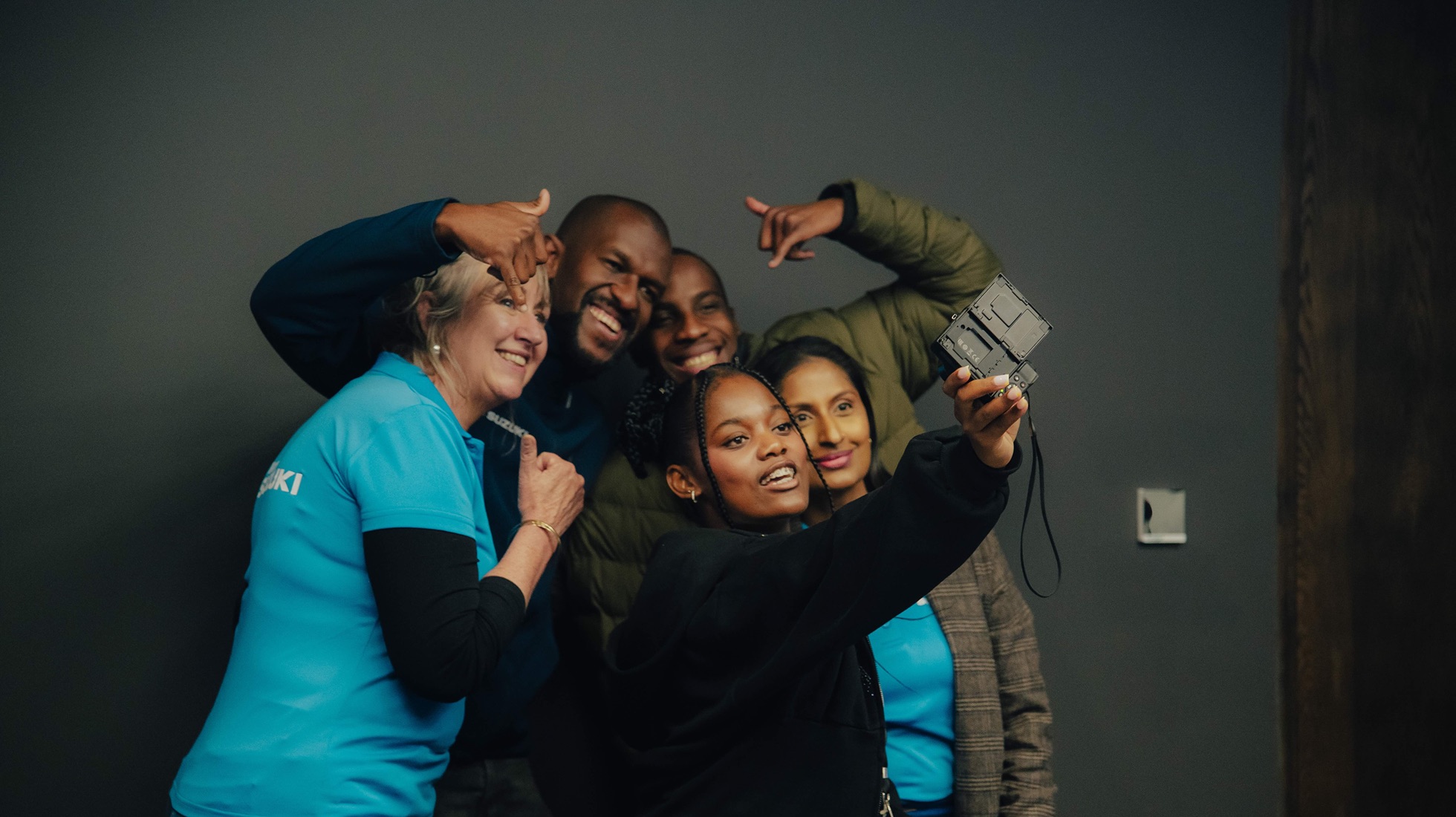
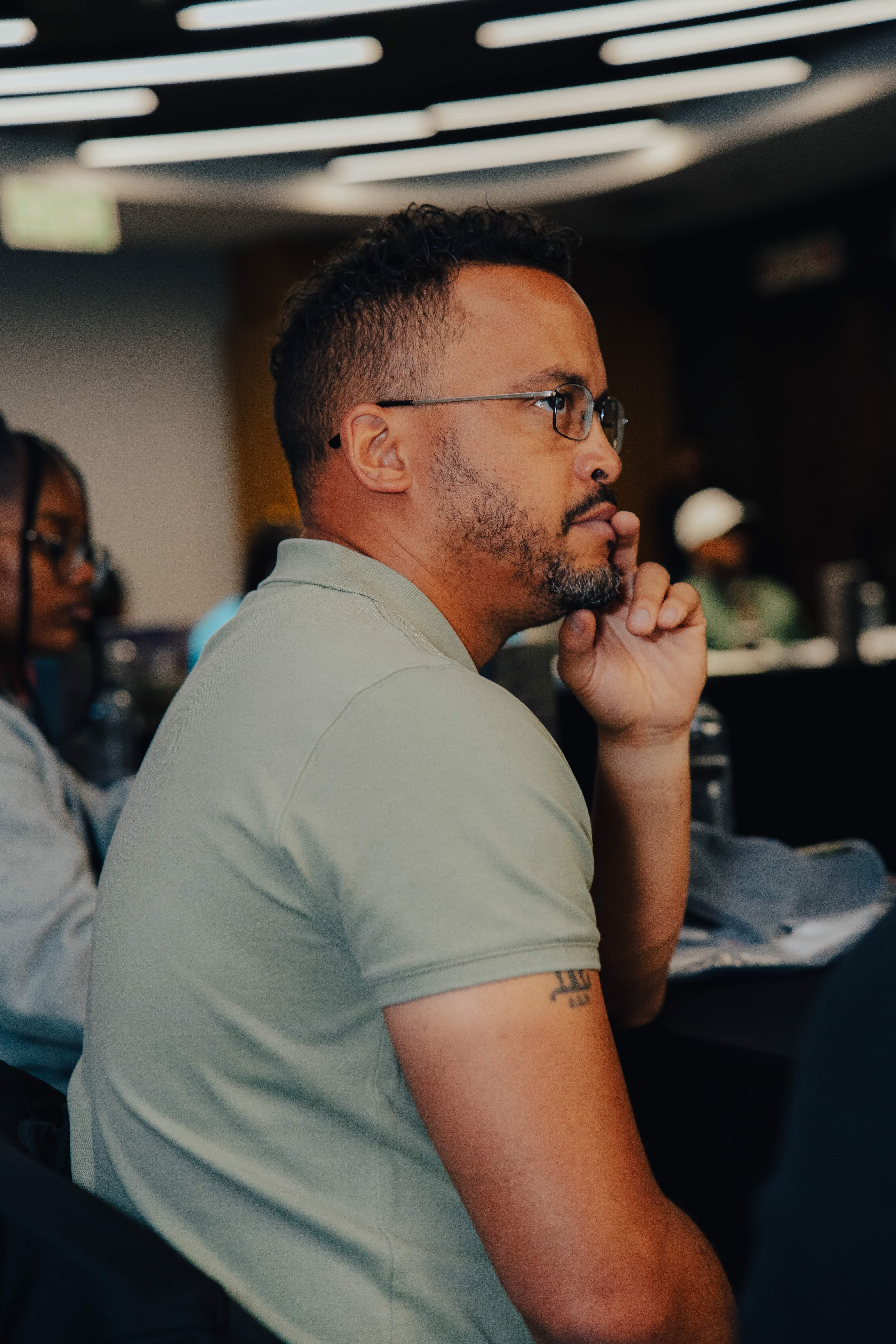
Day two was where things became properly competitive. The cars were filled, the trip computers reset, and the real challenge began. We had a series of activities to complete around Pretoria and Cullinan, with each location requiring careful navigation and precise timing. Archery, clay pigeon shooting and even a stop at a Suzuki dealership for a selfie were all on the itinerary. The beauty of this format was that you couldn’t focus on one discipline. You had to drive economically between destinations, but also arrive on time and then immediately switch your attention to whatever Suzuki had decided to throw at you next. And the timing was so well planned that you had to balance saving fuel with, at times, catching up on what the GPS presented as your time of arrival.
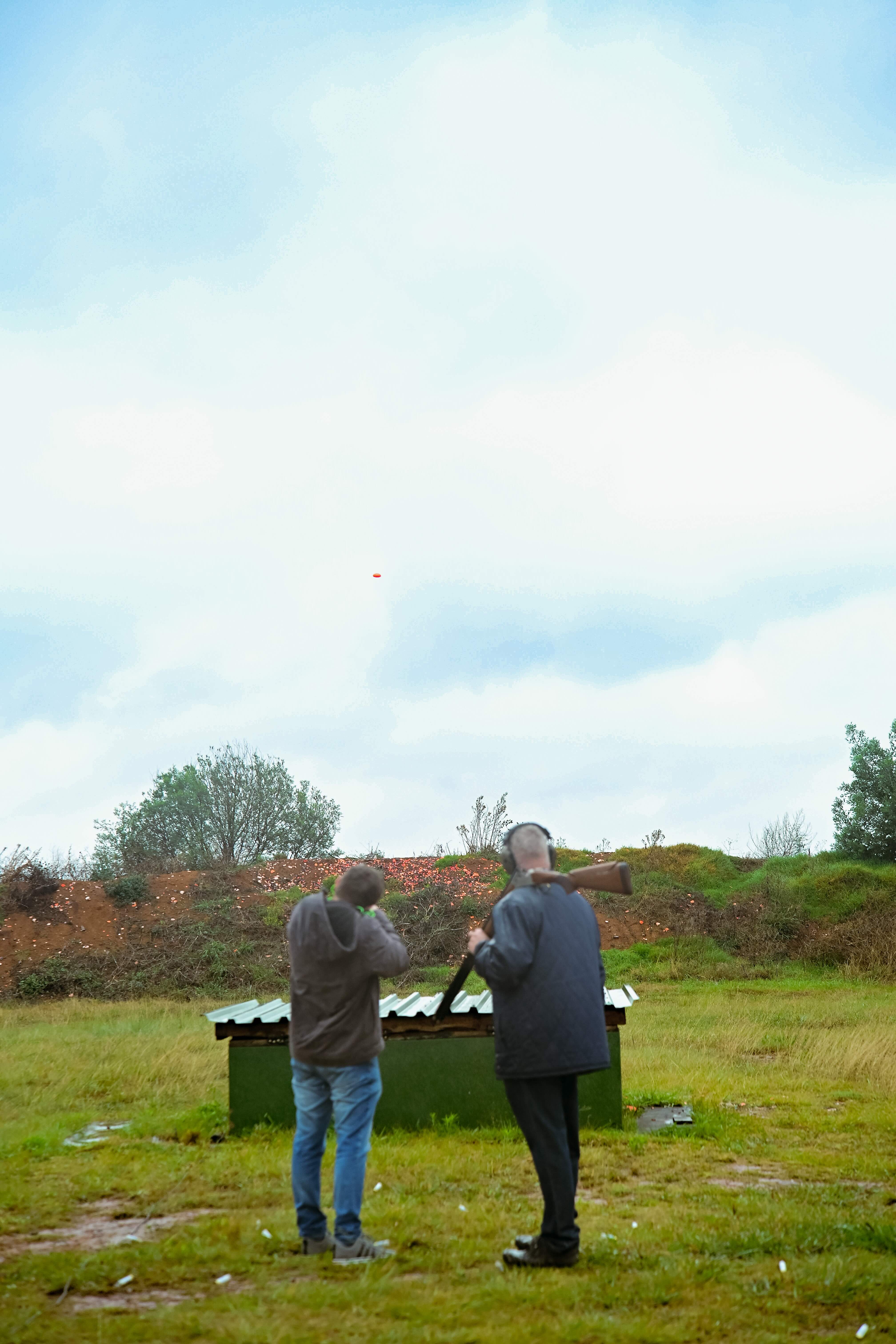
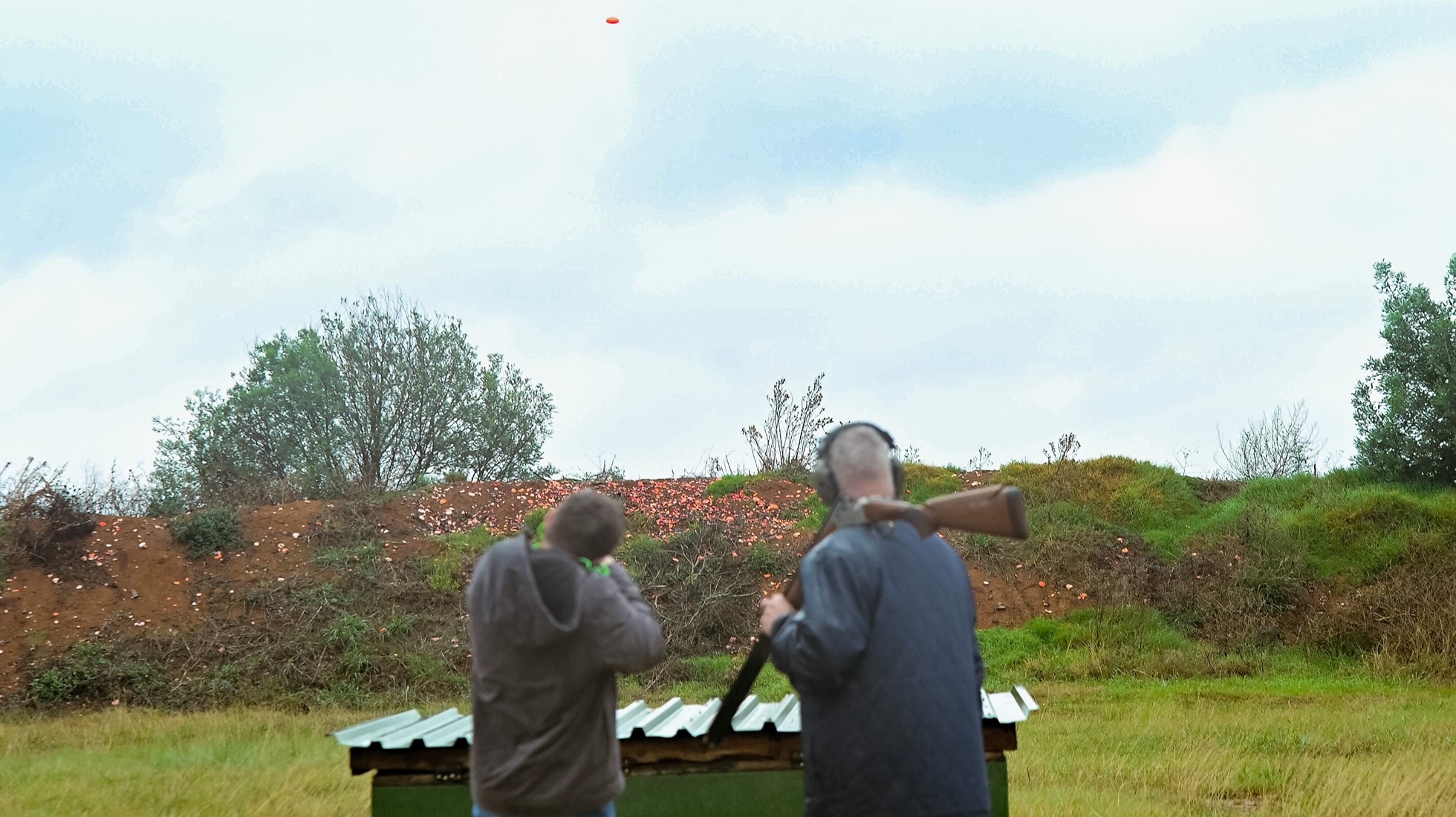
For most of the day, we were doing rather well, generally acing the challenges and generally arriving one to two minutes early for our check-in. The Baleno was doing well too, and spent most of the day showing consumption figures below 5.2l/100km, frequently dipping into 4.8 and 4.9l/100km territory. Then came the archery. I don’t particularly want to talk about the archery. Five arrows. Five attempts. And on several occasions, I was mere millimetres away from scoring. Unfortunately, in archery, being 2mm away from the target counts for precisely nothing. I consider this to be a deeply unreasonable sport. Thankfully, clay pigeon shooting was considerably more successful. Five hits from ten shots, good enough for the second-highest score among the competitors. We also performed strongly in the other challenges, regularly finding ourselves among the top two teams, and at a point later in the day, Rati and I were beginning to entertain the possibility that we could actually win this whole thing. We had the gymkhana victory. We had the shooting results. We had the consistency. We had the confidence. What we didn’t quite have, as it turned out, was the fuel economy.
Second place. But I have an excuse.
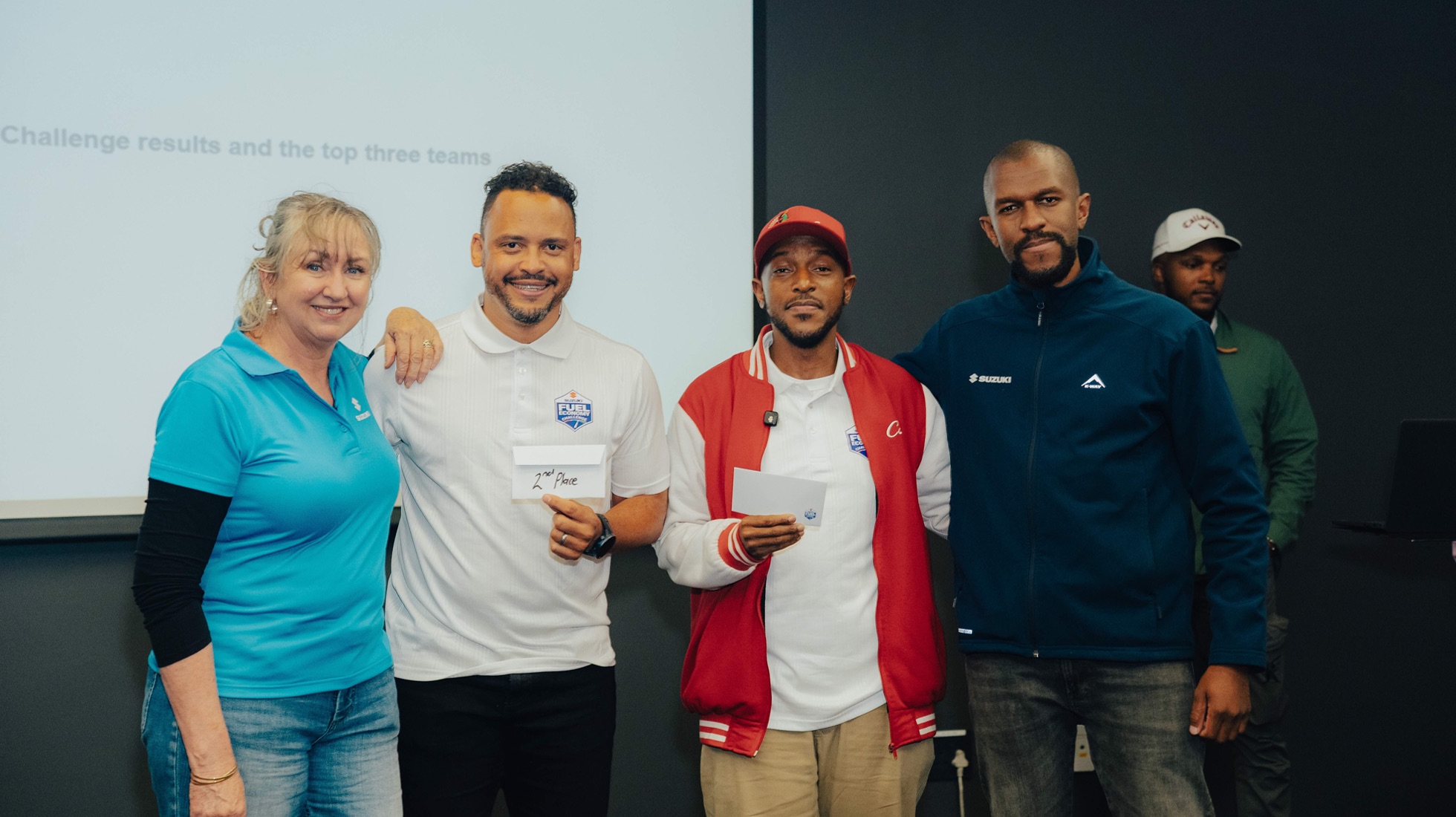
When the final scores were tallied, we finished second, behind a pairing representing AutoTrader and CAR Magazine. That’s like taking an arrow to the heart. If you can hit it, that is.
A sad second place. In a fuel economy challenge. For a man who spends a worrying amount of his life driving Suzukis, this was a difficult position to accept. The frustrating part was that we’d matched our rivals across the other disciplines and actually matched them on the fuel saving for the most part. Until our trip after the clay pigeon shooting, which saw us arrive 5 minutes later than the check-in time. That meant 500ml of fuel added and ultimately, the difference between winners and losers. Our Baleno had been impressively economical, but being on time proved more useful in this particular instance. Naturally, I have an explanation. Had Suzuki given me a Swift, a car with which I have developed something approaching a telepathic relationship, we’d have won. Absolutely. Probably. No question. That’s my story, anyway, and I’m sticking to it. But losing, as it turned out, wasn’t particularly painful. The two days had been filled with laughter, some friendly rivalry, genuine support between competitors and a surprising amount of excitement for something with the words ‘fuel economy’ in its title. It was, without question, the most entertaining economy challenge I’ve participated in, and that says something about Suzuki, more than this crazy mix of people with whom I completed this challenge.
The Suzuki way
There’s a reason we’ve developed such an affinity for Suzuki products at TopGear South Africa. They’re honest cars. They’re affordable to buy, generally inexpensive to maintain and remarkably economical to run. But perhaps most importantly, they haven’t forgotten that driving should be enjoyable. Our Star in a Reasonably Priced Car Swift, is a perfect example. It’s subjected to a life of relentless punishment around a circuit, yet remains dependable and returns fuel consumption figures that would make some hybrids blush.
And the cars competing in Suzuki’s economy challenge reinforced that impression. Every model achieved consumption figures below 6l/100km, with many bettering Suzuki’s own manufacturer-claimed figures. That is seriously impressive. And it gives Suzuki even more ammunition for a claim it can now confidently make: South Africa’s most economical car brand. It’s a big statement, especially in a market where every manufacturer seems to be chasing lower consumption figures, but having driven so many of its products, and witnessed what they’re capable of in the real world, it’s a claim I find remarkably easy to believe.
Fuel economy is often presented as a rather joyless subject, something discussed in the same breath as life insurance, household cleaning products and getting eight hours of sleep. These are important things, certainly, but hardly exciting things. Suzuki managed to make this fun. And perhaps that’s the brand’s greatest strength. There’s an authenticity to the way Suzuki goes about building cars. They’re not trying to be something they’re not. They’re practical, efficient, affordable and have just enough character to make you smile. The same philosophy seems to extend to the people behind the brand. Who else would organise a fuel economy competition involving gymkhanas, clay pigeons and grown adults desperately trying to shoot arrows at targets? These are the same people who field four identical Suzuki Swifts at the Simola Hillclimb and somehow get away with being the most memorable brand among so many at a place where, let’s face it, Suzuki has no place being… It’s wonderfully off the wall. So, while we didn’t bring home the trophy, we did leave with an even greater appreciation for Suzuki’s ability to build cars that sip fuel rather than swallow it.
And next year, should Suzuki invite us back, I have just one request. Give me the Swift. We’ll settle this properly.