The Lepas L6 Pantera has the looks, the cabin and a 10-year engine warranty for around R499k. Then you drive it, and the polish stops at the door sills.
6
The Lepas L6 Pantera has the looks, the cabin and a 10-year engine warranty for around R499k. Then you drive it, and the polish stops at the door sills.
Cabin fit and finish, looks, warranty and service plan
Against
Underpowered and thirsty engine for the segment, overly light steering, infotainment logic
What is it?
This is now the middle ground in the latest of the Chery Group’s branding exercises. It’s the Lepas L6, with Lepas being the sixth brand to join Chery itself, Omoda, Jaecoo, Jetour and recently iCaur.
The Chery collective is, as it stands, one of the top local brands in terms of sales; they’ve taken over the Nissan Rosslyn plant, and there’s no polite way of saying this, but they’re properly puffing up the R400k-R600k market segment. This brings me back to the new L6, the middle-ground model sitting above the L4 but below the L8, which is set to arrive in the very near future.
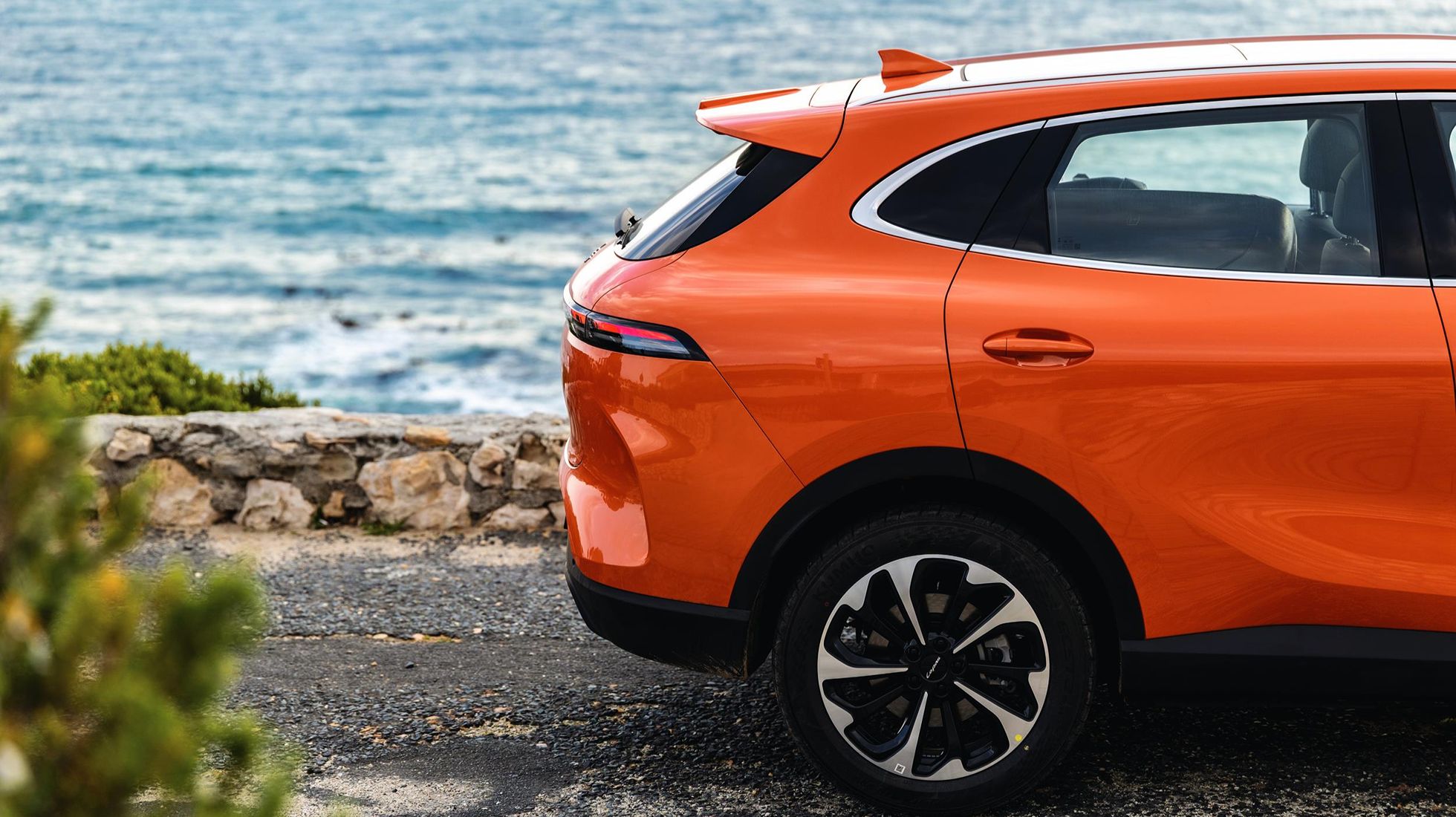
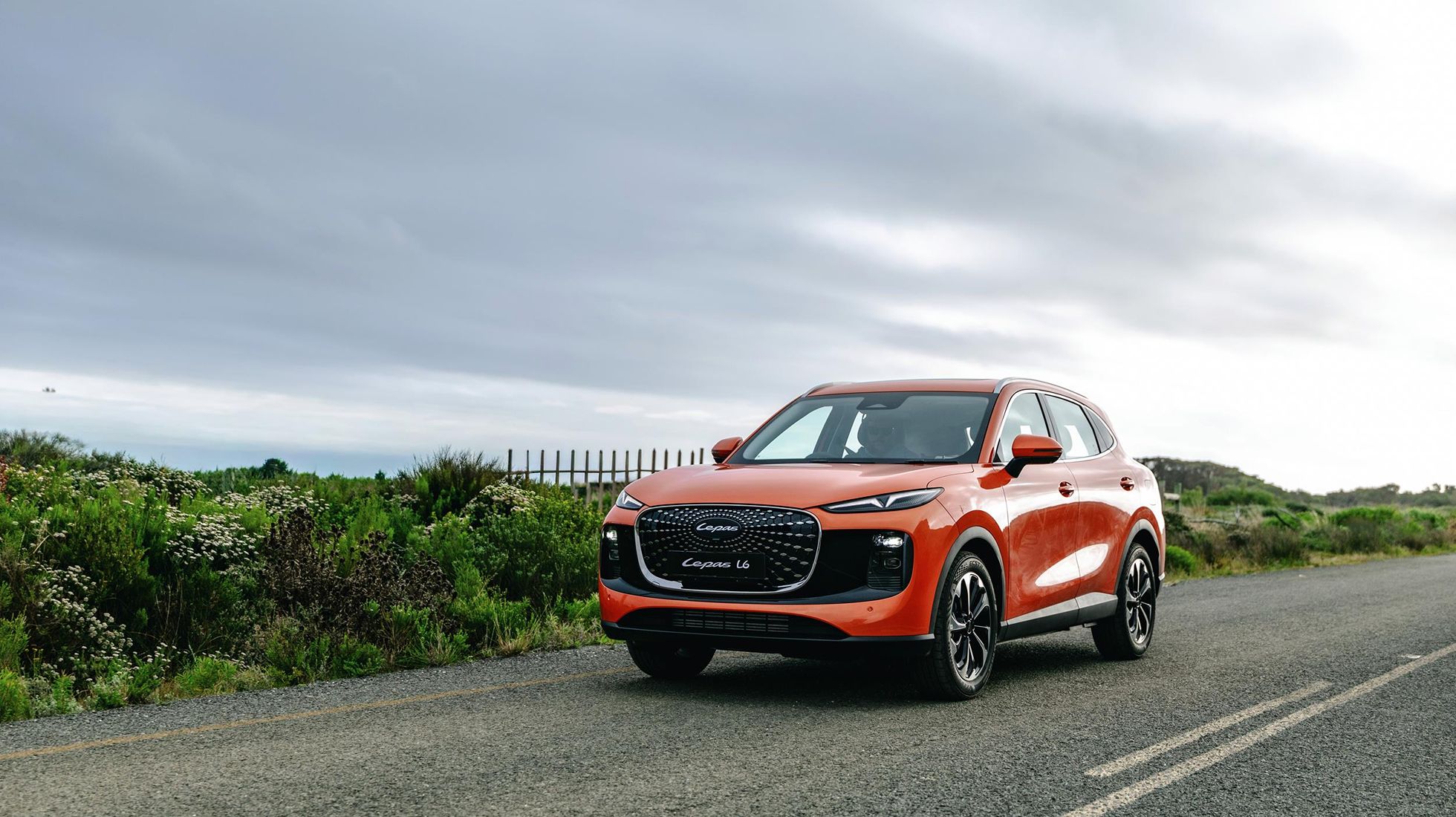
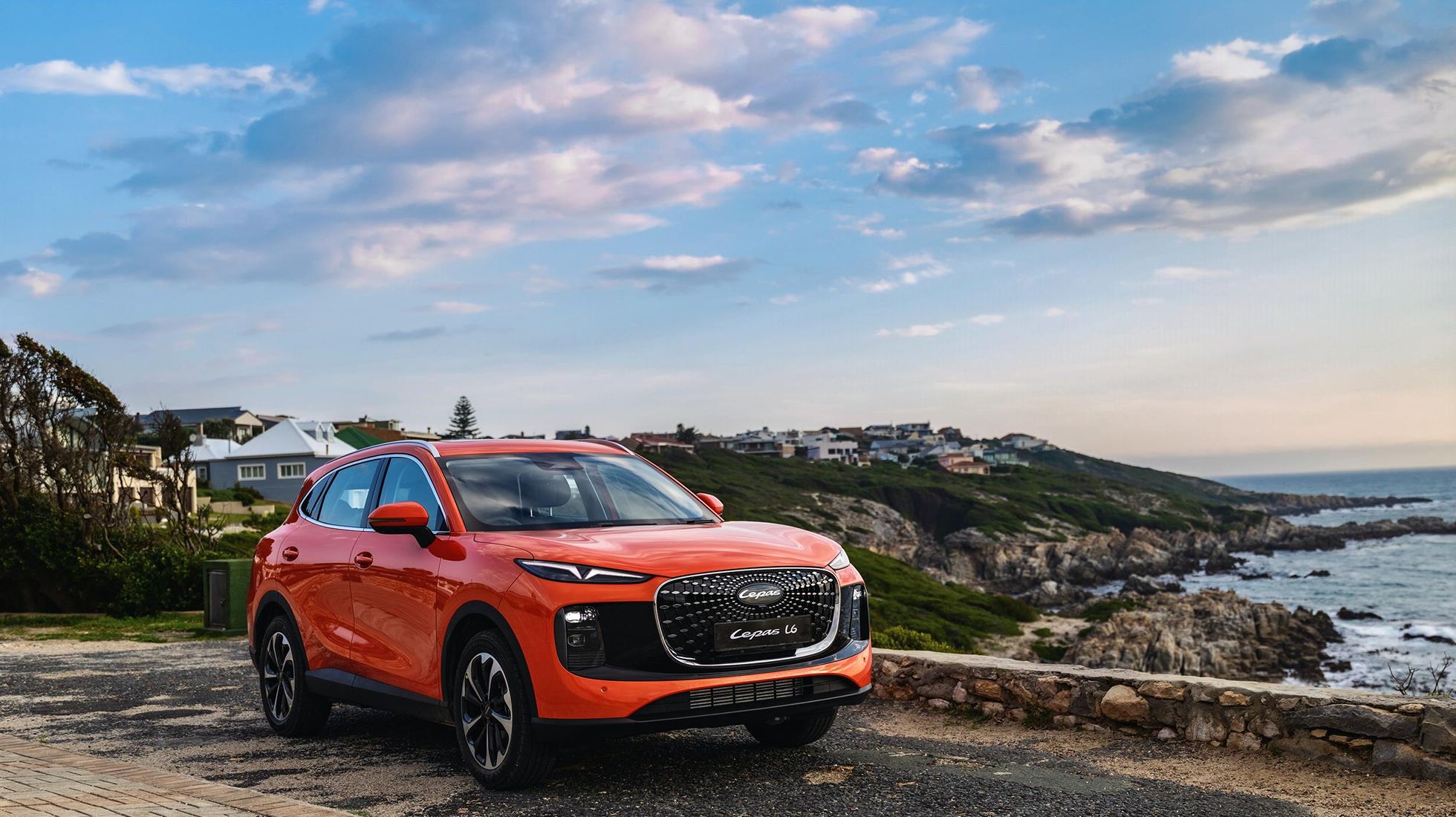
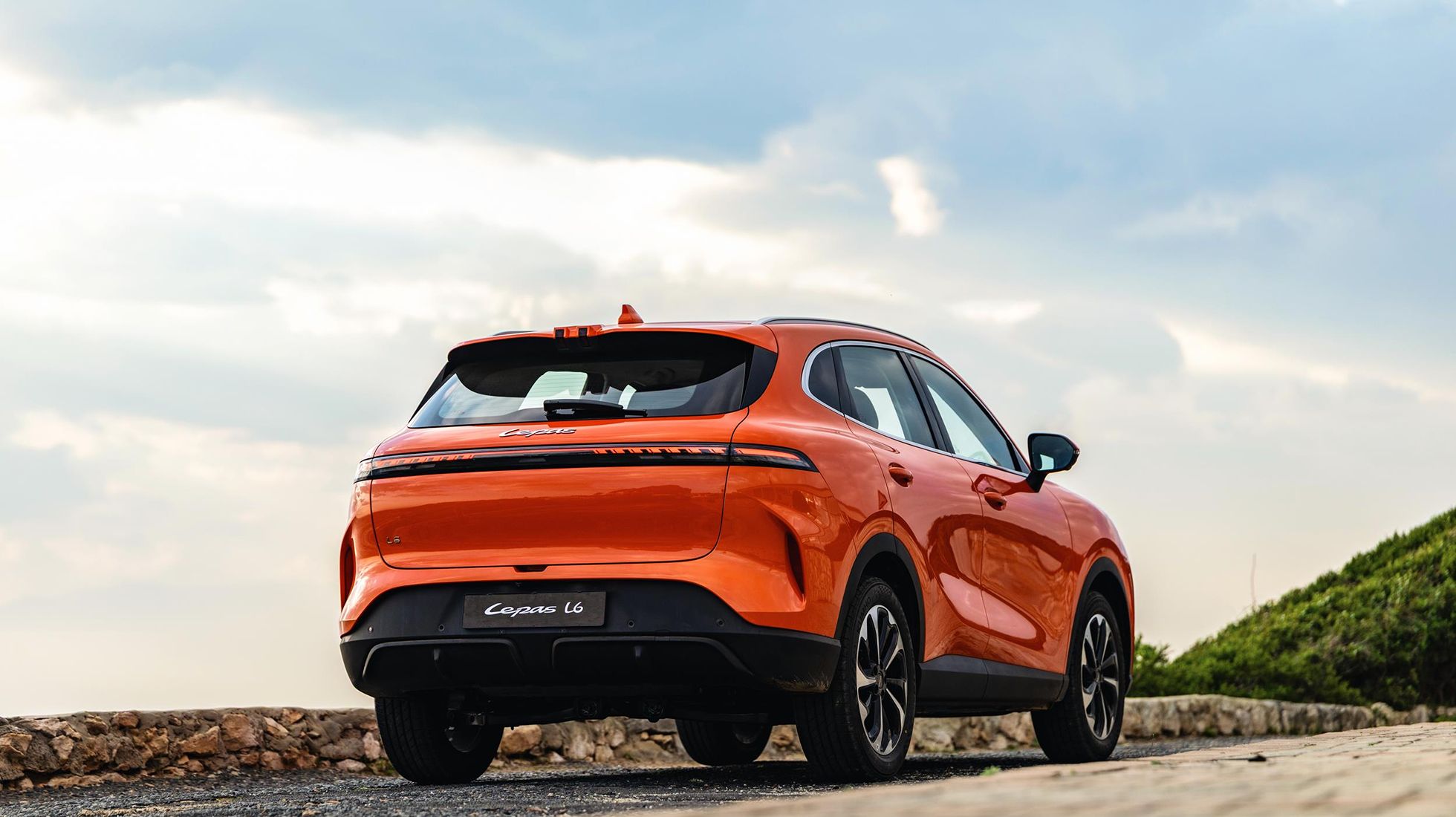
As a new entrant into the market, it looks the part. This whole business of styling cars to appeal to the emotional brain is also something that Chinese manufacturers have become exceptionally good at. It has the big chrome-surround grille (undoubtedly high up on any wishlist), which is dotted with chrome dots against a gloss-black backdrop and pinched LED headlights. At the rear, it looks like the designers took a peek at the Germans’ homework on the topic of full-width light bars, but it nevertheless looks good and will probably attract some signatures to paper when Lepas officially launches its L6 in the next few weeks, beyond you reading this.
Under the bonnet sits the now-familiar 1.5-litre 4-cylinder turbocharged engine that sends 108kW and 225Nm of drive to the front axle via a 6-speed dual-clutch gearbox. It’s by no means quick, and it’s plagued by hyperactive throttle mapping, but once on the move it’s able to translate a decent chunk of those numbers into forward progress.
For cost-conscious motorists, and considering the biggest appeal here is likely purchase price, the running-cost picture is a mixed bag. I rarely averaged lower than 8.0l/100km (in Eco) on the highway, while inner-city driving registered 8.7l/100km. Dial it into Sport, and the throttle response is considerably keener, while the gearbox also looks to maximise the breadth of each available gear, naturally, at the expense of economy. The L6 will eventually arrive with hybrid options considering the Chery Group’s aggressive push into that arena, but that will also command an extra capital outlay compared to the value-focussed ICE derivatives that continue to be plagued by this engine’s drinking habits.
As for handling and ride quality, the overly light steering falls short on the engagement metric, as it’s entirely geared towards inner-city ease-of-use. Comfort levels, meanwhile, are good on well-maintained roads, but that comfort often breaks character on Gauteng’s municipal backroads, with the suspension setup losing composure.
Layout, finish and space
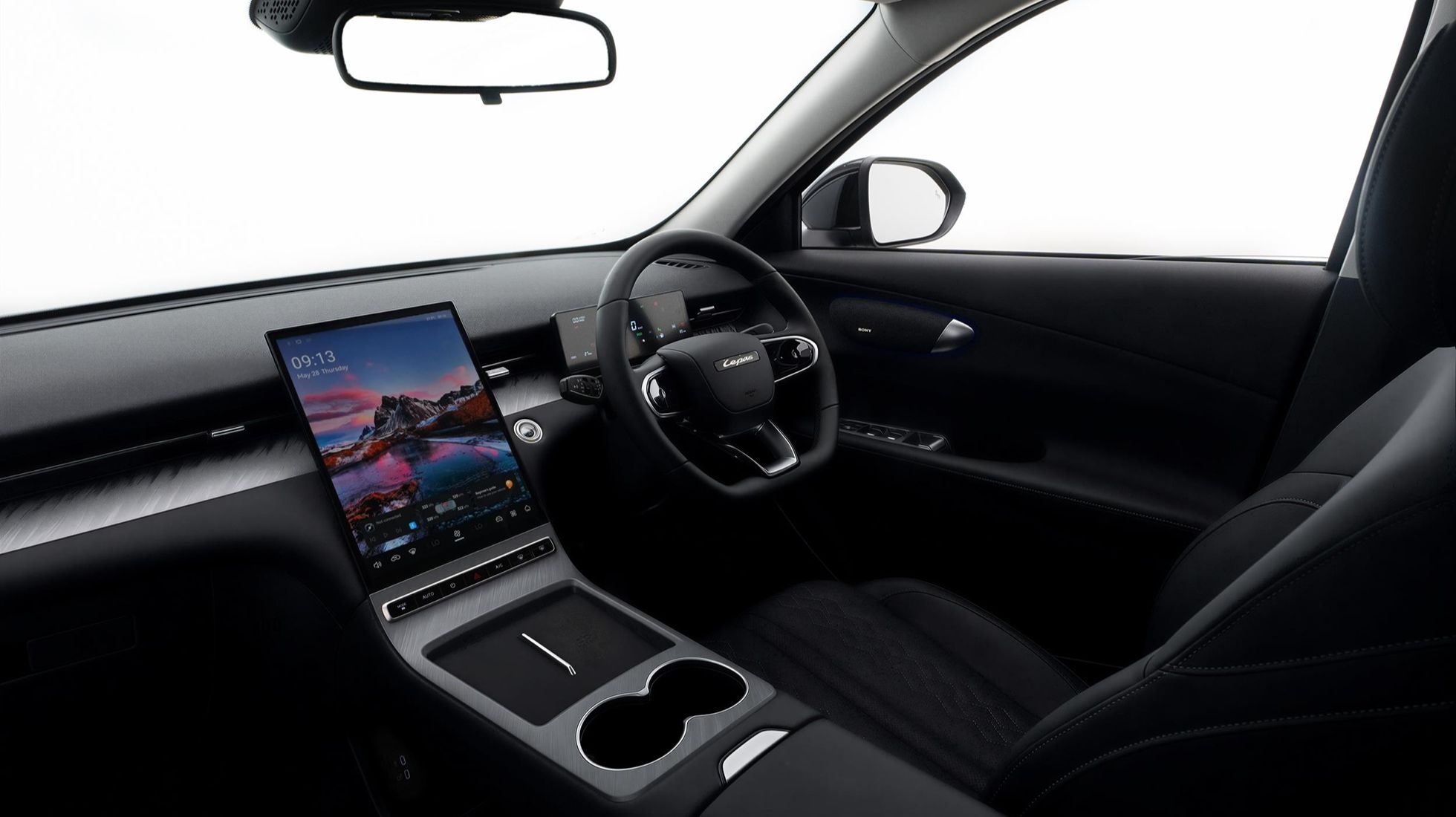
Inside, the differentiation from its L4 sibling is pronounced with premium-grade materials and touchpoints, patterned upholstery stitching and a 13.2-inch portrait-style touchscreen. Key driving information is displayed by means of a free-standing digital display, which works well enough, but considering the cabin’s overall upmarket look and feel, it does seem like it was merely lifted from an older Chery product.
The touchscreen houses several in-car functions arranged according to category to the left of the display, and there is a Quick Control menu option with some frequently used functions to call on, but I just cannot fully hop aboard the minimalism train that requires screen-dives for simple, everyday functions when a button could have accomplished the same task while still looking minimal… Mercifully, the buttons for drive mode selection, warning lights, air conditioning and demisting survived the button purge, but refining said air-conditioning requires, you guessed it, screen time.
Still on the topic of sub-optimal, activating Android Auto entirely deletes the onboard clock. This caused mild frustration during my test since it leaves you with either the option of disconnecting the software altogether or resorting to distracted driving by glancing at your phone. That’s hardly a dealbreaker here since a simple software patch should be enough to correct this, but it’s still worth mentioning.
Running costs and reliability
Pricing then? Lepas has officially launched the L6 in South Africa, and the range starts at R469,900 for the entry-level Javan, while the Pantera on test here carries a sticker price of R499,900. That undercuts the R452,500 figure Lepas initially communicated to us for the Pantera, though not by much. Every L6 comes with a 5-year/150,000km warranty and a 5-year/75,000km service plan, plus a 10-year/1,000,000-kilometre engine warranty that extends to the first owner.
Final thoughts
That pricing will make the L6 competitive in its segment, as Chery positions Lepas as the premium sub-brand that ships with all the bells and whistles. That’s a check in that box then, but as a car and measuring it with the yardstick of driving refinement, I’m not convinced that the L6 is quite as accomplished as many of its competitors. And that’s a shame, since Lepas (which is not exactly a scrappy new brand) has free access to Chery’s hard lessons since it made its South African return. At least as far as driving polish is concerned, it seems to have just glanced over it.