Luxury cars age in dog years, yet Audi’s Q7 refuses to look its age. The Black Edition is smooth, spacious and properly premium, even if the price has climbed R600k since 2020.
7
Luxury cars age in dog years, yet Audi’s Q7 refuses to look its age. The Black Edition is smooth, spacious and properly premium, even if the price has climbed R600k since 2020.
Luxury cars age in dog years. That’s been the case for a while now, seven to ten years and it’s time for an update. One moment they’re technological masterclasses and the next they’re sitting in dealership corners looking like an iPhone 6 on wheels.
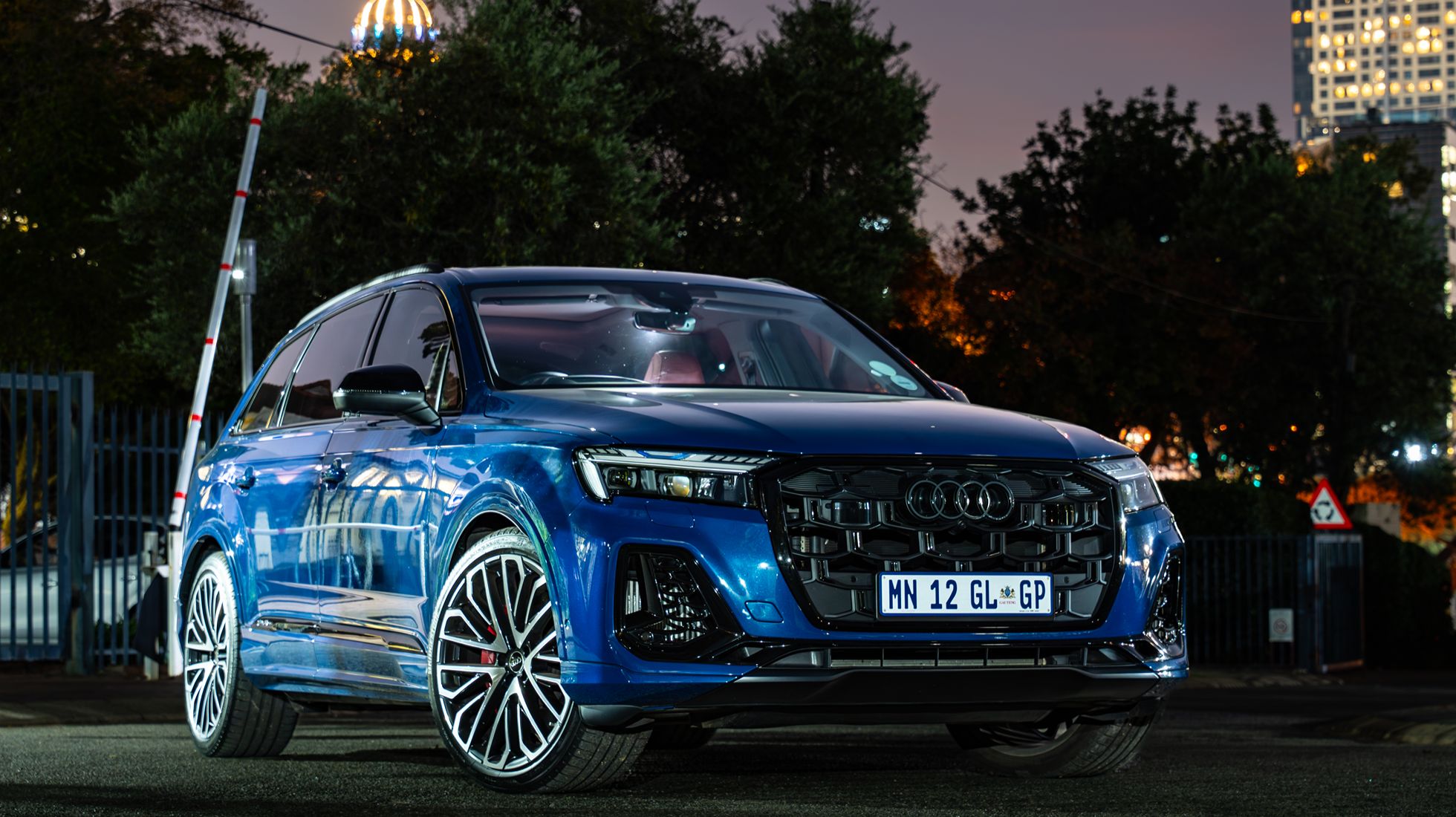
Yet somehow, the Audi Q7 has avoided that fate. Nearly a decade into its lifecycle and after yet another round of cosmetic surgery, Audi’s largest SUV still doesn’t feel old. Not properly old, anyway. The second-generation Q7 first arrived back in 2017 before undergoing a significant facelift in 2020. Now, almost six years later, Audi has sent it back under the knife once more for a light refresh. By modern standards, that makes the Q7 one of the oldest products in Audi’s current line-up, but the remarkable thing is just how little that matters once you spend time with it.
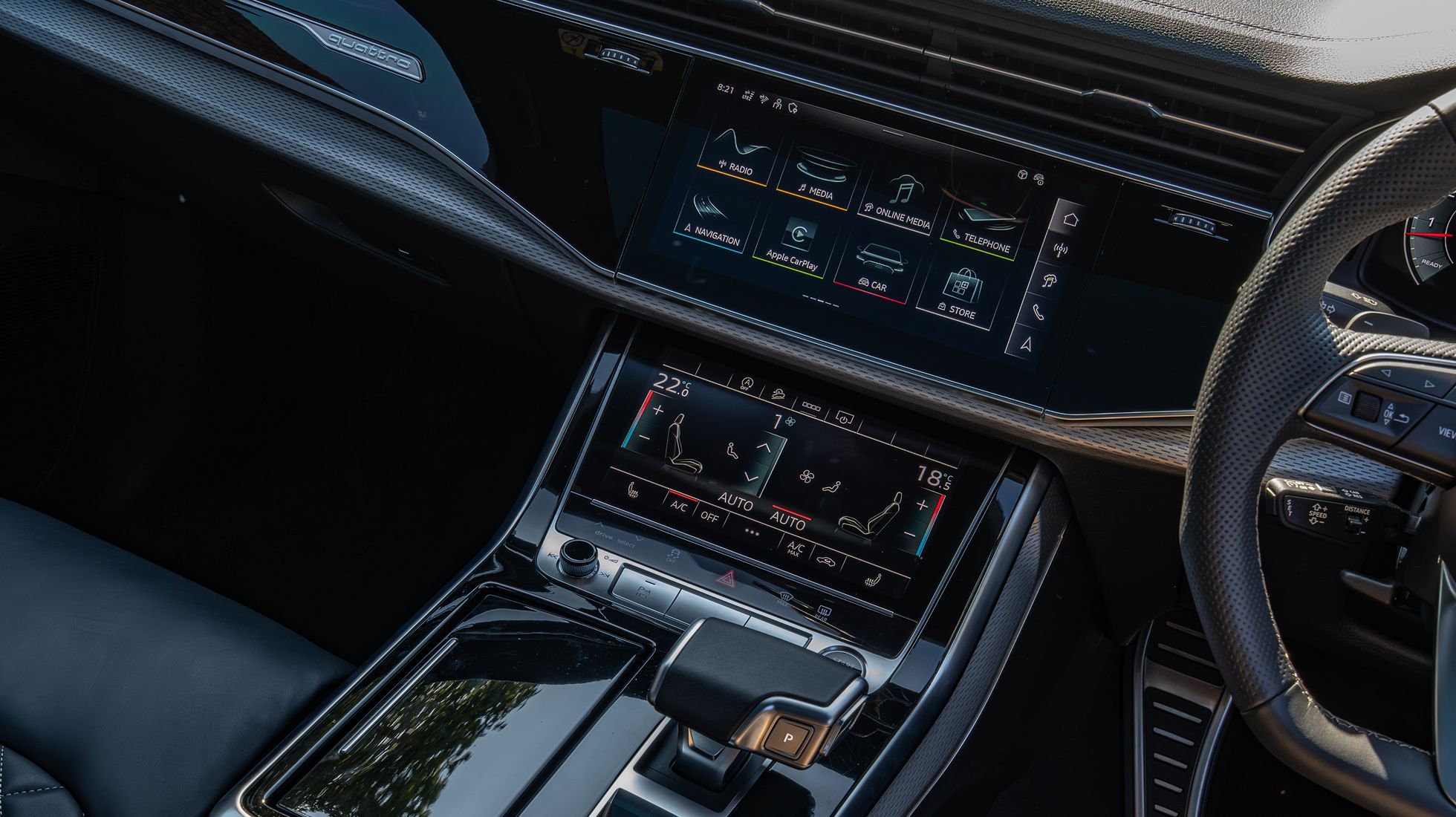
Yes, if you know Audi’s latest interiors, you’ll spot the generational gap immediately. The Q7 doesn’t feature the sprawling spaceship-style screen architecture of newer products like the Audi A5. But honestly? That’s no bad thing.
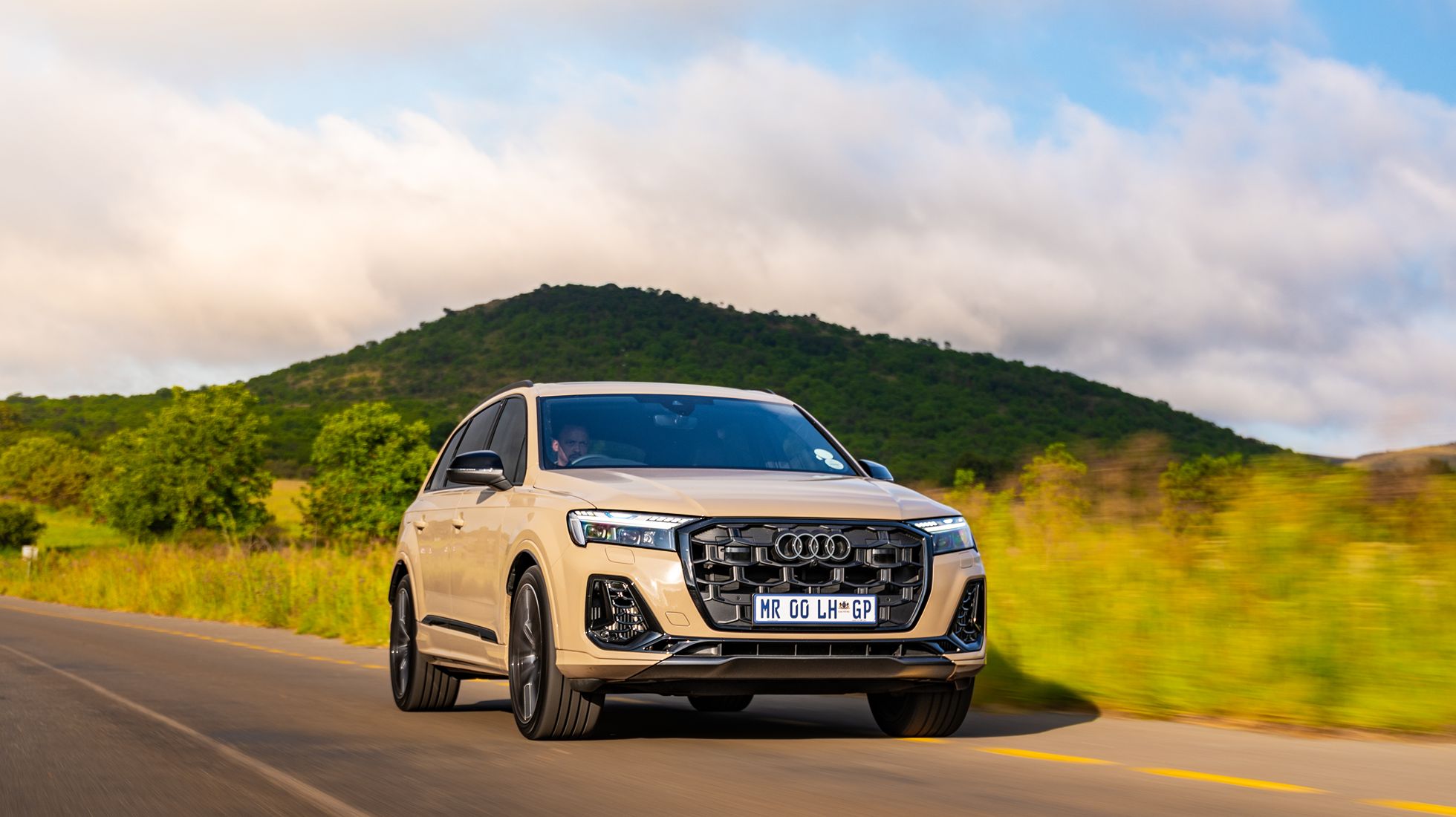
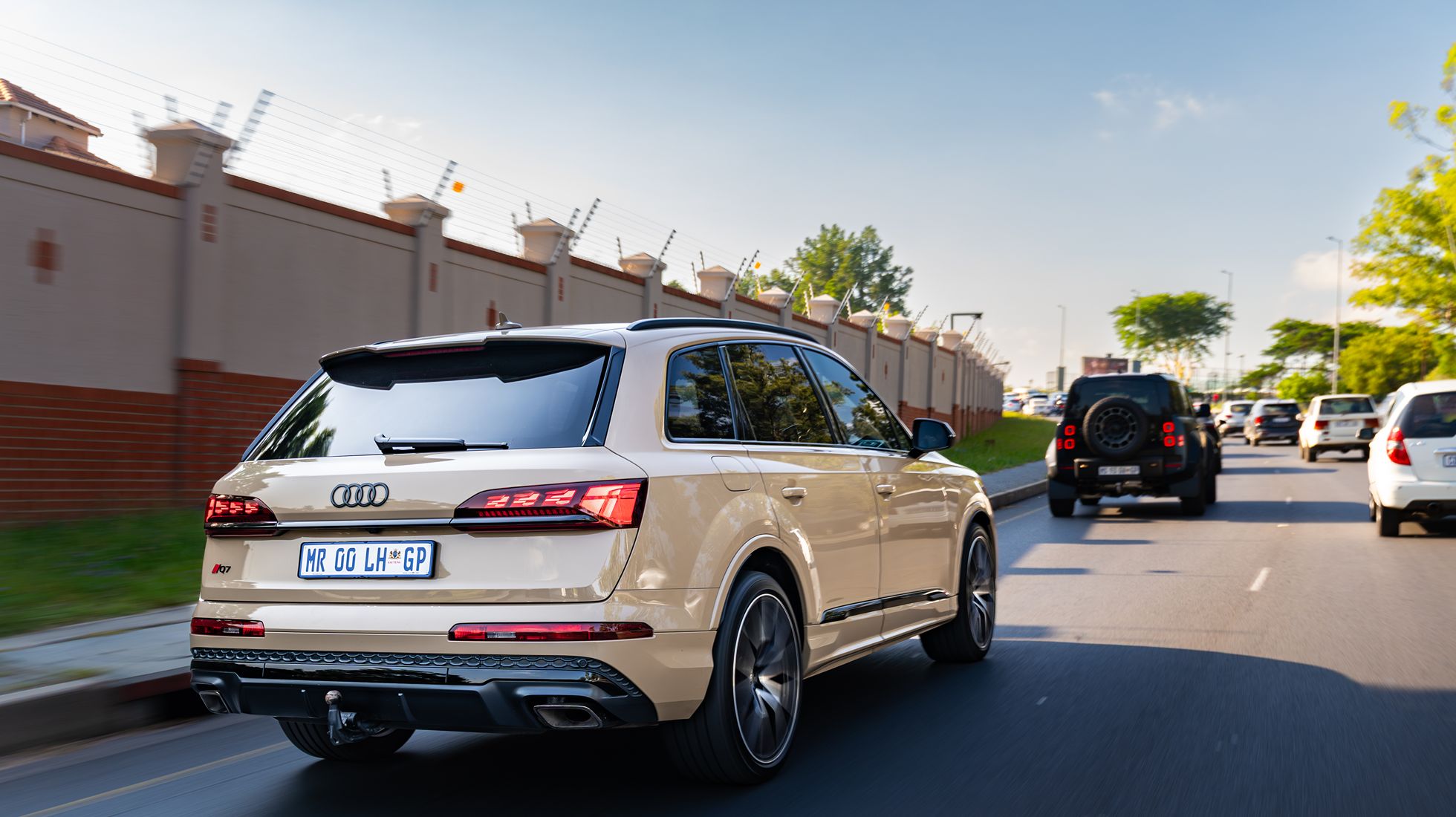
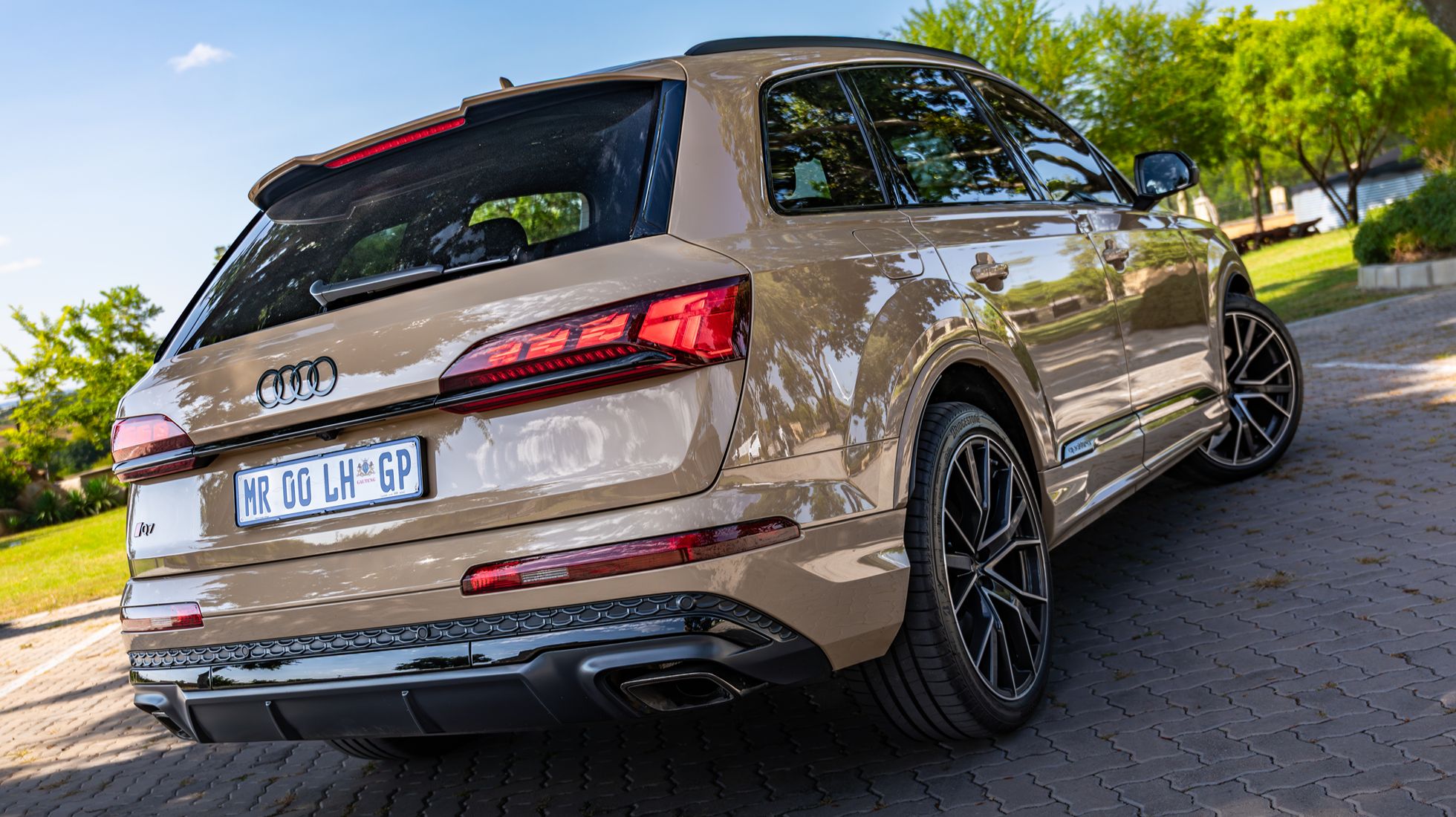
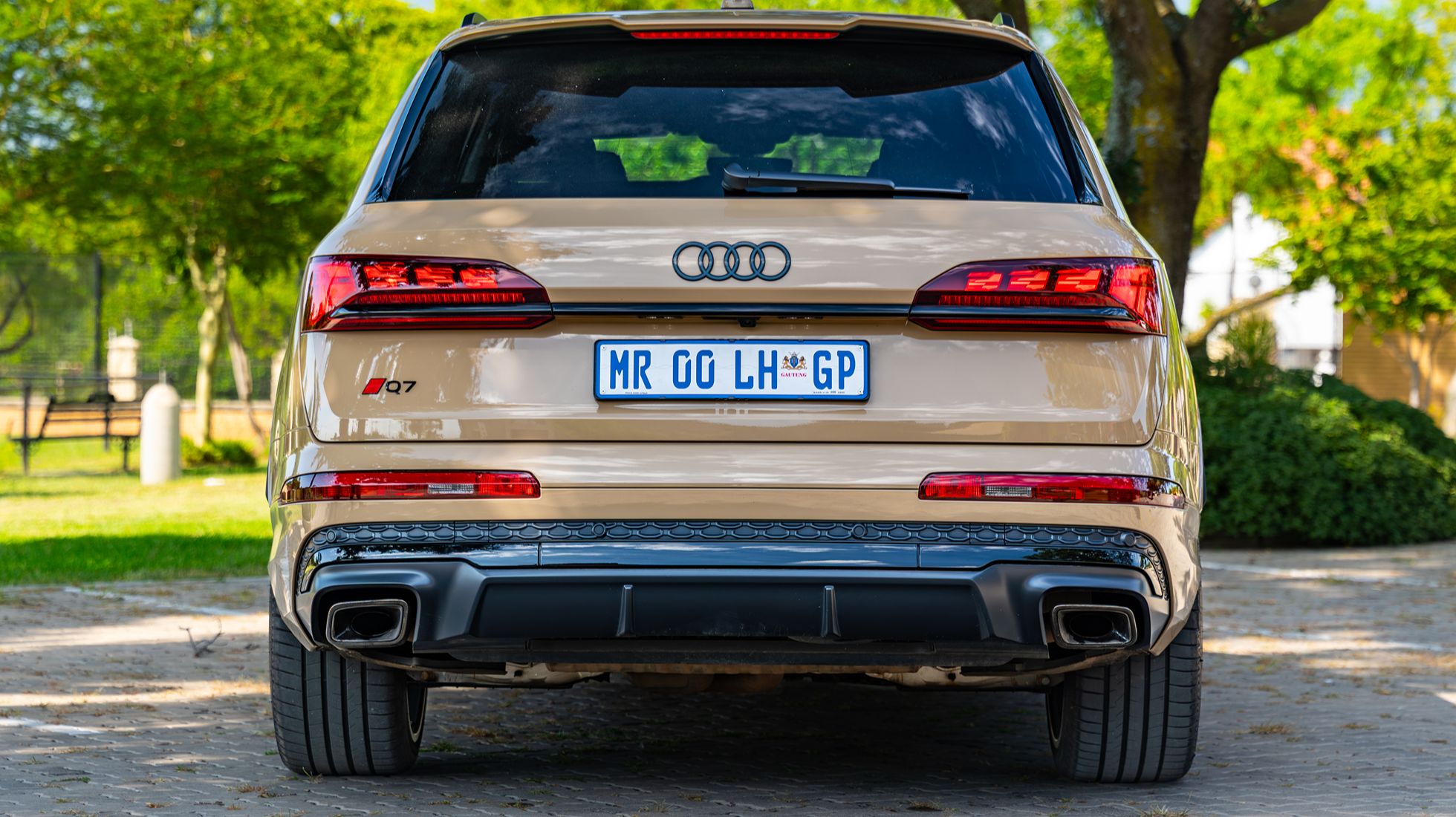
This particular car, finished in Sakhir Gold Metallic, also features Audi’s Black Edition treatment — because apparently every manufacturer on earth has now decided that black badges and dark trim equal instant desirability. Bentley does it. Mercedes-Benz does it. Volkswagen does it. GWM does it. And Audi certainly does it here.
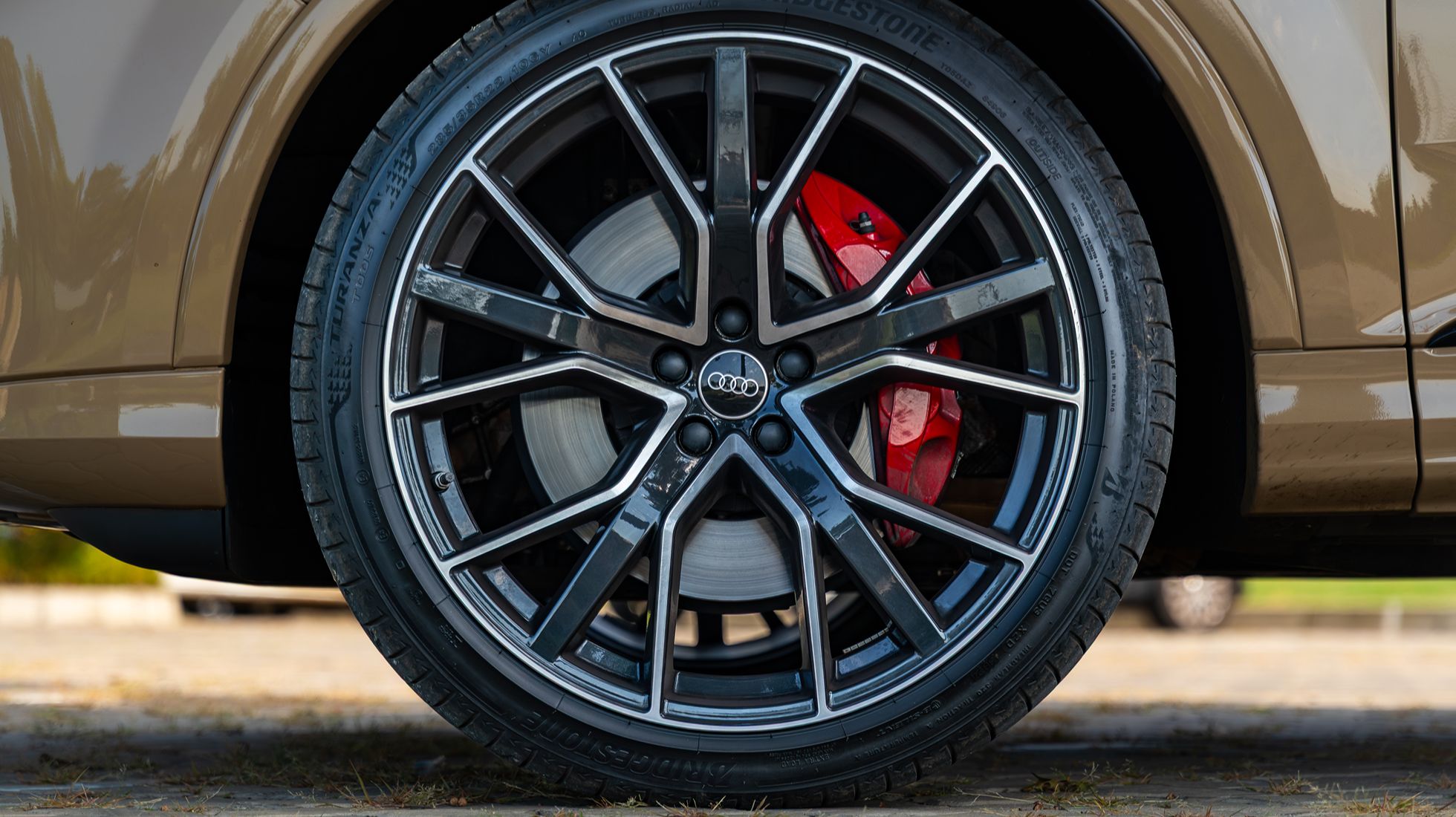
The package includes blacked-out 22-inch wheels, darkened grille and mirror caps, black exterior trim and privacy glass, while even the Audi rings receive the blackout treatment. Yes, it is predictable, but it is also seemingly effective. Underneath it all sits the Q7’s real highlight: a wonderfully refined 3.0-litre turbocharged V6 petrol engine producing 250kW and 500Nm. Paired with an 8-speed automatic transmission and Audi’s Quattro all-wheel-drive system, the Q7 delivers effortless pace rather than outright aggression. And that suits its character perfectly.
This is not a sports SUV pretending to be a supercar. It’s a large, luxurious family hauler engineered to isolate you from the world outside. Optional adaptive air suspension and all-wheel steering are worth every cent too, because they shrink the Q7 around you in a surprisingly convincing manner. Even on massive 22-inch wheels, the ride quality remains superb — composed, supple and genuinely premium.
In fact, despite its age, the Q7 still rides with the sort of polish you’d expect from considerably newer and more expensive rivals like the BMW X7 and Mercedes-Benz GLS. Luxury SUVs don’t need to impress with party tricks, but rather nail the fundamentals: refinement, comfort, material quality and passenger experience. The Q7 still does exactly that.
Layout, finish and space
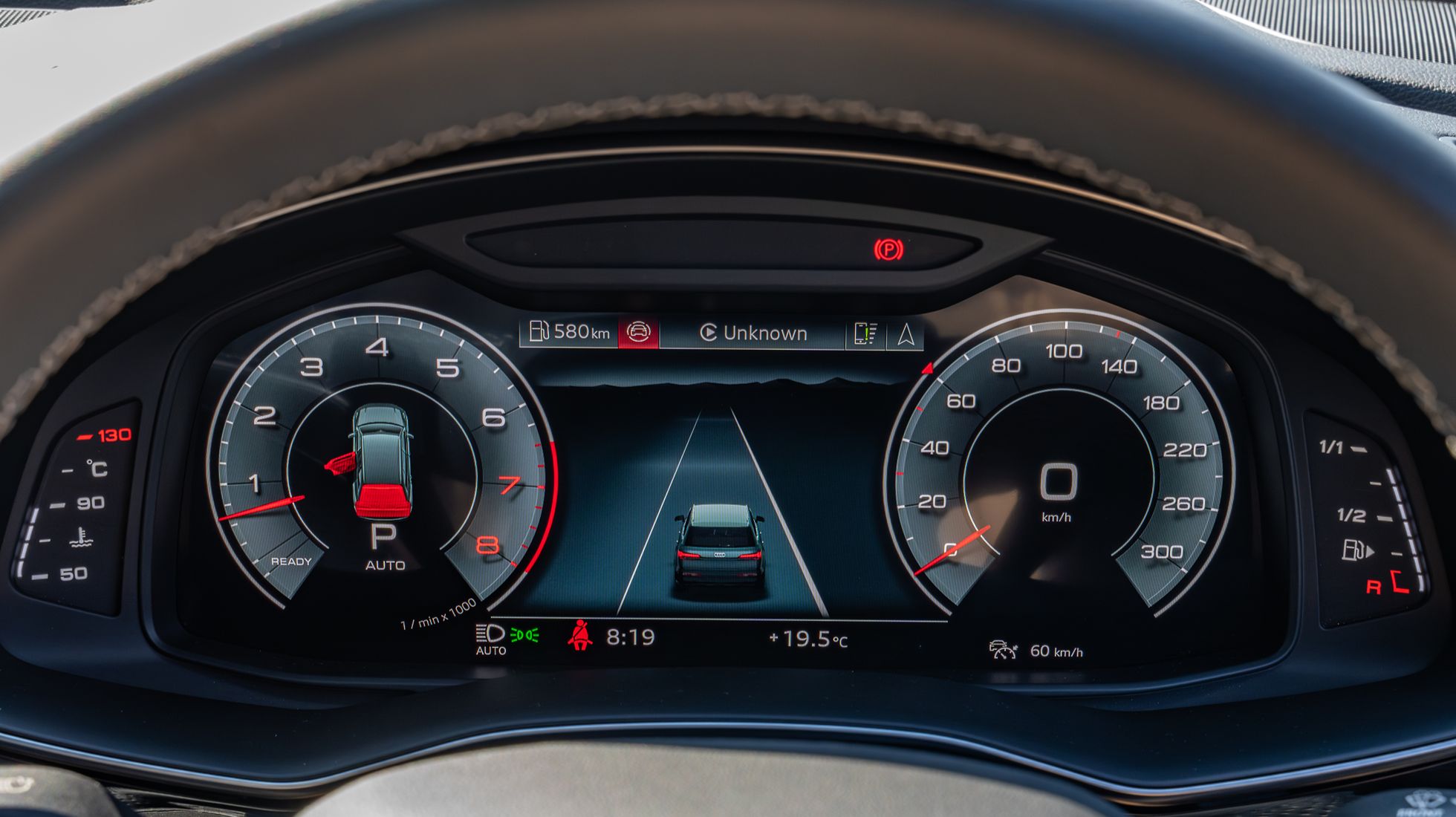
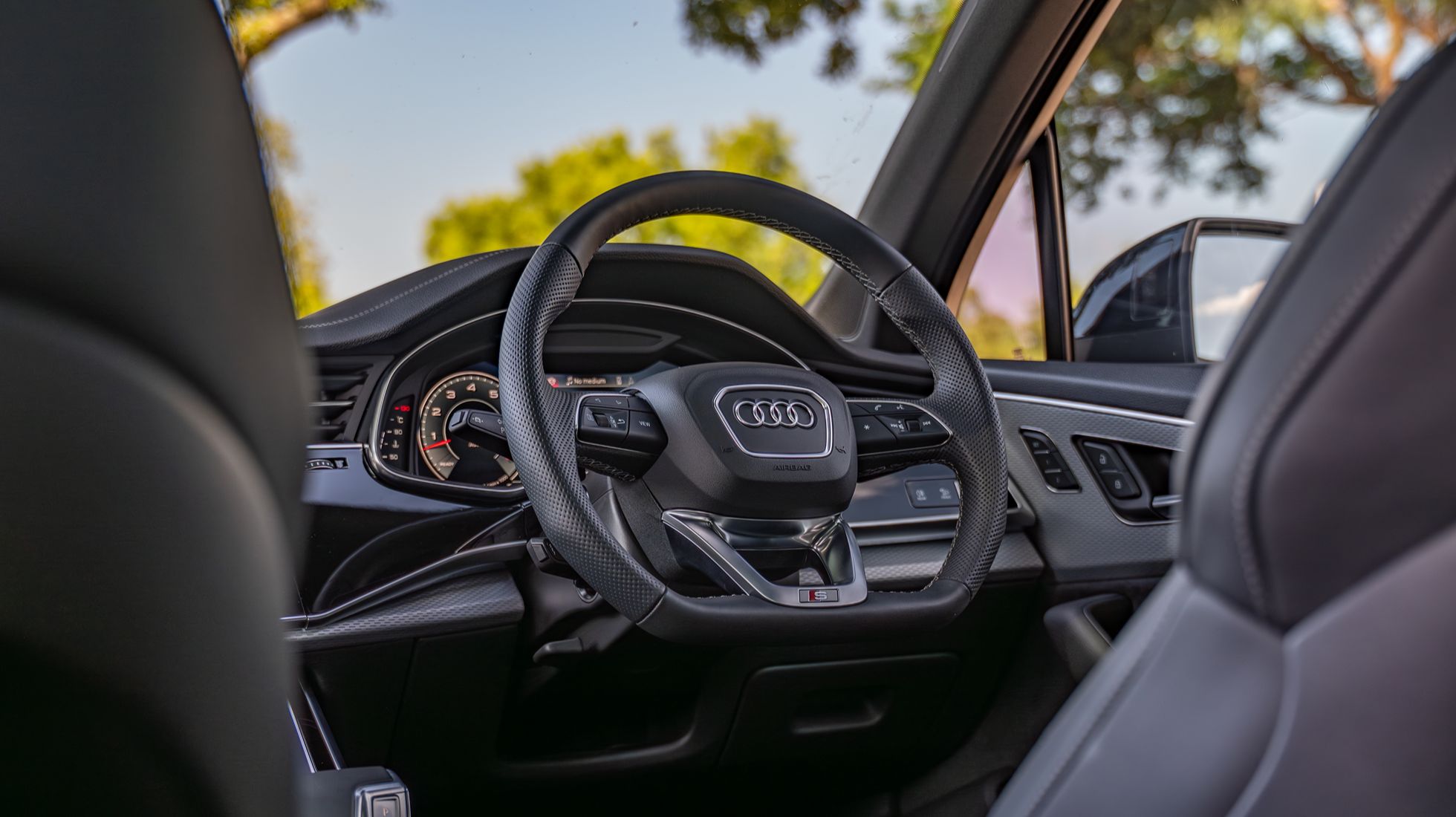
In fact, there’s something oddly refreshing about the Q7’s cabin now. It predates the current obsession with turning dashboards into something from Times Square. The layout remains clean, elegant, and deeply intuitive, built around Audi’s dual-screen MMI setup and Virtual Cockpit driver display, which still feel premium today. When it launched, this interior was groundbreaking. Now, it simply feels mature. The only downside remains the endless piano black trim. It’s the kind of trim that has you carrying a microfibre cloth like a security blanket. It attracts fingerprints and dust at an unbelievable rate. Still, the system itself remains slick, responsive and easy to navigate, proving that good ergonomics age far better than flashy gimmicks.
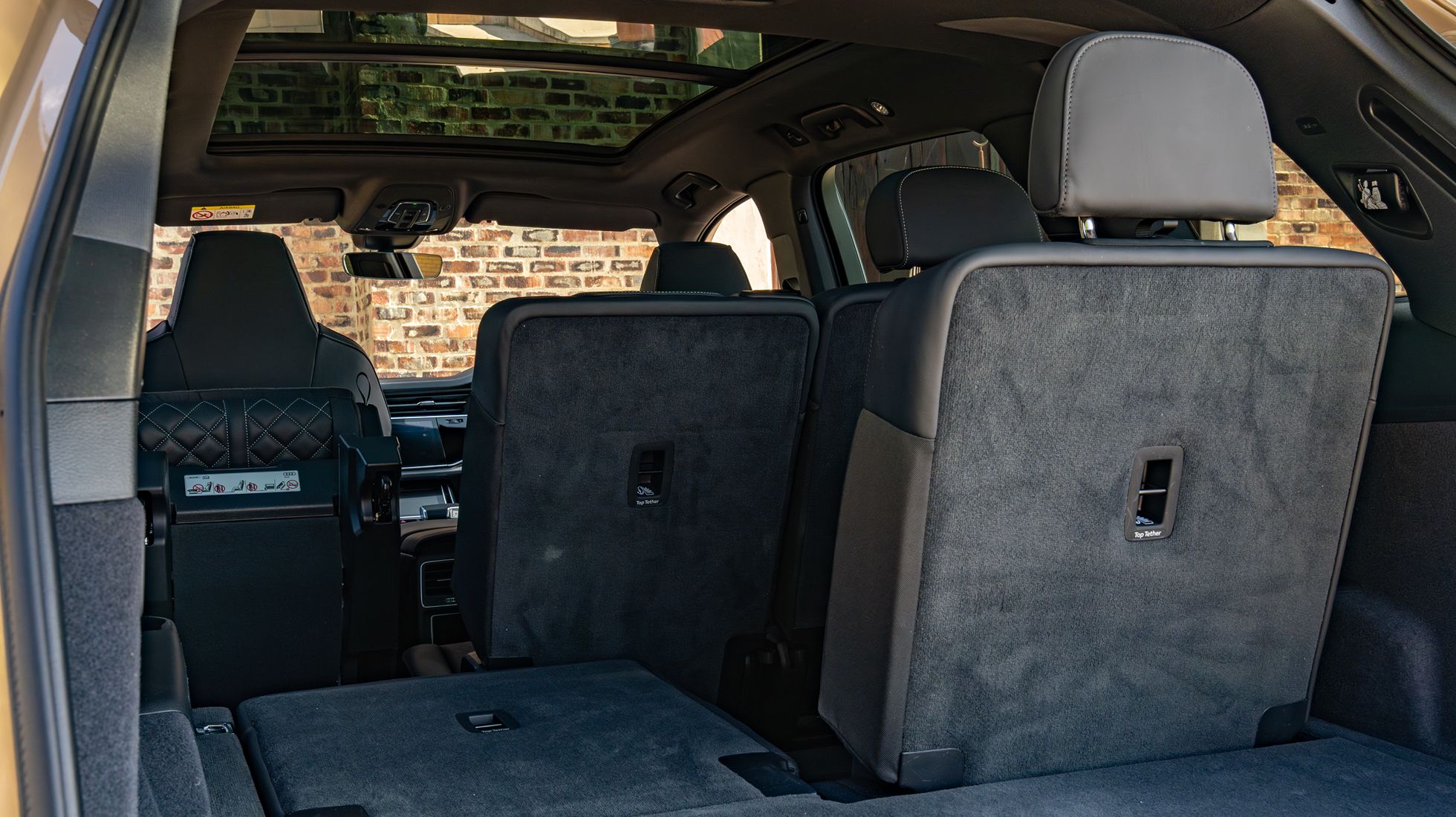
And then there’s the reason people buy Q7s in the first place: space. This remains one of the better luxury 7-seaters on sale. The electronically folding seats and endless configuration options make the Q7 hugely practical, while all seven seats are genuinely usable in a pinch. The rearmost row is better suited to smaller adults or children, admittedly, but with nearly 2,000 litres of cargo space available with the seats folded flat, the Q7 becomes less SUV and more luxury removal van.
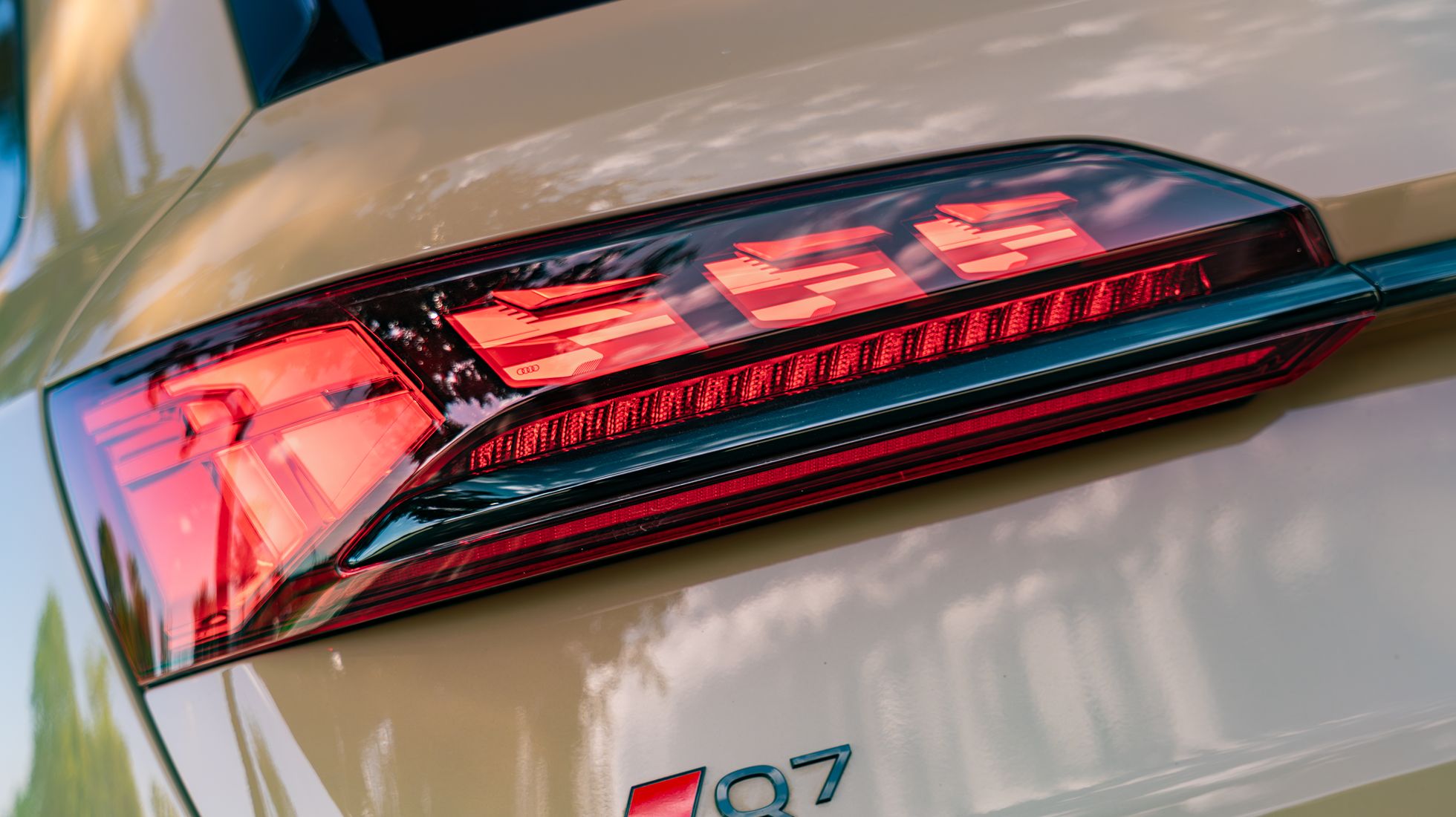
The cabin itself still feels properly expensive too. Plush Verona leather with Audi’s signature rhombus stitching lines the seats, while optional heating, ventilation and massage functionality can turn long-distance journeys or short hops into rolling spa treatments. Of course, Audi’s options list remains gloriously dangerous for your wallet. Starting at just under R2 million, most Q7s leave dealerships with another 20–25% worth of extras attached. Add things like sports seats, adaptive air suspension, all-wheel steering, night vision assistance, and OLED LED lights, and suddenly the Q7 begins nudging well beyond the R2.4 million mark.
Running costs and reliability
The biggest reminder of the Q7’s age ironically comes from its price tag. Back in 2020, the facelifted Q7 arrived at around R1.4 million. Today? More than R2 million before you’ve even gone remotely silly with options. Granted, there’s more power now, more driver assistance tech and broader specification, but that’s still a hefty R600k climb for a car approaching its tenth birthday. The surprise is that the Q7 still feels premium enough to make the argument awkwardly compelling.
Final thoughts
Some Audi loyalists may lament the loss of the previously offered 45 TDI diesel engine, particularly in a vehicle this large, but the petrol V6 remains wonderfully smooth and impressively refined in daily use. Perhaps that’s the Q7’s greatest trick. It doesn’t scream for attention anymore and simply goes about its business with the hushed confidence of something that was engineered properly from the beginning. Nearly ten years on, the Audi Q7 still feels expensive in all the ways that matter. And in a segment increasingly obsessed with appearing futuristic, Audi’s older stage reminds us that genuine luxury doesn’t always need reinventing.