Ride comfort, practicality, price, tech dependability. Surprisingly good drive.
Against
CVT. Cramped third row. Drive modes make little difference.
What is it?
We kept saying that whatever it dreamt up wasn’t quite the Mitsubishi of old. We insisted that the gearboxes “could be better”. Strange styling, outdated engines… Think it, and those tasked with objectively reviewing whatever’s next had some insult or clever line to knock whatever the Japanese brand was up to. Some of those lines weren’t even that clever…
From an entirely biased and personal point of view, the first exception to these less-than-witty criticisms came in the form of the all-new Triton. It won the highly-prestigious accolade of being our favourite bakkie from 2024 and the pendulum seems to have been gaining upward momentum ever since. The ASX is ageing with only the Outlander name really geared towards image-conscious familial duties if you don’t consider the mommy-van or ride-sharing image setback suffered by the Xpander.
The subject of this review, called the ‘Destinator’, offers buyers some wiggle room in the needs-to-cost metric and slots in above the more budget-first Outlander Sport and below the Outlander regular in Mitsubishi’s hierarchy, all while offering seven seats and a price tag below the R600k mark that’s somewhat easier to nibble on.
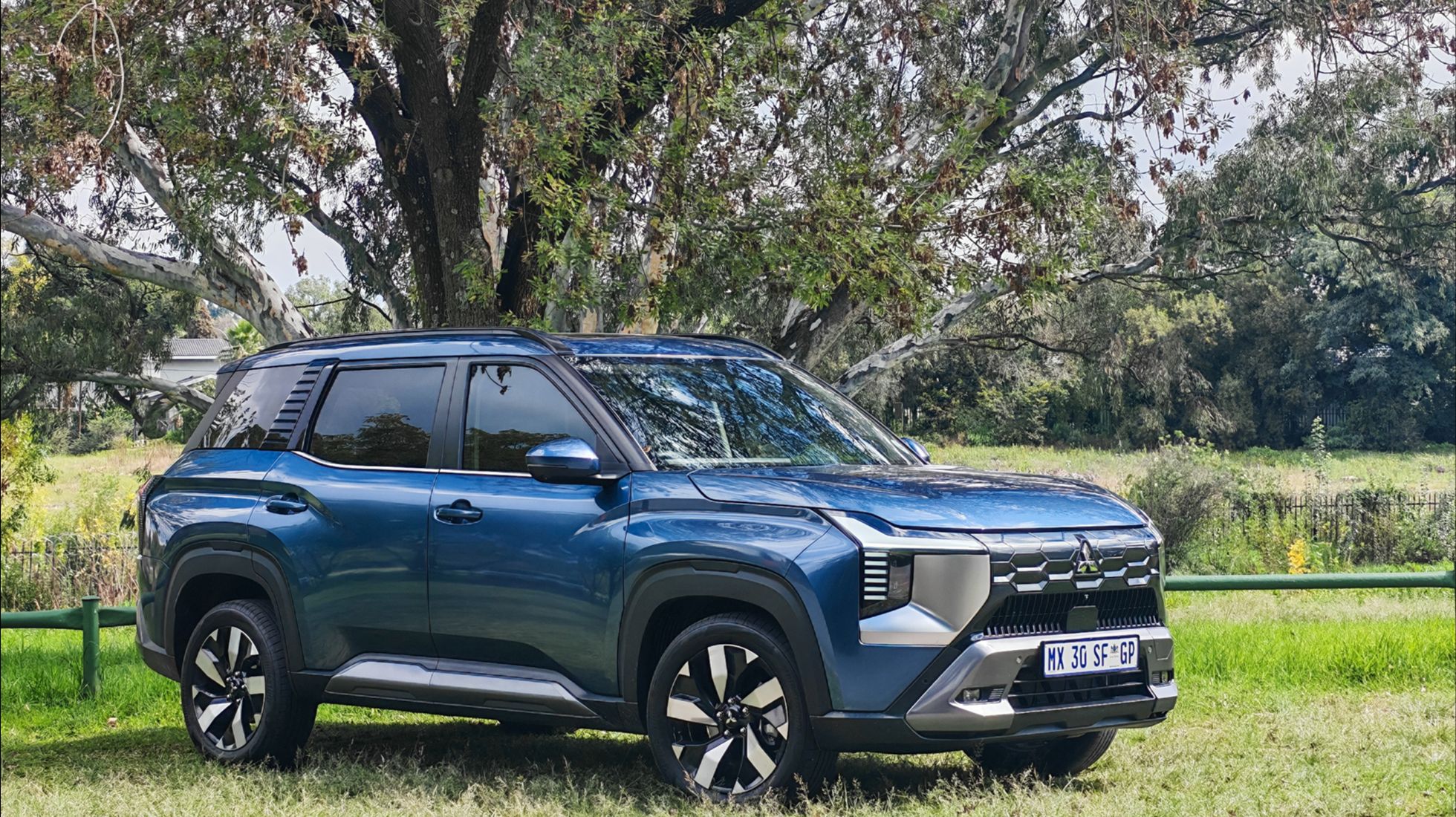
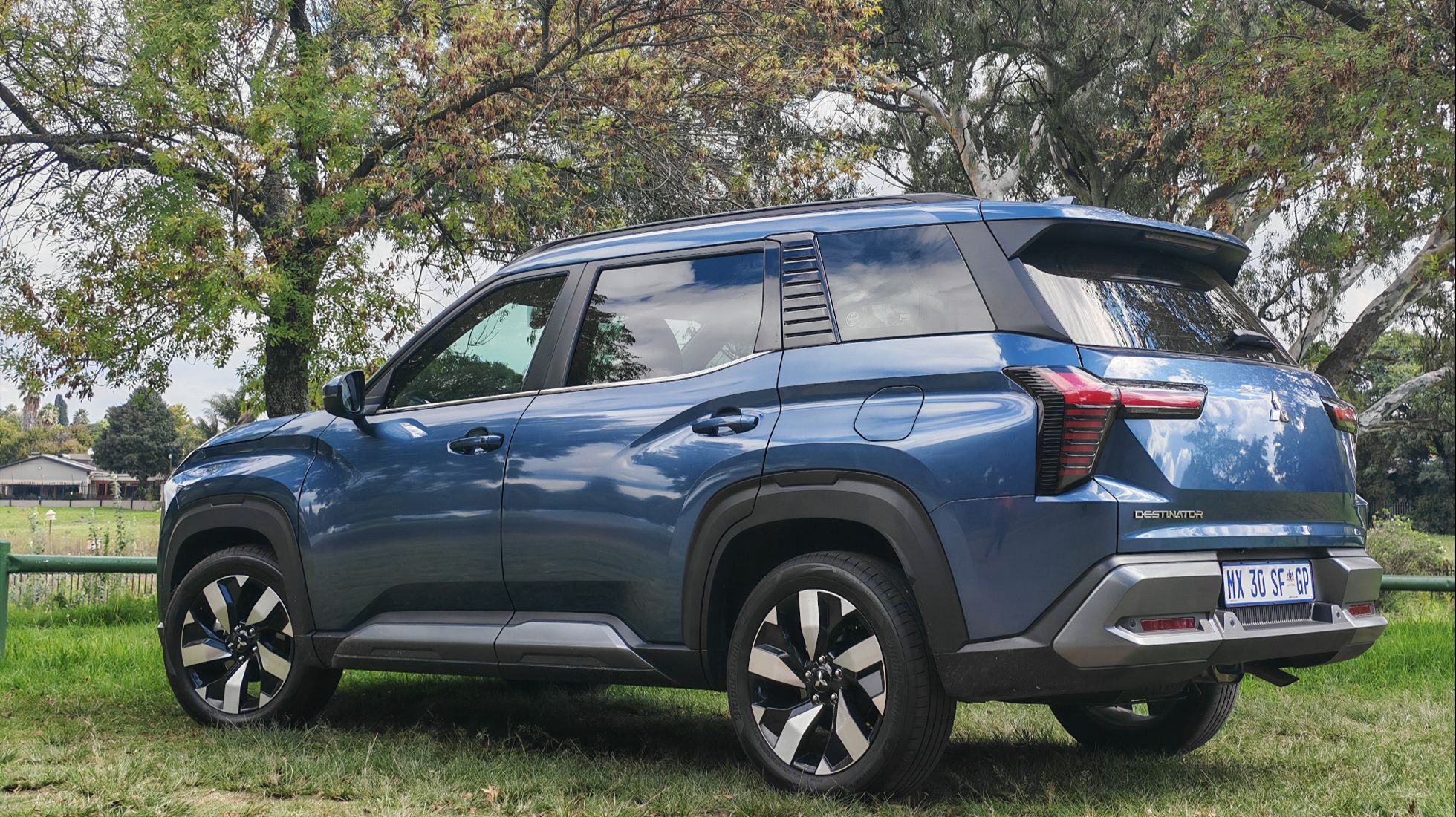
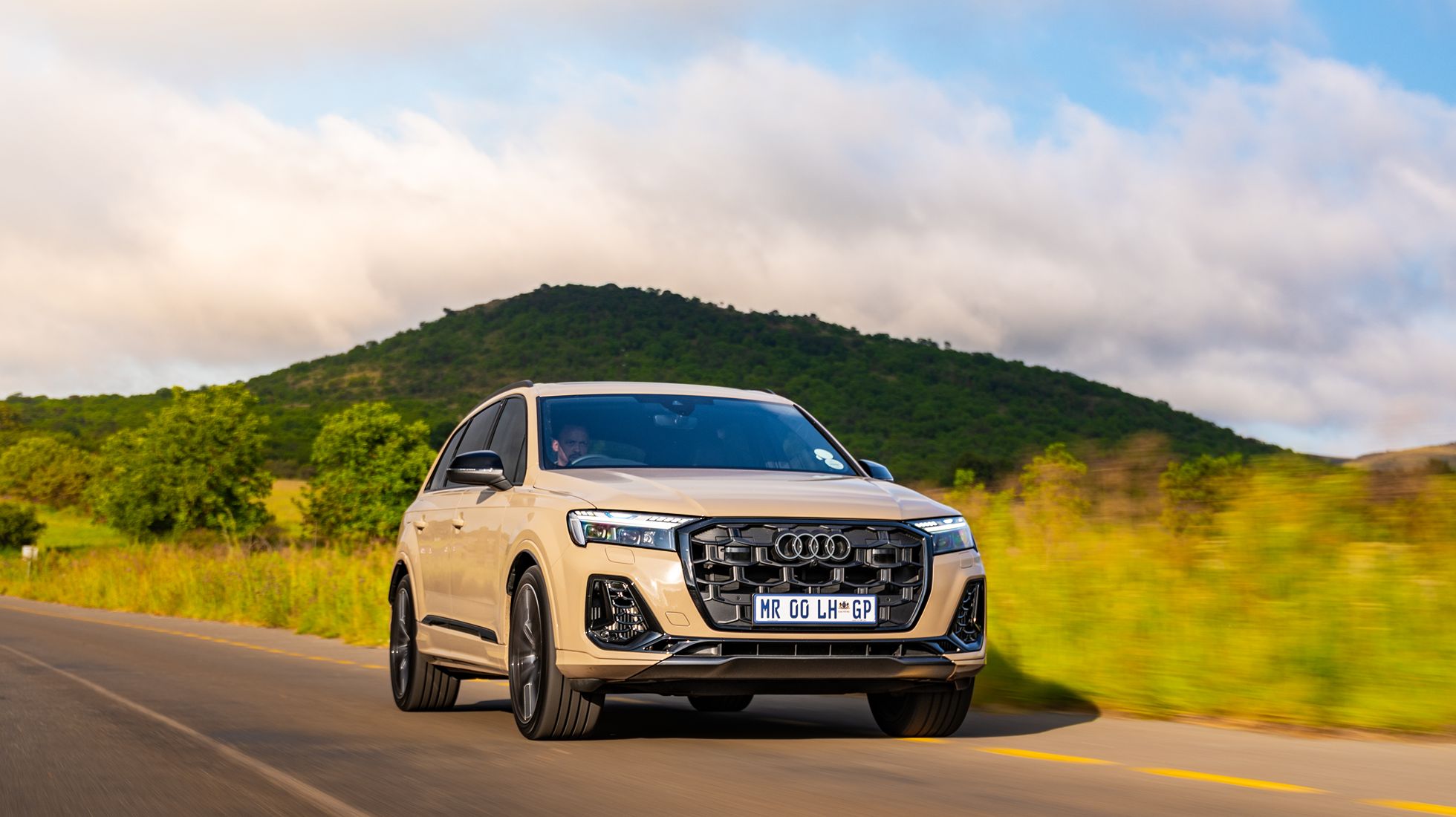
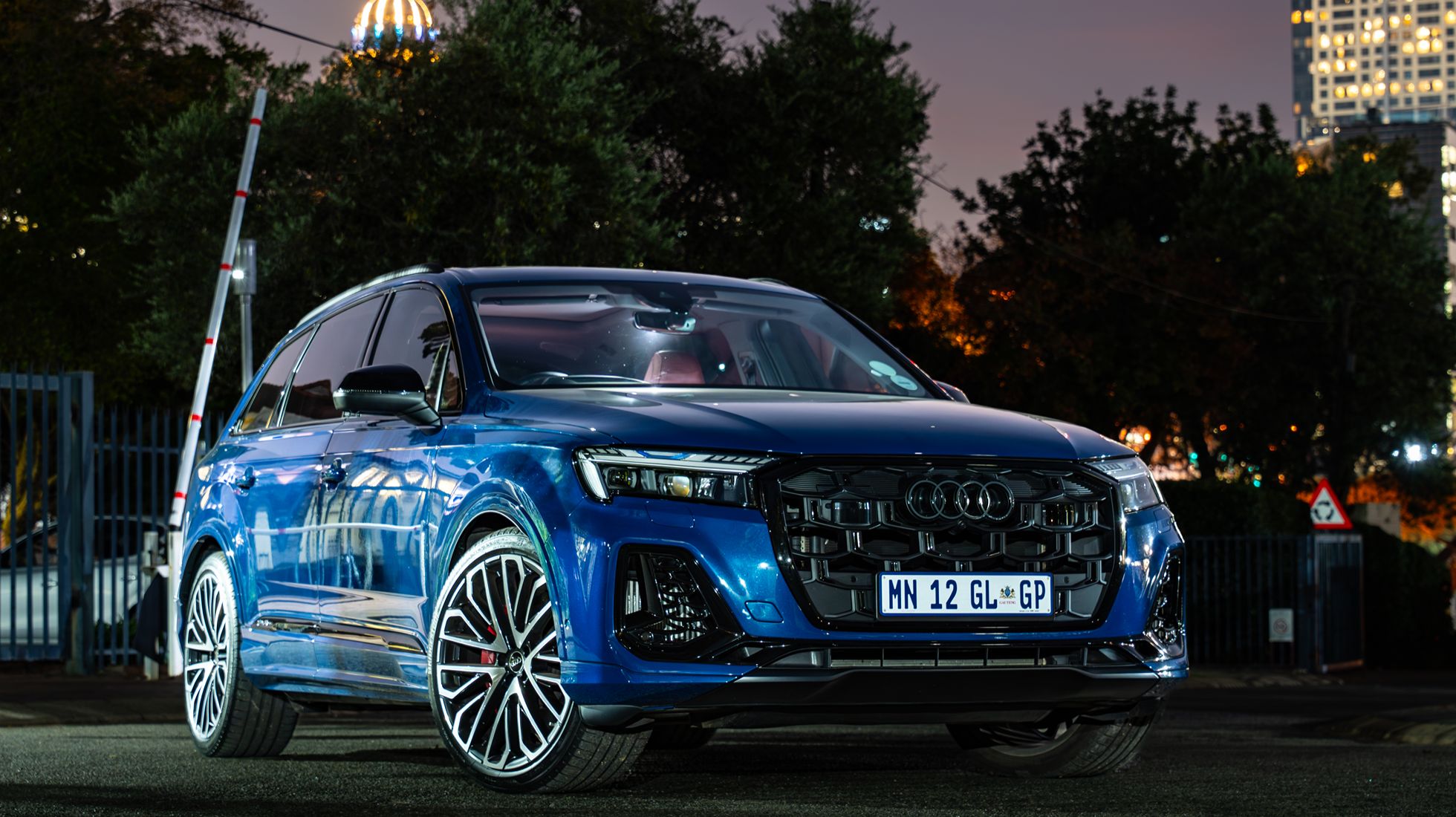
In the metal, there isn’t much to scoff at. It’s a good-looking thing, with Mitsubishi’s designers also finding another inspirational gear… Anyway, the result is a striking front end, framed by T-shaped LED headlamps, and a grille fascia with a pleasing honeycomb pattern. The rear, too, has the T-shaped lights and plenty of folds, without the styling ever trying too hard for the sake of visual interest.
Forget the panic caused by a poorly-phrased message and the associated images of a dislodged foreign metal something sticking into the engine bay, and the drive is surprisingly competent. I say ‘surprising’ since I may have suspected at one point that Mitsubishi renounced its once-staunch dedication to driving engagement (think stupidly-sized turbos), succumbing instead to a period of existential identity drifting that floated towards dull. It’s powered by a 1.5-litre turbocharged engine that produces 120kW and 250Nm of torque, distributed to its front corners through erm… a CVT… also known as the most-hated acronym in the TGSA office. Far from phenomenal figures, sure, and yet, it’s entirely tolerable considering how well the gearbox translates this into drive. The addition of the turbocharger ups the torque just enough that the gearbox’s simulated stepped ratios deliver gearshifts when you need them without any of that typical rubber-band-like hesitation during what can be considered civilised driving. And considering that its intended purpose is carrying families in relative comfort, I can’t criticise it for that.
Ride quality is good too, as the Destinator is well adept at absorbing the most battered surfaces. The suspension is never uncomfortable, nor does it float, instead maintaining that rarefied comfortable balance. The steering is responsive with decent feel, as I never got the sense that Mitsubishi tried to numb the road-to-hands feel. The drive modes on the Exceed spec, however, make little difference during everyday driving, with the subtleties when switching between them being, well, very subtle.
Layout, finish and space
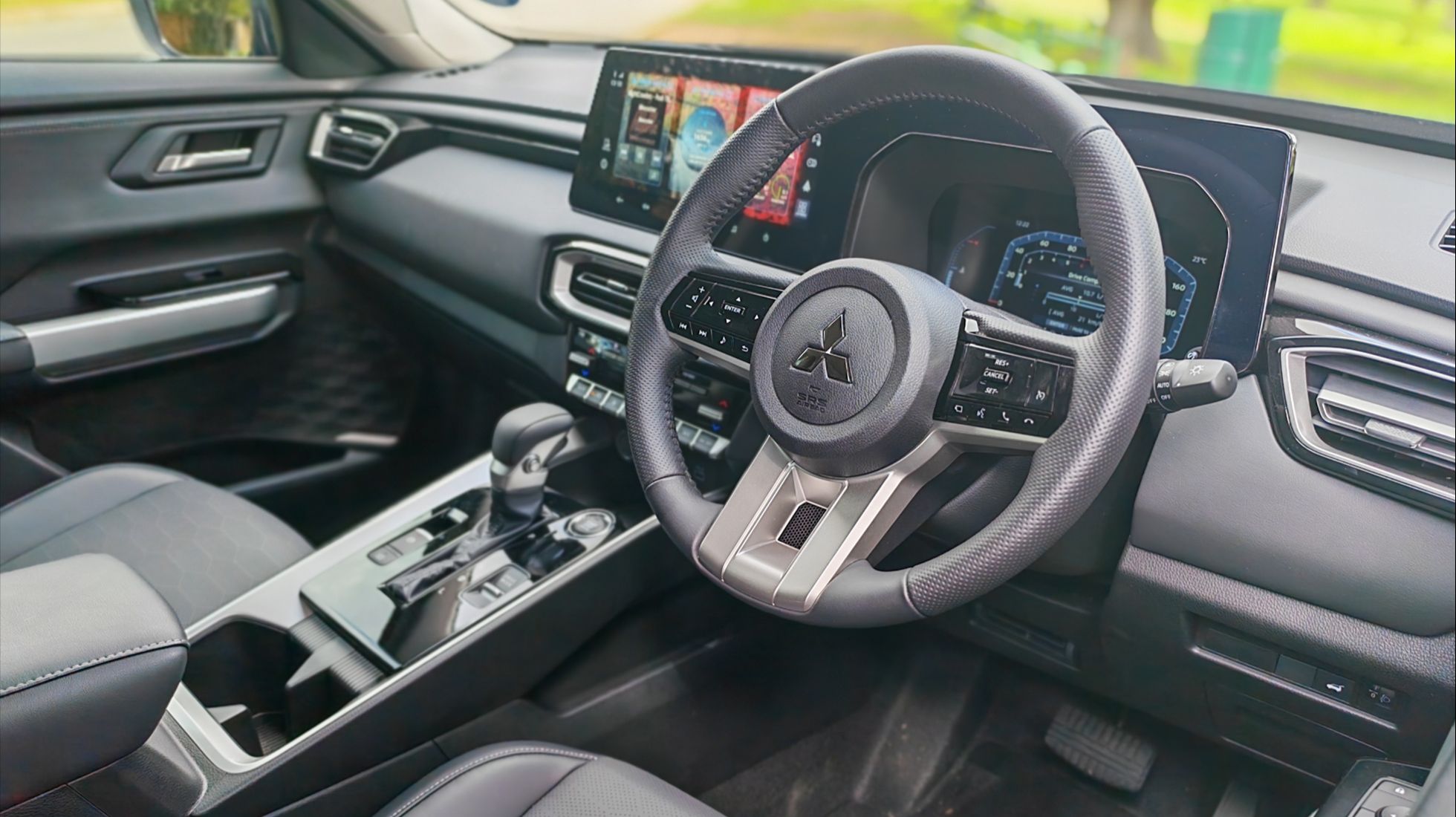
Inside, it’s what you’d expect from Mitsubishi, with quality execution taking priority over flash, with an honest, simple and entirely functional cabin design. It’s got buyers’ boxes ticked with an 8-inch driver display on this Exceed model, while the infotainment screen measures a respectable 12.3 inches from its furthest ends. Like the rest of the interior space, neither screen aims to wow with size or pixel count, but instead prioritises dependability and functionality over extravagance. And it shows, since during my test period I experienced no glitches, stutters or connectivity issues. It may not have the gimmicks often associated with tech-laden Chinese vehicles (unless you count an altitude indicator, which has little real-world value beyond showing your spouse), but everything works as expected. I’ll take that any day.
Having said that, I had a few moments when I expected broken sensors with an incessant “Foreign Metal Body Detected” message, which, following a frantic Google search, concluded that my house keys were partially resting on the wireless charger pad. Important information to impart, and surely there are better ways to phrase that.
Running costs and reliability
Mitsubishi clearly focused on adding configurable comfort as far as the seating situation is concerned, with a sliding second row that enables easier access to the third row, which certainly works as advertised. Those added two seats, though, are still best reserved for individuals who don’t register too generously on the measuring tape. I tried to access it for testing and found I had to resort to strange contortions to take a seat.
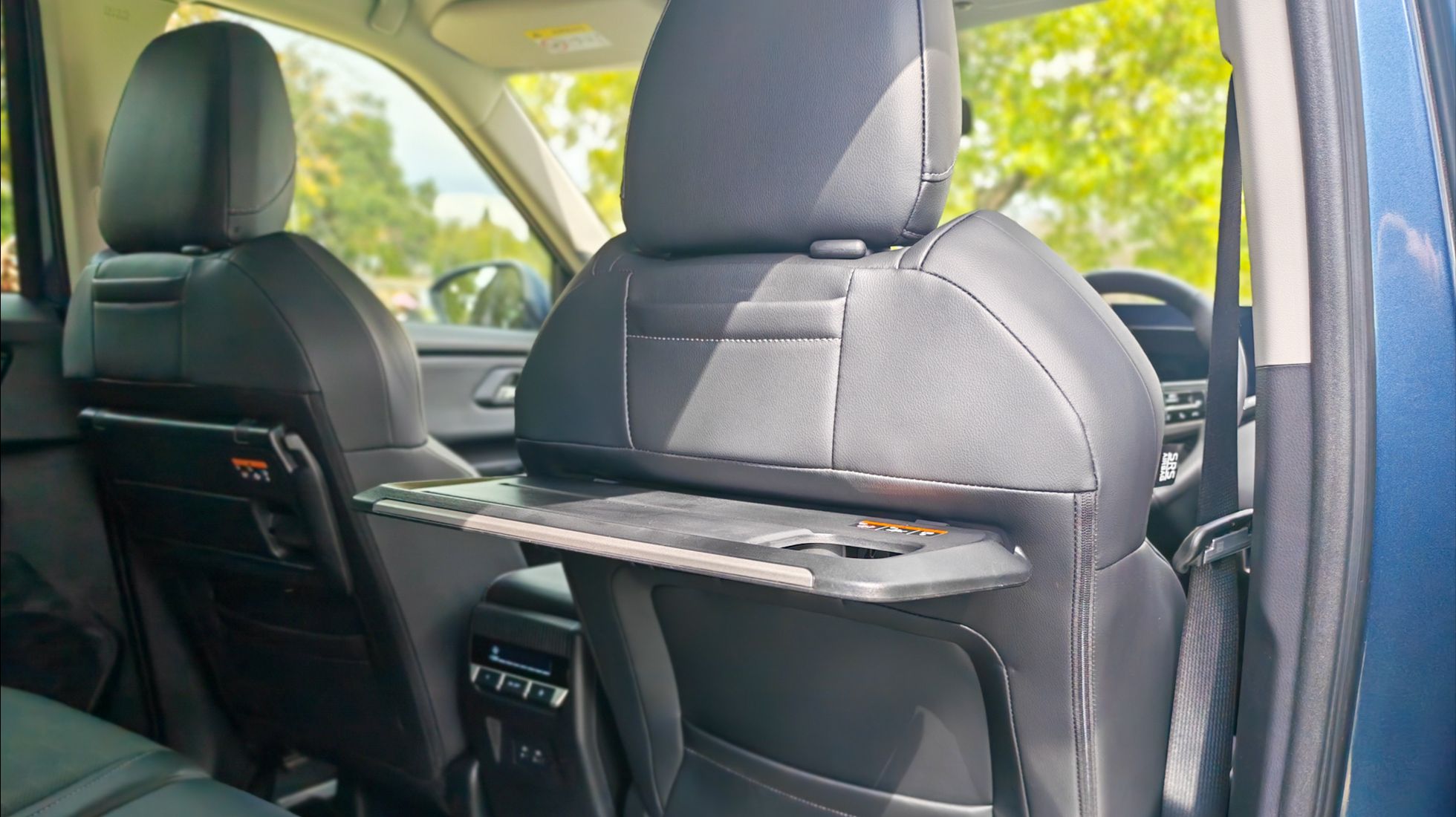
Considering the 2,815mm wheelbase, which is only 15mm more than the Pajero Sport, the roominess extracted from the floor space is still mighty impressive. Stow the third row, and the boot space expands into something that can be classified as semi-cavernous, while the second row remains impressively generous. The middle row also features seat-mounted fold-out tables that work well as on-the-go office space.
Final thoughts
Against some Chinese rivals, the Destinator prioritises tech dependability and a measure of simplicity over outright electronic bells and whistles and screen overwhelm, and for the most part it doesn’t try to bury any shortcomings under layers of specs. It is a family-first SUV, and it doesn’t make any arguments to the contrary. That’s if you don’t count several selectable drive modes (normal, wet, gravel, mud and tarmac) with no obvious practical distinction between, say, normal and tarmac. It does what it says on the tin, in so much that it can carry seven people (five of whom will be seated in comfort) while it drives well, is priced well, and will likely also age well. It seems that Mitsubishi isn’t so out-of-touch after all, CVT and all…
Road Tester’s Notes
The windscreen rubber on the driver’s side of my tester had worked itself loose. It wasn’t exactly flapping in the wind, but visible every time I climbed out. Maybe it’s simply an assembly oversight, but worth checking before you formally take delivery.