Review: JMC Vigus 2.5TD double cab auto 4×2

In a market obsessed with luxury, the Vigus 4X2 auto is refreshingly honest about what it was built to do.

6

6

ratings-block

In a market obsessed with luxury, the Vigus 4X2 auto is refreshingly honest about what it was built to do.

JMC

R459 900

For

Proper workhorse, strong value, impressive engine, economical

Against

Nervous rear-end, wind noise, tail-happy in the wet.

What is it?

Review: JMC Vigus 2.5TD double cab auto 4×2

Sometimes, simple is enough. I’m the kind of person who still appreciates a key you can physically turn in an ignition, a manual handbrake, and a car that communicates through feel rather than screens.

No complexity, just you and the machine. Call me old-fashioned, but I doubt I’m alone. And if there’s one segment that still caters to that sensibility without apology, it’s the workhorse bakkie. Enter the JMC Vigus double cab. 

The local market is inundated with new bakkies, all looking to capture some market share. And yet, they keep coming. The Vigus nameplate isn’t entirely new in South Africa, and unlike many modern double cabs that seem hellbent on chasing luxury and close the gap to premium SUVs, this remains a straightforward workhorse. Finish and klaar. It’s been designed to haul goods, tow, and earn its keep rather than impress the masses, and this is why I say that sometimes simplicity just works. 

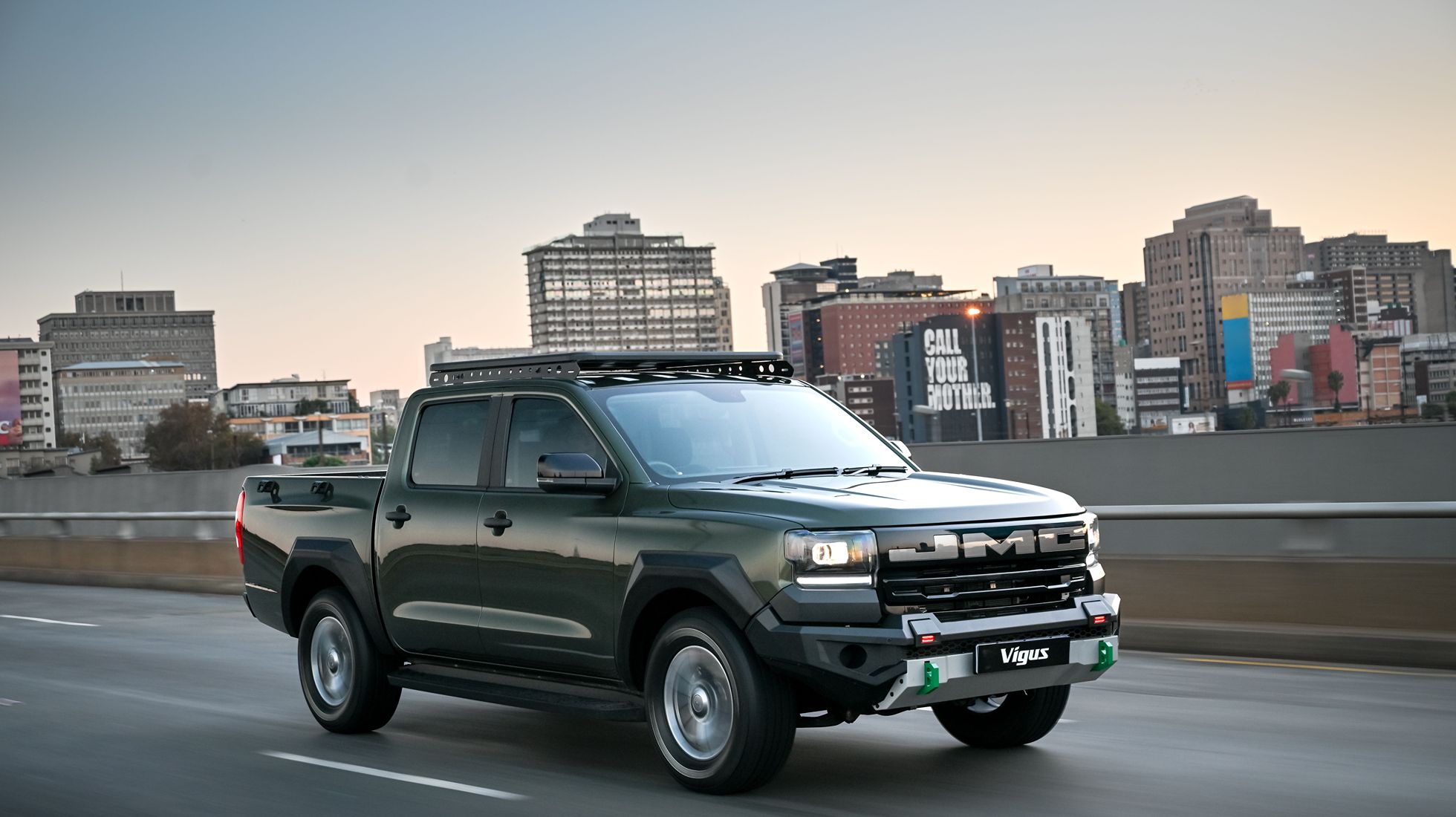
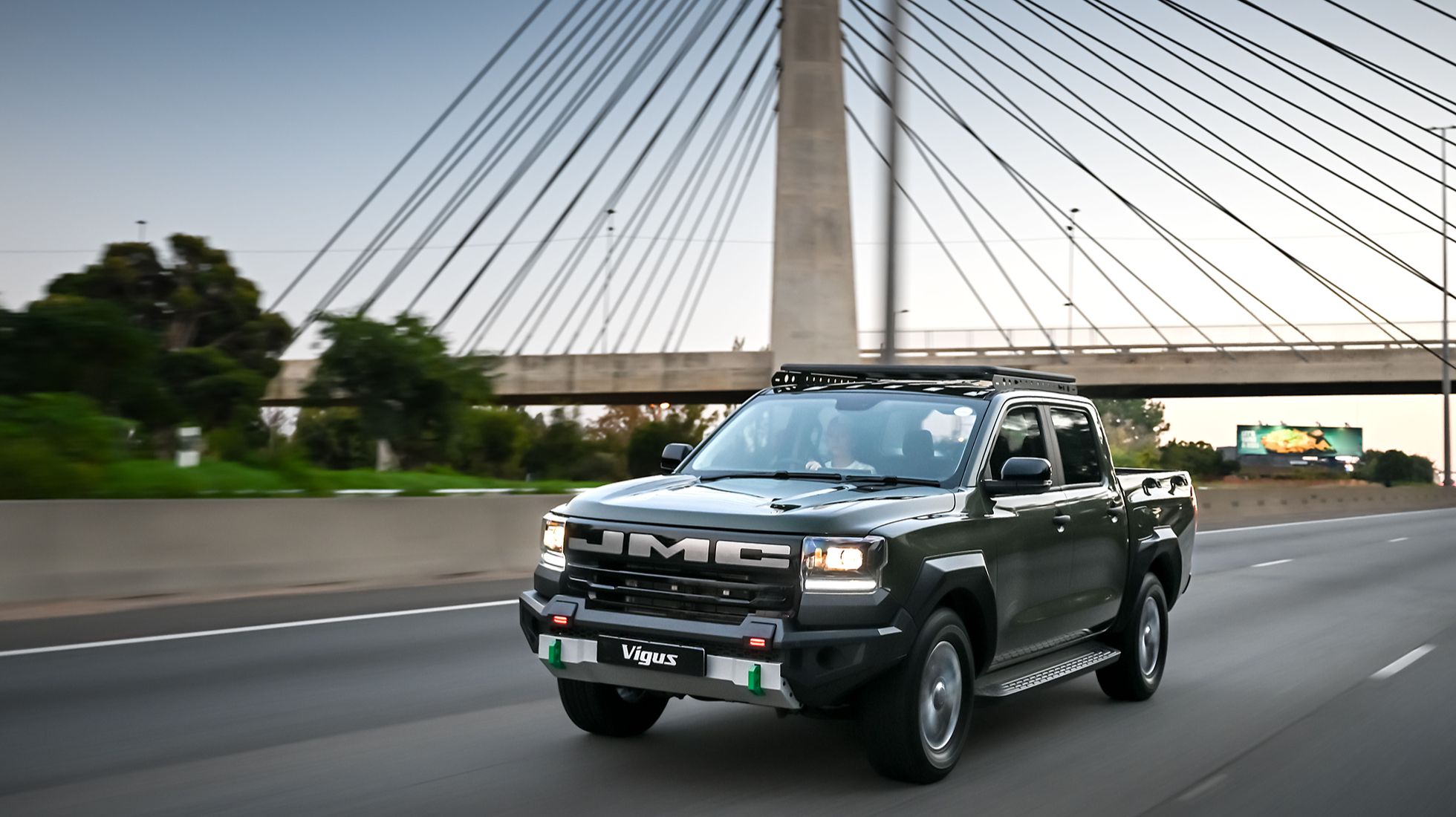
Despite being a utilitarian pickup truck, the Vigus arrived wearing an exterior shade called ‘Engineering Yellow’, and if it weren’t for the car guard who praised its styling, I wouldn’t have found myself staring at it from a Mugg & Bean table over a cappuccino. He may not know cars, but his first words were, “This is a nice Ranger.” He had a point. There are clear nods to Ford’s Ranger in the Vigus’s design, and that yellow has long been synonymous with the Focus ST and Ranger Wildtrak. But this isn’t a copy-and-paste job. The design is shaped by decades of JMC and Ford operating side by side in China.

Back to the Vigus, and it’s a good product that doesn’t pretend to be anything it’s not. As mentioned earlier, it’s not chasing after the luxury stuff in the segment. Look at it as JMC’s response to the likes of the Mahindra Pik Up, GWM Steed, Foton Tunland G7, and JAC T8. 

What is it like on the road?

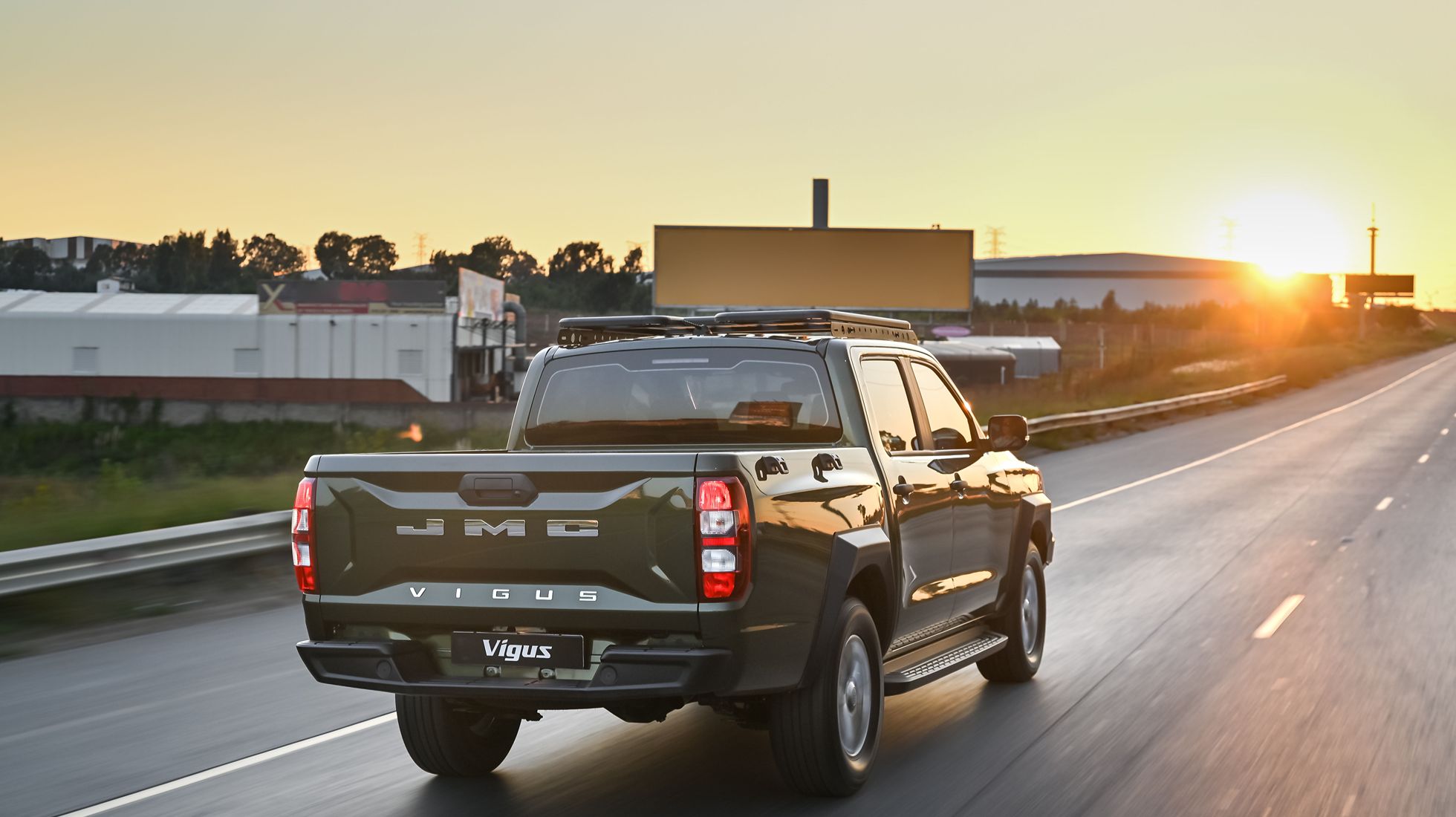
The 2.5-litre turbodiesel pulls with confidence from low down. Sure, 123kW and 430Nm won’t win any debates around the fire, but the engine gets the job done, and that’s what matters if you’re shopping in this segment. As for the 8-speed automatic gearbox, it’s the one to have. It’s considerably easier to live with than the 6-speed manual, since its short ratios feel like busywork. On the road, the Vigus settles into a comfortable drive, but it does remind you of what it is. The ride is firm, the rear judders without ballast, and wind noise creeps in at highway speeds. These are segment traits rather than a flaw unique to the Vigus.

Layout, finish and space

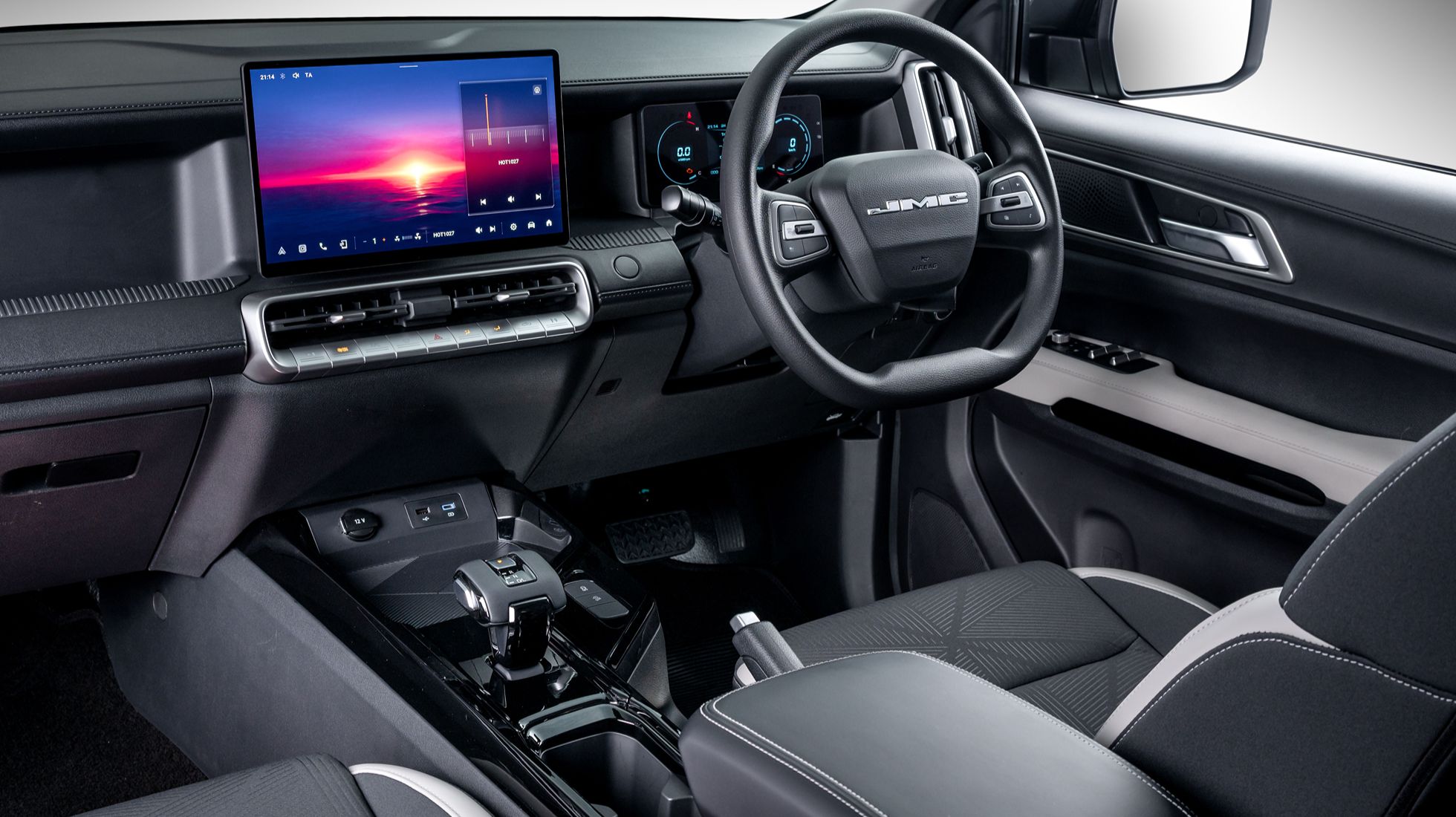
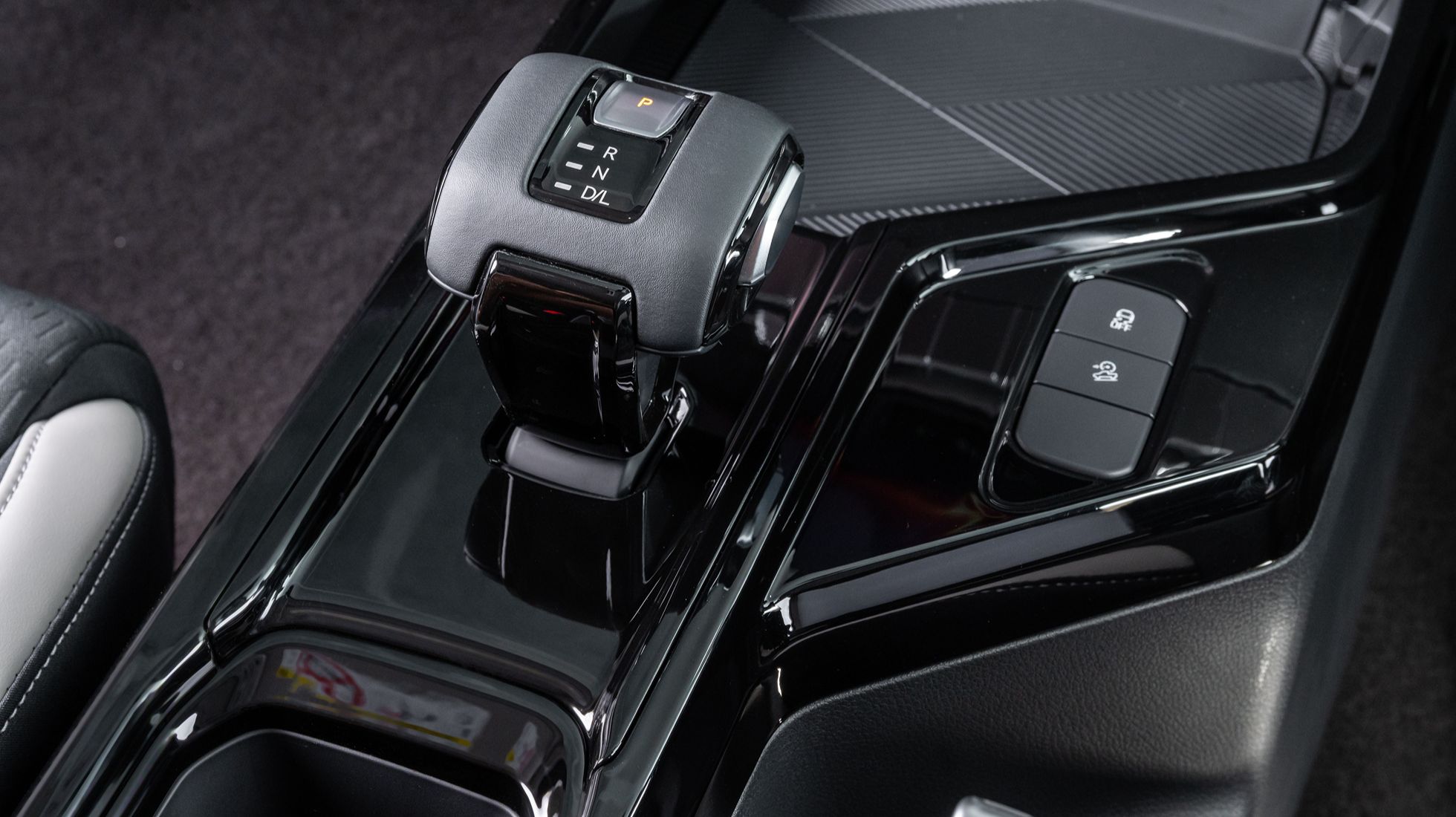
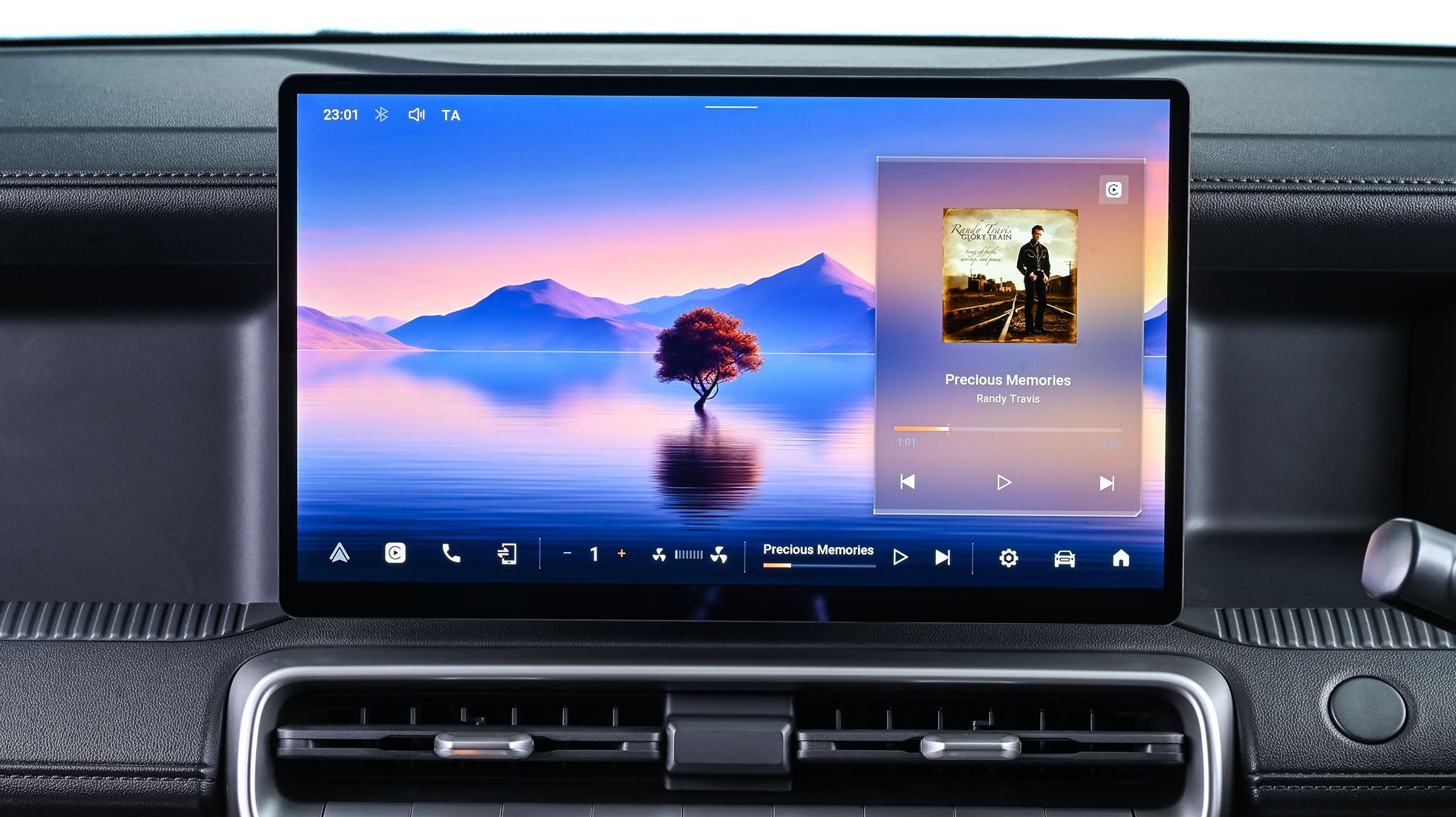
Inside, the Vigus practises what the intro preaches. The interior is basic, functional and easy to live with, thanks to fabric seats, hard plastics, and a layout that puts everything where buyers in the segment expect. There’s no wow factor here; it’s just you and the bakkie. It makes so much sense since buyers in this specific space aren’t looking for a vehicle to show off but rather something that works without complaint. This is that. What it does offer, without overreaching, is a 12.8-inch touchscreen with Apple CarPlay and Android Auto, two USB ports up front, power windows, and a 3.5-inch TFT multi-information display. There’s also an actual key for the ignition and a manual handbrake. Simple, as it should be.

Running costs and reliability​

I’d been warned that the Vigus tends to get tail-happy in the rain. That wasn’t entirely incorrect. As a 4×2, it can’t go anywhere, though a rear diff lock would go a long way, and those willing to go further off the beaten track will feel its absence. Still, for what it’s meant to do, which is serve as a reliable business support vehicle, it does the job without any issues. And it’s relatively frugal too, returning an average of 8.6l/100km from its 75-litre fuel tank. As much as the Vigus bakkie would make a great business support vehicle, that’s serious money staying in your account. 

Final thoughts​

Truth be told, older generations of the Vigus felt a generation behind with basic interiors, underwhelming engines, questionable refinement, and the uphill battle of brand perception. Competitive pricing wasn’t always enough to convince buyers to take a chance on a lesser-known name when used Hiluxes and Rangers were readily available for similar money.

This generation addresses most of those concerns. Not all of them, but enough. I agree, it won’t satisfy anyone shopping for a lifestyle or luxury pickup; those buyers need to look elsewhere. But for the small business owner, the fleet manager, or anyone who needs a capable, no-nonsense workhorse that won’t drain the account, the JMC Vigus 4×2 at R459,900 is worth serious consideration. Simple, as it should be.

Advertisement - Page continues below

You might like

ratings-block-small

6

6

Review: Geely Coolray Vertex

ratings-block-small

9

9

BYD ATTO 8 DM-p

Changan Deepal S07 looks stunning.
ratings-block-small

7

7

Review: Changan Deepal S07 L

ratings-block-small

9

9

Review: Ferrari 296 GTB

More from TopGear

More on the way! Currently featuring limited content from this Car Brand.

6
Review

Review: Geely Coolray Vertex

9
Review

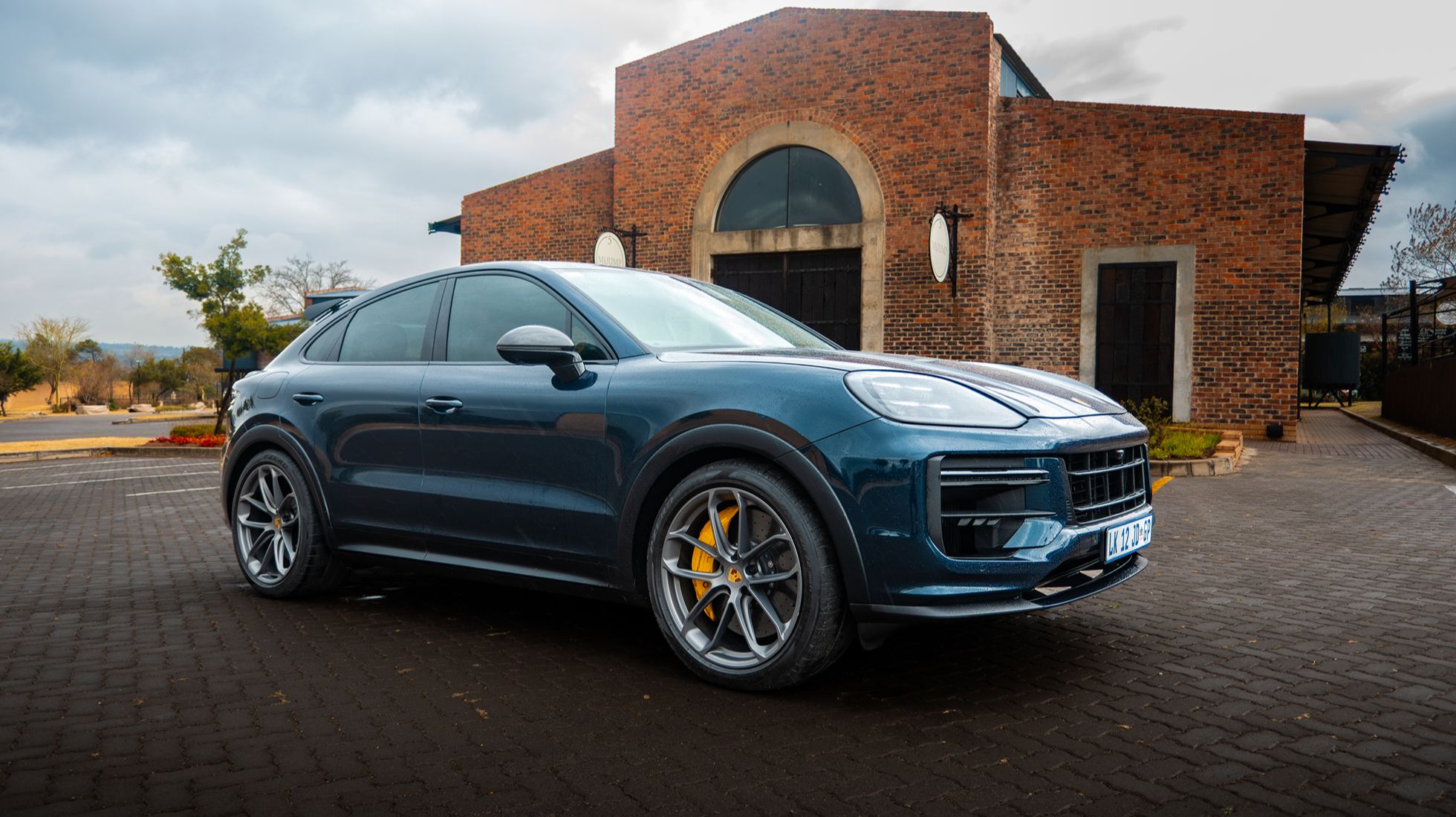
Review: Porsche Cayenne Turbo GT

8
Review

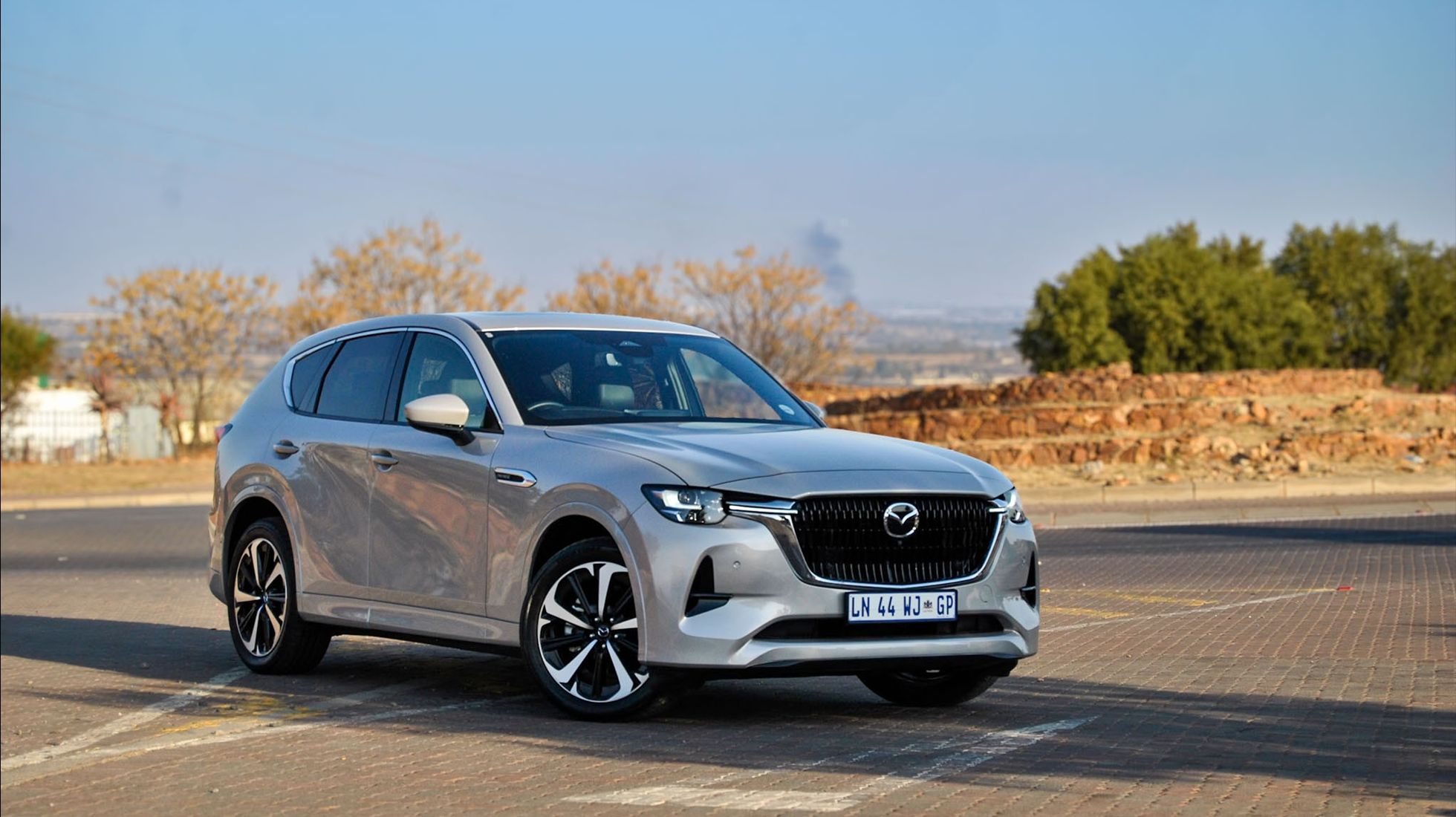
Review: Mazda CX-60 3.3D AWD Takumi

9
Review

BYD ATTO 8 DM-p

4
Review

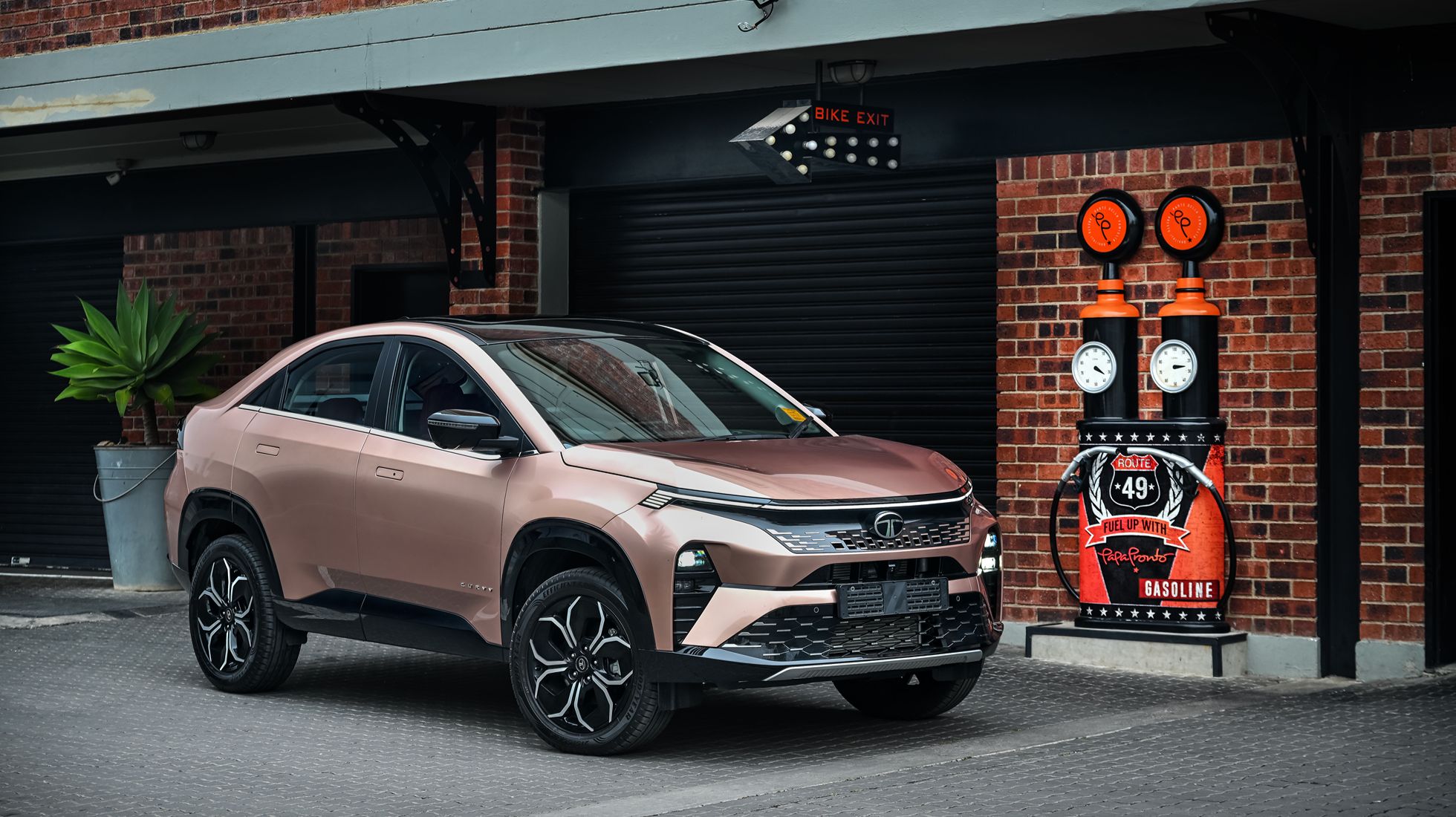
Review: Tata Curvv Accomplished S

7
Review

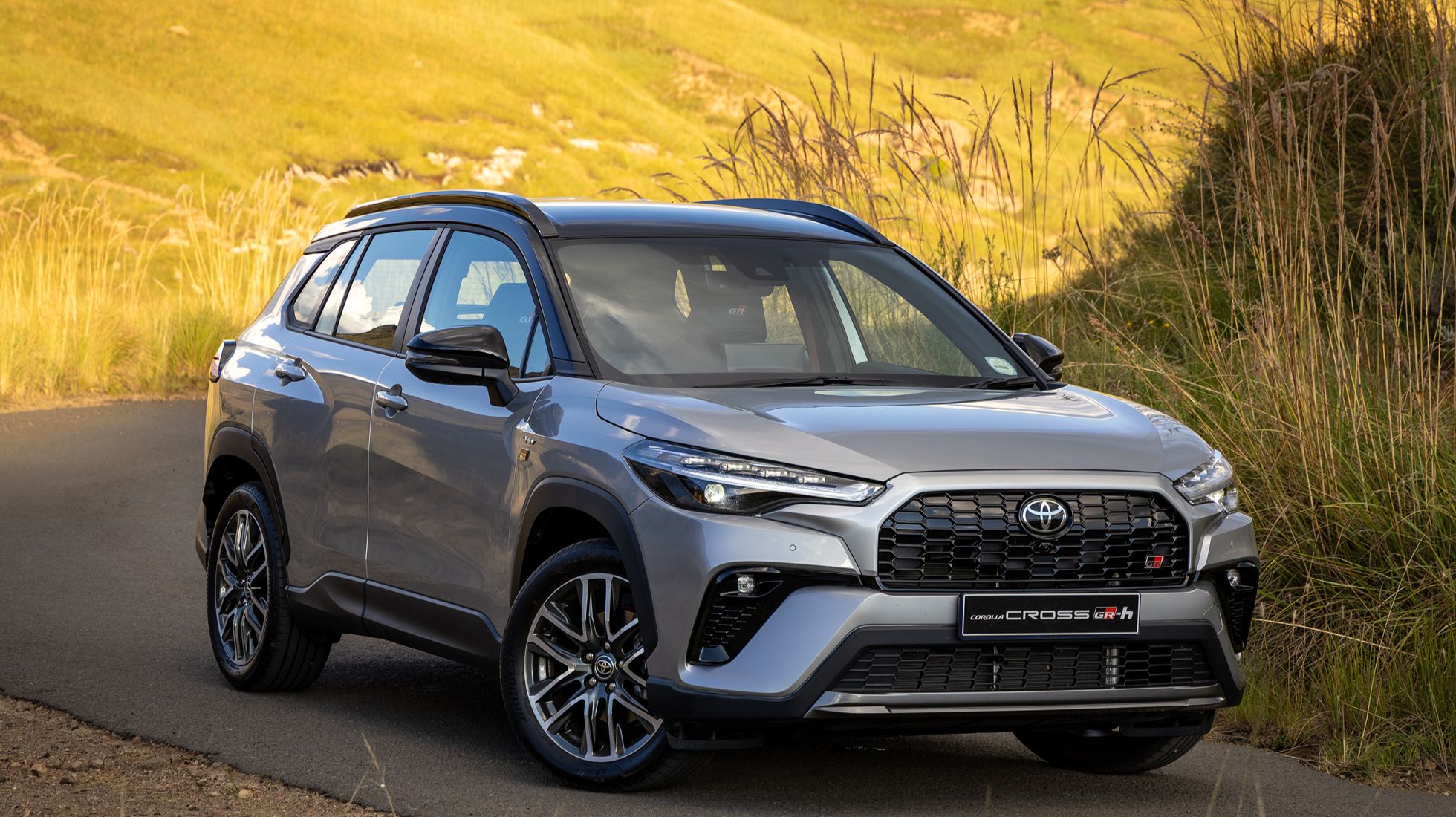
Review: Toyota Corolla Cross 1.8 HEV GR-Sport

Keep informed with our newsletter?

Get TopGear SA news and reviews in your inbox

Advertisement