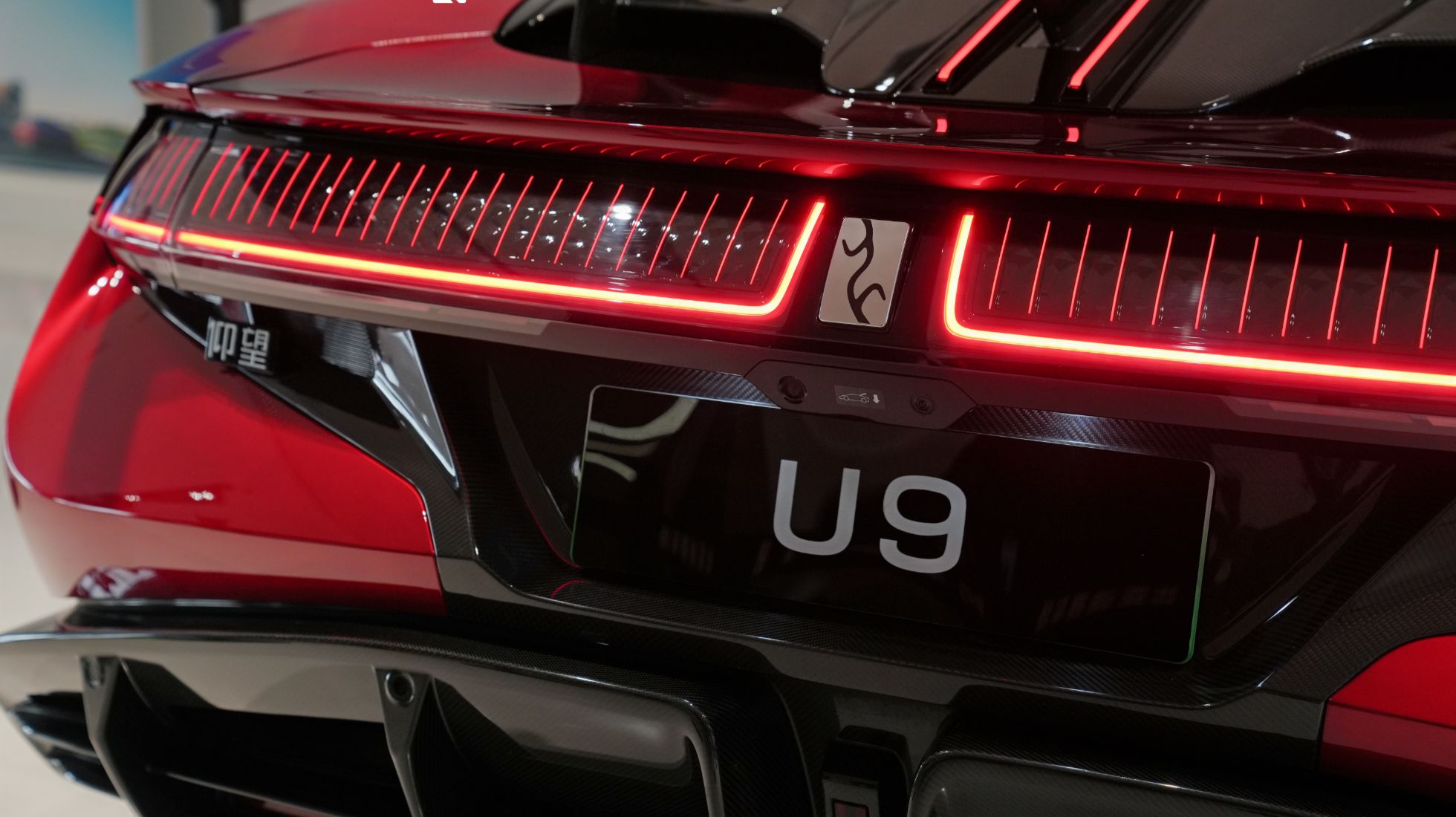
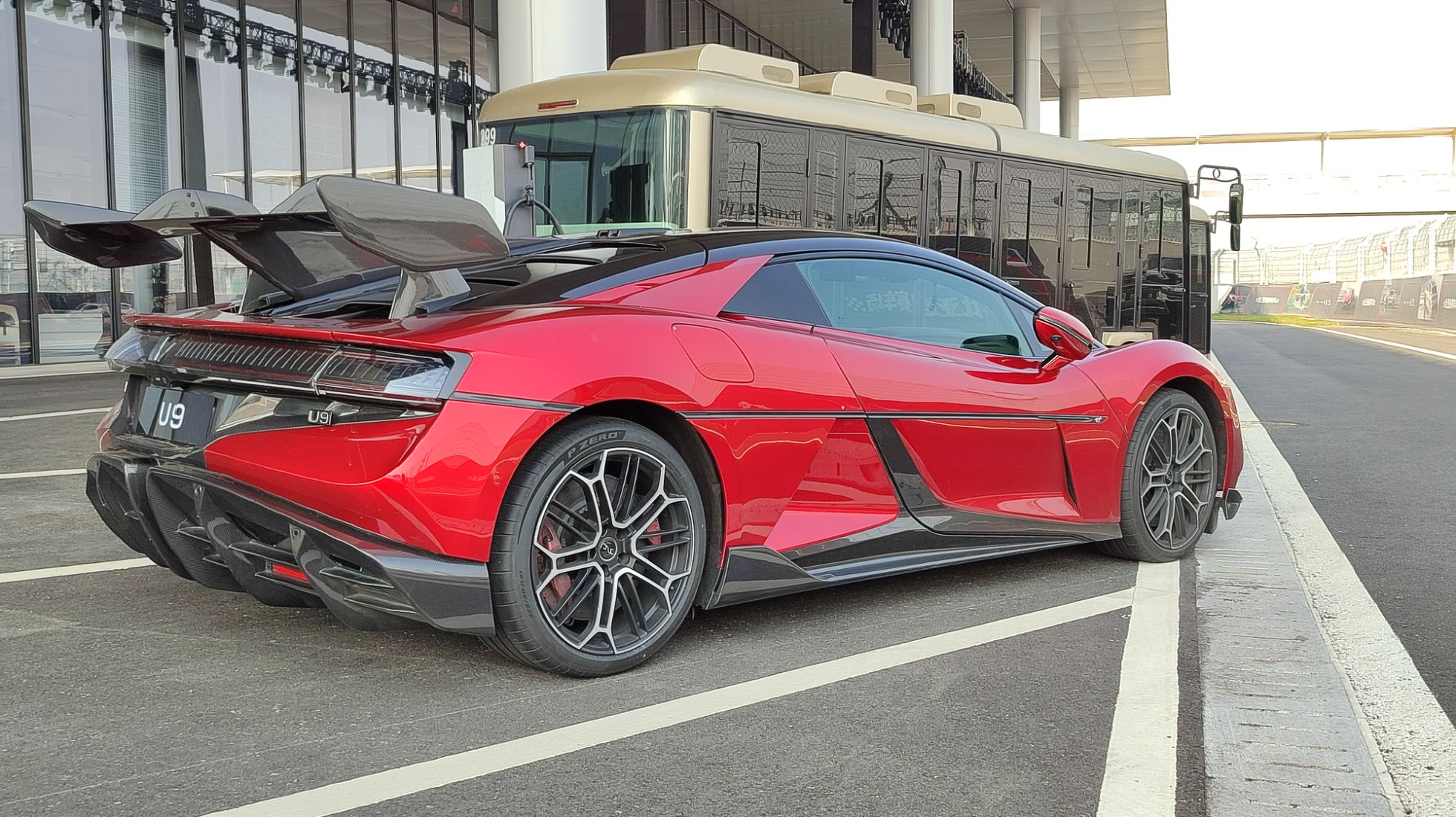
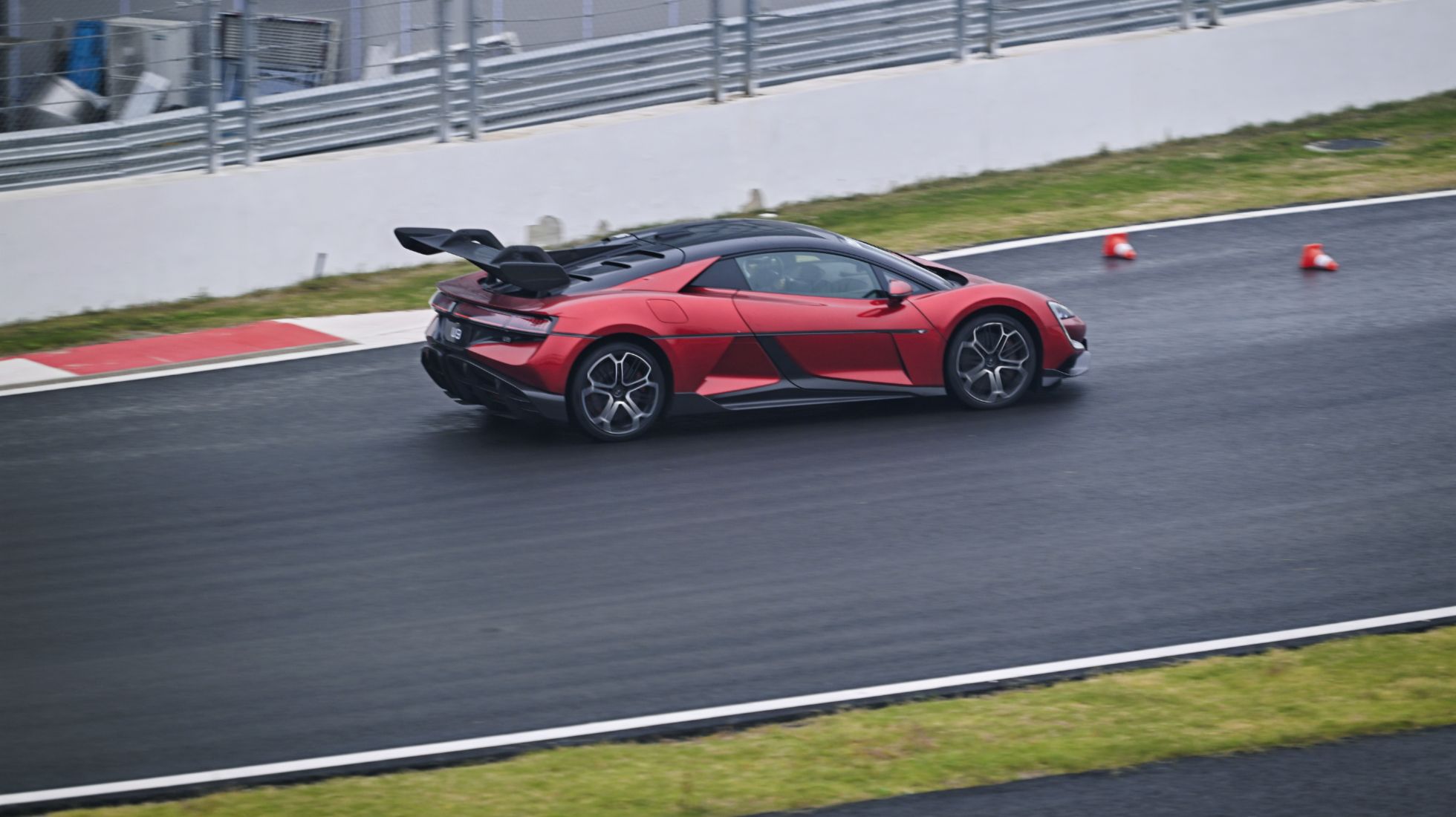
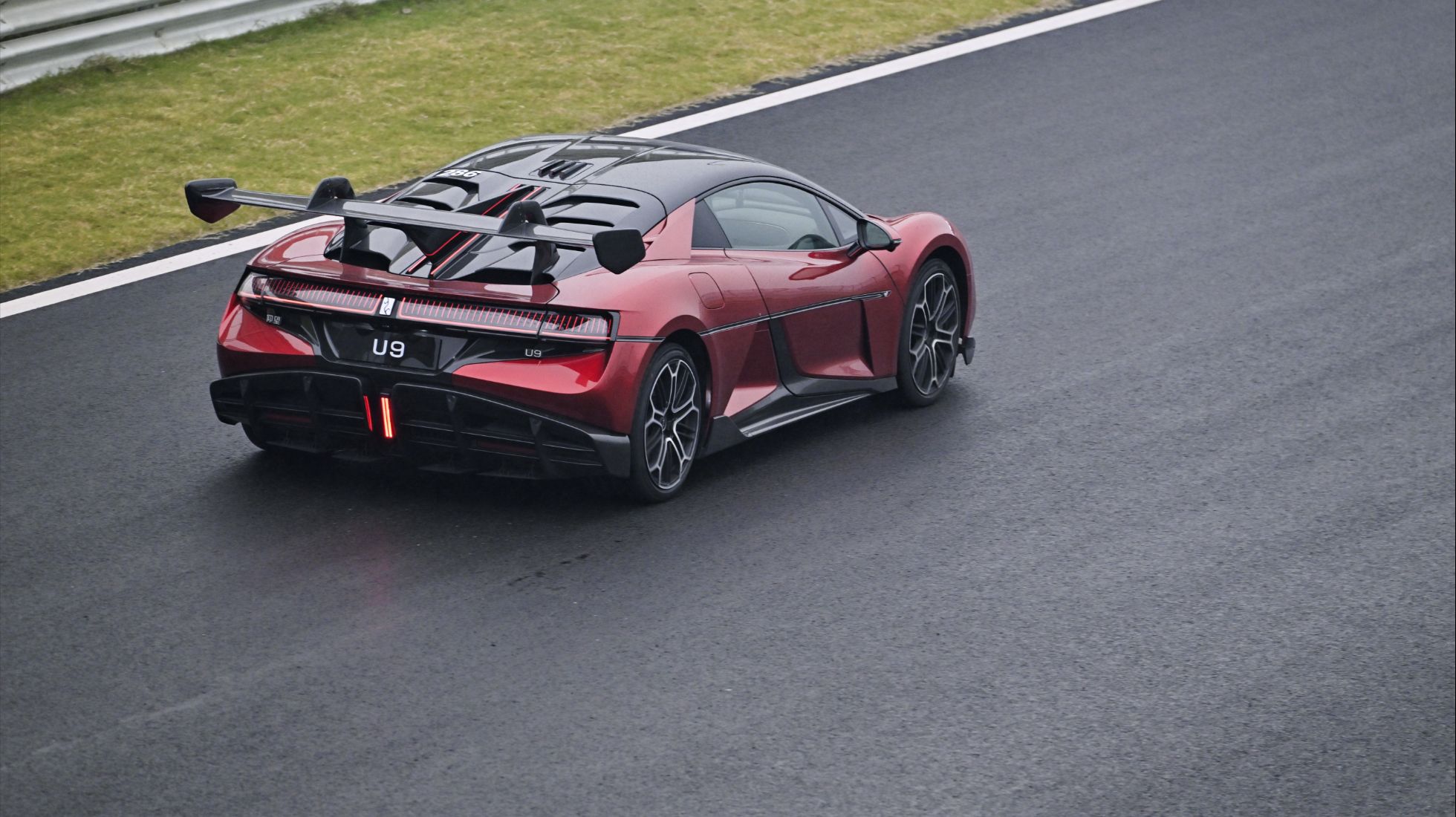
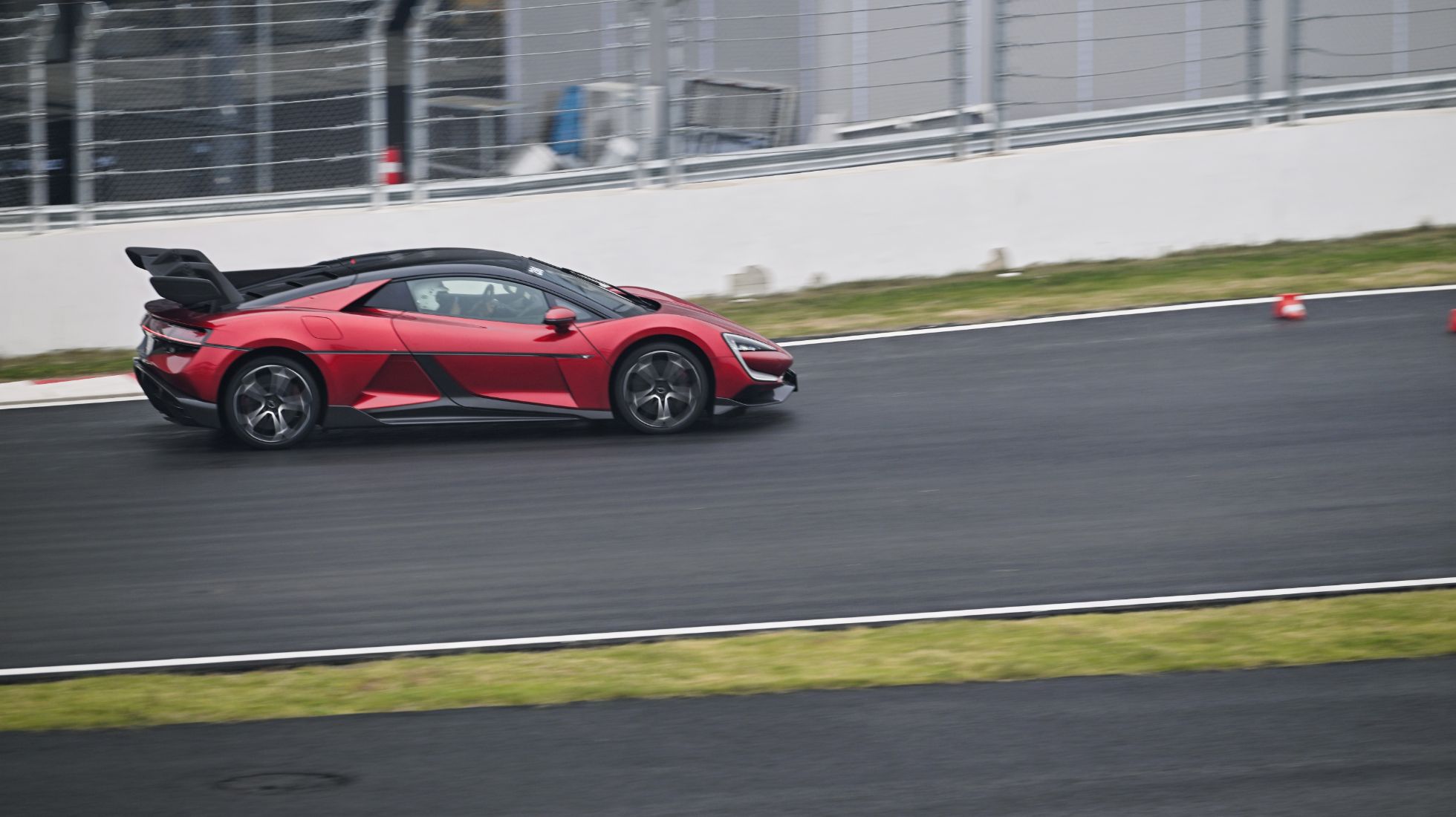
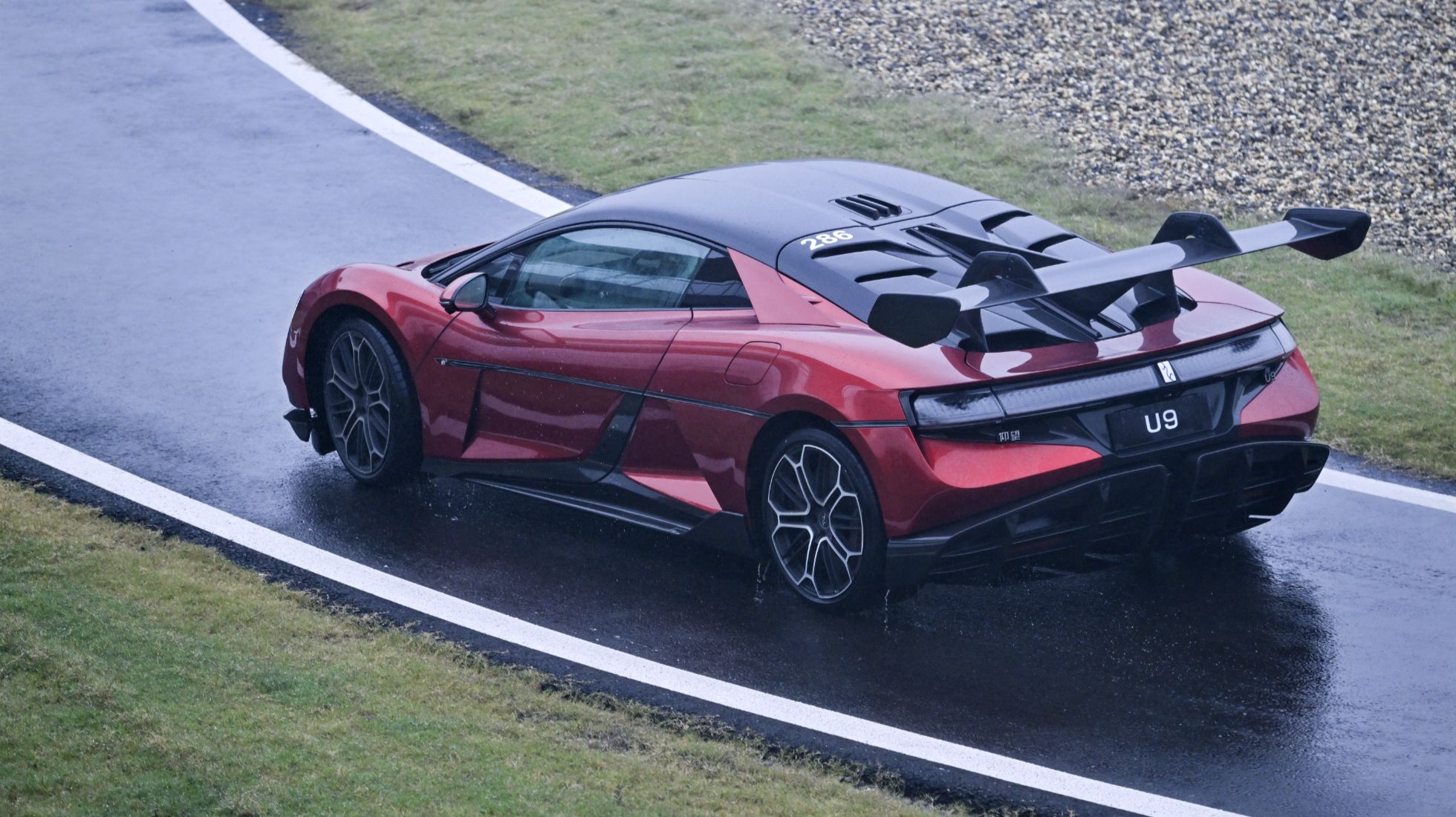
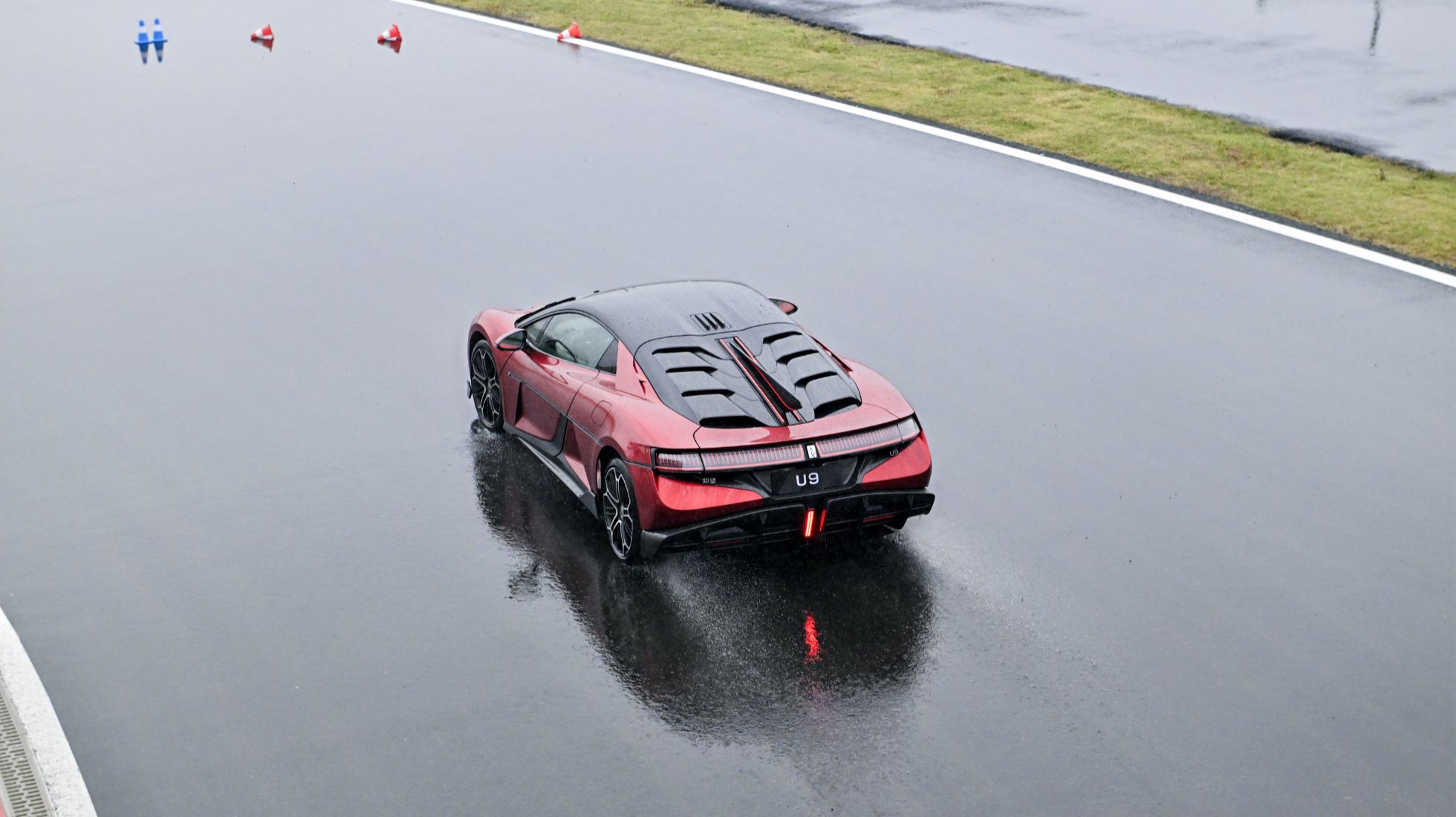
The invite came via mail. “There’d be an opportunity to test drive the Yangwang U9”. Where do I sign up for a Chinese visa?
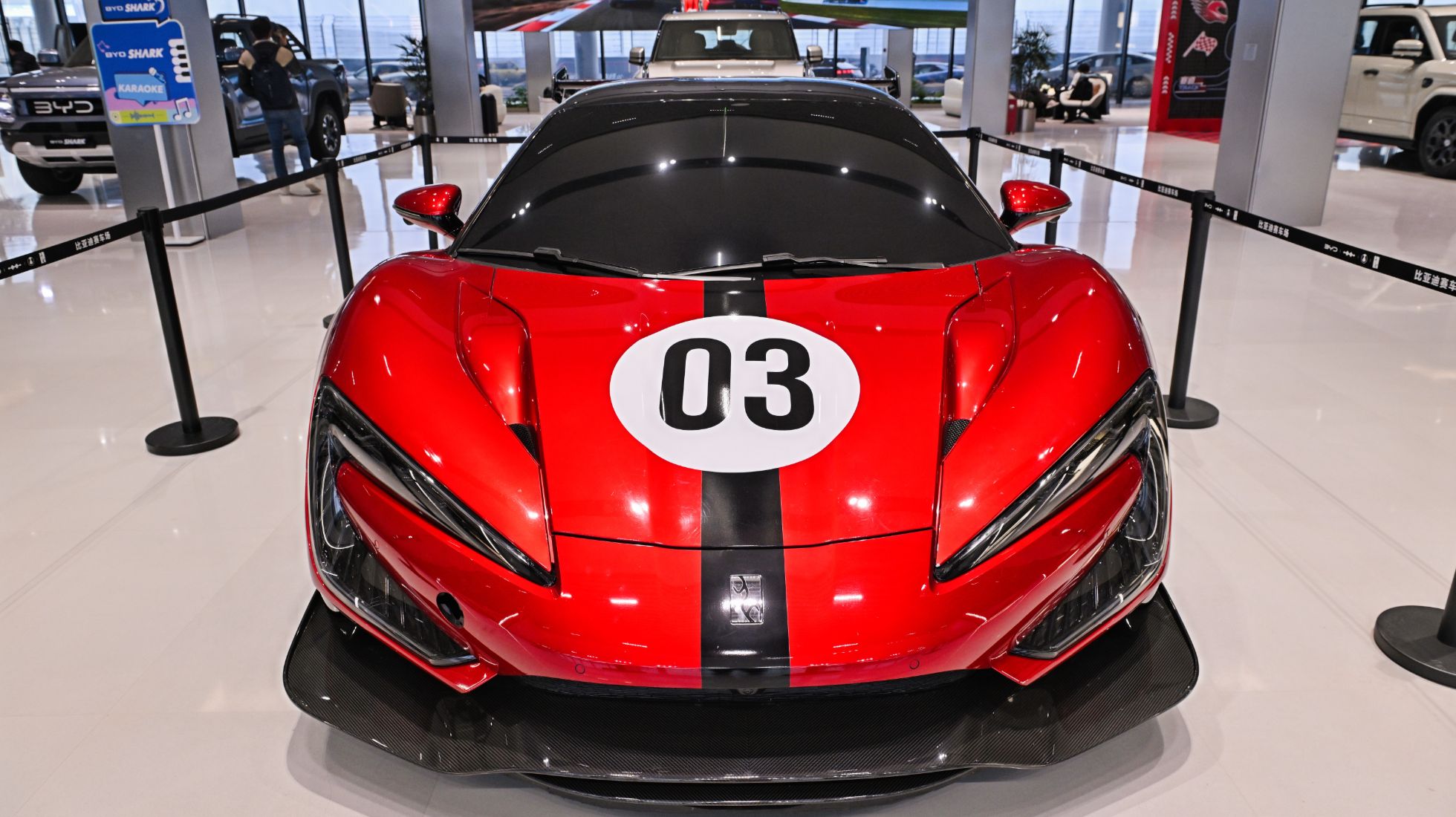
If you’ve never heard of the oddly named Yangwang U9, allow me. It’s technically the world’s fastest car. It’s made some waves recently with BYD sticking it to the usual order and taking the spoils as the fastest electric car around the Nurburgring. No small feat.
Before that, it set a production vehicle speed record. 496.22km/h. Let that sink in for a second. In more brain-bending terms, that’s 138 metres per second from four electric motors that collectively produce 2,220kW. Power figures that almost certainly are a record in themselves and electric motors that can spin up to 30,000r/min. That’s the U9 Xtreme’s doing. An apt name.
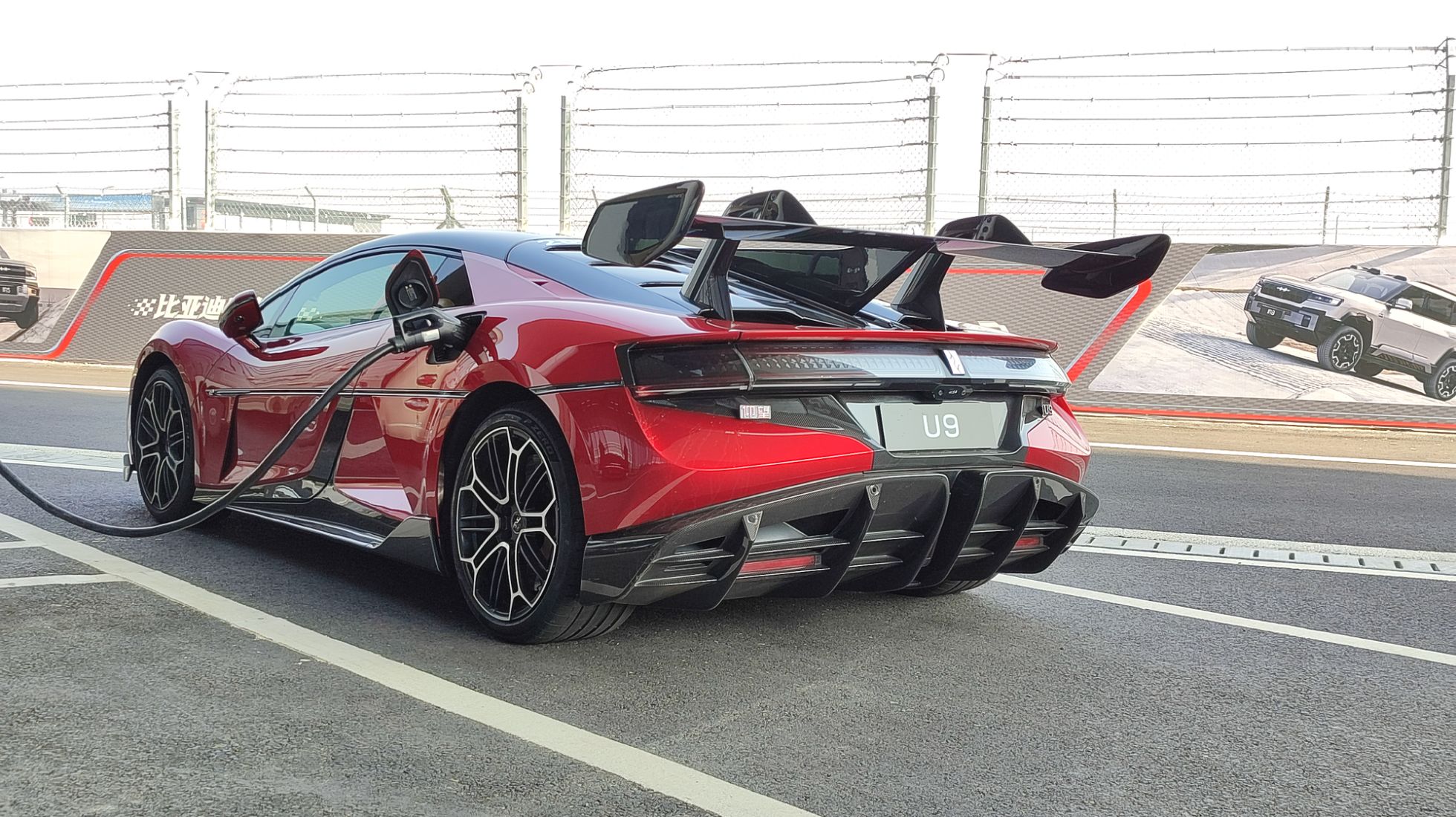
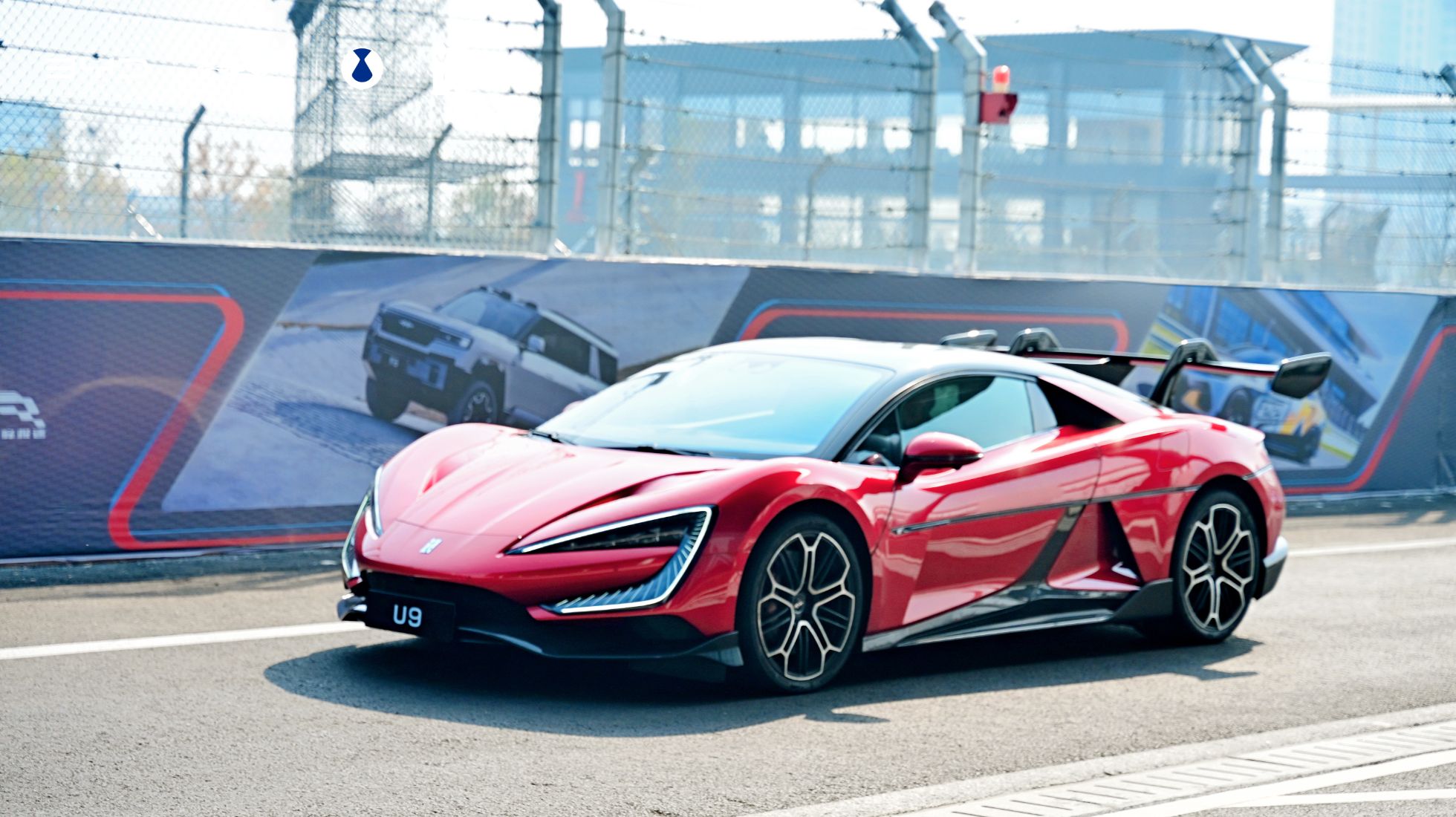
But there’s another one, a lite version if you will. A more road-appropriate production edition that doesn’t exist for the sole purpose of maiming. It’s less extreme (a very relative term in the company of these figures) but still unhinged. In terms of smaller, easier-to-digest figures, it accelerates to 100km/h in a scanty 2.36 seconds. By rights of that number, it joins some elite company. Ever heard of the Ferrari SF90XX Stradale? Bugatti Chiron Pur Sport, perhaps? In power terms, it collectively generates 960kW and 1,680Nm. Consider for a second that we live in an era where V8s now dance around the 500kW threshold with the aid of forced induction that can suck the oxygen out of an ecosystem. But for electric motors to do this, something that’s not so fundamentally different from what’s used in a washing machine? Pure, absolute intellectual madness. How to wrap one’s head around that?
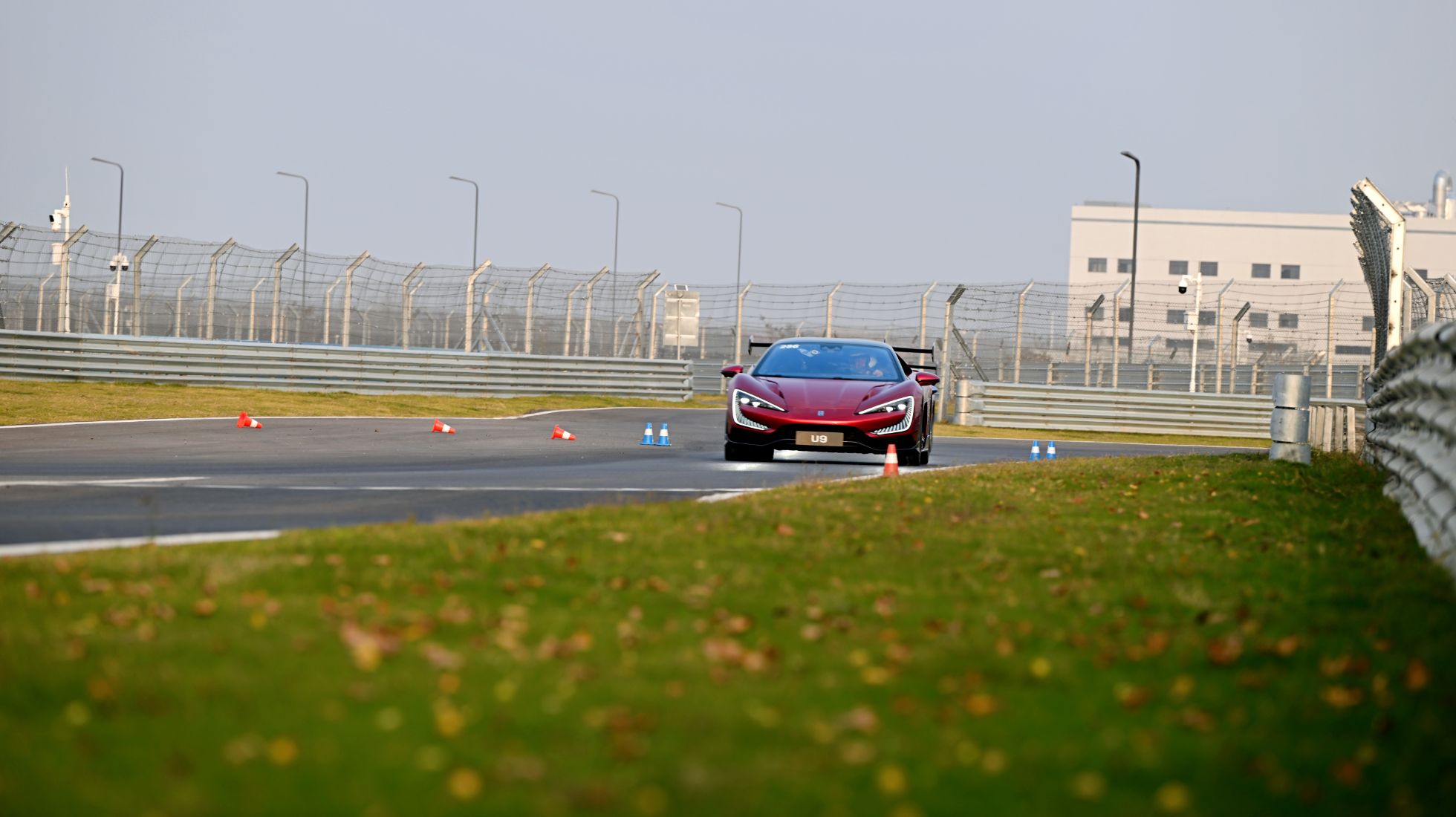
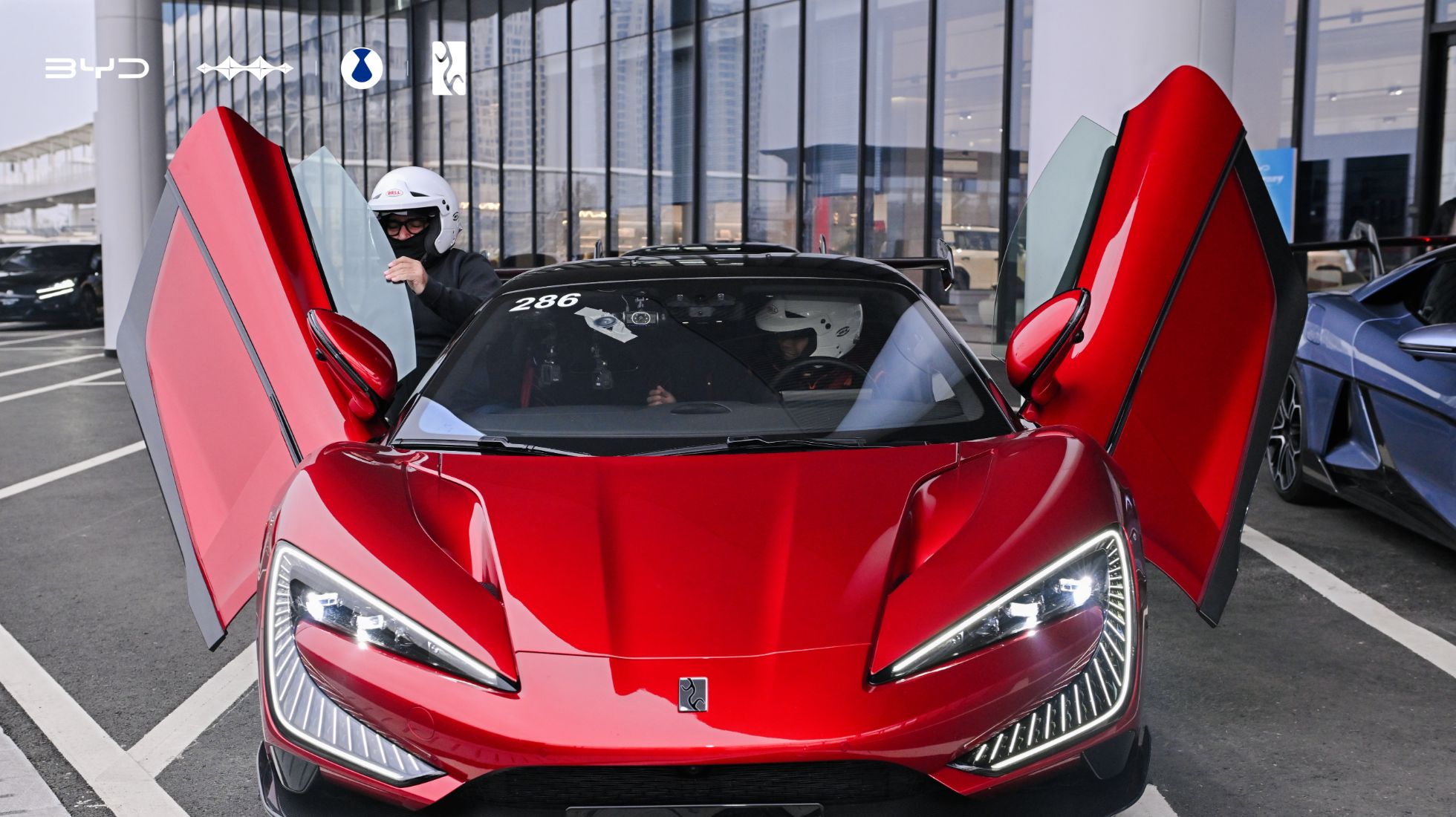
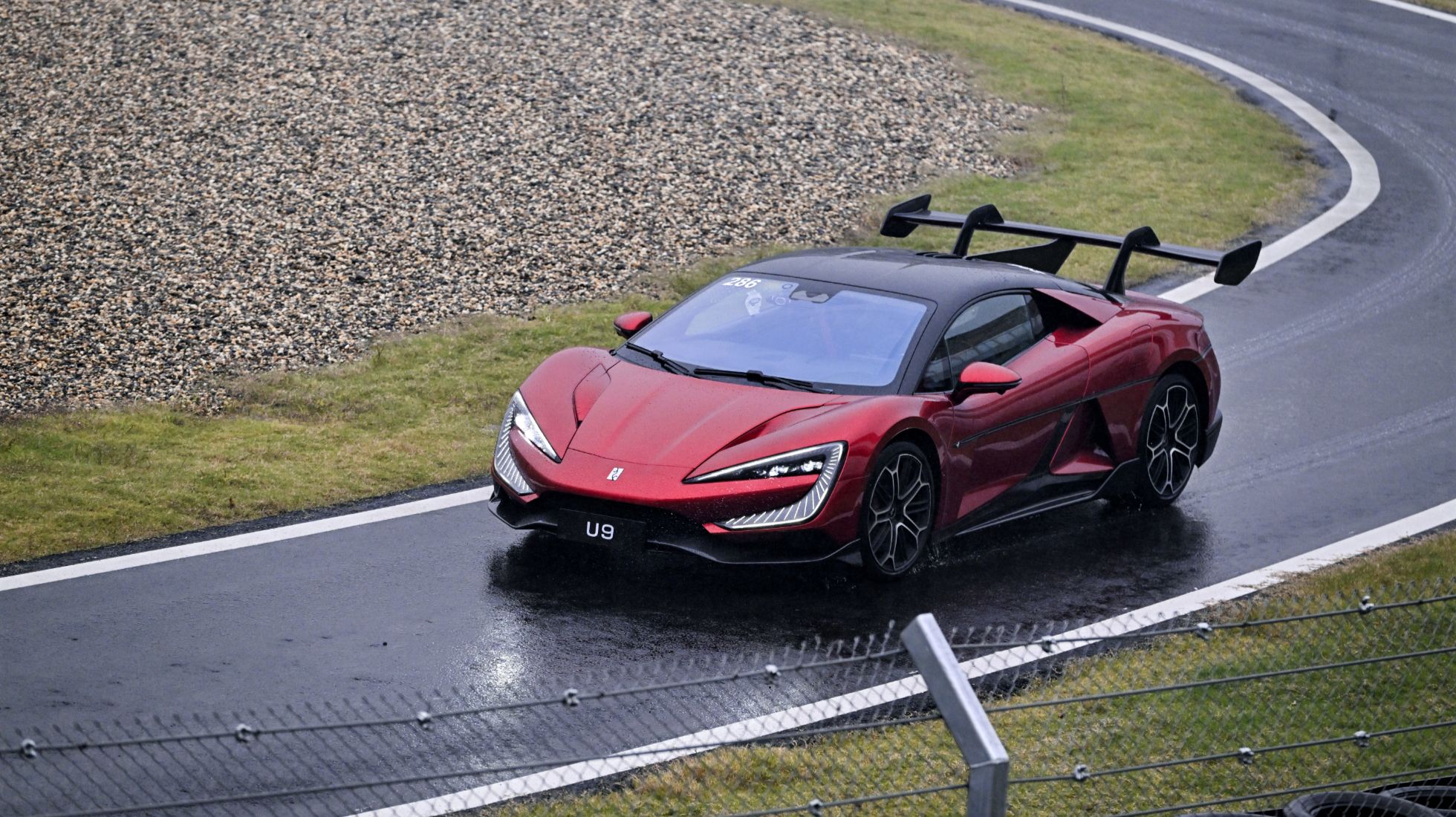
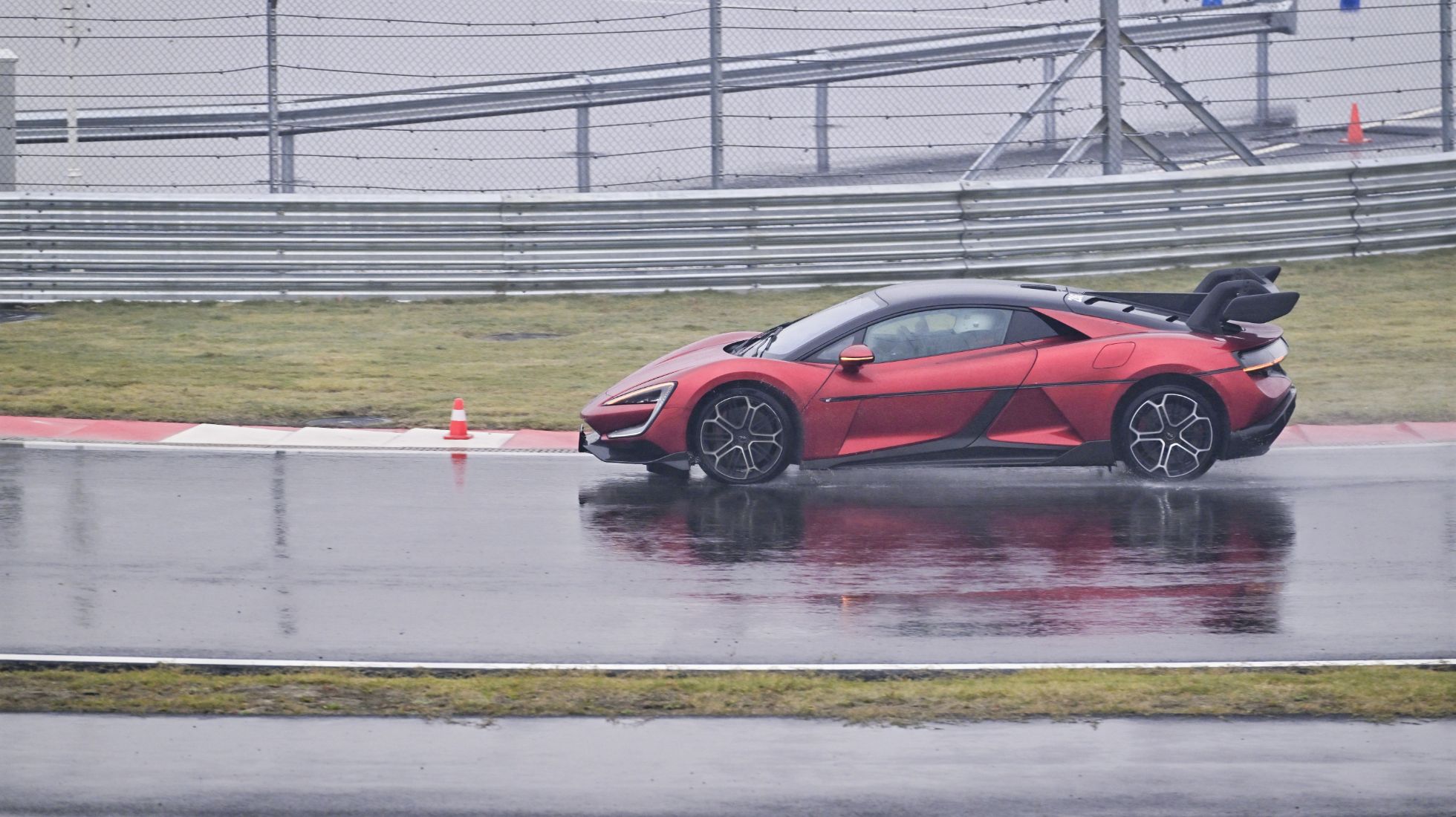
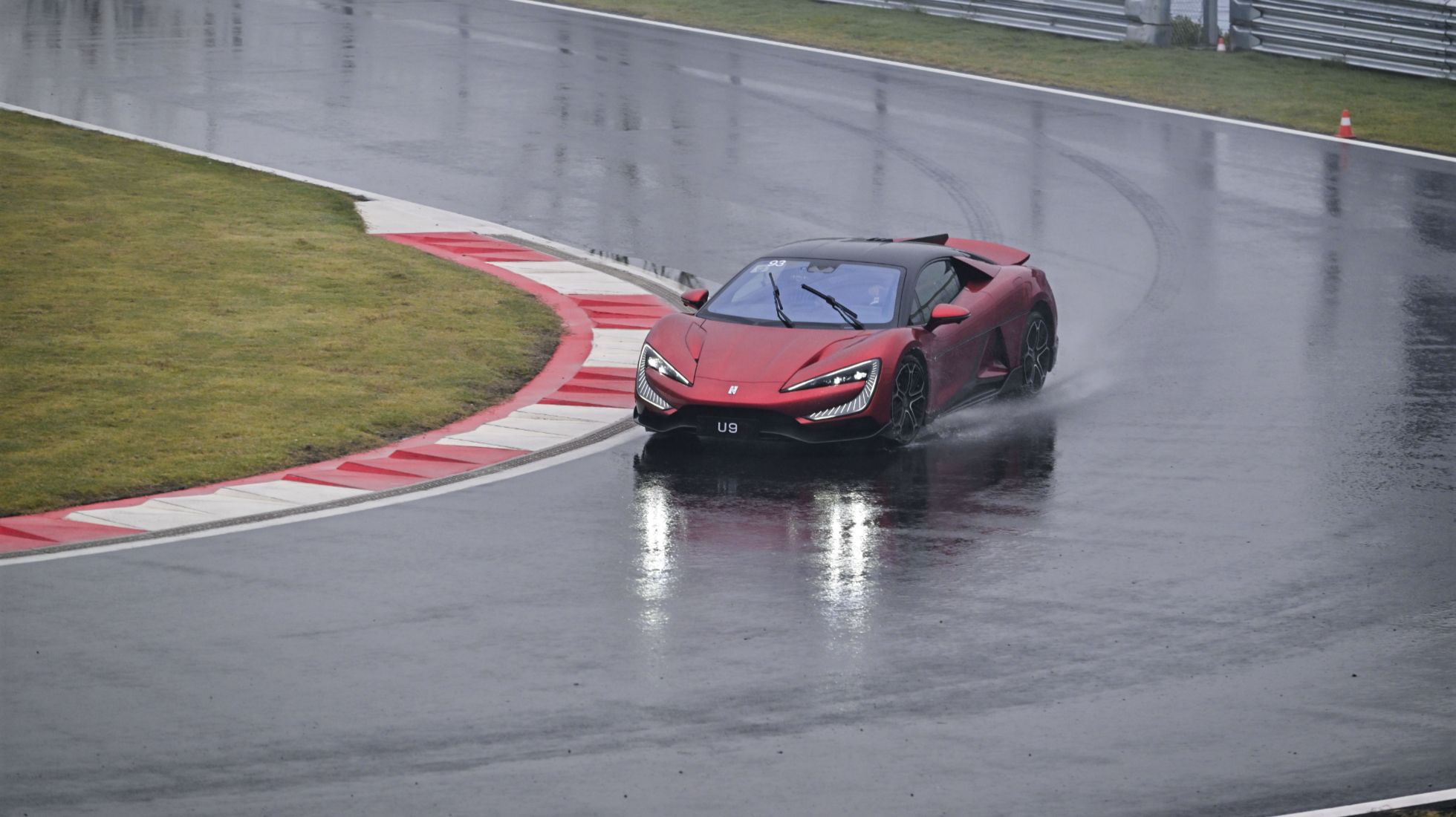
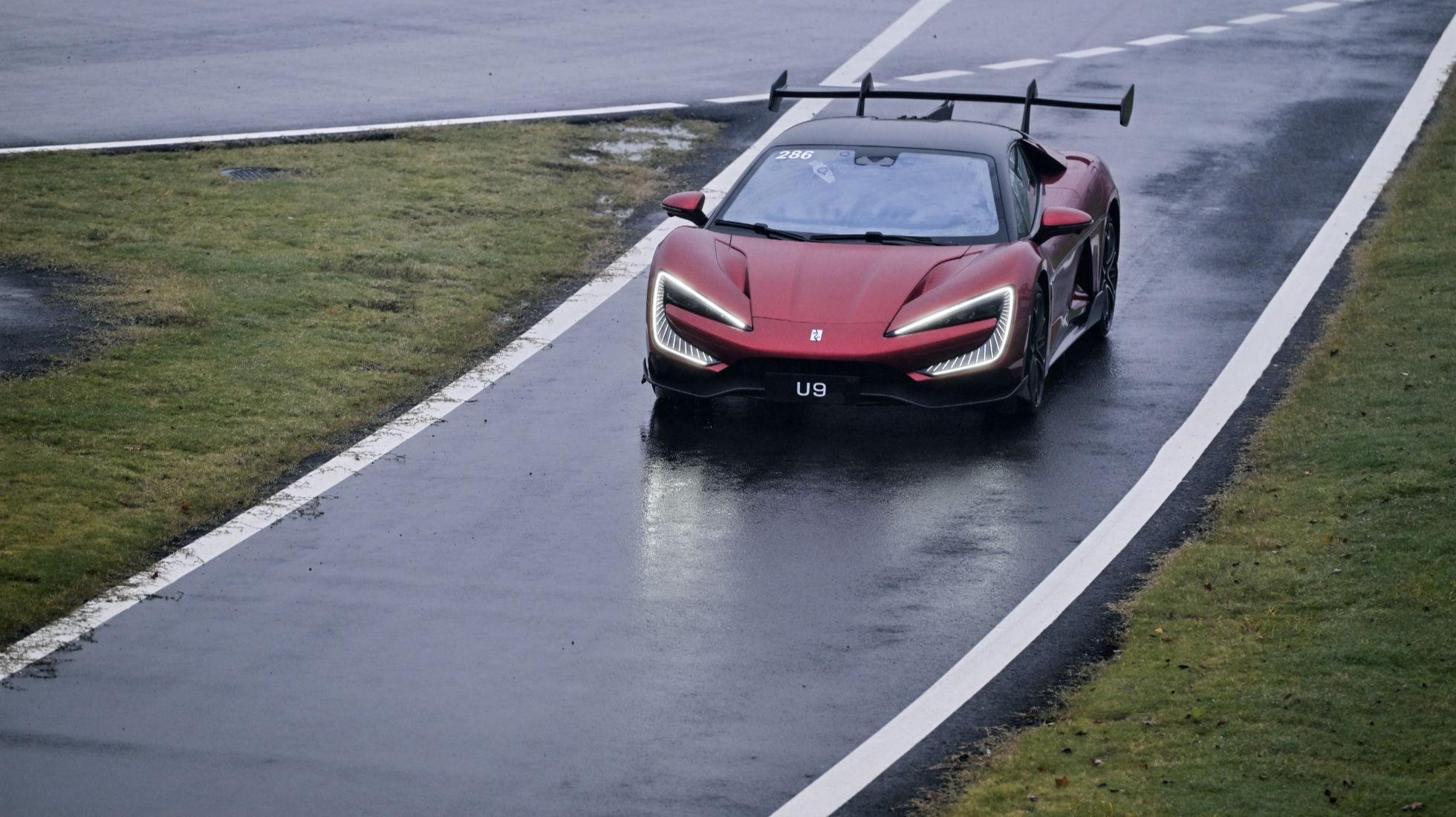
Well, to stop staring at figures and drive is how. Around a soaked Zhengzhou Circuit. I checked my Bell helmet strap just as the U9 quietly stalked into the pit lane. I rechecked in a fit of OCD. If these figures, despite it being the friendlier of the merciless twins, are to be translated into the real world, I can’t afford not to double-check my checks. But fate’s a cruel mistress. I collectively spent 17 hours in an aeroplane en route to China to drive an ultra-high-performance car that’s been crushing it in the performance arena. In a twist of irony, the weather didn’t care. The Zhengzhou Circuit is marinated in water following some days of incessant rainfall. And despite other fascinating aspects to this trip, which you can read about next month, driving the U9 was the carrot.
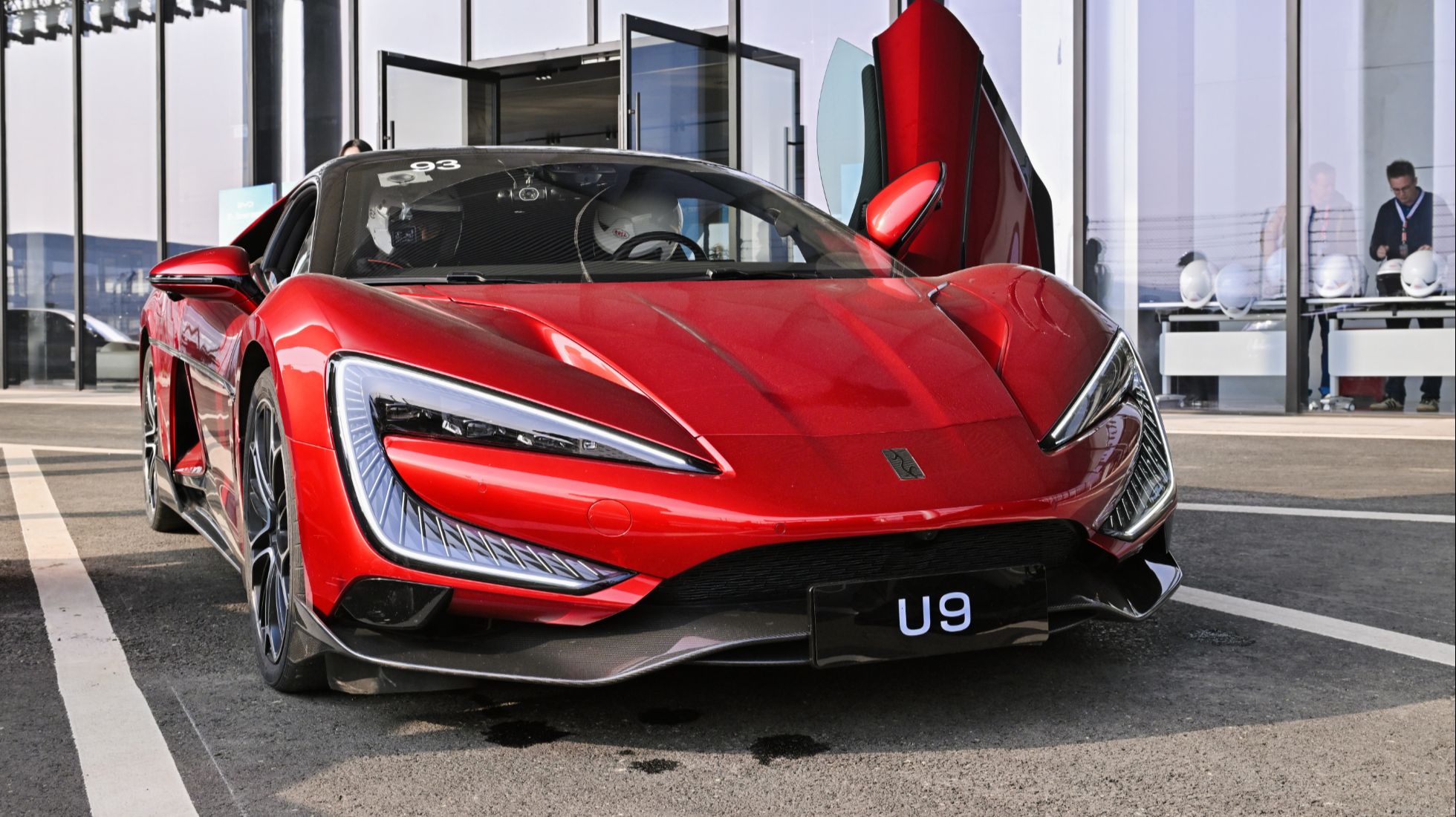
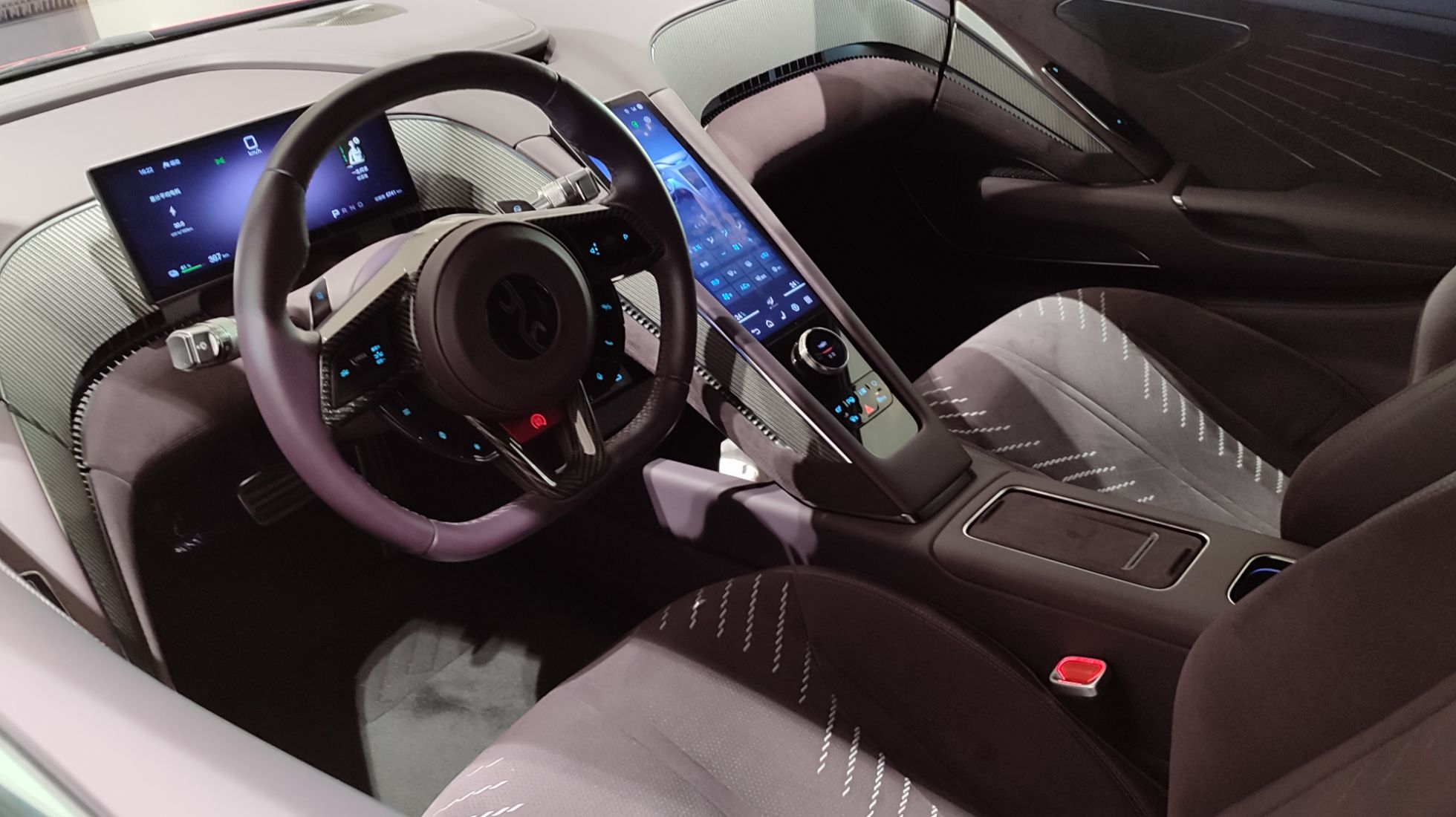
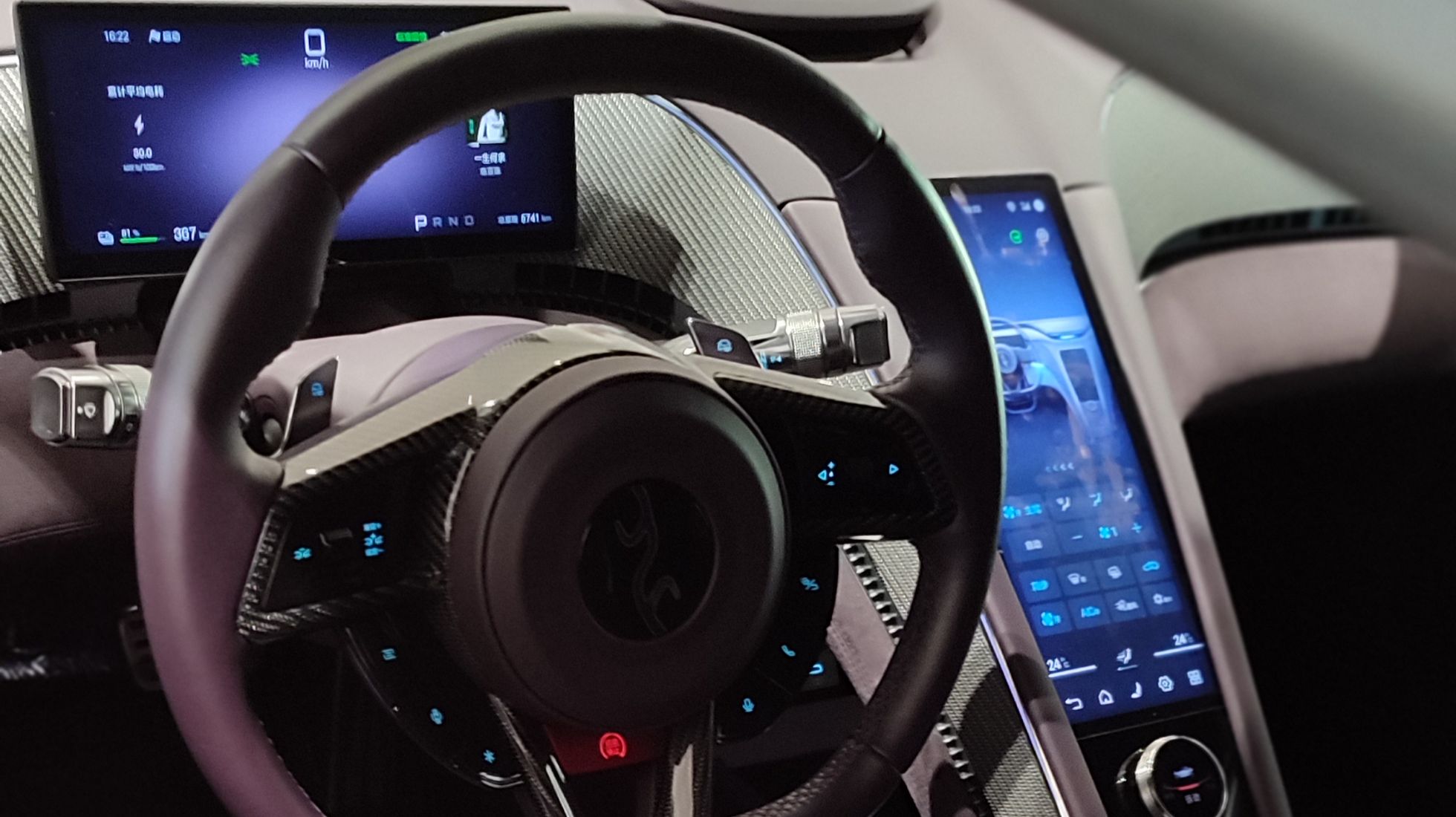
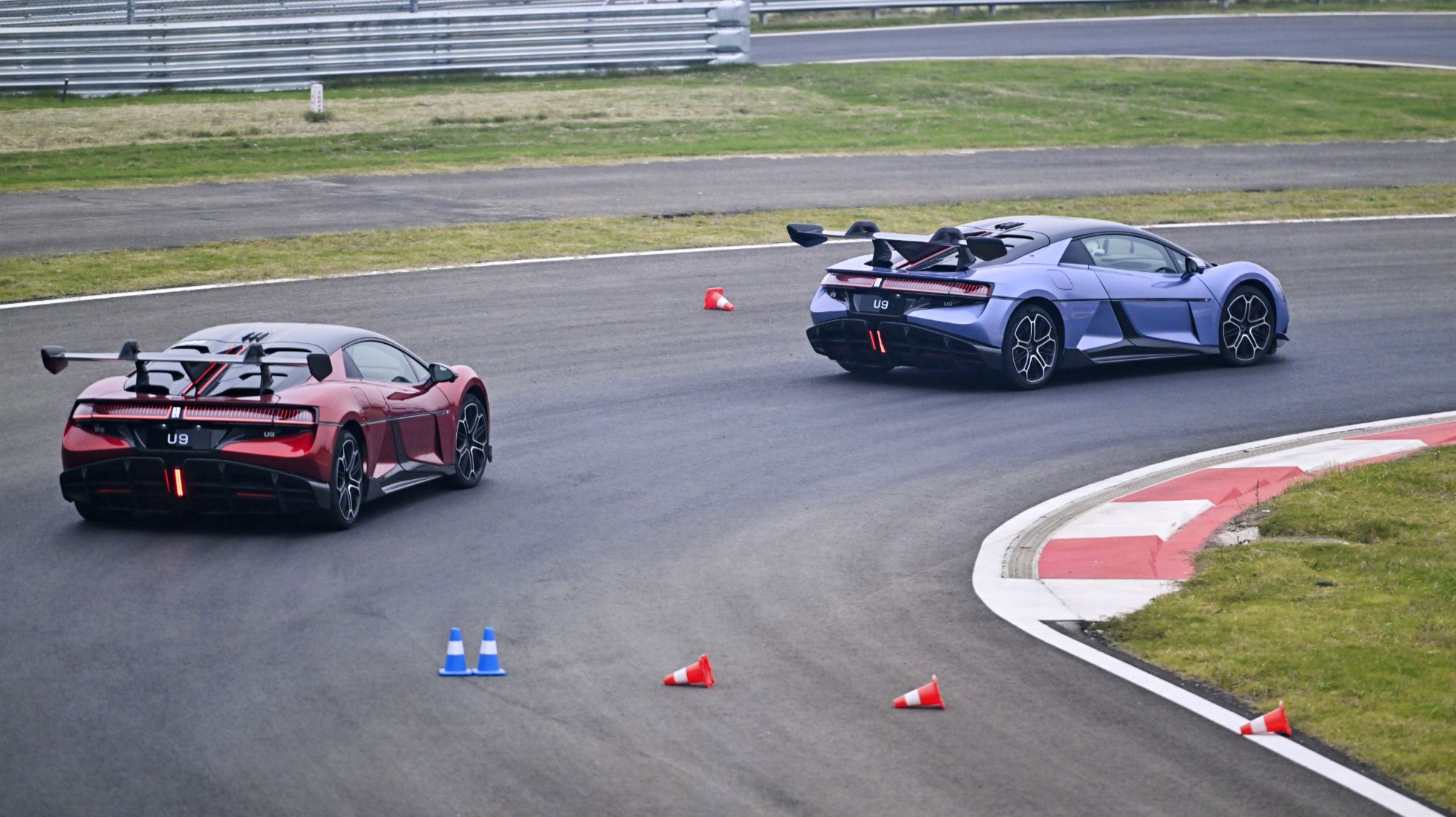
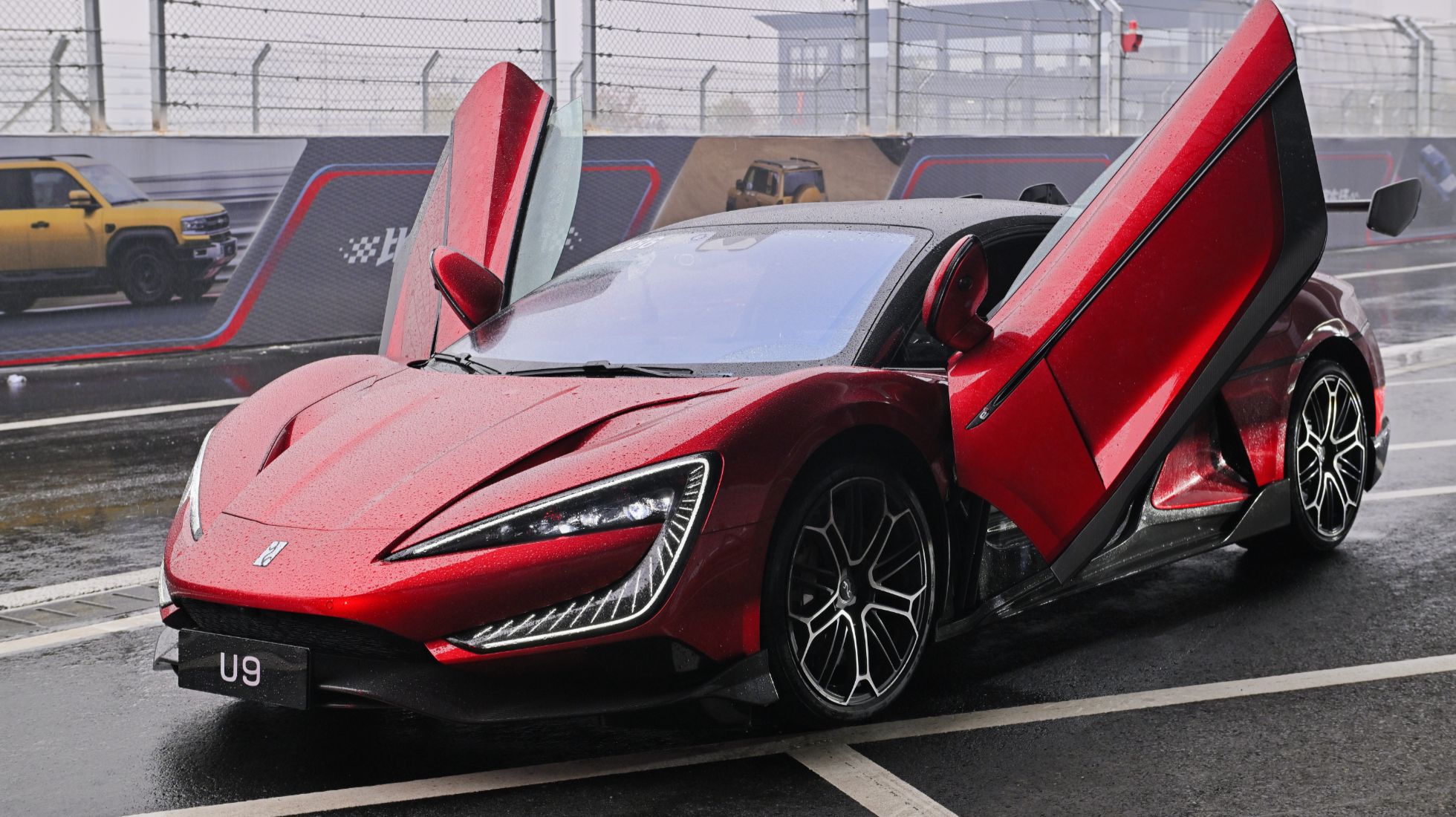
Apparently there are seven different ways to open the scissor doors. Truthfully, I can’t even remember which of these I used to gain admission to China’s pride and joy. Personally, I don’t care much for tapping on the door as opposed to using a simple, 21st-century-inspired lever mechanism. In the cockpit-like wraparound passenger cell, my copilot, who is the guy whose job it is to rein me in, is already seated. He isn’t a man of many words. It’s all business and guidelines on how to approach the track in the wet. I made the most of any time in BYD’s simulator area to familiarise myself with the track layout beforehand, but now it seemed pointless. The moment is pretty big, and I’m drawing mental blanks. “The cones are arranged to indicate the optimal line, brake at the blue cones.” Easy enough.
The gent with the unenviable job description waves me forward before I fumble the drive selector. Pulling out of the pits, the accelerator is heavy with the potential energy from four motors, courtesy of the e⁴ platform that can assess and adjust its torque 100 times per second. The brakes are eager but too binary for my liking as I acquaint myself with the thresholds. No matter, at least I’ve got anchors.
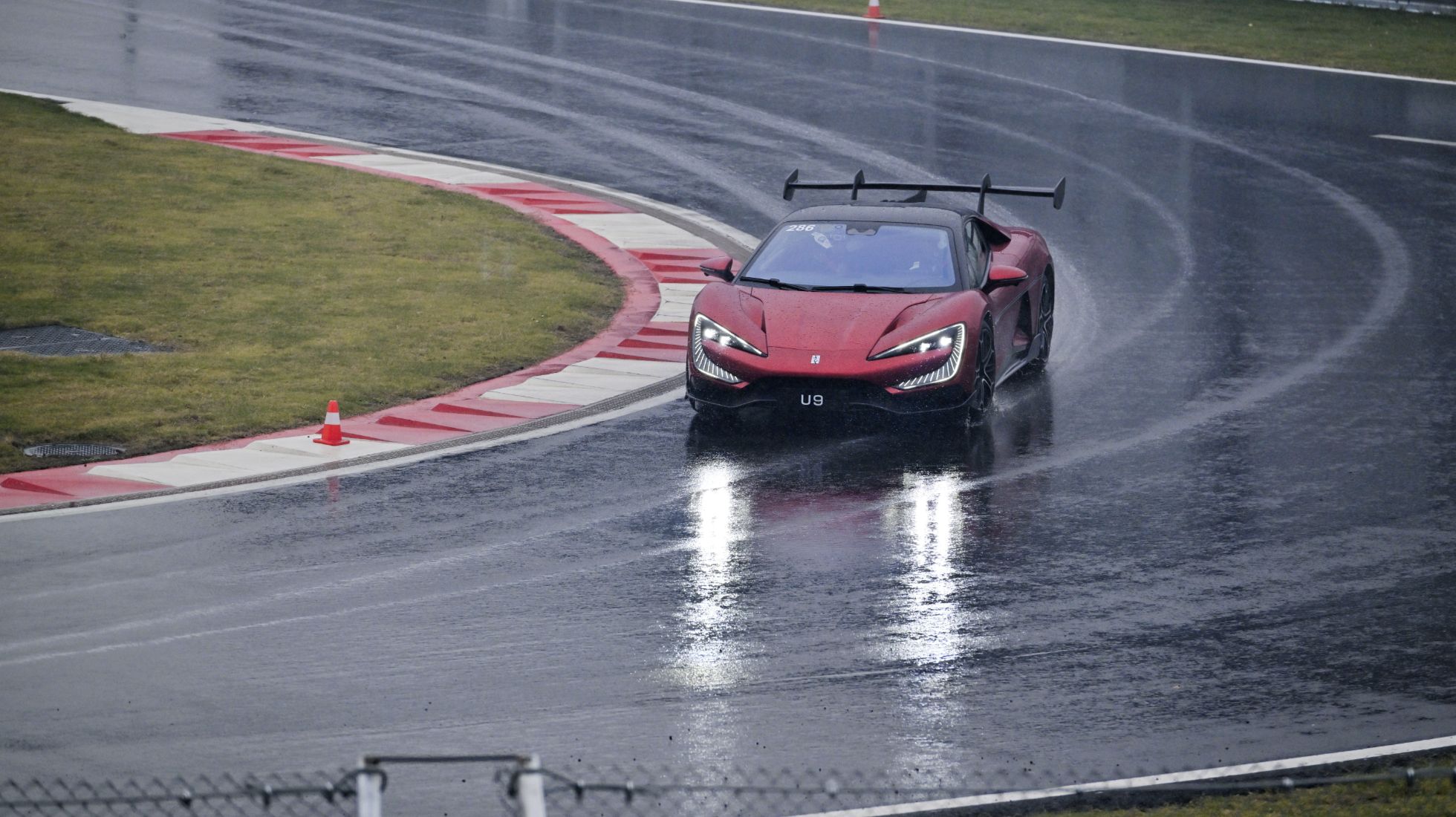
I slowly calibrate myself with the scouting lap and come to the obvious conclusion that the conditions are horrendous. Adding to that, the track has a strange ebb and flow that feels like it’s consistently trying to pinch you in. It’s half expected considering that this is first and foremost a testing facility where the capabilities of cars like the U9 are refined, lap after repetitive lap of corners that weren’t built for blissful, euphoric flows. It’s effectively a stress test for a chassis to extract maximum capability with a reprieve only presenting itself once the straights open up.
I tack on pace as I pass the pit building for the left sweep that curves into a gentle hairpin. My minder nervously murmurs something as I aim for the kerbing that will spit me out onto the main 500-something-metre straight. He waves his hand in what I interpret to be ‘go-go’. Happy to oblige. Nose pointed to the other extreme end of the circuit, I reckon that I’m in a straight enough line to finally plant the pedal that converts volts into forward propulsion. The e⁴ brain performs its 100Hz dance, and there’s no drama in the traction front. It just bites. Violently.
As the motors vector torque to all four wheels, there’s no wheelspin. There’s no theatre in the traditional sense either. No gearbox delivering upshift theatrics or exhaust noise. Just a feeling of dense, forward shove that’s on a level beyond what mere numbers can convey. Blood rushes back as the body starts moving through a complex algorithm of space that’s not necessarily relative to time. Translation: every square centimetre of skin starts to tingle as you’re transported at warp speed. The eye muscles strain. It becomes difficult to focus on a singular visual reference, which in this case is the blue cones that mercifully stand out against the grey backdrop.
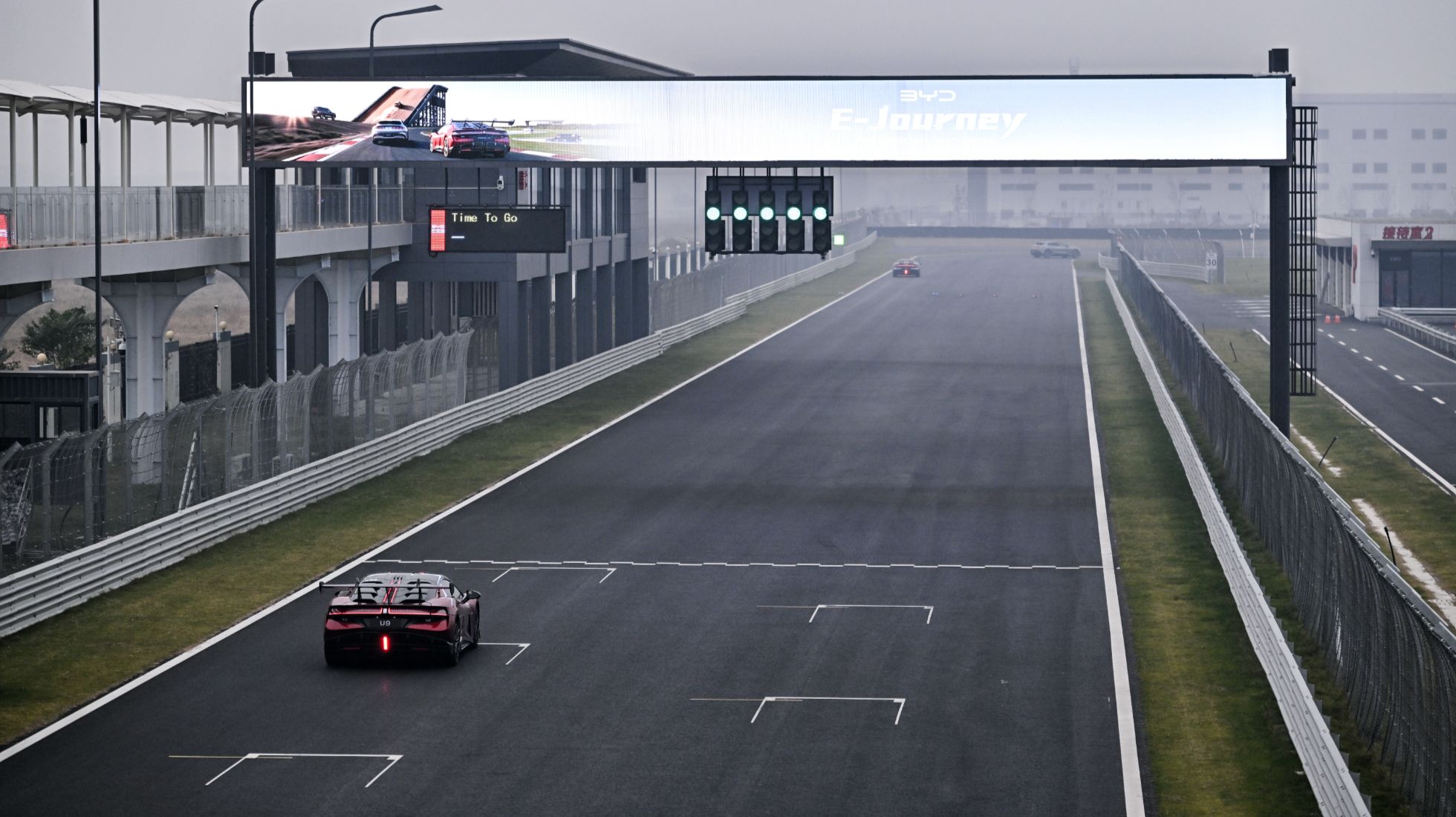
I lay on the brakes some 50 metres before them, to leave some margin. It wasn’t necessary, since the bite from the brakes is immediate and equally as manic as the right-side pedal’s capabilities. My passenger is still exceedingly nervous but continues to gesture the way forwards. It’s tough to do a trail braking to acceleration handover with the U9’s brakes, but I try in any case. Amateur hour, apparently.
In theory, it’s not overly crucial when driving this car at a low percentage of its in-built capability since the DiSus-X Intelligent Body Control manages all aspects from pitch and roll while also supposedly managing the load on each corner using a matrix of systems that independently adjusts numerous parameters per second. This means less of the combative physics that carmakers have collectively poured billions into overcoming. Less squat during acceleration, less pitch during braking and active body roll control during hard cornering.
All these breakthroughs come with a caveat, though. As I’m winding down, trying to comprehend what I had just experienced first-hand, I couldn’t shake the feeling that all I had to do was point it in a general direction of the three-dimensional axis. You do feel like an absolute driving deity, playing a round of chicken with the universal laws. And you absolutely do get a sense that this car was initially conceptualised by someone who actually enjoys driving.
But somewhere in the process of chasing the numerical extremes of possibility, it’s left some of that human dialogue behind. That giddy sense of accomplishment from the perfect upshift or precisely trailing it into a corner entry. A perfect point is the steering, which is sharp and precise, but it lacks that granular feel, even when mounting the kerbs. While the U9’s makeup is primarily electronics, conductors and algorithms, with little in the way of how we think of traditional mechanical components, you get the impression that if something didn’t support the mission of chasing outright numbers, it wasn’t a consideration. The driver-side visibility when chasing an apex… You have to work your line of sight around the A-pillar. Perhaps tweaking the structure would have cost some margins? Who knows? Take nothing away from Yangwang and BYD’s (the force behind the U9) achievements, though.
This is engineering and innovation at its best and a car that shatters any preconceived ideas of what is possible when some of the best engineering minds are given a blank canvas and a lofty goal. Then you drive this in this weather, and you come to the realisation that the performance yardstick has suddenly changed. It’s swapped hands from brands with Le Mans heritage and F1 glory to, well, a company that started life in 1995 as a rechargeable battery supplier and now has a frighteningly big R&D budget.
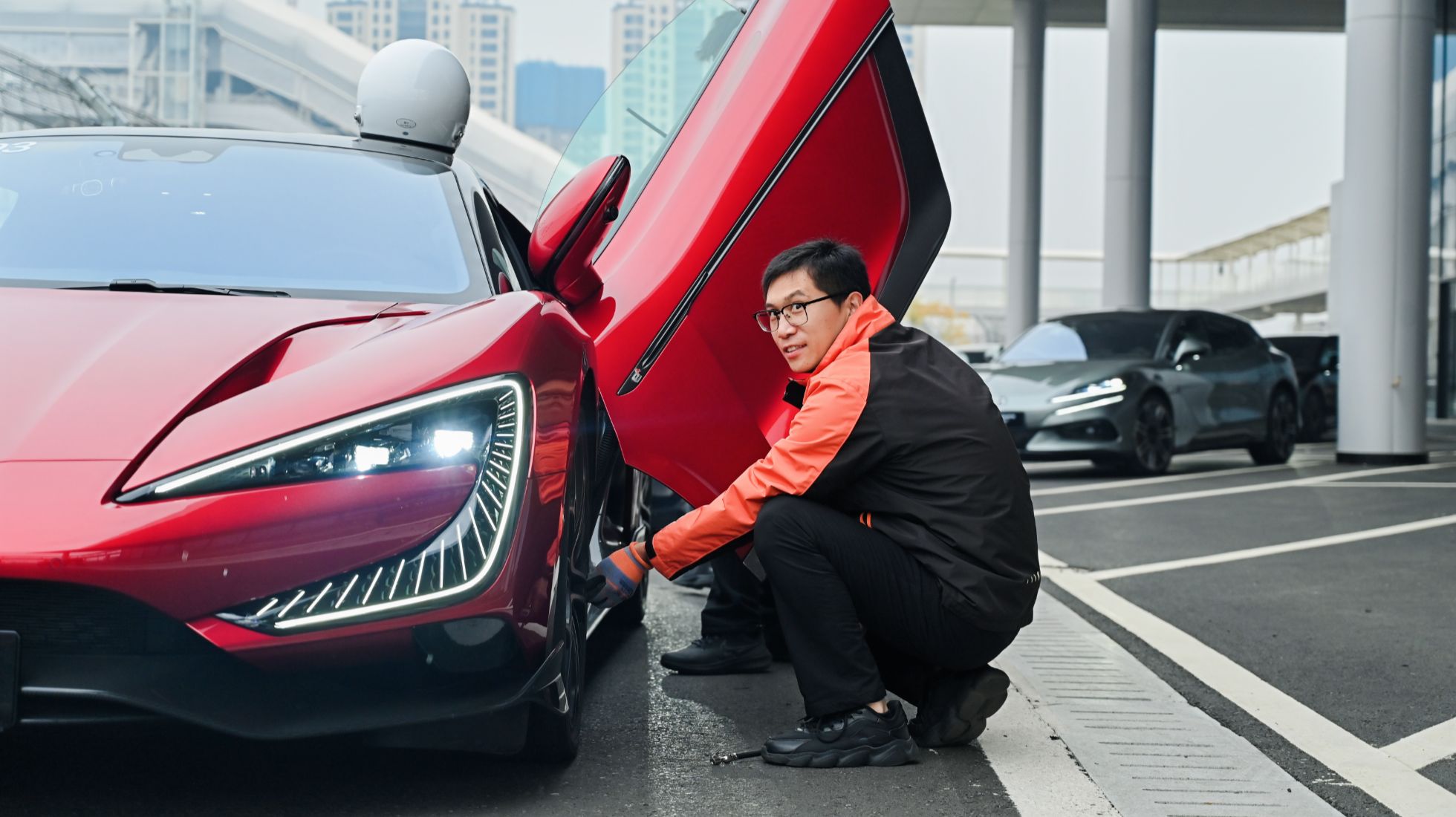
Back in the pit lane, my passenger can finally exhale. I can finally unclench. It dawns on me that all of this takes place by manipulating currents, employing lines of code that spew parameters of performance and one twitchy human whose inputs manifest in the physical world as mind-altering performance. But there’s more to it – so much more with ultra-fine copper implementations that maximise electromagnetic efficiency and silicon steel sheets that are just 0.2mm thick and used to build the stator core, which is essential to the motors’ ability to spin to 30,000r/min. And that’s just scratching the surface of the innovations that I can wrap my head around.
I climb out, with little in the way of conforming dignity, pull the Bell helmet strap loose and just recalibrate for a second. Beneath the headlining figures, away from the 1,680Nm of torque that’s procurable in a microsecond, or the myriad of ways to open the scissor doors, this rates as a watershed for China and specifically BYD’s luxury and performance sub-brand. Last year, I’d never heard of Yangwang. Now, it’s a brand that’s reshaping performance metrics. I just need to mentally catch up with the fact that performance enjoyment can be packaged differently than just theatrics and feel. The romantic in me is cringing.