You could be the Most Dangerous Driver on the Road…Sleep much?
If there’s one thing people think they’re good at but generally aren’t, it’s driving. I don’t know anyone who has ever admitted to being poor behind the wheel. But we are remarkably good at pointing out the obvious villains on our roads. Taxi drivers? We know them. That drunk driver weaving across the road? We know him/her.

The text-and-drive villains. Seen those. It’s not us, it’s them. That’s the general attitude. But here’s a question for you – what about the driver who is completely sober, staring intently ahead, both hands on the wheel, with tyres checked and safely strapped into the seat of the most modern, ADAS-equipped car? The one who has only managed four hours of sleep for three consecutive nights? (quite the boast in business-focused Joburg).
That driver might be the biggest blind spot in South African road safety. And there is a very good chance that the driver is you. Or someone you’re close to. We treat fatigue as a badge of honour, or at best, an inconvenience that can be solved with a strong coffee, a loud radio, and an open window. We tell ourselves that our driving experience will compensate for our heavy eyelids. We are wrong. Research shows that being awake for more than 16 hours can impair your driving ability as much as being at or above South Africa’s legal blood-alcohol limit. Yet, while almost 90% of adults say they would avoid driving after a few drinks, only half say they would hand over the keys when severely sleep-deprived. And that’s actually a question that most have never even thought about.
This disconnect between perceived risk and actual danger has prompted Discovery Insure to launch Vitality Drive Sleep Points. It is the first short-term insurer in South Africa to reward healthier sleep habits, effectively paying its clients to go to bed. The concept of points for behaviour isn’t new – but for sleeping?
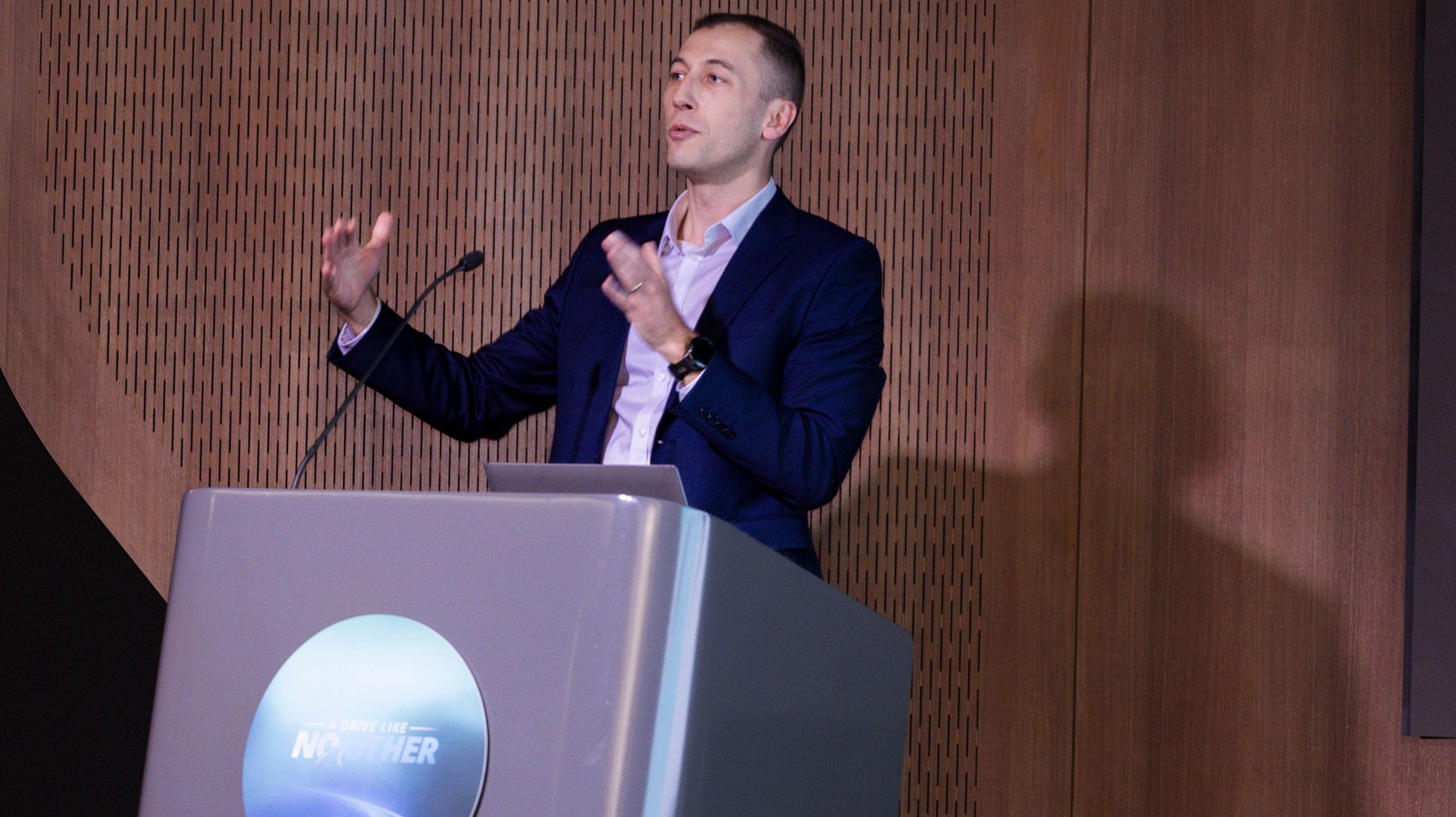
At its launch event, Discovery Insure CEO Robert Attwell laid out the stark reality. Drawing on four years of data from more than 10,000 drivers, cross-referenced with 47 million sleep records from clients using wearable tech, the insurer found that poor sleep is up to five times more predictive of motor vehicle accident risk than traditional insurance risk factors considered in isolation. “Breathalysers can detect alcohol impairment, a visible and well-understood risk factor for accidents. Driver fatigue, by contrast, has until now been largely invisible,” Attwell noted. “Sleep affects concentration, reaction time and decision making, all of which directly influence driving behaviour and outcomes.”
These are the reported data points that are critical to the likelihood of you crashing your car: regularity, duration and sleep quality. The data points to drivers who go to bed within roughly an hour of their ideal bedtime each night are up to 36% less likely to have an accident than those with erratic schedules. Those who regularly get seven to eight hours of sleep reduce their accident risk by 32%. Even the quality of sleep matters, with adequate REM sleep lowering risk by 14%.
I’ve struggled with sleep most of my life, so some of the science is not a surprise to me. What was most alarming, though, was a concept called “sleep debt”. It is not just one bad night that causes the problem; it is the cumulative effect of missing sleep over several consecutive nights, something I am entirely guilty of myself. Nearly 30% of Discovery Insure drivers accumulate some level of sleep debt while driving. The risk escalates rapidly: drivers who maintain less than one hour of sleep debt over three consecutive nights have up to a 36% lower accident risk than those carrying five or more hours of sleep debt over the same period. Perhaps the most sobering statistic for the confident driver is that even among Discovery’s ‘Diamond’ clients, the demographic already classified by their data as the safest drivers on the road, there is a 32% differential in accident risk between the good sleepers and the poor sleepers.

To combat this, Discovery is using a language that every South African motorist understands: fuel money. Clients who activate their Vitality Sleep score and then track their sleep with a wearable device can earn up to 300 additional Vitality Drive points a month. This translates to up to R150 in extra fuel bucks. One of these wearable devices is the Oura Ring, a device for which Discovery is now the exclusive South African distributor.
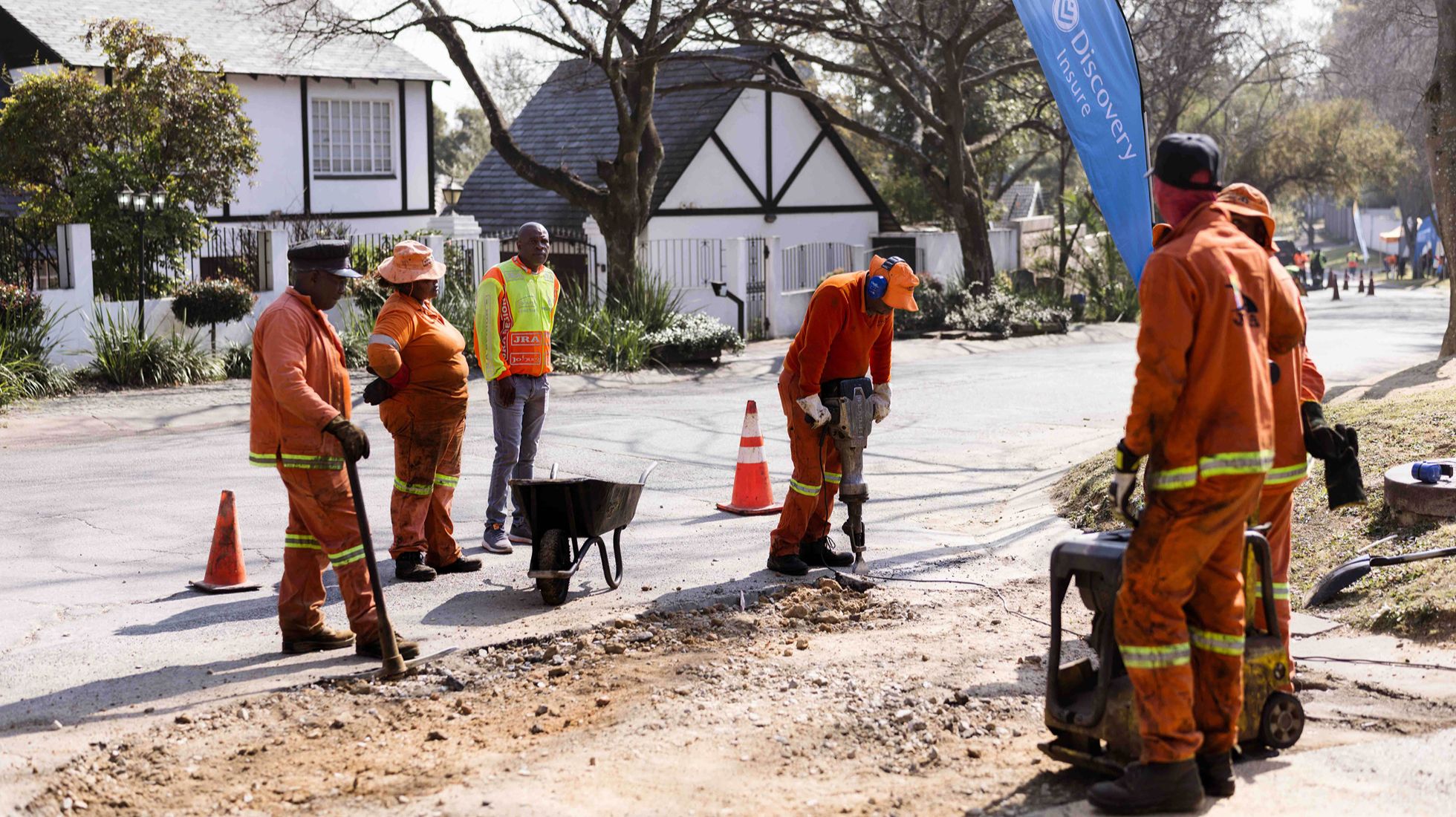
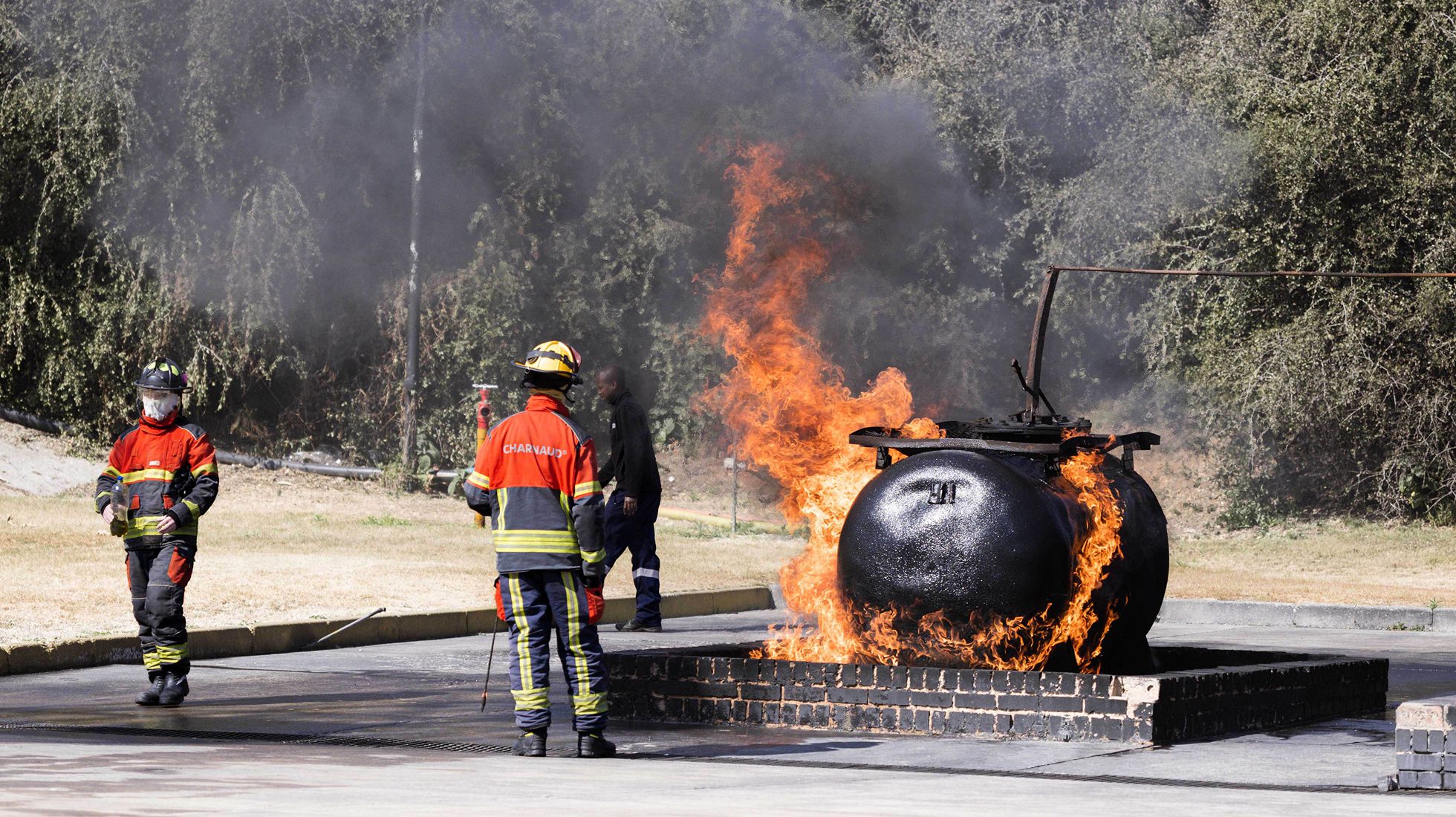
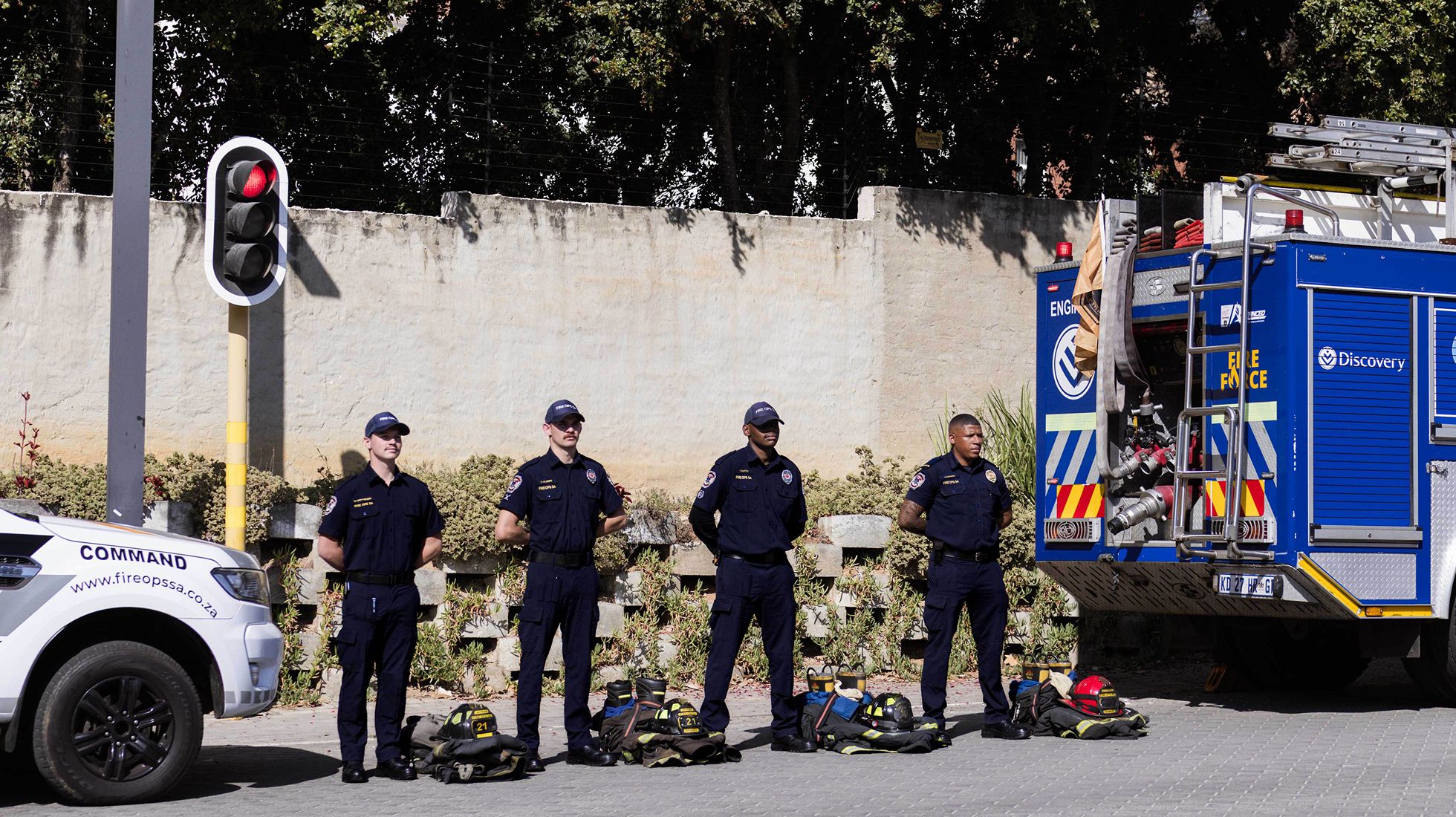
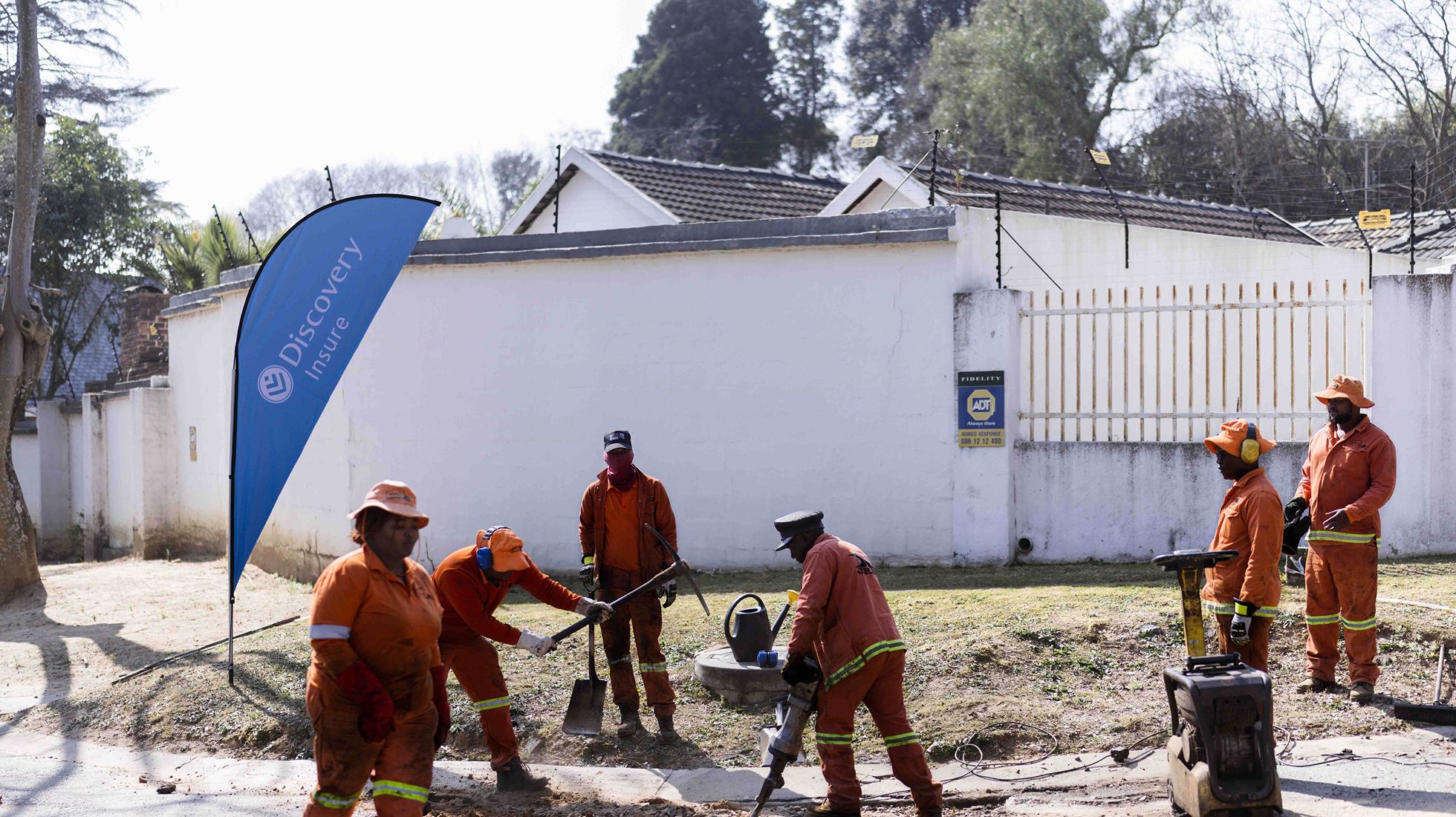
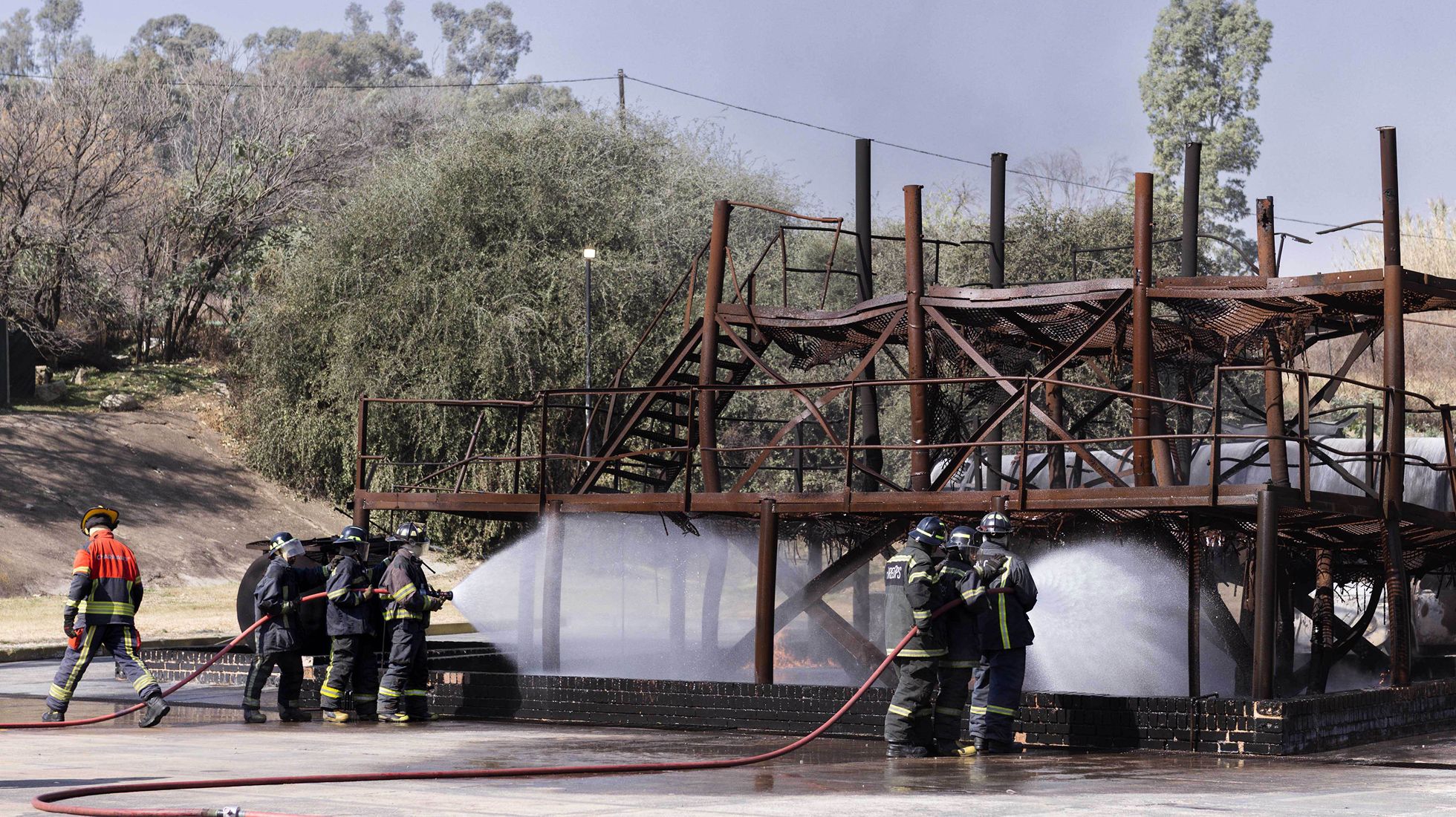
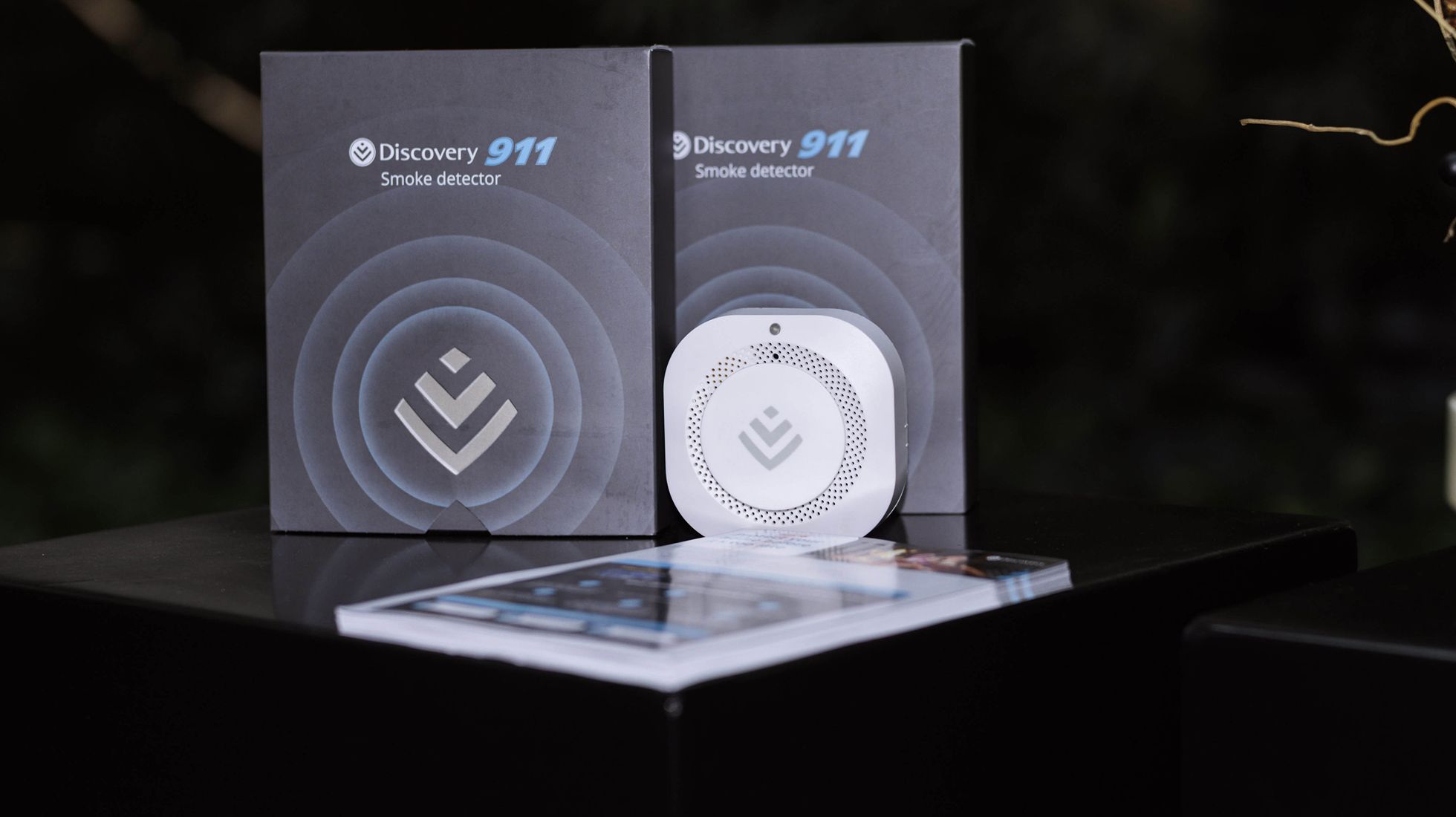
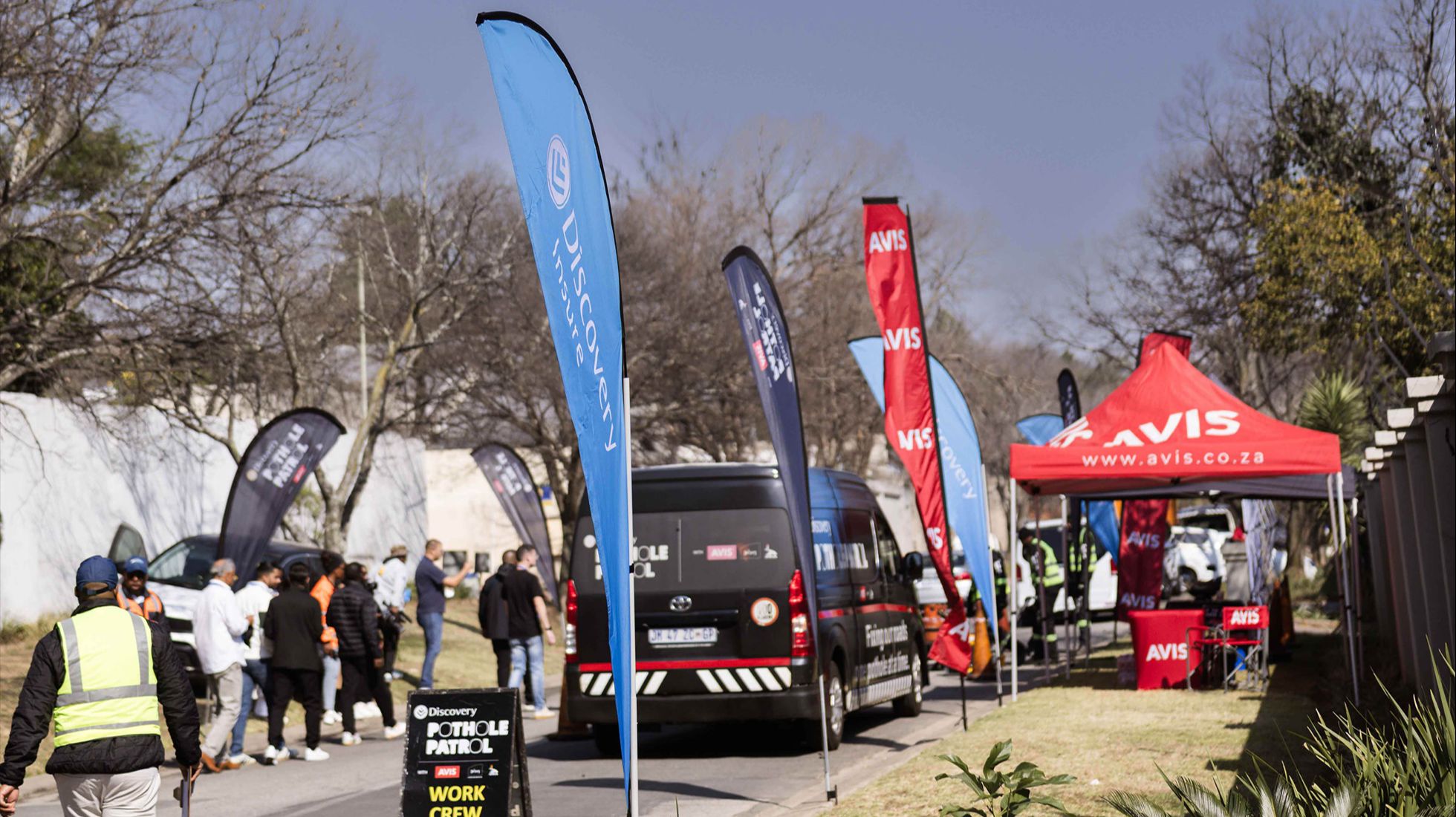
This sleep initiative sits within a much broader safety ecosystem. At the same launch event, Discovery demonstrated its rapid-response capabilities, from the Pothole Patrol fixing urban infrastructure in partnership with Avis and the Johannesburg Roads Agency, to Fireforce, fire truck units responding to connected home smoke alarms. While these response mechanisms are good and necessary innovations, they are exactly that – responses/reactions to things going wrong. But the sleep initiative is fundamentally different. It’s like ADAS in cars…it’s about ensuring things don’t go wrong in the first place.
And this brings me back to the responsibility of the person in the driver’s seat. The one that thinks they’re the safest driver out there. Discovery Insure has quantified the risk, and it’s fascinating. Discovery has also put out an incentive to manage it, but really, the key is to recognise the value of this beyond receiving points on a wearable device.
So here are a few more questions for you: will you still insist on leaving at 3 am to “beat the holiday traffic” over Christmas or Easter time? Will you still stretch the drive to the coast just so you can get there in one go and just start the holiday? Will you still do these things knowing your reaction times are severely compromised? Are they the exception to the rule?
Road safety is not just about the car you drive, the condition of the tarmac or the 0.00% alcohol reading on the breathalyser. It is about the physical and mental state of the person holding the steering wheel. On the road, there are things we can control, and there are things we simply can’t. Sleep is of the former. And this data certainly opened my eyes to yet another real danger on our roads…me?