

Crossovers often get a bad rap for being too soft. The same goes for the drive, which is often labelled ‘uninspiring’. But the updated Renault Captur, the French carmaker hopes, will break free from these labels. It now sports a sharper design and a more engaging driving experience, while maintaining the practicality buyers expect from a compact SUV. Furthermore, with the introduction of a new Alpine Line, the Captur adds a dose of sporty flair to its otherwise stylish urban appeal.
In my mind, facelifts come in two forms: a lighter touch with a headlight redesign and maybe a few small tweaks inside, or the full workup that keeps what works and swaps the rest. In 2022 we saw the arrival of the current generation Captur, and we loved it. It delivered peppy performance on an otherwise sensible, comfortable platform. This enthusiasm has been subtly dialled up with a reworked design and sharp styling that finally does the 1.3-litre turbocharged engine justice.
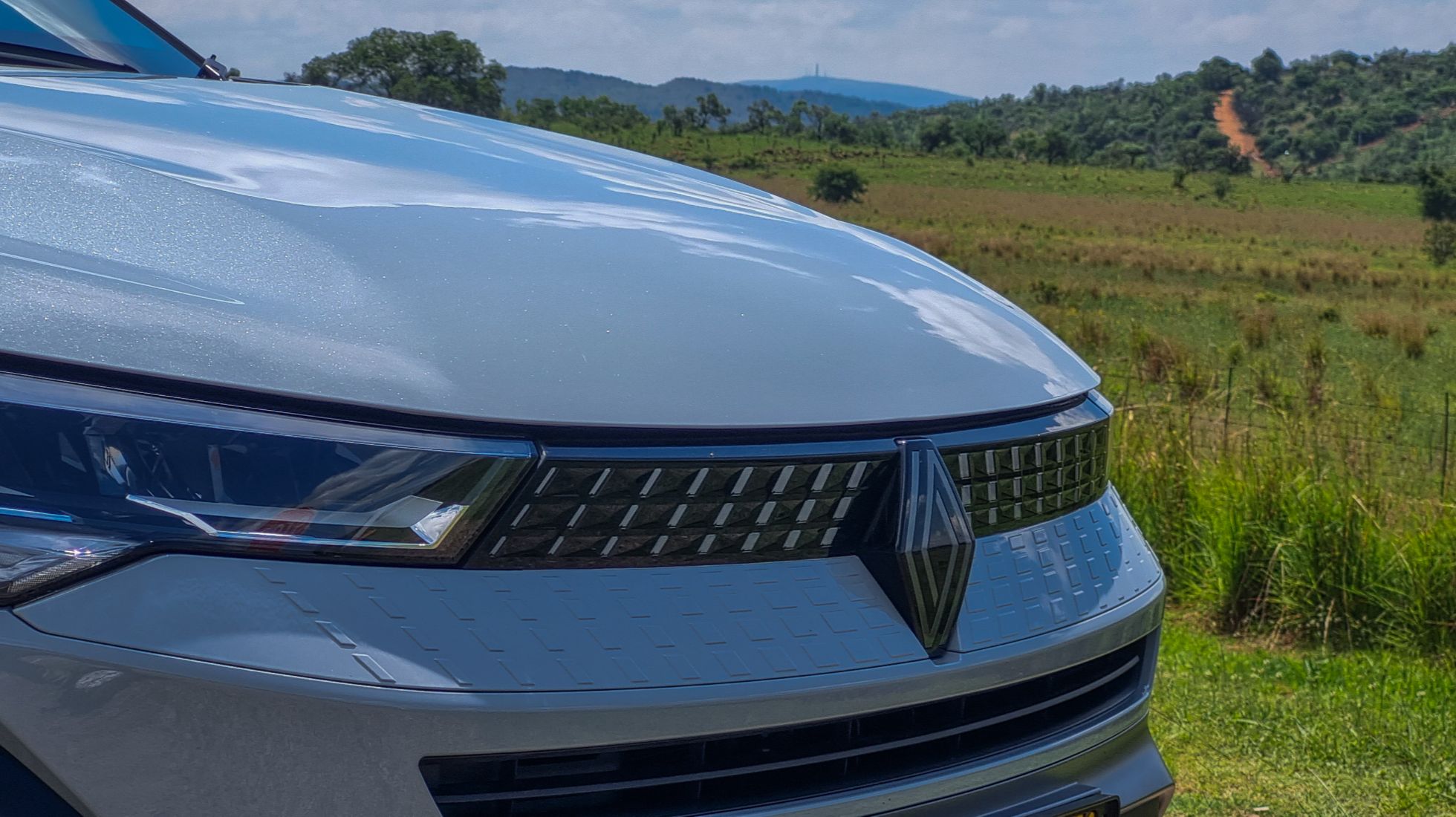
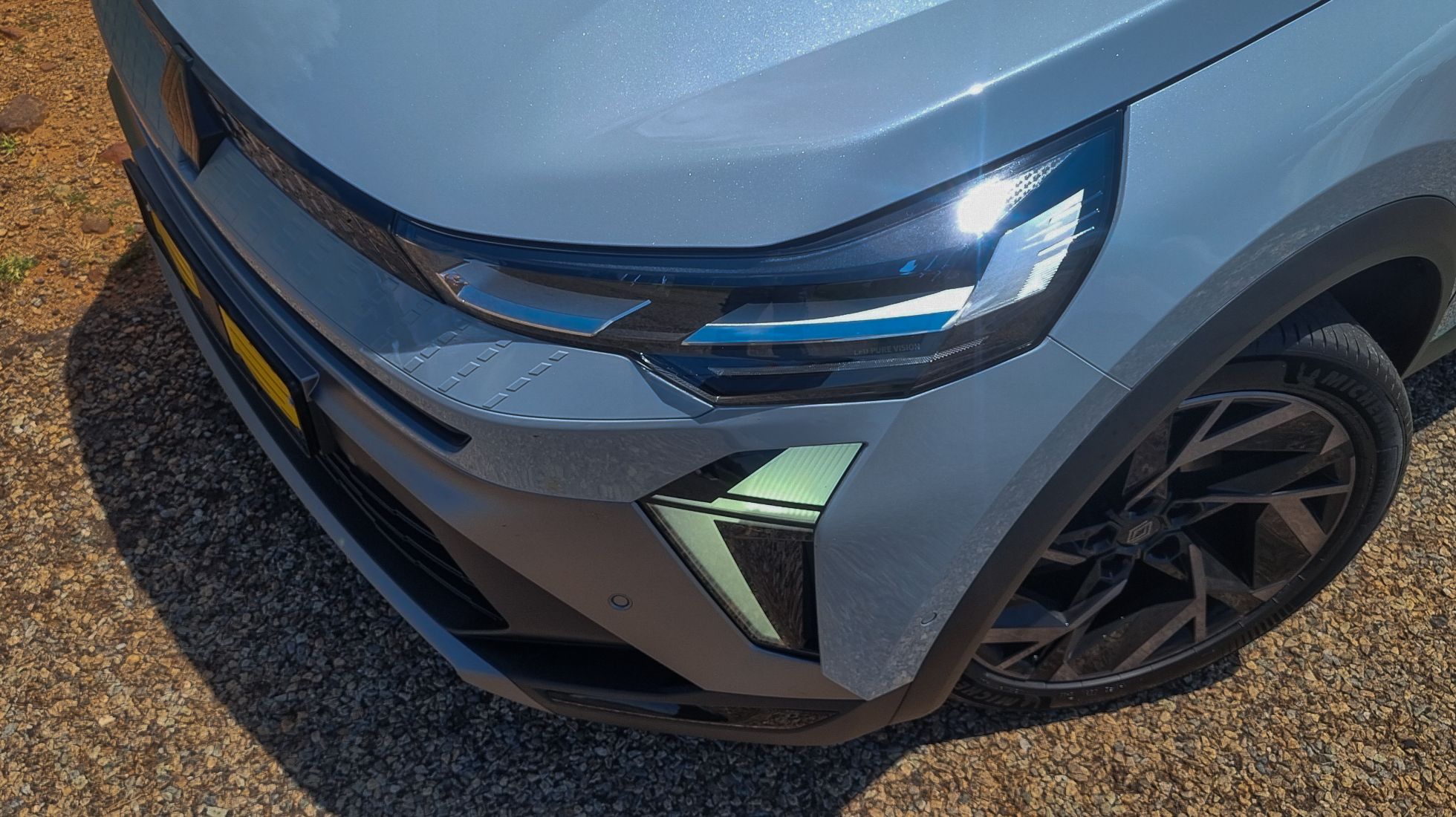
What struck me most about the new Captur was its presence, an aspect that’s becoming increasingly rare in small crossovers that are frequently constructed from JV part bins. Before we get into how it performs on the road, the design, too, makes a strong impression. The front end offers a sense of purpose, with straight lines and deliberate details that give it a sporty look. At the rear, it retains the familiar Captur silhouette, but it’s been reworked with clear tail lights and darker accents.
The 1.3-litre engine outputs a modest 113kW and 270Nm, but on the road it feels considerably punchier than the numbers would suggest. It’s torquey and responsive, and it’s more than up to the task of darting around town or venturing onto the open road. What really amplifies its sporty character, though, is the feel. The steering and brakes provide more feedback than you’d expect from a crossover, without being overly sharp or aggressive.
The ride quality is a touch firm over rough road surfaces, but it settles nicely on the highway with good balance through the corners. A similar smoothness is found in the 7-speed EDC gearbox with seamless and intuitive changes that result in a responsive and smooth power delivery. Renault has included a driving mode button on the steering wheel, which makes switching between eco and sport modes faster and easier. The cherry on top is the consumption, as it will happily sit at 6.6 l/100km on the open road.
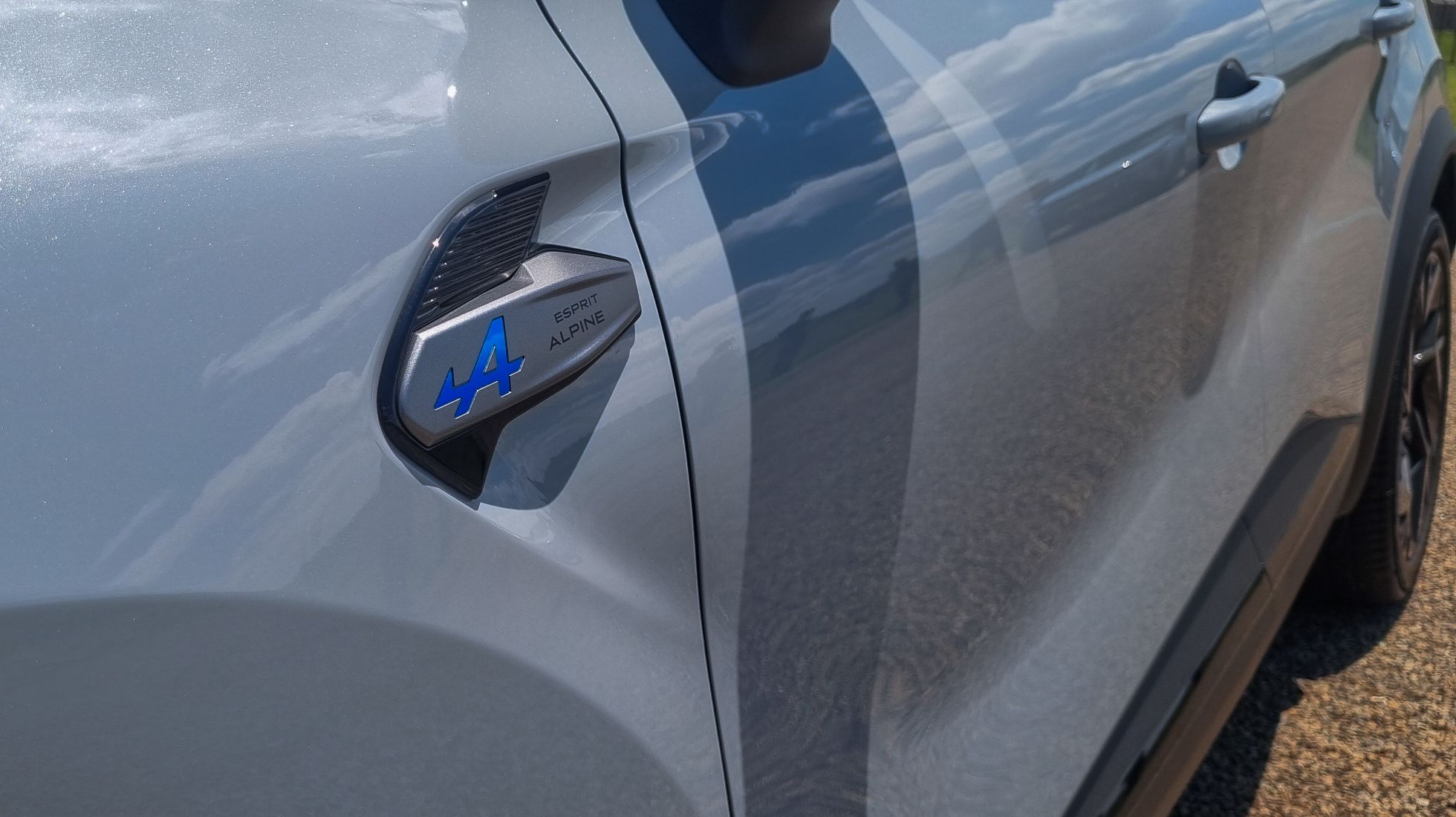
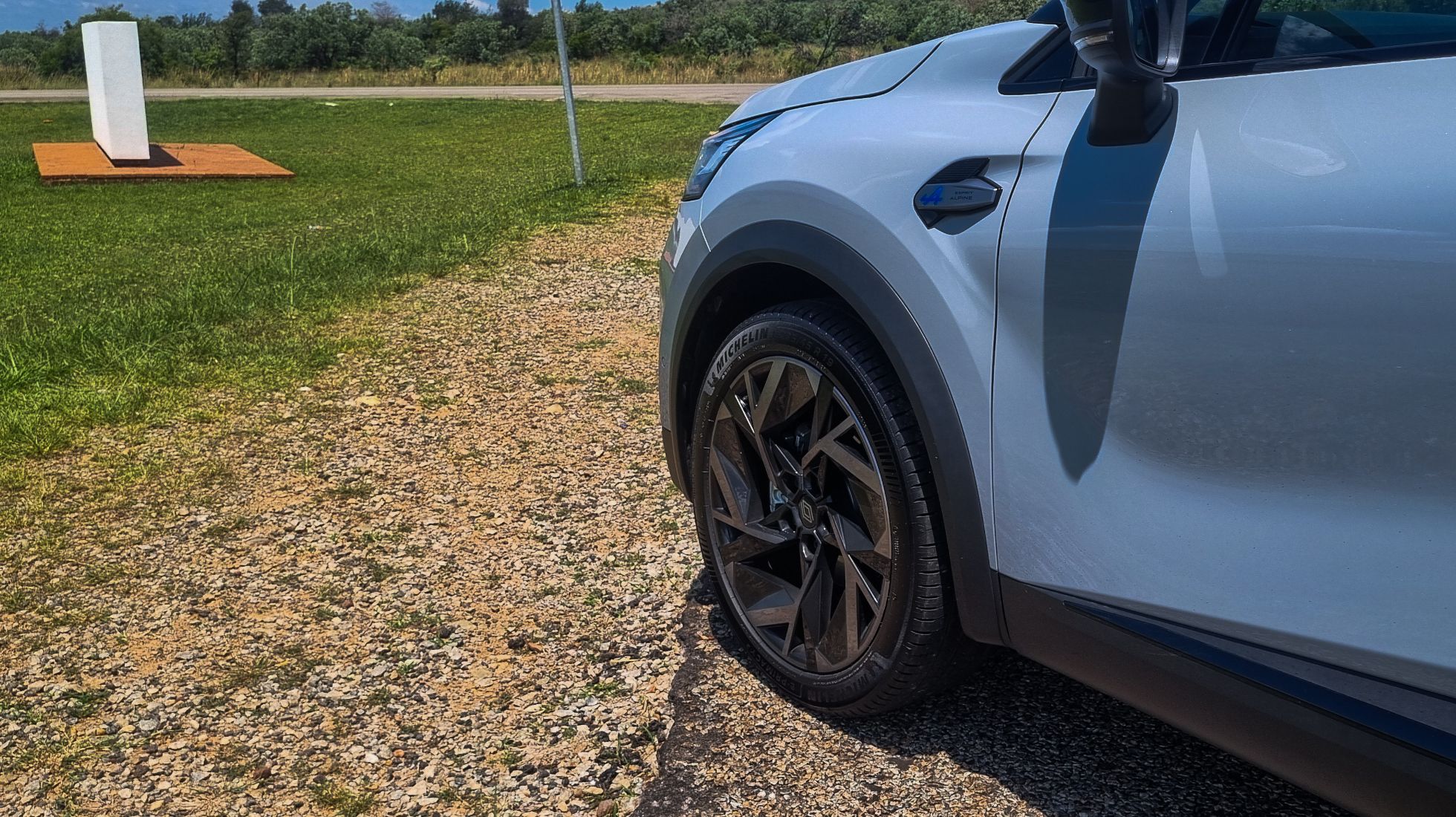
Inside, the biggest talking point is the new name working its way into Renault products. It’s called Alpine, and yes, it’s the same name as used in F1. It blends the familiar RS and GT badges, offering a look into Renault’s future performance aspirations. The Alpine kit is more of a styling package for the Captur, but it’s executed well. It brings darkened exterior accents, adds new 19-inch alloy wheels, sleek bumpers, and injects a sportier feel into the cabin space. Think R- or AMG-Lines…
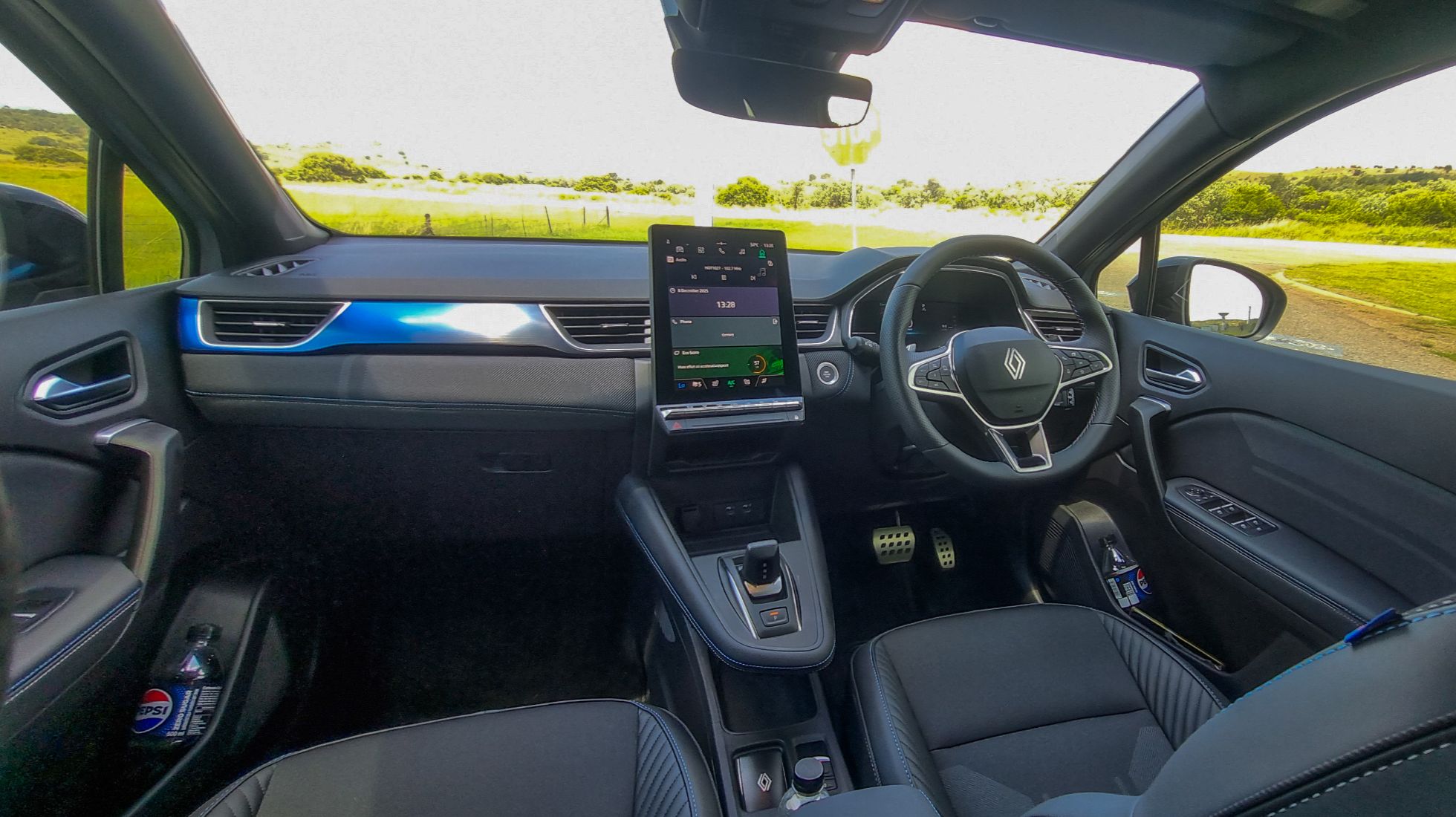
Inside, there’s very little carried over from the outgoing Captur. The cabin feels noticeably more snug than the previous model, offering good front leg room but less wiggle room. The portrait-oriented 10.4-inch screen remains, now running a refined infotainment setup. It’s intuitive to use and thankfully retains physical buttons for climate settings. The steering wheel has a solid, premium feel, while the Alpine seats are comfortable enough while still providing enough support to maintain its sporty nature. In the Alpine model we tested, I particularly liked the blue details on the dash, the French-flag-inspired stitching on the steering wheel and the subtle blues in the upholstery.
The updated Captur range consists of three trims, with the conventional Zen and Intens models out and replaced by Techno, Iconic and Esprit Alpine. Starting at R515,999, the Techno is the entry-level offering, providing keyless entry, a 10.4-inch screen, a 7-inch instrument cluster, 17-inch alloy wheels, a reverse camera, and sensors, as well as a leather-wrapped steering wheel. Next is the Iconic at R544,999, which offers 18-inch alloy wheels, a wireless charger, front parking sensors, multi-sense driving mode selection, and blind spot detection. The top-of-the-range Esprit Alpine will set you back R614,999 and adds quite a bit more to the equation. It includes a panoramic sunroof and the Esprit Alpine pack, which features an exterior body kit, 19-inch alloy wheels, Alpine-branded seats and interior design touches, power seats for the driver, and a black roof lining. All models come with a 3-year/45,000km service plan and a 5-year/150,000km warranty.
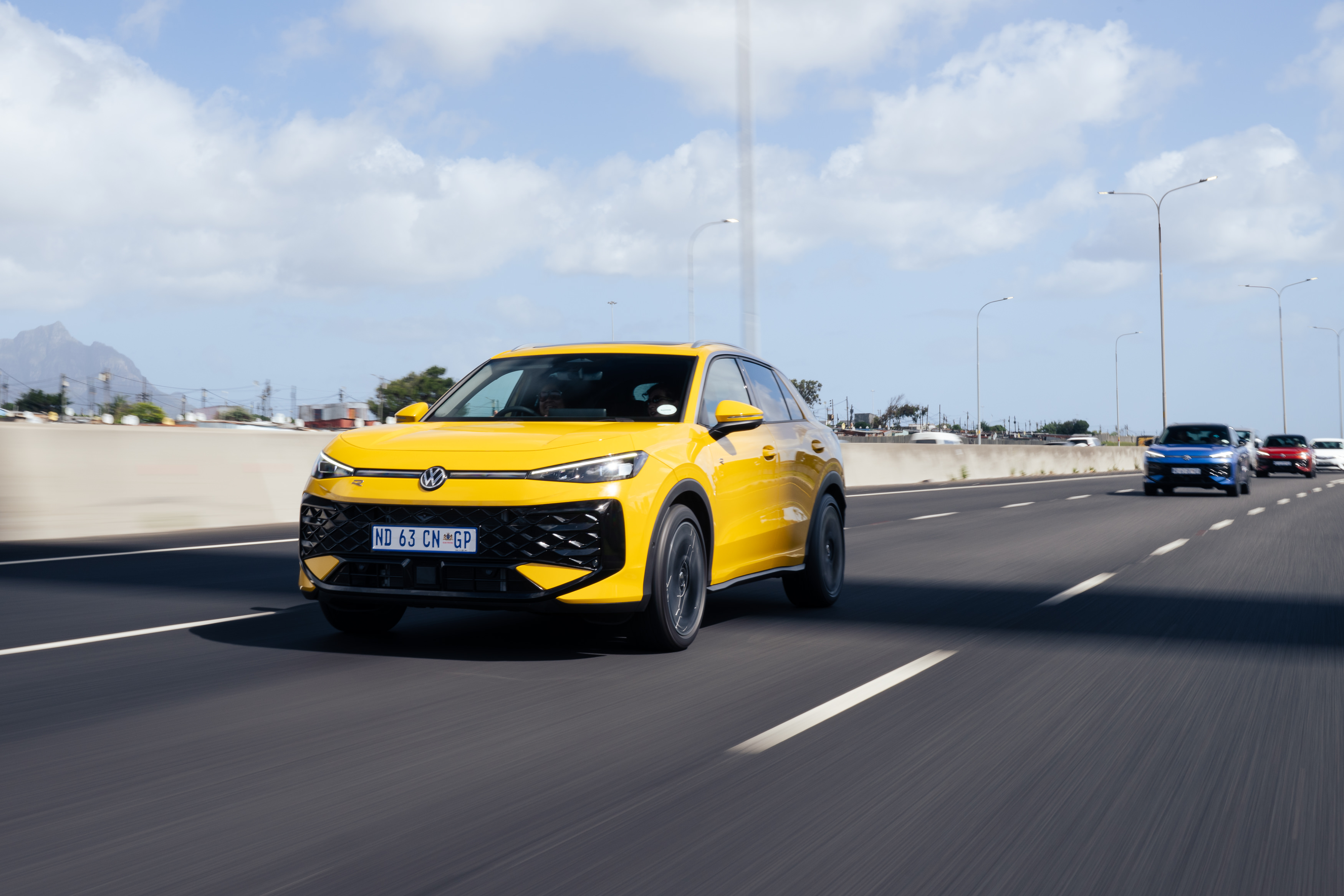
It’s been a while since a family-centred crossover delivered the same feel and fun without wearing a full-fat performance badge. It is not the cheapest in its segment, with the top-spec VW T-Cross R-Line undercutting it slightly at R548,400, but few competitors can match the Captur’s feel and enjoyment behind the wheel. It’s nippy in traffic, stylish, and genuinely enjoyable to drive. The Captur Esprit Alpine makes a compelling case for buyers who want performance-inspired styling while also considering family purchasing needs.