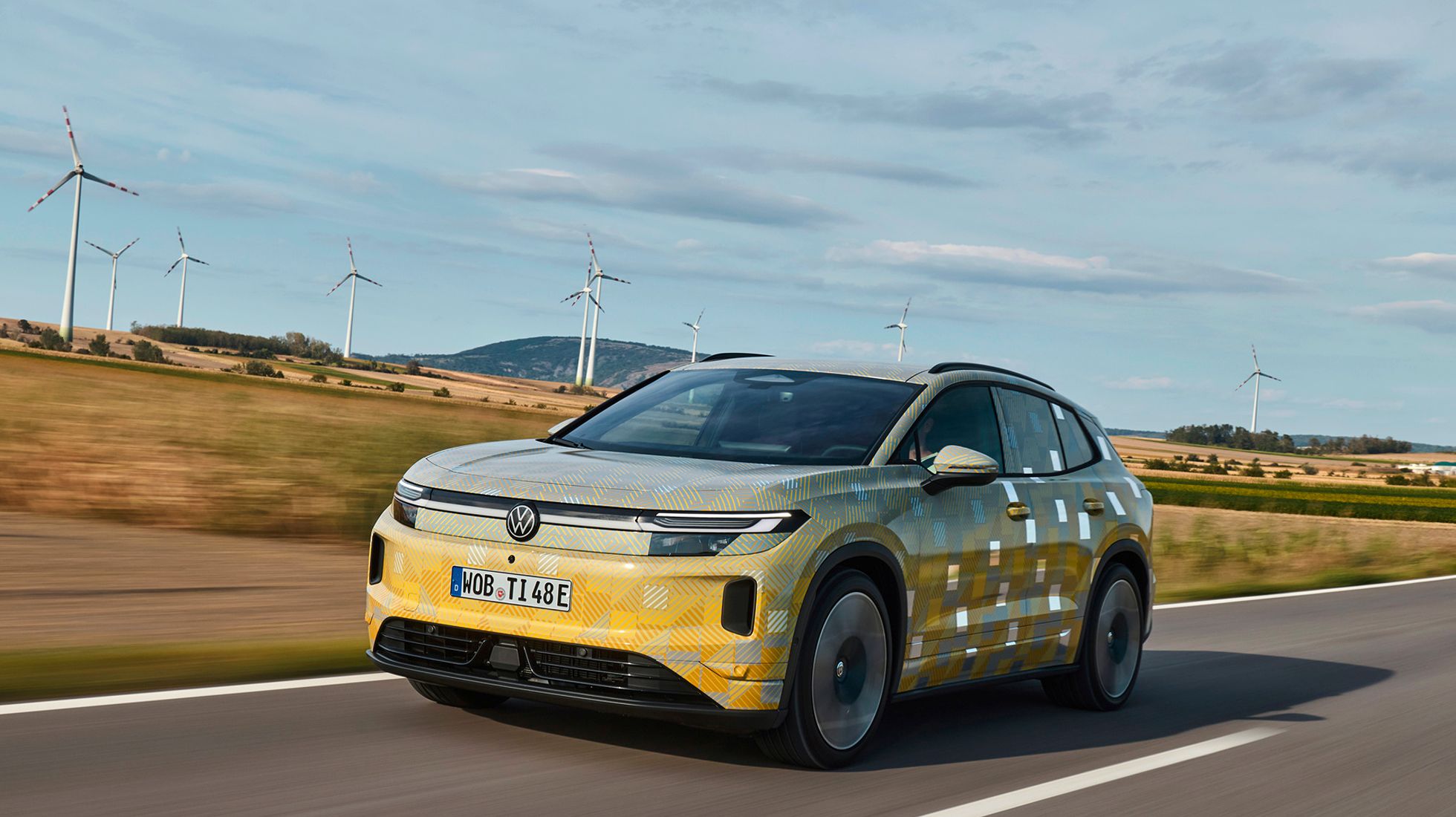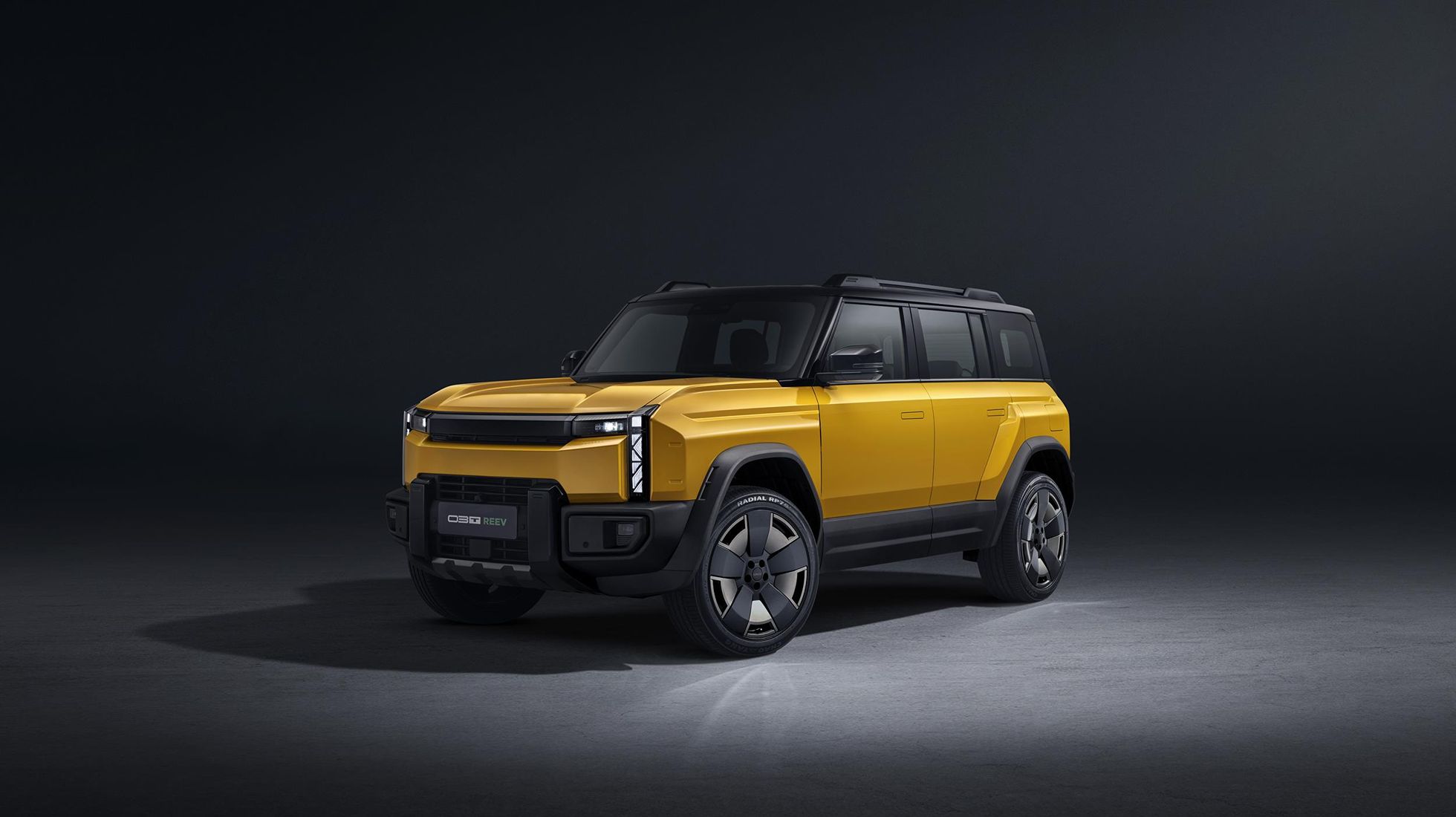
Smaller engines such as the 1.5- and 2.0-litre hybrids are the new norm, and they work well in GWM’s smaller cars. Not so much in the Tank and P500, where the 2.0-litre hybrid had low-speed pep but felt asthmatic at higher speeds. GWM listened to the critics: enter a 3.0-litre diesel. Four cylinders, which sounds odd for that capacity, and a competitive price tag.
Before this engine arrived, the Tank 500 ran on a hybridised 2.0-litre turbopetrol engine with 255kW and 648Nm, given the battery was fully charged. The P500, on the other hand, also offered the same setup, plus the option of a 2.4-litre turbodiesel. That was good, but it still left you wanting more shunt.
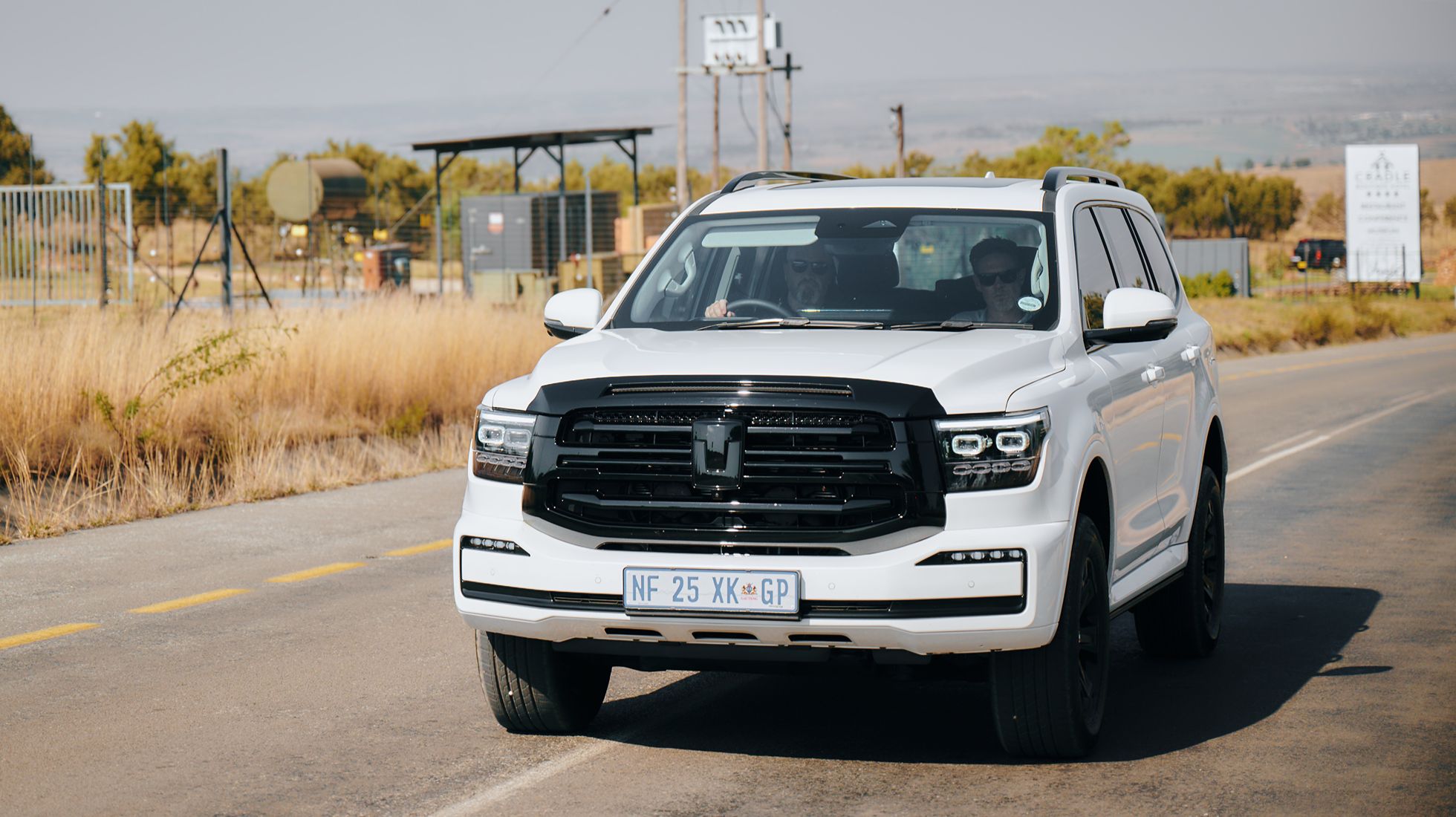
GWM has now facelifted the Tank 500 and P500, ditching most of the chrome for a more mature appearance. The interior carries over with a 14.6-inch infotainment screen and a 12.3-inch instrument cluster, but colour is more deliberate now, with black trim taking over from the shiny bits. I like it. It shows GWM sweating the details now that it’s moving into the second iteration of these machines.
GWM 3.0-litre turbodiesel engine
The big news here is the new engine. It’s a 3.0-litre turbodiesel 4-cylinder, shocker, I know, putting out 170kW and 620Nm. It’s strong low down and well capable of getting these big machines moving with real intent. It runs out of breath up top, but shift well before the redline, and you’ll make proper forward progress.
It’s frugal too, with a claimed 6.1l/100km in the Tank 500 and 7.1l/100km in the P500 (both 2WD figures). In real-world driving, expect closer to 9.1-9.3l/100km if you have a slightly heavier foot and live at altitude, which is precisely where we tested this. It’s still impressive given the size and power on offer.
Throttle response is well-calibrated, and there’s genuine feel through the brakes and steering. These are heavy vehicles, with both vehicles weighing around 2.5 – 2.6 tonnes, so hard braking betrays their size.
Tank 500…Bigger, better, diesel
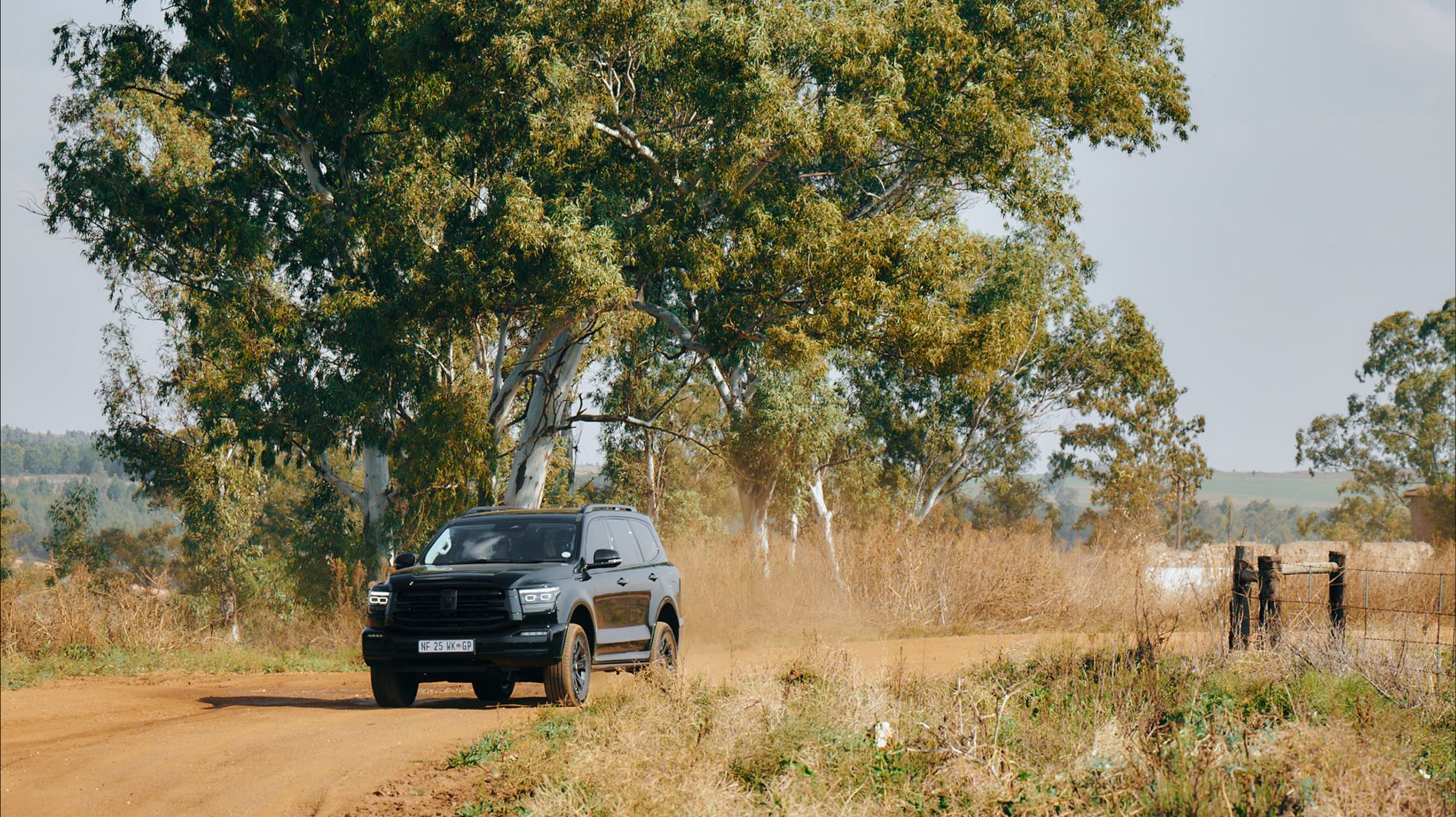
The Tank 500 is a premium SUV with plenty of space and presence. Leather seats, soft ride, all the kit you’d expect at this spec level, and genuinely comfortable whether you’re on tar or gravel. It leans in the corners, but that’s the trade-off you sign up for with something this big.
Pricing starts at R849,900 for the 3.0TD 9AT 4×2 Super Luxury and tops out at R999,900 for the 3.0TD 9AT 4×4 Overland. Compare that to R1,222,900 for the older hybrid, and GWM has somehow made the better engine the cheaper one. I am not sure how the brand pulled that off, but it’s the strongest argument yet for buying a Tank 500.
The P500 3.0TD now makes sense
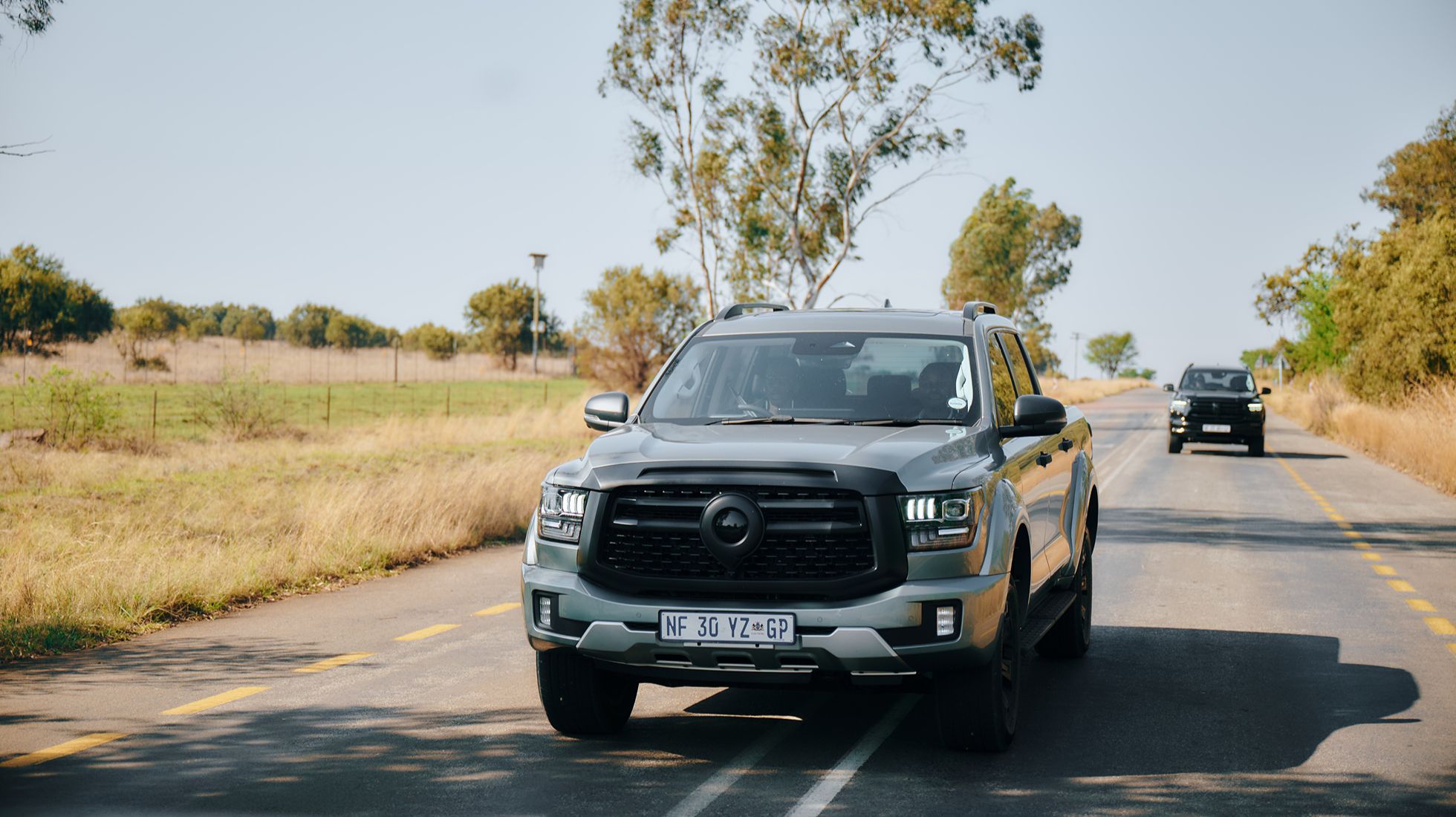
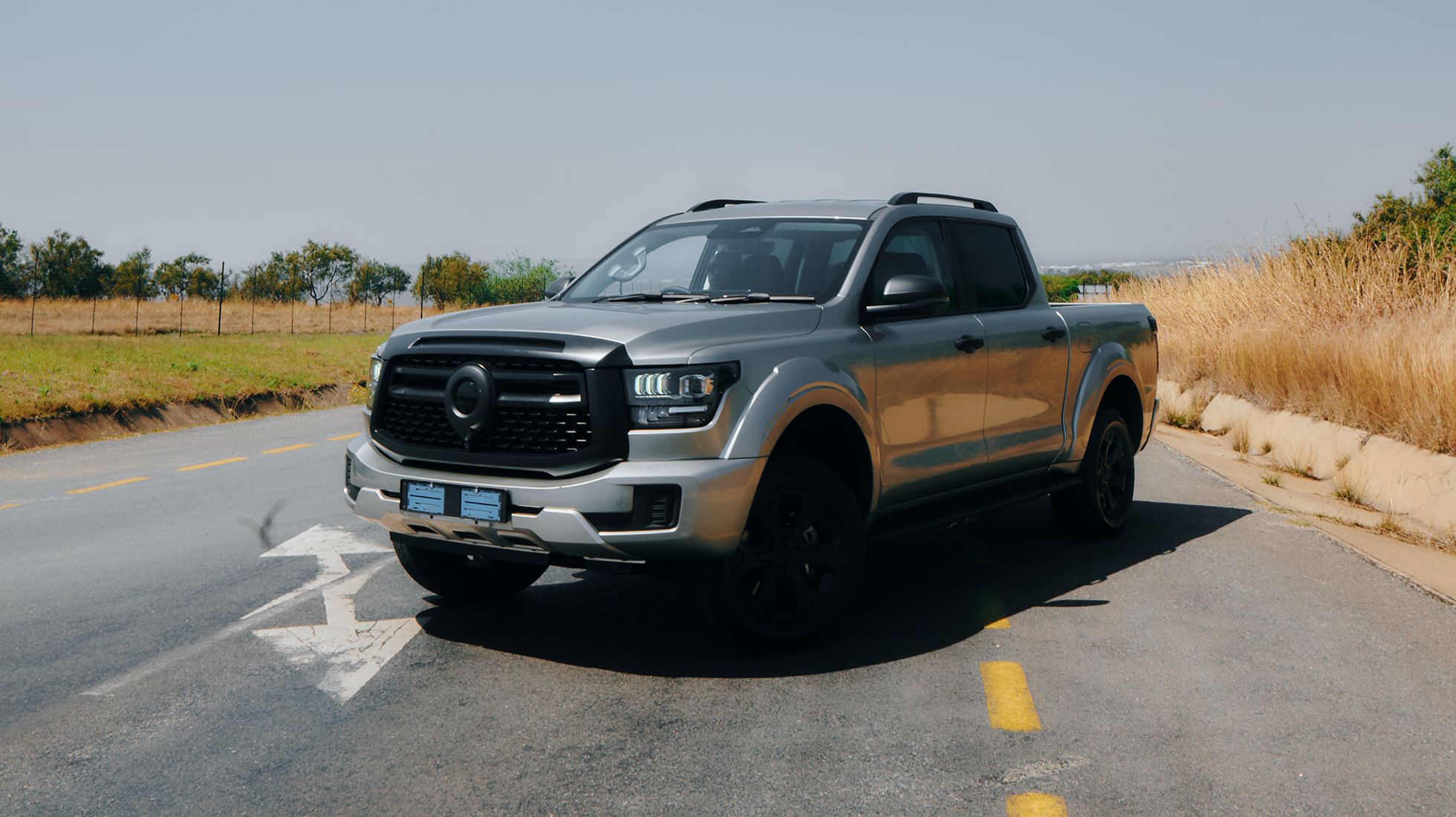
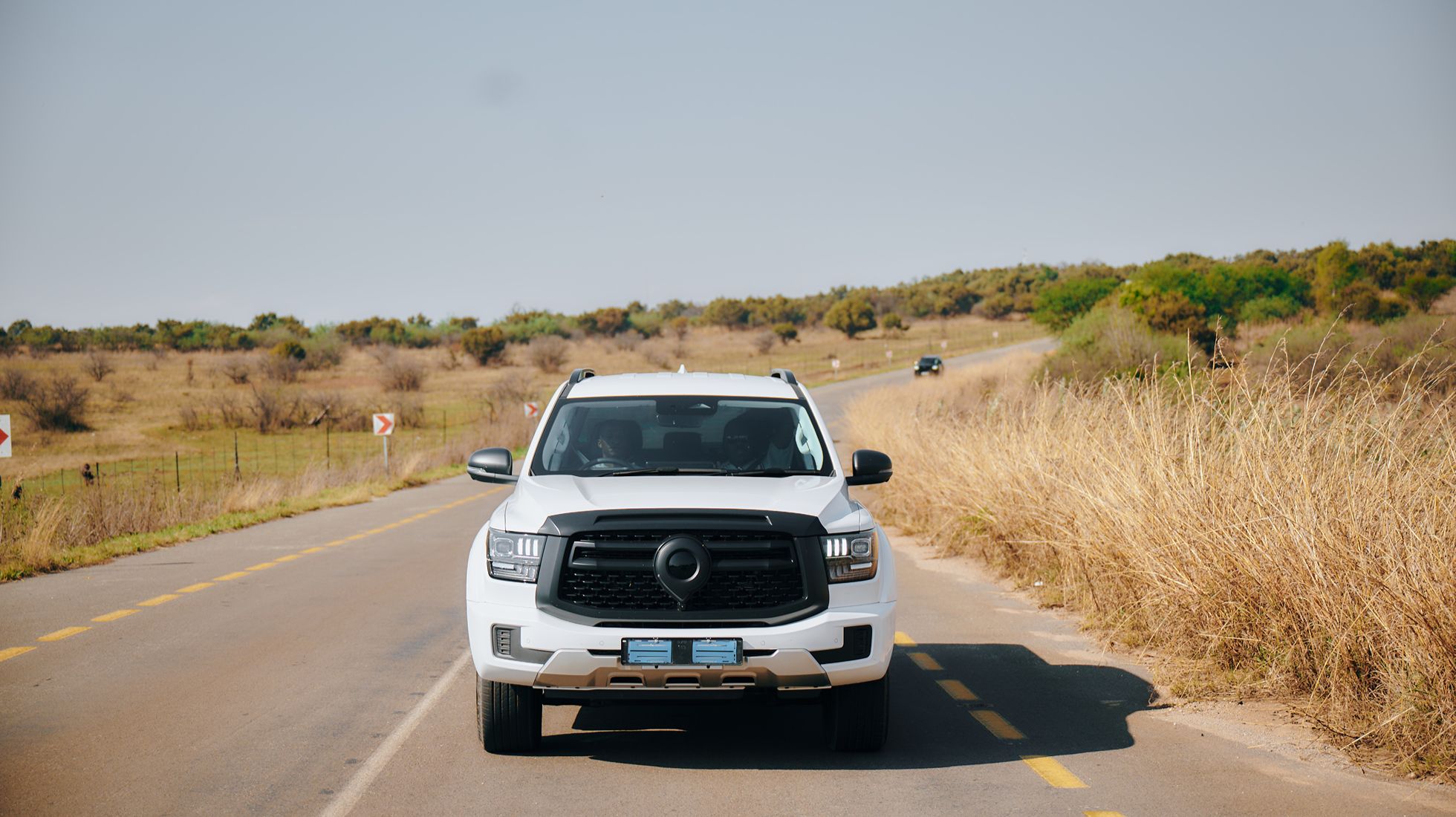
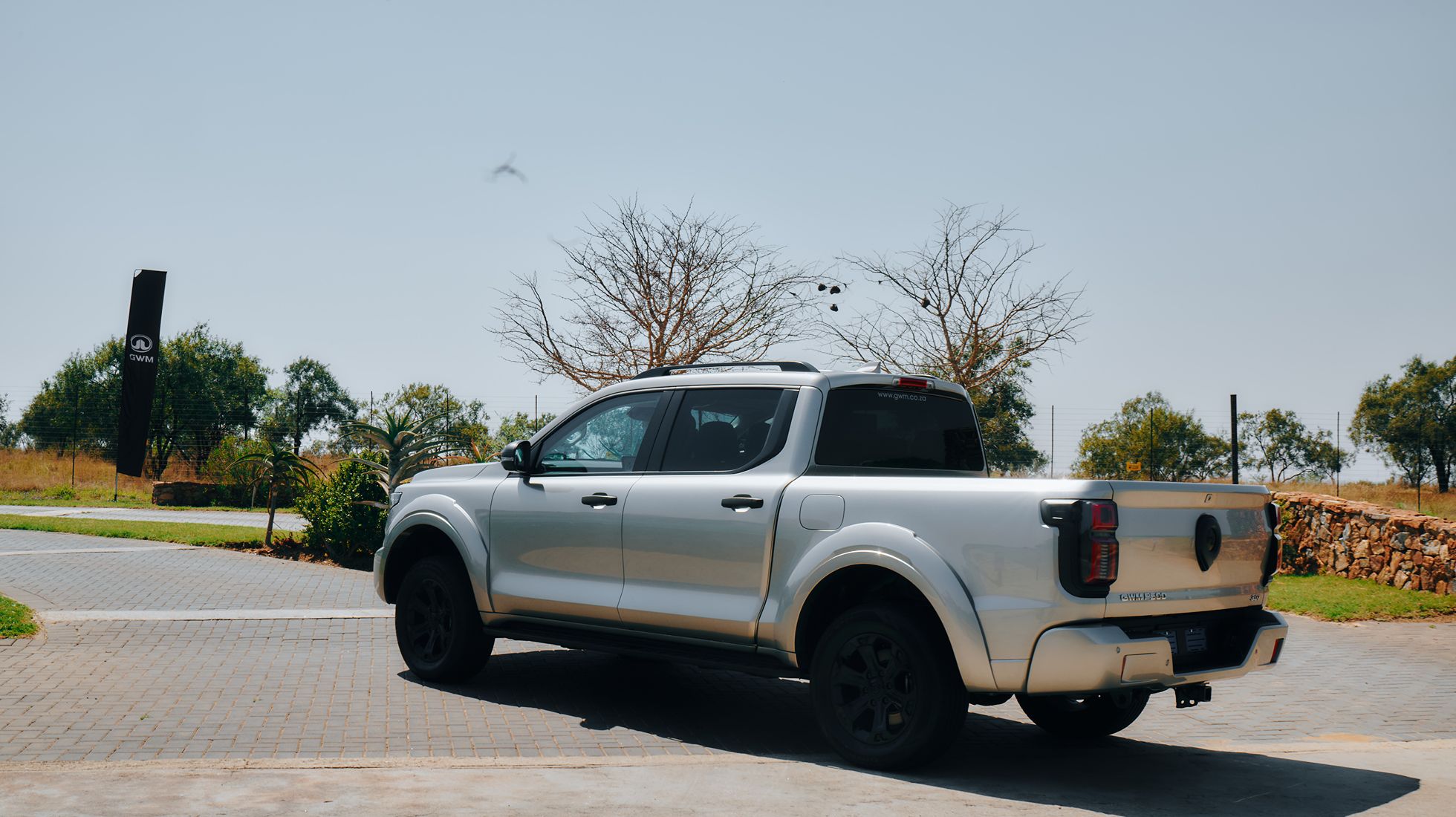
The P500 is one of the bigger bakkies out there, so I am relieved it too gets the 3.0-litre. GWM also replaced the exterior chrome touches with a bit of darkened personality here, and I am into it. The interior is nearly identical to the Tank 500 up front, though the rear bench is tighter – still, in the double cab world, it’s one of the more roomy back seats.
The ride quality is a mixed bag. The rear suspension is more rigid than, say, the Ford Ranger and Toyota Hilux, with GWM rating the load capacity at 980kg. As for towing, it’s rated at 3,500kg braked towing capacity, similar to that of the Tank 500.
The biggest story on the P500 3.0-litre isn’t so much the engine as the price. Starting at R724,900 for the 3.0TD 9AT 4×2 Super Luxury and topping out at R799,900 for the 3.0TD 9AT 4×4 Ultra Luxury, it’s one of the biggest, most torque-laden bakkies you’ll find under R800k, with a genuinely premium cabin. It’s backed by a 7-year/200,000km warranty, 7-year/unlimited km roadside assistance and a 7-year/75,000km service plan.
GWM has nailed the brief with the 3.0-litre engine. These models make sense now, in a way the old hybrid never quite did. Expect to see a fair few of these 4-cylinder diesels on our roads soon.