First Drive: Refreshed Renault Triber
This is one of those cars that feels like a simple reminder of what really matters. In a market where bigger, faster and pricier often steal the spotlight, the facelifted Renault Triber stays true to its simple brief: space, practicality, and value.
It’s one of the most honest answers to the question of affordable family mobility. And now, with a subtle facelift and a few thoughtful updates inside and out, it refines the formula without losing the easygoing charm that’s always defined it.
Since its local debut in 2020, over 30,000 units have found homes, and here’s the part that genuinely surprised me: one of its biggest markets, beyond families, is actually the e-hailing space. I didn’t realise just how popular it became as an affordable mobility solution.
For 2025, the Renault Triber gets a proper refresh, one that gives it a more modern, grown-up look without losing the approachable charm it’s known for. And in SA’s not-so-crowded budget 7-seater segment, that matters. Before diving into what’s new, it’s worth noting that the Triber is something of a loner when it comes to pricing. Sitting comfortably below the R300k mark, it practically stands on its own. Sure, the Toyota Rumion and its twin, the Suzuki Ertiga, start just below R300k and bring a bit more in terms of features, boot space and power, but the Triber’s appeal lies in just how much it manages to offer for less.
What has changed?
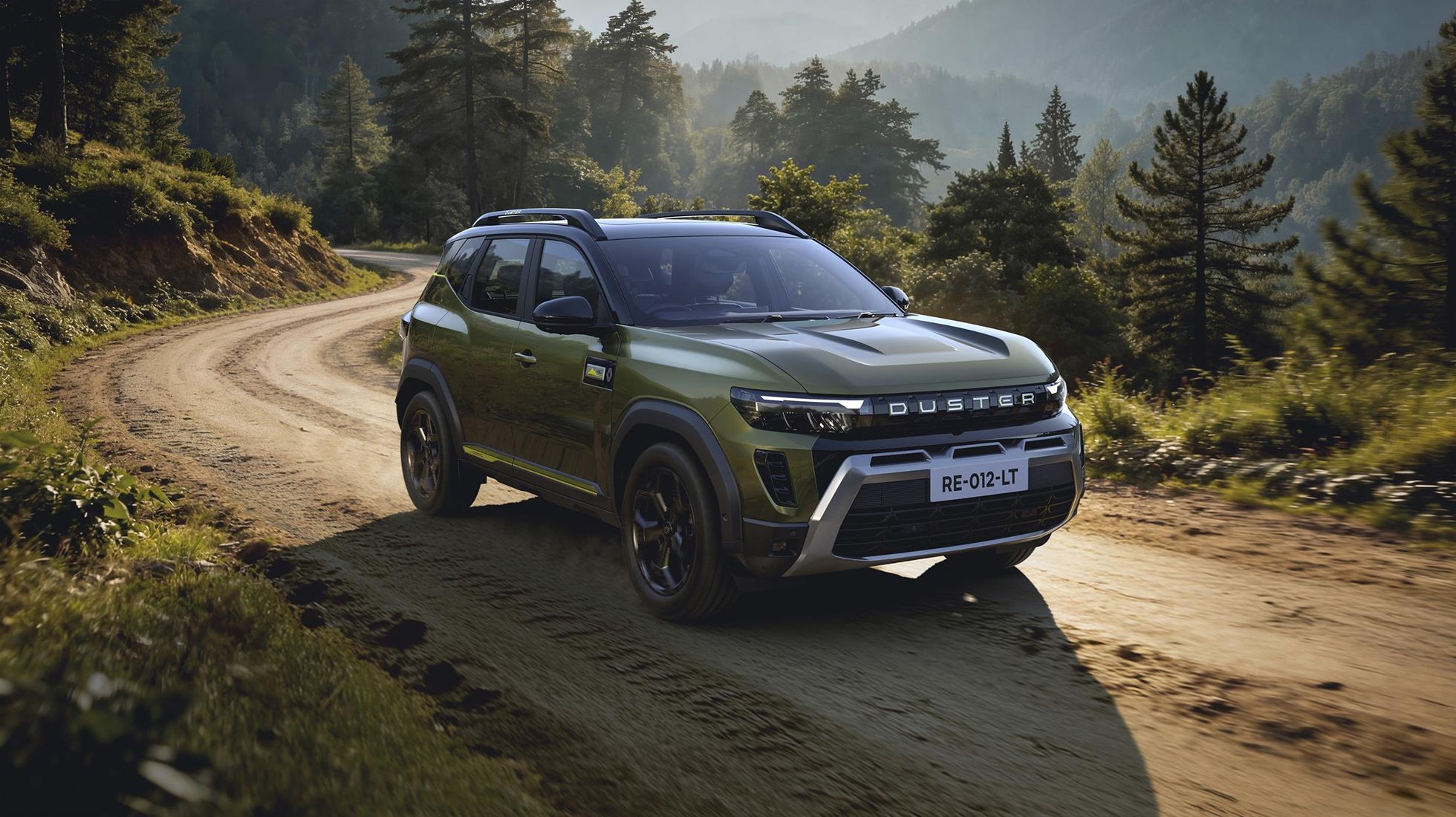
Quite a bit, actually. It’s still the same Triber underneath, with the same dimensions and clever packaging, but visually, it’s matured. It now follows the same grown-up design recipe we first saw with the latest Duster. There’s a new black grille with the updated Renault logo, a more sculpted bonnet, reworked front and rear bumpers, and headlights with integrated LED daytime running lights. Even the tail lamps are now full LEDs, giving the Triber a fresher, more premium feel.
Inside, the updates are even more noticeable. The dashboard has been completely redesigned with a new dual-tone finish. Personally, I would’ve preferred a darker colour scheme. The beige in the launch units looks neat but won’t stay that way for long, especially in a car that will see plenty of seat time. Still, the new layout feels far more up-to-date, featuring an 8-inch infotainment screen, rear air vents with a blower adjustment on the front centre console, a digital instrument cluster, and, depending on the model, a wireless smartphone charger. It’s all just better thought out and more cohesive than before.
Also worth noting is the change in trim level naming. Renault has aligned the Triber with its global naming convention, so the familiar Life, Zen, and Intens badges are gone. In their place, you now get Evolution, Techno and Iconic. It’s a small change on paper, but it gives the range a more consistent identity with the rest of Renault’s lineup, and honestly, it sounds a bit more upmarket too.
What about space?
Dimensionally, nothing has changed. The facelifted Triber still measures 3,985mm in length, 1,643mm in height and rides on the same 2,636mm wheelbase as before. That means boot space figures remain identical. You still get a generous 625 litres in 5-seater mode, but just 87 litres with all seven seats in place. And like most compact 7-seaters, that third row is really best suited for kids since adults will struggle to find any real legroom back there.
Still, versatility has always been one of the Triber’s strongest cards. It can be configured as a 5-, 6-, or 7-seater, thanks to Renault’s clever removable Easy-Fix seats. On top of that, there are now 23 litres’ worth of storage compartments scattered throughout the cabin, plus a refrigerated centre storage area and a lower glove box.
As before, the Triber lineup includes the Express, essentially a panel van version that carries all the features of the regular models but with just two front seats. It’s ideal as a business support vehicle and can be further equipped with accessories, such as an Express-branded roof rack with a 40kg load capacity, making it a practical choice for small businesses.
And safety?
Safety has also seen a bit of an upgrade. The new Triber now comes standard with ABS, EBD and six airbags, a welcome improvement over the outgoing model. Unfortunately, ESC is still missing from the list, which feels like a bit of a miss in 2025. When asked about it, Renault said it’s something they’re looking into for the future.
As for crash safety, the pre-facelift model scored a respectable 4-star rating for adult occupants and 3 stars for children in Global NCAP tests. With the additional airbags now fitted, it’s fair to expect that the facelifted version would perform even better if tested again.
How is the Triber on the road?
Frankly, if a 20-minute, 16-kilometre drive is enough to get a feel for what a car is about, then the new Triber makes a solid first impression. Nothing here is wildly surprising, but there are a few pleasant touches, the NVH levels seem noticeably better, and while the clutch is on the lighter side, it’s something you quickly get used to. In Jozi’s stop-and-go traffic, that’s not a complaint.
The launch drive was brief, and mechanically, the 1.0-litre engine and 5-speed manual remain unchanged. That little 3-cylinder still feels eager enough, though it needs to be revved to get the best out of it. With 53kW and 96Nm on tap, it’s not exactly headlining power, and you can’t help but wonder how it’ll cope when fully loaded with seven passengers. That said, the manual gearbox feels like the smarter choice here, smoother and more predictable than the AMT in the range-topping Iconic model.
Road manners are generally decent, but the Triber clearly prefers a calmer pace. It’s perfectly comfortable cruising around town or at highway speeds, but push it beyond that and it starts to feel a bit unsettled, light on its feet, almost nervous. Over bumps, though, it rides surprisingly well for something in this price range. The suspension does a good job of soaking up rough patches and speed humps, and even on less-than-perfect roads, it never feels harsh. It’s not built for enthusiastic cornering but for everyday family duties and city runs and performs exactly as expected.
Does it represent good value for money?
For what it is, the Triber does its job well. It’s not trying to compete with the big, luxury 7-seater bruisers, and that’s precisely the point. This is a car for anyone who values practicality, simplicity and the ability to carry the whole family without fuss. It’s also no surprise that it’s found huge favour in the e-hailing space, where reliability and affordability matter just as much as space.
On that note, Renault has sweetened the deal a bit with the facelift: the entry-level Evolution is R10k cheaper than the model it replaces, while the Techno and Iconic trims are R5k cheaper. They’re indeed small changes, yet meaningful for anyone working on a tight budget.
Is this a good offer?
Yes. The Triber facelift gives it the boost it really needed. As mentioned earlier, it’s something of a loner in its segment, and the updates it now carries make it an even more compelling choice for anyone after a value-for-money, budget-friendly 7-seater. It’s a simple, practical, and surprisingly versatile car that knows what it wants to be, so it’s no surprise that so many are on the roads.
- Renault Triber Evolution MT: R218,999
- Renault Triber Techno MT: R233,999
- Renault Triber Iconic MT: R249,999
- Renault Triber Iconic AMT: R259,999
- Renault Triber Express (excl. roof rack): R249,999
The price includes a 2-year/30,000km service plan and a standard 5-year/150,000km warranty.