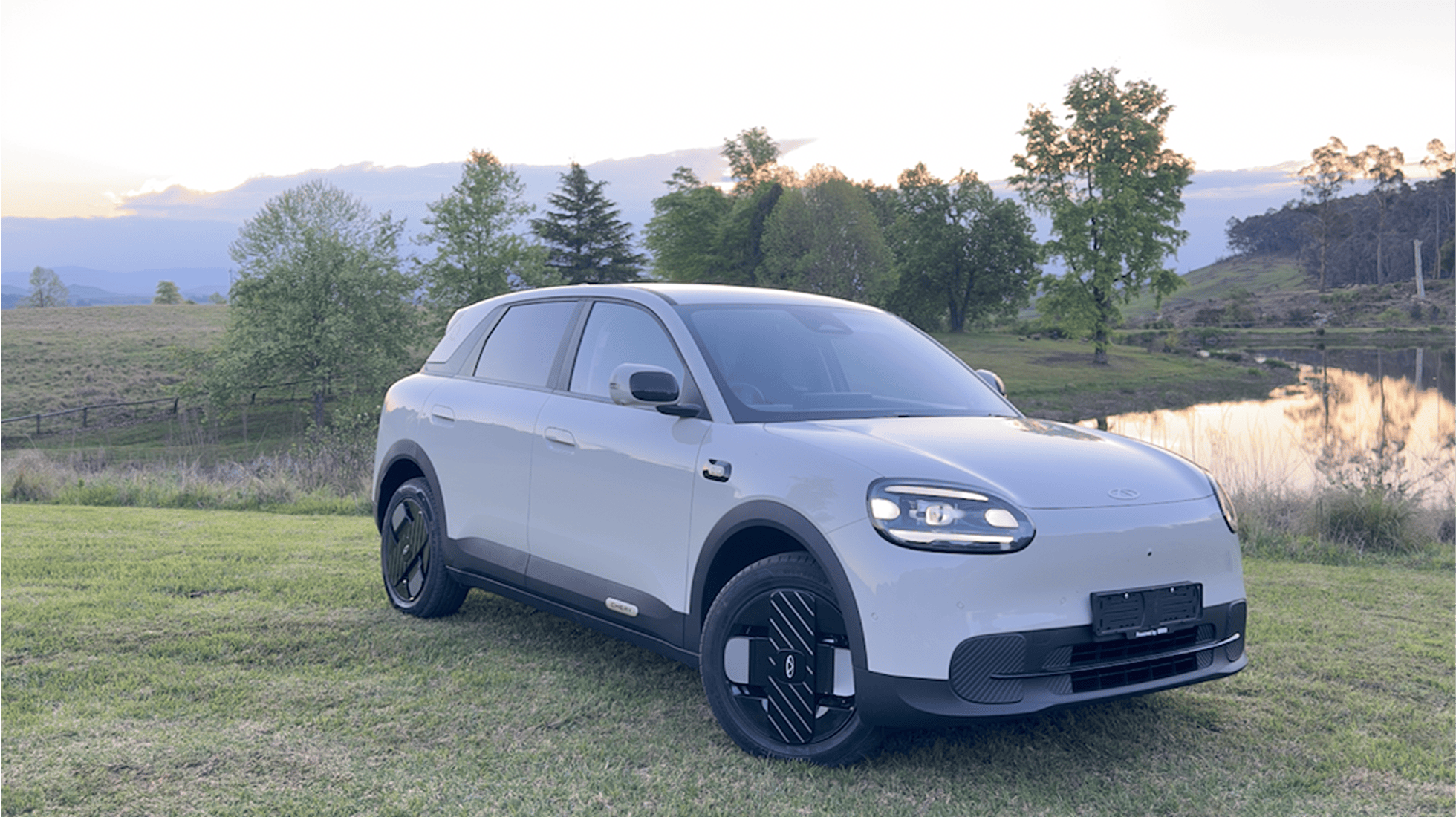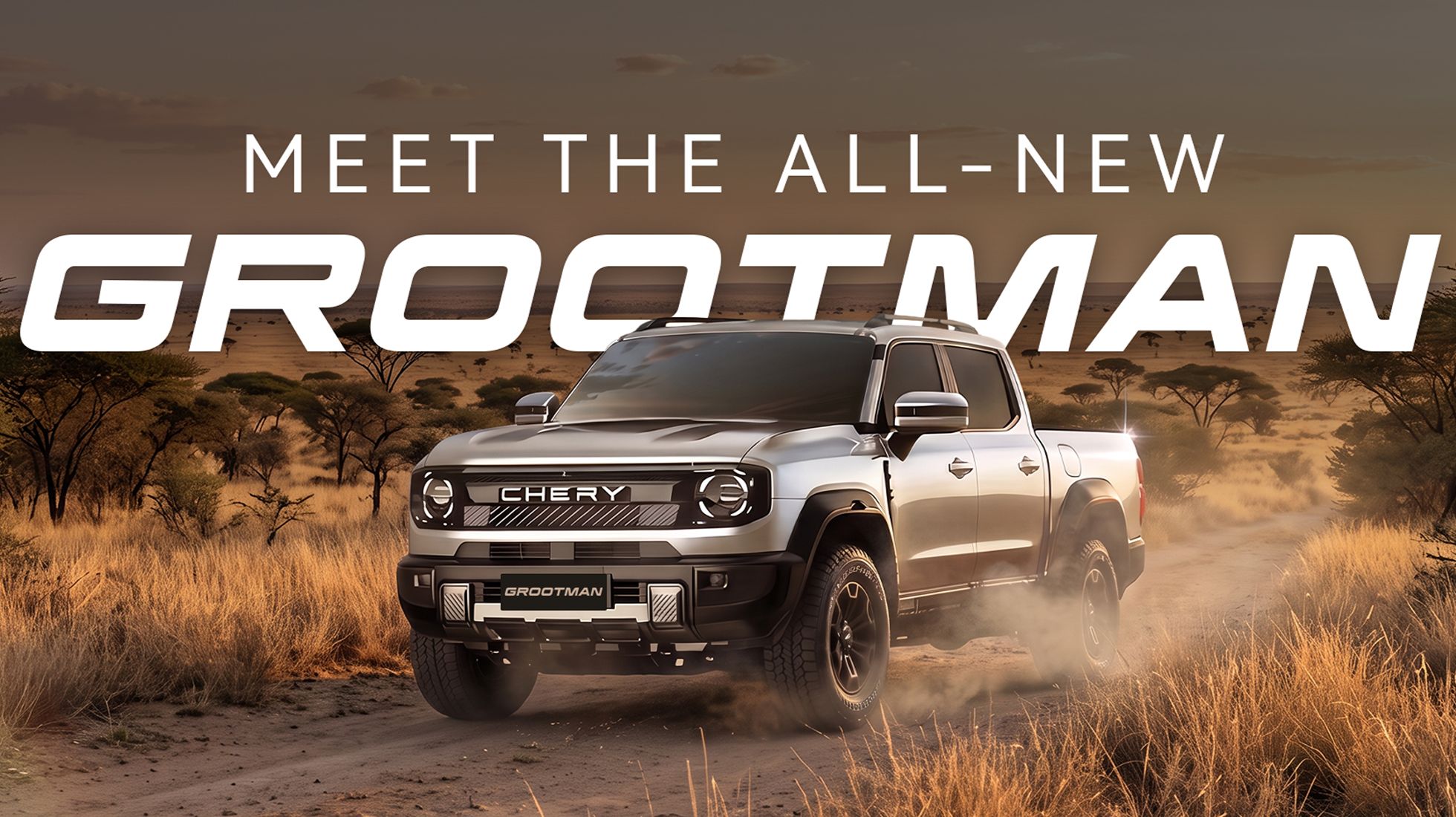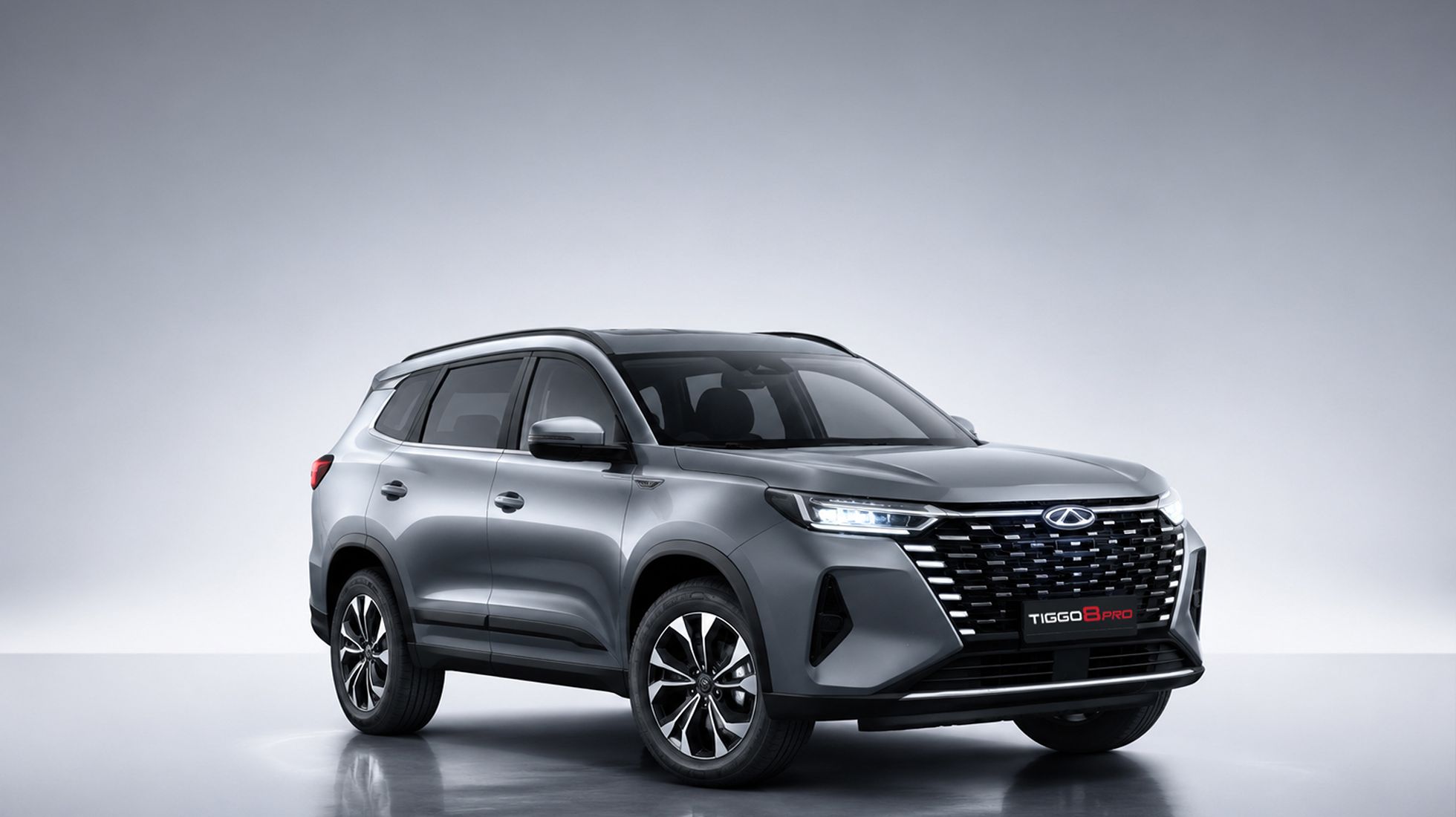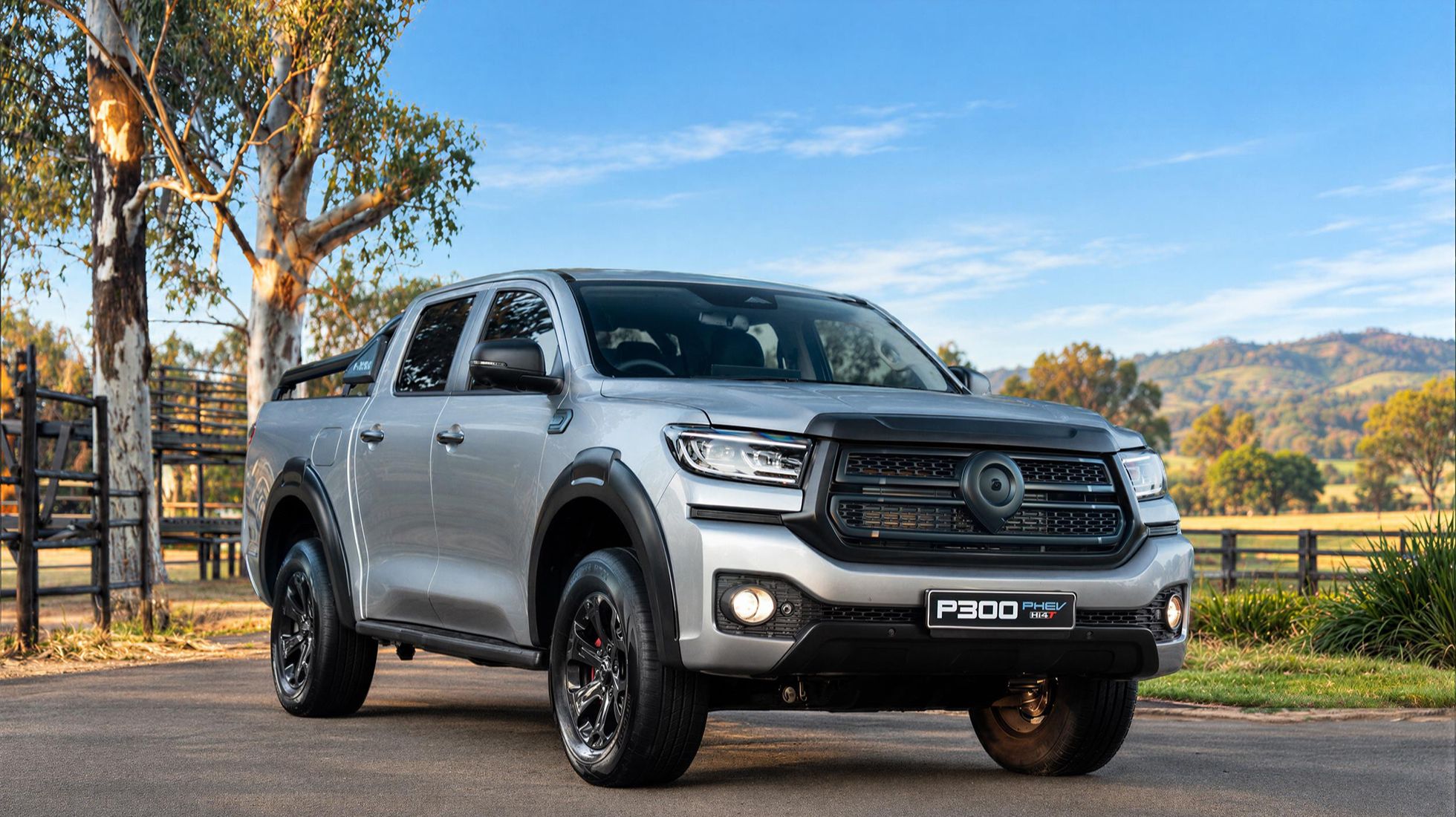










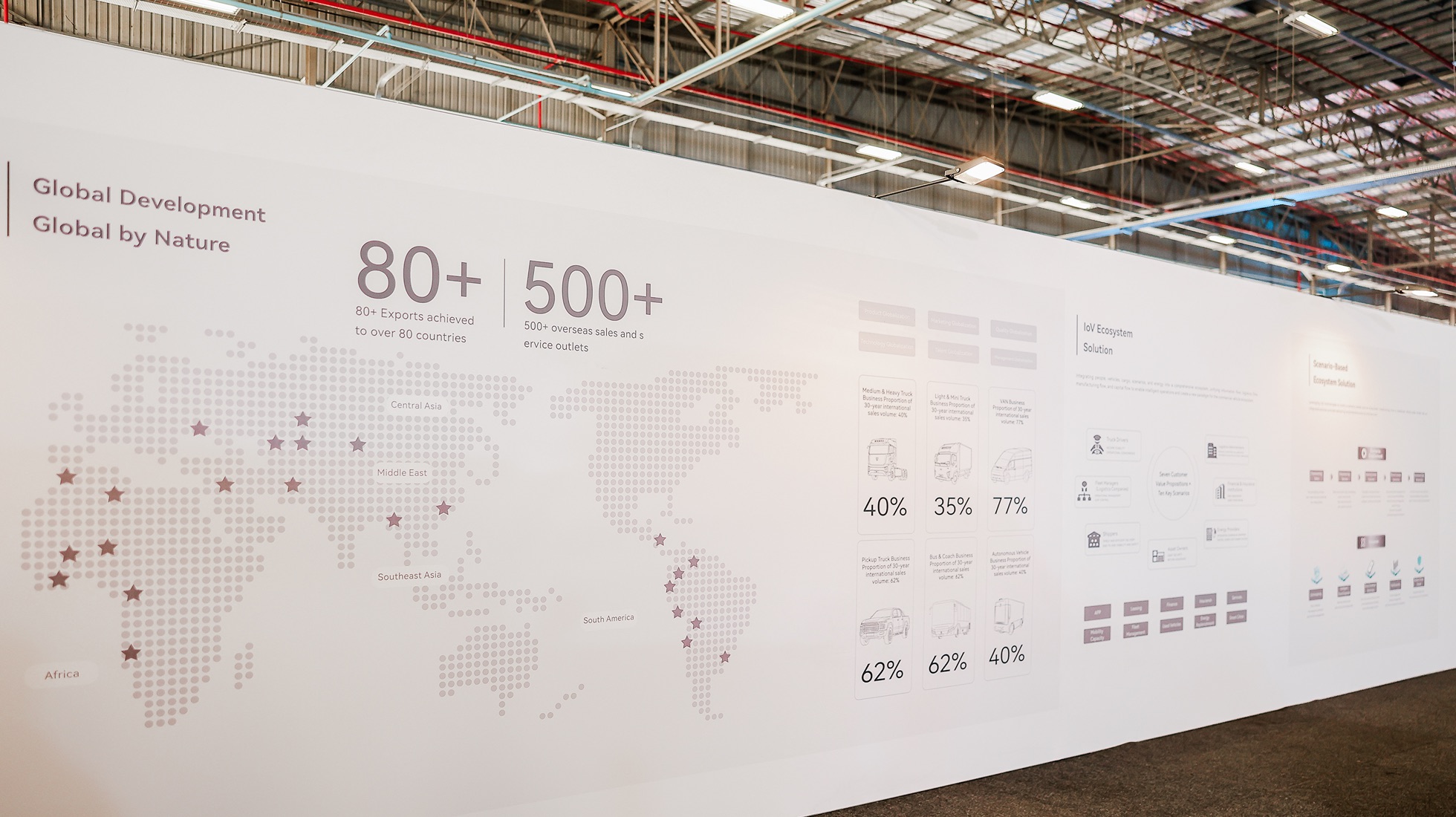
Chery’s official takeover of ex Nissan SA plant Rosslyn is a clear signal from the Chinese OEM no doubt. Is this a new era for local manufacturing and if so, what does it mean for the local supply chain and broader economy?
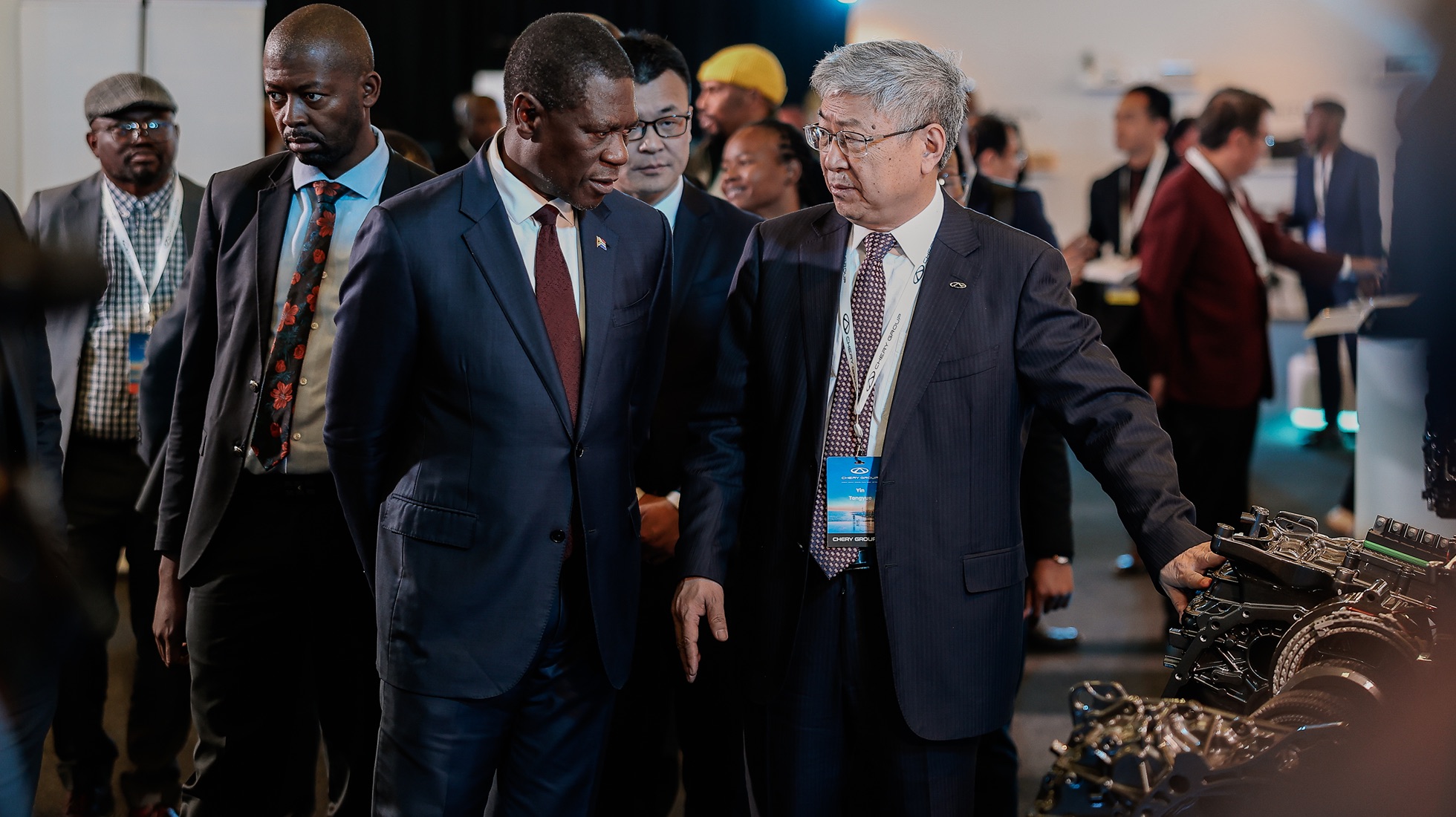
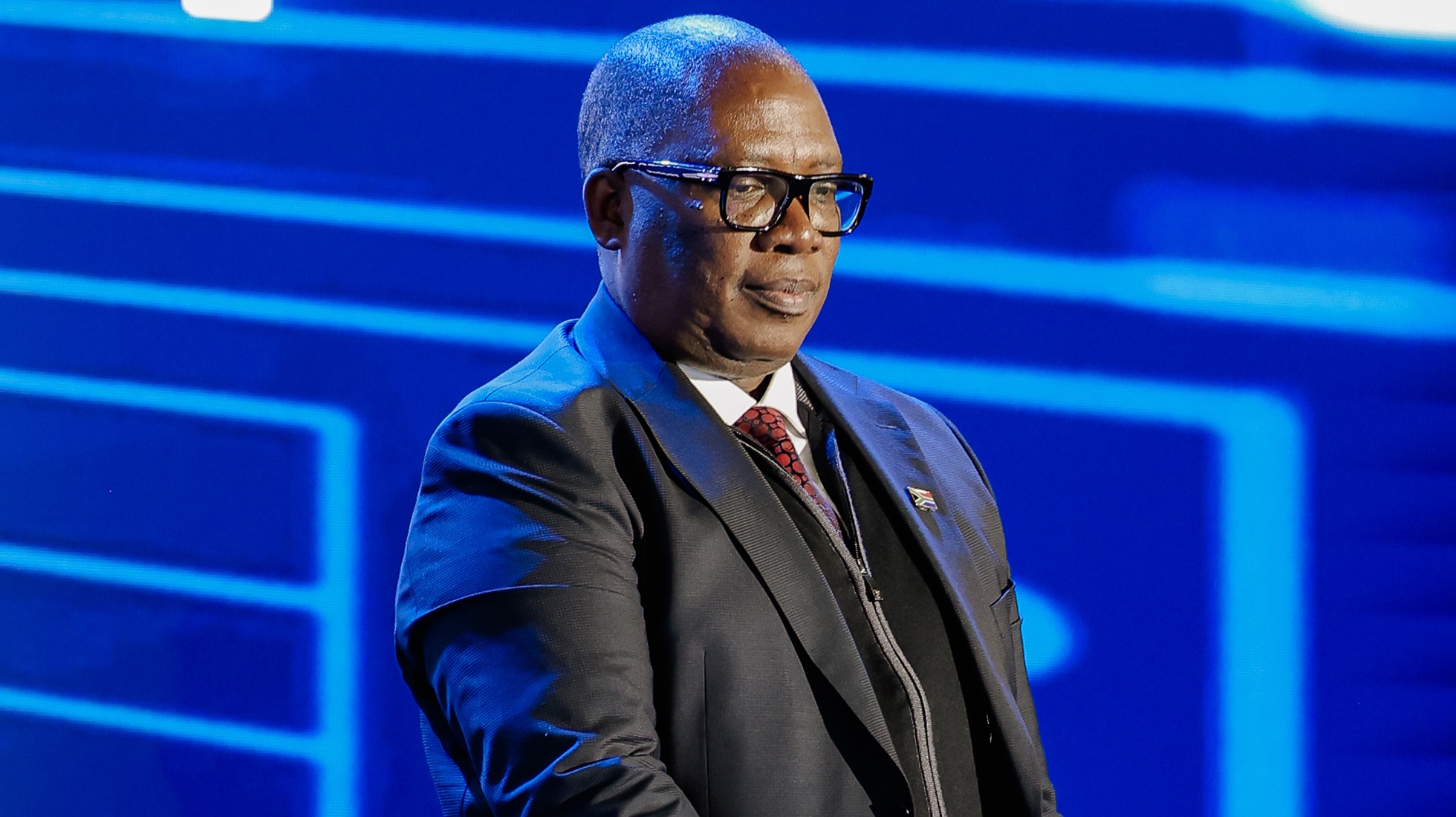
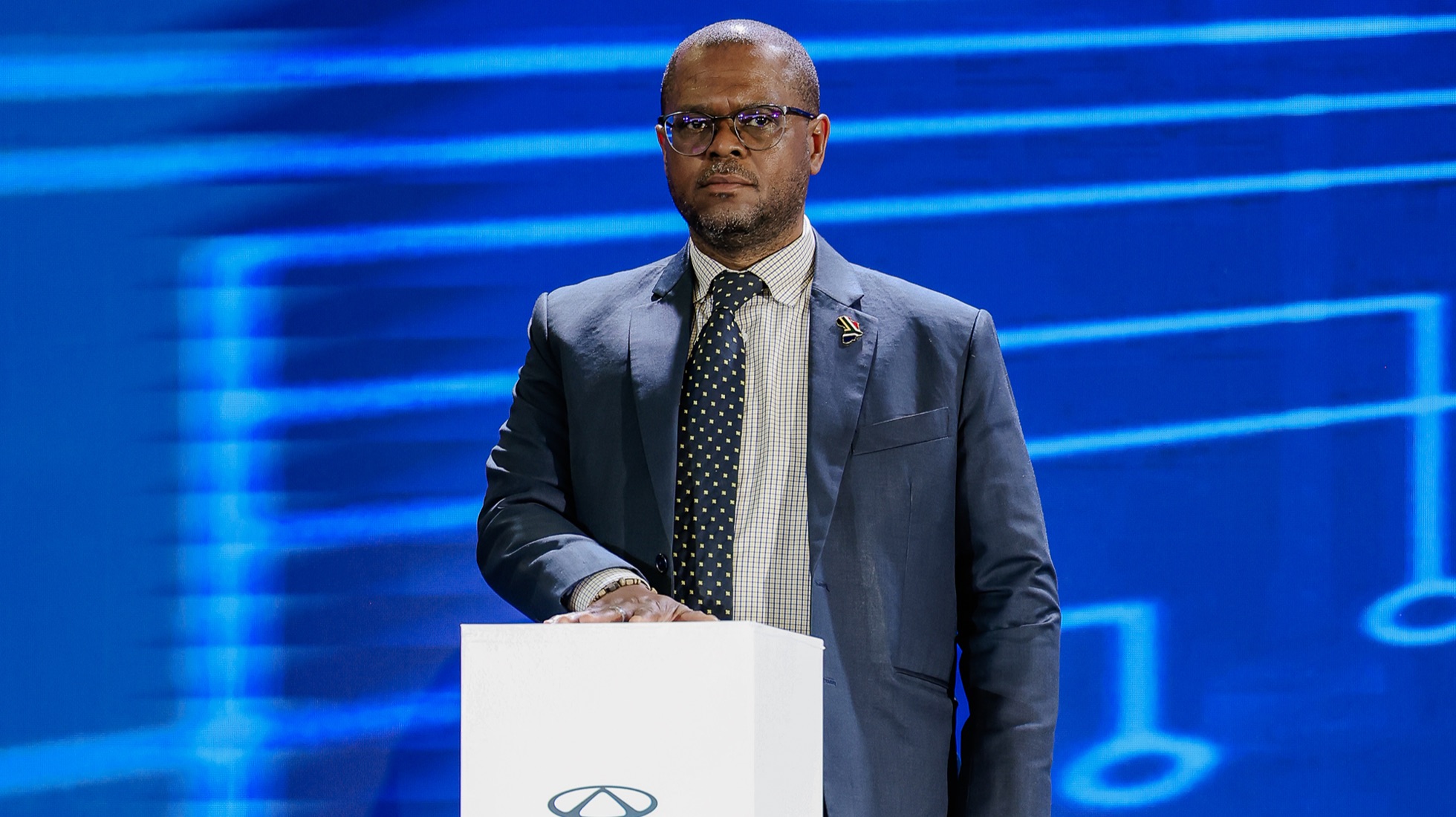
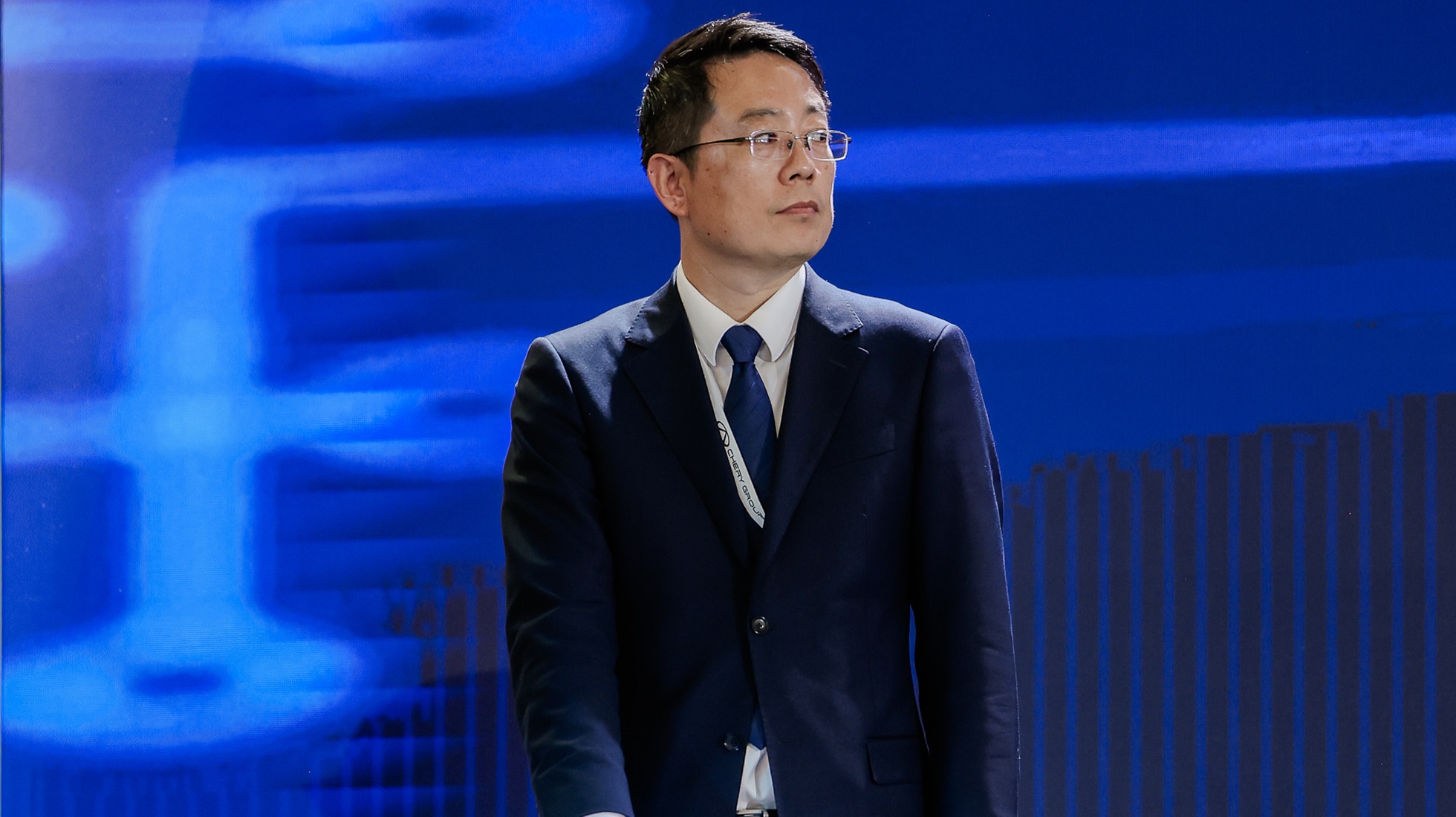
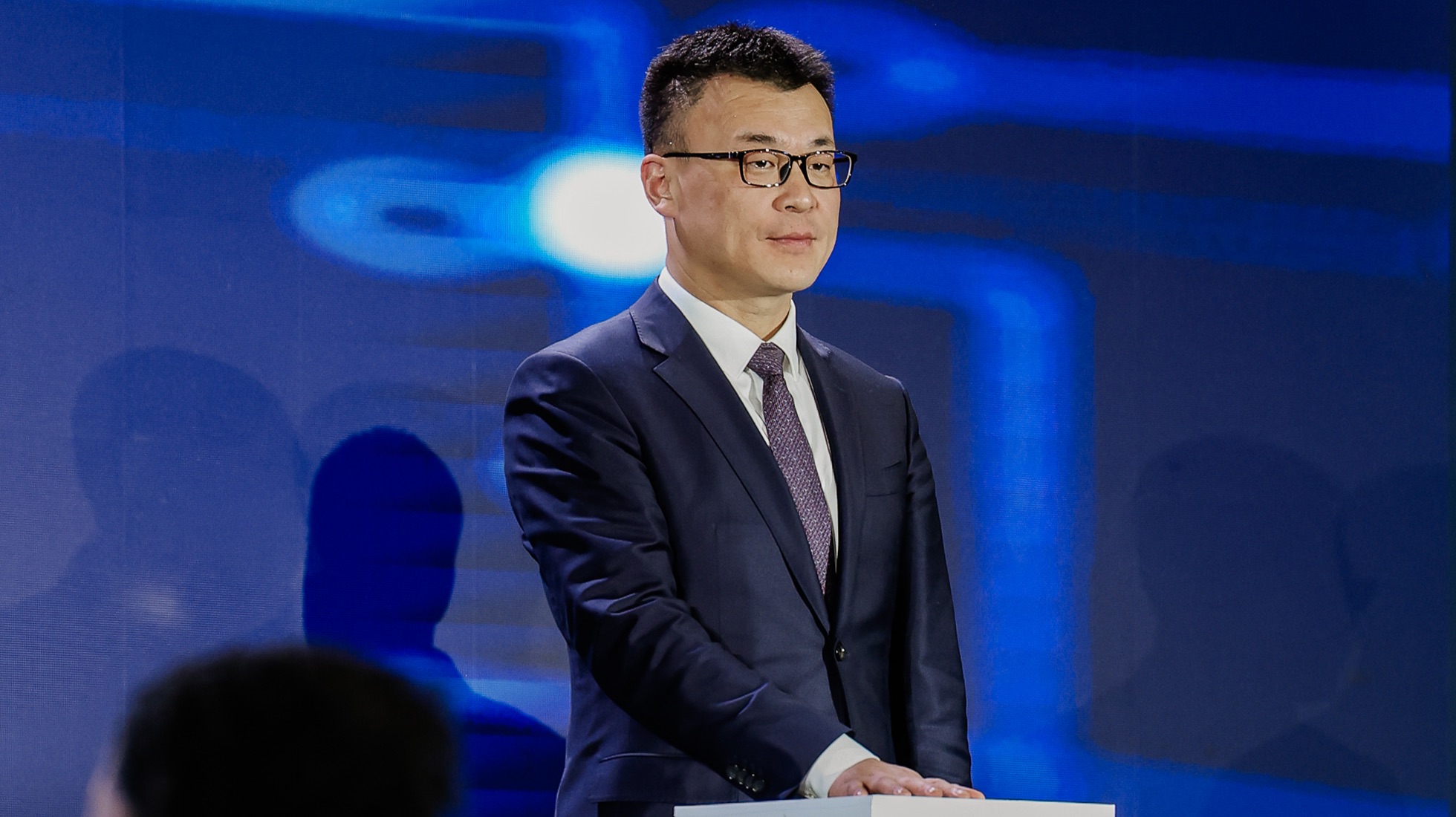
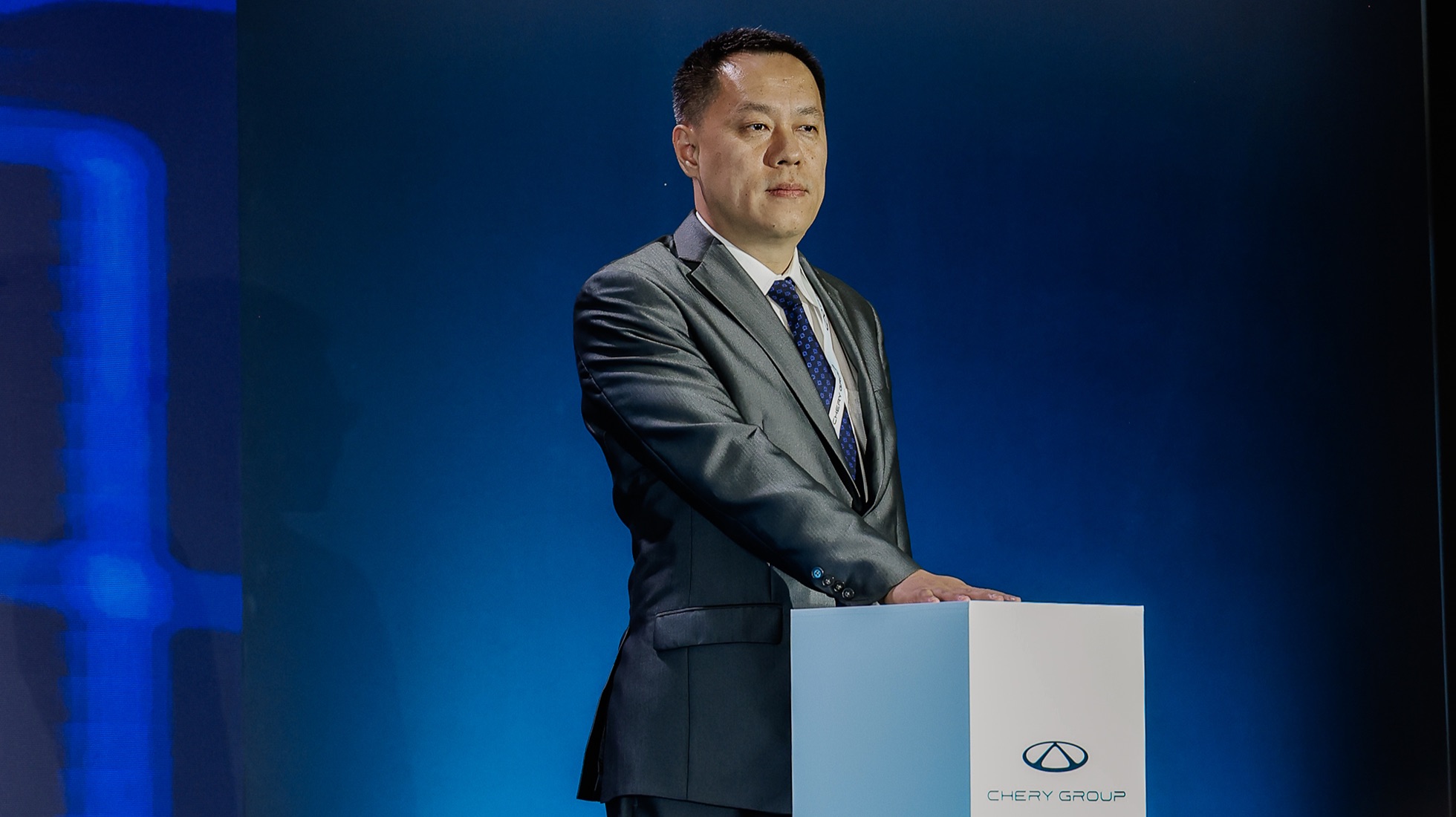
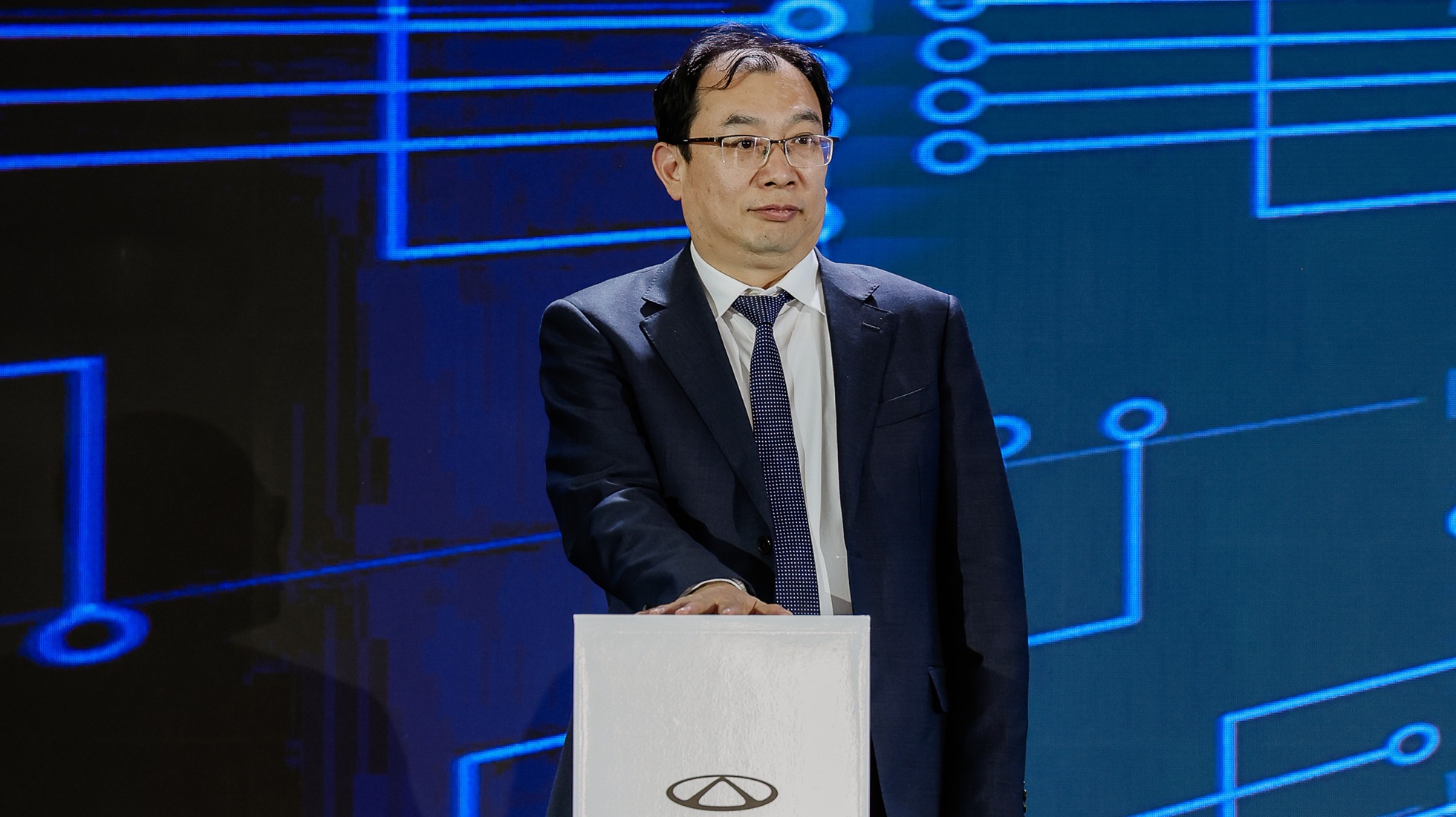
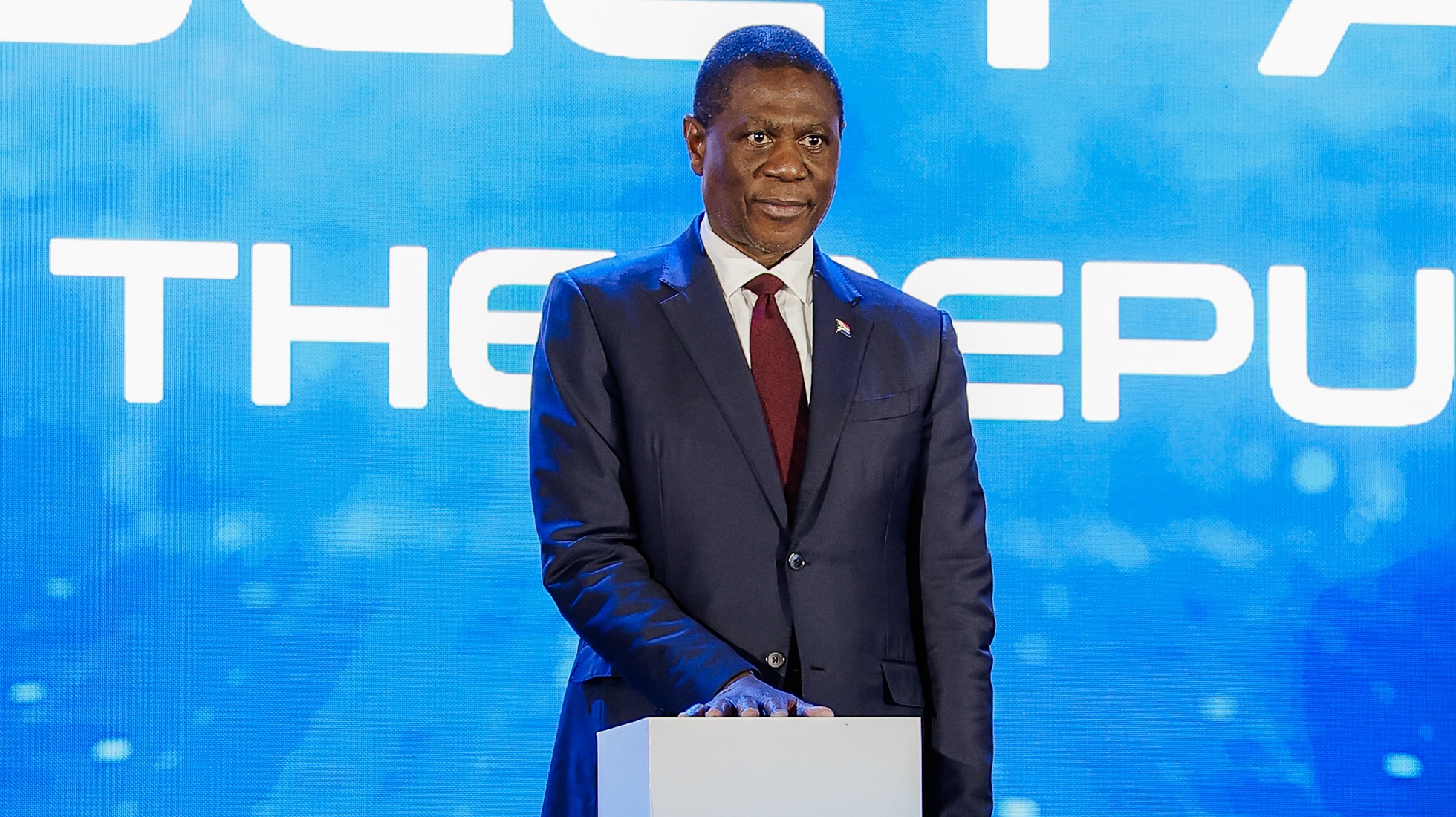
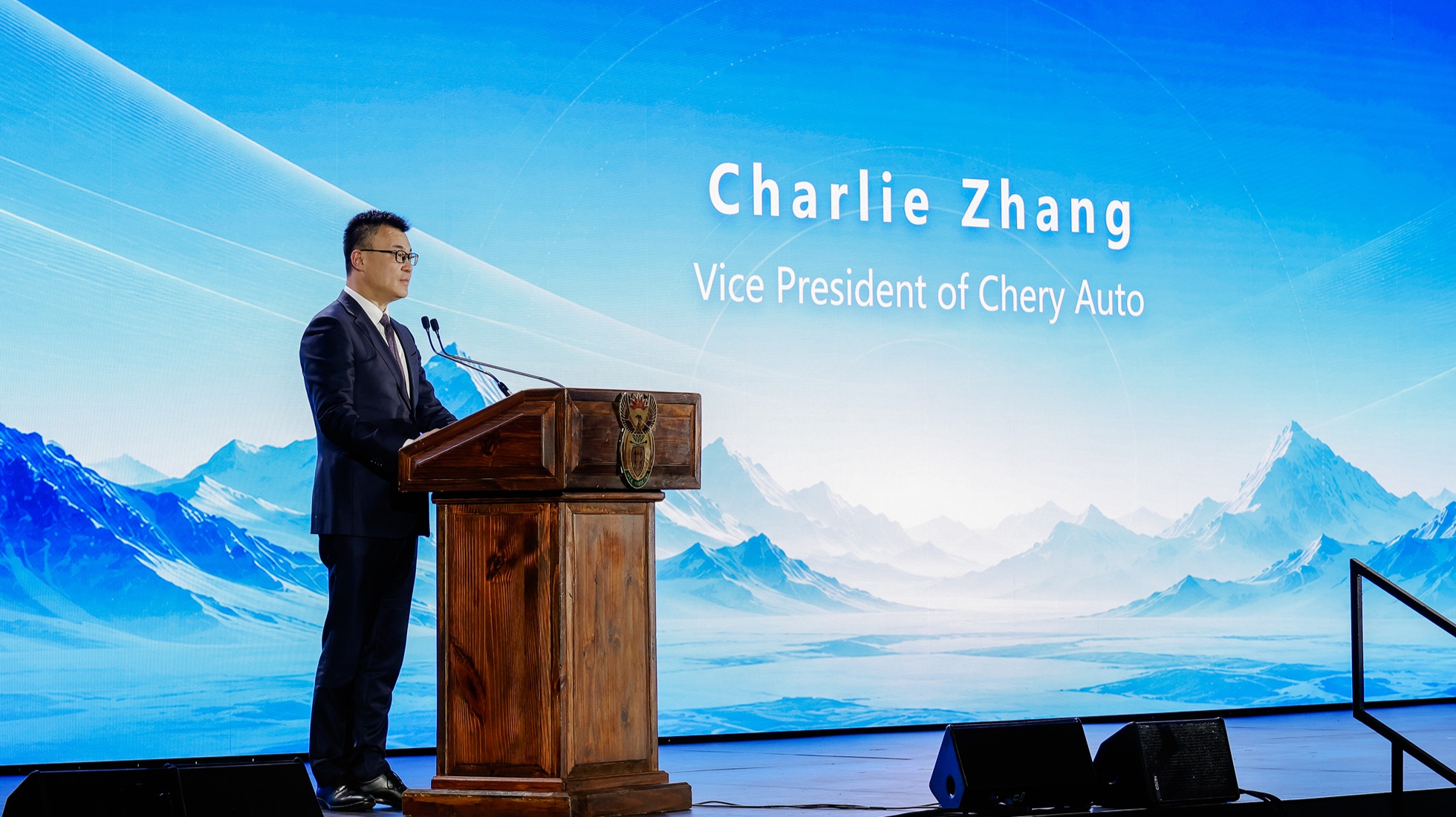
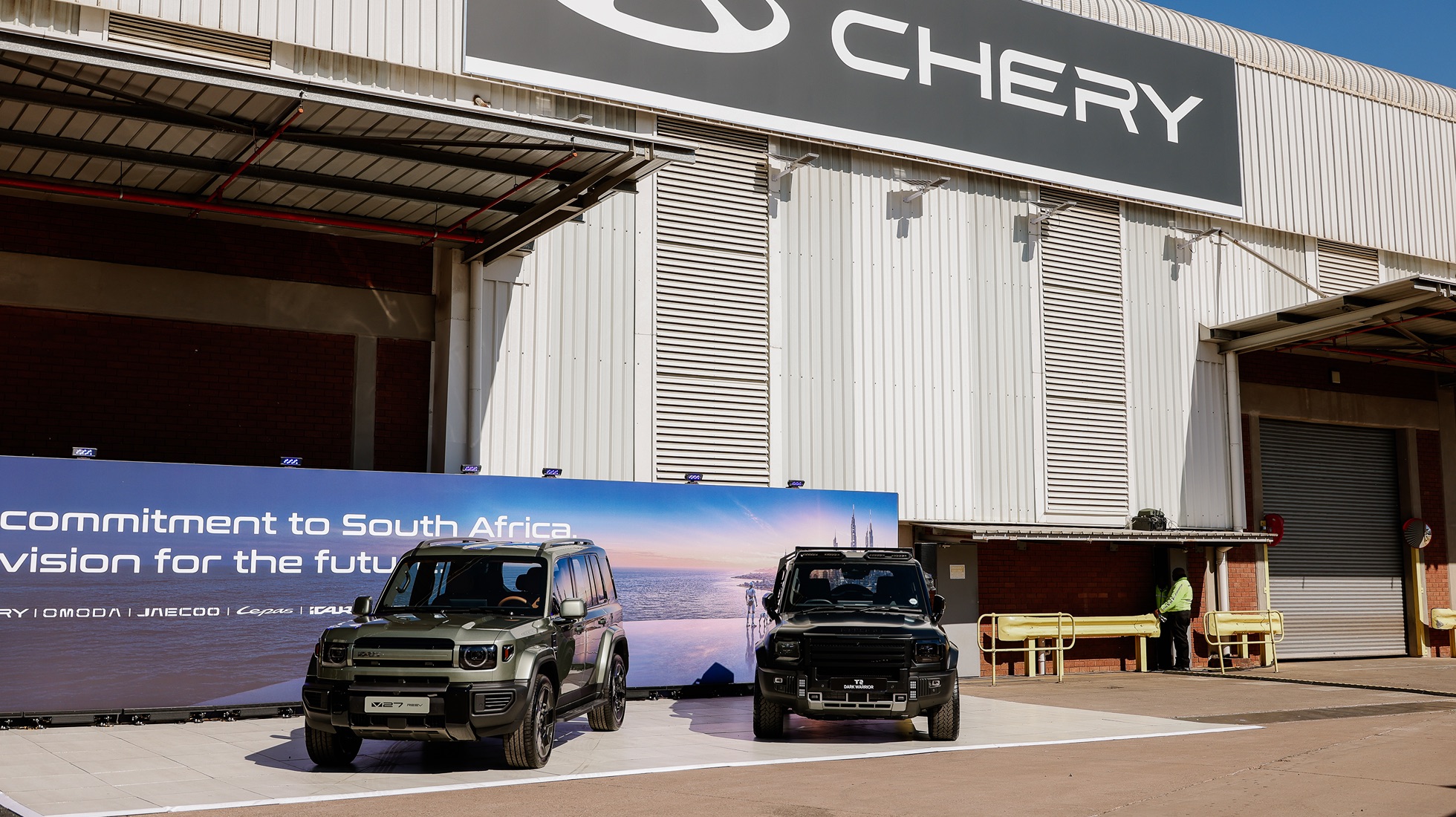
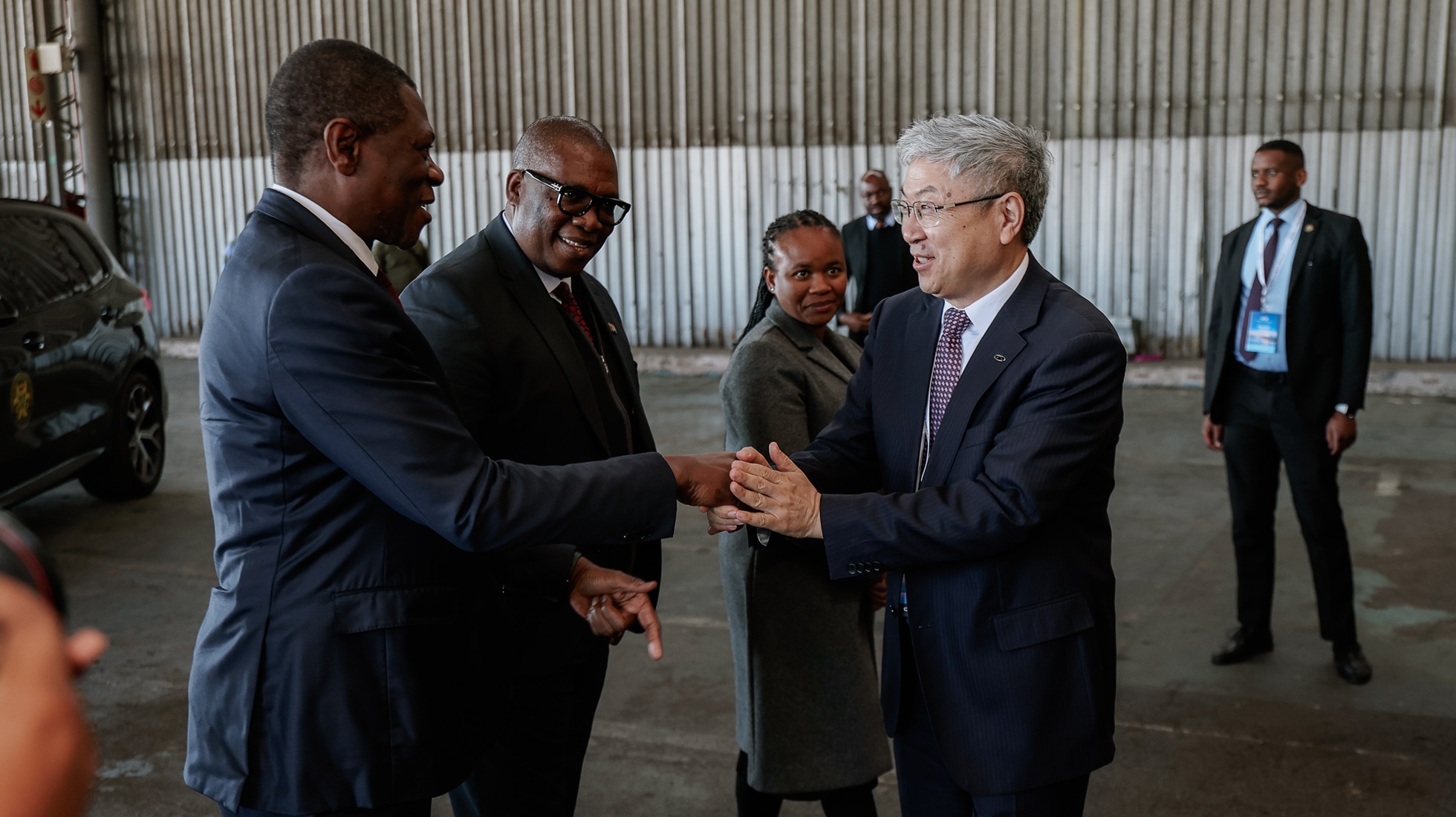
In a move that signals a significant shift in South Africa’s automotive landscape, Chinese automaker Chery officially opened its Rosslyn manufacturing plant on Friday 3 July 2026. The ceremony, attended by Deputy President Paul Mashatile, Gauteng Premier Panyaza Lesufi, and Chinese Ambassador Wu Peng, marked Chery’s transition from being a vehicle importer to becoming a local manufacturer. Sort of. Currently, no manufacturing is taking place until mid 2027, but the official takeover of the plant means that Chery can now begin the lengthy process of outfitting, renovating and setting up a new facility to produce new models next year.
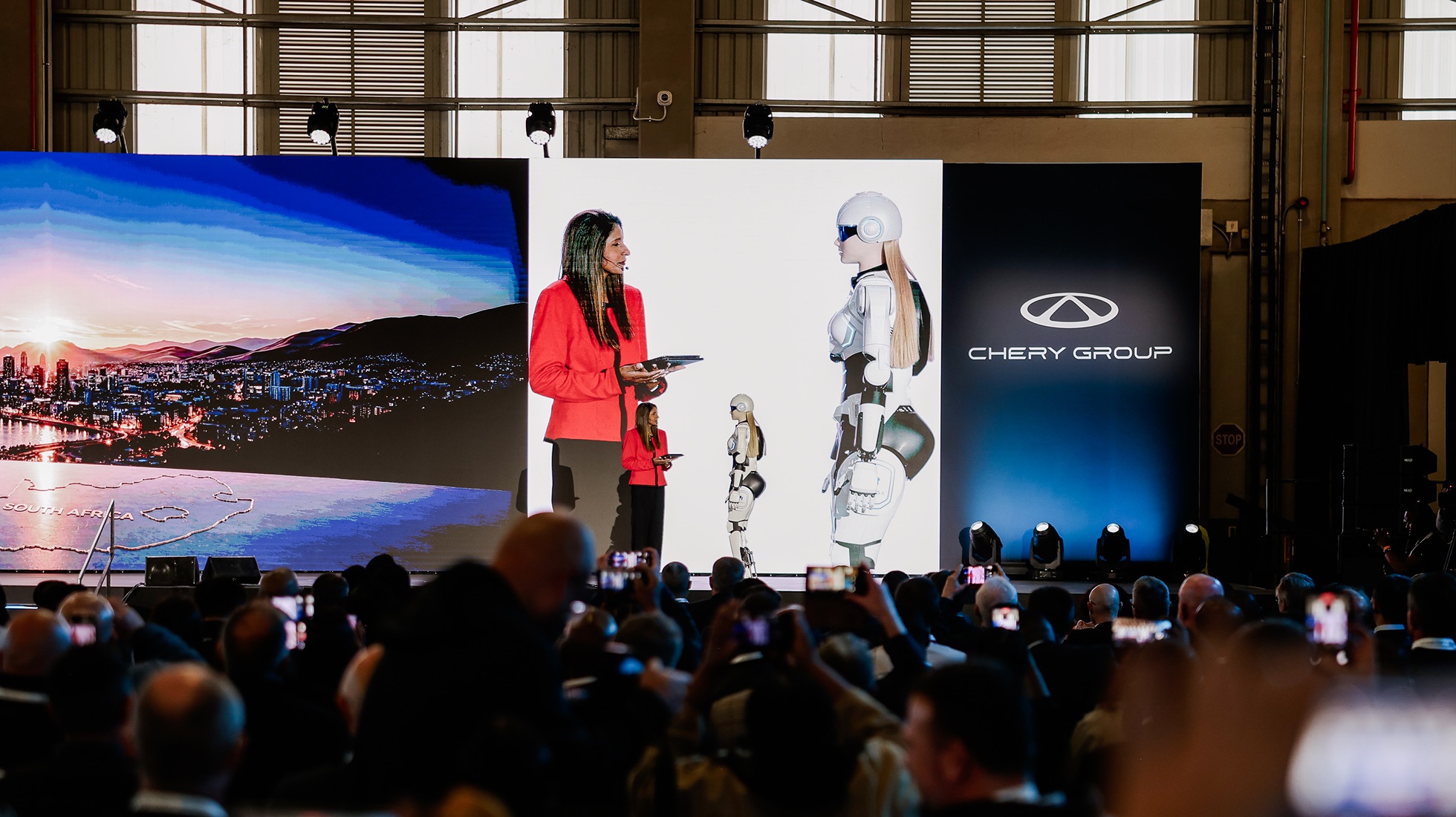
The event was massive…which it should have been. Steeped in the rhetoric of long-term commitment and mutual growth, the event positioned this takeover as one of hope for a better future. I know we’ve heard that before but from what we have already seen, this takeover is as serious as it could get especially in light of a sector grappling with de-industrialization, global supply chain tension and the shifting landscape in automotive mobility.
It’s news to celebrate, but beneath the surface of cheers, critical questions remain about the true impact of this foreign direct investment and whether it will pan out in the way that has been promised.
Chery’s investment in the Rosslyn facility—one of South Africa’s longest-operating automotive plants, established in 1963—is a strategic play. With Stellantis pausing its own South African factory plans, and what can only be described as a slow uptake of Foton and BAIC’s operation in Gqeberha, Chery is stepping in, showing actionable commitment and literally putting its money where its mouth is.
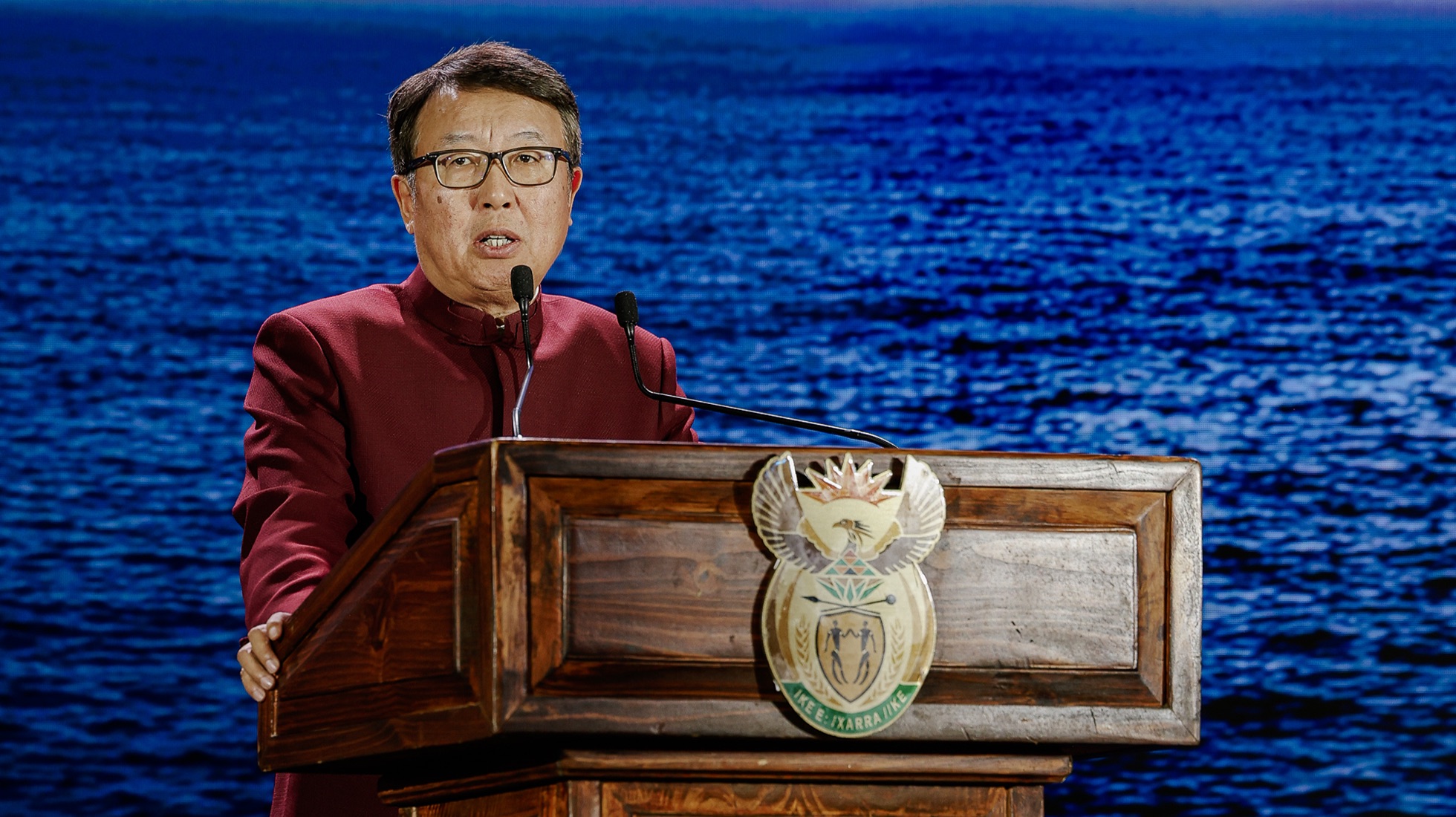
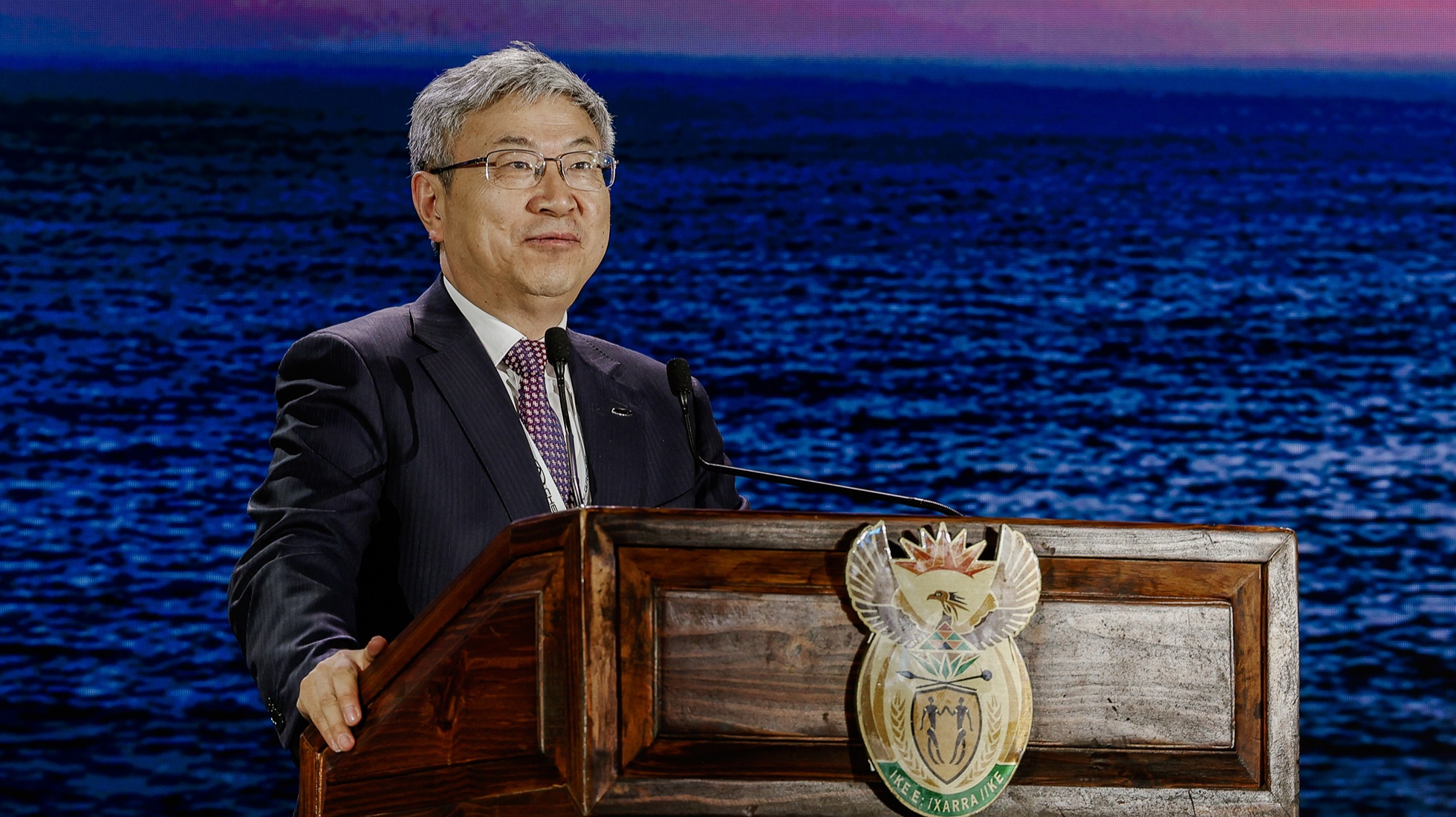
Yin Tongyue, Chairman of Chery Automobile was strong on this point. “It means wherever we invest, we commit. We have moved from being an importer to a manufacturer and from a market participant to a long-term partner in South Africa’s industrial story.”
The company plans to produce 15,000 units per year during its ramp-up phase starting in Q3 2027, with an ambitious long-term goal of exceeding 100,000 annual vehicle sales in the South African market. I’m not sure their sales team is going to agree with those numbers given the market size, but its not uncommon for Chery to have bold vision. It’s what has allowed them to achieve Top 5 sales status in the country in such a short amount of time boasting a 29% year-on-year growth between 2025 and 2026.

Jobs, Continuity, and the Promise of Ecosystem Expansion
For the local workforce, the acquisition brings immediate relief. Chery has committed to retaining 692 existing employees from the previous Nissan operations, ensuring continuity and preserving decades of technical expertise. Furthermore, the company projects the creation of nearly 3,000 more direct and indirect jobs across manufacturing, supply chain, and services.
Gauteng Premier Panyaza Lesufi expressed the province’s relief and optimism. “We are not only excited that we’ve been part of this change, but we are relieved that finally we can press the button and new cars can be produced from our province,” he said. Directed to Chery’s leadership, Premier Lesufi said, “For you to absorb these workers was a firm indication that you are here to stay forever.”
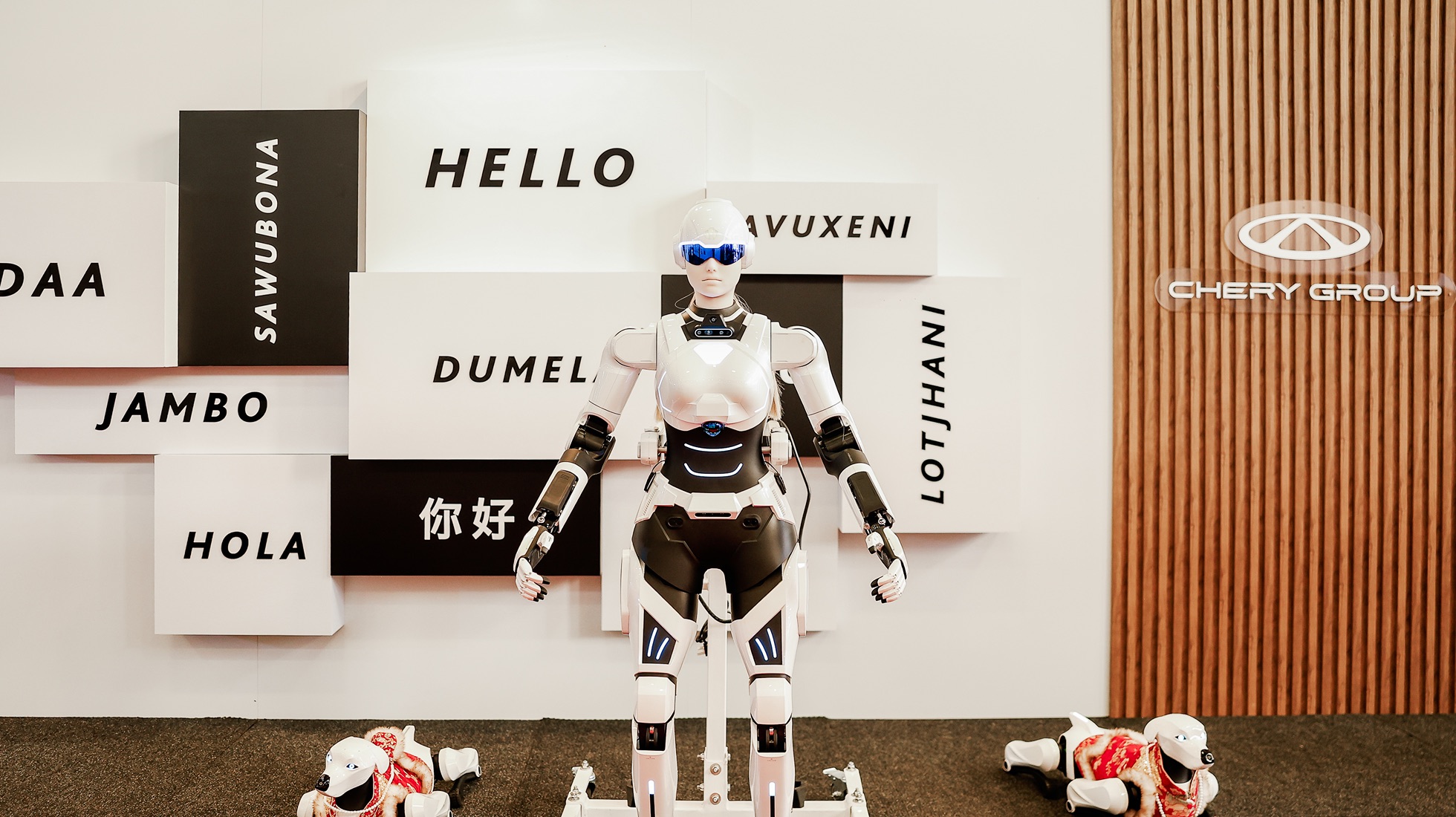
Beyond vehicle assembly, Chery is introducing its “full industrial chain ecosystem” to Africa. This includes a $12 million commitment to global education programs in partnership with UNICEF, focusing on science, technology, and innovation in South Africa, as well as biodiversity conservation projects with the IUCN, the International Union for the Conservation of Nature. The company’s diversified industrial portfolio also spans green photovoltaic cells, robotics and their circular economy.
The Double-Edged Sword of Foreign Investment
While the influx of capital and advanced technology is undeniably beneficial, it also brings the conversation of de-industrialization to the fore. It’s a common trend of foreign companies that acquire local industrial firms and in the process, erode local ownership and the potential impetus and growth of local supply chains.
Deputy President Paul Mashatile addressed these concerns head-on, emphasizing the need for a balanced approach. “While such acquisitions are beneficial as they bring in crucial capital and also advanced technology, they also raise significant issues regarding de-industrialization.”
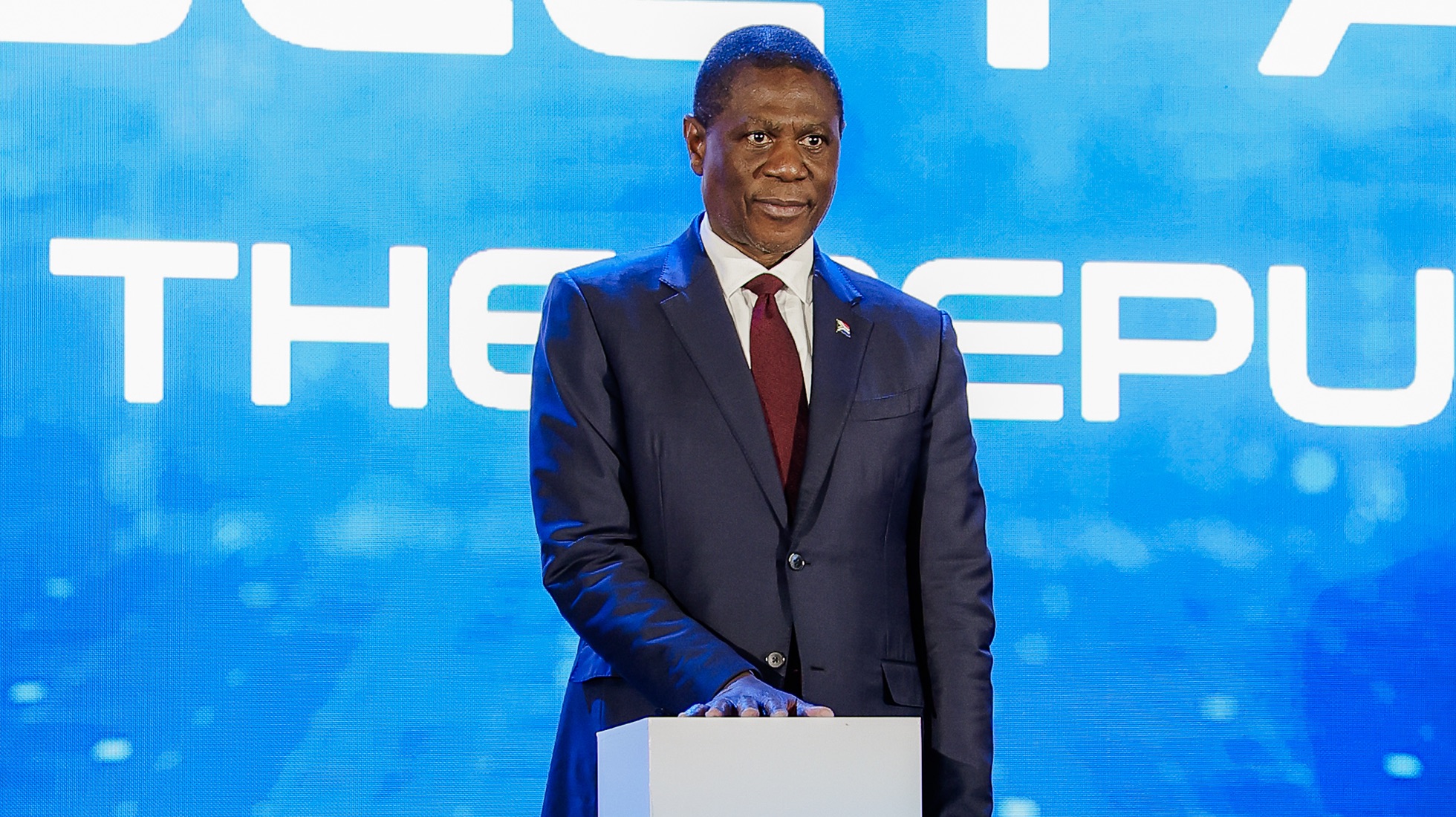
The government’s strategy relies heavily on enforcing local procurement rules and encouraging foreign-owned companies to source materials locally rather than relying on imports. “It is important to separate basic assembly from the more advanced localization of components and supply chains,” Mashatile warned. “Assembly by itself may provide only shallow employment, but prospects are better with localization because it creates significant job multipliers.” This is the most significant thing that the Deputy President said. But Chery hit back with a ramp-up plan for localisation.
The Road Ahead: Localisation and Leverage
Chery has promised to launch a localization program, aiming for a 40% local content rate by 2028. This target is crucial, not only for the sustainability of the South African automotive sector but also for capitalizing on the recent zero-tariff trade agreement between China and Africa. As Ambassador Wu Peng highlighted, vehicles and auto parts made in South Africa with a 40% local content rate can now be exported to China tariff-free, opening a massive new market for domestic manufacturers.
The government is calling on Chery to actively identify and promote local suppliers, particularly those led by youth and based in townships like Mamelodi and Soshanguve. Mashatile urged this. “Bringing township suppliers into the automotive value chain will not only strengthen Chery’s own operations, but also bring transformation into the communities where opportunity is most needed.”
As Chery cements its position as a major player in South Africa, leveraging its multi-brand portfolio (including OMODA, Lepas, iCaur, JAECOO & Jetour) and its new manufacturing capabilities, the ultimate measure of its success will not just be the number of cars rolling off the Rosslyn line. The real question is: Will this multi-million dollar investment that has been in the making for over three years, genuinely catalyse a robust, inclusive, and locally-owned industrial ecosystem, or will it simply serve as a strategic foothold for a global giant in a lucrative African market?
Only time will tell but if Chery’s ratio of doing what it says it will do is anything to go by, I imagine this investment is more than just a ploy to garner government support. It seems to be the beginning of a stronger local takeover and a foothold into other African markets.