





First Drive: Toyota RAV4 – Full Range
Toyota’s RAV4 is officially here and on sale, and it is arguably Toyota’s most important product in the market right now. Given Toyota’s significant run of model introductions in 2026, that’s saying something. We drove it in the Western Cape, and there’s a lot of good stuff to tell you about.
Wait, we’ve seen this car quite a few times in the news this year? How new is it?
True. Toyota has been strategically smart with how it has chosen to communicate its plans for the year. We first saw the RAV4 GR-S at SOMI (Toyota’s State of the Motor Industry Address) in February 2026. Toyota then gave us another look at NAMPO in May. These were all look-but-don’t-touch events. This was followed by Toyota’s Matsuri (Festival) event also in May, where we did get to see and drive the RAV4 in a closed environment and for a very short period. Only one derivative was driven at the time, so this particular story is the first time we actually got to drive the RAV4 in all but one of the derivatives, and get a full download on the important stuff.
Why did you call this Toyota’s most important product in 2026?
Because it’s the one that has the hardest job to do. The Toyota Hilux launches in a few weeks, but it leads a segment that, whilst many new players have tried, its market share and volume remain formidable, and that’s not going to change any time soon. The FJ Cruiser, launched just a few weeks back, plays in a smaller niche segment, and the bZ4x EV even more so.
The RAV4, now in its sixth generation, arrives at a time and into a segment that has never been so brutally competitive and dynamic. It’s the segment that commands the second-highest overall volume of sales, a place where legacy brands as well as newish Chinese and Korean brands offer significant value at an ever-increasing pace and at a seemingly decreasing price. It’s a tough place to play, and an even tougher place in which to win.
The RAV4 was the most popular car in 2025. Think about that. Globally, it was the highest-selling car. Of course, it’s not SA’s favourite car (that belongs to the Hilux), but it gives you some idea of how big this nameplate is, and so TSAM has to be bullish to keep it significant in the market. After driving it for around 400kms in a beautifully lush Western Cape, I think they’re not messing around.
It’s the looks, right? It looks pretty good.
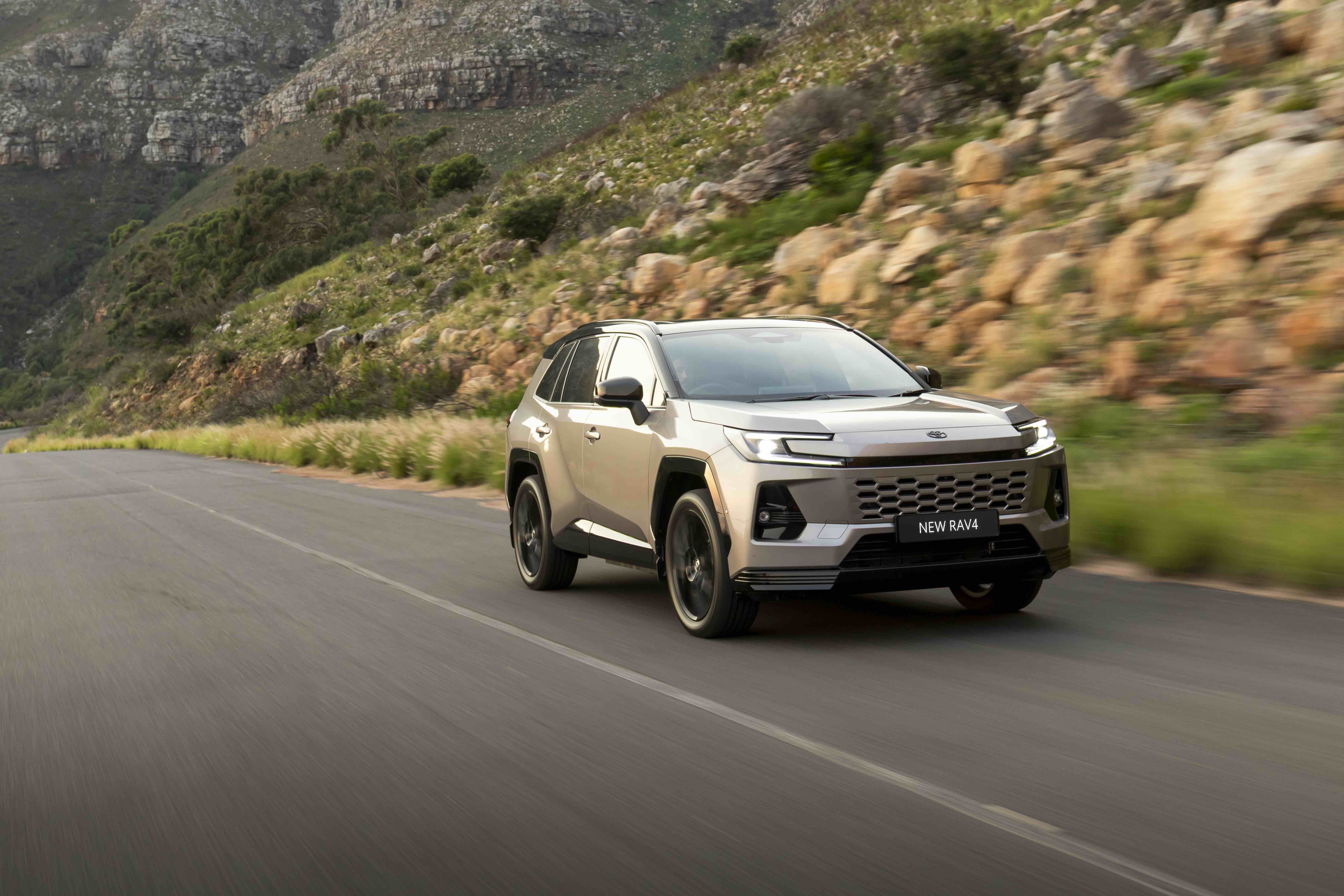
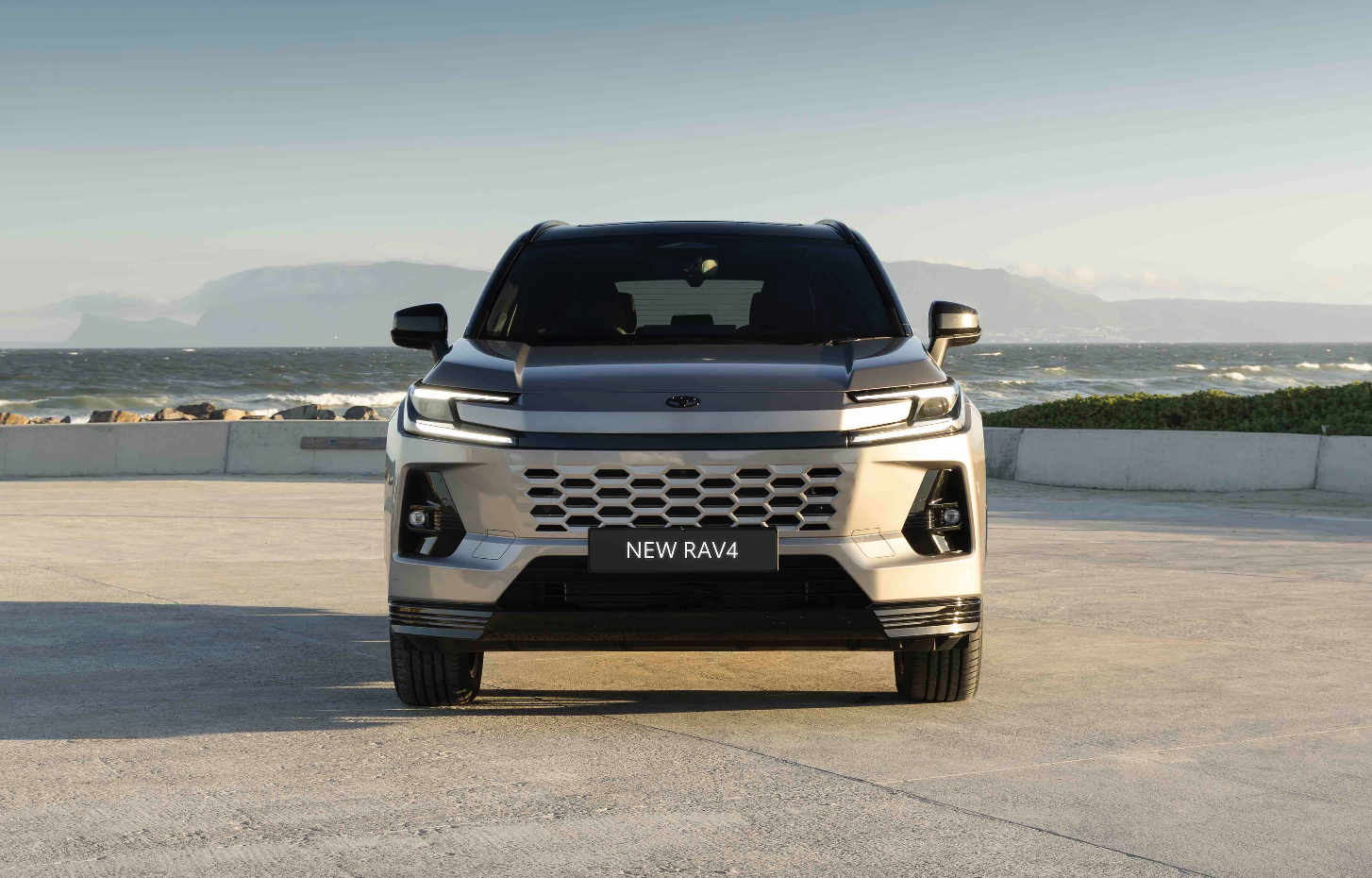
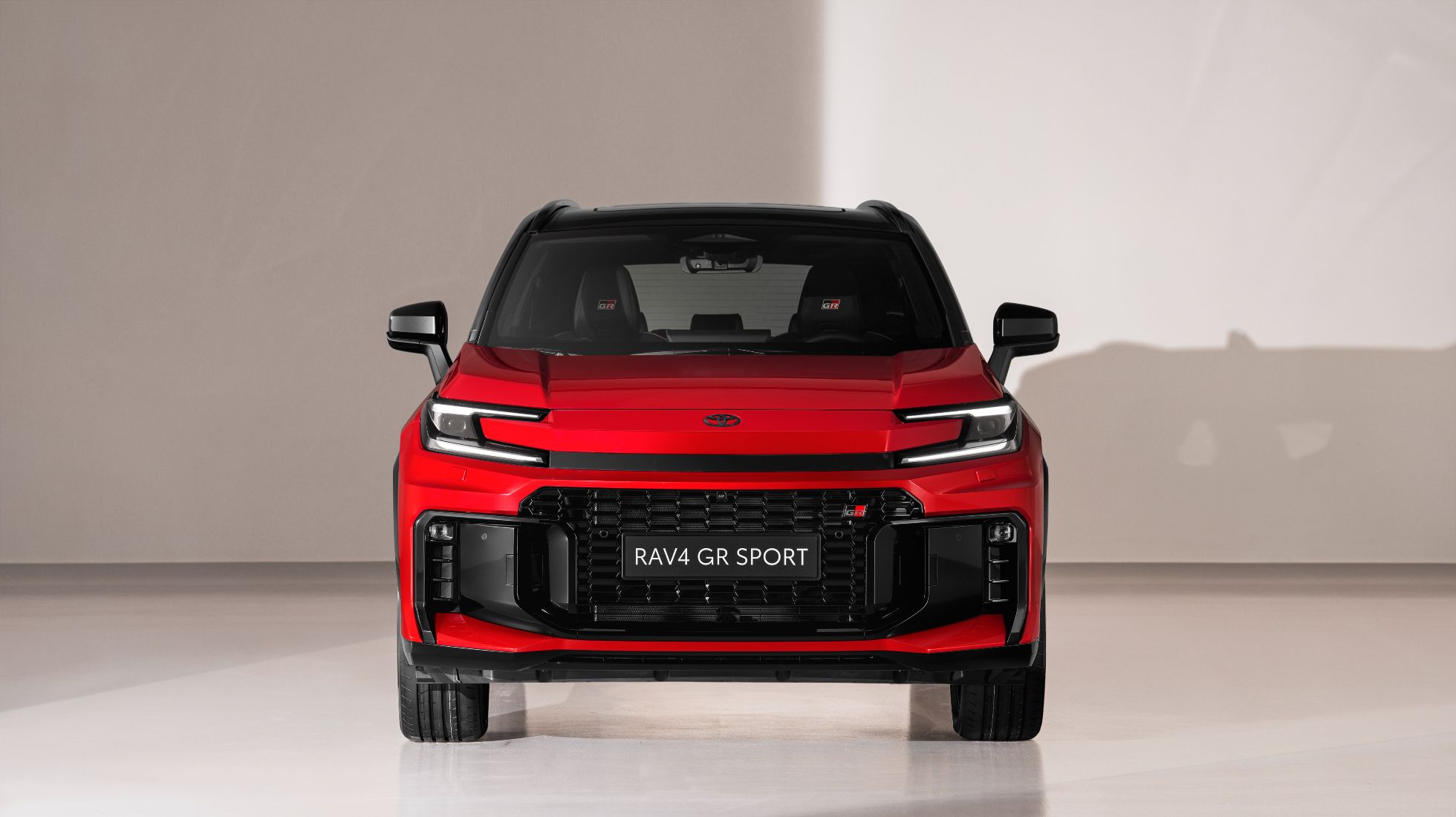
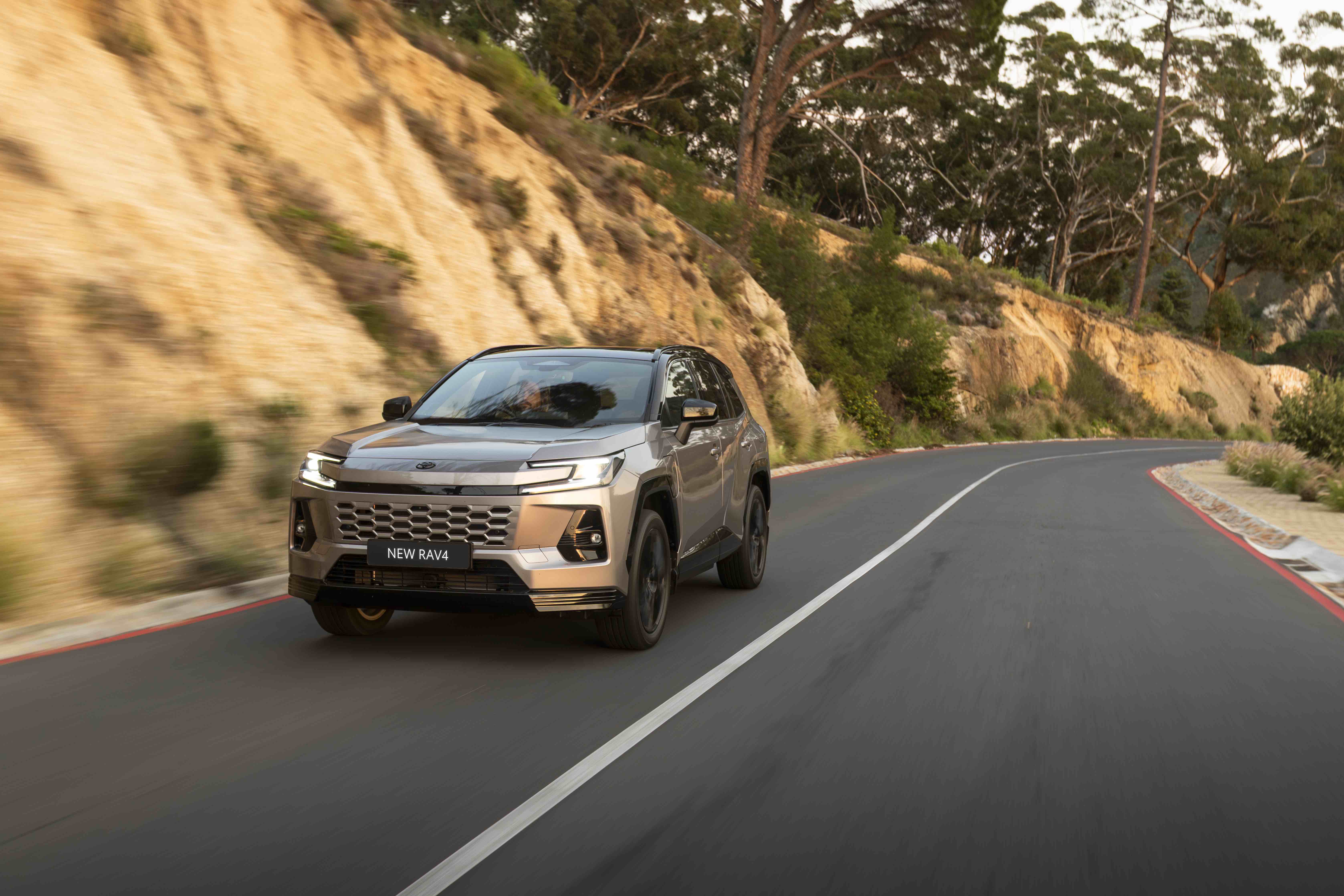
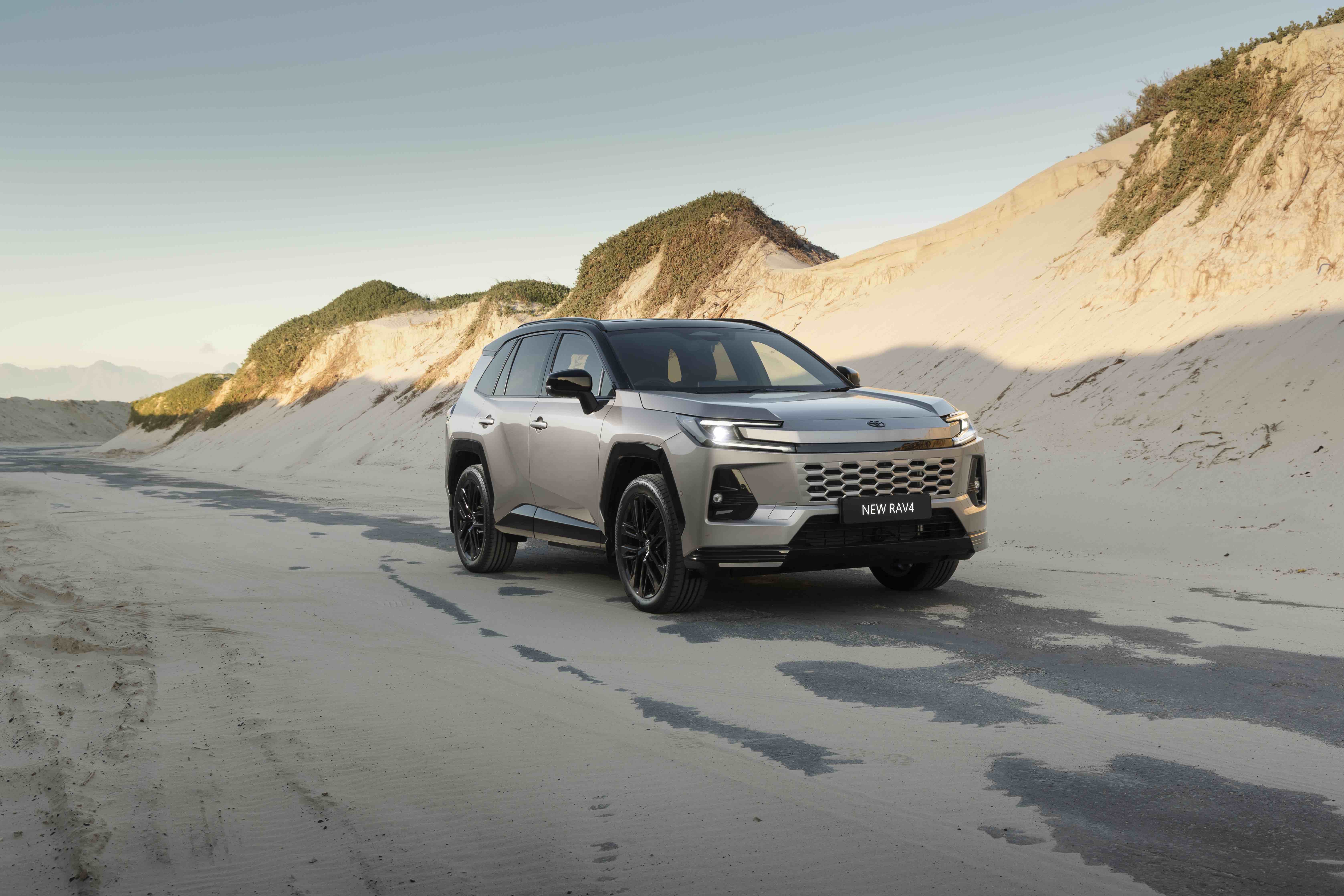
Yes. That’s a good start. The RAV4, previously unspectacular in its design, is now far more attractive as an overall design package. When have we ever called a RAV4 sexy? The front grille treatment is an evolution of what we’ve seen on Toyota’s newer products. Whether in GR-S form with contrasting black grille elements or on Core GX and VX models that use body-colour elements, the car’s first impression is striking, modern, fresh and bold. Nobody can call the RAV4 ugly, ungainly or boring. That’s a win.
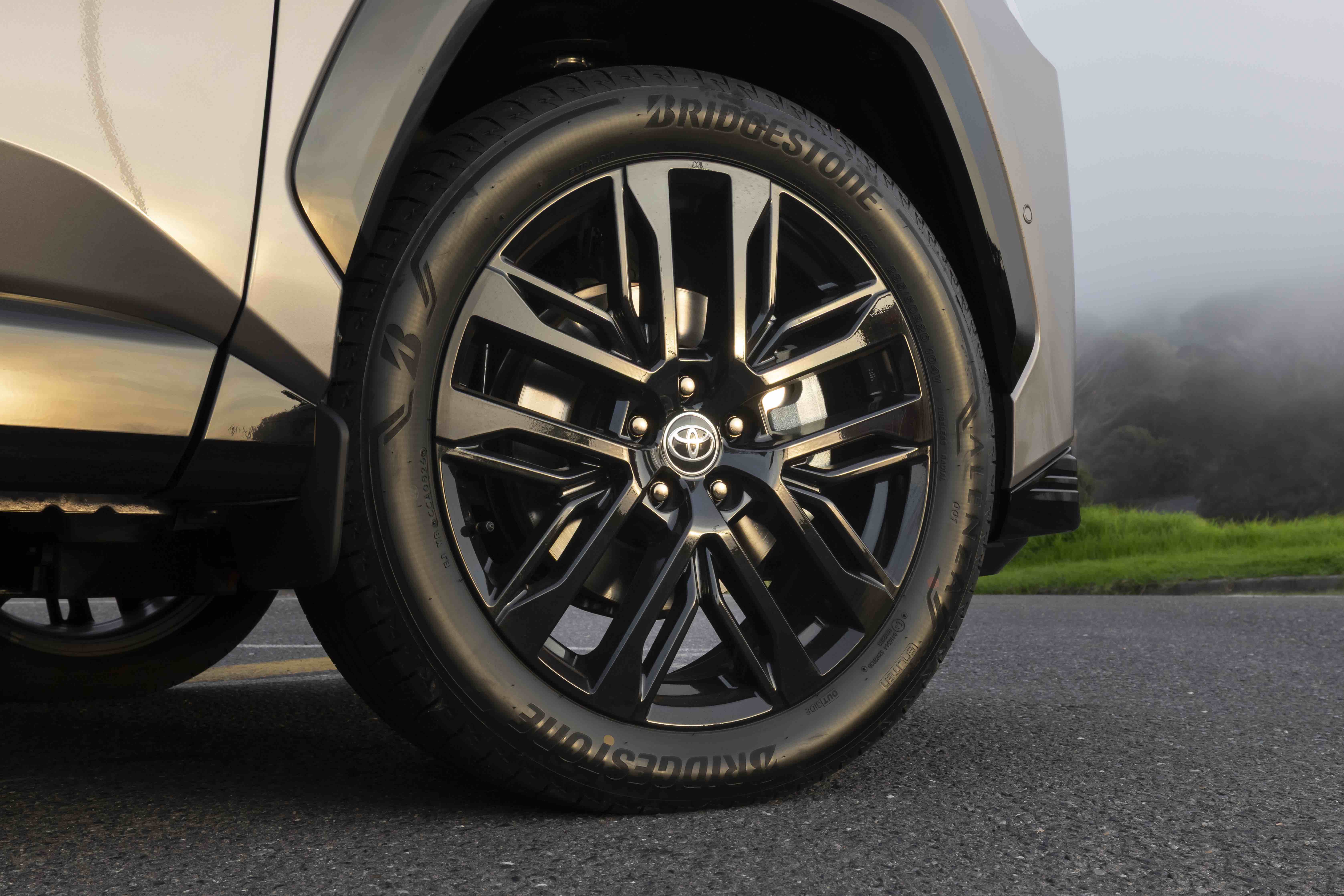
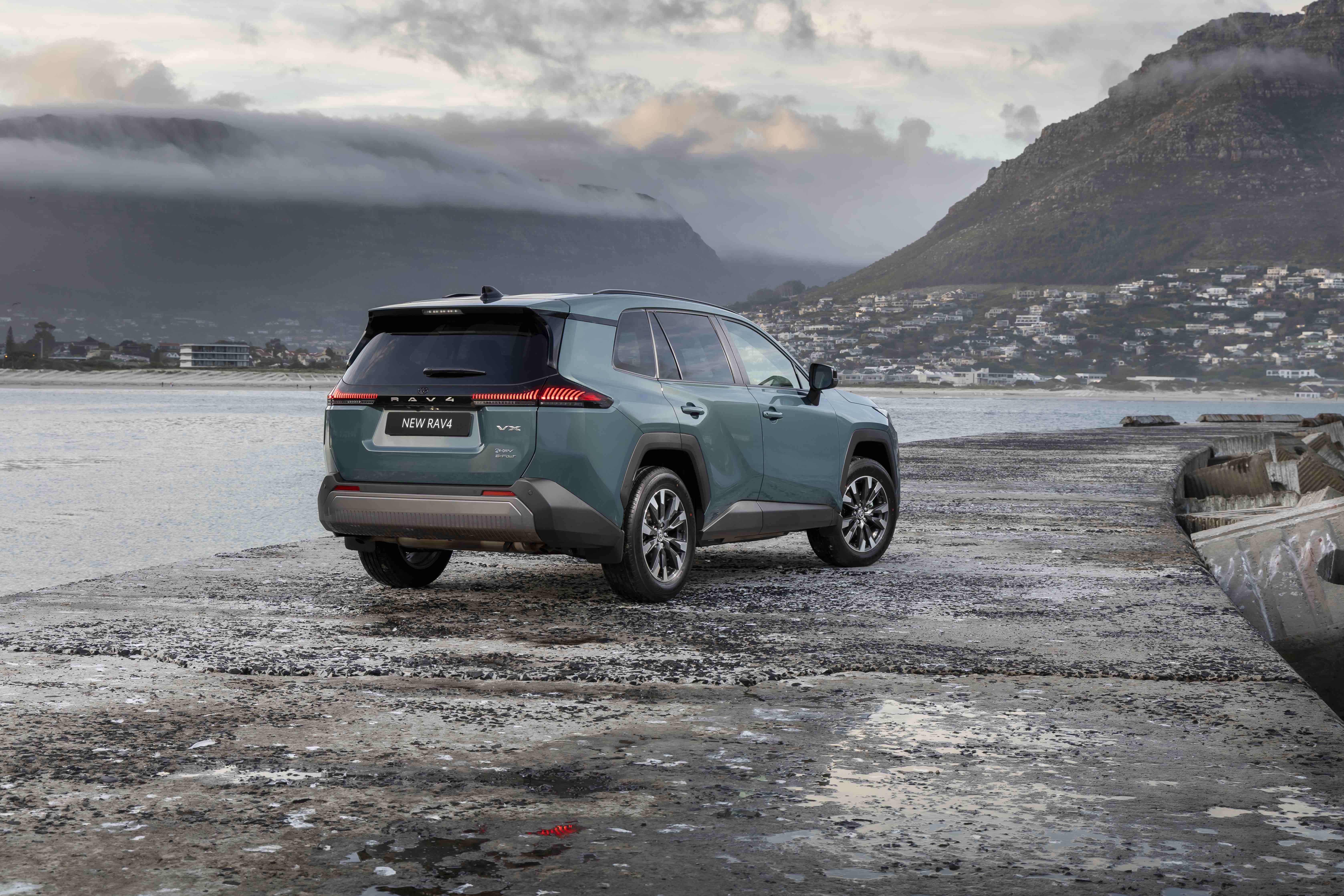
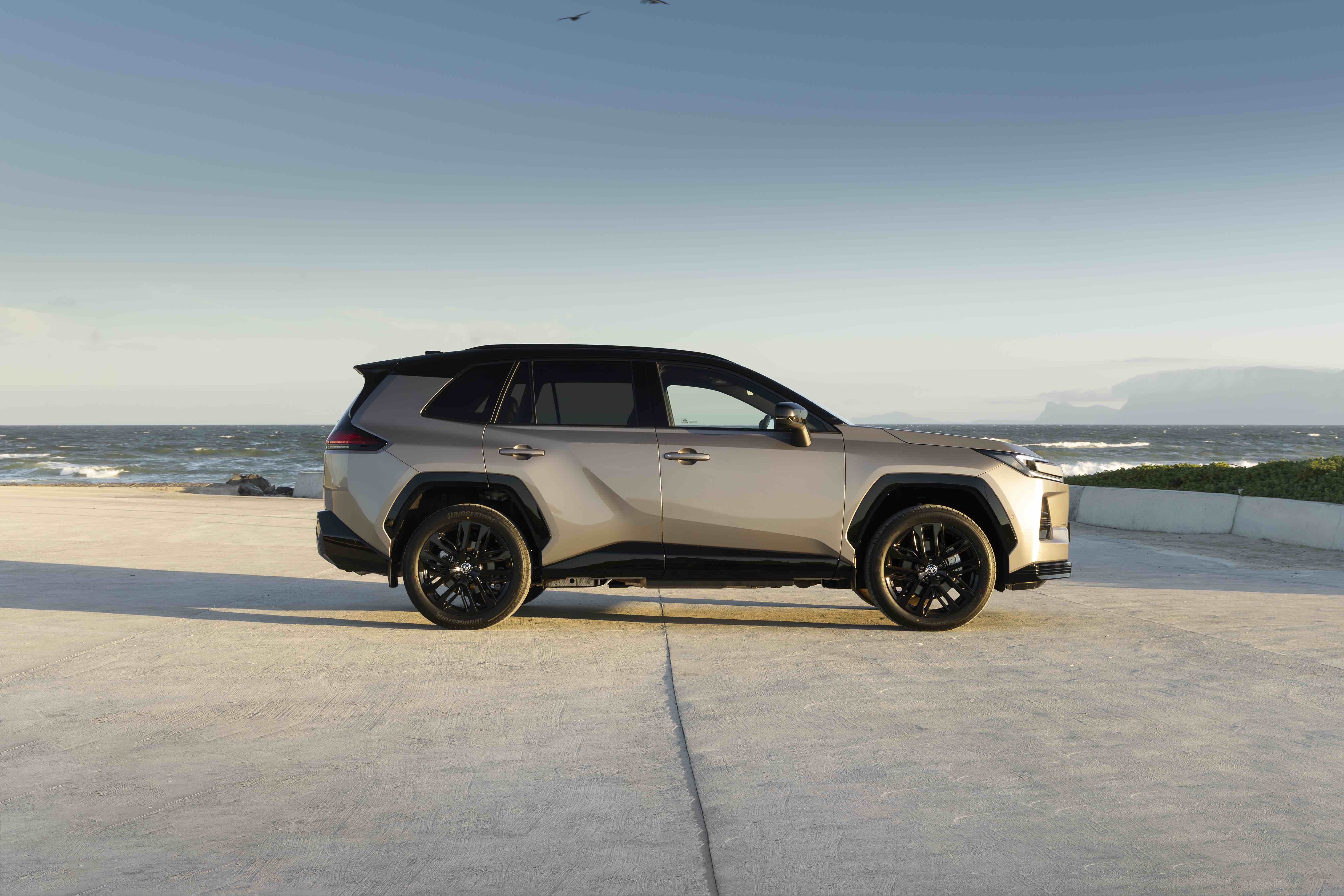
The alloy wheel options, too, from the 18-inch base dark Grey wheels to the two 20-inch options on the GR-S and PHEV models, all create a standout side profile finish. On some models, that is further enhanced by the two-tone black/body colour treatment. The rear is inoffensive, freshly redesigned with a blacked-out Toyota emblem and new LED lighting clusters. It’s clean, fresh, and Toyota hasn’t tried anything outrageous…just good ol’ fashioned purposeful design.
Of course, the GR-S sports things up. It’s very good to look at, available in several colours, but the standout ones are Passion Red with contrasting black roof and trim accents, as well as in a GR-S exclusive colour called Moon Grey. That’s the one Toyota has been showcasing at events, but truly, all of the derivatives are good to look at.

Ok, that’s lovely and all. What else stands out on the RAV4?
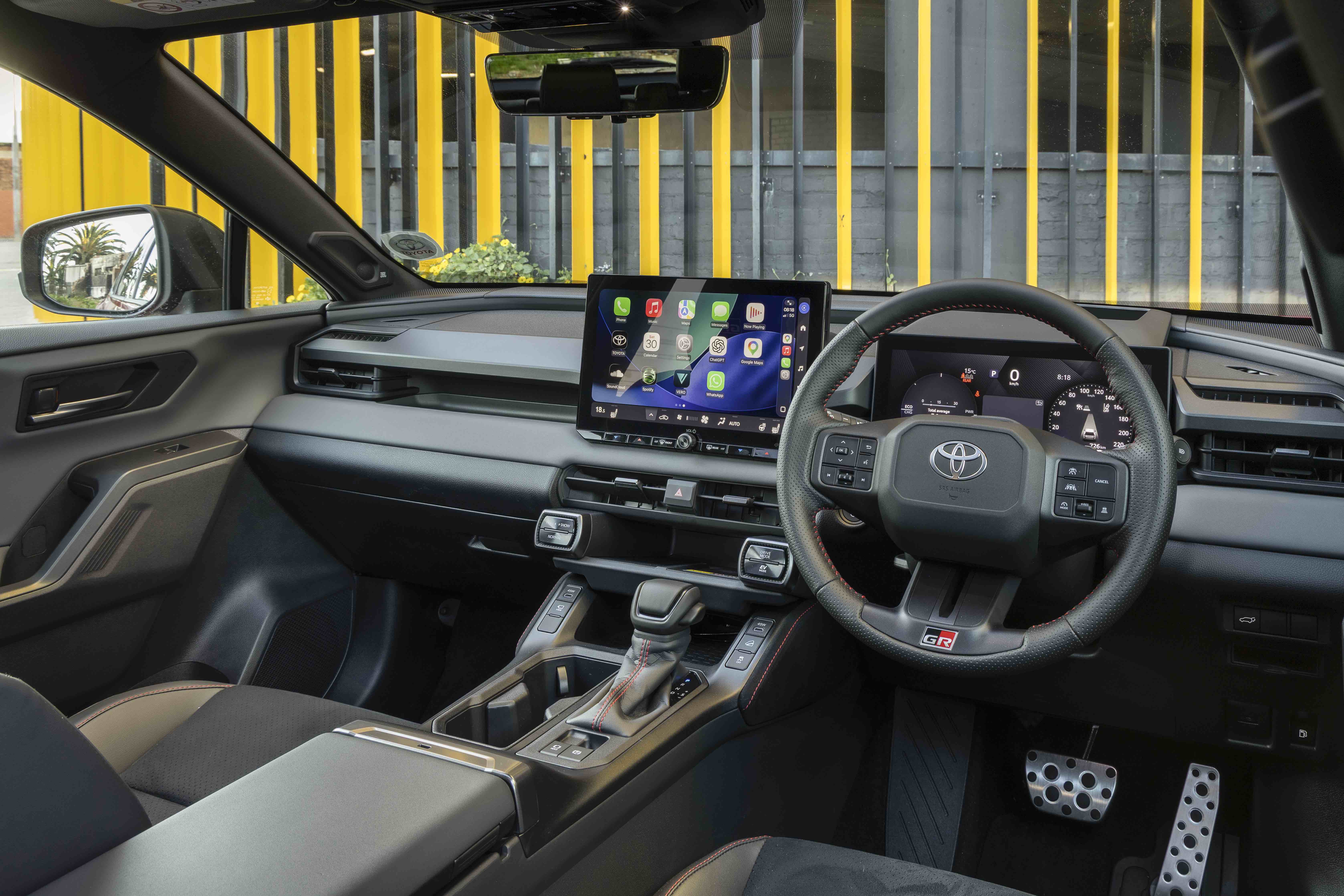
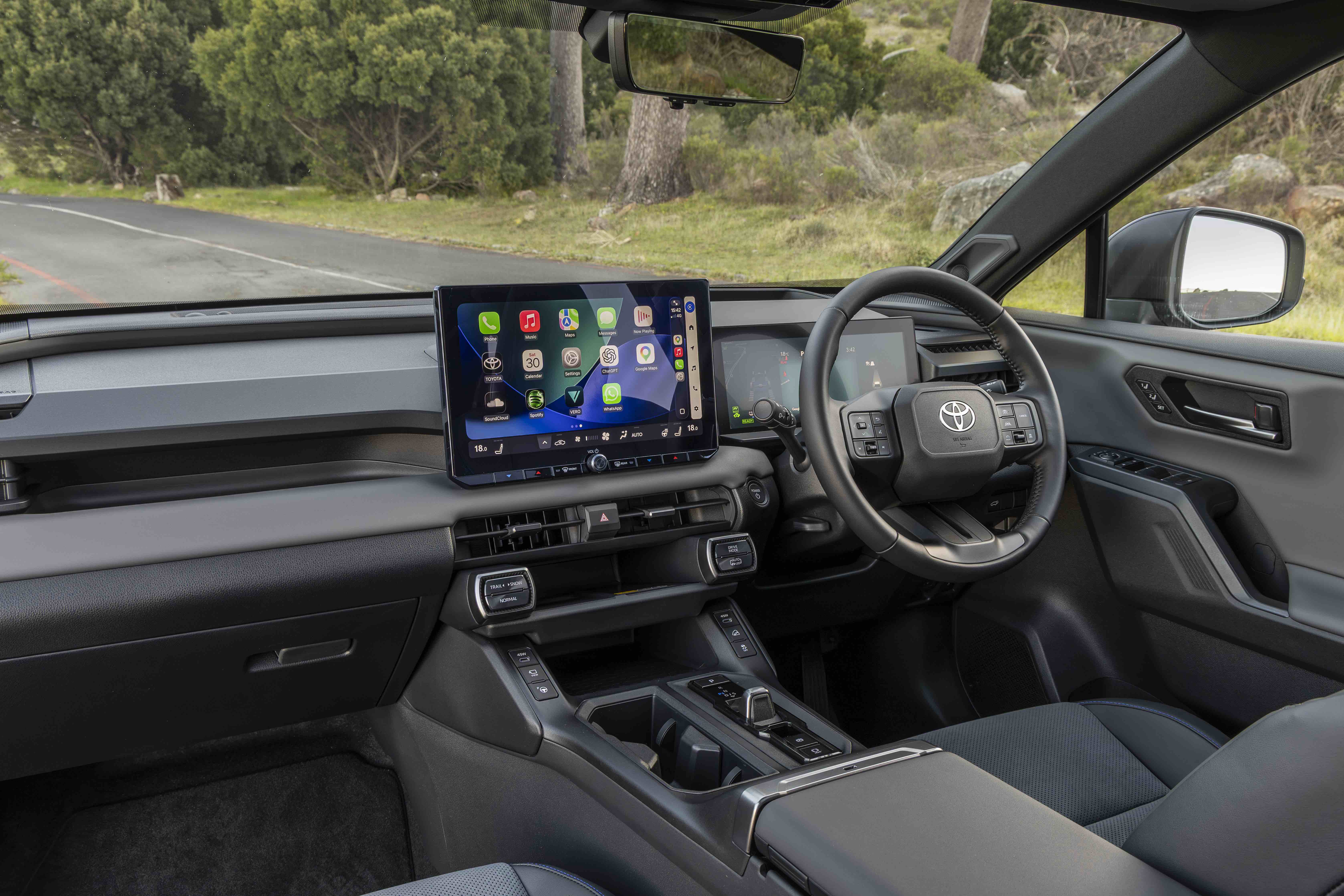
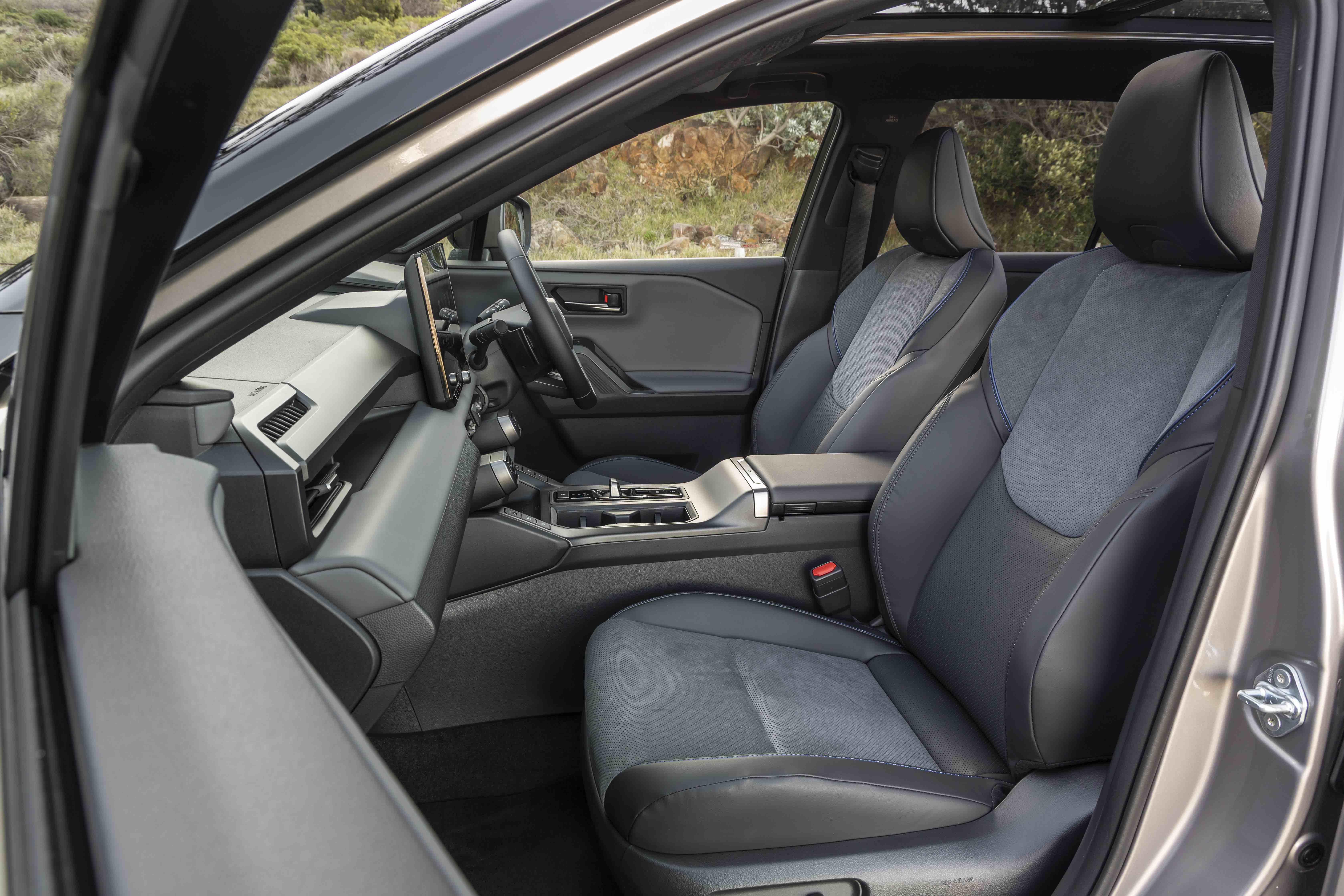
Family practicality is a win. That speaks to overall packaging, space and efficiency. The RAV4 is larger than its predecessor, and you can see that. It means an increase in boot space, which was already a generous size. Now with 4% more space (732-litres) and a very flat and boxy cargo area, it means easy loading and the ability to store that much more. On the inside, rear legroom has increased, making way for a really comfortable cabin. Up front is where the big work has taken place. This is new-age Toyota all the way. The architecture is a far cry from the previous generation but still feels approachable. Toyota has done well once again to not stray too far away or too close to what its Asian competitors are doing. Yes, you get a 10.5 or 12.9-inch infotainment touchscreen depending on the grade, but it’s coupled with a healthy mix of actual buttons and switches for functions such as driving modes, off-road modes and of course, the eternal bugbear, for climate control fast functions. Thank you, Toyota.
The whole dashboard and centre console prioritise ease of use and space with a number of storage bins and crevices across the cabin. Two USB-C ports sit right within the central console panel, with an additional port located inside the storage bin between the seats. Another two are located in the back seats, and truly, that’s more than enough.
The other boon in the cabin is the seats. Offered in a cream, black or black and red colour combination in the case of the GR-S, they are ever so comfortable no matter what grade you’re in. There is a choice of combinations of cloth, leather, or a leather and suede finish, each of which is finished in excellent quality…I mean this – like the Land Cruiser 300 type of feel.

Ok, ok, relax, I get it. You said efficiency, too? That’s a hard one to crack, considering the Chinese hybrid technology. Is the RAV4 really that efficient?
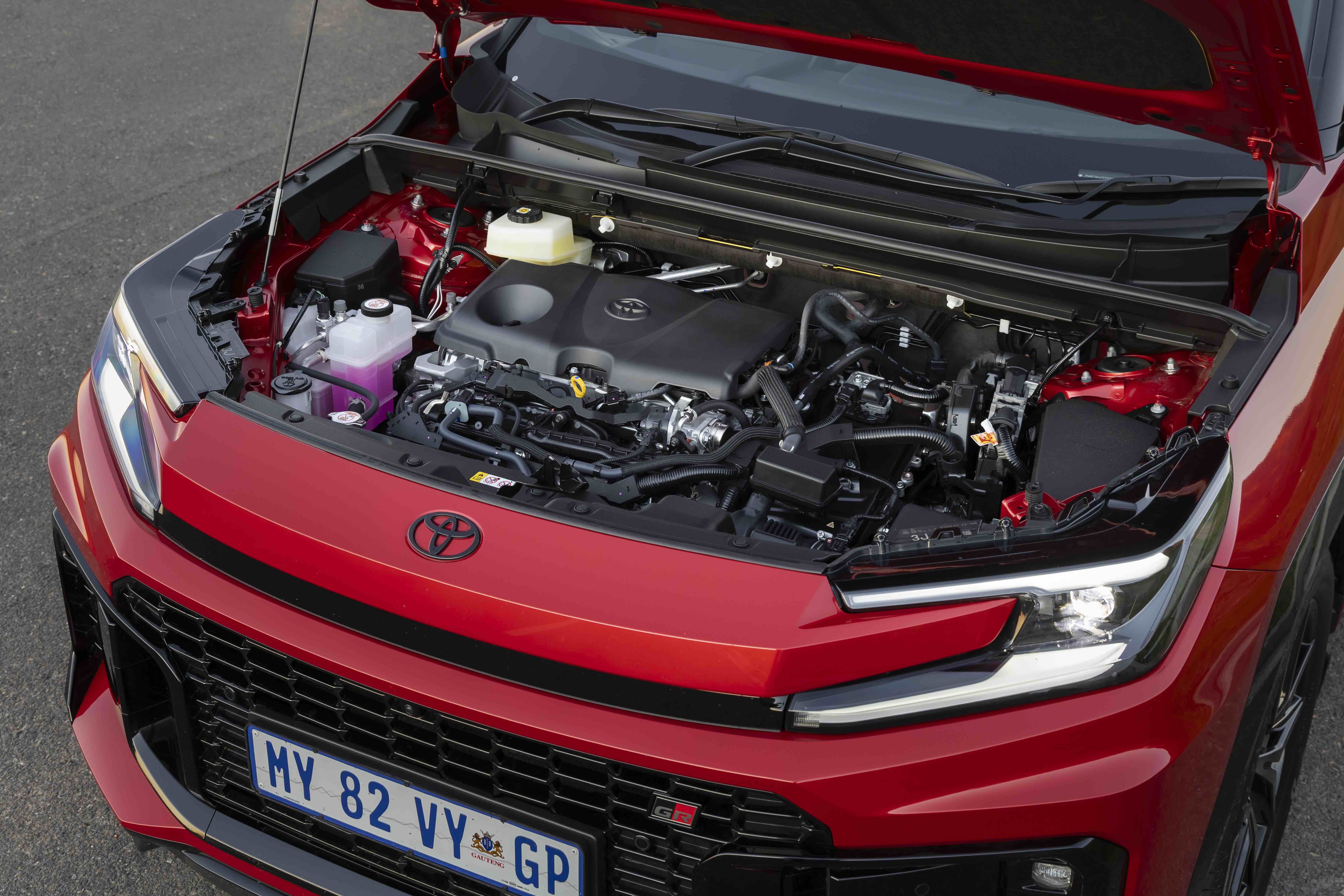
Indeed. Let’s start with what the RAV4 has on offer. It’s a mix of predominantly hybrid options with one 2.0-litre petrol engine available in the line-up as well. Specific to powertrains, this petrol engine is offered next to a 2.5-litre HEV as well as a 2.5-litre PHEV variant. The PHEV is the flagship in the range, only available on the top spec PHEV E-Four. Combined output is a healthy 225kW (that’s proper hot hatch territory) from a hybrid setup with a 25.4kWh battery pack. Toyota claims 140km of EV-only range, which is really good.
When we review the car, that could potentially mean I would drive to and from the office and back every day without using any fuel at all. We’ll certainly do that test, but it does offer choice efficiency with a claimed 0.7l/100km, but of course, that is largely dependent on the application. Over a longer distance, Toyota claims over 1,000kms which is fantastic. Not in the category of some Chinese offerings, but what they gain with larger capacity batteries, they lose out in terms of overall driving feel, and as you’ll read later, that’s important.
The 2.5-litre HEV offers total power of 176kW and 221Nm, good enough for a nippy 0-100km/h time of 7.3 seconds. It feels adequately spritely, with that immediacy of power from the e-motor. This car also offers decent fuel economy of 4.5l/100km according to Toyota, but being behind the wheel and hammering on from time to time, our fuel economy was 6.1l/100km, so that seems like Toyota is on the money there. Then, of course, there is the old 2.0-litre petrol engine that was not made available for us to drive at launch. Interestingly, the 2.0-litre is only offered in a higher spec VX trim rather than anything else.
Let’s talk about money then. How much does a new Toyota RAV4 cost?
For that, I’ll need to take you through the grades, trim levels, and what’s on offer for each derivative. The base spec RAV4 is the 2.5 HEV GX. This offers a powerful hybrid powertrain with fewer specs than anything else in the range, but in Toyota’s favour, there’s still a bit on offer here. They’re learning from their fierce competition. GX models come standard with 18-inch wheels, that bold front end with LED signature headlamps and DRLs. On the interior, a smaller but not too small 10.5-inch multimedia display is on offer with dual-zone climate control, wireless charging and electric tailgate. Adaptive Cruise Control within Toyota’s Safety Sense system is also on offer. If you like things like a Panoramic View 360 view camera setup and a sunroof, then the GX is not for you. Otherwise, it’s a comprehensive start with a really good powertrain. That will set you back R770,500.
After this, you can enjoy the 2.0 VX followed by the 2.5 HEV VX. These are R799,900 and R927,800, respectively. What you gain here is everything mentioned above, plus a bit more in the way of safety. Adaptive Cruise control with traffic sign recognition works like a charm. Exit Assist and Blind-Spot Monitoring have been added, along with a handful of creature comforts, including advanced concierge climate control and heated and cooled leather seats. These are excellent seats, built for comfort and built for South Africans too. If you’re a big guy, you won’t be too upset by the seat accommodations.
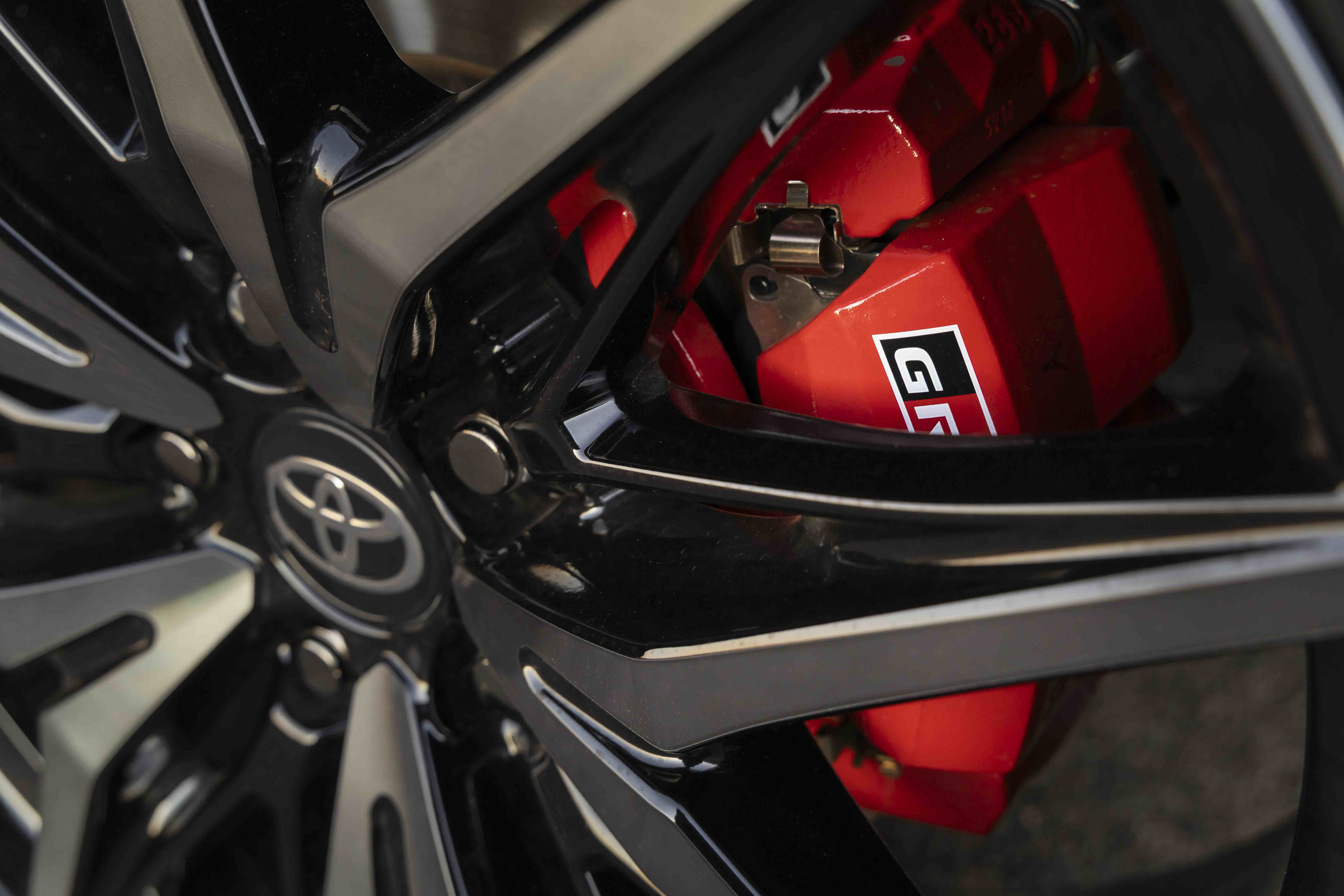
Further up the chain, the extra cool GR-S RAV4 sits. It’s a real looker, but you get a nice smattering of GR badges throughout the cabin, red and black leather seats, a leather shifter and a sunroof. This model says hello at R941’800, and from my little bit of time behind the wheel, it’s been slightly tweaked to offer a harder but more sporty ride quality. You will feel the difference in suspension and ride comfort between the GR-S models and everything else.
The flagship is Toyota flexing its PHEV tech. This car offers 20-inch wheels, a kick sensor to open the tailgate and, of course, memory seats and Intelligent Parking Assistance. It retails for R1,041,900.
Over R1M for a RAV4? That is insane, surely. Is the RAV4 really worth the money?
As I’ve been trying to say – in a word, yes. These cars feel like they’re a levelled-up product range. It doesn’t feel like the RAV4 of old. It feels more prominent, more expressive and dare I say it, more premium. But that’s not necessarily what Toyota is trying to sell, i.e. a more premium driving experience. They want this car to appeal to a wider group of people… ex-owners of the previous generations should not feel left out or forgotten, but it will appeal to even more people now because of its multi-powertrain approach. Now you really can have efficiency and power when you need it. It drives with all of the Toyota-expected elements of quality and durability.
A Chinese car is much cheaper, though. I could save R200,000 – R300,000 on a Chinese car that offers the same features.
Sure. But paying for something cheaply doesn’t always translate well at the end of the ownership cycle. Chinese cars’ resale values are improving on some models, but they are far below the value retained in a Toyota product. A Toyota product will hold its value exceptionally well, and whilst I could do the maths for you, I’ll let you ponder that on your own. For a family that keeps a car for five years or more, the Toyota actually makes better sense in the long run, with the perceived and historical data of excellent ownership experiences nationwide.
Other considerations for any hybrid owner must surround the battery longevity. According to Toyota, these batteries and their overall lifespan are dependent on how the car is used and how the battery is managed. We’re now starting to see data from old hybrid or EV models, and what is apparent is that the batteries can last far longer than the warranty period of 8 years. At the moment, a Toyota battery in these cars will set you back approximately R30,000 – R35,000.
All Toyota RAV4s will come standard with a 6-year/60,000km Service plan; a 3-year/100,00km Mechanical Warranty, and for the HEVs, an 8-year/160,000km warranty.
What about the other competition? Mazda, Ford and VW have cheaper alternatives for those who may be averse to Chinese competitors.
Indeed, they do. But the only one that is new and can compete on technology, driver feel, and legacy brand power, i.e. resale value that works, is the VW Tiguan. The Mazda CX-5 will be updated later this year, and we look forward to what that holds, but as it stands, we will continue to see this D-Segment car rise in price, tech and value. The RAV4 is indeed expensive at the top, but it does feel like it’s worth the price tag. Will it continue to be the best-selling car in the world? Probably.