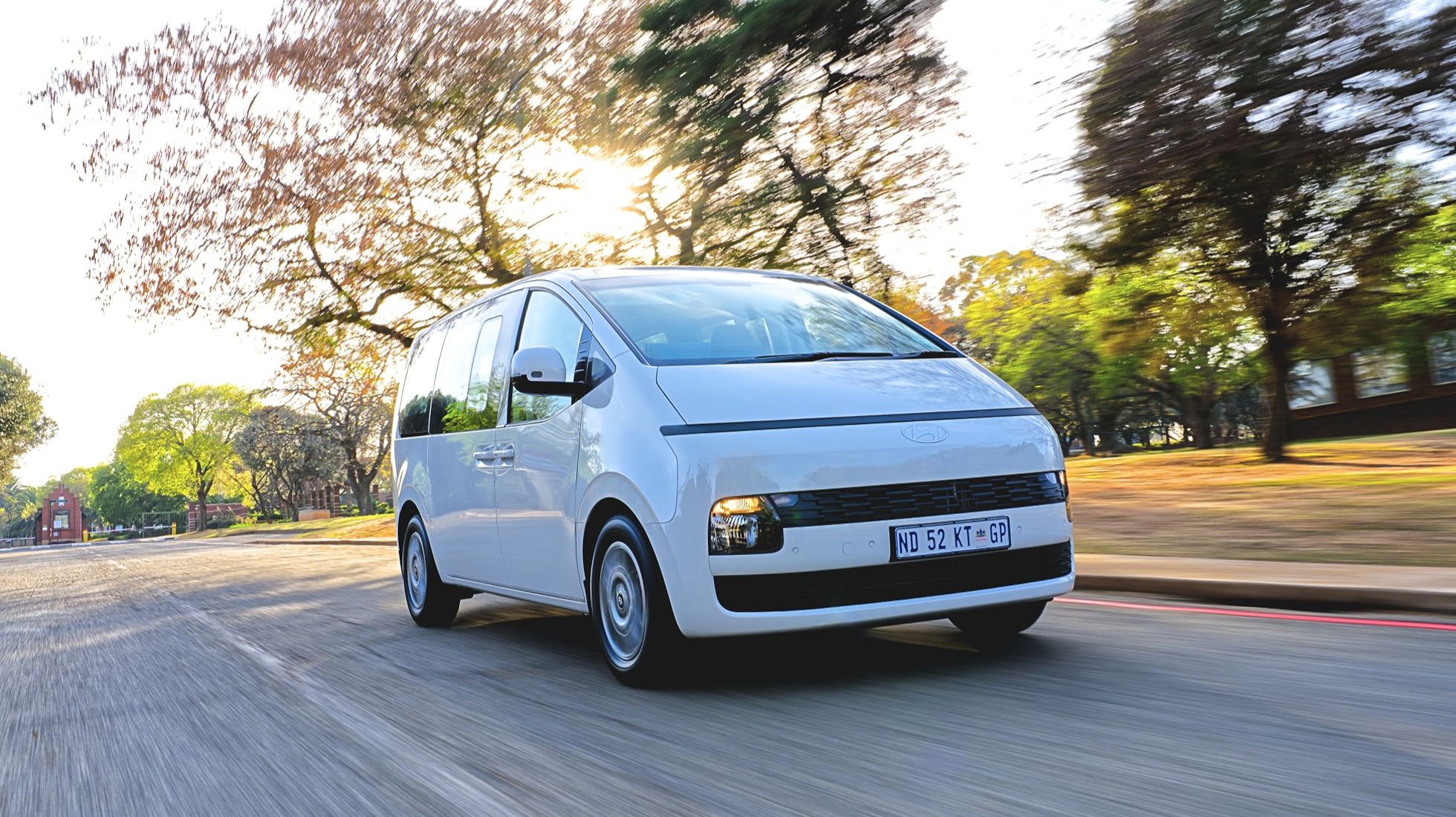
Hyundai adds electric power to the Staria range
Electrification has finally made its way into the MPV space. Take the Mercedes-Benz EQV, for example, essentially an electric V-Class. Having lived with an EV for close to a month, I can say with some measure of confidence that a 363-kilometre range isn’t nearly as restrictive as it sounds on paper, especially in real-world use. That experience is exactly why moves like this suddenly make sense in people-mover form.
Hyundai appears to be heading down the same road with the Staria. Importantly, this isn’t a case of electrification replacing the normal engine outright. The ICE-powered Staria isn’t going anywhere; instead, the upcoming Staria Electric will be sold alongside the conventional variants.
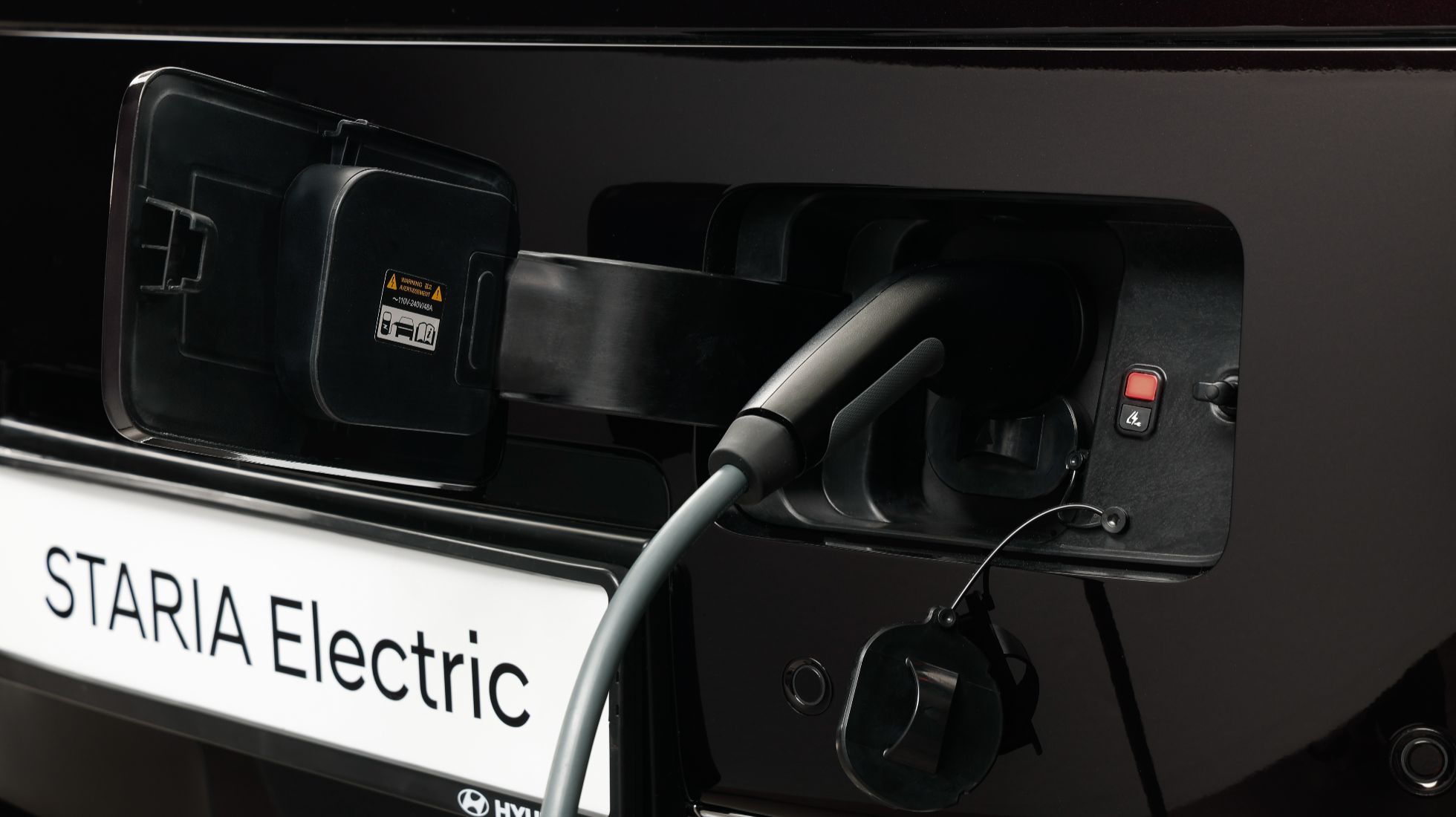
Unveiled at the Brussels Motor Show, the Staria Electric marks the first electric version of the popular MPV and packs an 84kWh battery pack with an estimated range of up to 400km. With an 800-volt electrical architecture from the Ioniq family, the Staria Electric supports ultra-fast DC charging, which can top up the battery from 10-80% in 20 minutes. For home charging, it comes with an 11kW AC onboard charger.
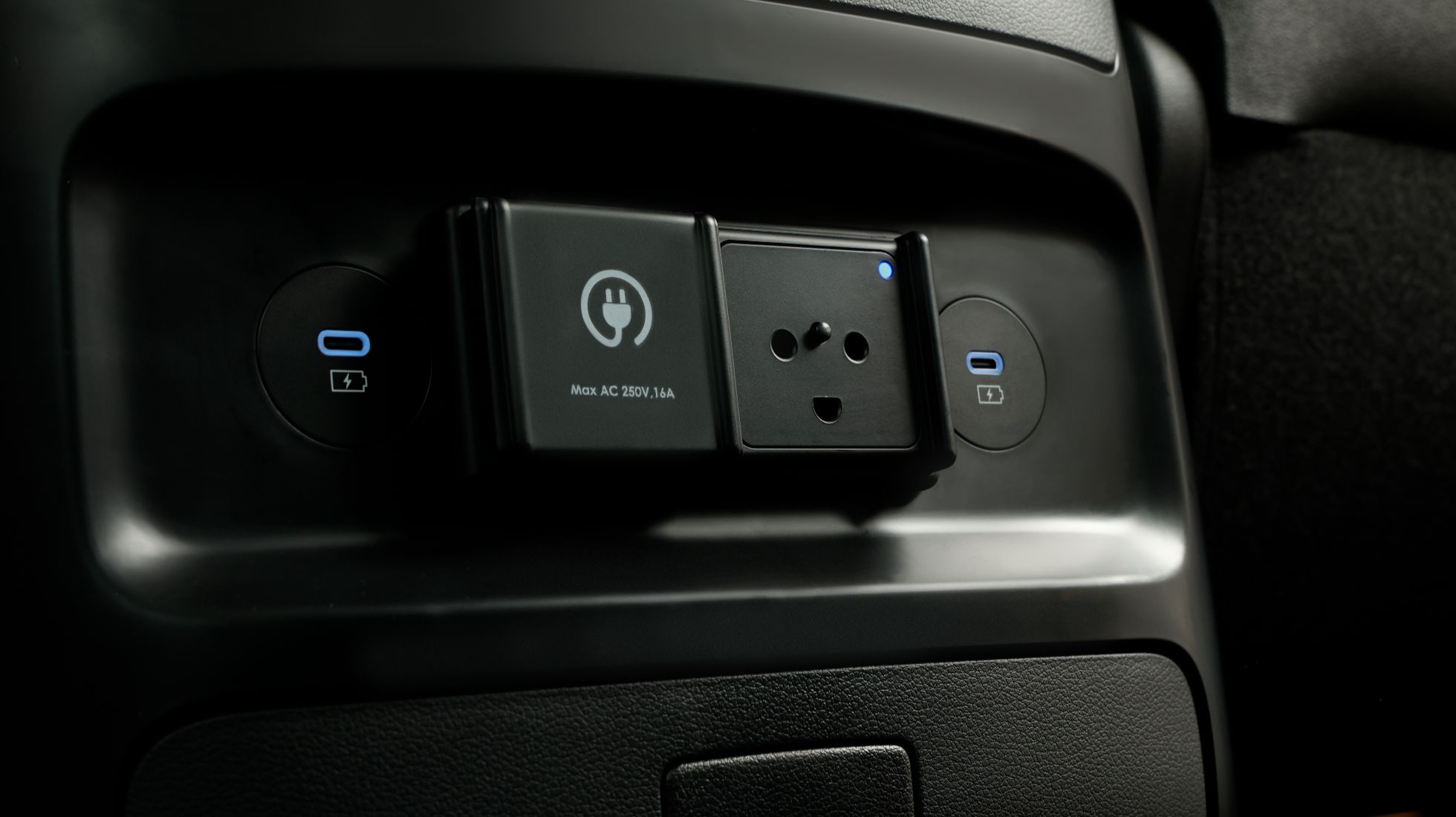
Something that we are now familiar with is the Vehicle-to-Load (V2L) functionality, which can power laptops, tools, lights or leisure equipment. Very useful if you are camping or doing field work.
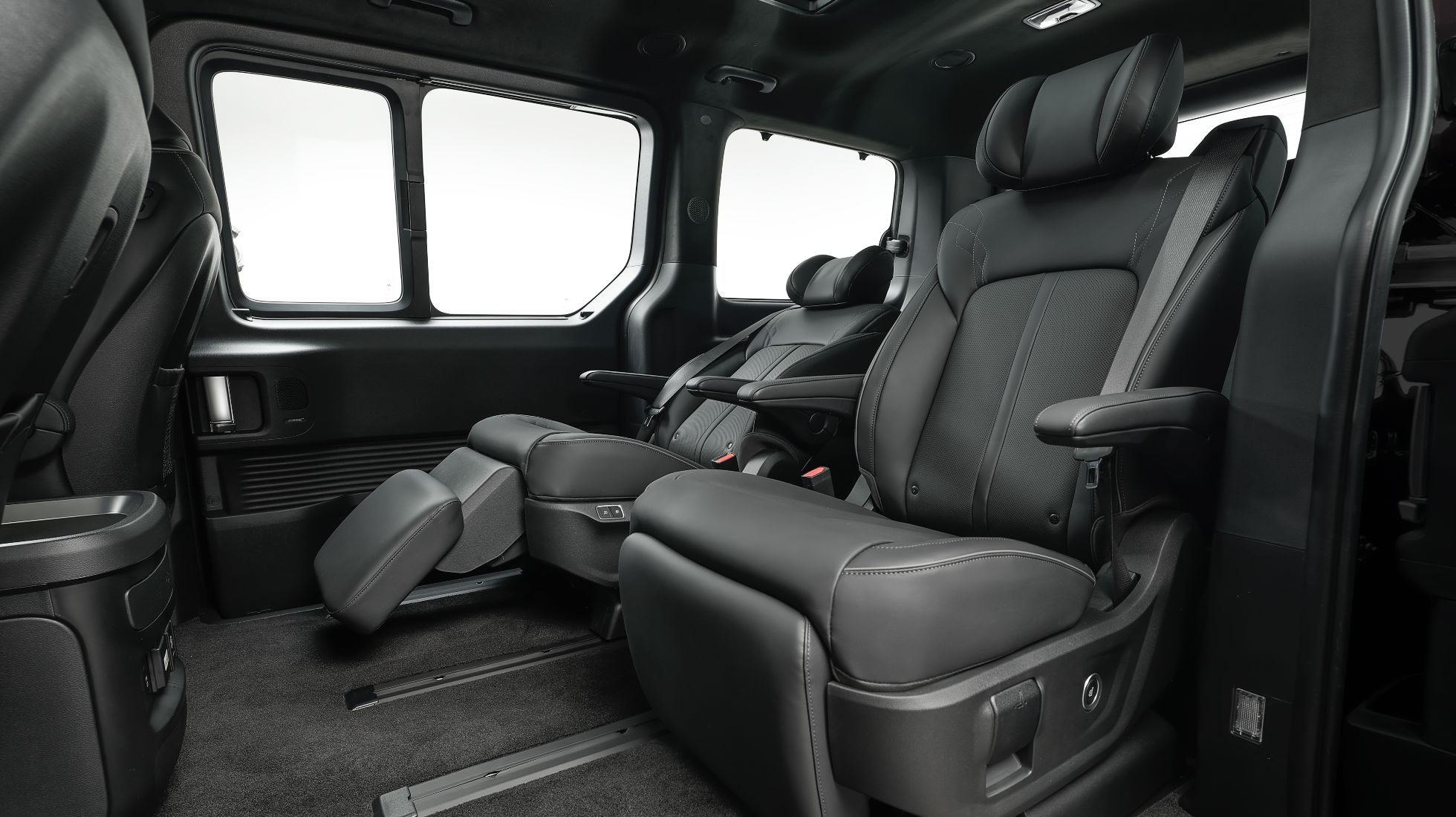
As for the power, Hyundai claims the electric motor pushes out 160kW, and despite being powered by a single motor mounted at the front, it has a braked and unbraked towing capability of 2,000kg and 750kg, respectively, which should be ideal for those who enjoy the outdoor lifestyle. When it finally reaches production, it will be sold in a 7-seater trim (Luxury) with 435 litres behind the third row and the Wagon 9-seater configuration with up to 1,303 litres.
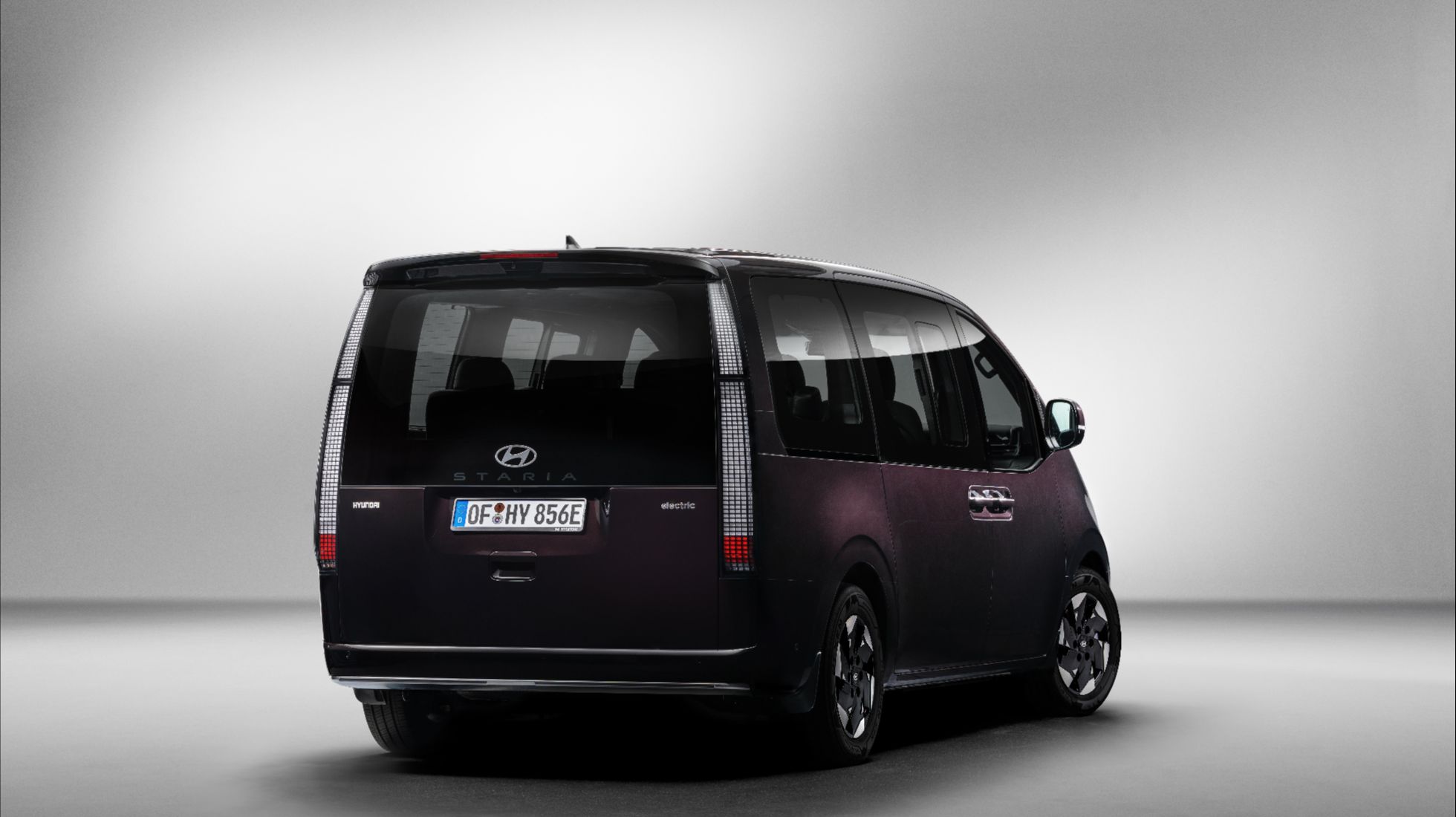
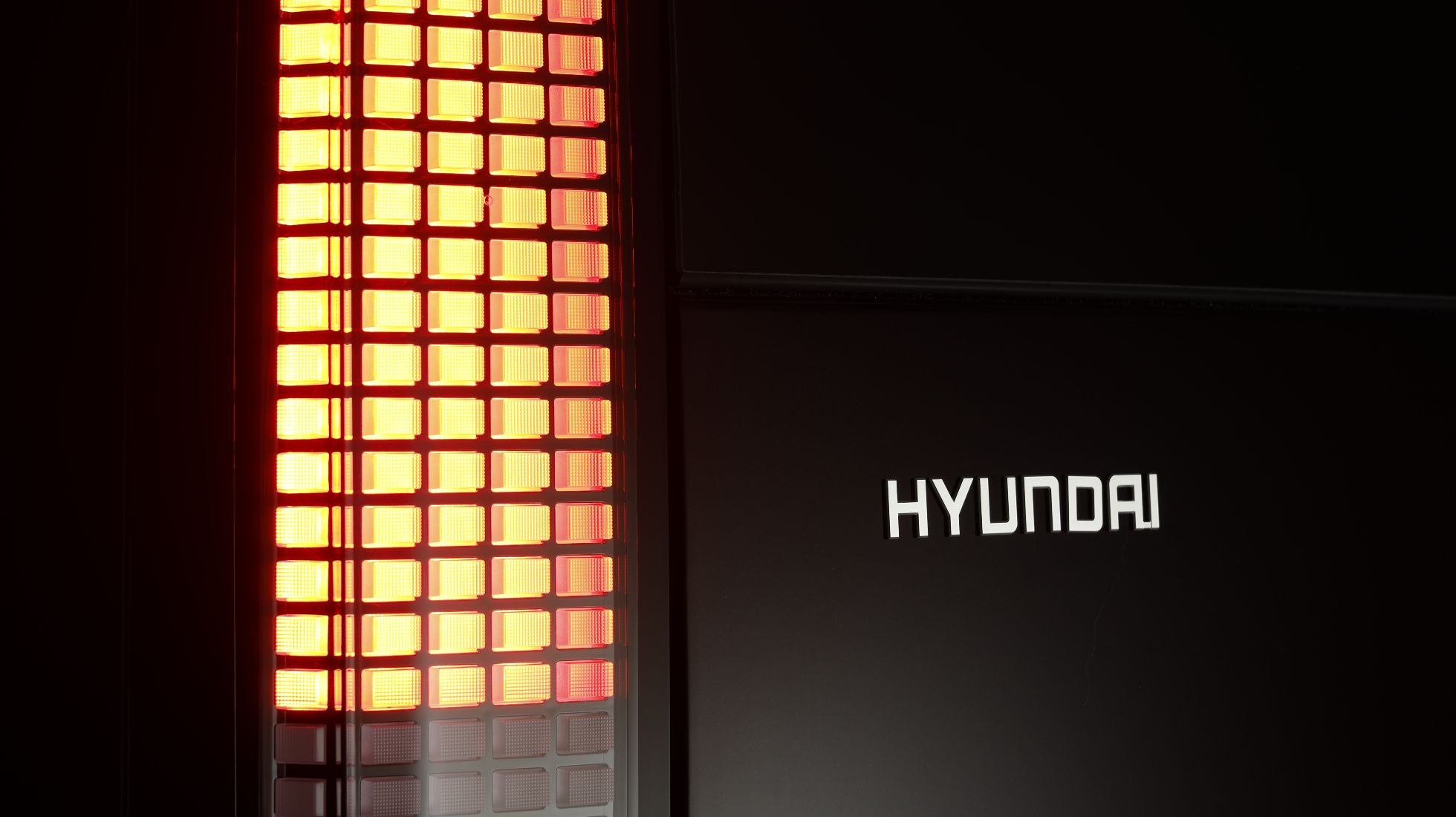
Visually, not much has changed, and that’s bound to divide opinion. Despite being electric, it still looks very much like the regular Staria, a van that was widely ridiculed at launch for its controversial, almost sci-fi design. I’ll admit, though, it’s a shape that’s grown on me. Like most EVs, it comes with a closed front design for a much cleaner look and better aerodynamics.
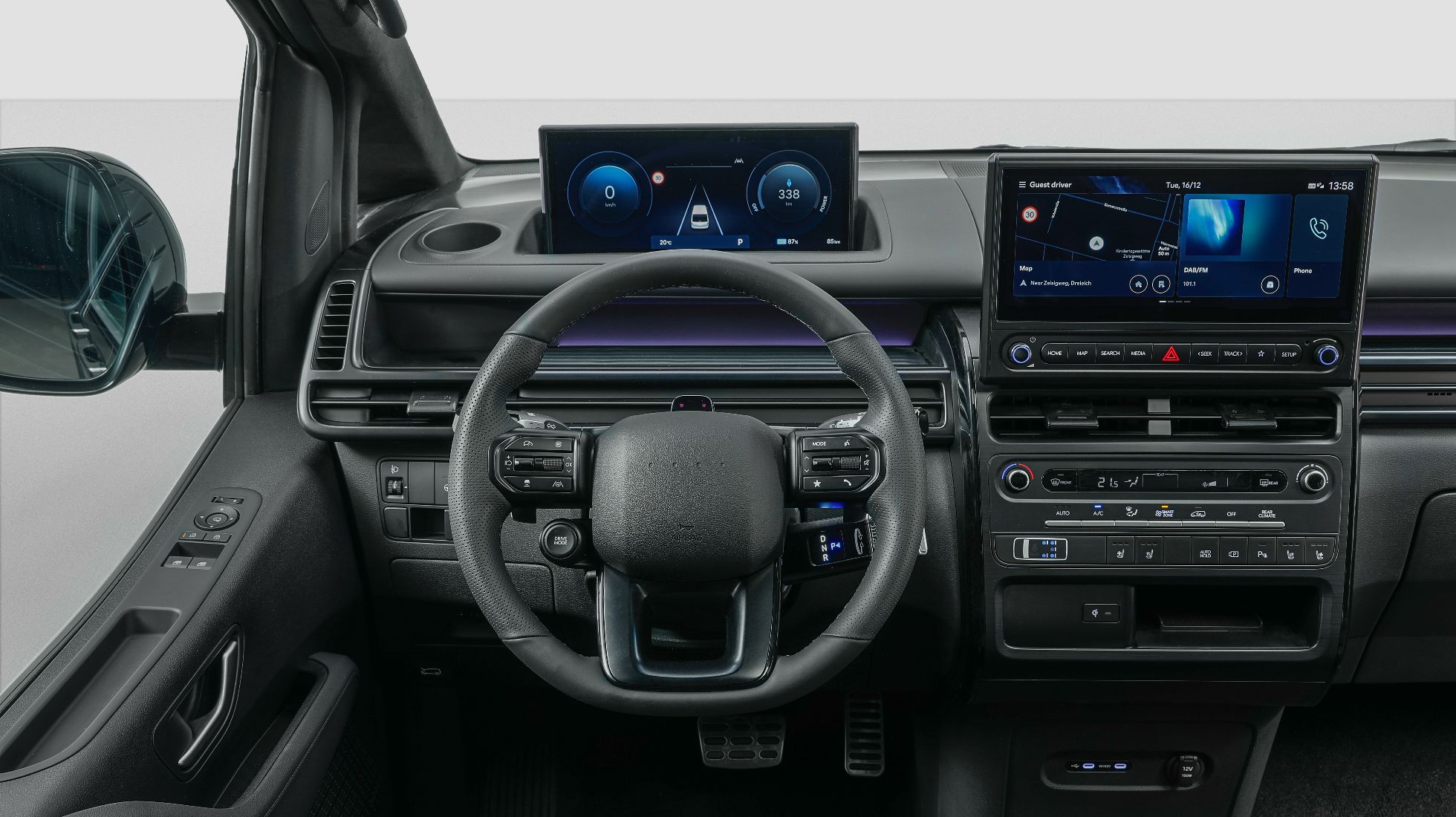
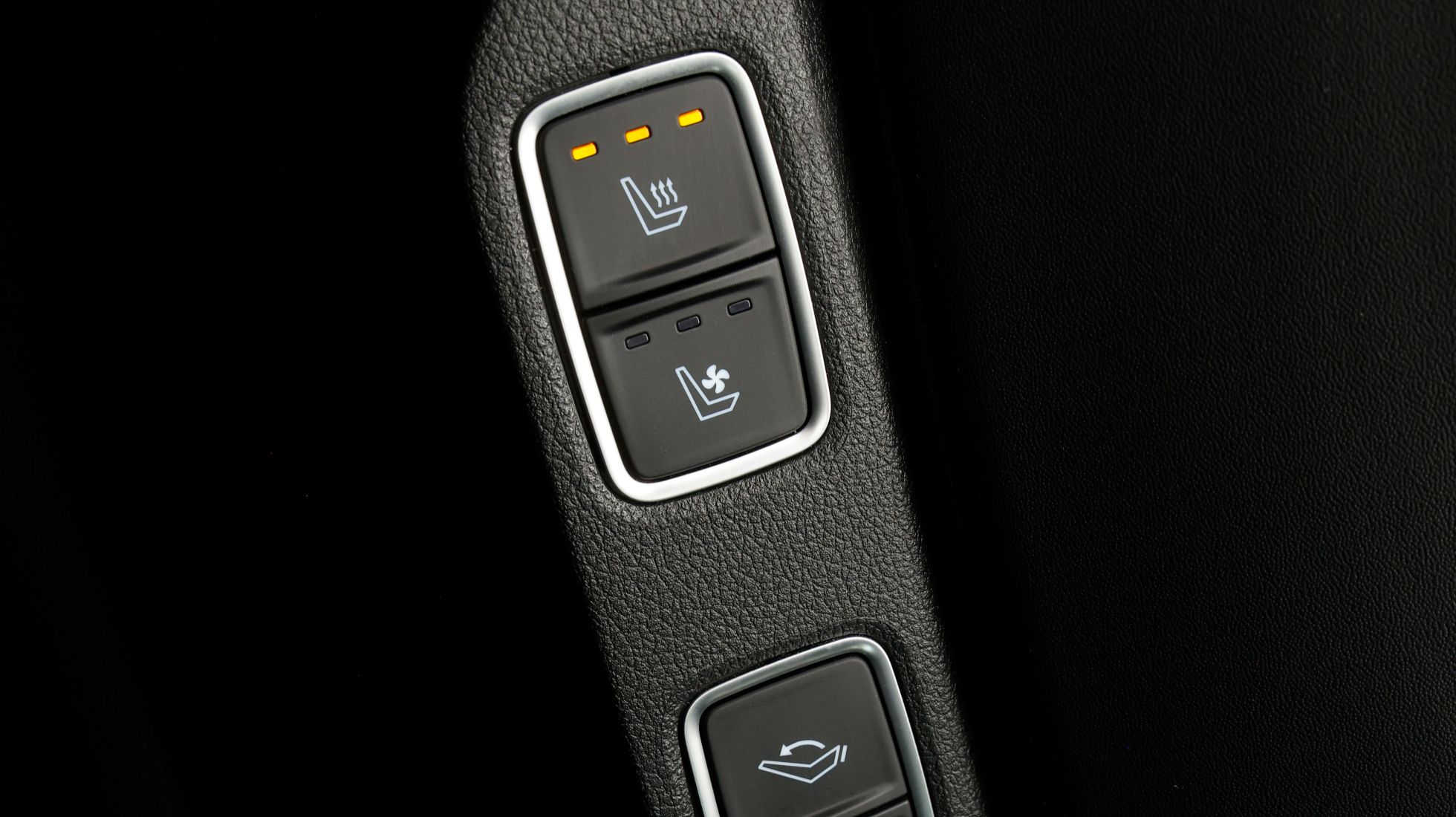
The same applies to the interior. You get the same multi-row seating, adjustable seats, ample storage points, USB ports around, wide-opening doors, and 12.3-inch displays running the brand’s latest ccNC operating system. A bunch of active and passive safety aids are also expected to be available.
At this stage, the Staria Electric is set to go on sale in Korea and Europe in the first half of 2026, with other markets expected to follow. While Hyundai SA has yet to confirm local availability, it’s hard not to see the appeal. It would be a genuinely strong addition to the local lineup and arguably even more compelling if it’s offered alongside the ICE-powered versions.