




Mercedes-Benz GLE and GLS models are scheduled for a proactive refresh
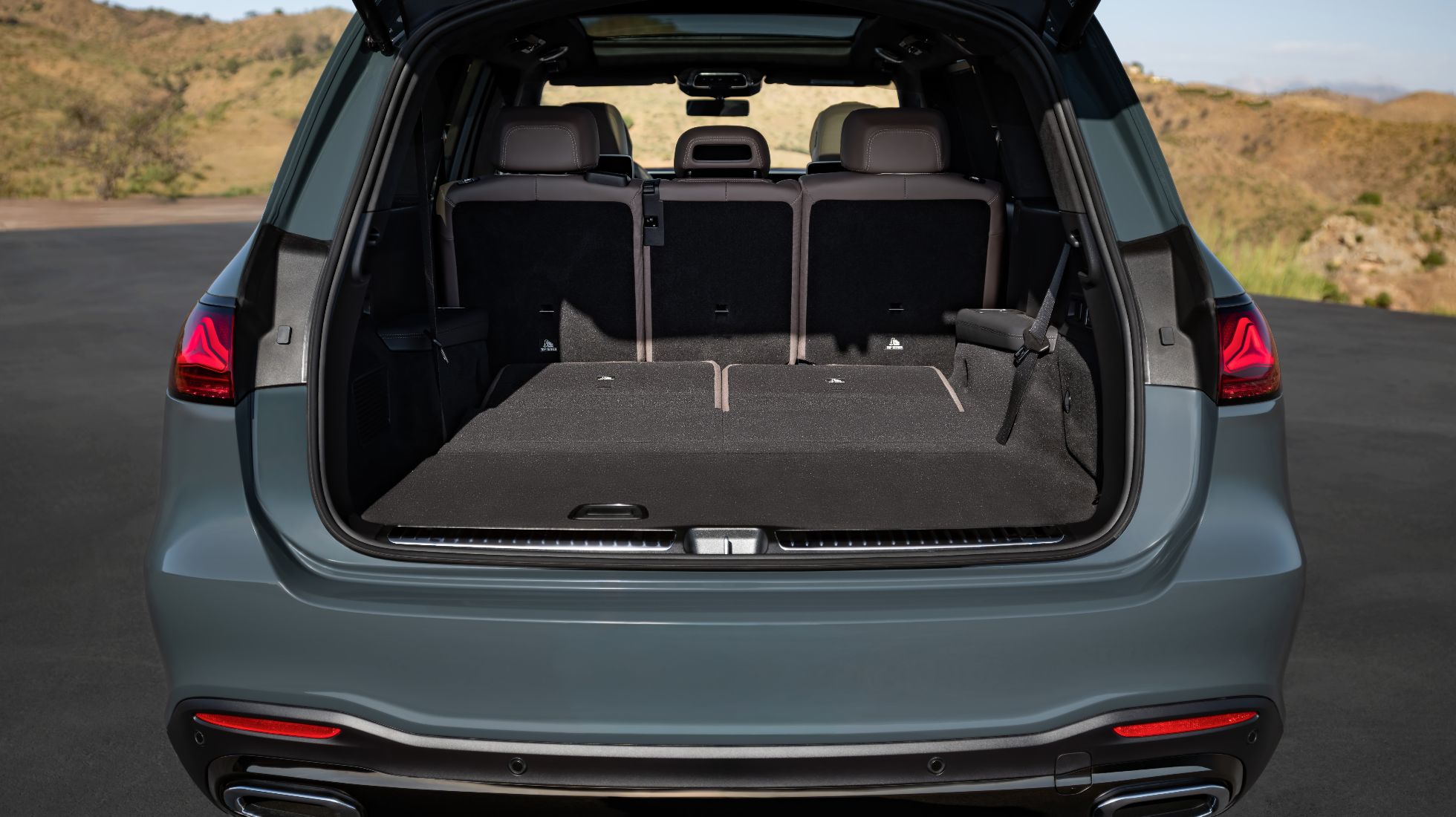
The Mercedes-Benz GLE and GLS have helped define what the premium SUV space should look and feel like since the arrival of the very first generations many years ago.
The GLE traces its bloodline to the M-Class, which paved the way for the premium SUV segment in 1997, while the GLS started life as the GL in 2006 before adopting its current nameplate in 2015, mirroring the S-Class as the brand’s flagship SUV.
Both sit in direct competition with BMW’s X5 and X7, and both matter enormously to Mercedes-Benz’s global and local commercial health. Introduced in 2019, the duo is now getting a significant refresh.
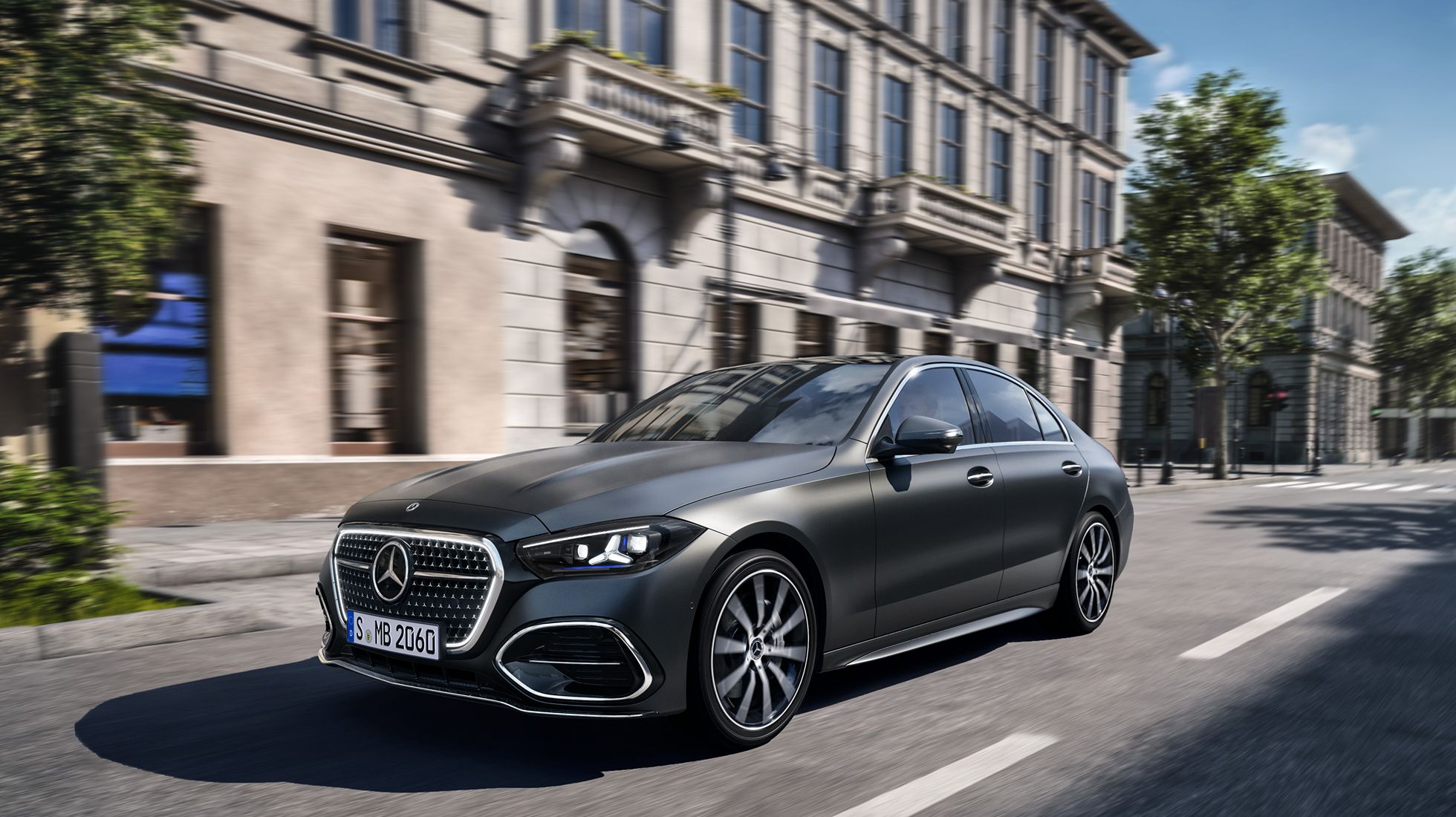
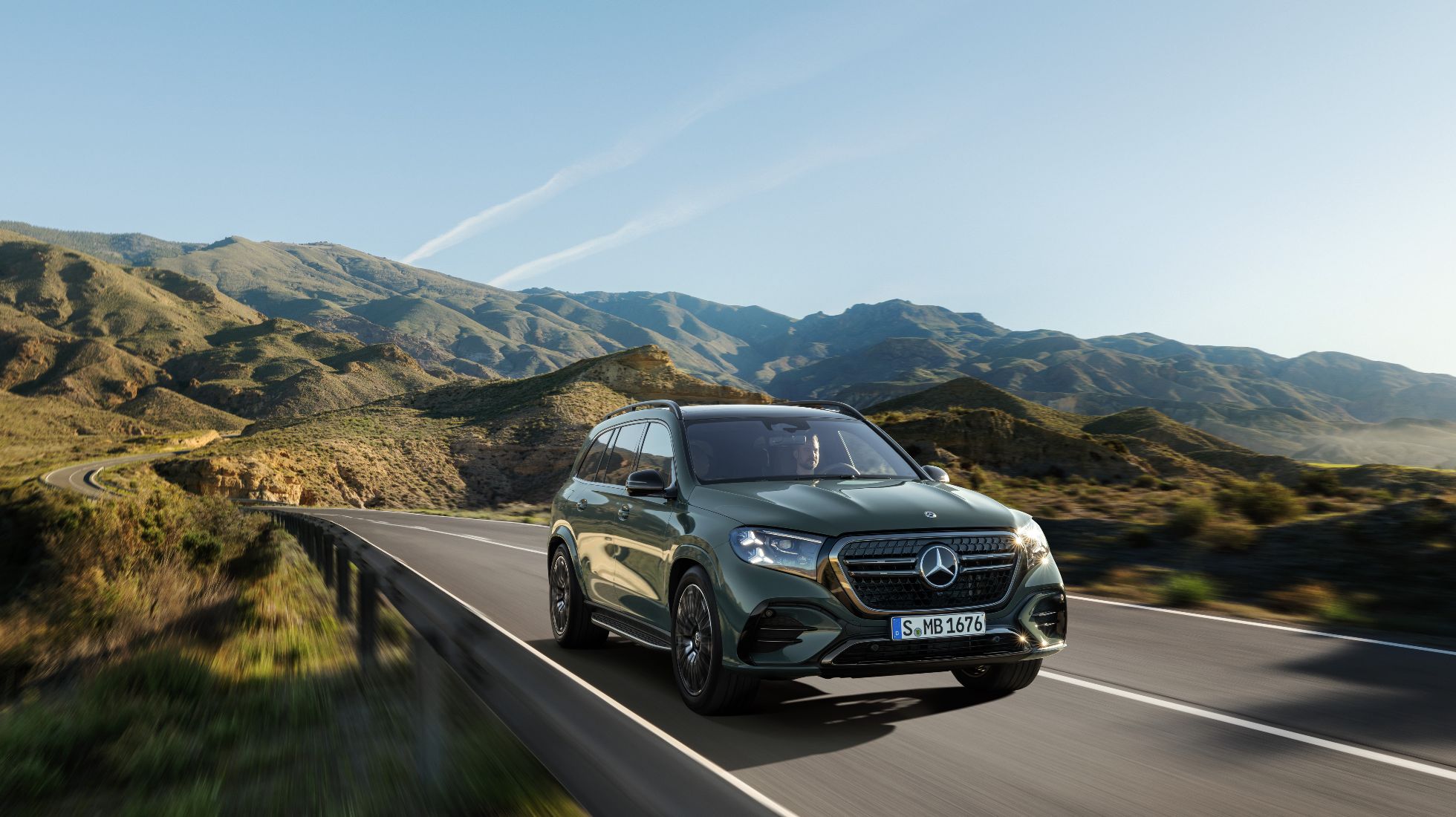
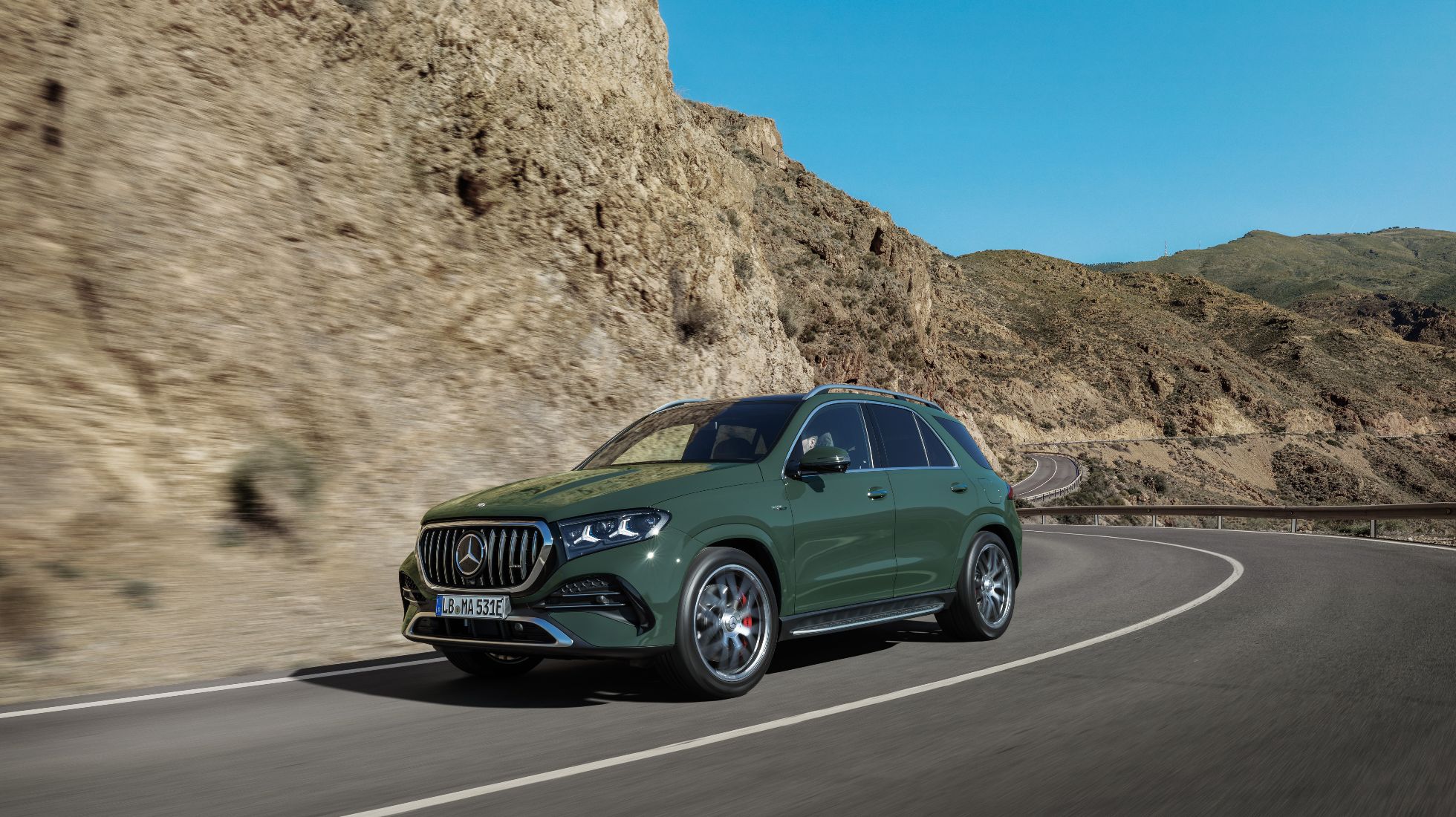
The GLE, for example, incorporates 3,000 new or revised components. Still available in SUV and Coupe body configurations, it also adopts the same design language that the brand has been rolling out across the range. There’s an enlarged front grille with an illuminated central star and contour lighting, while the headlights use a twin-star motif and are available with the latest digital light system.
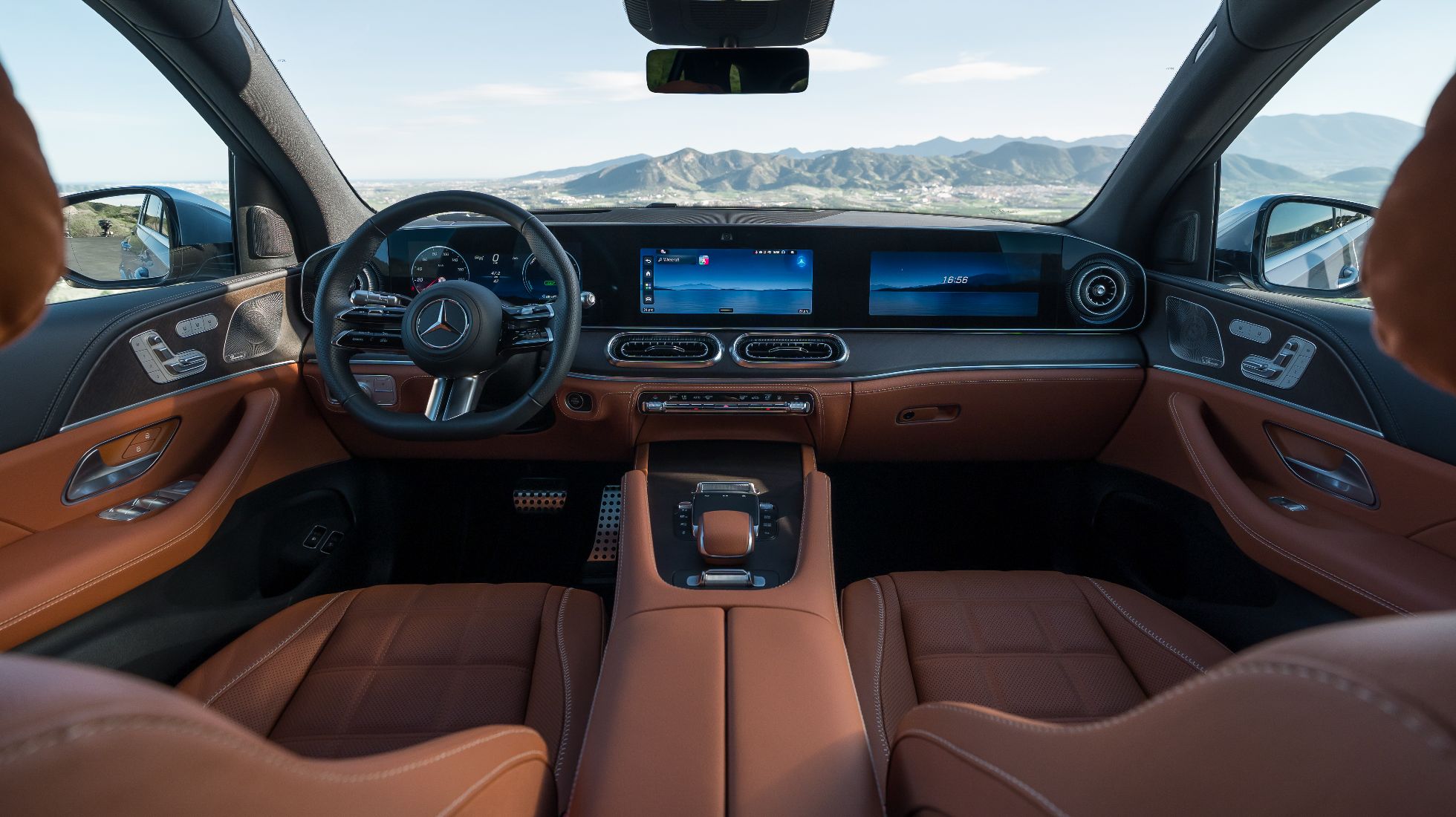
Inside, both models get the MBUX Superscreen as standard (a trio of 12.3-inch displays under one glass surface) with a passenger-side screen alongside the driver display and the central infotainment. It’s the same layout that’s been trickling down from the S-Class, and it makes the previous dual-screen setup feel properly dated by comparison. Powering it all is a new water-cooled supercomputer paired with MB.OS, which enables over-the-air software updates. Theoretically, the car you buy today won’t be the same in two years.
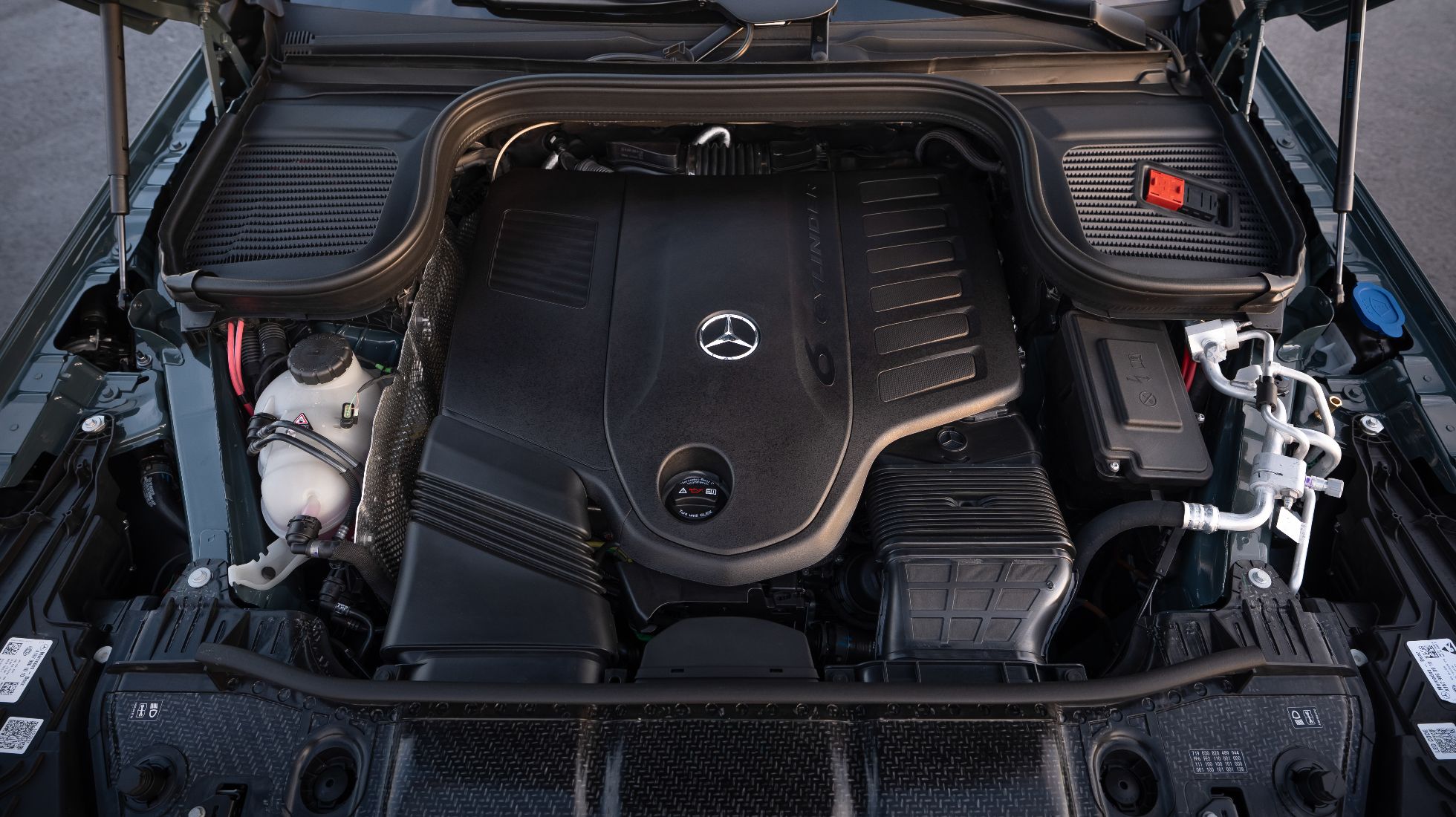
The powertrain story is where things get interesting. The standard GLE 450 and GLS 450 are powered by a 3.0-litre turbocharged inline-6, while the range-topping GLE 580 and GLS 580 step up to a 4.0-litre twin-turbo V8 producing 395kW and 750Nm. The latter uses the flat-plane crankshaft design that debuted in the refreshed S-Class. Both 580 variants feature an integrated starter generator for improved power delivery and smoother operation. These variants are the ones that’ll draw the big spec conversations.
For those who want the full AMG treatment, the GLE 53 is available in two flavours: a 48-volt mild-hybrid producing 330kW, and a plug-in hybrid variant pairing that same 3.0-litre inline-6 with a 135kW electric motor. Both versions produce up to 600Nm, with the 48-volt unit stretching to 640Nm in overboost for 10 seconds. The full-fat AMG 63 derivatives, for both the GLE and GLS, have not been confirmed yet, but given Mercedes-AMG’s track record, it would be surprising if they didn’t follow later in the model revolution.
The suspension has also been addressed, with each new GLS version now featuring standard Airmatic adaptive suspension that can automatically adjust damping before the car even encounters a bump. Mercedes says it analyses the driving situation up to 1,000 times a second. Whether SA roads will cooperate with that level of optimism is another matter, though.
Mercedes-Benz South Africa has not yet confirmed local pricing or availability for the facelifted models, though the brand has already shown a willingness to adjust GLE pricing to keep the model accessible locally. Expect full details closer to the second half of 2026.
The GLE and GLS have always carried real weight for Merc SA. Between them, they cover a wide spread of the premium SUV market. What this update does is close the gap on the tech front, specifically, because that’s where rivals have been pressing hardest.