Mitsubishi revives the Pajero
First introduced in 1982, the Mitsubishi Pajero was one of the SUVs that helped prove a proper ladder-frame 4×4 could be more than just a farm tool. It became a reputable product, particularly among buyers who wanted something that could take on almost anything and still be perfectly at home on the highway.
Alongside the Toyota Land Cruiser, Nissan Patrol, and Mercedes-Benz G-Class, the Pajero formed part of the holy quartet of serious 4x4s that dominated the conversation whenever off-road capability was the primary consideration. Then, in 2021, Mitsubishi pulled the plug. Declining sales and a growing shift towards more car-like SUVs were among the reasons, leaving the Pajero Sport to carry the nameplate into battle against the Toyota Fortuner, Ford Everest, and Isuzu mu-X.
For 2026, though, the Pajero is back. And this time, it has a very different fight on its hands.
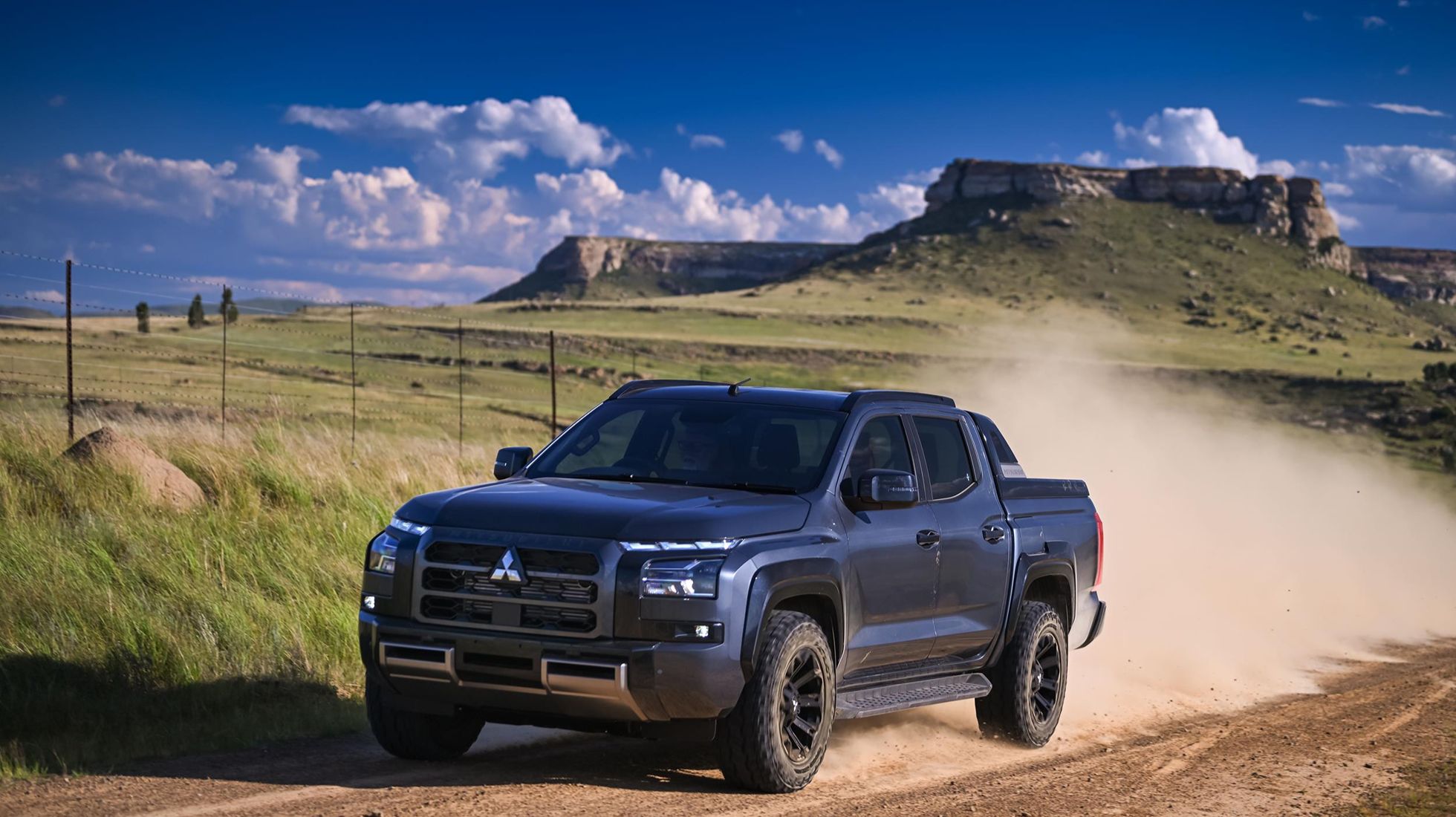
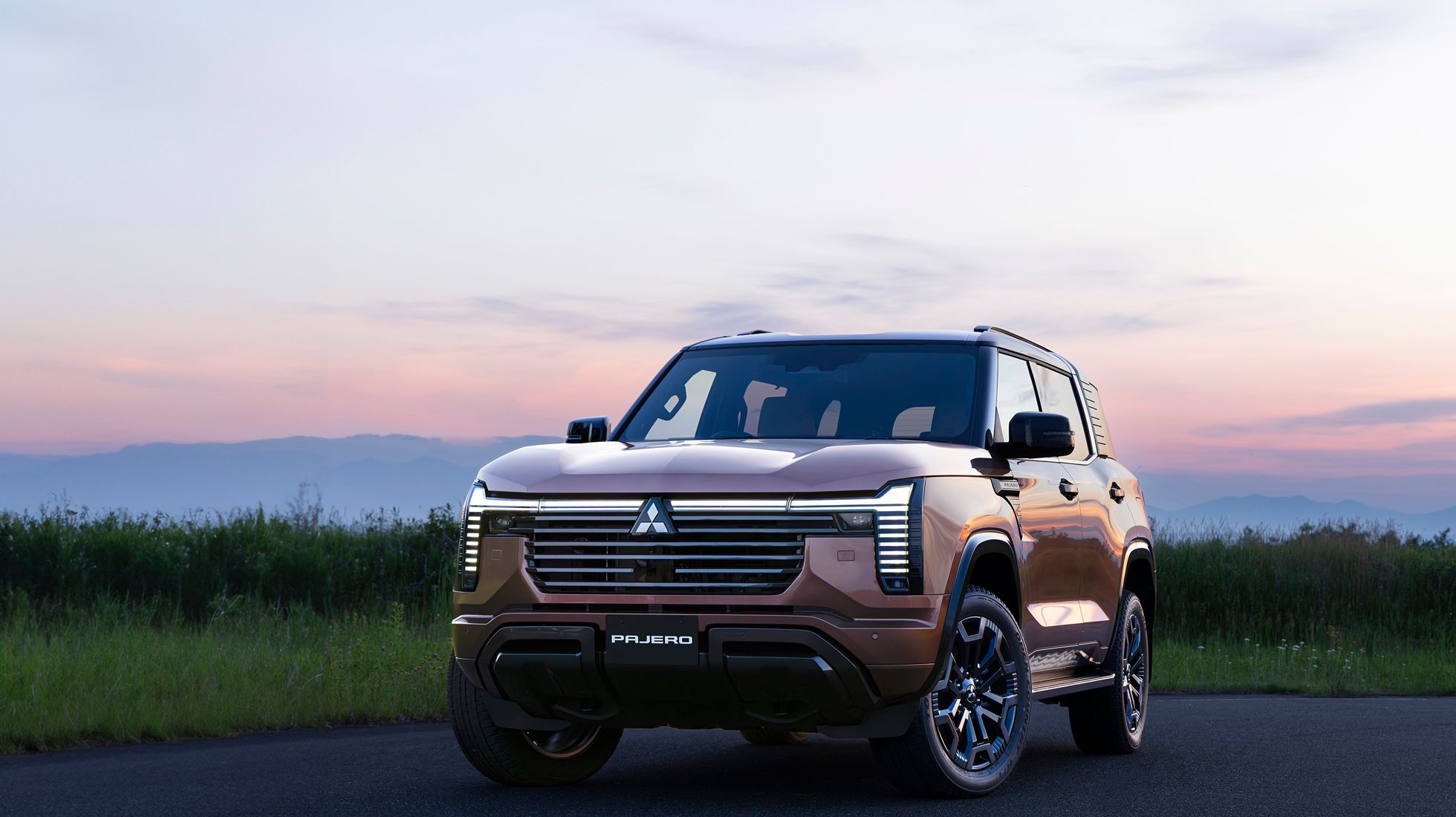
Based on the new ‘Grand Charisma’ design language, the new Pajero has a much more squared-off, upright stance than the model it replaces. There’s a large front grille, chunky lower bumper, and slim, vertically stacked LED lights, giving it plenty of presence without looking overdone.
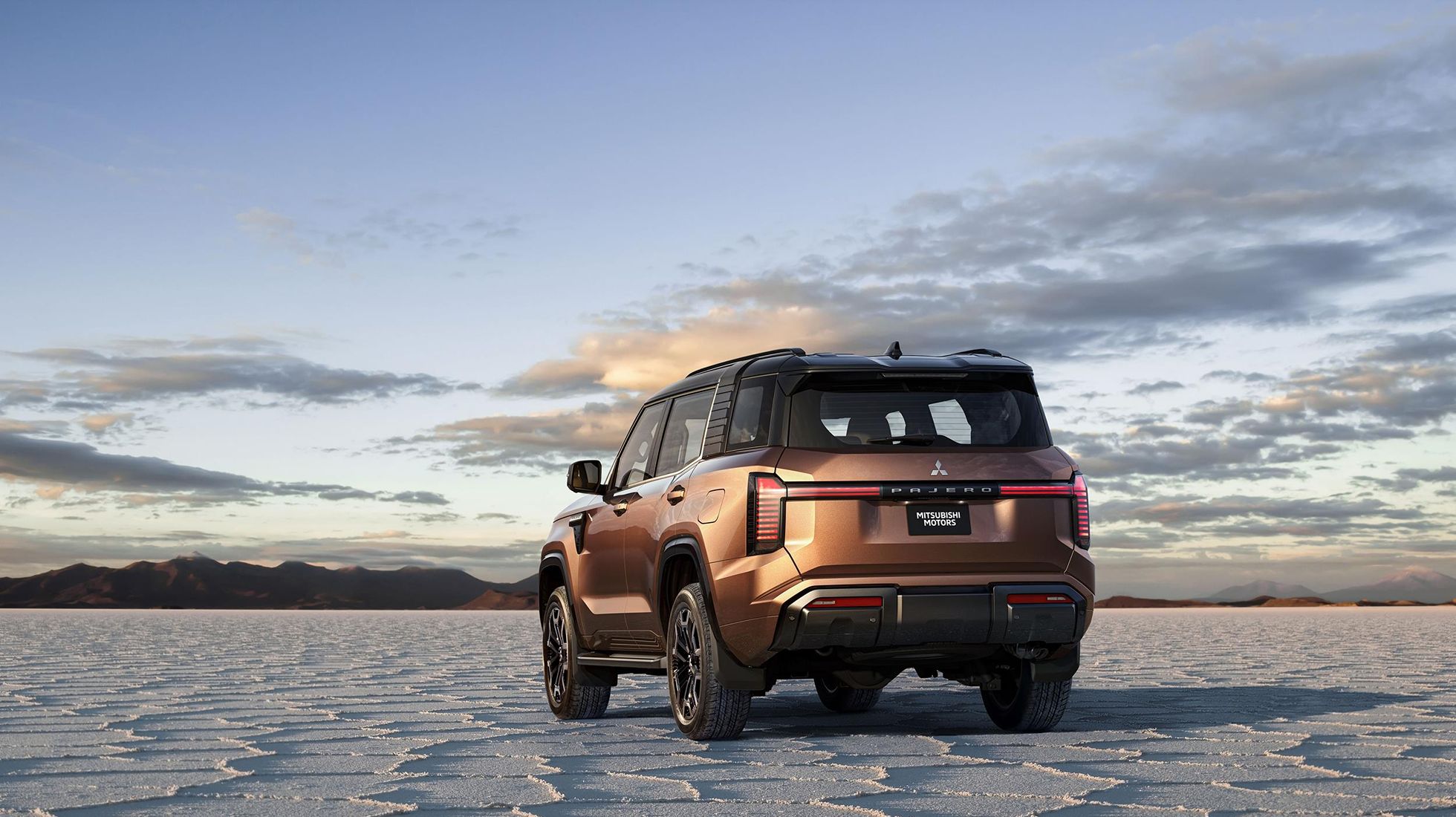
One of the most significant changes at the back, which will undoubtedly spark discussions among Pajero purists, is the removal of the rear-mounted spare wheel, a feature that has long been associated with the nameplate. It’s a major departure for Pajero lovers, but hardly an industry first. The current Land Cruiser Prado has gone down the same route, too.
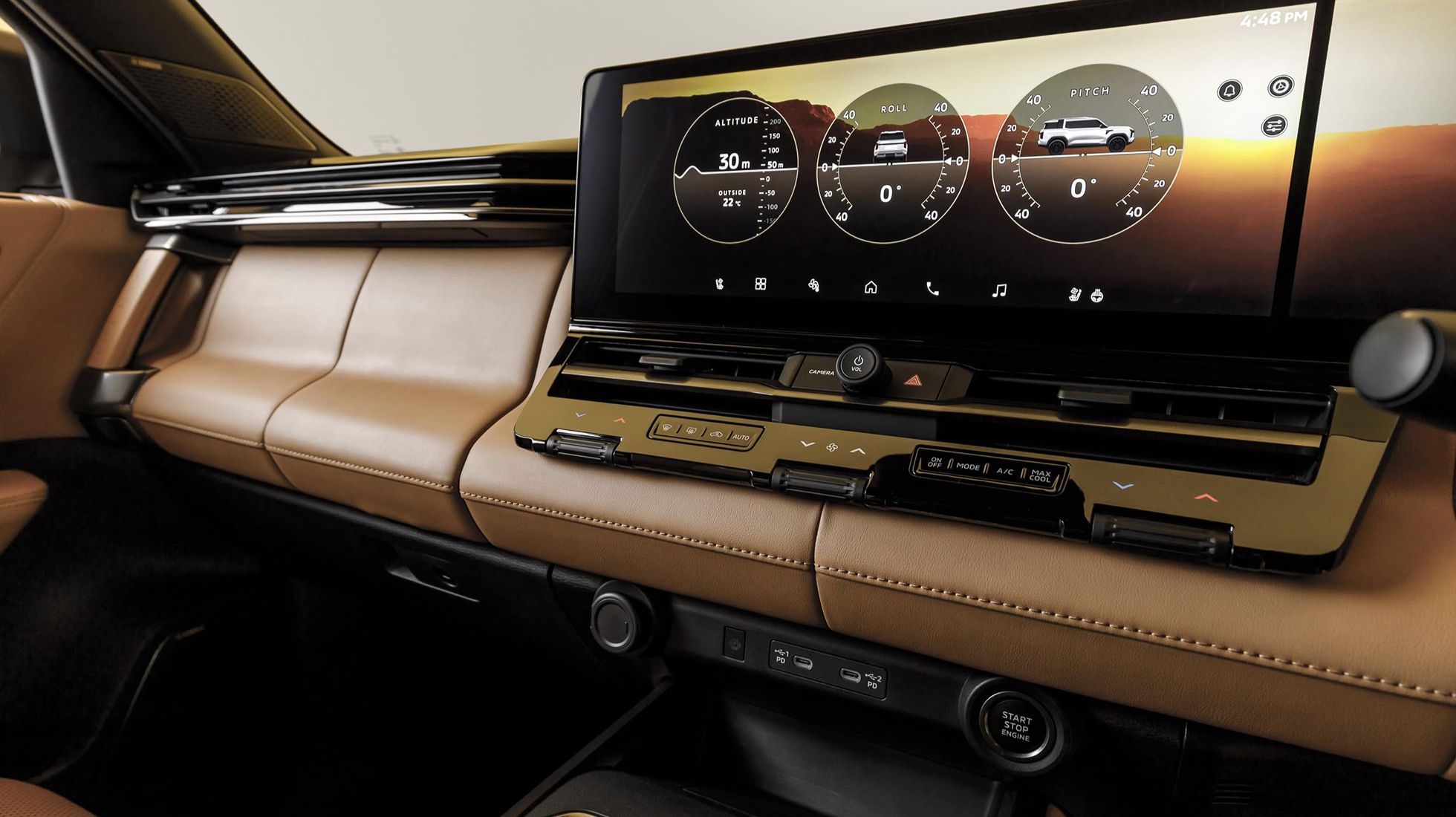
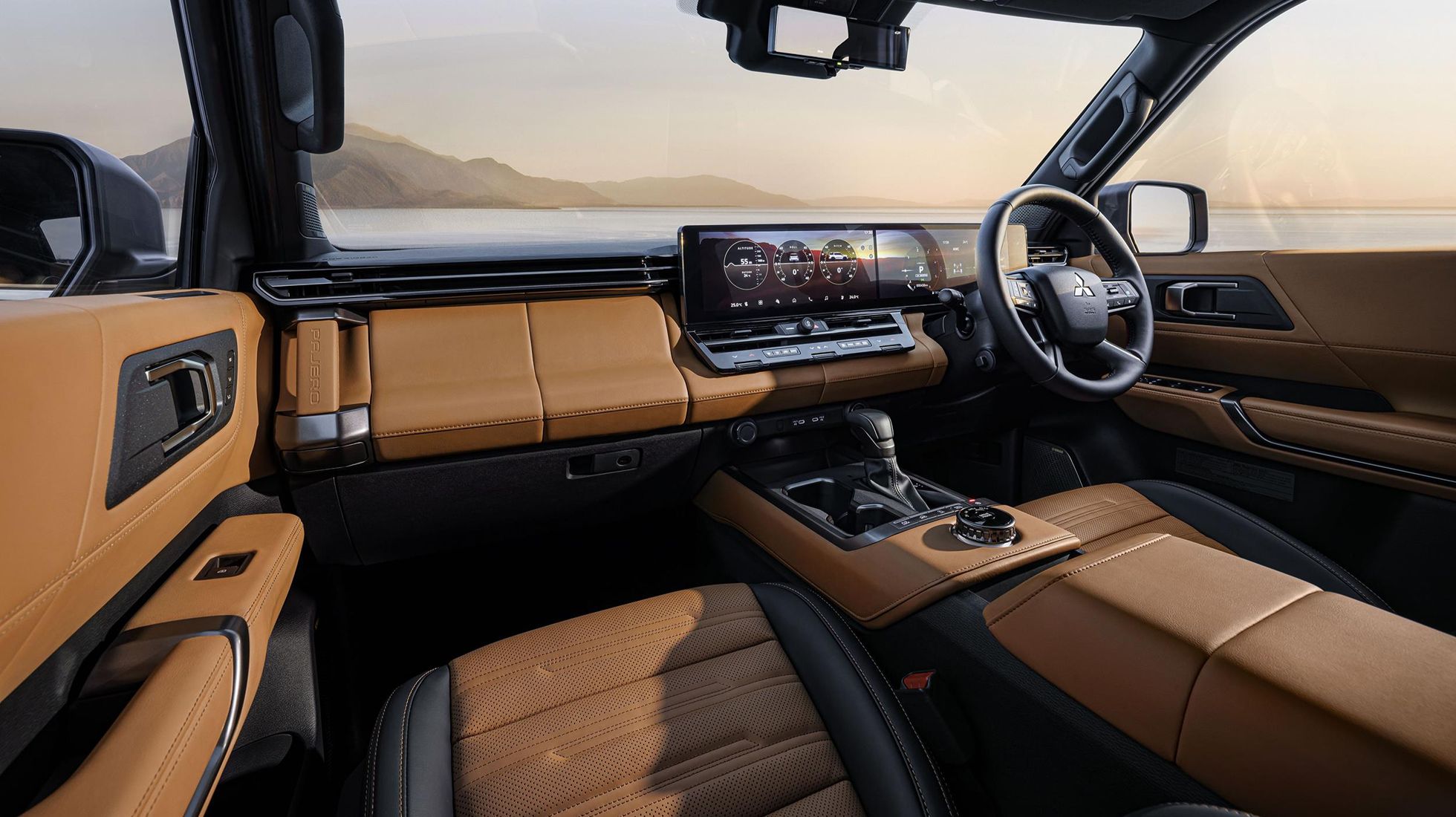
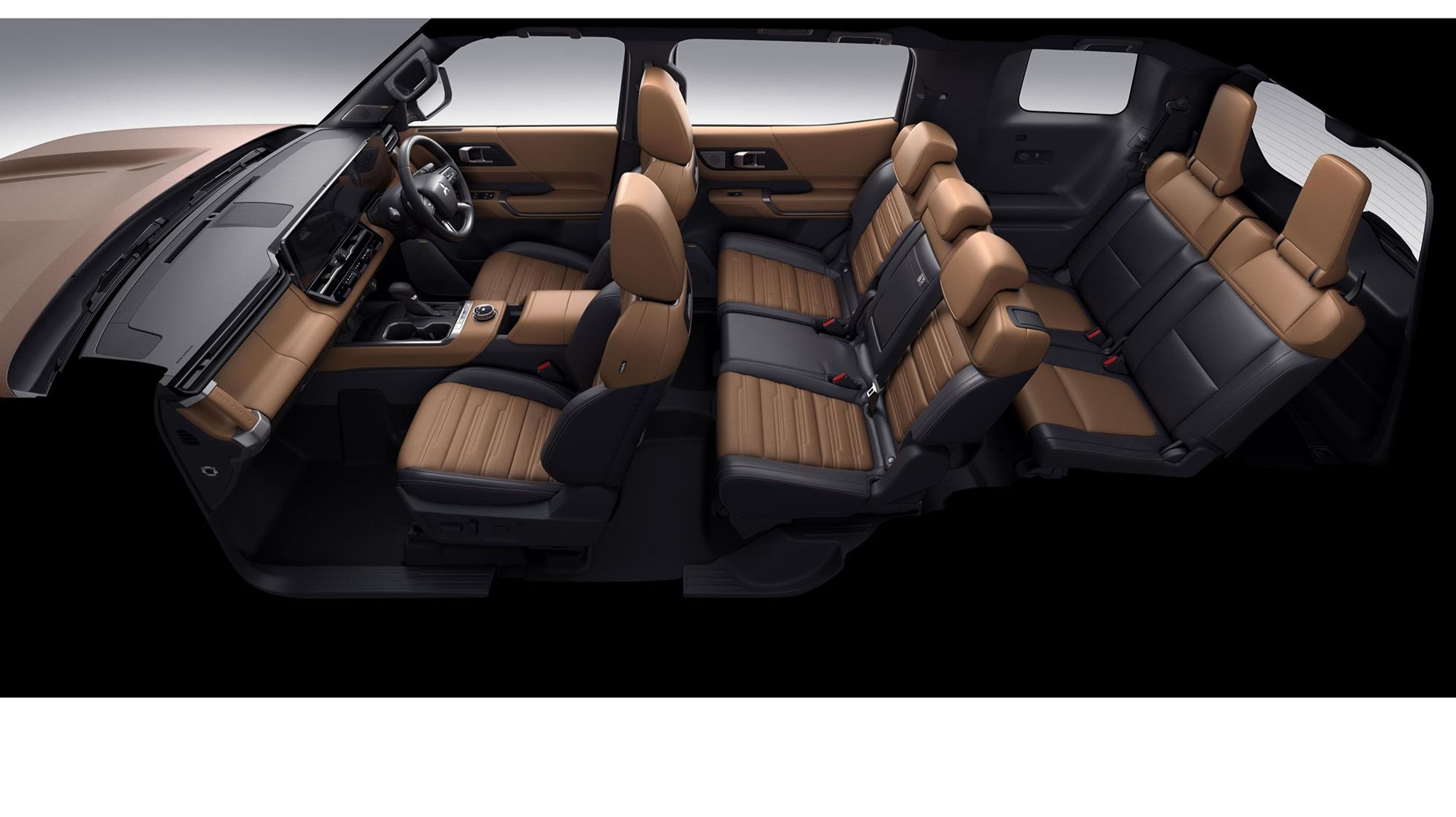
Inside, the Pajero has been modernised, and that’s a good thing, as it keeps it in line with what buyers expect from a modern flagship SUV. It still seats seven, with two 14.3-inch screens taking centre stage. The graphics on these displays are said to be inspired by the Pajero’s heritage, including a Multi Meter display showing altitude, compass heading, temperature, and the vehicle’s pitch and roll angles, a version of which is also present on the current Destinator.
Mitsubishi also says it has worked on insulation so occupants can have natural conversations even at highway speeds and in other high-noise situations.
Power comes from a 2.4-litre single-turbo 4-cylinder turbodiesel with 150kW and 480Nm, paired with an 8-speed automatic transmission and Mitsubishi’s Super Select 4WD-II system. It’s a smaller displacement than the old 3.2-litre unit, but the torque figure holds up well, and it’s not a bad engine either. We’ve sampled it in the Triton, where it proved capable, albeit with a 6-speed automatic rather than the 8-speed fitted here.
In terms of safety, it comes with passive and active safety features such as Forward Collision Mitigation system with pedestrian, cyclist, and motorcyclist detection and junction assist, Predictive Forward Collision Warning, and Emergency Assist for pedal misapplication. For the first time, the new Pajero now also comes with Emergency Lane Assist.
The new Pajero won’t be arriving locally anytime soon, as Mitsubishi will launch it in overseas markets first. Whether SA makes that list remains to be confirmed. What is clear, though, is that Mitsubishi is betting that there is still a space for proper 4×4 SUVs. The holy quartet may have lost one of its members five years ago. It appears they’re back to four.