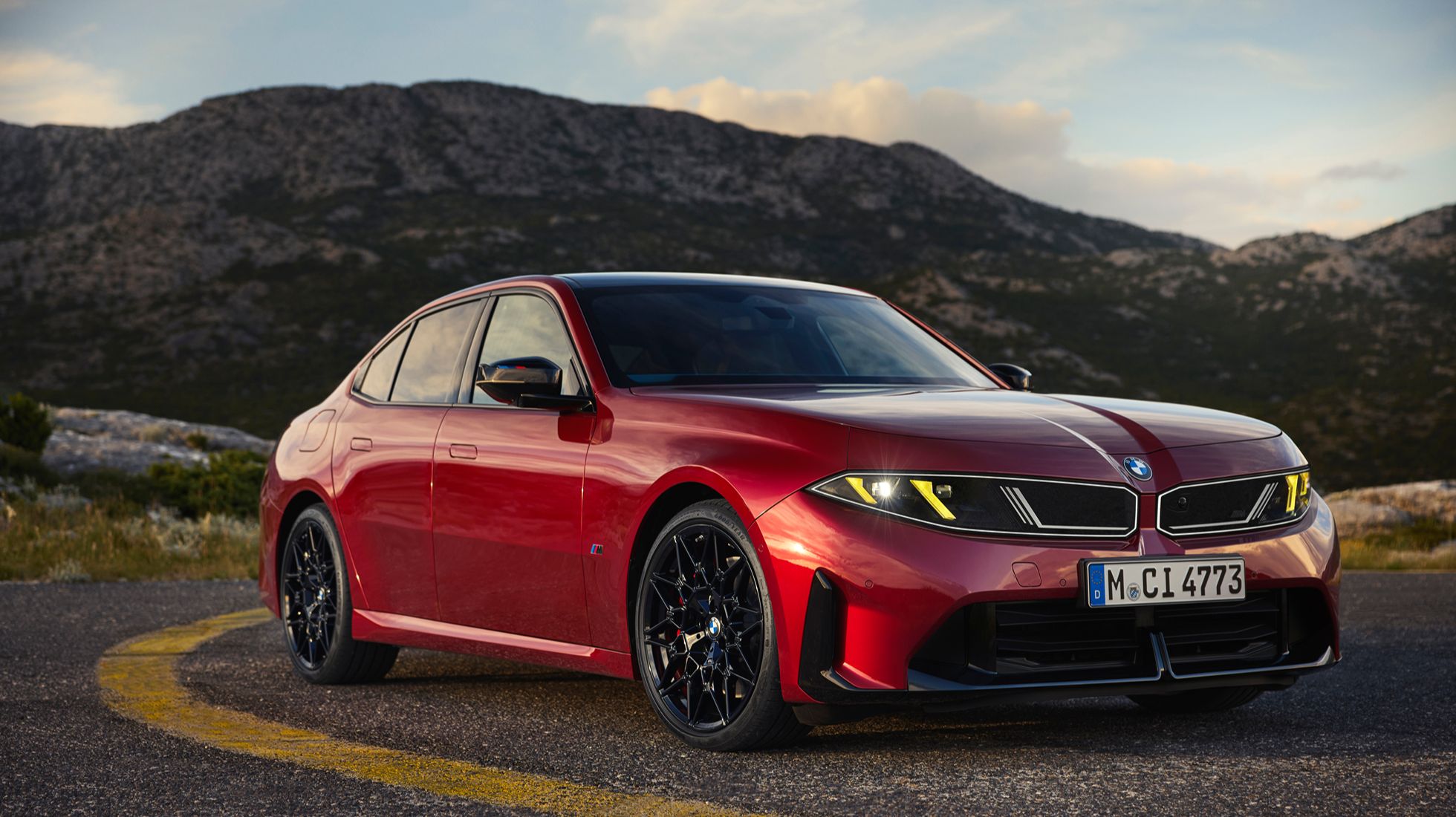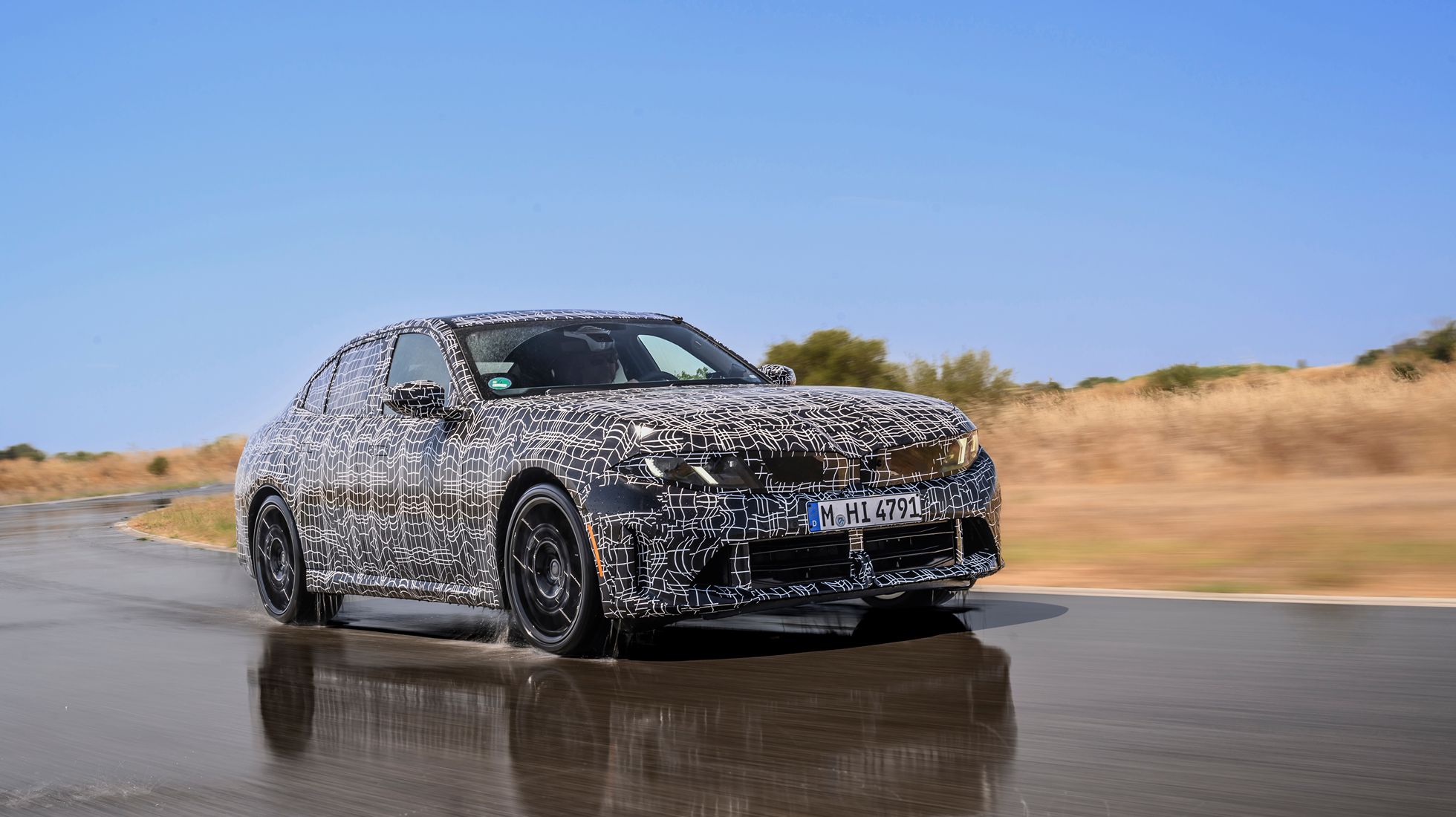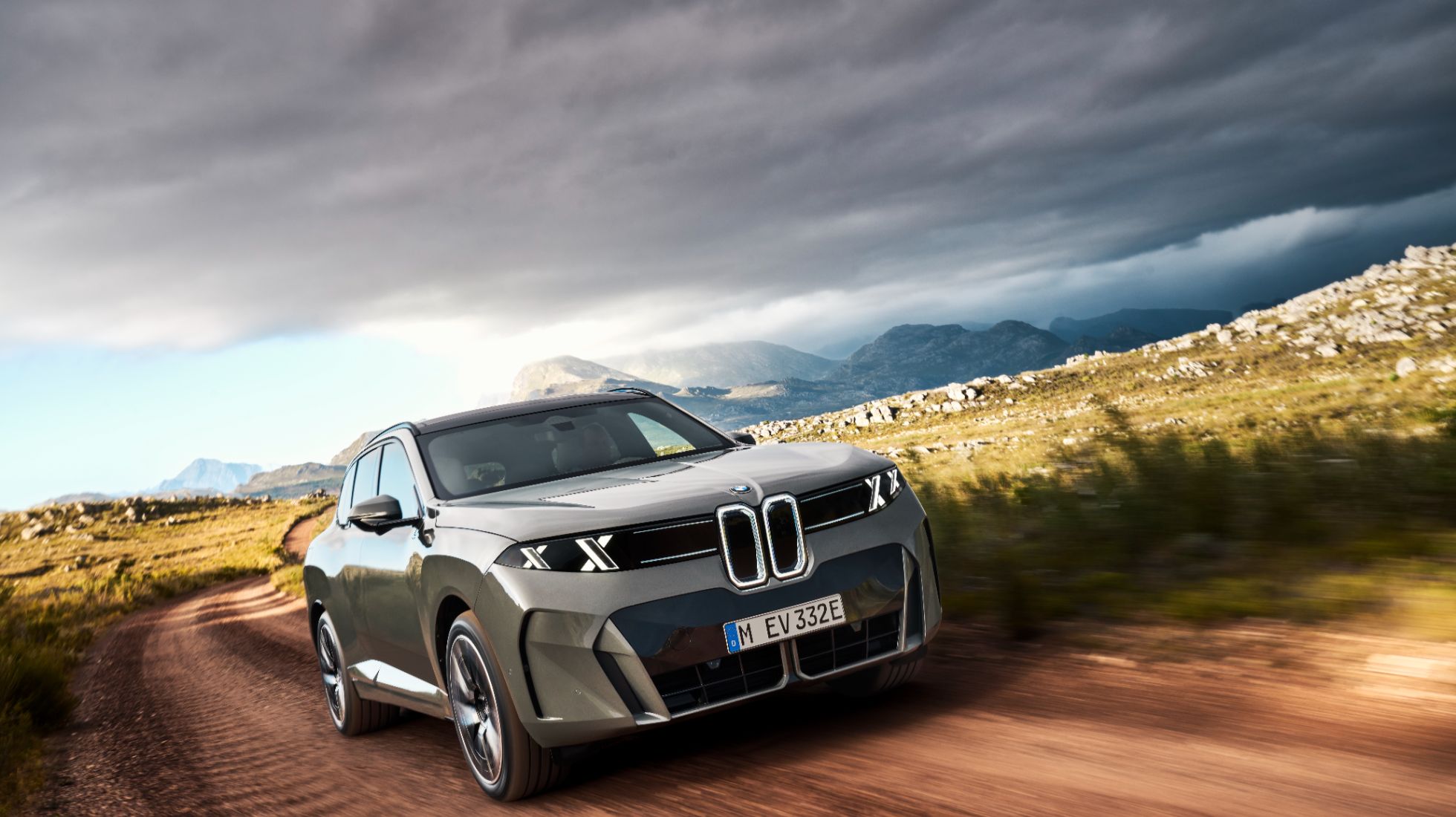
Neue Klasse or New Class. It is a bold new step for BMW, its in-house name for its latest brand direction which rethinks powertrain technology and electrification, dynamics, architecture, and still focusing compelling driving. But it’s the heart of the brand’s updated big saloon, the menacing 7 Series.
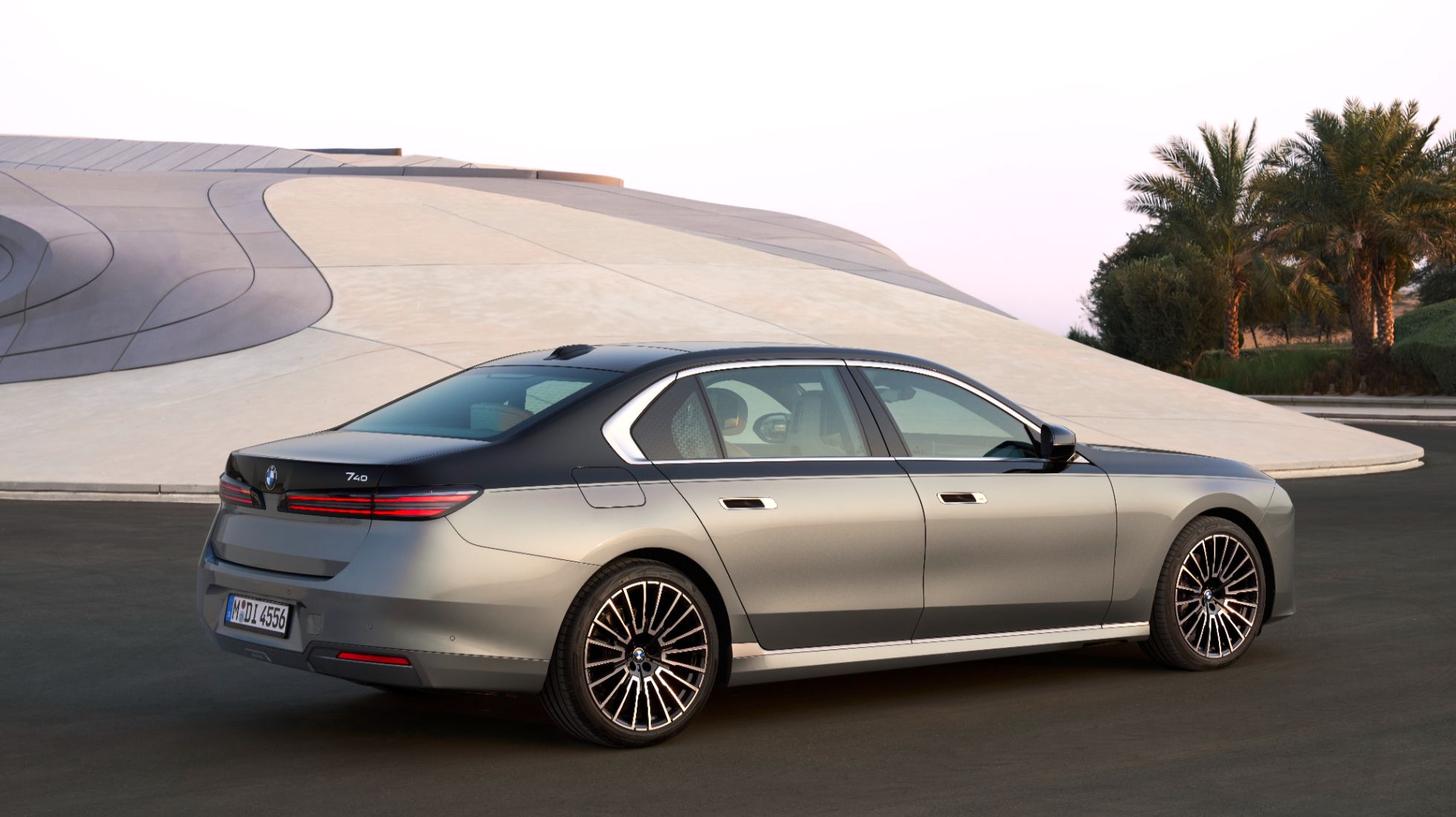
It has a refined EV configuration, much like the current i7, which remains alongside two PHEV variants. The 7 Series has undergone what BMW calls its most extensive model update ever, and the new model softens some of the concept car theatrics seen in the current version.
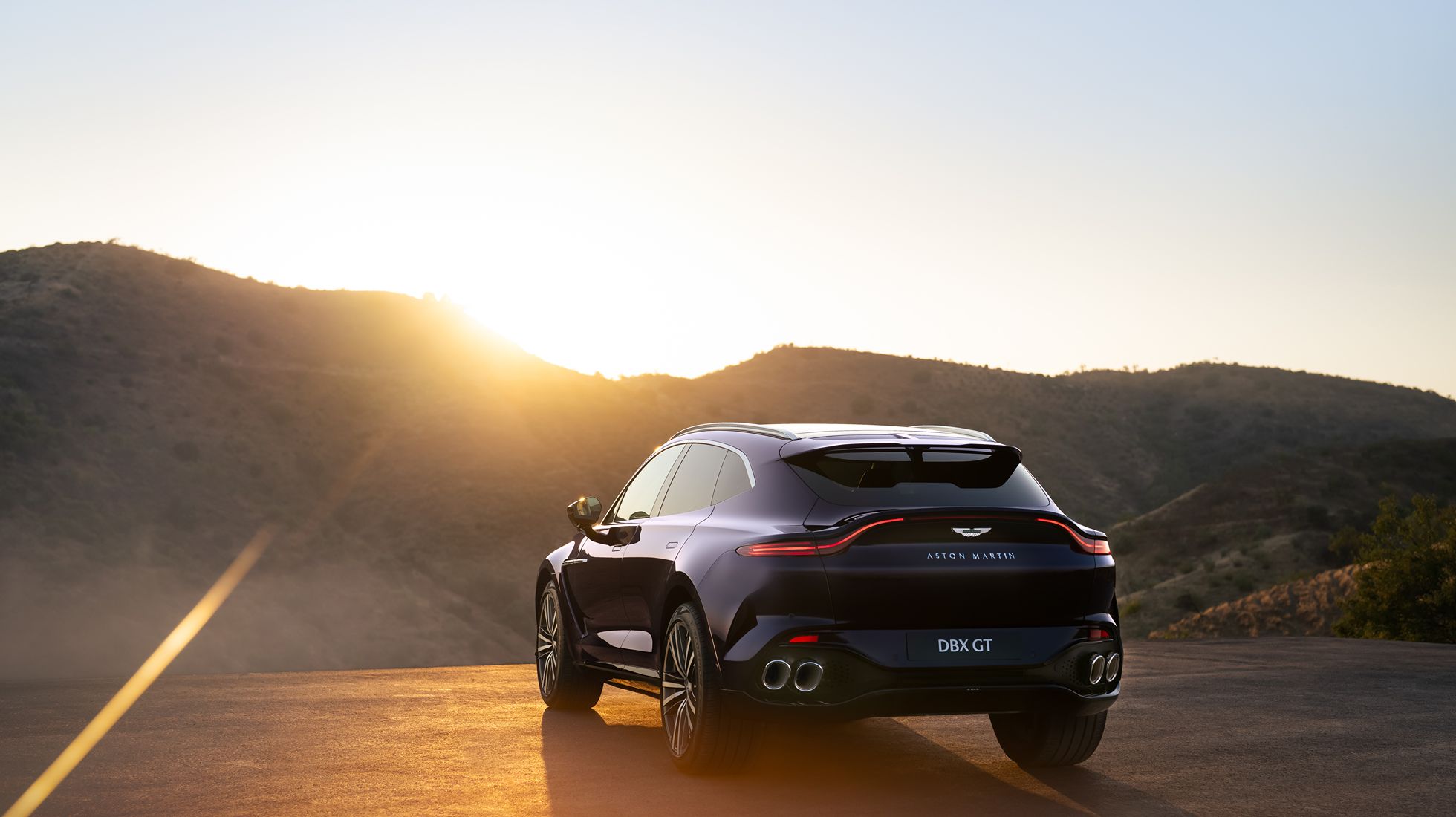
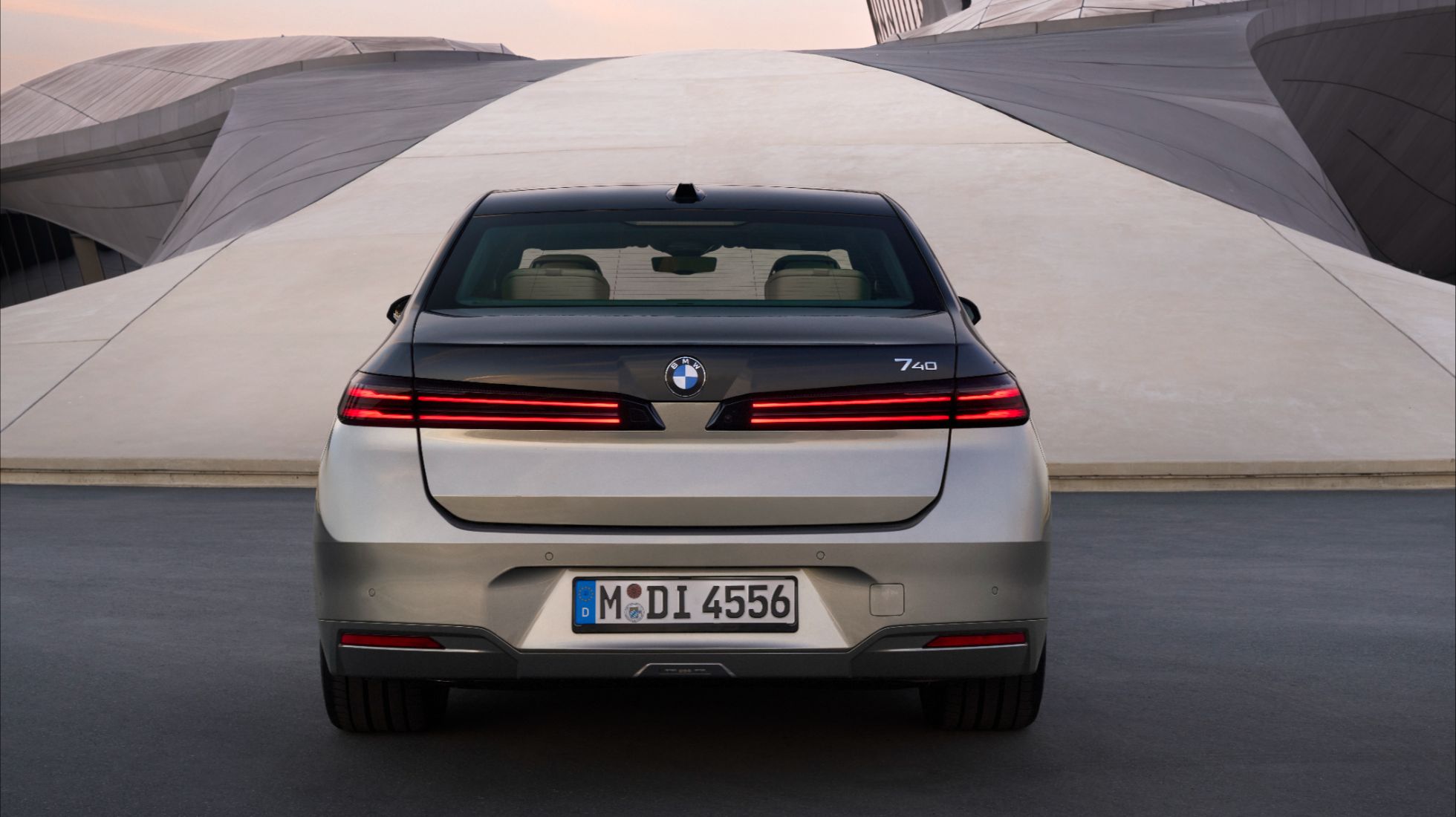
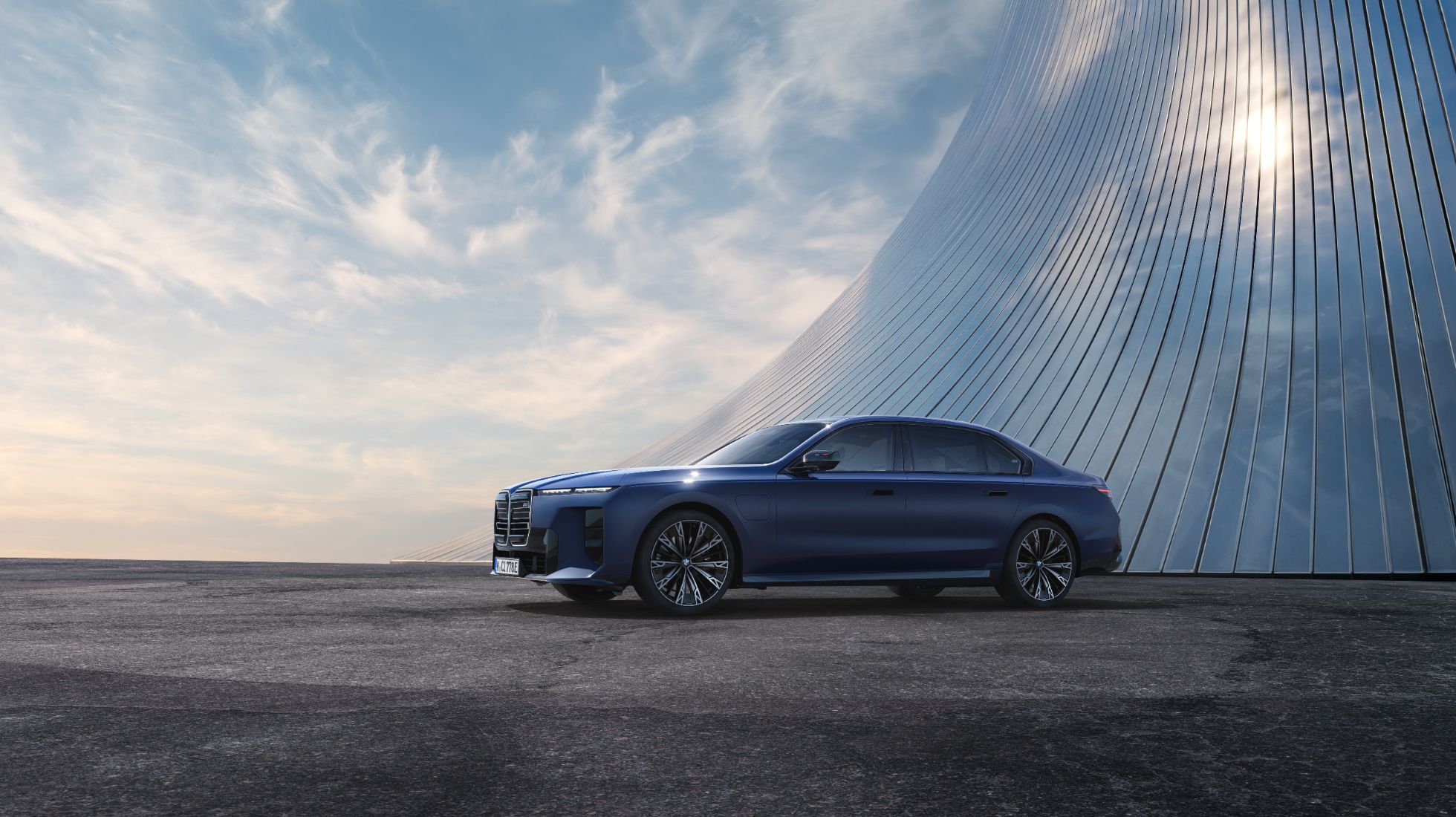
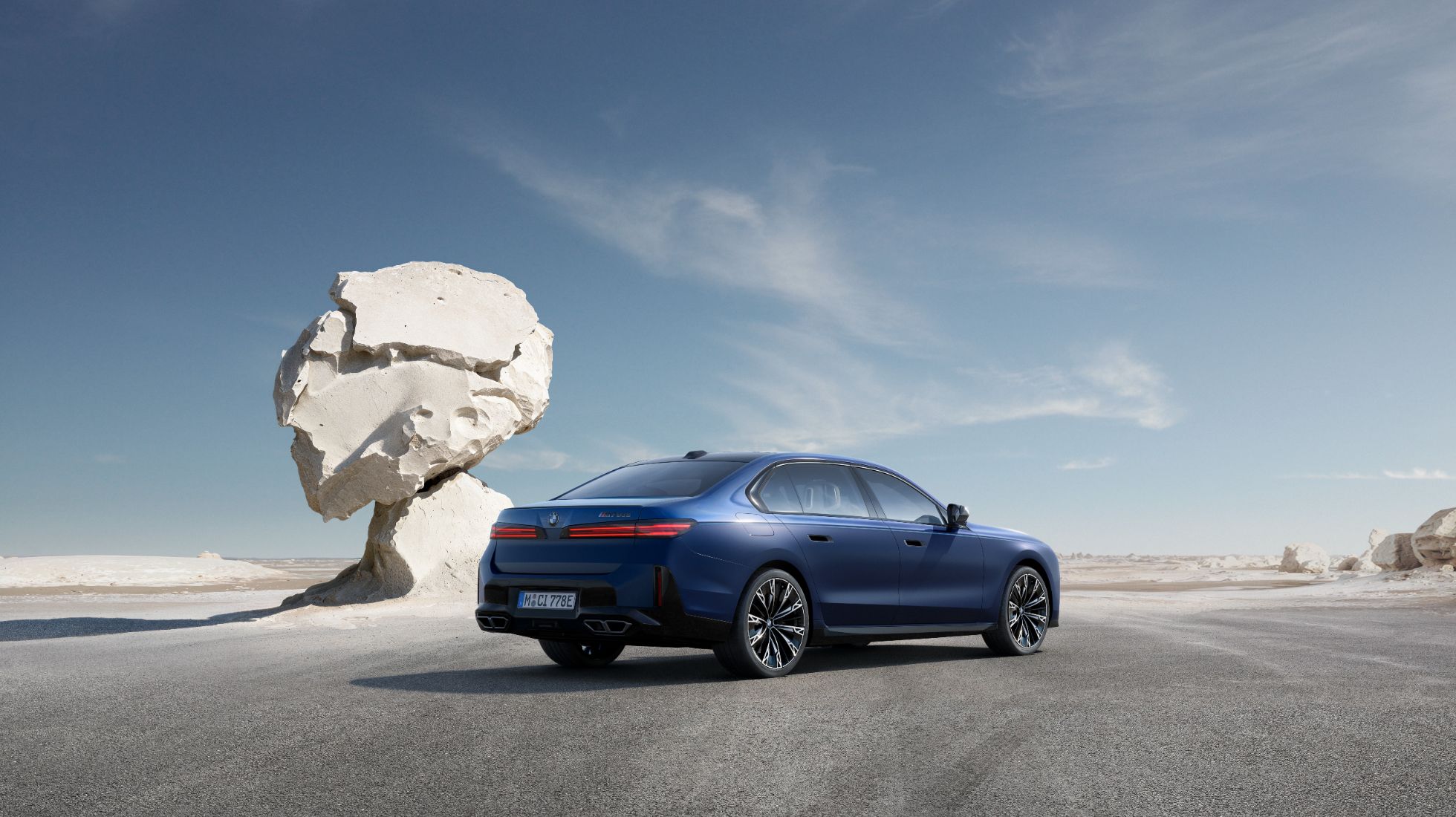
The front end’s centrepiece is the obnoxiously massive kidney grille, which is reworked and now looks more naturally integrated, assisted with sharp lines and sleek headlight profiles. The side profile remains massive and outstretched with a subtle emphasis on streamlining, and the rear now offers a simpler design that focuses on the large tail lights stretching towards the badge. New wheels have been added, with options ranging from 20 to 22 inches.

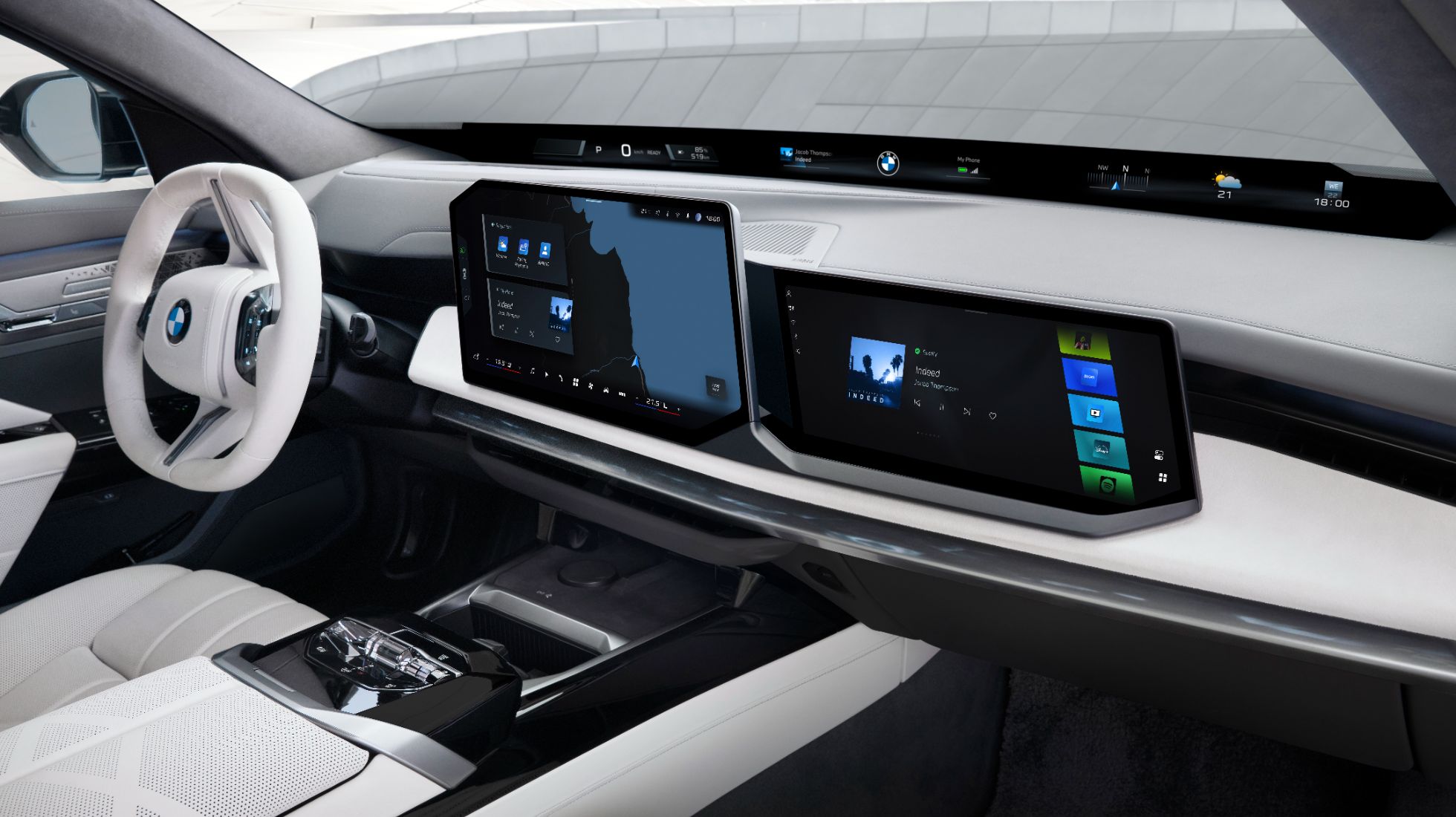
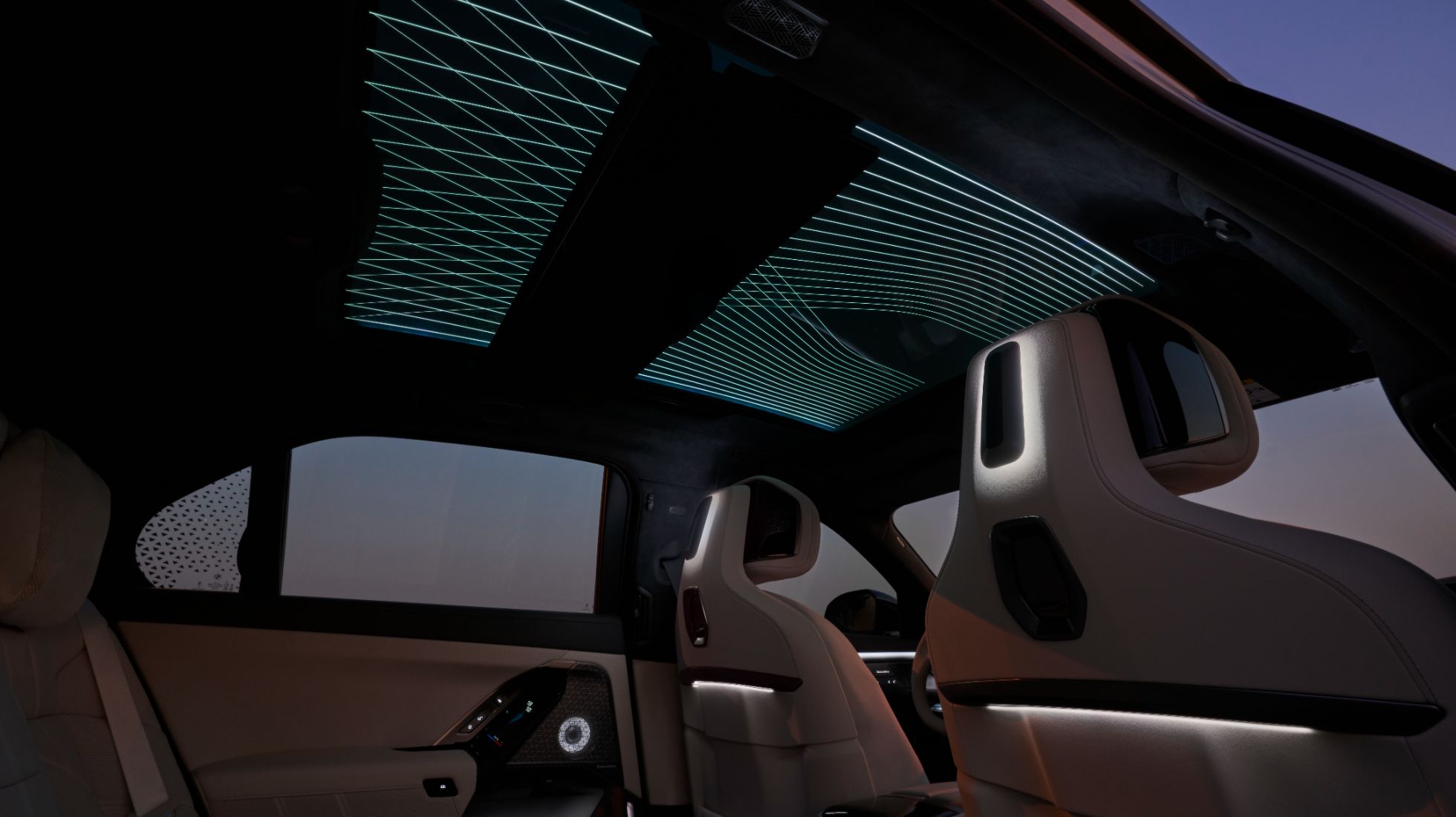
The cabin space is its own marvel, starting with the abundance of screens that take a second to understand. The centre hosts a massive infotainment display, with a dedicated passenger screen that broadens its digital theatre. At first glance, it seems there is no driver’s display, but right where the windscreen meets the dash is a thin screen array that provides the driver with all the necessary information. At first this seems terribly random, but then the thought of having all of your information so close to your focus point is actually rather brilliant.
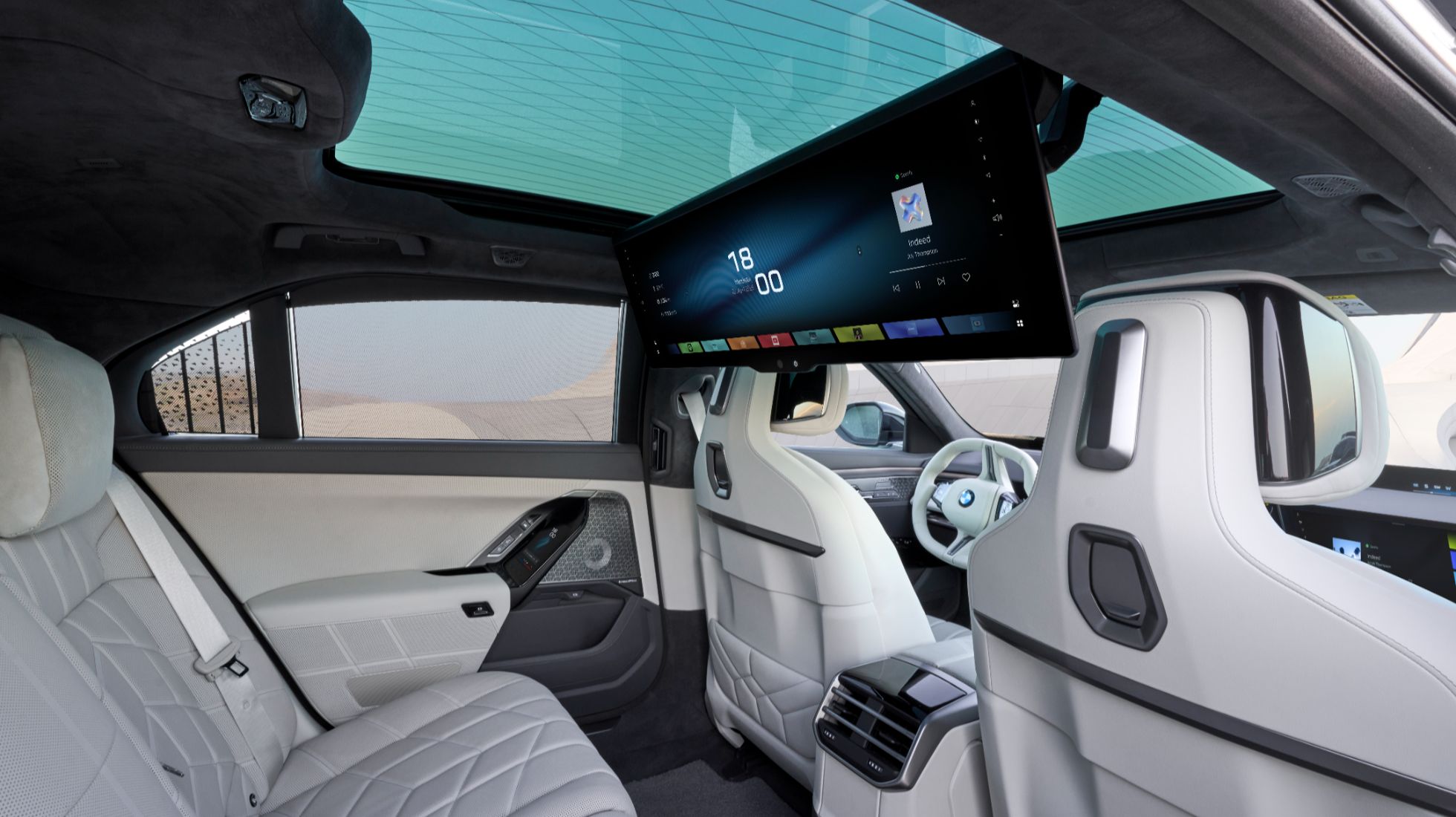
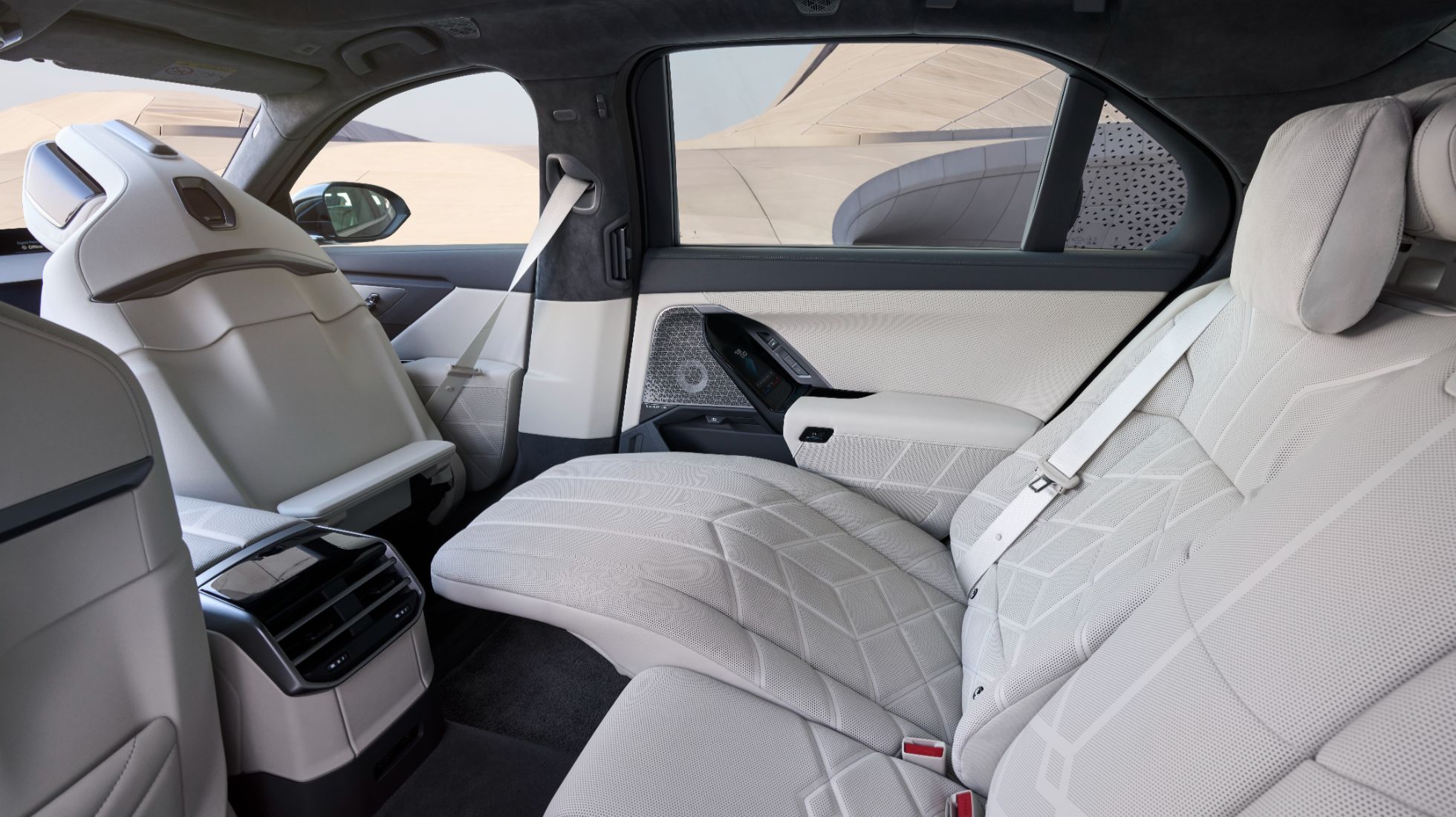
Of course, there is an exceptional level of detail and luxury within, with crystal glass used for the buttons and switches, and metal, wood, and leather elements for a heightened luxury experience. It’s one of the few luxury cars that you want to drive as much as you want to experience the chauffeur lifestyle, so in the rear, the massive entertainment screen that drops down from the roof remains and is enhanced, and the rear seat offers a leg rest with ample leg room at the cost of the front passenger seat that folds forward.
But the core of this new 7 Series is the updated electrified architecture. It starts with a mildly hybridised 48V platform for the likes of the 740d xDrive and the 740 xDrive. Furthermore, two PHEV offerings will be added, with an updated fully electric model that uses new cylindrical cells, marking the sixth generation of BMW’s eDrive technology. BMW claims that this upgraded battery tech will offer the full EV 7 Series a range of 720km.

It’s no secret that there is a fierce yet classy competition between the BMW 7 Series and the Mercedes-Benz S-Class, so when the S-Class comes with a fully armoured option, it’s no surprise that the 7 Series offers just that. The new 7 can be equipped with VR9 armour, classified as VPAM 10. Effectively, this armour is both bullet- and explosive-resistant. It consists of steel, special alloys, composite materials and bulletproof glass. Naturally, added protection also adds weight, but BMW says the car’s agility and performance will not be seriously affected by using adaptive braking systems and suspension upgrades that come standard with the BMW Protection Core package.
So the new 7 Series retains all the wow factor from the outgoing model, only now it has more. More screens, more protection, better efficiency with more options. It looks like a 7 Series with its massive kidney grilles and huge silhouette, and adds a heightened sense of seriousness, rather than the big-nosed luxury barge many see it as today. The BMW 7 Series now trades shock value for authority, and the result appears to be massively cohesive with the 7 Series’ identity.