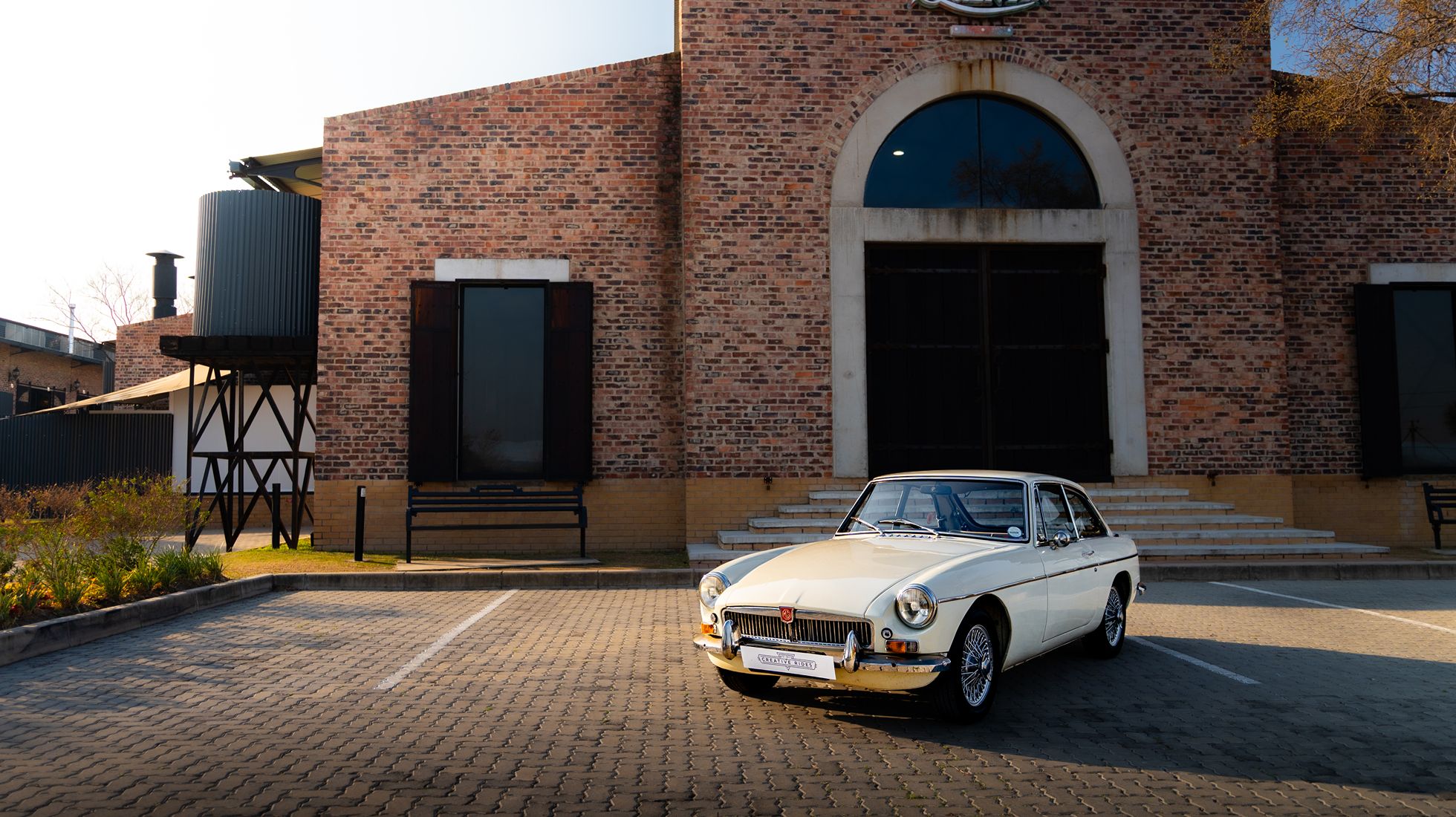



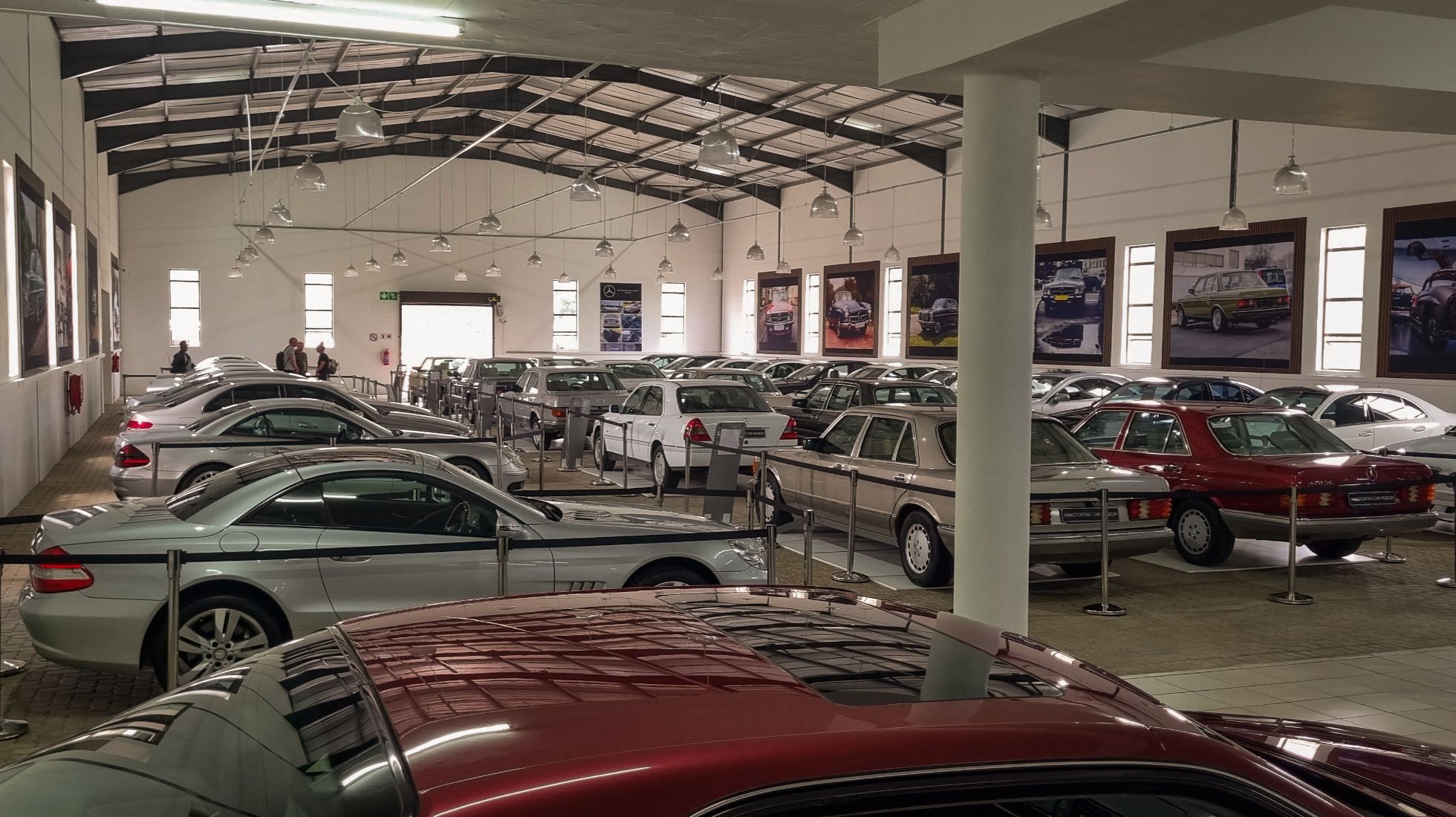
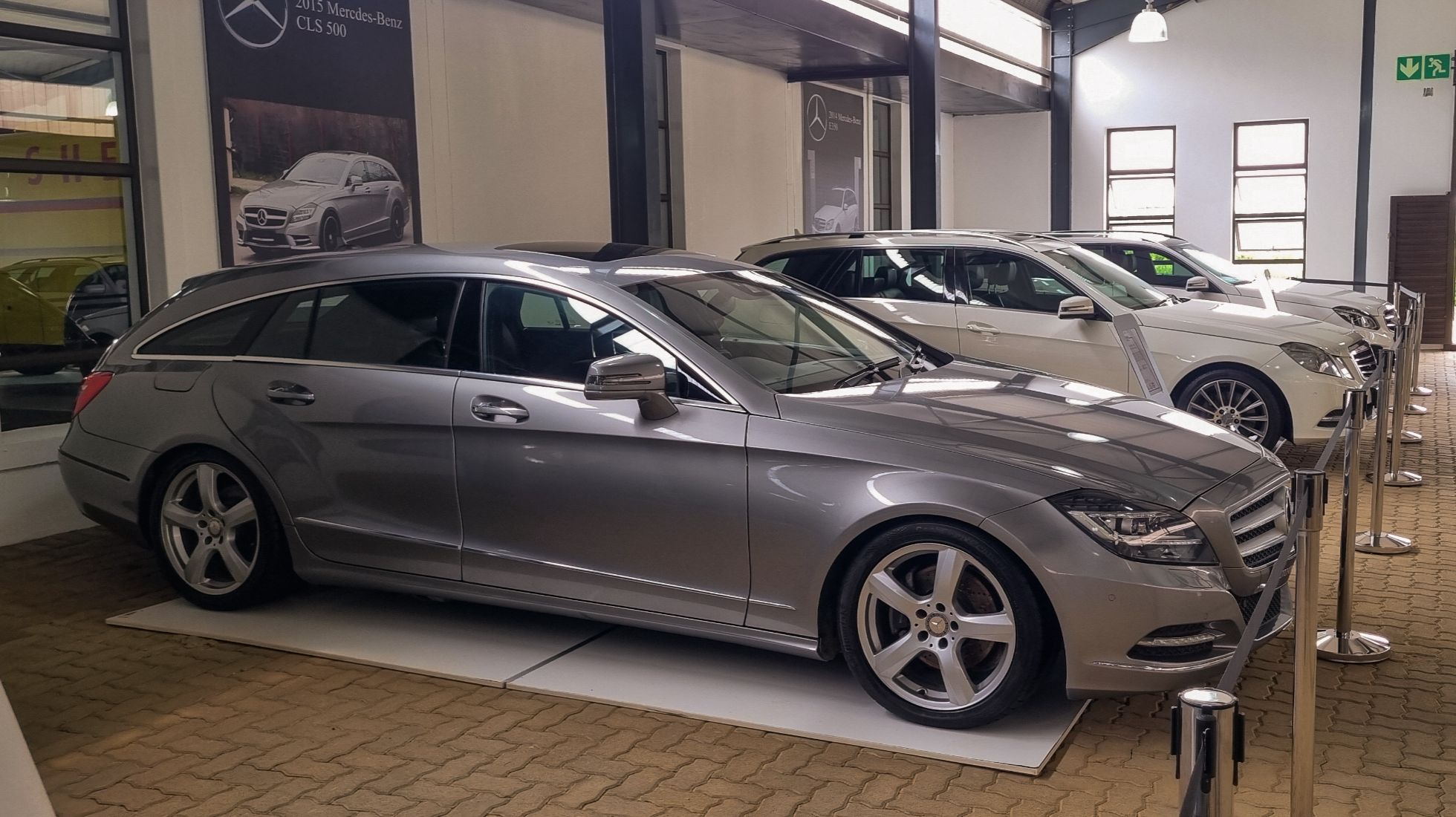

Differing opinions within the car world are the only constant. But no one can deny the astronomical importance of Mercedes-Benz. It’s the brand that started it all and, 140 years later, remains a prominent figure in this space. It’s an epic achievement, which Mercedes sums up perfectly. 140 years later, they are still cool. But our modern understanding of Benz is very different from where it all began. So Mercedes-Benz South Africa introduced us to a time capsule in Pretoria East, where five buildings house the brand’s history with incredible detail. Meet the Makotopong collection. An over 200-car collection, preserved in time, that celebrates more than performance, but also history.
Makotopong is widely considered one of the largest collections of Mercedes vehicles in the southern hemisphere. Named after a small village outside of Polokwane, where the owner’s family originates, the collection is not a celebration of performance, but rather showcases Mercedes models from nearly every decade. It specialises in restoring and maintaining these luxury vehicles for future generations. It’s a place filled with stories and a fitting location to celebrate 140 years of the brand.
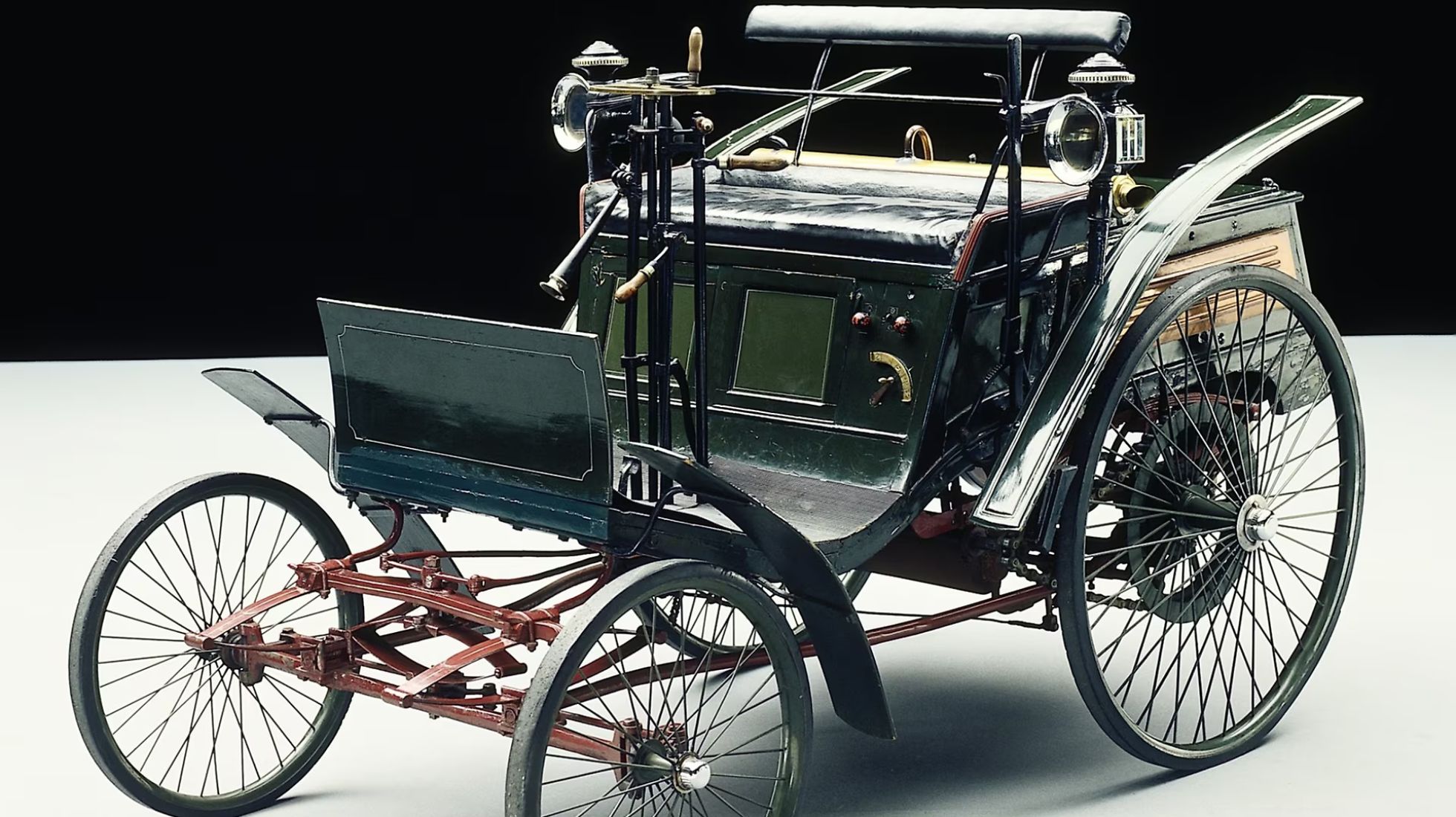
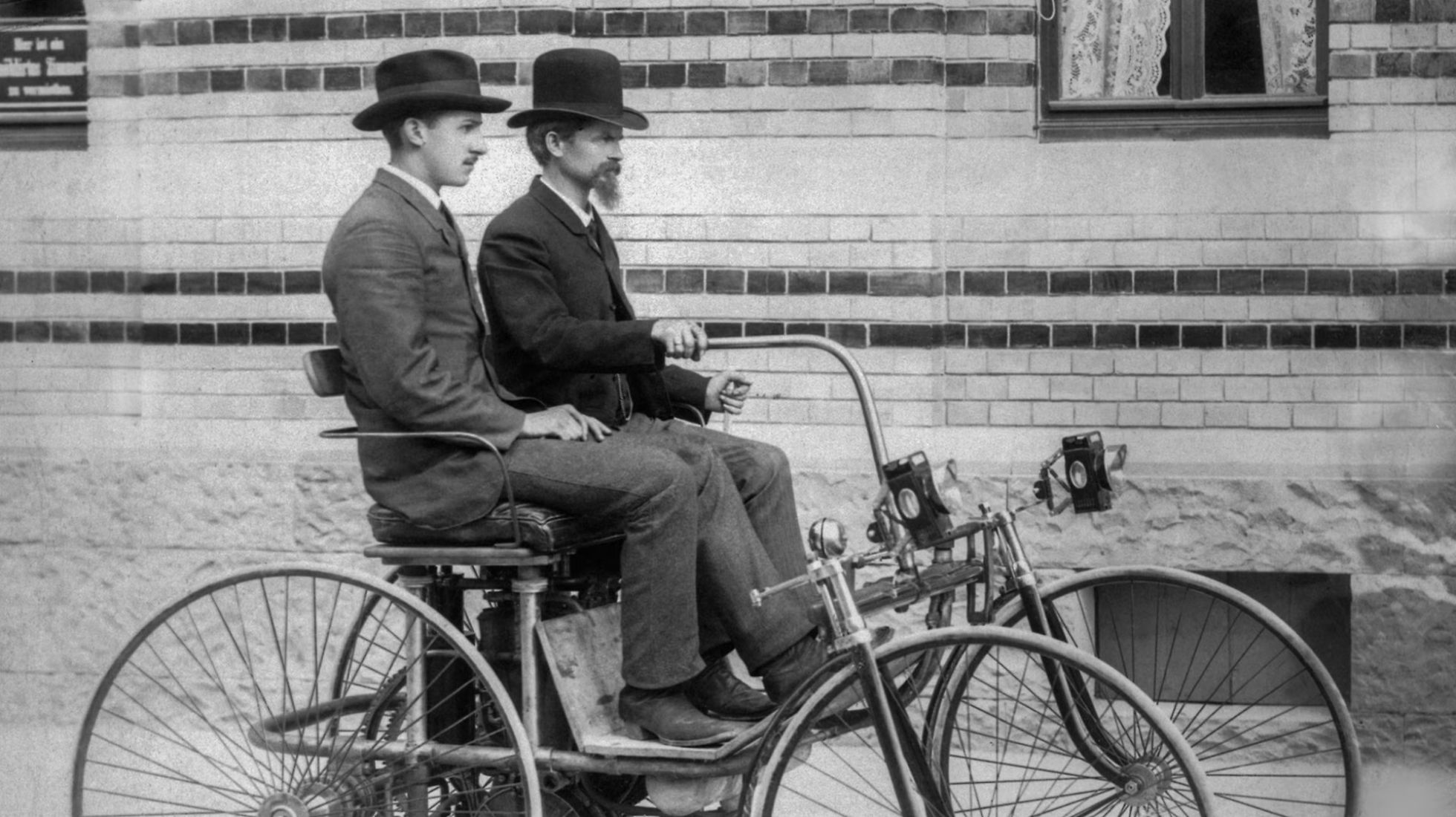
Upon arrival, we were greeted with a replica of the car that started it all, the Benz Patent-Motorwagen from 1885, patented on January 29th, 1886, under the Benz & Co. Rheinische Gasmotoren-Fabrik company. There was a sense of honour to spend this historic day in the presence of what started it all. Only it didn’t come in the form of four wheels and a steering wheel, but rather three wheels, one cylinder, and a two-stroke engine with a handle to turn the front wheel. So how did all this begin?
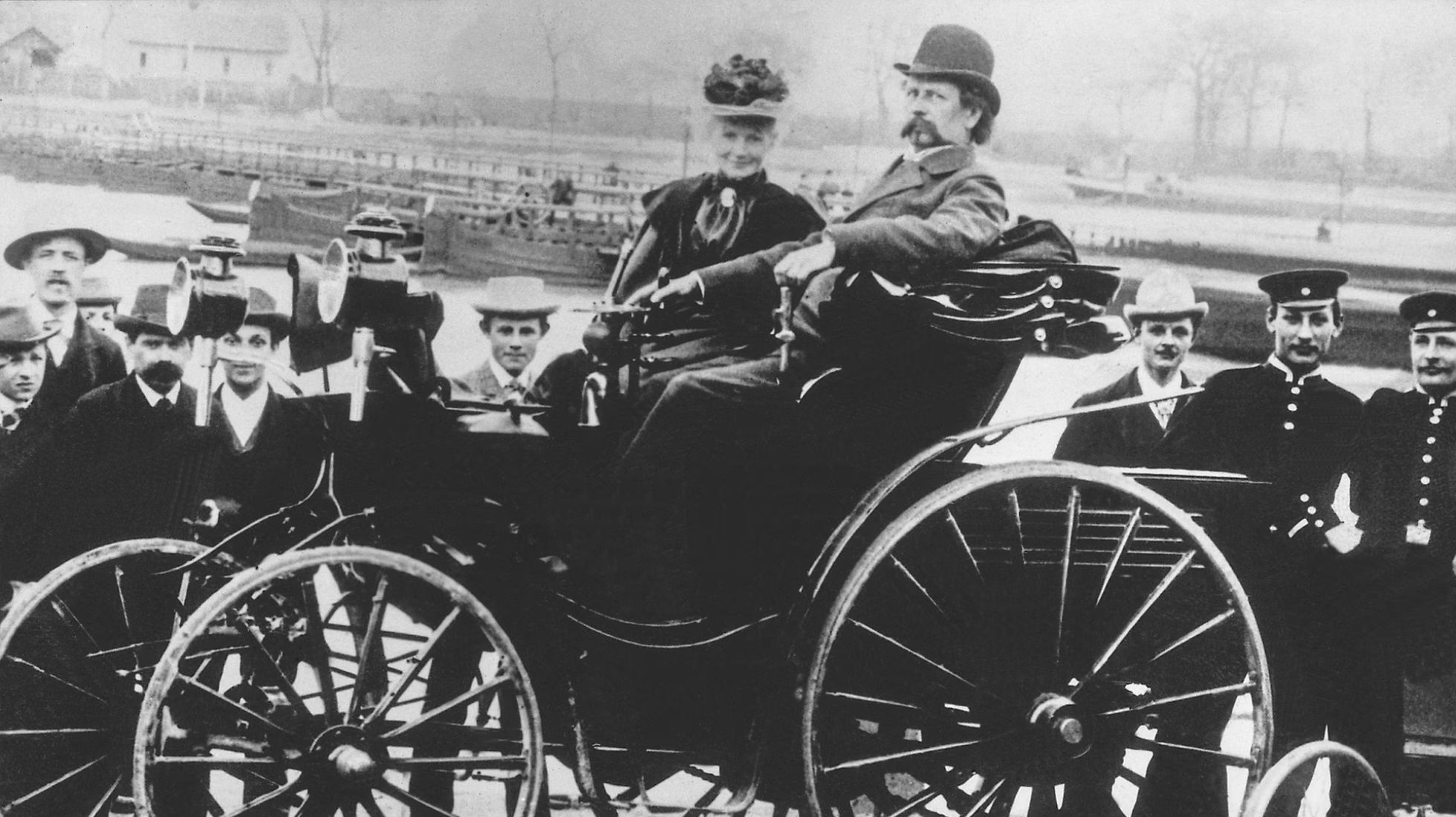
Carl Benz saw an opportunity. One which mechanised the heart of the workhorse with petrol DNA. Carl’s Motorwagen was the start of this vision, but to show the world that the horse was old-fashioned, his wife set out to change the narrative. As expected, there was little infrastructure to support such a machine. So Bertha Benz set out to demonstrate the practical use of the patented Motorwagen by embarking on a long-distance journey from Mannheim to Pforzheim. This was the key moment that shaped the idea of a motorised carriage as a sensible form of transport.
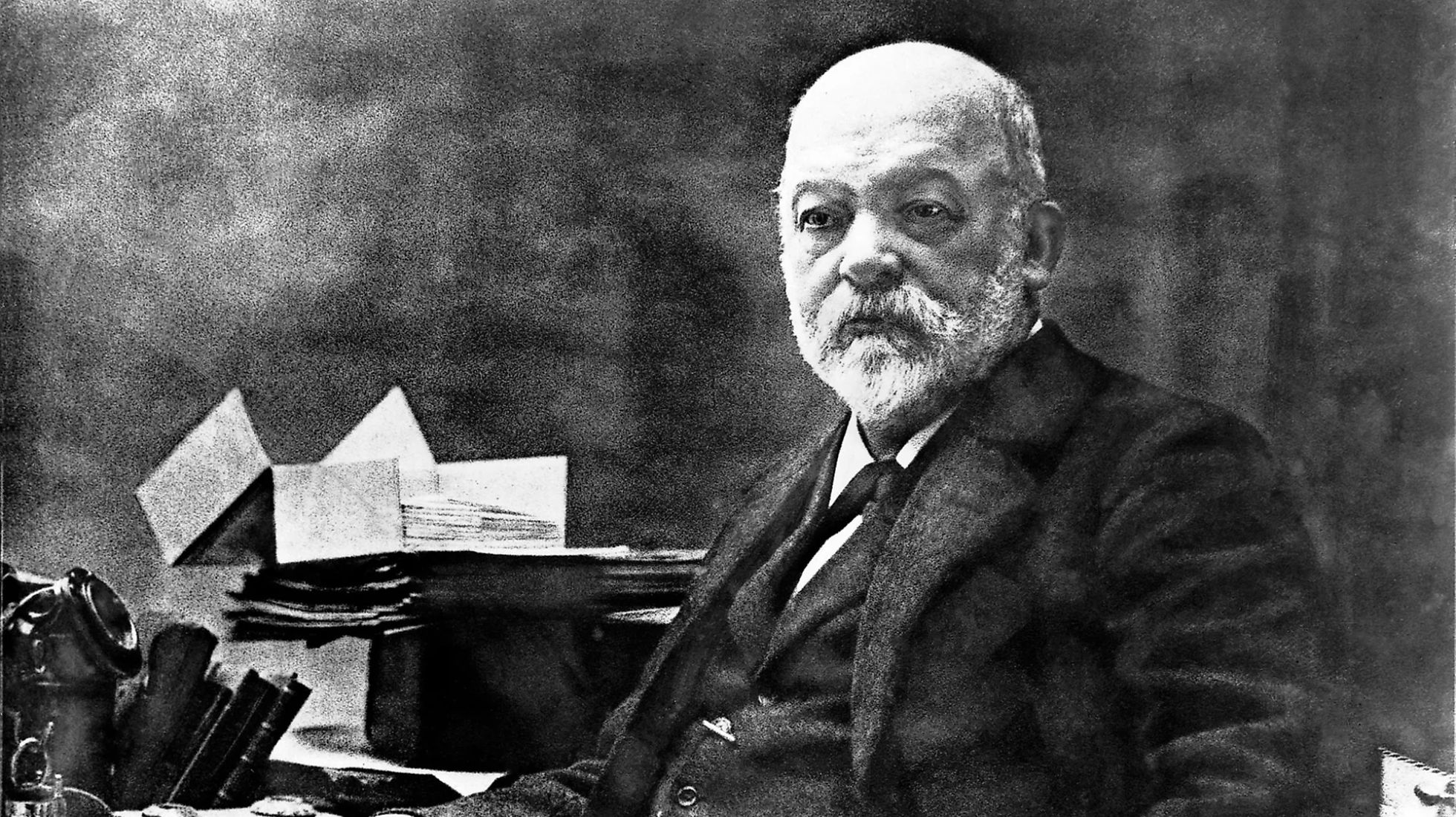
Soon after the patented story began, engineer Gottlieb Daimler joined forces with Wilhelm Maybach and installed the first four-stroke engine into a four-wheel carriage in 1886. Interestingly, Carl Benz in Mannheim and Gottlieb Daimler in Cannstatt, near Stuttgart, both foresaw a future for petrol-powered mobility and drew up plans for such a vehicle in the same year. They didn’t know each other and worked independently, but it seems the stars aligned for both of them at the same time.
The popularity of the motorised carriage grew in the 1890s, and these two companies grew alongside it. The Daimler-Motoren-Gesellschaft (DMG) emerged in 1890, focusing its efforts on expanding and marketing motorised travel overseas. Benz, meanwhile, became the largest automobile manufacturer of the time, becoming a public limited company in 1899 and changing its name to Benz & Cie. In 1894, the world’s first series-produced automobile, the Benz Velo, was revealed. It proved to be a versatile machine that excelled in transporting people and cargo, and it gained traction rather rapidly as the brand produced 1,200 units.
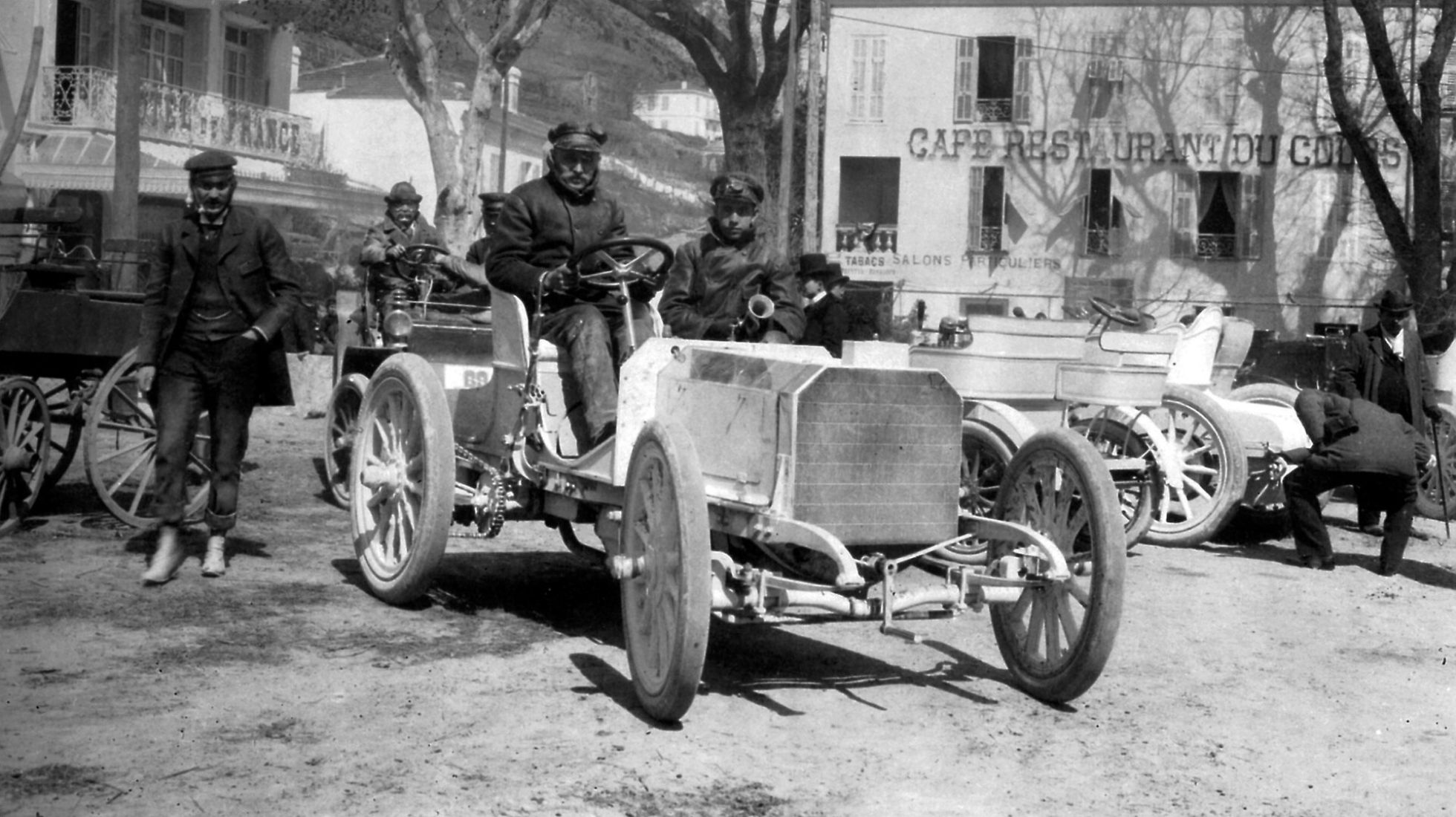
With its arrival came the first motorised competition, a 126km drive, not a race, from Paris to Rouen, conceived to prove the invention’s reliability and practicality. Only this was the beginning of the modern era of motorsport. In the spirit of competition, the first race was held in 1895, a nearly 1,200-kilometre race from Paris to Bordeaux and back, where Daimler’s licensed engine took victory.
At this point, there was no mention of the name Mercedes. The name emerged from a 1900 sporting competition organised by Daimler’s sales partner, Emil Jellinek, who played an integral role in advancing the development of more powerful automobiles. His mindset was simple: Win races and sell more cars, and it led to the creation of the Mercedes 35 PS. This new car was considered the first modern automobile and was named after his daughter, Mercedes, in 1900. Unfortunately, Daimler did not live to see this development, as he passed on the 6th of March 1900 at 65.
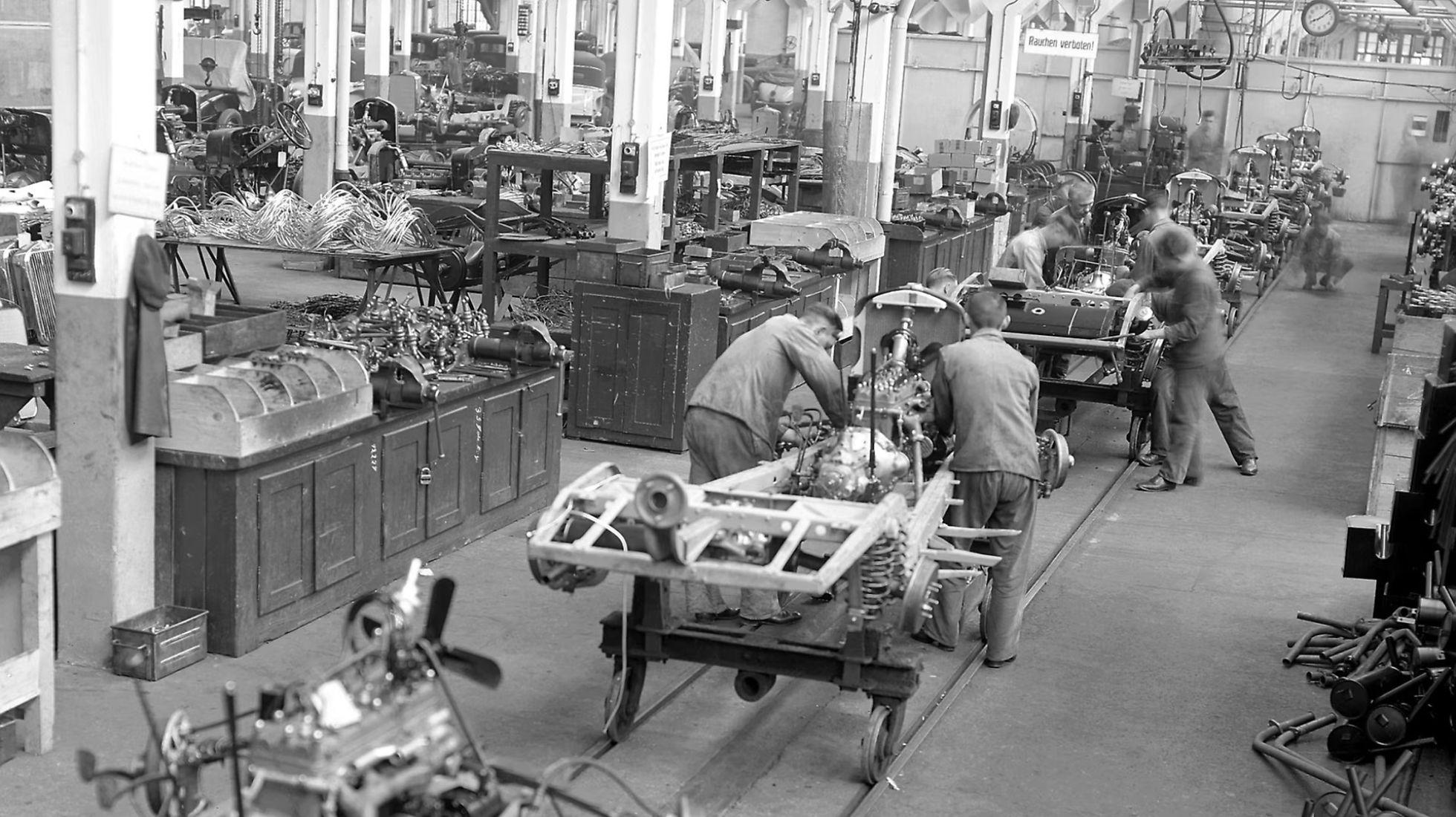
The early 1900s saw a rise in economic optimism with a focus on industry. In 1900, DMG purchased new land in Untertürkheim to expand its manufacturing operations. A fire at their prior plant in Cannstatt in June 1903 accelerated the development of the Untertürkheim plant, which was completed six months later. In 1906, Benz & Cie bought a plant site in Mannheim-Waldhof and expanded manufacturing, too.
Both companies lead in motorsport, with Benz winning the first Prinz-Heinrich-Fahrt in 1908 and Mercedes winning the French Grand Prix in 1908. The Mercedes 34 PS might have been the first widely considered automobile, but the Benz 200 PS race car made a lot of noise with its arrival and was quickly nicknamed the “Blitzen-Benz”. Another reminder that at this point, the two brands were fierce rivals.
The events of the First World War caused significant disruption, leading both brands to shift their focus towards aircraft engines. After the war, the German economy was in turmoil due to hyperinflation. The two brands needed to stay afloat, and notably, the DMG plant began building furniture and even printing its own money to keep production alive. With it came the invention of the supercharger for DMG’s first passenger car in 1921, and Benz introduced the pre-chamber diesel engine for its first series-production trucks in 1924. Both brands returned to racing and dominated.
In 1924, the companies decided to work closely together, originally as a joint venture. 1925 saw the first product of this venture, the introduction of the Mercedes three-pointed star with the Benz laurel wreath. Daimler-Benz AG was founded in 1926 and was called Mercedes-Benz, and its first production cars, the 8/38 PS, the 12/55 PS and the K-Type, were revealed to the world.
100 years later, and the brand remains an industry leader in class, luxury and performance. With such a powerful heritage that has stood the test of time. What a story. To think that the automobile began in the hydraulic press of competition, which remains the industry’s greatest catalyst for innovation to this day. It represents the birth of our passion, and now we look back on a legacy of recognisable machines designed to move people around in comfort and power.
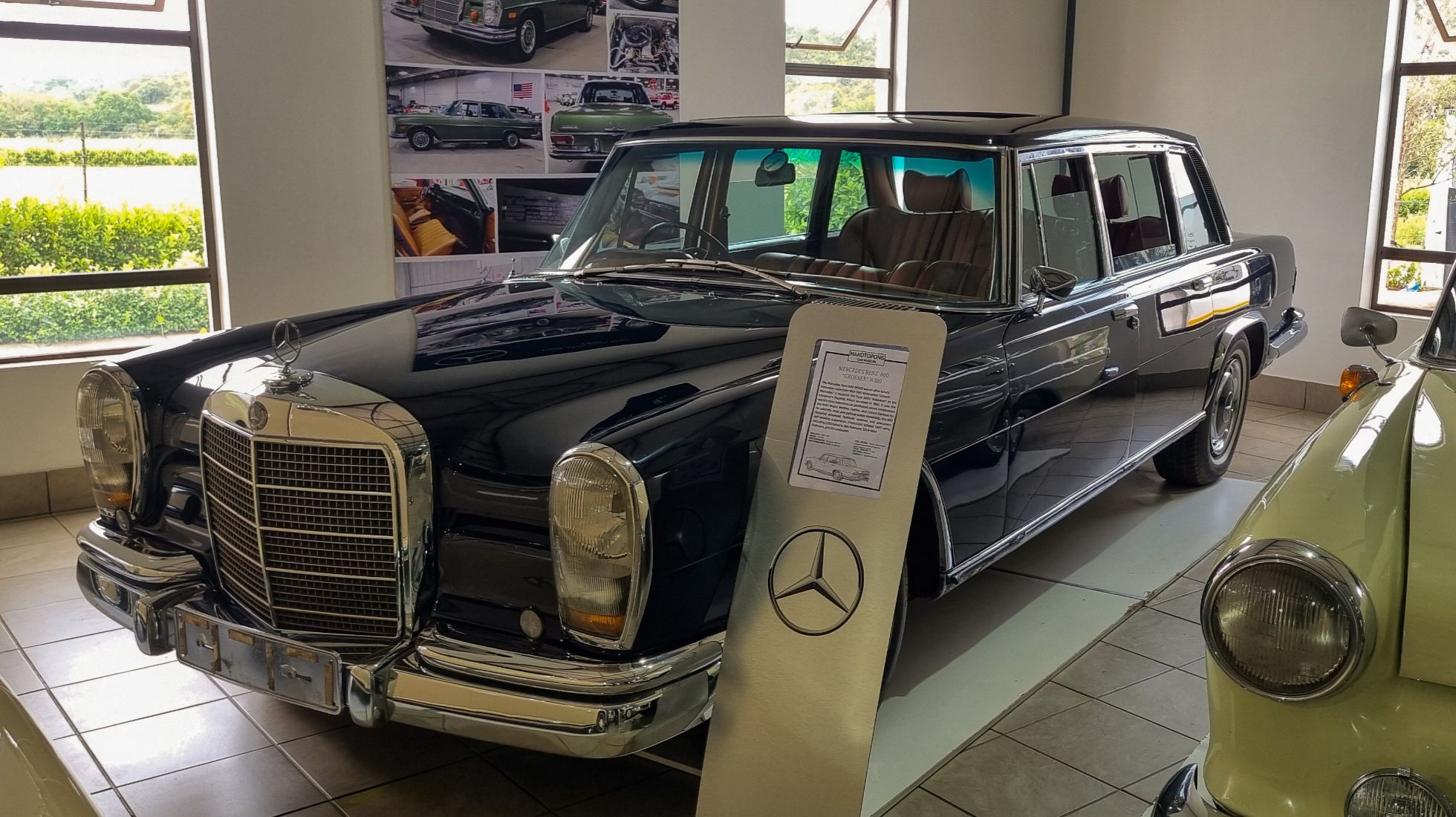
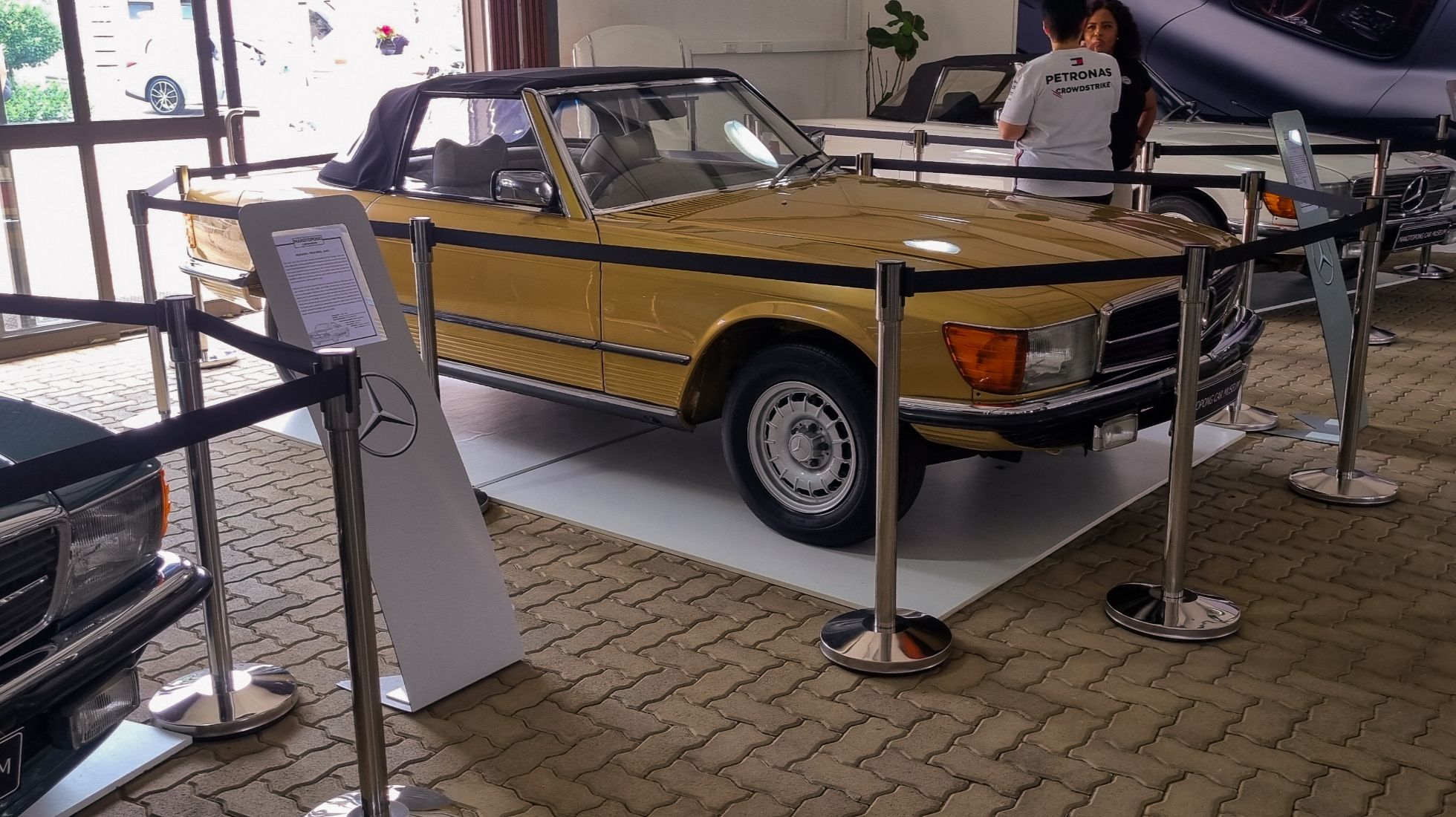
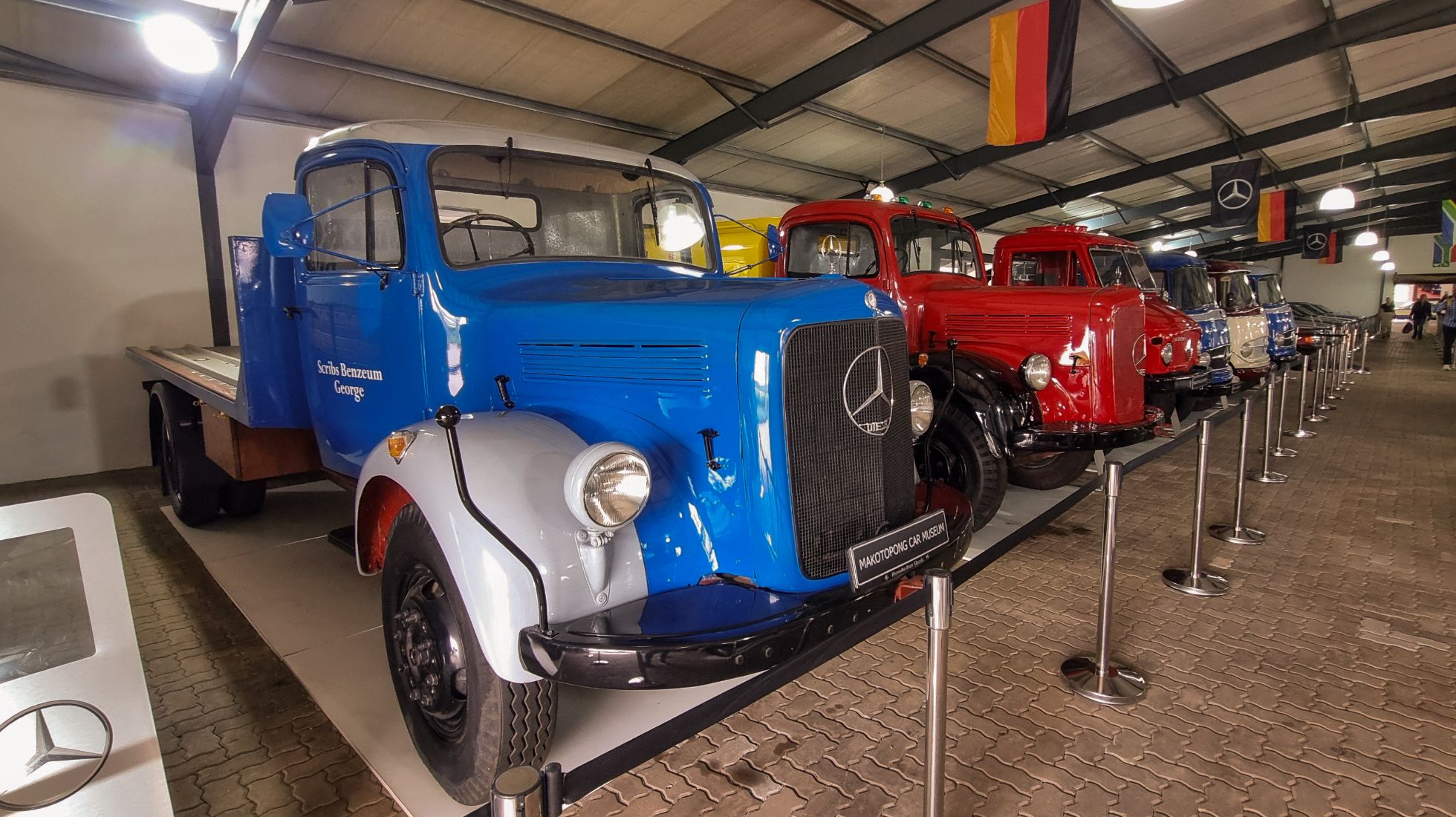
It’s a story that is documented in metal at the Pakolopong museum. From the original Motorwagen to the Unimog trucks, V12 S-Class and machines tasked with protecting presidents and mayors around the world. It’s a place that tells the story, with all the finer details captivated in steel and leather. Not just one model for each story, but a collection that considers displacements as distinct personalities. I enjoy cars, but the level of detail and variety on show here surpasses my level of perfectionism to something that represents a true passion for this story. As you can imagine, it took a moment to take it all in. Congratulations, Mercedes-Benz, on 140 years of trailblazing and reshaping the world with class and luxury.