The ‘Safer Cars’ conversation that SA keeps avoiding
It’s the reality of the country we live in. Every year, South Africans die on the roads in numbers that should be unacceptable. The 2024/25 festive season alone registered 1,502 deaths in 1,234 crashes, and the numbers keep moving in the wrong direction. Imagine a small community getting wiped out every festive season. That’s tragic.
Every conversation about road safety in this country eventually lands on the same pressure points: drunk driving, speeding, and pedestrian behaviour. “Human factors”, the authorities call it. And they’re not wrong, as these contributed to 84% of fatal crashes in the most recent quarter. But there’s a parallel conversation that doesn’t get nearly enough airtime. One about the cars themselves.
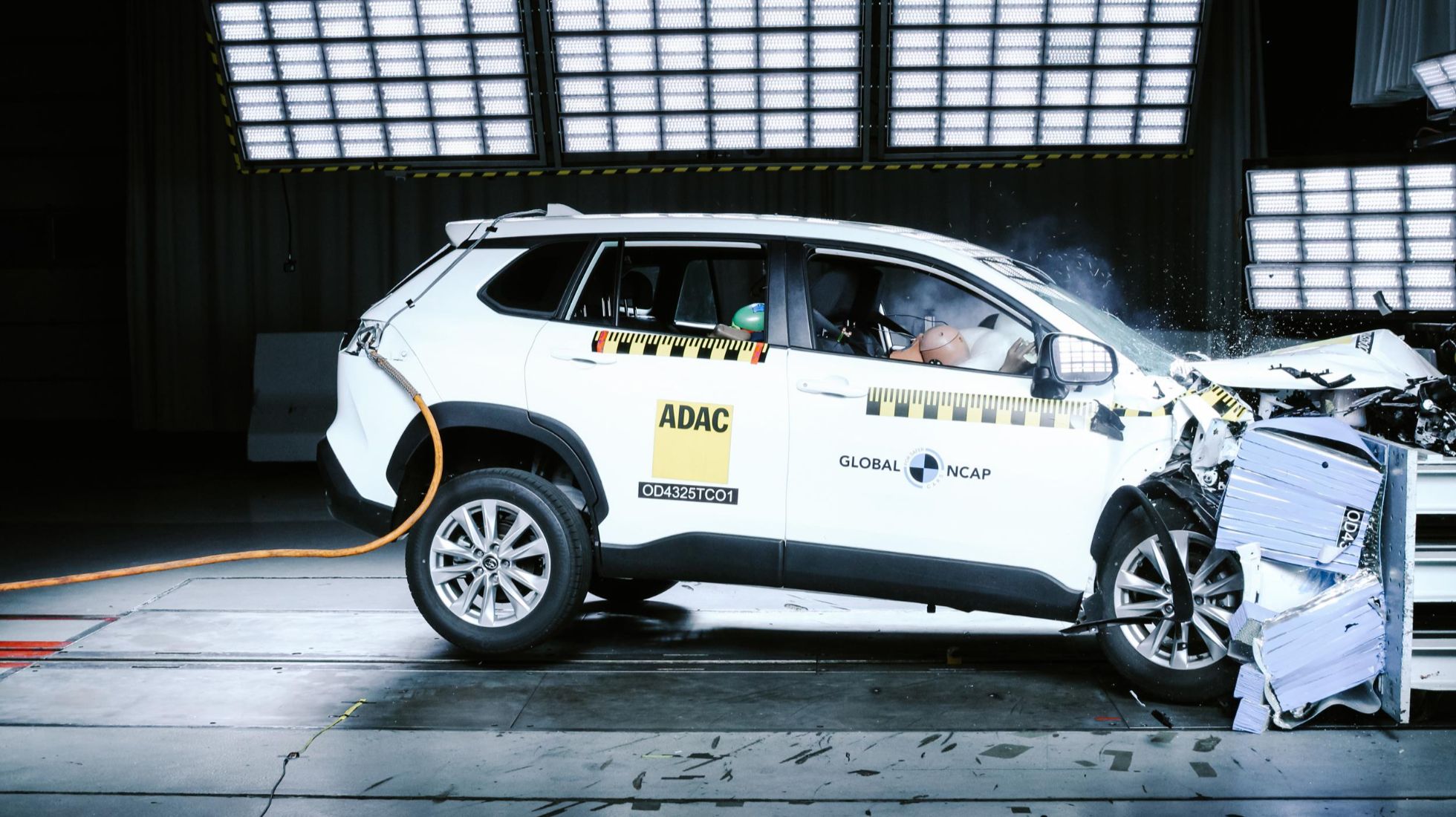
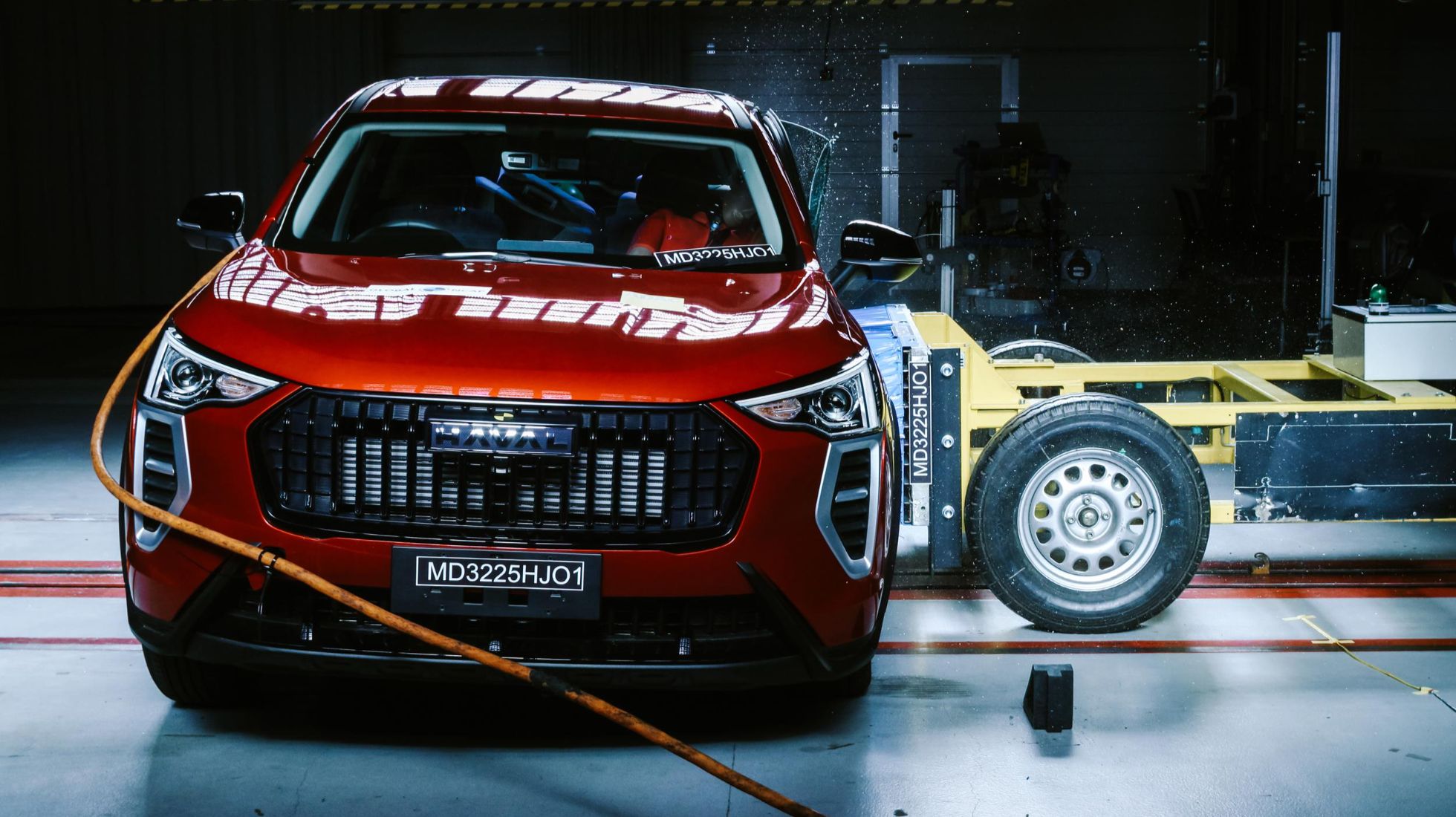
Global NCAP’s crash-test programme has documented what many in the industry already knew: vehicles sold in SA and across the African continent frequently arrive stripped of the safety technology fitted to the same models in Europe or Australia. No autonomous emergency braking. Reduced airbag counts and structural compromises that only become visible at the point of impact. The cars are cheaper. They are also, in some cases, measurably less safe. Manufacturers know this, regulators and the government know this. And yet, the cars keep shipping, and people keep buying them.
It’s a position that puts the burden squarely where it belongs, not just on the driver making a bad decision, but on an industry that seemingly decided that African lives are worth a different standard.
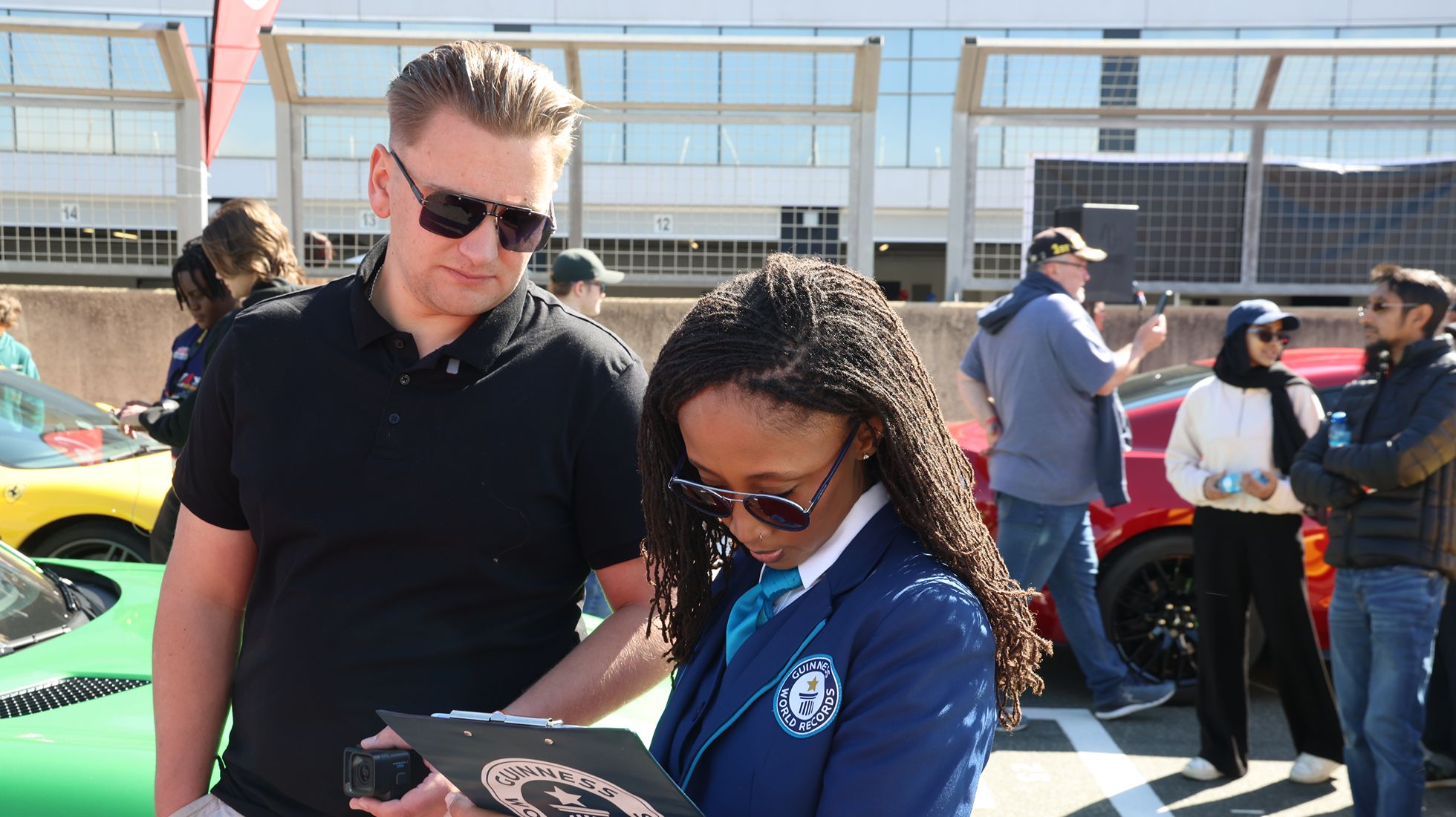
This is why a programme such as Safer Cars for Africa exists. Launched in 2017 as a collaborative effort between the AA and Global NCAP, the programme’s main objective is to promote safer cars across the African continent.
In conversation with Bobby Ramagwede, Automobile Association (AA) CEO, the programme was founded on two hypotheses, with the first being that entry-level cars sold in SA are less safe than their European and Australian counterparts, and the other being that the same vehicle model sold locally are less safe than its Australian and European counterparts.
“We tested this hypothesis by identifying entry-level cars because we want the standard equipment that’s fitted in the vehicle, not the high-end models, but entry-level, and it must be popular,” said Ramagwede when asked about the objective of the Safer Cars for Africa programme.
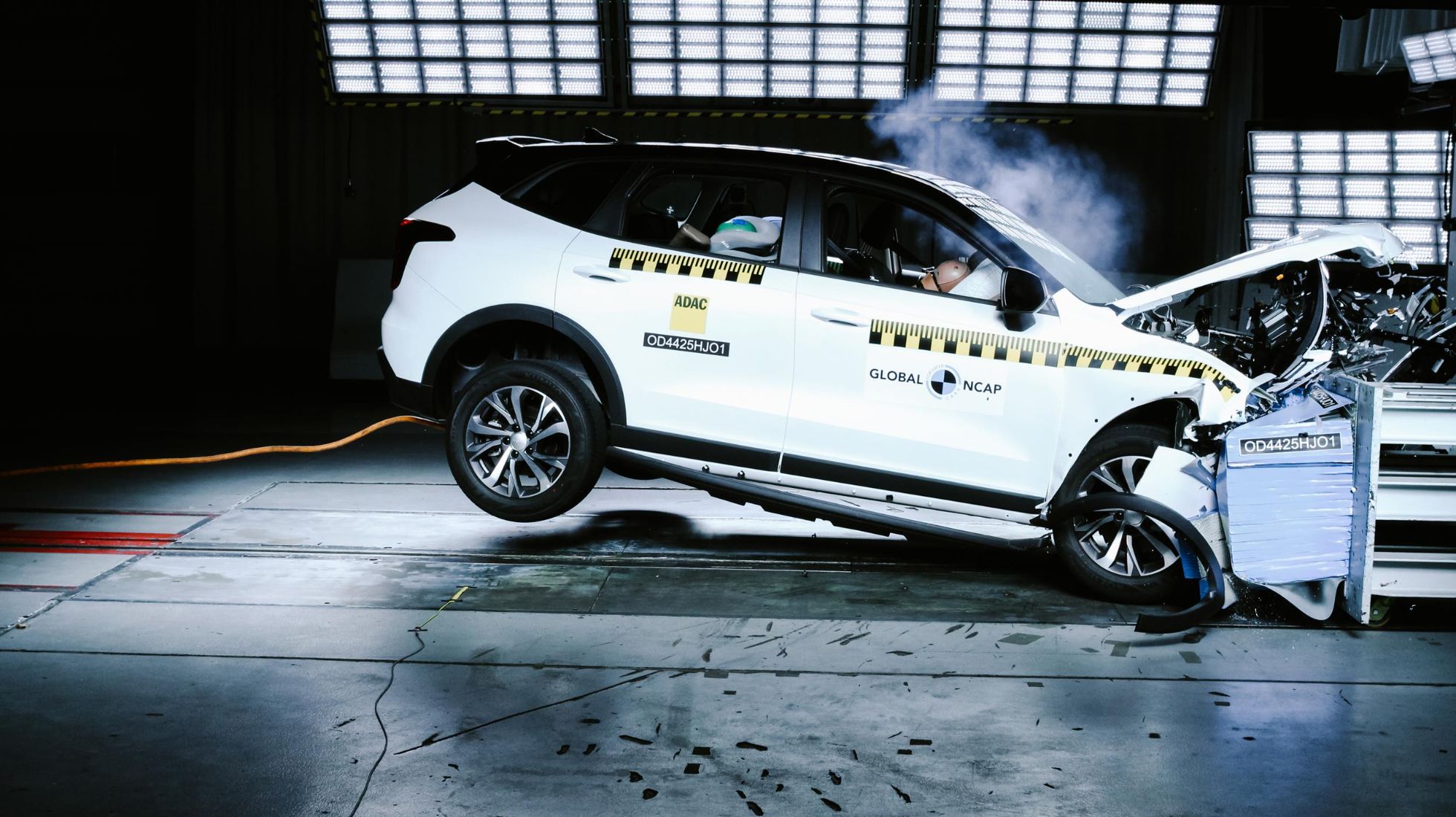
According to him, the entry-level cars are purchased in SA in twos, then shipped to Germany, ADAC (Allgemeiner Deutscher Automobil-Club), which translates to the General German Automobile Club. Similar to what the AA is in SA. The ADAC is also home to the Euro NCAP testing centre. This is where the crash testing occurs.
The process of selecting the car goes something like this. The car is chosen, and AA obtains the VIN (Vehicle Identification Number) and reports it to the OEM to indicate that a specific car has been taken to Germany for crash testing. In essence, if a vehicle is shipped to Germany, the OEM is notified. Not only that, but AA also invites them to come see the test.
“Before we process any data, we send the OEM the raw data file so that they can also analyse it. We don’t analyse and then give it to them”. He said. “It’s a five-star rating programme, in our eyes. While this isn’t a rule, our guideline is that anything that scores zero, one, or two out of five stars is a total fail. That’s also what I would say to consumers: don’t buy, don’t be anywhere near that car”.
Ramagwede further said that a car that scores three stars has all the necessary passive safety features that meet the programme’s minimum safety requirements. These include ESP, ABS, sufficient body-shell rigidity, and four or more airbags.
“I am not expecting the cars sold in SA to all score five stars, however, we do have such a car in our list”. He says.
The real issue in SA, according to him, is that manufacturers are being selective about where they apply good and bad safety standards. Europe and Australia are safeguarded by the government, which has prescribed a decent minimum, and marques have to honour that. However, it’s a different story in SA and the African continent. OEMs look at the minimum standards, which were probably revised 30 years ago and think it’s fine to bring cars here that don’t meet the satisfactory criteria.
“Instead of taking the moral high ground, and this is always my gripe with the manufacturer – you know how to build better and safer cars, but because of this gap in our regulation, you would rather exploit it and sell less safe cars to Africans in order to maximise profit, arguing that the government says it’s good enough”, says Ramagwede.
When asked whether manufacturers of the already-tested cars are actively taking steps to improve their cars, Ramagwede said that it’s been almost six months since the popular 8-year-old Hyundai Grand i10 was crash-tested and scored zero stars, and there’s been no improvement or iteration on safety. Instead, the marque says that for an additional R15,000, customers can have more airbags. “Those are airbags, but they don’t solve the structural integrity of the car”, he’s quoted as saying.
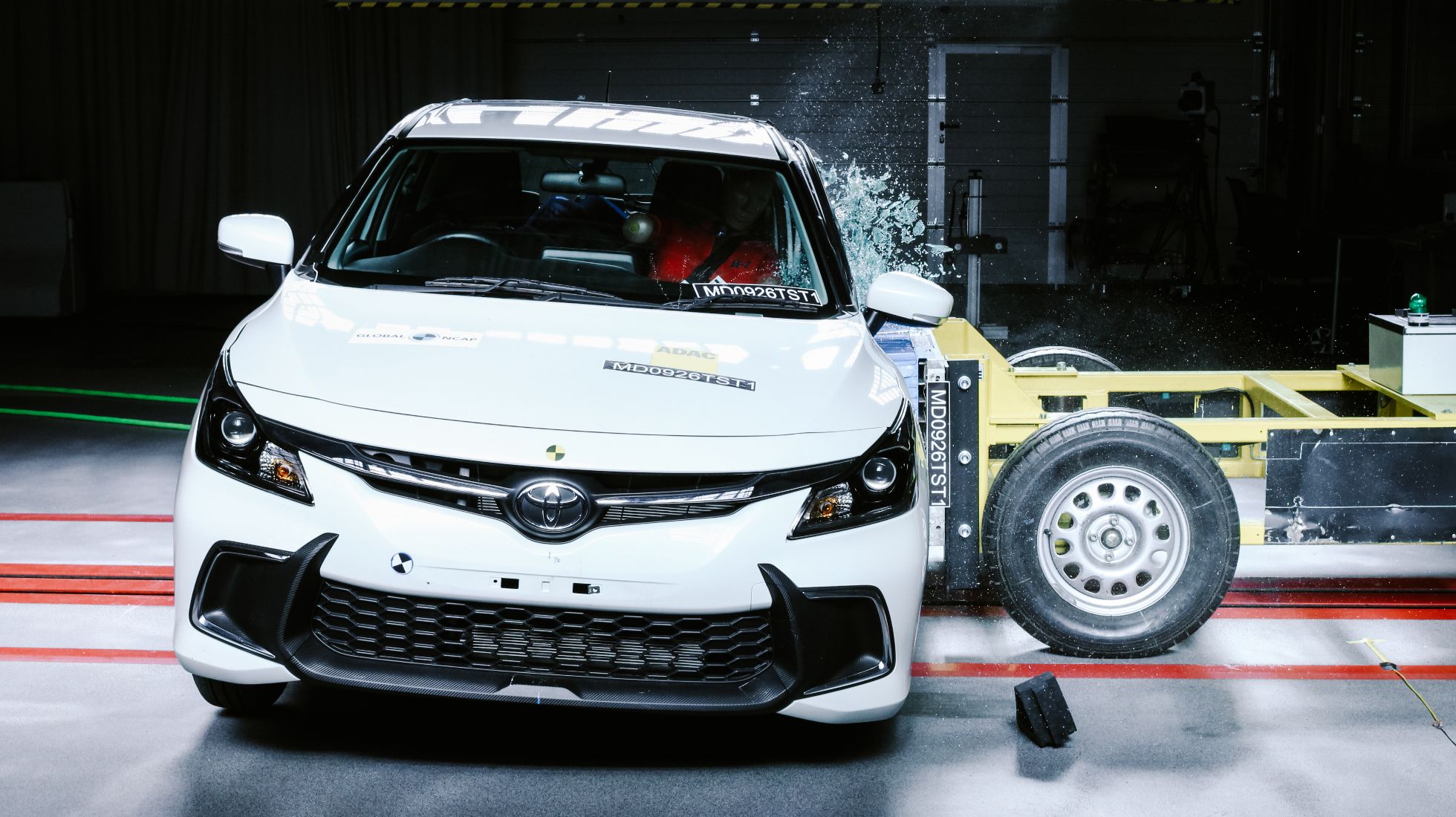
In the wake of the recent crash test of the Toyota Starlet, which scored zero stars, Ramagwede says he’s still waiting for Toyota SA to respond to that. Toyota increased the Starlet’s airbag count from two to six across the entire range in September 2025. This is particularly relevant for the programme; however, the brand argued that the tested vehicle was no longer representative of the Starlet being sold locally, as all Starlets sold since then have six airbags.
“There are 20,000 or so of those units driving around, and Toyota insists those are obsolete,” he insisted.
Ramagwede visited a manufacturing plant in China and noticed that the structure of the cars, which were also sold in SA, lacked steel reinforcement on the door struts and at the rear, which would cause some of these vehicles to fail the tests. “You know it fails there, but you’ve got nothing there. So it’s a consistent and deliberate action on their part to cut corners on the materials and the complementary safety features of these vehicles, just because our government is too lazy and too ignorant to do something about the safety regulations.”
If your memory serves you well, AA has always served as the informer, announcing that a certain car scored this much and that it failed here. Ramagwede says he’s working hard to change that, and the government and the manufacturer need to be told how the AA, which advocates for vehicle safety and the public, feels about it.
“African lives matter, and the sad thing is, many of those who manufacture these cars don’t drive the same cars. Some will go as far as not even driving the same brand of vehicle, and I am not going to mention names”, exclaimed Ramagwede.
The way forward? Ramagwede proposes a minimum safety requirement for vehicles sold in SA: ESC, ABS, six airbags, seatbelts and strong structural integrity. “If a manufacturer has the time to sell customers alloy wheels, leather seats, Apple CarPlay, and Android Auto, and still has the nerve to remove the thing that will save my life, they could definitely do better.”
When asked what change looks like, Ramagwede said: “I advocate to the three major role players: the consumer, for awareness, guidance, and now instruction. The manufacturer, to highlight that we now know and we expect change. And then I will always knock on the government’s door, because they are really the silver bullet. With the stroke of a pen, the government could fix this problem.”
Ramagwede also says that the single biggest obstacle standing between where Safer Cars for Africa is and where it needs to be is (much like Euro NCAP and Australian NCAP, which are funded by their governments) the matter of money. “If we took a portion of the Road Accident Fund (RAF) levy and allocated 50% to the AA’s Africa NCAP, consumers would have no issue”.
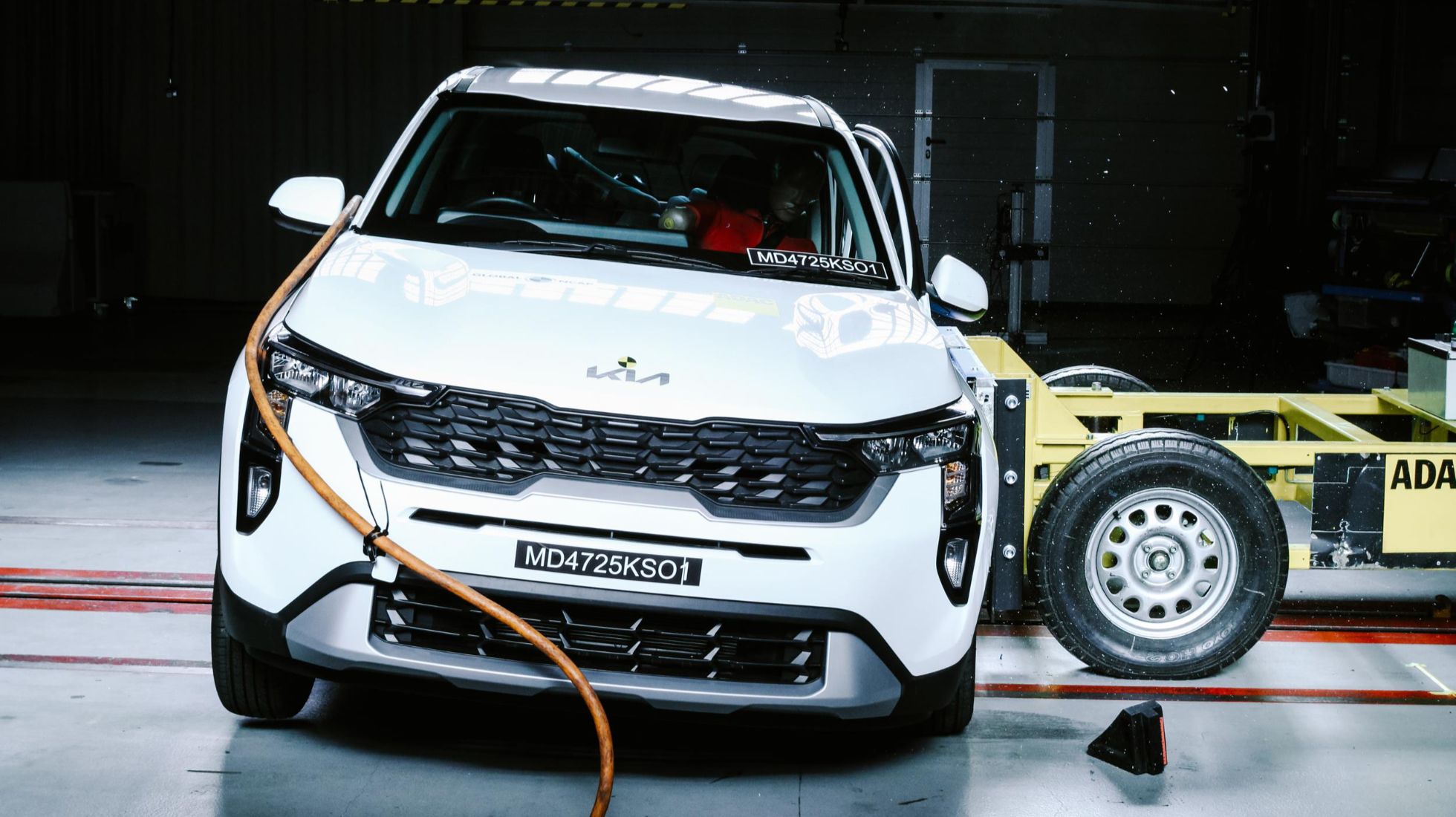
“We could easily fund an Africa NCAP and be that consumer advocate. We could stand at the gate before the vehicles land and be part of the R&D and the homologation process that ensures that cars that are sold in SA are up to a minimum safety standard”.
Road safety in SA has always been framed as a human problem. And while that’s the truth, Ramagwede’s work forces a harder conversation, one that the industry and government have been comfortable avoiding. Cars are arriving on South African roads deliberately stripped of the technology that saves lives in other markets, and the people selling them know exactly what they’re doing.
The Safer Cars for Africa programme exists because no one in authority has moved to stop it. Ramagwede wants to be put out of a job. He wants the regulations changed, the Africa NCAP properly funded, and a minimum safety standard that would make the current situation illegal. Until that happens, the burden stays where it doesn’t belong, which is on the person behind the wheel of a car that was never built to protect them.
The programme continues to play a vital role because meaningful intervention from regulators has been lacking. Regulations need to be changed, the Africa NCAP needs proper funding, and a minimum safety standard should be enforced that would make the current situation illegal. Until that happens, the burden stays where it doesn’t belong, which is on the person behind the wheel of a car that could be better at protecting them.
The crash-test data points to an industry that has decided its standards apply on some continents and not others. That is not a regulatory oversight, it’s a choice. And unfortunately, these are some of the same cars we spend time in with our families, that our kids ride in, that fill our roads every day. Until the government prescribes a minimum that manufacturers are legally obligated to meet, that won’t change. We’re in full support of the fact that if safety systems exist, and they do, and manufacturers are already fitting them to the same model elsewhere, there is no justification for stripping them out here. None. Ship the car here, or don’t ship it at all. The technology and knowledge are there, but what’s missing is the political will to decide that SA lives are worth the same as anyone else’s.