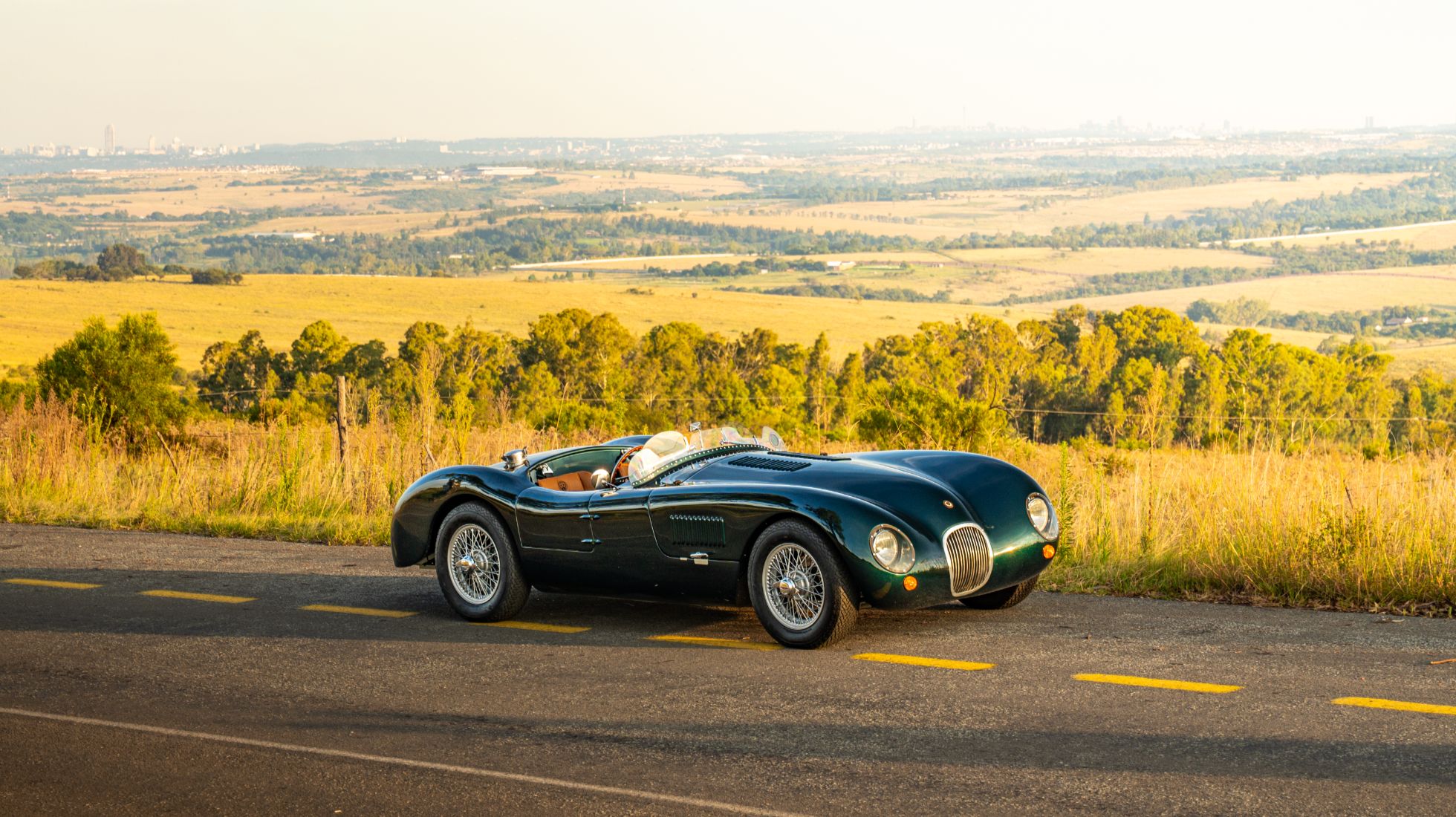

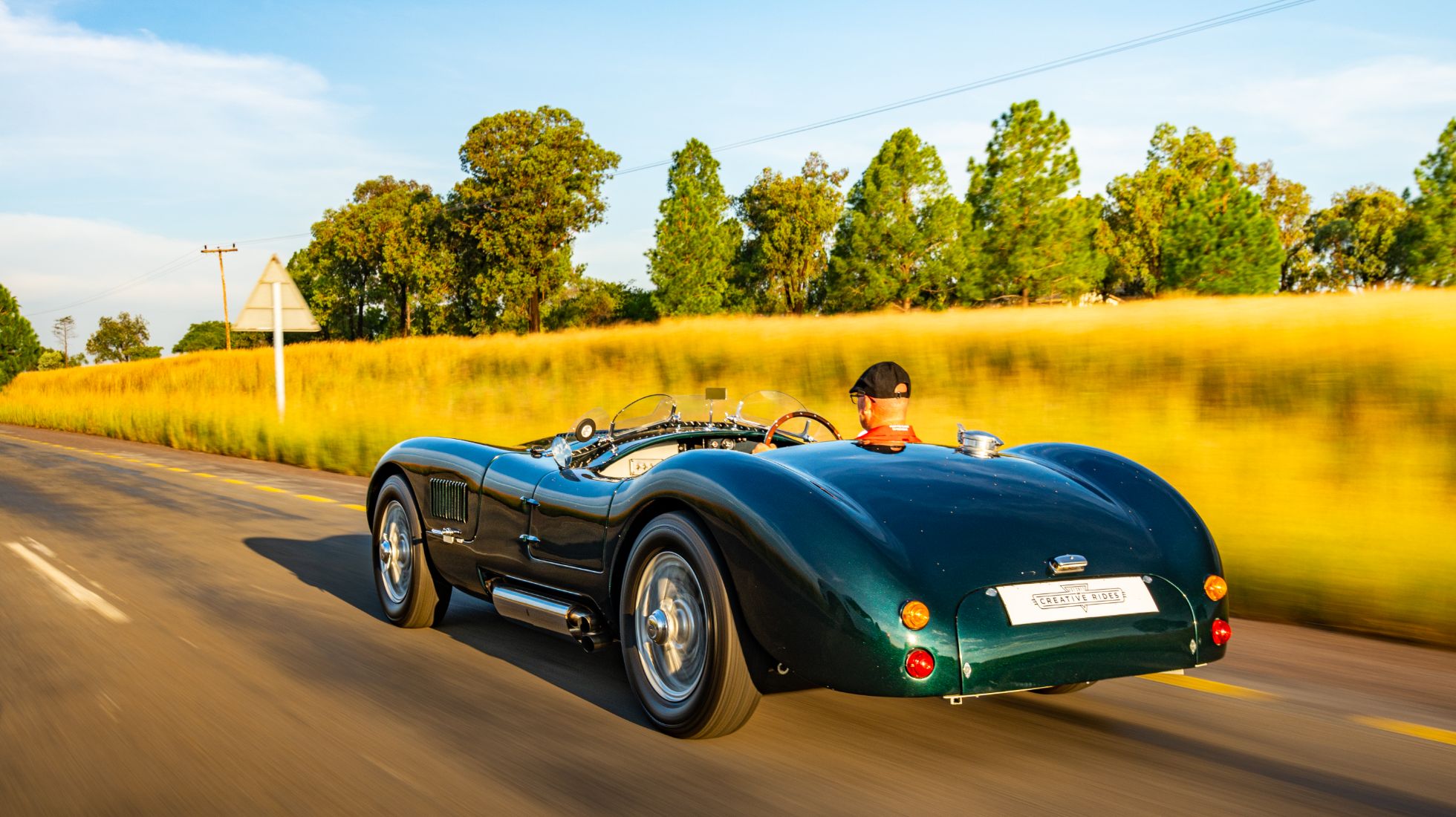


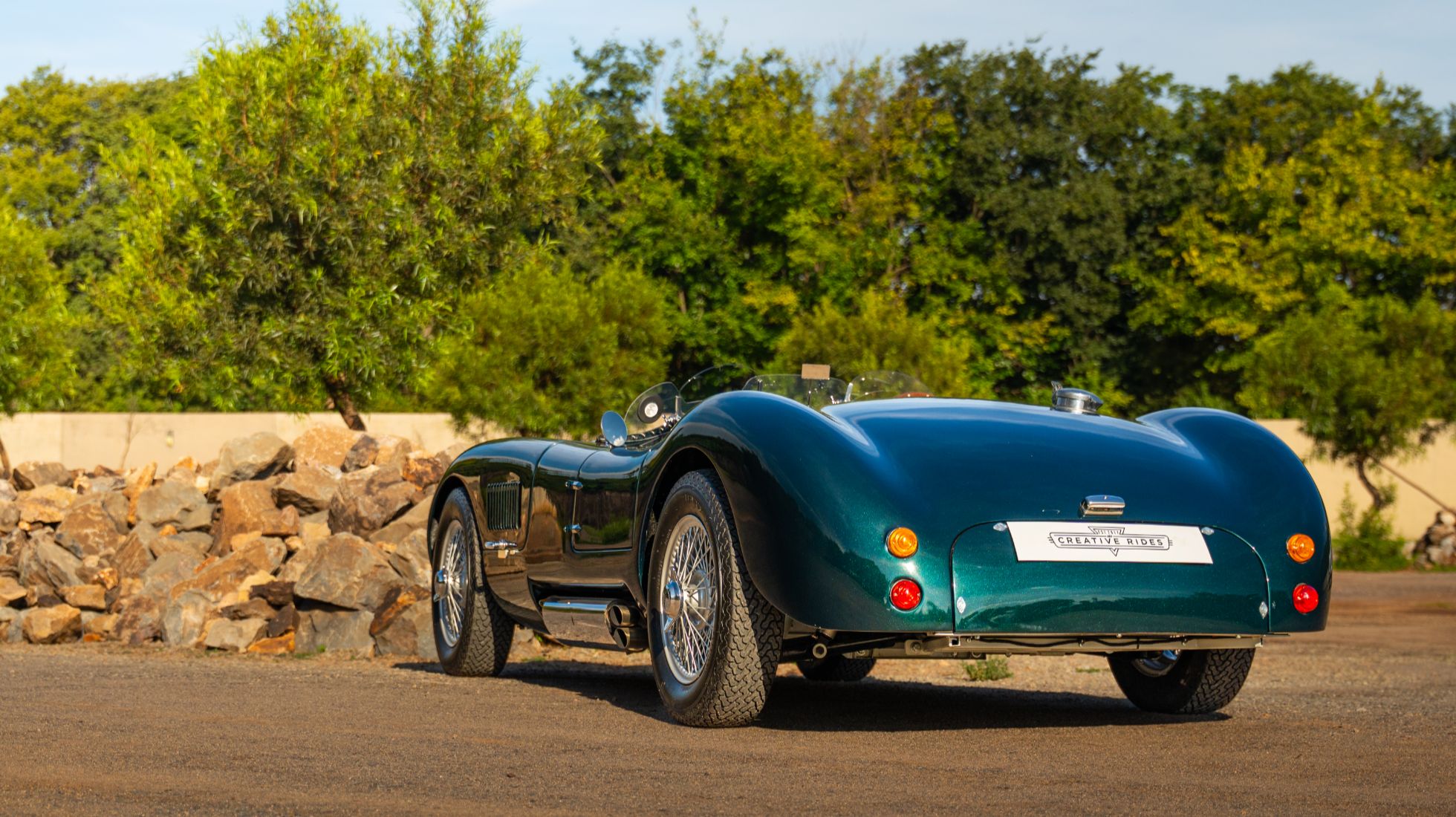
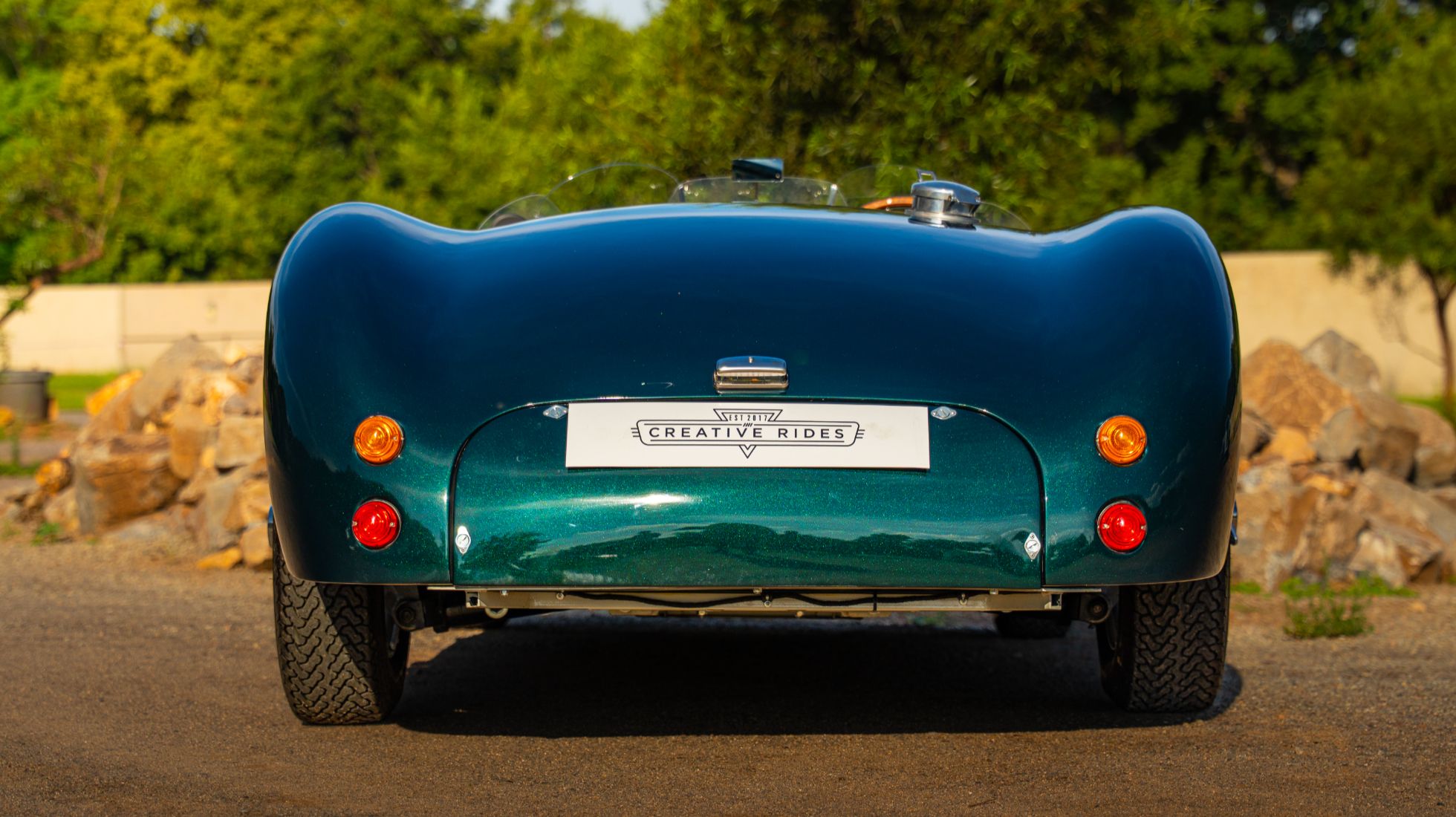


We have all dreamed of driving an iconic race car around town in an act of childish giddiness. It sounds like a blast, but then again, you can’t take the likes of a Le Mans car to the shops, right? What if you could? Well, hypothetical what-ifs aren’t good enough for us. So we simply did it. In a legend of the Le Mans endurance world. Meet the Jaguar C-Type.
Known as the Jaguar XK120C, the C-Type reshaped endurance racing. But before Jaguar introduced the world to its record-breaking apparatus, at the conclusion of WWII, a British automotive manufacturer called SS, or Swallow Sidecar Company, deemed its name inappropriate. Owner William Lyons felt that the new name should capture the brand’s essence and identity, and one of his prior models had quite a ring to it. The Jaguar. In 1945, the brand as we know it got its start, and its first offering hit the world stage with a boom.
From paper to production, its first model took three months, thanks to the founder, William Lyons, and Jaguar’s chief engineer and technical director, William Heynes. The result was the then-fastest production car, produced in 1948 with a top speed of 193km/h and an XK engine. It was appropriately dubbed the XK120 and is often considered the first supercar. It was also **reasonably** priced considering its credentials at £1,263, which is around R1m in today’s money. The fastest car in the world in the 50s was worth the same as a standard Mercedes-Benz C-Class today…
Unsurprisingly, Jaguar soon had its sights set on the Le Mans title. Only it had a different philosophy. In the past, large displacement and power output reigned supreme in endurance racing, but the Jaguar team saw the potential for a competitive advantage through sleek aerodynamics. It was called the XK120C, with the C denoting ‘competition’. The C-Type was born. This aluminium-bodied car, with a strong aerodynamic focus, soon proved a formidable contender.
It took the Le Mans title in 1951, with Peter Walker and Peter Whitehead piloting their C-Type to a 9-lap lead, while their teammates in the second car reportedly broke the Le Mans Lap record. It had its share of gremlins at its first Le Mans outing, particularly stemming from the drum brakes’ fade, which left some room for improvement. The winter months of 1951 and 1952 gave the team an opportunity to test and prove the value of Dunlop brake discs over drums. Interestingly, Dunlop was the leader in brake disc development until it stopped manufacturing brake systems in the late 60s.
In 1953, Duncan Hamilton and Tony Rolt raced the C-Type to victory in Le Mans for a second time, this time proving the brilliance of brake discs on all wheels and setting the record as the first car to average over 160km/h. Only 53 Jaguar C-Types were made, 43 of which were sold to privateers and 10 were kept as factory race cars. Nowadays, the C-Type is a Le Mans icon, and if you would like an original, they can fetch R160m+. So yes, it is as true a classic car as it gets.

In 2026, sitting in front of us is a C-Type, but not one of the 53. This one is homegrown right here in South Africa. Paul Ferreira is somewhat of a Jag fanatic. His many years working for Jaguar taught him some crucial skills for bringing these classic British machines back to life. He was once asked if he could reproduce a C-Type from an XK platform, and four years later, with the help of the official C-Type blueprint book, the first locally made C-Type saw the light of day.
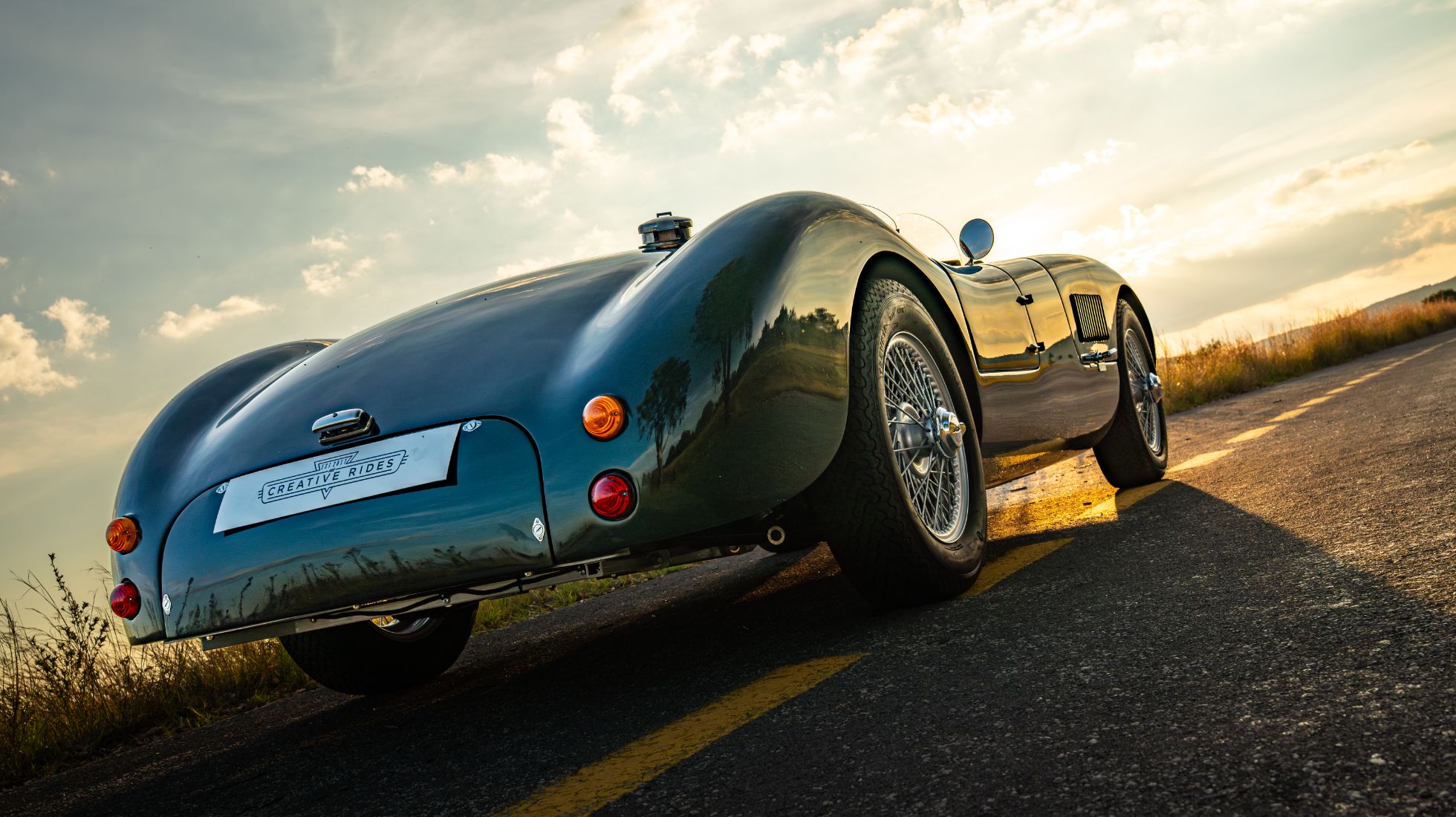
It comprises an XK chassis, disc brakes, all Jaguar parts, and a custom-made suspension specifically for his car, with fibreglass body panels rather than the original aluminium. He sold it, but interest in his builds was growing. He has since produced a limited number of these cars, as he can only manufacture two a year, but the results are pretty much like-for-like compared to the original. Well, besides the 3.4-litre twin-cam straight six. Those are rarer than hen’s teeth, and the original C-Type frame was a purpose-built tubular configuration, similar to the XK platform but not identical.

He offers customers a choice: a faithful-to-original build using a slightly larger, heartier re-engineered 4.2-litre twin-cam classic Jaguar straight-6, or a slightly smaller engine and a customised interior with, for example, digital displays.
It’s a tight squeeze getting in, but once inside, the low seating position and generous legroom are welcome. But it was never designed for outright comfort; instead, it prioritised cutting-edge aero and handling in the 1950s. Naturally, the shake of the monstrously loud starter motor was unexpected. It was followed by the glorious bellow of a 70-year-old 4.2-litre performance engine, with only a single muffler along the side exit exhaust keeping my eardrums from rupturing. The racing essence is alive and well and is unlike anything I have experienced before.
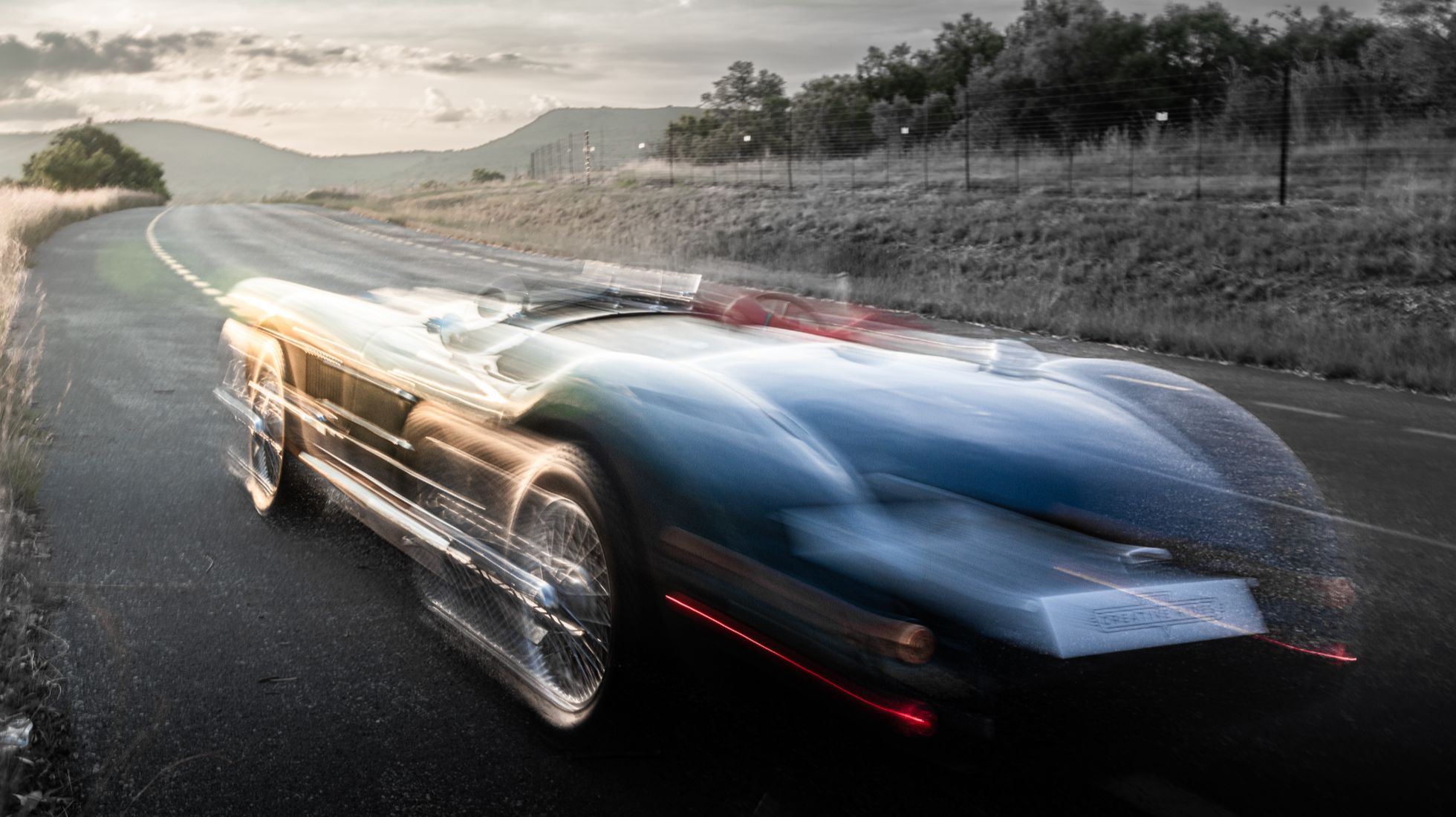
I had to shift my perspective as we rolled away, since a classic typically enjoys the slow lane. Yet gingerly nursing a reincarnation of a Le Mans legend around the back roads would be an injustice. So once the temperatures nodded in approval, we pinned it.
It feels fast, and sitting flush to the ground with nothing more than a dinner plate’s worth of glass deflecting the approaching wind is unutterably joyous. I must admit that, at first, a sense of panic sets in when your eyes are assaulted by rushing air. But once your glasses are deflecting enough of the wind to see and get an idea of what’s happening on the road, the mental images of early racing drivers with their peculiar-looking goggles suddenly make a lot of sense.
There isn’t a sense of intense G-force, but rather a rise of noise, heat, and vibrations. It’s gloriously distracting, assaulting the senses from all angles until you wring out fourth gear. Right at the top of fourth, the overdrive gear hooks in with a shunt, giving it some extra legs. The growl of the exhaust at peak revs disappears with the beating pressure of 130km/h airflow in the cockpit.

The haunting sensation of what feels like light speed, which in reality was within legal limits, makes you feel terribly exposed. I had a moment where I thought the seat belts would provide little protection. I’m strapped into a car that only really protects my lower half. That feeling settled when the surprising grip levels glued us into corners and spat us out the other side with just a hint of oversteer. It’s all feel and emotion, and even travelling at sensible speeds, it offers a nervous adrenaline spike that makes your legs wobble.
After putting it through its paces, you step out with a new appreciation that forces you to see each perfectly moulded panel and side-exit exhaust in a different light. It instils a true sense of privilege, as few people alive today have ever experienced this. And to think that 70 years ago, a selection of gentlemen drove this machine at its limits for 24 hours straight. It made me think that today, we really have gone soft.
And now, some decades after its storied Le Mans wins, there is a passionate South African who can build you one for roughly the same price as a new BMW M2. All you have to do is reach out to Creative Rides, the dealer for these one-of-a-kind cars, and set up a meeting.
If you think a supercar is raw and terrifyingly engaging, that sensation is overshadowed by the intense connection and unrefined experience that is only truly found in historic race cars. Objectively, the speed, handling, and engineering of these historic icons are nothing compared to their modern counterparts, but what they lack in figures, they make up for with character, emotion and terror. And to think that these drivers of the past were acutely aware of the dangers and still extracted every ounce of performance… This proves my point that my grandfather’s generation is indeed cut from a different cloth.