Images: Kas Churchill
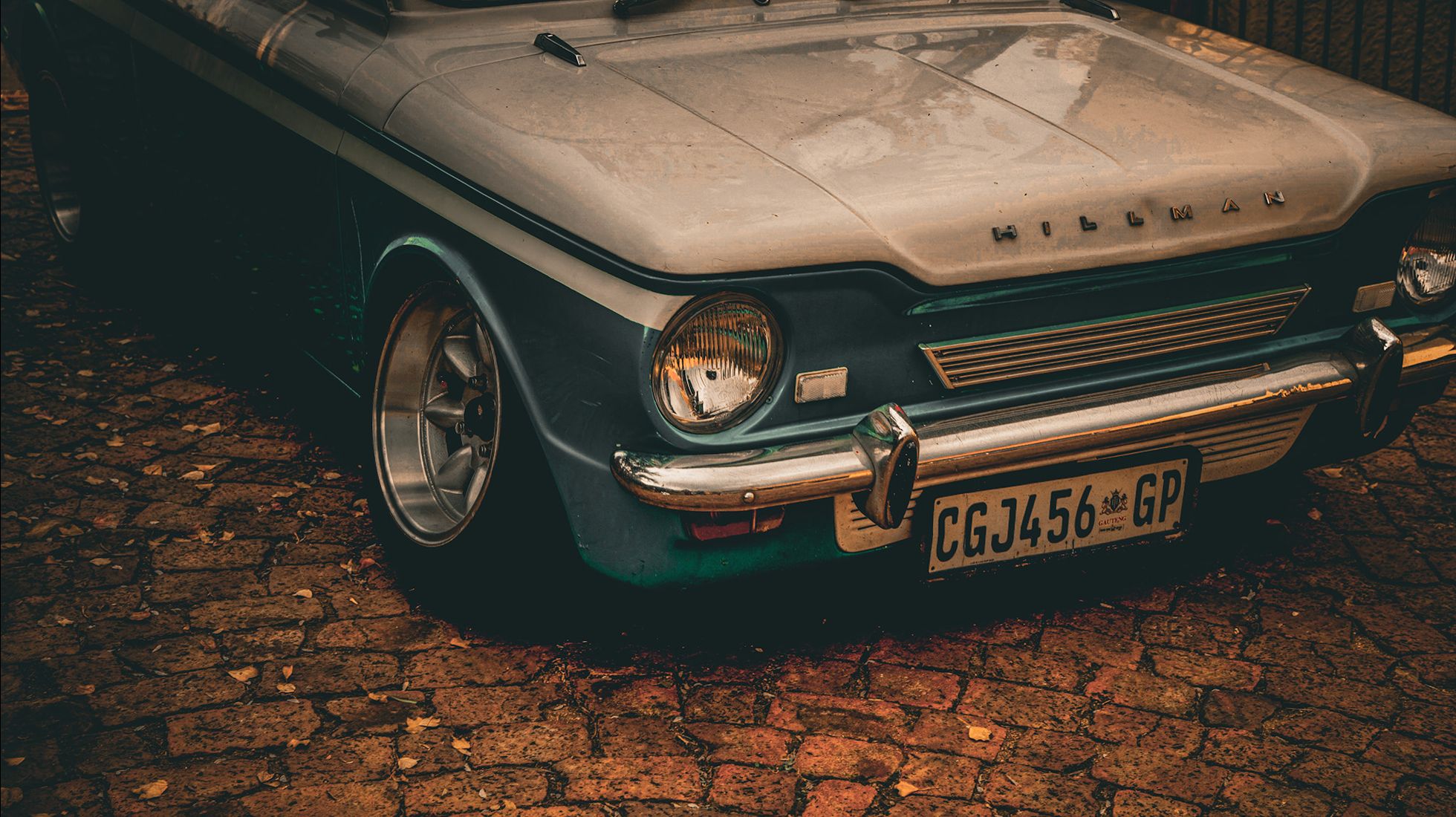
Time doesn’t stop, and as the decades of automotive storytelling continue to evolve, some stories get left behind. The story of the Hillman Imp is one that few have dwelled on, and yet it sits especially close to my heart. Designed to rival the Austin Mini, its peculiar formula never quite caught the mainstream’s attention. But with a rear-mounted engine, a tiny frame, and bucket-loads of character, it remains one of the most characterful cars I’ve experienced to date.
Having the opportunity to experience classics feels like a privilege, and we’ve spent a lot of time with classic cars and the collectors who reflect why niche enthusiasts are gems in this space. The **TG** office has long known that at the top of my retro wishlist sits a Hillman Imp – as peculiar as that might sound. My family has never cared much for cars. Except for one man: my grandfather. He’s driven his share of cool and expensive metal… a first-gen 7 Series and Nissan Leopards (in Japan), but only one car ever truly had his heart. This, a Hillman Imp.
Almost every car-related conversation, cup of tea in hand, eventually circled back to his Hillman. The car that cost R7 to fill. The car that would overheat, break down, and throw a tantrum whenever he was heading away from home. And yet, it never missed a beat when he was homebound. He talks about his Hillman as though it were a lifelong friend who parted ways decades ago. So when Niki called — “Jords, I found a Hillman owner”, I grabbed the opportunity.
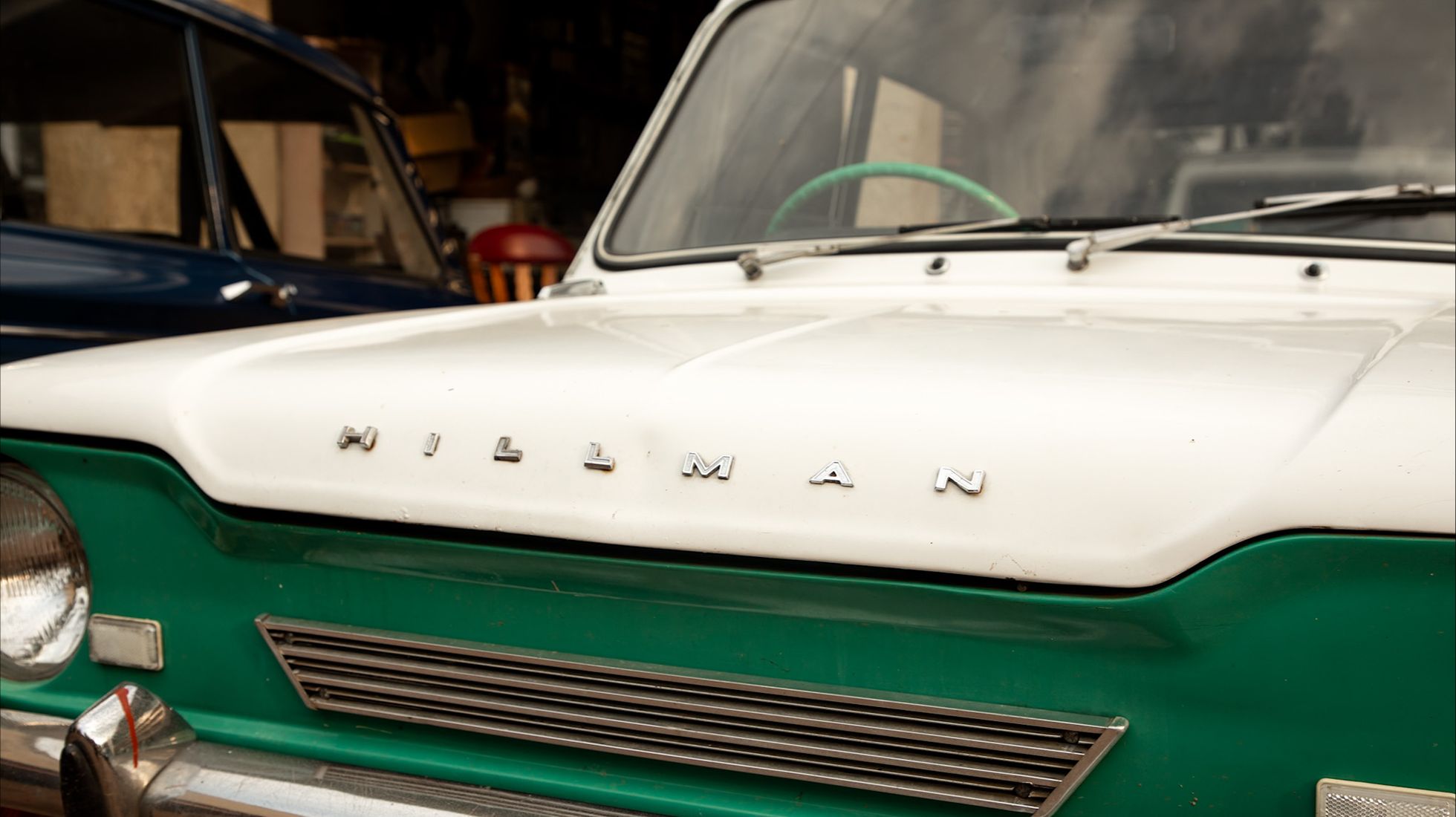
Let’s rewind the clock. The Imp is a rear-engined, compact saloon developed by the Rootes Group under the Hillman name between 1963 and 1976. Initially known as the Apex project, it was Rootes’ answer to the massively popular Austin Mini, which had arrived four years earlier. Two doors, a unique saloon design sitting millimetres shy of hatchback territory, a kerb weight of around 750kg, and an aluminium 875cc engine mounted at the rear at a 45-degree angle. The engine originally started life powering a fire extinguisher pump and, after some development, produced a sprightly 37kW in its most powerful tune.
The project was spearheaded by two young designers, Tim Fry and Mike Parkes. Over its 13-year life cycle, three variants emerged: the original saloon in 1963, a rear-opening window version that brought it closer to a proper hatchback, and a van variant in 1965 called the Commer Imp. The Commer was later adapted into an estate with greater load capacity. It, too, was charming but never quite established itself in South Africa, likely due to limited unit numbers.
Like its great, but compact rival, the Mini, the Imp proved that lightweight beats outright power within the sanctioned establishment of motorsport. The Rally Imp was developed in 1964 and achieved something close to international fame, taking top honours at the 1965 Tulip Rally. On the circuit, the tuned rear-engine layout paired with independent rear suspension made it remarkably quick through corners. The Alan Fraser Racing Team championed the Imp’s circuit career and proved just how rapid it could be, frequently outpacing the rival Minis. Racers even created a dedicated saloon class in club racing where massive engines (read: V8s) were stuffed into the back of Imps, making for spectacular viewing. European hill-climb events were another frequented event, where its low weight and direct steering proved favourable.
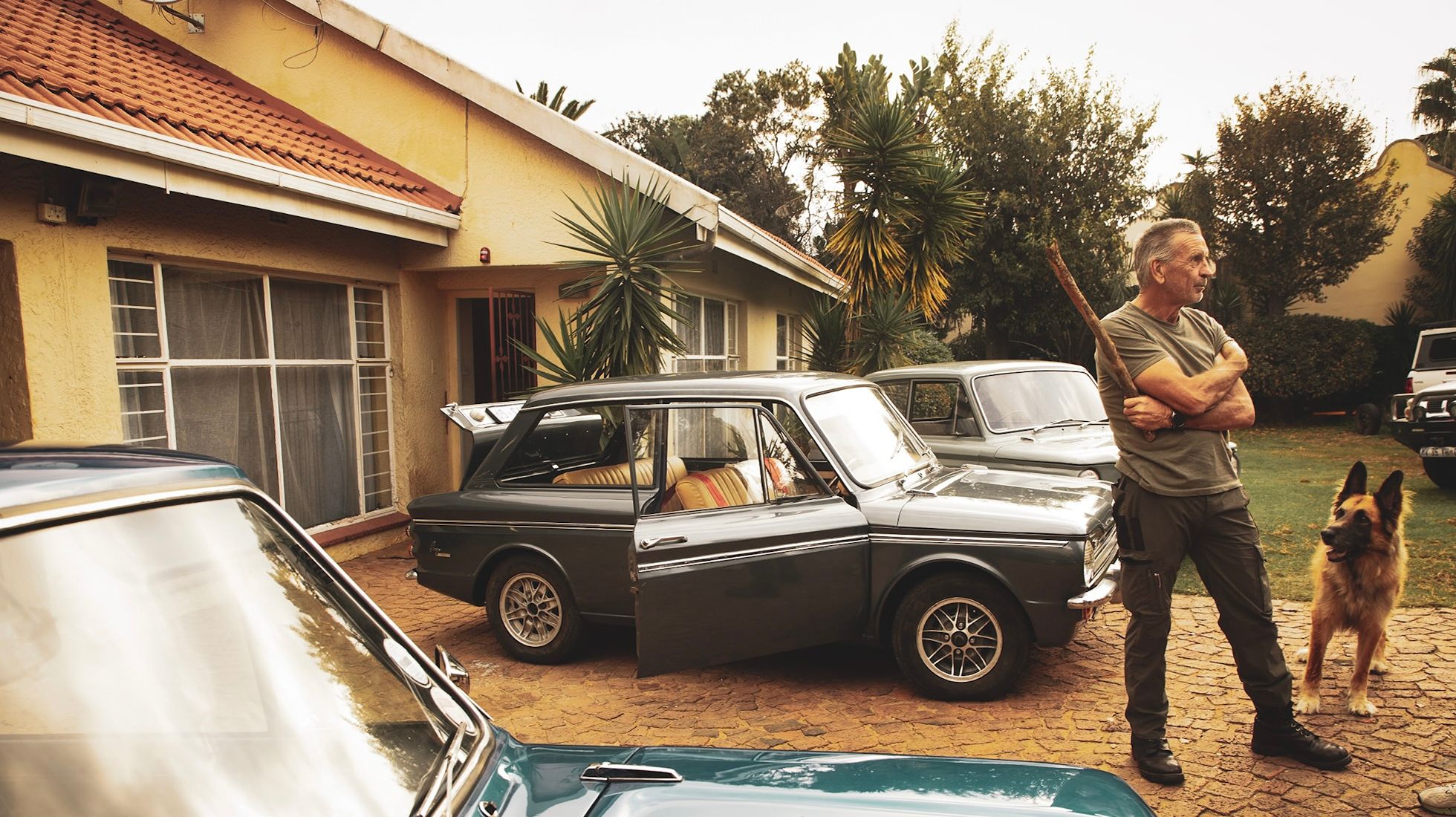
Today, an Imp is rarer than hen’s teeth. Unless you live near Terence. I’d spent a fair amount of time with him before our Imp introduction. He’s a brilliant man who loves anything on four wheels, spending his days building 4×4 trial courses and driver coaching. Not once had our conversations revealed his passion for Imps. His home is what can only be described as a Hillman Imp museum: bumpers and doors line his garage, mixed in with various engines and gearboxes scattered among his collection of vinyl records.
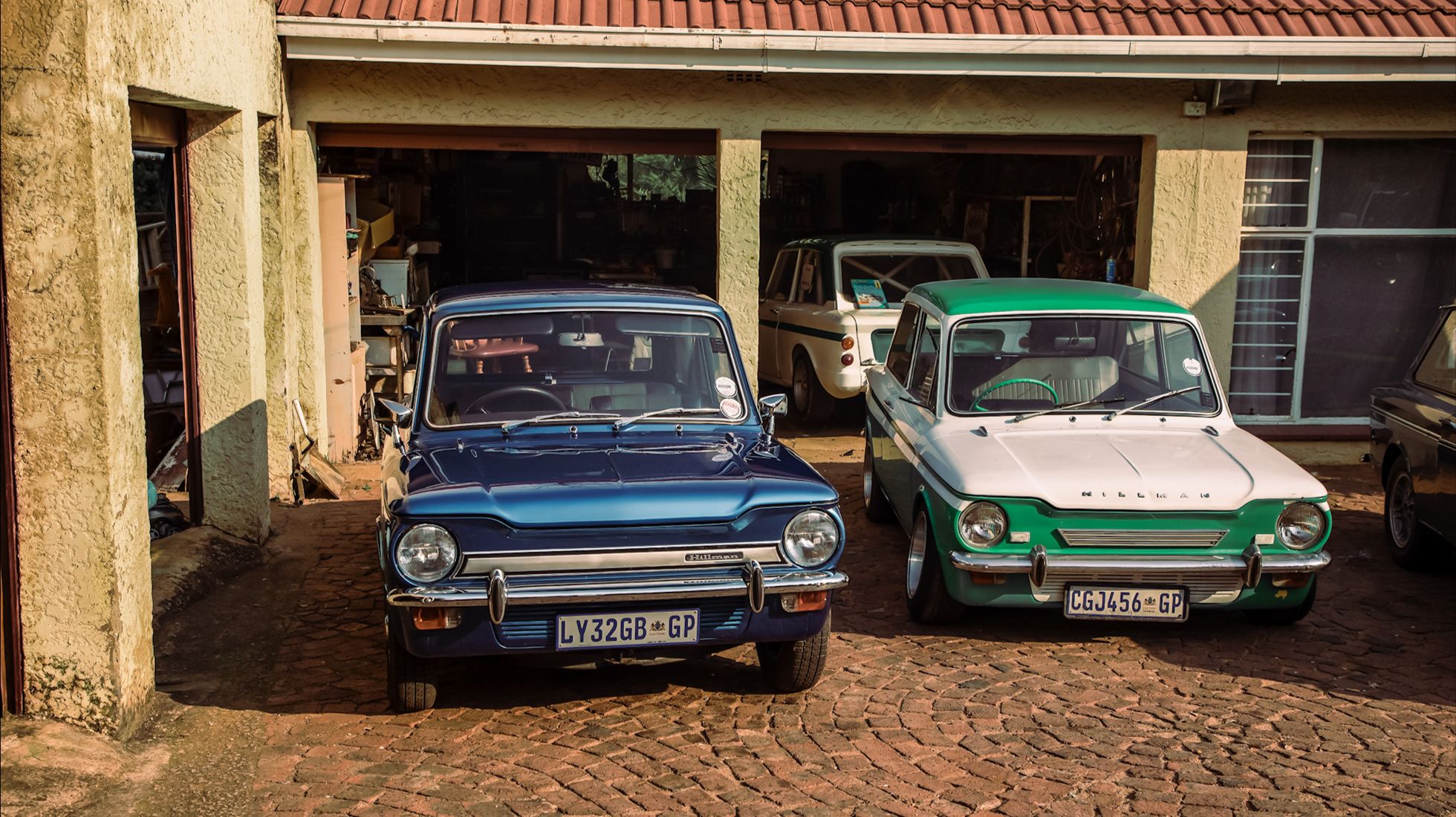
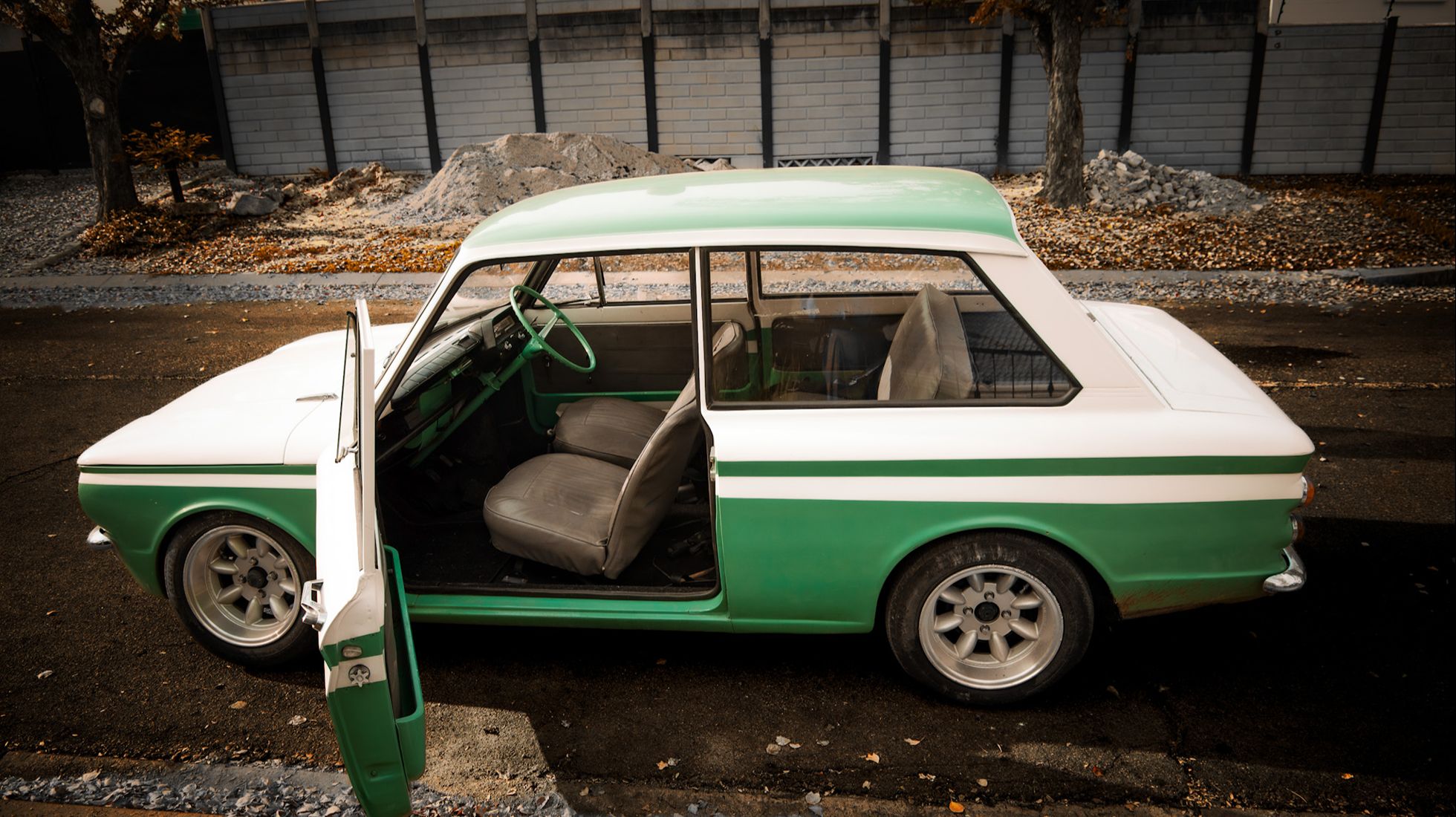
On arrival, I was immediately greeted by an excited Terence and his five Imps in all different shades, shapes, and sizes. Stories needed telling almost immediately. His obsession spans decades, and his family shares this passion. Considering that Terence never shies away from a race day, I wasn’t surprised to find a stripped-down Imp in the garage graced with a roll cage, racing seat, and much wider slicks than anything parked out front. He calls it the Zulu Warrior, a clear nod to “Impi”. Clever.
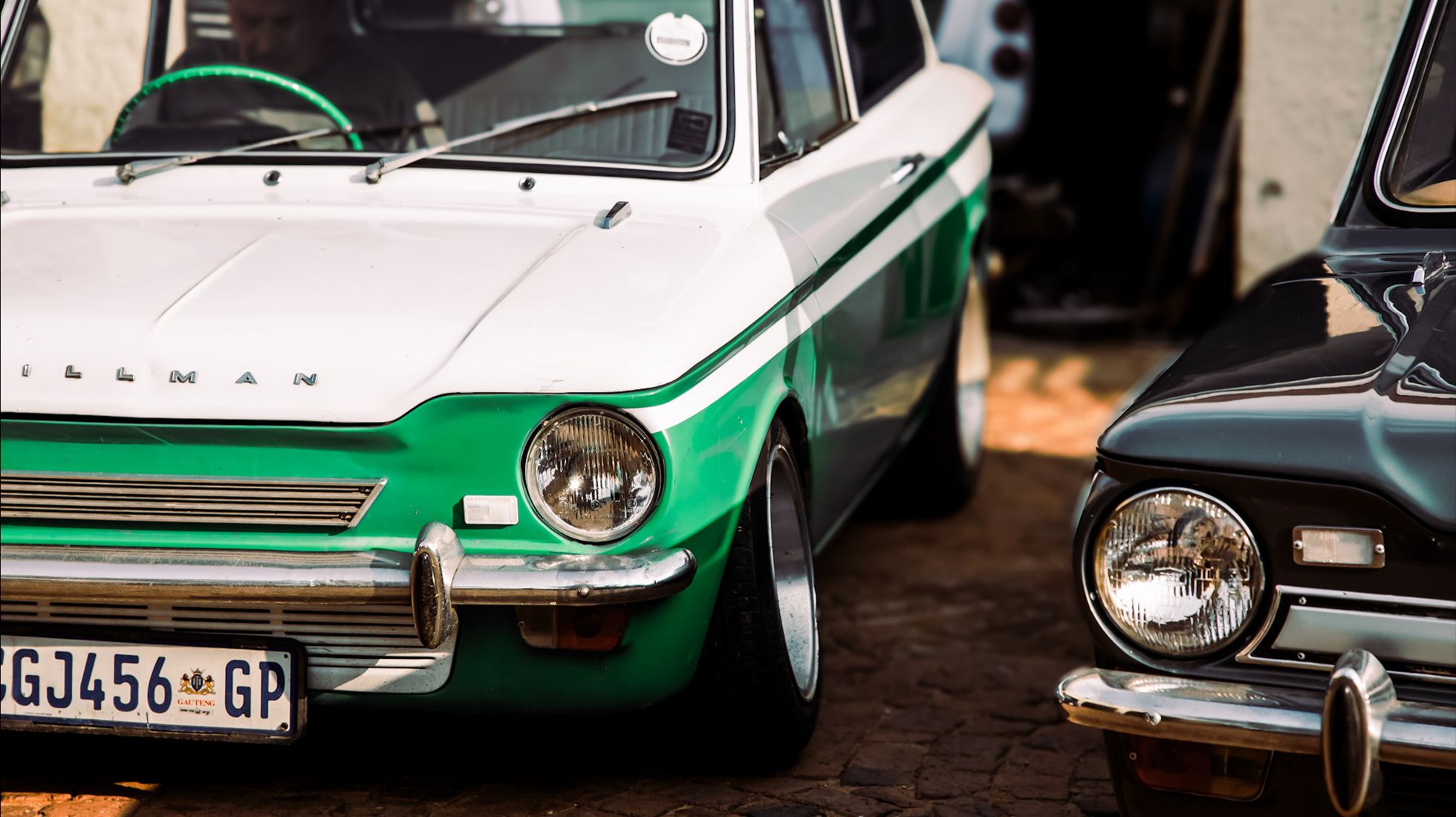
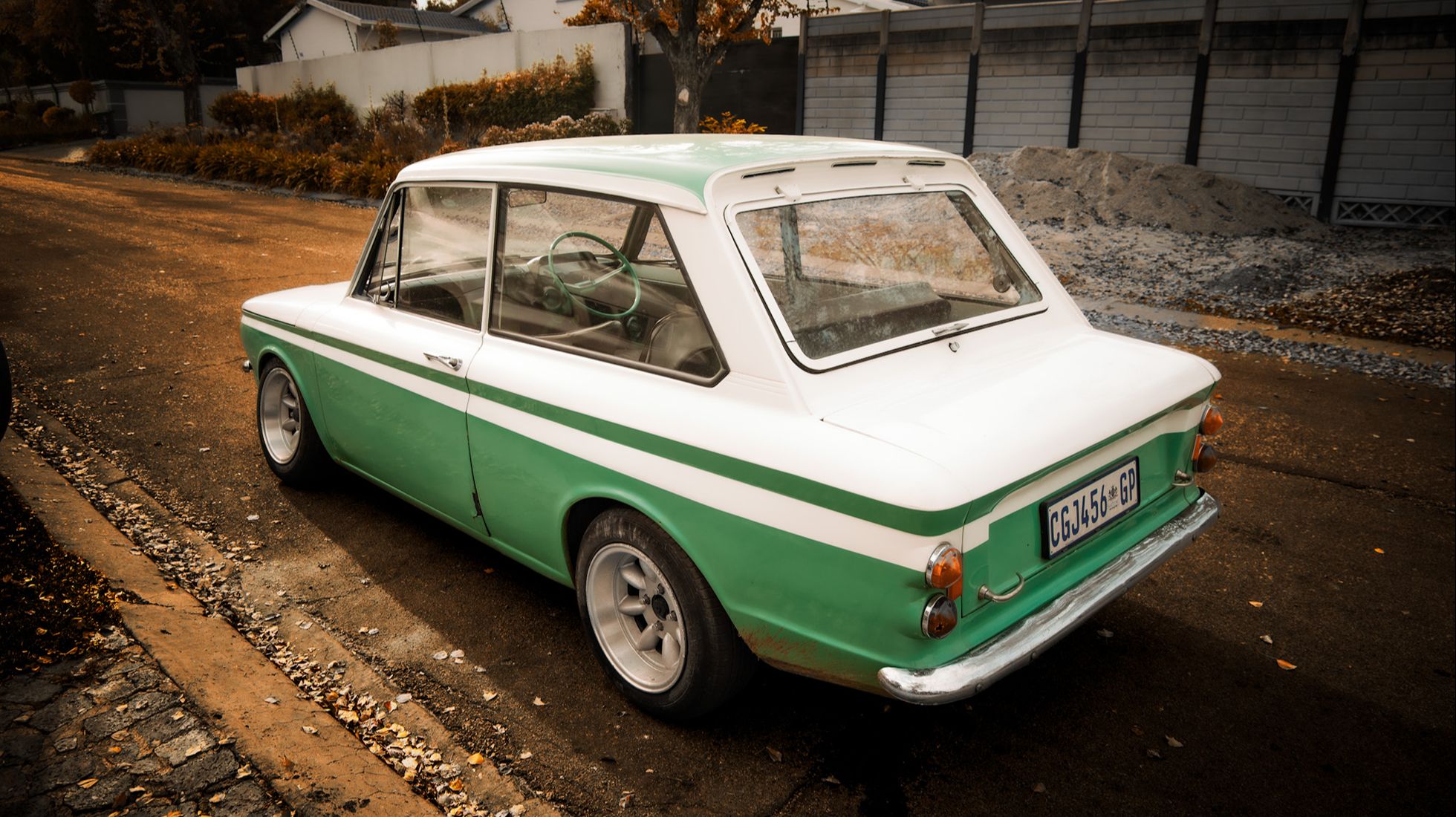
But as tempting as a blast around the neighbourhood in a 1960s race car sounded, there was a stunning second-generation Imp in gorgeous navy blue I had my eye on. Before I could request the keys, I asked about a lower, slightly rough, and very loud car sitting in the middle of the garage. Its stance was low, and its camber was out there. This, he explained, is his hooligan car. It’s the most fun to drive, apparently, with a racing engine in the back. I smiled politely. Likely out-displaced by some motorcycles… I was clearly being naive.
Then Kas climbed in front, I settled in the back, photographer next to Terence and the next five minutes were among the most thrillingly terrifying of my life on four wheels. It wasn’t fast as much as it was alive. It was vibrating and shaking as Terence attempted to keep it in the power band without over-fuelling before frantically pumping the brakes for the corner that’s fast approaching.
He then committed with the Imp, extracting G-forces that are comparable to a modern hot hatch, only far lighter and bouncier, before he threw me the keys for our own hot lap. That brief glimpse into what modified hot hatches looked like in the 80s was eye-opening. The brakes were there, for the most part, requiring four or five pumps, and the power was there at 50% throttle; anything beyond that and it started cutting out. Still, it was an eye-opener to just how effective these little cars were in a performance environment.
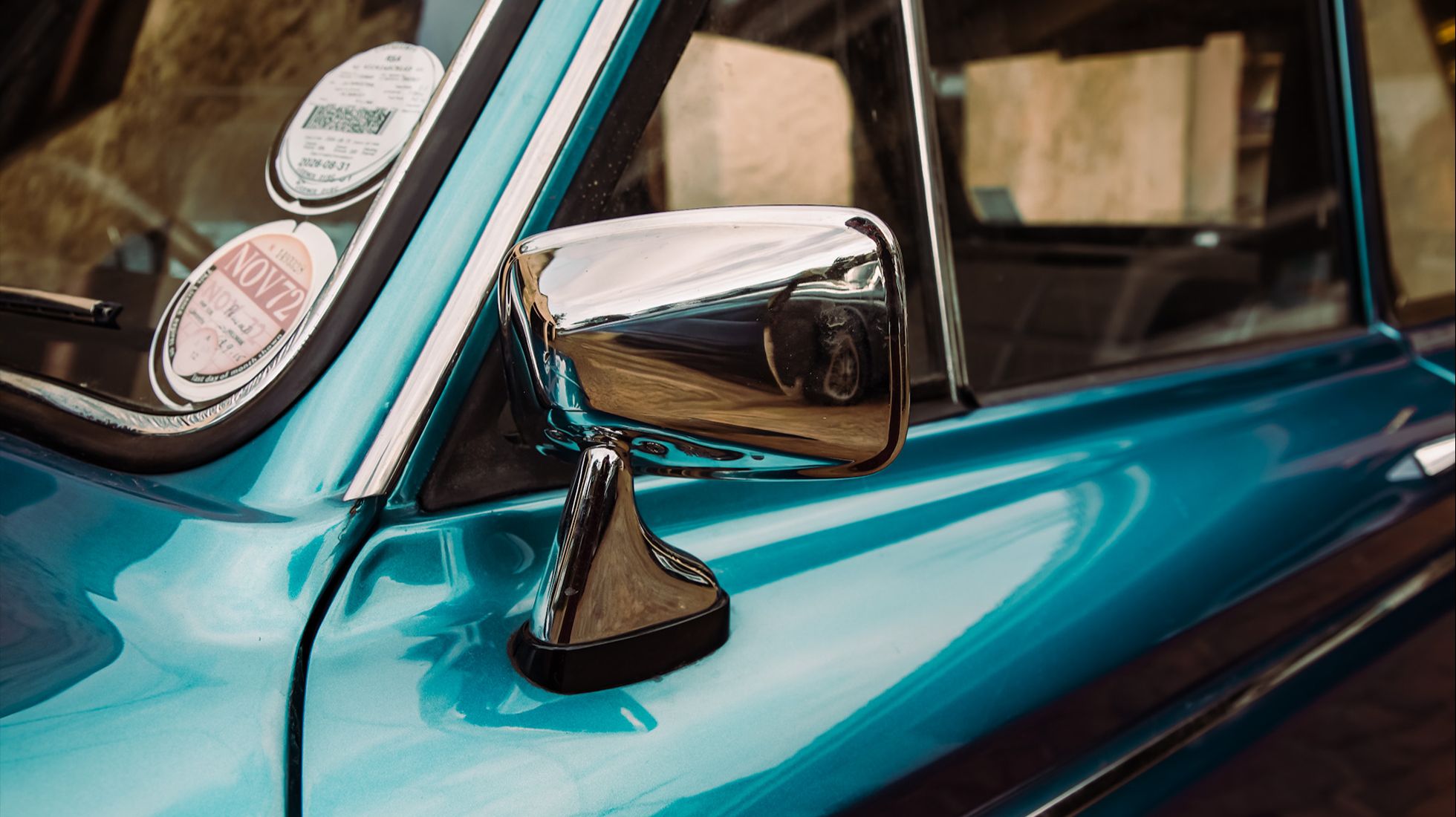
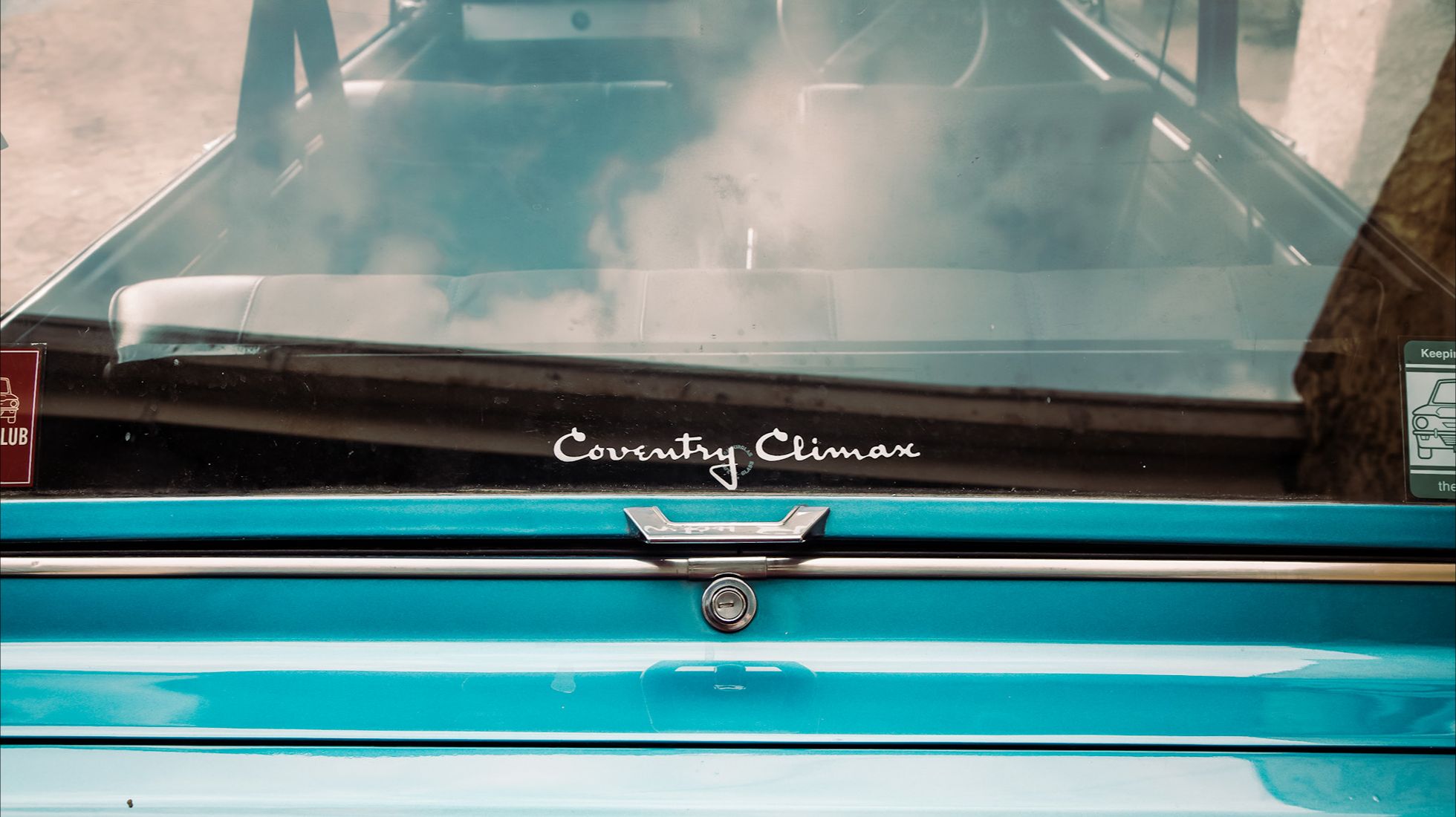
Terence then handed us a second set of keys to that perfectly kept navy-blue model. The differences were striking, with a comfortable ride quality, a predictable clutch and throttle that worked perfectly without needing to be nursed up to speed. Sure, the little Coventry Climax-derived aluminium 875cc inline-4 heaved on the uphill, but the way it maintained speed through corners was genuinely impressive.
This Hillman, as its dealers intended, was sensible, surprisingly spacious inside (even for rear passengers) and elegantly simple. A vintage speedo communicated 50km/h, but I was positive that we were flying. The 4-speed gearbox took some getting used to, with first gear positioned straight up, reverse so far left you could clock your unsuspecting passenger in the process. It was cool, full of character, and surprisingly nimble.
Terence’s Hillman Imp is a glimpse into the past. It provokes feeling, and that’s something now shared with my grandfather. It’s something from half a decade ago that’s captured as an experience in the here and now. I understand now why he only ever talks about his Imp. I like to think I now understand its personality, and that I can talk about its many mechanical quirks, each choosing their own moments to impress or cause concern.
And The Hillman story is nearly extinct, and that’s a shame. As a small consolation, there are at least a few rare exceptions scattered around the country, but it’s largely fading away. Not here, though, not if Terence can help it. He races them, builds them, tweaks them, and drives them as intended and even drove one from London to Cape Town. But maybe it was never intended for quite that commute…