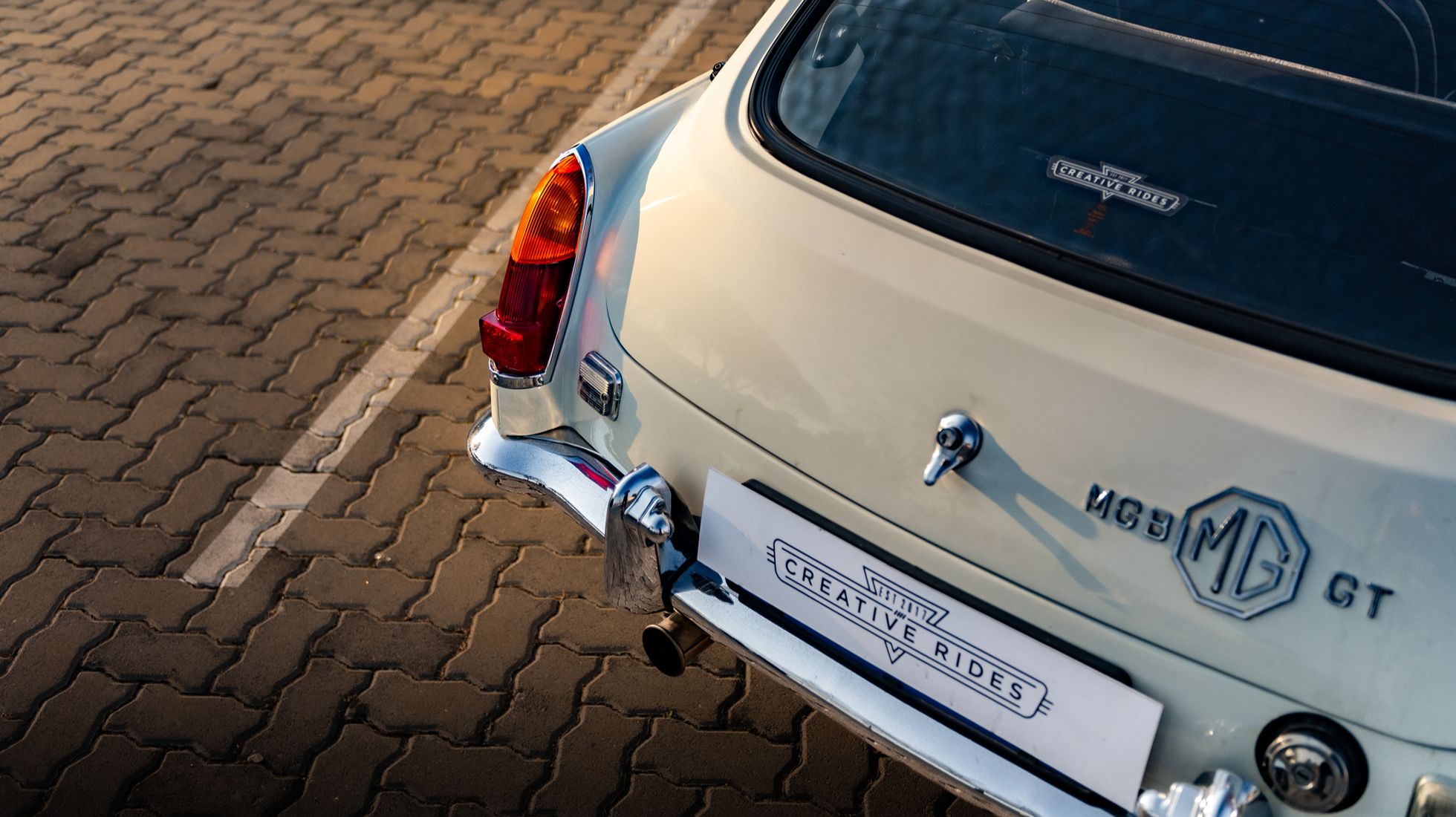
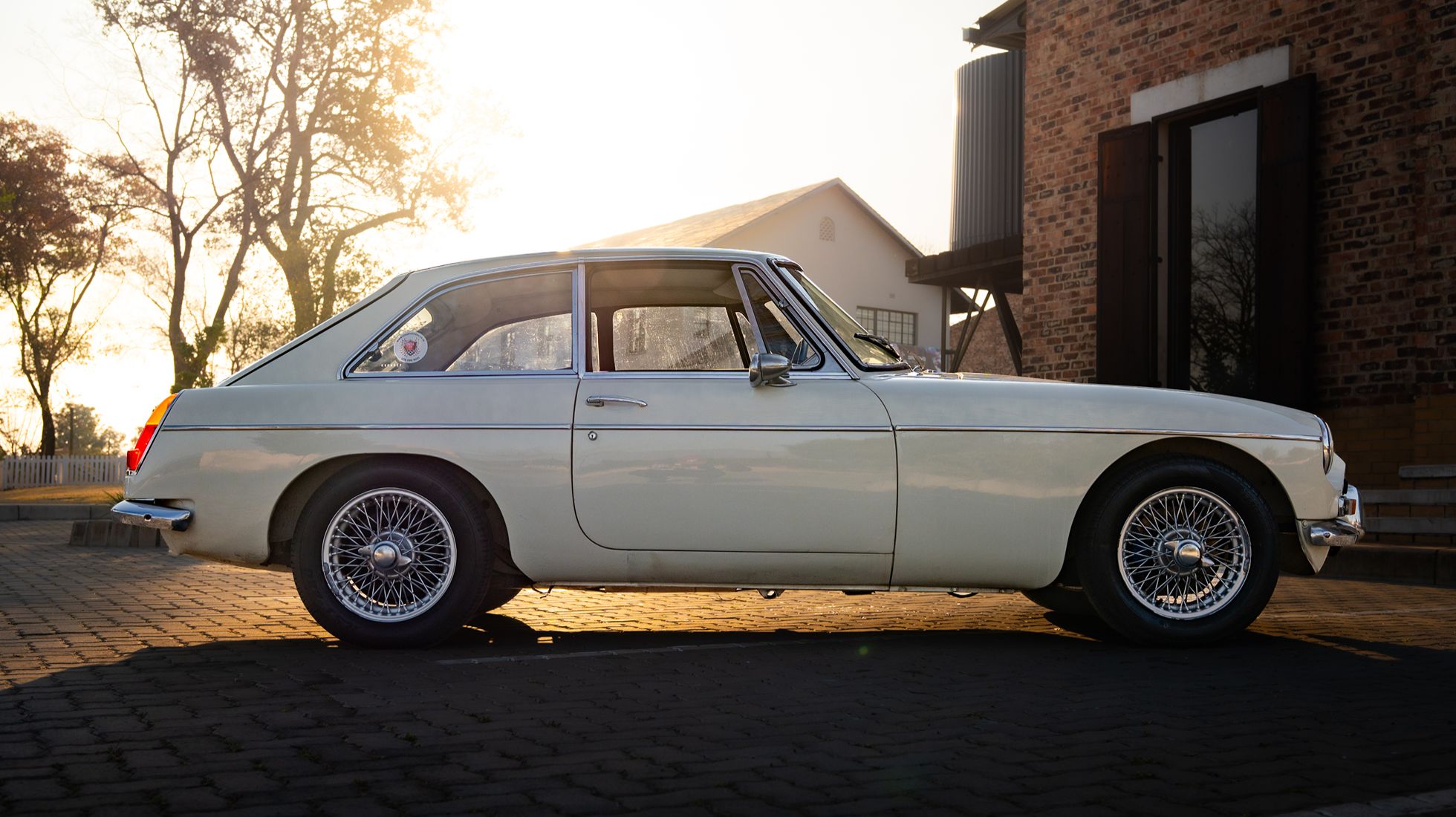
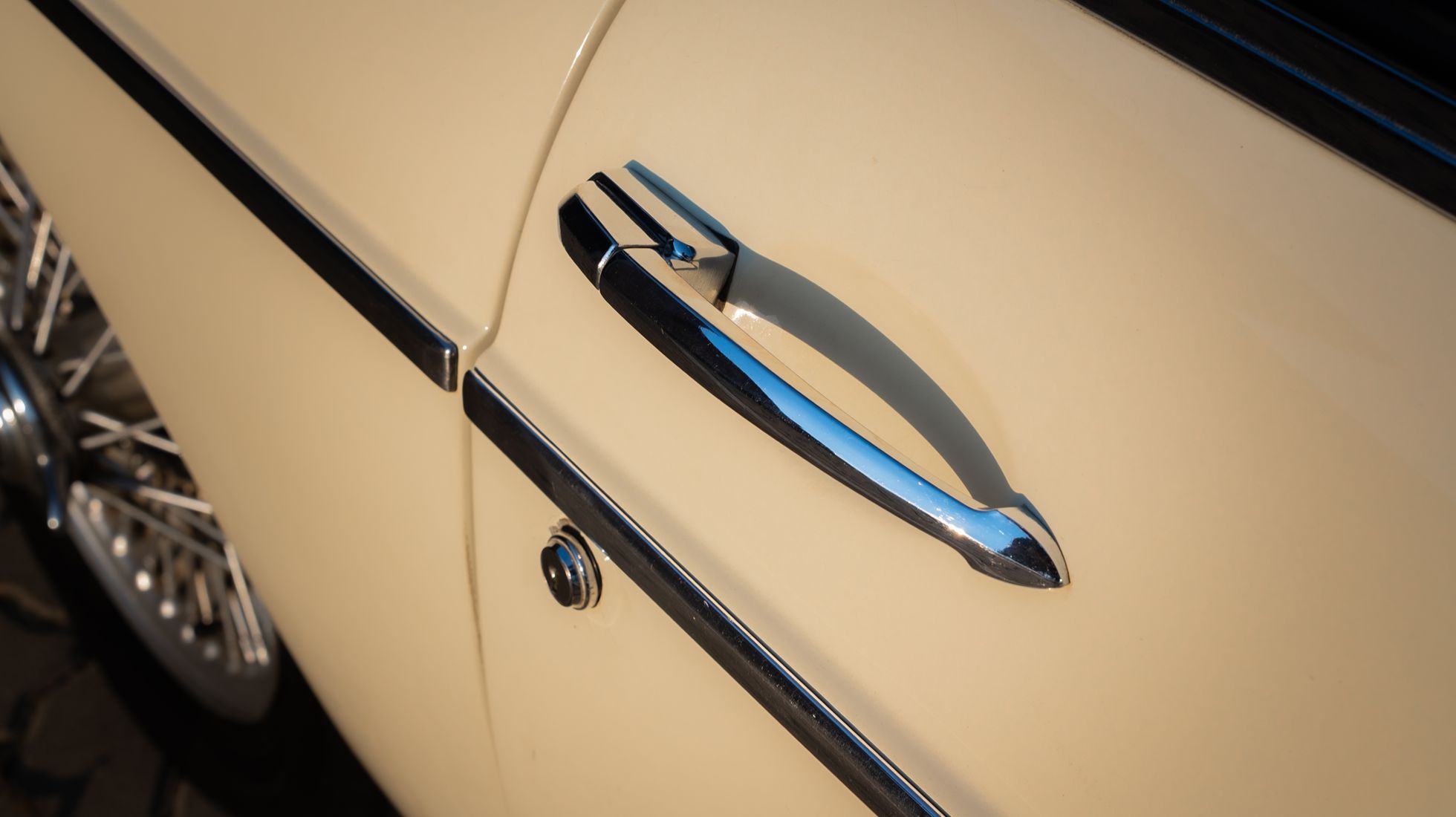
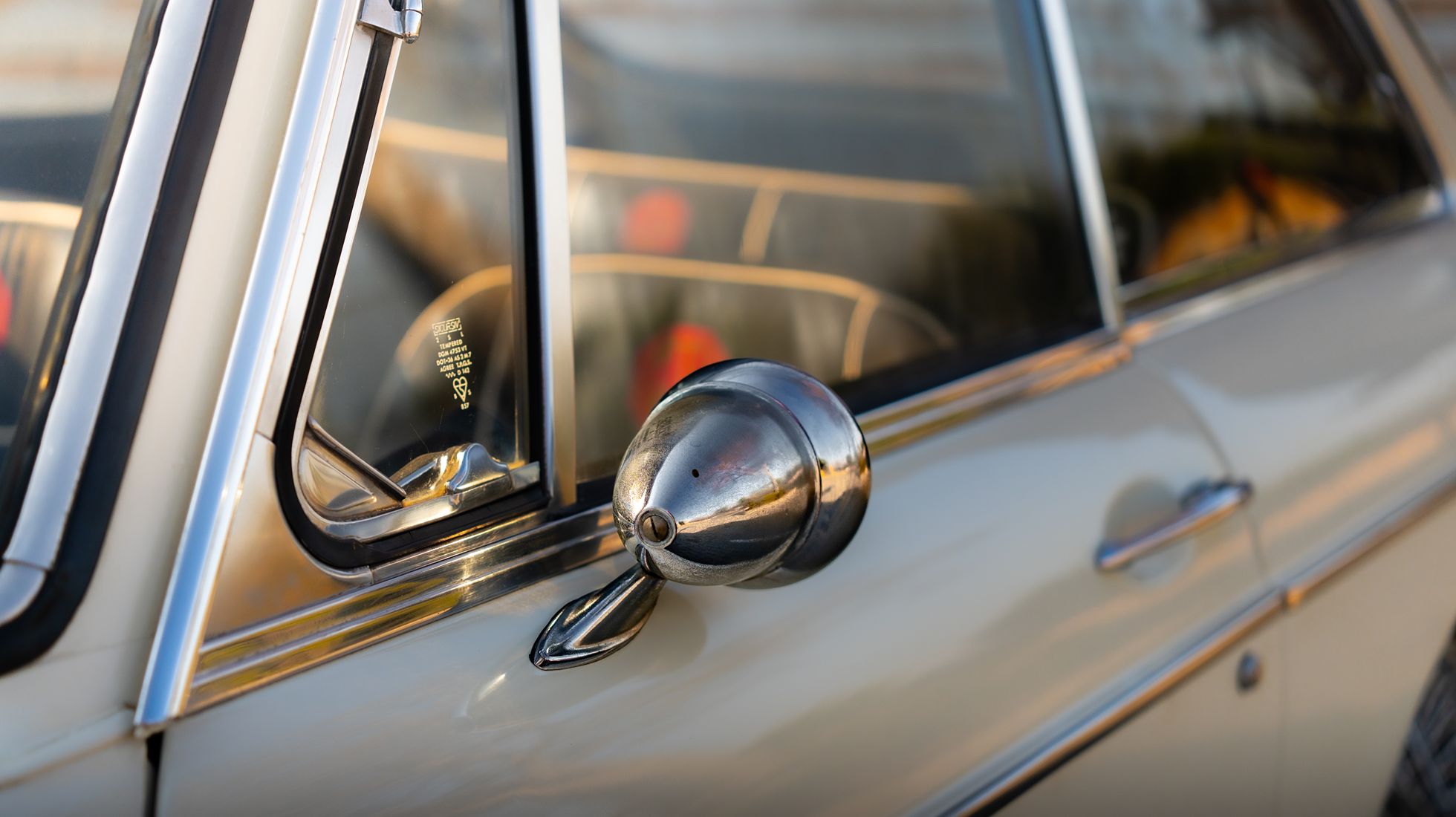
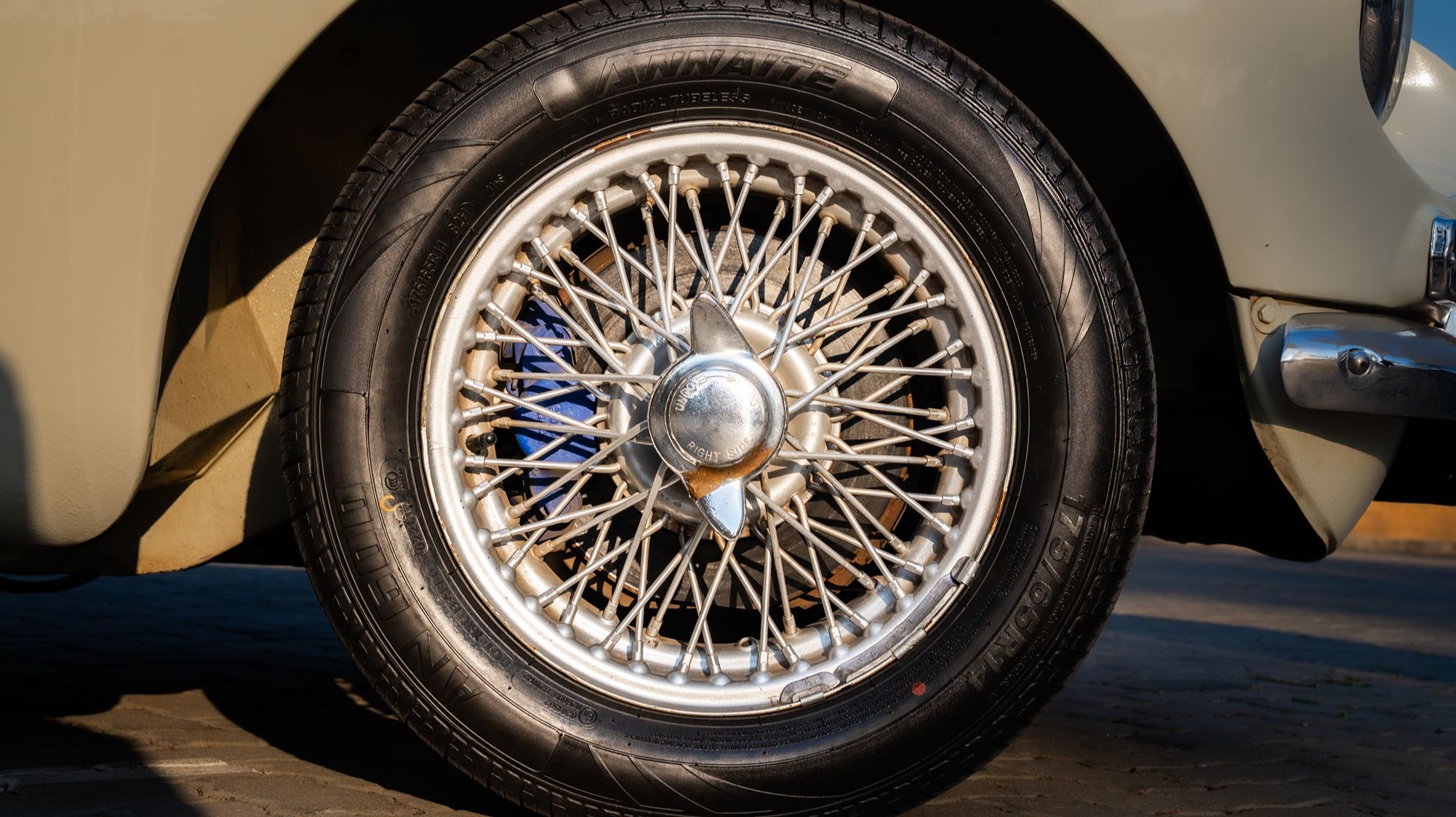
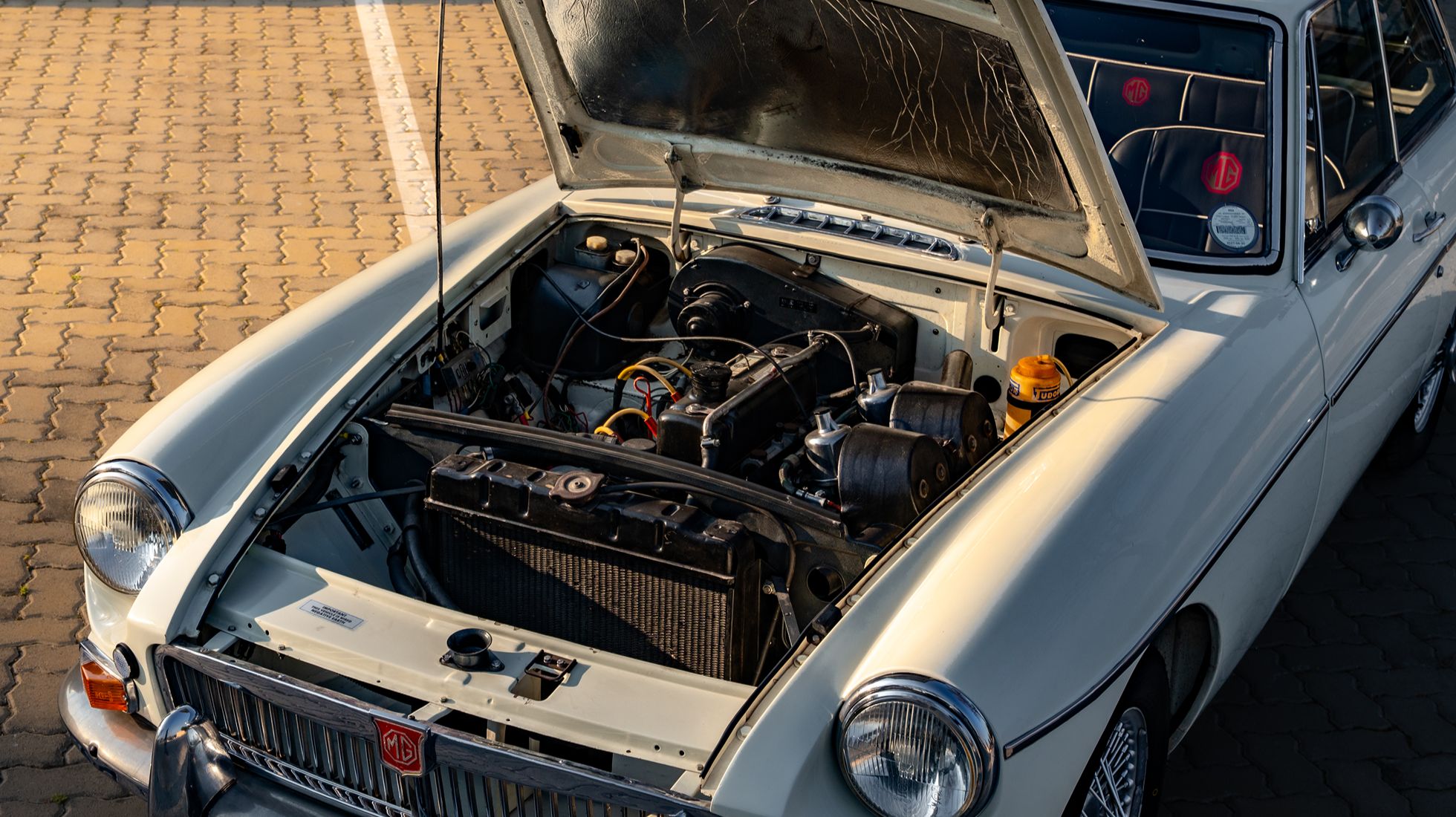
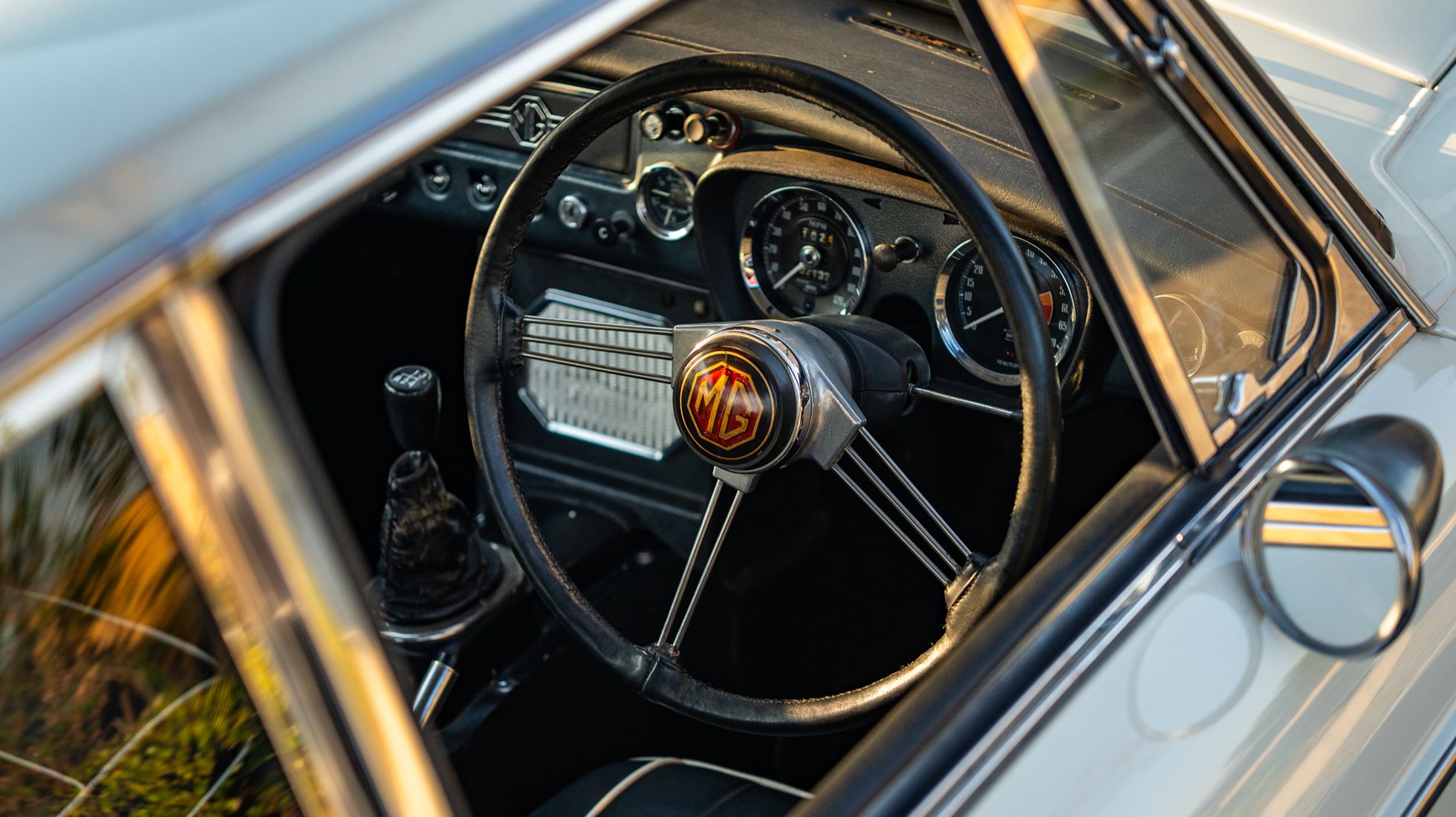
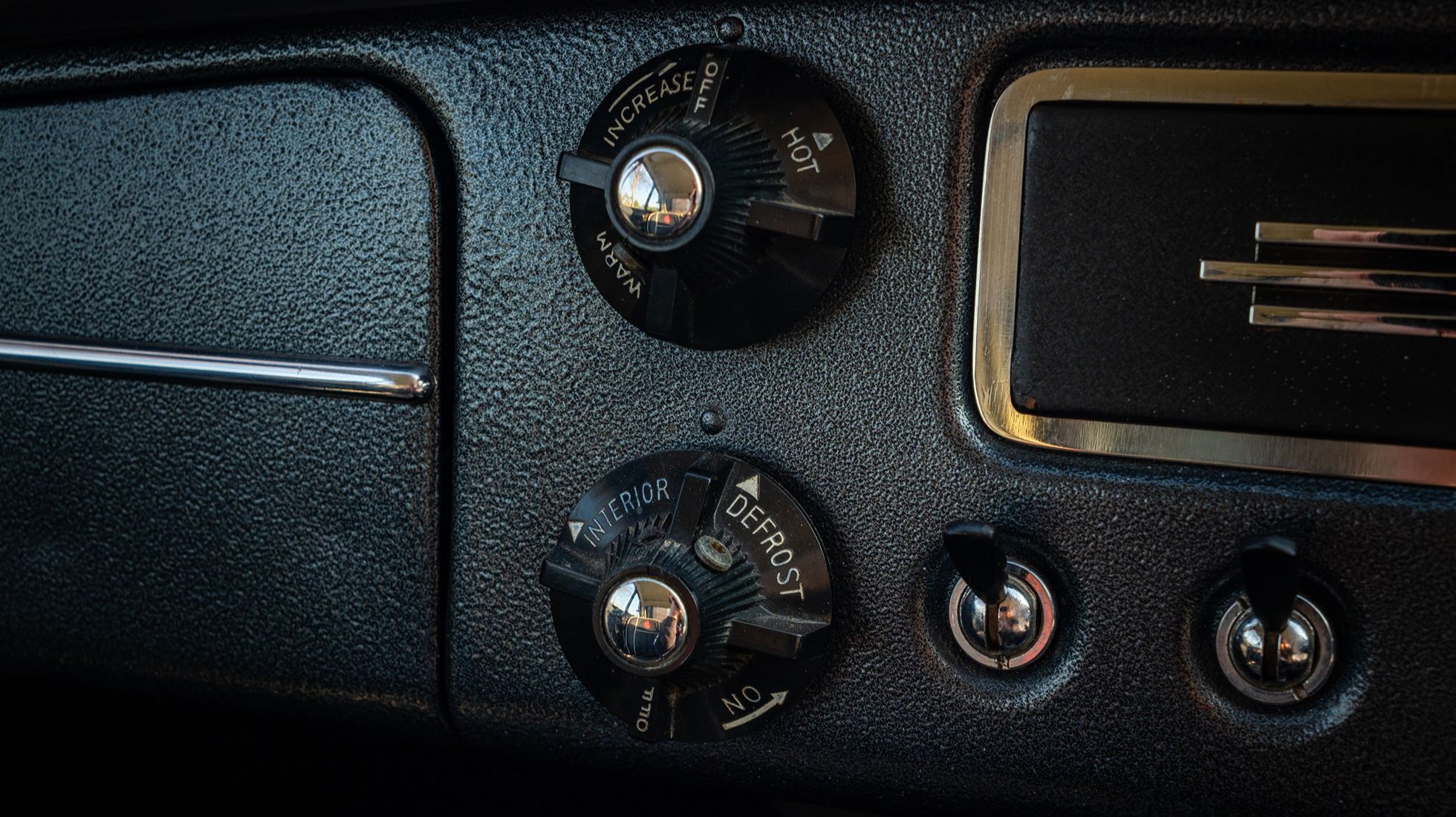
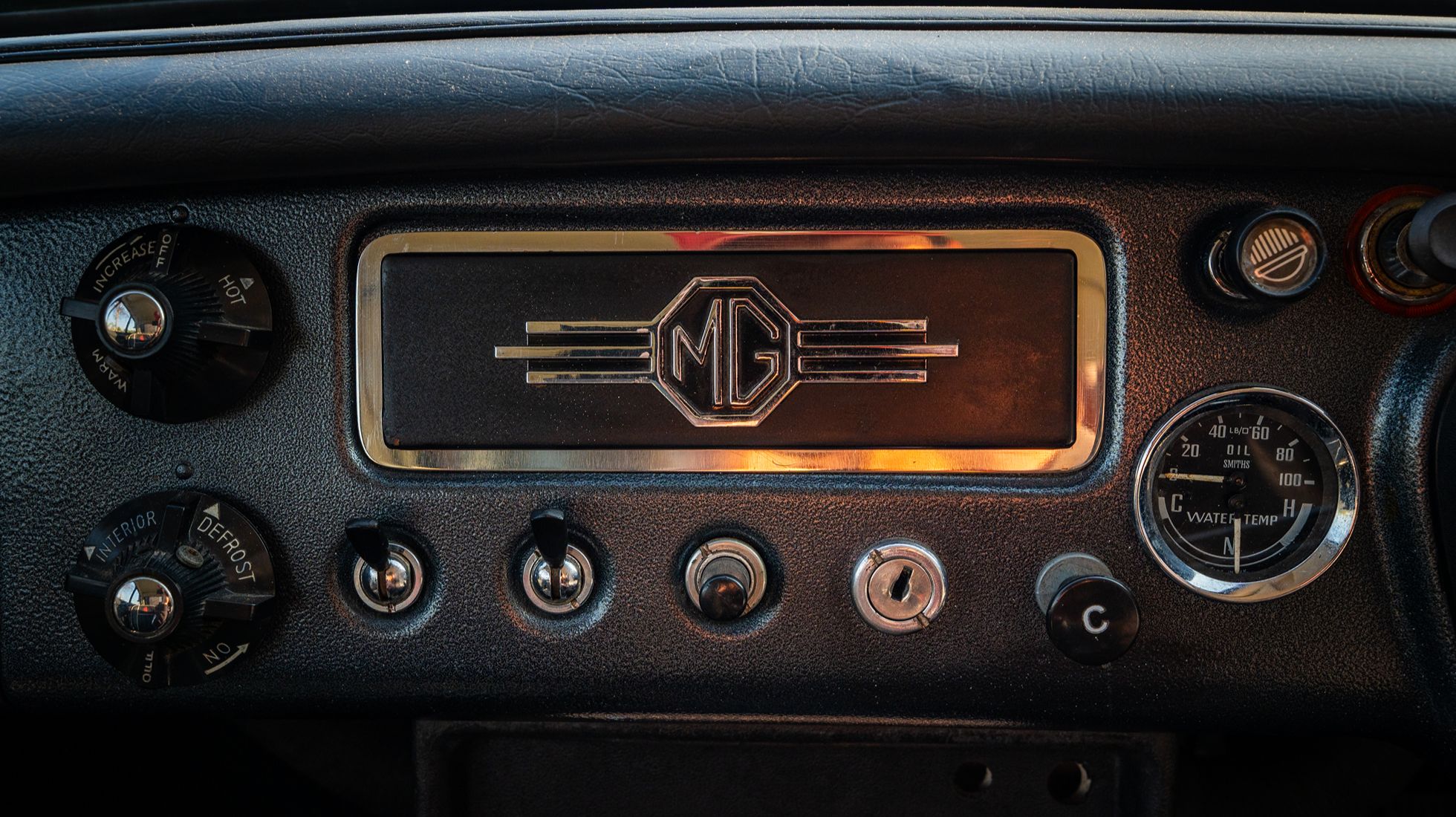
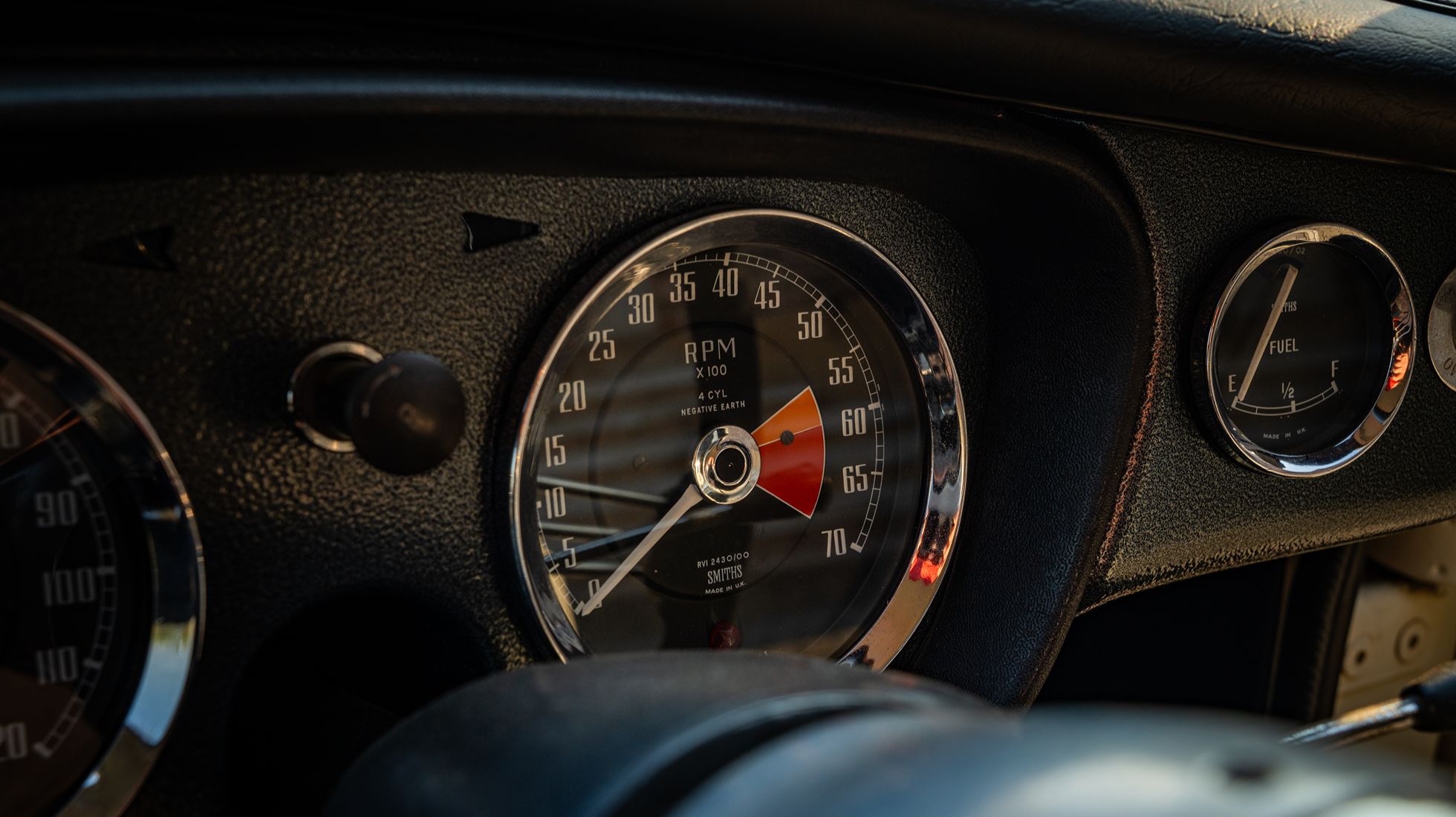
The MGB is one of the go-to classics for those wanting to tinker on the weekends. It’s a charming British sports car that made driving something exotic 60 years ago quite achievable. But the GT added something to the wildly popular MGB formula: a shape built with the family man in mind, one that decades later still turns heads with character, chrome and a hearty rumble. This is the MGB GT story.
The MGB story began in 1962, but the GT wasn’t added to the mix just yet. MG revealed the MGB Roadster, a small 2-seater with a big personality. It was an affordable offering that was light on its toes, pleasing on the eyes and didn’t break the bank. It also spoke to a niche section of the sports car market, and three years after its introduction, the MGB GT arrived with more luggage space, a hard top, a design that is recognisable even today.
The idea was simple: offer an MGB with a hard top to improve wet weather protection, and add a small bench in the back to accommodate two more smaller humans, with enough space to load up luggage in the rear. Its production may have trailed the Roadster by a few years, but the idea for it was there from the very beginning. In January 1962, the Abingdon design team led by John Thornely began working on the EX277, which was the code name for the later GT. Jim Stimson was the first to draw up the idea requested by the MGB’s lead designer, Syd Enever.
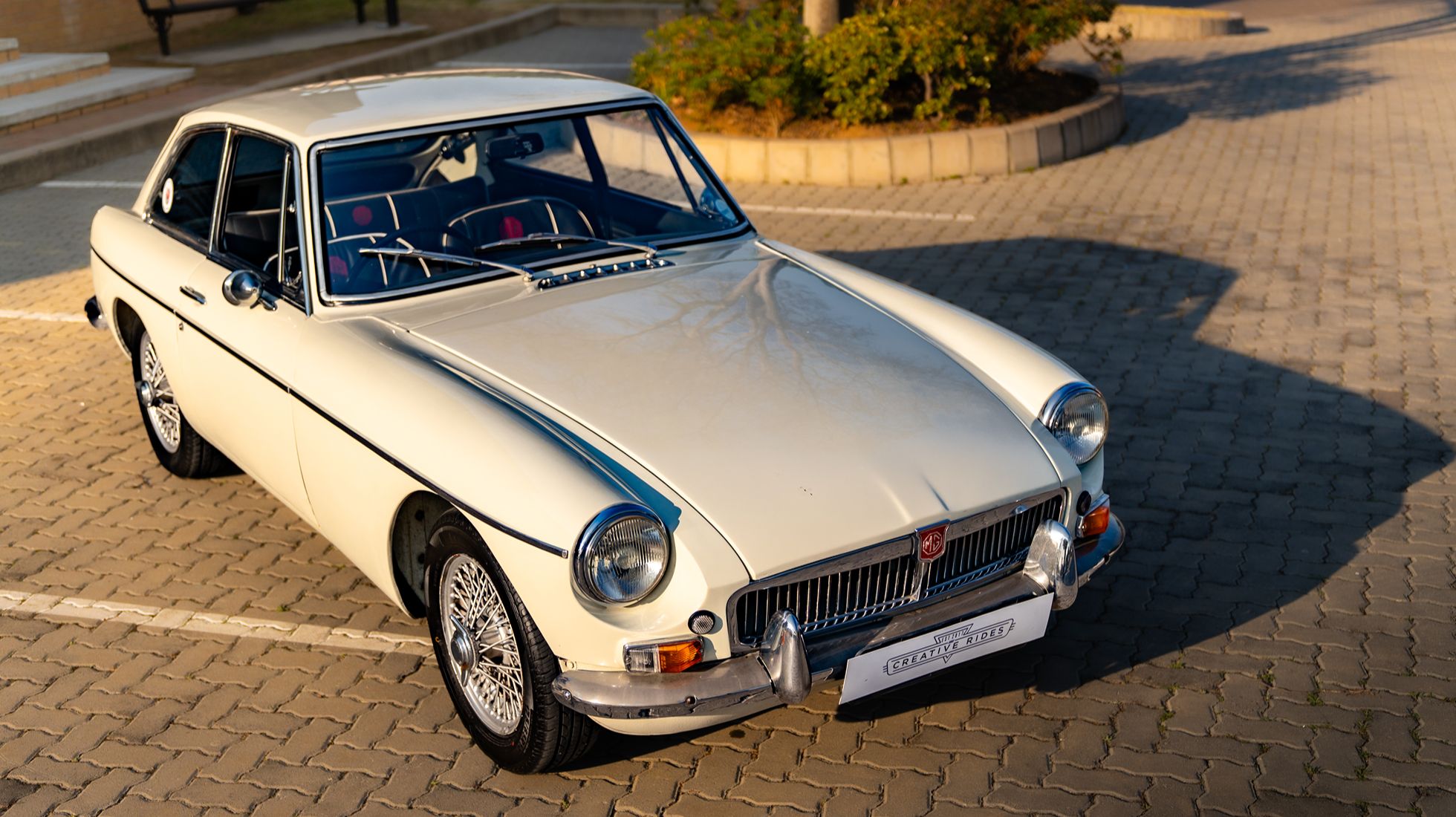
The design was eventually handed over to Longbridge, but they insisted that it lacked something, noting that the hatchback style needed some flair. So they sent the design off to a brand that rears its head quite often in these retro stories, Pininfarina. They added a few touches like creases that improved its lines and made the rear far better looking. In fact, some motoring media of the day likened its design to that of the Aston Martin DB5.
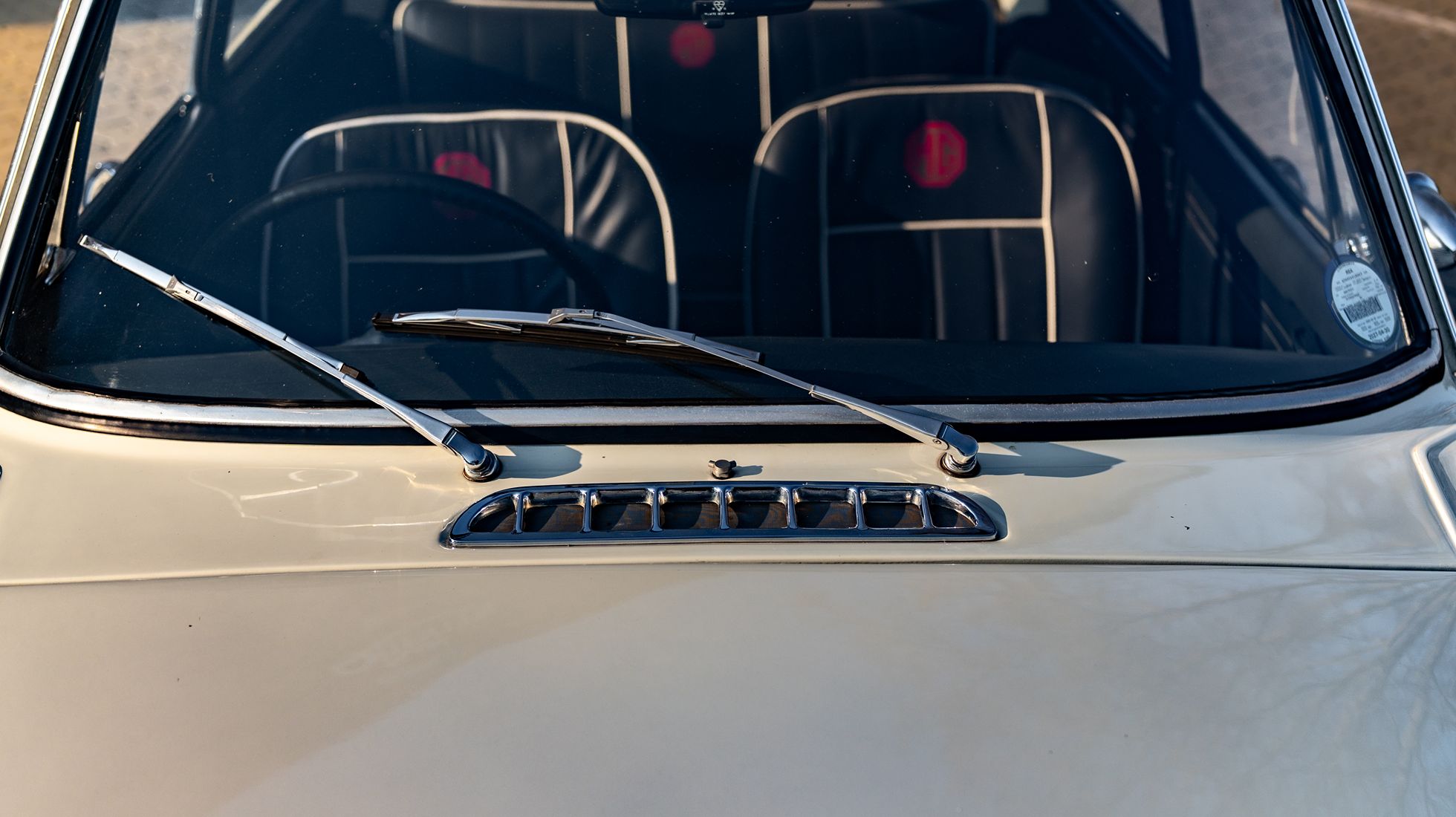
Although the MGB Roadster was a success, the GT’s debut at the London Motor Show in October 1965 was overwhelmingly well received. Critics raved, and buyers agreed. Buyers loved its practicality over the Roadster, and its elegant design won them over without costing it any performance.
It wasn’t the fastest sports car around, offering 70kW from its 1.8-litre 4-cylinder engine, and did the 0-100km/h sprint in around 13 seconds. It was dynamic, though, with a degree of personality few cars could match. So what is it like in 2026?
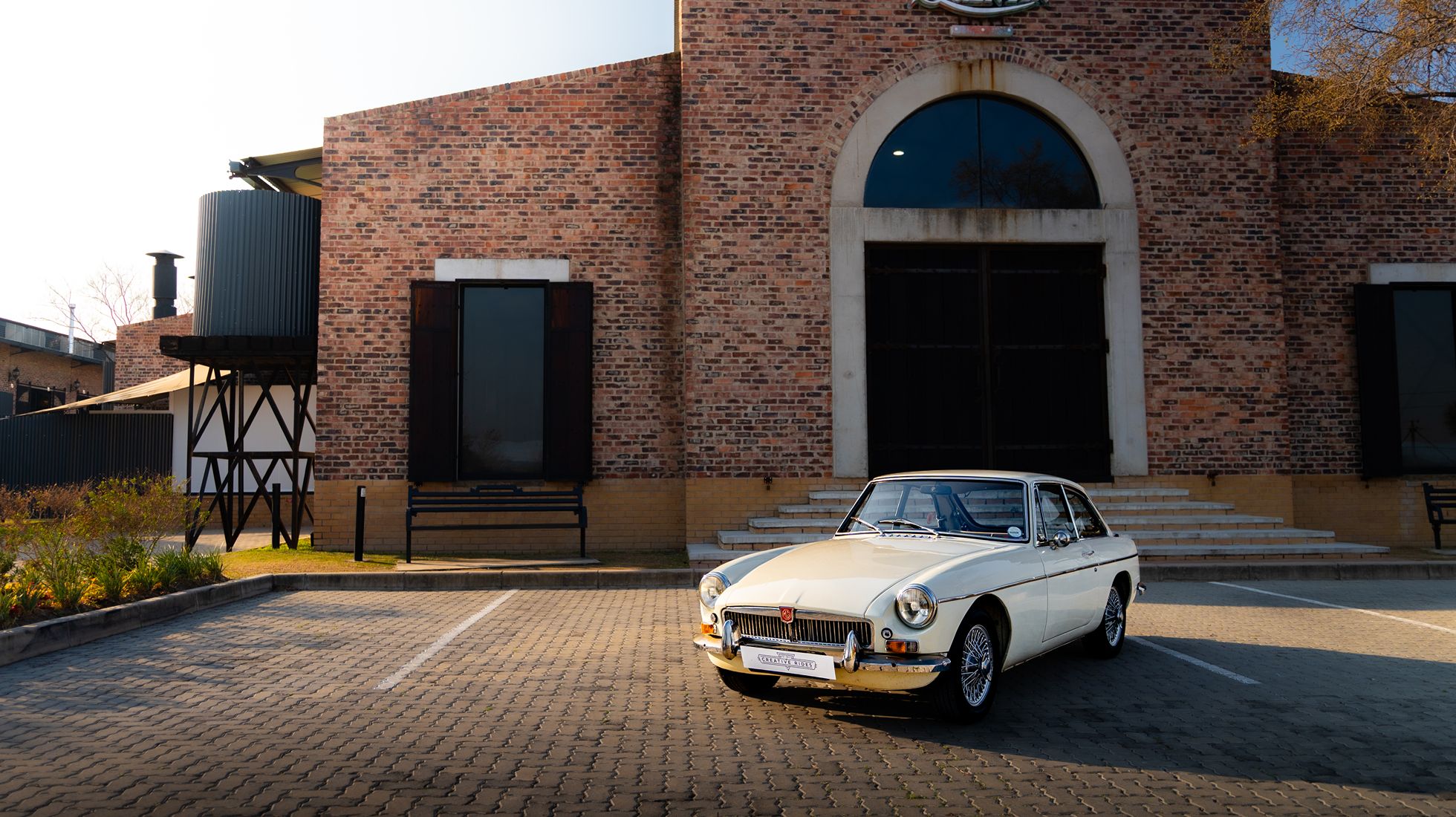
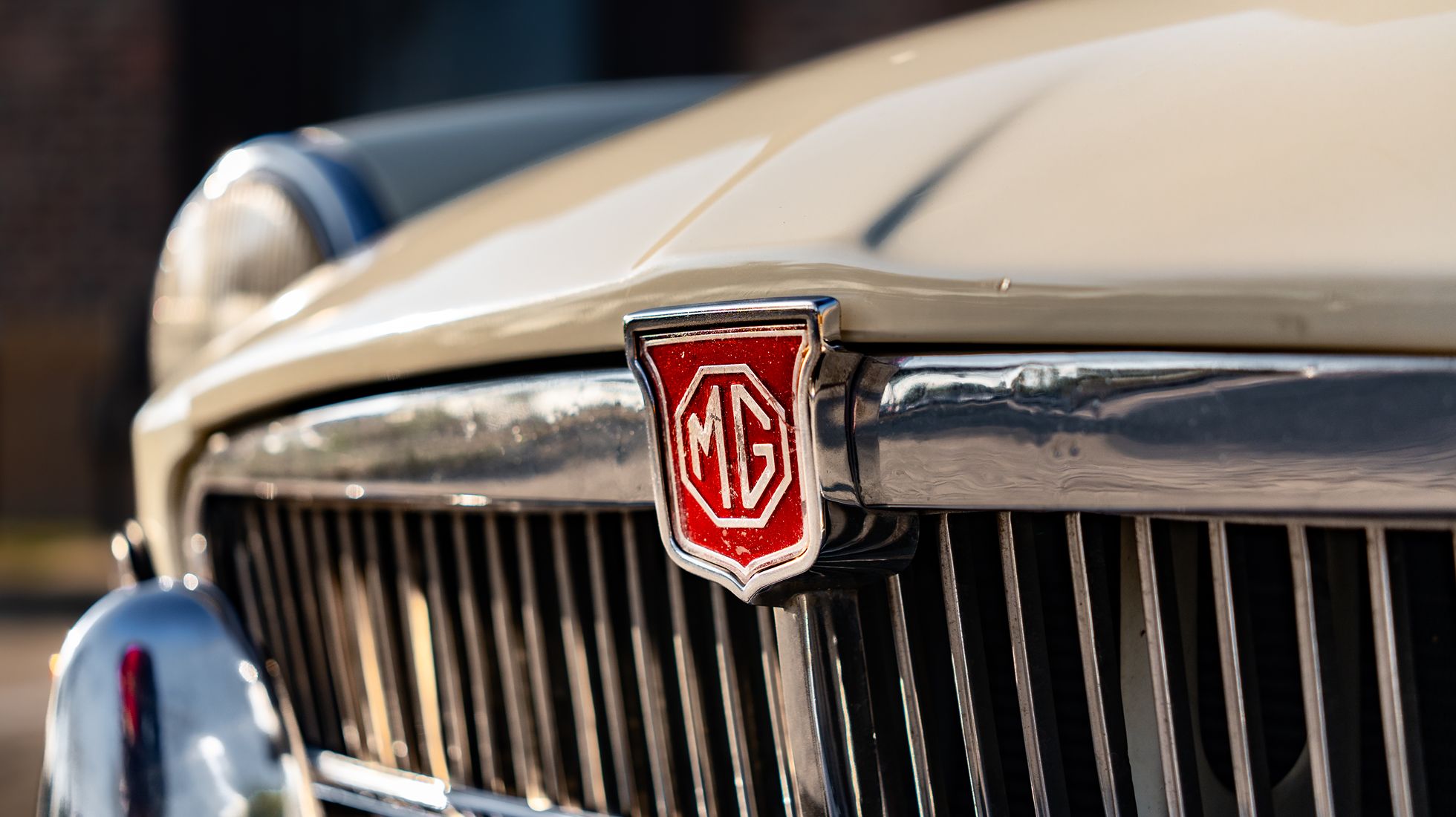
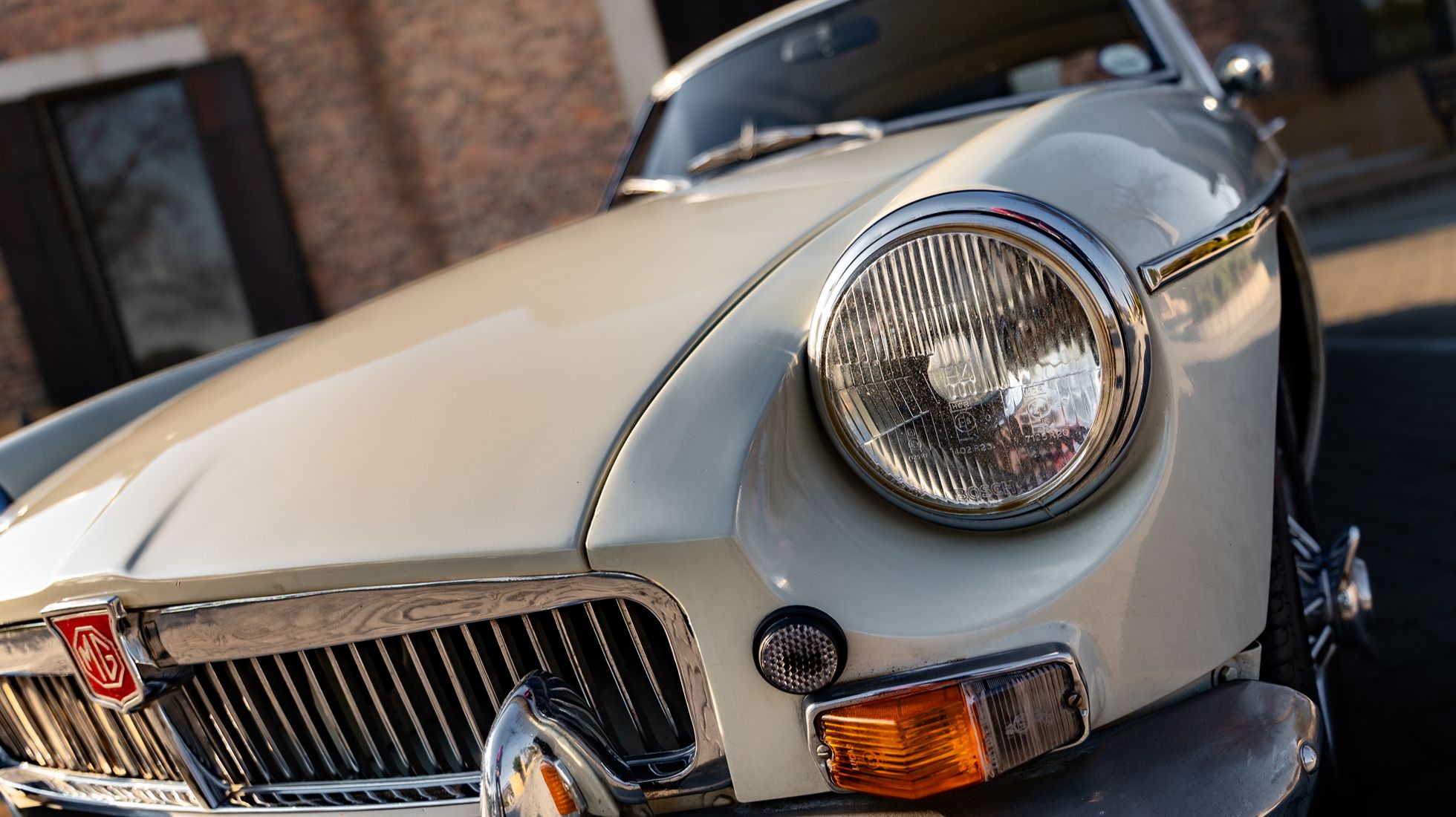
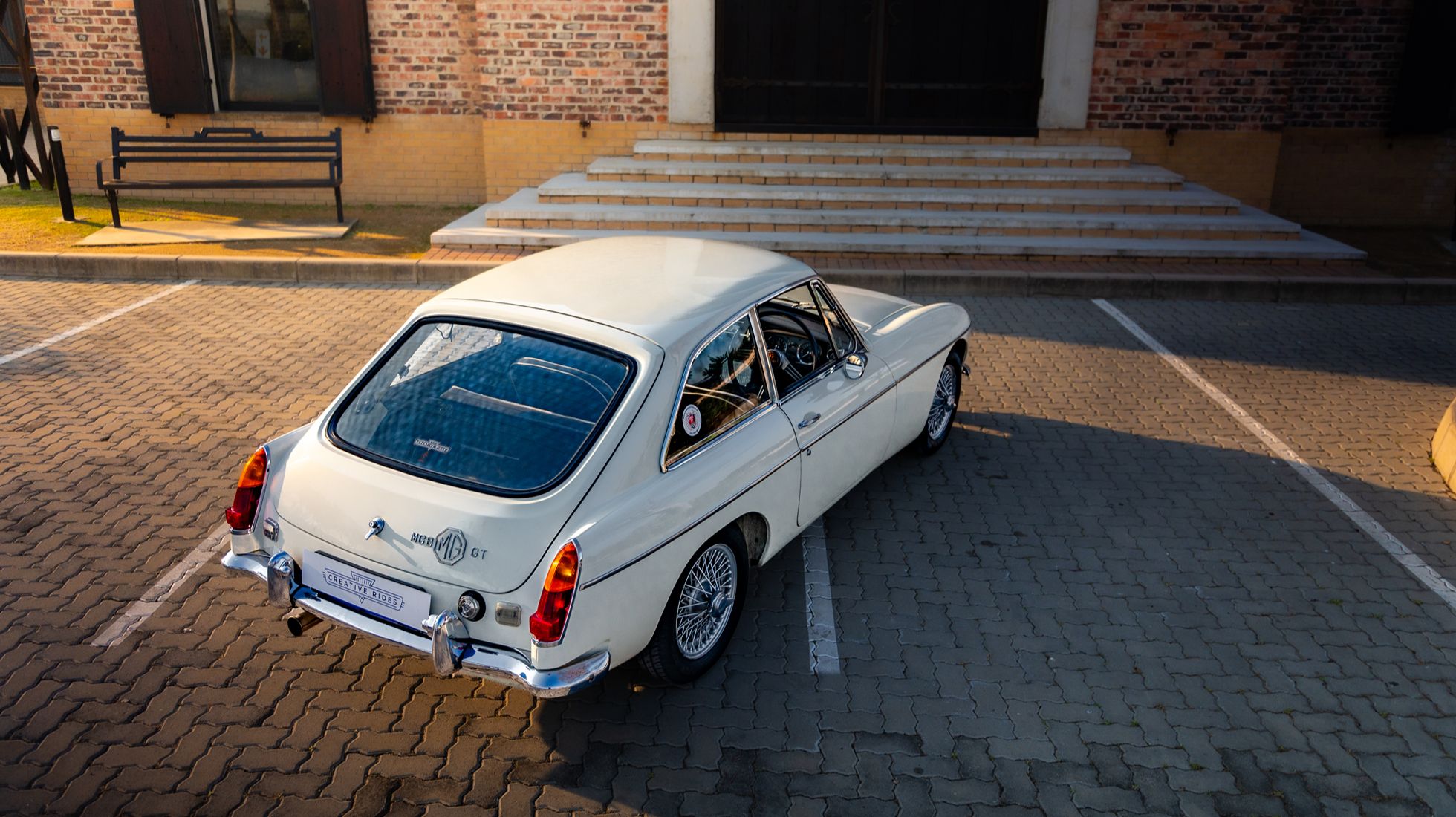
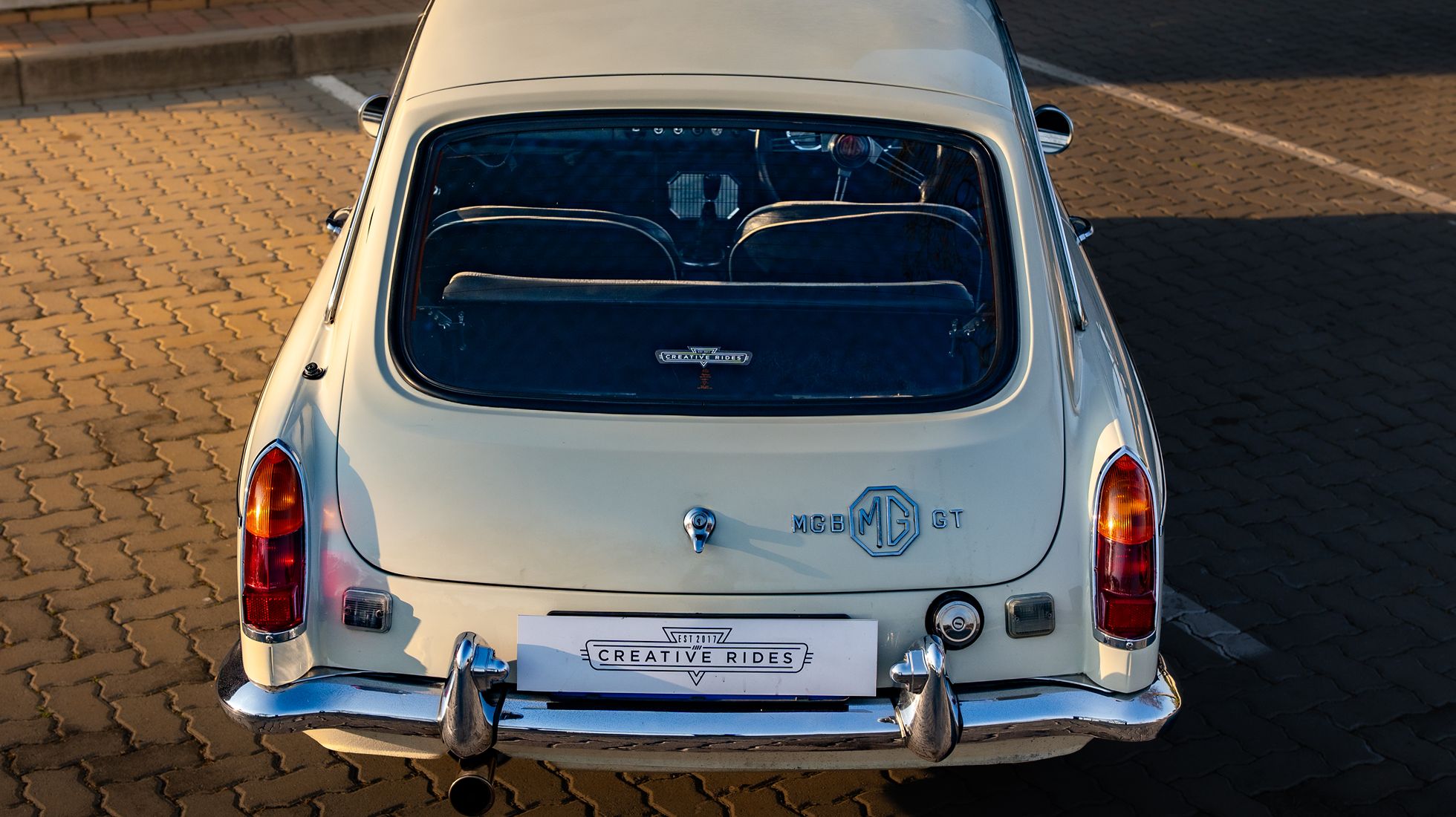
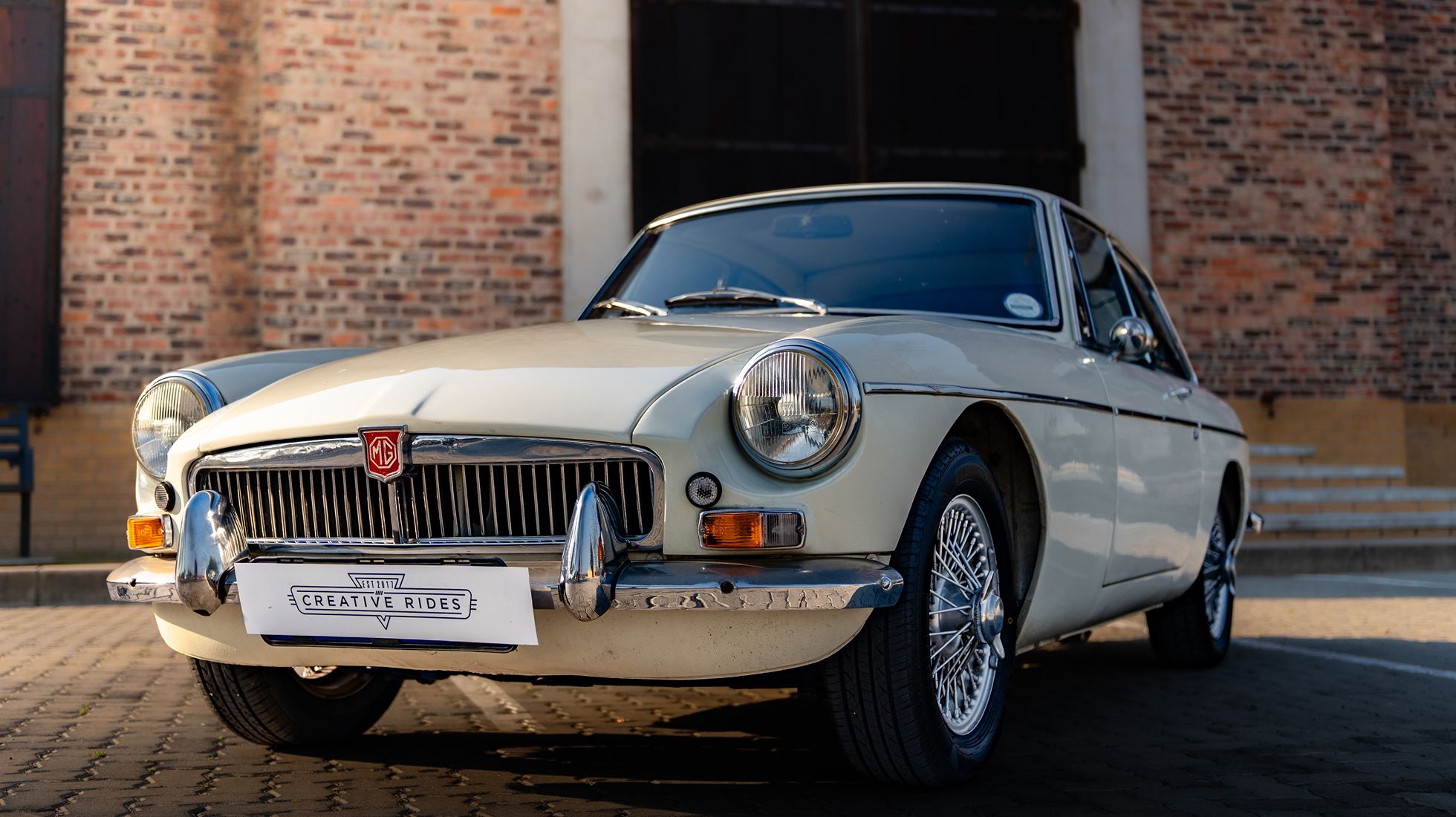
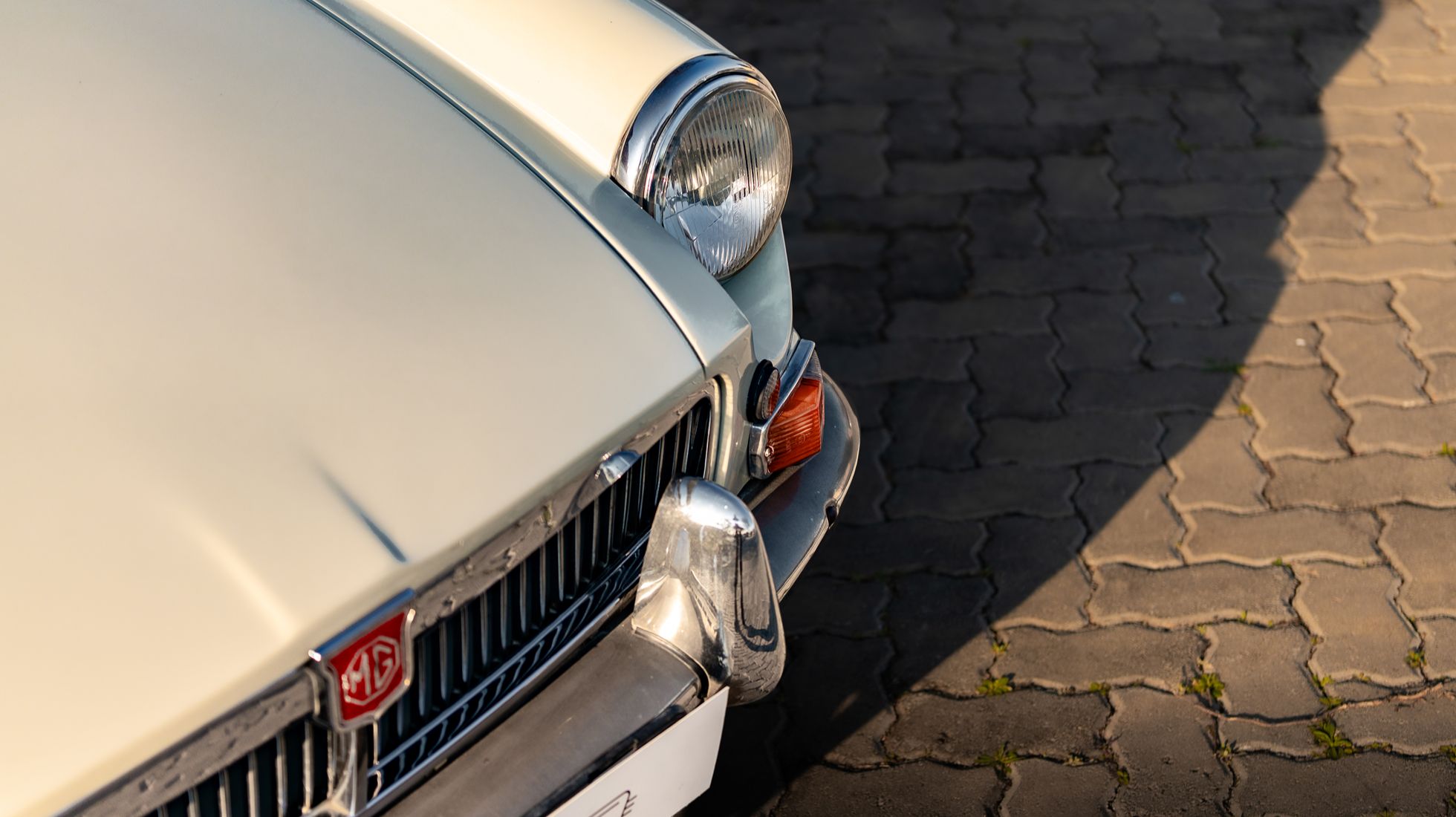
Well, when we arrived at the Creative Rides showroom, I actually walked straight past it on my mission to find the keys, only realising afterwards that it was parked right outside. It’s small, giving off original Mini vibes with a slightly longer wheelbase, but it’s a good-looking thing. Its cream paintwork, highlighted by the dashes of chrome and perfectly curved lines, made me appreciate just how backwards modern design has become. This isn’t an exotic. It was relatively affordable, but the design was clearly no afterthought.
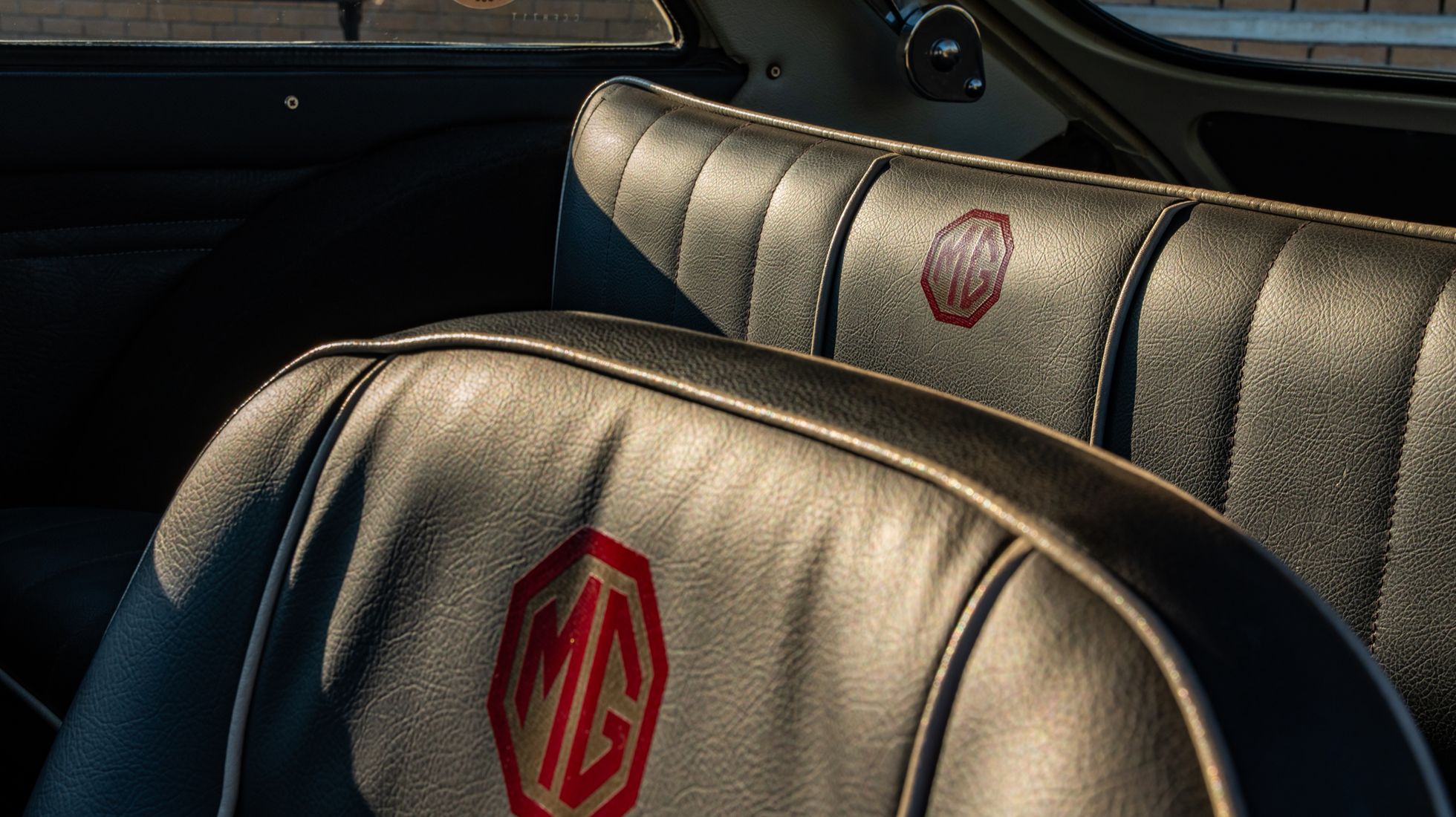
The MGB GT is also surprisingly spacious inside, which was exactly the point. There is brilliant legroom up front, and I struggled to reach the firewall with my legs fully extended. I also noticed the impressive amount of headroom, but yes, the seats are practically sitting on the floor. Even behind me, the navy leather seats, perfectly kept, with the MG logo stitched in the middle, reminded me of why I love compact British sports cars so much.
We then fired it up, or at least tried to. That’s the thing with classics: starting it up on the first turn of the key is wishful thinking, so we tried again and again. Finally the 1.8-litre 4-cylinder barked to life, ticking and vibrating the chassis into an awoken state. We engaged the first of four gears and hit the road, and the ride was surprisingly smooth. It was incredibly comfortable as we worked through the four gears, almost too soft, but then we chucked it through a turn, and a stiff level of rigidity kept the car level.
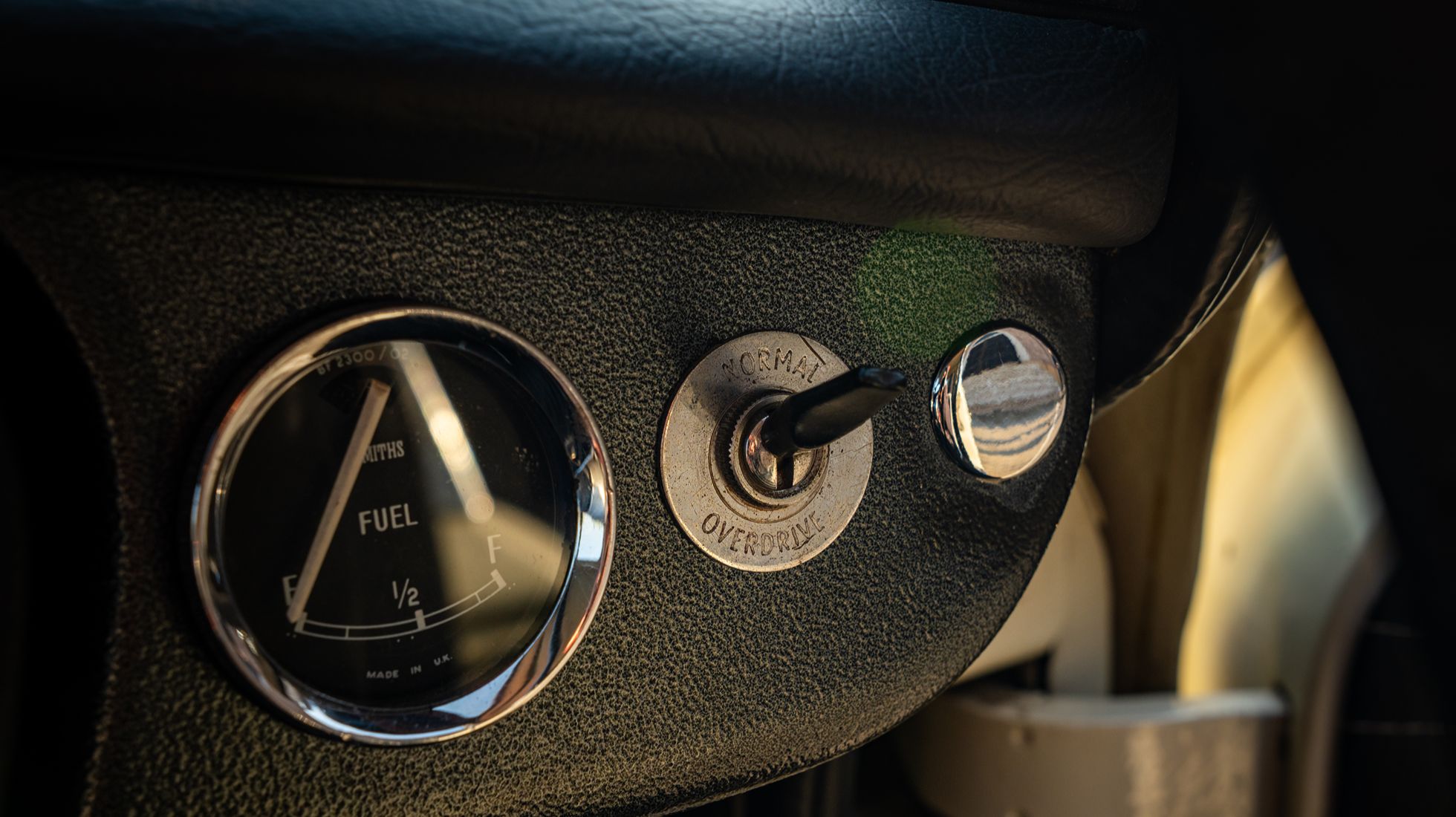
The appeal of these light cars was obvious since they can be softly sprung and can still handle a good throw around, but we were only going about 80km/h and fourth gear was screaming. Then Creative Rides classics expert, Mark Von Wilmsdorff, flipped a switch on the dash to the right of the steering rim, and the revs dropped. Almost like he had just flipped it into its fifth gear. Well, this was the overdrive switch, which can be engaged with both third and fourth, effectively giving the driver a fifth and sixth gear.
While it isn’t fast by any means of modern measurement, it gives you a sense of driver involvement that is a disappearing craft. Tip-toeing gear changes to avoid grinding, blipping the throttle when leaving a traffic light to avoid stalling, and actively driving the car to get it from point A to point B enlightened me as to why the MGB GT exists in the first place. Going for a drive is an experience. It keeps you constantly engaged, and when you finally get up to speed, the real fun begins. You know what they say? It’s the kind of car that feels fast at slow speeds. Well, that best sums up the MGB GT.
The MGB GT is a timeless classic. One that is common but for good reason. It’s quirky and fun, with gorgeous styling and a peppy personality. I see now why so many experienced enthusiasts speak so fondly of their time with MGBs, and almost everybody in my grandfather’s generation has a story about one of these sports cars. It remains one of the go-to classics for enthusiasts, and you can now get one for less than R200k, such as this one which costs R180k at Creative Rides. It’s a beautiful machine, packed with character and chrome, and reminded me that light weight and soul outweigh tech and power any day of the week.