



The BMW M1 story is not a success story. Not really. The traditional narrative goes something like this: a car is manufactured, perfected for the road, and adapted for racing. The BMW M1 story is more than a success story. It’s a masterpiece built to dominate, but it showed up too late. It’s celebrated for its road brilliance but shadowed by an unfortunate turn of events.
Unlike a classic hero story, the M1 wasn’t refined over decades. The story here is different, and it begins in the brand-spanking-new BMW Motorsport GmbH workshop in 1972. A new team emerged, led by Jochen Neerpasch, dedicated to racing development and with two targets: build a car that would win races and embody BMW’s expression of automotive art.
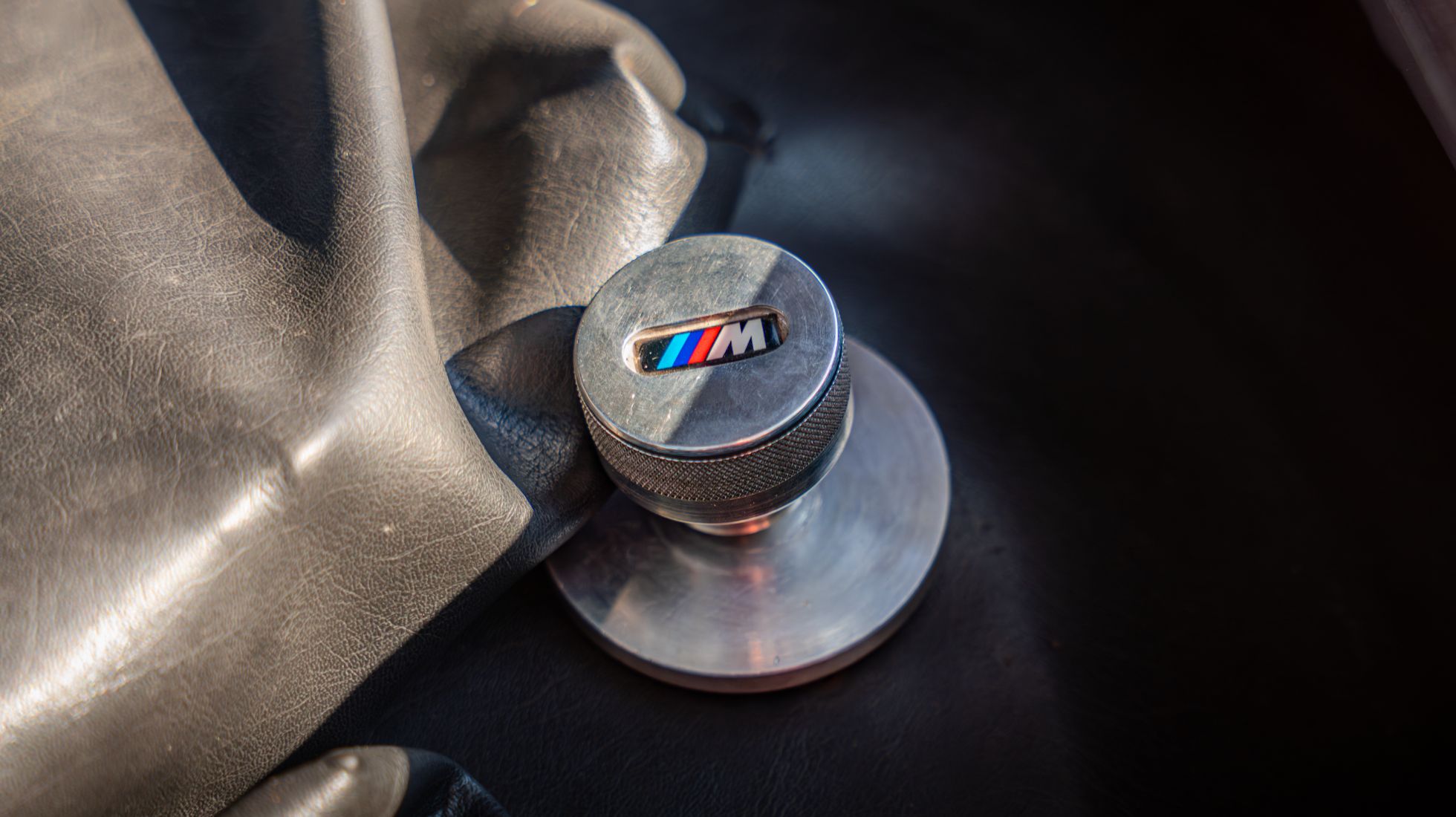
But before the car, there was a name, M1. ‘M’ is the embodiment of BMW’s finest engineering projects of substance. The ‘1’ reflects the project’s historical importance. M1 was the start of what BMW saw as a huge step forward in performance. And no, it has absolutely nothing to do with a 1 Series. That was introduced decades later.
At the time, the BMW 3.0 CSL proved to be a successful weapon on the track, but times were changing, and the benefits of a mid-engine race car were piquing interest in the BMW paddock. By 1975, Neerpasch felt that the days of touring cars were fading away and that the brand needed something radical to compete in the Group 5 series. A mid-engined supercar was needed.
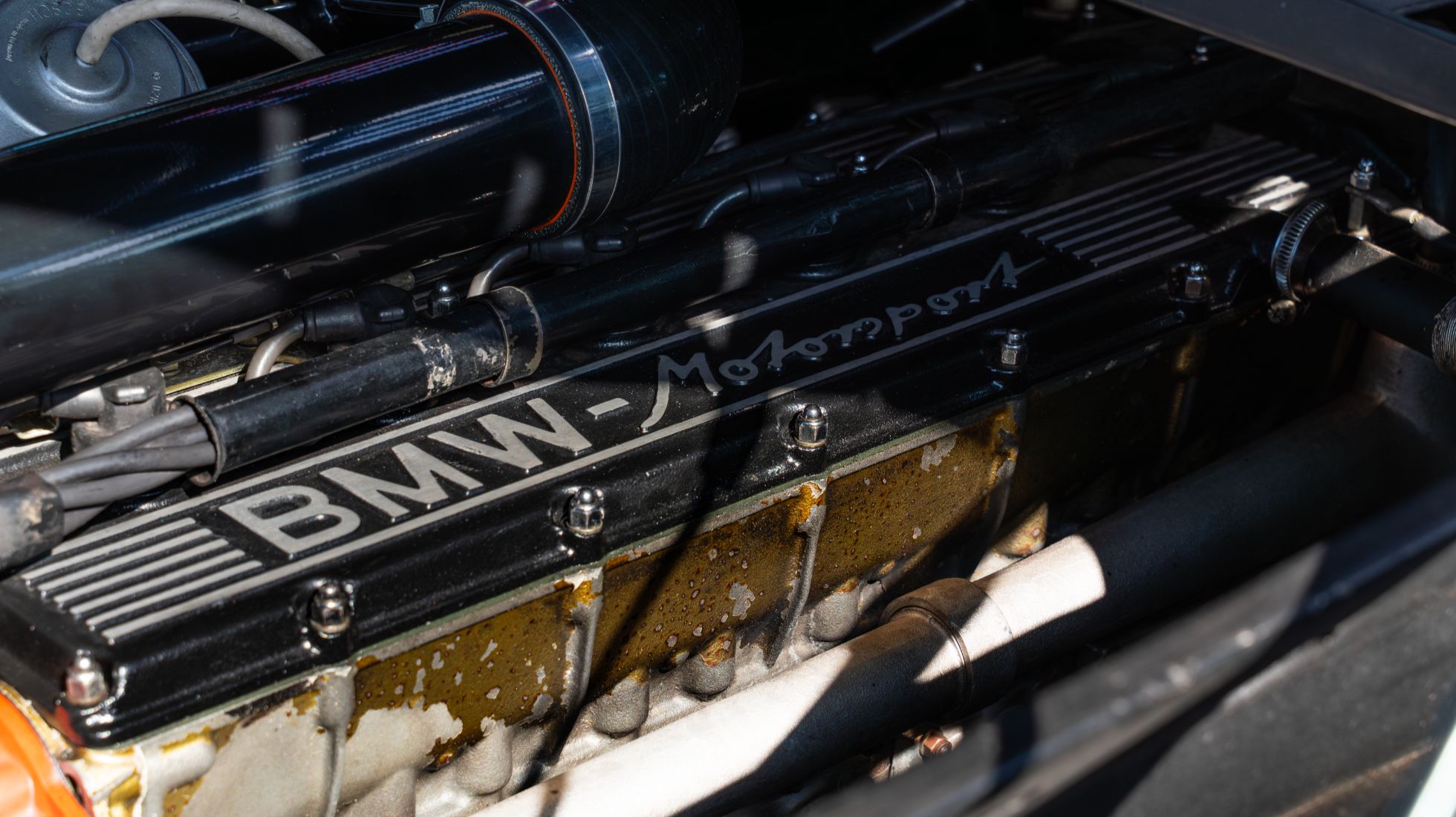
BMW, though, lacked the capacity and know-how to produce these specialised mid-engined supercars, so it turned to a brand that specialises in just that. Lamborghini. The raging bulls were initially tasked with producing 400+ units to compete in Group 4 homologation racing using BMW engineering underneath. The engine in question? The famous M88 straight-6. The idea was that BMW would compete in a naturally aspirated version in Group 4 and then turbocharge it and compete in Group 5 with a monster.

It was called the E26 (BMW M1), and they roped in a designer who knew a few things about building pretty mid-engined supercars. Giorgetto Giugiaro, founder of Italdesign. Giugiaro is a legend in Italian vehicle design and one of Lamborghini’s trusted collaborators. He was an expert in mid-engined masterpieces and a fitting choice for the M1’s design.
It was quite the operation. BMW needed money. They focused on sedan production, as that was the real income generator. It outsourced a significant portion of the M1’s production to other companies. Italdesign was responsible for the design and hand assembly; TIR constructed the fibreglass body; Marchese built the space-frame chassis; Baur completed the final mechanical build; and BMW meticulously scrutinised the model to ensure it met all standards and maintained its standing as a BMW. Lamborghini went bankrupt in 1977 and never reached full production responsibility, which slowed down production. It resembled less a production line and more an automotive relay race across Europe.
By 1979, the tragedy began to unfold. The M1 took longer than expected to develop, and it was destined to race in the Group 5 Silhouette car category; only now, four years after its development began, the Silhouette Class was changing again, becoming more expensive and faster thanks to its turbocharged field. Regulations shifted again, and the M1’s target kept moving. It was forced to compete in the new Group 4 and endurance classes, and it didn’t live up to expectations. Turbo development focus shifted toward BMW’s emerging Formula One programme, leaving the M1’s racing evolution behind. It was a disaster, and it’s about here where the M1 story gets muddled.
Some privateers modified M1s to compete in the Group 5 class, and customers were forced to adapt the car for various disciplines. The M1, as a factory-backed racing effort, never fully delivered on its promise. So they designed their own class, Procar. It was an epic idea: take the top five qualifiers from each Formula 1 weekend during the 1979 and 1980 seasons and put them in a field of privateers all racing the M1. It was entertaining racing, but with F1 drivers appearing and disappearing mid-season, the competition was never quite constant.
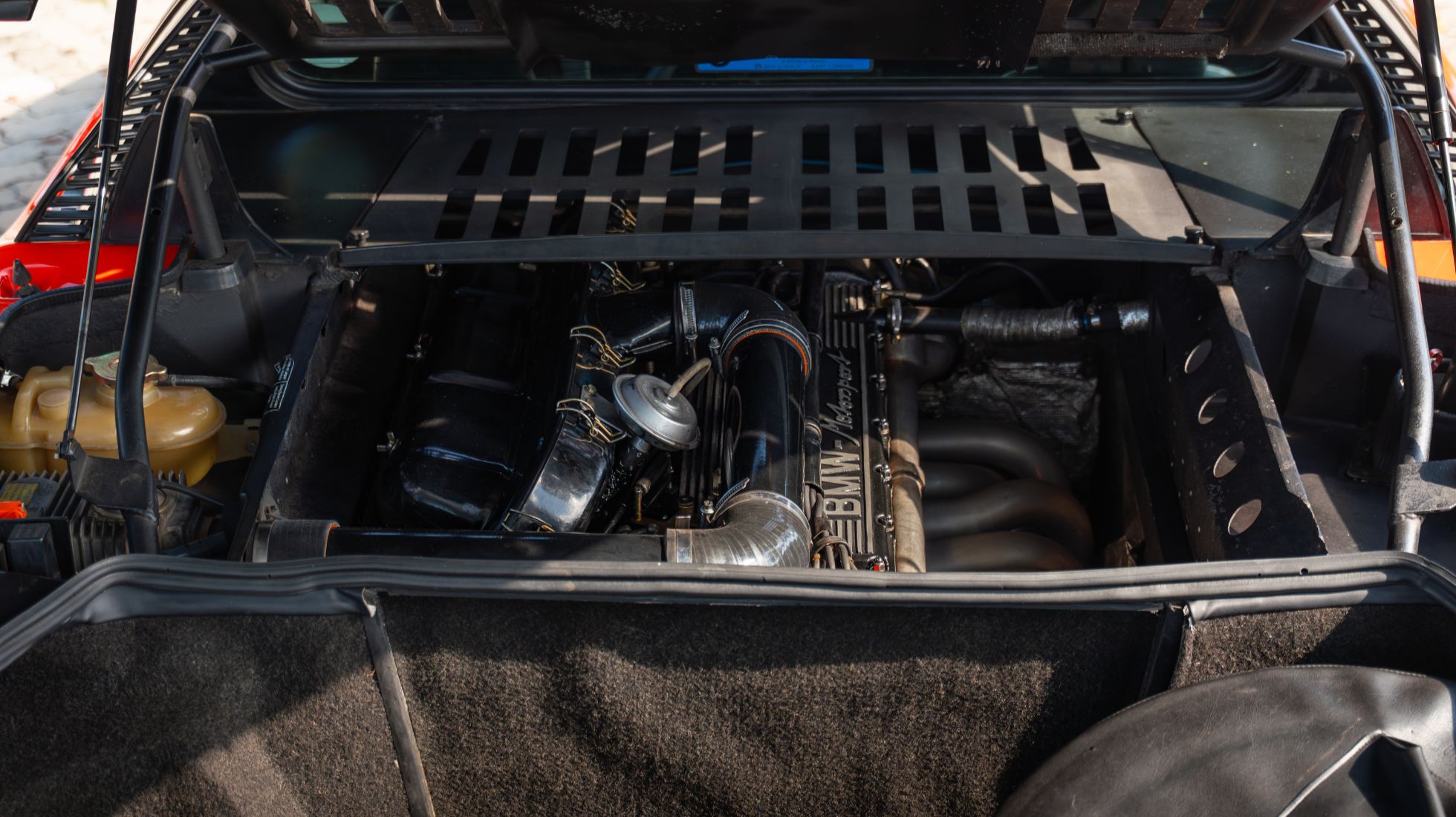
Under the body of the 399 road-going production cars lived a bulletproof 3.5-litre M88 inline-6. It produced 204kW, topped out at 265km/h and became renowned for offering customers a real road-going race car. This street challenger proved a success, and customers were offered a gorgeous Italian design supercar with BMW performance. It was famed for its incredible feel, its balance and its communicative chassis, and many said it drives pretty much like a **normal** car.
Due to its lack of racing success and the brand’s focus on sedans, BMW cut the M1’s motorsports budget by 75%. The Procar Series was eventually sold off, and the car had served its purpose. The M1 was only produced from 1978 to 1980, with only 453 ever made: 399 as road cars and 54 as race cars. So it’s rarer than hen’s teeth as a failed race car but famed as an exceptional road car.
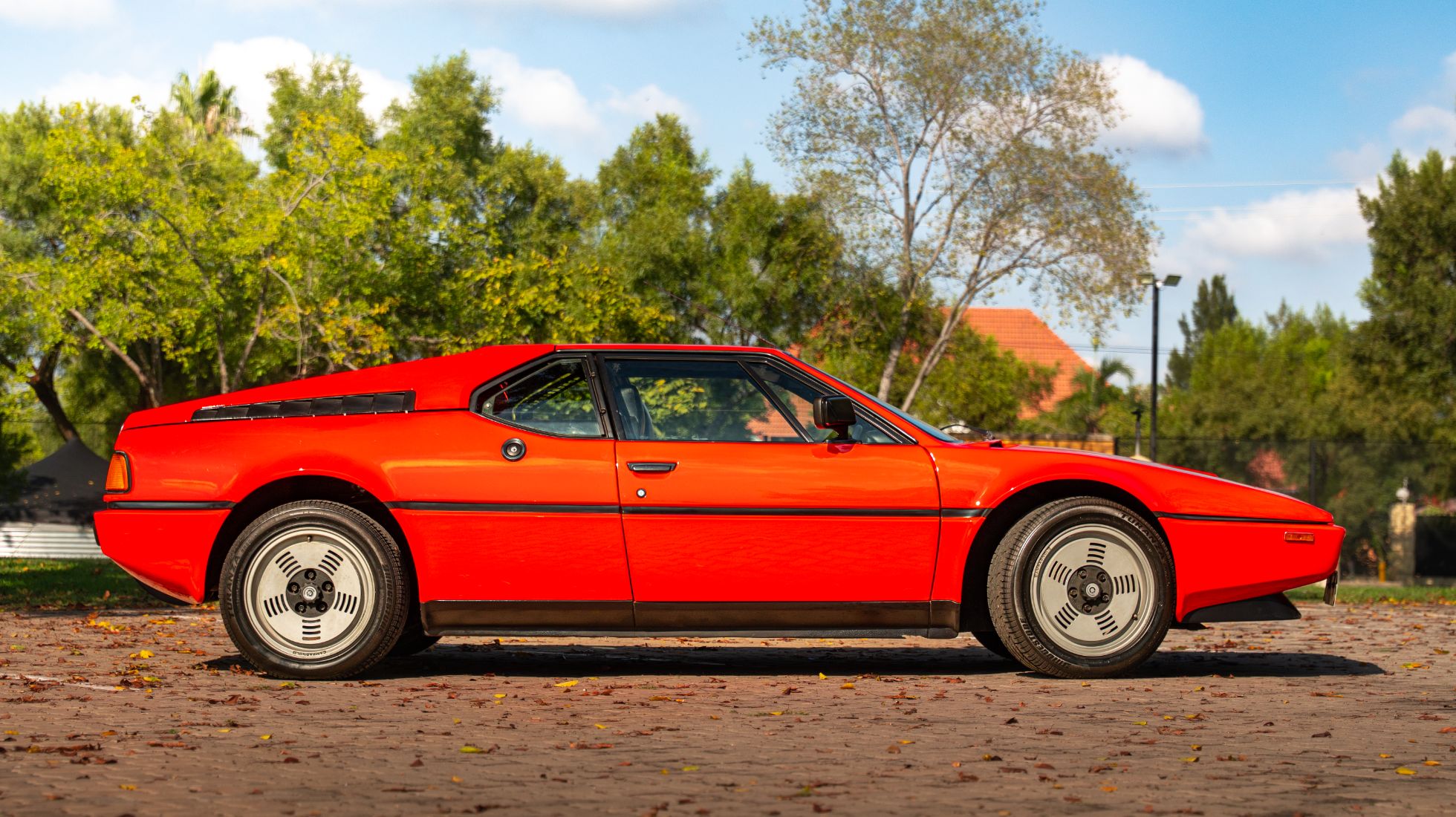
Here in South Africa, there are reportedly four M1s, and one appeared at the Creative Rides auction in late March. The previous record for the most expensive classic car sold in South Africa was a BMW 333i at R3m, but Creative Rides smashed that with the M1 at a whopping R9.75m. A massive feat and one which no other classic auctioneer can compete with, keeping Creative Rides at the very top of national classic car dealers.
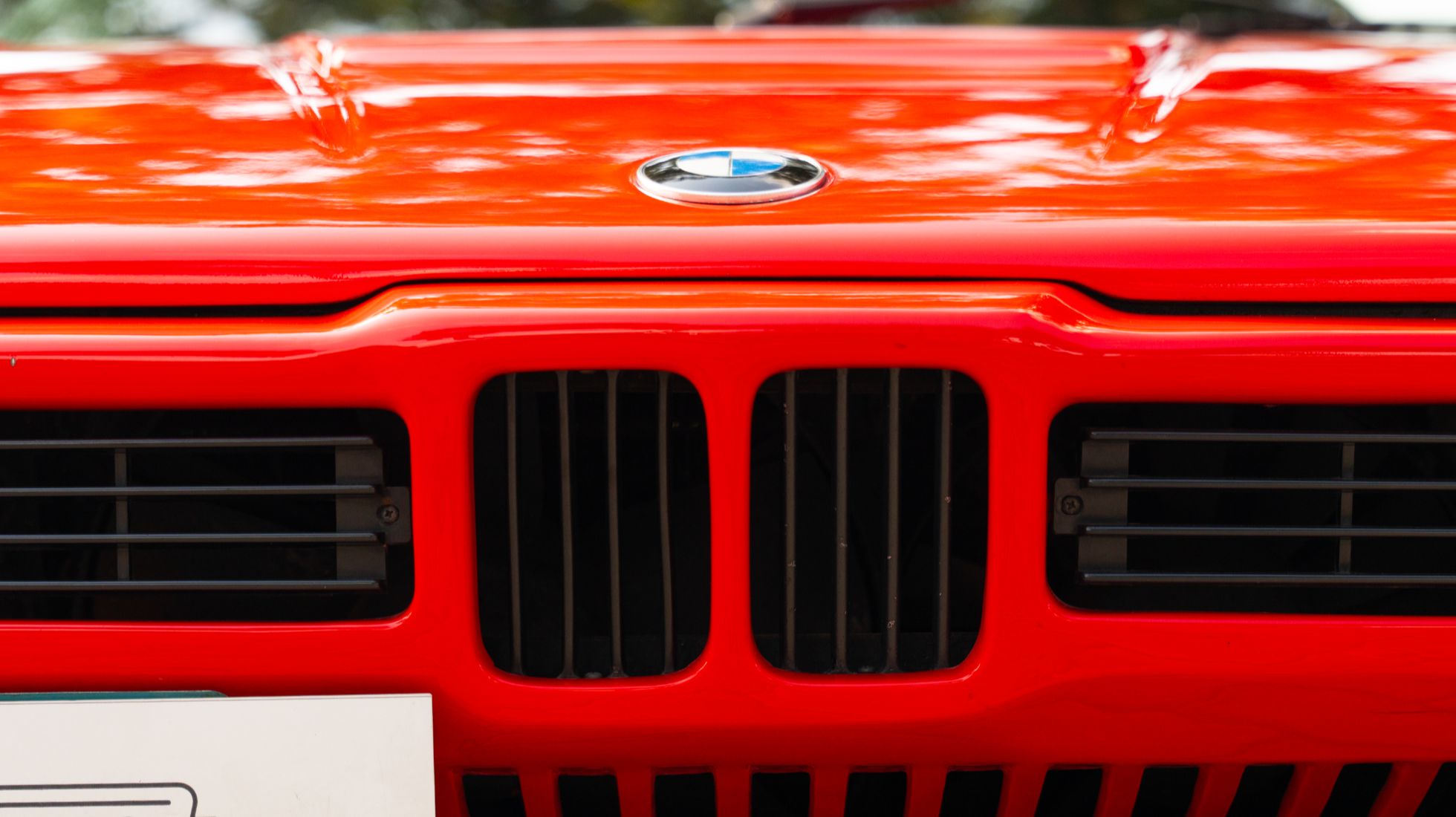
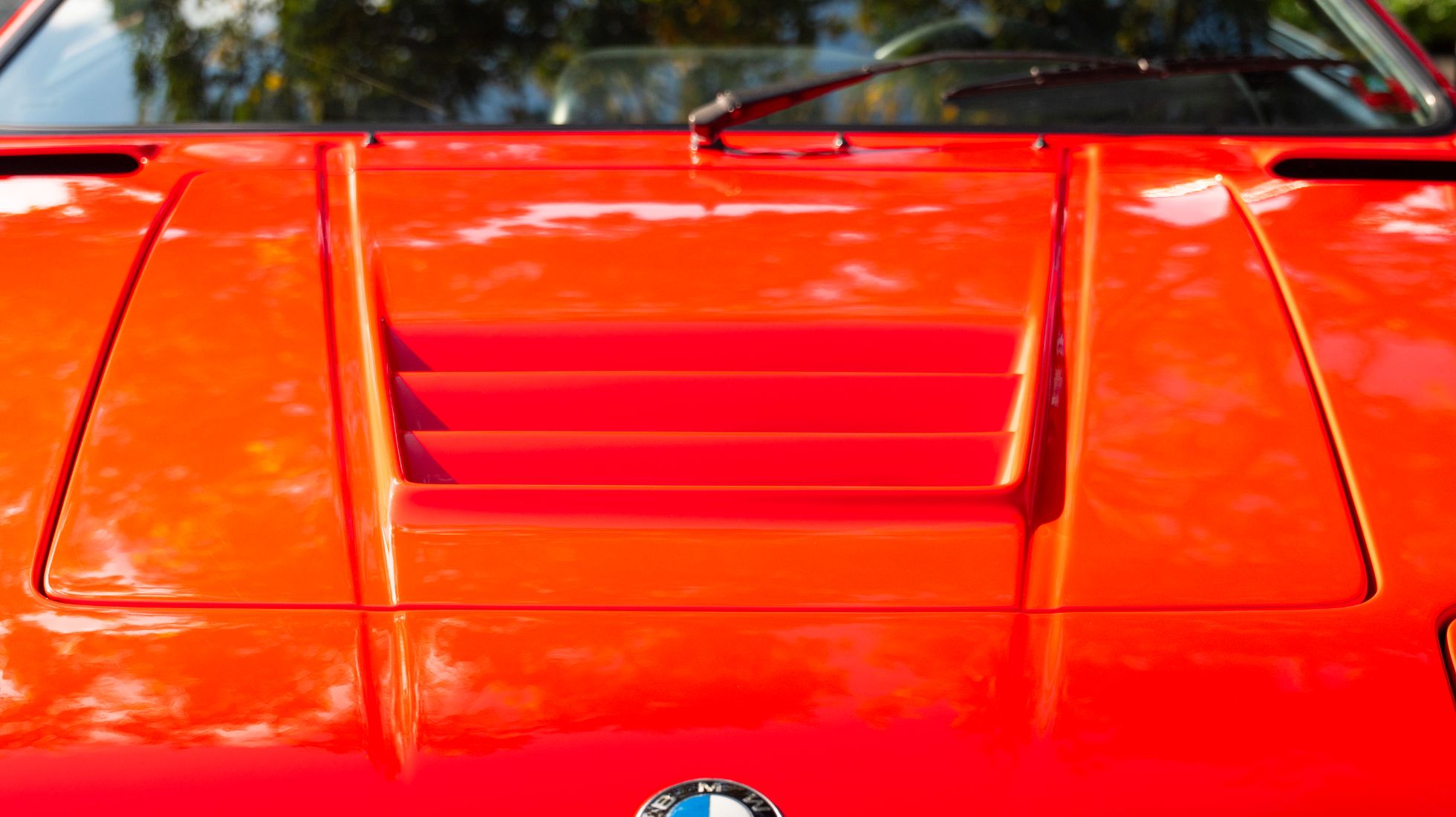
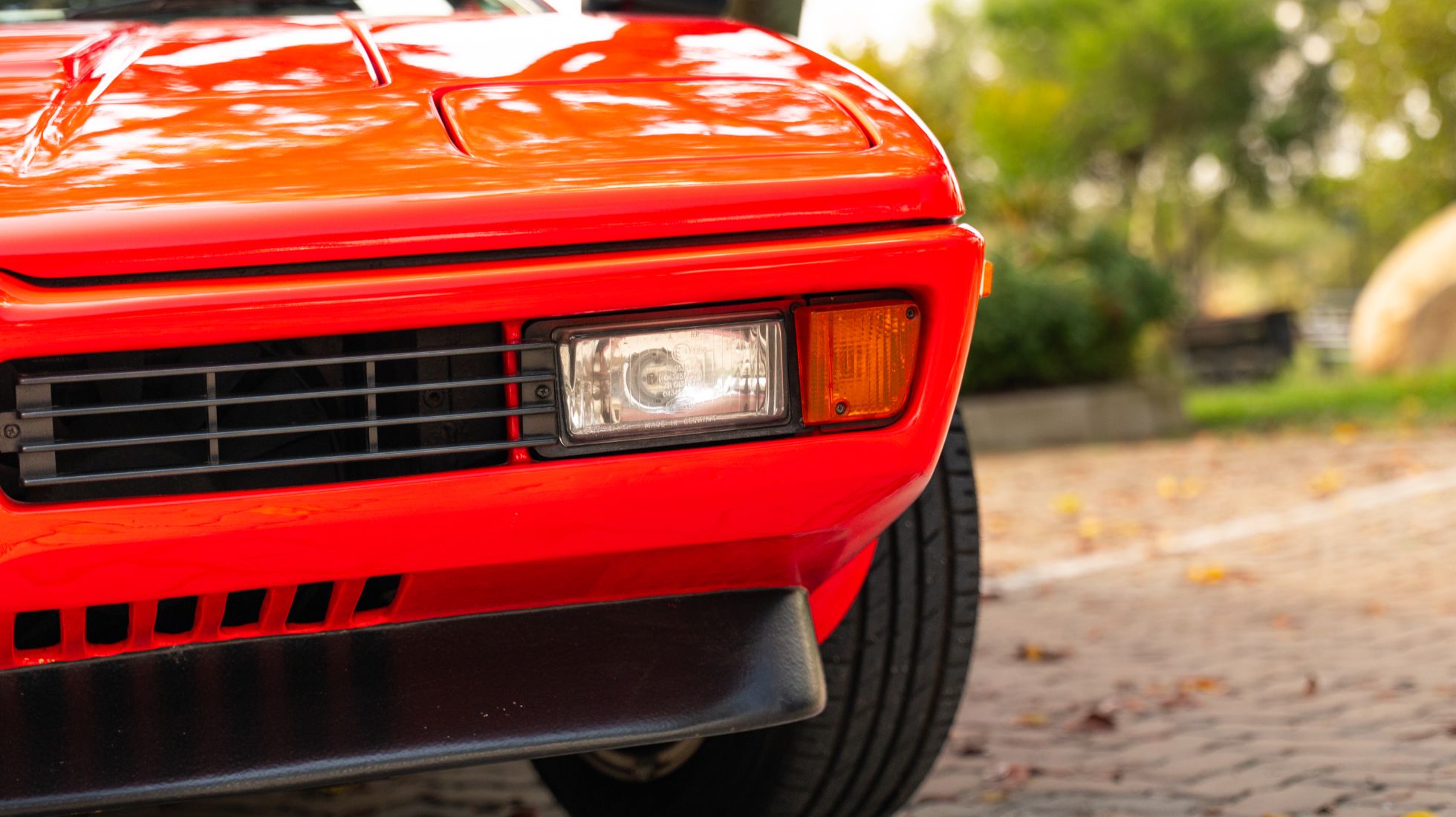
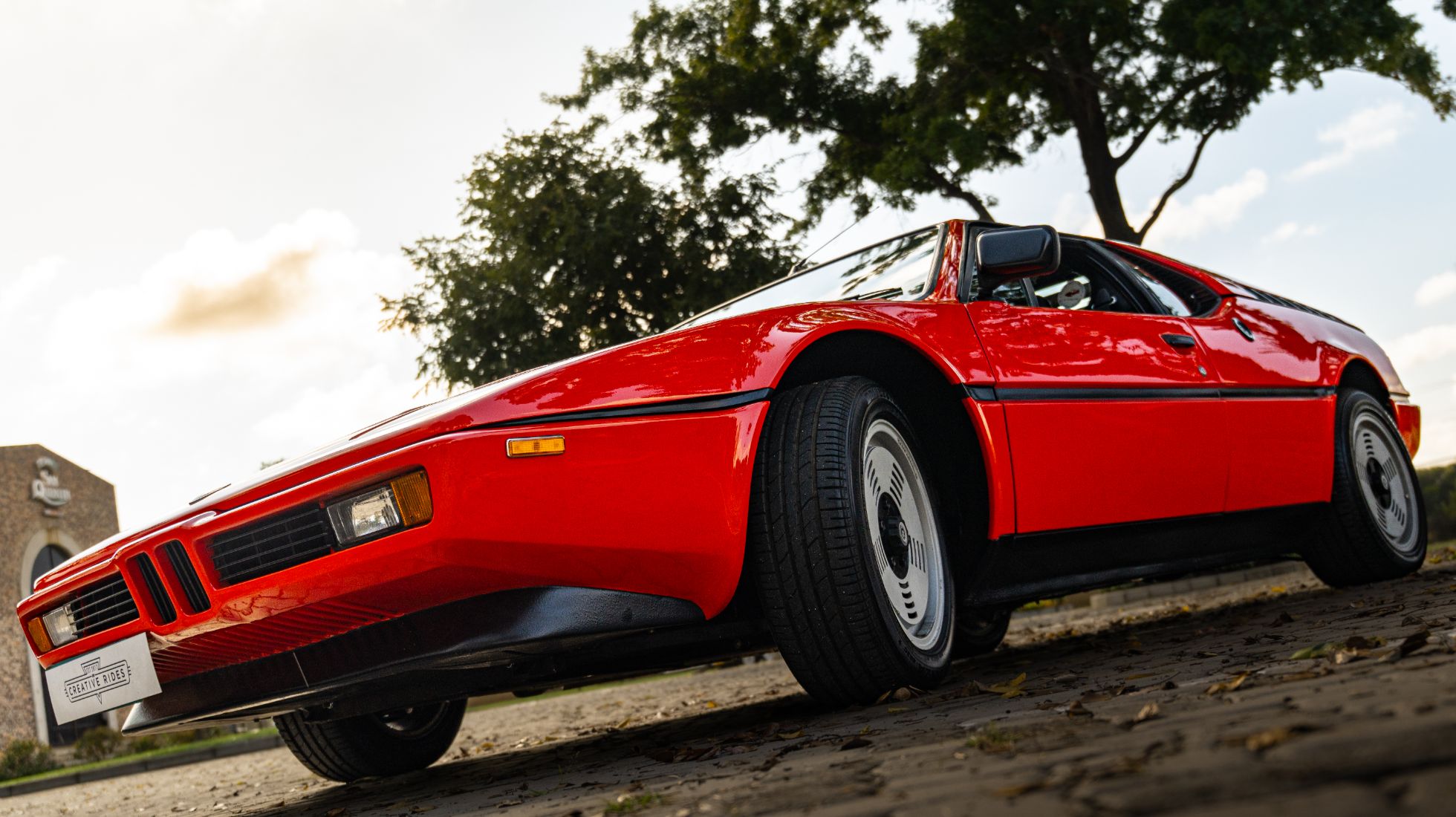
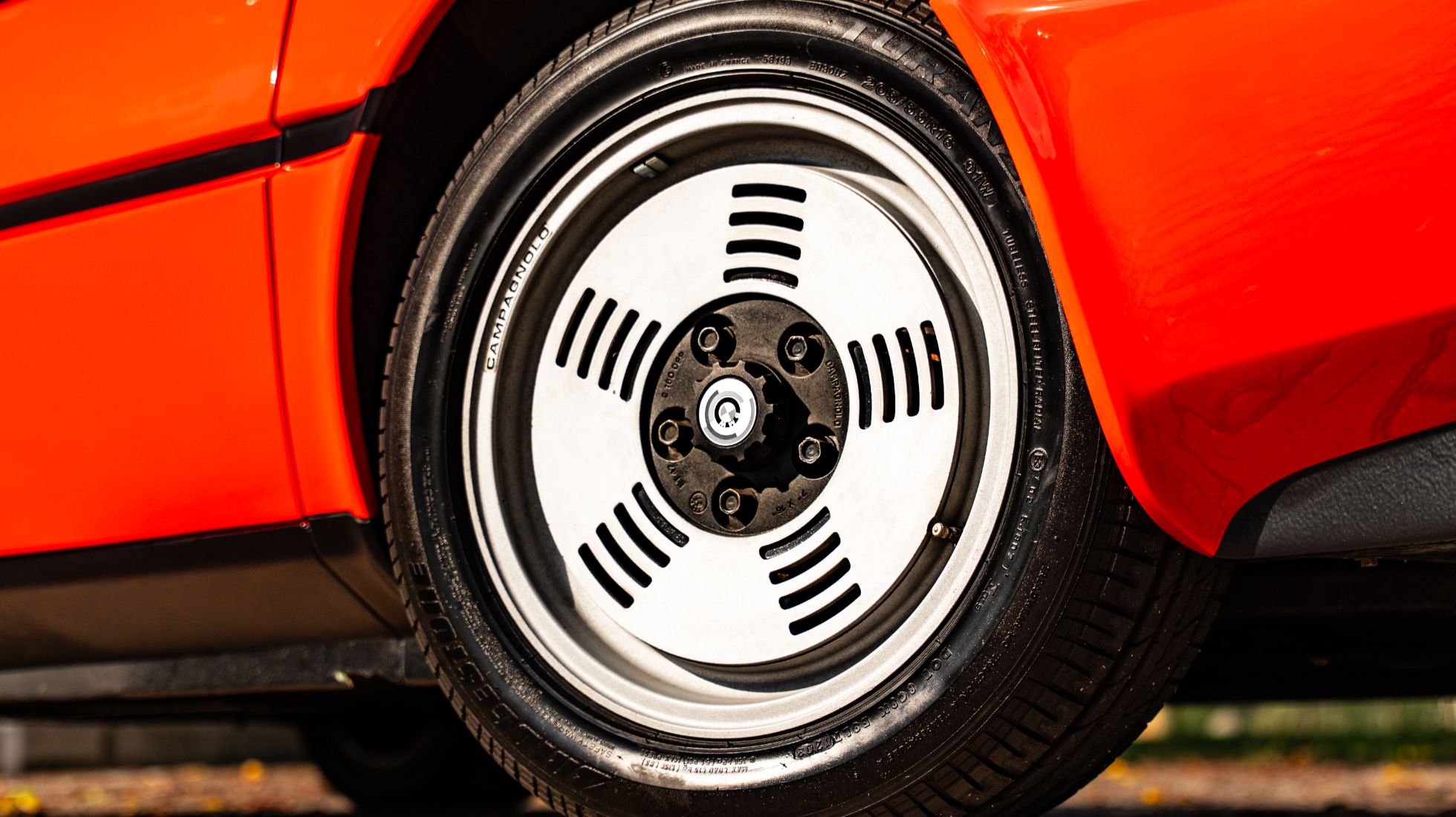
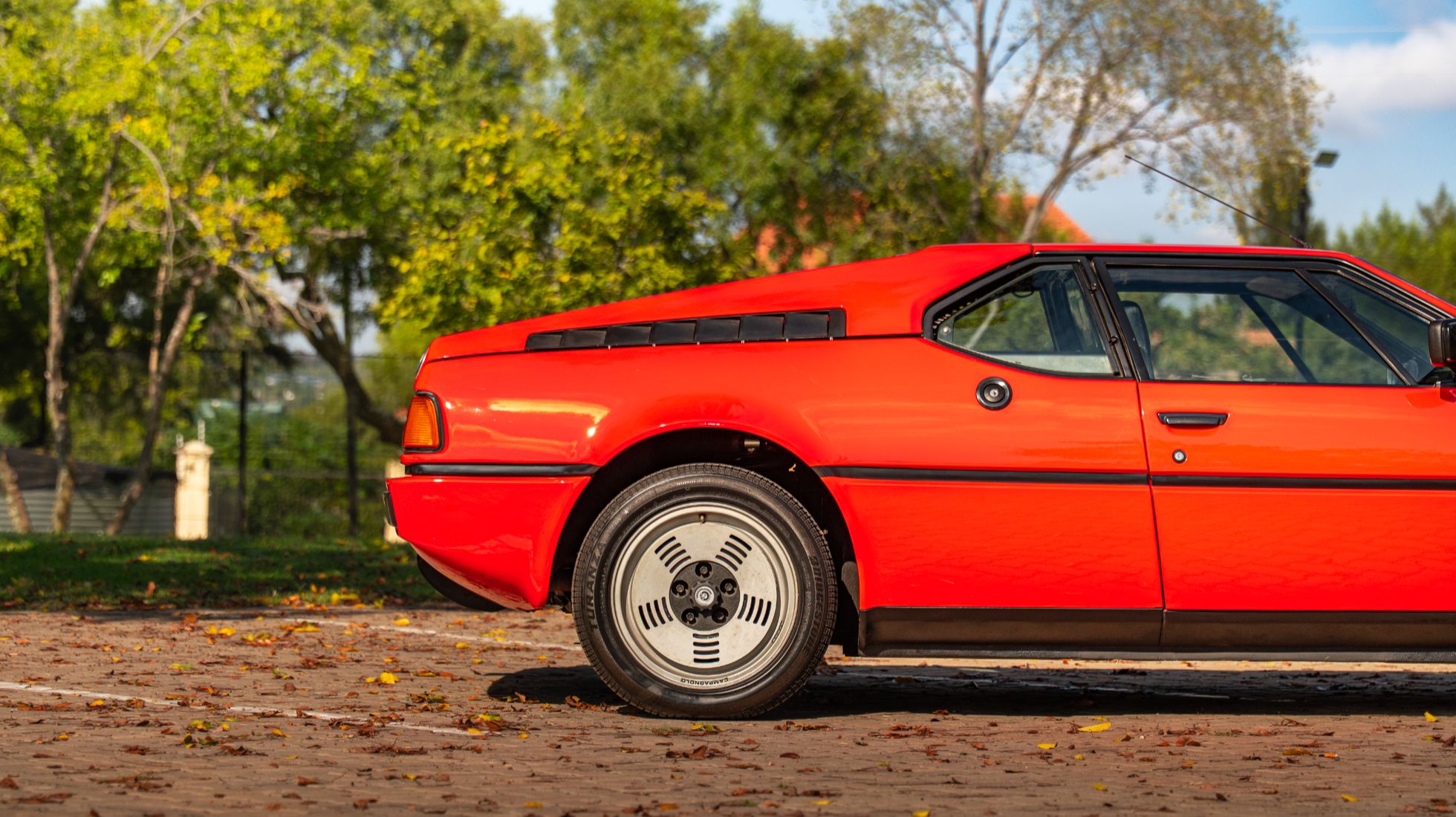
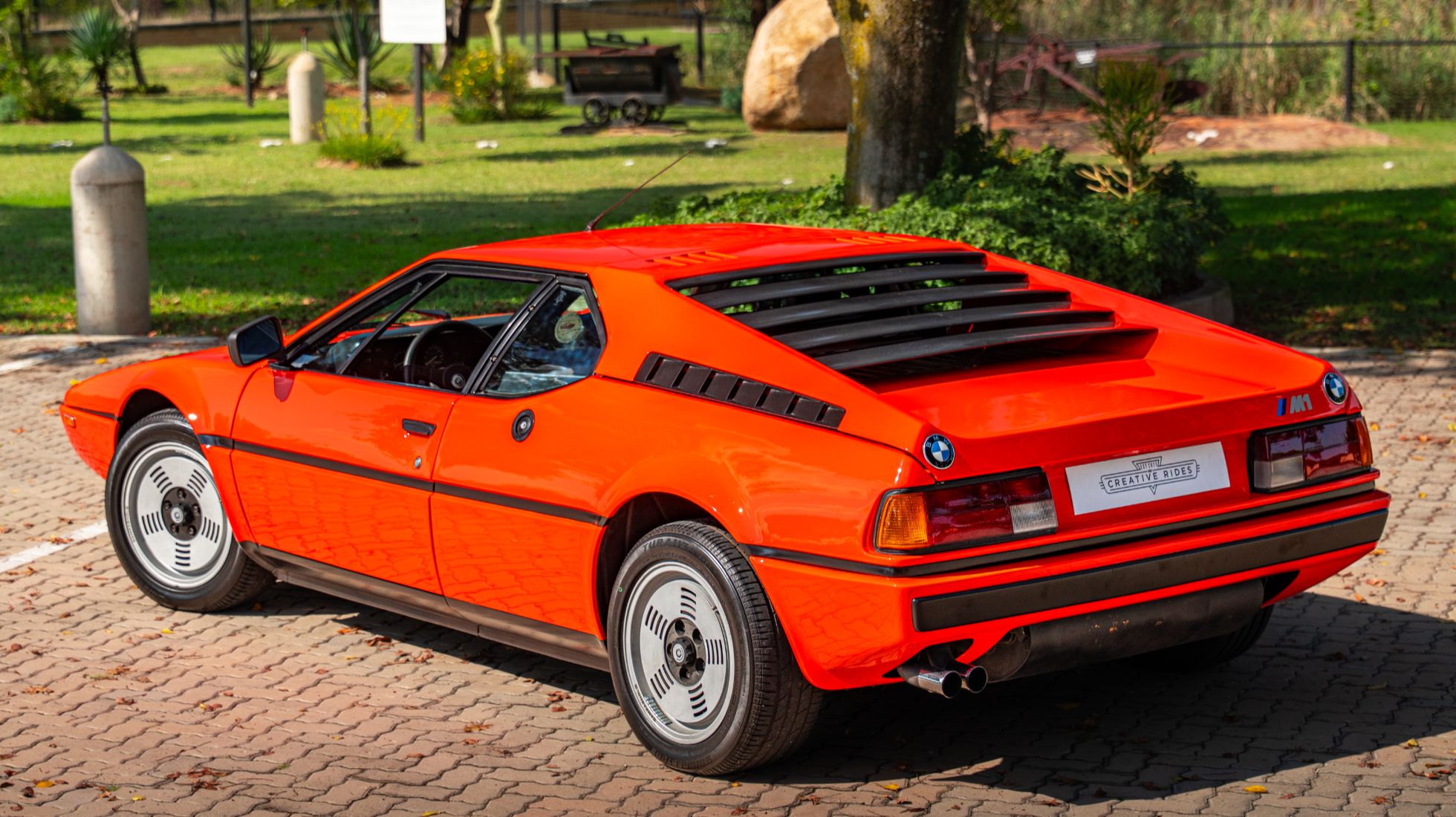
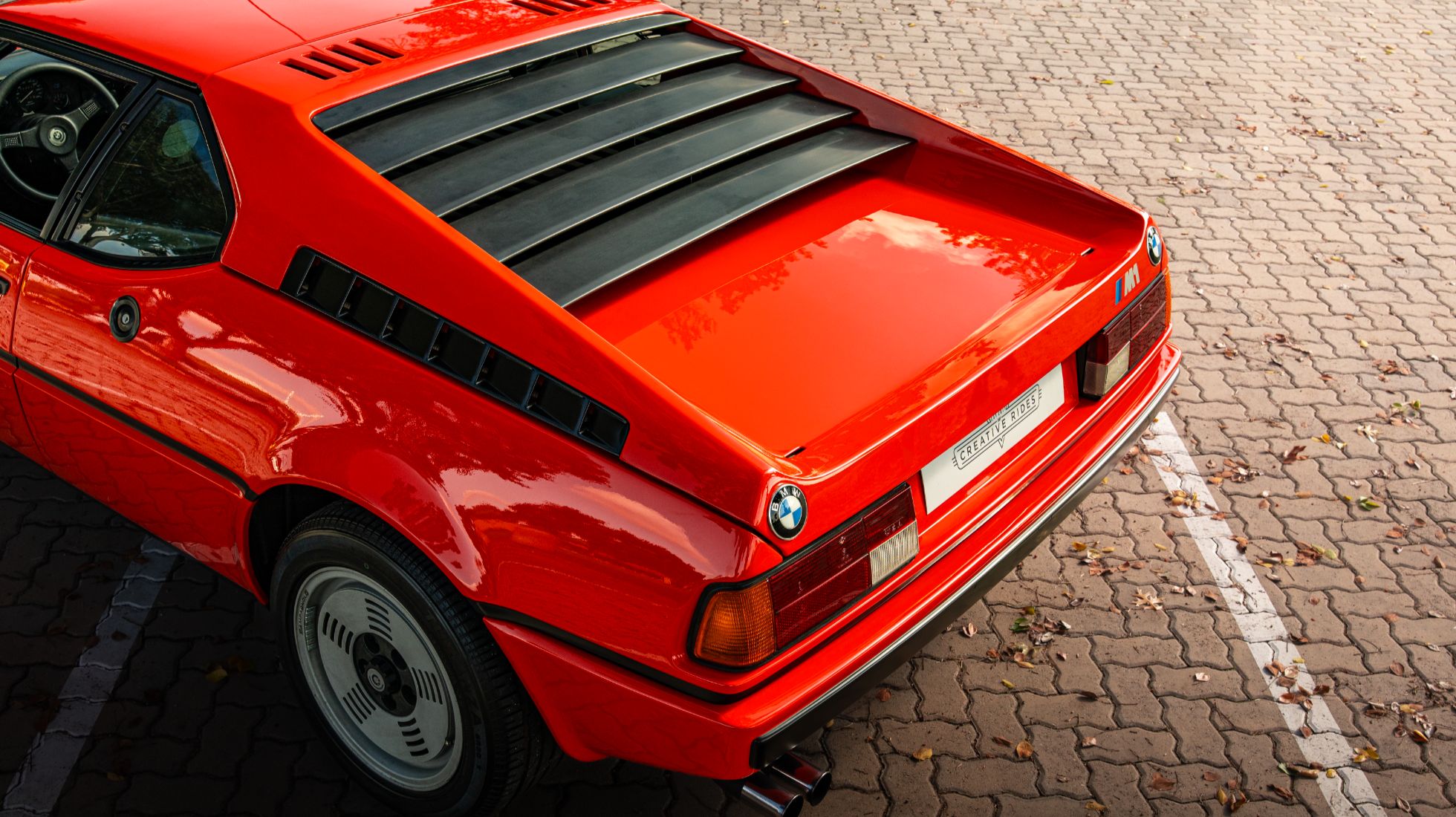
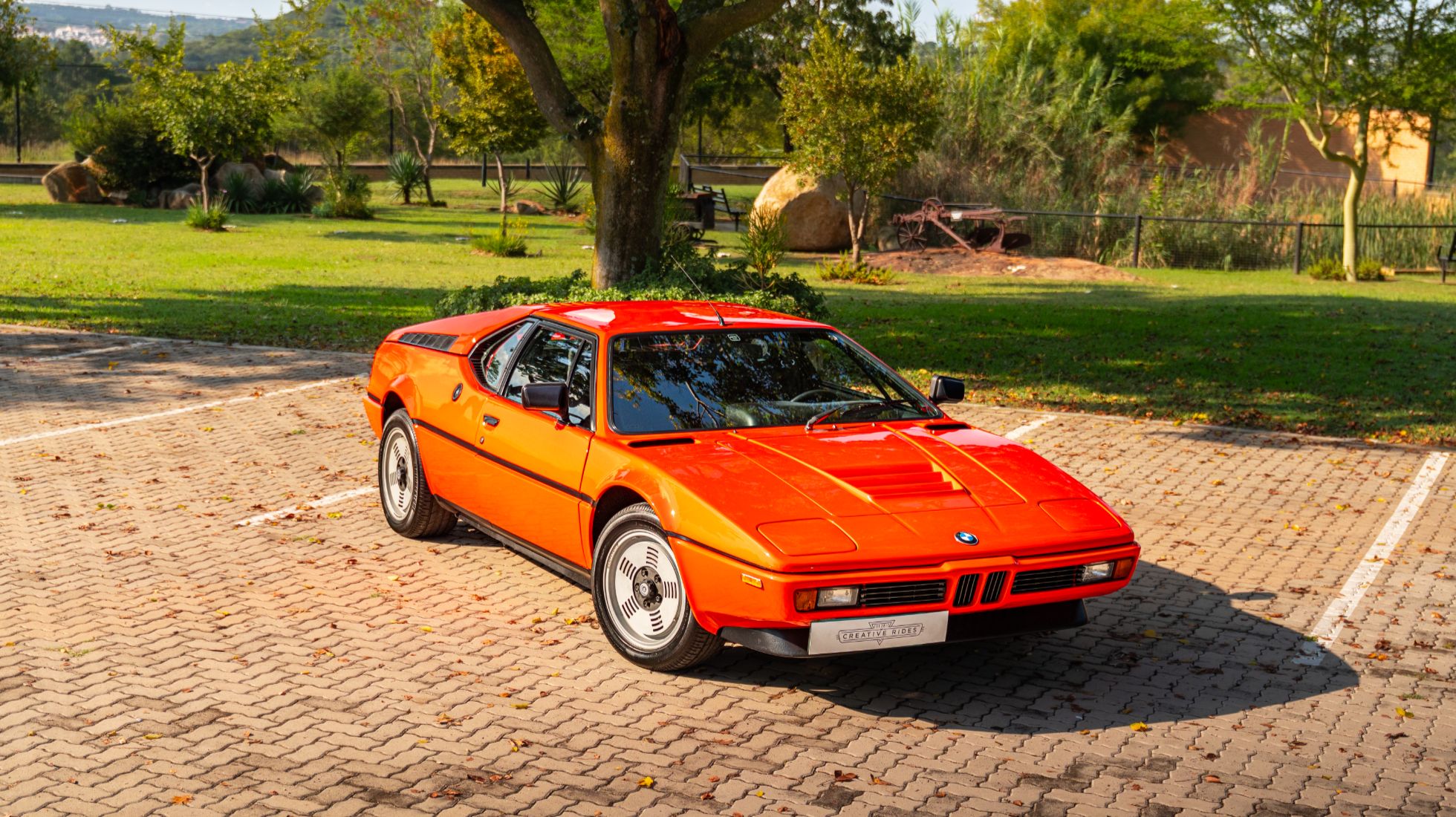
Hearing about it is one thing. But I was there, and the atmosphere was epic, but it’s a pretty boring story if I just watched somebody buy one, right? So, with one call and the new owner on board, the following day, a burnt-red, record-breaking M1 appeared on set and was ready to pose. It’s striking in the metal with a face that tells a story of racing aspirations and heartbreak. I took a moment to soak it in as I walked around the shell of a Lamborghini-designed, mid-engined BMW and noticed all the details that make classic homologation cars so special.
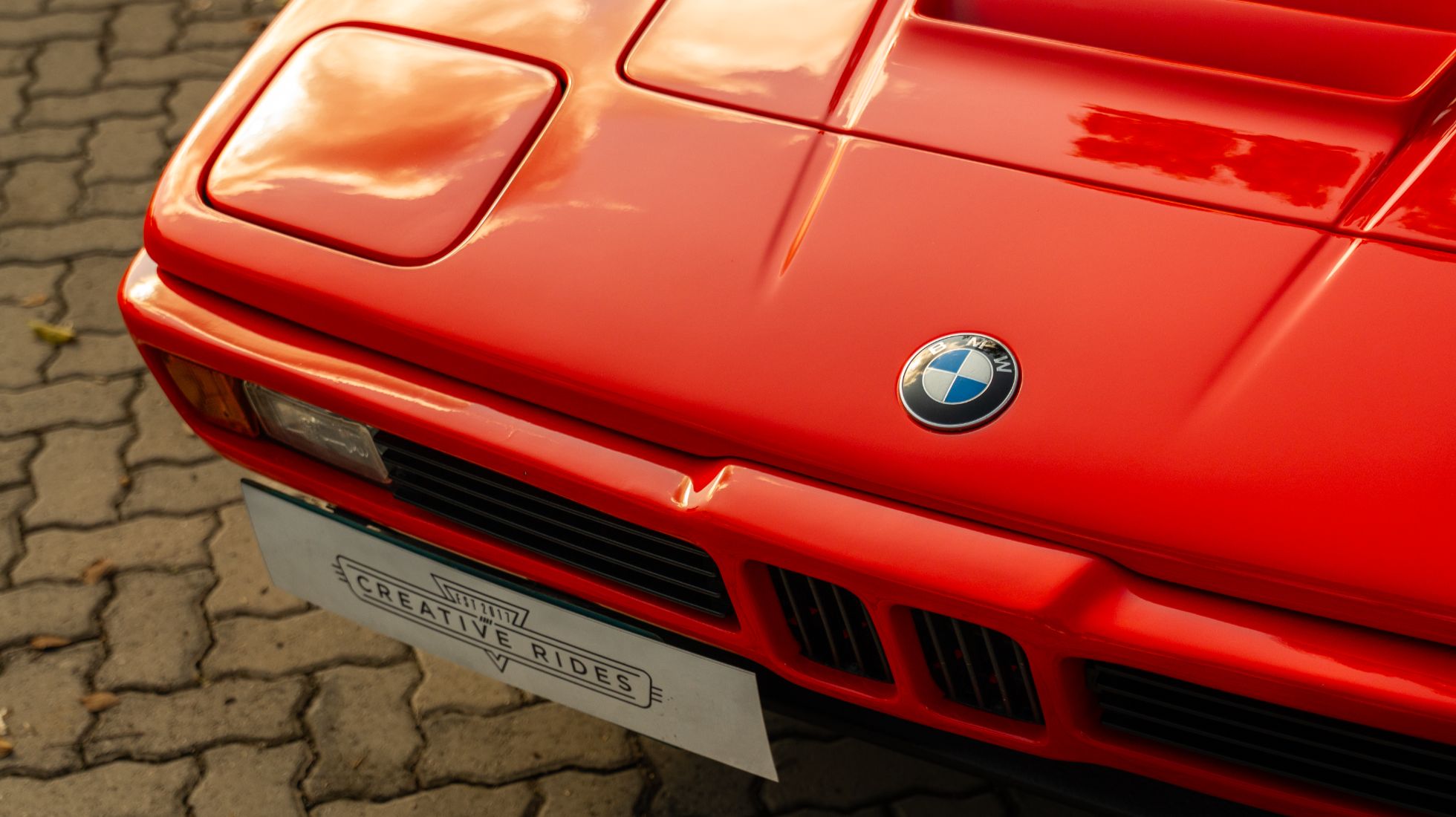
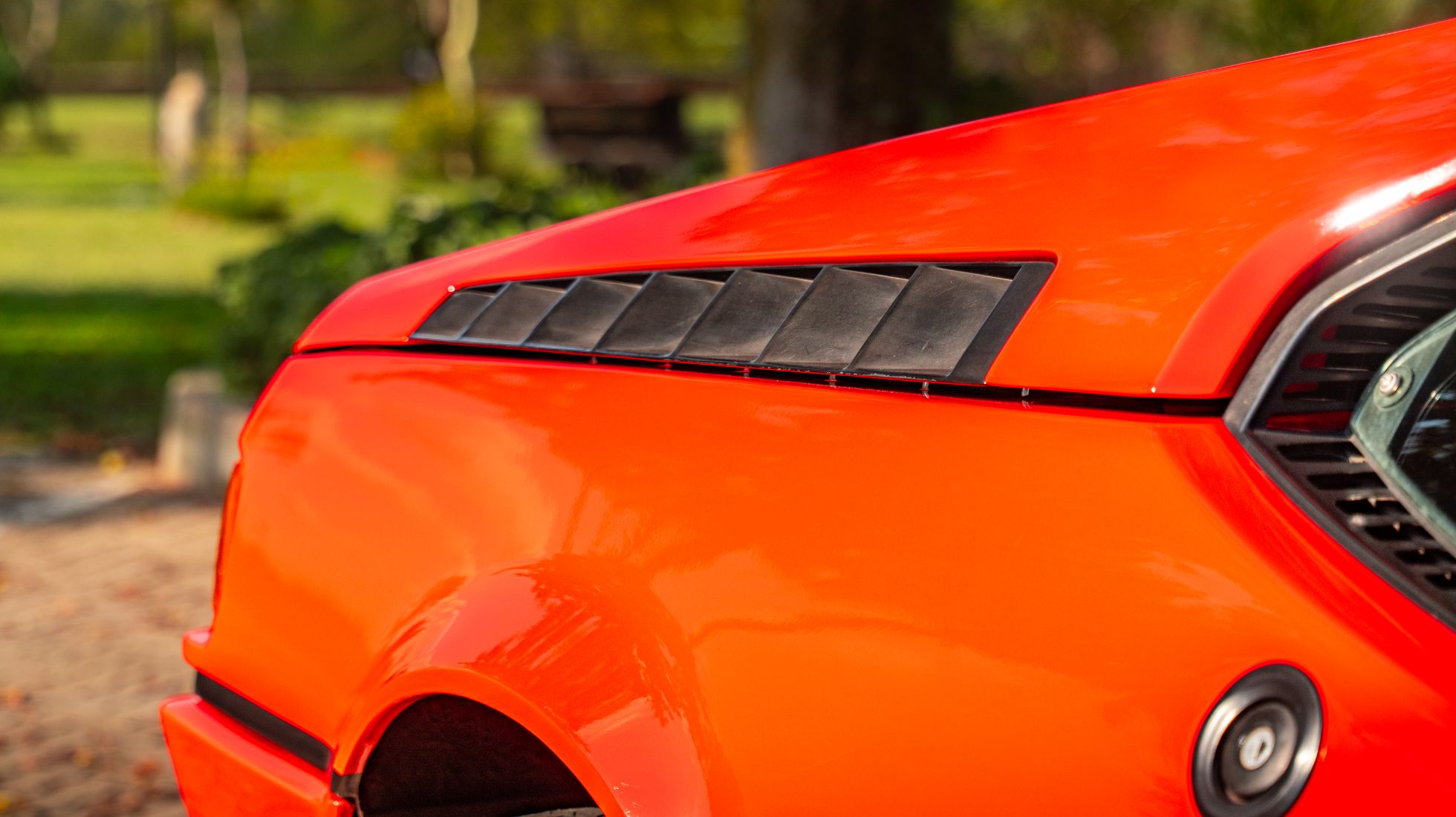
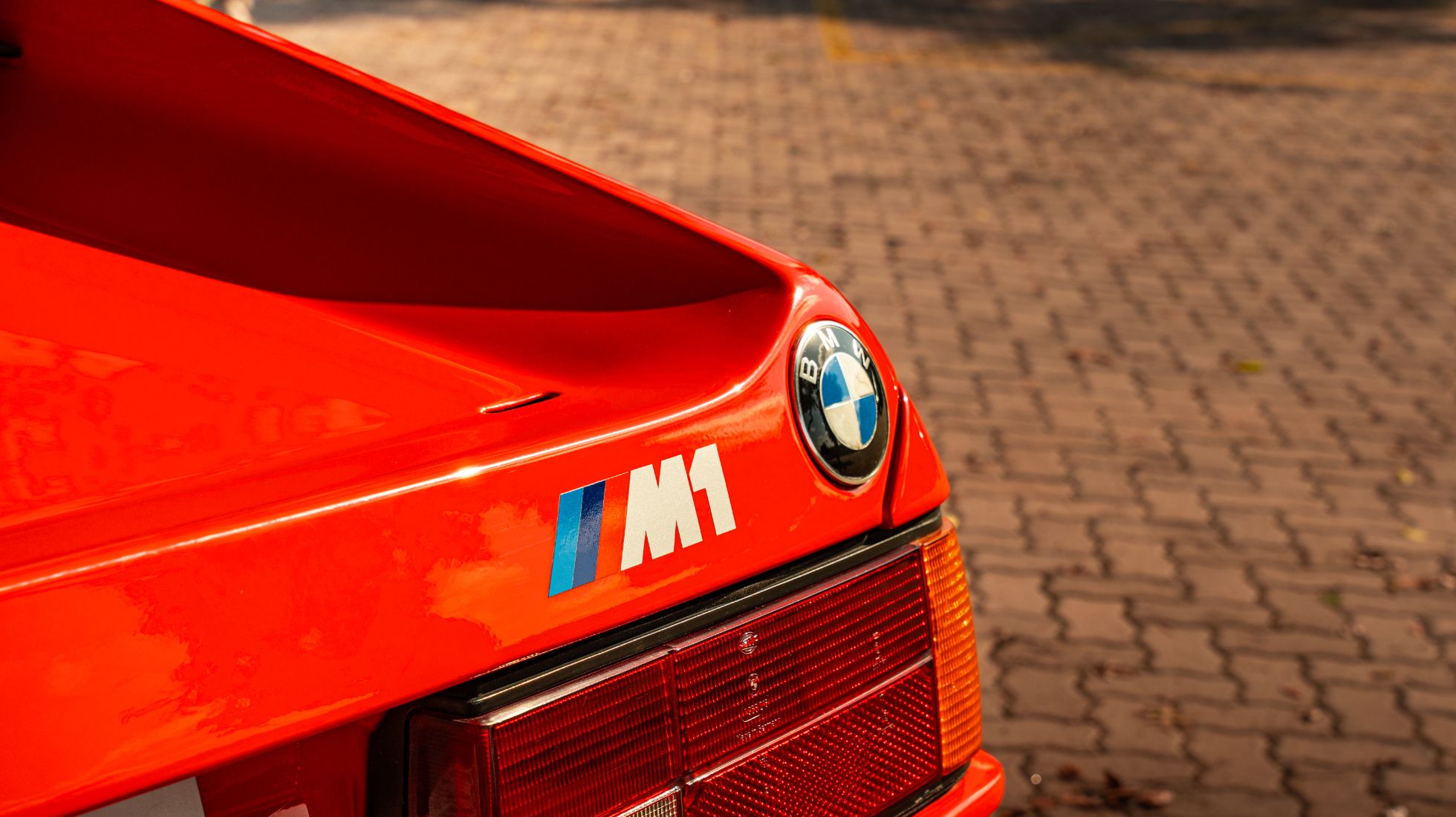
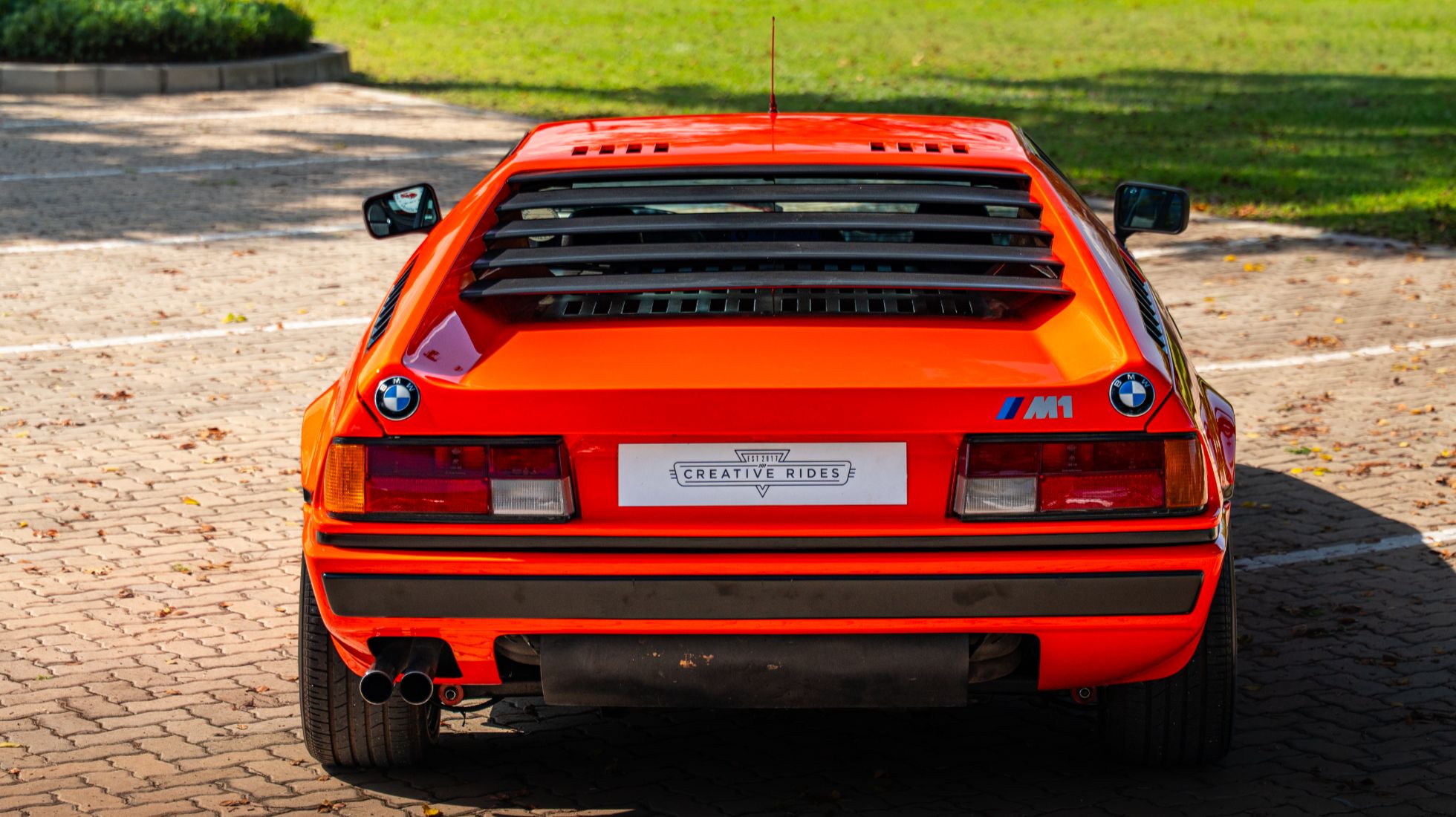
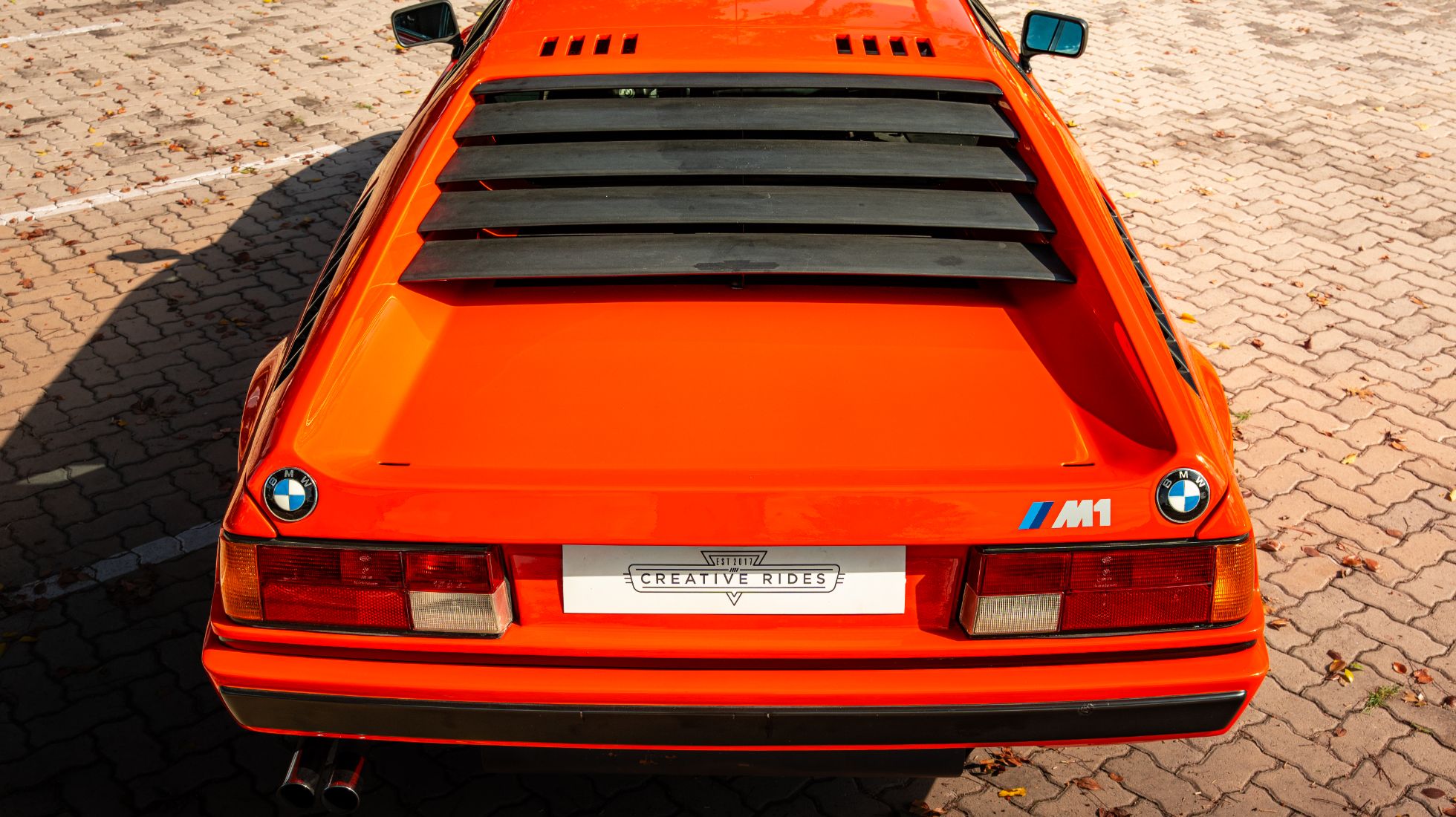
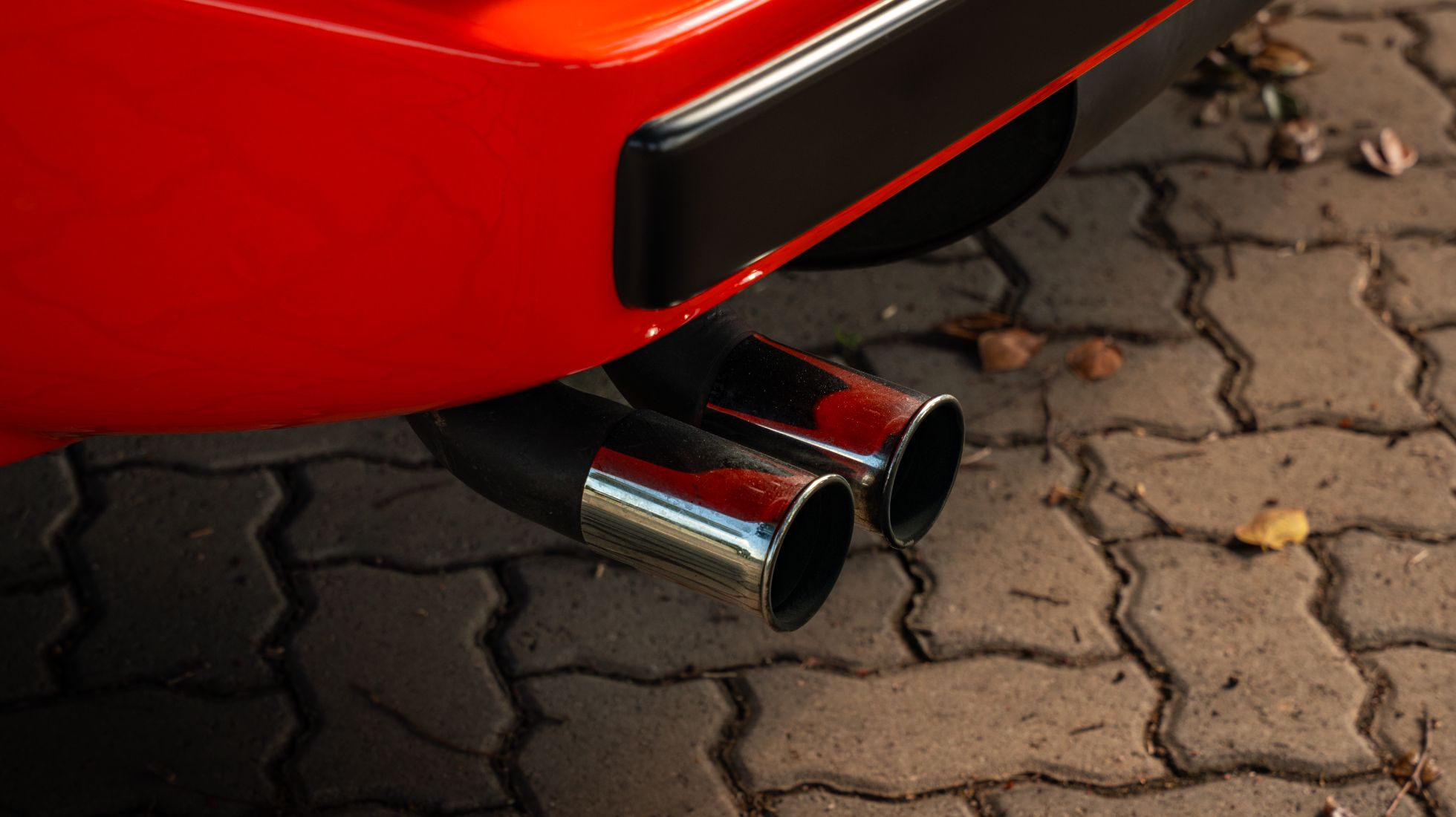
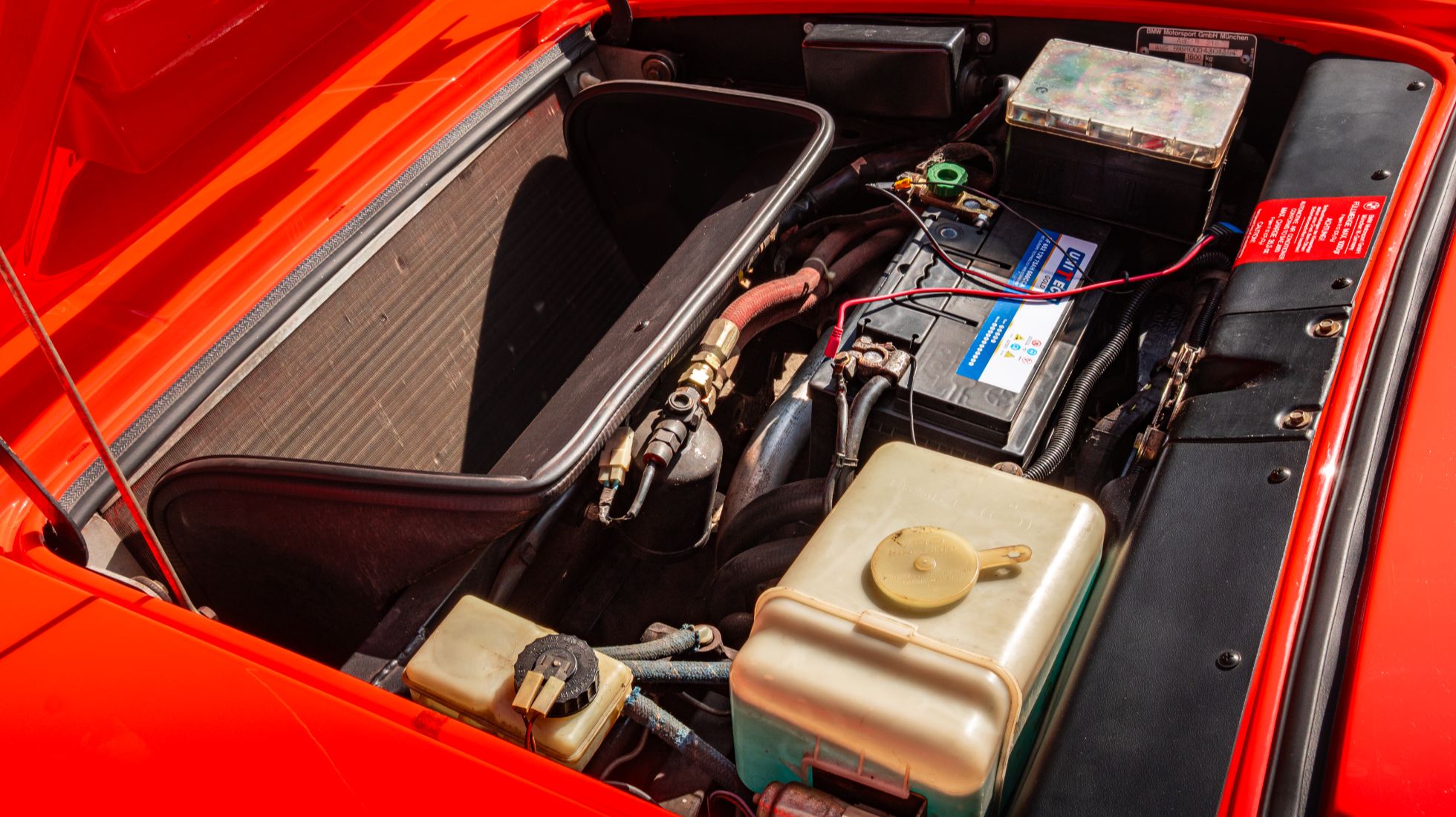
The two BMW badges at the back might look odd, but they tell the unique story of a car that really tried to be something more than a road car. The two fuel caps are to simplify pit stops at different venues. A wedge design with intricate vents and ducting keeps the car glued to the ground and the engine bay cool. And a low-profile design that forced you to kneel just to see inside. It was a race car with number plates.
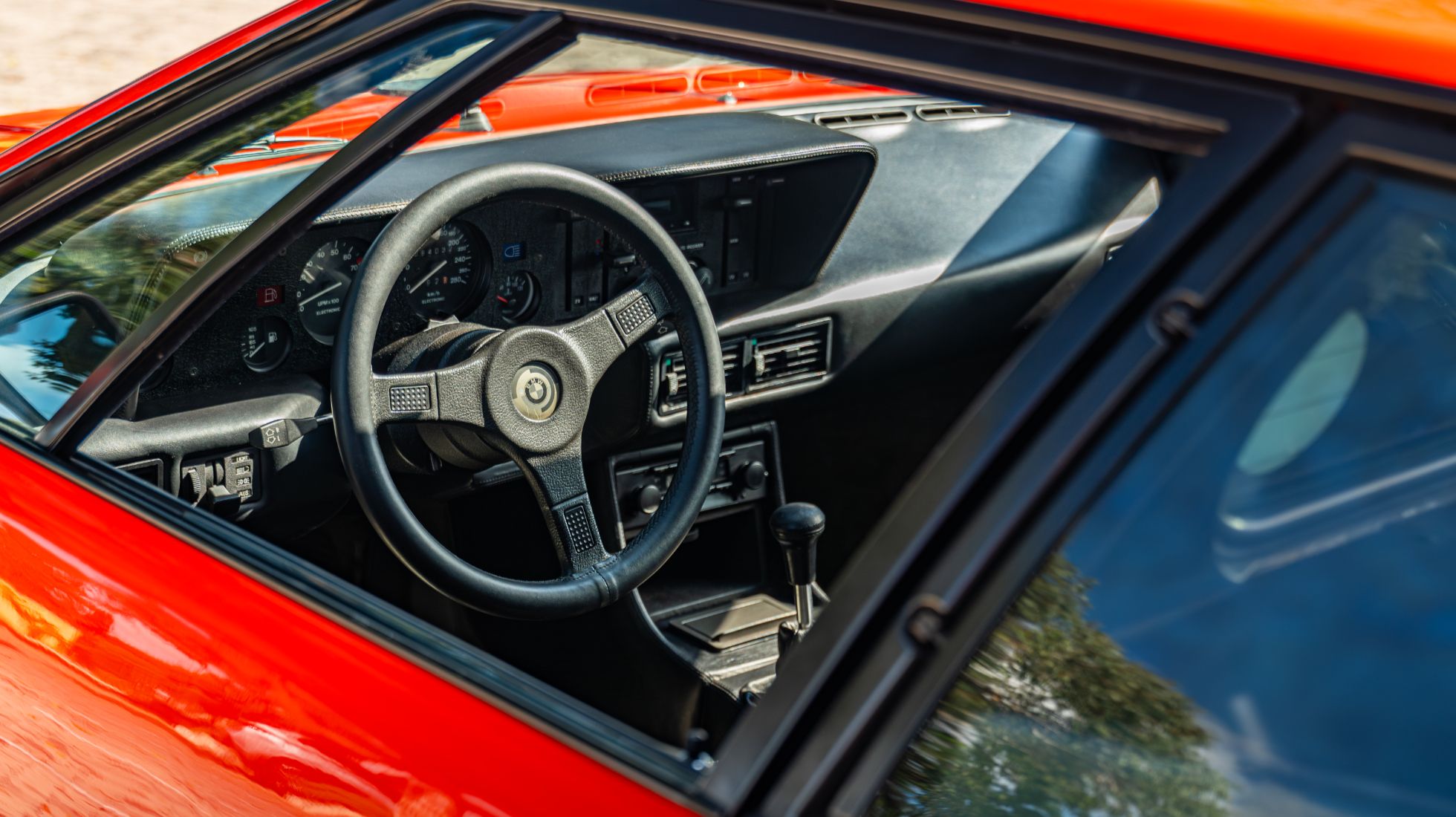
There was a graceful presence to this M1. You almost couldn’t stop looking at it. The rarity, the story, all sitting as a small piece of an epic story, right here in my hands. As I fell into the driver’s seat, I quickly realised there was no way on earth I could get my right leg under the steering wheel, so I got out, re-evaluated my entry, and tried again. This time, I led with my right leg. Steering wheels were only fitted on the left side, so once I slotted my leg between the gear lever and the steering wheel, I was in.
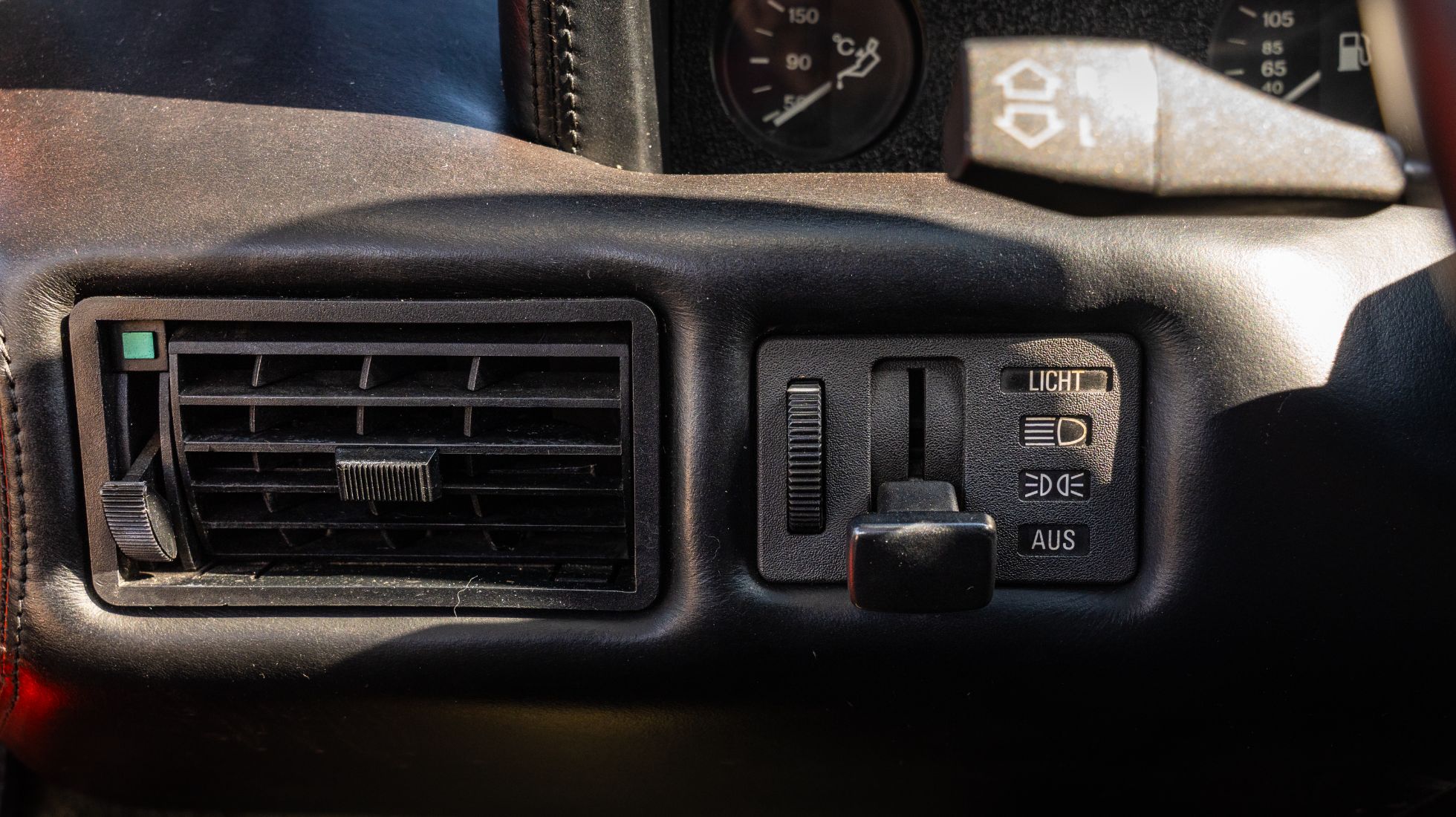
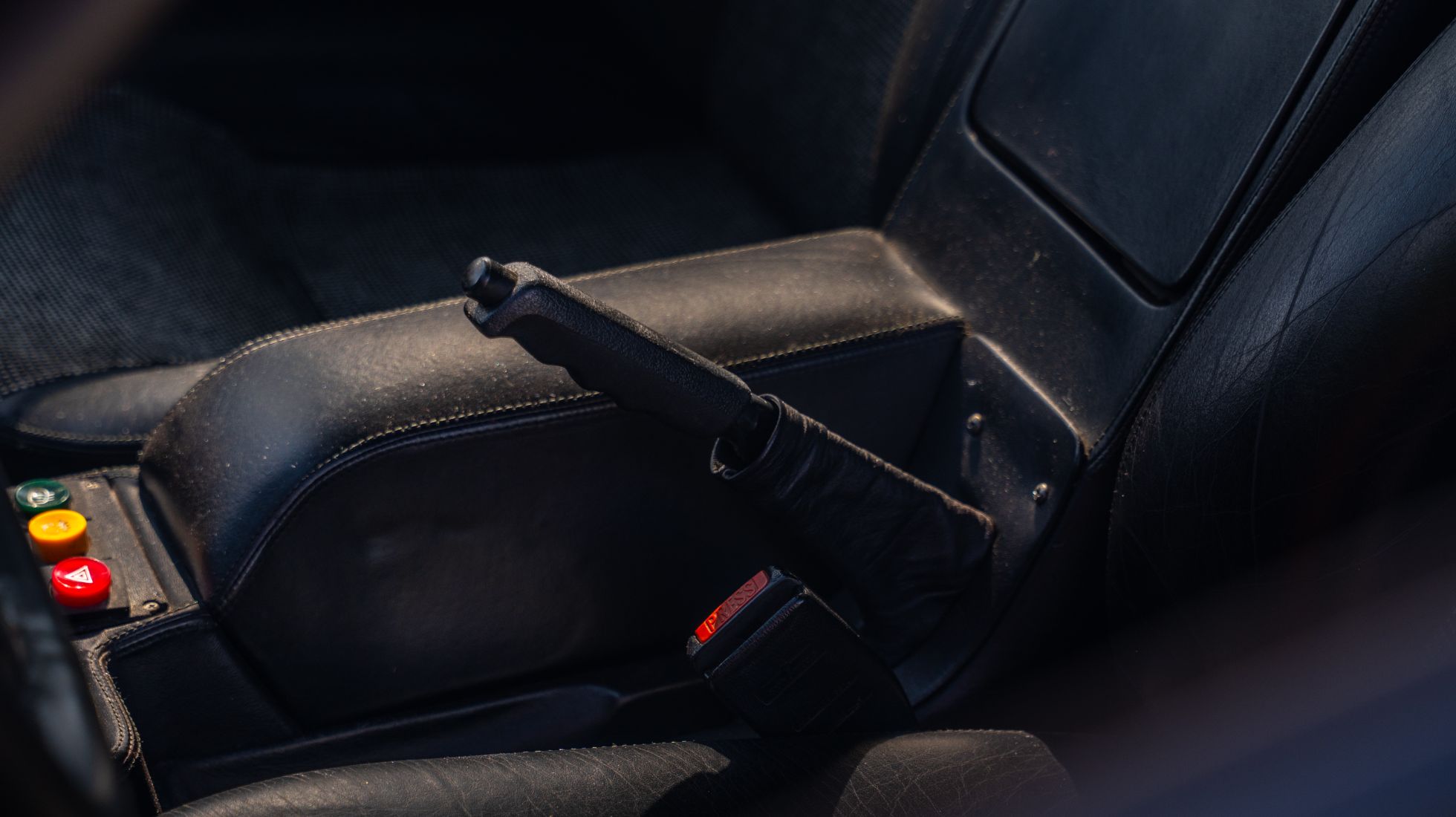
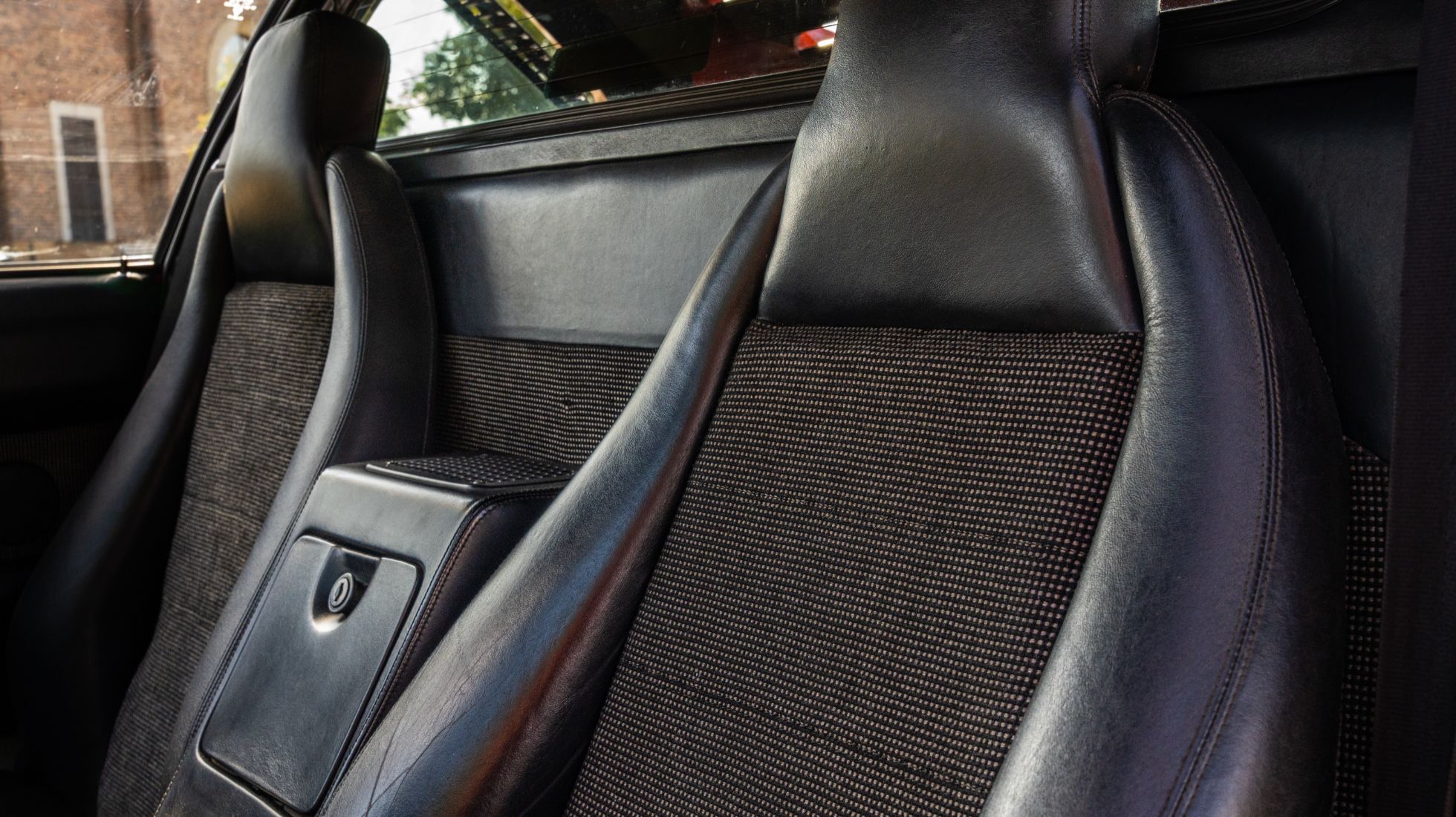
It’s purpose-built, the dash is analogue and in my right hand was a dog-leg 5-speed gear lever. The definition of heaven for some. The pedals are close together and slightly off-centre from the steering wheel, and surrounded by a plush carpet and leather seats. It felt like a racecar in sheep’s clothing.
The M1, this M1, has a story: a masterful car that’s exquisite to drive and a combination of the best automakers of its time put into one machine, destined to race but never quite getting there. It was perfected for the road, but never quite appreciated until now. Holding the title of the most expensive classic car in South Africa is the happy ending this car needed. A car that was made at the wrong time, in my hands on a Monday morning in Johannesburg. Only now do I have the opportunity to share its unique story with a brand-new, more inspiring ending.