




Pointless selling points: Are these really selling points, or just marketing gimmicks?
Vehicles, as we know them today, have a rich history of innovative ideas that have genuinely improved driving. Take cruise control, for example.
Its inventor, Ralph Teetor, who was blind, came up with the concept in the late 1940s after growing frustrated with his lawyer’s erratic driving. The lawyer would speed up and slow down mid-conversation, and Teetor found the inconsistency so irritating that he developed a device to keep the car at a steady pace. Originally called the ‘Speedostat’, it went on to become the cruise control we know today, a feature that solved a real problem.
Fast-forward to the here and now, and the story isn’t always as practical. Instead of focusing on meaningful innovation, many carmakers seem intent on filling their vehicles with flashy add-ons that sound impressive on paper but add little value in real life. Think cupholders that double as mini-fridges or exhaust sounds you can select from a menu. Fun to demo at a dealership, perhaps, but hardly life-changing on the road. So, are these really selling points, or just marketing gimmicks dressed up as must-have features? Let’s take a closer look at some of the most pointless selling points in modern cars.
Gesture controls
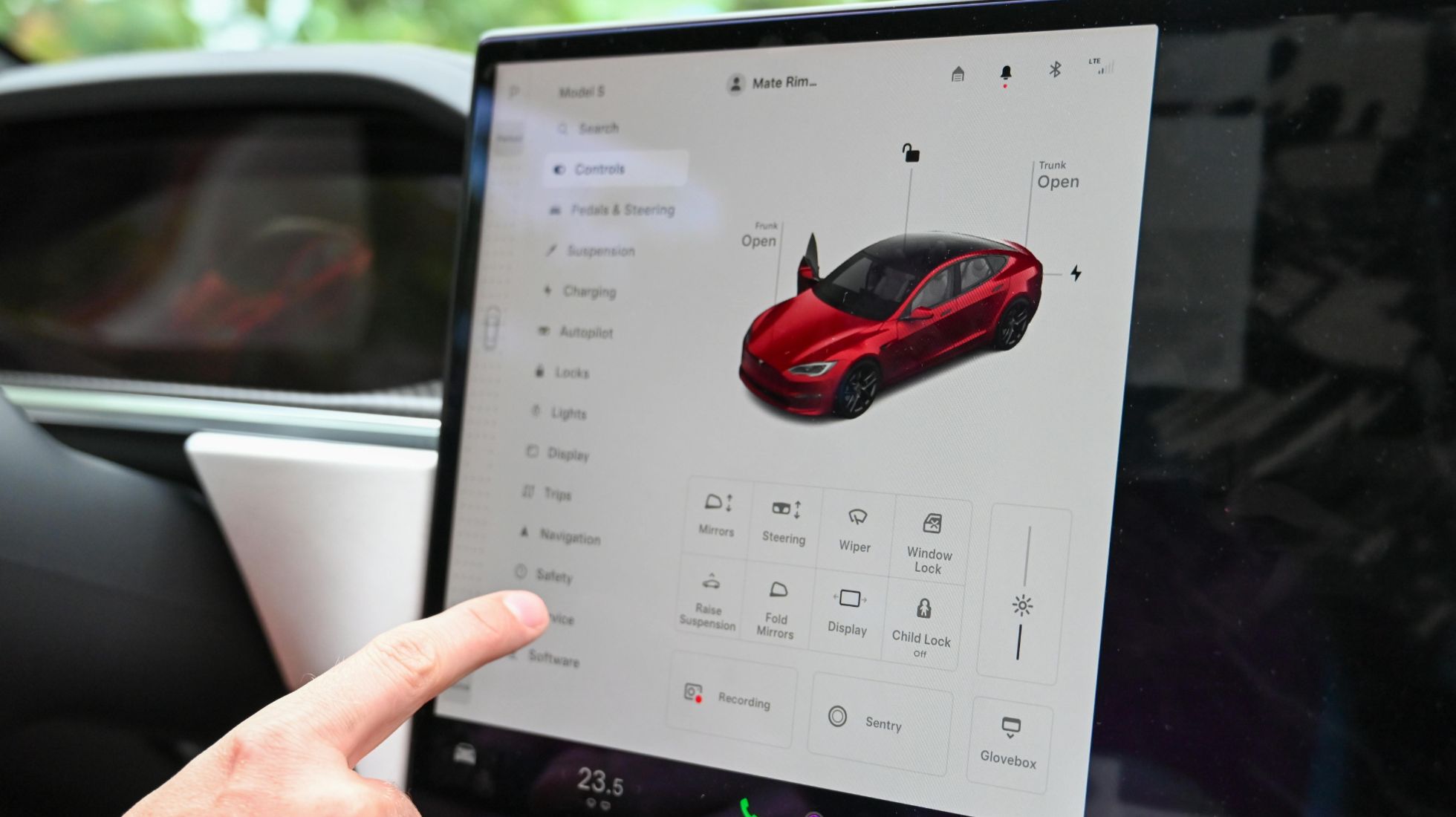
The first time I came across gesture control was in the seventh-generation BMW 5 Series. I remember how the German brand couldn’t stop showing it off, raising the volume, skipping a track, or accepting and rejecting calls with nothing more than a flick of the hand. On paper, it sounded futuristic, like something straight out of a sci-fi film. In practice, though, it was clumsy and far less convenient than simply pressing a button. I often found it intrusive, too. Imagine chatting with passengers and casually waving your hand around, only to accidentally skip your favourite song. Not exactly ideal. Many other brands soon jumped on the bandwagon, too – VW, Audi, and Mercedes-Benz among them. And while gesture control may look cool in a demo, from the driver’s seat, it quickly reveals itself for what it is: more marketing gimmick than game-changer.
Voice commands

‘Hey, Mercedes.’ ‘Hey, Chery.’ ‘Hey, Mini.’ Say these words, and suddenly your car is listening. ‘I’m feeling cold.’ ‘Okay, raising the temperature to 25 degrees.’ Lazy, isn’t it? This is how most modern and tech-advanced cars let you control functions nowadays by talking to them. And while it’s fun to show off to my daughter, who isn’t even a decade old, I have to be honest: as a selling point, it feels pretty pointless. Why? Because stretching out an arm to press a button is hardly a difficult thing to do. Sure, voice control is interesting in theory, but only if you could have a proper conversation with the system. More often than not, it just doesn’t get it right. I’ve had moments in cars where I asked it to ‘open the windows’ and was often met with a random action or, worse, something I never asked for. I’ve had a sunroof slide open when all I wanted was a slight bump in cabin temperature. It’s frustrating, unreliable, and ends up being more of a party trick than a practical feature.
Fake engine noise

Some will agree with me that many modern cars, especially performance-focused cars, use speakers to amplify synthesised engine sound to the interior. Why fake it? Well, this is usually done to compensate for a smaller, more efficient engine that doesn’t produce the same potent exhaust note as a larger one. For some of us enthusiasts, this is just a marketing strategy for people to think what they are driving sounds…what’s the word…brutal. Meanwhile, it just feels inauthentic and detracts from the whole driving experience.
Overly sensitive safety systems
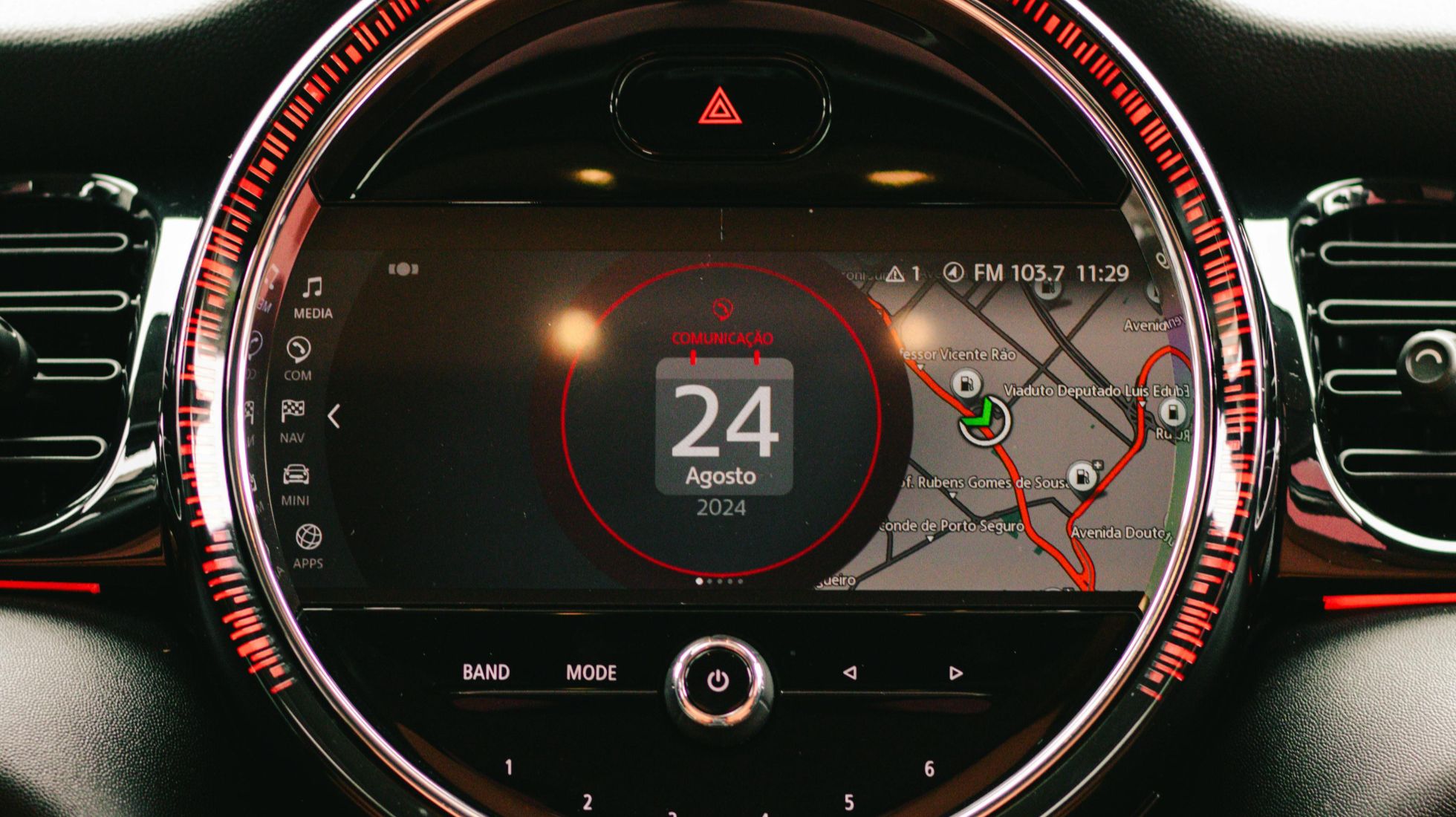
Features like lane-keep assist, speed-limit warnings, and forward-collision warnings are meant to be helpful, but they can often be overly intrusive. Some systems will constantly beep, chime, or even gently steer the car back into the lane on a twisty road, which can feel like the car is fighting you. Many drivers find themselves disabling these features each time they get into their car.
Built-in Wi-Fi hotspots

In theory, having Wi-Fi in your car is great. In reality, most people already have unlimited data on their smartphones and can easily create a personal hotspot for any other devices in the car. Paying a separate monthly fee for a car’s hotspot is a pointless expense for the majority of drivers.
Paddle shifters on non-performance cars
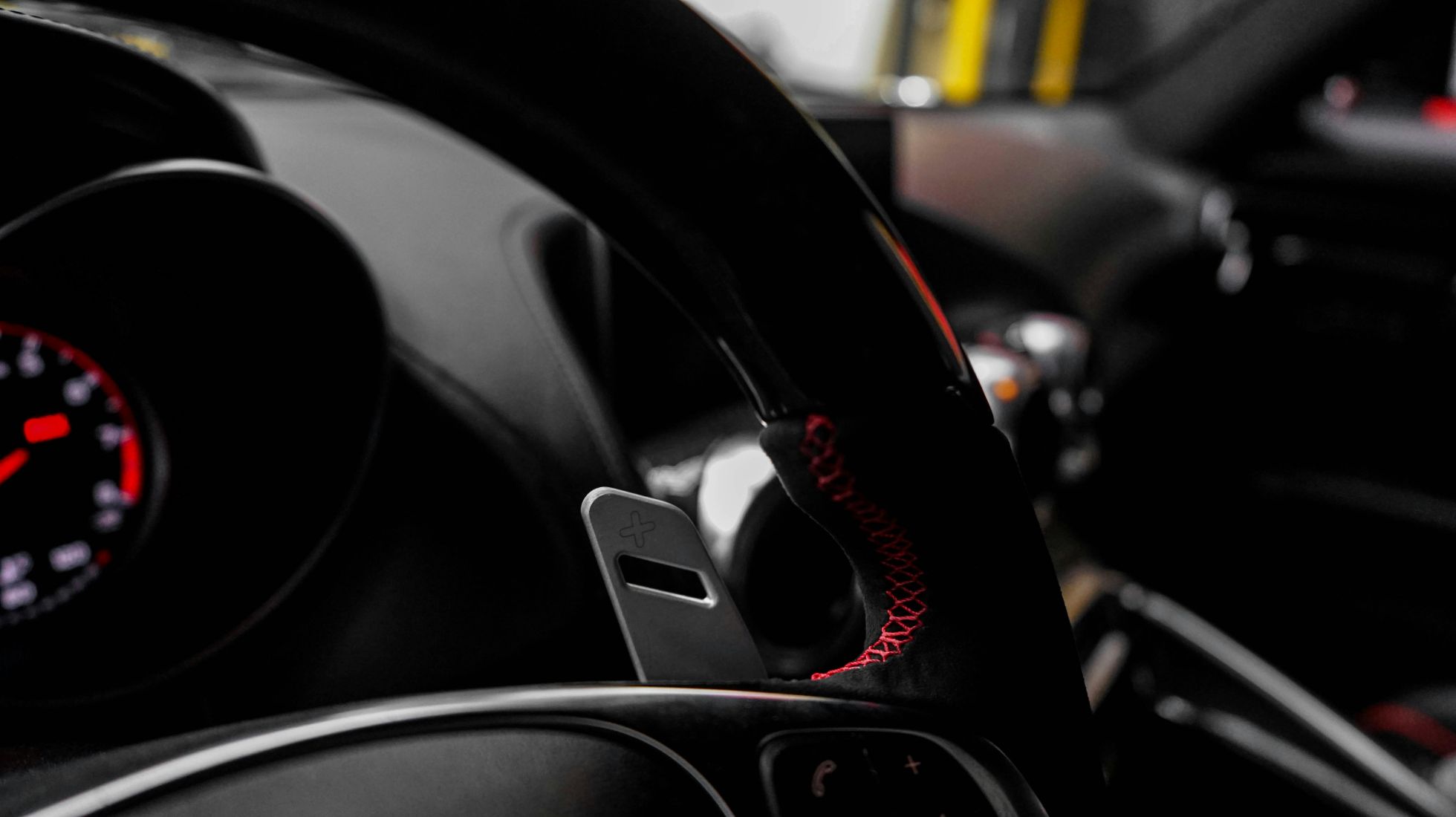
Paddle shifters are fantastic on a sports car or a track-focused vehicle, where they allow for lightning-fast gear changes and a more engaging driving experience. However, when you find them on a family SUV or an economy sedan with a sluggish CVT, they become a novelty that is rarely, if ever, used.
Foot-activated tailgates
The idea is simple: wave your foot under the rear bumper to open the tailgate. Indeed useful when your hands are full. In practice, however, these systems can be inconsistent and frustrating. You often find yourself hopping around the back of the car, trying to find the ‘sweet spot’, while a simple button press would have done the job in a fraction of a second.
More gadget than actual game-changer
At the end of the day, cars have always evolved to solve real-world problems, such as Teetor’s frustration, which led to cruise control. Today, though, too many ‘innovations’ feel like solutions in search of a problem. All of these features may look impressive on the showroom floor, but on the road, they’re often more gimmick than actual game-changer. That said, invention should make driving easier, safer, or more enjoyable, not just exist to give us something flashy to show off. Until carmakers remember that, we’ll keep shaking our heads at these pointless selling points and wondering why our vehicles often feel more like tech demos than real cars.