F1 is many things: fantasy, spectacle, obscene speed, and ludicrous amounts of money. While the pinnacle of motorsport might feel largely inaccessible, its influence extends well beyond just the podium. The cutting-edge technology that costs billions to develop, refined lap after lap, has a habit of finding its way into the cars we actually drive. Here’s how it happened.
Carbon fibre
Let’s begin with something simple that made a big difference. Carbon fibre is the go-to choice for high-strength and lightweight components in performance cars. If it’s fast, it’s likely got carbon fibre somewhere, even if it’s just for show. But its breakthrough moment in Formula One came with McLaren’s MP4/1 in 1981.

It was the first F1 car to use a carbon fibre composite monocoque, and the paddock has been changed forever since then. Reports suggest it was invented in 1860 as an early lightbulb filament, but it wasn’t until Roger Bacon discovered its incredibly high-strength and lightweight properties in 1958 that its motorsport applications were considered for its extreme load-bearing capabilities. Ferrari followed suit, using carbon fibre and Kevlar extensively in cars like the 288 GTO and F40 and dragging composite construction into the performance car mainstream.

Carbon-ceramic brakes
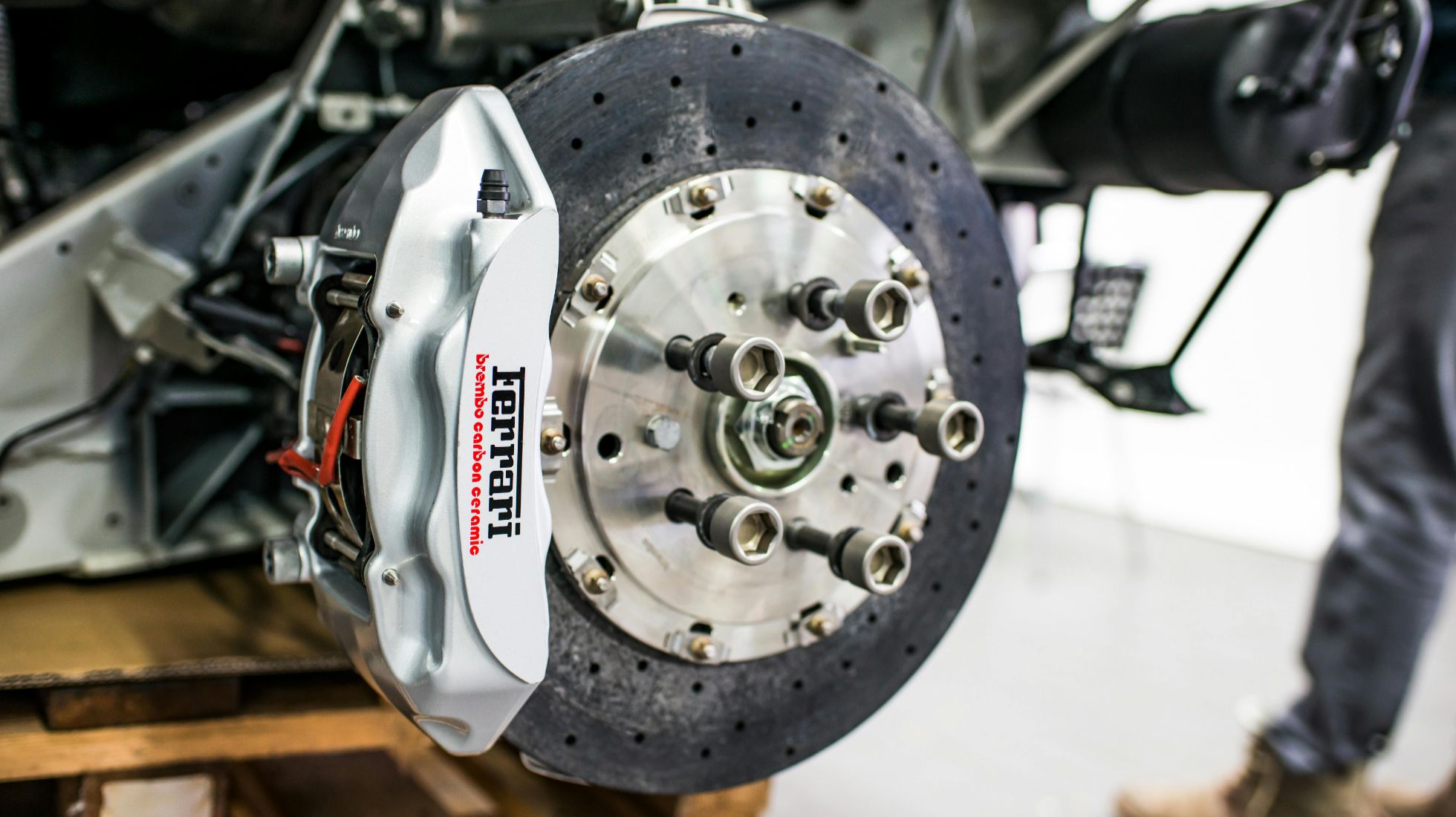
Carbon-ceramic brakes are the default consideration for performance brake discs, thanks to their incredible strength, light weight and longevity, as well as their ability to withstand extreme heat. Dunlop and BF Goodrich were among the first to discover its incredible potential, but it wasn’t designed for a car at all. Rather, it was first used on aircraft, including Concorde.

It worked so well that, shortly after its development in the early 70s, it was adopted in F1 cars in 1976 and revolutionised braking. It came with a few teething issues, such as sensitive high-temperature operating windows and premature wear at low temperatures. Production cars had to wait until 2000, when the Mercedes-Benz CL 55 AMG F1 Edition became the first car to offer carbon-ceramic discs. It has since become the benchmark for containing speed. It will also make a considerable dent in your wallet, so you have been warned.
Paddle shifters
Before the 1980s, F1 cars relied on much the same driving sequence as road cars. Clutch pedal, gear lever, and release clutch pedal. Lap times weren’t satisfactory for Maranello, so Ferrari naturally had some ideas around it.

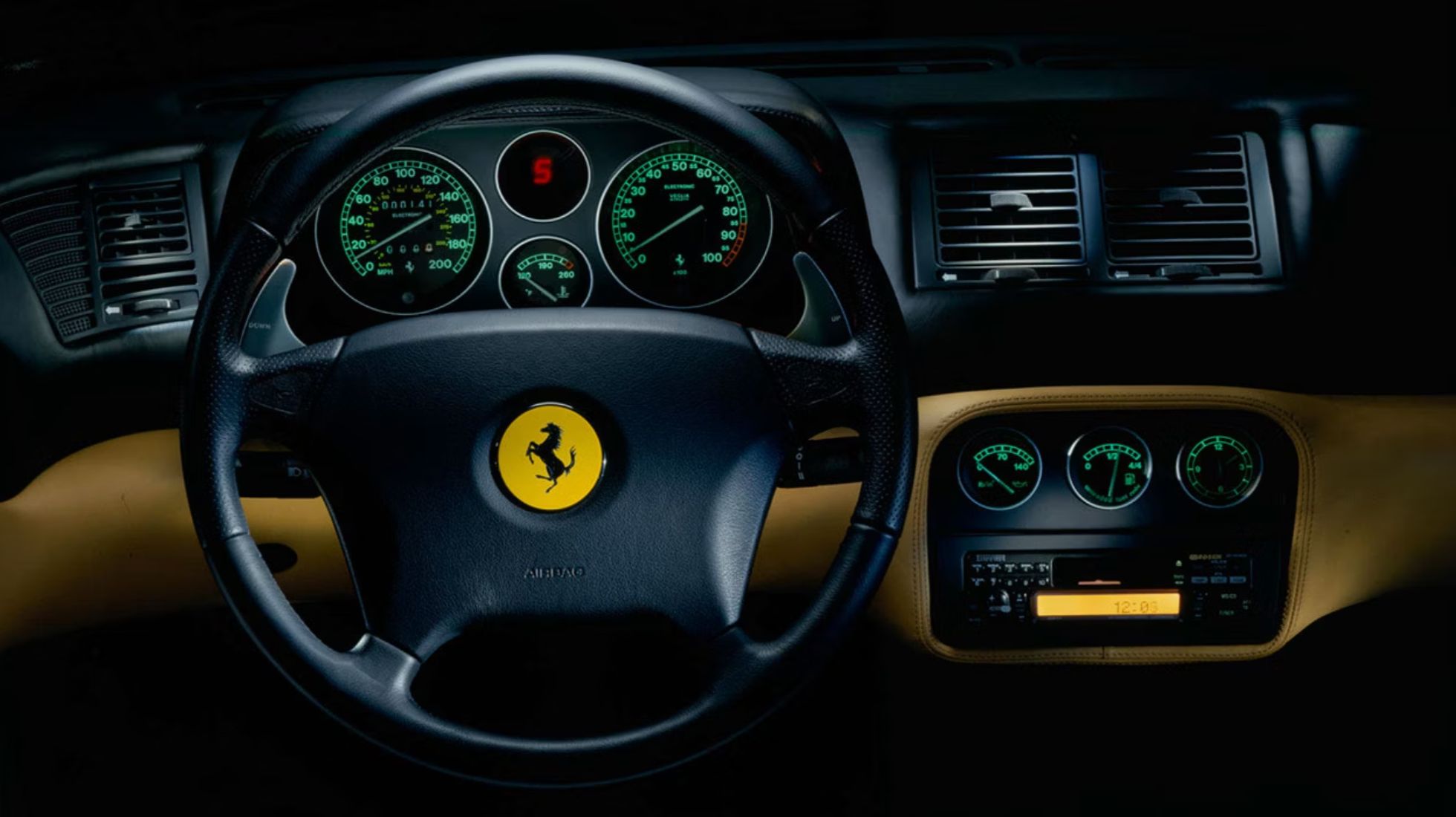
Technically, paddle-operated gear shifting mechanisms existed as early as the 1910s, but they were slow and unreliable. Ferrari needed lightning-fast gear changes with both hands on the wheel. So they brought it back, and with the help of modern engineering on the Ferrari 640 in 1989, it worked. It was considered a semi-automatic gearbox of sorts, and the brand quickly saw the benefits of this tech in its road cars, with paddle shifters making their production debut on the Ferrari F355 F1 in 1997. Today you’ll find them on anything from hot hatches to **bakkies**.

Kinetic Energy Recovery System
KERS, for short, was a massive engineering milestone in the world of racing. Engineers from Magneti Marelli (electric systems) and Flybrid Automotive (flywheel systems) began investigating the benefits of generating energy during deceleration via the flywheel to deliver extra power at the push of a button. Then-FIA president Max Mosley urged the enhancement of these technologies in F1 in 2006, marking the beginning of KERS. The technology continued to be developed by race teams and implemented on the Ferraris, Renaults, BMW Saubers, and McLarens in 2009.

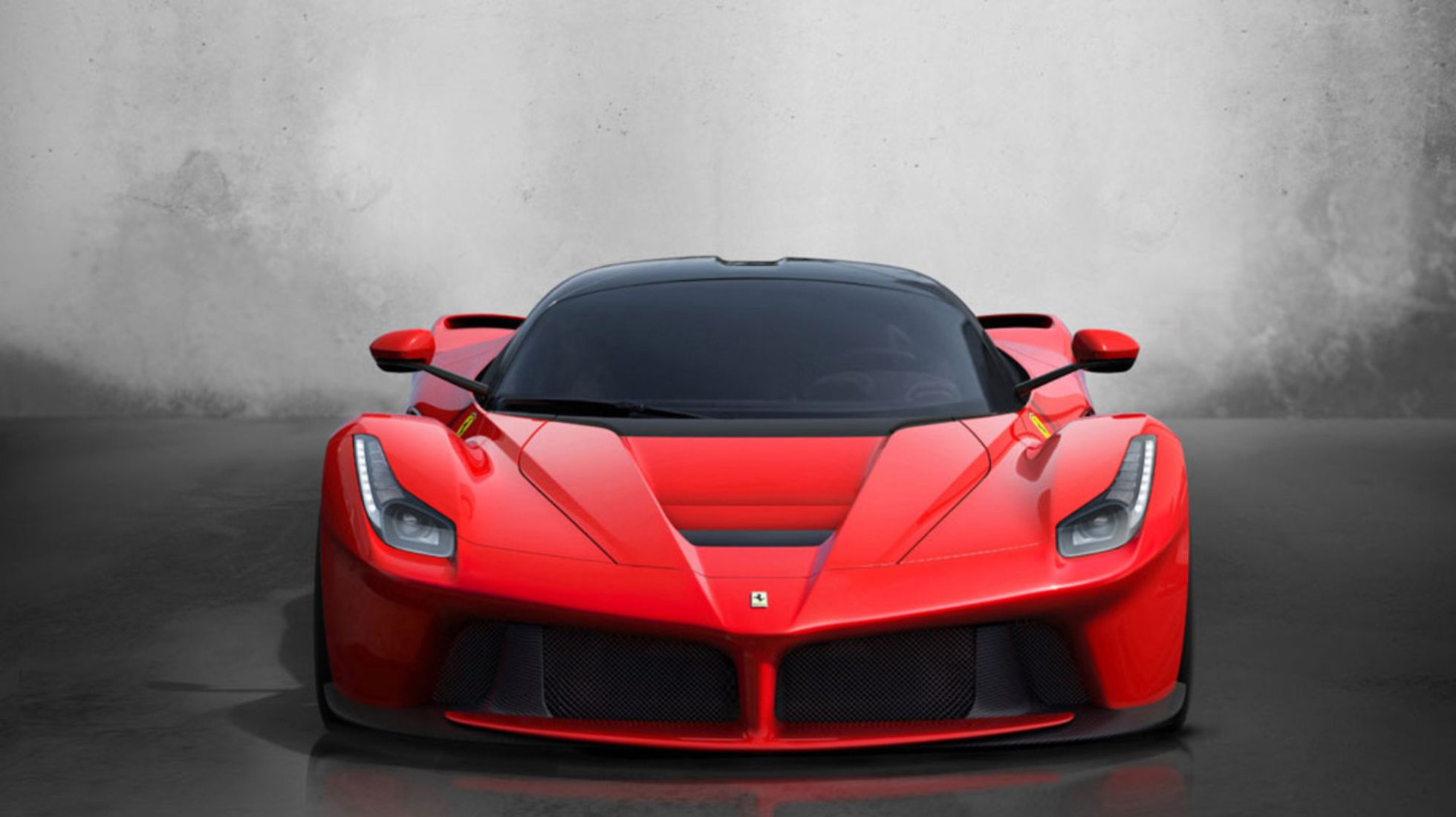
Its DNA runs directly through the hybrid hypercar era, with the Ferrari LaFerrari being the first production car to benefit directly from this electricity-as-performance thinking. Merc’s performance PHEVs like the C63 S E Performance and the GT63 S E Performance, too, can tip their hat to this technology.
Active Suspension
It’s normal nowadays to push a button and change how a car feels, be it stiffening or softening the suspension on the fly. It feels almost unremarkable. Again, this is thanks to F1’s relentless, and often obsessive, pursuit of lap times. Active suspension was first introduced on the Lotus Type 92 in 1983, back when F1 engineers tried to extract performance from anything. Hence, turbochargers and banned ground-effect cars. Only this clever piece of suspension technology prepped the car for every corner, giving the driver greater control, predictability, and grip.

Nowadays, sports cars can maintain the aggressive stiffness when barrelling through corners at breakneck speeds and then soften things up for the drive home. Adaptive suspension is found in all types of cars, from off-roaders for better clearance to family SUVs that meld comfort and performance.

F1 is the pinnacle of performance engineering, but the billions that flow into the sport don’t just mean more entertaining and competitive racing. Its cutting-edge technology has changed the way we interact with, feel, and drive cars every day.
Open the bonnet of a Renault Megane RS, and you’ll see an F1-inspired turbo heat shield wrapped in gold foil. Dial the AMG One into its most aggressive suspension setting, and you’ll feel what properly serious downforce management can do. Even an automatic with paddles behind the wheel was pioneered, proven and popularised, for the most part, thanks to an old F1 car and decades of world-class engineering.
And the next time someone argues that F1 is a pointless parade of billionaires paying to go around in circles, ask them what they are driving home in…