
When the future leaves the city: A Volvo EX30 Cross Country journey
Technology has completely flipped the way we live. Letters, landlines, trips to the bank – those days feel like a lifetime ago. Everything’s instant now, always on, always connected and somehow busier. Cars have evolved just as dramatically.
My granddad needed days for a 400-kilometre trip and today, that’s a casual Sunday drive. And the cars making those drives? They talk back, follow commands, and in some instances run purely on electricity. What was science fiction almost a decade ago is now just another day on the road.

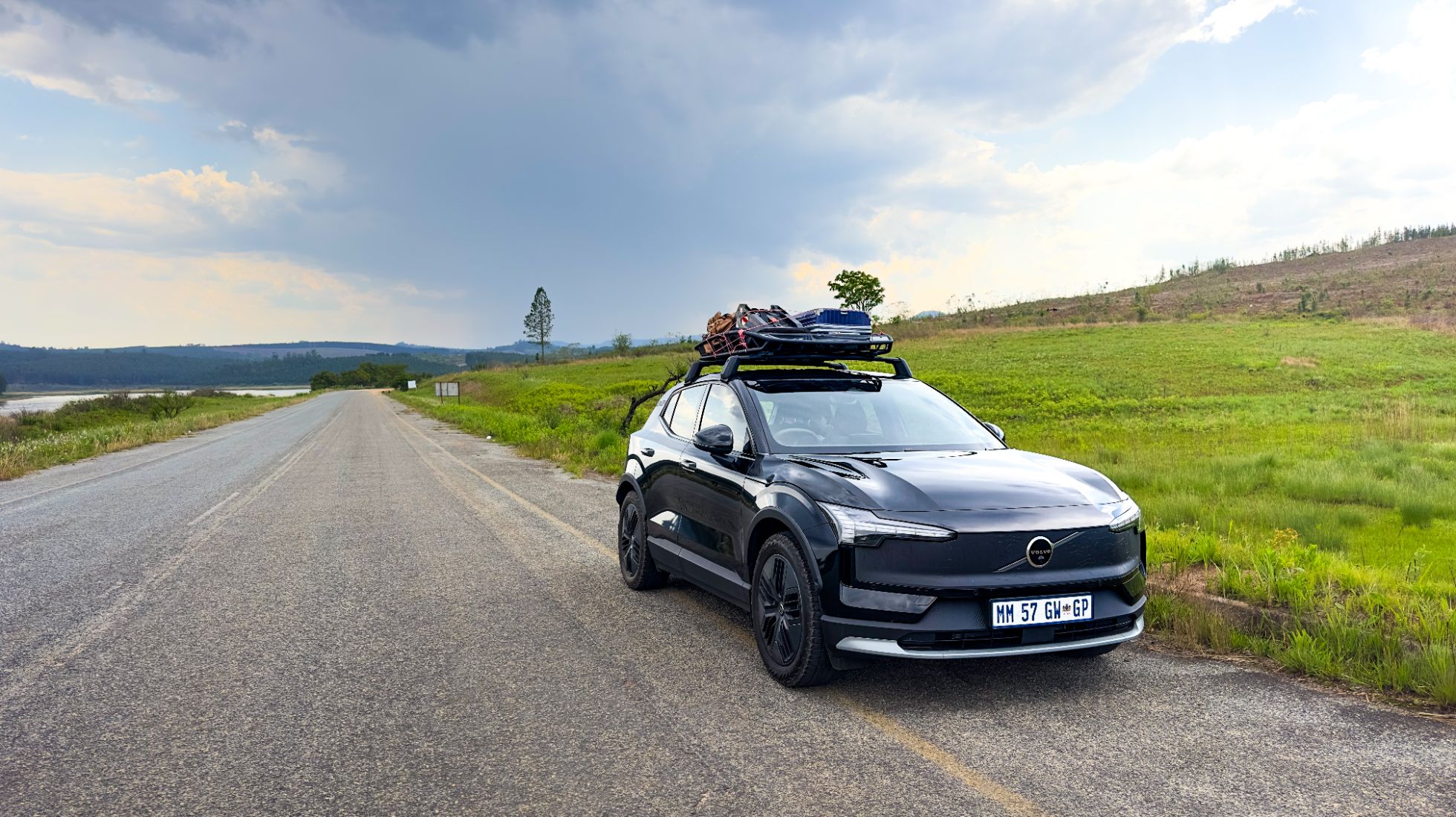
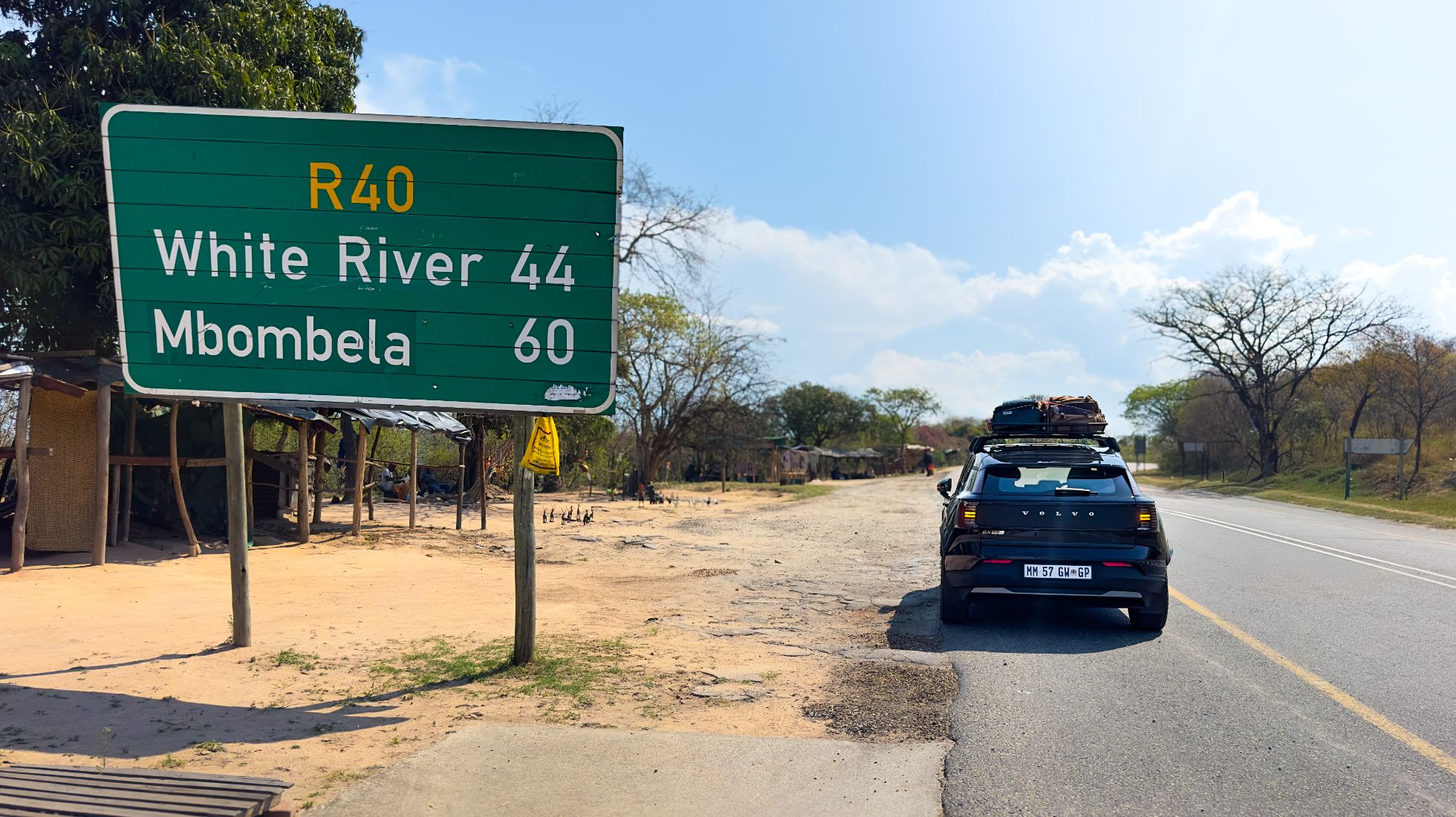
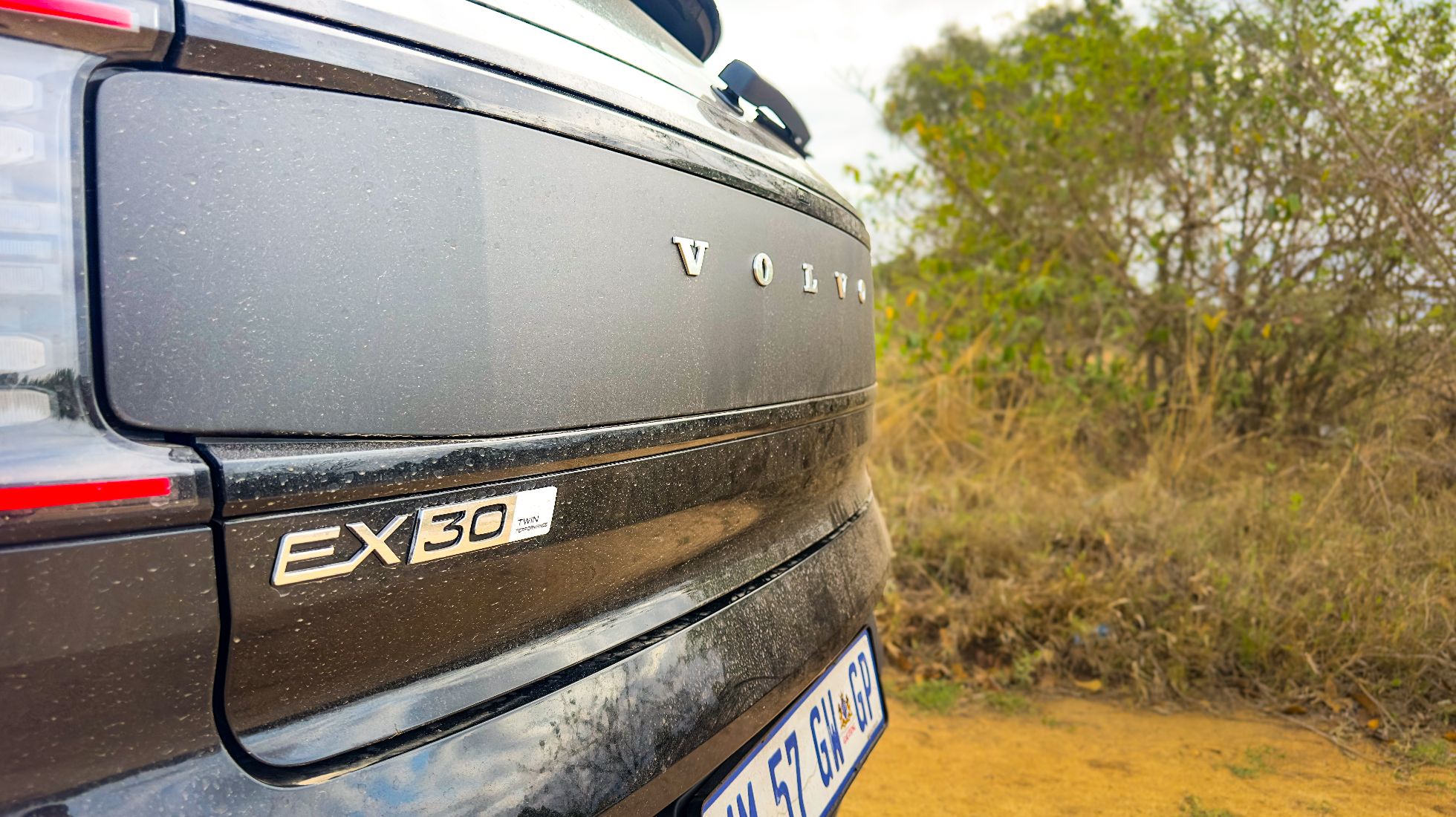
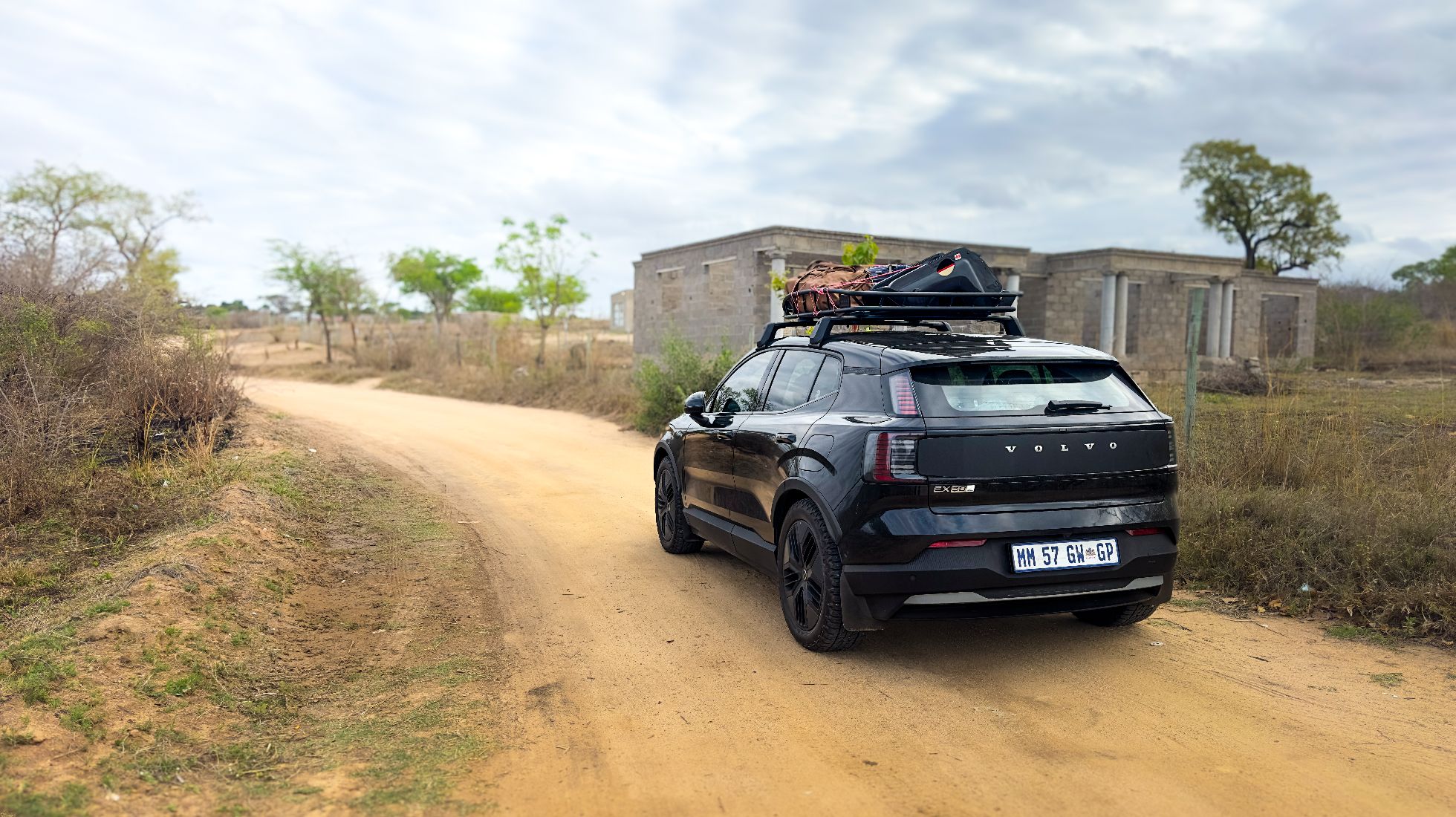
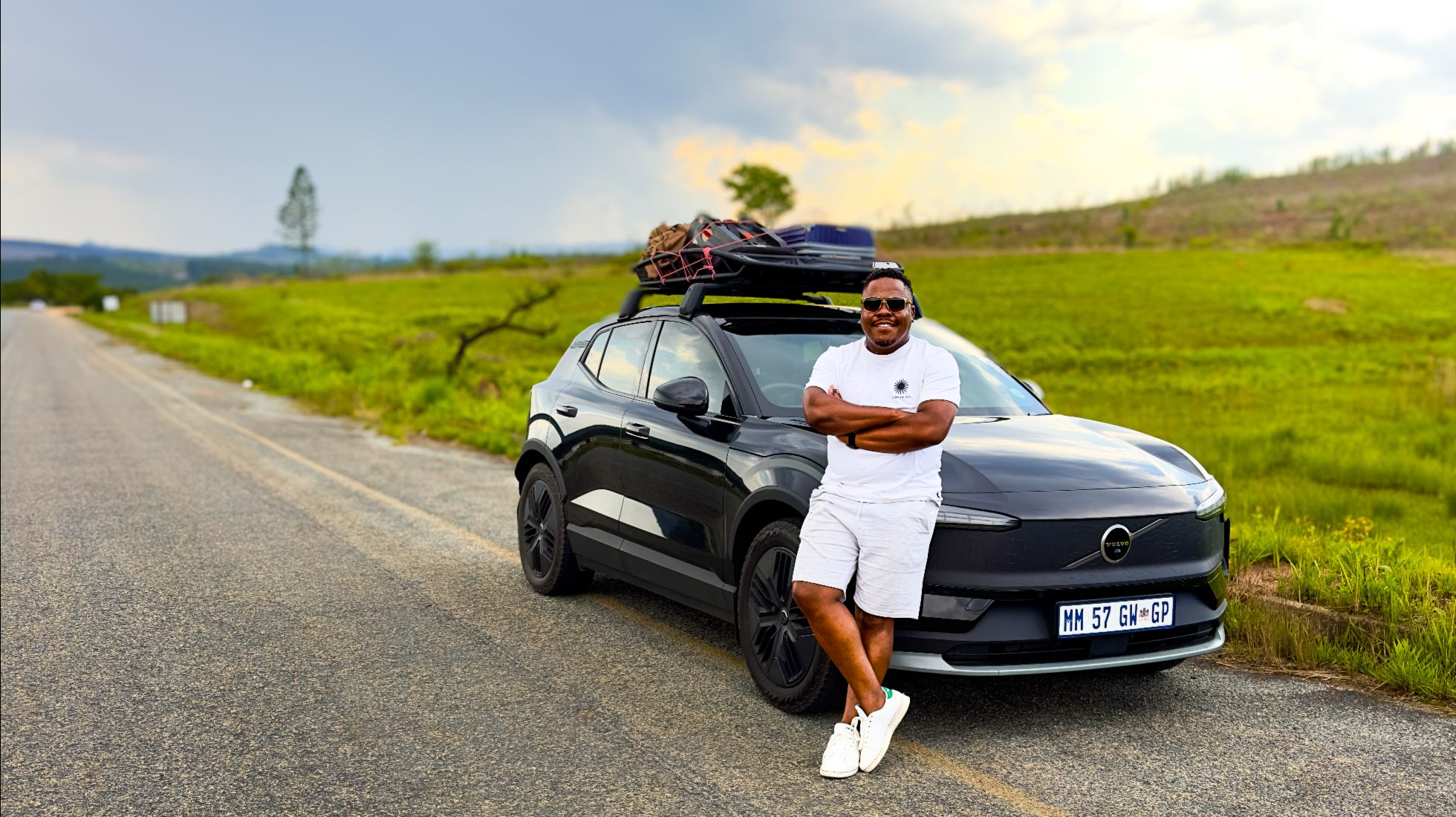
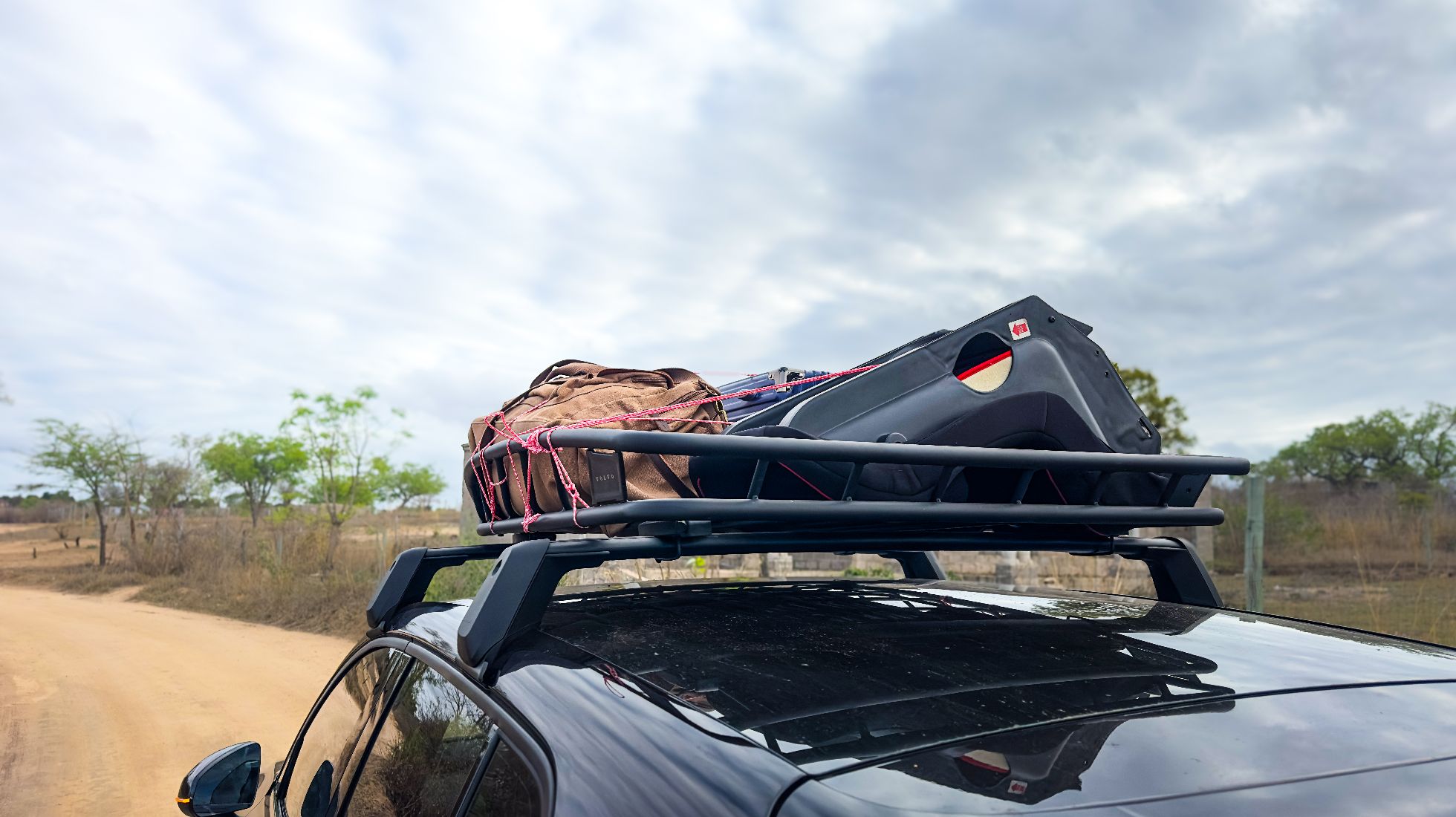
Enter the Volvo EX30 Cross Country: a small electric SUV with a hint of rally car character. Volvo took the EX30 Twin Motor Performance and added some blacked-out trims, skid plates, off-road tyres, 13mm extra ride height, and even a roof rack and mud flaps. Note: If you fit the roof rack, just know it can be noisy at highway speeds, a minor annoyance, but one worth mentioning. If you’re going ‘cross country’, you might as well look the part.
The plan was hatched in Sandton. Avon: ‘Ntsaks, we’d better swap cars’. At the time, I’d been living quite happily with the new Ford Tourneo, big, plush, and perfect for weekday city chaos. But fair’s fair. His turn. I knew exactly what was next. The plan was simple, maybe even a little mad: take the EX30 Cross Country to the village of Agincourt and live with it there for a few days. It sounds like a movie script, but it’s something I’ve always wanted to do. A real-life test. “Hmmm, Ntsaks, are you sure?” “Where will you charge?” But that’s exactly the point, isn’t it? A car, especially one wearing Cross Country, should be able to go anywhere. City, dirt, or in-between.
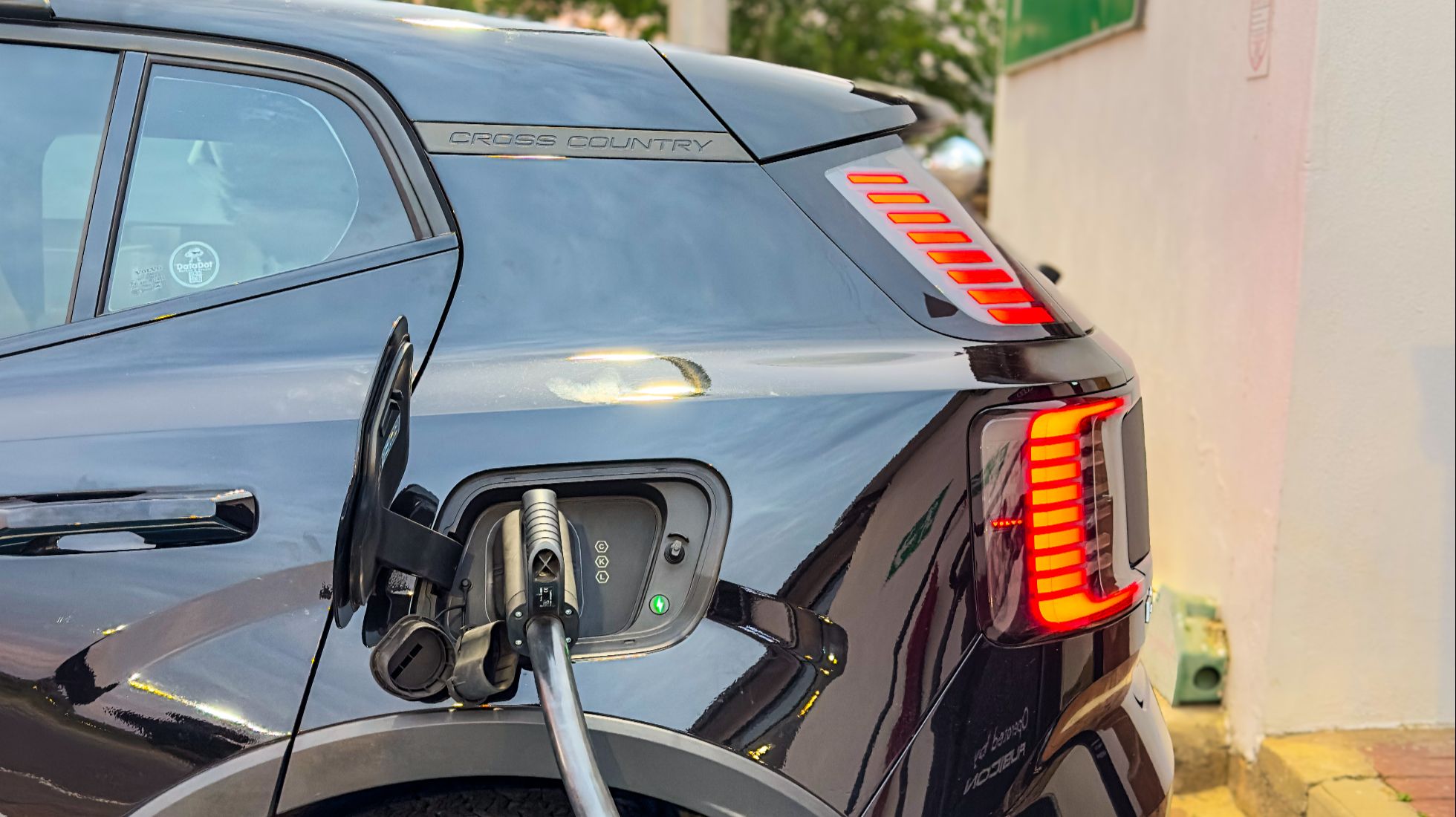
Then came the first curveball. I got home, opened the boot, and realised the Volvo fleet guys had forgotten to pack the home charging cable. Brilliant. That meant I’d be relying solely on public chargers for the whole trip. A quick phone call yielded nothing but polite apologies, so I relied on the Charge Pocket app, a little lifesaver that shows every charger along your route, complete with status updates (AC or DC, occupied or operational). It wasn’t ideal, but it was a plan. And plans, as I was about to find out, don’t always stick.

The closest fast charger was 5km away at the R21 East Engen garage, a 100kW DC charger. Volvo claims a 427km range, and Agincourt is roughly 440km. Tight, but Alzu Petroport is about 190km in. After charging from 44-84%, I realised my first mistake: I should’ve gone the full 100%. But it was getting late, and in my head, 84% felt ‘good enough’. Big mistake. Because here’s the thing: driving at night means you’re running lights, air-con, and infotainment, all of which nibble away at your range. And as anyone who’s lived with EVs knows, what’s claimed on paper rarely plays out in the real world.
But another oversight was to forego sleep as I tried to make up some time and push a little harder, forgetting that in EVs, just like petrol cars, going faster means burning through your range quicker. Yes, 315kW and 543Nm sent to all four wheels would tempt everyone to keep the momentum going, right? However, the difference is, unlike in a petrol car, there’s no petrol station every few kilometres to bail you out. By the time we passed Emalahleni, the tension was setting in. The car’s onboard computer showed around 110km and 42% of range left, and the next charger, at Alzu, was 63km away. That sounds fine on paper, but the range anxiety still sets in. You start listening to every motor whine, every bit of wind resistance, every watt that leaves the battery and even consider the pressure on the accelerator pedal. The stretch is mostly flat, great for cruising, and terrible for regeneration. I cranked regen braking, used every tiny downhill to claw back energy, and watched the battery tick down.

About 37km from Alzu, the warning light lit up. Unlike an ICE car, a dead EV here meant a flatbed. About 15km out, the range disappeared. 0%. The car politely beeped and said, ‘Battery low. Please park.’ Naturally, I politely declined the suggestion. Hazards on, emergency lane crawling, EX30 maxed out at 66km/h. We made it.
The 80kW DC charger brought the Volvo from 0-100% in 1h57. A gentleman in a Jaecoo J7 PHEV rolled in next to me, asking if I’d filled it to the brim before casually saying he has enough to reach Johannesburg. Touché. To me, it sounded like a proper reminder as to why hybrids make so much sense in Mzansi.
Back on the road, with Mbombela set as our next charging stop, the drive finally settled into a relaxed one. After the drama of getting to Alzu, I made a silent vow to myself to ease up on the accelerator. No unnecessary speeding, just smooth, efficient progress. It was past midnight now, that eerie hour when the N4 is just empty. Somewhere between Machadodorp and Mbombela, the fatigue started to tap on the window. Common sense, for once, prevailed. We decided it would be wiser to stop over in Malelane, about 209km thataway from Alzu.
There was also some careful planning behind that call. The DC charger at Ilanga Mall in Mbombela only opens between 9:00 and 18:00, so rolling in during the early hours would’ve meant sitting around, waiting for someone to unlock the gates. No thanks. So we cruised to Malelane, and when we finally rolled into town, the EX30 CC still showed 47% charge and more than 100km of range left, plenty for the short 61km hop to Mbombela in the morning. For the first time since leaving Sandton, I could exhale.
The charger in Mbombela would be the last reliable stop. Supposedly, there is an additional charger in Hazyview, but it’s more of a decoration than a charger. It’s been ‘malfunctioning’ for as long as I’ve known it, and the Charge Pocket app still shows it as out of order. The next nearest unit sits deep in the mountains at Pilgrim’s Rest, but after what I’d already been through, the idea of tackling those twisting climbs in an EV sounded like tempting fate. So, Ilanga it was. After topping up there, I dialled the EX30 Cross Country into efficiency mode. 106km later, with 240km of range and 68% battery still in the bank, I finally rolled into Agincourt.
Here’s where reality kicked in. No home charger, no convenient plug-in options, just the car, parked quietly in the garage, its futuristic silhouette looking oddly out of place against the rural backdrop. The nearest public charger? Back in Mbombela. So, for two days, I barely touched it, just one short run to the shops and back. That’s the truth of it: EV life outside the city still has its limits.

Heading back to Joburg, the drive was smooth as butter. We arrived in Mbombela with 10% left and charged to full in 1h37. Alzu was down due to loadshedding, so Milly’s Caltex saved the day. Home at last, with 20% battery still in the bank.
And that’s how it ended. The EX30 Cross Country proved it could go the distance, even when the odds, the map, and the infrastructure were stacked against it. Brave, clever, genuinely capable. Sure, almost everything runs through the infotainment screen, adjusting mirrors, opening the glovebox, and even switching off the car, which can be a bit of a headache at times. But despite that, it’s still an excellent car: comfortable, silently fast, and undeniably stylish.
Pulling into my parking spot, I glanced back at the compact Volvo and whispered, ‘This… is the future of mobility.’ Would I do it again? Absolutely. Because sometimes, an adventure isn’t just about the road, it’s about the charge too.