First Drive: Hyundai Creta N-Line
The compact SUV segment is highly competitive, and Hyundai knows it. Two years on from the Creta’s previous facelift, the South Korean manufacturer has returned with an updated model and a new N-Line variant, breaking what has been a relatively quiet period for new local launches from the brand.
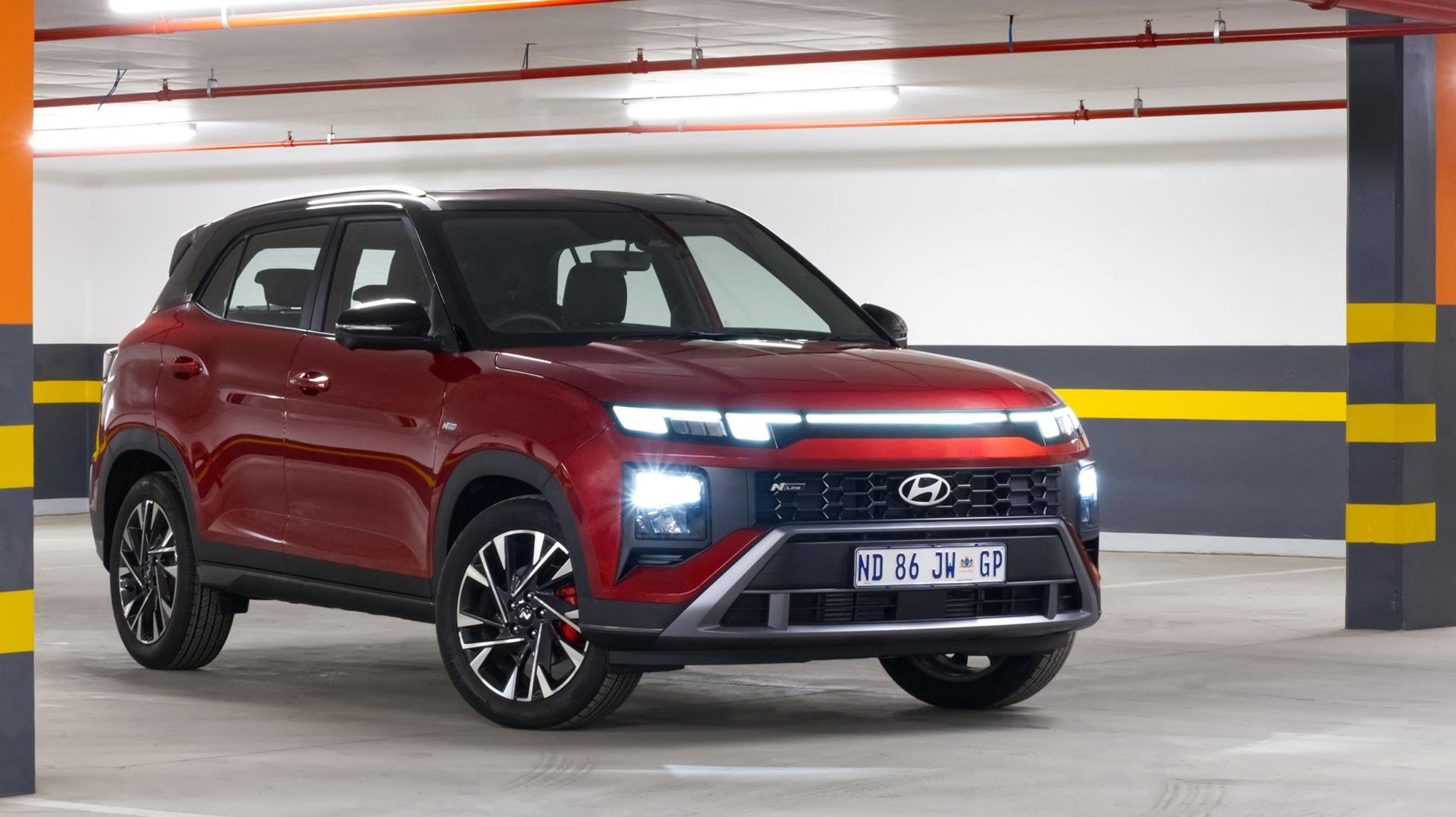
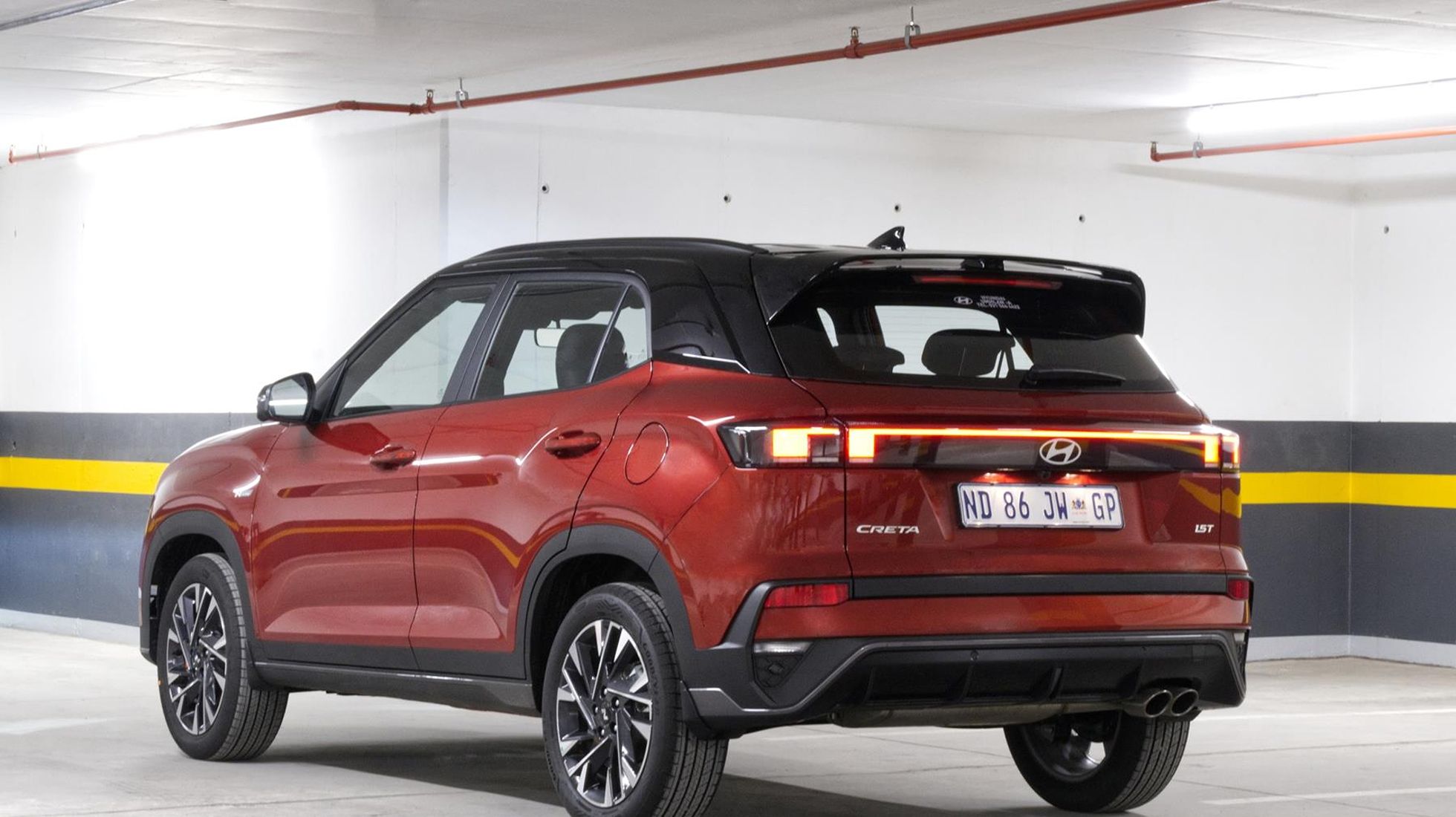
Under the skin, nothing has fundamentally changed. Instead, Hyundai has sharpened its pencil on the styling front, opening the makeup drawer to refresh the Creta’s appearance and give it a sharper, more purposeful look in an increasingly competitive segment.
What changed?
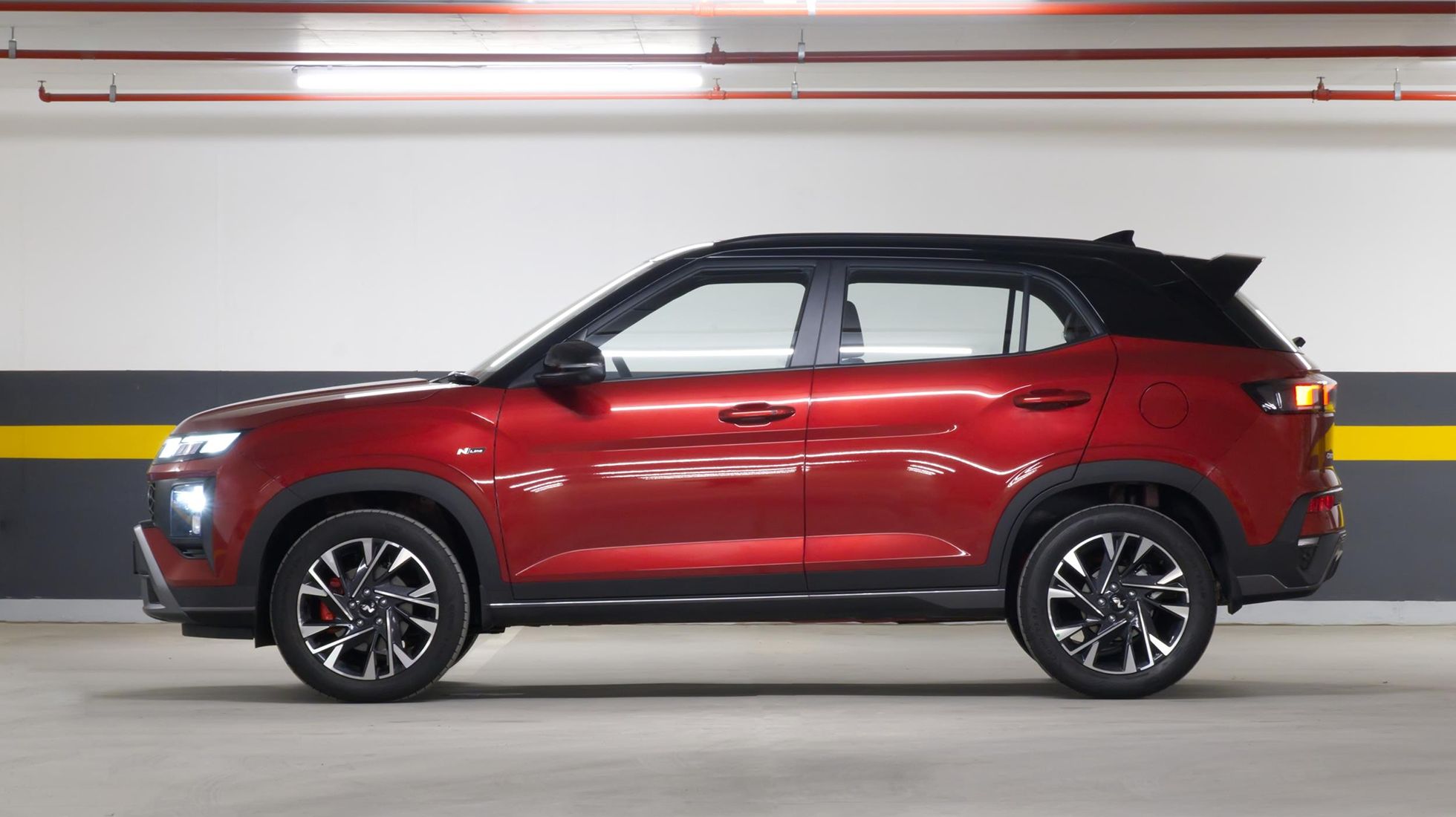
There is a clear difference in the approach to design compared to the previous Creta. In my view, the design has certainly improved for the better. The noticeable changes have taken place at the front and rear, as well as the interior of the car. Hyundai has also given us two new wheel designs: 17-inch alloys for the Premium and 18-inch alloys for the range-topping N-Line.
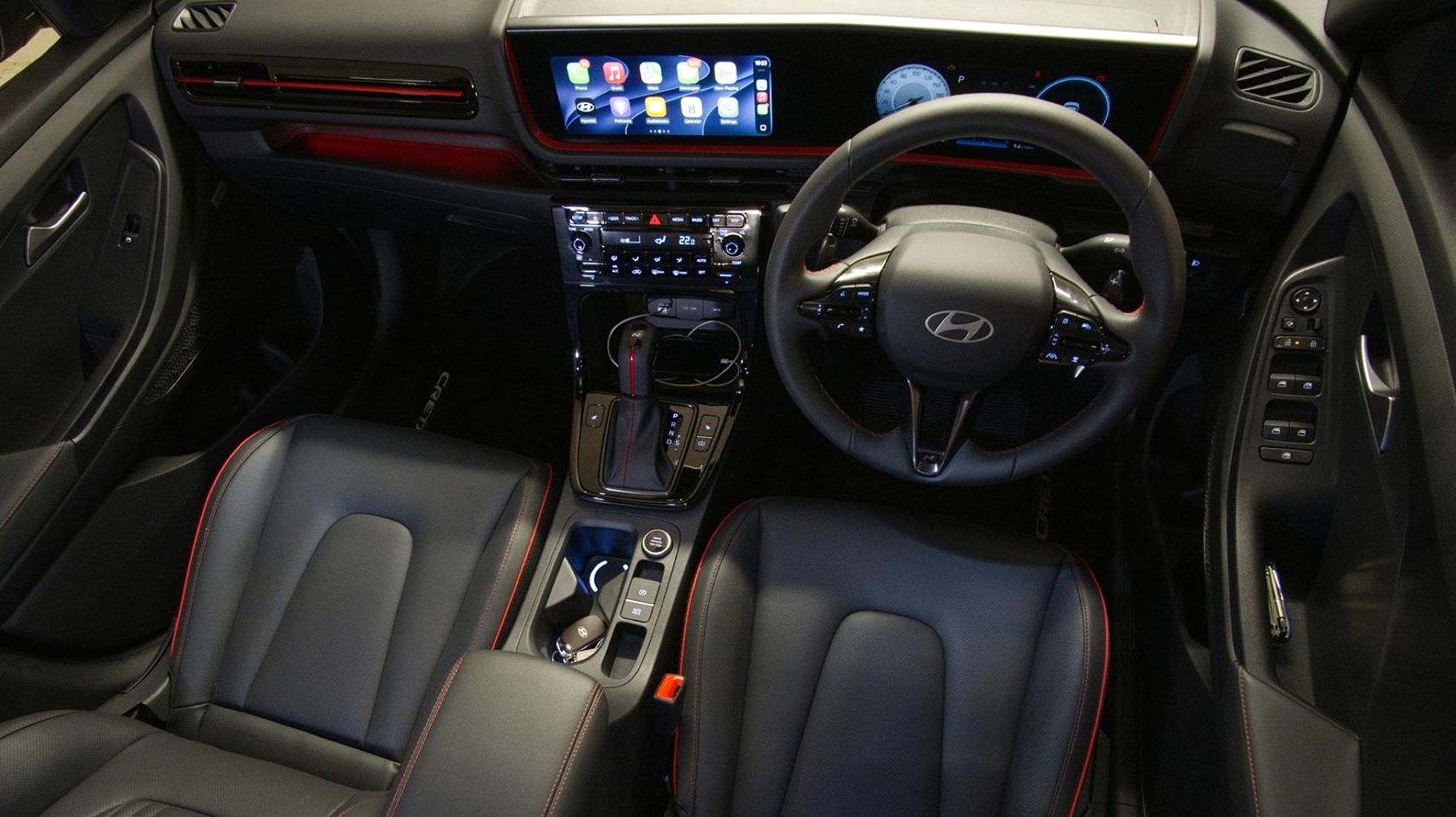
Inside, you’re welcomed by a multifunction steering wheel and provided with connectivity ports for front and rear passengers. For the N-Line specifically, there are neat red accents surrounding the 10.25-inch TFT display, infotainment screen and dashboard, giving the interior a sportier edge that backs up the N-Line badge on the outside. Faux leather seats and a panoramic sunroof add a premium touch, while USB ports for both front and rear passengers keep everyone connected. There’s also a 6-speaker Bose sound system, and it’s a good one.
Hyundai has also streamlined the Creta lineup. The 1.5 Premium MT has been discontinued, leaving the 1.5 Premium IVT as the entry point, now joined by the new 1.5T N-Line DCT at the top of the range.
How does the N-Line perform on the road?
While the Creta N-Line isn’t a full-blown N product, it’s surprisingly spirited behind the wheel. The 1.5-litre turbopetrol produces 117kW and 253Nm, sent through a 7-speed DCT. Put your foot down, and there’s an initial hesitation before the transmission kicks down and the car gets moving, and when it does, the power on offer is more than sufficient for daily driving. The frustration comes when you need to exploit a gap in traffic. That lag in power delivery is noticeable, and in those moments, you’re reminded that this is an N-Line rather than a full-fat N product.
The N-Line’s handling is acceptable for a compact SUV and offers sufficient comfort for both the driver and the passengers. On the safety front, airbags are fitted for the driver, passenger and rear occupants, backed by a suite of driver assistance systems. And for those who spend a lot of time in traffic, the ventilated seats are a welcome addition.
How much is it going to cost me?
The Creta Premium has actually received a price reduction, dropping from R479,900 to R434,900, which is a meaningful saving in the current market. The N-Line comes in at R569,900. Between the two, the Premium will almost certainly account for the bulk of sales, but it’s good to know Hyundai offers a sportier option for those who want something with a bit more edge and something to talk about at the Creta owners’ club. If such a thing exists. Which I hope it doesn’t.
Both derivatives are backed by Hyundai’s 7-year/200,000km manufacturer warranty, a 4-year/60,000km service plan and 7-year/150,000km roadside assistance.
So what do we make of this model, then?
While our time with the Creta N-Line was limited, the initial impressions are promising. At R569,900, however, you’re entering territory where the competition stiffens, not just from larger SUVs, but from well-equipped Chinese alternatives which offer considerable value at similar money.
Do you need everything the N-Line brings? Probably not. The 1.5 Premium does everything most buyers will require, just without the sportier edge of its N-Line sibling. But for those who want to stand out a little, the N-Line makes a convincing case.
Words: Barrie Ferreira