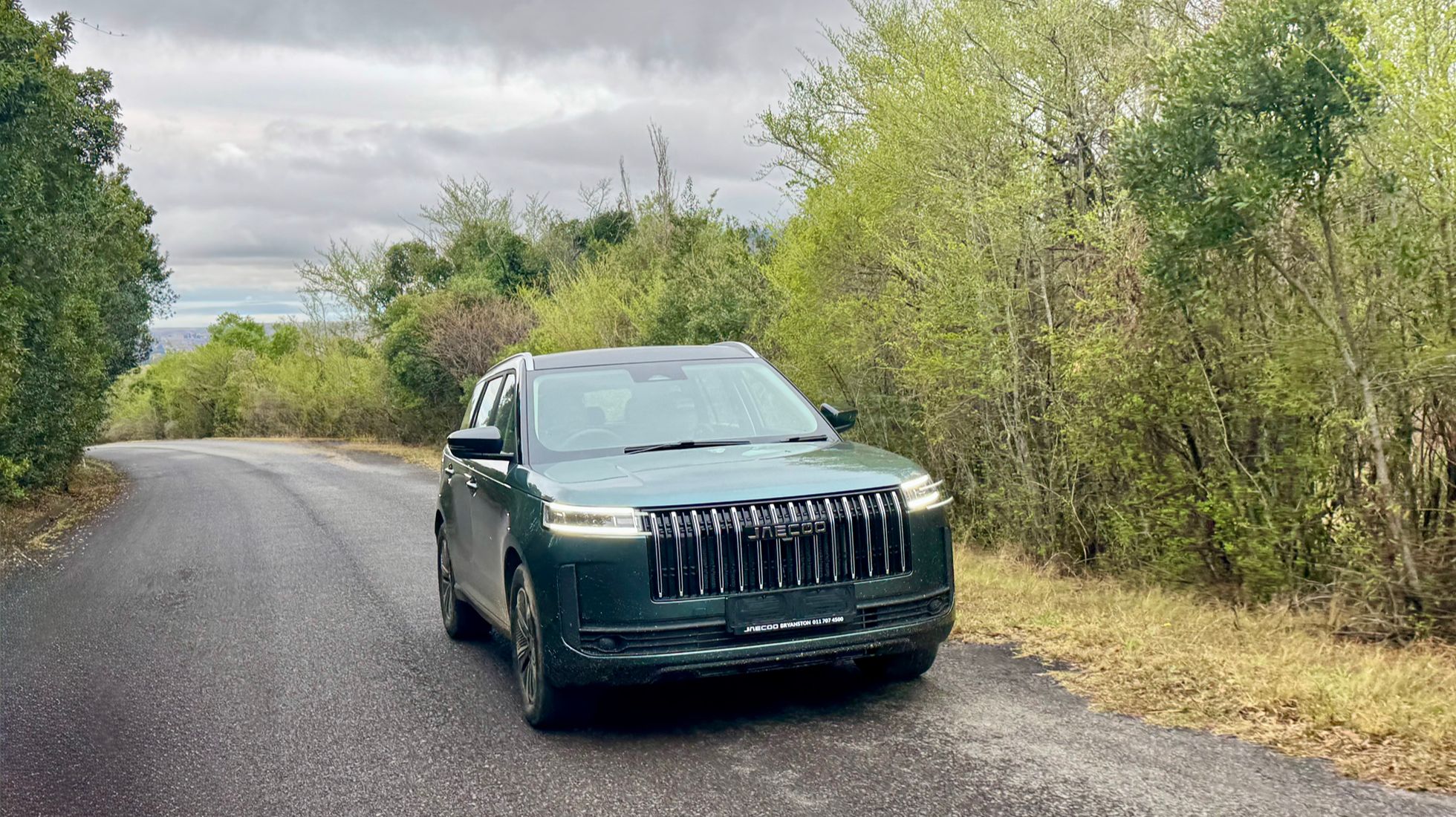
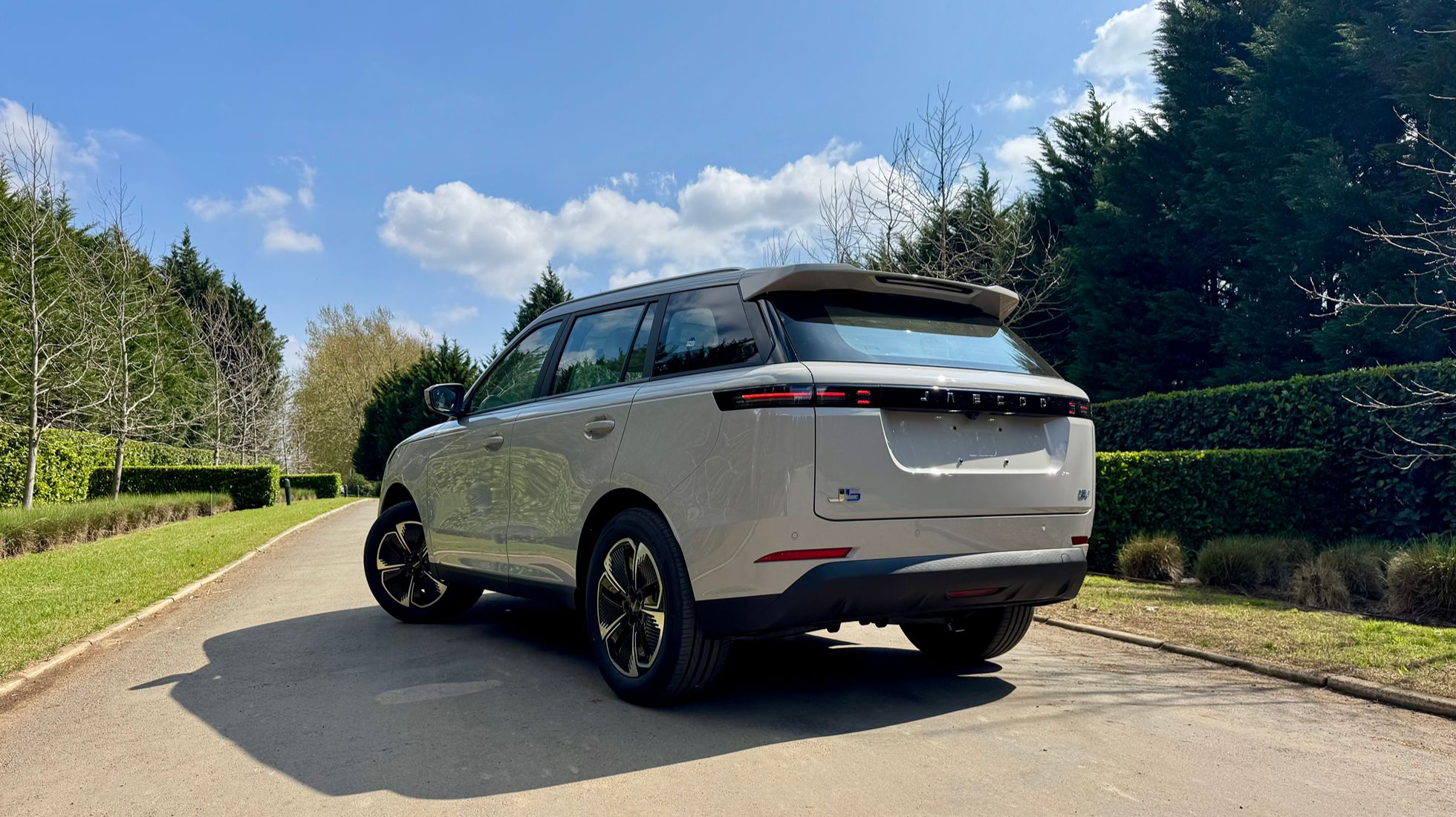
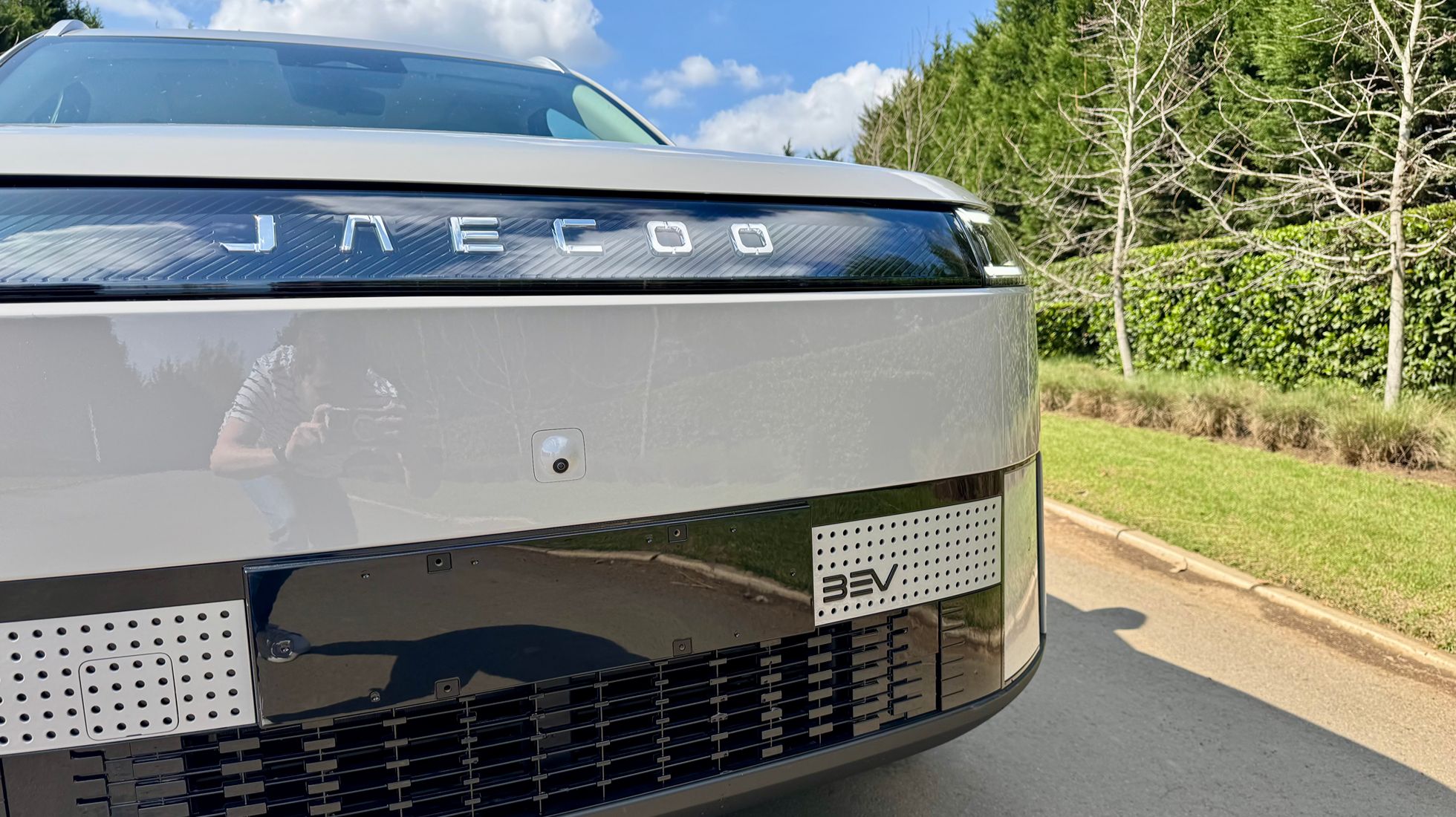
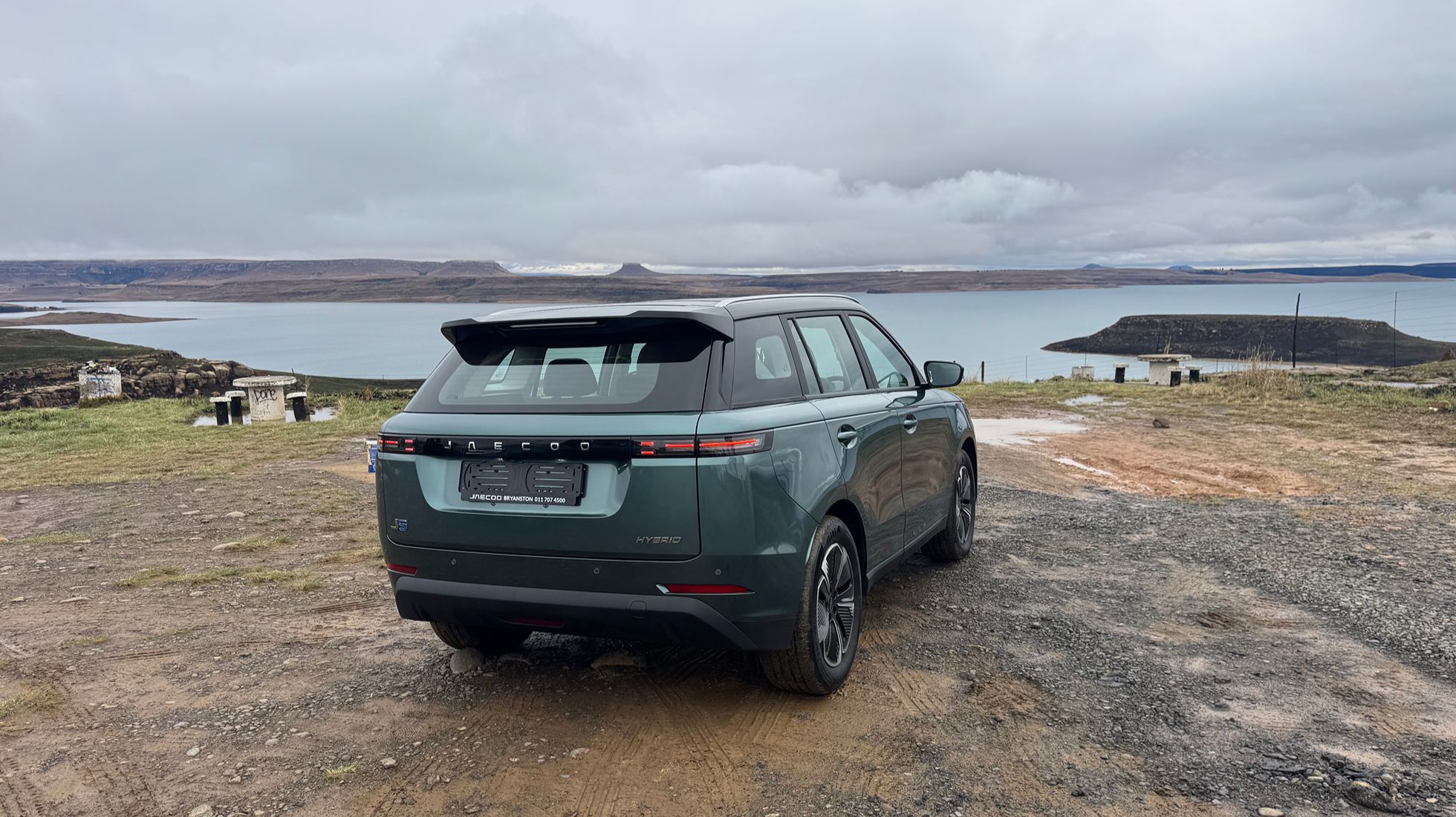
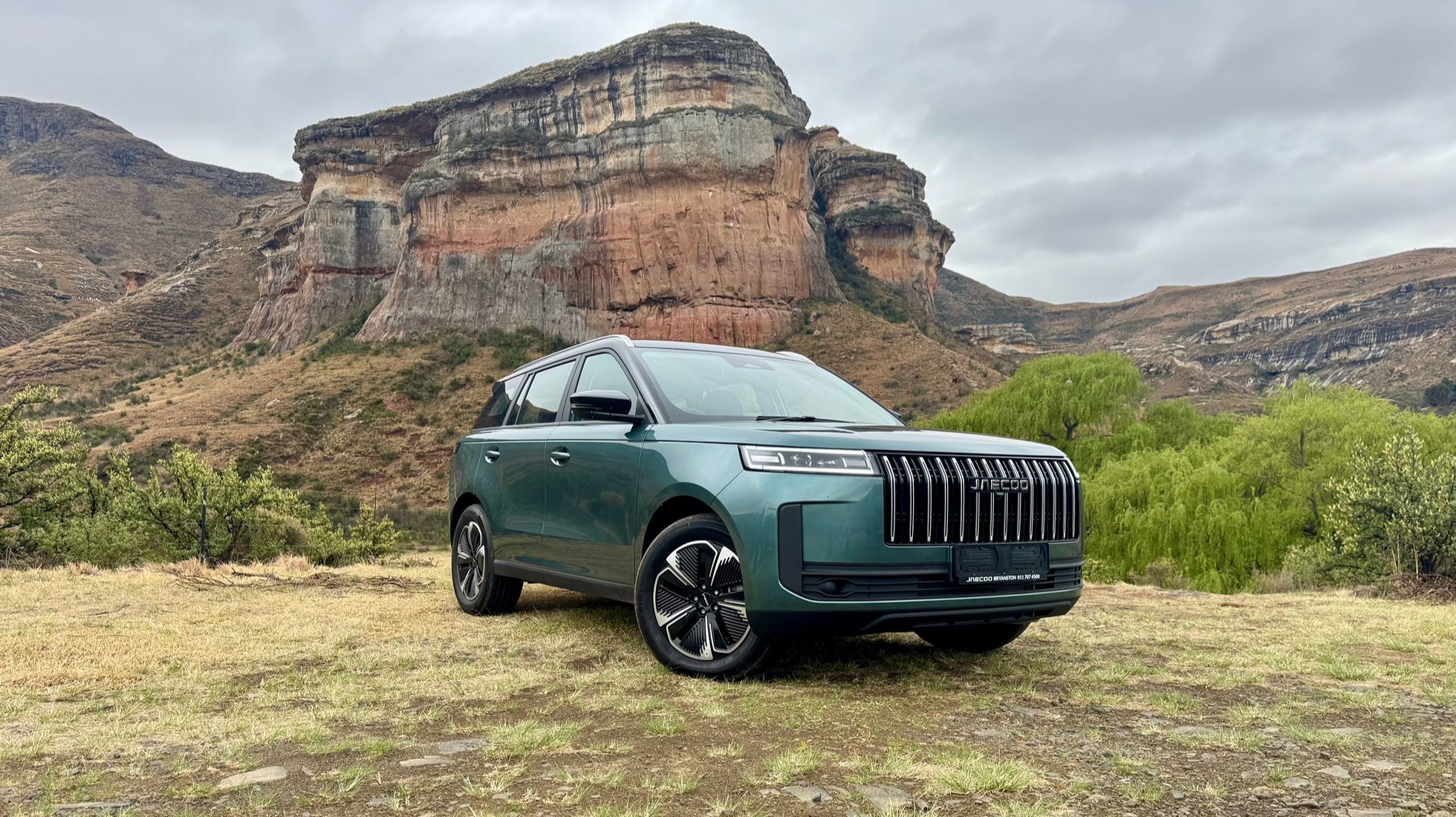
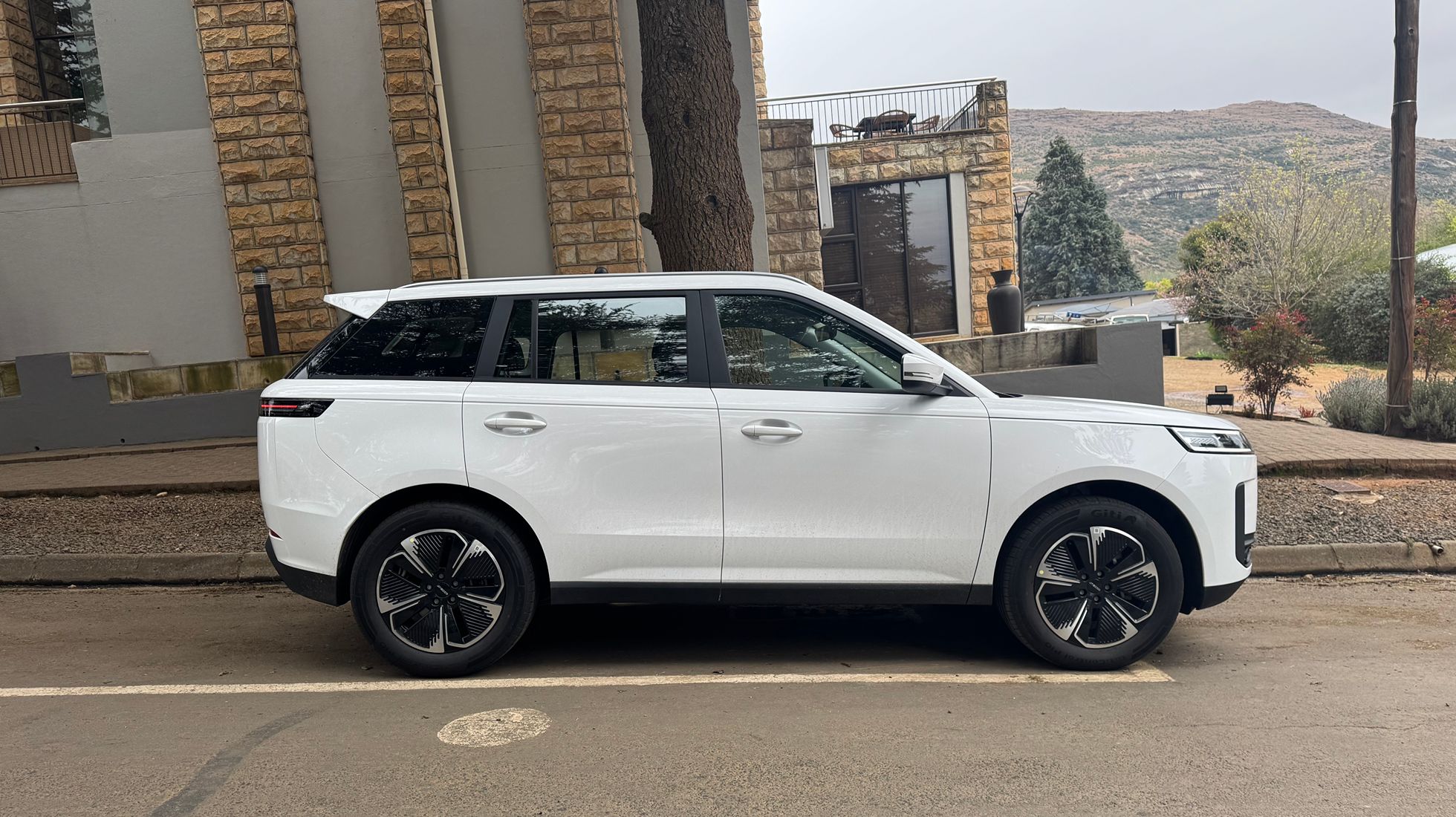
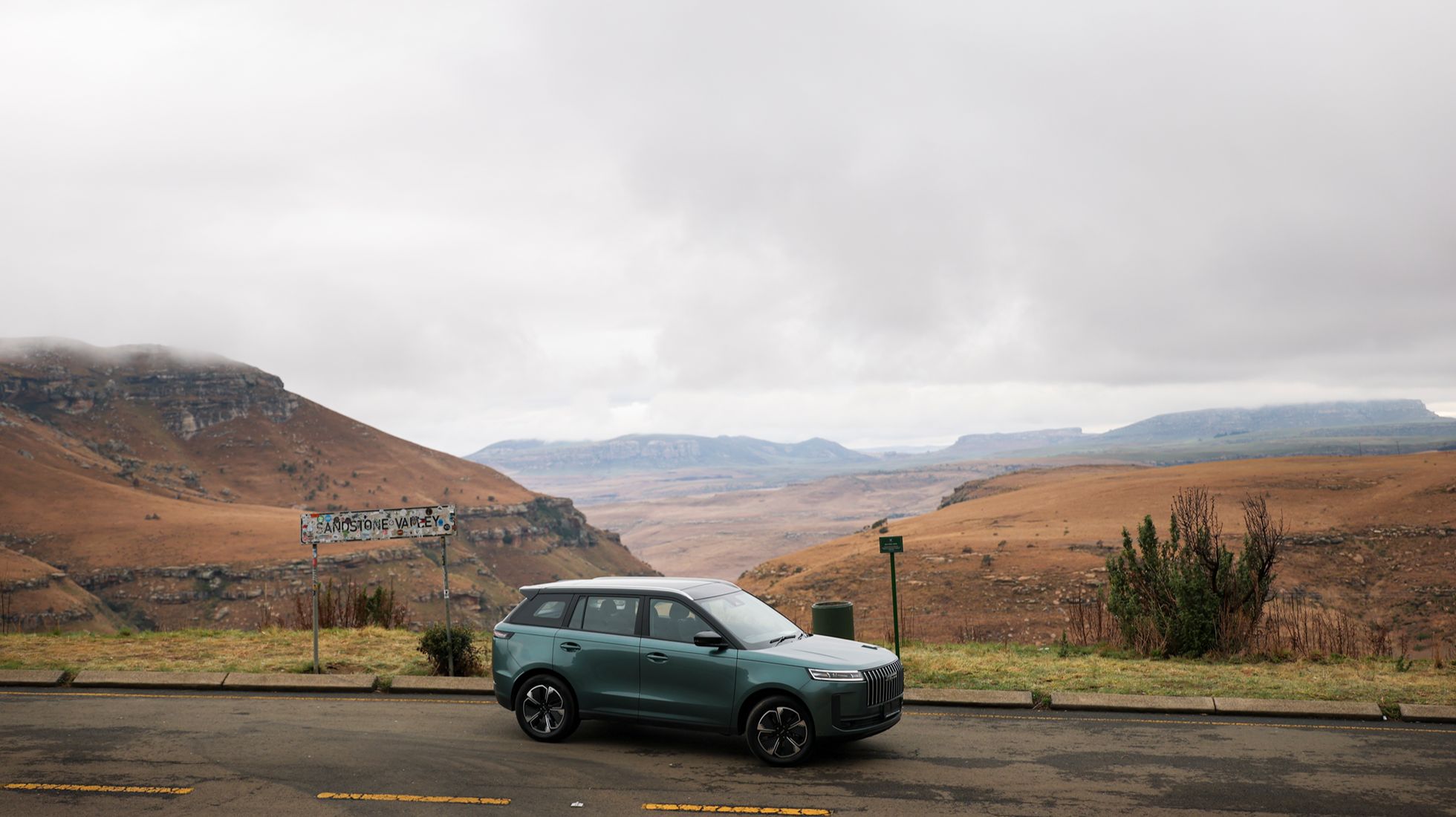
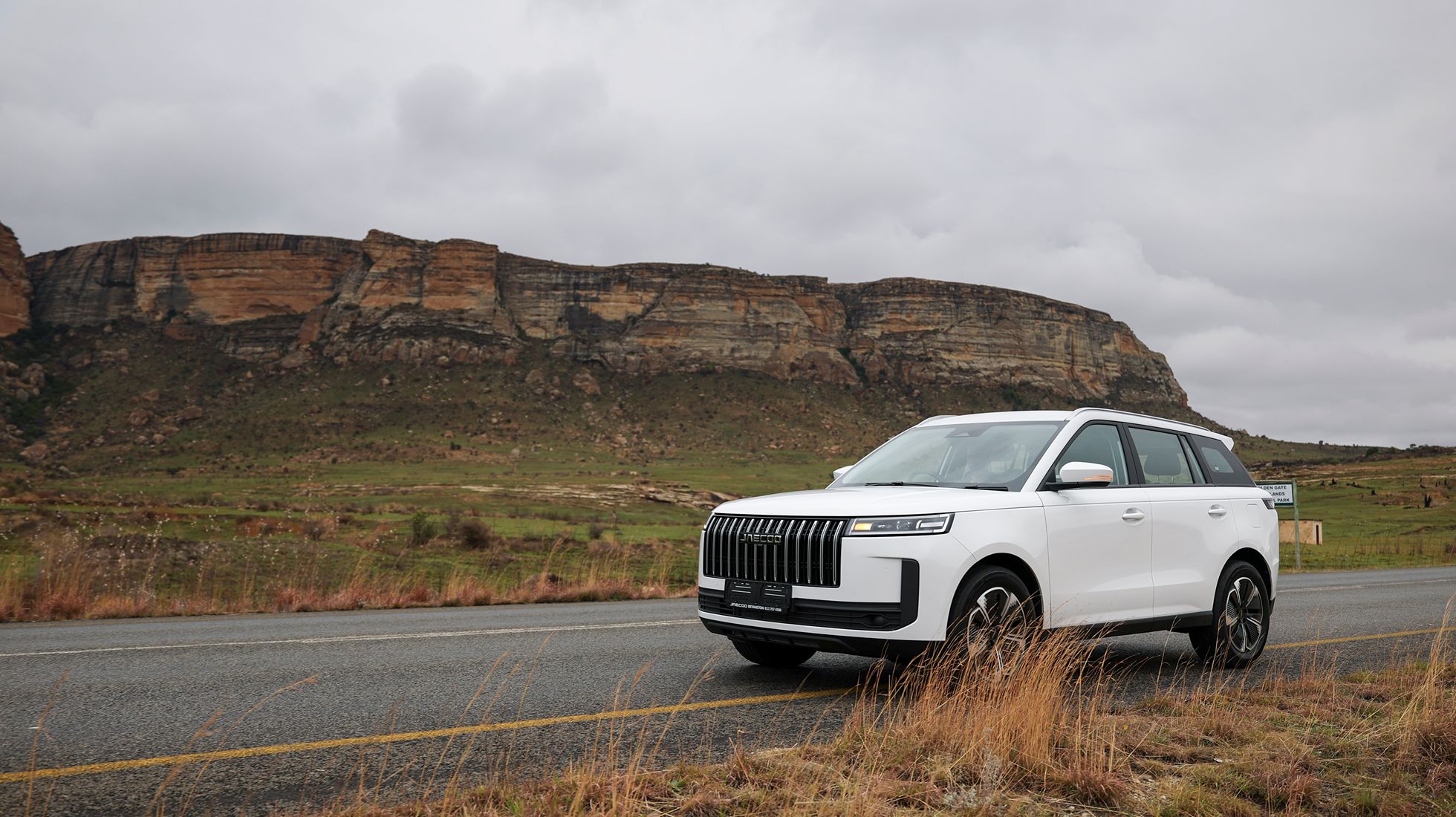
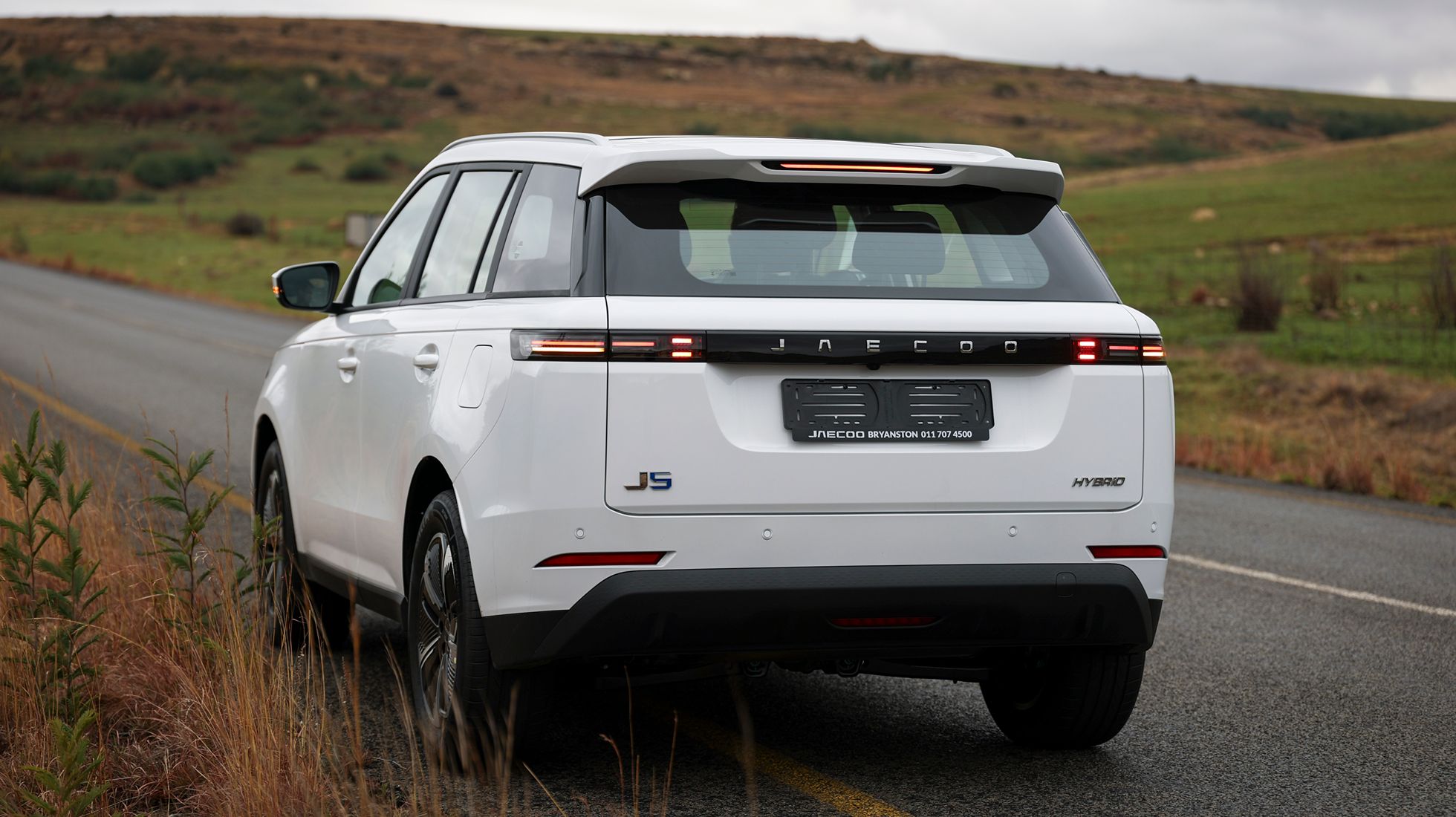
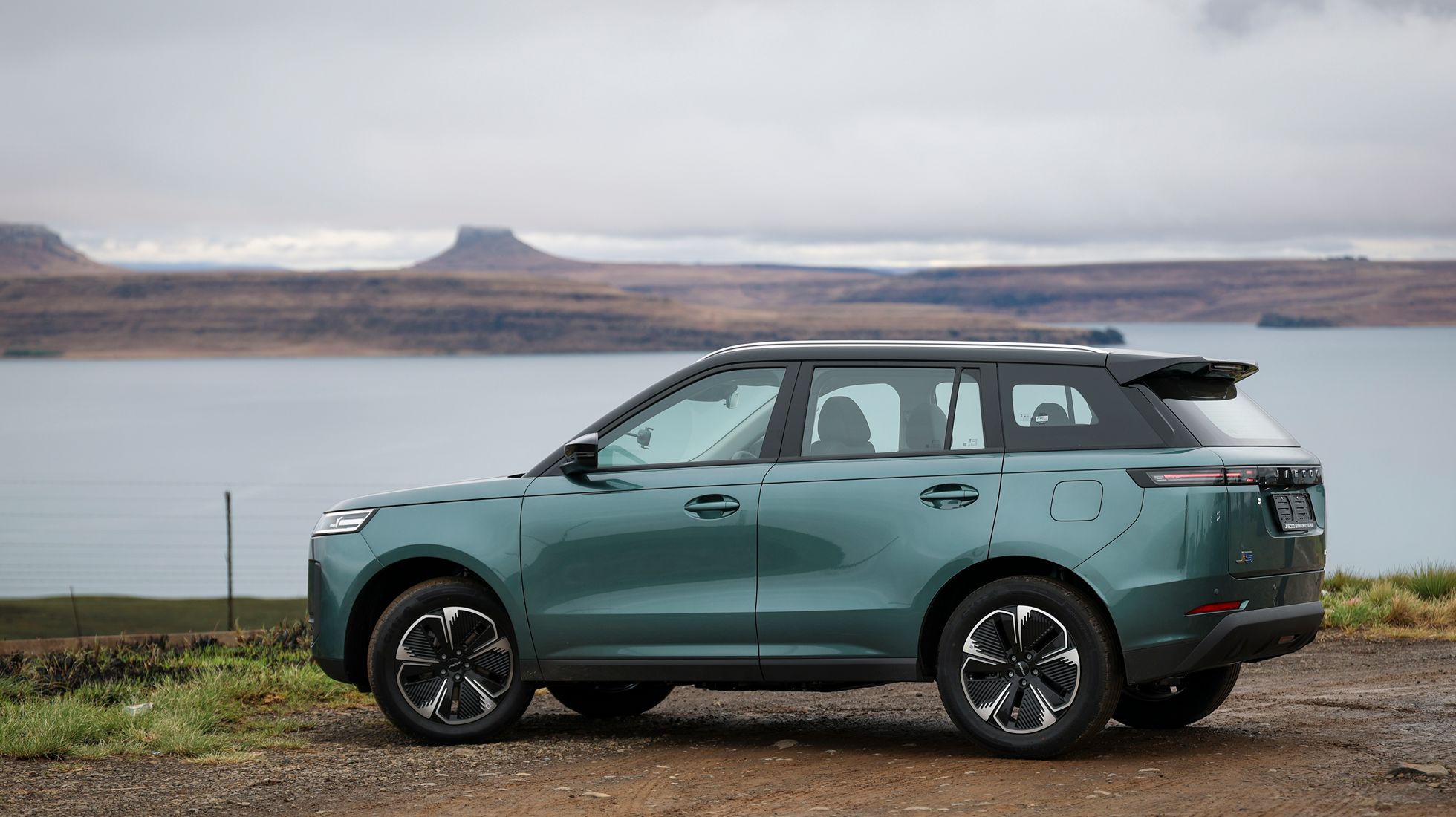
First Drive: Jaecoo J5 HEV and BEV
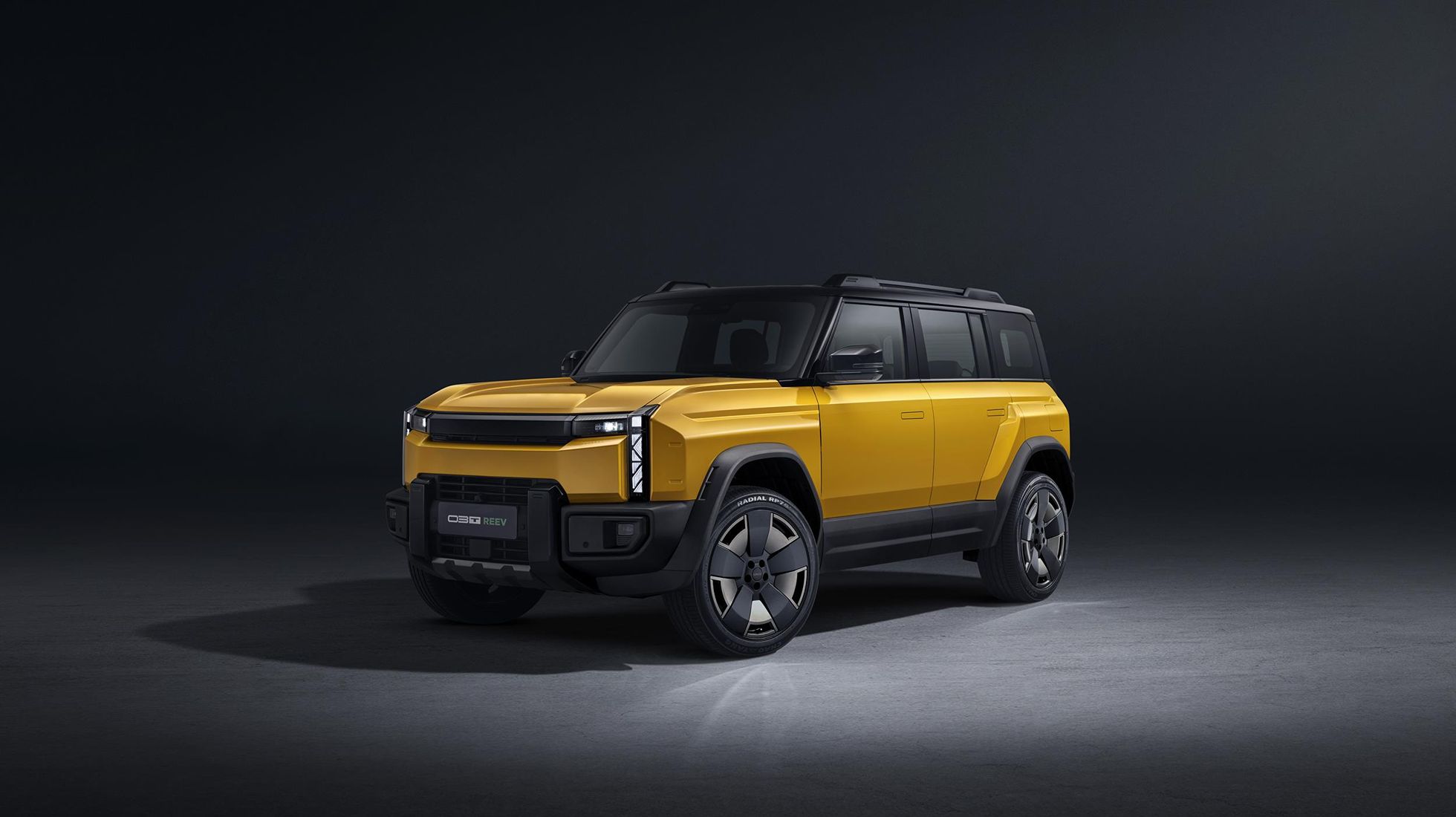
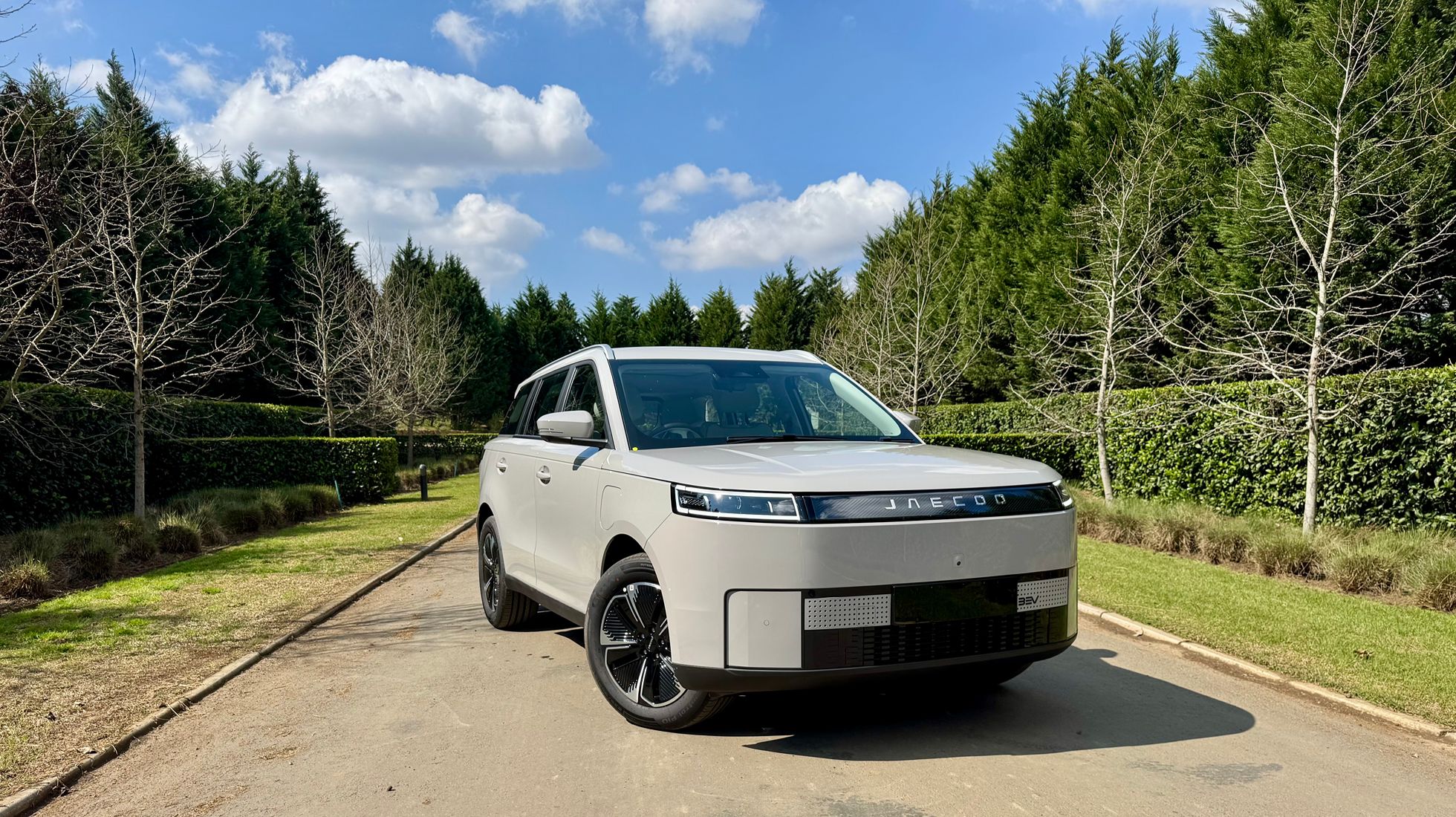
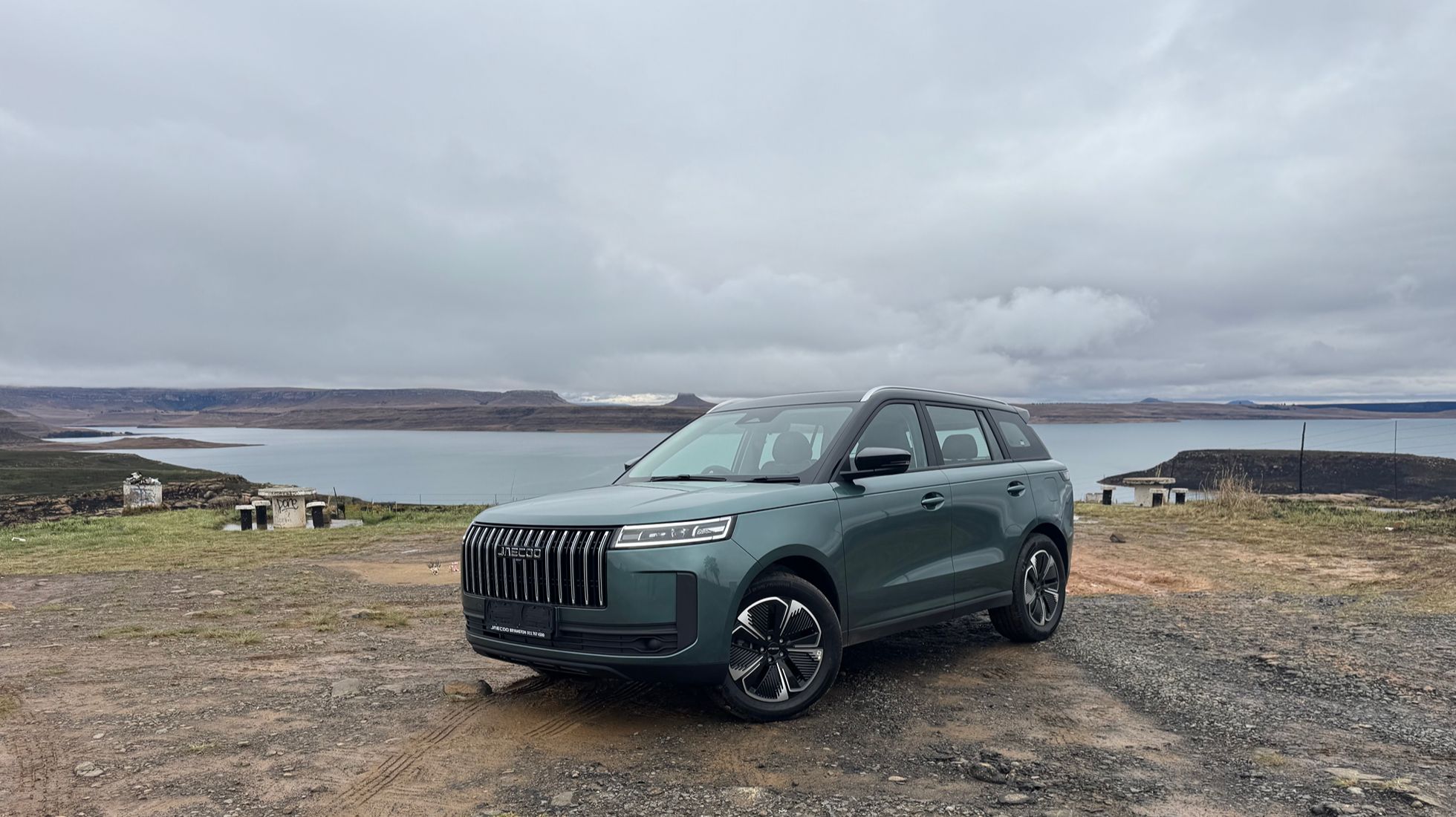
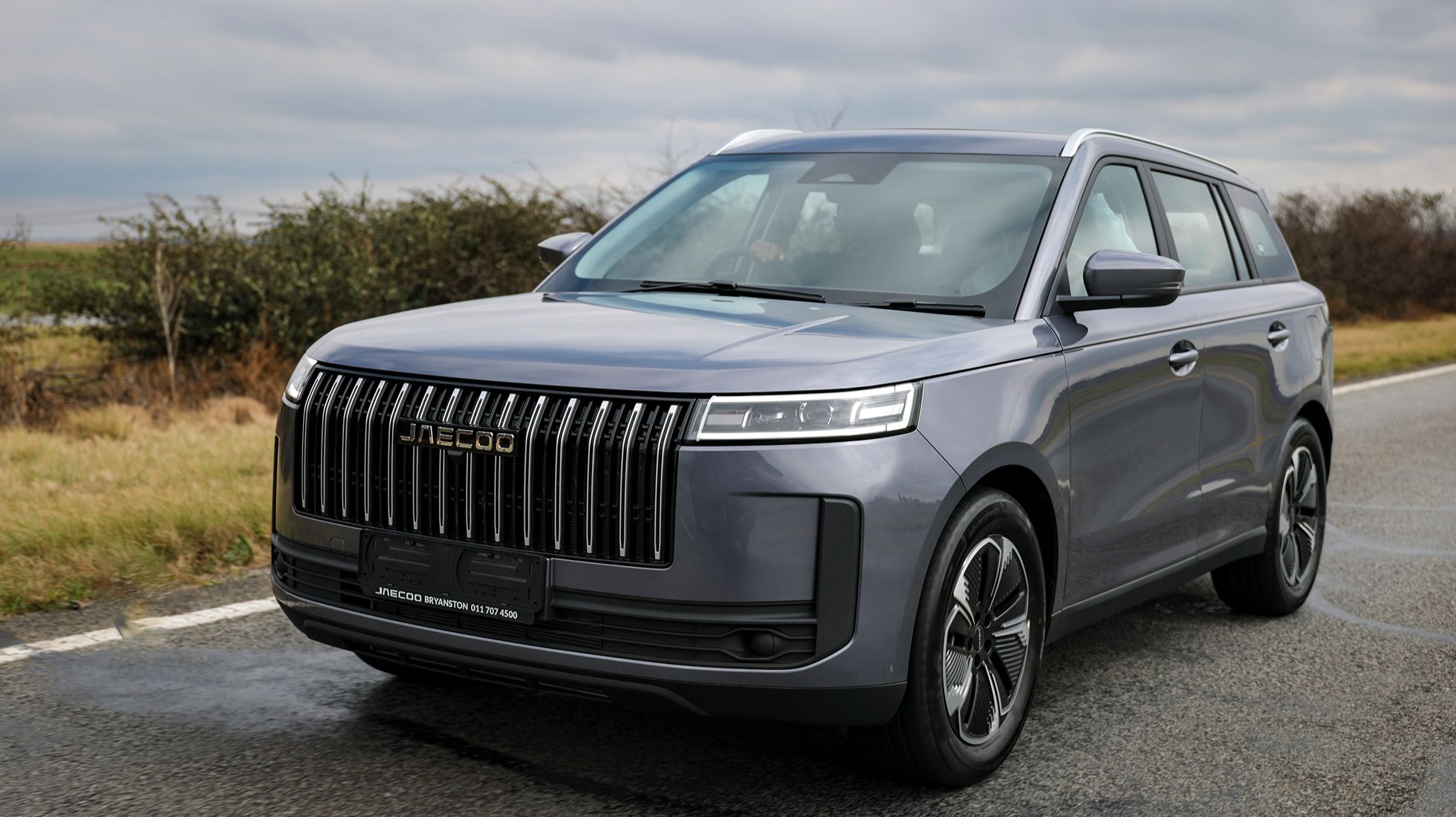
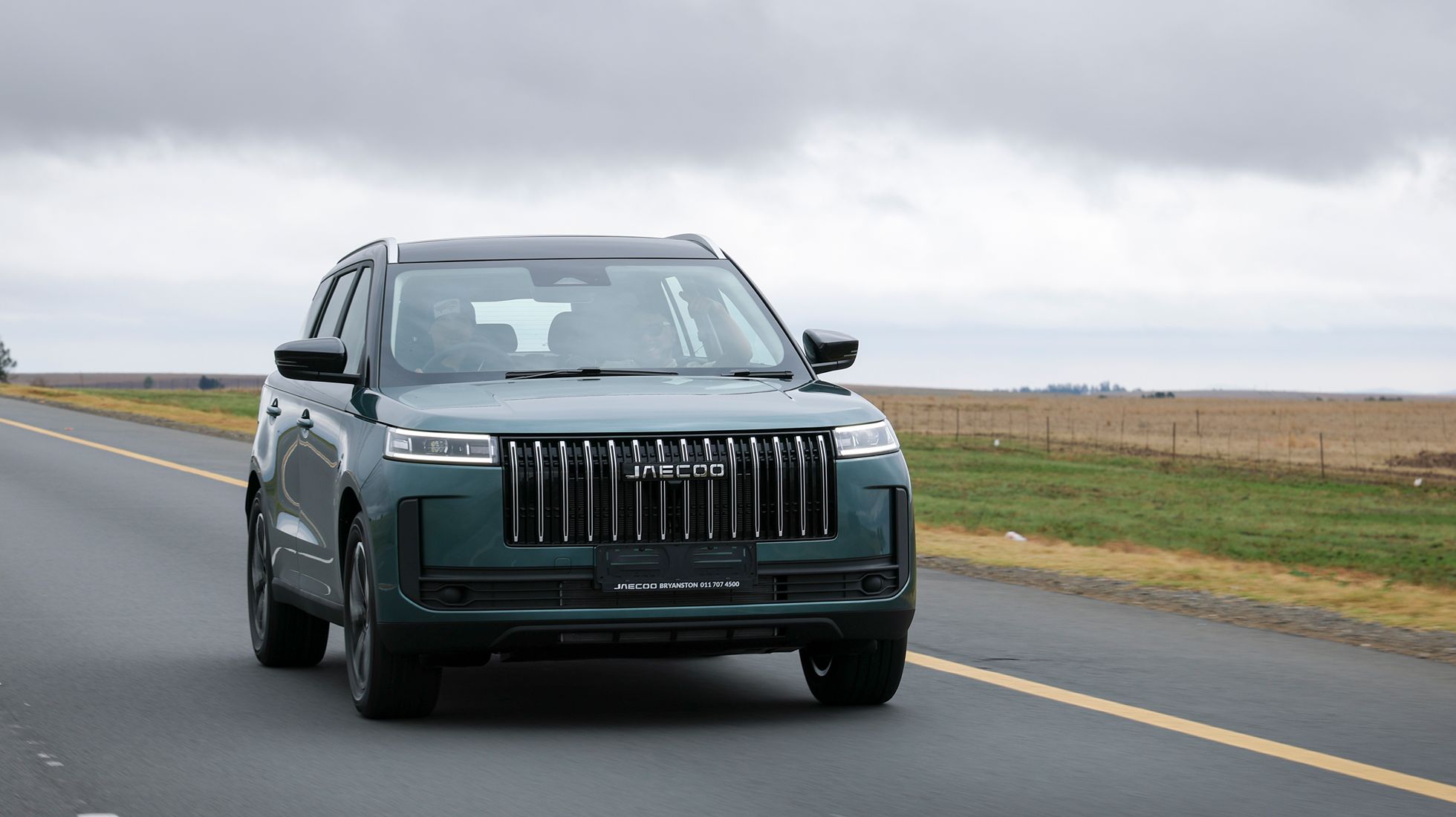
Jaecoo has recently introduced two new derivatives of its J5 SUV – the J5 HEV and J5 BEV. The buzzword accompanying these kinds of vehicles is range. How much further can you travel with the HEV, and is the range any good with the BEV?
South Africa has been much slower to adopt new energy vehicles (NEVs) than the likes of Europe and the US. However, while South Africa might be delayed in the welcoming of this kind of technology, recently, the demand for NEVs has grown substantially. Indeed, it seems as if there is a never-ending tsunami of hybrids and EVs landing on our shores. Jaecoo, which forms part of the Chery Group stable, decided that now is the time to offer customers the option to purchase just such versions of their J5. And what better way to put this new derivative to the test than with a good old South African road trip?
Tell me more about the drive systems…
Let’s start with the J5 HEV. It utilises a 1.5-litre, 4-cylinder turbocharged petrol engine that works in tandem with a 1.83kWh battery. The result of this duet is a total power output of 165kW and 295Nm of torque. A dedicated hybrid gearbox, or DHT, is then used to supply power to the wheels. Moving over to the BEV, Jaecoo has provided a 58.9kWh battery which delivers 155kW and 288Nm of fully electrical torque. The Chinese marque claims a theoretical range of over 1,000km for its hybrid offering and just over 400km for the BEV. Theory and practice, however, in the world of total range is often not the same story…
What’s it like on the inside?
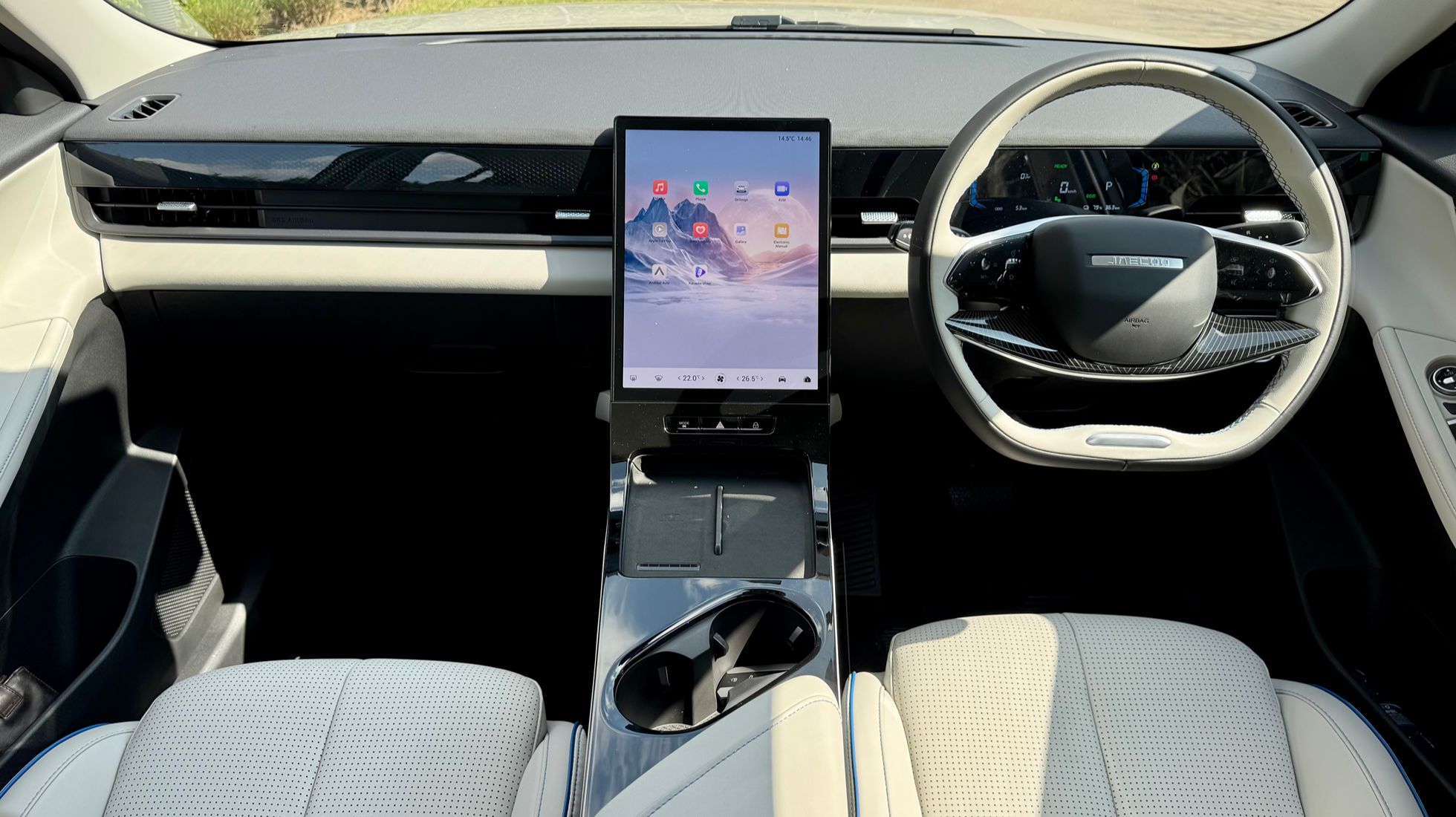
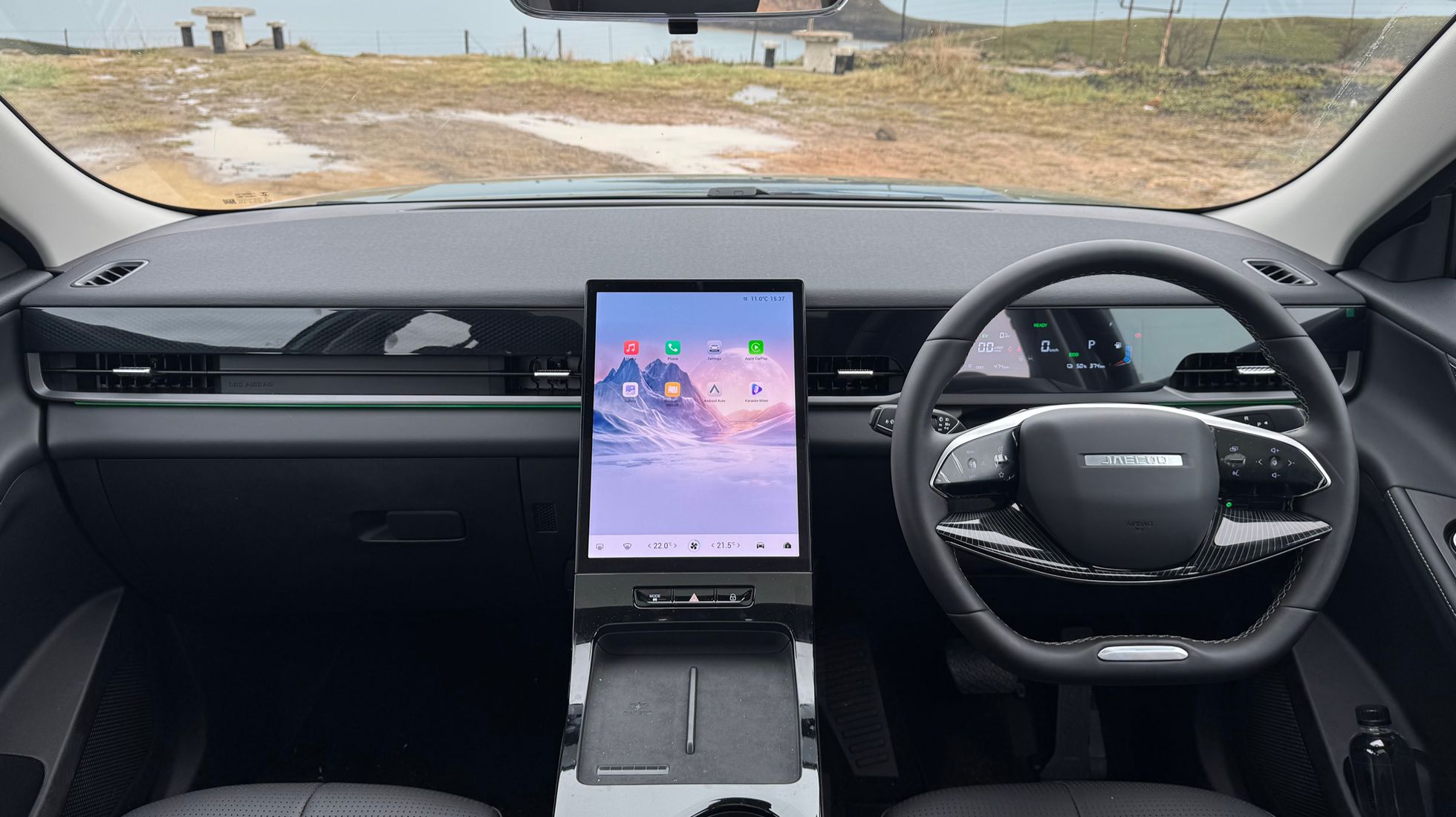
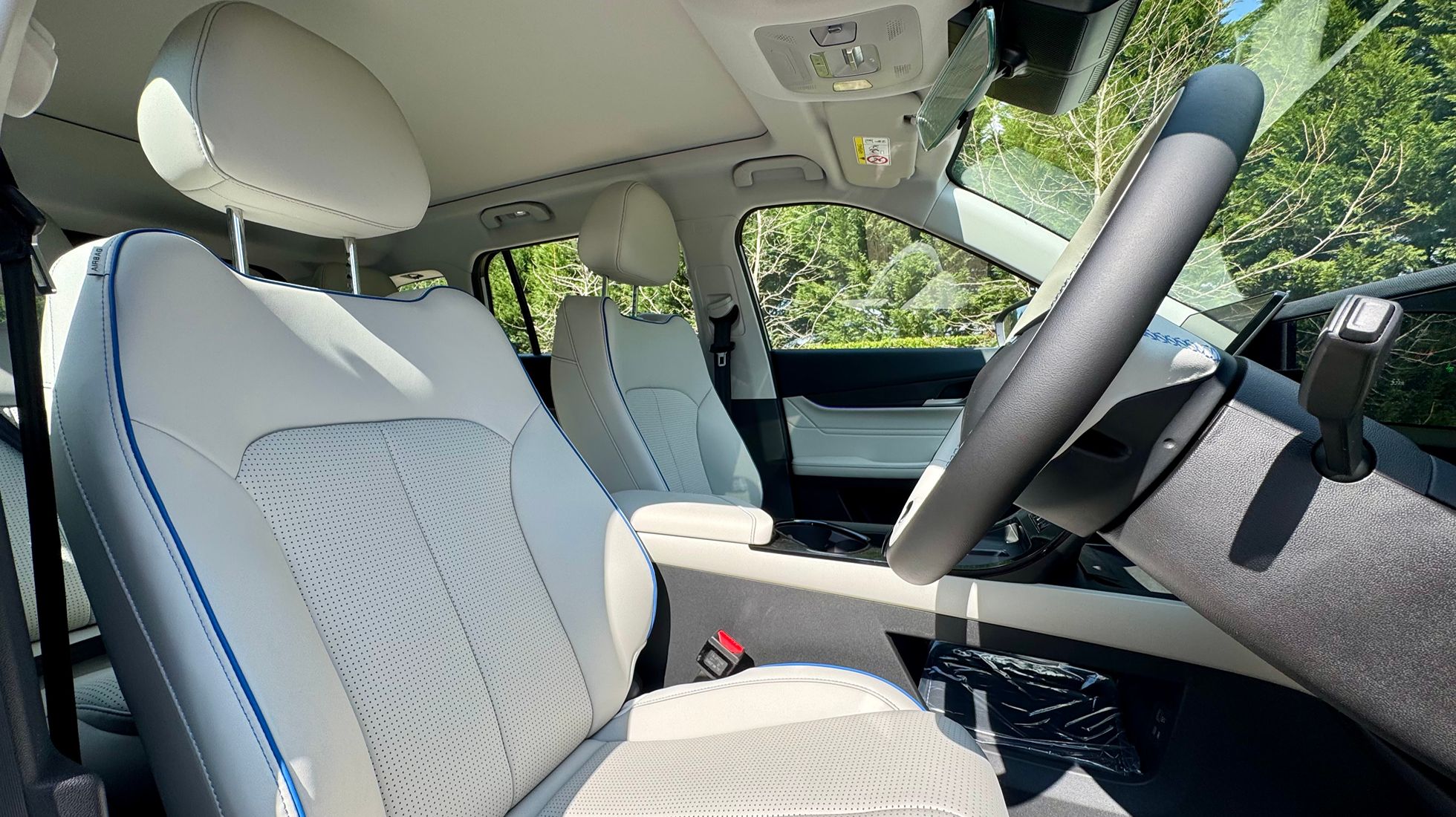
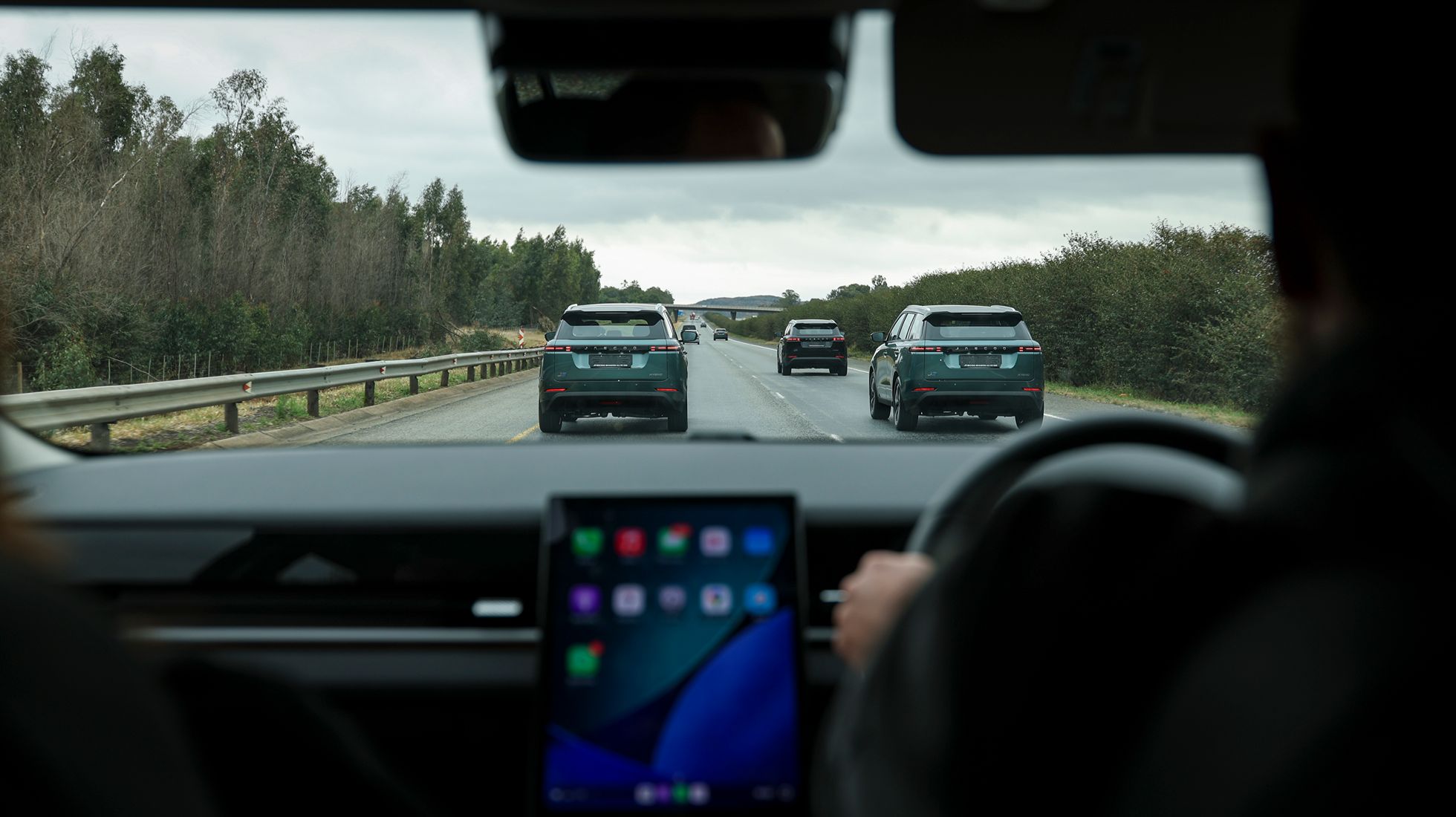
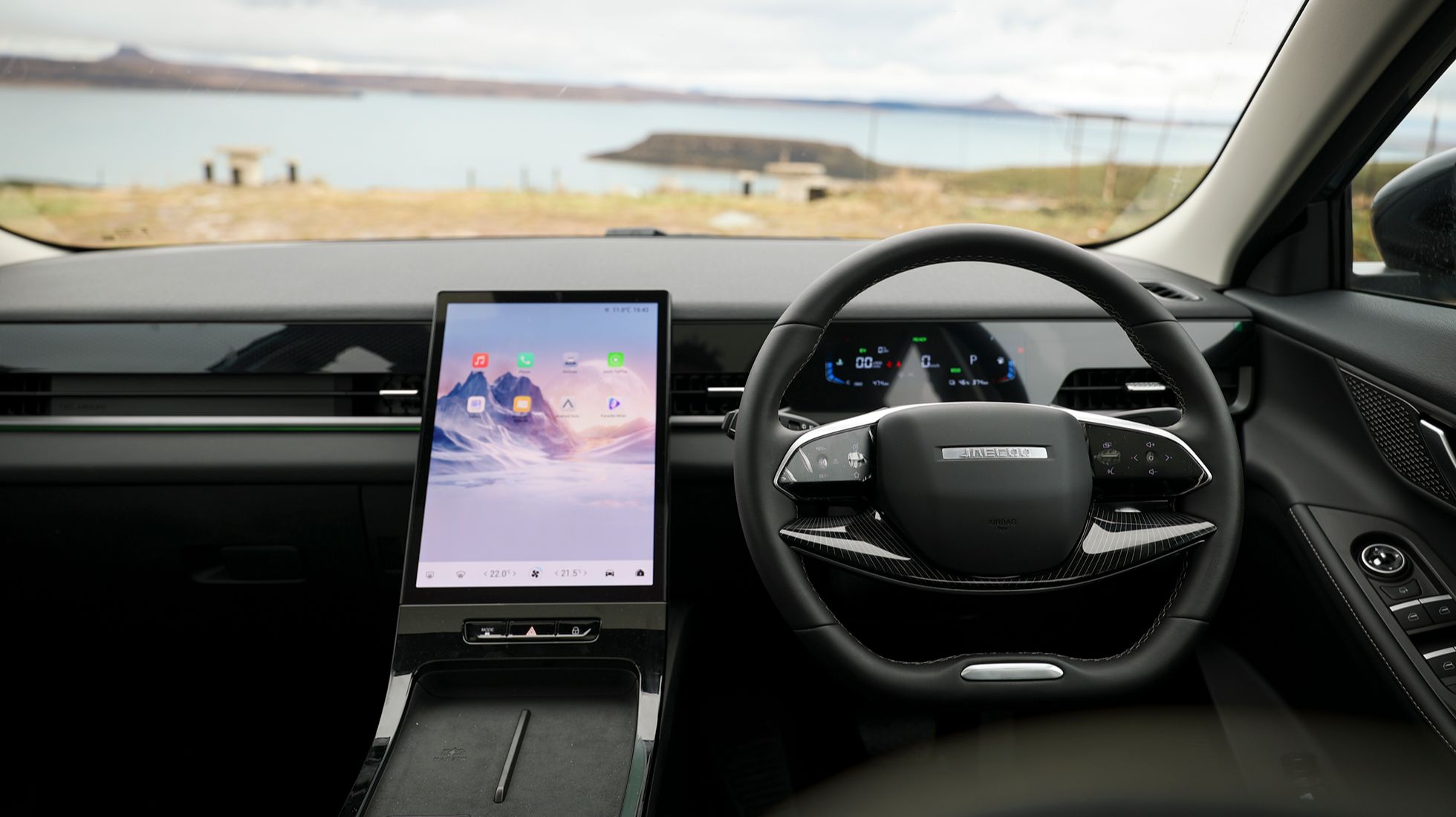
The interior is identical to that of its internal combustion counterpart. The quality feels decent enough with no squeaks or rattles. Greeting you in the centre is a sizeable 13.2-inch infotainment screen for adjusting your settings and accessing wireless Apple CarPlay and Android Auto, as well as climate control. Annoyingly, though, you can only adjust the volume from the button on the steering wheel. It would’ve been nice to have an additional volume button or, at the very least, a means of adjusting it on the screen as well. You are also provided with a USB-C and USB-A port in the front, together with a 50W wireless charging pad with built-in phone cooling.
The seats were comfortable throughout the journey and offered the necessary support. In fact, the only difference in the interior of the HEV and BEV is the colour of the faux leather seats: black with contrasting white details for the HEV and white with contrasting blue details for the BEV.
So, what are they like to drive then?
We spent the majority of the trip driving the HEV variant, and from the get-go it’s clear that this vehicle would be more than acceptable as a chariot of choice for long distances. Overall, the J5 HEV feels like a solid family car. On the long, monotonous highway straights, it offers the necessary comfort and entertainment, including karaoke microphones. Seriously, we aren’t joking…
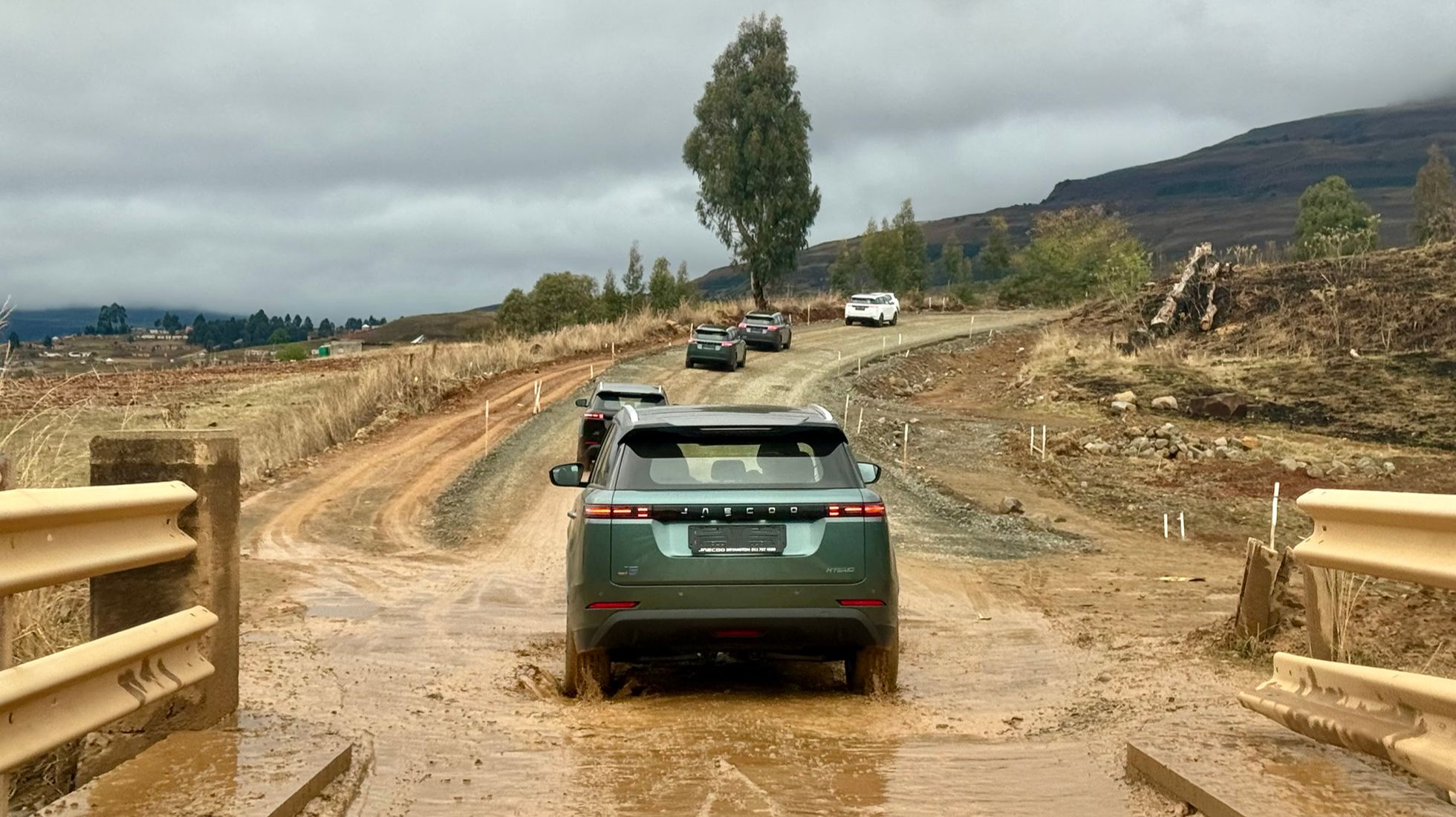
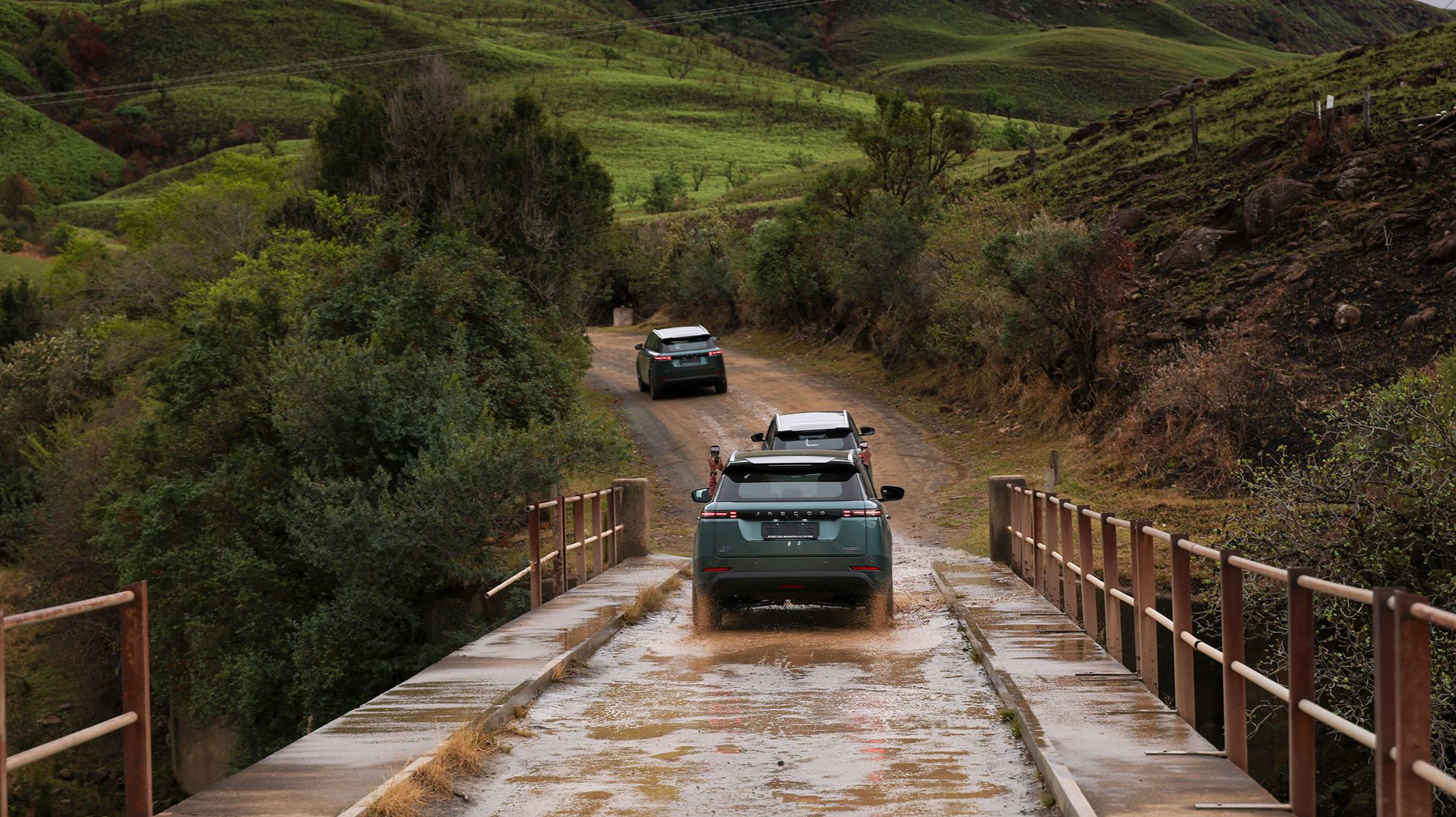
There are a few niggles, though. Heading off the highway and travelling on battered, undulating road surfaces highlighted the ride comfort of the car. The suspension is on the firmer side of the scale. Firmer, I would say, than it should be. I believe that softening the suspension would certainly enhance the driving experience.
The power delivery is also worth talking about. When you plant your foot on the accelerator in Eco mode at lower speeds, it appears that the car takes a few seconds before it begins to accelerate in earnest. At higher speeds, however, it seems to pick up pace quicker. In Sport mode, this isn’t as noticeable. I believe the HEV should be fitted with the likes of a ‘Comfort’ or ‘Normal’ mode to provide a midway solution in terms of throttle response. Curiously, the BEV does have a ‘Normal’ mode. Why they opted to give it to one and not the other, I’m not sure.
With that being said, the integration between the electric motor and engine is seamless. Besides the information given on the 8-inch driver display, it’s rare that you will notice when a switch between the powertrains takes place. Power delivery isn’t an issue with the EV, but with a linear dispensation typical of an EV. The brakes are also rather sharp on both cars. It takes some getting used to, but I think the sensitivity could be reduced slightly. The overall refinement is also emphasised with minimal wind noise when driving at highway speeds.
Can they go as far as Jaecoo says they will?
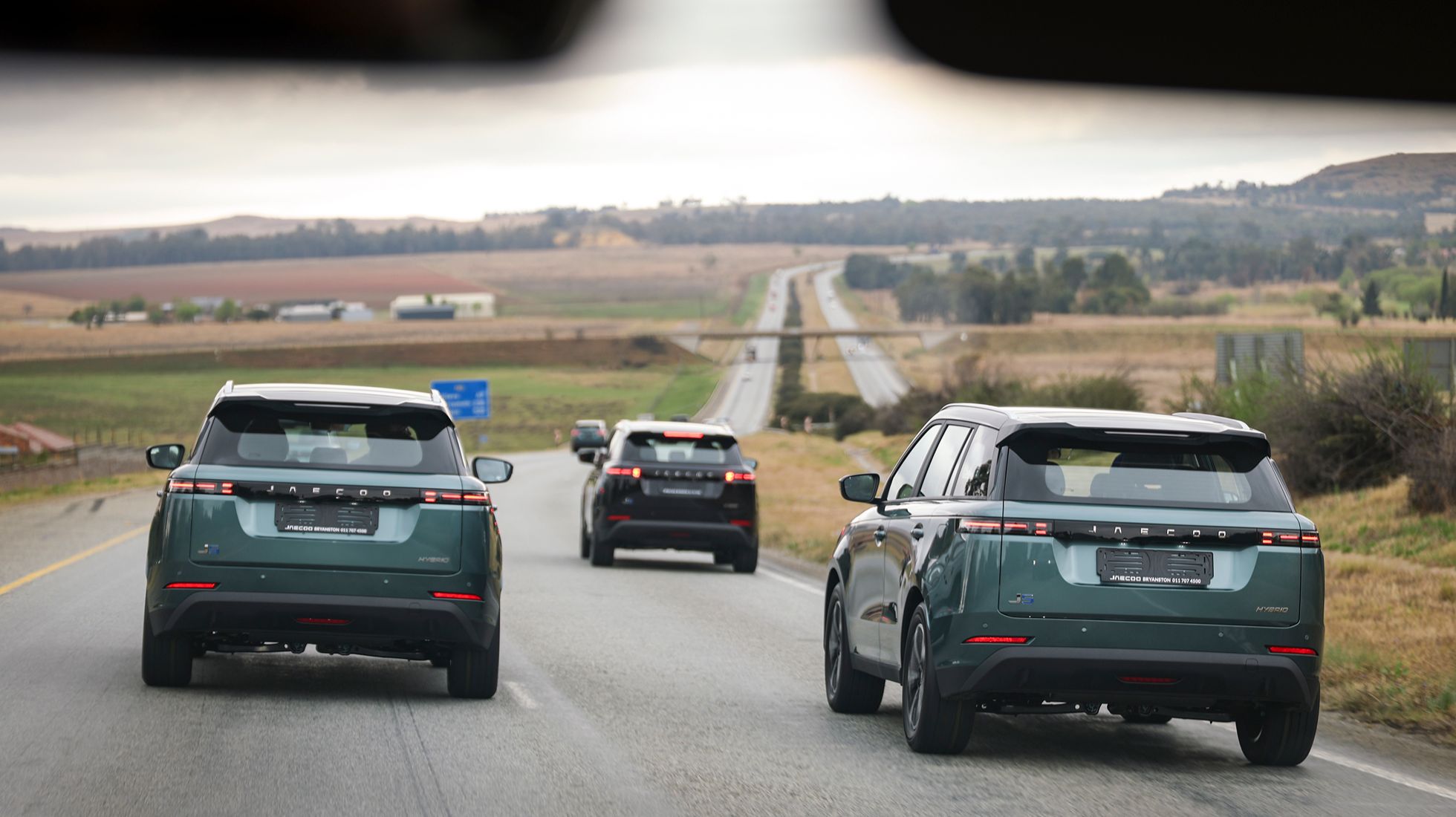
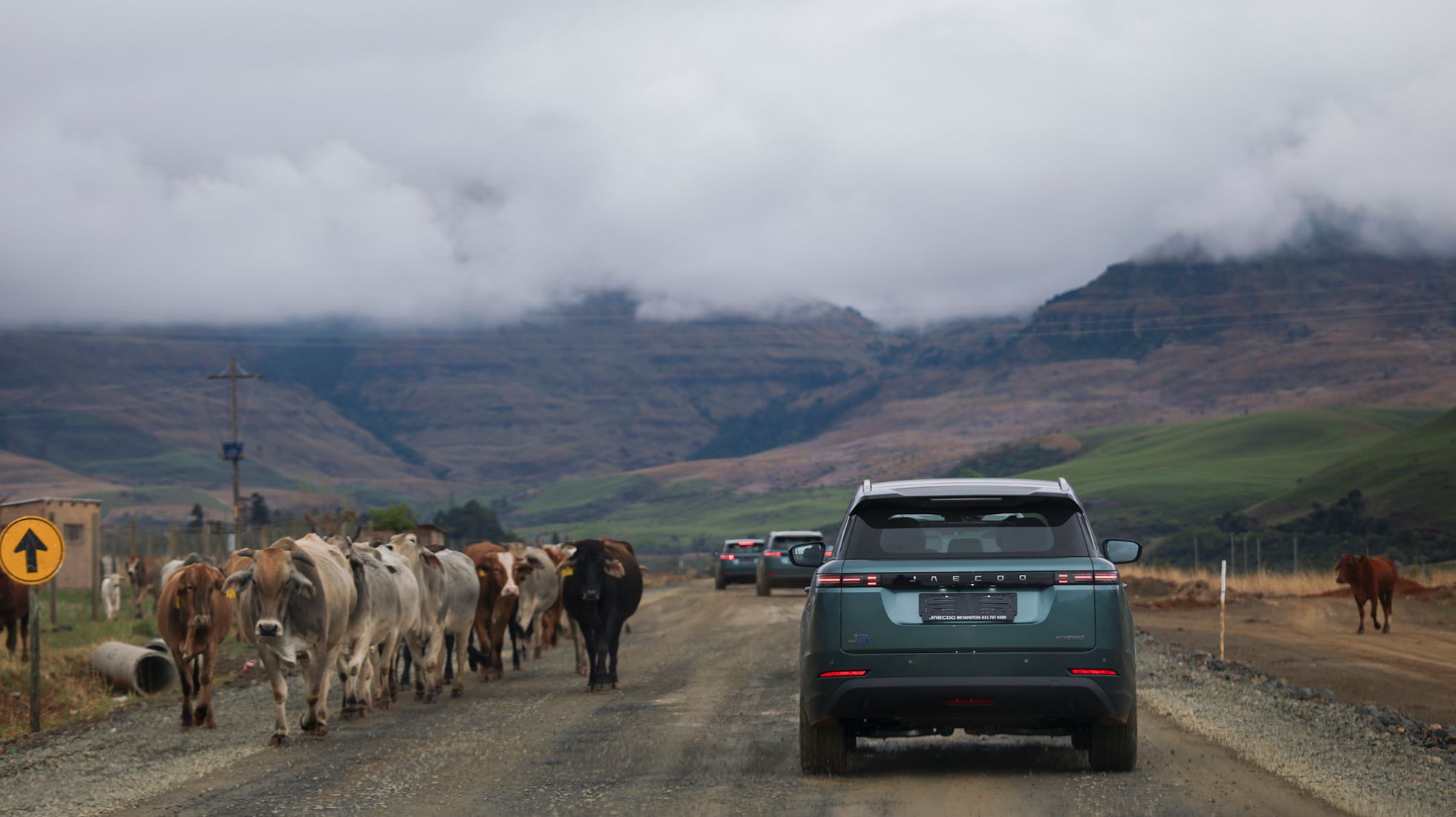
Our journey stretched almost 900 kilometres from Johannesburg through to Durban via the Central Drakensberg region. With most of our journey being in the HEV, we could get a good indication of what the realistic range would look like. While it is very unlikely that you will achieve more than 1,000km on a tank, as Jaecoo claims, you should comfortably achieve around 800km. This is certainly not bad for a 51-litre fuel tank. Jaecoo claims 5.3l/100km, and the lowest we saw was 4.0l/100km (albeit briefly). On the highway, we averaged just under 6l/100km.
On the flip side, we drove approximately 200km in the BEV and, considering it was primarily on the highway and often with a heavy right foot, the worst consumption we saw was around 13kWh/100km. With that in mind, I believe you would comfortably be able to travel between 300- 350km on a single charge.
Are these cars expensive?
Hybrids and EVs typically tend to leave a bigger hole in your pocket. This type of technology is gradually becoming more affordable, particularly among Chinese brands. Jaecoo announced that its J5 HEV will be available from R459,900, and the J5 EV from R549,900. As these kinds of cars go, that pricing really isn’t bad at all. In fact, for everything that the car offers, I believe it makes the J5 an enticing option for families who are considering going the NEV route.
Included in that price, for both derivatives, is a 5-year/150,000km factory warranty, 5-year/75,000km service plan and 5-year/unlimited-kilometre roadside assistance. The J5 HEV comes with a 10-year/1 million km engine warranty (for the first owner), as well as a 10-year/unlimited km hybrid battery warranty. The J5 BEV, subsequently, is provided with an 8-year/160,000km battery warranty. J5 HEV and BEV owners are also provided with Jaecoo Cares, which includes the likes of courtesy cars and driving home services. J5 BEV owners are also given a 7kWh wall charger and even a space saver spare wheel – a rarity for EVs!
Should you buy one?
Both the J5 HEV and BEV offer good value for money. Sure, there isn’t necessarily anything that makes it particularly special or stand out from the crowd, but in a time when the fuel pump is something to be avoided, and at this price point, it does certainly make for an enticing proposition – particularly the HEV. I don’t think the BEV will be a volume seller, but as a family SUV, that should easily take you from Joburg to Durban on one tank, and it’s certainly worth a consideration.
Words: Barrie Ferreira