First Drive: JMC Vigus Pro
Last year, reports began to surface of JMC’s imminent return to the South African market. It first launched locally in 2007 with light commercial vehicles and eventually the Landwind sub-brand. But now it’s back, albeit with a currently limited product range. The brand, which is now distributed by the Salvador Caetano Group, is looking to have a footprint of 40 dealerships by the end of 2026.
The carmaker has been present locally in a background role with the JMC-Ford JV that produced the Territory. And now, with the launch of the JMC-branded Vigus Pro in single and double cab guise, it positions the brand as the maker of some of the most affordable bakkies on the market and, in the process, aiming to take considerable market share from more established players, whether Chinese or otherwise. The Vigus nameplate may be making a local resurgence with the Pro, but it’s far from a new bakkie, which, again, helps explain its aggressive price.
What does the JMC Vigus Pro cost then?
The Vigus Pro single cab comes with a sticker price of R299,900, matching that of the JAC T6 Comfort at R299,900, but is narrowly undercut by the Mahindra Pik Up S4, which costs R289,249. Step up to the Vigus Pro 4×2 automatic double cab, and the price increases to R439,900, placing it higher on the pricing ladder than the JAC T8 Lux manual (R399,900) and Foton’s Tunland G7 TL manual (R399,900).
The Vigus Pro claws back some ground in the double cab auto space. If you’re dead set on a double cab auto and can live with 4×2, the Vigus Pro is unbeaten with only Mahindra and its Pik Up double cab S6 offering any real opposition, at R149 more – roughly the price of a takeaway lunch.
The 4×4 auto, meanwhile, headlines the range at R499,900 and is only contested by Mahindra’s double cab S6 4×4 auto priced at R479,449. The closest competitor with Chinese origins, which also happens to be considerably more modern, is the GWM P300 SX 4×4 auto at R537,950.
Is the Vigus Pro not a new bakkie?

No. It’s known in other markets as the Yuhu 7. Production and international sales of the Yuhu commenced in 2017, meaning that the platform, which is now nearly nine years old, is showing clear signs of its age.
Driving the double cab derivatives, the most obvious sign of its seniority is the interior packaging. The driver and passenger footwells feel confined, while the rear bench offers little in the way of comfortable legroom.
Fit and finish is acceptable for the most part, but the portrait-style screen, which happens to be in vogue now, feels dated in both operation and interface compared to the rest of the bakkie crowd, especially other, more up-to-trend contenders from the East. Then again, this is a budget bakkie that places a premium on simplicity and cost of entry over niceties.
How does it drive?
Under the bonnet of the Vigus Pro sits JMC’s Diesel Puma 2.0-litre turbodiesel mill. It’s paired to a 6-speed manual in the single cab and an 8-speed automatic gearbox in the double cabs. The manual produces 103kW and 310Nm while the automatic, doing double cab duties, is responsible for shifting a still-modest 104kW and a slightly more torquey 350Nm.
On a short media drive, the diesel mill in the double cabs felt well suited to daily driving demands, but I do expect that it will heave under the strain of heavy loads or even sizeable towing tasks.
As for ride quality, well, it feels its age. The leaf-sprung rear becomes lively over most road surfaces when unladen but, taking into account its price and market positioning, it’s not entirely a deal-breaker.
Off-roading… Any good?

As far as modest obstacles are concerned, yes. A 4×4 track highlighted the four-wheel-drive version’s capabilities, which, considering its price, is nothing to scoff at. The low-range works reliably to optimise gearing and traction on steep inclines, while the hill-descent control function, which is modest compared to more modern adaptive systems, works well enough on declines. Its 225mm ground clearance can clear most off-road obstacles, although its breakover angle could be better.
Should you buy a Vigus Pro?
For the price, it’s definitely worth considering. Ultimately, the Vigus Pro, be it the single or double cab, serves the same purpose as bakkies commanding twice the price, naturally just with less refinement, less power, and considerably less modern tech. With a roll-out of 40 planned dealerships, it looks like JMC is here to leave its mark the second time around.

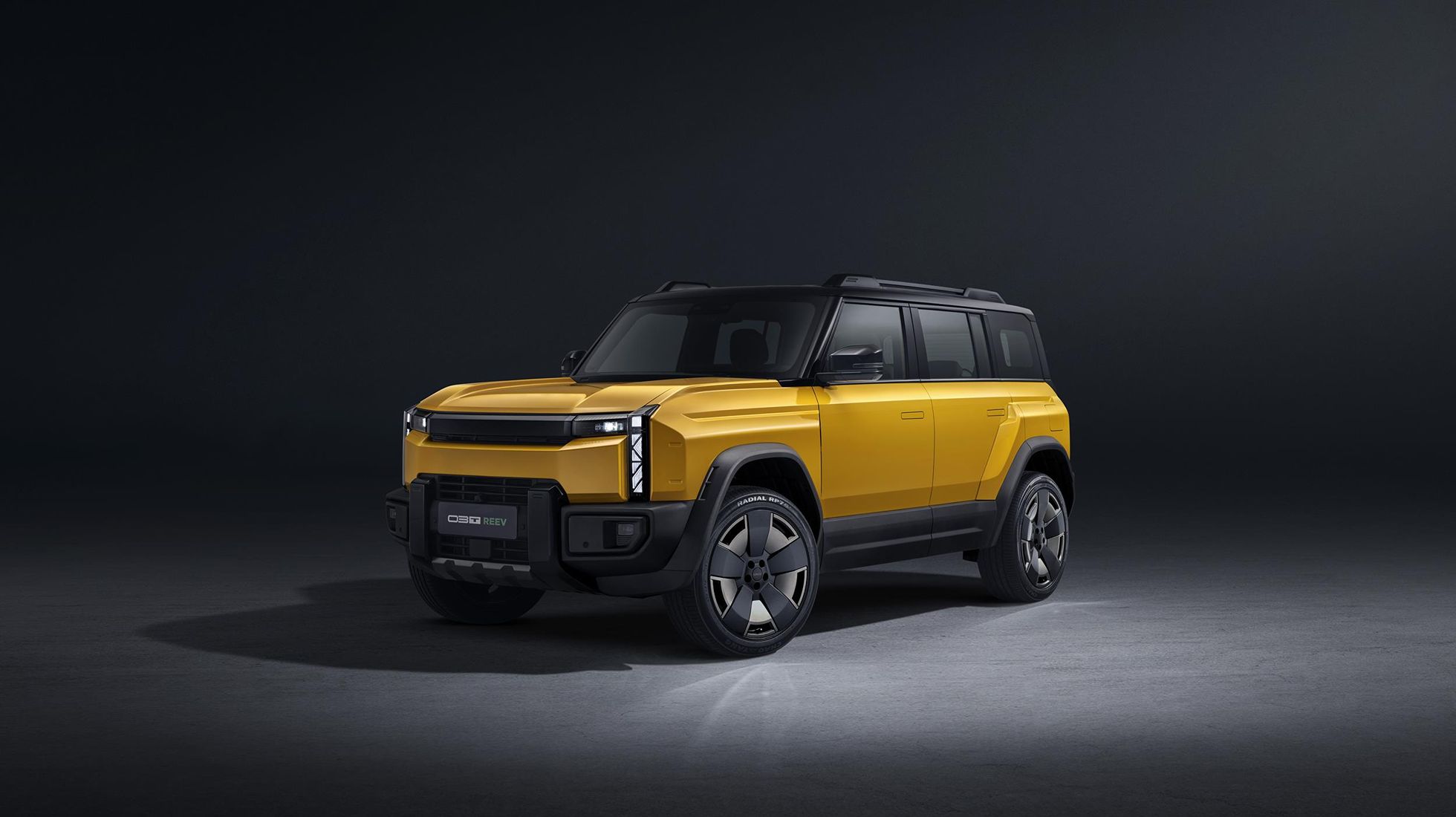
It’s also worth noting that JMC plans to introduce more bakkie models in 2026, including the all-new, up-to-date Vigus. And if its styling serves as a predictor, it will cause quite a stir in the growing Chinese bakkie segment.