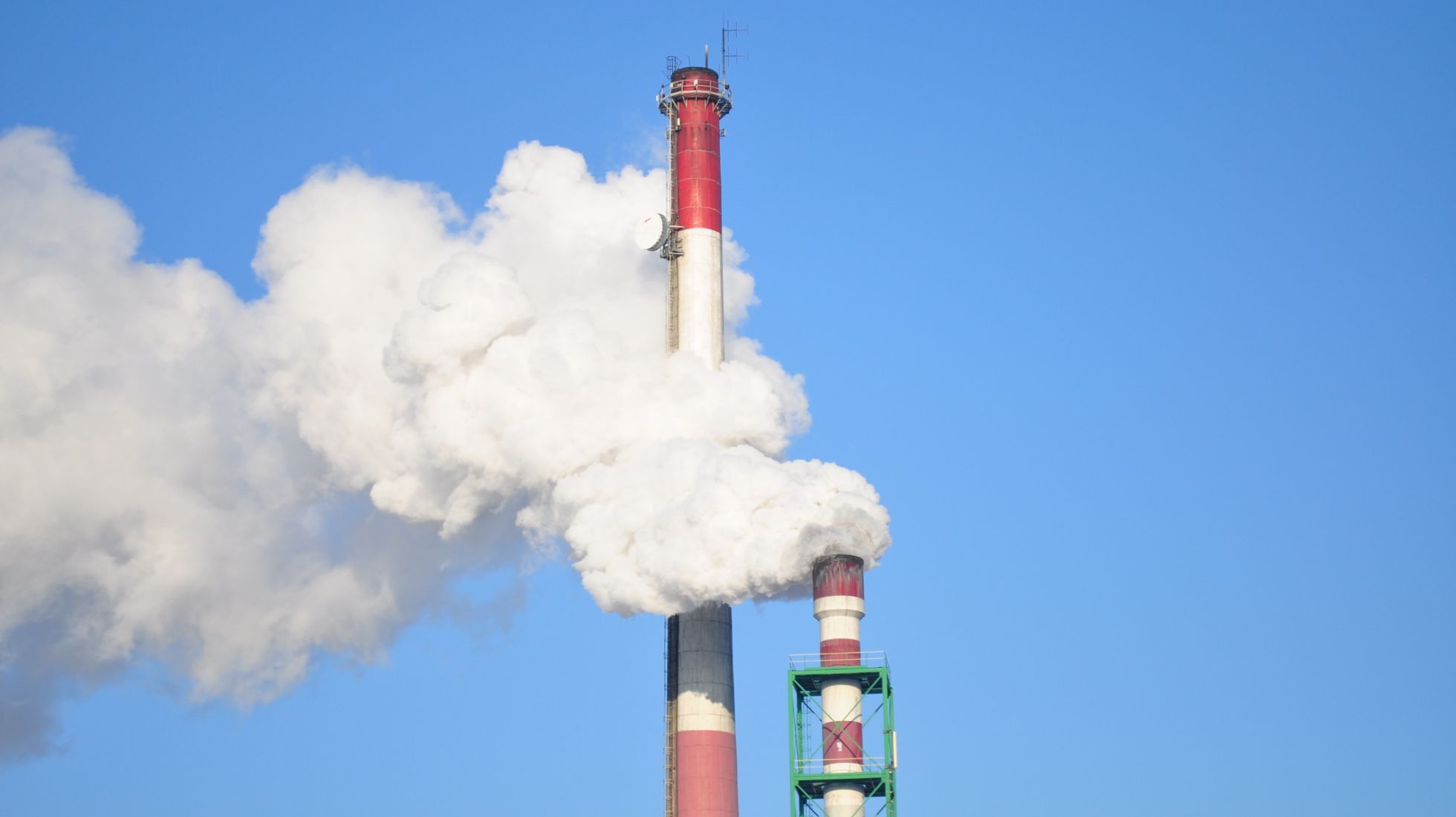
How carbon tax drives the zero-emissions change in SA
If you take a closer look at climate change, it is one of the most pressing issues of our time, as the Earth is getting warmer than at any point in recorded history.
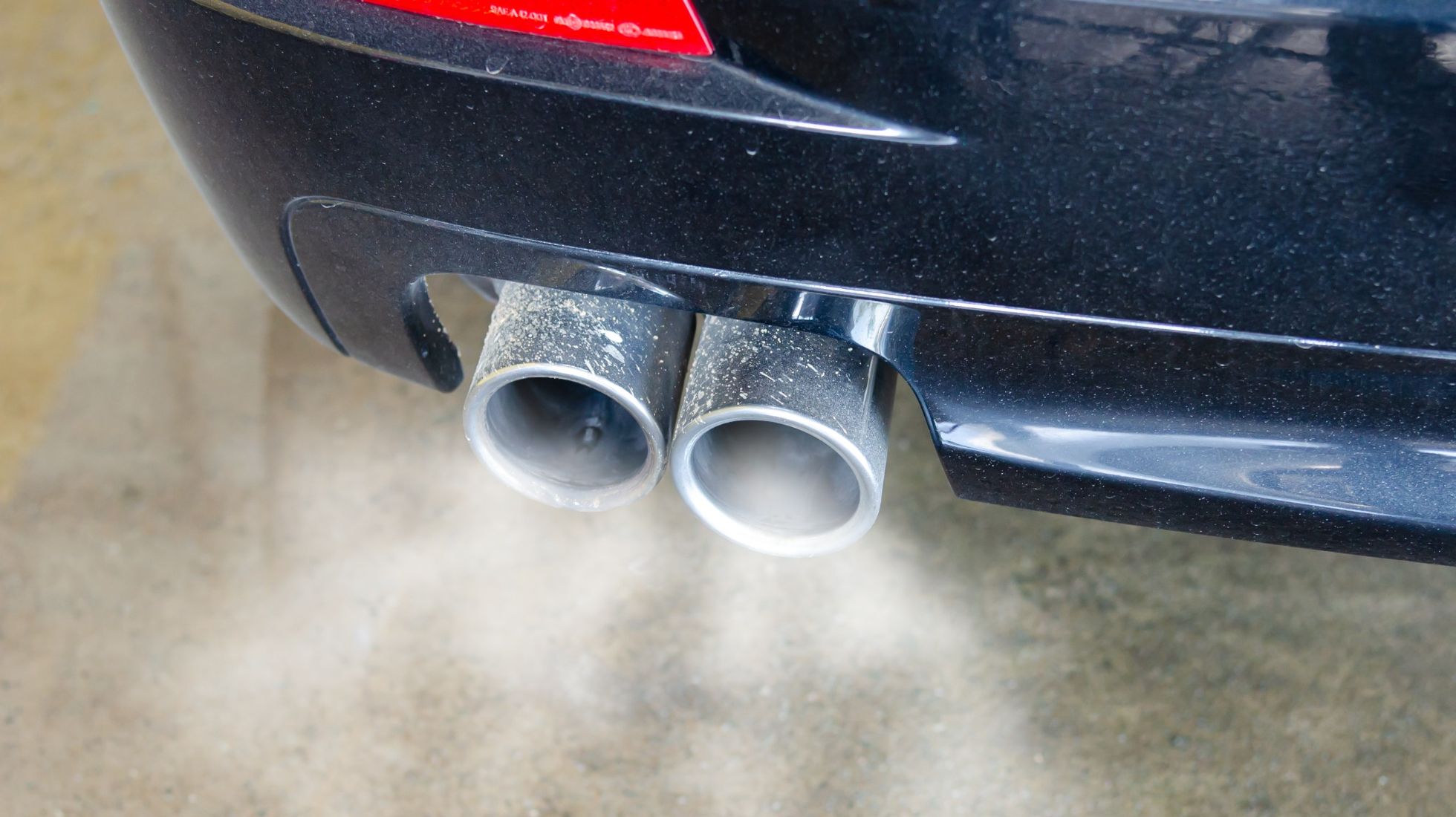
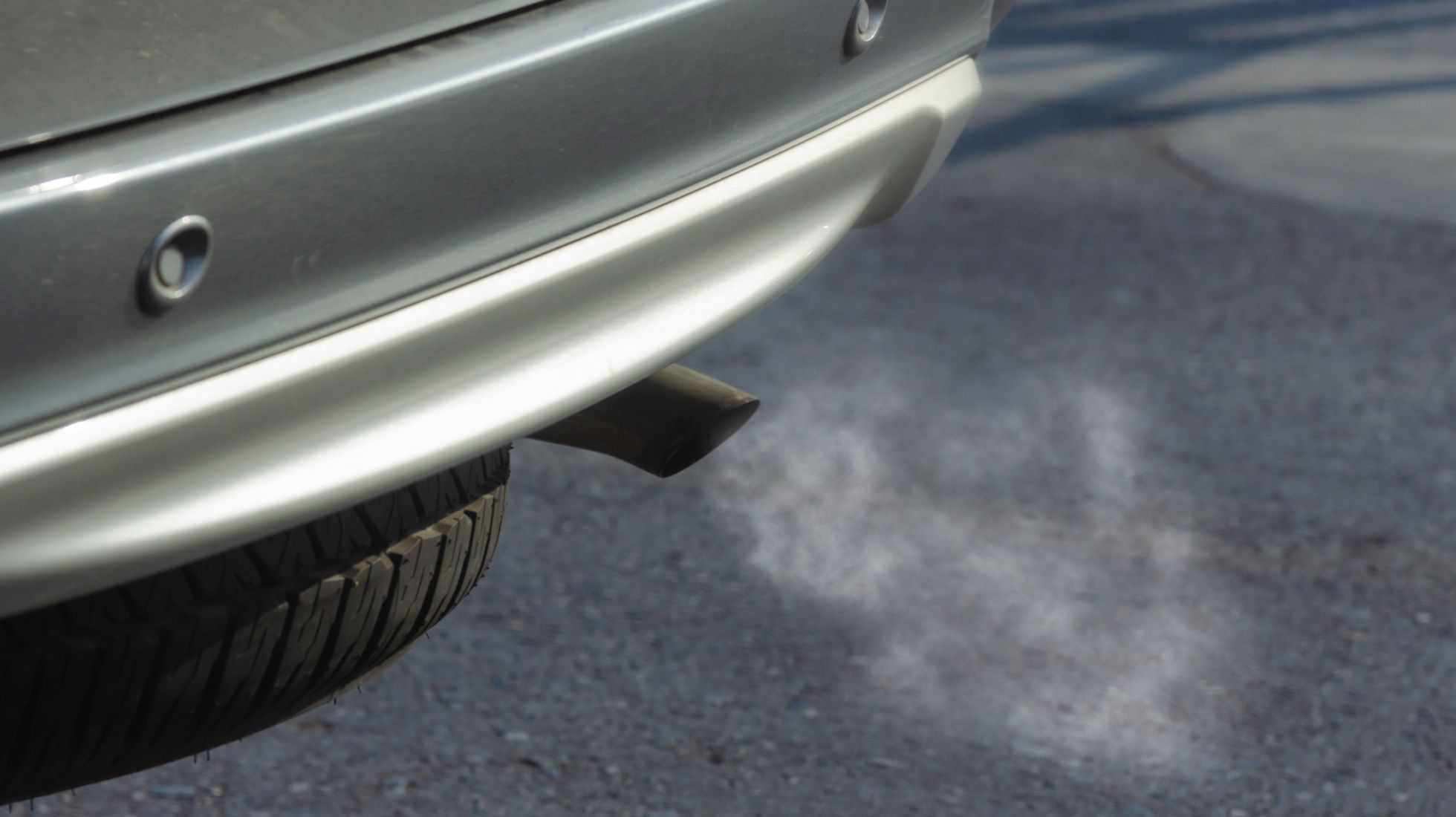
This can be attributed to various issues, with the burning of fossil fuels being one of the main drivers of climate change. Greenhouse gas emissions blanket the Earth and trap the sun’s heat, which essentially leads to global warming and ultimately climate change.
Vehicle manufacturers have made significant strides, including electrification, to address the issue at hand. A production end date for internal combustion engine (ICE) vehicles has been set by nearly all manufacturers in favour of electric vehicles.
On the other hand, the government is also lending its hand in trying to encourage cleaner practices by introducing what it calls a carbon tax, but what exactly is it?
The carbon tax was introduced in South Africa in 2019 as part of the government’s efforts to reduce greenhouse gas emissions and combat climate change. It’s meant to encourage consumers and carmakers alike to switch to renewable energy and cut down on their carbon output.
The government also charges a vehicle emissions tax on new cars based on how much CO2 they emit per kilometre, and this is payable by manufacturers of these vehicles in SA.
Currently, the carbon tax is R144 per tonne of CO2 as of January 2022. If you are wondering what that means, well, in simple terms, R144 has to be paid as tax for every tonne of CO2. The tax on some vehicles, however, can be reduced by as much as 95%, given they meet the emission threshold over the course of a kilometre.
This means that a car that uses less fuel pays less carbon tax through the carbon fuel levy. A fitting example is a petrol-powered vehicle that drives 100km. It will pay about R0,90 per litre of petrol in carbon tax, averaging around 10l/100km, while a car averaging 5.0l/100km will pay R0,45 in carbon tax for that same distance. The tax also affects the price of fuel in South Africa due to the carbon fuel levy, which is added to the price of petrol and diesel. This is paid by the customers when a litre of fuel is purchased.
Despite the fact that the carbon tax is partly paid by the manufacturer or importer of vehicles and not the consumer, the tax may be passed on to the buyers in the form of a price increase. Since electric vehicles use sustainable energy sources like solar and wind instead of harmful fossil fuels, they are, to an extent, exempt from the carbon tax.
The automotive sector’s immediate future is electric, and with that said, EVs aren’t affected by the carbon tax since they rely on clean and renewable energy instead of dirty and noxious fossil fuels. However, there’s a twist in the tale.
In the South African context, for example, our electricity generation (which is then used to charge electric cars) is still heavily reliant on fossil fuels, which results in the country having a high level of emissions compared to other nations. The manufacturing and eventual disposal of batteries for EVs can also have negative effects on the environment. Therefore, while electrified cars are a step in the right direction, they should be viewed as part of a larger plan that also involves expanding the use of renewable energy sources in the power grid and encouraging environmentally responsible battery production and recycling.
Tyres, on the other hand, contribute to emissions in a couple of ways, including particle pollution, which is the release of tiny particles into the air when the tyres make contact with the road and wear down. These are said to be 2,000 times worse than exhaust emissions.
Also, there’s what is called Tyre-Derived Fuel (TDF), which is made from old tyres. This type of fuel is used for heating purposes in large factories.
So, in essence, while EVs aren’t entirely exempted from their share of pollution, they do still provide significant benefits over ICE-powered cars and eliminate the need for the customer or manufacturer to pay sales tax. While EVs may lack the captivating sound of an ICE engine, they will, however, save us from a sizable carbon tax bite. Then there’s the matter of import duties, but that’s a story for another day.