
Mahindra’s new Lifestyler has its sights set on the big-bakkie bunch
You probably wouldn’t put ‘lifestyle bakkie’ and Mahindra in the same sentence, and that’s fair. Mahindra’s bakkies have traditionally been about getting the job done rather than comfort, thanks to unmatched capability over lifestyle appeal.
But that’s changing with the new Mahindra Lifestyler double-cab bakkie. The new Mahindra Lifestyler, which was unveiled to the world as a concept in Cape Town in 2023, comes as the brand is looking to move beyond the traditional workhorse image to attract buyers looking for a bakkie that can handle both work and leisure.
The difference is in what those buyers expect. A traditional workhorse buyer asks: Can it carry things? Is it tough enough? Indeed, a lifestyle buyer asks those questions, too, and then some. Does it look the part? Is it comfortable? Tech? And, most importantly, would I actually daily it? That’s the clientele Mahindra is now going after.
The Freestyler is available in three distinctive variants: Valley, Reef and Trail, each with distinctive characters to suit different buyers.
Starting with the Valley, Mahindra says this model is aimed at those who seek a balanced blend of work and leisure. Think of it as the sort of buyer who might gravitate towards a Ford Ranger XLT, Hilux Raider or VW Amarok Style. The Reef derivative is aimed at buyers after a premium-looking double cab that can still handle outdoor adventures and leisure activities. The Toyota Hilux Legend and Ranger Wildtrak fit nicely into this space. Then there’s the Trail, aimed squarely at the adventure seekers. Think Ford Ranger Tremor, Toyota Hilux GR-S or Isuzu D-Max AT35 territory.
In case you’re wondering, the Freestyler sits on the brand’s Tough & Versatile New Gen Ladder Frame platform – a body-on-frame platform that also underpins the Scorpio-N. And it’s a platform we already know is capable, if our time behind the wheel of the Scorpio-N is anything to go by.
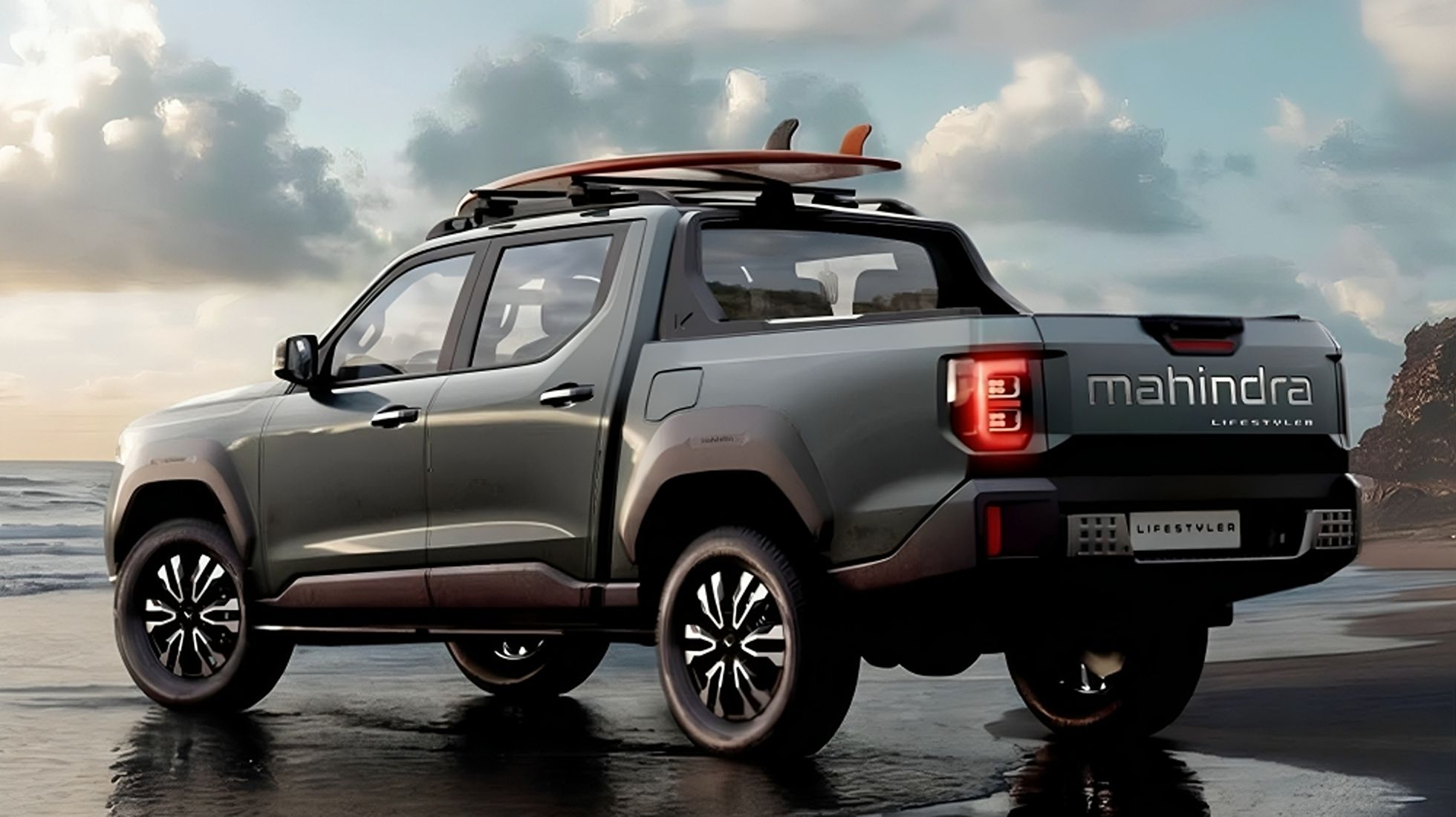
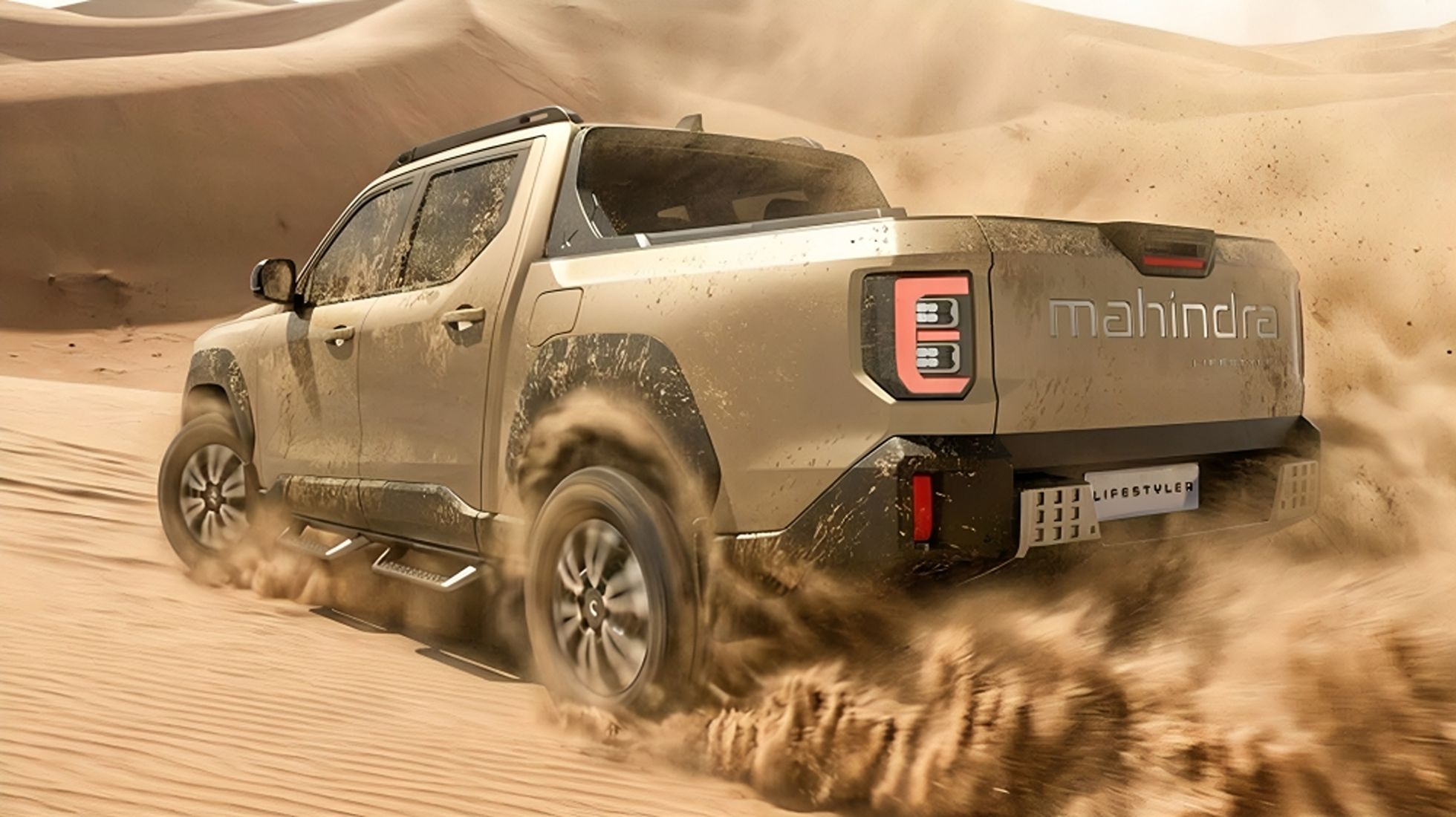
Judging from the images, the Freestyler looks ready to shake things up, and it has plenty of the attributes that have made local lifestyle bakkies such a hit, including chunky tyres, front and rear recovery points, bash plates, LED lighting for the front and rear, and roof rails.
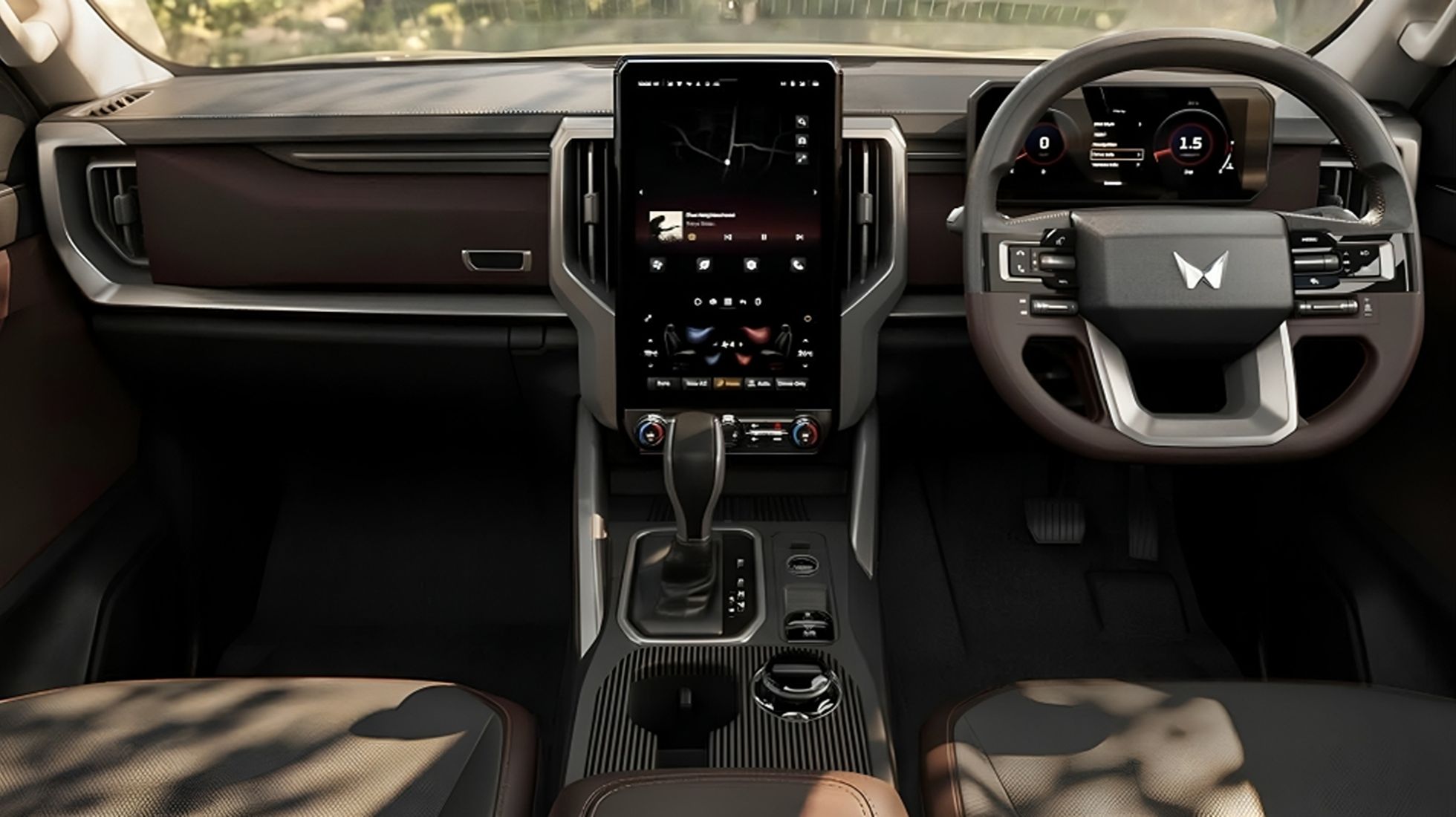
The interior, meanwhile, looks like it has got the basics right. There’s a large portrait-style infotainment screen dominating the dashboard, backed by a digital instrument cluster. But what really catches our eye is Mahindra’s decision to keep physical buttons and dials for the things you actually use regularly, such as the climate controls. Good one, Mahindra. Not everything needs to be buried in a touchscreen.
As for the powertrain and other technical details, Mahindra is tight-lipped for now. Reports suggest the Lifestyler could use the existing 2.2-litre turbodiesel and offer a 3,500kg towing capacity, but none of this has officially been confirmed by Mahindra.
As a reminder, the current Pik Up uses a 2.2-litre turbodiesel producing 103kW and 320Nm, with a 4×4 system available depending on the variant. If the Lifestyler carries over those outputs, it could find itself on the back foot against some of its rivals. And while there’s nothing inherently wrong with the engine, if it’s looking to challenge the likes of the Ranger, Amarok and Hilux in the lifestyle-bakkie space, outright power and torque could become a deciding factor.
The Lifestyler is arguably the brand’s most ambitious attempt yet to break into the mainstream bakkie market. It has been developed as a global product from the outset, with SA among its target markets. Initial thoughts? Well, it seems to have what it takes to compete in the lifestyle bakkie segment, as long as Mahindra carries over the capability, toughness and workhorse attitude that made its bakkies attractive in the first place.