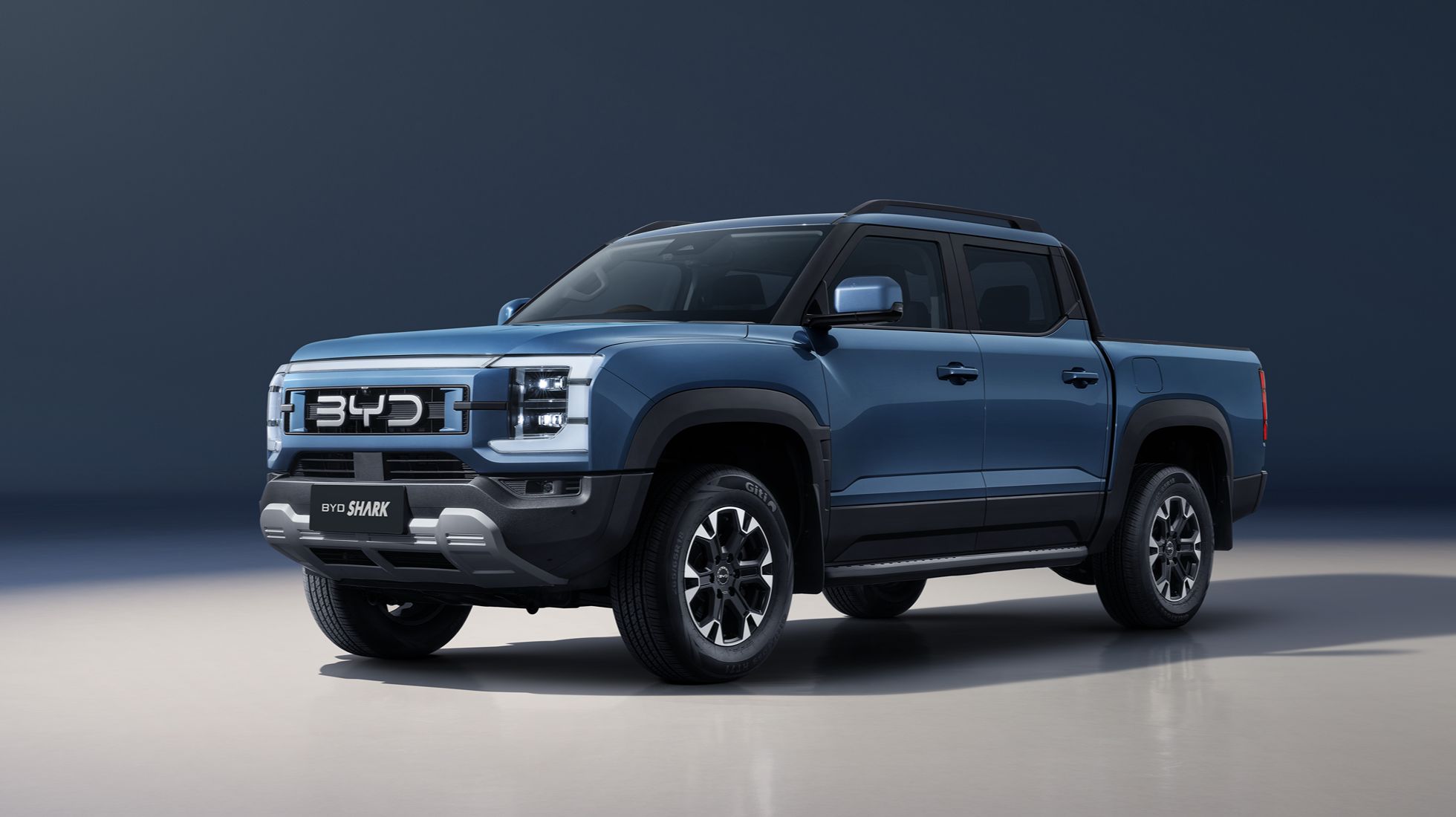

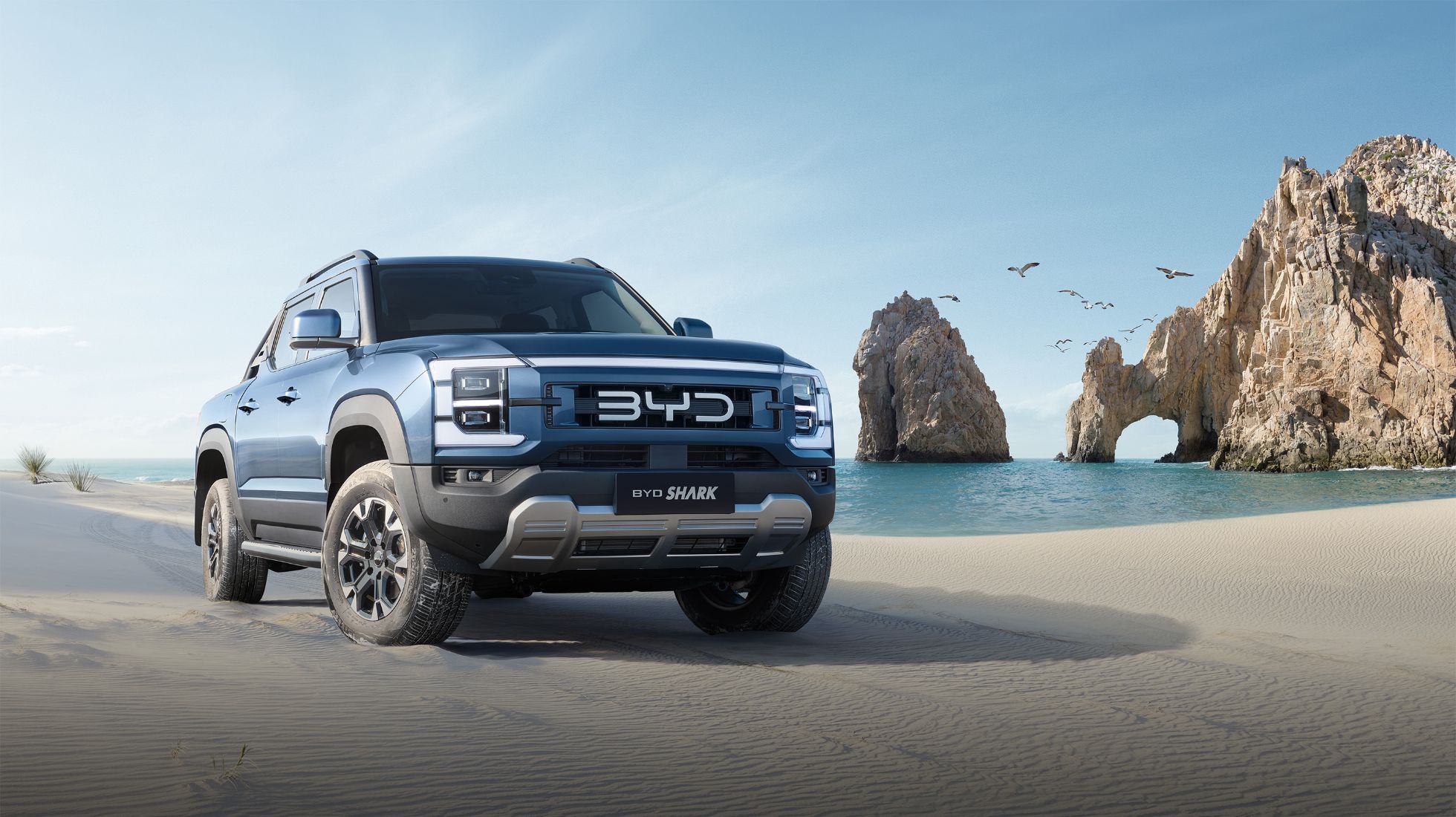
The BYD Shark 6 just got even more outrageous with a 350kW variant
We also didn’t think we would, at some point in our lives, mention crazy performance numbers and bakkies in the same sentence, but here we are. Performance bakkies in Mzansi have become a genuine thing.
You’ve got the Ford Ranger Raptor with its 3.0-litre V6 EcoBoost engine pumping 292kW and 583Nm, while the BYD Shark 6 arrived and completely changed the conversation with its plug-in hybrid 1.5-litre turbocharged petrol with a staggering 321kW and 650Nm. Even the latest Ranger and Amarok models are joining the party with outputs of up to 222kW and 452Nm, but the Shark 6 topped them all as far as accelerative shove was concerned. That is, when all batteries are fully charged. And now, BYD has added more to that powertrain.
BYD has swapped the 1.5-litre turbopetrol engine for a bigger 2.0-litre turbo unit paired with electric motors mounted at the front and rear axles. The Shark 6 Performance, as it’s called, is good for an insane 350kW and 700Nm. That’s 29kW and 50Nm more than the Shark 6 with a 1.5-litre engine, while the 0-100km/h sprint drops from an already fast 5.7 seconds to just 5.5 seconds. BYD has also improved its towing credentials. The new Shark 6 can now haul up to 3,500kg, making it a far more convincing proposition for buyers who actually intend to use their bakkie as a bakkie, rather than simply enjoying the insane performance figures.
The Shark 6 still wields the same 29.58kWh battery pack, but the pure-electric range drops to a claimed 80km, down from 85km in the 1.5-litre model, before the petrol engine needs to step in. The combined range also takes a small hit. With a full battery and the 60-litre fuel tank brimmed, BYD claims up to 640km, compared with 670km in the 1.5-litre Shark 6.
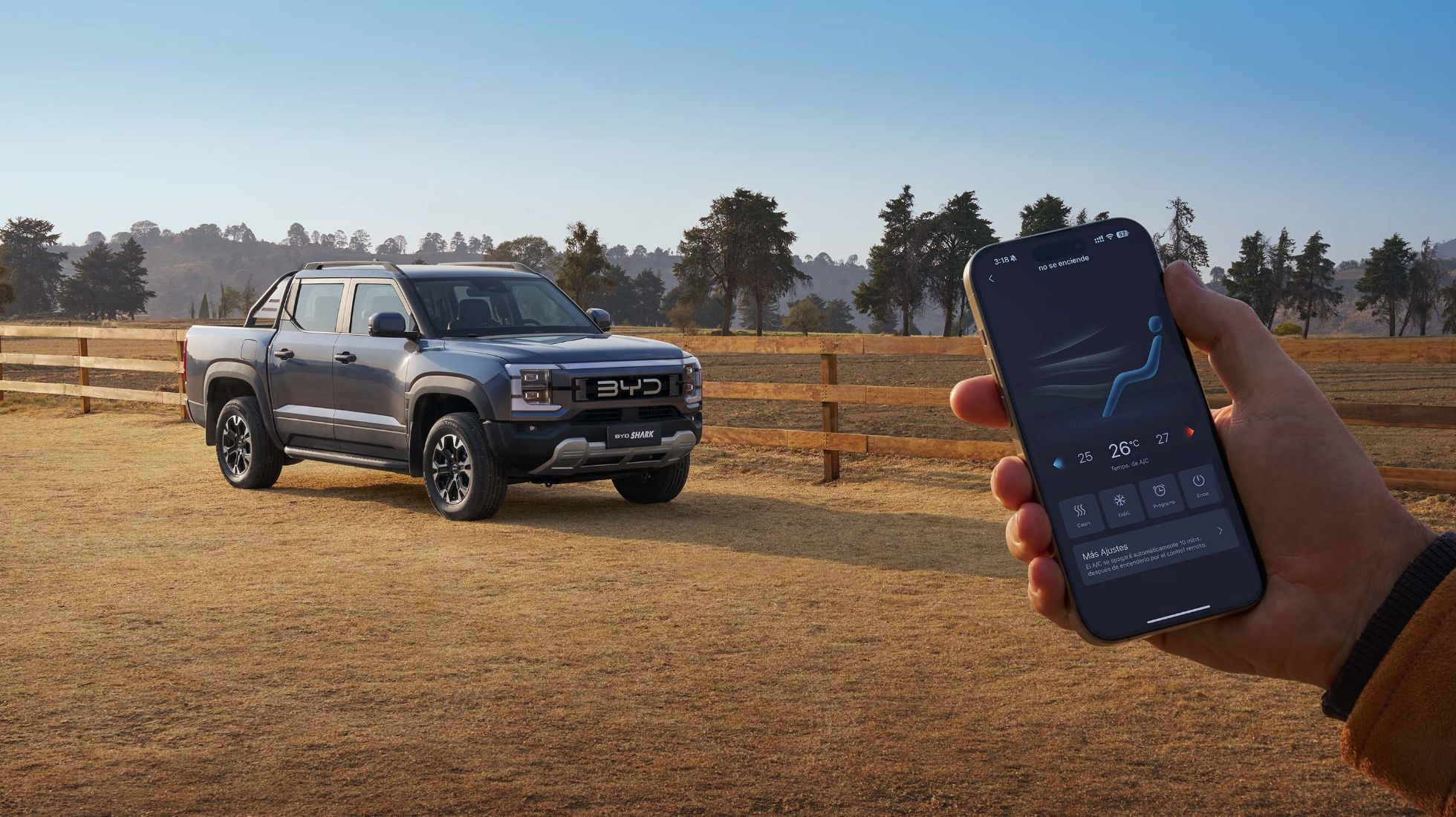
Buyers will still be able to charge the Shark 6 Performance using an AC or DC charger at up to 7kW and 55kW, respectively. Like the standard model, the Performance also comes with Vehicle-to-Load technology.
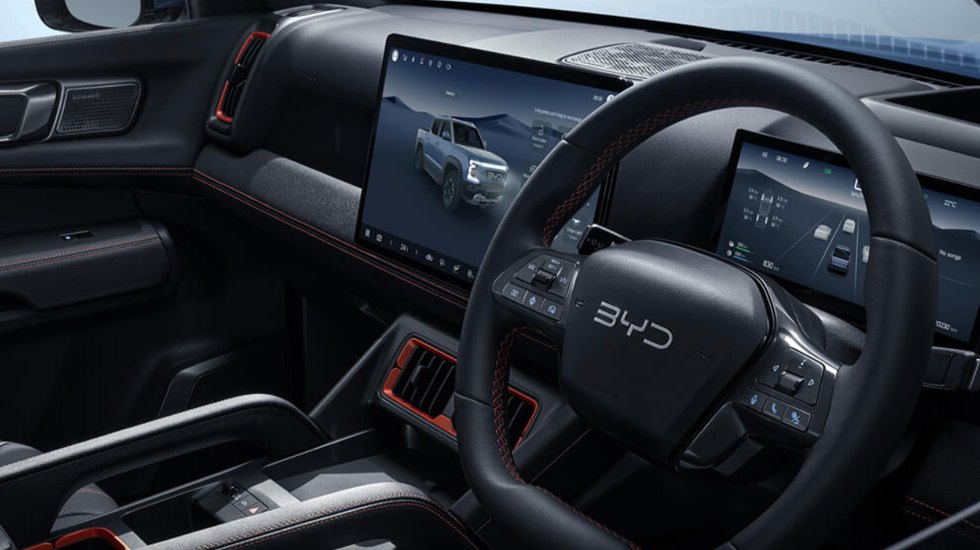
The interior remains largely unchanged, with the biggest change being the new column-mounted gear selector to create more space and a cleaner cabin layout. The 15.6-inch touchscreen infotainment screen now has Google Automotive Services integrated into it, which allows users to access navigation and applications directly without the need for a smartphone.
While many will argue that performance bakkies serve little purpose in the real world, the market suggests otherwise. South Africans have developed quite an appetite for fast double cabs, and the success of models like the Ranger Raptor proves that there is room for bakkies that do more than simply carry a load. Having driven the standard Shark 6 during our 2025 Bakkie Wars, I came away genuinely impressed. This alone makes the Performance model feel like a genuine evolution of an already capable package, and if the Shark 6 was lacking anything, it was the fall-off in performance when the batteries were drained, leaving a small engine to do the heavy lifting. This 2.0-litre motor should improve that.
The Shark 6 Performance is priced at R1,149,900 and is supported by a 5-year/100,000km vehicle warranty, a 5-year/100,000km maintenance plan and an 8-year/200,000km battery warranty, subject to the brand’s standard terms and conditions.