Sharp, fast and relentless, but does Merc-AMG’s GT63 S still have soul?
8
Sharp, fast and relentless, but does Merc-AMG’s GT63 S still have soul?


Adrenaline. Where does it come from? Well, it’s mostly a factor that goes hand in hand with fear. Hopping into the Mercedes-AMG GT63 S Coupe for the first time, I approached it with a heavy degree of self-assurance, backed by four Speed Weeks and enough sports and supercar experience to turn most enthusiasts green.
The GT holds a special place in my heart, as it was the car I was trained to chase time in. It was a familiar platform, one which I was itching to become reacquainted with. But heading down the coastal road in Gqeberha, en route to a legendary racetrack, instilled a sense of fear that few cars have managed. So what’s changed? Well, to put it simply, electrification and an astronomical torque figure.
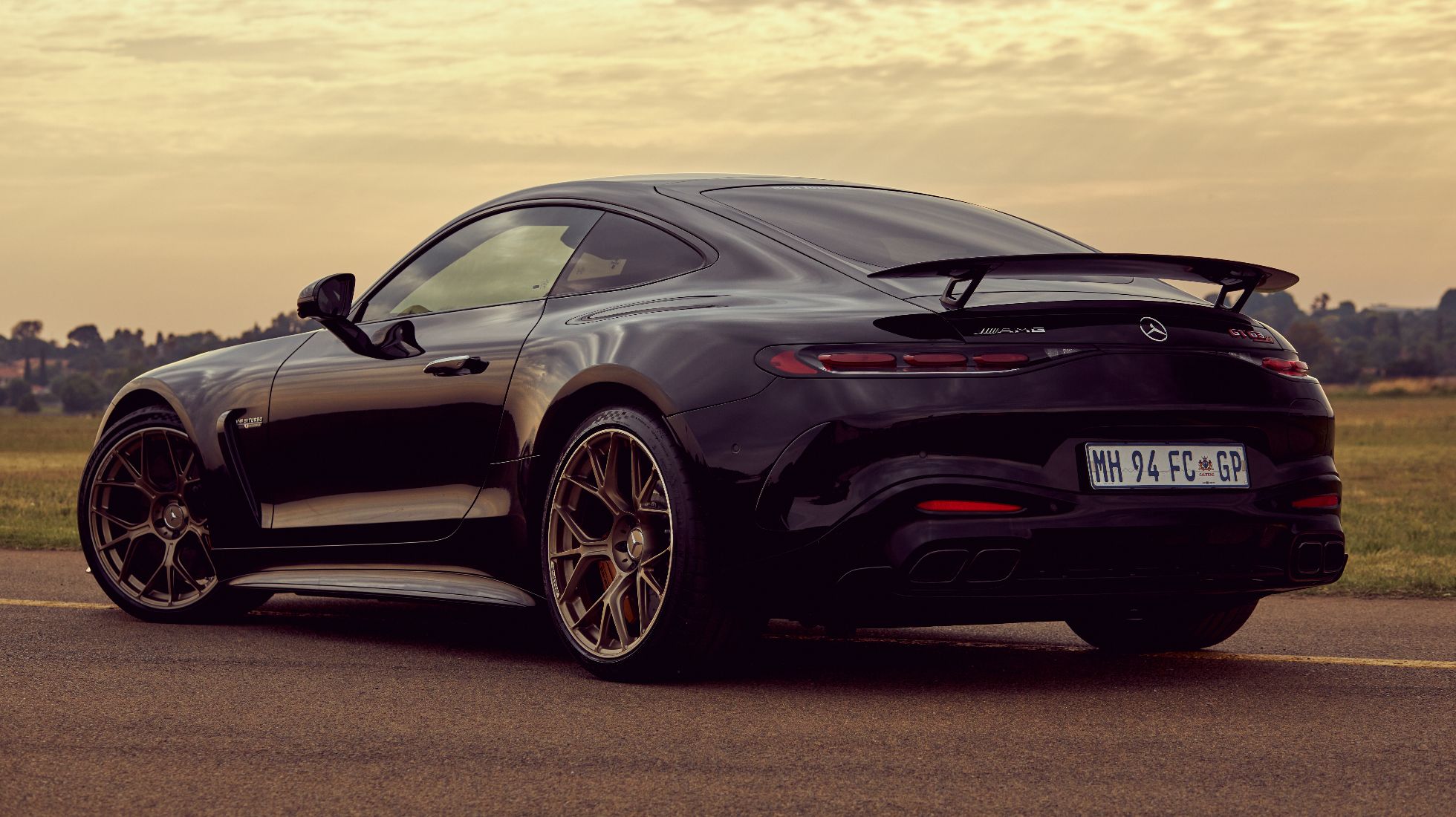
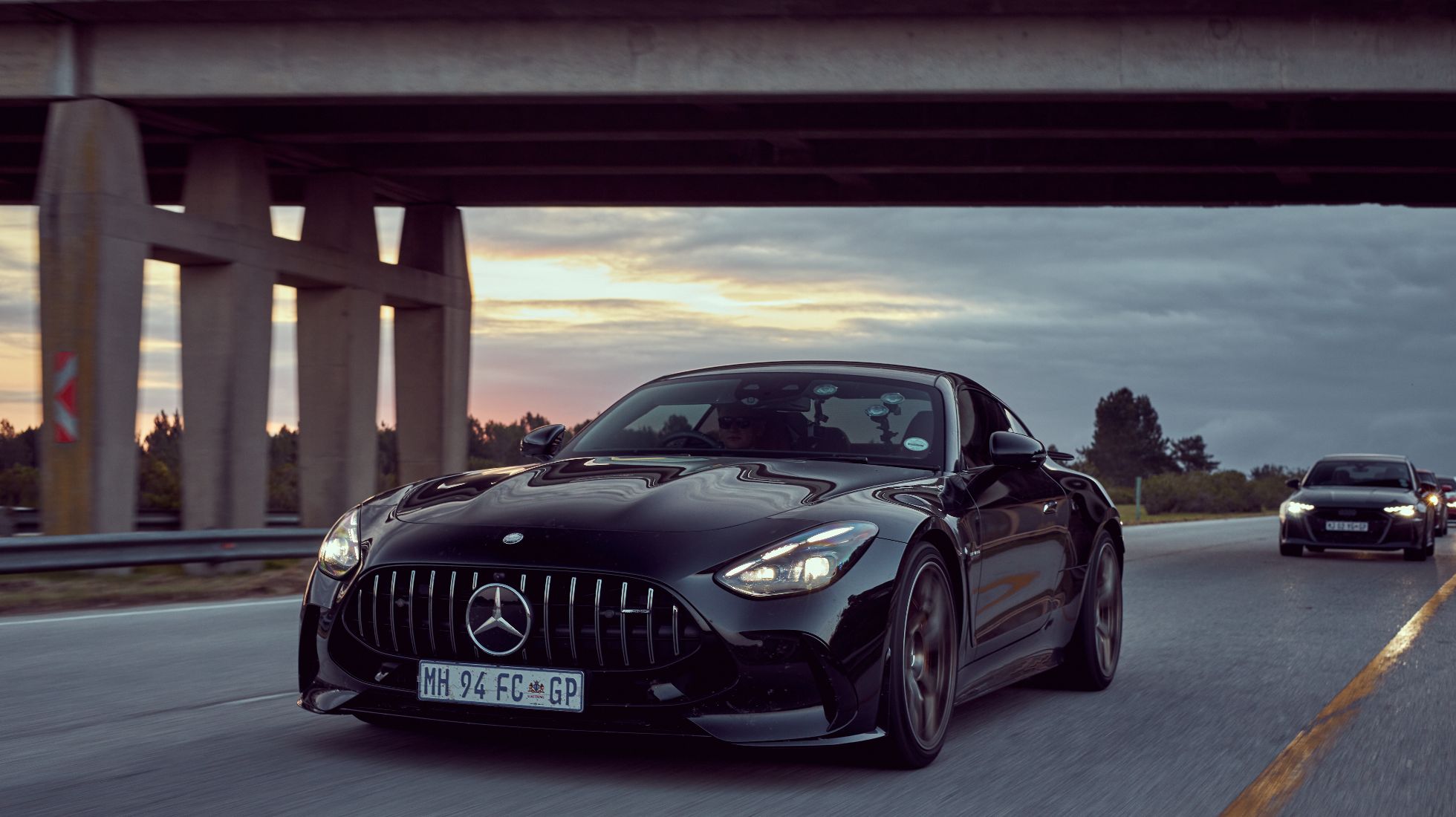
When the GT was launched in 2014, AMG had created a supercar. But this new generation retains little from the previous generation, with a new chassis shared with the SL, and almost seems to arrive as more of a tourer than a supercar. But the numbers say otherwise. 600kW and 1,420Nm from a highly-strung 4.0-litre twin-turbocharged V8 with plug-in hybrid electrification. But this isn’t a hybrid system that looks to abide by European emissions regulations. It’s designed to do one thing: enhance power and speed. To start, it rockets from 0-100km/h in 2.8 seconds, which is nothing to scoff at, but what’s it like to drive?
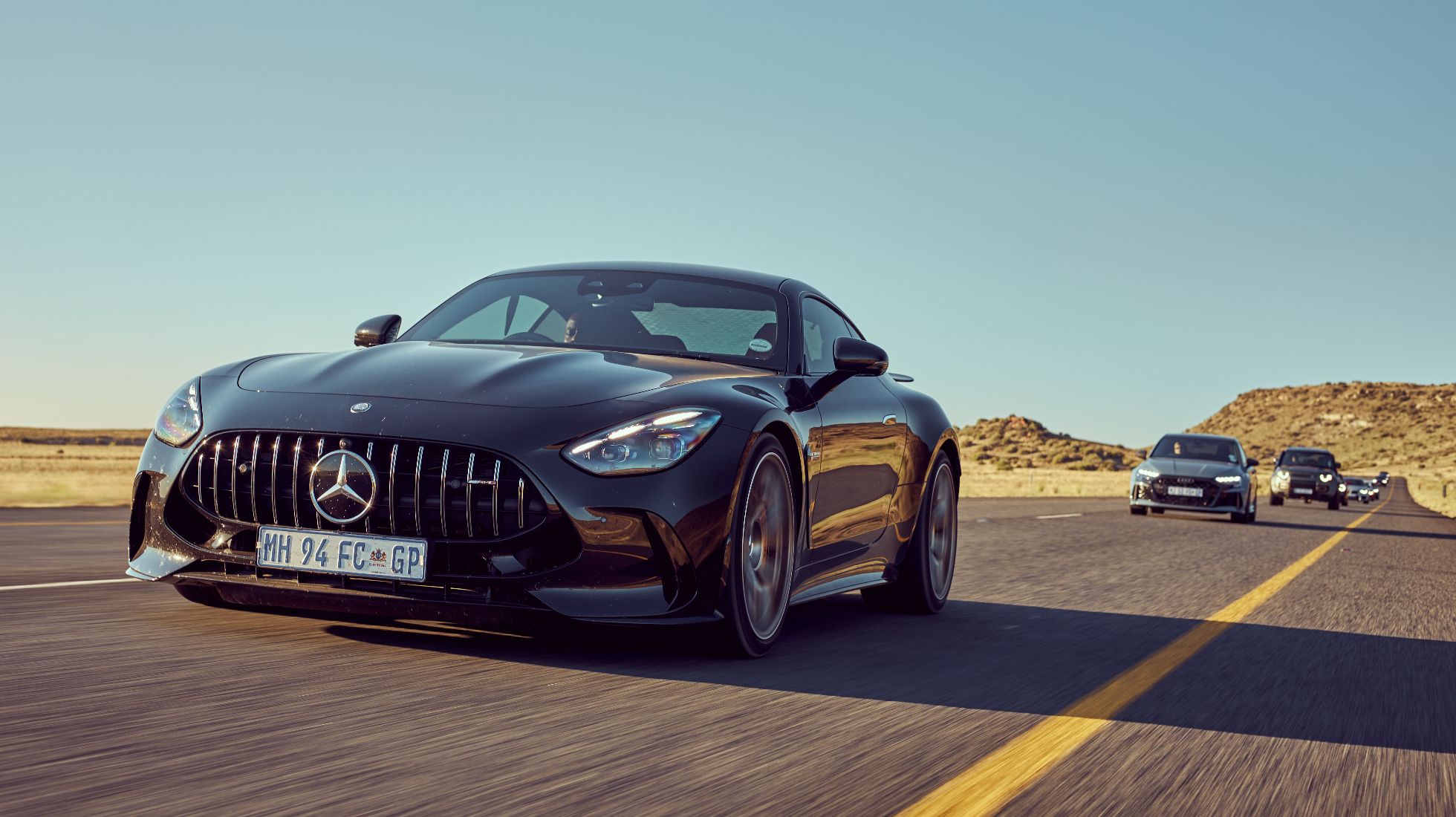
Well, ripping it through mountain passes painted a pretty clear picture before the track beckoned. The Van Stadens Pass is a wild road, filled with bumper-ripping compressions, tight blind corners and short straights. It’s the kind of road where an Audi RS3 or Alfa Stelvio Q would be the weapons of choice. Not for me, not today. So that’s what we did, placing our two professional racing drivers in the RS3 and the Stelvio behind me to test the difference. Now, while I wouldn’t consider myself a cautious driver, through the first 200-metre straight and tight right-hander, I had already created a 10-car gap. So, I lifted off and realised maybe it’s just straight-line speed that is giving me the edge here.
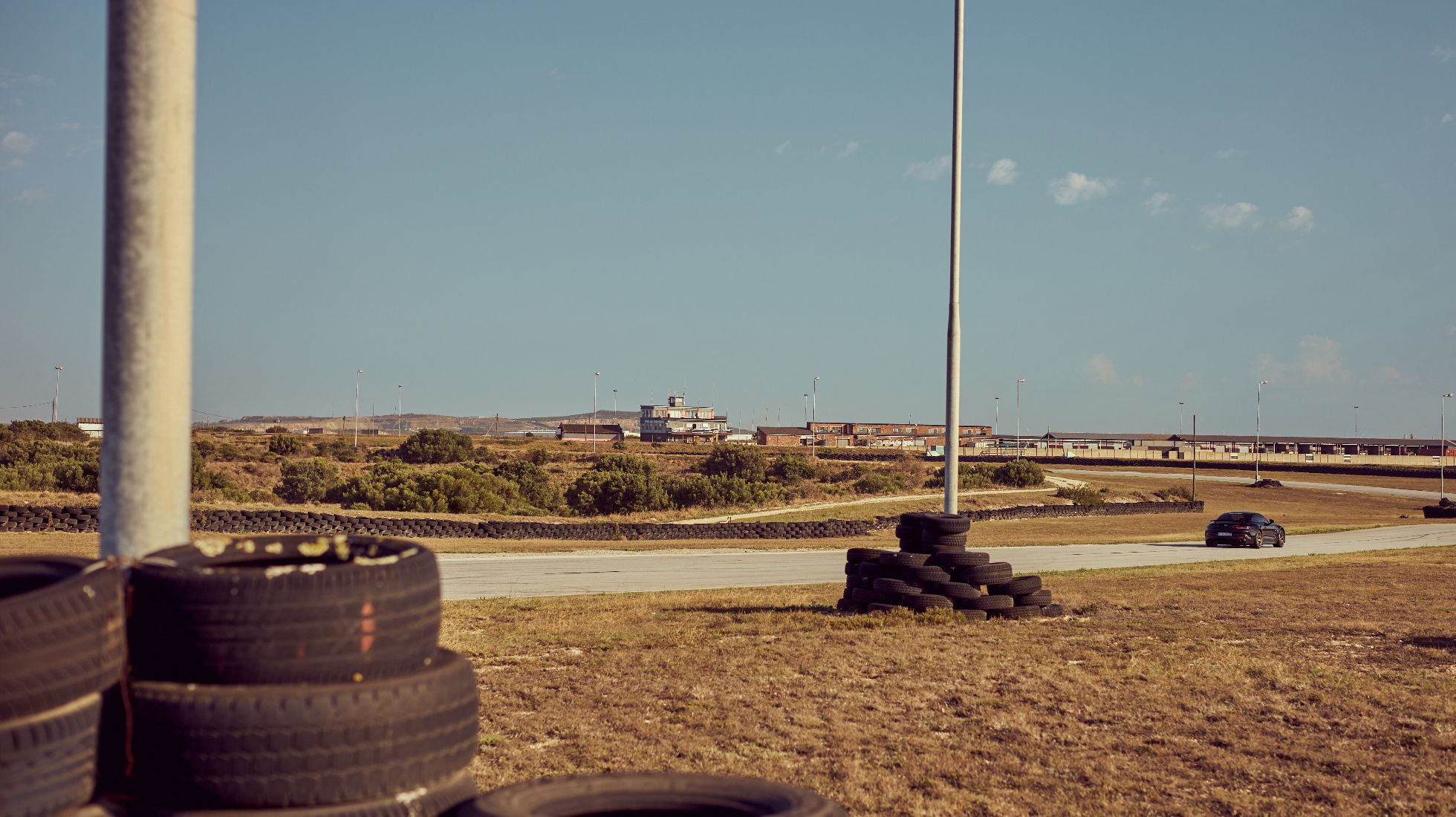
And the track? Aldo Scribante Raceway is filled with corners that require huge amounts of mechanical grip, but my first lap out with the team in tow reveals just how sharp the GT really is. Driving it on the ragged edge can reveal flaws like the GT’s 2.4-tonne weight, but despite this, it is the finest example of engineering for a purpose. I disappeared after leaving the pitlane with the BMW M2 behind, only to look back at the seventh corner to realise I had opened up a third of the lap on the M2 in just the opening lap. So you might wonder what that feels like?
Frightening, yet surprisingly easy. You’re constantly aware of the G-force pulling on you during acceleration, the neck-crushing cornering force, and the massive stopping power of its 16.5-inch carbon ceramic front brakes. Its design is absolutely intended for one thing: speed. It’s intense. Its cornering grip further enhances the sensation of riding on rails. It’s composed and accurate, and the level of lateral adhesion is mind-bending. The acceleration is dizzyingly quick, but it doesn’t fishtail, lose grip or want to step out. It’s clinical and rotates with confidence. Dial it back into Comfort for the open road, and it becomes a rather calm and serene space to be in.
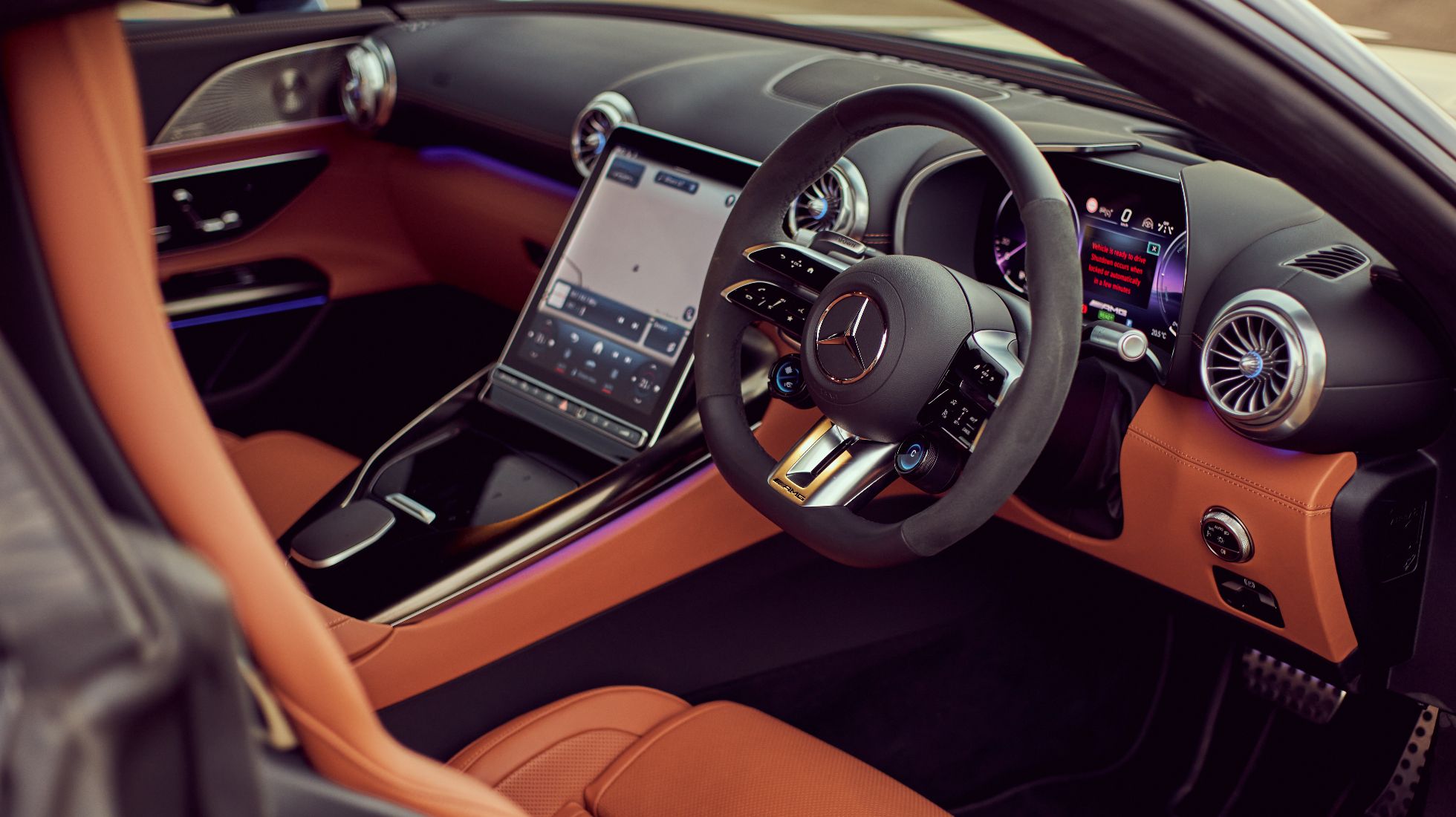
When you venture past the realm of sportscars towards the supercar domain, performance is, of course, the most notable difference. Interiors also add to the experience and give the driver a strong sense of… “this is serious now”. The previous GT offered just that, with buttons on the roof and a cabin that is more centred around engagement than necessarily outright elegance. The current model retains a personality that is very Mercedes circa 2025. It’s simple and sleek, and it feels like a space that was adapted to this car rather than specifically designed for it.
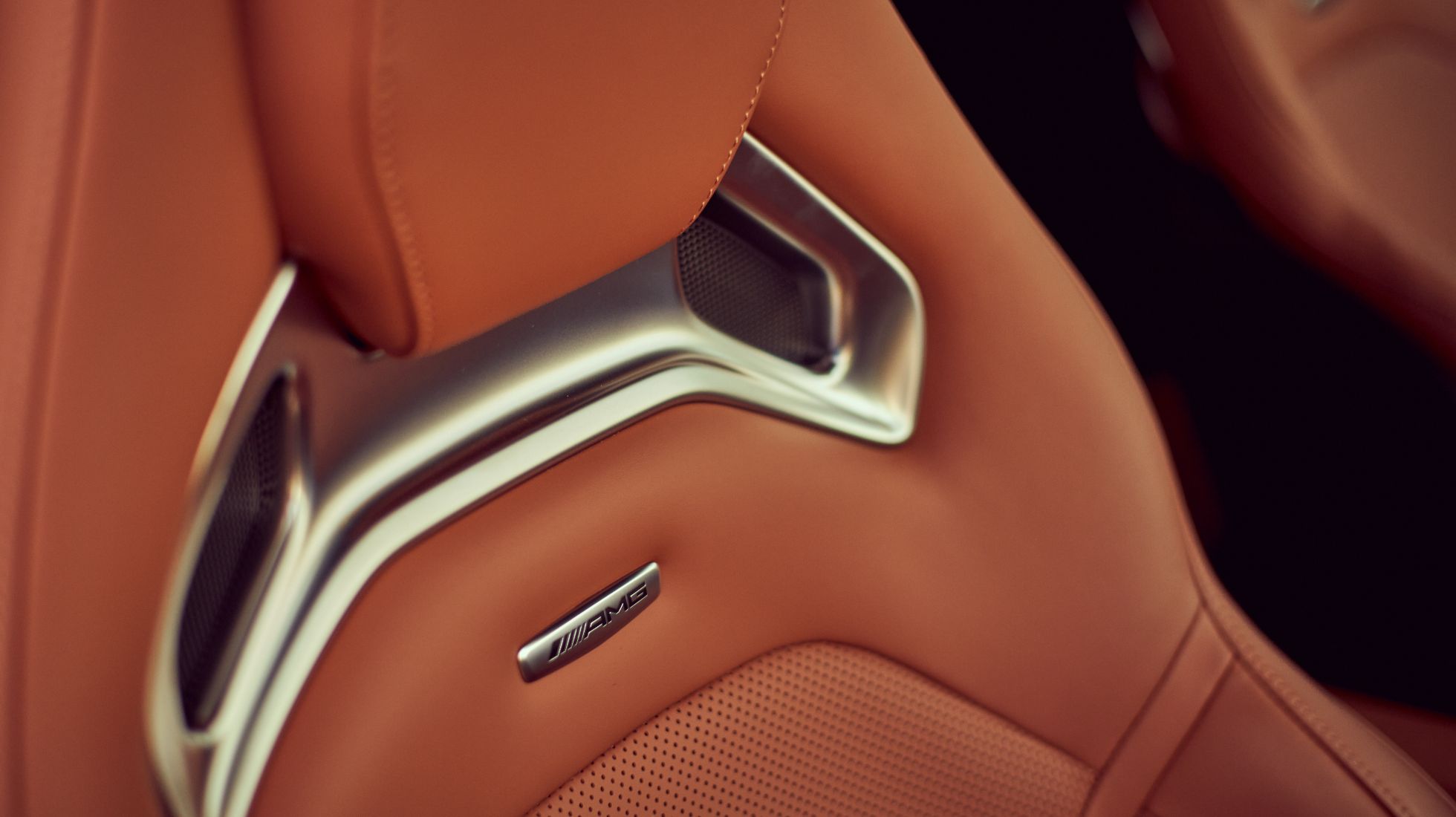
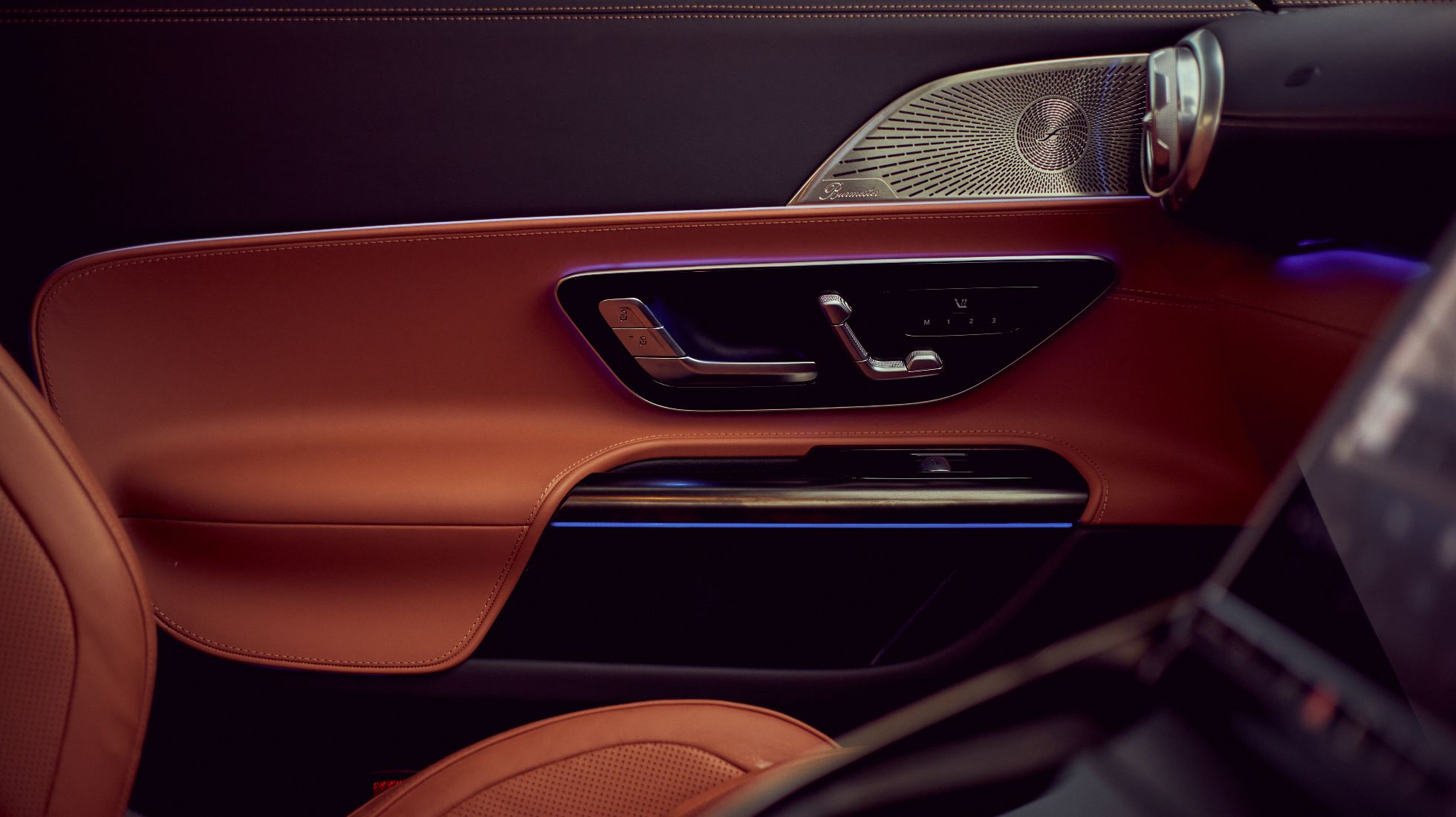
The centre screen controls most creature comforts, with the cabin furnished in stylish brown leather. As you’d expect from an AMG, the madness dial is present and accounted for on the steering wheel. Overall, the cabin finish is gorgeous, and the environment is tailored towards driving with directed focus over the colossally large bonnet.
Priced at R4,386,794, the AMG GT63 S Coupe makes a strong argument for customers that are motivated by numbers with the comforts of an accomplished highway cruiser. Despite overseas markets offering a 4-cylinder GT43 and an unhybridised V8 GT55, Mercedes-Benz SA has approached the local market with an all-or-nothing approach, so we currently only have the full-fat hybridised GT63, with all the bells and carbon ceramic brakes included. It plays with the likes of the Porsche 911 Turbo and Aston Martin Vantage. But in this realm it’s a preference game.
The GT63 S, with all its newfangled hybridisation, brings a new perspective to performance. Beyond those numbers, though, we had to look long and hard to find character. It’s very German, very precise. Brilliant to drive, sure, but also somehow too easy on a track. It’s an outright masterpiece of engineering, but a touch more soul-stirring away from the apexes would make it even better.
Get TopGear SA news and reviews in your inbox