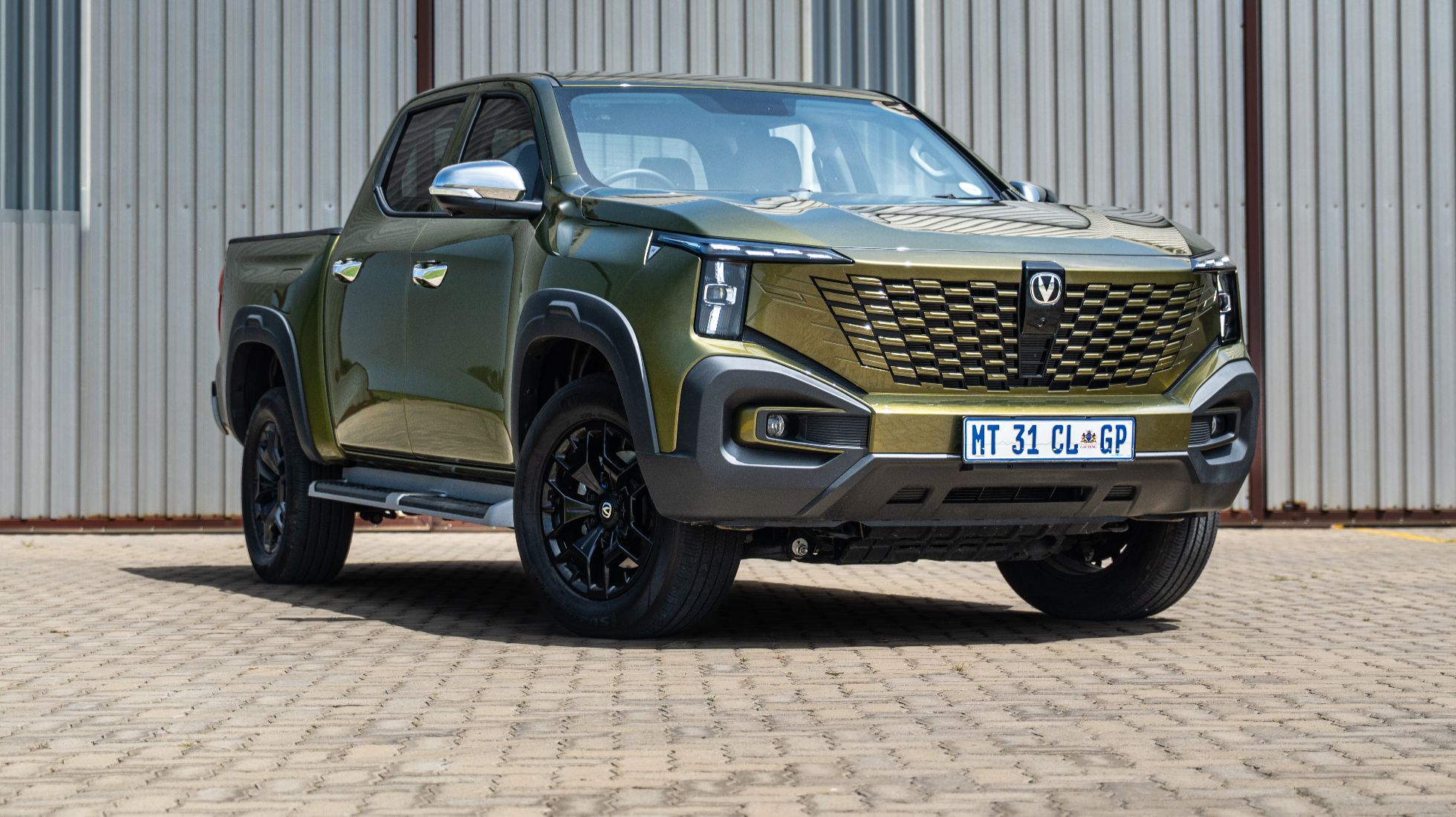
The Changan Hunter REEV makes a compelling case for new energy bakkies, and compared to what similarly specced mainstream pick-ups cost, its value proposition is solid.
6
The Changan Hunter REEV makes a compelling case for new energy bakkies, and compared to what similarly specced mainstream pick-ups cost, its value proposition is solid.


The Changan Hunter T50 REEV is doing something no bakkie in South Africa has done before. Whether it does it convincingly enough is a more complicated conversation.
The acronym is worth unpacking before anything else. REEV stands for Range Extender Electric Vehicle, a kind of badge that tends to get either oversimplified or over-explained, so here it is, plainly: the Hunter is an electric bakkie, full stop.
There are two motors, one per axle, producing a combined 200kW and 470Nm, powered by a 31.18kWh lithium-iron phosphate battery. The 2.0-litre turbopetrol 4-cylinder under the bonnet never directly powers the wheels. Its only job is to generate electricity and top up the battery while you drive. So, every inch forward is electric. I get that the BYD Shark 6 is another electrified bakkie, PHEV for that matter, that took the local market by storm. Still, the Hunter REEV is a more novel and slightly more nuanced story than that.
The legitimate question here of whether REEV is a meaningful way forward or a particularly clever workaround for infrastructure anxiety is worth the ask, and, personally, I bend toward the former. In South Africa, load-shedding (although less frequent), unscheduled power cuts, and a less-than-abundant DC fast-charging network are a reality, and as electric vehicles are glacially adopted, the convenience of never getting stranded without charge is almost a necessity.
Besides just convenience, the Hunter makes a fair case for itself on pure performance. The claimed 0-100 km/h sprint of 7.9 seconds is quicker than anything in the diesel segment at this price point, including the top-spec GR Hilux and Ford Ranger Platinum. It uses what Changan calls ‘One Key Injection Force’, which ramps up the generator’s idle speed and throws the full battery reserves at the road. Considering that it’s still a double cab that tips the scales at just over 2 tonnes, that is properly quick. Power delivery is immediate and smooth, as is the norm with electric torque delivery. Drivers trained on turbodiesels will spend the first few hours adjusting to the throttle response, which comes on much sooner than you’d typically expect.
There’s a catch, though. The Hunter’s power management system has enough menu layers to test your patience. In Eco mode, throttle inputs are perceptually restrained, and the car feels slower than its numbers suggest. One could argue that’s the idea. Push it into its more aggressive settings, and the full performance returns. Buyers who just want a consistent, repeatable response every time they press the accelerator will need to spend some time familiarising themselves with the menu functions first.
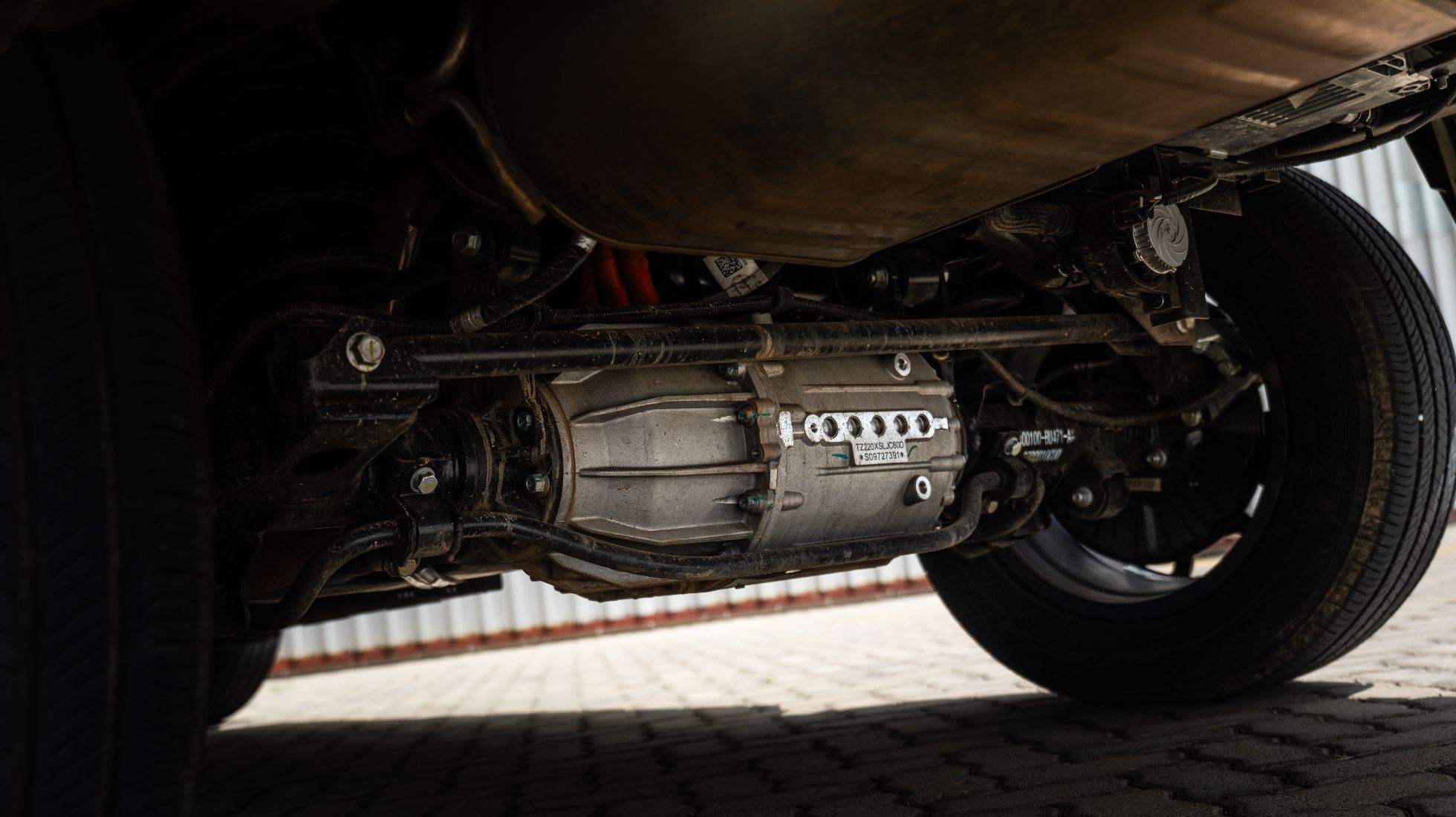
Dynamically, the Hunter rides on independent front and multilink rear suspension and carries its bulk well enough in everyday conditions. It’s more at home on the freeway than a rutted farm trail or back routes, as the ride gets jittery over imperfections, something I also noticed in the Peugeot Landtrek it shares its platform with. As for the 220mm of ground clearance, while adequate on paper, it doesn’t exactly inspire confidence when the road gives way, and neither does the rear-mounted electric motor, which sits notably exposed underneath. For a vehicle that will inevitably find itself climbing over rocks, that’s a genuine concern. Also, forget about a spare wheel since its space is seemingly taken up by the motor. For urban and highway use, you’ll likely never think about either until you run out of road.
Changan claims 145km of electric-only range, while in the real world, I managed just under 100km. Worth noting too that I relied entirely on the onboard generator to recharge rather than public chargers, and the Hunter still returned 8.6l/100km. Considering the point of this exercise is to offset fuel costs, it raises a few other questions… The BYD Shark 6, currently the benchmark in this emerging segment, offers greater performance headroom and a more comprehensive ADAS suite, but it’s also considerably more expensive.
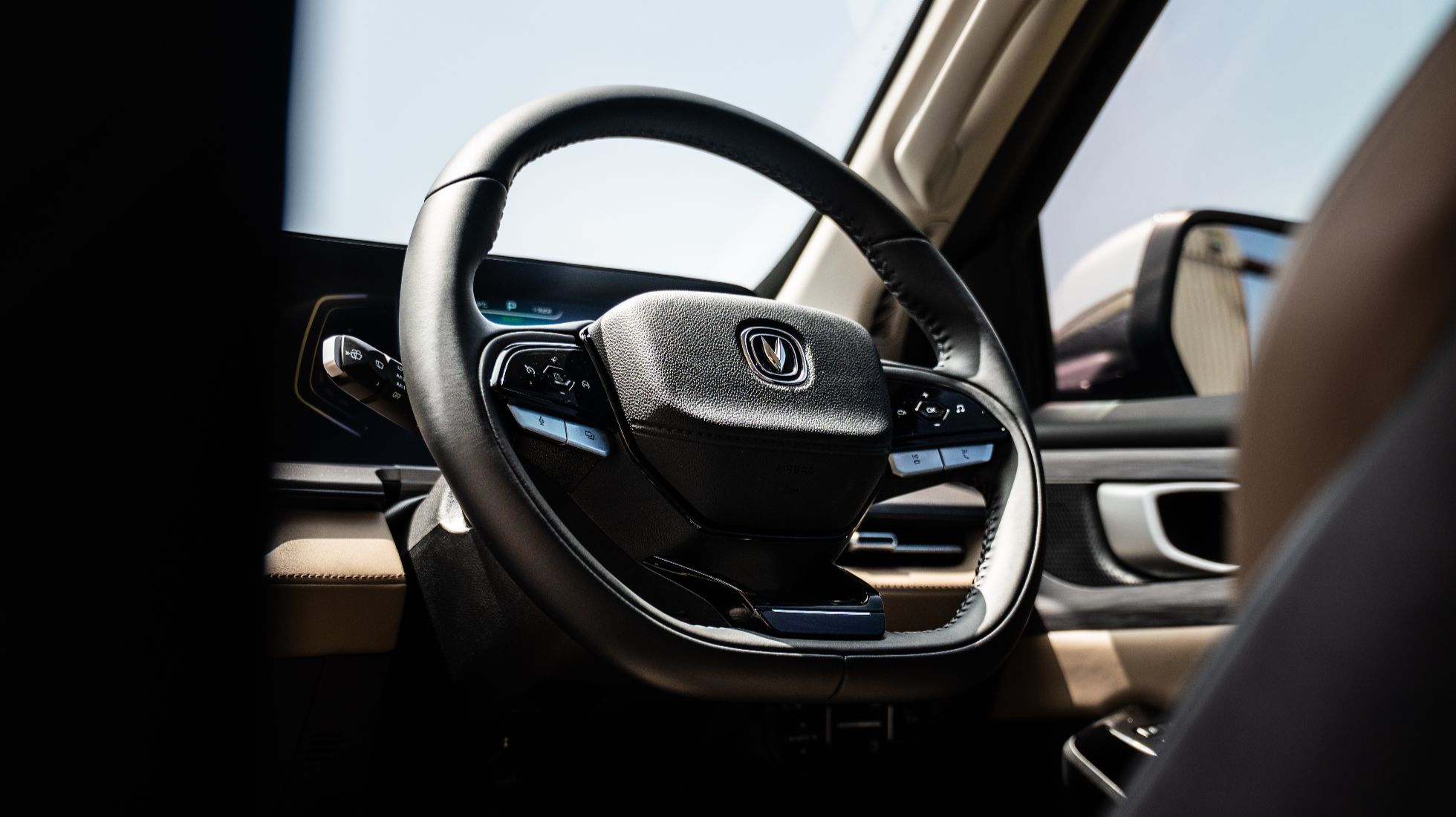
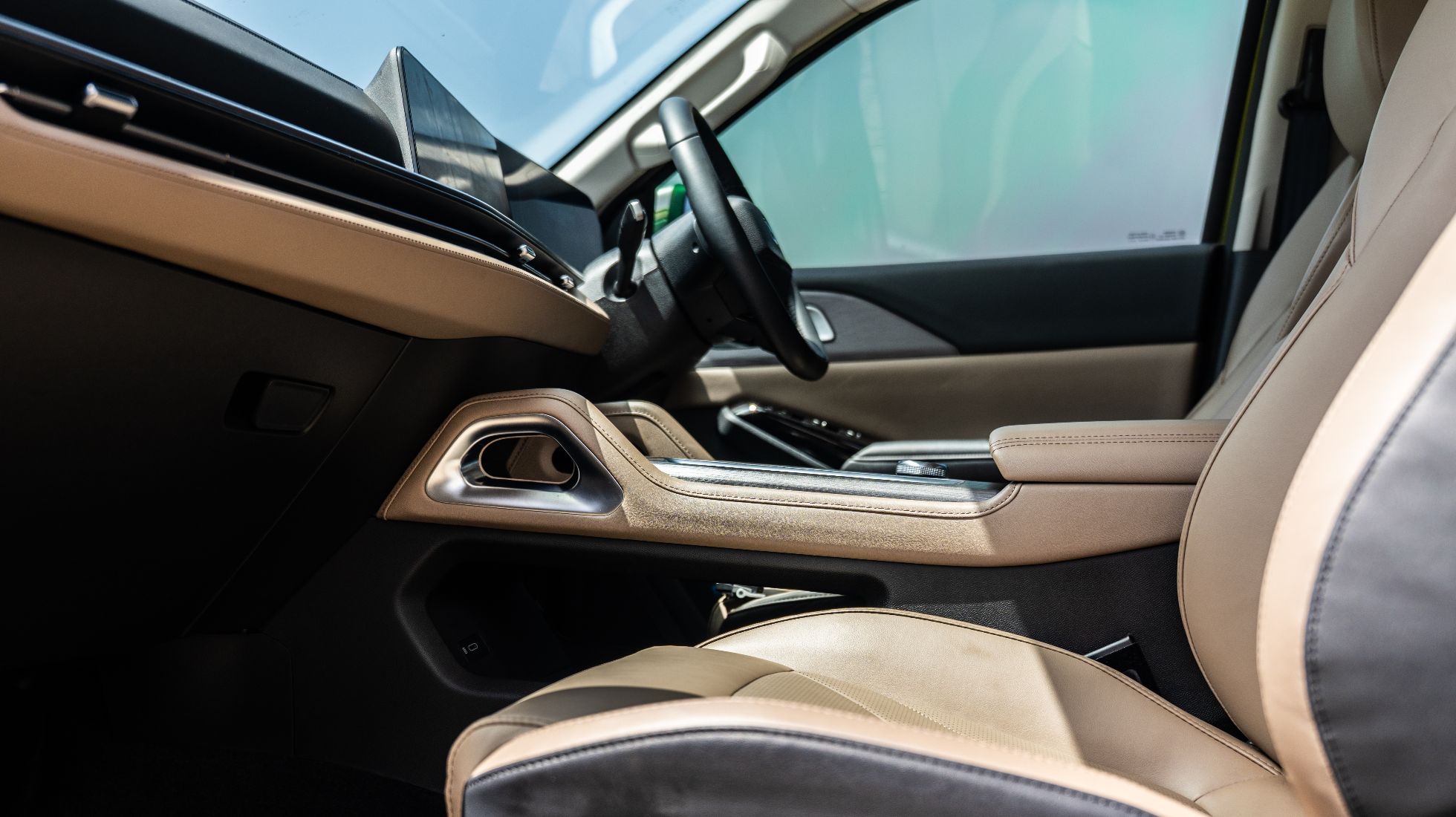
The interior is clean and well-considered. Changan has made the sensible decision to give the climate control its own physical controls, a small thing, but a noteworthy one given how many Chinese marques bury everything within the touchscreen. And speaking of, a 12.3-inch infotainment and 7.5-inch digital cluster handle the tech cleanly, and with wireless charging and a 540-degree camera system included, the feature list punches well above its price point. Dashboard finishes are better than you might expect, and the cabin is properly quiet when running on battery alone. The 1,590-milimetre load bed and one tonne payload capacity means it can do all the usual bakkie things.
But not everything feels well sorted with the sound system, which is a letdown and Apple CarPlay connectivity that is inconsistent at best, sometimes blatantly refusing to connect. Another quirk is the light controls that are buried inside the infotainment screen. Strange, considering Changan decided to give the climate settings dedicated physical controls.
This brings me to the price. At R799,900, the Changan Hunter REEV makes a compelling case for new energy bakkies, backed by an 8-year/150,000km battery and high-voltage warranty, and a 5-year/90,000km maintenance plan. Compare that to what similarly specced mainstream pick-ups cost, and the Hunter’s value proposition is solid.
Finally, the Hunter REEV asks a valid question: first, can an electric workhorse work, and second, whether diesel still makes sense at all? The short answer to point one, right now, is a cautious yes, but, considering that this technology still has some rough edges, diesel isn’t going anywhere in the immediate future.
Get TopGear SA news and reviews in your inbox