Ferrari’s plug-in hybrid Berlinetta proves that electrification needn’t dilute the supercar experience. In the 296 GTB, it sharpens it into something faster, smarter and even more thrilling.
9
Ferrari’s plug-in hybrid Berlinetta proves that electrification needn’t dilute the supercar experience. In the 296 GTB, it sharpens it into something faster, smarter and even more thrilling.


There was a time, not too long ago, when mixing a combustion engine with an electric motor felt like a compromise. Hybrids were about restraint, efficiency and a kind of mechanical politeness that did not always sit comfortably with people who liked driving. There was tension between the two ideas. Ferrari, however, does not really do apologetic. In the 296 GTB, electrification is not dilution. It is amplification.
The 296 GTB represents Ferrari’s modern mid-rear-engined, two-seat Berlinetta in its most technically adventurous form. Officially, Ferrari describes it as an evolution of its compact sports Berlinetta concept and a revolution for Maranello because it introduced a new 120-degree V6 paired with a plug-in hybrid electric motor for a total output of 830cv, or 610kW.1 That matters because this is not merely an emissions-led hybrid add-on. It is a performance system, and its purpose is simple: to make the car faster, sharper and more responsive.
It also sits in a significant bloodline. Think of Ferrari’s smaller mid-engined lineage from the 308 through to the 458, 488 and F8 Tributo. The 296 GTB is the next chapter in that story, but this time Ferrari has moved away from the V8 formula and placed an all-new twin-turbocharged V6 at the centre of the experience. The combustion engine’s cylinder banks are split at 120 degrees, and just ahead of the 8-speed twin-clutch transmission sits the e-motor, fed by a 7.45kWh battery pack. It sounds complex because it is, but the packaging is clever enough to retain the agility and proportions that define a compact, mid-engined Ferrari.
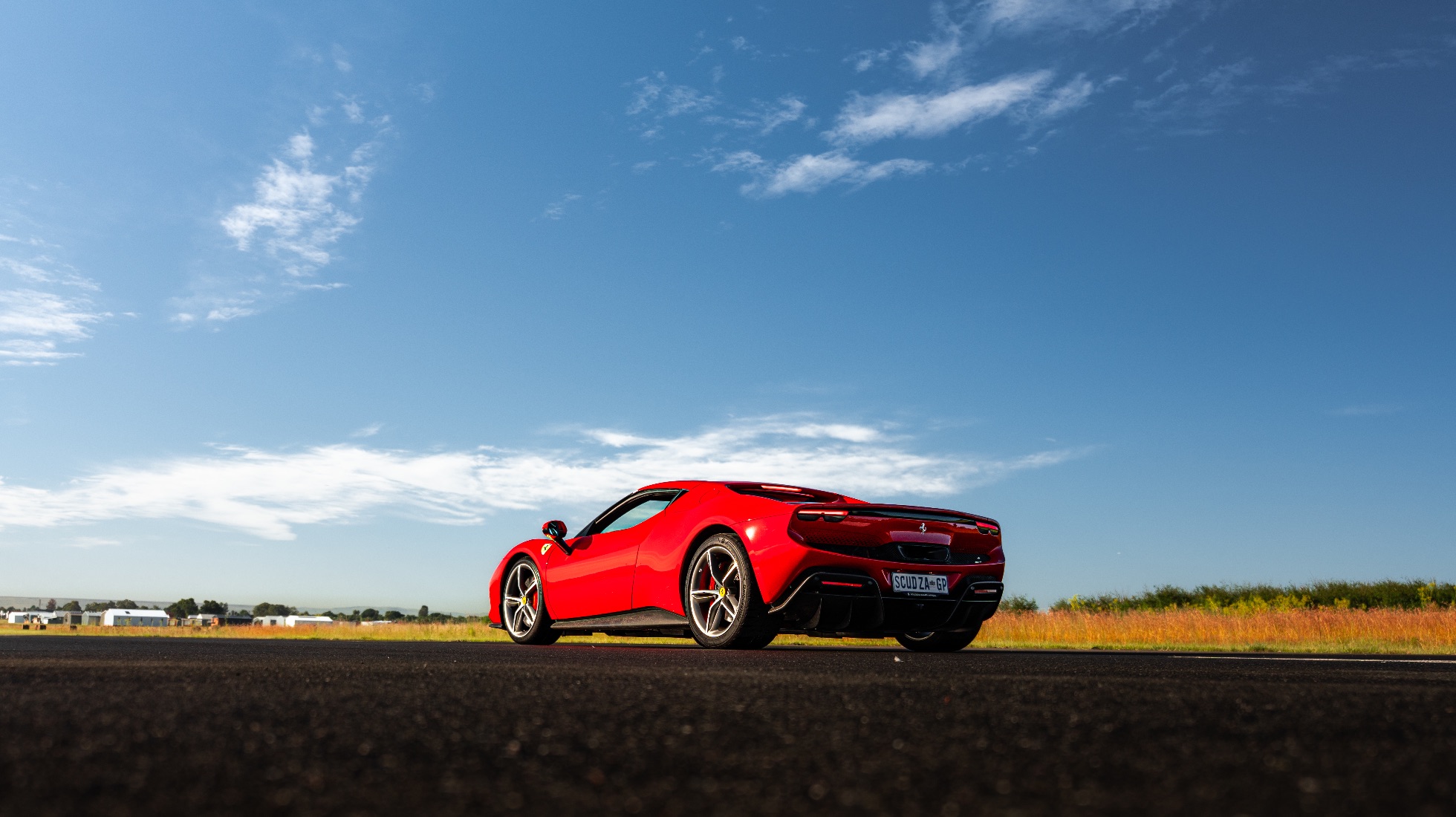
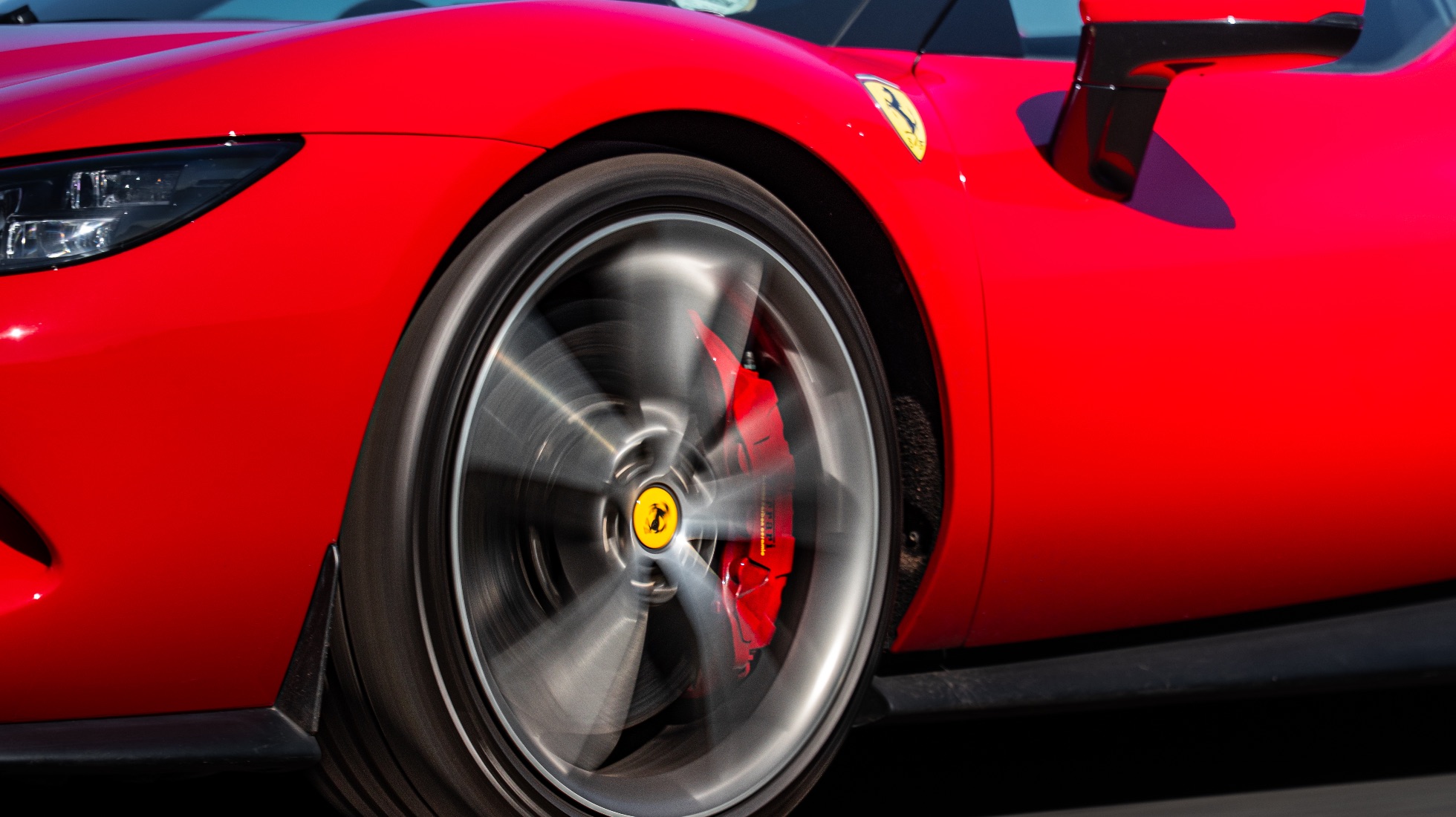
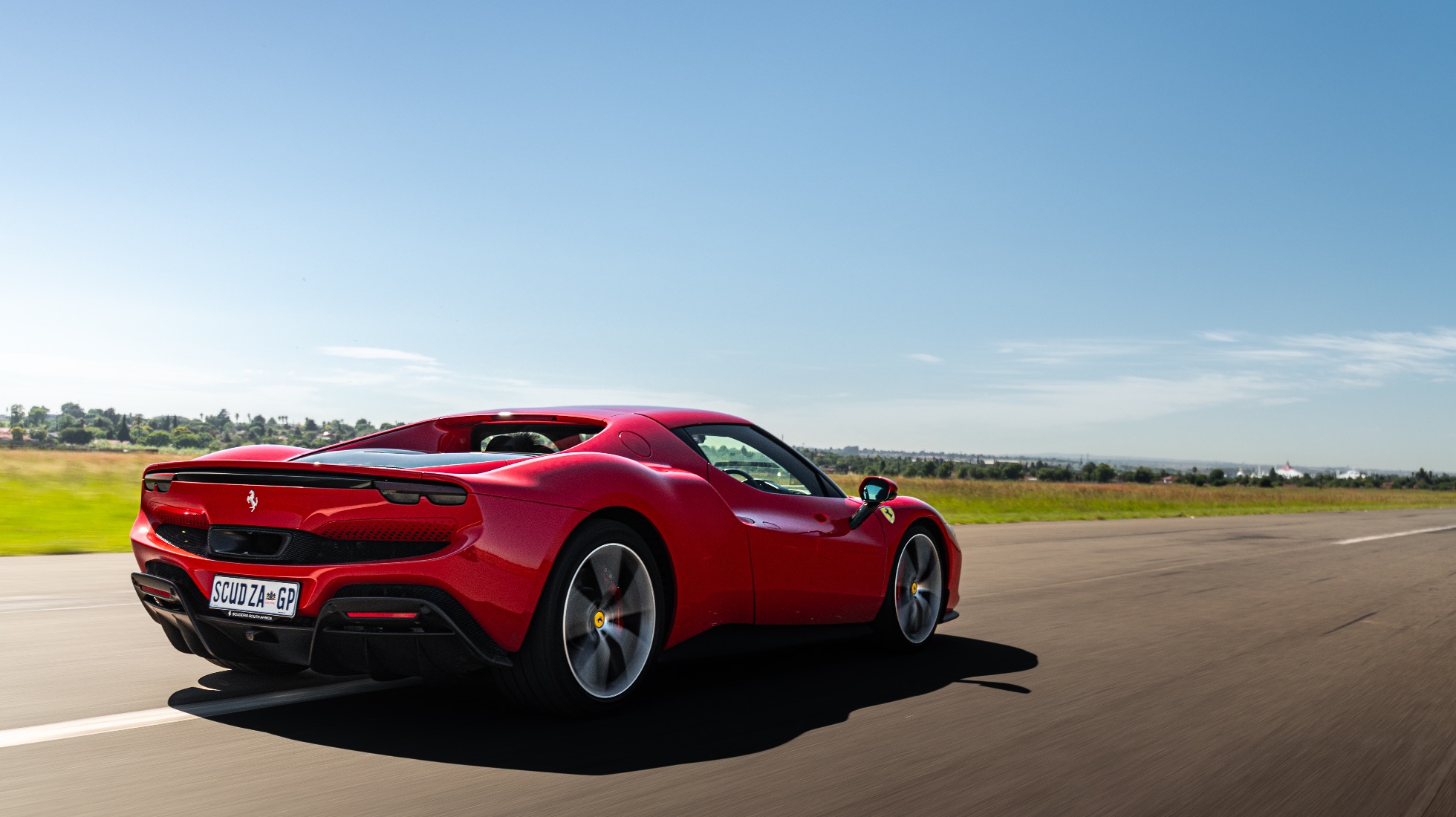
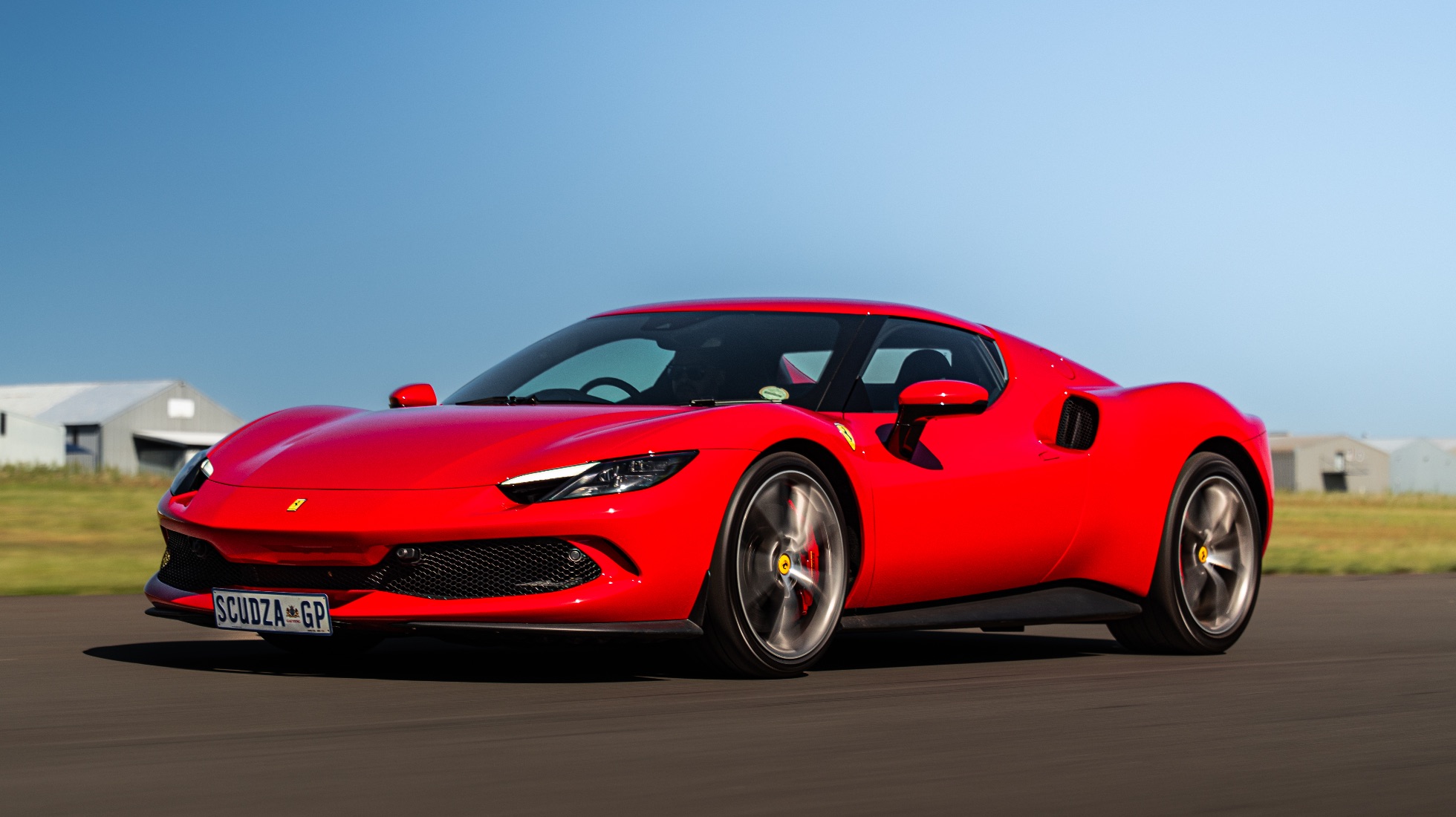
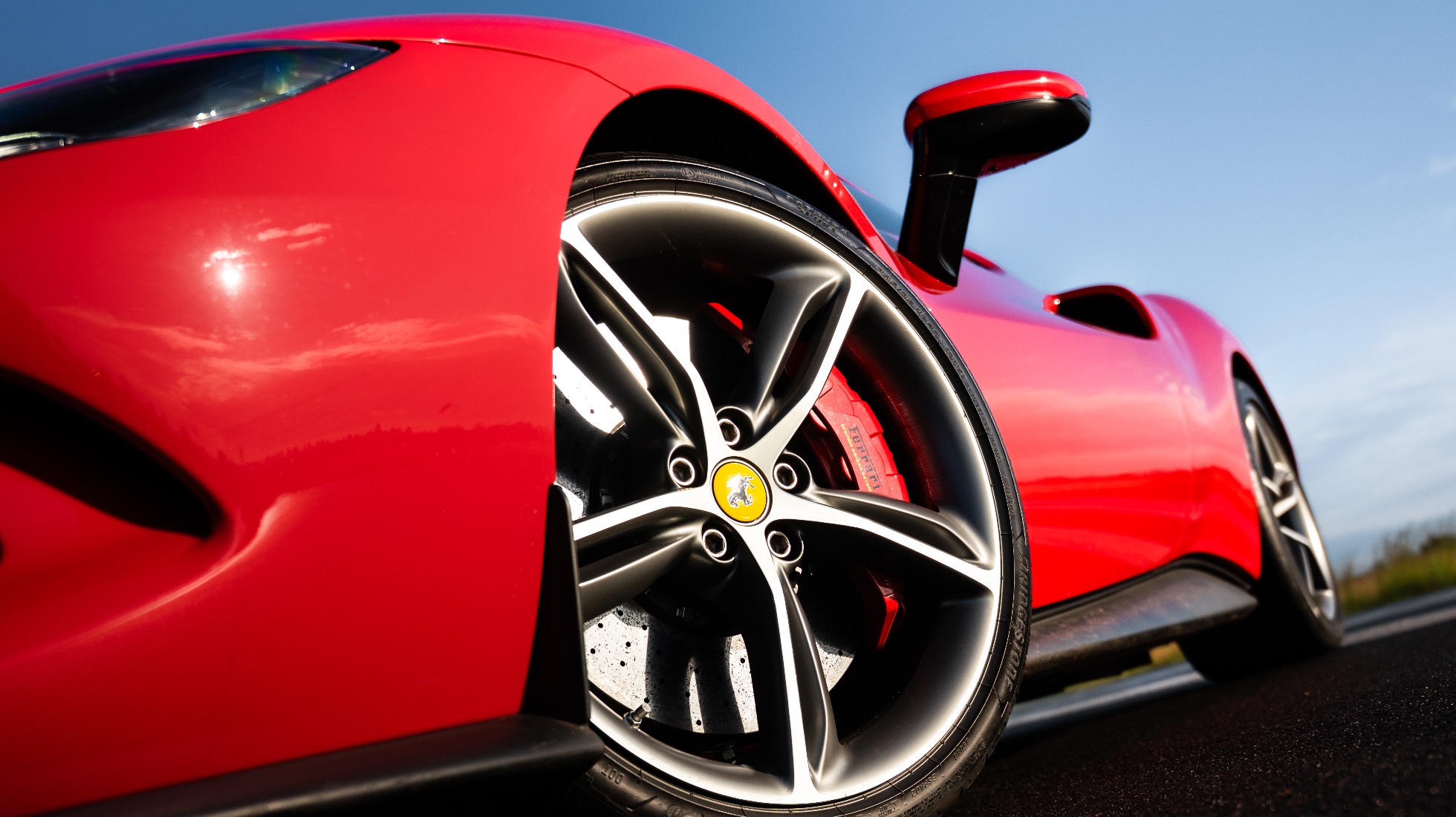
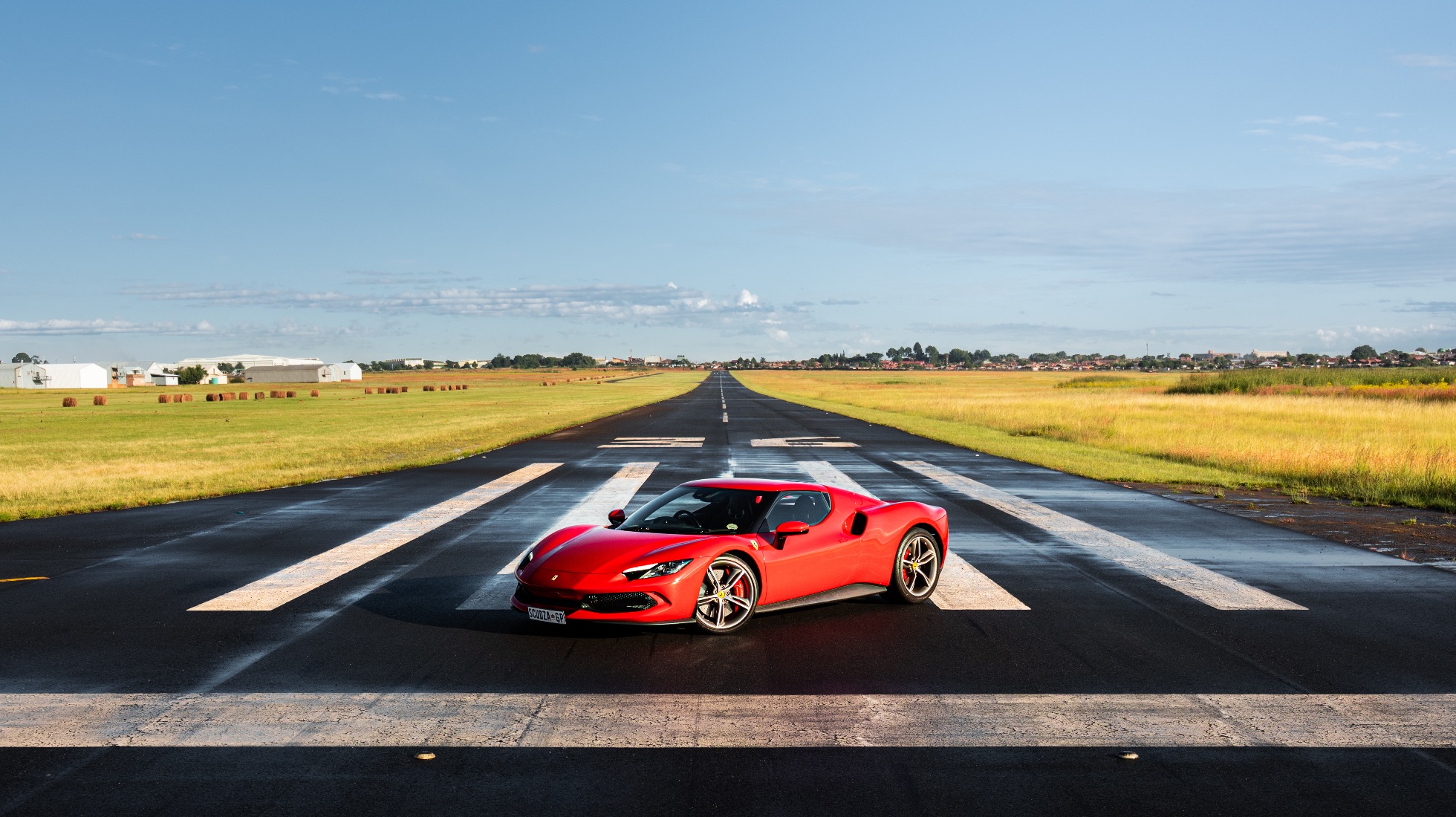
That layout also allows the 296 GTB to continue Ferrari’s smaller supercar silhouette. It is gorgeous. The surfaces are clean and minimalist, the door handles are recessed, and the swollen wheelarches are not there just for theatre. They form part of a body that channels air towards the intakes and over the car with purpose. In Rosso Corsa, with contrasting brake calipers and those Ferrari fender shields, it has all the visual theatre you expect. More importantly, it feels like one of Ferrari’s least divisive modern designs: compact, dramatic and unmistakably Maranello.
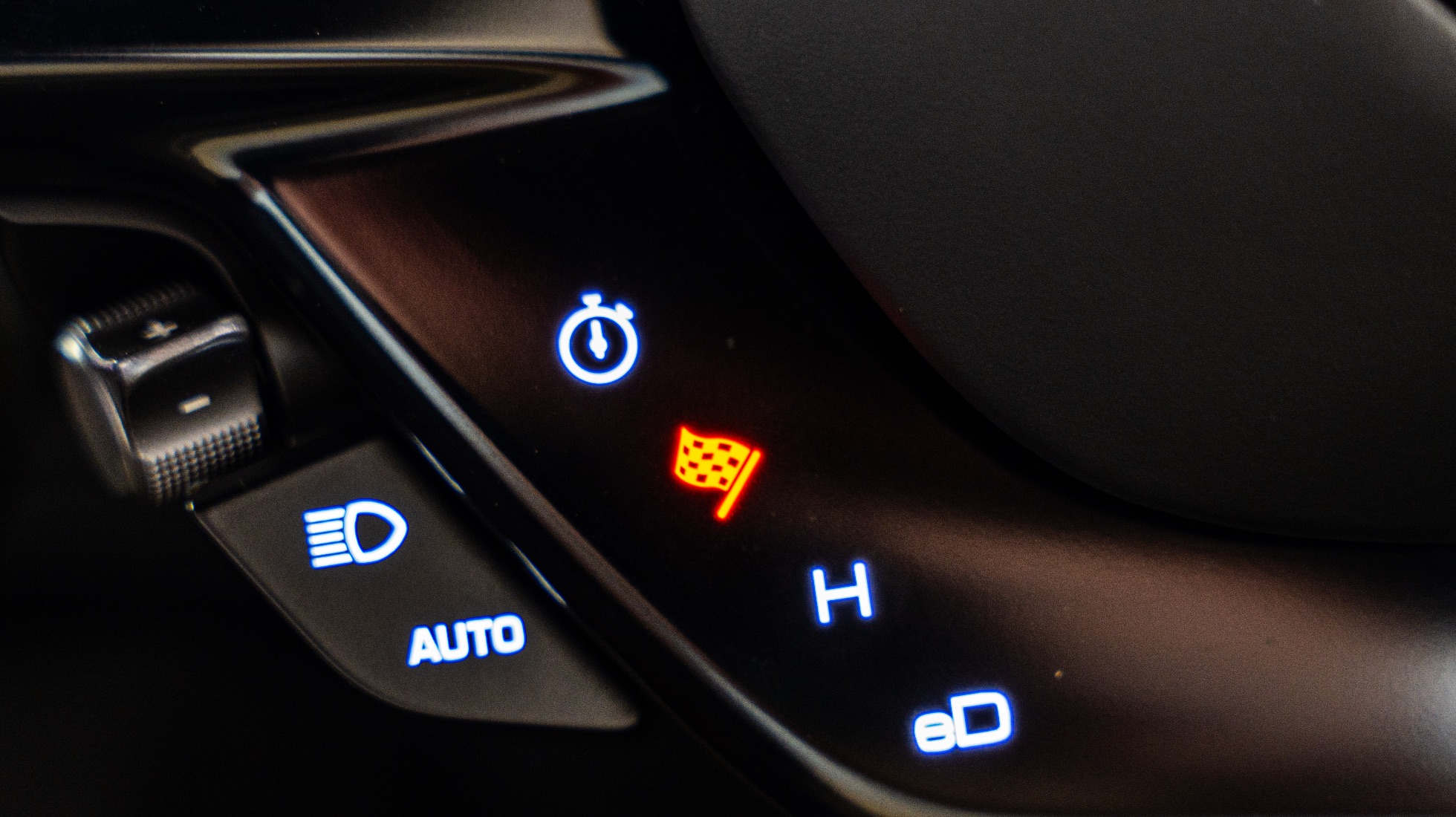
Beneath all of that visual aura, the 296 GTB delivers a drive that is as visceral and emotional as ever. The hybrid system is complex, but from behind the wheel there is real depth without unnecessary confusion. The car starts in eD, its electric drive mode, which allows for a silent roll-out and, according to Ferrari, an electric-only range of around 25km in ideal conditions.2 We did not test that for more than 10km because, frankly, the V6 was calling. Still, the ability to leave home quietly or pass through a small town without disturbing the coffee-sipping people is useful.
Most of the time, Hybrid mode makes the most sense. This is the everyday setting, using the e-motor at lower speeds and calling dramatically on the V6 when more power is needed. Dramatically is the correct word because there is no hiding the engine note. The transition from electric silence to Ferrari engine sound is stark, and all the better for it. Performance mode then primes the system for longer spirited driving, keeping the battery within the right operating window so it can keep assisting when the road opens up. For mountain passes and fast, flowing routes, this is the sweet spot.
Then there is Qualify mode. This is the short-burst, no-nonsense setting that prioritises outright performance over battery preservation. It is the one you choose when the road becomes a circuit, or when the circuit becomes your entire world. Flatten the throttle in Qualify and the 296 GTB detonates forward with a force that feels engineered rather than manic. The electric motor fills the first milliseconds with torque, the turbos are already awake, and the V6 then fires cleanly towards its 8 500rpm redline with a metallic, urgent howl. There is no waiting and no breath between inputs. The rear squats, the horizon compresses, and the world becomes a narrowing tunnel of speed.
It is outrageously fast, but never senselessly so. That is the magic. Measured violence, if there is such a thing.
The engagement factor is almost conversational. The steering is perfectly weighted, and together with the chassis it tells you what the car is doing at all times. That matters when you are dealing with 610kW, because awareness is not optional at this level. Ferrari’s chassis management systems, including its six-axis dynamic sensor approach, add a layer of confidence without removing the sensation that you are very much part of the process.
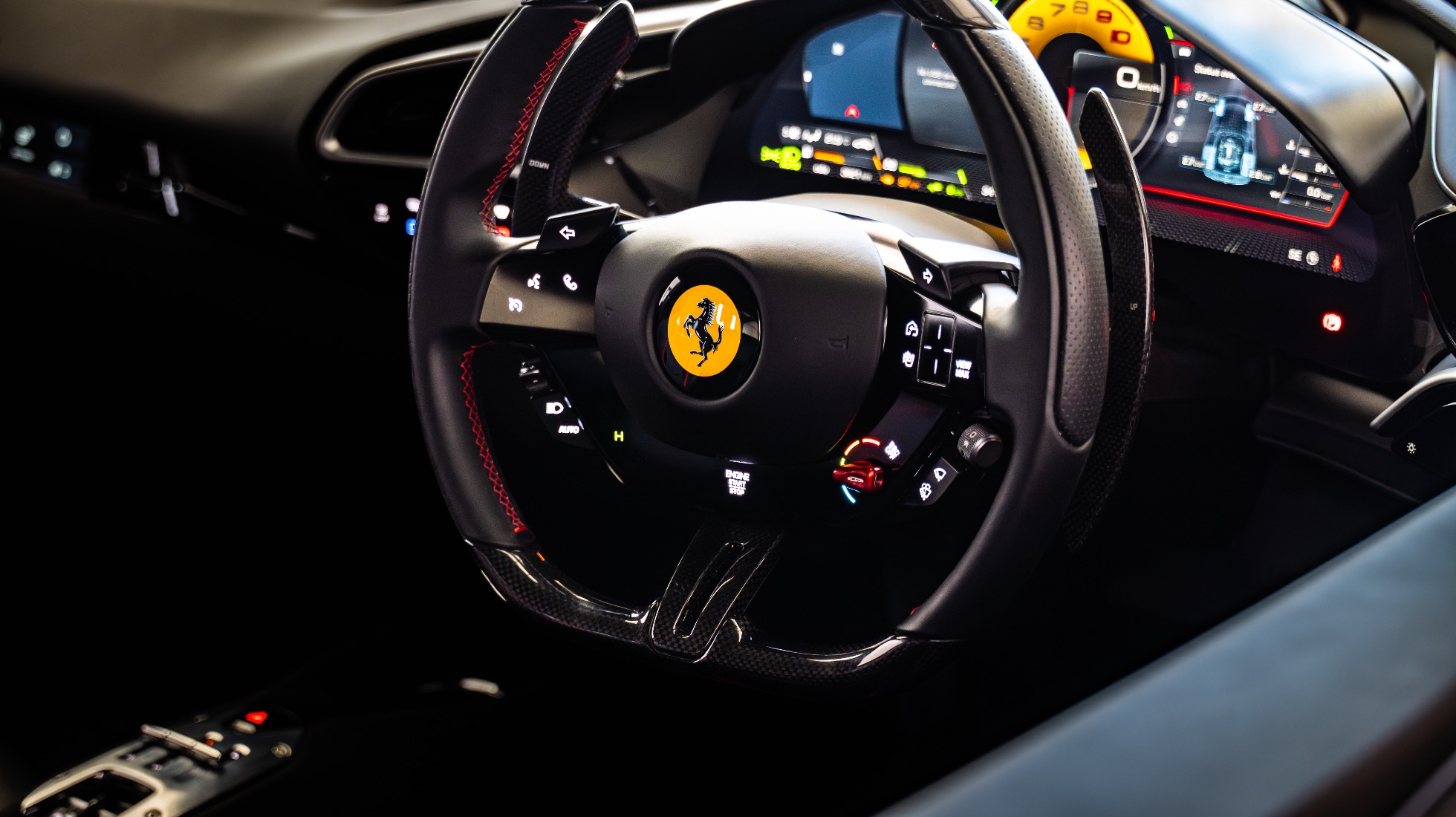
On the other side of the carbon-fibre-clad steering wheel sits the famous manettino. This is the switch that measures how big your heart is. It controls the chassis, traction, differential and transmission settings, with modes ranging from Wet and Sport through Race, CT Off and ESC Off. That last one is not a casual suggestion. Even CT Off allows a healthy amount of slip and sideways angle while retaining a guiding hand. Go all the way to ESC Off and the 296 reminds you that, while it is intelligent, it is still a 610kW rear-driven Ferrari with an appetite for commitment.
Out on the road, the 296 GTB is easy enough to drive, but purely on a performance level you never quite get the chance to unleash everything it has. On the TopGear test track, with the Bridgestone Potenza Sport tyres properly warmed and enough space to stay pinned, the full measure of the car comes alive. My word, this thing is fast. Unapologetically, faithfully fast.
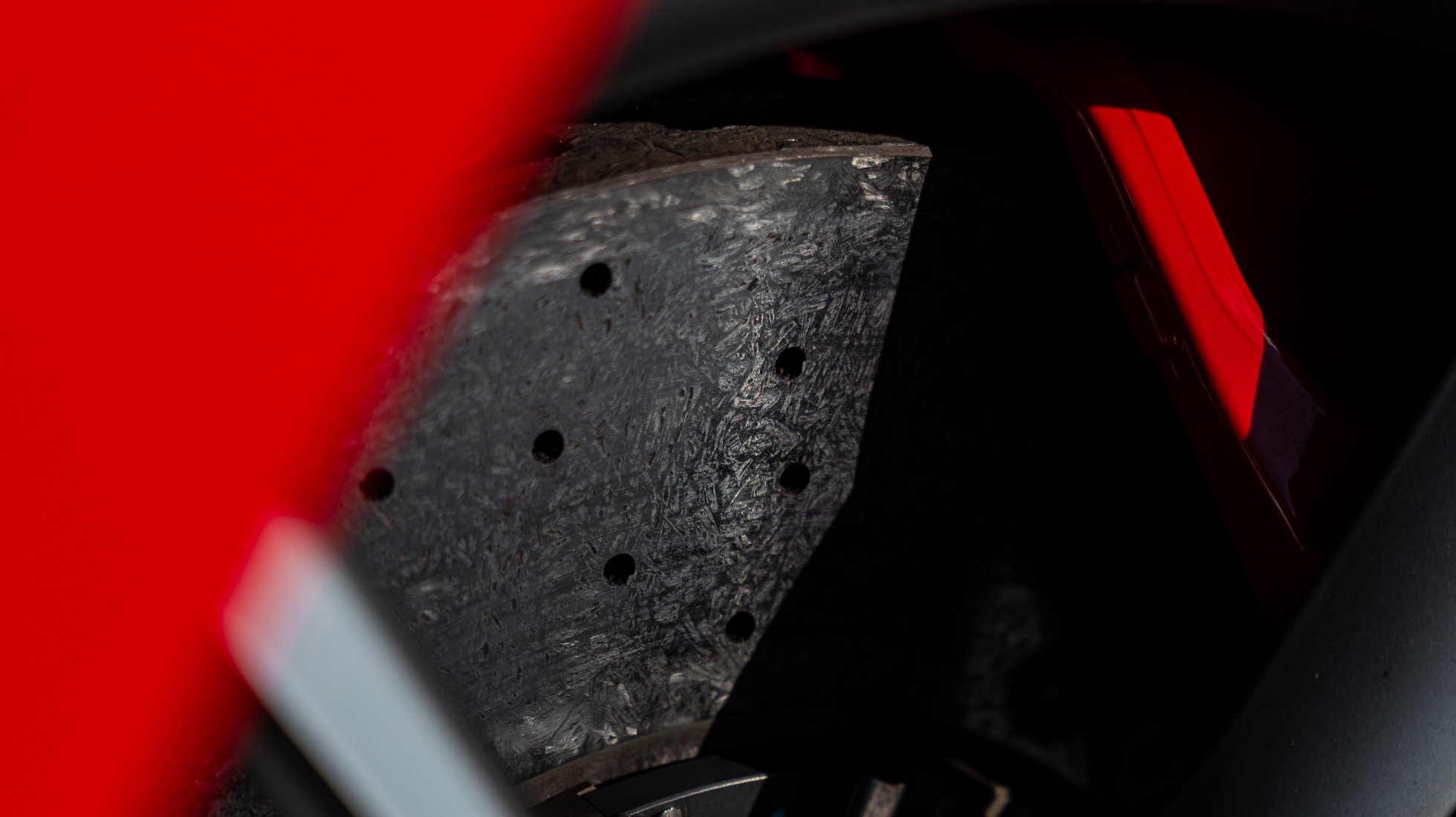
The brakes impressed in equal measure. The carbon ceramics have a relatively high bite point, but their response is consistent and the whole body seems to contract under braking without any hard nose-diving. That gives you confidence into a corner and then absolute precision as you accelerate out. At higher speeds, Ferrari’s aero work becomes part of the experience. Ferrari says the 296 GTB’s active aerodynamic solutions add meaningful downforce, with the active rear device contributing significantly when the car switches into its higher-downforce configuration. You feel that stability when the speed rises. You also feel just how much respect the car demands if you remove the electronic safety net.
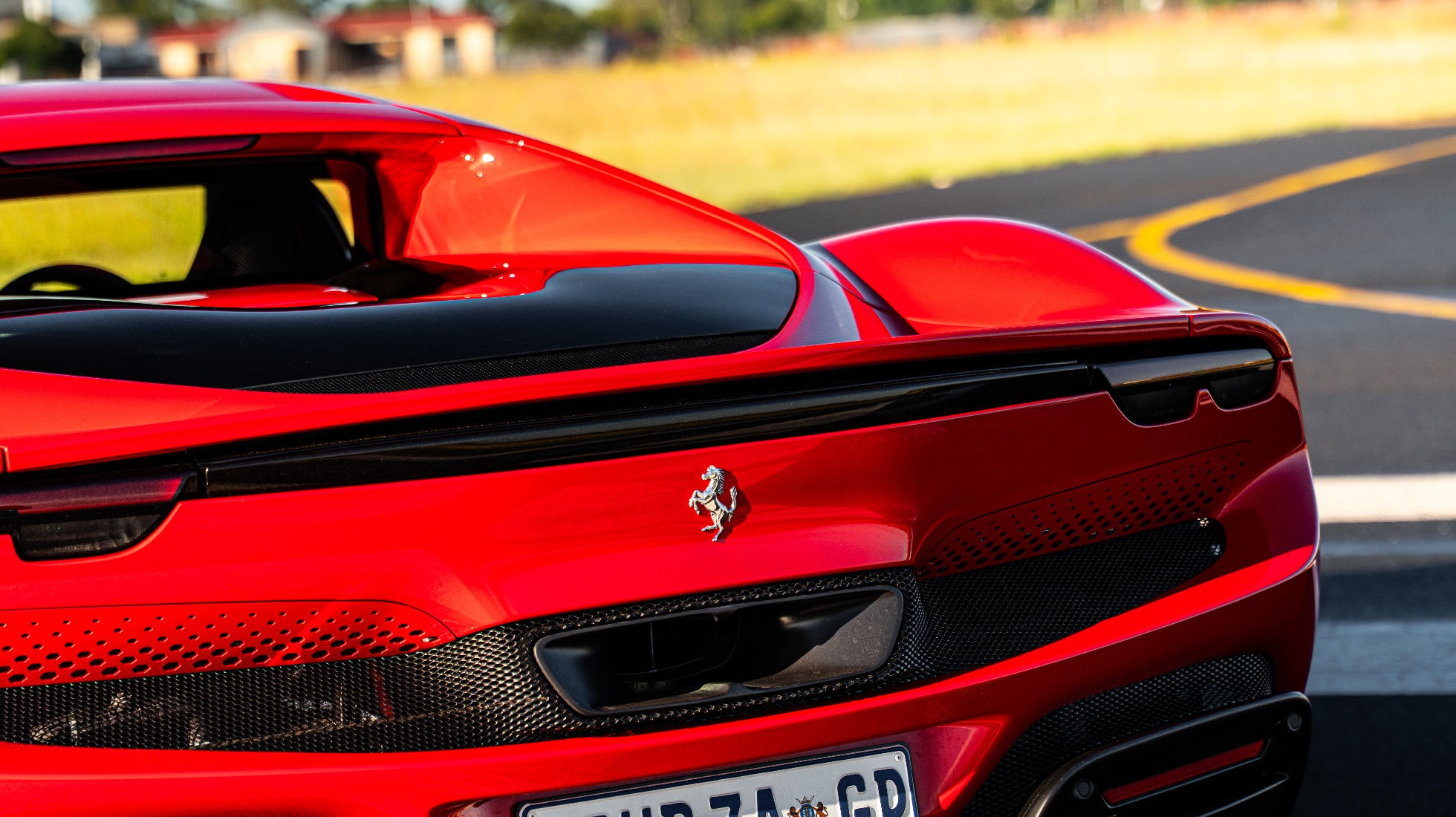
The 296 GTB’s design is not only about being beautiful. It is also a working aerodynamic surface. The nose, the side intakes, the rear haunches and the active aero all contribute to the way the car manages air. Ferrari’s official material makes a point of tying the 296 GTB’s performance to three pillars: engine, design and dynamics.1 That is exactly how the car feels. Nothing appears to be present for decoration alone, yet it still has the drama expected of a Ferrari.
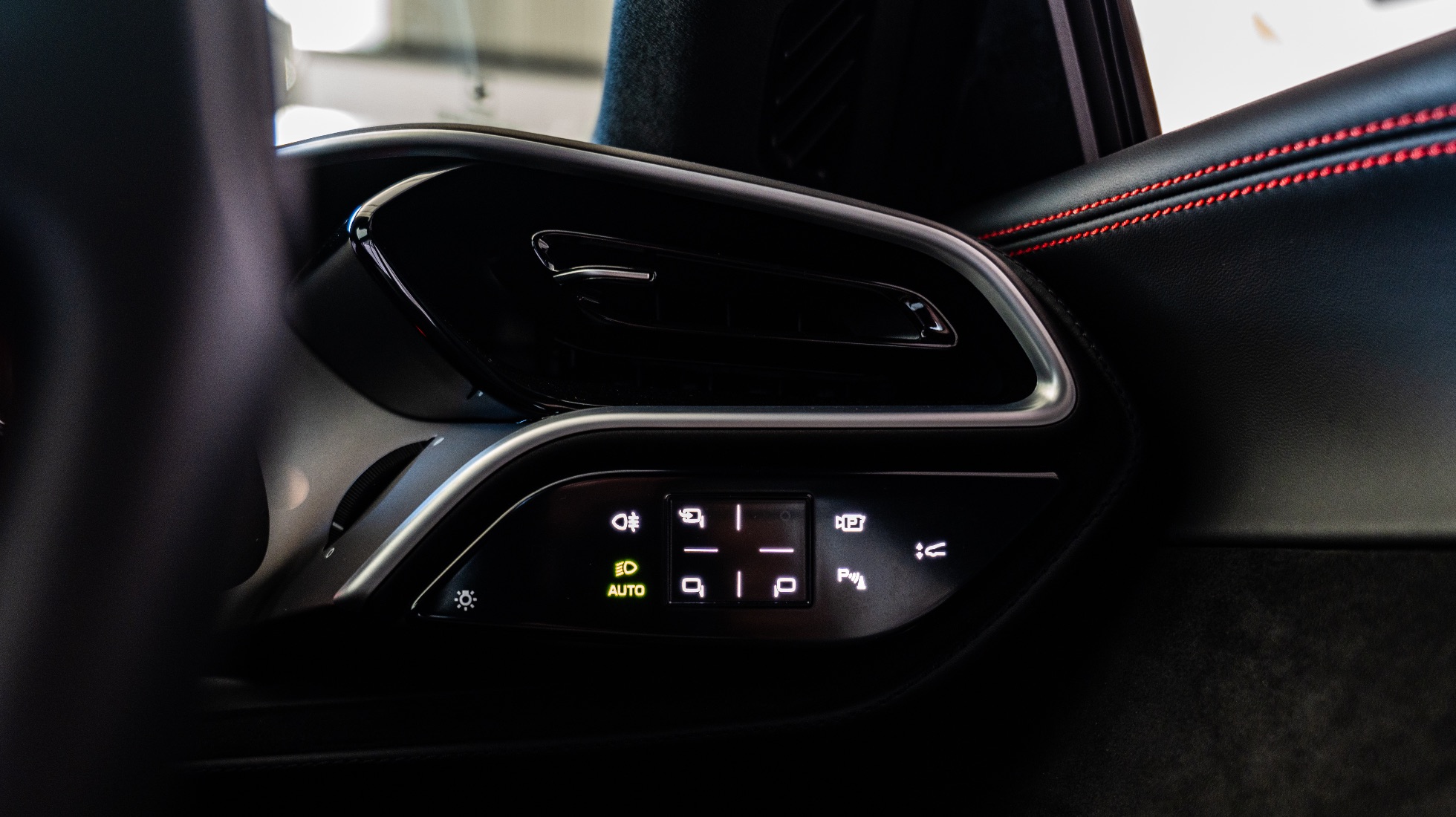
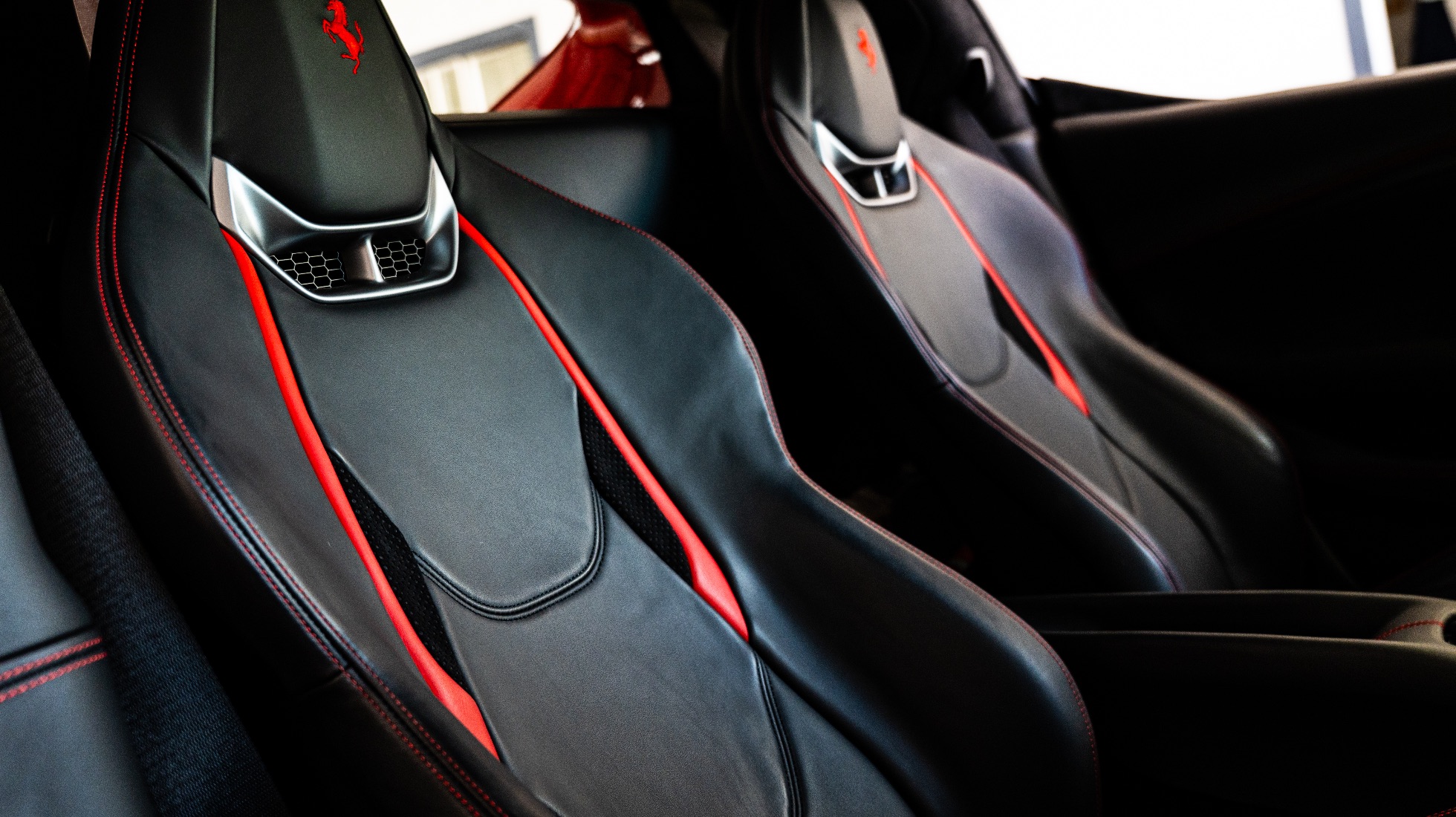
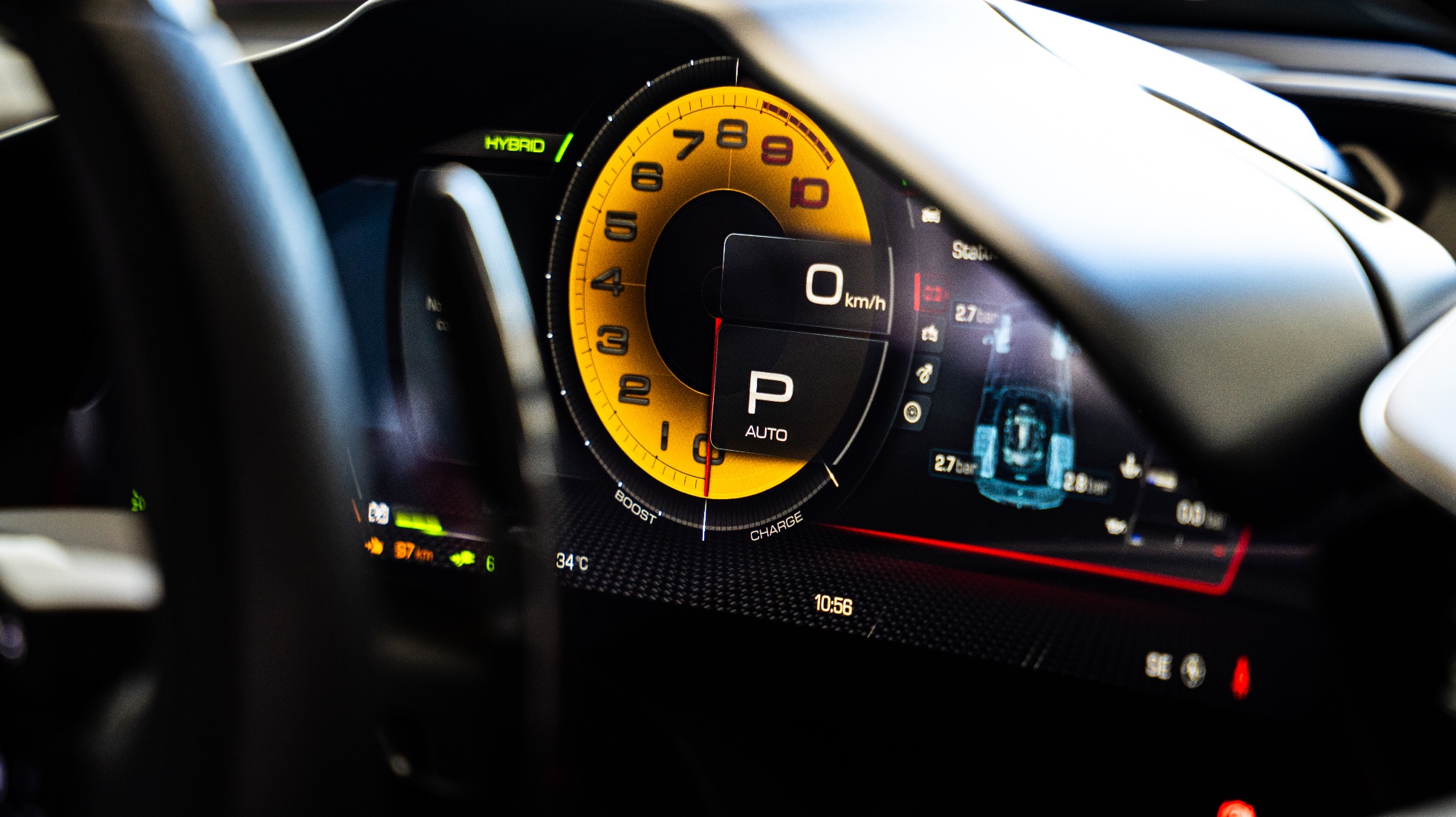
Inside, the cabin is typical modern Ferrari. It is minimalist, driver-focused and beautifully built. The driving position is low and purposeful, the steering wheel carries many of the key controls, and the digital display dominates the experience. The passenger display fitted to this test car also adds a neat sense of occasion, allowing the person alongside you to follow speed, revs and other information rather than simply hang on and pretend to be calm.
Where the chips fall is in the operating system. Ferrari has leaned heavily into haptic controls and a thumbpad interface for the large 16-inch driver display. In theory, the system looks elegant. It can run a 3D navigation layout across much of the screen and it houses the car and media settings you need. In practice, it is frustrating. The haptic buttons are not always active, so they need to wake up before use, and when they do light up they do not respond consistently enough. The thumbpad is much the same. Too often, it simply refuses to register what you are trying to do.
At this price point, that matters. The interface should be simple, immediate and confidence-inspiring, especially in a car this quick. Ferrari has already made adjustments to models launched after the 296 GTB, and the passenger display in this car proves that a more straightforward touchscreen approach can work beautifully. Perhaps Ferrari was overthinking it on the driver’s side.
No one buys a 296 GTB because it is the sensible option, but the plug-in hybrid system does broaden its usability. The eD mode gives the car a silent, low-speed side that older mid-engined Ferraris simply did not have, while the hybrid operating modes allow the car to juggle efficiency and performance depending on how it is being driven. Ferrari’s official WLTP figure is 8.3l/100km, with CO2 emissions listed at 201g/km on the global Ferrari page, though our test figure came in at 14.4l/100km.
That difference should surprise nobody. A 296 GTB driven like a Ferrari 296 GTB will not behave like a commuter hybrid at the pumps. The point is less about achieving tiny fuel numbers and more about the breadth of the powertrain. It can roll silently, run calmly, respond instantly and then deliver the kind of acceleration that makes the scenery feel like it has been pulled towards you.
At R7 495 000 before options, this is rarefied territory. Options can, and inevitably will, push the price significantly higher. The 296 GTB is also a technical flagship, so ownership will suit buyers who understand that this is a sophisticated plug-in hybrid supercar rather than a simple weekend toy. But judged as a modern Ferrari that can operate quietly when needed and erupt when asked, it makes a compelling case for the future of the mid-engined supercar.
So yes, the Ferrari 296 GTB is not perfect. The infotainment frustrates, and at this level that matters. The haptic-heavy operating system and thumbpad arrangement need a rethink because they interrupt an otherwise superbly resolved driving environment.
But those shortcomings shrink the moment you turn the wheel and press the throttle. As a case study in hybrid performance, the 296 GTB is not just good. It is definitive. It is more emotional than a McLaren Artura and, in the metal, it turns more heads. The convergence of electric torque and a high-revving twin-turbo V6 does not dilute the experience. It refines it into something sharper, faster and more intelligent than before.
At its core, this is still what Ferrari has always built: a machine engineered to thrill at the limit. Only now, it does so with 610kW of electrified precision.
Get TopGear SA news and reviews in your inbox