The name Gemini was originally the internal name given to Discovery’s first Tdi engine back in 1989.
8
The name Gemini was originally the internal name given to Discovery’s first Tdi engine back in 1989.


| Engine | Power & Torque | Transmission | 0 – 100km/h | Top Speed | Fuel Consumption | C02 |
| 3.0-litre i6, turbodiesel + 48V mild-hybrid | 257kW & 700Nm | 8-speed auto | 6.8 secs
(as tested) |
209km/h | 11.2l/100km
(tested) |
211g/km |
PERFORMANCE FIGURES ACHIEVED USING VBOX RACELOGIC, DISTRIBUTED BY ATS MOTORSPORT]
I have just walked out of the newly refreshed planetarium on the Wits University campus, a place I had not visited in more than 20 years. It now carries a new name, the Wits Anglo American Digital Dome, and it is a properly fascinating place: digital shows, cutting-edge astronomy presentations and a cinematic dome that makes you look at the Southern African sky a little differently. Did you know there is an Easter bunny up there? I digress.
Still, the timing could not have been better because I had driven there with my entire family in a new Land Rover Discovery Gemini. If ever there were an appropriate car for a night spent contemplating stars, twins, names and legacy, this is probably it.
Gemini, the star sign symbolised by twins, is marked by Castor and Pollux, two bright stars visible in the northern hemisphere sky. Character-wise, Geminis are said to be adaptable, curious and comfortable with duality. There is a convenient metaphor in there because the Discovery has always been a car of dual purpose. It is an indulgent luxury family hauler, but also a serious off-roader. It is vast and plush, but it can still clamber into places where many fashionable SUVs would start sweating through their Nappa leather.
The name has deeper Land Rover relevance, too. Gemini was the internal name given to Discovery’s first Tdi engine back in 1989, which makes this edition more than a decorative badge-and-wheel exercise. It is part of the Discovery’s 35-year legacy celebration, alongside the Tempest Edition, itself named after the undercover development programme for the second-generation Discovery in 1998. In other words, this is Land Rover rummaging through the archive, finding a few meaningful old labels and applying them to a modern Discovery that could use a fresh moment in the spotlight.
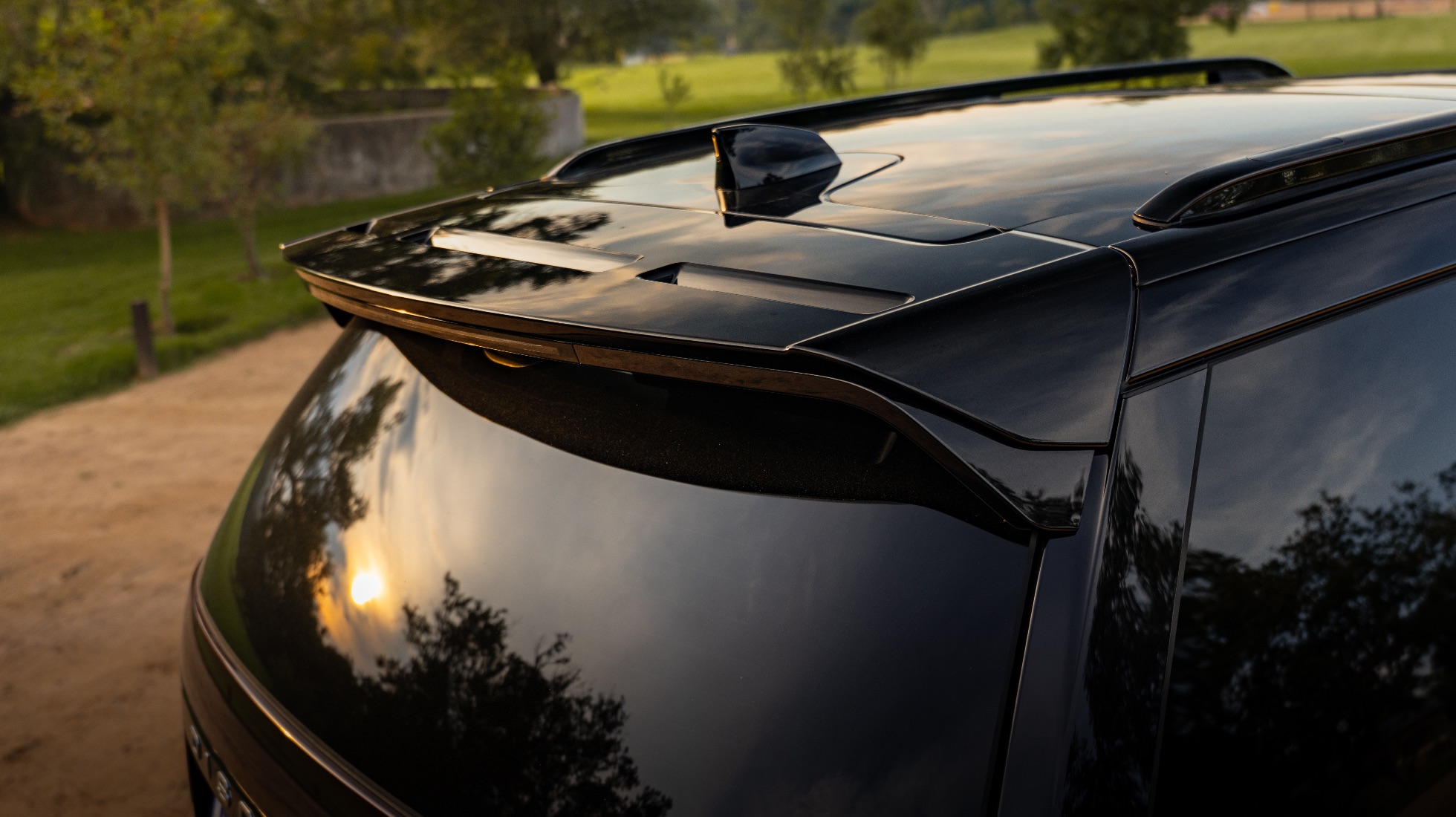
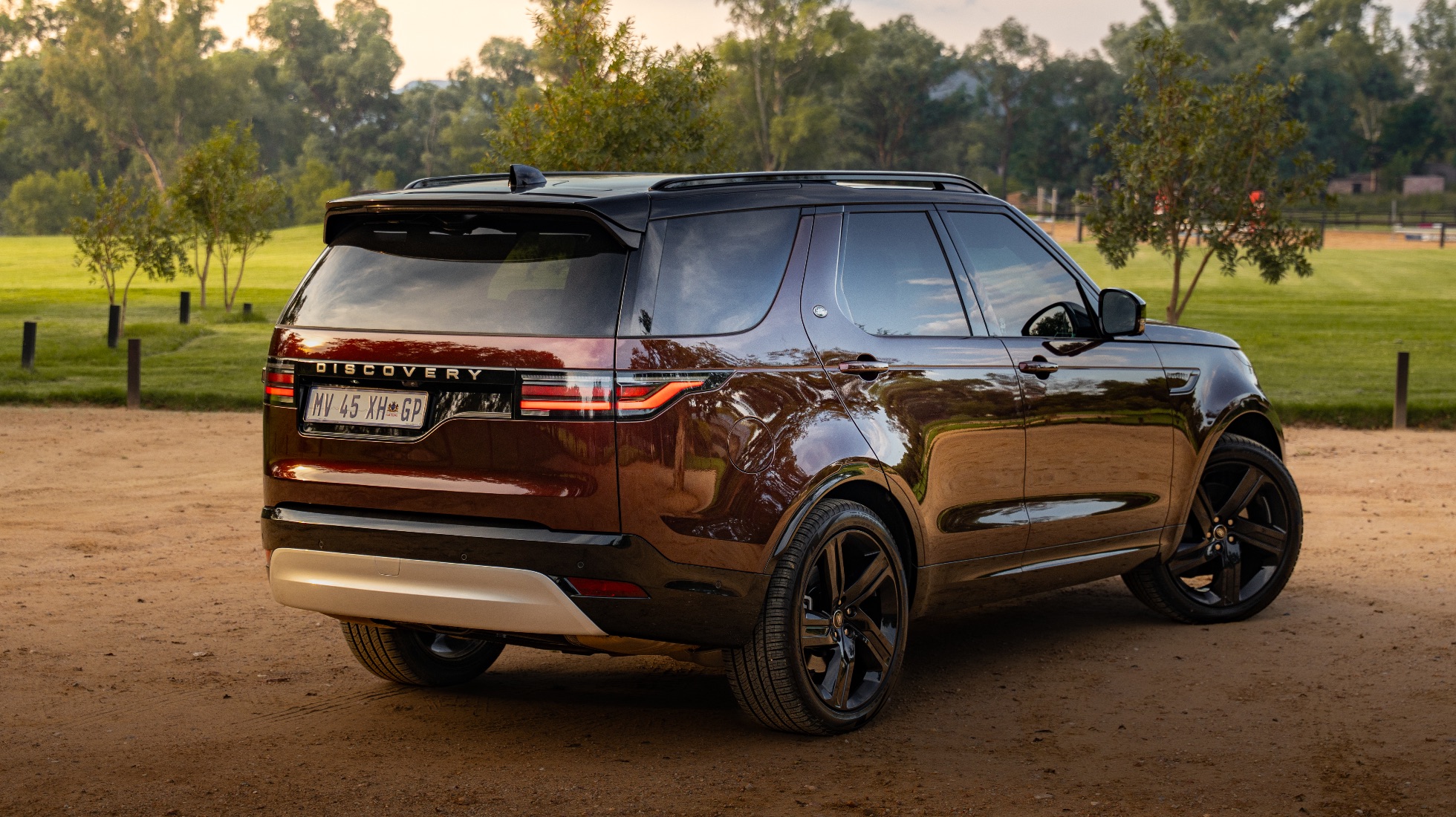
At its core, the Gemini starts life as the D350 luxury seven-seat 4×4. Within the wider JLR family, the Discovery has become something of an underappreciated overachiever. It does not enjoy the pop-cultural pull of the Defender, and buyers with more badge-conscious luxury intent often drift towards the Range Rover Sport. The reasons are not really mechanical. They are emotional and aesthetic. The fifth-generation Discovery’s design remains divisive, particularly at the rear, where critics have called it heavy, bulky and ungainly. I understand the criticism, but it also misses the point slightly.
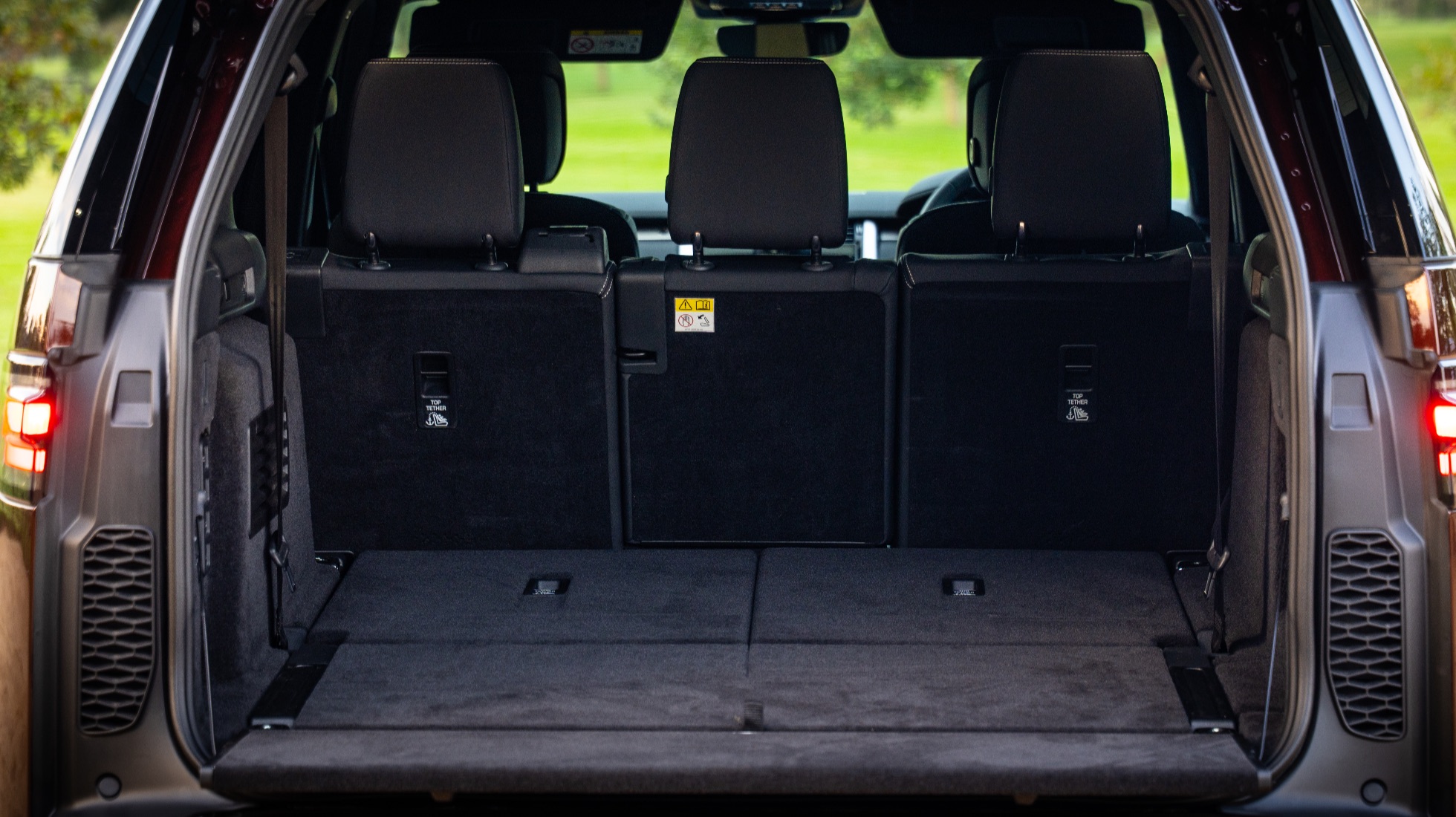
The Discovery is shaped by what it needs to do. Beneath that supposedly weighty silhouette is a cabin with space for seven actual people, not five people and two emergency-use apologies. The third row can accommodate adult-sized passengers, and even with all seven seats in place, there is still 281 litres of boot space. Fold everything away and you have a vast 2,440-litre load area. The best bit is that the entire seating operation is electronic, which suits the car’s easy-going luxury character perfectly.
This is where the Discovery Gemini makes the strongest case for itself because the D350 powertrain is magnificent. The 3.0-litre inline-six turbodiesel with 48V mild-hybrid assistance is smooth, muscular and beautifully matched to the 8-speed automatic gearbox. It produces 257kW and 700Nm, which gives the Discovery exactly the sort of effortless momentum a large luxury 4×4 needs. There is no theatrical urgency here, and there does not need to be. The engine does not shout for attention. It simply gathers speed with a deep well of torque and an expensive-feeling sense of calm.
Measured performance is strong, too. Our tested 0–100km/h time of 6.8 seconds is properly brisk for something this substantial, while the tested fuel consumption of 11.2l/100km is acceptable given the size, weight and capability on offer. It is not a lightweight thing, and you are always aware that there is plenty of Discovery around you, but the diesel’s flexibility makes the car feel less laboured than its mass suggests.
The ride quality is a major part of the appeal. The Discovery has a wonderful way of breathing with the road rather than fighting it. On tar, it wafts with the measured composure of something expensive and substantial. On gravel, it settles into an even more convincing rhythm, absorbing surface changes with the quiet confidence that has long defined the best Land Rover products. The steering is not sporty and the body control is not pretending to be, but that is exactly why the car works. The Discovery is not trying to impersonate a performance SUV. It is a luxury family 4×4 with an enormous bandwidth of ability.
There is also the commanding seating position, which many buyers will adore. From the driver’s seat, the Discovery has a Range Rover-like sense of occasion without the full Range Rover price. It does not quite have the same social theatre, but mechanically and experientially, it gets surprisingly close. The impression is of a car engineered to remove stress from long distances, bad surfaces, big family logistics and poor weather.
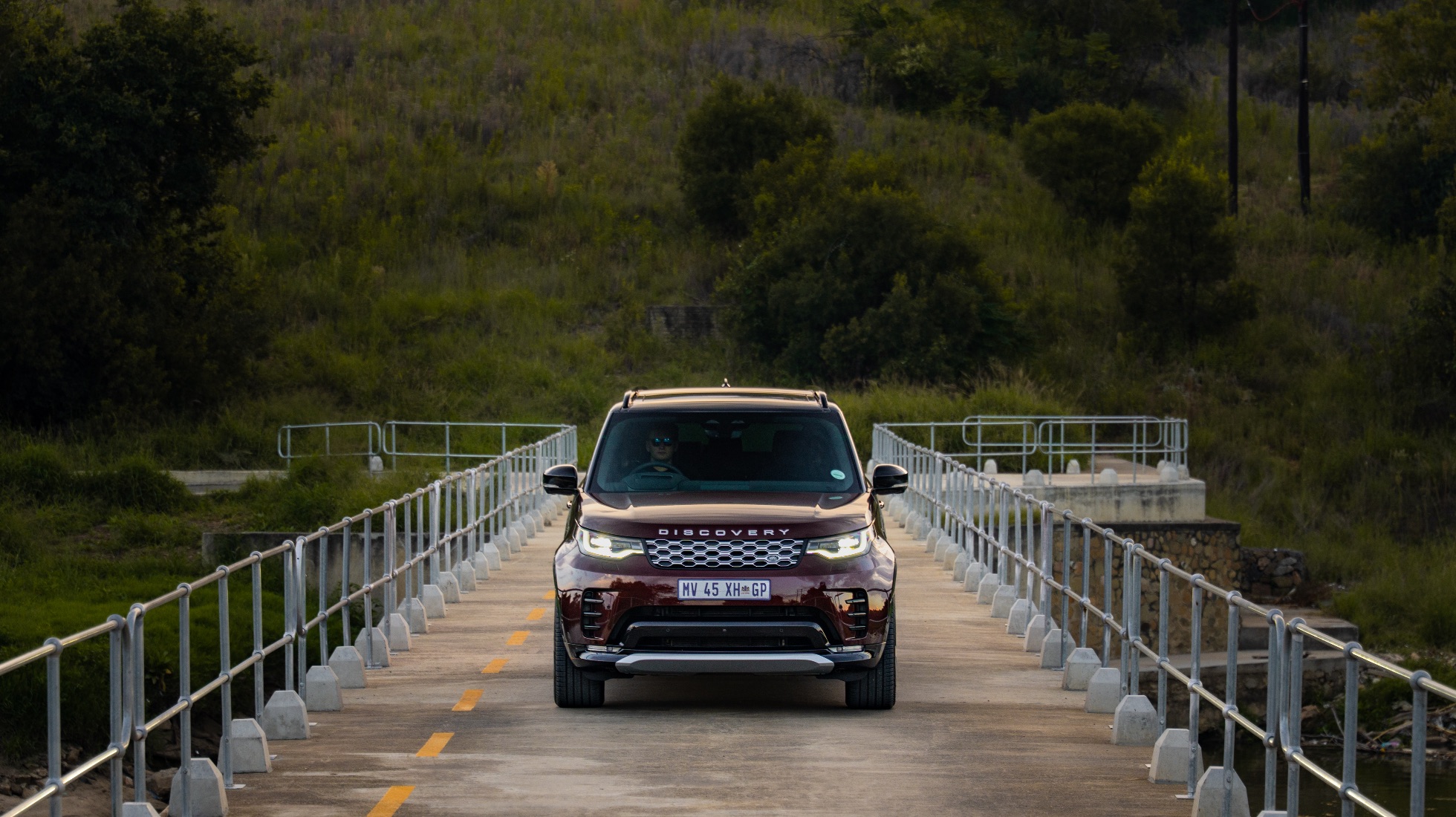
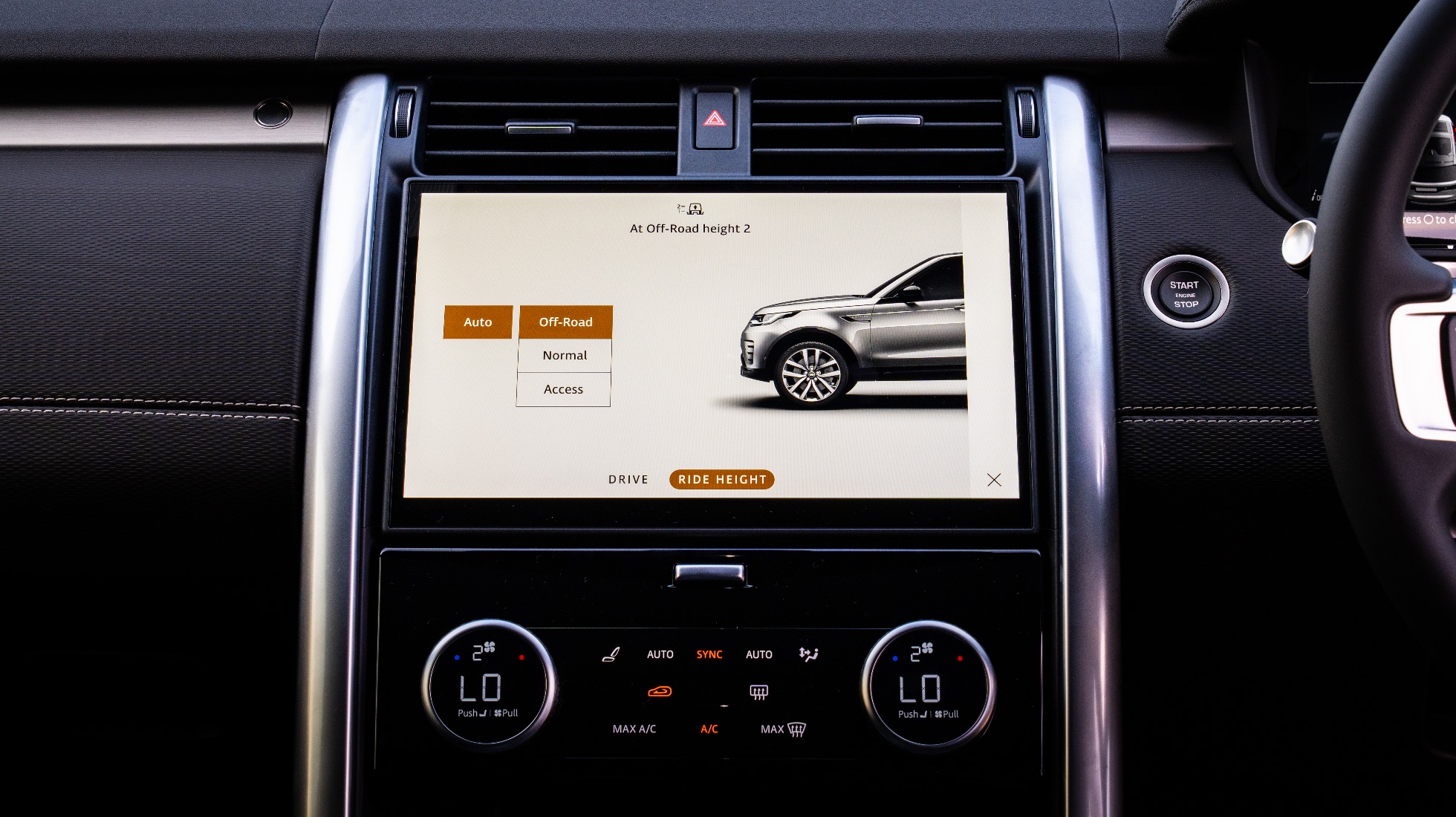
And then there is the off-road hardware. The Discovery remains one of the most capable vehicles in its class, helped by electronic air suspension that can raise the body to provide up to 285mm of ground clearance. It also offers a claimed wading depth of 900mm, assisted by a broad suite of cameras and clever terrain systems that make difficult routes feel far less intimidating. Most owners may never use the full extent of that ability, but there is value in knowing it exists. It is part of the Discovery’s identity, and it is what separates it from large luxury SUVs that merely look adventurous.
There is a sense, when driving the Disco, that many small details have been considered. The sound and feel of the switches, the way the suspension manages different surfaces, the way the engine and gearbox settle into an unhurried rhythm, and the ease with which it carries people and luggage all point to a car designed around usefulness rather than display.
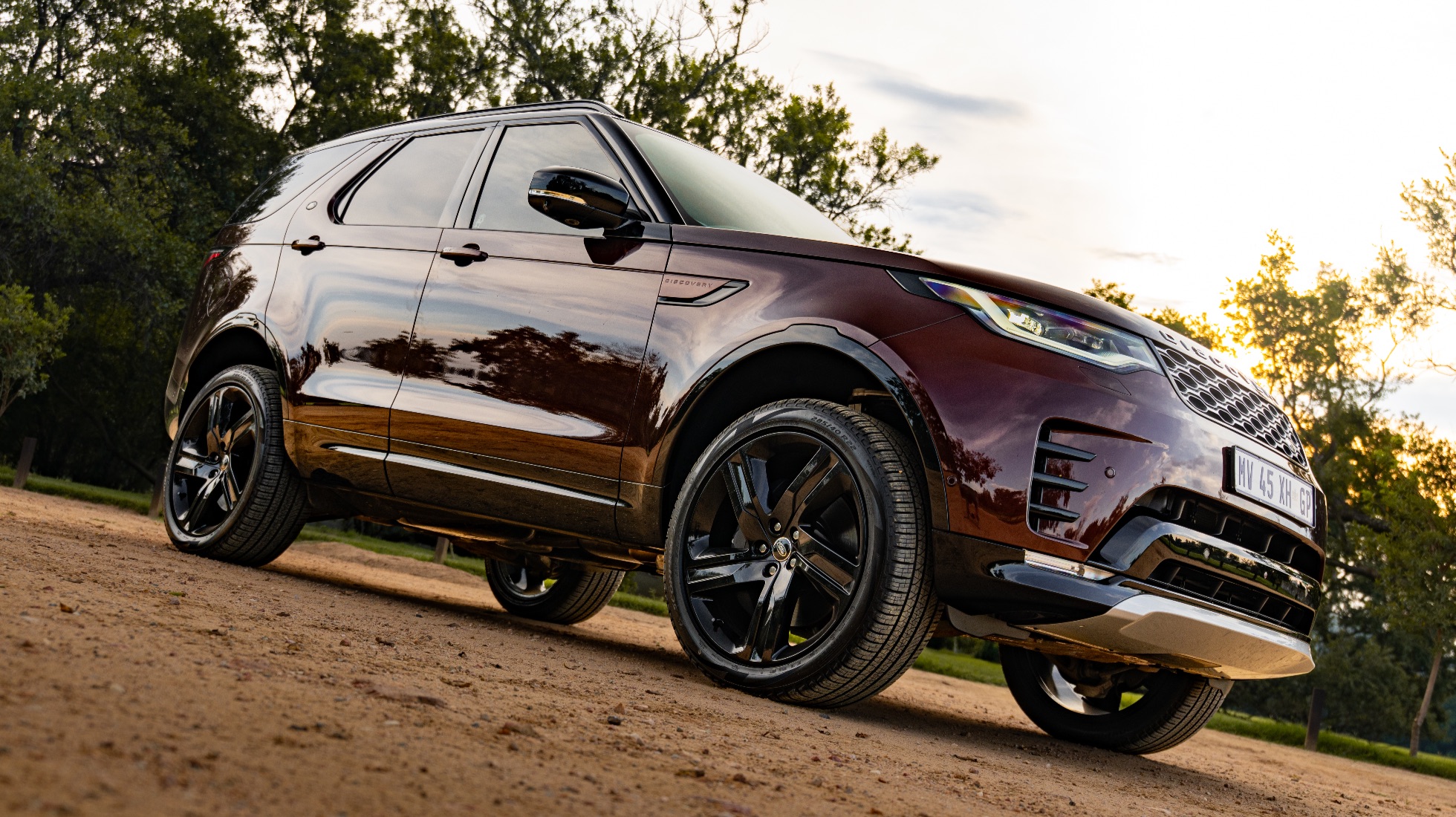
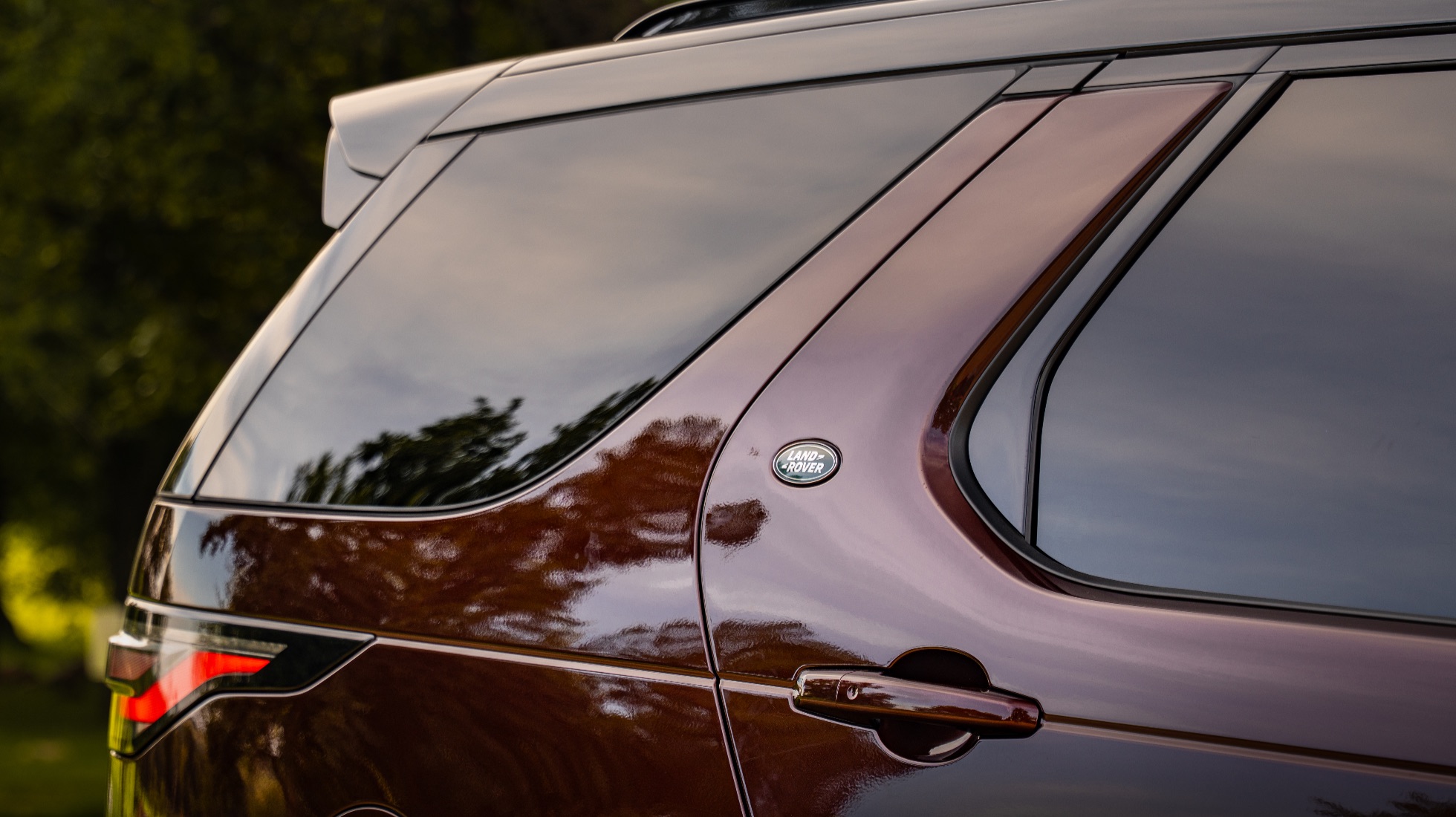
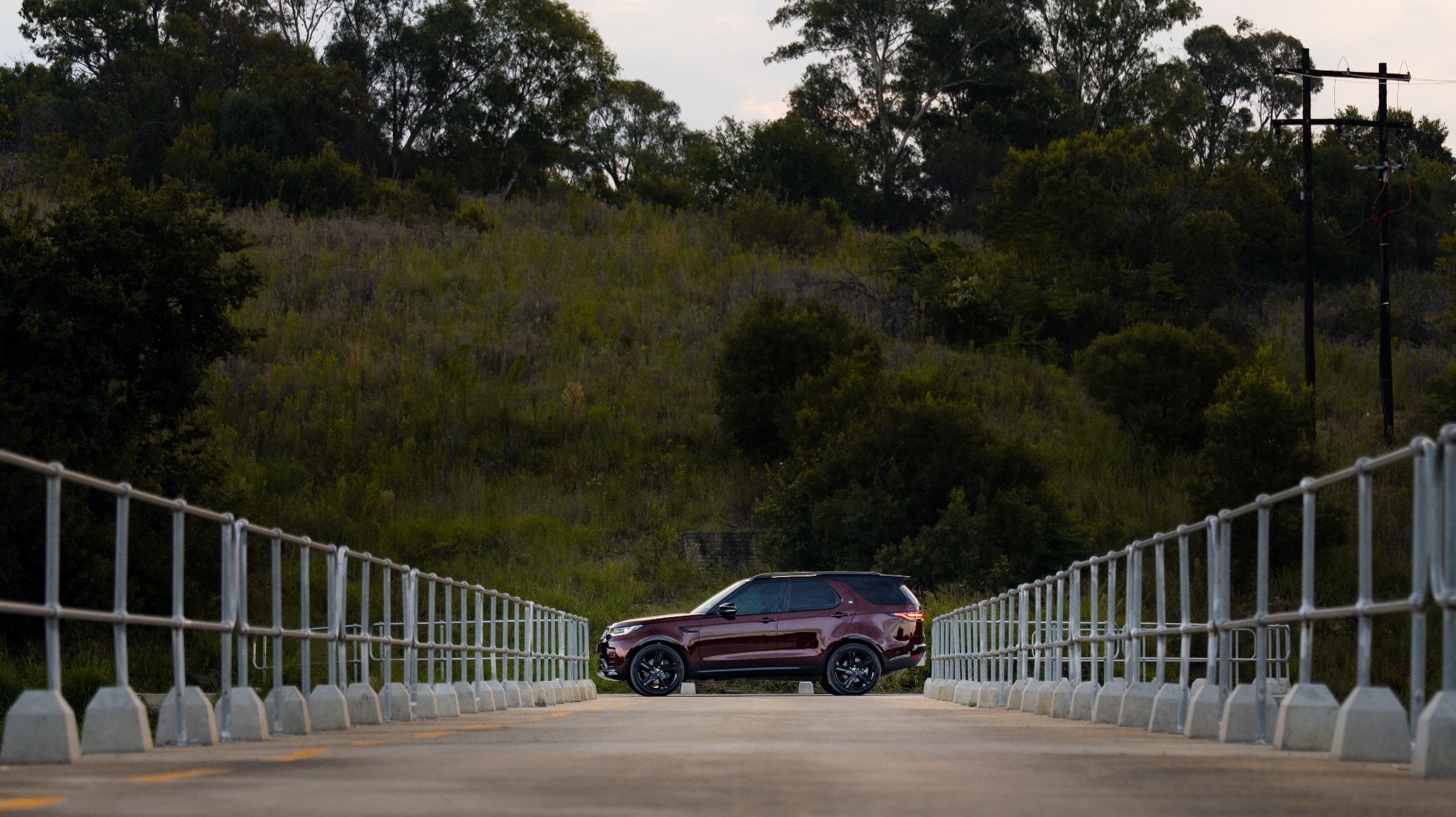
The Gemini treatment brings a welcome visual lift. This test car’s Sedona Red paint with a contrasting black roof works beautifully, giving the Discovery more presence and warmth than some of the safer colours usually seen on large luxury SUVs. The 22-inch diamond-turned wheels add a sharper, more contemporary edge, and although large wheels are not always the natural friend of ride quality, the Discovery’s air suspension does an impressive job of keeping things composed.
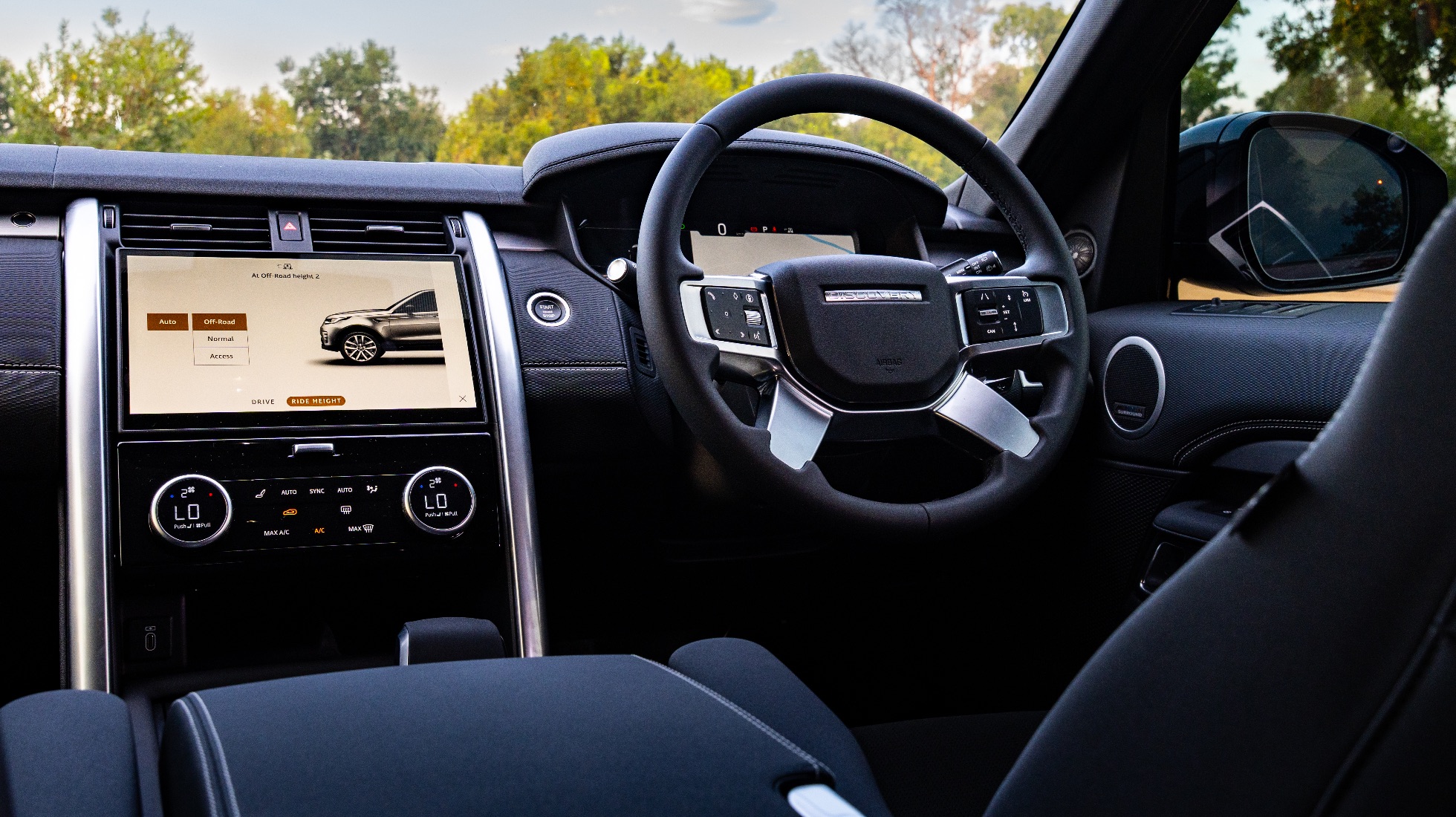
Inside, the Gemini-specific Ebony interior finish gives the cabin a richer character. Suedecloth and Luxtec across the dashboard, door panels and seats create an environment that feels properly considered, while the carpets, mats and material choices all communicate luxury without resorting to unnecessary flashiness. It is not as minimal or as jewel-like as a Range Rover cabin, but it is warm, comfortable and deeply practical.
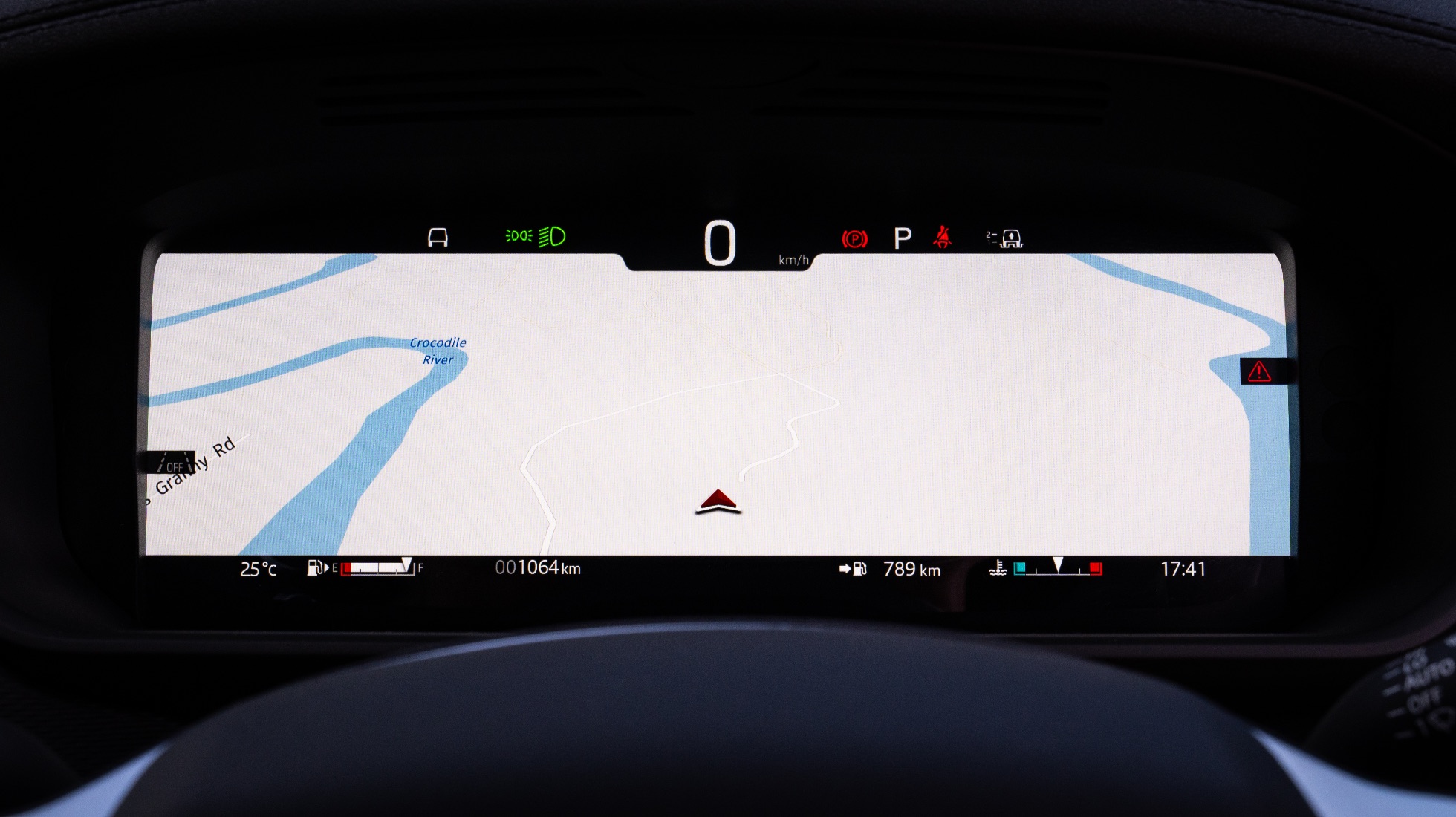
The updated Discovery also benefits from the flush Pivi Pro II infotainment system, which is a meaningful improvement over earlier iterations. It is faster, cleaner and easier to use, even though there is a lot buried within its menus. The more time you spend with it, the more you realise how much functionality the Discovery carries. This is not a thinly equipped heritage edition wearing a special name. It is a loaded family flagship.
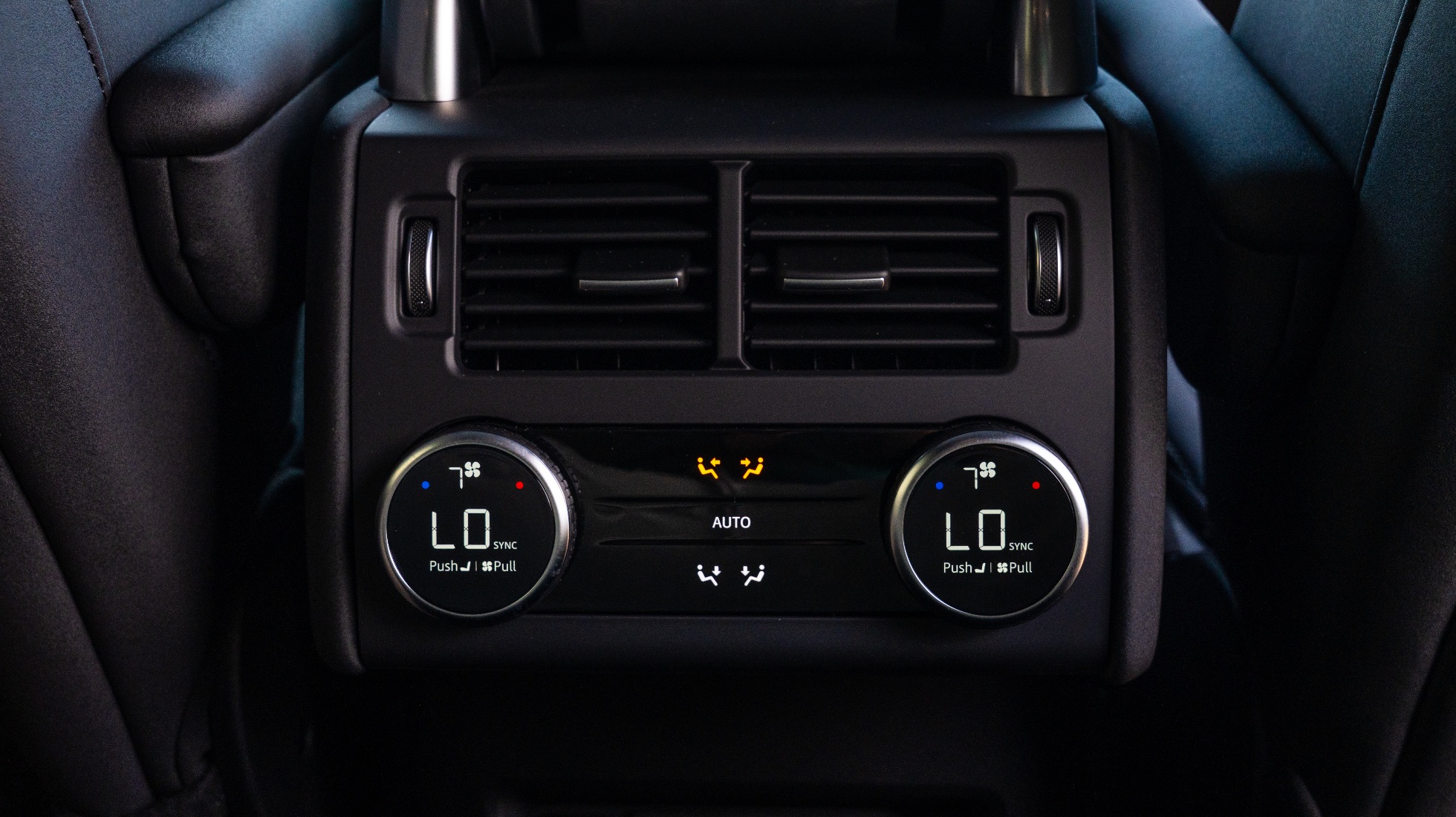
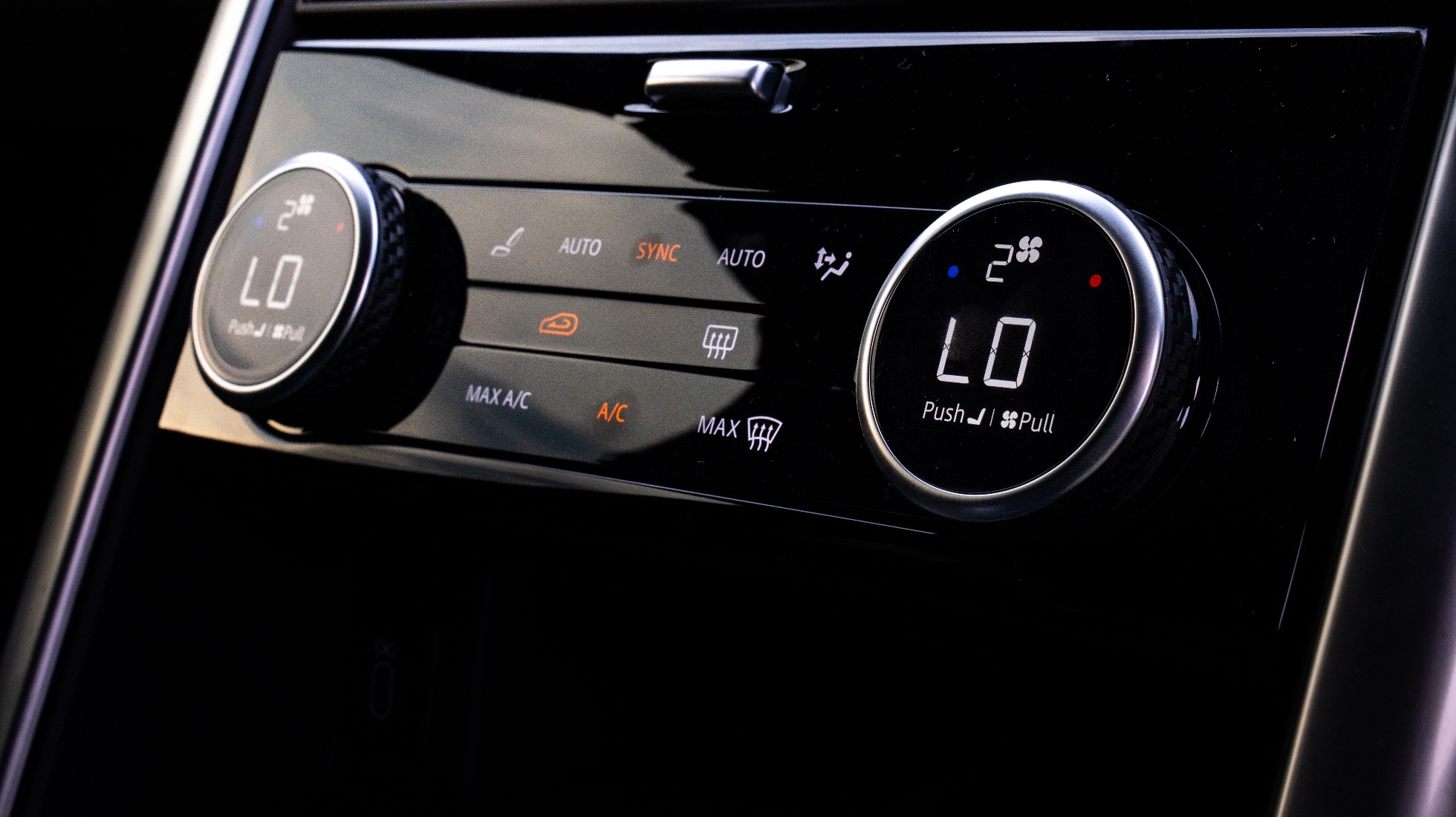
The equipment list includes 18-way electrically adjustable front seats, four-zone climate control, heated seats in the first two rows, wireless charging, six USB charging ports and click-and-go holders for rear-seat devices. There are storage bins everywhere, including a refrigerated centre console bin, and even a concealed compartment behind the climate control panel. I am not entirely sure why that last one exists, but perhaps a car this practical is allowed the odd secret.
What matters more is that the Discovery’s interior understands family life. It is easy to get into, easy to configure and genuinely spacious. The second row is roomy, the third row is actually usable, and the electronic seat-folding system takes the physical irritation out of changing between passenger and load-carrying duties. In a market where too many seven-seat SUVs treat the final row as a legal technicality, the Discovery still feels like one of the few luxury options built around real people.
At R2 038 800, the Discovery Gemini is not inexpensive. It sits in serious luxury territory, and that means it will be judged against some highly desirable alternatives, including products wearing Range Rover, BMW, Mercedes-Benz and Audi badges. The challenge for the Discovery is that it asks buyers to value ability and space as much as image. That is not always easy in this segment.
Its defence is that it does many things at once. It is a seven-seat luxury SUV, a long-distance tourer, a proper 4×4 and a genuinely useful family vehicle. It also comes with a powertrain that suits South Africa beautifully. The D350 diesel has the torque for towing, overtaking and fully loaded holiday travel, while the 8-speed automatic keeps everything refined. There are no petrol alternatives and certainly no V8 fireworks, but in the context of what the Discovery is meant to be, the diesel makes complete sense. The tested consumption figure of 11.2l/100km should be viewed realistically. This is a large, heavy, all-wheel-drive luxury SUV with substantial capability, so it was never going to sip fuel like a compact crossover. Still, the diesel’s relaxed torque delivery means the car does not need to work hard in normal driving, and that should help real-world consistency on longer routes.
The bigger ownership question is whether the Discovery’s wide-ranging competence is worth more than the simpler visual appeal of its rivals. For buyers who need genuine seven-seat packaging, long-distance comfort, towing confidence and off-road reassurance, the answer may well be yes. For those who simply want the most fashionable luxury SUV in the driveway, the Discovery will require more explanation.
The Land Rover Discovery Gemini is a deeply competent car, and perhaps that is both its greatest strength and its biggest problem. It is not loud, sporty or fashionable in the way some luxury SUVs try to be. It is not chasing lap times, aggressive styling or social media theatre. It is something more traditional and arguably more useful: an unflappable, luxurious family vehicle with space, comfort, torque and real capability. Some will call it expensive, and they will not be entirely wrong. Others will point at the rear styling and decide, before driving it, that the Discovery is not for them. But spend proper time with it and the argument becomes clearer. It can carry seven people in comfort, swallow enormous amounts of luggage, cover rough surfaces with grace, wade through serious water, tow with confidence and make long journeys feel easy. Very few luxury SUVs cover that spread of ability so convincingly.
The Gemini edition adds a welcome layer of heritage and aesthetic polish to a car that has too often been overlooked in favour of the Defender’s character or the Range Rover Sport’s status. It does not reinvent the Discovery, and it does not need to. It simply reminds you why this nameplate has endured for 35 years. The stars may have aligned for the naming story, but the real magic is much closer to earth. The Discovery Gemini is still one of the best big family 4x4s money can buy.
Get TopGear SA news and reviews in your inbox