Surefooted handling for a van, great tech, driver comfort
Against
Road noise, reduced blind spot visibility
What is it?
The Volkswagen Caddy has always been connected to the Golf as far as family connections are concerned. Both vehicles have become prevalent over the years thus gaining a cult following from respective buyers across the globe.
Speaking of the original Caddy bakkie, it was based on the VW Golf Mk1 as a coupe utility in the olden days and is now being pursued after by collectors who are keen to pay at least double the launch price for a clean factory-standard example.
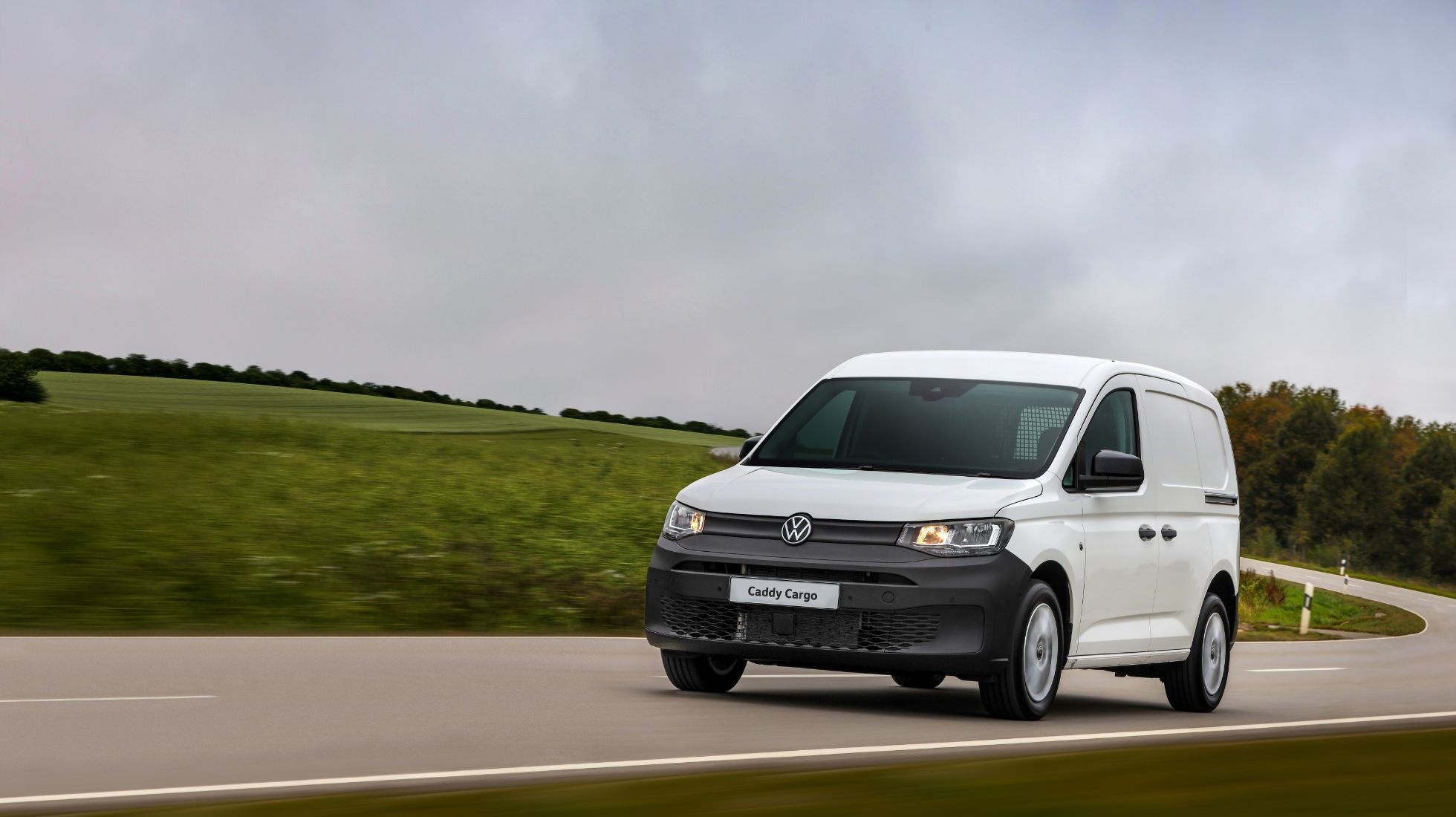
Unfortunately, the original Caddy was ditched for a panel van configuration and if we’re honest, city-sized panel vans with acceptable payloads have become synonymous with small businesses in SA – even essential for day-to-day operations. Now in its fifth generation, we spent time testing the Caddy Cargo in its short wheelbase configuration. It is built on the same MQB platform which also underpins the Golf 8 and Polo models.
Side by side with the outgoing Caddy Cargo, the new model has undergone a major overhaul with a majorly modern look and new tech. Our tester has halogen headlights, black-pack door handles and mirror housings while riding on silver 16” steel wheels.
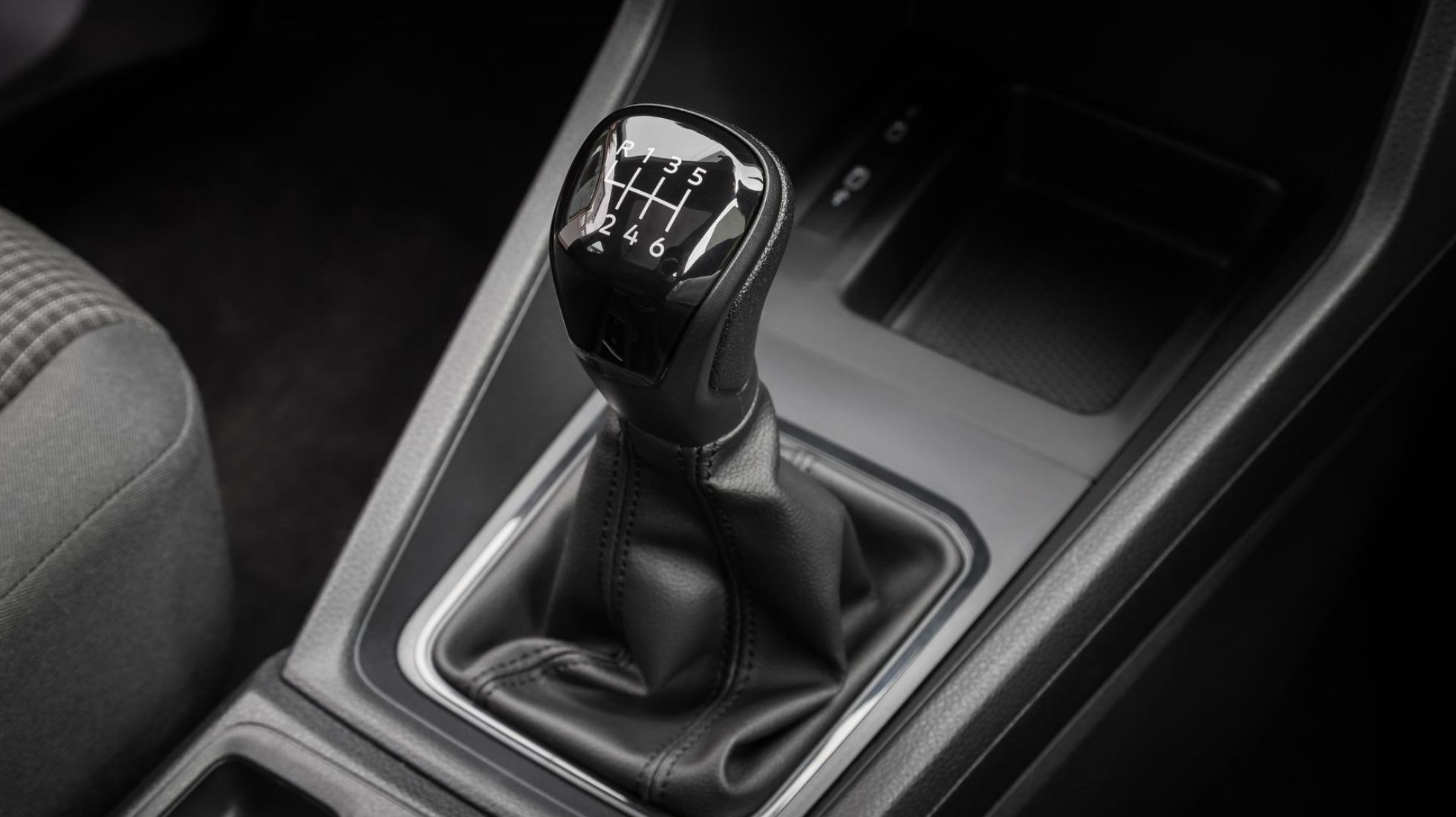
The drive is provided by a 1.6-litre four-cylinder petrol engine with 81 kW of power and a torque flex of 152 Nm mated to a smooth-shifting 6-speed manual transmission that drives the front wheels. It is a great match for the powerplant.
The setup gives the new VW Caddy Cargo acceptable overall refinement and handling prowess on the road. It responds directly to steering inputs while the body lean is kept in check at all times accompanied by excellent amounts of grip levels. Even without any load at the back, the Caddy Cargo rides over SA-quality roads with unflappability.
On the flip side of the coin, there is more road noise entering the rear cargo box at freeway cruising speeds due to the lack of sound-deadening material you’d find in the passenger Caddy models. The naturally-aspirated 1.6-litre petrol unit requires a patient approach to extract optimum power delivery.
With the lack of rear-side windows, it can be pure guesswork when changing lanes or coming out of a parking spot due to reduced visibility. Not ideal for insurance premiums…
Layout, finish and space
Off the bat, the Caddy Cargo is all about space and it offers receptacles on the dashboard, overhead compartment and door panels to tuck things away. I found the loading bay to be more generous than its predecessor thanks to an additional 73 mm of length and 62 mm of width which translates into a load capacity of 3,100 litres.
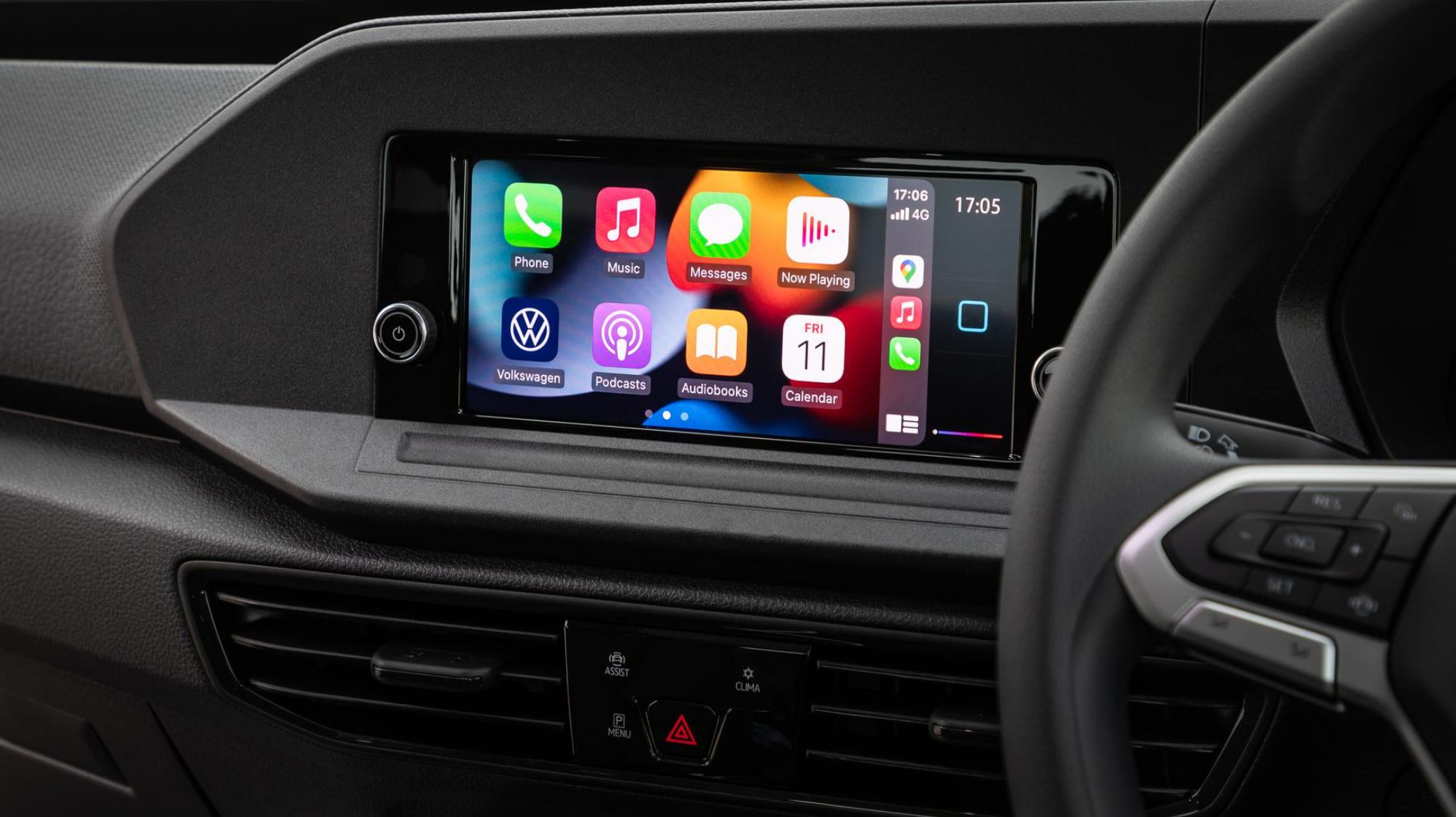
Inside, the new Volkswagen Caddy Cargo offers car-like cabin appointments with a good helping of modernity. Nothing here is out of the ordinary except that it only has two seats. It comes fitted with an intuitive 6.5” colour touchscreen infotainment system with wireless Apple CarPlay and Android Auto, two USB-C connectors, an electronic parking brake, rear and front parking sensors as well as a rear-view camera.
Running costs and reliability
The Volkswagen Caddy Cargo SWB rightfully ticks all panel van boxes and makes absolute sense in today’s situation where utility-focused products have to serve several purposes. While its TDI counterparts will surely offer superior fuel economy figures, the subject here still proved to be efficient with the fuel consumption numbers hovering around 6.5l/100 km.
This particular model is priced at R404,000 and is backed up by a standard 2-year/unlimited-kilometre warranty and a 12-year anti-corrosion warranty. Service intervals are scheduled for 15,000 kilometres.
Final thoughts
In all commercial aspects, the Volkswagen Caddy Cargo remains an impressive product that is bolstered with modern technology, great road behaviour as well as impressive safety features such as dual airbags, ABS, traction control and stability control. It makes an excellent case for itself as a business-support vehicle while still having an element of daily usability. The diesel derivatives, however, make for an even better argument in my opinion.