





Meet Geely
China’s automotive and tech giant is about to land in SA… again
In November 2025, South Africa welcomes a new global auto competitor named Geely. Pronounced ‘J-eel-ee’, its first bit of work will be to educate South Africans on how to pronounce the name correctly. If you haven’t heard of Geely, that’s a surprise. If you have, that may be because you have some loose recollections of Geely dipping its toes into South African waters a few decades ago. Maybe you’ve even ridden in the back seat of an old Uber Geely Emgrand sedan from yesteryear. If so, you’re older and wiser now, because yes, Geely did enter the country in June 2007 through a joint venture with local importer TJM Holdings. The strategy at the time was to offer budget-friendly models like the LC hatchback, the MK series and the Emgrand EC7 saloon. The cars of that era were awful, really. Yes, they were cheap but compromised in quality, safety and overall appeal. Coupled with the global financial crisis, the venture collapsed in 2009 when the importer went into liquidation. End of the Prologue.
Chapter 1 is a totally different story. That short-lived first chapter is important context, because Geely’s re-entry today carries all the hallmarks of a brand transformed. This time, Geely has direct OEM presence, massive global scale, advanced technology and a far more competitive and relevant product line-up and future focus. This company is no upstart. Behind that somewhat unfamiliar name lies a sprawling, ambitious enterprise that today sells more vehicles than many legacy automakers, invests in batteries, satellites, alternative fuels and flying cars – and has either saved, funded or owns some of the large legacy brands you already admire. Let’s start from the beginning, shall we?
Fridges to Ferrari Rivals
The Geely story doesn’t begin in an automotive lab or with sheet metal in some backwater garage. Back in the 1980s, founder Li Shufu was building refrigerators and air conditioners. One decade later, he had moved into making motorcycles, and a decade after that, Geely was turning out its first cars. They were modest runabouts in a market dominated by state-owned giants, but clearly, this guy and this company were making progress.
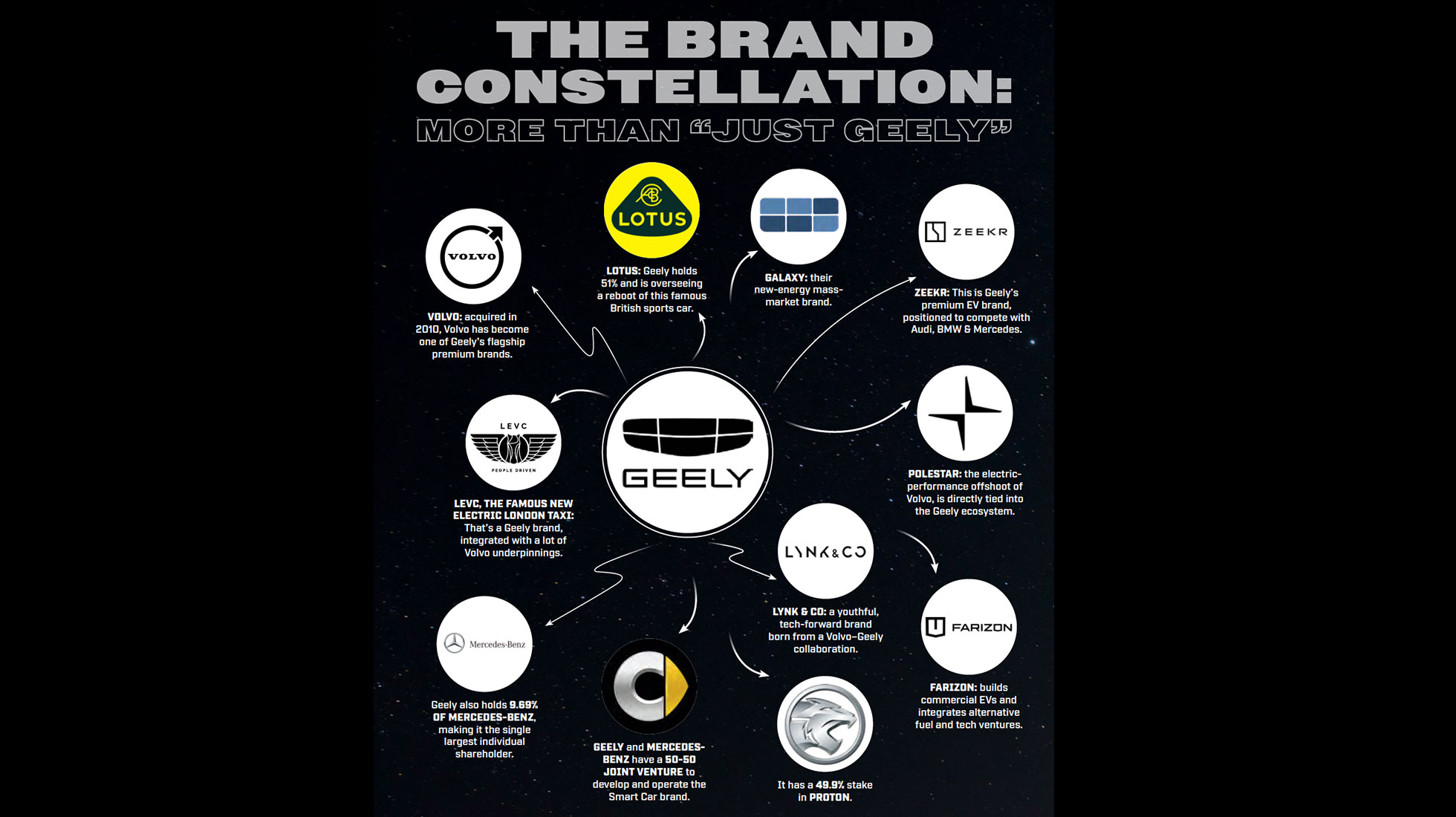
Today, Geely’s reach is a corporate web that stretches across continents, segments and technologies. When you buy a Volvo XC90, flick that gear shift of a Lotus Emira or simply admire the bonkers 2,000kW Lotus Evija or Emeya, you’re already looking at Geely’s work.
This is not a new brand but rather a global player that has quietly built an industrial, technological, and automotive ecosystem and is now setting its gaze on Mzansi. Geely flew TopGear SA to Hangzhou, China, for a whirlwind tour of some of its facilities, giving us a real sense of its infrastructure, its factories, its R&D centres and more. For me though, I got a sense of its vision, its intention and its reach. All of these are very ambitious, but make no mistake, their local intentions are far more serious this time.
Geely seems to have built a far more cohesive car-building model. The company has opted to invest in manufacturing eco-systems by building these in-house. Every key component of manufacturing is developed locally, in many cases within the same building. From operating systems to test centres, from battery technology to audio systems, Geely has spent decades engineering an almost fully integrated way of building cars. And then where this isn’t possible, the company has invested in various areas of the supply chain, including mining the very materials used in their new energy technology.
Tech-first testing and aggressive vertical integration
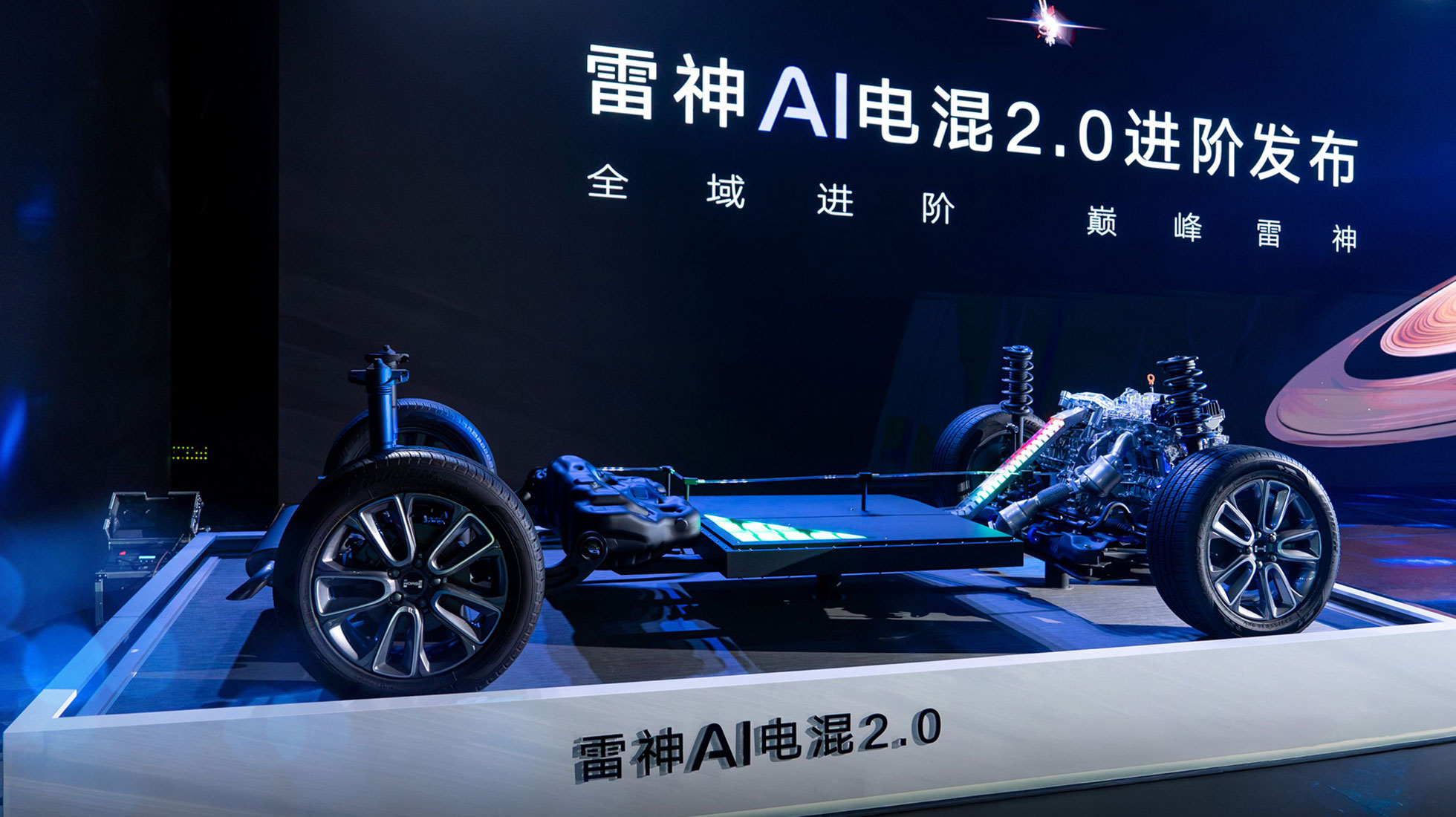
As we explore Geely’s various centres, it’s clear that this company focuses on future-proofing and scaling its technology as a key strategy. One of these areas of tech is in new-energy vehicle architecture and powertrains. There are new platforms that support modular EV/hybrid architecture that are built with the ability to scale across various powertrains, including hybrids and pure EVs, but also with alternative fuels such as methanol and hydrogen. A newer GEA (Global Electrical Architecture) platform supports dual-motor powertrains with rear-axle steering, as well as AI intelligence and the highest bandwidth available for any number of powertrains.
A key part of this tech deployment is R&D and testing, which Geely does at a special centre in the city of Ningbo. This is a 168-hectare facility where research and development, testing, quality control, supplier collaborations and independent R&D are done. Here we got to witness snippets of high-altitude test beds, all-wheel-drive testing simulations, hot and cold simulated tests and even some NVH tests on one of the hybrid powertrains. As with all testing of this nature, the aim is to find and fix defects and failures before the vehicles get to the customer. Geely does all of its testing here in these simulated environments because the time from fault to fix is far shorter than doing real-world scenario testing. It’s about using technology to create business efficiencies and get cars to customers far quicker.
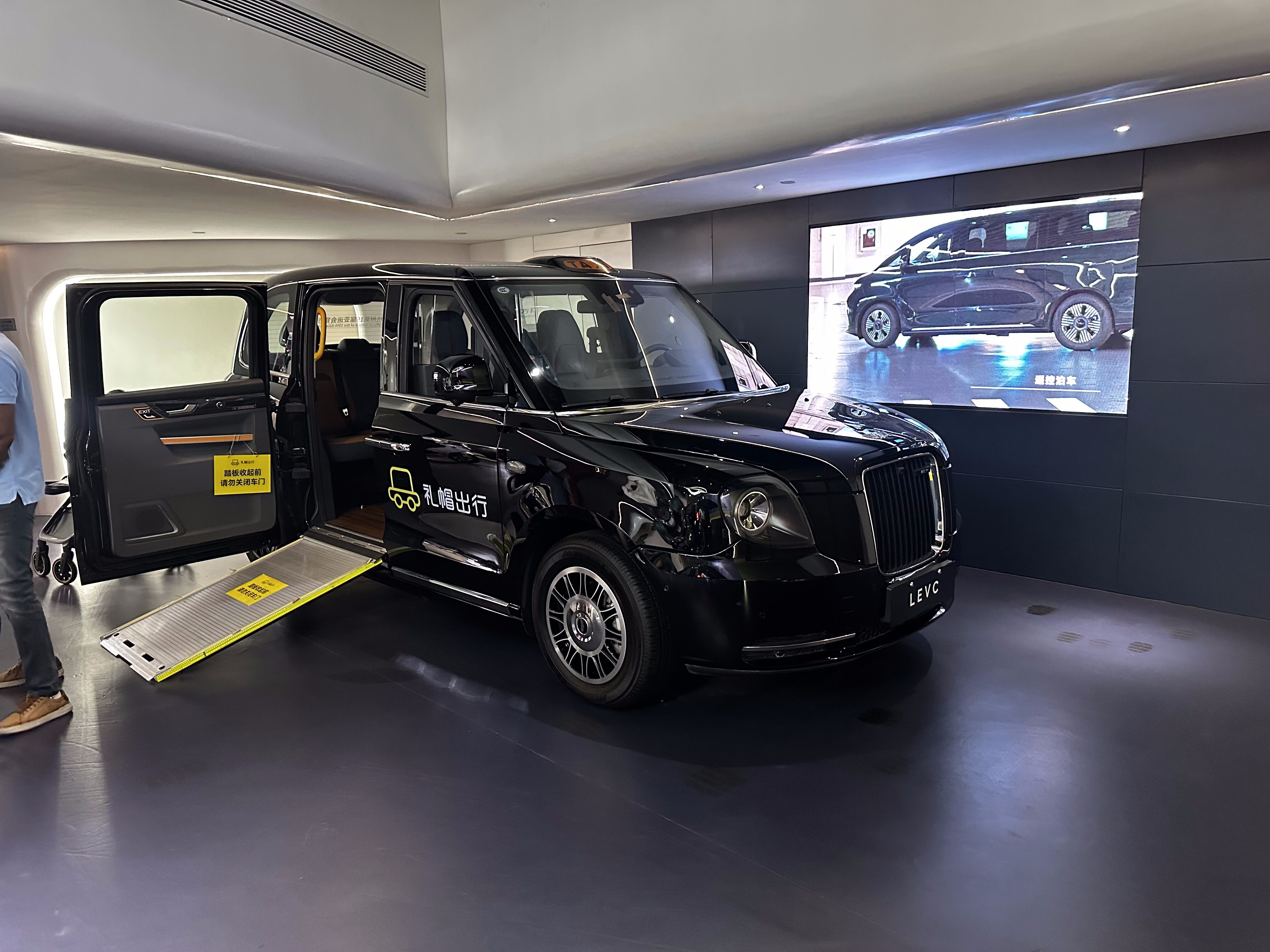
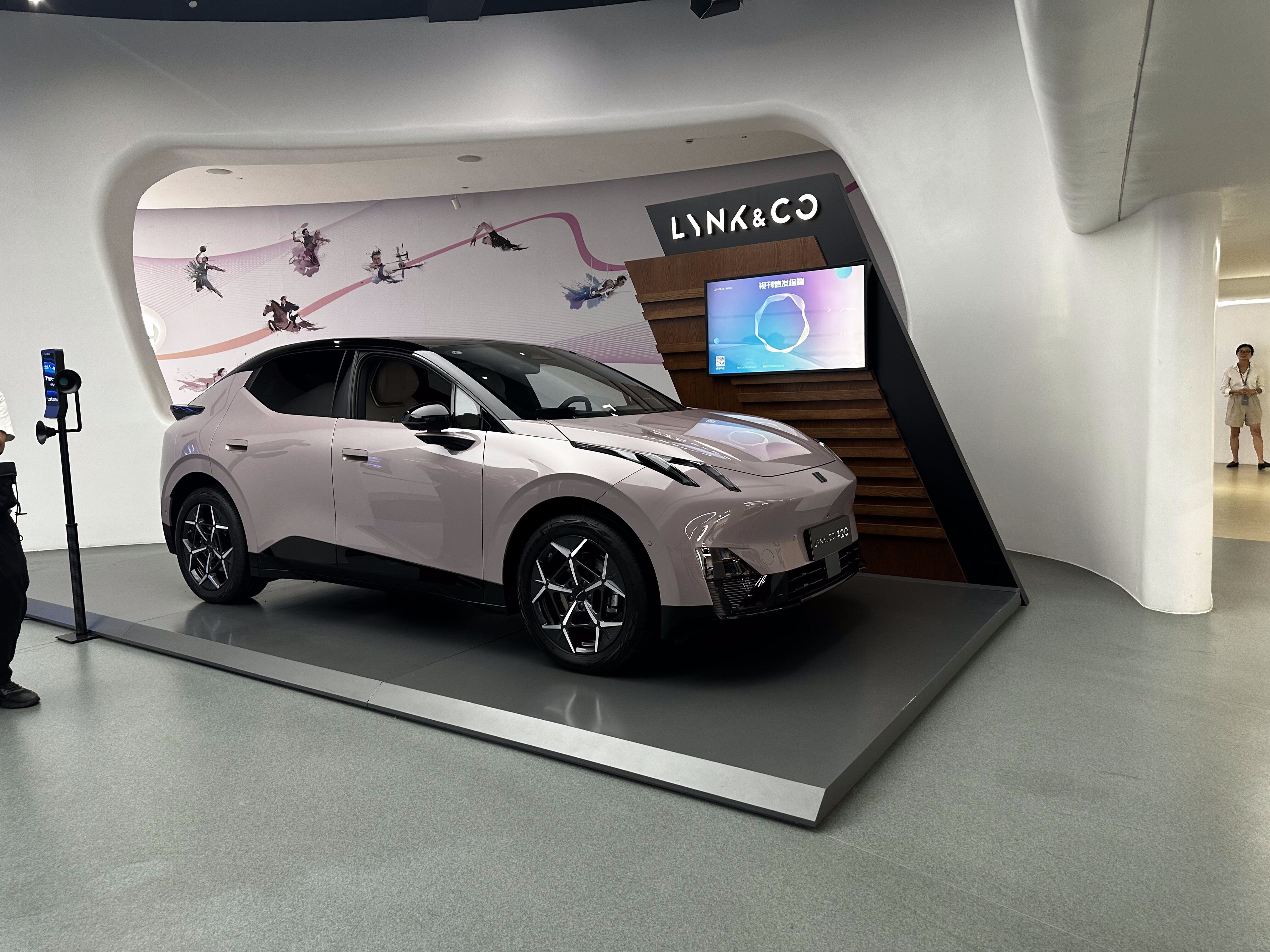
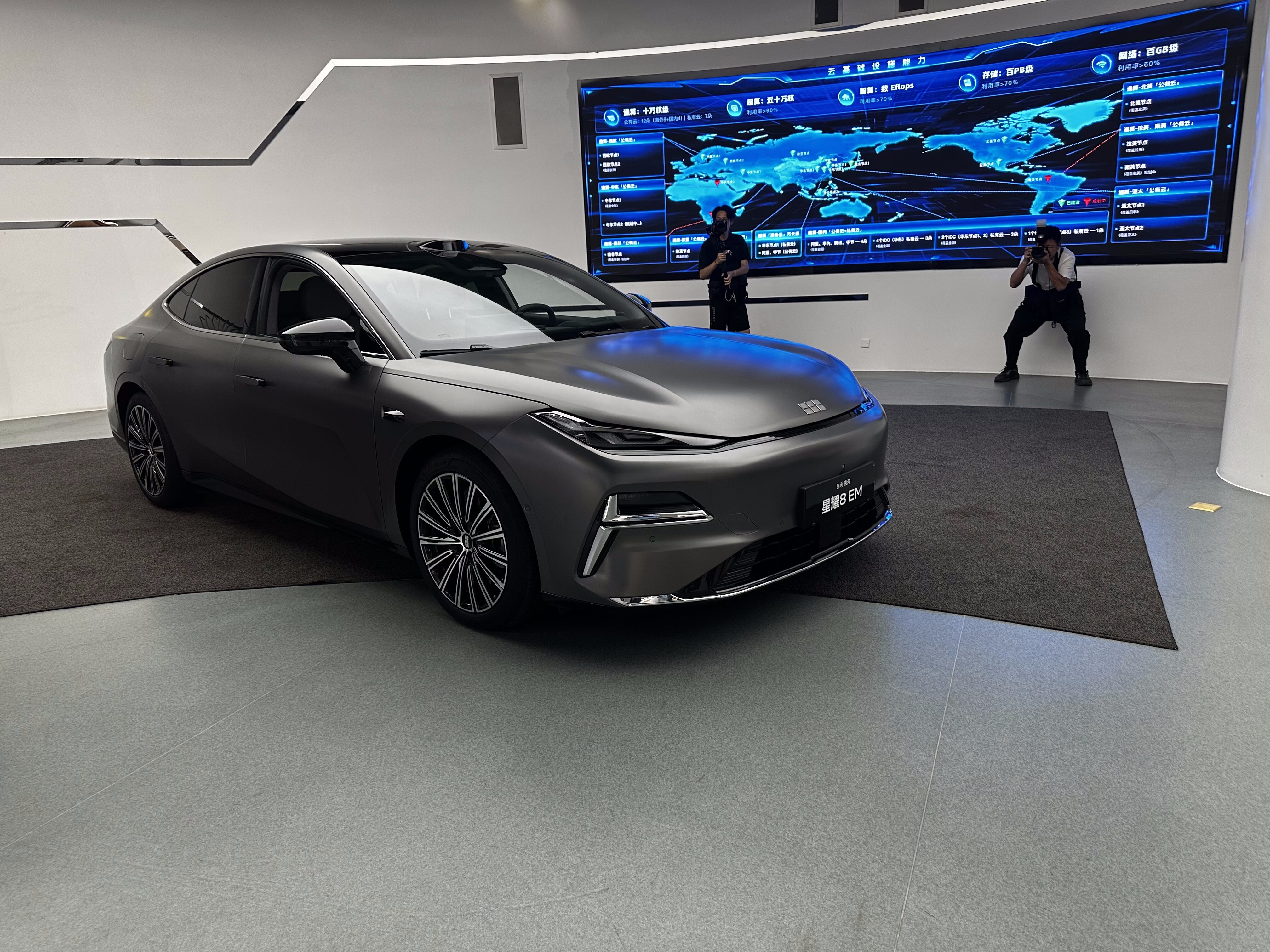
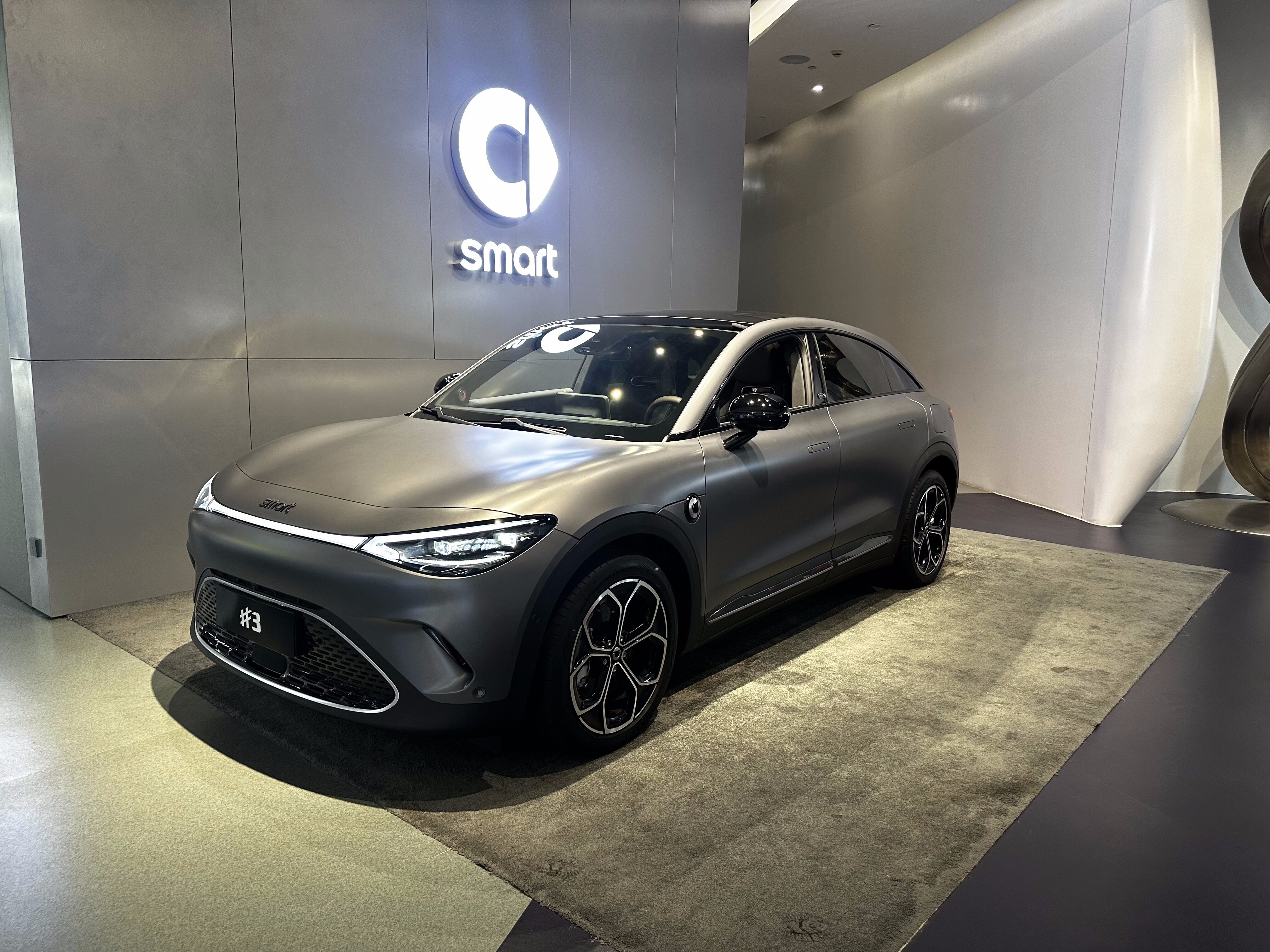
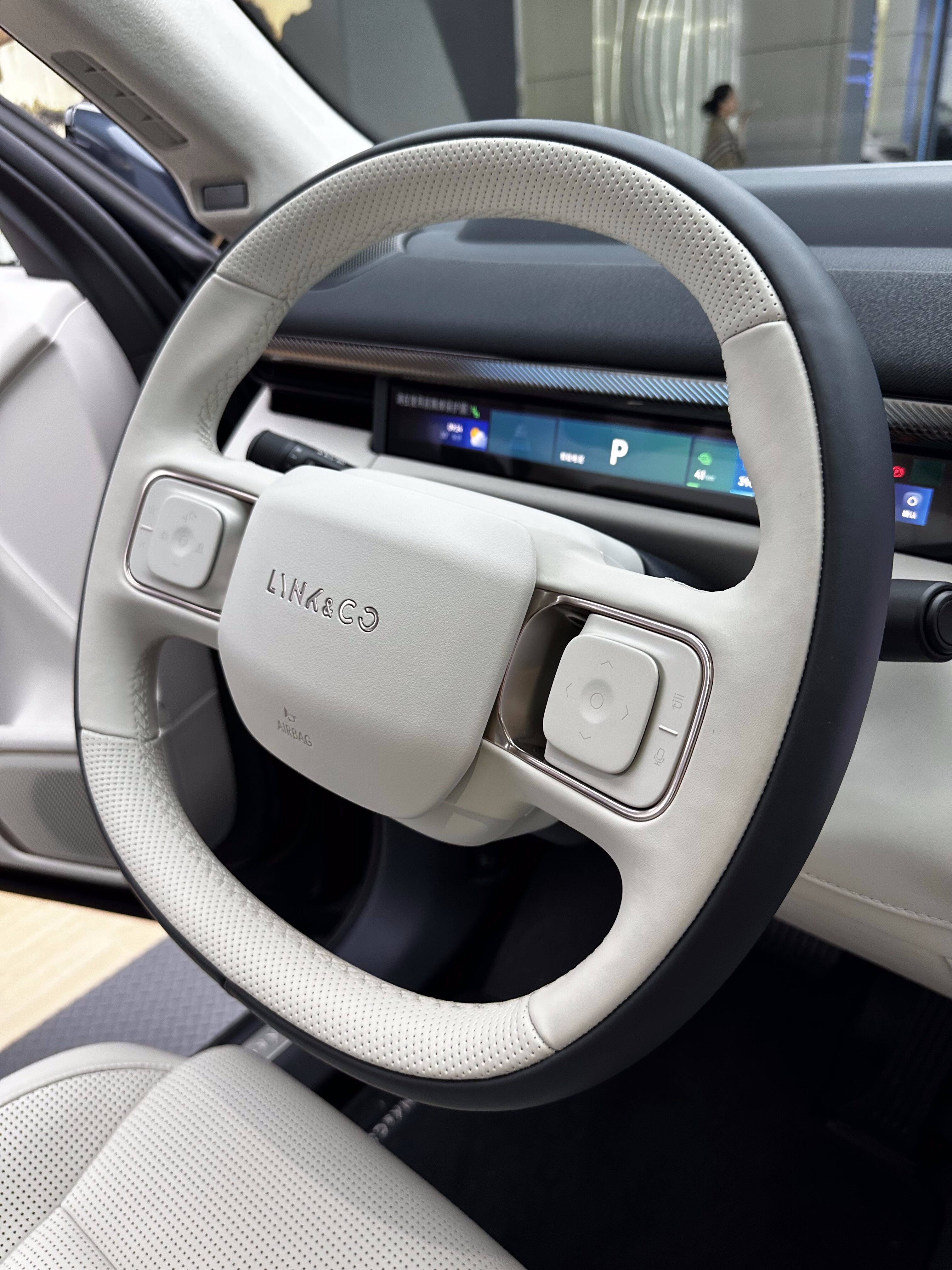
The Ningbo facility is also an excellent representation of just how far-reaching Geely’s influence goes. Here, we got to see firsthand so many brands and products that Geely builds or is involved with. The Smart Car is a partnership with Mercedes-Benz in which Geely provides the platform, powertrain and OS. Lotus, the British sportscar has been given a new lifeline by Geely with design and testing in Coventry, UK, but all funding, OS, powertrains and manufacturing are provided by Geely. From motorcycles to the LEVC London Taxi, which sits on the Volvo XC90 platform, and so many more brands, Geely’s clearly a world player, smartly integrating on a global scale, taking hold of investment-rich legacy brands and infusing them with smarter, scaled and more efficient tech and business practices to turn a profit.
South Africa: the re-entry
More relevant to us, Geely will officially launch in South Africa in November 2025. Geely will launch through approximately 40 dealerships nationwide. Dealer partners include Bidvest McCarthy, PMG, HMG, Supergroup, CFAO, Boland Motor Group, Hatfield Motor Group and Thorp, just to name a few.
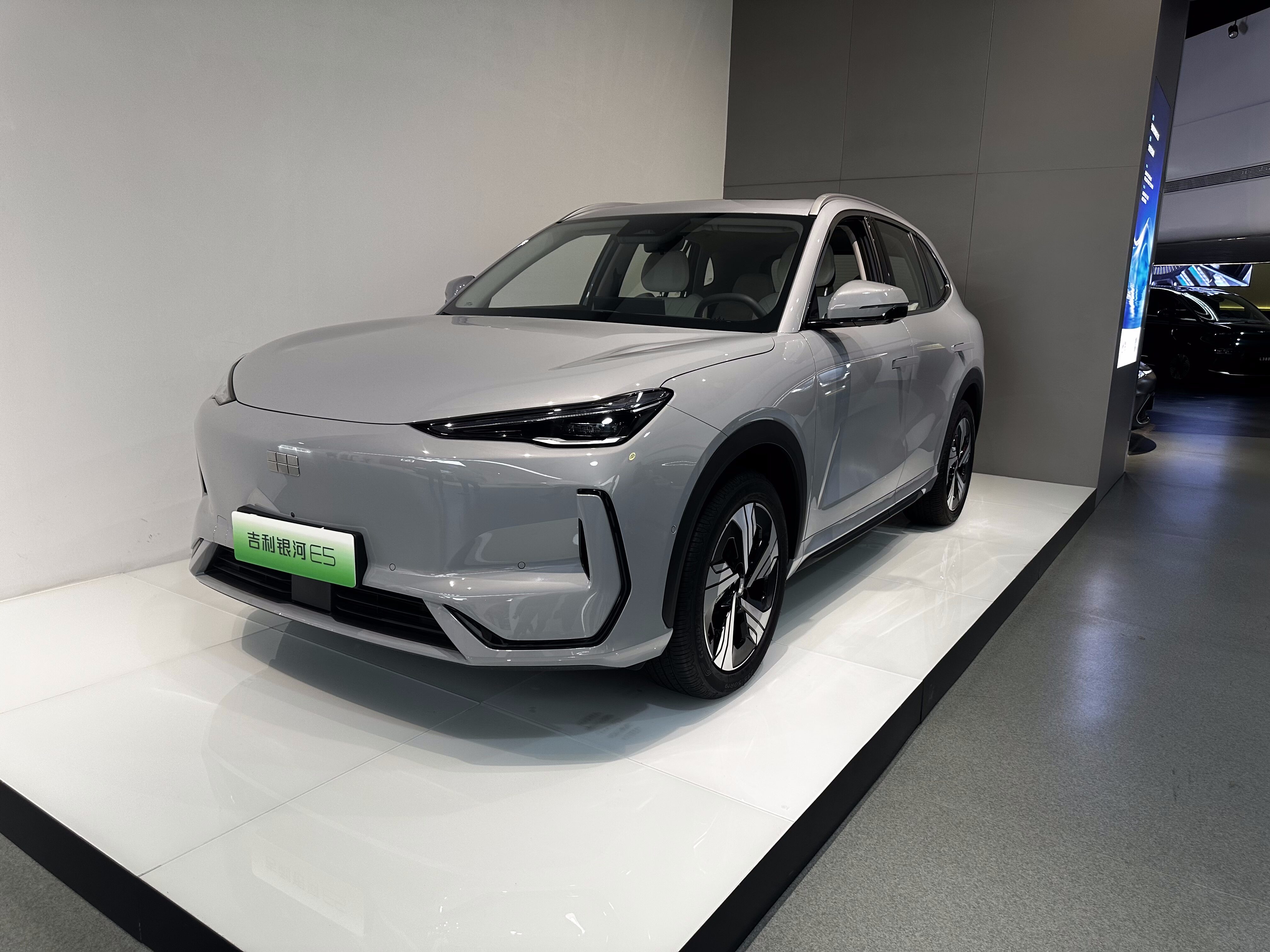
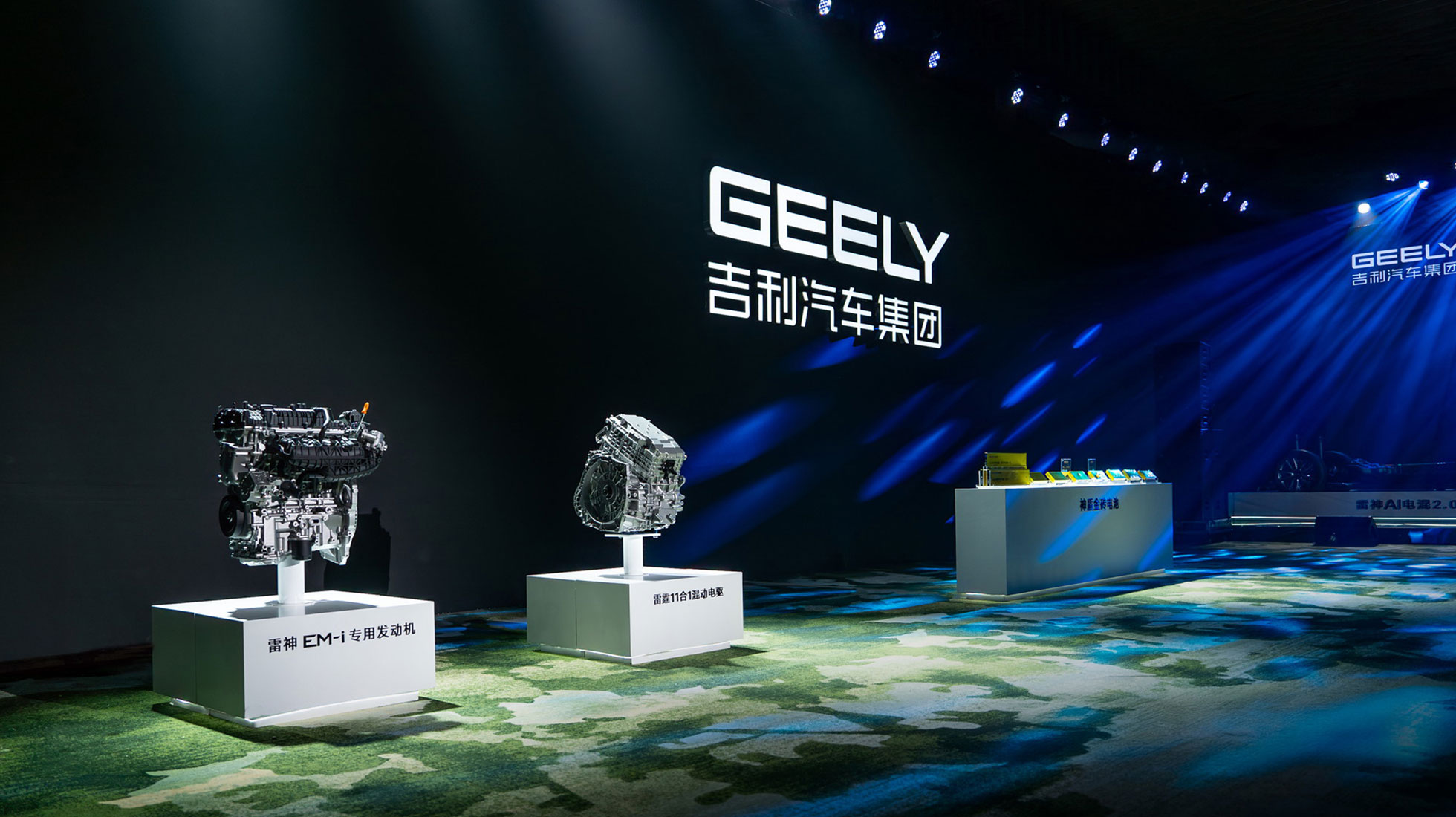
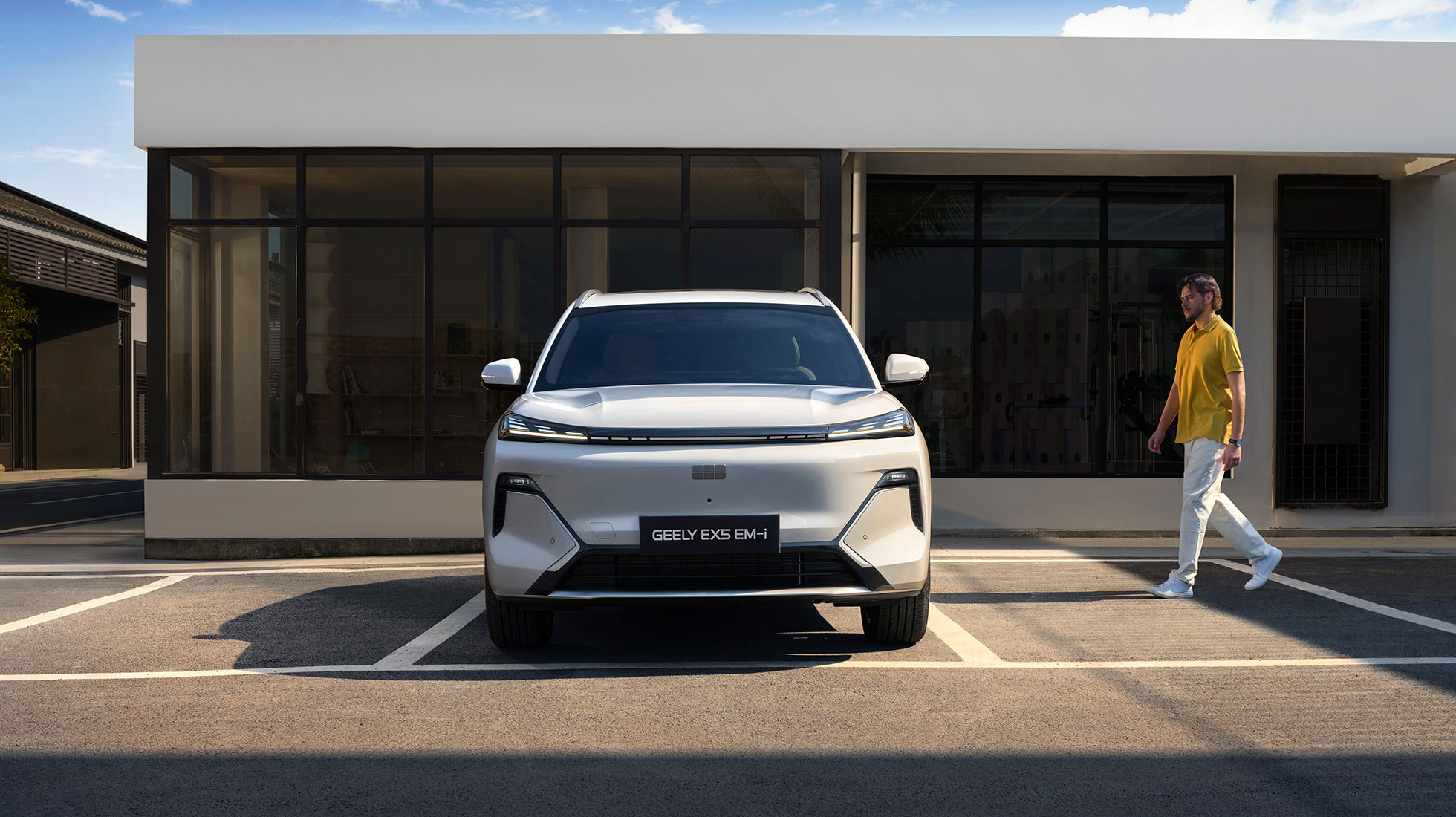
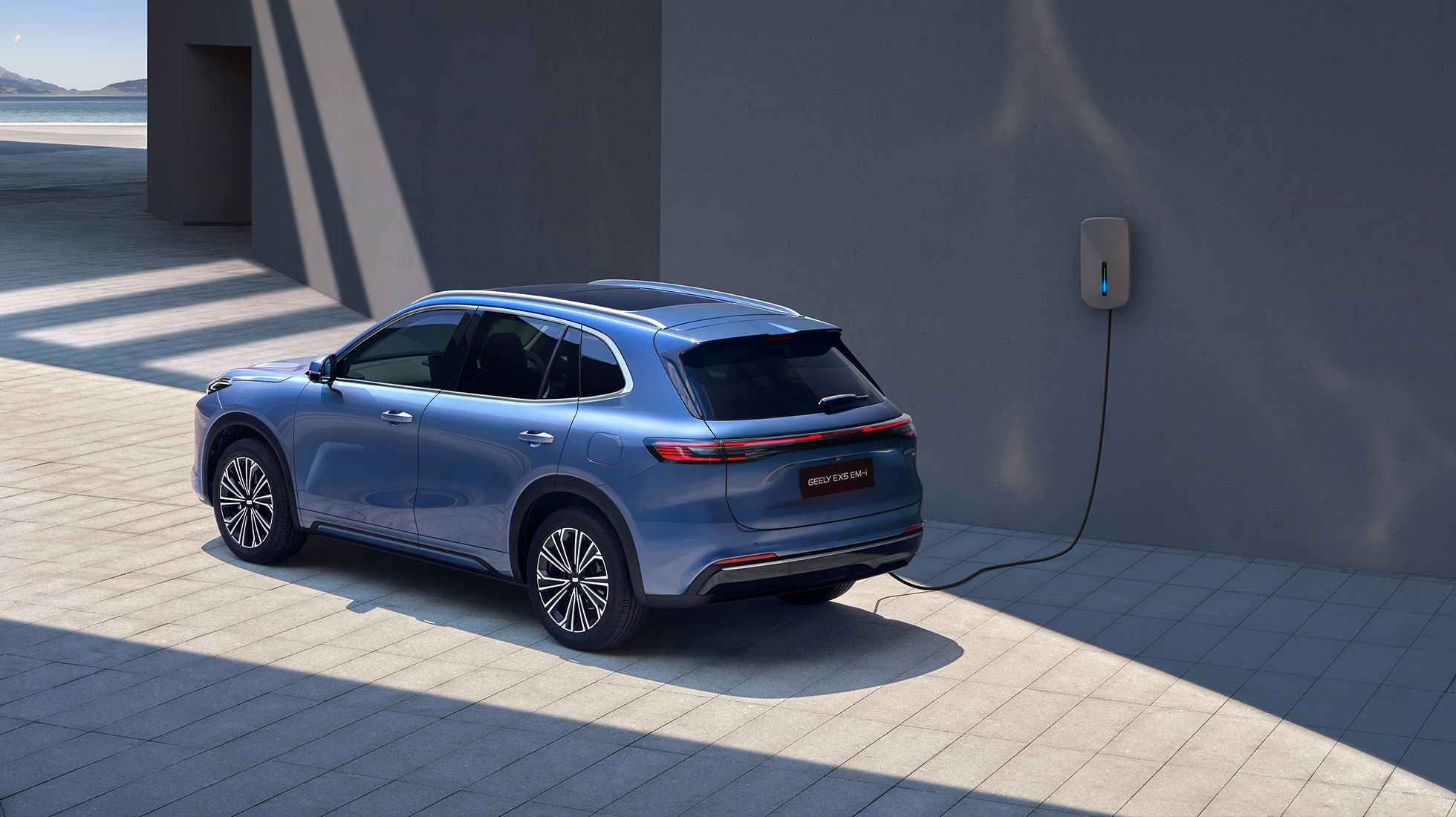
With its head office based in Linbro Park, Johannesburg, Geely will initially introduce two of its products to the market, namely the E5, a pure EV, and the E5 EM-I, a plug-in hybrid that employs a 1.5-litre petrol engine with an electric motor powered by a 18,4kWh battery pack. The EV is quoted to produce 160kW and the PHEV is quoted at 193kW of power.
So on the face of it, Geely is just another Chinese brand introducing a very similar product to the others? Perhaps not. What was specifically intriguing during this visit was an apparent superiority on all levels of technology. The E5, as it will be known here in South Africa, may look fairly unspectacular to your eye here, but what is within the car is quite remarkable. Geely boasts one of the safest, most efficient battery packagings in the business, including for fire, rollover, water immersion and all manner of impacts. The company also claims the most efficient 400V charging structure, and it’s already begun testing new 900 and 1,000-volt architecture for future products. Continuing on the subject of safety, the Geely E5 boasts 5-star NCAP ratings from the Euro and Australian NCAP agencies, scoring in the mid-to-high 80s (percentage) across all categories.
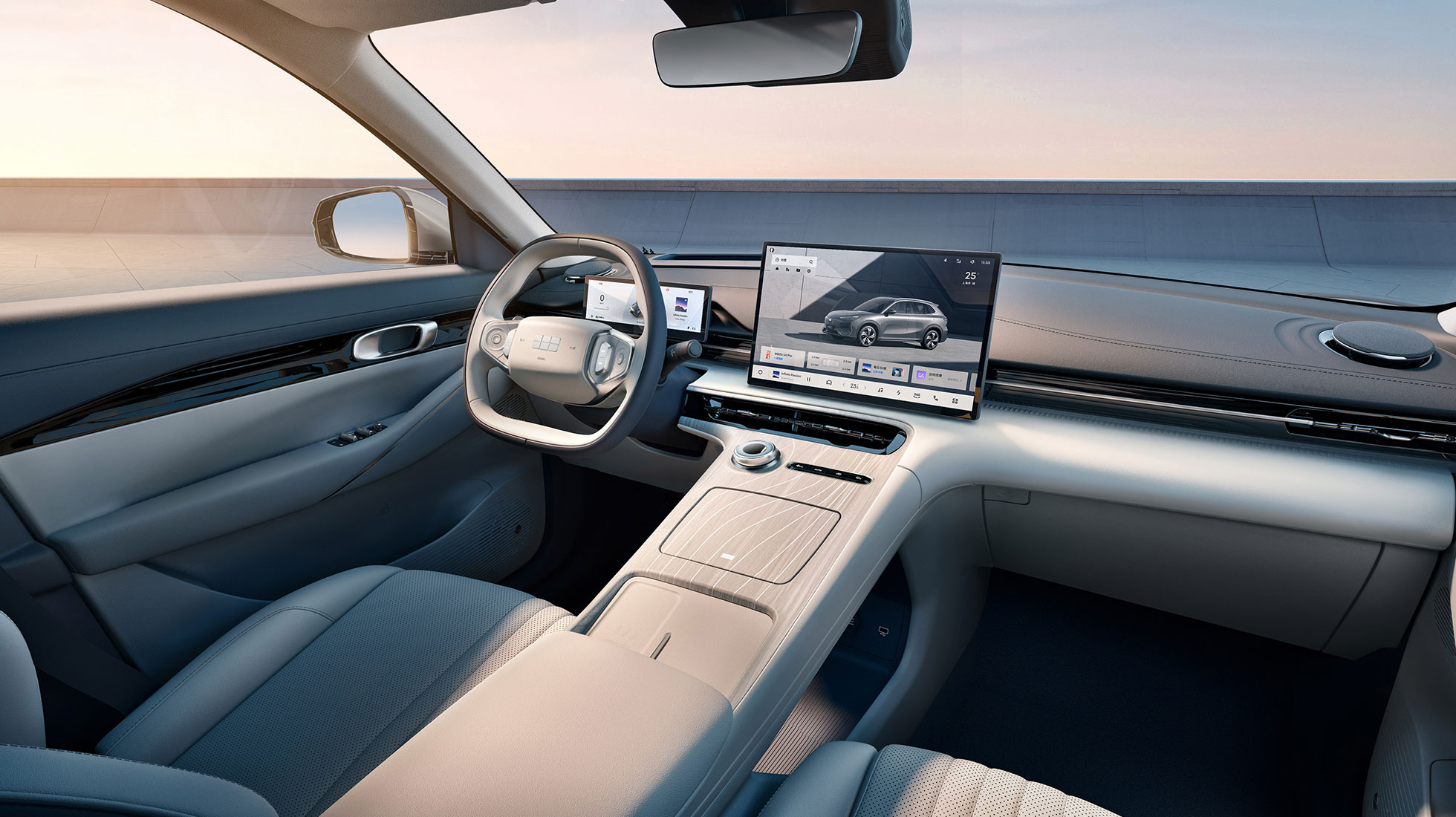
Strategically the product is positioned to offer large SUV levels of space and comfort within the size of a smaller SUV. They’ve done this through some smart packaging and clever seating technology. Some notable features within this car are really large storage spaces within the doors and under the rear bench, plus a few modular-type compartments in the boot. Fold-flat rear seats are pretty common fare, but fold-flat front seats, not so much. This is one of the features in the E5s, coupled with a really high level of specification, such as massaging seats, a high-quality Flyme audio system with up to 16 speakers, including some located within the front headrests, and, of course, a massive 15.4-inch Ultra-HD infotainment screen.
The local launch of the E5 is set for mid-November, where a lot more vehicle detail will be revealed, but as our impressions go, the re-entry into South Africa this time is aggressive, carefully considered and one which should draw both attention and market share Geely’s way in relatively short time.
It can’t be that easy though?
No certainly, it isn’t. And won’t be. No corporation is flawless. Building brand awareness and trust in South African buyers is the real climb, but standing out within the myriad of products and brands, especially in this hotly contested segment, is also going to be incredibly difficult. The confirmed dealer network is already quite promising, but pricing pressure, EV infrastructure and answering questions around durability, servicing and resale value are where time and considered action will really count.
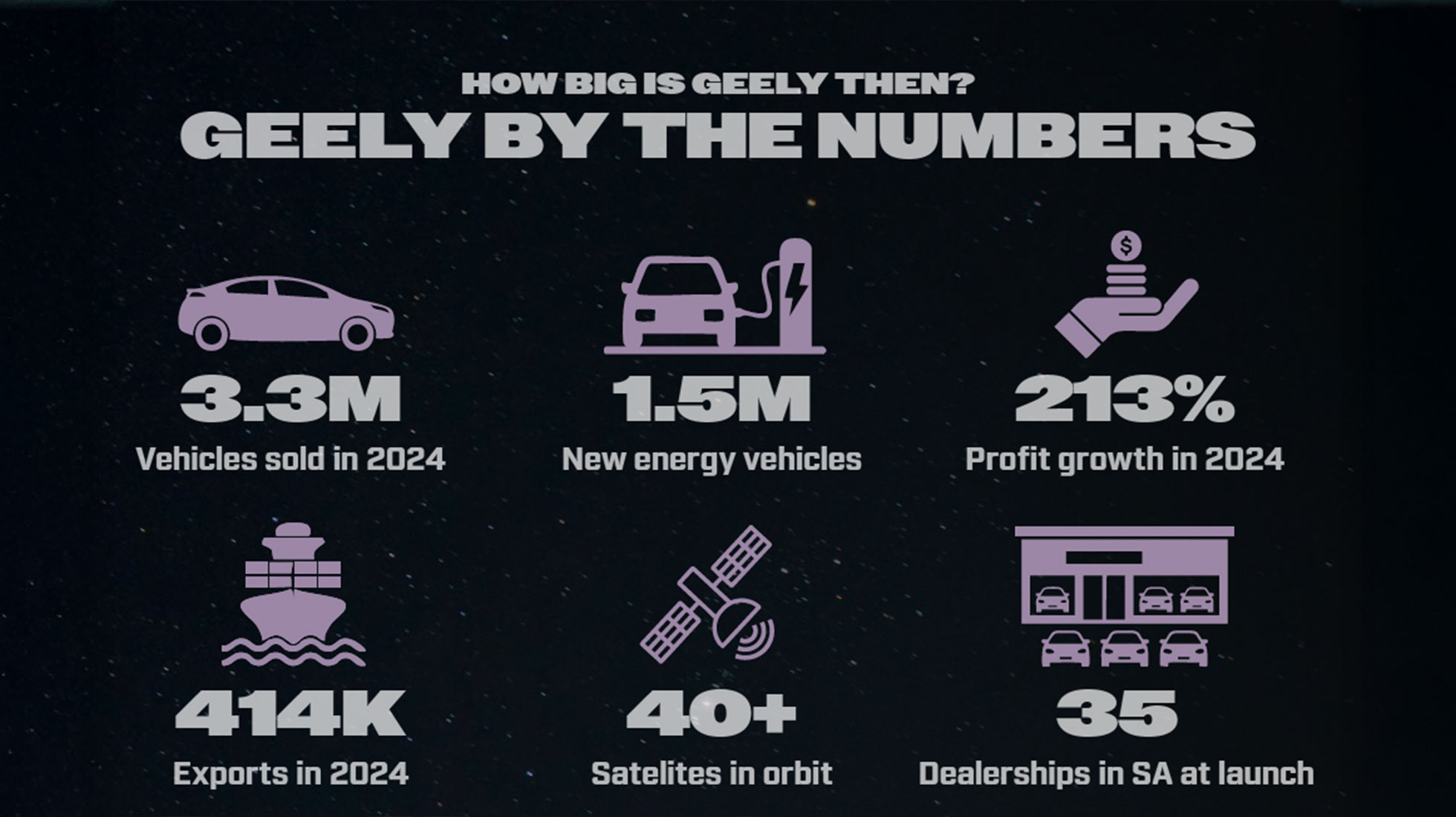
Geely isn’t simply a carmaker. It’s gradually become a full-spectrum technology player. They make their own batteries, their own chips, and even their own operating systems. They’ve launched more than 40 satellites into orbit, not for vanity but to power the next generation of autonomous driving and vehicle connectivity. They’re experimenting with battery-swapping stations, methanol-powered commercial vehicles, and yes, flying cars. It’s an empire that impacts hardware, software, infrastructure and even raw materials like mining.
Why It Matters
Geely’s arrival should mean more to South African consumers than just another SUV on the sales floor. It signals that the Chinese automotive wave is still accelerating. If you thought Chery and GWM had vision and technological scale, Geely is arguably even more sophisticated and diversified than both. Here’s a question for you: if Geely builds the Volvos and Lotuses you already respect or, at the very least, take note of, would you hesitate to buy one with a Geely badge on it?
So, do they know what they’re doing? The short answer: absolutely. Geely has gone from making fridges in the ’80s to being one of the most important automotive groups on the planet in just a few decades.
Whether South Africans embrace them will depend on pricing, after-sales service, and whether they can win our trust. But one thing is certain: Geely is not here to test the waters. But if history is any guide, the company thrives on long-term plays. Geely isn’t just a carmaker – it’s now a technological empire. They design their own chips, build their own batteries, develop their own operating systems, and have even launched over 40 satellites – not for vanity, but to enable autonomous driving and vehicle connectivity. From battery-swapping stations to methanol-powered trucks and even drone mobility, Geely’s innovation footprint stretches across hardware, software, infrastructure, and raw materials. As they set up shop here in SA, Geely lands as a global heavyweight setting up big shop.