Sketch, Design, Production: The people behind the world’s greatest cars
You have probably had a moment when you walked through a car park or took a drive and noticed a car that caught your attention, where you stopped to take a moment to admire the beauty of it all. Almost always, it all comes down to one person, a designer who made sure that the car grabs your attention. The thing is, shape, proportion, and surface tension may not show up in a spec sheet, but they tend to hit you the moment you see the car in the metal.
It all started with the La Jamais Contente vehicle of 1899, which marked the beginning of intentional automotive design, if you will. A young Camille Jenatzy commissioned it with a torpedo-shaped, aerodynamic body, not because it was required, but because, even then, the importance of shape was gaining acceptance. Roughly 127 years later, vehicle design remains an integral part of automotive culture, and naturally, function. Besides aesthetics, there’s a lot involved, including proportions, handling, and aerodynamics. Here are the designs that pushed the needle.
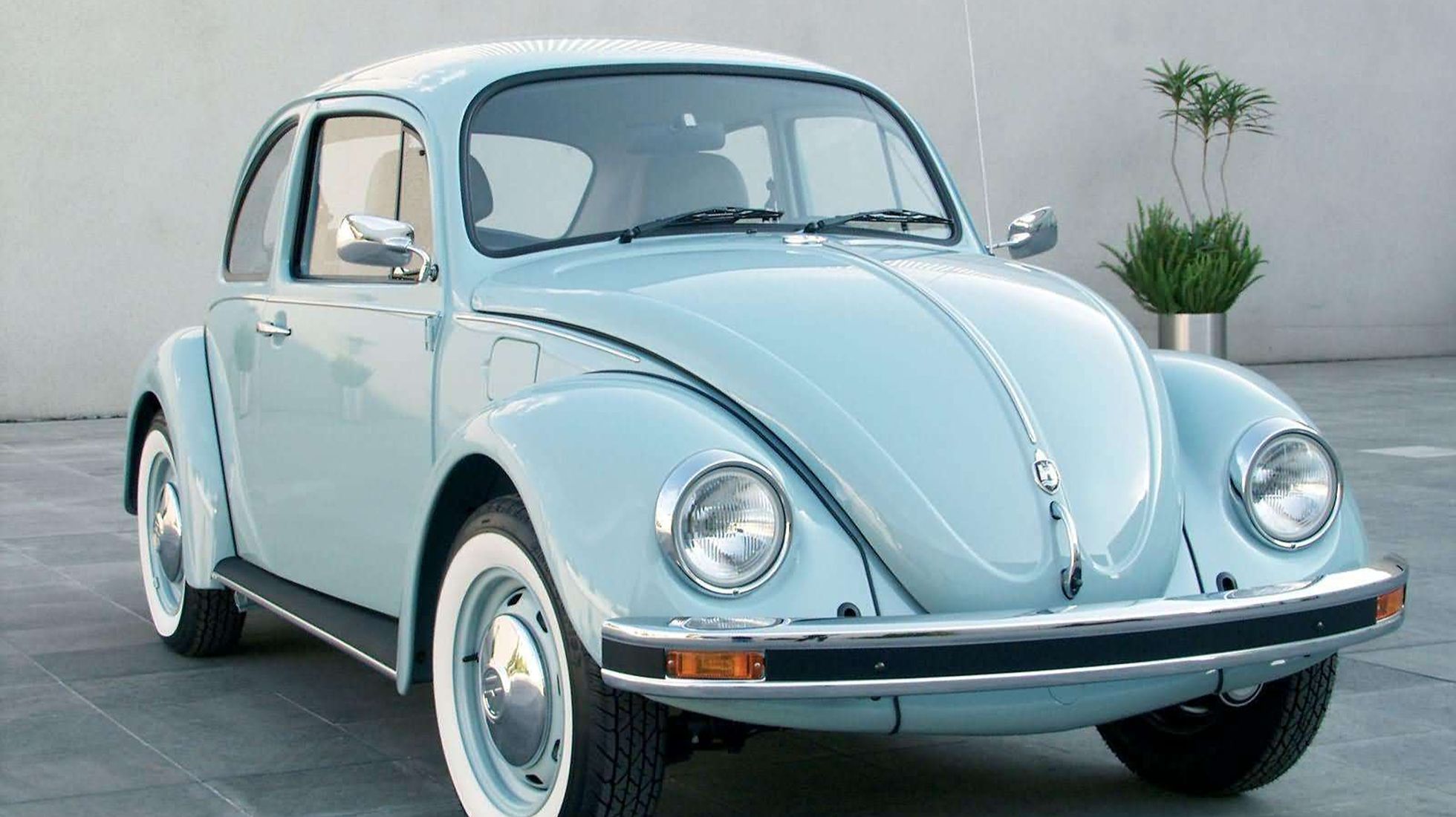
Erwin Komenda – VW Beetle
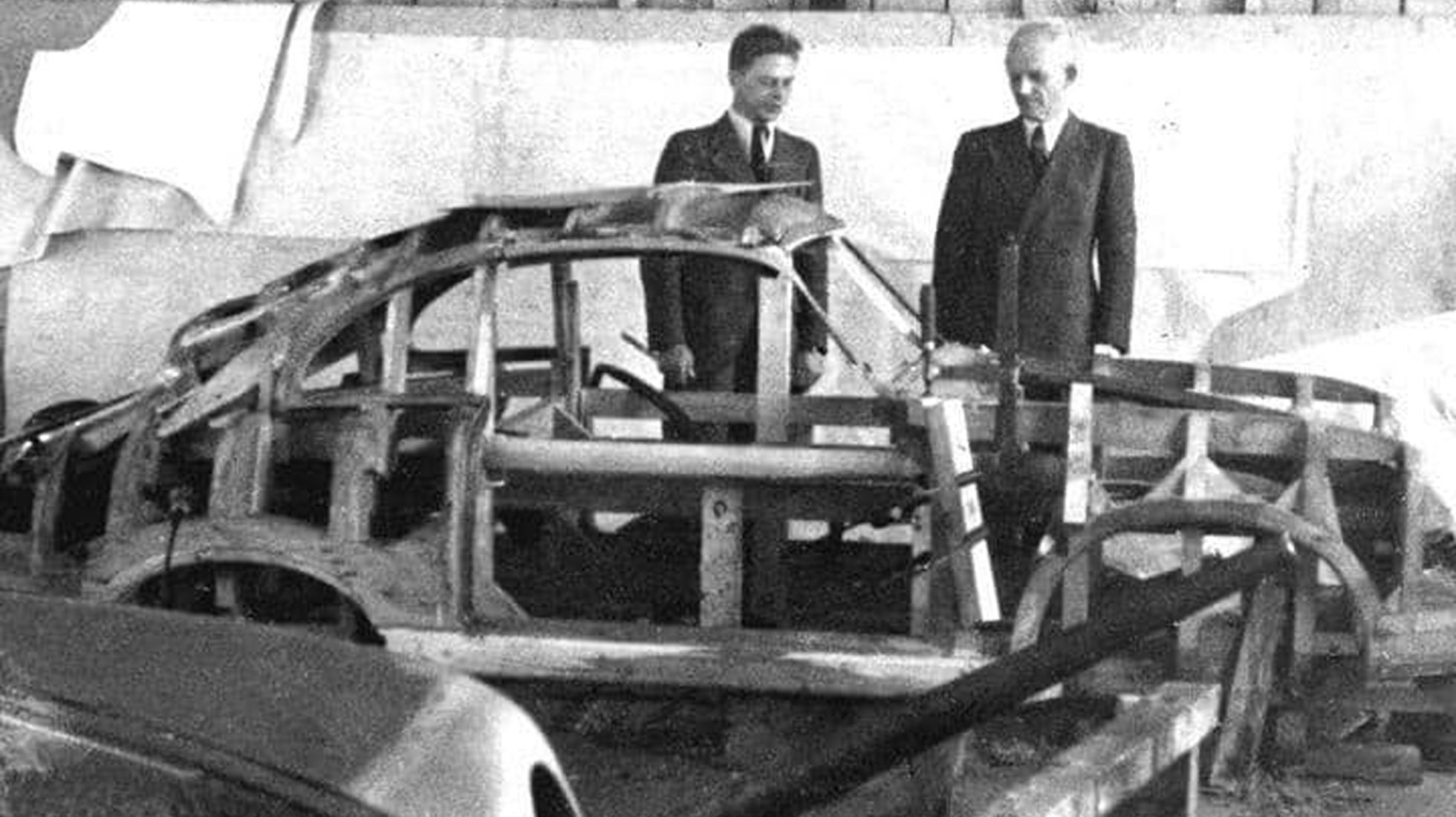
Few would dispute that the shape of the VW Beetle remains the most recognised in the history of the automobile. It was Erwin Komenda’s design, and one that has really stood the test of time over the years. Form followed some semblance of function with its rounded styling that proved beneficial for what was then understood about aero. What made it remarkable wasn’t just how it looked, but why it looked that way. Komenda was trained as a body engineer first, and the arched roofline reduced drag, the flanks minimised turbulence, and the tapered rear kept the shape clean. That same design ethos later shaped Porsche’s first-ever production car, the 356.
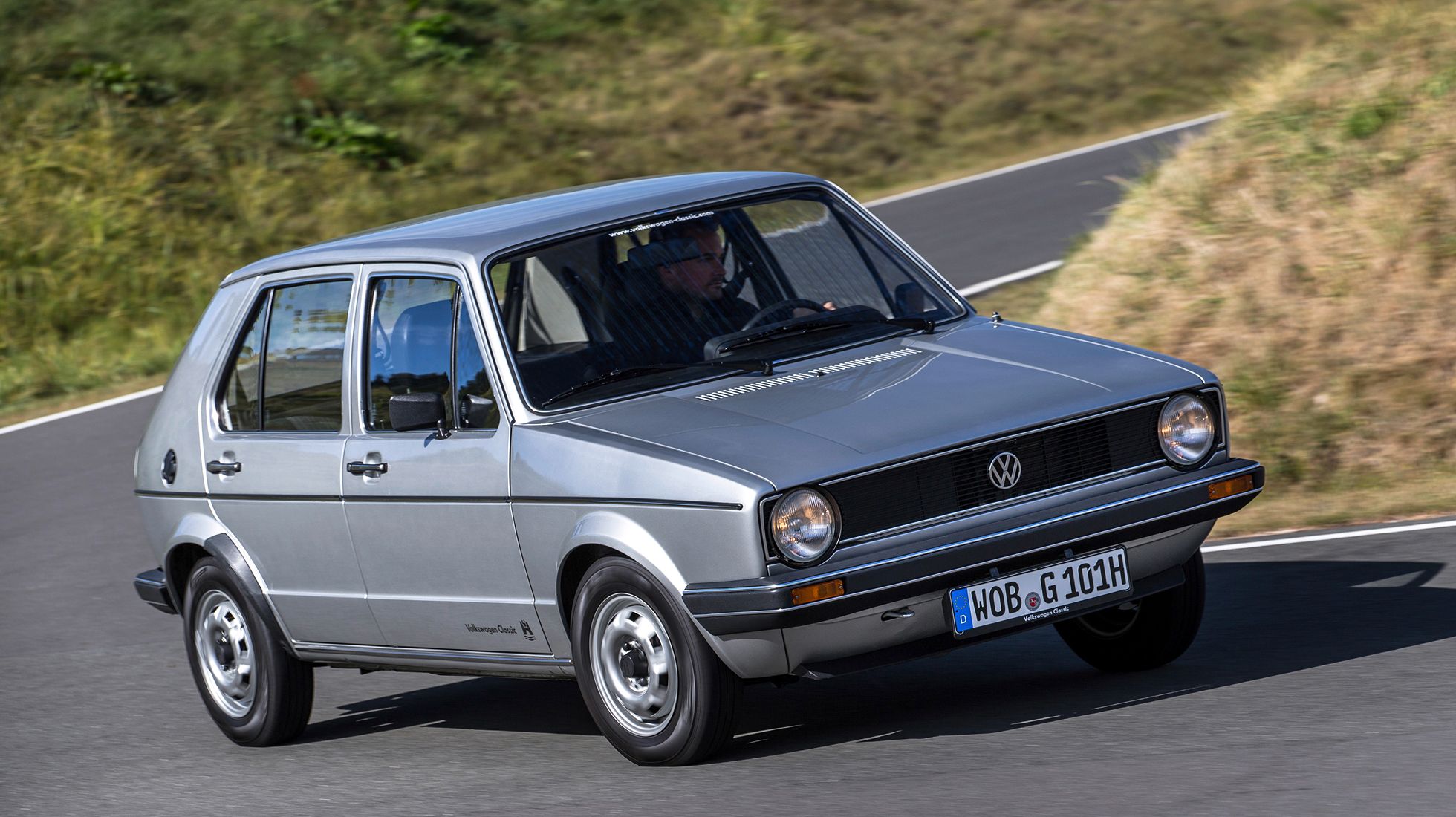
Giorgetto Giugiaro – VW Golf Mk1
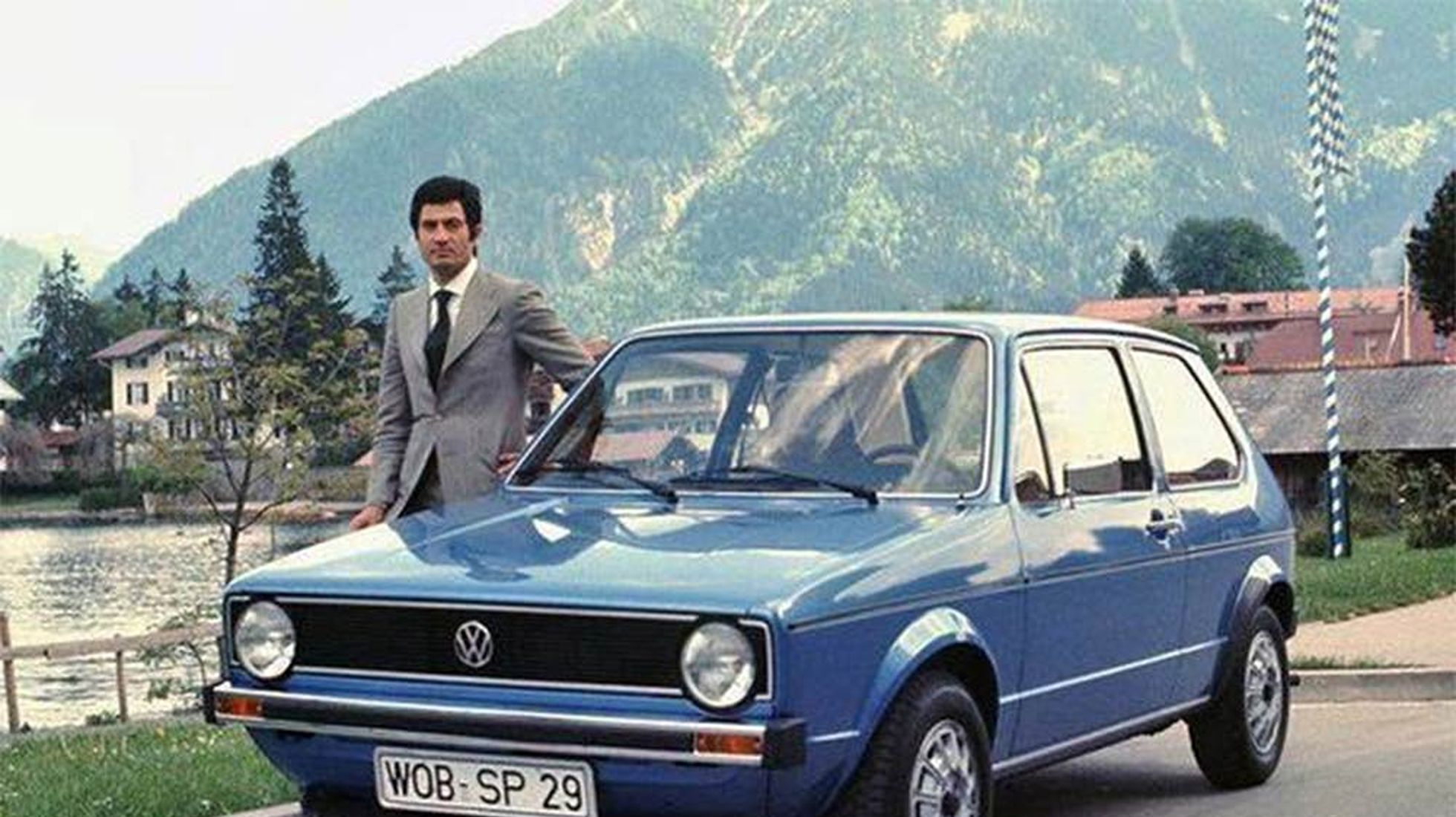
As a complete departure from the Beetle’s rounded shape, the Golf Mk1, introduced in 1974, was designed by Italian designer Giorgetto Giugiaro. The design was refreshingly straightforward, thanks to clean, sharp, boxy elements. It is fair to say it’s this design that helped define the modern hatchback. From that humble beginning , Giugiaro went on to design the BMW M1 and DeLorean DMC-12, and was named Designer of the Century in 1999 and the world’s greatest living car designer. It was a fitting award.
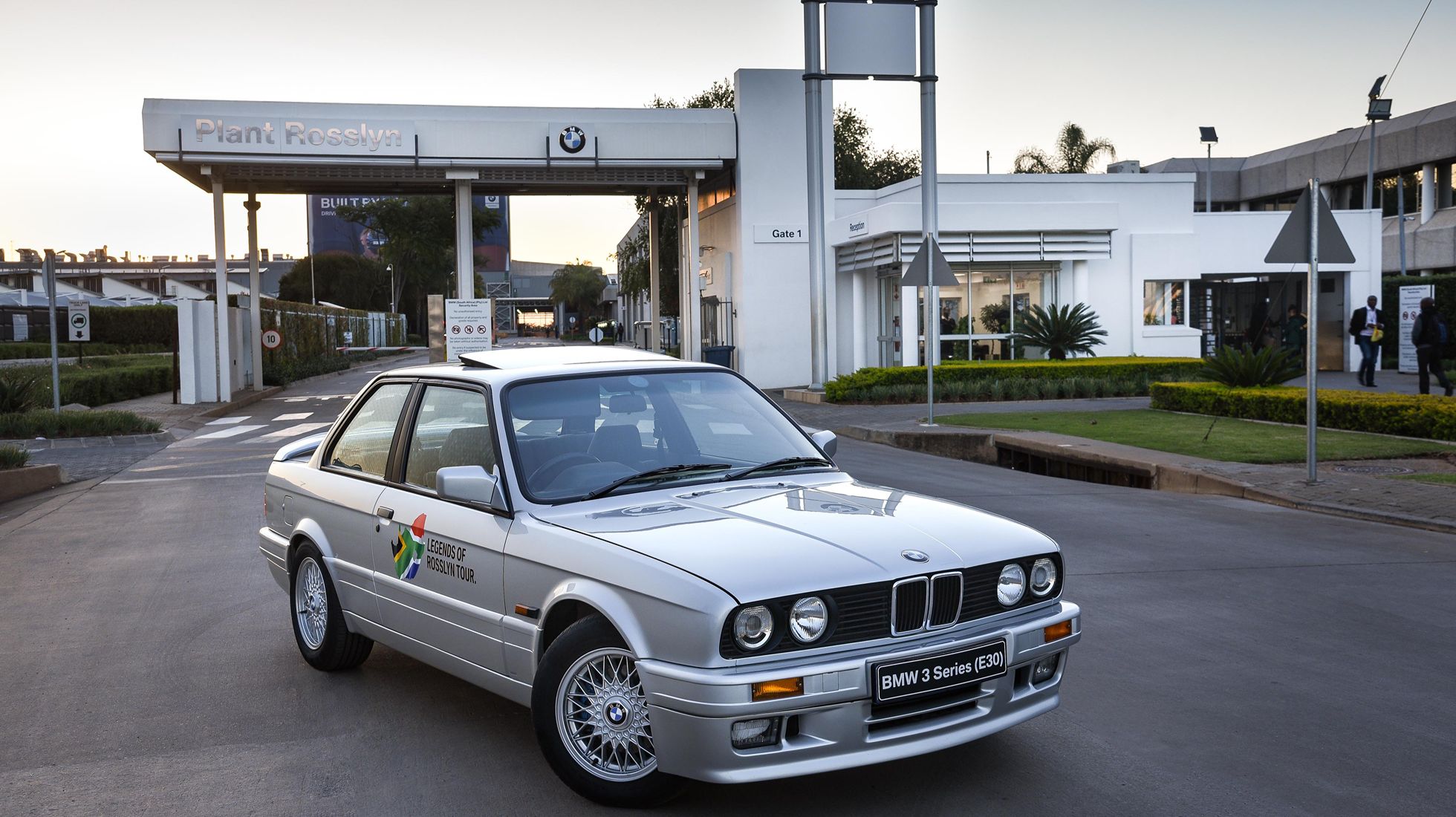
Claus Luthe – BMW E30
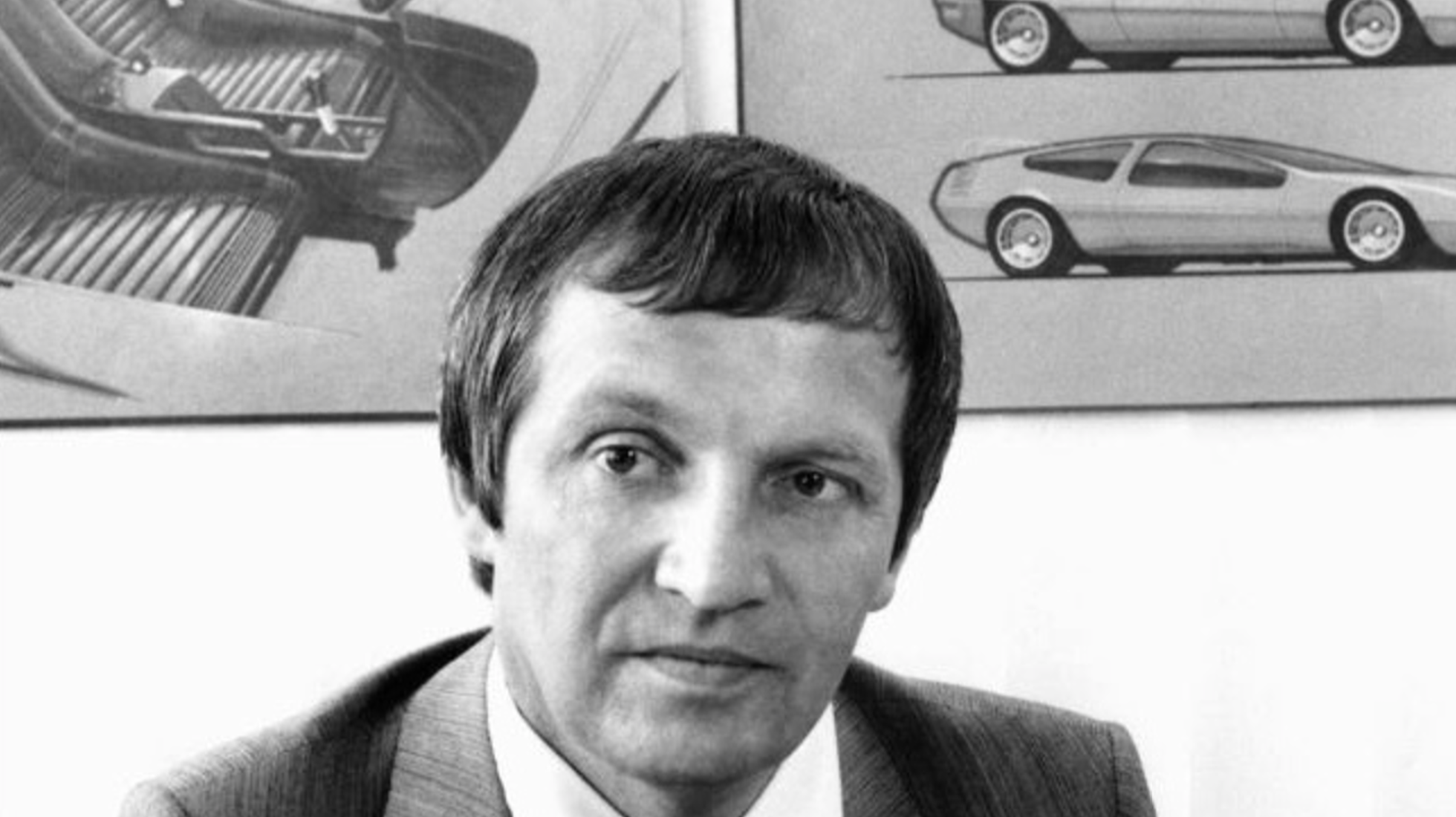
Most people know the BMW E30 3 Series, but far fewer know who designed it. It was Claus Luthe, BMW’s chief designer through the 1980s, who began developing the E30 in 1976. His task was relatively simple. He had to design a car that is unmistakably BMW but different to the larger 5 Series. The likes of the Ford Sierra looked over-styled within a decade, while the E30 just kept ageing better. Luthe also gave us the E28, Z1 and E32 models, but it’s the E30 that remains the best to ever come out of Luthe’s pen. Today, the E30 is one of the most sought-after classics on SA roads, and the prices for a clean example will tell you how well that design has held up.
Sergio Pininfarina – Ferrari

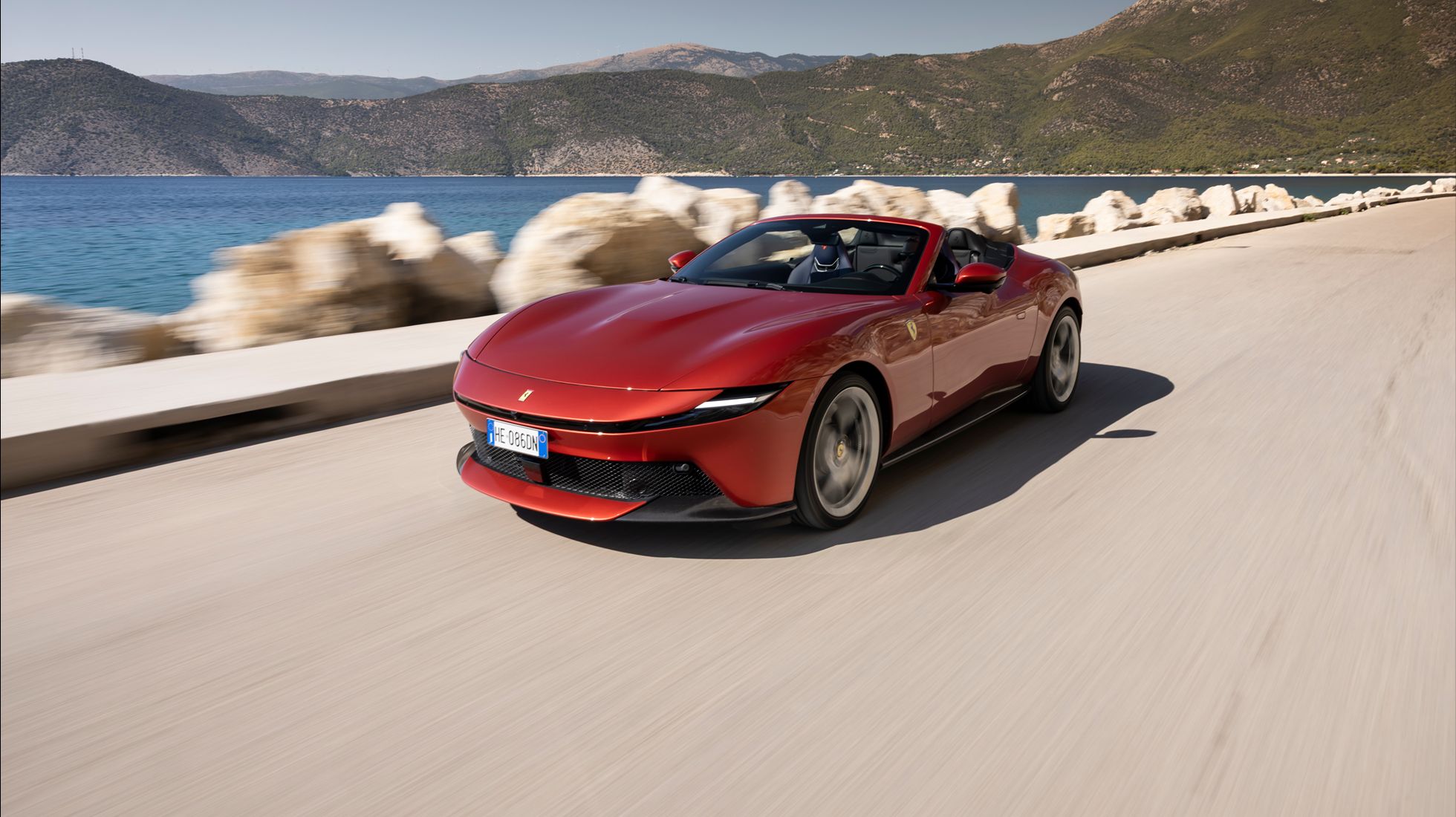
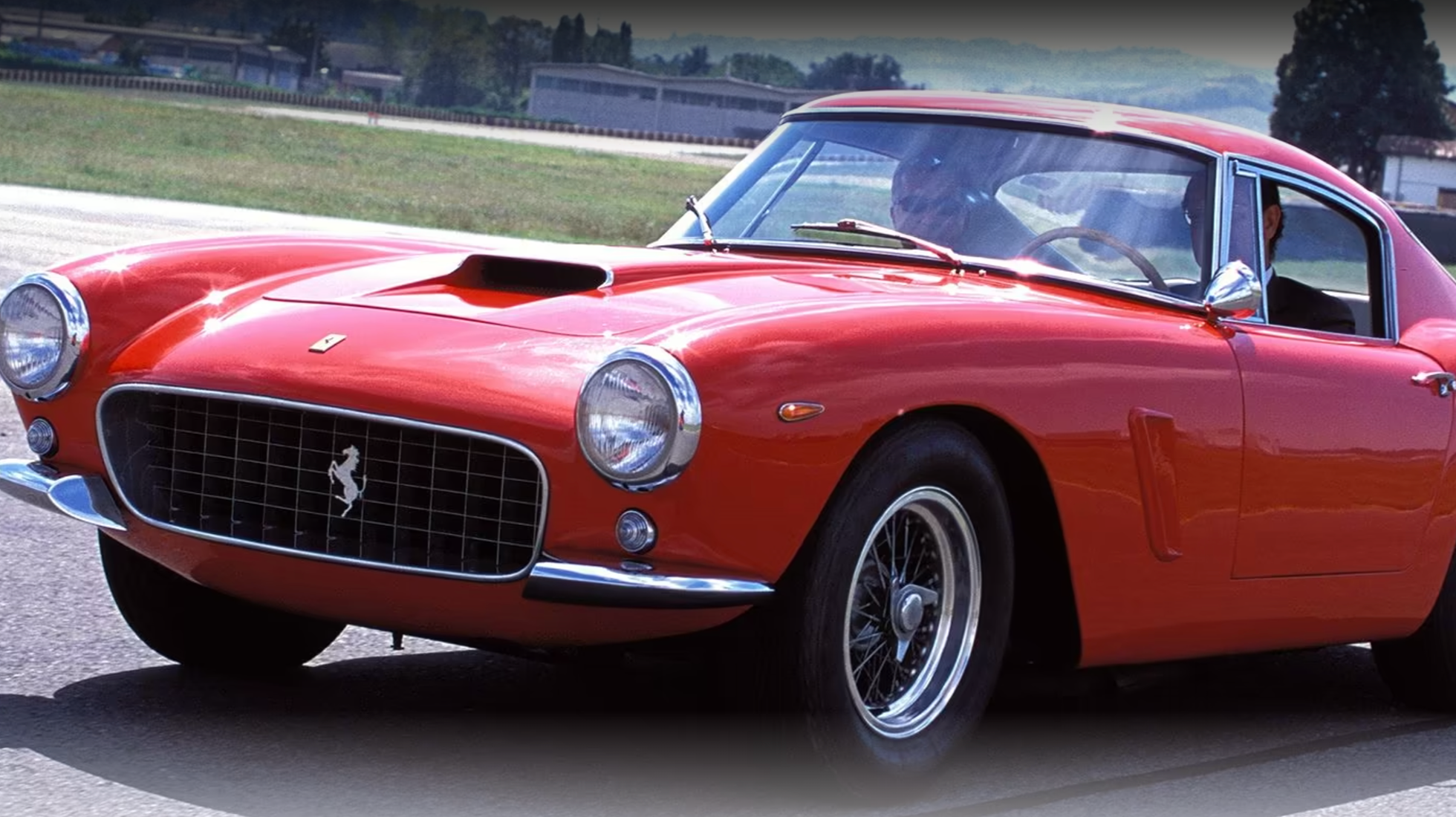
There is no better example than Pininfarina, more specifically Sergio Pininfarina, who managed the company for decades and defined the Ferrari style himself. The collaboration between the two brands began in 1951, when his father, Battista, and Enzo Ferrari met at a restaurant in Tortona. Sergio continued that collaboration and made it one of the most iconic in the history of cars, overseeing the design of Ferraris from the 250 GT and Daytona to the Enzo in 2002.
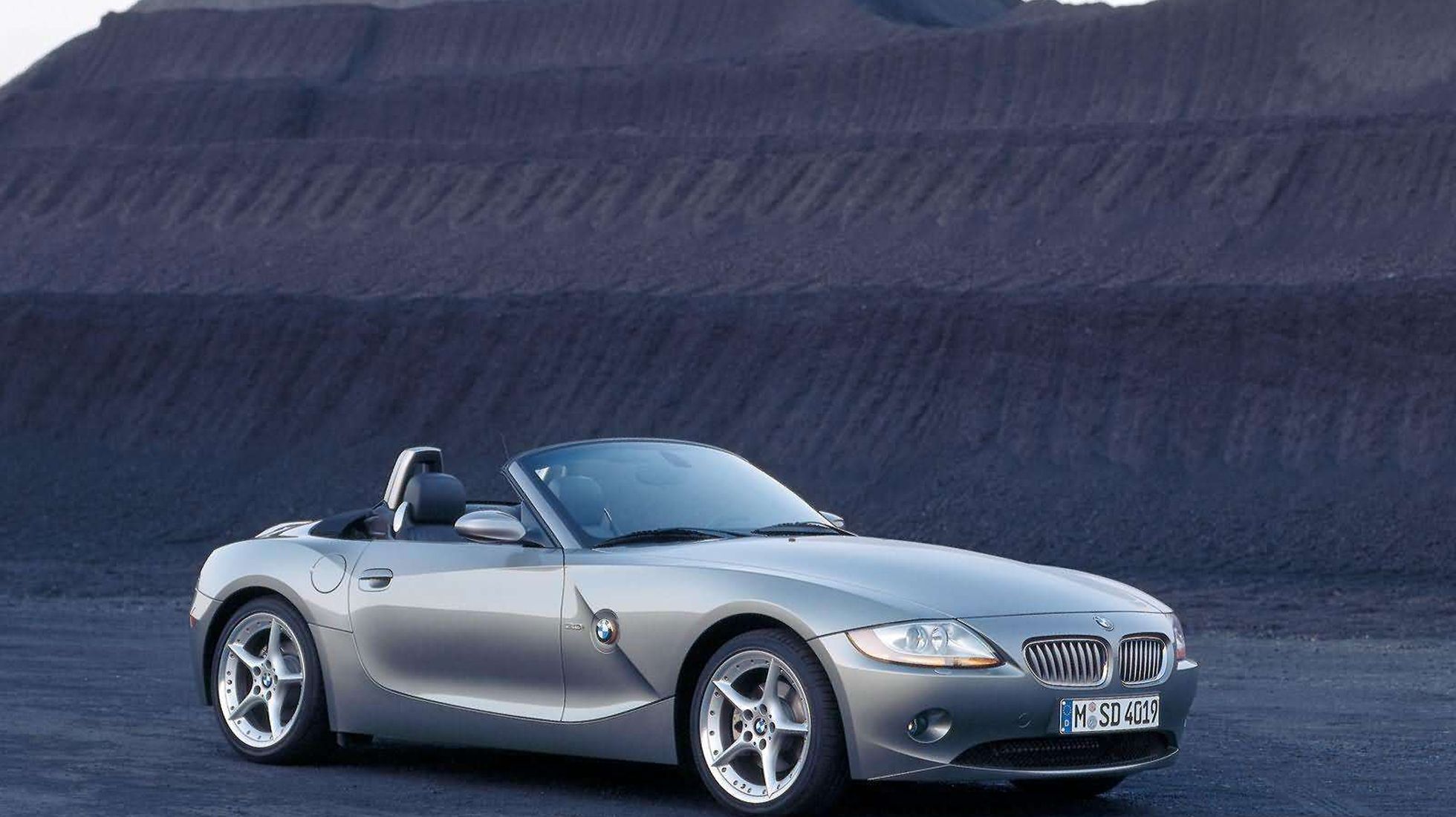
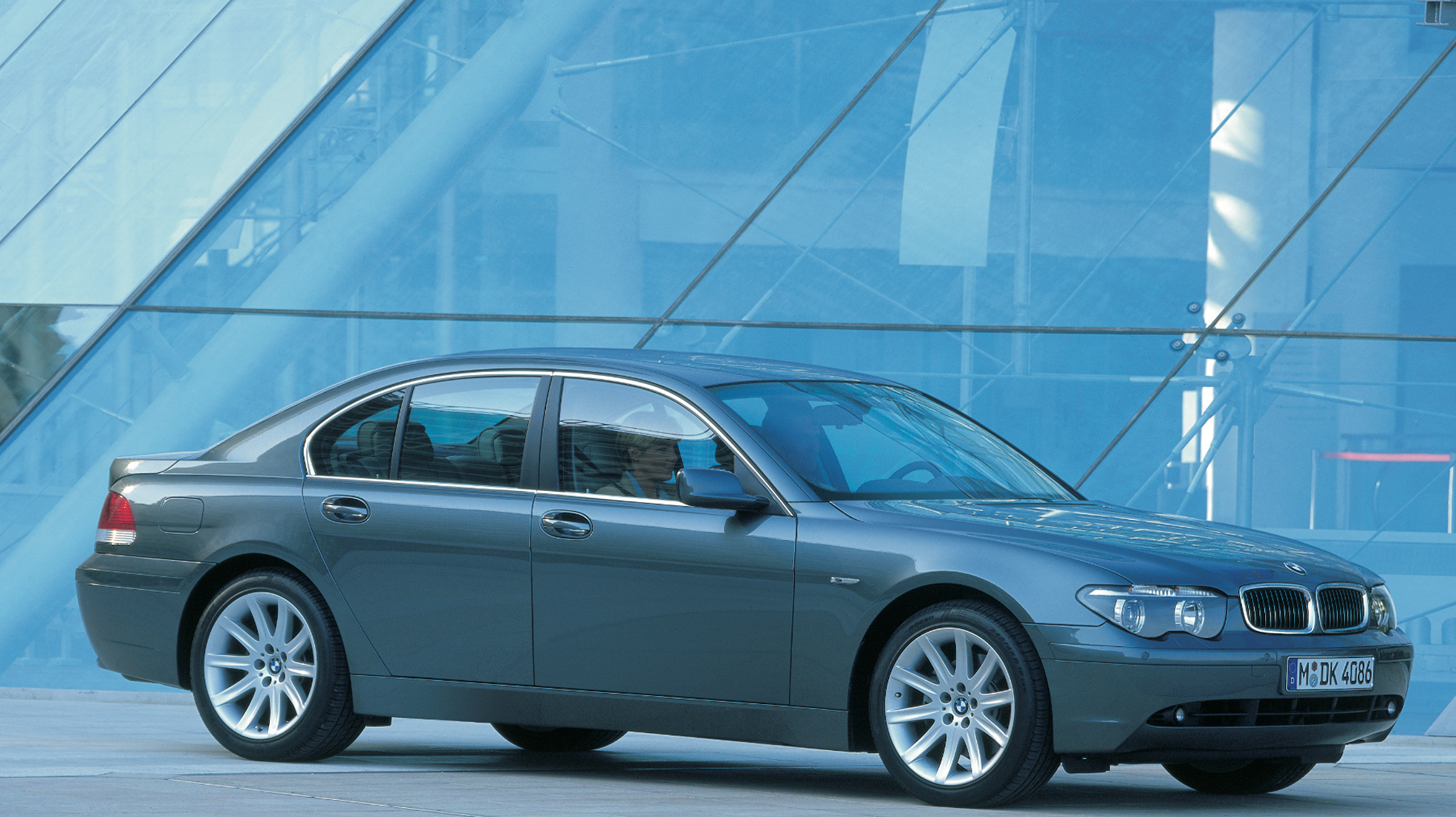
Chris Bangle – BMW E65 7 Series
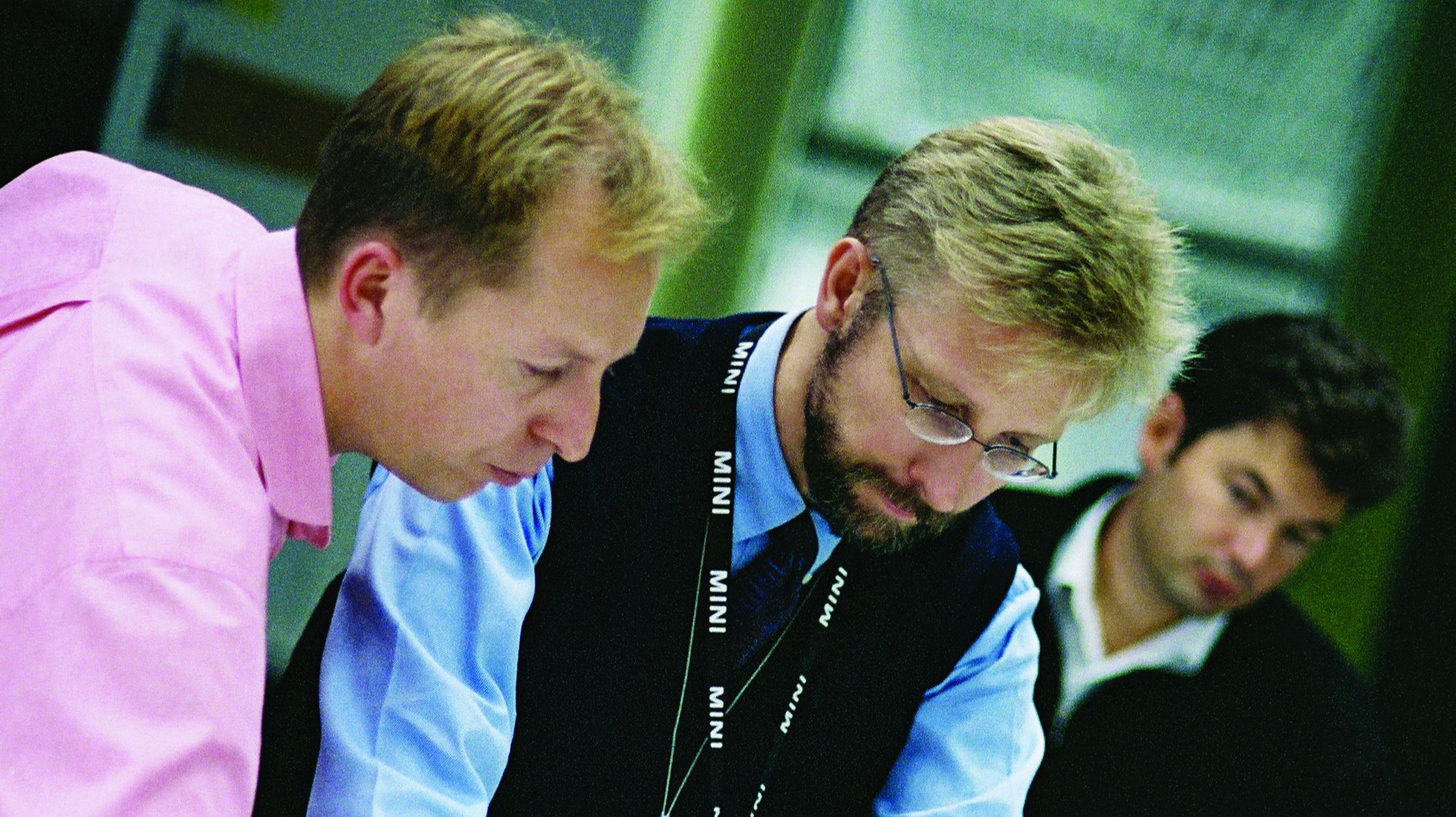
When the BMW E65 7 Series debuted in 2001, it was criticised for its radical design shift. That philosophy still exists within BMW. The big-nosed 4 Series and M3? Nowadays, it’s easy to look back and say the design is brilliant… But back then the E65 revolutionised modern luxury automotive aesthetics through Bangle’s signature ‘flame surfacing’ and broke from the conservative design language buyers had grown accustomed to. The first-gen Z4 of 2002 also remains one of the standout pieces produced during his tenure at BMW.
Henrik Fisker – Aston Martin DB9
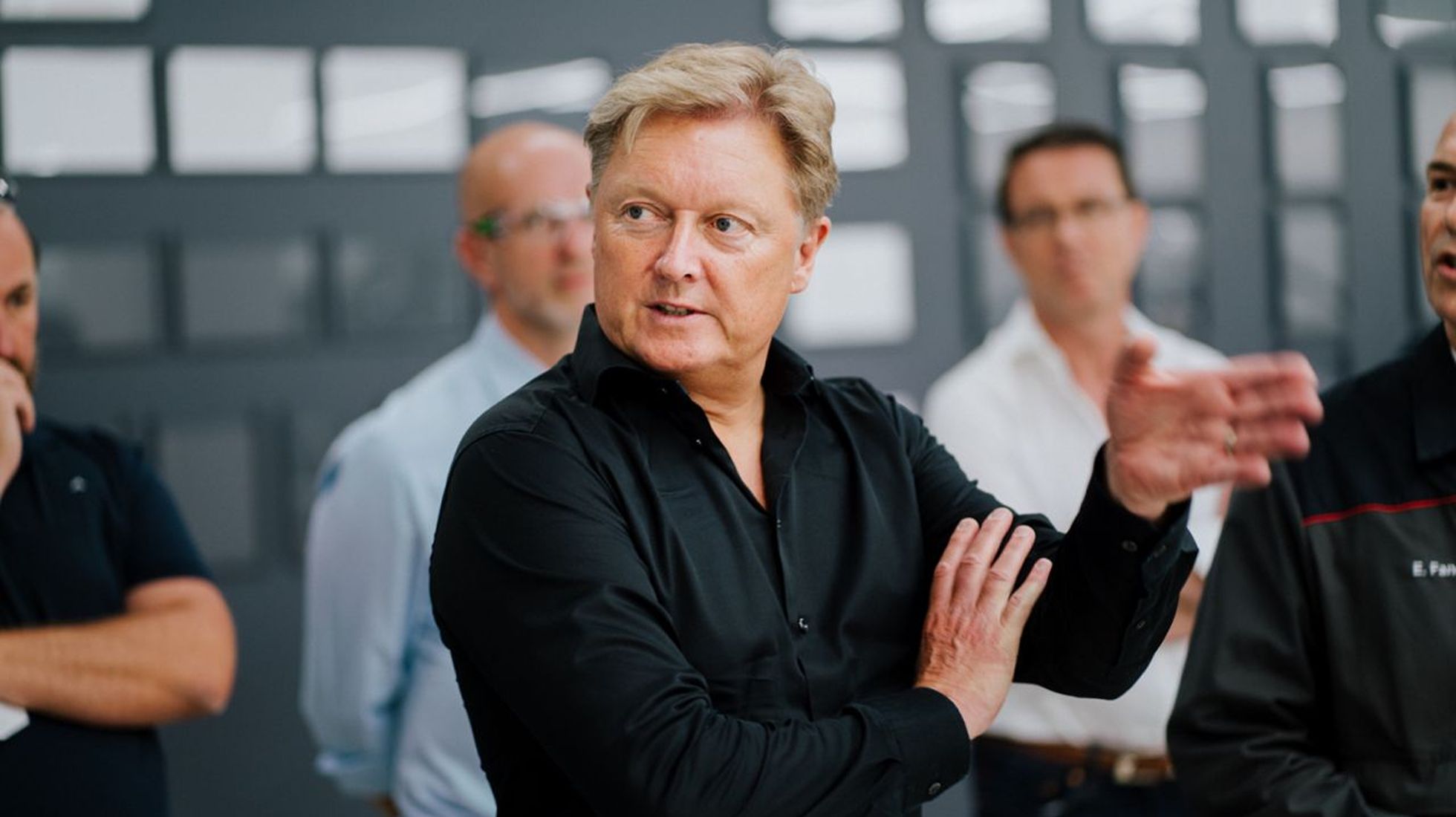
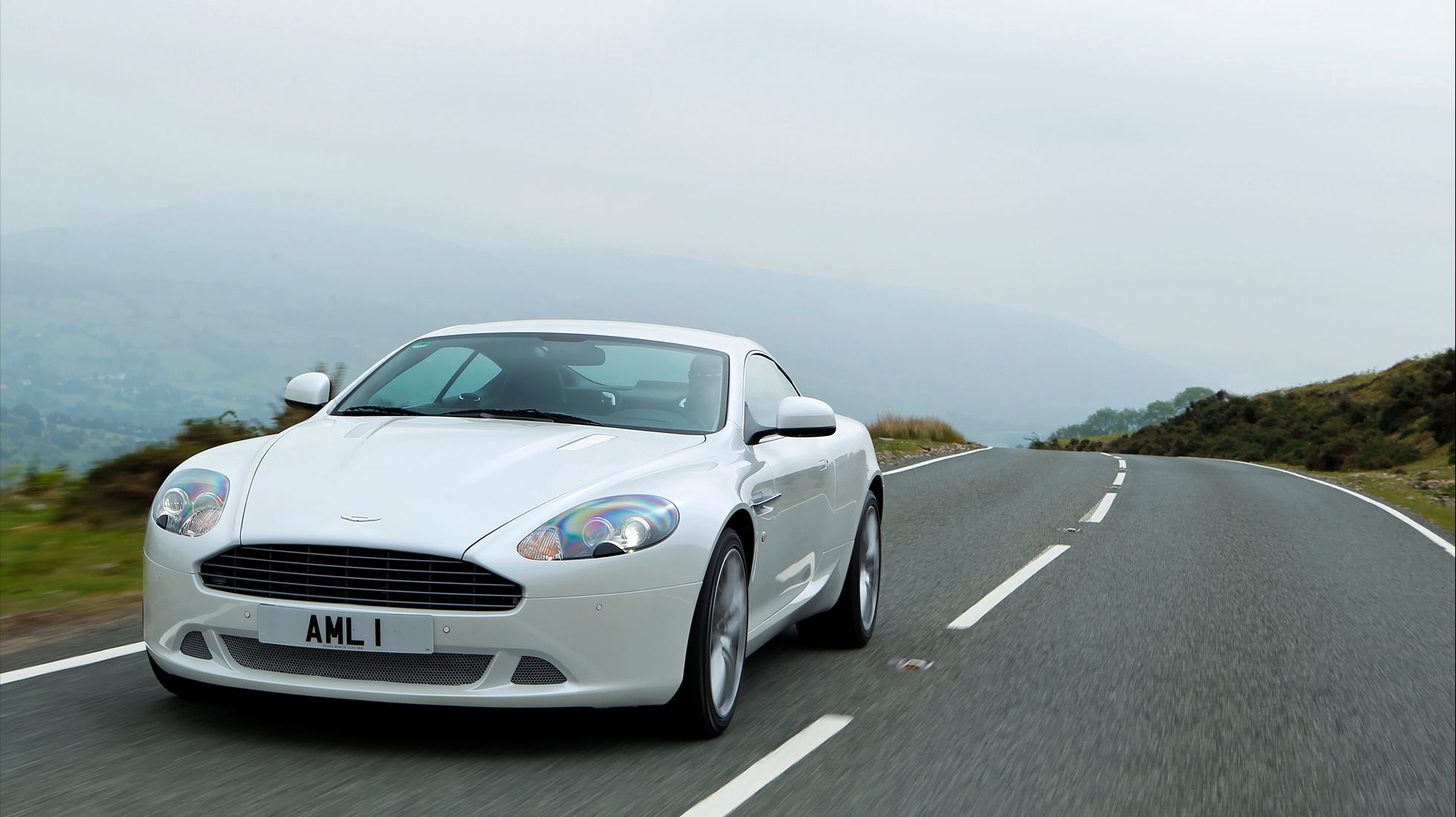
When Henrik Fisker came to Aston Martin in 2001 to work as the company’s design director, he took over where Ian Callum had left off. His contribution to manufacturing included the now-iconic long clamshell bonnet, a pushed-back body, and a clean surface. The classic Aston grill and side strakes remained, with the overall design steering clear of decorative excess. This design spanned from 2004 to 2016 and is still in use today. Henrik Fisker also designed the ’05 V8 Vantage, which TopGear considered the best-looking and -sounding car of 2005. Pretty high praise.
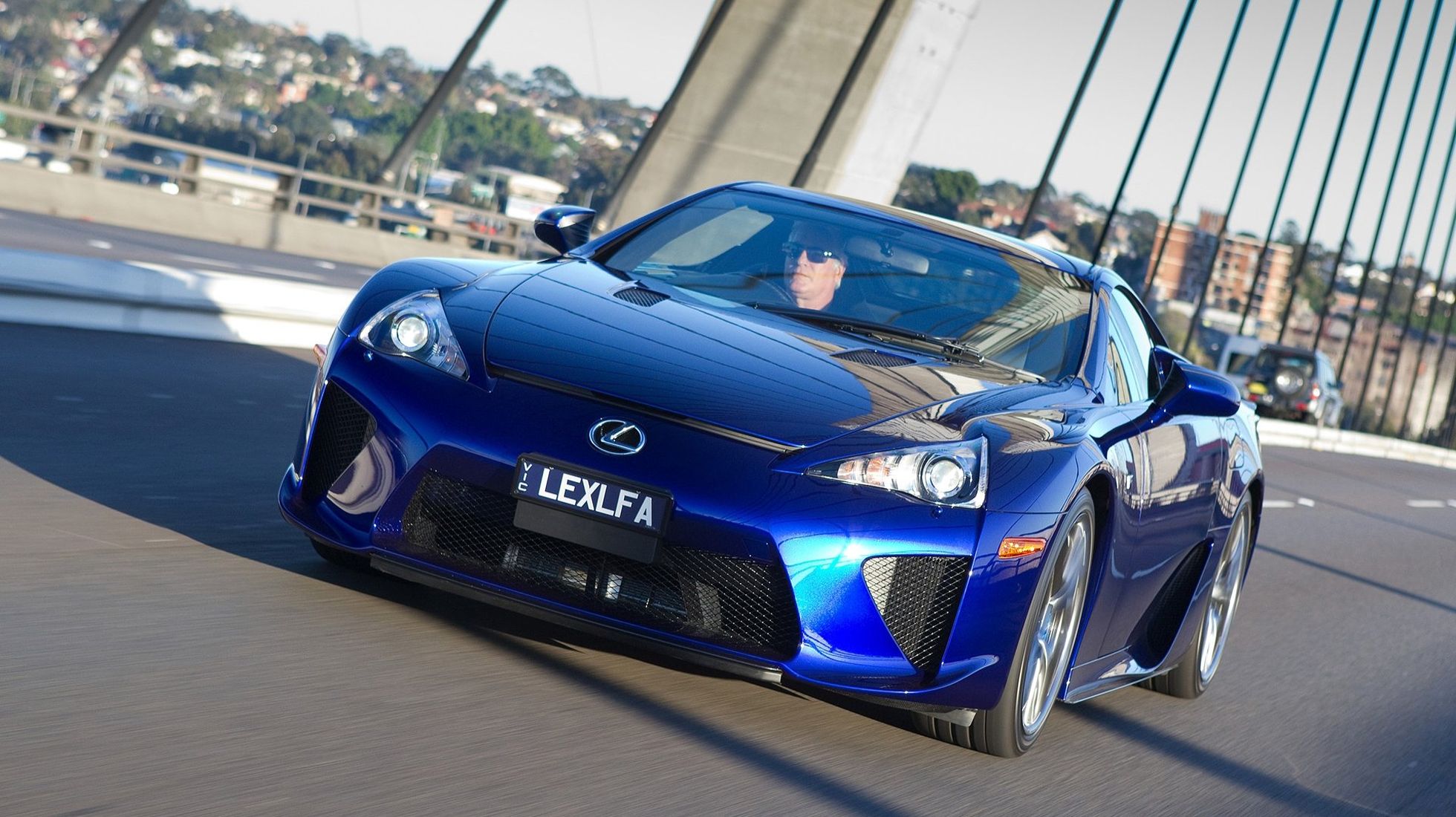
Haruhiko Tanahashi – Lexus LFA
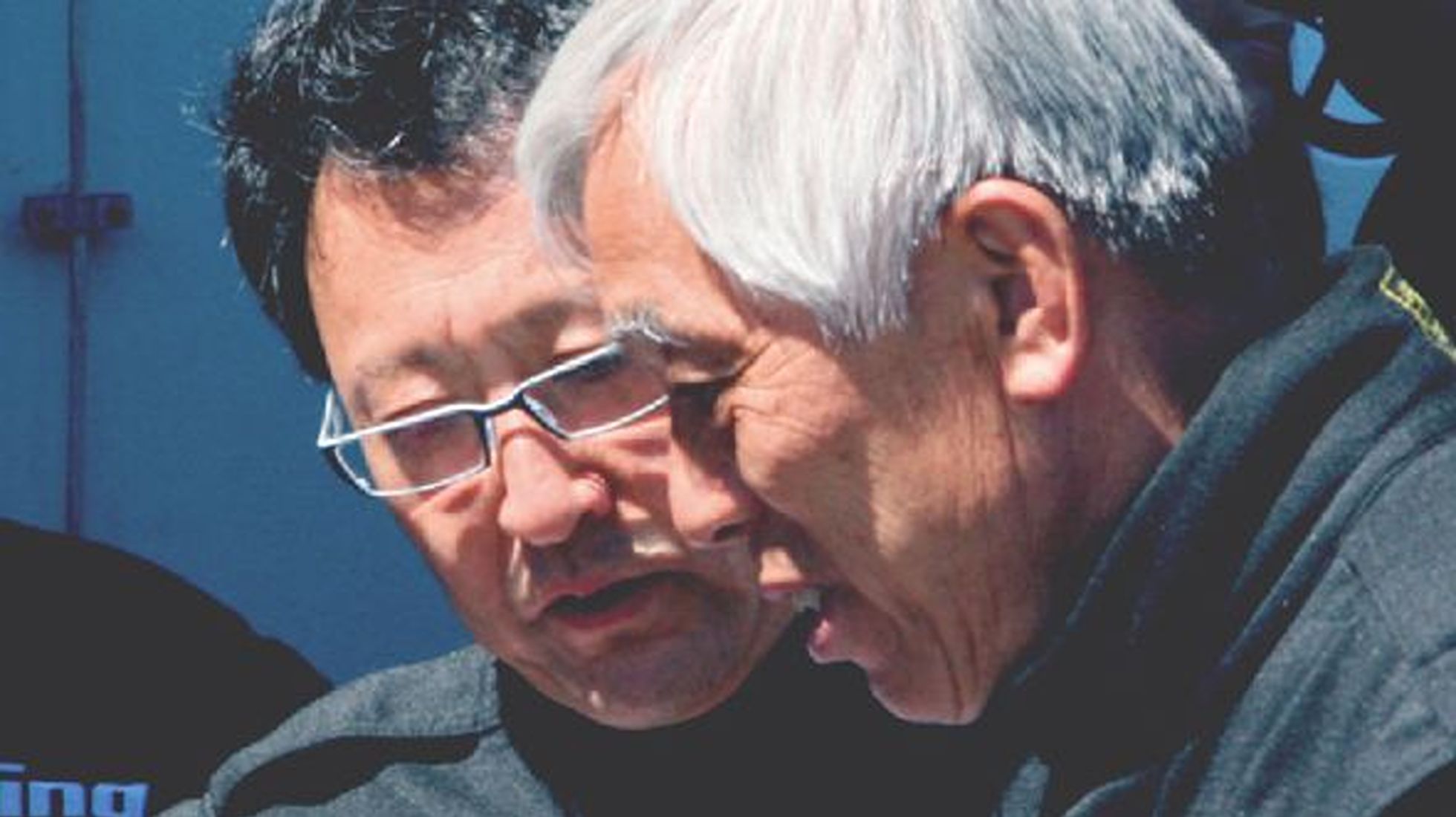
The Lexus LFA almost didn’t happen. As the story goes, the LFA was first sketched on a napkin by Chief Engineer Haruhiko Tanahashi, who spent the better part of a decade trying to convince Toyota to build it. He told the brand’s board that the project was worth pursuing. Finally, the board agreed, and only 500 units of the LFA were signed off for production, becoming one of Toyota’s most technically extraordinary cars. It had a V10 engine that screamed all the way to 9,000r/min, with a digital tachometer because the analogue system couldn’t keep up. The fact that Yamaha supposedly still displays the exhaust system in its music museum should tell you everything about its timeless design.
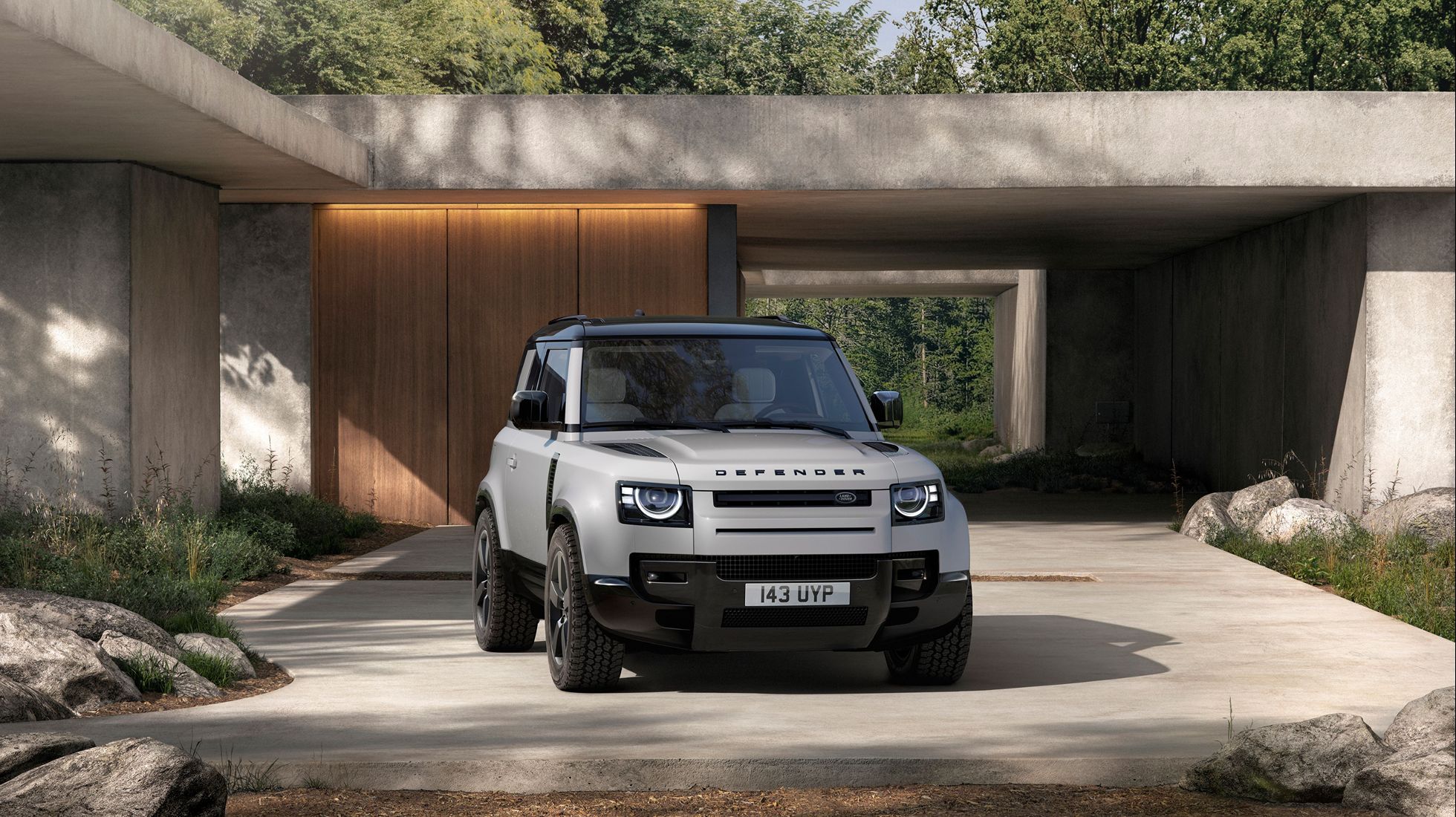
Gerry McGovern – Range Rover Evoque
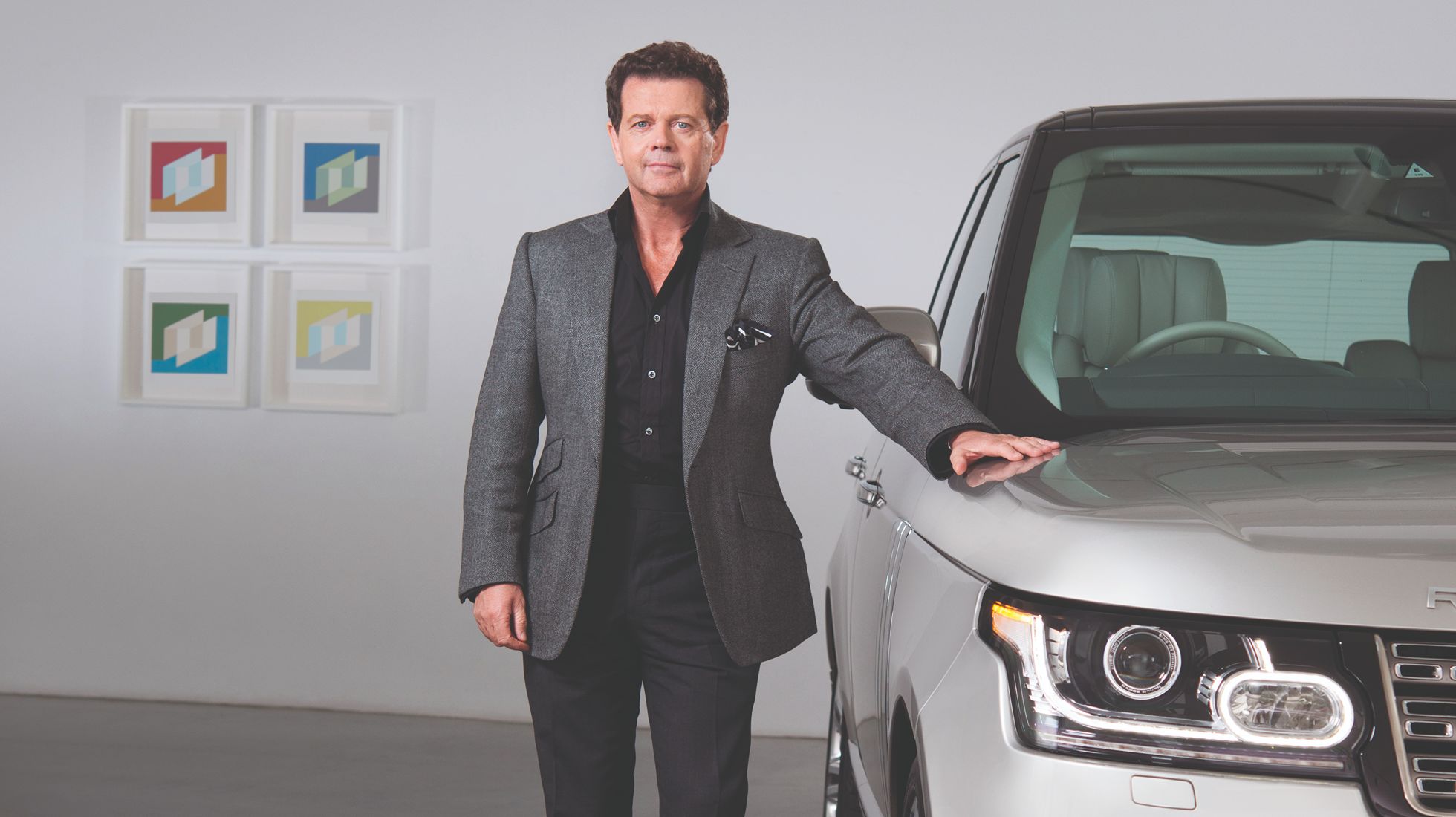
Isn’t it an exceptional thing when a brand introduces a vehicle for the first time, and it actually works? In 2011, Land Rover introduced the Evoque, which immediately became famous for changing the way we viewed luxury SUVs This was thanks to British car designer Gerry McGovern, who came up with the idea for the Evoque based on the LRX concept. It’s still a stunning design even today, and what makes it worthwhile to include it in this list is that 62% of first-generation buyers were women, which shows how well-received the design was. McGovern went on to design successful SUVs such as the Velar, the current Defender, and the Range Rover. He left JLR in March 2026 following more than a decade of service.
Peter Schreyer – Kia

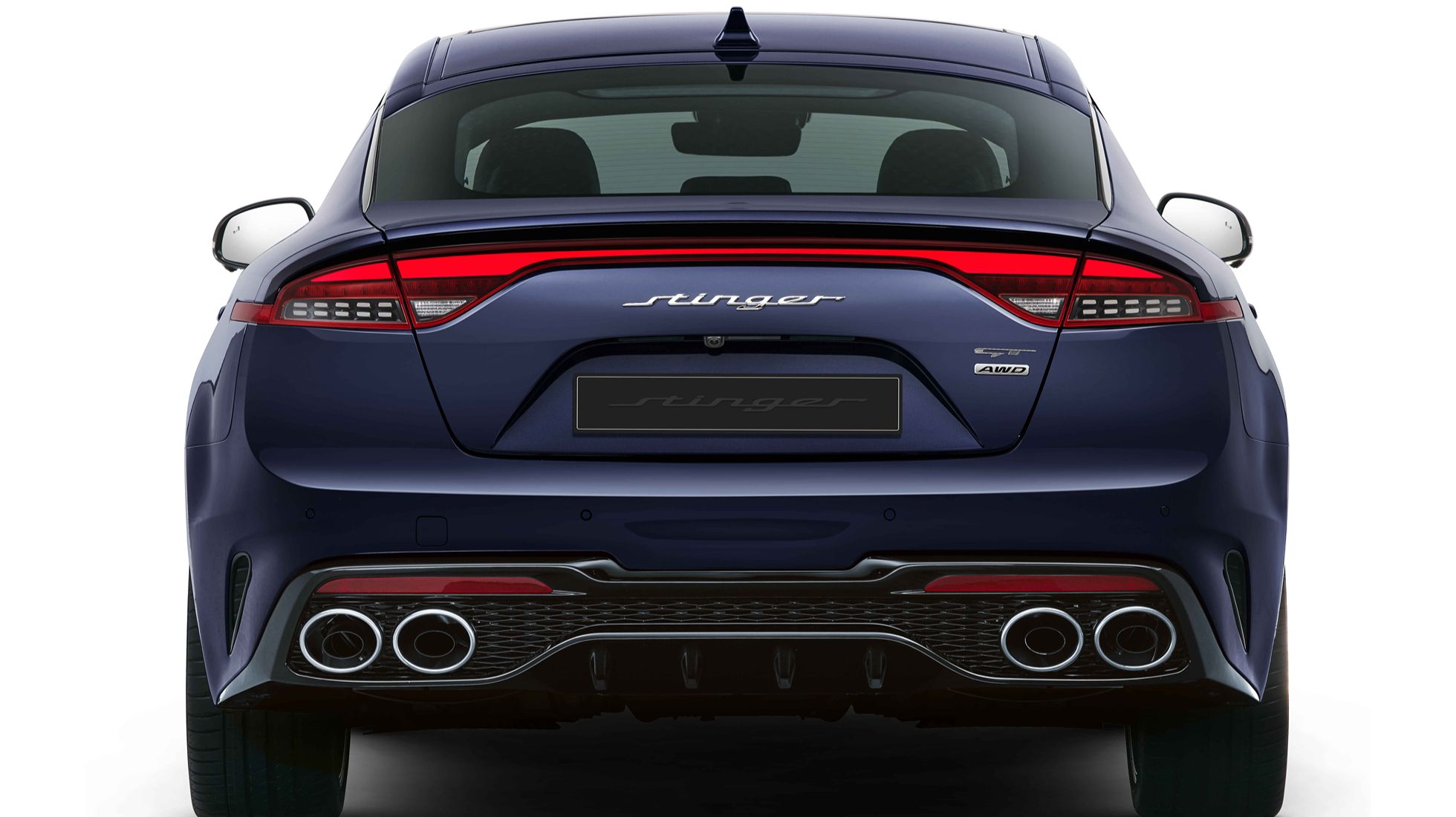
Peter Schreyer joined Kia in 2006 and transformed the brand’s image into what it is today. The former Audi designer, known for his exceptional work on the original TT, which we still hold in high regard today, introduced the ‘tiger nose’ grille. This gave Kia a visual identity it had never before possessed. Iconic models such as the Optima, Stinger, Sportage, and Sorento were all products of the foundation he laid.
Design, at its best, is an interesting topic and will always be part and parcel of the automotive industry. From Marcello Gandini’s Lamborghini Countach in 1971 to Malcolm Sayer’s E-Type, it’s proof that aerodynamics and beauty can coexist. Some of the cars we see today still boast that retro look, not because it’s glamorous, but because the shape quite simply works.