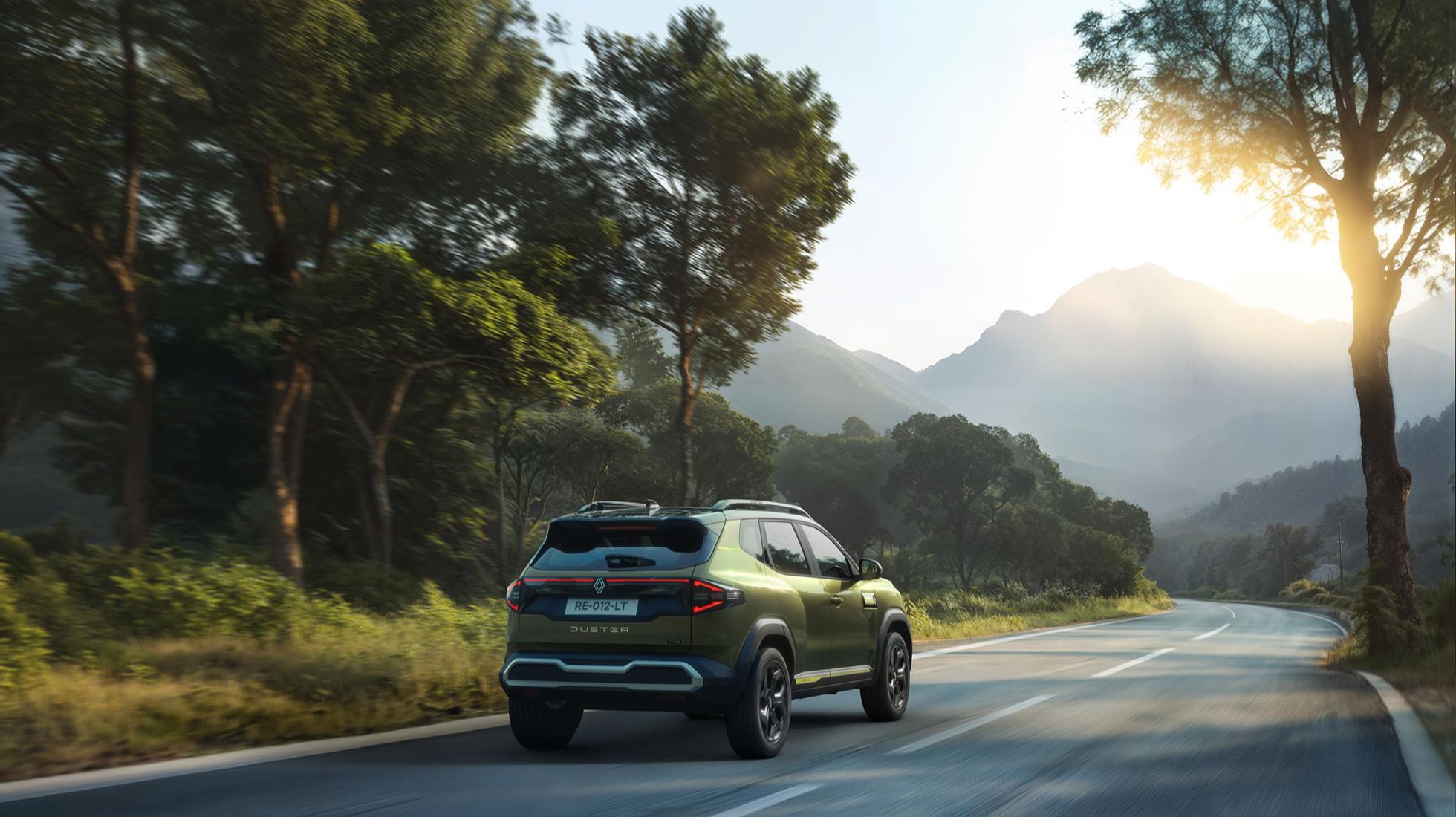
Another new Renault Duster launched? This one is staying
Some 19 months after Renault South Africa introduced the Romania-built new Duster, it has revealed another one. This is not a facelift but an entirely new, India-built car, with a fresh body, interior architecture and a markedly different market role. There is also no new-generation 4×4. Is that a problem? Look at the pricing before jumping to conclusions.
This new Duster is indeed new: new in styling, dimensions, cabin design and platform. More importantly, its arrival represents a strategic shift in Renault’s positioning. Duster is now being lined up as Renault’s fourth volume driver alongside the Kwid, Triber and Kiger. Volume plays require aggressive pricing, and the outgoing Duster was not quite cutting the mustard.
The result is a range that starts at R339,999 for the 1.0-litre turbo manual—a completely different entry point for Duster buyers. The range peaks at R499,999 for the 1.3 Iconic EDC. That top-end price is close to the previous model’s former entry point, while the new base model arrives R150,000 below the R489,999 starting price Renault cited for the old range. That is the clearest indication of Renault’s intentions.
Cheaper, then? Does that make it feel inferior?
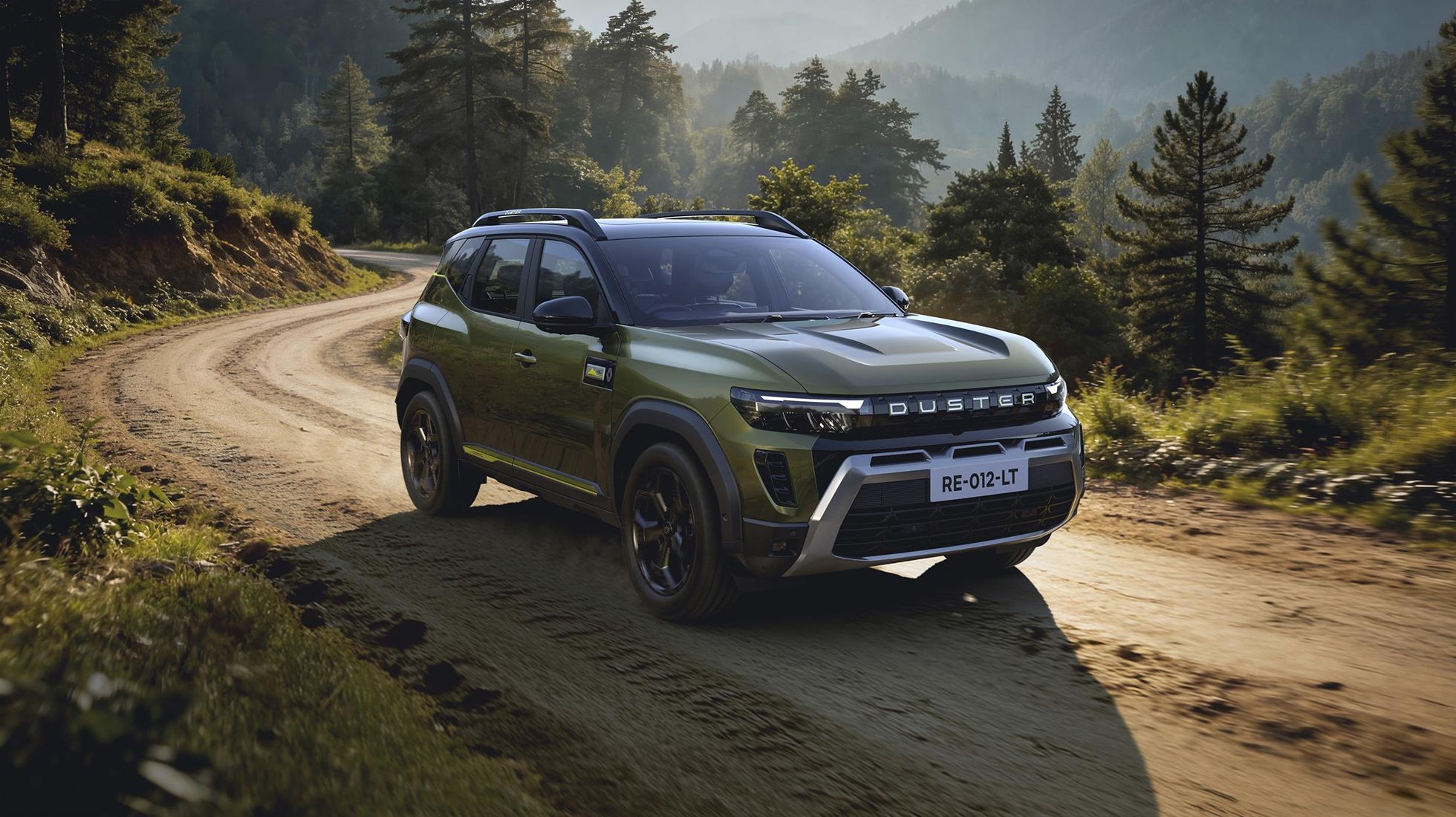
Having spent the day behind the wheel in a warm Western Cape, the answer is no. Certainly not in terms of perceived quality, driving feel or refinement. If anything, the opposite is true. The new Duster feels more plush, more technology-laden and better resolved. The Iconic models we drove best illustrate Renault SA’s shift in direction: this is what Renault calls a technology-led, bold and rugged compact SUV.
I liked the new Duster. It rode with commendable comfort and polish, but its real test came on the corrugated twists of Highlands Pass, a 9km gravel route in the mountains. The setting is beautifully manicured; the road itself is not. It is taxing on any car, let alone a compact SUV, yet the Duster proved its name. It felt composed and solid, revealing only predictable understeer once pushed beyond the available grip.
That is also a reminder that the new Duster is 4×2 only. The upside is that ground clearance rises by 3mm, to 212mm, while the approach angle improves by about 4 degrees, to 26.9 degrees. The departure angle is 1.3 degrees worse, but the design and powertrain changes have not diluted the car’s light-adventure appeal. It remains capable on gravel and uneven roads; it simply is not a dedicated 4×4.
This may alienate some established Duster owners. Renault says 4×4 derivatives accounted for about 10% of the nameplate’s global sales, but it believes the bulk of demand lies with 4×2 buyers. For customers who still want the old-school option, Renault has secured limited outgoing Duster 4×4 stock as a run-out offering, subject to availability.
What’s the interior like?
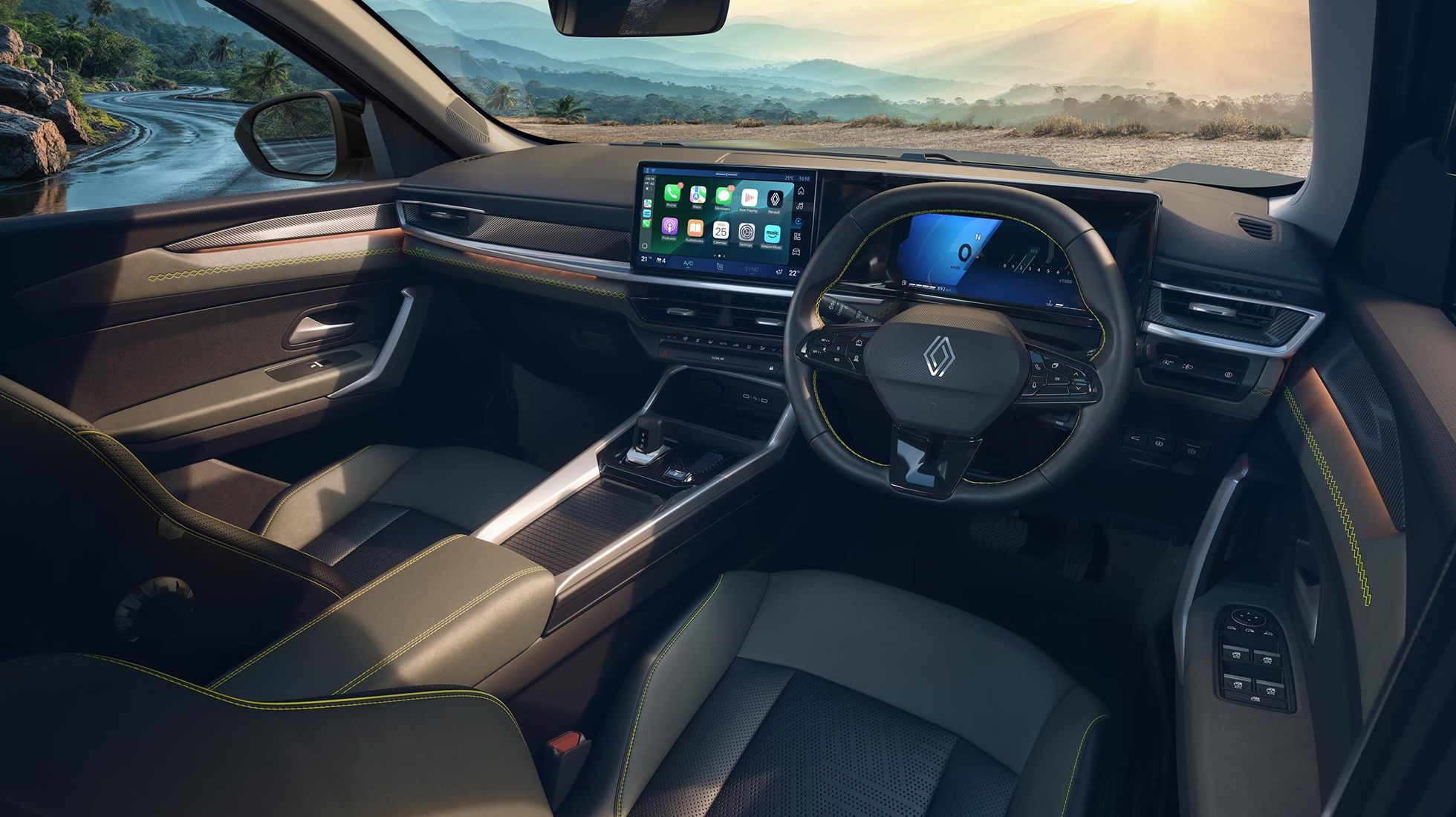
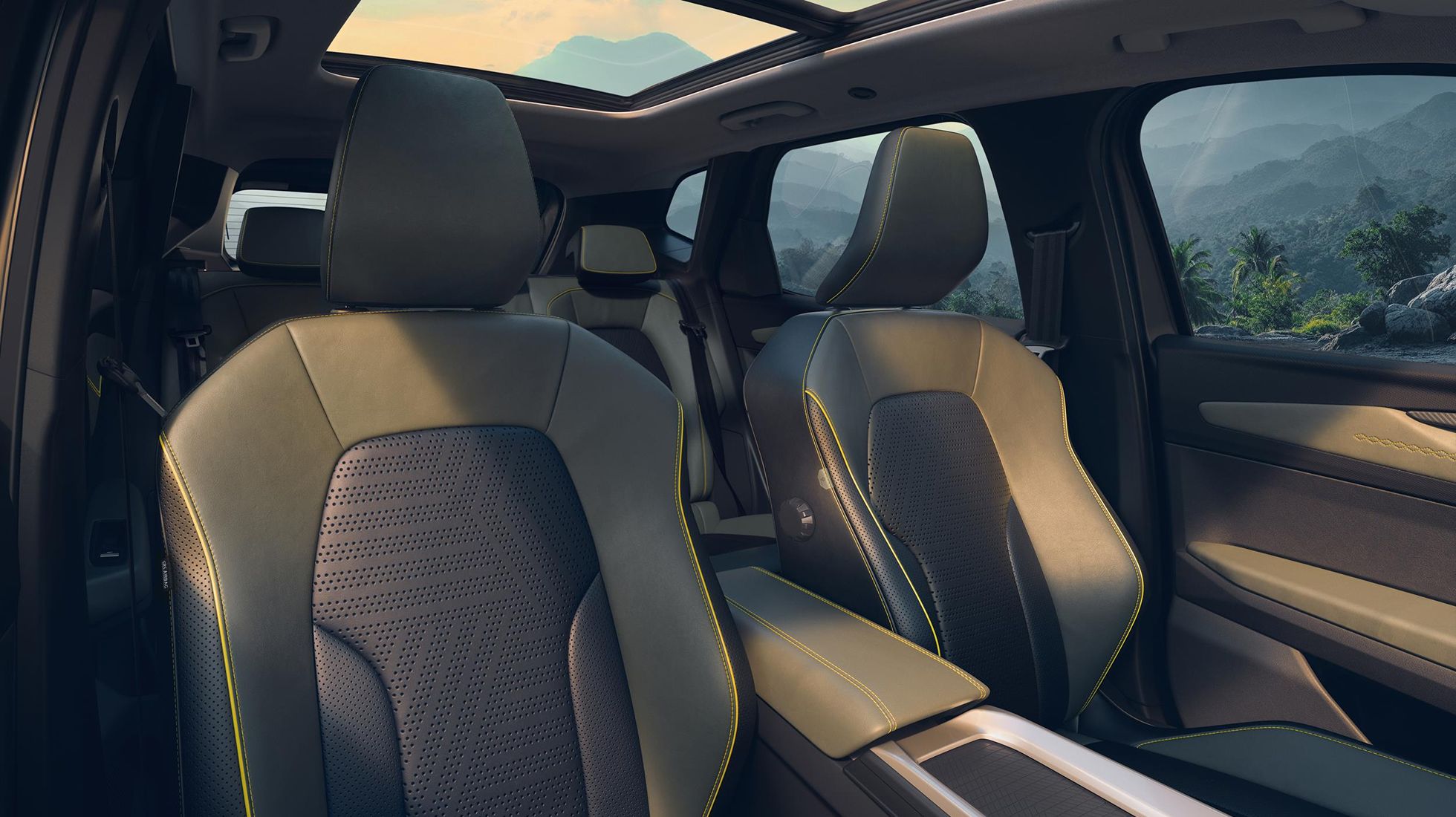
In a word, it is excellent. The new Duster’s cabin is far more plush, with an entirely new interior architecture that clearly favours the driver. Better-looking materials adorn the dashboard and door panels, while the centre console and drive selector show that Renault has put real thought into ergonomics. Major controls sit within easy reach of the driver.
The multimedia display is noticeably angled towards the driver, but not so much that the front passenger cannot use it. I am particularly taken by the tambour cover over the adjustable cupholder and the cooled centre-armrest storage compartment. They are simple details, but they say much about how much more polished the cabin now feels. EDC models also gain a high centre console, a wireless phone charger with cooling and a dedicated phone slot.
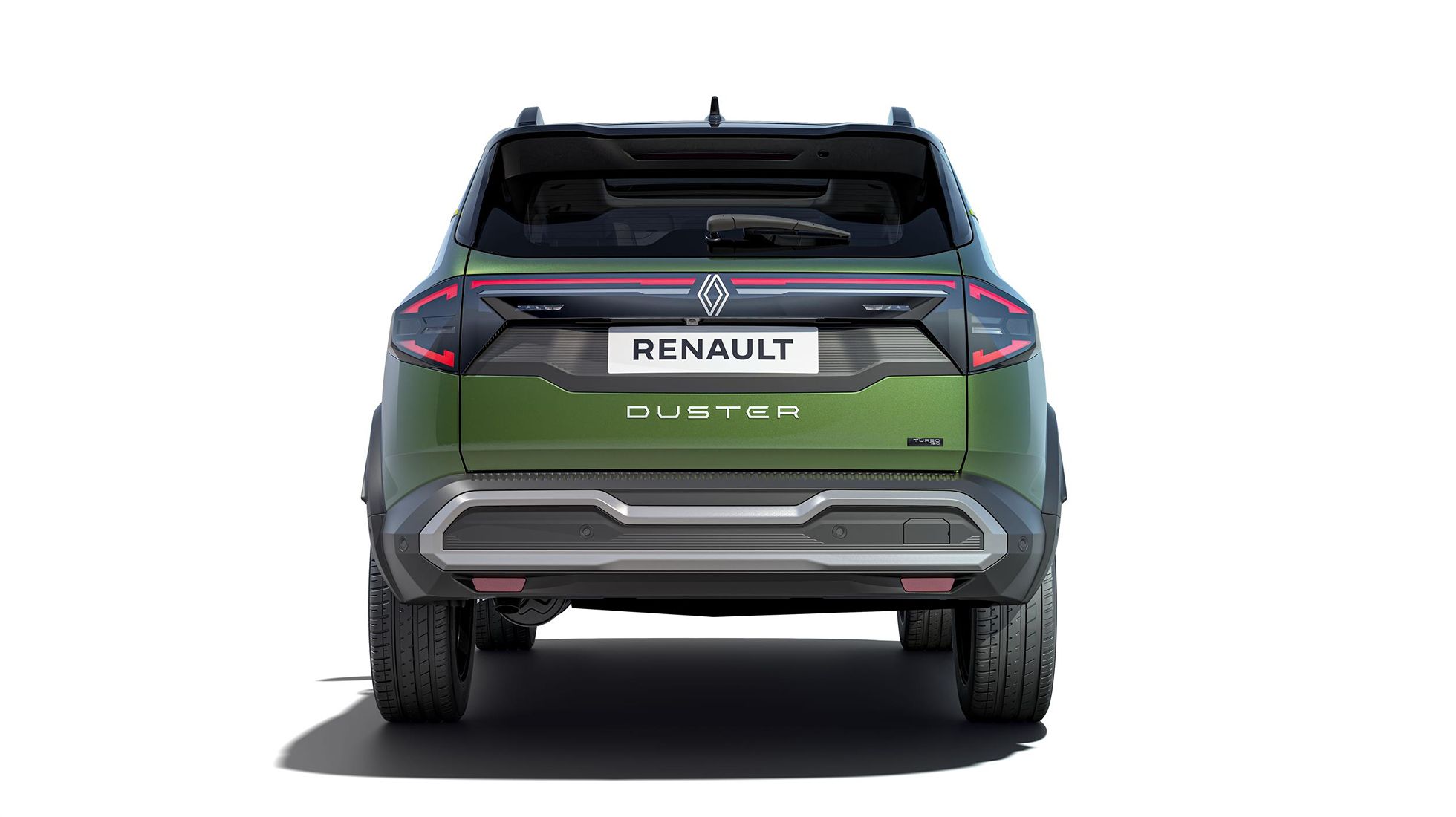
There is substance to the practicality story, too. Renault quotes a 580-litre boot to the parcel shelf—74 litres more than before—rising to about 700 litres when packed to the roof. Fold the 60/40 rear bench and capacity expands to a claimed 1,789 litres. A full-size spare wheel is included.
Take me through the grades and specifications
It is worth spending a little time on the Duster grades because there is a considerable amount of equipment at these price points. The range is also unusually clear: two manual Evolution models, followed by three 1.3-litre EDC automatic derivatives.
|
Grade |
Engine and transmission |
Power and torque |
Price |
|
Evolution 1.0T |
1.0-litre turbo petrol, six-speed manual |
74 kW / 160 Nm |
R339,999 |
|
Evolution 1.3T |
1.3-litre turbo petrol, six-speed manual |
116 kW / 260 Nm |
R379,999 |
|
Techno 1.3T |
1.3-litre turbo petrol, EDC automatic |
116 kW / 260 Nm |
R399,999 |
|
Techno+ 1.3T |
1.3-litre turbo petrol, EDC automatic |
116 kW / 260 Nm |
R439,999 |
|
Iconic 1.3T |
1.3-litre turbo petrol, EDC automatic |
116 kW / 260 Nm |
R499,999 |
The entry-level Evolution 1.0T 6-speed manual is fitted with 17-inch alloy wheels, LED daytime-running lights and tail lamps, roof rails, a 10.1-inch multimedia system with wireless Android Auto and Apple CarPlay, six speakers, four USB-C ports, a rear-view camera with dynamic guidelines, cruise control, rear parking sensors, tyre-pressure monitoring and six airbags. And breathe. That is not bad for an entry-level offering.
Above it, the more powerful Evolution 1.3T 6-speed manual retains the same generous Evolution specification but brings the 116kW/260Nm engine. The Techno 1.3T EDC then introduces the automatic dual-clutch transmission—with paddle shifters, no less—along with auto-hold and an electronic parking brake.
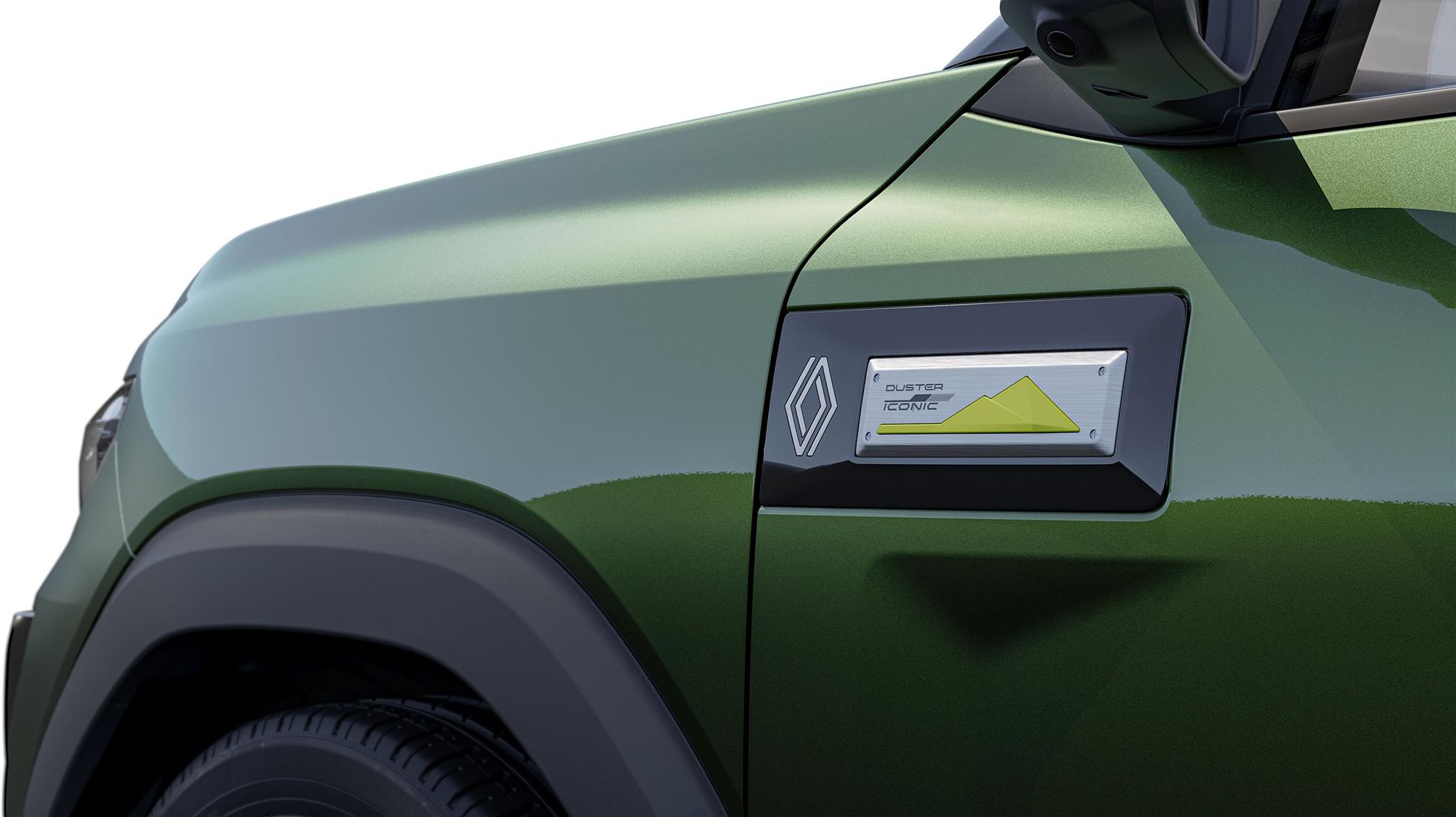
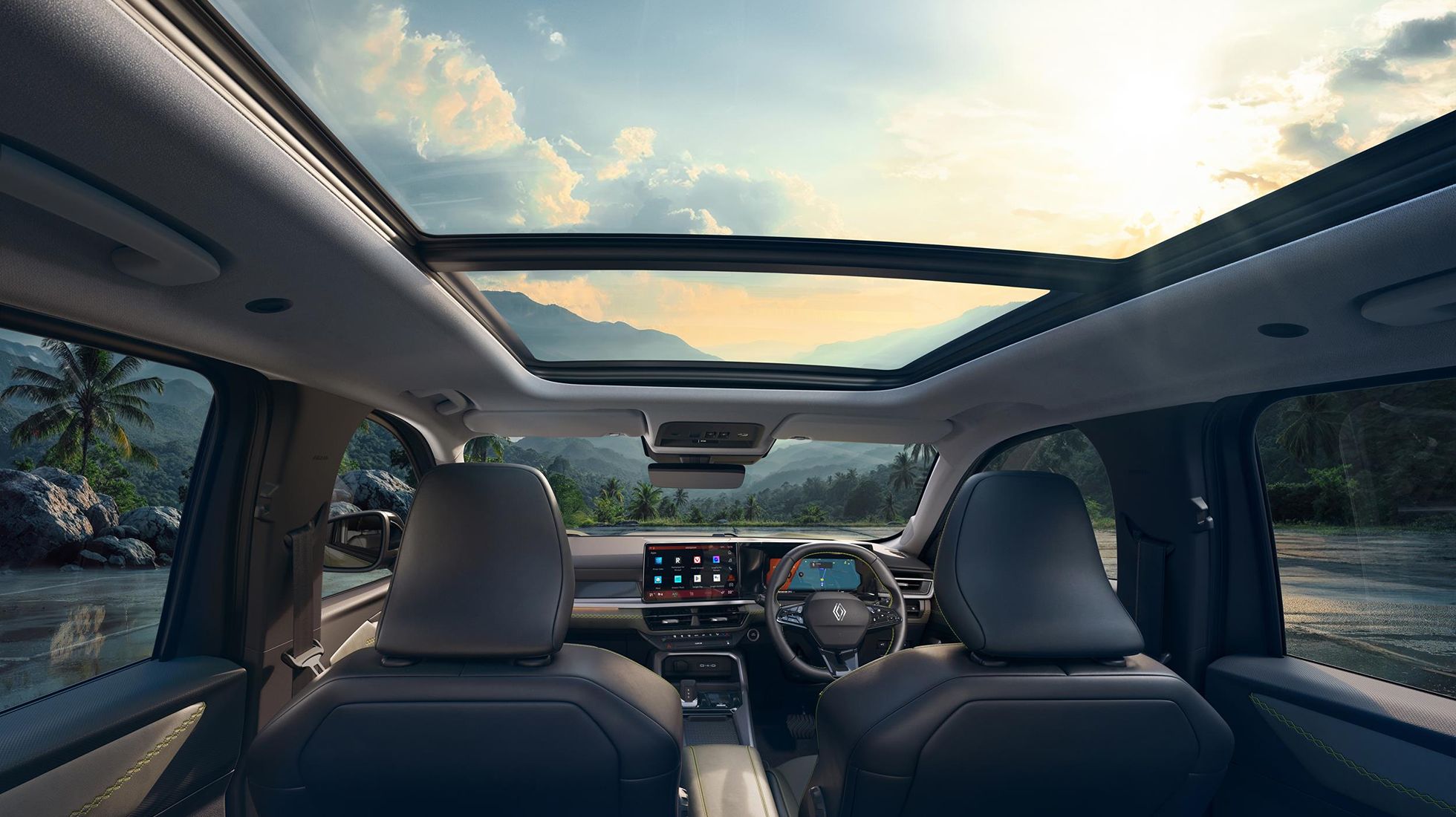
From there, the Techno+ 1.3T EDC adds full LED headlamps and LED fog lamps, dual-zone climate control, keyless access, wireless phone charging, hill-descent control, a panoramic sunroof and an electric tailgate. Right at the top sits the Iconic 1.3T EDC, with 18-inch wheels, leather upholstery and steering wheel, ventilated and electrically adjustable front seats, ambient lighting, Multi-Sense drive modes, a 360-degree camera and the full 17-function driver-assistance suite.
There is a great deal on offer. To the already generous list, I would add the PM2.5 air filter and air-quality display. When the vehicle detects polluted incoming air, it indicates the condition and works to filter the cabin air. It is one of those details that sounds peripheral until you experience it in daily traffic.
Sounds good all round. Anything to be concerned about?
Renault has packed a great deal into the new Duster while entering the market at an exceptionally sharp R339,999. The explanation is twofold. First, the vehicle is sourced from India rather than Romania. Second, Renault SA is making an aggressive play for volume with pricing that is intended to be a genuine reset for the nameplate.
The stated ambition is to make Duster a fourth volume pillar for the brand. Renault said it had previously sold around 200 to 250 units a month from an earlier Duster generation, with a target of roughly 250 to 400 a month for this new range. Given the entry price and the current appetite for compact SUVs, that does not feel out of reach.
From our short time with the Duster, there is not much about the product to be concerned about. The caveat is the usual one: whether the sharp launch pricing is sustained over time. The more immediate consideration for buyers is the lack of a new 4×4 version. Renault is retaining limited old-shape 4×4 stock for those who still need it, but buyers who want a new Duster with four-wheel drive will have to make other plans.